
Blog

  • Example of official note with functions and parts

    Example of official note – Every government office must send letters to each other. Either for cooperation or notification. These letters are included in official letters. This is due to the existence of letterhead, standard grammar, writing format according to Indonesian spelling, and a number of other official letter features.

    One of the official letters that are often issued by government institutions or agencies is a letter note. This relates to notifications, instructions, and internal reminders for the company. Then, what exactly is meant by official notes? Works for what? To answer these questions, Sinaumed’s can listen to the presentation below.

    Definition and Variety of Official Letters

    Official letters in the practice of state administrative law are management arrangements for administering official correspondence carried out by government agencies in the context of carrying out general government and development tasks. Correspondence activities are important in supporting the implementation of the main tasks of the organization.

    Therefore, official letters must be regulated properly and precisely so that they will increase efficiency, effectiveness, and government installations. Official letters are regulated in article 1 paragraph 1 of Law no. 55 of 2010 concerning Service Administration within the Ministry of Home Affairs.

    In this paragraph it is stated that official documents are written information as an official communication tool made and or issued by authorized officials within the Ministry of Home Affairs. The types of official letters within the Ministry of Home Affairs are as follows.

    1. Circular Letter is an official document that contains notifications, explanations and/or instructions on how to carry out certain things that are considered important and urgent.
    2. Ordinary Letter is an official document containing notifications, questions, requests for answers or suggestions and so on.
    3. Certificate is an official document containing a written statement from an official as proof to explain or explain the truth of something.
    4. Assignment Letter is an official document from superiors addressed to subordinates containing orders to carry out work in accordance with their duties and functions.
    5. An Order is an official document from a superior addressed to a subordinate containing an order to carry out a certain job.
    6. Permit is an official document containing approval for an application issued by an authorized official.
    7. Agreement is an official document that contains a mutual agreement between two or more parties to carry out a mutually agreed action or legal action.
    8. Official Travel Order is an official document from an authorized official to a subordinate or certain official to carry out a business trip.
    9. Power of Attorney is an official document from an authorized official to a subordinate containing authorization on his behalf to carry out certain actions within the framework of his official duties.
    10. Invitation Letter is an official document from the authorized official containing an invitation to the said official/employee at the destination address to attend an official event
    11. Statement of Carrying out Duties is an official document from an authorized official containing a statement that an employee has carried out his duties.
    12. A summons is an official document from an authorized official containing a summons to an employee for an appearance.
    13. Official Memorandum is an internal official document containing official communications between officials or from superiors to subordinates and from subordinates to superiors.
    14. Official Document Concept Submission Note is an official document to convey the concept of official document to superiors.
    15. Disposition Sheet is an official document from an authorized official containing written instructions to subordinates.
    16. Staff reviews are official documents from subordinates to superiors, including analysis of considerations, opinions and suggestions in a systematic manner.
    17. Announcement is an official document from an authorized official containing a general notification.
    18. Reports are official documents from subordinates to superiors containing information and accountability regarding the implementation of official duties.
    19. Recommendations are official documents from authorized officials containing information or notes on matters that can be used as official considerations.
    20. Cover Letter is an official document containing the type and amount of goods that serves as a receipt.
    21. Telegrams/wire letters/Radiograms are official documents from authorized officials containing certain matters sent via electronic telecommunications.

    To find out more about official letters, Sinaumed’s can read the book Preparing and Signing Official Documents. Sinaumed’s can get one by clicking on the cover or the “buy now” column below.

    A Glimpse of Service Notes

    In the Big Indonesian Dictionary (KBBI), official memorandum is defined as an internal communication tool between organizational unit officials which contains or contains notifications, requests, explanations, reports, and so on; official letter concerned with the organization or agency.

    As for the Regulation of the National Archives of the Republic of Indonesia Number 7 of 2018, official notes are internal official documents made by officials in carrying out their duties and functions within ANRI, which are made and signed by authorized officials based on their scope of functions, duties, authorities and responsibilities namely the Head of ANRI, middle high leadership, pratama high leadership, administrators and supervisors.

    Official notes contain matters that are regular in nature, in the form of concise notes that do not require a long explanation. Also, it can be directly answered by the intended higher-ups.

    Usually, official memorandums are used as a means of providing information, reminder messages, or messages containing instructions with short, concise, and clear contents so that communication will be established more easily.

    The purpose of the official memorandum is for communication facilities used in the communication process between one official and another official who assigns tasks and responsibilities. To find out more about the use of official notes. Sinaumed’s can listen to the following explanation regarding official notes.

    • Used as information containing about commands or instructions.
    • As a reminder message for related agencies because it can function as a letter archive.
    • As evidence on the note because it has contents in the form of an agreement.
    • Official notes are used as guidelines relating to orders in carrying out a job.

    Office Note Function

    Official notes are usually used in organizations, agencies, or government offices. Launching from the Linovhr.com page, the function of an official note is as follows.

    1. Convey Information

    Information is one important and main thing in communication. Official notes as a conduit of information must be written in a concise, concise and clear manner. Thus, it is easy to understand and conducive and sustainable communication is achieved.

    2. Reminder

    Official notes are usually included in the important files of a company or organization. When tracking is done to find out what activities have occurred in an internal organization, company, or institution, it can be done easily.

    Documents that are archived properly can be a guide for those who need them. By archiving official memorandums, the image of the company, organization or government agency will appear credible in maintaining confidential matters.

    3. Evidence

    The work note contains the names, dates, and details of which parties to provide a copy of. This makes it easier if validation is needed, the work note can be used as evidence.

    4. Work Guidelines

    Official notes can contain guidelines or work instructions for doing something. This certainly makes it easier for the party receiving the note to know and understand the things that must be done and the expectations that must be met. This will make it easier for the parties concerned to carry out work according to targets and deadlines.

    5. Granting of Permits

    Official note also functions as a permit giver to certain parties. Permits are in the form of permission to make decisions, permission to take certain actions, and so on. The permit can be used as an effective performance implementation.

    6. Proof of Progress

    Official notes can be evidence if an organization, government office, or company has developed and developed. This can be seen from the contents of official notes from time to time.

    7. Giving Instructions

    Instructions help employees to determine steps to match the expectations of the company. An instruction is usually given by an official or authority holder to another part of the internal organization or company. Giving instructions is also included in the form of delegating tasks within the company.

    In compiling a letter,  Microsoft Word skills are needed. Sinaumed’s can learn about this by reading and practicing it directly. One book that can support the learning process is the book Correspondence With Microsoft Word XP. Sinaumed’s can get one by clicking on the book cover or the “buy now” column below.

    Office Note Sections

    Writing official notes must pay attention to Indonesian grammar, standard words, effective sentences, and Indonesian spelling. These things must be written with good and correct spelling. Not only about the rules of writing, but also about the content.

    The contents of the official memorandum must be written by considering the convenience of the reader in understanding the contents of the letter. The following are parts of the official memorandum listed in the Republic of Indonesia National Archives Regulation Number 7 of 2018 articles 68-72. The following are the provisions for writing official notes in accordance with these regulations.

    1. Head of Service Notes

    The head of the official note consists of the following elements.

    • Official Note Heading consists of the words “National Archives of the Republic of Indonesia” and the name of the work unit, written in capital letters symmetrically at the top center;
    • The word “Service Note” is written in capital letters symmetrically;
    • Furthermore, the word “number” is written in capital letters symmetrically;
    • The word “yth.” written with an initial capital letter followed by a colon (:); And
    • The word “thing” is written with an initial capital letter followed by a colon (:).

    2. Official note body

    The body of the Official Note consists of brief, concise and clear opening, body and closing paragraphs. The opening paragraph contains a description of the ideas from the sender of the official note in proper and correct language according to the EYD so that the recipient of the official note can understand, study, and accept or reject it.

    Next is the content paragraph containing several sections, namely discussion, opinion, and recommendations. The discussion contains the basic considerations, the background for making official notes, and also contains data, facts, analysis, and also the causes and effects that arise afterward. Then Opinions contain thoughts or responses about a matter, and can be a way or problem solving that can be done. And recommendations contain descriptions of recommendations, suggestions, and proposed actions that need to be taken.

    And the last part of the body is the closing paragraph, which contains a short, concise and clear closing sentence.

    3. Leg Section

    The foot part of the official note consists of the following aspects.

    • Name of place, date, month and year the official note was made;
    • Position name written with an initial capital letter and ends with a comma (;);
    • Official signature;
    • The full name of the official without a title written in capital letters at the beginning of each word; And
    • Copies (if necessary), are on the lower left side of the margin and followed by a colon (:).

    Matters to Pay Attention to in Service Notes

    When making an official memorandum, there are several things that must be considered in writing it. Official notes are made with statutory references. Here are some things to pay attention to when preparing official memorandums.

    • The official note is not affixed with the ANRI official stamp;
    • Copies of official notes are addressed to officials within ANRI’s internal environment;
    • Official note numbering is done by including the archive classification code, official note number, and the year the official note was made;
    • The numbering of official notes is done separately from the numbering of outgoing letters and each official makes an official note number;
    • Official notes can only be made by an official one level below to a superior;
    • Official notes made by officials two levels below them, made by daily executors and must be accompanied by a copy to the official who gave the order to become Acting Act; And
    • The official note that is sent is an official note that is not affixed with corrective initials.

    Apart from official letters and official memorandums, there are still many types of letters. One of them is a letter in the world of commerce. Sinaumed’s can learn about the letter by reading the book Strategies for Success in Mastering Business Correspondence and Agreements. The book can be obtained by clicking on the book cover or the “buy now” column below.

    Example of official note

    To understand more deeply about official notes, Sinaumed’s can see some of the examples below which have been summarized from various sources on the internet.

    DEPARTMENT OF EDUCATION AND CULTURE

    GOVERNMENT OF THE CITY OF PADANG

    SOUTH SUMATERA PROVINCE

    Jalan Bhayangkara No. 457 tel (046) 974662

    OFFICIAL MEMO


    Number : 99/ND-101/VII/2018

    Dear : Head of Public Relations Department of Education and Culture

    From: Head of Education and Culture Office

    Date : 30 July 2018

    Characteristics: Important

    Attachment : –

    Subject: Business trip to pay a visit to the Ministry of Education and Culture as a representative for outreach and counseling on the latest educational curriculum.

    In order to provide counseling and outreach about the new curriculum in the education system, it is to provide an explanation and provide detailed information regarding the systematics of the latest curriculum. Because of this, counseling will be held on:

    Day, date : Saturday, August 2 2018

    Time : 07.00 – Finish

    Place : Ministry of Education and Culture Jakarta

    As for this matter, we ask the Head of the Public Relations Section of the Education and Culture Office as a representative to be able to attend this socialization event, for travel and accommodation costs which are already the responsibility of administrative affairs.

    Thus I convey this official note, for your attention, I thank you.

    Head of Education and Culture Office

    Padang city

    Dr. Sutrisno, S.Pd, MM

    NIP 98726539923

     Book Recommendations & Related Articles

  • Example of Meeting Minutes: Structure and How to Make It

    At every meeting, there must be one person assigned to record the things that took place during the meeting. These notes are called notes. Meeting minutes can be written on paper or typed. It depends on the conditions of the meeting.

    To know more about the minutes of the meeting. Sinaumed’s can listen to the following presentation.

    Definition and Functions of Meeting Minutes

    We are certainly more familiar with minutes or minutes than minutes. However, the word “notula” is a standard word listed in the Big Indonesian Dictionary. Minutes in the Big Indonesian Language Dictionary (KBBI) are brief notes regarding the course of the trial (meeting) as well as matters discussed and decided.

    Minutes are systematic, concise and concise, containing the essence of the meeting discussion. Through the minutes, meeting results can be used as written documentation that has a clear time and content. So it’s easier to report to superiors or serve as an archive.

    Someone who records the minutes of the meeting should record the time of the meeting, the topic of the meeting, the number of participants in the meeting, the documentation and the conclusion of the meeting. Usually served as a recorder of meeting minutes is the secretary or assistant to the office or company.

    The function of the minutes is as follows.

    1. Meeting evidence

    Meeting minutes are usually used as evidence if at any time required by a company or organization. Minutes become one of the references to find out all forms of changes and results in a meeting in detail.

    2. Source of Information

    Meeting minutes can be used as a source of information for someone who is not attending a meeting or meeting. Because, there are times when someone is unable to attend a meeting or meeting. So, the hope is that with the minutes, even people who did not attend the meeting can find out what was discussed at the meeting or meetings.

    3. Document Archives

    Notula documents can be used as archives or documents for companies or organizations or agencies. Minutes of meeting documents are written based on the arrangement of the meetings that have been held. When you want to evaluate or look back on the development of a company or organization or agency, you can look at the minutes that have been archived.

    4. Meeting Guide

    Minutes also serve as a meeting guide. This is because it can be a guide to start working on the activities that have been discussed in the meeting.

    The minutes of the meeting also clearly state who is in charge of each activity, series of events, and tasks to be carried out by all participants. This will make it easier to contact the parties concerned.

    5. As a Reminder

    Meeting minutes can be used as a reminder for further agendas. Because, in the minutes of the meeting, the following tasks or agenda are written. The minutes themselves are arranged in a systematic and structured manner.

    6. For Reference

    Not every meeting, members are always present in full. Therefore, meeting minutes are needed for members who are not present so that they can still get the information provided at the meeting. Thus, members who are not present can find out the progress and results of the discussion from the meeting.

    7. Offer Legal Protection

    Meeting minutes can also serve as legal documents by auditors and courts. This is because the minutes contain all the facts that occurred from the beginning to the end when the meeting was held. So, if you stumble on a law, this note can be evidence to prove your innocence.

    Meeting Minutes Structure

    Before writing meeting minutes, Sinaumed’s must first understand the structure of meeting minutes. Meeting minutes must be prepared in detail, structured and sequential. The goal is for the reader to know the flow of the meeting from start to finish. Starting from the opening, content, and conclusion.

    Although the policies of each institution, organization or company are different. However, in outline or matters that must be written in the minutes of the meeting are as follows.

    1. Meeting Title

    The title of the meeting is written in accordance with the purpose of the meeting. Having a meeting title in each minutes will make it easier to find archives or documents.

    2. Time and Place of Meeting

    The meeting minutes must include the time and place of the meeting. So, when flashbacks or other notes are needed, you can easily see the time sequence. The time here must be written in detail and sequentially.

    3. List of Meeting Members

    The list of meeting members present is recorded in the minutes. This will make it easier to find out who is not at the meeting. As well as providing information about the meeting to the people or parties concerned.

    4. Purpose of the Meeting

    The purpose of the meeting is written by adding a number of things including topics of discussion, changes to the organizational structure, making events, and so on. Thus, it will be easier for readers of the minutes to understand the contents of the minutes.

    5. Meeting Discussion, Results, and Conclusions

    This section is important to write in the minutes of the meeting. The discussion, results and conclusions of the meeting must be written in a concise and complete manner. Thus, every member who attends or does not understand the content or essence of the meeting being held.

    6. Action plan or follow-up that must be done by participants

    The meeting usually discusses follow-up plans for discussions during the meeting. Follow-up points should be recorded for follow-up. The goal is not to forget or miss following up on the things that have been agreed upon.

    7. Deadline for Completion of the Action Plan

    The follow-up plan must have a deadline so that it can be implemented in a timely manner. Therefore, the minutes of the meeting also include a deadline so that it can be used as a reference for the parties involved in follow-up activities of what was agreed at the meeting.

    8. Other Events or Discussions Worth Documenting for Future Review

    The meeting minutes should also include events or discussions that can be used as a reference for future follow-up plans. Thus, follow-up plans can be prepared carefully and on target.

    9. Follow up meeting

    Follow up meetings or meetings are important to write in the minutes. The goal is that future steps are in accordance with what was agreed at the meeting. Follow up is also important to ensure that the discussions at the meeting are carried out properly and appropriately.

    Steps to Make Meeting Minutes

    When taking minutes, don’t write down all the conversations in the meeting. Just write down the important things and the main points. If Sinaumed’s feels confused about preparing meeting minutes, Sinaumed’s can follow the steps below.

    1. Get Prepared

    Before attending a meeting, it is better for Sinaumed’s to know in advance what the agenda or matters will be discussed at the meeting. Then, prepare notes in the form of stationery, laptop or tablet to take notes.

    If needed, bring a voice recorder or use the device in the device. The goal is to be able to listen again to the discussion of the meeting. So, if there are things that are missed in the minutes, they can be revised by playing back the meeting recording.

    2. Record the Attendees

    The note writer must also record who is present and who is unable to attend. So, if there is further information, participants who are not present can find out.

    3. Record Important Points in the Meeting

    Not everything in the meeting must be recorded in the minutes. In the minutes, only important things are written concisely, concisely, and in detail. To make it easier for Sinaumed’s to write minutes, here are some indicators that can be used as a reference in writing important points at meetings.

    • What was discussed at the meeting?
    • Decision in meeting.
    • Achievements that became the target in the meeting.
    • Follow-up plan from the discussion in the meeting.
    • If there is a discussion or debate, briefly write down the perspective of each participant. Then, write down the results of the decisions made.

    Not only record the results of decisions, but also who made the decisions. Is it the result of consensus or determined by the highest decision maker present at the meeting. For example, the rejection or determination of the budget by the leader of the meeting.

    4. Distinguish Between Opinion and Fact

    When writing minutes, Sinaumed’s should know which statements are facts and which are opinions. The goal is that the important points of the meeting can be simple and clear. This is also in line with the principle of minutes, which is based on facts, not opinions.

    5. Create Detailed Next Steps

    Every meeting must have things that must be followed up. The following are things that can be used as a reference in writing further steps.

    • Who is responsible for every action to be taken.
    • Required resources.
    • The time or schedule for the implementation of the follow-up plan is carried out.
    • During the meeting participants must review the progress of the action.

    6. Do a Final Check

    After the meeting ends, the minutes must be reviewed or review the important points in the notes. Make sure all important motions or matters have been recorded.

    7. Deliver Immediately

    After checking and ensuring that all important matters have been written in the minutes, the minutes are ready to be sent to all meeting participants. Meeting minutes should be sent as soon as possible at least one hour after the meeting ends or at the end of the day.

    Tips for Making Meeting Minutes

    After following the steps for taking notes, Sinaumed’s can strengthen or be confident in writing notes by following some of the following tips or suggestions.

    1. Begin with an Action Review

    One way to efficiently take minutes is by reviewing things that happened in the previous meeting. Then, write the summary down before the meeting so you can easily record a comparison of the team’s progress.

    By doing an action review it will save time. Because, it can directly mark the progress of the action plan from the previous meeting. For example, whether the discussion in the previous meeting has been completed or is it still ongoing.

    2. Use Tables

    To make it easier to record minutes, Sinaumed’s can create a three-column table containing items, discussion summaries, and action owners. This will make it easier to immediately write down key points in meetings easily and quickly. Then, the results from the column are written in narrative form.

    After changing from text format to narrative, the minutes are ready to be distributed to participants.

    3. Take advantage of Templates

    If a Sinaumed’s organization, community, agency, or company has standard meeting minutes, make them based on those rules. However, if you don’t have one, Sinaumed’s can make its own template or take a reference to a standard minutes template that is easy to apply. Using a template simplifies and speeds up the process of making meeting minutes.

    Example of meeting minutes

    Following are some examples of meeting minutes that can be used as a reference or reference for making meeting minutes.

    1. Minutes of Company Meetings

    Every company must hold meetings, both regular meetings and other special meetings. In meetings, it is usually necessary to take minutes to summarize the discussions during the meeting. The following is an example of company meeting minutes.

    Day/Date : Monday, 23 March 2020

    Time: 09.00 – finished

    Place: PT Oke Permata Office

    Meeting Agenda: : Discussion Regarding the Company’s Anniversary

    Meeting Leader: Andini Dwi Lestari as CEO of PT Oke Permaata

    Writer: Abdul Sodik

    Activity :

    • Meeting leader opening
    • CEO’s welcome
    • Formation of the company anniversary committee

    Meeting Resolutions:

    On Monday 23 March 2020, a meeting was held regarding the establishment of the PT Oke Permata anniversary committee which will be held in mid-May 2020.

    So, the decision of the committee was sparked as follows:

    • Head of implementation: Tommy Welly
    • Secretary : Sri Wulandari
    • Treasurer: Rima Agustini
    • Program Section: Mira Lesmana
    • Public Relations: Hendra Setiawan
    • Equipment Section : Muhammad Abdul Kodir
    • Consumption Section: Mey Saprida Setiawati

    Jakarta, 20 March 2020

    Chairman of the Notes Meeting


    Andini Dwi Lestari Abdul Sodik


    2. Minutes of Office Meetings

    Service meetings are official in nature so that the structure or composition of the minutes must also be written with official guidelines. Minutes are written in full by including the name of the agency, logo, meeting time, contents, and results that have been discussed formally. The following is an example of official meeting minutes.

    3. Neighborhood Association (RT) Meeting Minutes

    Every neighborhood association (RT) must have held a meeting to discuss RT activities. Even though this meeting is small, it still requires minutes. Its function is as a record of what has been discussed in the meeting. The following is an example of the RT meeting minutes.

    4. Minutes of Village Meetings

    The village as one of the state institutions often holds meetings with the community. The minutes drawn up by the village follow the same rules as the minutes of official meetings. It must be written in full by including the name of the agency, logo, meeting time, contents, and results discussed at the meeting. The following is an example of village meeting minutes.

    5. Minutes of Teacher Meetings

    Teachers at school often hold meetings to discuss matters concerning students or administration. These meetings need to be documented to facilitate the next steps. The following is an example of teacher meeting minutes.

    6. Minutes of Organizational Meetings

    Any organization, no matter how small, must hold a meeting. These meetings need to be documented to serve as a reference for next steps. The following is an example of organizational meeting minutes.

    Book Recommendations & Related Articles

  • Example of Ikhfa Reading

    Examples of Ikhfa Readings – By understanding the science of recitation, of course, it will prevent us from making mistakes and also changes in meaning when reading the Qur’an. The law of studying various kinds of tajwid is fardhu kifayah. While reading the Koran with the correct tajwid is fardhu ain. Therefore, it is obligatory for Muslims to read the Koran according to the tajwid.

    If Sinaumed’s reads the Koran, he must definitely use the rules for reciting the Koran and its tajwid. The verses of the Qur’an are also highly recommended to be read with tartil and correct, because if one reads it wrong, it is feared that it will change its meaning and meaning.

    By diligently learning to read the Qur’an, over time you can become fluent in reading the Qur’an. And also, it is obligatory for every Muslim to continue to try to perfect the recitation of the Al-Quran and learn the science of tajwid.

    The science of recitation itself is a science that Sinaumed’s must know and learn, by mastering the science of recitation, it is hoped that they can read the Al-Qur’an correctly and avoid mistakes. Because, the pronunciation of the wrong verse, can change the meaning and meaning.

    The knowledge of tajwid is very much, one of which is ikhfa . Some Muslims may already understand what ikhfa is. However, for beginners who are learning tajwid, we will try to discuss ikhfa and examples.

    Let’s look at articles about an explanation of what ikhfa is, the stages of reading it, how to read ikhfa, and examples of reading ikhfa in the Al-Quran. Read more, Sinaumed’s!

    What is Ikhfa?

    Ikhfa’ is the science of tajwid regarding the law of tanwin and nun dies meeting hijaiyyah letters. Which legal basis occurs when meeting the letters of ikhfa which total 15 letters, namely  ت ث ج د ذ زس ش ص ض ط ظ ف ق ك . Therefore, in this article, we will discuss examples of ikhfa’.

    The meaning of ikhfa is a faint or closed reading ( buzzing ) which is done when the hijaiyyah letters meet the dead nun or tanwin. Which has 15 letters, as explained above. Of course, this is part of the explanation of the complete tajwid law.

    The Law of Reading Nun Mati and Tanwin Meet Hijaiyah Letters.

    Tanwin or Nun Mati actually has 5 laws, these five laws occur when Nun Mati or Tanwin meets hijaiyah letters.

    There are 5 laws that belong to nun mati or tanwin, namely Idzhar Halqi, Iqlab, Idghom Bighunnah, Idghom Bila Ghunnah, and Ikhfa’ Haqiqi. An explanation of these laws can be understood further through the following commentary on the laws of nun mati and tanwin.

    Idzhar Halqi

    If Sinaumed’s finds a dead tanwin or nun, and in front of it there is one of the letters أ, هـ, ح, خ, ع, غ you have to read it according to the Idzhar Halqi law. That is, how to read it should be clear, without buzzing. So, the sound of the death must be clear, as well as the letters after it.

    An example of Idzhar Halqi can be seen in Surah Al-Baqarah: 6,

    سَوَاءٌ عَلَيْهِمْ

    In the recitation there is a dhommatain meeting ع there.

    Another example can be found in Surah Al Baqarah verse 25, the pronunciation of which is:

     كُلَّماَ رُزِقُوا مِنْهَا 

    In this reading, there is a nun who dies and meets هـ.

    Idgham Bighunnah

    The Idgham Bighunnah law applies when nun mati or tanwin meets one of the letters ي, ن, م, و. But with conditions, both exist in different words. If both are in one word, then it is no longer the law of idghom bighunnah but must be read idzhar.

    For example

     هُدًى مِنْ رَبِّهِمْ

    The reading is taken from Surah Al Baqarah: 5, there is fathatain meeting admin in two different words.

    Another example is still in surah Al Baqarah verse 30, namely in the lafadz مَنْ يُفْسِدُ

    In this verse it contains dead nuns meet with ya’. Namely nun dies in the word مَنْ, while the letter ya’ is in the word يُفْسِدُ.

    Idghom Bilaghunnah

    Next, is the law of Idgham Bilaghunnah in discussing the law of nun mati and tanwin. When you find a dead nun or tanwin, in front of the dead nun or tanwin, which is one of the letters ر and ل, then you must read it with the reading of the Idgham Bilaghunnah law.

    Example of Idghom Bilaghunnah in Surah Al-Baqarah verse 2 with lafadz

    هُدًى لِلْمُتَّقِيْنَ

    In this verse there is a fathatain in front of which there is the letter ل

    Another example can also be taken from Surah Al Baqarah verse 13, namely وَلَكِنْ

     لاَيَعْلَمُوْن

    From this verse, there are nuns who die and meet ل in the lafadz.

    Iqlab

    Iqlab is the law of reading nun mati or tanwin when dealing with the letter ب. The meaning of Iqlab in language means replacing . Which means, when a nun dies or tanwin meets the letter ba’, it is as if the nun dies or tanwin is replaced with the letter mim.

    Examples of reading Iqlab namely

     صُمٌّ بُكْمٌ

    This verse is in Surah Al Baqarah verse 18. In the reading example, you can see the dhommatain in front of which is the letter ba’.

    For example, the lafadz below

    مِنْ بَعْدِ 

    An example of this lafadz is found in Surah Al Baqarah verse 27. There is also someone who meets the letter ba’, which is punishable by reading Iqlab.

    Ikhfa’ Haqiqi

    Ikhfa’ Haqiqi is the law of reading when nun dies or tanwin meets letters other than letters which are punished beforehand. Included in Haqiqi ikhfa law are 15 letters, namely ص, ذ, ث, ك, ج, ش, ق, س, د, ط, ز, ف, ت, ض, ظ.

    Reading Ikhfa’ Haqiqi is by disguising the dead voice. So the sound of nun death can’t be heard clearly. In addition, the position of our mouths must be ready to read the makhroj letters after nun or tanwin. At that moment, it was as if there was a transitional pause in pronouncing nun mati to the letter in front of it.

    An example of reading Ikhfa’ Haqiqi is found in Surah Al-Baqarah verse 10 namely مَرَضٌ فَزَادَهُمُ

    You can look at this verse. There is dhommatain, and in front of it is the letter fa’.

    Still in Surat Al-Baqarah, in verse 7, ie

    ءَأًنْذَرْتَهُمْ

    In this lafadz, there is a nun that meets the letter dzal.

    Types of Ikhfa Reading

    Ikhfa’ according to its meaning is nun mati and tanwin when facing or meeting one of the fifteen letters of ikhfa’, then it is called ikhfa’ haqiqi. Then, what are the types of Ikhfa’ reading?

    1. Ikhfa’ Ab’ad

    First there is Ikhfa’ ab’ad, which means farthest , from the origin of the word ” banguda “. Ikhfa’ ab’ad occurs when nun dies and tanwin meets one of the two letters of ikhfa’, namely: qof and kaf.

    It is called ikhfa’ ab’ad because nun mati and tanwin meet letters whose makhroj distance is very far from makhroj nun of the 15 letters of ikhfa’, the letters kaf and qof are the letters farthest from nun, because they come from the base of the tongue or spoken aqsol .

    2. Ikhfa’ aqrob

    Aqrab has a close meaning from the origin of the word ” qaruba “. Ikhfa’ aqrab occurs when nun dies or tanwin meets one of the 3 letters of ikhfa’ namely: ta’, dal, and tho’. It is called ikhfa’ aqrob because nun mati or tanwin meets letters whose makhroj distance is close to makhroj nun.

    Among the 15 ikhfa’ letters, the letters ta’, dal, and tho’ are closest to the makhroj, because they come from the base of the upper incisors or Ushuluts Tsanayal Ulya.

    Meanwhile, the makhroj nun is slightly above it, namely on the gums or the flesh where the upper incisors grow or is called Lahmatul Asnan. The sound issued from Aqrab’s ikhfa’ law, in Indonesian, is like the sound “n”.

    Then, the sound is held for two beats so that it is not confused with idzhar, where idzhar is only read one beat. When pronouncing the ikhfa’ aqrab letter, the sound of the ikhfa’s lafadz is shorter than the ghunnah.

    3. Ikhfa’ Ausath

    Ausath means middle . From the origin of the word ” وَسَطَ “. Ikhfa’ Ausath occurs when nun dies or tanwin meets one of the 10 letters of ikhfa’ below:

     ث – ج – ذ – س – ش – ص – ض- ظ – ف

    It is called ikhfa’ Ausath, because Nun mati or tanwin meets letters with a medium distance of makhroj, or not too far away or it can also mean too close to makhroj Nun.

    The sound produced by ikhfa’ Ausath is like between “ING” and “N”, which means that the sound of Ikhfa’ Ausath is intermediate between Ikhfa’ Aqrab and ikhfa’ Ab’ad. When pronouncing the law of ikhfa’ Ausath, the lafadz reading of Ikhfa’ and Ghunnah are moderate or the same.

    4. Ikhfa’ Haqiqi 

    Ikhfa Haqiqi means to disguise. The law for reading ikhfa haqiqi occurs when the letters nun die or tanwin meet or face the ikhfa letters which have 15 letters, namely Ta’, Tsa’, Jim, Dal, Dzal, Zay, Sin, Syin, Sod, Dhod, Tha’, Zha, Fa’, Qof, Kaf.

    So, if you encounter the letters mentioned above, the nun mati or tanwin must be read indistinctly, or read between idzhar and idgham readings.

    5. Ikhfa Syafawi

    How to read Ikhfa Syafawi, namely in a vague way and also echoed. The law of reading ikhfa syafawi can occur because of the makhroj letters hijaiyyah Mim and also the letters hijaiyyah Ba’ meet each other between the upper and lower lips, so they are called ikhfa syafawi.

    Syafawi’s ikhfa is not the same as haqiqi’s ikhfa. The difference is that Syafawi’s ikhfa is not nun dies when he meets the letter ikhfa, but Mim dies when he meets the letter Ba’. However, in the Syafawi ikhfa law, it still has to be read obligatory accompanied by a hum between 2 to 3 vowels or 1 ½ alif. Therefore, if Syafawi’s ikhfa law does not use buzzing, it will change to izhar law, namely the law of reading it to be read clearly.

    The way to read Ikhfa Syafawi is to disguise it, between reading Mim Mati with that letter, besides that, reading it also doesn’t emphasize the lips, and how to read it with a buzz or ghunnah.

    How to read Ikhfa?

    After reviewing how the law of ikhfa and the various types of ikhfa, we will now discuss how to read with the law of ikhfa. There are several examples and guidelines that Sinaumed’s need to know when applying ikhfa readings, including:

    • The tip of our tongue must be kept so as not to touch the upper front gums. Because that’s where makhroj ‘nun’ is . The results of nun and tanwin sounds will not be heard clearly if the tip of the tongue touches the upper front gums. Instead, what must be read clearly is Idzhar’s reading.
    • Make sure there are no sound elements such as a combination of nun and tanwin with the letters in front of them, because ikhfa is in the middle of the sentence.

    Example of Ikhfa’s Reading 

    The law of ikhfa reading is reading that must be read vaguely and buzzingly. Here are some examples of verses in the Qur’an that are included in ikhfa readings:

    1. Ikhfa’ Nun died meeting za’ in QS. Al-Baqarah Verse 4:

    بِمَا أُنْزِلَ إِلَيْكَ

    1. Ikhfa’ Dhommatain meets the letter fa’ in QS. Ali Imran Verse 5:

     عَلَيْهِ شَيْءٌ فِي الْأَرْضِ

    1. Ikhfa’ Fathatain meets the letter kaf in QS. An-Nisa’ Verse 2 :

     إِنَّهُ كَانَ حُوبًا كَبِيرًا

    1. Ikhfa’ Fathatain meets the letter tho’ in QS. Al Maidah Verse 6:

     فَتَيَمَّمُوا صَعِيدًا طَيِّبًا

    1. Ikhfa’ Dhommatain met the letter dal in QS. Al An’am Verse 99 :

     مِنْ طَلْعِهَا قِنْوَانٌ دَانِيَةٌ

    1. Ikhfa’ Nun met the dzal letter in QS. Al A’raf Verse 2:

     لِتُنْذِرَ بِهِ

    1. Ikhfa’ Nun meets the letter fa’ in QS. Al Anfal Verse 1:

     عَنِ الْأَنْفَالِ

    1. Ikhfa’ Nun meets the letter ta’ in QS. At Tawba Verse 3:

     فَإِنْ تُبْتُمْ

    1. Ikhfa’ Kasratain meets the letter qof in QS. Yunus Verse 15:

     بَيِّنَاتٍ قَالَ

    1. Ikhfa’ Nun meets the letter qof in QS. Hud Verse 36:

     مِنْ قَوْمِكَ

    1. Ikhfa’ Fathatain meets shod letters in QS. Joseph Verse 9:

     قَوْمًا صَالِحِينَ

    1. Ikhfa’ Kasrotain meets the letter ta’ in QS. Ar ro’du Verse 2:

     بِغَيْرِ عَمَدٍ تَرَوْنَهَا

    1. Ikhfa’ Kasrotain meets the letter syin in QS. Ibrahim Verse 2:

     مِنْ عَذَابٍ شَدِيدٍ

    1. Ikhfa’ Nun meets the letter kaf in QS. Al Hijr Verse 7:

     إِنْ كُنْتَ

    1. Ikhfa’ Nun meets the letter syin in QS. An Nahl Verse 35 :

     مِنْ شَيْءٍ

    1. Ikhfa’ Nun met the letter sin in QS. Al Isro’ Verse 11:

     وَيَدْعُ الْإِنْسَانُ

    1. Ikhfa’ Fathatain meets the letter dho’, in QS. Al-Kahf Verse 22:

     إِلَّا مِرَاءً ظَاهِرًا

    1. Ikhfa’ Nun died meeting the letter jim, in QS. Maryam Verse 14:

     وَلَمْ يَكُنْ جَبَّارًا عَصِيًّا

    1. Ikhfa’ Kasratain meets the letter za’, in QS. Thoha Verse 102:

     يَوْمَئِذٍ زُرْقًا

    1. Ikhfa’ Nun meets the letter dlo’, in QS. Al Anbiya’ Verse 84 :

     مِنْ ضُرٍّ

    1. Ikhfa’ Kasrotain met the letter sin, in QS. Al-Hajj Verse 31:

     فِي مَكَانٍ سَحِيقٍ

    1. Ikhfa’ Fathatain meets the letter tsa’, in QS. Al Mukminun Verse 14:

     لَحْمًا ثُمَّ

    1. Ikhfa’ Kasrotain meets the letter jim, in QS. An Nur Verse 62 :

     هَبَاءً مَنْثُورًا

    1. Ikhfa’ Nun meets the letter tho’, in QS. Al Furqan Verse 23:

     هَبَاءً مَنْثُورًا

    1. Ikhfa’ Nun meets the letter tho’, in QS. Asy Syu’aro’ Verse 13 :

     وَلَا يَنْطَلِقُ لِسَانِي

    1. Ikhfa’ Nun meets the letter dho’, in QS. An Naml Verse 11 :

     إِلَّا مَنْ ظَلَمَ

    1. Ikhfa’ Nun meets the letter dal, in QS. Al Qoshos Verse 23:

     مِنْ دُونِهِمُ

    1. Ikhfa’ Kasrotain met the letter dzal, in QS. Al ‘Ankabut Verse 57:

     كُلُّ نَفْسٍ ذَائِقَةُ الْمَوْتِ

    1. Ikhfa’ Kasrotain met the letter dlo’, in QS. Ar Rum Verse 54 :

     قُوَّةٍ ضَعْفًا

    1. Ikhfa’ Nun meets the letter shod, in QS. Luqman Verse 19:

     وَاغْضُضْ مِنْ صَوْتِكَ


    That is an explanation of ikhfa reading, the meaning of ikhfa, and also some examples of ikhfa reading in the Qur’an. Hopefully Sinaumed’s can understand it well, as well as readers who are currently studying and exploring the law of “Nun Mati and Tanwin”.

    Ikhfa reading letters tend to be difficult to memorize, because there are quite a lot of categories, but if you can understand the concept, then God willing, it will be easy to memorize by itself. Hopefully this article helps ya!

    If you want to find books about tajwid, then you can get them at sinaumedia.com . To support Sinaumed’s in adding insight, sinaumedia always provides quality and original books so that Sinaumed’s has #MoreWithReading information.

    Author: Veronika Novi

    Reference:

    • https://www.orami.co.id/magazine/huruf-ikhfa
    • https://www.google.com/amp/s/www.sinaumedia.com/literasi/ikhfa/amp/
    • https://www. Hukumtajwid.com/2018/08/exemplary-ikhfa.html?m=1
    • https://www.inews.id/lifestyle/muslim/exemple- Hukum-bacaan-ikhfa-haqiqi
    • https://www.dream.co.id/stories/kind-of-ikhfa-bebert-examples-yang-penting-ditahui-2208221.html


  • Example of Fiscal Policy

    Example of Fiscal Policy – ​​Two economic policies that have been issued by the Indonesian government are fiscal and monetary policies. Fiscal policy is a policy issued in order to keep revenue and expenditure from a country stable, so that the economy can continue to grow.

    The government of a country has the right to regulate the amount of state revenue and expenditure. One way to regulate revenue is to determine the amount of tax as one of the instruments of fiscal policy.

    The purpose of implementing fiscal policy is to maintain economic stability, create jobs, prevent inflation, and so on.

    In this article, you will discuss fiscal policy and the differences between fiscal and monetary policies. Come on, continue to refer to the following article!

    Examples of Fiscal Policy Applicable in Indonesia

    There are several examples of fiscal policies that have been implemented by the Indonesian government. Among them, the first fiscal policy was when President Joko Widodo announced the Tax Amnesty program in 2017. This program was launched because there were many cases of tax arrears reports and many people did not report the amount of wealth they owned. Therefore, finally President Joko Widodo decided to implement the Tax Amnesty program.

    The Tax Amnesty Program is a program for the elimination of taxes owed as well as countless criminal sanctions in the field of tax administration sanctions. With this amnesty, many political parties are competing to immediately settle tax arrears as well as many individuals who immediately report the amount of their wealth to the authorities. This program can increase Indonesia’s national income against rupiah and it is proven that national income can increase up to 15.22 trillion rupiah.

    The second is the tax relaxation that will take place from 2020 to early 2021. This tax relaxation program aims to increase people’s purchasing power.

    An example of the last fiscal policy is gas and fuel subsidies. The purpose of this fiscal policy in the fuel sector is to facilitate mobility and economic transactions in society.

    What is Fiscal Policy

    In Indonesia there are two economic policies that have been issued by the government in order to maintain the stability of the country’s economy. The two policies are fiscal policy and monetary policy.

    This time we will discuss the existing fiscal policy in Indonesia. What is meant by fiscal policy?

    Quoting from the Financial Services Authority (OJK), fiscal policy is a policy regarding taxes, other revenues, debts, and government spending with a specific purpose. These objectives include supporting monetary stability, economic balance, increasing economic development, and expanding employment opportunities.

    In simple terms, fiscal policy is a policy issued by the government with the aim of keeping expenditure and income stable and creating a country’s economy that continues to grow.

    Through fiscal policy, the government can make various adjustments to state spending and revenue in the hope of achieving development and economic stability.

    In general, the government through the implementation of fiscal policy will change the amount of tax which is one of the instruments of fiscal policy and has a role as a source of state revenue to finance development.

    So, if Sinaumed’s sees the construction of roads, stations, bus stops, terminals and so on, all of these developments come from state tax revenues. Fiscal policy in Indonesia is under the authority of the Fiscal Policy Agency (BKF) within the Ministry of Finance of the Republic of Indonesia.

    Fiscal Policy Objectives

    The following are some of the objectives of implementing fiscal policies issued by the Indonesian government.

    1. Improving the quality of Human Resources (HR)

    One of the economic problems in Indonesia that still needs to be addressed is the problem of unemployment as a result of a lack of quality Human Resources (HR).

    Fiscal policy is considered effective in overcoming various unemployment problems through programs to improve the quality of human resources. From holding a program to improve the quality of human resources, it is hoped that workers at productive age will already have the skills to be able to compete in the world of work.

    Finally, the problem regarding the lack of quality human resources and unemployment can be overcome by implementing fiscal policy.

    2. Controlling price stability

    Sinaumed’s must have seen or heard news about price hikes for several commodities, especially those with essential properties. This increase in the price of goods can arise from various aspects, for example from high market demand or the occurrence of hoarding and monopoly carried out by many elements.

    3. Maintain and develop the country’s economy

    As explained in the previous paragraph, if fiscal policy by regulating state revenues and expenditures has the goal of keeping a country’s economy growing.

    Therefore, the implementation of fiscal policy is expected to be able to bring up various new innovations and provide a positive influence on the country’s economy, so that the country’s economy can continue to grow well.

    4. Realization of social justice

    One of the goals of fiscal policy is to regulate state spending and revenue by realizing welfare and social protection.

    One of the actions that the government has taken with the aim of realizing social justice is the enactment of the National Economic Recovery Program issued by the Ministry of Finance so that people in the middle to lower and vulnerable economic categories are able to survive the COVID-19 pandemic.

    This makes the realization of social justice that can be felt by all Indonesian people.

    5. Encouraging the rate of investment

    The fifth goal of fiscal policy is to create a better investment climate for capital market players. One of the biggest transactions in the Indonesian economy comes from incoming investment.

    With a stable economic condition as an effect of fiscal policy, it turns out that it can encourage the rate of investment from a country. The creation of trust from investors who are interested in investing their capital, so that the state will also receive even greater taxes from the many investors who enter.

    Types of Fiscal Policy

    Types of fiscal policy in Indonesia can be divided into two categories, namely:

    1. Fiscal Policy from a Theoretical Perspective

    From a theoretical point of view, the types of fiscal policy are further divided into three, namely:

    1. Functional Fiscal Policy

    Functional fiscal policy is a policy implemented to improve the quality of macroeconomics. The impact of the new theoretical fiscal policy can be seen in a relatively long term.

    Examples of functional fiscal policies can be seen in the provision of college scholarships, start-up funding assistance , and so on.

    2. Deliberate Fiscal Policy

    Deliberate fiscal policy is a policy carried out by manipulating the state budget. Deliberate fiscal policy is generally implemented to deal with a problem such as an economic crisis and a pandemic.

    An example of deliberate fiscal policy can be seen in the state budget allocation for the health sector during the COVID-19 pandemic.

    3. Accidental Fiscal Policy

    This one policy is a determination or decision to protect economic stability in the non-government sector.

    2. Fiscal Policy Through Implementation Aspects

    Fiscal policy through the implementation aspect is divided into 2, namely:

    1. Expansive Fiscal Policy

    Expansionary fiscal policy is a policy by increasing the budget and reducing or eliminating taxes on a particular sector.

    This policy is enforced when the economic conditions of a country are weak and the aim is to increase the purchasing power of goods, so that companies can continue to survive without being laid off.

    2. Contractive Fiscal Policy

    The opposite of expansionary fiscal policy is contractionary fiscal policy. Contractive fiscal policy is enforced by increasing the taxpayer while simultaneously reducing the government spending budget.

    The implementation of expansionary fiscal policy aims to prevent inflation and reduce ratios.

    Fiscal Policy Instruments

    When implementing fiscal policy, there are several instruments that can be used to maintain the economic stability of a country. The following are included in the fiscal policy instruments, namely:

    1. Taxes

    Taxes are the most important fiscal policy instrument. From taxes, the government can realize its goals by imposing fiscal policies. The government can manipulate taxes in the form of additions, subtractions, delays, or abolition.

    2. Public bonds

    The second fiscal policy instrument is public bonds or also known as bonds for citizens. These notes are well known in investment.

    In public bonds, the government will offer state bonds to people who have funds. Then, if people buy state debt securities, the state will repay the debt accompanied by interest on the loan.

    One example is SBN Retail or State Securities which are traded. This letter is traded as an investment product. For people who buy these bonds, they will play a direct role in financing the state revenue budget.

    3. Shopping expenses

    In the country context, the government has the right to reduce state spending on a particular sector if the country’s balance of payments has a deficit. One way to do this is by delaying the disbursement of the Holiday Allowance for Civil Servants.

    Differences between Monetary Policy and Fiscal Policy

    In order to maintain the stability of the country’s economy, the government can implement two policies, namely monetary policy and fiscal policy. These two economic policies are equally important for increasing economic growth and maintaining the stability of the country.

    In practice, monetary policy and fiscal policy can be applied simultaneously or just one of them. All of this hinges on the country’s need to stabilize its economy. However, these two policies have their differences.

    The second difference can be seen from the objectives of implementing monetary policy and fiscal policy. The objective of monetary policy is to maintain the amount of money circulating in society. While the purpose of implementing fiscal policy is to maintain state revenues and expenditures in order to create economic stability.

    Conclusion

    Now, after Sinaumed’s understands about fiscal policy to the difference with monetary policy. Come on, let’s look back. Fiscal policy is an economic policy that regulates all state revenues and expenditures in order to create economic stability.

    From fiscal policy it turns out to be able to encourage investment from a stable state of the country’s economy. Thus encouraging investors to invest in the country.

    So, if Sinaumed’s wants to take advantage of this fiscal policy moment, Sinaumed’s can do it by investing. One of the most popular investment methods nowadays is the equity crowdfunding method .

    Equity crowdfunding is a funding scheme for small businesses by means of contributions from the wider community to fund MSMEs. Through equity crowdfunding , Sinaumed’s can become a shareholder in a potentially profitable and fundable business.

    Sinaumed’s can benefit from this equity crowdfunding investment method . Where Sinaumed’s will receive dividend returns from business projects that have been funded by Sinaumed’s . Apart from gaining profits, Sinaumed’s will also play a direct role in increasing state revenues which can be used for sustainable development.

    Also Read:

    • Definition of Balanced Budget: Policy to Method
    • Monetary Policy Instruments: Definition, Types
    • Macroeconomics: Definition, Purpose, Scope
    • Monetary Policy: Definition, Types, Purpose
    • Macroeconomic Theory: Definition and Key Issues
    • What is Economic Growth Theory
    • Understand the Definition, Purpose, and Scope of the Economy
  • Example of Domicile Certificate and Terms and Tips for Making it!

    Certificate of domicile – For Sinaumed’s who are going to move to another area – for work, school, or something else – they are required to prepare various important documents. Such as Certificate of Domicile (SKD), Identity Card (KTP), and Family Card (KK).

    This provision is regulated in Article 15 Paragraphs 1 and 2 of Law no. 23 of 2006 concerning Population Administration which reads:

    Article 15 Paragraph 1 “Residents of Indonesian Citizens who move within the territory of the Unitary State of the Republic of Indonesia are obliged to report to the Implementing Agency in the area of ​​origin to obtain a Certificate of Transfer.”

    Article 15 Paragraph 2 “Moving as referred to in paragraph (1) is resident domiciled at a new address for more than 1 (one) year or based on the relevant needs for less than 1 (one) year.”

    So it can be concluded that an SKD is a document that contains Sinaumed’s’ personal data and information that you are a newcomer to the area you are going to. So, as stated in Article 15 Paragraph 1 above, this letter must be ratified by an authorized official.

    This document will make it easier for Sinaumed’s to take care of various needs at the new domicile. Starting from applying for a job, opening an account, to marriage.

    You need to remember, for administrative arrangements in Indonesia, there are certain terms and conditions that must be met first. The following is a complete explanation that can help you when making a Domicile Certificate.

    Definition of Certificate of Domicile

    So that you have a little picture, a Domicile Certificate (SKD) is a piece of paper (letter) which functions more or less the same as a KTP. The difference is, KTP is valid for life, while SKD is only for 6 months.

    In essence, through this SKD, the RT and RW administrators at your new place of residence will know the reason for your move, where your original domicile is, who you really are. To put it simply, this document can be said to be proof that you are not a bad person or have evil intentions.

    As stated in the book Science of State Administration by Sahya Anggara. This book discusses things that are an introduction to administrative science, including the understanding of administration and administrative science, administrative development, and administrative development.

    More than that, you can use SKD for various personal interests in the future. For example, making a Trade Business License (SIUP) if you plan to start a business in a new place, NPWP, TDP, or something else.

    Stages of making a Domicile Certificate

    SKD can only be issued by the village or sub-district office where you are from. But before coming to the sub-district/district office, there are several steps you need to do, namely:

    1. Make an application letter for SKD making and then submit it to the RT and RW heads. After that, Sinaumed’s will be given a domicile certificate.
    2. Prepare the necessary documents, namely: 3×4 passport photo, cover letter from RT and RW, KTP and KK (original and photocopy), application letter with a stamp of IDR 10,000.
    3. After the file is complete, you can come directly to the local sub-district / sub-district office.
    4. At the kelurahan/kecamatan office, tell the officers what your needs are. Later the officer will ask Sinaumed’s to take a queue number.
    5. When it’s your turn, hand over all the files you asked for to the officer
    6. Wait for the SKD creation process to finish
    7. After getting the SKD from the officer, a photocopy of the letter is then legalized to the village/district office staff.

    Function of Certificate of Domicile

    As a substitute for an identity card (KTP), although only temporarily, SKD has many uses and benefits for Sinaumed’s. In particular regarding administrative matters, such as:

    1. In lieu of a transfer certificate
    2. Requirements for applying for scholarships, NPWP, school registration, applying for jobs, getting assistance from government programs
    3. Complementary documents when making a child’s birth certificate
    4. Able to open an account
    5. Requirements to take care of various legal documents
    6. For companies or businesses, SKD can also be used as an official domicile address

    SKD types

    It turns out that there are many types of Domicile Certificates and they are not limited to the SKD where you live. There is a Company Domicile Certificate (SKDP) and a Business Domicile Certificate (SKDU).

    Company Domicile Certificate (SKDP)

    According to the Ministry of Investment/BKPM, a company domicile certificate is a business license that verifies a community-owned business. This document is usually issued by the kelurahan office with the permission of the lurah in charge. If you are in a village, then the village head has the authority to issue an SKDP.

    Certificate of Business Domicile (SKDU)

    Certificate of Business Domicile (SKDU) is a document stating the domicile of a business entity. This document is very necessary in the processing of various legal documents, such as SIUP, NPWP, Company Registration Certificate, and other trading businesses.

    Seeing the importance of the functions and benefits of a Domicile Certificate, Sinaumed’s should not forget it. Even though there are no specific sanctions if you don’t have this letter, you may face a quite complicated process when dealing with various permits and other legal documents.

    It cannot be denied that Indonesia’s bureaucratic system, which is quite convoluted, often hampers the development of the business world. If Sinaumed’s has experienced this and wants to know what solutions can be used, try reading the book State Administrative Law & Public Service Policy by Dr. Ir. H. Juniarso Ridwan, M.Sc., MH, Achmad Sodik Sudrajat, SH, MH Through this book, all problems and solutions in the administration of public services will be analyzed in depth based on the legal concept of state administration and the concept of implementing regional autonomy.

    Example of Certificate of Domicile

    Residence SKD

    A Domicile Certificate is only issued by the sub-district or sub-district office in your original domicile. Even so, the arrangement must be carried out by the applicant directly and as much as possible not represented by other people.

    As previously mentioned, when making a Certificate of Domicile of Residence, you must prepare various documents. Such as a 3×4 passport photo, photocopy of KTP, cover letter and statement letter from the Head of RT RW.

    Well, the complete provisions regarding these files differ from one region to another. Therefore, you must reconfirm with the officer to reduce errors that will waste your time and energy.

    You can see an example of a residence permit letter below:

    Company SKD

    If a person or individual must have an Identity Card (KTP) stating their place of residence or domicile, then the company must have a Company Domicile Certificate (SKDP). In this context, SKDP functions to state the location of a business entity.

    This document is only issued by the kelurahan/village office and must be signed by the village head or lurah in charge. After being signed by the village head or lurah, the SKDP must be brought to the sub-district office to be signed by the sub-district head.

    For companies, SKDP can be used in making various licenses related to business, such as Trading Business License (SIUP), Business Entity NPWP, or Company Registration Certificate.

    Generally, SKDP is used as a complementary requirement when a company proposes to produce all of these important documents. The aim is to prove that the company or business entity submitting the application is indeed located in the location listed in the SKDP.

    The validity period of this SKDP is only 1 year, so if it has expired the company must extend the SKDP. If not, other permits related to the business cannot be processed at all.

    Requirements for making SKDP

    If Sinaumed’s wants to make an SKDP, you must prepare several documents that are required, namely:

    SKDP application letter

    This document is addressed to the Kelurahan PTSP Head of Satlak and must be signed by the Main Director of the company or business entity concerned. It contains various information about the company, such as the number of employees, line of business, and others.

    Document validity statement

    Next is a Statement of Document Validity signed by the Responsible Company or Main Director and equipped with a stamp.

    Notary deed of establishment

    The next requirement that you must prepare is the Notary Deed of Establishment and Change of Company (if any). Have the original documents and photocopies ready!

    Building Permit (IMB)

    For this building permit, you need to pay attention that the designation must be an office, not a residential house. Attach the original IMB and a photocopy. If the building doesn’t have an IMB for some reason, you can replace it with a stamped statement from the building owner and it must be known by the heads of the RT, RW, and Lurah.

    Provisions regarding building permits vary from region to region, so to be sure, it’s better to ask the local Kelurahan office directly.

    Documents owned by company officials

    If the Director or Person in Charge of the Company is a genuine Indonesian Citizen, then he must attach his KTP (original and photocopy). However, if you are not an Indonesian Citizen, what is attached is a Passport or Kitas.

    Apart from an identity card, you also have to attach several other documents such as a Family Card (KK), personal NPWP.

    Statement of no objection

    If your business location is in a residential area or adjacent to residents’ buildings so there is a possibility it will disturb neighbors, attach this document in the application file, okay!

    Other important documents

    Other important documents that you need to attach are:

    • Photocopy of proof of land ownership. It can be Land Certificates, Sale and Purchase Deeds, or Girik
    • Photocopy of the current year’s PBB Payment Slip
    • Photocopy of the nuisance license fee deposit slip and advertisement tax
    • Photocopy of Business Place Permit (ITU)
    • Employment BPJS registration certificate
    • Regional Retribution Tax Statement.

    For an example of a company domicile certificate, you can see below:

    Example of Business SKD

    Certificate of Business Domicile (SKDU) is an official certificate issued by the local Village/District Headquarters. Inside there is an explanation that verifies the address or domicile of the business that you have.

    SKDU’s function is for one of the complementary documents required in the management of various licenses such as:

    • Nuisance Permit (HO)
    • Business license
    • Certificate of Company Registration
    • company TIN
    • And other operational permits

    Besides that, SKDU can also complete the information on the place of business domicile that you have in the deed of establishment of the company that you get from a notary. Usually, what is listed is only the name of the City/District where your business is located.

    Requirements for making SKDU

    Some of the requirements that you must complete to make an SKDU are as follows:

    • SKDU application form
    • Photocopy of Identity Card (KTP)
    • Copy of Family Card (KK)
    • Photocopy of Taxpayer Identification Number (NPWP)
    • Neighbor approval letter
    • Cover letter from the Head of RT and RW
    • Proof of ownership of the place of business, if the place of business is not yours then
    • Attach proof of rental agreement
    • Building Permit (IMB)
    • Business place photo

    For business entities that will apply for an SKDU, they must complete several other additional requirements, namely:

    • Deed of Incorporation
    • Photocopy of the Director’s KTP, KK, and NPWP

    After all the documents that are the requirements are complete, all you have to do is visit the local Kelurahan office then fill out the SKDU application form while submitting all the requirements.

    If the kelurahan officer has checked and stated that the documents are complete, you only need the kelurahan office to issue the SKDU.

    The following is an example of a Business Domicile Certificate

    Tips for making a Domicile Certificate

    To make the process of obtaining a Domicile Certificate easier and smoother, you can try the following tips:

    • Ask for cover letters and forms from the head of the RT and head of the RW in the afternoon or evening. Usually from morning to evening, the heads of the RT and RW work outside.
    • If you still can’t, try making an appointment with the family members of the heads of the RT and RW.
    • Arrange for a Domicile Certificate at the Kelurahan/District Office during operating hours.
    • Try to come to the Kelurahan/District Office from 08.00. Usually in the morning the queue is not too much.
    • Complete the requirements before coming to the Kelurahan/District Office so that the Certificate of Domicile can be collected as soon as it is ready.
    • There is no charge at all for SKD management. For RT and RW you are welcome to donate as sincerely as you like.
    • Especially for an extension of domicile letter, it is better to arrange it no later than 14 days before it is due.

    The process of making a Domicile Certificate involves many parties which often creates misunderstandings. Therefore, Sinaumed’s must know how the ethics of population administration and public services should be. For this reason, you can use the book Ethics of State Administration by Agus Hiplunudin as the right reference.

    This is the definition of a domicile certificate and examples that you can use as a reference. Sinaumed’s can also read related books by visiting sinaumedia.com so you have #MoreWithReading information.

    Author: Gill

    Also read:

  • Example of Bank Reconciliation: Definition, Problems, and Discussion

    Bank Reconciliation – In the world of accounting there is also a term called bank reconciliation. This bank reconciliation can be interpreted as a process of matching financial data within the company and financial data contained in the bank.

    As is well known, there are many cases of financial reports that present inaccurate data or do not match the financial data contained in the company and also in the bank. Therefore, this bank reconciliation has a very important role, especially for officers or staff in companies who have positions in charge of finance.

    There are several factors that lead to the emergence of this bank reconciliation, one of which is the existence of differences in financial records or reports. Even so, this is actually fine for a company or organization, however, to prevent other bad risks from occurring, the company still has to carry out a bank reconciliation. Therefore, this bank reconciliation process should be done at least once a month or once a week.

    What Is Meant By Bank Reconciliation?

    Bank reconciliation is a series of records of financial information that describes cash differences between the company and the bank. The difference can be seen from the bank’s records with the customer’s cash records.

    Sometimes, discrepancies in the financial information records arise when the customer making the transaction has not been recorded by the bank, in this case the customer’s bank records are considered to be correct. Conversely, if there are differences from the records of other posts, then the notes from the bank and also the company need to make adjustments.

    Generally, the bank will periodically send statements in the form of checking account statements in which there are various records of transaction information. The transaction information becomes proof of transactions by customers or companies within a certain period. With evidence of transactions between the bank and the customer, the company can find out any mistakes or errors that have occurred between the two parties.

    In making a good financial report, you can learn it through the book Understanding Financial Reports which explains how to prepare the three main forms of financial reports, introduces ratios, and much more.

    Why is Bank Reconciliation Necessary?

    To ensure that there are similarities in information records between companies and banks, it is necessary to carry out a bank reconciliation process. By carrying out a bank reconciliation, the bank and company report records for a certain period can look neater and more accurate.

    Bank reconciliation is also the center of control or control in every receipt or payment of a company. Whether it’s payment in cash or in non-cash form.

    In addition, the purpose of holding this bank reconciliation is to check the accuracy of every record contained in the company’s cash account and bank records. Thus both parties can know the nominal receipts or expenditures that occur. Conversely, companies can find out financial information that they have not had time to record through financial data from the bank.

    To better understand how the process between companies and banks occurs in the financial process, the book Banks and Other Financial Institutions is here to help Sinaumed’s .

    When Should You Do a Bank Reconciliation?

    It is undeniable that every company will save their funds in a bank. Banks are considered a safer place than using other storage methods. In addition to guaranteed security issues, financial records from the bank can also be evidence of every type of transaction made by a customer or company.

    In general, a company will at least carry out this bank reconciliation process once at the end of each month. This bank reconciliation will be carried out after the bank concerned sends the company’s bank statement containing the initial cash balance, various types of transactions for one month and the final cash balance at the bank.

    However, to prevent the worst risk from occurring to the company, it would be better if the bank reconciliation process is carried out every day. Companies can access their financial information through the available bank websites.

    In this way, the company can solve problems that occur as soon as possible. For example, if the company finds little activity at the bank and there are strange things in the verification process, then the company should be suspicious of this activity.

    Of course this kind of transaction is very unlikely to happen, how can the final balance of a company and a bank be the same. In each transaction period, there must be payments, deposits, penalties, bank service fees and other types of transactions that have not been recorded with the company.

    If the company finds something suspicious like this, it would be better to close the account and save some of the funds in a more active account. Thus, it will be easier for the company to invest some of the remaining funds and monitor the investment status.

    In preparing good company financial reports, such as income statements, changes in equity, cash flow, and much more, Sinaumed’s can read the book Easy Ways to Prepare Financial Statements for Service Companies by Rahmat Hidayat Lubis.

    Components in Bank Reconciliation

    There are several components that will appear when a company carries out a bank reconciliation process, for more details, please listen to the following information.

    • Deposit in transit or deposit in progress. What is meant is when cash or checks that have been received and recorded by the company have not been recorded by the bank appointed by the company. If something like this happens, the deposit will not appear on the bank’s financial statements. Therefore, this case is included in the reconciliation item in bank reconciliation. Basically, a deposit in this process occurs when the intended data is late to the bank concerned. So, the data cannot be entered into the record on that day. Deposit in transit also applies if the company sends funds but has a pending status from the bank.
    • Outstanding checks or outstanding checks. What is meant is when a check has been recorded by a company but has not been cashed. If the disbursement process has not been completed, the data will not appear in the bank’s financial statements.
    • Non-sufficient fund check or blank check. The point is that the check is not accepted by the bank because the funds in the company’s account are insufficient. If this case occurs, the bank concerned will still issue a debit note with dishonesty or dishonor. Then, the balance in the company account will also be reduced. If the company wants to process this check, the company must pay a processing fee or funds.

    Forms of Bank Reconciliation

    1 Form of Vertical Bank Reconciliation (Report Form)

    The bottom of the column contains information about cash balance reconciliation records based on bank statements or vice versa. The following is an example of a vertical bank reconciliation form or report form.


    2. Control Bank Reconciliation Form (Account Form)

    The next form is a bank control reconciliation form or account form. Unlike the first form, this account form is arranged horizontally in a side-by-side manner. The column on the left contains data on the company’s record balance, while the column on the right contains data for reconciliation of cash balances on checking accounts and vice versa. The following is an example of a bank control reconciliation form or account form.

    3. Form of Bank Reconciliation 4 Column

    Basically, this 4 column bank reconciliation form consists of 5 columns. However, out of these five columns there are only 4 columns for nominal mutations, therefore it is called the 4 column bank reconciliation form.

    The definition of the 4-column reconciliation form itself is a form of compiling a bank reconciliation with a total of 4 nominal mutation columns. The following is an example of a 4-column bank reconciliation form.

    4. Form of Bank Reconciliation 8 Columns

    The last form of bank reconciliation is the 8 column bank reconciliation form. As the name implies, this form of presentation of bank reconciliation data and information consists of 8 columns. Even though the total number of columns is 9 columns, there are only 8 columns of nominal mutations in this form of reconciliation. For more details, please see the following example of an 8-column bank reconciliation form.

    Causes of Bank Reconciliation

    1. Notes Receivable

    Notes receivable can be interpreted as a client’s debt that uses a binding agreement and guarantees in the form of assets if problems occur at any time. In general, notes receivable can be a factor in bank reconciliation because funds are sent through bank services. These notes receivable also usually have an agreement period of less than one year.

    2. Deposits In Transit

    Bank reconciliation can also occur due to differences in company and bank cash records due to the influence of deposits in transit. Deposits in transit are also often referred to as deposits in transit. In general, this deposit in transit occurs when there is a fund deposit at the end of the month that has been recorded by the company for that month. However, the new bank can record these funds in the following month.

    3. Bank Expenses and Income

    Bank reconciliation can also be caused by bank charges. The bank expenses in question can be in the form of administrative expenses, service fees or check writing fees and other bank charges. Bank interest income that has not been fully recorded by the company is also included in bank expenses.

    4. Outstanding Checks

    Outstanding checks are checks that are still outstanding and can cause a bank reconciliation to occur. In short, this outstanding check has been recorded by the company, however, it has not been fully recorded by the bank. In other cases, it could also be that the check has not yet been cashed by the bank to the recipient of the check.

    5. Recording Error

    The next factor causing bank reconciliation is the occurrence of recording errors. This error can be caused by the bank or the company itself. For example, the person in charge of the company who takes care of the company’s financial statements makes a mistake in recording the nominal amount of money or vice versa, a bank employee who acts as the person in charge of managing the company’s money also makes a mistake in recording.

    6. Bank Credit

    Bank reconciliation can also occur due to the existence of bank credit. The bank credit in question can be in the form of billing or deposits from the bank. This type of transaction can only be known if the customer receives a checking account.

    Therefore, it is very important to understand bank credit, especially in Indonesian banking. Sinaumed’s can learn about it in the book Smart Banking Series: Commercial Bank Credit According to Indonesian Banking Theory and Practice .

    7. Not Sufficient Funds

    Not sufficient fund is a blank check that has no funds. This occurs when the company receives a check for payment from a customer. However, after checking, the check could not be cashed due to insufficient or insufficient funds. Cases like this can lead to bank reconciliation because the bank concerned is unable to withdraw the money. Funds that are lacking in the account are usually not realized by the company concerned, so they are still recorded as check disbursement data.


    7. Examples of Bank Reconciliation Questions and Their Discussion

    After knowing the explanation about bank reconciliation, then we will provide examples of bank reconciliation and its discussion. For more details, please refer to the following discussion.

    Agus has a bank account balance in the general ledger of PT. Martech on November 30 2018. Agus’ total balance is Rp. 185. 500. The balance according to the checking account at that time showed a total amount of Rp. 207,000. However, after an examination, it turns out that there are differences in the data. This difference is caused by several factors, including:

    • There is a bank administration fee in November 2018 of Rp. 2,800 which appears in the bank statement and has not been recorded by the company because the debit note has not arrived.
    • There are five checks with a total of Rp. 40,750 that has been paid to suppliers or suppliers to pay off debts that have not been cashed.
    • There is a check drawn by the company PT. Ayu, which amounted to Rp. 15,000 but it turned out that the bank had incorrectly recorded it in PT. Martech.
    • There are remittances from customers via bank transfers amounting to Rp. 3,950 in order to pay off debts but have not been recorded in the company’s books.
    • There is a check with the number SR 5220 with an amount of Rp. 70,550 and recorded in the books of PT. Martech with the amount of Rp. 65,150

    Then, you are asked to make a bank reconciliation for PT. Martech as of November 30 2018 and also make the necessary adjusting entries.

    Learn a variety of other basic and advanced accounting problems in the INTRODUCTORY ACCOUNTING book: Question and Solution Bank, which contains questions and solutions that are easy for Sinaumed’s to learn.

    8. Factors Commonly Causing Differences in Bank and Company Records

    1. Which Adds to the Cash Balance based on Company Records

    Some of the things included in this case include collection of notes receivable, interest income on notes, demand deposits or interest income, there are errors in recording receipts that are too small or vice versa, there are recording expenses that are too large.

    2. Reduced Cash Balance Based on Company Records

    Some of the things included in this case include bank administration fees, collection fees, checks rejected by the bank or blank checks, errors in recording receipts that are too large or errors in recording expenses that are too small.

    3. Which Adds to the Cash Balance based on the Bank Statement

    Some of the things included in this case include funds that have not been deposited, deposits are still in transit, errors in recording receipts that are too small, or errors in spending that are too large.

    4. Reducing the Cash Balance based on the Bank Statement

    Some of the things included in this case include outstanding checks, errors in recording receipts that are too large or errors in recording expenses that are too small.

    Accounting Related Books

    Accounting Materials Related to Bank Reconciliation

  • Example of Artificial Plant Vegetative Propagation Techniques

    Artificial Vegetative – Every living thing certainly reproduces to continue its offspring. Breeding here means creating new creatures from the same species. Living things reproduce in order to multiply offspring and prevent their species or species from becoming extinct. Living things that can reproduce are creatures that are already adults.

    Not only humans and animals, plants also reproduce. They have the same goal, which is to reproduce the species. The process of breeding or forming new individuals in plants is carried out to maintain the continuity of the offspring of that species. The process of reproduction can be done sexually (generative) or asexually (vegetatively).

    Sexual reproduction produces new offspring by fusion of the gametes of the parents. The resulting offspring have different genetic characteristics from their parents. Whereas asexual reproduction produces new individuals without gamete fusion, so that the resulting new individuals inherit the same genetic characteristics as their parents (unless a mutation occurs).

    On this occasion, sinaumedia will explain about artificial vegetative plant propagation techniques. To find out in full, see the following article description.

    Plant Vegetative Propagation

    Vegetative propagation in plants is further divided into two parts, namely artificial and natural vegetative propagation. Here are the differences.

    1. Artificial Vegetative Propagation

    Artificial vegetative propagation is the process of plant reproduction not through marriage, but using human intervention (with human assistance). Propagation of plants without mating with human assistance is called artificial vegetative propagation. Here are some ways of artificial vegetative propagation.

    2. Natural Vegetative Propagation

    Vegetative propagation naturally means that plants reproduce without human assistance. This breeding is also not through marriage or pollination. However, this reproduction is carried out by the plant itself as well as other plants. Here are some ways of natural vegetative propagation.

    Artificial Vegetative Examples

    1. Graft

    Grafting is the process of propagating plants by damaging the stem. This graft will make the stem have roots. Since plants cannot do this on their own, they need human assistance.

    Once the stem branch is injured, cover it with soil with plastic wrap. Use clear plastic to make it easier for you to observe plant growth. After the plant grows, the roots can be cut.

    Then, when the cutting is complete, the plant can be planted in a pot or elsewhere. Plants that can be grown by grafting usually have dicot seeds. Dicots are plants that have a wood element. Examples of plants that reproduce by grafting buds are mango, guava, sapodilla, orange, longan, rambutan, and guava.

    a. Benefits of Grafting

    The advantages of grafting include:

    1) Faster in Producing New Plants

    Grafting can be done without waiting for growth, flower pollination, seed growth, and seeding. Grafting only requires cutting or slicing the skin on a branch of a plant, so this method will be much faster than natural (generative) reproduction.

    2) Produces New Plants with Uniform Characteristics

    Grafting is propagating by vegetative means (not mating) so that the resulting seedling plants have the exact same characteristics and genetic material as the parent plant. This is because there is no merging of genetic material between two individuals as in breeding by means of mating (generative).

    Because it has the same characteristics as its parent, this method can be used to produce high-yielding seedlings in large numbers, such as to produce plants with uniform size and fruit taste.

    3) Produces New Plants in Large Numbers

    Due to the relatively fast grafting process, we can use this grafting method to get lots of new plant seeds in a short amount of time.

    b. Disadvantages of Grafting

    Disadvantages of grafting include:

    1) No New Genetic Diversity

    The saplings produced from the grafting process will be exactly the same because they are cloned from the parent. Grafts cannot develop new varieties because there is no gene pooling.

    2) You Can’t Cross Two Types of Plants

    Through grafting means you can’t cross two different varieties, so new types of hybrid plants can’t be produced.

    3) Produced Plants are Vulnerable to Disease Outbreaks

    Because the genetic material of the grafted seedlings is exactly the same, if one plant is affected by a disease, the other plants are also at risk of being infected by the same disease.

    2. Grafting

    Grafting is the propagation of plants by attaching pieces of shoots from the stem of one plant to the stem of another plant. The grafting method helps improve the quality and quality of the plants. Grafting is done to produce the best plant properties and obtain quality seeds. Examples of plants propagated by grafting are cocoa, rubber, mango, longan, avocado, lime and frangipani.

    The basic principle of grafting is the attachment or joining of the rootstock with the upper stem. Grafting requires its own technique so that the purpose of grafting can be successful. The expected advantage of rootstocks in general is a good root system, while the upper stems are expected to have better breeding results.

    If grafted seedlings are planted in the field, they are usually called grafted plants and if those grown from seeds are usually called seedling plants. There are two kinds of grafting techniques, namely traditional grafting techniques and green grafting techniques.

    a. Benefits of Grafting

    Propagation of grafting itself turns out to have several benefits. Here are the benefits of grafting.

    1) The process of fertilization or reproduction is faster

    The existence of grafting can impact on a faster breeding process. The reason is, this is influenced by the age of the plant and superior parental characteristics, as well as fast growth.

    2) Plant Productivity Will Increase

    As a vegetative propagation technique, grafting can increase the productivity of a plant. Because, this process is supported by the parent or seeds with high production. This is what drives the increase in quality and productivity of plants resulting from profitable grafting.

    3). Plants Grow More Uniformly

    Uniform properties will emerge from the results of plants bred by grafting. This is because grafting is a vegetative propagation technique without fusion, so that one parent plant can reproduce itself and its offspring have identical characteristics.

    b. Graduation Terms

    1) Not Plants with New Leaves Growing

    The grafting window in the form of skin has properties, one of which is influenced by the process of forming new leaves. When a plant is growing new leaves, the skin that is slashed for the grafting window will dry faster. For this reason, this new leaf determines the success of the grafting technique.

    2) Free of Pests or Diseases

    Either the plant from the bud or the mother plant, both must be free from disease or pest infections. This needs to be anticipated so that grafting avoids the risk of failure. This is because pests and diseases in plants can interfere with the grafting process.
    Not only that, plants that are attacked by pests or disease will actually later become a source of infection in grafted plants.

    3) Age of the Upper and Lower Stems are the same

    The similar age of scion and rootstock will support the success of the grafting process because it greatly influences the speed of bud formation. This supports the need for age harmony between the two parent plants.

    Plants that are made as rootstocks, should come from seeds so that the roots are stronger, so they are relatively drought resistant. Not only that, the rootstock must also be able to attach properly and support the growth of the scion without causing negative effects. This is why it takes the same stem age.

    4) Both Plants Must Come from the Same Genus

    It is important that the two plants used for grafting come from the same family or genus. Own grafting is rarely applied to plants of different genera because it has a low success rate. This is due to physiological differences between plants that can occur, so it is necessary to avoid grafting using plants of the same genus.

    3. Cuttings

    Cuttings is the process of propagating plants by using plant body parts such as roots, leaves and stems. Plants are totipotent, that is, they divide to form other cells. The other cells are complete and resemble their parents.

    Several types of plants have their own conditions in accelerating the propagation of cuttings. High light intensity allows the cuttings to root more quickly, but the temperature must be maintained as this can cause stress. A study conducted by the USDA on azaleas showed that disinfecting them with warm water prevented the growth of fungi that interfered with propagation.

    Tea plants should not be propagated from old tea plant body parts because there are no more candidate vegetative cells available and their position is replaced by generative cell candidates. Cuttings from cuttings of old tea plants cause the cuttings to flower early.

    This way of cuttings can be done in three other ways as follows.

    a. Stem Cuttings

    This method is widely used because it is the easiest to understand and has a very high success rate. The method of propagation uses stem cuttings by cutting the part of the stem that has joints or eyes.

    You do this by choosing the part of the plant that can be cut must be old. Make sure there are 3-4 knots on the stem. Then, make sure the cutting distance between the bottom segment is 0.5 cm and the top distance is 1 cm. After cutting it sharply, you can stick it into the ground. Examples of plants that can be cultivated with stem cuttings include breadfruit, cassava, longan, rosemary, pomegranate, chilies, tomatoes, coffee, moringa trees, kale, grapes, and roses.

    b. Leaf Cuttings

    If stem cuttings use stems to propagate plants, leaf cuttings use leaves to propagate plants. The trick is to pick old leaves and cut them along with the stems underneath to make it easier to grow.

    In addition, the leaves must first be soaked in an auxin solution. After that, entering the nursery stage of leaf cuttings. At this stage, the leaves are stuck in the ground and covered with perforated plastic. Plants that reproduce by using leaf cuttings are wijayakusuma plants, sri fortune, cacti, aloe vera, cocoa duck, and also begonias.

    c. Root Cuttings

    The method of propagation of root cuttings is by using parts of the plant body, namely roots. Usually used to lift plant roots. The secret is to remove the growing roots and cut the roots 5 to 10 cm in diameter.

    After cutting the roots, the next step is sowing, the roots are buried in a mixture of soil and organic fertilizer. During the root filling process, care must be taken not to damage the roots. Then water the plants regularly. Examples of plants propagated by root cuttings include strawberries, guavas, cypresses, apples, albasia, and breadfruit.

    4. Menstruation

    Mententen or copulation is the activity of combining the rootstock and scion of a plant. This activity certainly requires human assistance. So, binding involves artificial propagation. However, grafting can only be done with similar plants.

    The copulation technique is almost the same as the grafting technique because it requires good plants. Therefore, make connections between plants that have one advantage and plants that have the other. Plants that can reproduce by copulation include coffee, durian, cassava, tomatoes, eggplants and mangoes.

    Mententen is an artificial (vegetative) propagation method, in which two different types of plants are combined into one with the lower part (root and main stem) originating from the same plant (one plant).

    Mententen has the benefit of being able to combine the superior properties of two different types of plants. For example, there are mango varieties that have strong and deep roots but the fruit doesn’t taste sweet, while other varieties have roots that aren’t strong but the fruit tastes sweet.

    By grafting, you will be able to combine these two characteristics, with the lower part of the seeds taken from plant varieties with strong roots, while the upper part is taken from varieties that have a sweet fruit taste.

    Mententen can also combine two plants that have different species. For example, we can graft the bottom part of the potato plant, while the top part is taken from the tomato tree. The result is a plant that produces potato tubers and tomato fruit.

    Tomatoes ( Solanum lycopersicum ) and potatoes ( Solanum tuberosum ) can be combined even though the species are different, because both come from the same genus, namely Solanum , so they are closely related and have the same plant structure.

    Mententen is done by cutting the plant buds in a V shape, so that the top and bottom can be combined. This connection is then closed and tied. At the top the leaves are usually cut, but left a little, to reduce evaporation while accelerating the growth of shoots.

    Recommended Reading related to Plant Propagation

    1. Plant Smart Book

    This book presents everything we need to know about the world of plants in the easiest way but dense and rich in knowledge. Equipped with hundreds of supporting photos and illustrations, this book will not only be enjoyable to read, but will also make it easier for readers to learn about plant life in a fun way.

    2. Kepok Tanjung Banana Tissue Culture

    The e-book on tissue culture of Kepok Tanjung bananas is still difficult to obtain, even though the need for a technical manual for the production of Kepok Tanjung banana seeds using this tissue culture technique is urgently needed. It is hoped that this e-book  can become a reference for students, lecturers/academicians, researchers, practitioners in the field of plant tissue culture, who have an interest and concern for Kepok tanjung bananas as a rare and unique biological natural resource (SDAH) that needs to be preserved.

    3. Plant Anatomy

    This book discusses the parts of the plant body, cell structure and function of each cell organelle, and the various tissues that make up plants. This book also discusses in detail the organs that make up plants, namely roots, stems, leaves and flowers, as well as primary and secondary growth as well as aberrant growth. Delivered in easy to understand language and complete examples.

    4. The Enchantment of Ancient Plants

    This book is read from teenagers to adults. The book entitled Enchantment of Ancient Plants by Drs. Agus Andoko and Setyoaji Koemoro are written using light vocabulary so readers can easily understand the contents of this book. It is hoped that with this book readers can understand related knowledge related to ancient plants.

    This book is presented as a practical guide for lovers of these four ancient plants that are much older than these dinosaurs. It explains how to plant, care for, propagate, and how to deal with pests and diseases so that the ancient plants you have can look their best.

  • Example of an individual invoice to the company

    Example of an individual invoice to a company – For business people, of course, you often hear the term invoice. The definition of an invoice itself is a document in written form which contains a debt collection letter. This invoice is given by the seller to the buyer who acts as the debtor.

    In general, invoices are made in three copies . The original invoice is kept as a file by the company, while the other invoice is used as a copy to be given to the buyer and given to the seller as a document or financial file.

    Invoices are also mostly used in the form of transactions, either in the form of installments or credit. However, over time, the form of an invoice has now switched to a digital form.


    Definition of Individual Invoices for Companies

    The form of individual invoices to companies also has various forms. The contents of the invoice are adjusted to the needs of the sender to the intended company. Not only that, the form of each invoice also varies according to other companies.

    The definition of an individual invoice for this company itself is in the form of an invoice or billing letter made by someone to the company. This type of invoice is used by someone to bill payment for goods or services to a company.

    Some important points that must be included in individual invoices for companies, including references, date made and due date, NPWP number, invoice status, company information, and other important details.

    Examples of Individual Invoices to Companies that You Need to Know

    To make it easier for you to understand the form of an individual invoice to a company, please look at the following image.

    Based on the image, you can see information about individual parties who send invoices to a company for the purchase of goods. Some of the information that must be provided on the invoice letterhead is:

    1. reference,
    2. number
    3. invoices,
    4. due date.

    Next, please fill in your important identity or company data to be addressed. Don’t forget to include:

    1. number
    2. telephone,
    3. address,
    4. e-mail.

    After discussing company information, the next important part is information

    1. price
    2. the amount of goods or services purchased.
    3. Please enter the appropriate information according to your needs and agreement regarding the item.

    At the end of the invoice, you can also add additional information in the form of

    1. information or
    2. other terms and conditions.
    3. In the description section, please enter information regarding the payment method.

    Elements in Individual Invoice to Company

    Currently, the form of an invoice in the form of triplicate colorful sheets is indeed starting to be replaced with a digital invoice form. Apart from being more practical, digital invoice forms are also considered to be more environmentally friendly. The several important elements in individual invoices to companies that you need to pay attention to are as follows.

    1. Name and Address of Invoice Issuing Company

    This information contains the identity of the goods or service provider who also acts as the invoice issuer.

    2. Official Number and Invoice Issuance Date

    It is better for each invoice to include the official number and date of issue. This will make it easier for you to carry out the verification process for other needs in the future.


    3. Identity of Buyers

    The next important data is regarding the identity data of the buyer of goods or services. The information in this section can be the name of an individual or the name of a company or organization.


    4. Description and Number of Products

    The invoice must also include a description and number of products. This information is needed to be used as proof of payment for goods or services that have been purchased or sold.


    5. Unit Price and Total Price

    The unit price as well as the total price of an item or service must also be included in an invoice. If there is tax applied then you also need to include the price before and after tax is applied.


    6. Official Stamp or Signature

    The last important element is to include an official stamp or signature as a form of validating the invoice.

    Sample Invoice for Business Purposes

    As previously discussed, the presence of invoices in the business world is indeed very helpful for business people. The existence of an invoice that has now penetrated into digital format is indeed very important.

    Especially in the process of recording or recording buying and selling transactions, both to individuals and companies. By using invoices, it will also be easier for business actors to carry out financial calculations in their financial reports.

    It will be easier for you to find out the amount of profits or losses while running a business through data from invoices. Invoices for business purposes basically have various forms or formats. For more details, see the following information.

    1. Sample Service Invoice

    The type of invoice issued for payment in the form of services is called a service invoice. Several types of examples of service invoices can be found with image design service providers, translation services, training, and various other forms of services. The important elements that must be present on this service invoice are as follows:

    • Include the identity of the service provider in the form of name, address, contact number that can be contacted, and company logo
    • Include the identity of the service user or client, such as the name and address of the company or organization
    • Include the date the invoice was issued and the payment deadline
    • Include product or service information provided, such as the amount of service, service price, and the total service fee to be paid by the service buyer or client
    • Include additional information at the bottom of the invoice if deemed necessary

    For more details, please see the following sample service invoice.

    2. Sample Billing Invoice

    Billing invoices are a type of bill in the form of a sheet containing official letterhead and addressed to clients or customers for a transaction. Basically, clients will be given an invoice if they have not made a payment transaction and have exceeded the due date. Then, service providers and sellers will usually send these invoices within a certain period of time as a reminder for customers who have not completed payments. The important part of this letter consists of three parts, namely the prefix of the letter, the contents of the letter and the ending of the letter. In this billing invoice, you must also attach the company logo, date, letter number, subject matter and the party to be addressed.

    The following is an example of a billing invoice.

    3. Sample Invoice for Goods

    In addition to billing invoices, there are also invoices in the form of goods. Basically, this type of goods invoice is almost the same as a billing invoice. However, in an invoice for goods, the type of payment information issued is not in the form of services but in the form of payment information for goods or goods.

    To see the different types of goods and services invoices, please see the following examples of goods invoice forms.

    4. Sample hotel invoice

    Hotel invoices are sheets that are needed by every hotelier. Invoices are proof of payment transactions when a guest orders a hotel or inn. Usually proof of payment is provided by the hotel after the customer has paid all costs incurred while at the hotel.

    Hotel invoices are now an important part because they make it easier for hotels to record transactions. Basically, hotel invoices are not much different from other types of business invoices.

    The only difference is the type of information in the form of hotel reservations in the invoice description section. The following are some important points that you need to know in making a hotel invoice.

    • Include company identity in the form of address and company name
    • Include invoice number
    • Include customer identity
    • Include information about hotel bookings
    • Include additional information at the bottom of the invoice

    Some of the points mentioned above are important parts that are needed by customers. After the customer checks in at the hotel, then the receptionist will provide an invoice as a sign of the transaction at the hotel. In order not to get confused with this type of hotel invoice, please see the following example.

    5. Example of Equipment Bill Invoice

    Invoices for equipment bills can be interpreted as letters or pieces of paper that contain the amount of bills for light and heavy equipment to customers. Business people in matters of selling or leasing equipment really need invoices in running their business.

    Some companies mostly use invoices via excel because they find it easier and more practical to input various types of tool names and the total costs. In contrast to examples of billing invoices in general, invoices for equipment bills usually contain more transaction details between the seller and the buyer.

    The following is an example of a tool invoice.

    6. Sample Sales Invoice

    Currently, the type of online business is increasingly mushrooming. Various types of orders ranging from food, drinks to clothing also continue to bloom in the market. So, if you are starting a sales business, don’t forget to make sales invoices to buyers.

    The process of making a sales invoice is actually not that complicated. Especially now that you can create invoices digitally. The important points in making a sales invoice that you should know are, the first is the name of the customer, the second is the amount of money to be paid by the customer, and the last is the address of the customer or client. Next, all you have to do is send the sales invoice via the customer’s email.

    In addition to sales invoices, there are also purchase invoices. In simple terms, purchase invoices are made by business entities to suppliers, while sales invoices themselves are issued by business owners to customers. So, for more details about this sales invoice, please see the following example.

    From the sample invoice above, you can see if the business owner is someone who works as a photographer. The business owner displays all of his service packages and their prices to customers. In addition to the price, the photographer also displays the amount of tax that customers must pay. The sales invoice example above can be considered quite complete because the photographer also attaches a due date so that the customer will know when he has to pay for the photographer’s services immediately.

    7. Sample DP Invoice

    In the business world, DP is also known as down payment . Usually DP is often referred to as a down payment for someone who is buying goods. DP can be interpreted as the first money you give to a seller when buying an item or using someone’s services. After giving the down payment, further payments can be paid in installments in accordance with the terms or agreement given or it can also be called credit.

    For example, if you want to buy a means of transportation, the seller will offer a DP first. If you are unable to pay off the entire price of transportation, you can simply provide a DP first. After that, you will continue by paying the price of the transportation in installments.

    The DP or down payment invoice itself is a proof of transaction sheet between the seller and the buyer. Unlike a sales invoice, this DP invoice is only proof of down payment and not proof of full payment for sales transactions made.

    The following is an example of a DP invoice that you can view.

    8. Car Rental Invoice

    Not only hotel business people, sales of goods and others, car rental service providers also have to make invoice types for their customers or tenants. This car rental invoice can be proof of a bill or document intended to collect the total cost of renting or using a car.

    Of course, having a car rental invoice will also make it easier for car rental owners to report their business finances. The following is an example of a car rental invoice that you can also use for car rental services.

    9. Sample Invoice for Legal Services

    Advocates or legal experts should also have an invoice for legal services. This legal service invoice itself is an invoice or document created by a company providing consulting services in the field of law or in other business fields.

    Not unlike the important points in other types of invoices, this legal services invoice document also contains the name of the agency or company name, company address, due date, and the price that must be paid by the client. What distinguishes this legal services invoice from other invoices is only the description of the services. For more details about this example of a legal service invoice, please see the following image.

    10. Invoices via Email

    Invoices are not only in the form of hard copies or physical sheets. In this era where all technology is used, the digital world plays an important role in making digital invoices sent via email. So, business actors can only use soft copy invoices sent via email.

    Besides being considered more practical and easy, the use of digital invoices via email is also considered more friendly to the environment. The use of a lot of paper will only add to the environmental problems around us.

    In general, this e-mail invoice also contains important information in the form of the amount billed, the due date, and the method of payment. The following is an example of an invoice via email that has been widely used by companies in Indonesia.

    11. Project Billing Invoice

    Project invoices are a different type of invoice from invoices in general. Basically, in the invoice, the project bill contains more information about project transactions. As it is known that in carrying out a project it requires a lot of goods and services.

    Call it the various types of heavy equipment in the project construction process, not to mention the materials used, such as sand, cement, concrete, and so on. With so many types of materials and services used, project invoices must be made properly and carefully for customer satisfaction . For more details about an example of a project bill invoice, you can see in the following image.


  • Example of Adjusting Journal & How to Make Adjusting Journal

    Adjusting Journal Example & How to Make Adjusting Journal – Do you want to apply more professional bookkeeping for a trade or service company? If so, one of the important journal entries for you to understand is adjusting entries.

    This journal is used to find out the balance of account records in the general ledger. In other words, this adjusting entry becomes crucial in the final period of the financial statements because it contains various information that can later be used as a basis for making decisions concerning the company’s finances.

    What is an Adjusting Journal?

    Every recording of changes in the balance of a particular account can eventually show the actual balance. Well, this amount then becomes the real balance which is known at the end of a bookkeeping period which can also determine the recording of a company’s net income and expenses. The source of the adjusting journal comes from evidence of transactions that have occurred within a period.

    Adjusting journals are also part of basic accounting and the most important part of adjusting journals is the use of logic, which is often considered difficult. In the book entitled Easy to Understand Adjustment Journals made by Despaten R. Purba this will be discussed so that understanding adjusting journals will be easier for Sinaumed’s to learn.

    Because it is prepared to find out the actual balance at the end of a period, an adjusting entry will also be prepared at the end of that period as well. To be precise, this journal is made before the preparation of the worksheet and after determining the trial balance results. This is what then makes the adjusting journal used in order to determine the final balance which is generally entered in the general ledger records.

    It can also be concluded that adjusting journals are journals that are prepared to record changes in balances on certain accounts which will later show the actual balance at the end of the period. Thus, the factors underlying the need for adjusting journals are transactions that have occurred but the information has not been recorded, and transactions that have occurred and have been recorded, but still require adjustments to the estimated balance.

    Meanwhile, for a company engaged in services or services, this adjusting journal has a certain urgency, so it must be prepared at the end of the accounting period. Now, several factors cause service companies to make this adjusting journal, including:

    • The company needs to adjust the recording for the supplies account. The reason is, in its operations, the company always uses consumable equipment, and this must also be recorded.
    • Service companies must also be able to handle depreciation on fixed asset accounts by making separate notes in adjusting journals. In this way, the actual balance on this account can be known at the end of the period.
    • The company must also be able to handle expenses that are past due or categorized as receivables that must be paid in advance.
    • Companies need to make adjustments to pay debts due to services that have been used, but have not been paid.

    Before discussing more deeply about adjusting journals along with examples of adjusting journals, the next discussion is accounts or matters that need adjusting journals first.

    Accounts Required to Use Adjusting Journals

    In general, there will be several things or accounts that need to be adjusted at the end of a company’s accounting period. These things can include:

    1. Inventory of Goods and Services

    Adjusting entries are used to eliminate inventory (beginning) in the trial balance and record inventory (ending) based on information from stock taking in the period. The inventory adjustment journal can be prepared using the Profit-Loss Summary method as follows:

    Profit and Loss Summary Rp. XXX
    Initial Goods Inventory Rp. XXX
    Ending Goods Inventory Rp. XXX
              Profit and Loss Summary Rp. XXX

    2. Supplies Equipment

    A number of equipment that has been used during the period in the company’s activities also requires an adjusting journal which can be prepared in the following way:

    Equipment Expenses Rp. XXX
    Equipment (worth the equipment used) Rp. XXX

    3. Depreciation of Fixed Assets

    Tangible fixed assets or fixed assets in one period also require adjusting entries which can be made using methods such as:

    Depreciation Load … Rp. XXX
    Accumulated depreciation … Rp. XXX

    4. YMH Fees Paid

    Costs that are entitled (YMH) but have not yet been paid in cash also need to make an adjusting entry at the end of the period. Writing this account adjusting journal can use the following methods:

    Burden … Rp. XXX
    … YMH Paid Rp. XXX

    5. Prepaid Fees

    Costs that have been used can be made an adjusting entry when making payments and recorded as prepaid expenses at the end of the period. Journal preparation for this account can be made as follows:

    Burden … Rp. XXX
    …YMH Prepaid Rp. XXX

    6. Assessment of Uncollectible Accounts

    Losses on uncollectible accounts can be made an adjusting entry to find out the true value at the end of the period. Adjusting entries for these accounts can be prepared through methods such as:

    Uncollectible Accounts Losses Rp. XXX
    Allowance for Uncollectible Accounts Rp. XXX

    7. Adjustment of Cash Balance at the Bank with a Statement of Account Statements

    If there is a difference between the cash balance in the bank recorded by the company and the balance in the bank checking account, then the correction at the end of the period can be made using an adjusting journal. Well, adjusting entries for accounts like these can be prepared in the following way:

    Cash in the Bank Rp. XXX
    Bank Adm Expenses Rp. XXX
            Interest income Rp. XXX

    8. YMH Income Received

    Income that is entitled (YMH) but cash has not yet been received also needs to be made an adjusting entry until the end of the period. While writing can use the following methods:

    … YMH Accepted Rp. XXX
    Income… Rp. XXX

    9. Adjustment of Cash Balance in the Bank with the Bank’s Current Account

    Adjusting entries can also be used to check the correspondence between the account balances recorded by the company and those recorded by the bank. Meanwhile, an example of this adjusting journal, for example, can be structured as follows:

    Information debit Credit
    Bank Admin fee
    Accounts payable
    Accounts receivable
    Notes Receivable

    Adjusting Journal Function

    • To determine the nominal account (revenue account and expense) for a period and find out the actual condition of the account,
    • To estimate the actual nominal (income and expenses) in the period in question,
    • To determine the balance of records entered in the general ledger account later at the end of the period, so that the estimated balance of liabilities and assets will show the actual amount, and
    • To find out the actual situation of the real accounts (assets, liabilities and capital) at the end of the period in question.

    Now, after discussing the function of adjusting journals, the next discussion is an example of an adjusting journal. By knowing examples of adjusting journals, hopefully you can understand and practice adjusting journals.

    Example of Adjusting Journal

    The book entitled Analysis of Financial Statements made by Dr. Kasmir will explain how important it is for a company to understand an existing financial statement using financial ratios.

    If you intend to start applying adjusting entries in your books, then some things you might need to do are understand the basic rules of debit-credit flow in accounting and start paying attention to every transaction that occurs in the account. For more details, you can see a number of examples of adjusting journals according to accounts in a business below as a reference.

    1. Prepaid Expenses

    Not infrequently a business pays expenses for future periods, or what is referred to as prepaid expenses. In this case, you have expenses that must be paid in the coming period but need to calculate expenses that must then be reported in the current period. An example of an adjusting entry made for this account is as follows:

    On the trial balance there is IDR 3,800,000. At the end of the period, the remaining account balance is IDR 3,000,000. This means that the insurance premium that becomes a burden is IDR 3,800,000, then minus IDR 3,000,000 so the result is IDR 800,000. This IDR 800,000 nominal is then recognized as insurance expense and can reduce the amount of insurance that must be paid at the outset.

    Date Information Ref debit Credit
    December 2020 Insurance expense IDR 800.000,-
    Prepaid insurance IDR 800.000,-

    2. Receivable Income or Accrued Income

    Receivable income is income that has become the right of the company, but has not yet been received. This right is then recorded as revenue in the related period. An example of an adjusting entry applied to this account is as follows:

    A work worth IDR 600,000 has been completed, where this amount has not been included in the trial balance of IDR 15,600,000 which is the company’s revenue receivable. Thus the adjusting journal containing income will increase and become IDR 16,200,000.

    Date Information Ref debit Credit
    December 2020 Revenue Receivables IDR 600.000,-
    Services revenue IDR 600.000,-

    3. Prepaid Building Rent Expenses

    For this expense, the recording is almost the same as the example of prepaid expenses. An example of an adjusting entry for this account is as follows:

    The balance for the building lease account that was paid in advance is Rp. 19,200,000, – where this figure still does not show the actual situation because the rent has already been used for Rp. 4,200,000.-. This made the rental expense increase while the prepaid rent decreased by Rp. 4,200,000.-.

    Date Information Ref debit Credit
    December 2020 Rental expenses IDR 4.200.000,-
    Prepaid lease IDR 4.200.000,-

    4. Equipment Depreciation

    There are still other things that must also be recorded in the adjusting journal as depreciation expense or equipment depreciation expense. An example of an adjusting entry applied to an equipment or supplies depreciation account is as follows:

    For the December 2020 period, the depreciation expense (depreciation) was recorded at IDR 2,400,000, – which then added to the depreciation expense and accumulated depreciation of IDR 2,400,000.

    You can make adjusting entries as follows:

    Date Information Ref debit Credit
    December 2020 Equipment Depreciation Expense IDR 2.400.000,-
    Equipment Depreciation Accumulation IDR 2.400.000,-

    5. Income Received in advance

    When a company receives income received in advance, the income cannot be recorded as income immediately, but is recorded as debt first. The reason is because there has been no realization of income, which means that it is still not the right of the company. An example of an adjusting entry made in accordance with this account is as follows:

    Income received in advance with a balance of IDR 5,000,000.-. However, the company is still working on only Rp. 2,000,000, which means that Rp. 3,000,000 is still owed on income.

    Date Information Ref debit Credit
    December 2020 Prepaid income IDR 3.000.000,-
    Rental Income IDR 3.000.000,-

    6 Equipment Remaining or Equipment Usage

    Equipment is material purchased for the benefit of the company’s operations and not for resale, which means the company must keep records of the use of this equipment. Usually this recording is also done by physically counting the number of remaining equipment. An example of an adjusting entry for this account is as follows:

    The equipment account has a balance of IDR 4,500,000. At the end of the period, the information on the remaining equipment is Rp. 2,700,000, – or in other words the company uses equipment worth Rp. 4,500,000, – which is reduced by Rp. 2,700,000, – which is Rp. 1,800,000, – by recording it in the adjusting journal as follows

    Date Information Ref debit Credit
    December 2020 Equipment Expenses IDR 1.800.000,-
    Equipment IDR 1.800.000,-

    7. Completing Adjusting Journal

    In completing the adjusting journal, please see this table as an additional reference;

    Those are some examples of service company adjusting journals and trading company adjusting journals . So, are you going to immediately try to make an adjusting journal like the example of an adjusting journal above?

    How to Make Adjusting Journal

    After knowing examples of adjusting journals, the next discussion is how to make adjusting journals. The steps for making adjusting entries are as follows.

    1. Prepare an unadjusted trial balance
    2. After that, do an analysis of each account in a business
    3. Look for all transaction data that has previously been recorded, but does not match the actual situation
    4. Looking for transaction data that has been lost or has not been recorded, but has occurred
    5. Start recording adjusting journal entries

    Purpose of Adjusting Journal

    • Adjusting entries are made with the aim of sorting mixed accounts into real accounts and nominal accounts. At the end of a certain period, there will be several real accounts showing the exact amount. This is mainly in real accounts of the types of debt and assets in a balance sheet.
    • Adjusting journals are made with the aim of being able to provide an overall picture of the income in nominal accounts at the end of the period which also means that adjusting journals will provide a valid picture of the amount of expenses and the amount of income.
    • Adjusting entries are also made with the aim of suppressing any potential errors that may occur due to several anticipatory items.
    • Adjusting entries can also be made with the aim of maintaining consistency that has been established in the accounting of a company according to predetermined guidelines.

    Example of Adjusting Journal Questions

    In a company, some equipment is used for the benefit of the company. However, all of these materials do not need to be resold. The equipment account in the company amounts to Rp. 5,000,000.- and at the end of the period, the remaining balance of the equipment is Rp. 3,000,000.-. In other words, using an equipment account of IDR 5,000,000 which is then reduced by IDR 3,000,000, so the balance becomes IDR 2,000,000. Then how do you make an adjusting journal entry for this case?

    Date Information Ref debit Credit
    February 2021 Equipment Expenses IDR 2.000.000,-
    Equipment IDR 2.000.000,-

    Conclusion

    Thus an explanation of the meaning, how to make and examples of adjusting journals. In order to be more proficient in making adjusting journals, practice is needed by looking at examples of adjusting journals and practicing them.

    In essence, this adjusting journal is prepared in order to find out the actual balance amount. Therefore making this journal requires precision and caution. By knowing what is the purpose and function of making this adjusting journal, you can also make better accounting records. Hope it is useful.

  • Example of a Vanity Sale and Purchase and its Forms

    Examples of Vanity Sale and Purchase – In Islam, all the activities of His servants have been arranged in such a way. No exception with the buying and selling system which of course must meet the applicable Islamic requirements. In connection with being ordered by Muslims to work, the buying and selling system also becomes a business that can obtain gifts from Allah SWT. Even the profession of Rasulullah SAW was trading, which of course relied on a trading system with other people. When carrying out a buying and selling system, it is not only about getting the maximum profit, you know , but also must aim to earn the pleasure of Allah SWT. What’s more, goods that are used as objects in the buying and selling system must also be of benefit to others.

    Therefore, Allah strictly forbids Muslims to carry out a vanity buying and selling system, aka trading in illicit goods. Unfortunately, even though it is clearly prohibited in Islam, there are still many Muslims who violate this rule. Indeed, what are the examples of buying and selling vanity? What is the law of buying and selling vanity which uses prohibited items? So, so that Sinaumed’s understands these things, let’s look at the following review!

    Examples of Vanity Sale and Purchase in Everyday Life

    Basically, a vanity sale and purchase is when we carry out the transaction system by not fulfilling the pillars and conditions of buying and selling that have been taught in Islam. In short, the buying and selling system that has been carried out instead uses prohibited items and takes large amounts of usury. The following are examples of fraudulent buying and selling that often occur in human daily life, which we must avoid and should not do.

    1. Selling tiren chickens (dead yesterday) to buyers.
    2. Selling cats that are still in the sack.
    3. Selling stale food to others.
    4. Selling fruit that is still on the tree, where the exact number of scales is not known.
    5. The goods being traded do not exist, but acknowledge that the goods are ready.
    6. Selling human fetuses (abortion).
    7. Selling animal carcasses for food.
    8. Selling fish that are still in the pond, even though you don’t know the exact amount.
    9. Selling baby animals that are still in their mother’s stomach.
    10. Selling counterfeit goods.
    11. Selling damaged goods, but the damage is covered in such a way that potential buyers don’t know about it.
    12. Doing a buying and selling system using counterfeit money.
    13. Selling liquor, which is prohibited in Islam.
    14. Selling other people’s things without their knowledge.
    15. Selling sharp weapons to robbers.

    What is Vanity Sale and Purchase?

    After knowing examples of buying and selling vanity that often occur in everyday life, does Sinaumed’s understand what is the definition of that? If you don’t understand it, let’s look at the following review!

    If traced according to language, the term “vanity” means ‘unused, useless, useless, damaged, and useless’. Well, if there is a sale and purchase transaction that is false, then it is not valid or even contains elements that can make it invalid. The invalidity of a sale and purchase transaction can occur due to several things, starting from the contract, the object, to something that violates the general rules of a valid transaction. Therefore, it can be concluded that,

    “A vanity sale and purchase transaction is the occurrence of a contract that does not fulfill the pillars and conditions of sale and purchase, thereby violating the limits and causing the transaction activity to become invalid or useless.”

    So, now Sinaumed’s understands that selling and buying in vain is very disliked by Allah SWT. In fact, Allah SWT also provides arguments for prohibiting His servants from not having an economy, alias transacting vanity. The argument for this prohibition is mentioned in QS Al-Nisa/4: 29, which reads:

    It means:

    O you who believe! Do not eat each other’s wealth in a vanity (unrighteous) way, except in trading that applies on the basis of mutual consent between you. And don’t kill yourself. Indeed, Allah is Most Merciful to you.”

    In the fragment of the Al-Nisa verse, it is clear that Allah SWT has indeed forbidden believers from eating, utilizing, and using wealth in a vanity way, aka it is not justified by the shari’a. In addition, the verse also discusses that buying and selling transactions should follow the Shari’a so that the parties concerned, both the seller and the buyer, will receive the pleasure of Allah SWT.

    Law of Sale and Purchase of Vanity with Prohibited Items

    In the vanity trading example that was explained earlier, there are examples of animal carcasses and liquor transactions. This is in accordance with the agreement of the Fiqh Ulama who are of the opinion that indeed uncleanness, carrion and khamar (liquor) cannot be traded and will be illegal. Fiqh scholars are of the opinion that following the words of Rasulullah SAW who said that “Indeed, Allah forbids buying and selling khamar (liquor), carrion, pork and idols”. 

    At that time, someone asked Rasulullah SAW about how buying and selling transactions use carrion fat, because it can be used as a coating for boats, oiling skin, and fuel for lamps. Then, Rasulullah SAW replied, “No, all of that is haram…”

    The most basic reason for the prohibition of buying and selling unclean objects is according to the hadith of Jabir bin Abdullah which states that Rasulullah SAW once said, ” Indeed Allah and His Messenger forbid the buying and selling of intoxicants, carrion, pigs and statues” . Not only that hadith, Rasulullah SAW also said that: “Verily, Allah, if he forbids something, He forbids the price.”

    That is why the scholars have the principle that unclean goods such as pork, carrion, blood, and khamr are forbidden to be traded. Sinaumed’s certainly knows that in the Islamic religion, dogs are impure, but currently they are being traded freely, so what about that?

    According to some scholars of the Hanafi School and the Maliki School, they allow the sale and purchase of dogs, because they follow the word of Allah SWT contained in surah Al-Maidah verse 4, which reads:

    It means:

    They ask you (Muhammad), “What is lawful for them?” Say, “What is lawful for you (is food) that is good and (game caught) by the hunting animals that you have trained to hunt, which you have trained according to what Allah has taught you. Then eat what he caught for you, and mention the name of Allah (when releasing it). And fear Allah, verily, Allah is very fast in His reckoning.”

    Prohibited Forms of Vanity Sale and Purchase Transactions

    In fact, Islam has provided clear guidelines in terms of transactions so that the process and results are lawful and tayyib. There are several outlines that are emphasized regarding this vanity transaction, which is caused by the following 2 factors:

    a) Illegal Substance (Object of Transaction)

    A sale and purchase transaction will be considered null and void if the goods or services used are objects that are indeed haram and prohibited in Islam. Call it alcohol, carrion, pork, drugs, and human organs.

    b) Unlawful Apart from the Substance (Method of Transaction)

    A sale and purchase transaction will be considered null and void if the process or method of transaction does not follow the procedures in Islam. In this regard, the following explanation.

    1. Riba

    The holy book Al-Quran has explained that usury is indeed unlawful, regardless of the form and how much. This is according to the word of Allah SWT in QS. Al-Baqarah verse 275 which reads,

    It means:

    “Those who eat usury cannot stand but are like the standing of a person who has been possessed by a demon because he is mad. That is because they say that buying and selling is the same as usury. Whereas Allah has justified buying and selling and forbidding usury. Whoever gets a warning from his Lord, then he stops, then what he has earned before becomes his and his business is (up to) Allah. Whoever repeats, then they are residents of hell, they are eternal in it.

    Not only that, the hadith of Rasulullah SAW also discussed usury. He said:  “Riba is seventy sins; his lightest sin is (the same as) the sin of the person who commits adultery with his mother.” (From Abu Hurairah ra).

    In language, the term “usury” can mean ziyadah (additional), but can also mean ‘grow and enlarge’. While in terms, usury can mean additional taking of basic assets or capital in vanity, usury can be grouped into 2, namely usury in debt and usury buying and selling.

    2. Garar

    Garar is something that is unclear and cannot be guaranteed or ascertained, both mathematically and rationally with respect to the price until the time of payment for the goods. According to some experts, there are reasons for this illegal transaction, namely:

    • Lack of information relating to the nature, price, specifications, and delivery time of the goods to be traded to prospective buyers.
    • Transaction object does not exist.

    If this garar transaction is still carried out, it will cause disputes. Why so? Because the goods to be traded are not well known (no form), so they can be considered fraud.

    Indeed, the term “garar” is rarely mentioned in the Koran, but in surah Al-Nisa verse 29 it contains things that are included in the element of garar (contained in vanity transactions). Meanwhile, according to the hadith of Rasulullah SAW, in fact many say that this garar transaction is haram. One of these hadiths states that: “Rasulullah SAW. forbid buying and selling of ḥuṣāh and buying and selling of garar”. 

    3. Bay’u Najasy

    In short, Bay’u Najasy is when there is a group of people who agree to act as buyers and pretend to bid on goods in the market, with the aim of trapping other people (sellers) into participating in the bargaining process. Later, a fake request will appear by increasing the selling price and a third person (potential buyer) will be provoked into buying the item.

    If that’s the case, of course Bay’u Najasy is part of a scam. Rasulullah SAW has prohibited this vanity transaction in his hadith which reads: “Rasulullah SAW. prohibit Najasy transactions” (according to Ibn Umar).

    In this day and age, there are many kinds of Bay’u Najasy practices, ranging from spreading rumors, placing purchase orders, and many others. Well, when the price of goods has gone up, of course the seller will ‘release’ the goods so that he gets a big profit. This also often occurs in the process of auctioning goods.

    4. Maysir or Qimar

    In short, it is a gambling process. All forms of transfer of property or goods from one party to another in the form of a game, where one party will benefit, while the other will lose money. There are many types of gambling, which usually use money as bets, ranging from horse racing, football matches, card games, and so on.

    Of course, Sinaumed’s already knows that gambling is prohibited in Islam, as stated in QS Al-Baqarah verse 219, which reads,

    It means:

    “They ask you (Muhammad) about alcohol and gambling. Say, “In both there is a great sin and some benefits for mankind. But the sin is greater than the benefit.” And they ask you (about) what they (should) spend. Say, “Excess (of what is necessary).” Thus Allah explains His verses to you so that you will think.”

    5. Risywah (Bribery)

    According to the language, Risywah means ‘a gift given to someone to get a certain interest’. Meanwhile, according to the term, Risywah can have a definition in the form of ‘a gift aimed at nullifying what is right and strengthening and winning over what is wrong’. Islam blatantly forbids the existence of Risywah or bribery in the process of buying and selling transactions, it has even been categorized as a grave sin, as in the words of the Prophet Muhammad: “The Messenger of Allah cursed bribers and those who accept bribes…”

    6. Ihtikar

    Ihtikar is the activity of accumulating goods that are needed by many people, then the perpetrator releases these goods little by little at very high selling prices, with the aim of getting a lot of profit. In short, this endeavor is the same as hoarding goods that are needed by many people for the sake of big profits.

    If Sinaumed’s still remembers, during the Covid-19 pandemic, there were cases of hoarding of groceries and cooking oil by irresponsible persons, right ? Well, that is also included in ihtikar transactions which are clearly prohibited in Islam. As with the words of Rasulullah SAW which reads, “Whoever hoards (goods & services of basic needs) has committed a mistake (sin).” 

    7. Talaqqi al-Jalab or Talaqqi Rukban

    Talaqqi al-Jalab is when some traders welcome the arrival of goods from other places who want to sell in their country, then they offer lower prices than in the market. In short, this is deception and is certainly a grave sin. If talaqqi al-Jalab is carried out continuously, it can become a form of fraud and harm many people.

    As with the words of Rasulullah SAW which reads, “We used to welcome traders from outside, then we bought their food. Prophet peace be upon him. then forbade us to carry out such buying and selling and let them arrive at the food market and sell there”. (from Abdullah bin Umar).

    Well, that’s a review of examples of invalid buying and selling along with the definition of the invalidity of a buying and selling transaction. Do Sinaumed’s still often see examples of this fraudulent buying and selling around your neighborhood?

    Source:

    Rafi, Irshad. (2020). Allah’s Prohibition in a Vanity Economy . Alauddin State Islamic University. Macassar.

    Also Read!

    • List of Surahs in the Al-Quran You Need to Know!
    • Definition of Syirkah and Things that Cancel it
    • Anger in Islam and its Prohibition According to Hadith
    • 10 Purpose of Zakat and Its Benefits
    • Understanding Riya and How to Avoid It
    • 6 Legal Requirements for Friday Prayers and Threats for Leaving It
    • Understanding the Definition of Muhasabah in Islam
    • 5 Hadiths About Love in Islam
    • 5 Benefits of Being Grateful and How to Express It
    • Understanding 5 Functions of Hadith Against Al-Quran
    • Prayer for the Rain to Stop
  • Example of a Trading Company Financial Report

    Are you looking for examples of trading company financial statements? If this is what you are doing now, then you must read this article to the end. Because here sinaumedia will explain the meaning of a trading company, types of financial statements, income statements, examples of cash flow statements, types of cash flow reports, and examples of trading company reports.
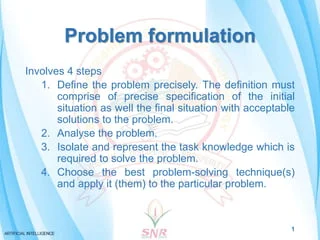
    So in making a report we should not be careless, because there are procedures for writing it. In addition to the procedures, there are also several methods for preparing trading company financial reports that we must pay close attention to.

    Because the financial statements of trading companies are vital in nature because they determine whether the company is producing for a certain period of time or is it making a loss.
    So for those of you who want to know complete information about trading companies along with examples of their financial statements, please read the following article.


    1. Definition of a trading company

    Have you often heard the term trading company, but until now you didn’t know what it meant officially? Trading company is a company engaged in the trading of goods or the main activity in the company is the sale of goods.

    Generally trading companies will sell the products they sell without any changes to the products being sold. What is meant by changing the product is changing the item either in form or value of the item itself. So the point is that a trading company only buys goods or products and immediately resells them at a higher price. The trading companies benefit from this price difference.

    There are several types of trading companies that exist today based on consumer segmentation and the types of goods sold. Like :

    • Raw Goods or Production Trading Companies
    • Finished Goods Trading Company
    • Wholesaler Trading Company
    • Middleman or Intermediary trading company
    • Retail trading company or Retailer

    1.1 Trading Company Accounts in Financial Statements

    In trading companies, especially in financial reports, they usually have several accounts that are different from non-trading companies, so recording these accounts will be useful to find out whether sales are growing or not. This account consists of:

    1. Purchasing Account

    This purchase account is used to record every transaction on the purchase of goods made in cash or on credit.

    2. Purchase discount account

    The purchase discount account has the function of providing a discount record at the beginning of the transaction by the seller of goods and the amount of this purchase discount is determined by the seller.

    3. Purchase return account

    This account has a function to record the return of merchandise that was purchased and damaged so it must be returned.

    4. Purchasing expense accounts

    This next account has the function of recording the amount of account expenses which are the responsibility of the trading company.

    5. Account of selling expenses

    There is also a sales freight expense account that is used to record payment costs for goods that have been sold.

    6. Sales Account

    This sales account has a function to record every sales transaction of goods with credit or cash payments. Sinaumed’s can also learn how to record sales transactions through the Computerized Trading Company book with MYOB.

    7. Sales discount account

    This account is used to record discounts that will be given from the seller to the buyer.

    8. Merchandise Inventory Account

    This account is used to record the value of inventory in a certain period.


    2. Types of trading company financial statements


    There are several types of financial reports for trading companies that you should know when you want to enter the world of trading companies, such as:

    • Income statement
    • Cash flow statement
    • Inventory Report
    • Balance Report
    • Debt Report
    • Receivable Report

    With the many types of reports that must be made, it is very important for companies to provide financial reports quickly, precisely and accurately. Therefore, there is the development of an accounting computer program which can also be studied through the Direct Practice: MYOB version 15 book on Trading Companies.

    And here sinaumedia Literasi will explain several types of trading company financial reports in more detail and detail. So that you can use it as a reference when you want to get into the trading company business.

    2.1 Profit and Loss Report

    The first is the income statement, this is a report that provides information about the performance of a trading company in a certain period. By making this income statement, each company can in detail and in detail calculate the losses and profits earned in a predetermined period.

    So that the company can analyze more clearly about the burden that must be borne due to losses and also the total income. Learn how to make profit and loss reports, and various other financial reports through the book Introduction to Accounting 2 Trading Companies below.

    2.2 Example of a trading company profit or loss

    PT ABC JAYA ABADI
    PROFIT AND LOSS REPORT
    DECEMBER 31, 2021

    I. NET SALES

    • Sales IDR 60,000,000 –
    • Sales Returns and IDR 3,500,000 discount
    • Net Sales IDR 56,500,000

    II. COST OF GOODS SOLD

    • Finished Goods Inventory (Initial) IDR 30,000,000 +
    • Cost of Production IDR 10,000,000
    • Goods Available For Sale IDR 40,000,000 –
    • Finished goods inventory (ending) IDR 15,000,000 –
    • Cost of Goods Sold IDR 25,000,000
    • Gross Profit IDR 35,000,000

    III. OPERATIONAL COST COST

    a) SELLING COSTS :

    • Sales Department Salary Cost IDR 2,000,000 +
    • Commission Fee IDR 1,000,000 +
    • Advertising Fee IDR 1,000,000 +
    • Transportation fee IDR 1,500,000 +
    • Miscellaneous bills for sales of IDR 500,000 =
    • Total Selling Cost IDR 6,000,000

    b) ADMINISTRATIVE AND GENERAL FEES:

    • Office Supplies Cost IDR 750,000 +
    • Adm and general insurance costs IDR 1,000,000 +
    • Electricity and telephone costs for the General section IDR 300,000 +
    • Cost of Depreciation of Buildings Bag. General IDR 500,000 +
    • Office Equipment Depreciation Cost IDR 100,000 +
    • Cost of Miscellaneous general parts IDR 300,000+
    • Total ADM and General Fee IDR 750,000 +
    • TOTAL OPERATIONAL COSTS IDR 3,700,000 –
    • NET OPERATING PROFIT IDR 25,300,000

    Information :

    There are 2 important things in the profit and loss example above, namely costs or expenses and also sales.

    For a more detailed explanation of the income statement above is as follows:

    Ready-to-Sell Goods Inventory

    To calculate the inventory of ready-to-sell goods, the following formula is needed:

    Beginning Inventory + Net purchases (Consisting of gifts – purchase discounts – purchase returns)

    An example of the calculation:
    = IDR 150 million + IDR 170 million = IDR 320,000,000

    Cost of goods sold

    To calculate the cost of goods sold, you can use the formula:

    Ready-to-sell Goods Inventory – Ending Inventory

    an example is as follows:
    = IDR 320 million – IDR 200 million = IDR 120 million

    Gross profit

    And to determine the calculation of gross profit is the following formula:

    Total Sales – Cost of Goods Sold

    an example is as follows:
    = IDR 200 million – IDR 120 million = IDR 80 million

    Operational Profit and Loss

    To be able to calculate operational profit and loss, you can use the following formula:

    Gross Profit – Operating expenses

    Example of the calculation:

    IDR 80 million – IDR 30 million = IDR 50 million

    Operating Profit and Loss

    Finally, to calculate the total profit and loss of a business, use the formula:

    Operational Profit and Loss + Other Income-Other Expenses

    Example of the calculation:

    IDR 50 million – IDR 15 million = IDR 35 million


    2.3 Things that must be considered in making a profit and loss report

    There are several things that must be considered in preparing an income statement such as:

    • Determine the format and form of the income statement to be used
    • Create concepts and understanding of each element that is made in a predetermined profit and loss report format
    • Understand how to analyze existing transactions on the income statement

    So when making financial reports about profit and loss you have to really understand and master what we explained above.


    2.4 Example of a trading company balance sheet

    The company’s financial statement balance sheet is a report prepared to display detailed information about the company’s capital, debt and assets at the end of a certain period. In the company is usually also known as the statement of financial position.

    The explanation of the balance sheet report above is as follows:

    • Total assets = IDR 261,560
    • Total debt Rp. 50,360
    • Total capital Rp. 211,200
    • So that the balance at a value of Rp. 261,560

    3. Example of a cash flow statement for a trading company

    The statement of cash flows or in English is known as the Statement of Flow is a summary of cash outlay and receipts from a trading company within a certain time and period.

    Generally, this cash flow is divided into 3, namely:

    1. Investment Activity
    2. Operations Activity
    3. Funding Activity.

    3.1 operating activities

    For operating activities, it is generally related to the profit and loss statement of cost of goods sold, operating expenses and sales transactions.

    3.2 investment activity

    Investment activities are generally related to sales and purchase transactions of fixed assets.

    3.3 financing and funding activities

    Funding activation generally relates to company capital and company obligations such as selling securities, increasing capital and paying debts.

    4. Types of cash flow statements

    In making cash flow statements there are also several methods of making the first is the cash flow statement direct method or the Direct Method and the cash flow statement the indirect method or also known as the Indirect Method.
    For more details about the types of cash flow statements, you should read the following article along with examples of cash flow statements.

    4.1 Statement of cash flows direct method

    The following is an illustration of making a direct method cash flow statement that you can use as a reference:

    Example of a Direct Method Cash Flow Statement

    PT. ABC 123
    STATEMENT OF CASH FLOWS
    FOR 31 DECEMBER 2021

    Cash flow from operations :
    Added :
    Cash received from customers IDR 30,000,000
    Less :
    Cash to pay operating costs IDR 3,700,000
    Cash to buy inventory IDR 5,000,000, –
    Cash to pay taxes IDR 2,500,000 – Cash to pay interest costs IDR 1,000,000 =
    IDR
    12,200,000 –
    Net cash flow from operating activities
    IDR
    17,800,000 ,000.-
    Less:
    Cash out to purchase equipment Rp. 5,500,000.-
    Net cash flow for investment activities Rp. 20,000,000.-
    Financing cash flow:
    Plus:

    Cash received from the sale of shares Rp 15,000,000
    Less:
    Cash for paying dividends Rp 3,000,000
    Cash for paying bonds payable Rp 5,000,000 = Rp 8,000,000
    Net cash inflow from financing activities Rp 2,500,000,-
    Increase in cash Rp 4,500,000,-
    Cash balance at the beginning of the year Rp 60,000,000,-
    Cash balance at the end of the year Rp 84,500,000,-

    4.2 Statement of Cash Flows Indirect Method (Indirect Method)

    The definition of the indirect method is the method used to make cash reports in which the amount of cash flow compared to the company’s operating activities is calculated based on the income statement and then adjusts for amortization and depreciation.

    The following is an example of making a cash flow statement using the indirect method:

    Example of an Indirect Method Cash Flow Statement

    PT ABC JAYA ABADI
    STATEMENT OF CASH FLOWS FOR THE YEAR 31 DECEMBER 2021

    Cash flow from operations:

    Net profit according to profit and loss report IDR 30,000,000
    Plus:
    Decrease in office supplies IDR 7,000,000
    Depreciation expense IDR 2,500,000
    Increase in debt costs IDR 5,500,000
    Increase in short-term debt IDR 3,000,000,- = Rp. 18,000,000
    Less:
    Increase in trade receivables Rp. 6,000,000.-
    Increase in prepaid expenses Rp. 2,000,000.-
    Gain on sales of fixed assets Rp. 7,000,000.-
    Decrease in taxes payable Rp. 1,500,000.- = IDR 16,500,000,-
    Net cash flow from operating activities IDR 31,500,000

    Cash flow from investment :

    Added :
    Cash in from selling investment : IDR 12,000,000
    Less:
    Cash out to buy equipment : IDR 8,000,000,-
    Net cash flow out for investment activities : IDR 4,000,000

    Cash flow from financing

    Add:
    Cash received from the sale of shares: IDR 20,000,000
    Less:
    Cash to pay bonds payable: IDR 3,000,000
    Cash to pay dividends: IDR 2,000,000 = IDR 5,000,000
    Flow net cash inflow from financing activities: Rp 15,000,000
    Increase in cash Rp 50,500,000,-
    Cash balance at the beginning of the year Rp 60,000,000,-
    Cash balance at the end of the year Rp 110,500,000,-

    4.3 How to Make a Cash Flow Statement?

    To be able to make a cash flow statement you should pay attention to the following things:

    • Accurately calculate the rise and fall of cash
    • Calculating and reporting net cash in the company’s operations using the direct cash report or indirect cash report method
    • Make a calculation of the overall flow of total net cash that is summed up from net cash in funding, operations, and investment from the initial balance until the period ends.

    Those are 3 things you need to pay attention to in making a good and correct cash flow report in a trading company. In order to make good financial reports, Sinaumed’s must also be able to analyze financial reports by examining the sections in them. Learn how to do it in full through the book Analysis of Financial Statements.

    5. Sample trading company report pdf

    Following are some examples of trading company reports in pdf format that you can try to download to serve as a reference for making the trading company reports that you are managing now.

    View Sample trading company report pdf=>  View 

    You can download all the sample files for the trading company reports above, so you have more references. Then there will be more and more information that is really needed in making financial reports for trading companies.

    Related Books Sample Trading Company Reports

    Here are 2 recommended financial accounting books related to examples of trading company reports from sinaumedia.com

    Trading Company Accounting: Zahir Accounting Program Application Version 6

    The elaboration of this book, starting from a brief history of accounting, an understanding of the perspective of accounting, accounting as an information system, to an explanation of the accounting cycle will further complement the readers’ knowledge. In addition, this book also explains the accounting process, financial reports, and the basic accounting equation as the basis for making a good financial report with the support of a well-structured account number.

    Computerized Trading Company with MYOB

    MYOB trading company accounting computerization is specifically intended for readers who want to use the MYOB application to manage trading company accounting. This book will guide you to be proficient in using MYOB to manage trading company accounting. Through case examples and step-by-step solutions, you will quickly understand the material provided. You can practice the material discussed using the MYOB application version 19, 18, or earlier versions.

    In detail, this book discusses:

    • Get to know MYOB Accounting
    • Using MYOB
    • Work with Purchasing Transactions
    • Supplier Payment Transactions
    • Sales Transaction
    • Recording of Receivable Payment Transactions
    • Using MYOB more

    Related Material Example of a trading company financial report

    That’s the information that we can convey about trading companies along with examples of financial reports from profit and loss reports, balance sheets, cash flow reports and others. Hopefully this article can help you build and develop a trading company better.

  • Example of a problem formulation and how to make it

    Example of a problem formulation and how to make it

    Examples of Problem Formulations and How to Make It – When we study education, we will usually be given the task by educators to make a paper in which the educator has determined the theme of the form. To make a good paper, you will look for what will be discussed in the article as a question or a problem statement.

    If at a higher education level (university), it is not just writing papers. Still, sometimes lecturers are given assignments to conduct research which is then poured into scientific work. The research carried out is adjusted to the students’ majors, such as students majoring in economics will conduct research related to economics, students majoring in political science will conduct research related to politics, and so on.

    In doing research, it has similarities with when making a paper, namely formulating the problem. That’s right, with developing the problem, a person or group conducting research becomes easy to solve. This is because, with the formulation of the problem, the research writer knows what to look for and discuss in the study.

    Therefore, the formulation of this problem is often used when someone wants to write papers, research, and so on. On this occasion, we’ll talk more about the definition of a problem statement, how to make a problem statement, and examples of problem formulation. Let’s look at the review of the problem formulation below.

    What is Problem Statement? Definition of Problem Formulation

    The problem formulation can be said as a question that will be answered in the form of facts or truth by conducting research or collecting data. In addition, quoted from several sources, the formulation of the problem is a statement formulated or changed in the form of a question. Therefore, we often see the formulation of the situation as a question.

    In addition, formulating problems that are more often in the form of questions must also be rational. In other words, the questions in the problem formulation must be detailed and focus on the variables that will be examined later. If it does not match the variables to be studied, then a piece of writing becomes unfocused and challenging to complete.

    This problem is formulated at the beginning of writing scientific papers or, more precisely, in chapter I of the Introduction. The formulation of the problem is placed at the beginning because it can make it easier for the writer to determine the starting point so that they know what the end will be like. Simply put, the formulation of the problem can determine the direction of an essay.

    Even though it is only in the form of a question, there should be no excuses in making a problem formulation. As for the things that need to be considered when formulating the problem, there are three elements. Namely, there must be elements of why, what, and how. In addition, these three elements must also be on the theoretical basis that will be used in writing scientific papers.

    Therefore, a problem formulation can make a writer know the direction or what things will be discussed in a scientific work. That way, it can make writing scientific jobs easier for a writer or researcher.

    Not only that, the formulation of the problem that has been made must also be related to the conclusion at the end of the article. In other words, the answer to the question in formulating the problem lies in the decision. If the problem formulation and conclusions are not related to each other, it indicates that the results of the writing could be better so that the reader will be clear when reading the paper that has been made.

    The characteristics of the problem formulation

    The characteristics of the problem formulation

    Before entering the discussion of how to formulate a problem, we need to know the characteristics of the problem formulation first.

    1. In the form of short, clear and concise questions

    The formulation of the problem, generally in the form of a question, is not just a long-winded question but a quick, clear, and straightforward question. With fast, clear, and straightforward questions, formulating the problem will not confuse the researcher, so the research process becomes more focused.

    2. Provide Direction For A Research 

    The second feature of the problem statement is that it provides a direction for a study. Good research is research where the results of the problem formulation are the same as the conclusions. Therefore, the formulation of the problem will use the variables that will be studied or discussed later. In addition to the variables, the formulation of the problem must also be by the theoretical basis to be used so that the research direction is more precise.

    3. Has Research Value

    As we discussed, the formulation of the problem is always synonymous with research, so the formulation of the problem always has research value. Because it has research value, every time you make a problem statement, you have to focus on what will be studied later; the answer to the problem statement will be more precise and not spread everywhere.

    4. Made in the form of interrogative sentences

    The fourth feature of formulating the problem is that it is made as an interrogative sentence. Why is it written in the form of an interrogative sentence? This is because researchers will find it easier to direct the research process and focus on answering questions from the formulation of the problem that has been made. The more detailed the question, the more specific the answer will be. The answers to questions from the formulation of this problem are in the discussion and are on a theoretical basis.

    5. The problem sought is by the ability of the researcher

    The fifth feature of the problem formulation is that the issue to be searched for must be by the researcher’s power. In other words, researchers must know their limitations or abilities in finding answers to a problem. Suppose the issues in the problem formulation are not by the skills of the researchers. In that case, the research process may not run optimally, or even the research process will fail.

    6. Direct Focus on the Topic of Discussion 

    The sixth feature of the problem formulation is that it is directly focused on the topic of discussion. For example, when a researcher wants to research Covid-19, the question in formulating the problem now leads to Covid-19. The formulation of the problem that directly leads to the topic of discussion can make it easier for researchers to determine what steps will be taken so that the research process can be completed optimally and can get conclusions from the problem formulation.

    Those are some of the characteristics of the problem formulation that need to be known to make it easier to formulate the problem.

    Type of Problem Formulation 

    The types of problem formulation are divided into three: associative problem formulation, associative problem formulation, and descriptive problem formulation. For a more complete explanation, please take a look below.

    Comparative Problem Formulation

    Comparative problem formulation is a type of problem formulation that focuses on comparisons between one variable and another variable or several other variables. The following is an example of a comparative problem formulation.

    1. Is there a difference in work motivation between civil servants and private employees?
    2. Are career opportunities from public tertiary institutions more promising than private tertiary institutions?

    Associative Problem Formulation

    Associative problem formulation is a type of problem formulation that is made to determine the relationship between the relationship of two or more variables. An example of an associative problem formulation is as follows.

    1. Is there a relationship between children’s snacks and child development?
    2. Can English proficiency affect career paths?

    Descriptive Problem Formulation

    Descriptive problem formulation is a type of problem formulation that provides an overview of the direction and flow of qualitative research and uses only one variable. The following is an example of a descriptive problem formulation

    1. Why do so many Indonesian students like to play on mobile phones?
    2. How to educate children who are full of motivation?
    3. What causes someone to prefer watching movies to reading books?

    How to Make a Problem Statement 

    Something still needs to be added when discussing the formulation of the problem, but not how to formulate the problem. As soon as you can, I’ll explain how to make further problem formulation.

    1. Define Problems According to Ability

    The first step in formulating the problem is determining the problem to be studied. In addition, the issue must be examined by the researcher’s ability so that all questions in the problem formulation can be answered.

    2. Adjust to the Theory Basis

    The second step in making the problem formulation is to adjust the problem formulation to the theoretical basis used in the research so that the process becomes more focused. If the formulation of the problem differs from the theoretical basis, then the research results will differ from what was asked in the formulation of the problem.

    3. Make it Using the 5w+1H Format

    The third step in making a problem statement is to use the 5w+1H format to generate specific questions. In addition, using 5W + 1H also makes it easier for researchers to ask questions in the formulation of the problem.

    4. Use short, clear, and concise interrogative sentences

    The fourth step in making a problem statement is using fast, clear, concise interrogative sentences. This needs to be done so that researchers can directly focus on the answer to a problem under study.

    5. Adjust to Research Objectives 

    The fifth step in making a problem statement is adjusting it to the research objectives. That way, the research process becomes more focused, making it easier for researchers to complete their research.

    Example of a Problem  Statement

    I think each problem formulation that will be made must be by what will be discussed. In other words, in formulating the problem, it must be by the background of the matter to be discussed or written.

    Example of a paper problem statement

    Papers on elementary school education

    Based on the background previously described, the authors formulate the problem into several, including:

    1. What is meant by Elementary School education?
    2. How was the history of Elementary School formed?
    3. How is the elementary school education system?
    4. What is the difference between public and private primary school education?

    The paper about done about Pancasila

    1. When was Pancasila formed?
    2. Why is Pancasila used as the basis of the Indonesian state?
    3. How do you apply Pancasila values ​​in everyday life?

    Example of Proposal Problem Formulation

    Proposals about the August 17 race

    Based on the background described above, we chose several problem formulations, including:

    1. Why should the August 17 competition be held?
    2. What benefits will be obtained for the August 17 contest participants?
    3. What is the schedule for the August 17 race?

    Example of Associative Problem Formulation

    Based on the background described previously, the researcher formulated this study, namely: Is there a connection between adopting a healthy lifestyle and happiness?

    Example of an Economic Problem Formulation

    Formulation of the problem of macroeconomics

    From the background that has been previously described, the authors obtain several problem formulations, including:

    1. What is meant by macroeconomics?
    2. What are the characteristics of macroeconomics?
    3. What are the functions of macroeconomics?
    4. How to use macroeconomics in a company?

    Formulation of the problem of microeconomics

    Based on the background that has been described, we determine several problem formulations related to this research, including:

    1. What is meant by microeconomics?
    2. What are the characteristics of microeconomics?
    3. What is the purpose of microeconomics?
    4. What are some examples of microeconomics?

    Example of a Scientific Work Problem Formulation

    Formulation of the problem of educational, scientific work

    Based on the background previously explained, we found several problem formulations in this study, including:

    1. How can educators increase students’ learning desires?
    2. What learning theory is used in carrying out the learning process?
    3. Does the new education curriculum affect the learning model?

    Formulation of health scientific work problems

    From the background that has been described above, the formulation of the problem is obtained as follows:

    1. What is stunting?
    2. Why did stunting happen?
    3. What are the adverse effects of stunting on children?
    4. How to prevent stunting in children?

    Example of Thesis  Problem Formulation

    Thesis about the analysis of the novel

    Based on the background that has been previously disclosed, the writer chooses several problem formulations in the thesis analysis of the novel, including:

    1. What are the intrinsic elements in the ABC novel?
    2. What extrinsic elements are in the ABC novel?
    3. What is the social setting in the ABC novel?

    Thesis about the condition of management accounting

    From the background described above, the authors found two problem formulations in this study, including:

    1. What is management accounting?
    2. How does management accounting influence company B’s strategy?

    Example of Comparative Problem Formulation

    Formulation of the problem regarding private employees with civil servants

    Based on the background of this research, the authors found several problem formulations, including:

    1. What are private employees and civil servants?
    2. What is the process of becoming a private employee and a civil servant?
    3. How much are the salaries of private employees and civil servants?

    Formulation of the problem regarding formal education and non-formal education

    Through the background that has been previously described, the researcher found the following problem formulation:

    1. What is meant by formal education and non-formal education?
    2. What are the benefits of formal education and non-formal education?
    3. Why is formal education mandatory to follow?

    Example of a Descriptive Problem Formulation

    Formulation of the problem about betta fish

    Based on the background that has been described, the formulation of the problem that the author found is as follows:

    How to care for betta fish that is good and right?

    Formulation of the problem of flooding

    From the background that has been described, the author makes a formulation of the problem: Why does flooding occur when the rainy season arrives?

    Conclusion

    Thus, formulating the problem is a formula that can facilitate researchers in conducting research and make research results more focused. This problem formulation is often used in research, generally in written form, such as scientific papers, theses, etc. Formulating the problem in a study will make the research process easier to complete optimally.

    Formulating the problem must be by the theoretical basis and research objectives. Therefore, the formulation of the problem must be done appropriately. Many books provide explanations about writing excellent and correct problem formulations; you can get them at sinaumedia.com.

    Book Recommendations & Related Articles

  • Example of a Good and Effective Research Proposal and Its Structure

    Sample Research Proposal – Proposal documents can be used as a form of submitting program plans, activities, or businesses to other parties. The proposal maker must know the structure or elements that must be in the proposal so that the proposed proposal can have the goals and functions expected by the maker.

    An applicant submitting a proposal must, of course, make a proposal in accordance with its designation. Therefore, it is also necessary to know the type or form of the proposal so that no wrong designation of the proposal is made. Is it made for a permit application, funding, or work/business plan.

    This time, we will discuss various matters regarding the proposal, especially regarding its functions and elements. However, before that you also need to know about the meaning of a proposal. This aims to make it easier for you to compile and understand the proposal. For more details, see the following review carefully.

    Definition of Proposal

    1. General Definition

    Proposal is a document used in proposing a research project. Based on the explanation in the Big Indonesian Dictionary, the definition of a proposal is a plan outlined in the form of a design. Meanwhile, in the Class XI Indonesian e-Module , a proposal is generally defined as a work plan made systematically and in detail for a formal activity.

    2. Special Meaning

    In addition to the general definition of proposal, there is also a specific definition of proposal. For example, scientific work proposals made in the world of education. In the world of science or education, the definition of a proposal is a research design (research proposal) that researchers want to carry out regarding research materials.

    Research or scientific proposals are usually made by researchers or students who will conduct research. The form of a scientific proposal generally has a form with certain standards starting from the use of language, punctuation, quotations, and so on.

    3. Riefky

    Proposal is a form of activity design that is made in a formal and standard form.

    4. Hasnun Anwar

    Proposals are plans drawn up for specific activities.

    5. Jay

    Proposal is a standard management tool for management to function efficiently.

    6. Hadi

    The proposal is a structured proposal for an agenda for business collaboration between institutions, companies, proposed activities, up to problem solving.

    7. Craft

    Proposal is a suggestion or request to a person or an entity to do or do a job.

    Based on some of the opinions of the experts above, it can be concluded that a proposal is an activity or work plan that is systematically and detailed according to standards by a person or group of researchers to be submitted to the desired party in obtaining approval or assistance in their research.

    The scope of proposing research proposals is in the field of science or academics. The purpose of writing a research proposal is generally a request to seek research funding from a sponsor. The initial part of the research proposal contains the background, problems, objectives, and uses of the research. The supporting part of the research proposal contains a literature review, framework and hypotheses.

    The form of writing a research proposal in a research institution or educational institution can vary. The choice of the form of research proposal writing is determined by the collective agreement that applies in research institutions or educational institutions. The research design in the research proposal must provide practical and effective procedures.

    The feasibility of a research proposal is determined by the ideas offered as a solution to a problem in research. Evaluation of research proposals is reviewed in terms of costs and potential impact of the proposed research. Reviewing the feasibility of research proposals also pays attention to the level of probability of success of the proposed plan to be implemented.

    Requirements for Preparing a Proposal

    As for preparing a proposal, it must meet the following requirements:

    • Must have structure and logic that is very clear and easy to understand.
    • The results of these activities must be structured.
    • The formulation of the types of activities carried out must be written in detail and must really be done.
    • If there is a budget needed, it must be realistic with these activities.

    Proposal Function

    The function of the proposal is as follows:

    • To conduct research related to political, economic, social, cultural issues, and so on.
    • To set up a business, whether small, medium, or large scale.
    • To submit tenders.
    • To apply for a loan or credit to a bank.
    • To hold an activity, such as seminars, competitions, discussions, training, and so forth.
    • To apply for business cooperation.
    • To hold certain events, such as training, competitions, seminars, and so on.
    • For guidelines for the implementation of scientific research.
    • To apply for business establishment.
    • For project or item auctions.

    Purpose of Proposal

    When someone makes a proposal, it must have its own purpose. The following are some of the objectives of making a proposal:

    • Obtain approval from the parties concerned in order to carry out certain activities.
    • When it comes to submitting funds, proposals are made with the aim of obtaining financial assistance from sponsors.
    • Get support from parties related to activities.
    • If the proposal made relates to a government project, the proposal is made for the purpose of conducting tenders or auctions for these projects.
    • Obtain business cooperation offers if the proposal is made in the form of a business proposal.

    Proposal Making Benefits

    1. As a Guide to Research Implementation

    For researchers, research proposals act as guidelines for conducting research. Preparation of research proposals can be a work reference that controls research performance optimally, is directed, and saves energy, time and funds used during research. In addition, the quality and credibility of the research results can be accounted for by referring to the research proposal.

    2. As a Determinant of Research Feasibility

    Research feasibility is generally assessed by supervisors who are experts, consultants, or resource persons in a particular research field. The research proposal becomes a benchmark for the feasibility of a study. If the research proposal is feasible, then the research can be carried out.

    Conversely, if the research proposal is not feasible or not feasible, then the research design can be corrected first, the topic and problems changed, or rejected altogether. The research proposal is also an assessment of the feasibility of granting funds by sponsors to a research. The amount of funding provided by the sponsor is largely determined by the level of quality of the research proposal.

    Kinds of Proposals

    1. In General

    a. Business proposal

    Business proposals are proposals related to the business world, either in the form of individuals or groups. An example of this proposal is a proposal to establish cooperation between companies, a proposal to establish a company, and so on.

    b. Project Proposals

    The project proposal relates to the world of work in which there is a business or commercial plan. Examples of these proposals are proposals for development projects and office building project proposals.

    c. Research proposal

    Research proposals are proposals that are related to the academic world as well as scientific organizations. This proposal functions to submit ideas, proposals, or ideas aimed at certain bodies or agencies to conduct research on a problem.

    d. Activity Proposals

    This proposal contains plans for activities, both individual and group in nature. The function of this proposal is to submit an activity plan to certain parties in the hope that they will provide support in the form of funds, permits, or approval of the plan.

    2. By Form

    a. Formal Proposal

    A formal proposal is a proposal that consists of three main parts, namely the introduction, content, and closing. The introductory part of this proposal consists of a cover, title page, preface, overview, table of contents, and approval sheet. The contents section contains the background of the problem, problem definition, objectives, scope, theoretical basis, methodology, facilities, committee composition, benefits, type of activity, time and place, activity schedule, and activity budget. Meanwhile, the closing section consists of a bibliography and annexes.

    b. Informal Proposals

    This proposal is not as complete as a formal proposal. It contains only problems, suggestions, solutions, and requests.

    c. Semiformal Proposals

    This proposal is similar to a non-formal proposal because the structure is not as complete as a formal proposal.

    Proposal Elements

    1. Research Title

    The research title is made concise, clear, and in accordance with the research problem. The choice of title should not create ambiguity. Titles that use many words should be divided into two. One as the main title, and one as the subtitle. The division of titles to facilitate understanding of the reader on research topics. The use of cliché words should be avoided in selecting research titles.

    2. Research Objectives

    The research objective is a description that explains the purpose or objective of conducting research specifically and clearly. The sections described in the research objectives include the main objectives and additional objectives. The research objective is the most important aspect of the research which is the statement of the main desire of the researcher in conducting the research. All research activities are based on research objectives. The information conveyed in the research objectives is in the form of finding answers to research problems faced or of interest to researchers.

    3. Research Benefits

    The benefits of research are useful for practical decision making in a fairly clear sense. In particular, research must provide benefits for the development of science, benefits for the object being studied and benefits for researchers. Meanwhile, in general, research must provide benefits for the development of the country.

    4. Research Methods

    Research methods are needed so that research results can be justified. In addition, the existence of research methods is a benchmark for data validity so that other researchers can continue research based on research findings.

    5. Literature Review

    The literature review contains the results of other people’s research and theories that support the implementation of the research. The novelty of a solution in research can be identified through a literature review. In the literature review there is an explanation of the research problem. Making a literature review is done by making critical and systematic references to documents related to the title of the research to be carried out.

    These documents contain information, ideas, data and methods for obtaining research-related information. The main purpose of the literature review is to provide an overview of research from a scientific perspective. Research is associated with existing knowledge. The information obtained in the literature review is in the form of theory. research design, and data collection and analysis methods.

    The specific objectives of making a literature review are:

    • Identifying the approval of previous researchers for the new research to be carried out.
      Knowing the difference between the results of old research with new research.
    • Identify research problems in terms of the variables and factors that influence them.
    • Obtain information regarding recommendations for future research results. Research recommendations can be used as a guide for new research designs.
    • Identify research fields that are useful in gaining understanding and important knowledge about research problems.
    • Knowing how other researchers connect theories with research designs.
    • Know how other researchers measure research variables, develop research instruments and item measurement scales and simplify measurements.

    6. Hypothesis

    A hypothesis is a temporary guess of an event that has occurred or will occur. The use of the hypothesis is carried out in two types of research categories. First, comparative research that aims to compare two or more objects or subjects. The purpose of comparative research is to find differences between two or more objects or subjects. Second, correlative research which aims to examine the existence of a relationship between events and other events or a symptom with other symptoms.

    Proposal Language Rules

    Proposal language rules are:

    • Use scientific terms, both related to the activities to be carried out or related to the scientific field.
    • Using action verbs to express activity steps or research methods.
    • Using words that express definitions, such as is, that is, that is, is.
    • Using words that contain detailed meanings, such as first, second, besides.
    • Using words that are about to, like would, expected.
    • Use denotative or meaningful words. This is very important to avoid misunderstandings between the party submitting the proposal and the party receiving the proposal.

    Things to Look For in Making a Proposal

    Some important things that must be considered before making a proposal include:

    • Preparation of proposals should appoint a person or several people who are experts in preparing proposals, preferably those that have a connection with the activities being held.
    • Proposal drafters prepare the necessary materials and information, namely in the form of materials agreed upon by the entire committee.
    • Prepare draft proposals systematically, attractively, and realistically.
    • Proposals are discussed in deliberation forums to be discussed, revised, and approved.
    • Made a proposal that has been refined to be used as appropriate.
    • Proposals are reproduced and distributed to the intended parties, both internal and external.

    Sample Research Proposal

    Research Proposal Title

    Potential Analysis of Sugar Cane Waste as Fuel for Biomass Energy Power Generation in Sugar Factory

    Background of the problem

    Over time, there are more and more home industries and factories in Indonesia. Now, it is very easy to find an industry even though it is located close to a densely populated settlement. The location of a factory close to residential areas can certainly have a negative impact, be it through solid, liquid or gas waste. Especially solid waste that requires a large enough storage area.

    The active industry in Indonesia cannot continue without a process that can reduce the adverse effects caused by the manufacture of products in an industry. Waste or trash is indeed a material that is meaningless and worthless, but waste can also be something useful and beneficial if it is processed properly and correctly.

    Several factories in Indonesia have now started implementing waste treatment systems to reduce the impact of pollution from these wastes. In fact, there are some who use their factory waste to make useful new products which of course are processed through certain processes.

    One way is to process the remaining waste from sugar production into compost, bricks, and others. Utilization of waste is currently very important, especially to overcome the problem of accumulation of waste in big cities, industrial organic waste, as well as agricultural and plantation waste.

    The most optimal power generation system (biomass generator) with a grid-connected power generation system model. Calculation of the potential yield of sugarcane biomass (feedstock biomass) by utilizing bagasse as an energy source for generator 1, generator 2, generator 3, and the calculation of power consumption in the industry as a whole uses the help of software, namely HOMER version 2.68.

    The simulation and optimization results with the help of HOMER software show that overall, the most optimal system to be implemented at PT. Madubaru (PG/PS Madukismo) is a power generation system (100%) with Grid PLN (0%). The total power generated from power plants 1, 2, and 3 is 15,024,411 kWh/year from Homer Energy’s analysis results.

    Based on the data above, the authors are interested in compiling a final project entitled “Analysis of the Potential of Sugar Cane Waste as a Biomass Energy Power Plant in a Sugar Factory”. In this final project, the author discusses the utilization of waste generated from the process of making sugar at PG Madukismo Yogyakarta.

    Formulation of the problem

    • Potential of bagasse in the supply of electrical energy.
    • Analysis of the application of bagasse in a sugar factory.

    Scope of problem

    • Data collection was only carried out by the Madukismo Sugar Factory in Yogyakarta.
    • Analysis of power and load calculations is only centralized via Homer.

    Problem Objective

    • Calculation of the potential of bagasse in the supply of electrical energy.
    • Knowing the results of analysis of sugarcane biomass energy as a source of environmentally friendly electrical energy in society.

    Benefits of research

    The benefits of biomass research for writers, namely that it can add insight to researchers and can be used as a guideline for dealing with fuel problems which are currently in an alarming condition. For the community, it can be used as a provider of renewable electrical energy that is environmentally friendly, can provide alternative energy that is independent and does not depend on fossil energy, and can increase community independence in the field of alternative energy for underdeveloped areas so that they are more developed and prosperous.

    Research methods

    • Literature study ( study research ). This study was conducted by looking at and searching for existing literature to obtain data related to analysis in writing the final project.
    • Field research ( field research ). In the form of site visits and discussions with related parties to obtain the data needed in writing this final project.
    • Preparation of the final task after testing the data and analysis obtained, then compiled in a written report.

    Bibliography

    • Anton, Widono Johanes. Comprehensive Review of Preliminary Design of Sugarcane-Based Furfural Factory in Indonesia , Faculty of Engineering. University of Indonesia.
    • Hermanto, Muhammad Iwan Fermi, Zulfansyah, Ida Zahrina. (21-22 July 2011), Potential Application of Biomass Gasification in CPO Mills . Pekanbaru Riau University.
    • Indra, Gem Kusuma. Study on Utilization of Palm Oil Waste Biomass as Fuel for Steam Power Plants in South Kalimantan . FTI Institut Sepuluh Nopember, Surabaya.
    • Irhan, Febijanto, Volume 9 No. 2 (2007), Indonesia’s Biomass Potential as a Substitute Fuel for Fossil Energy. Center for the Assessment and Application of Energy Resources Development Technology , Deputy for Natural Resources Development Technology, BPPT, Jakarta.
    • Marsudi, Djiteng, 2005. Electrical Energy Generation , Erlangga.
    • Pritzelwitz, Hugot. 1986. Potential of Sugarcane Bagasse Energy .
    • Prime, Pressa. Journal. Final Project (2010). Study on Utilization of Sugarcane Bagasse Biomass (With Coal) as Fuel for 1X3MW Steam Power Plant 59 at Asembagus, Situbondo Regency . Electrical Engineering-FTI, Sepuluh Nopember Institute of Technology (ITS).
    • Rifai, Fathur Rahman. Thesis (2015). Renewable Energy Potential Study of Cogeneration System in Sugar Factory . Mechanical Engineering. UGM.
    • Saechu, Muhammad. Journal Volume 4 No.1 (2009). Development and Application of Cogeneration Technology in Sugar Factory . Chemical Engineering. Sugar Research Center.

    Book Recommendations & Related Articles


  • Example of a column balance, problem of a column balance, definition of a column balance

    Example of a work sheet balance – A company’s financial statements need to be prepared neatly and systematically so that it is easily understood by many interested parties. One component of accounting books that makes it easier for the preparation of financial statements to be seen systematically is the work sheet.

    The work sheet will make it easier to prepare financial reports because the financial data contained in it is fairly complete. The following is a detailed review of the work sheet and its functions.

    Definition of a work balance

    Worksheet or work sheet is a sheet that contains company accounting data for one period. The preparation of this work sheet plays an important role for the company because it will make it easier to recap data before adjustments are made.

    The work balance is a component used to check the general ledger after adjustment. The general ledger check after this adjustment is also carried out to ensure that the balance is in balance.

    The format of this work sheet consists of 10 columns to record account numbers and names along with debit/credit balances. This column is used to enter company data, starting from the trial balance, adjustments, to producing the latest financial reports.

    In learning how company accounting works, you can study the book Advanced Accounting: 2013 Revised Edition Trading Company by Temy Setiawan below.

    Purpose of Making a Line Balance

    The work balance is a component needed by company managers and other external parties, including investors. This component will make it easier for the company to make predictions about what might happen in the future for the company.

    Preparing a work sheet also makes it easier for companies to control their finances, because each report is clearly exposed.

    Apart from that, of course there are still some purposes for making this work sheet in detail. The following are some of the objectives of preparing a work sheet that must be known.

    1. Facilitate the Preparation of Financial Statements

    The first purpose of making a work sheet is to make it easier to prepare financial reports. Preparation of a work sheet will be carried out first before compiling financial reports so that the data to be used is systematically arranged.

    The strip balance helps classify data coming from the general ledger, giving it a concise appearance. Making financial reports can immediately see the work sheet without having to re-collect the company’s bookkeeping data from the start.

    A great deal of information will be contained in the work sheet, including data from adjustments. The preparation of financial statements can be done more quickly if a work sheet has been prepared. The company’s work sheet will also help facilitate the auditing process.

    Financial reports are important for a company which can be a benchmark in managing existing companies and achieving company targets that have been measured. Learn how to do it through the book Brief Lecture Series: Financial Statement Analysis .

    2. Means of Classifying and Summarizing Trial Balance Information

    Trial balance information is the main basis used to prepare financial statements. The company obtains this trial balance information from posting ledgers that are made after recording transactions.

    Making a work sheet in this case will help the company to summarize the trial balance information to make it simpler. In addition, this component also helps classify the accounts in the trial balance according to their group, so that the arrangement will be sequential.

    This summary of trial balance information will make it easier for the company when checking the general ledger, to ensure that the results are in balance. Furthermore, the summary information will be reprocessed in the work sheet by including adjustment components.


    3. Minimizing Errors

    The purpose of making the next work sheet is to minimize any future report errors. The concise work sheet format makes it easy for users to understand the data in it. In addition, a simple work sheet arrangement will also help companies find data quickly.

    Company bookkeeping errors generally occur during the process of preparing financial statements due to the many components that must be taken into account. The potential for this error will occur when the party concerned is not careful in analyzing bookkeeping data.

    Companies can minimize these errors by making financial reports in advance. Financial reports can be prepared with reference to the work sheet because they are not confusing to understand and have a concise appearance, thereby minimizing input errors.


    4. Estimating Things That Might Happen

    Business continuity is one important thing to consider. Companies can predict things that might happen in the continuity of their business through the work sheet.

    One of the estimates that can be seen in the work sheet is the balance of cash and debt. The company can estimate how to distribute the cash balance and pay off its obligations.

    Companies can also view the most recent capital balance in the work sheet to use as operating turnover. The balance value on the work sheet is relevant enough to be used to predict what will happen, even though a complete and more detailed financial report has not yet been prepared.

    Worksheet Function

    Making a work sheet has several functions that are quite important in financial reporting for one period. Here are some functions of making a work sheet that you need to know.

    a) Used to Summarize Data

    The first function of preparing a work sheet is to summarize the company’s financial data. The data can be seen from journals to ledger postings. The work sheet can summarize the balances that have been posted through the ledger.

    The data in the ledger consists of many columns, making it quite difficult to use as a benchmark for preparing financial reports. Plus because there are too many sheets. This can be overcome by the existence of a work sheet which will summarize the data from the ledger.

    The summary data in the work sheet is sufficient to represent the company’s financial condition in one period. Other bookkeeping documents can still be kept for further auditing.

    b) Evaluating Existing Transactions

    Evaluation of transactions that have occurred during a period can also be seen in the work sheet. The way to evaluate transactions through the work sheet is to look at changes in the balances in each account.

    Using the trial balance as a reference for evaluating transactions will make checking more efficient. Companies can also quickly find changes in balances on certain accounts.

    The function of evaluating through the work sheet is so that the company can find out the development of operational activities during an accounting period. The results of evaluating transactions in the work sheet can be used as material for decision making.

    c) Means of Compiling Reports

    The main function of preparing a work sheet is to serve as a basis for compiling financial reports. There are a lot of components to be included in the financial statements, so a work sheet is needed so that the preparation process can be more efficient.

    The work sheet will also help display the latest profit and loss and balance sheet data which can be used as a basis for compiling company reports. Next, the company can start compiling a statement of changes in equity from profit and loss provided through the work sheet.

    d) Creditable Company Procedures

    The work sheet is included in the procedure for preparing credible accounting for companies. The company’s financial records are considered complete and qualified if they include a trial balance in them. In addition, the quality of bookkeeping cannot be doubted with this component.

    This preparation procedure actually must be fulfilled by the company in case there is auditing from an external party at any time. Making this work sheet will later make it easier for companies to explain financial developments in one period.

    d) Seeing the Company’s Daily Activities

    The relationship between the work sheet and transaction evaluation is to see the company’s daily activities. In general, companies that are running well have transaction records every day. This transaction will be more concise if it has been classified through the work sheet.

    The company’s daily activities will initially be accompanied by supporting documents to be recorded in the journal. Furthermore, changes in the balance of each account due to transactions within the company will be deducted into the general ledger.

    The balance in the ledger is a source for viewing the company’s daily activities and changes in account balances. Evaluation of these daily activities can be used to decide what transactions the company will carry out to support operational activities.


    Example of a column balance and how to make a column balance

    The next thing you need to know about a work sheet is how to make it. There are several components that must be included in the work sheet so that it can be used on an ongoing basis. The following is a review regarding how to prepare a work sheet.

    1. Create a Balance Sheet Format

    The worksheet has its own format in making it look more concise. In general, the format used to prepare a work sheet is using 10 columns. This format consists of a number, account name, and credit debit.

    Each of these components is interconnected because the calculation is based on a trial balance and adjustments. The profit and loss component and work sheet will experience a classification based on the type of account that must be in it.

    2. Fill in the Account Number and Account Name

    The next step that must be carried out after preparing the work sheet format is to start filling in the account number and name. This filling must be done starting from the smallest account number so that it looks neater.

    The number that must be entered into the trial balance represents the classification of the account type. The sequence for filling in the account number and name starts from assets, liabilities, equity, income, and expenses. Filling in the number and account name sequentially makes it easy to input the next transaction.

    Filling in this work sheet can be based on the list of accounts that have been made at the beginning of the period. Companies can also fill in additional accounts that may be needed in the period concerned so that there are no missed transactions.

    3. Fill in the Adjusting Journal Column

    The next step in preparing a work sheet is to fill in the adjusting journal column. This adjusting journal component consists of two columns, namely debit and credit. The position of the adjusting journal column is next to the trial balance.

    The data entered in the adjustment column comes from adjustment transactions that occur at the end of the period. This adjustment transaction occurs due to changes in the balance in certain accounts that require recording.

    Filling in this component can be done based on adjusting journal entries for debit and credit locations. Filling in this adjustment must be done carefully because this component is important to see the latest balance for a particular account, one of which is the change in accumulated depreciation.

    4. Adding Nominal to the Trial Balance After Adjustment

    The next component in the work sheet is the nominal on the trial balance after adjustment. The calculation is done by accumulating balance sheets and adjusting journals to find out the latest balance as a whole.

    The trial balance after adjustment is useful to find out the latest nominal for each account as a whole. Make sure that the nominal entered is correct so that at the end of the calculation the balance will remain balanced.

    5. Fill in the Balance Sheet and Profit and Loss Columns

    The next column that must be filled in in the work sheet is the profit and loss component. The type of account that must be included in the income statement is a real account. The balance of the account is obtained from the adjusted nominal amount.

    Another type of account to include in the profit and loss column is company revenue and expenses. This income is obtained from transactions related to the company’s income from operational activities, including sales.

    The next component that must be filled in is the balance sheet column according to the latest balance. This balance sheet column is filled with nominal accounts consisting of assets, liabilities and equity. The balance that will be entered into this component comes from the adjusted trial balance.

    The debit column in the balance sheet is filled with debit accounts, except for those that testify against, such as accumulated depreciation and allowance for losses on receivables. Meanwhile, the credit column is used to fill in the liability and equity account balances of the company.

    Example of a column balance sheet

    Here sinaumedia.com takes examples of questions from bookwormaisyah regarding examples of work sheet questions.

    The following is the PD’s Trial Balance and Adjustment Journal. BMA in December 2019.


    Requested :

    Based on the trial balance and adjusting journal data above, create a Work Sheet with 8 Columns, 10 Columns and 12 Columns

    Solving Worksheet Example Problems with 8 columns

    To obtain the nominal in the Profit/Loss and Balance Sheet columns, a merger (decrease or addition) is carried out between the nominal column of the Trial Balance and Adjustment Journal.

    Solving Worksheet Example Problems with 10 columns

    To get the nominal in the Trial Balance After Adjustment column, you can combine (decrease or increase) between the nominal column of the Trial Balance and Adjusting Journal.

    Then to get the nominal in the Profit/Loss Column and Balance Sheet, it can be obtained by transferring the nominal to the Adjusted Trial Balance.


    Solving Worksheet Example Problems with 12 columns

    To get the nominal in the Trial Balance After Adjustment column, you can combine (decrease or add) between the nominal column of the Trial Balance and Adjusting Journal.

    Then to get the nominal in the Profit/Loss Column, Equity Report and Balance Sheet, it can be obtained from transferring the nominal to the Adjusted Trial Balance.

    Learn various other accounting problems through the book Introduction to Accounting: Questions and Solutions by Hery. SE, M.SI., CRP., RSA., CFRM below regarding accounting principles as a whole.

    Book of Recommendations Regarding Examples of Adjusting Journals


    Introduction to Accounting Second Edition

    To achieve this goal, by taking into account the development and interrelationships between accounting information and the business practices it represents, this book systematically:

    Describes alternative accounting methods that can be applied to each account, describes the relationship between account balances and the flow of money from each transaction, and introduces the basics of applying IFRS accounting, accounting for international trade, and the soon-to-be business financial sector.
    Therefore, apart from being mandatory for students, accounting practitioners and researchers, this book is also worthy of reading by management practitioners, company owners, investors, creditors, and the general public, including those interested in the financial sector business.

    Introduction to Accounting 1: The Accounting Cycle Approach

    This book discusses basic accounting which includes the scope of accounting, the basic components of accounting, recording transactions, adjusting accounts and preparing work balances, presenting financial reports, closing books, reverse journalism and correcting journals, as well as trading company accounting. This book is also equipped with examples of accounting cases for service companies and trading companies. Material regarding service companies and trading companies is discussed in a structured manner based on the accounting cycle.

    Introduction to Accounting, Easily Make Journals With a Transaction Cycle Approach.


    Article Related to Example of a Worksheet


    Conclusion

    The work sheet is an important part of recording company transactions, even though it is not included in the financial statements. The main function of preparing a work sheet is to make it easier for companies to prepare the latest financial statements.

    The data in the work sheet is based on the latest changes in every transaction and activity within the company. Making a work sheet will make the classification of company accounts and transaction data more concise.

    Another use of the work sheet is to minimize the occurrence of errors, both during the preparation of financial statements and inspections. The auditor does not need to be confused to find the latest information about the company’s finances as long as the work sheet has been completed.

    The process of filling out the work sheet must be carried out systematically according to the order of the columns. This is intended to avoid errors in calculations that could affect the financial statements. A properly prepared work sheet can be used to analyze business development.

    The company can already find out the profit or loss of operations for one period through the work sheet. The amount of profit or loss experienced by the company can be seen through the difference between the balance on the balance sheet and profit and loss.

    Making a trial balance can symbolize the level of credibility the company has in managing finances. This of course brings benefits to the company, one of which is that it can attract investors to invest their funds so that the business can grow.

  • Example of a Book Review: Definition, Benefits, Elements and How to Review a Book

    Example of a Book Review – Have you ever reviewed a work of writing using the book review method? During school, college or someone who has the profession of a writer, writers must have done it. Book review is an activity to examine a work in the form of a story that is poured into a book, novel, short story or a book of knowledge. Making a review cannot be solely assessed, but there are provisions that must be obeyed when writing a review.

    Do you know what a book review is, do you know how to review a book like that? It is very important that you know more about things about the reviewer, starting from the definition, steps to make, benefits, goals, to the elements of the review. We will thoroughly examine the book review, stay tuned!

    A. Definition of Book Review

    Therefore, a book review is to provide a critical review or assessment of the quality of a book. Reviewing a book means someone’s activity to convey ideas in writing in terms of measuring the merits of a book. Things that are measured from one book include content, presentation structure, and benefits for readers.

    Not just books, you can review various things. As in the book The Art of Restaurant Review which reviews how to be a good food journalist and make a good restaurant review.

    B. Purpose of Book Review

    1. Help readers (public) who haven’t had the opportunity to read the book being reviewed, 

    Reviewing a book provides a glimpse of information related to the contents of the book in the form of a brief storyline, consisting of how many chapters, number of pages and so on.

    2. Knowing the strengths and weaknesses of the book being reviewed

    Unknowingly, the activity of reviewing books has given an assessment of a book. Usually, before reading a novel or other work, readers will look at the reviewers first so they don’t make the wrong choice, it’s the same as when going to see a film in a cinema, the audience will always see what the rate is, if the rate is high, it’s not wrong for the film to be watched. definitely quality.

    3. Knowing the background and reasons for the book being published, 

    Knowing in advance why, and why a book deserves to be published and read by many people in the future.

    4. Knowing the comparison of books by other similar authors

    You can also use this technique, so you know the advantages and disadvantages of one book with another having a similar character.

    5. For book writers, information is very useful for their creativity

    The author of the book being reviewed can be used as valuable input for the next creative process of writing.

    C. Elements of a Book Review

    The elements that you really need to review include

    1. Title of Review

    The title is part of the charm as an attraction at first sight for reading. This is the part that can steal the heart of the reader to get to know a book. In addition to describing the contents of the review in outline, the title must be written in an interesting way that makes the reader want to keep reading until the end of the sentence and even prove it by buying a book that has been reviewed.

    2. Book Identity

    Book identity is a general description of the book that contains the book title, author name, year of publication and year of publication, book thickness, book edition number, publisher, book price if necessary up to book size.

    3. Digest of the Book

    This section discusses the synopsis. When writing it, there is no need to pay attention to the chronology of the story. You can write a synopsis freely. It is really necessary to compose a synopsis that arouses the reader’s interest without the need to write the full contents of the book so that your writing makes the reader stupefied and reads the original book.

    4. Author Biography

    The next element talks about the author or author of the book. This section is usually written succinctly. It contains the author’s life, from his background, expertise, to his works. When writing an author’s biography is an essential element in a review because of the track record , the image of a writer whose name is widely known will arouse the curiosity of the reader. In addition, the reader has an overview of the author’s story and career so far and awards and achievements during his career. This section is one of the guide points for readers to choose a book.

    5. Strengths and Weaknesses of Books

    The next vital element that must exist is the view of a book and its contents. Generally contains an assessment of the strengths and weaknesses of the book. This section contains opinions on the book being reviewed. This section is also reviewed carefully by the reader to ascertain whether the book is worth reading or not, whether it is what is being sought or not.

    6. Conclusion

    The last element is in writing a conclusion. You can write an opinion about a book. The contents can be in the form of criticism and input addressed to the author of the book. You can’t give recommendations to readers.
    Wow, you already know what you need to have when reviewing a book, then what are the benefits of writing a book review? A person who is involved in this field is known as a “resensator”.

    D. The Benefits of Reviewing a Book

    Here are some of the benefits of writing book reviews that you need to know

    1. Sharpen our reasoning to keep growing
    2. Understand in depth the contents of the book being reviewed
    3. Get income if reviews are displayed in the mass media, both print and online
    4. Recognized and recruited to continue to review books by book publishers if you practice and be productive in making book reviews
    5. Get experience and new knowledge from the many books that have been reviewed
    6. Getting partners who will expand and multiply.

    So, there’s no need to hesitate to review a book because there are many benefits for readers, writers, and book authors. But, don’t you know step by step so you are sure to write a book review? Take it easy, after we will explain in sequence the steps for making a book review.

    E. Book Review Steps

    Here are the steps, don’t miss it! There are six simple steps to reviewing a book that you can also use when you are going to give a review of a work that is not just a book…
    Oops, it’s better before hearing all the stages, you have to get to know him more closely, uh… a book

    1. Understanding or capturing the content and purpose of the author of the book with the work he made,
    2. Have a direction in making book reviews, so you have to know who to read the review to
    3. Get to know or know the tastes of all ages of readers and the level of understanding of the readers
    4. Mastering all knowledge from various disciplines as a benchmark when explaining the strengths and weaknesses of books, and
    5. Being a book observer and diligent in reading any book because there are already many facilitators or online book reading service providers such as the Library which is managed by sinaumedia to open windows to the door of knowledge.

    Are you sure you know the book that will be reviewed? If so, here’s how to make a book review.

    F. How to Write a Book Review

    1. Determine the choice of books to be reviewed

    Deciding which book to review. Is the book genre fiction or non-fiction, study, science or a novel? Writing a book review is basically the same. It’s just that it still has a few differences, especially the chronological side of the story.
    As for what you need to pay attention to a number of points when deciding which book to review. The book must meet the parameters in the form of content about actual issues, good quality books, never been reviewed, and new publications.

    2. Reading Books

    Of course, read the book before writing a review, because by not reading the contents clearly, you will not know the contents, purpose, meaning and message contained in the book as the real voice of the author of the book. When reading a book, don’t forget to mark important points that will be included as one of the materials for writing a review.

    The process of reading the book later you will feel for yourself how the author tells the stories contained by getting feelings and emotions when understanding the storyline, as well as getting implicit wisdom and information so that you get ideas and a framework for reviewing the book.

    Apart from that, you can determine the interesting side of the book that can be raised into a review that you really need to discuss so that readers know and the author will also know the fun part of the connoisseurs of the work he wrote by selecting the parts/contents of the book that he likes. highlights in the review.

    3. Determining the Right Technique for Writing Reviews

    This is an important suggestion for choosing the right review writing technique to use. There are various techniques for writing reviews, namely the Cutting and Glueing Technique, the Focusing Technique, and the Comparing Technique.

    • Cutting and Glueing Techniques: techniques for writing reviews by gluing together parts of the text. All of these sections contain material that attracts attention, which is contained in the book we are about to review, and reflects the main ideas of the author of the book.
    • Technical Focusing: the technique of writing a review by focusing on one particular aspect presented in the object of the review can focus on the author, the characters or the plot of the story
    • Comparing Technique: writing technique by comparing the things contained in the object of the reviewer with other sources that discuss the same topic.

    4. Write a complete six elements review

    At this stage, you really have to not forget the important parts in the elements of the review. After getting the story that will be raised in the review, you must determine the title of the review, write the identity of the book, make an abstract, provide an assessment containing strengths and weaknesses, and close the review with your opinion and recommendations if needed.

    5. Check Back All Reviews That Have Been Written

    After finishing writing a review, it’s no doubt correcting your writing by re-reading it, checking for typos, errors in the writing structure, incomplete data, and so on. This method is used so that the review writing becomes epic and beautiful so that readers remain loyal to reading it to the end, are comfortable, and easily grasp the contents of the review.

    G. Example of a book review

    After this, there are five examples of reviewing a book in the non-fiction, fiction, knowledge, study and novel genres.

    1. Example of a Non-Fiction Book Review

    Book Identity :

    • Book title: An Art of Being Totally Stupid
    • Author: Mark Manson
    • Publisher: sinaumedia Widiasarana Indonesia
    • Date of Issue: 20 February 2005
    • ISBN: 9786024526986
    • Page thickness: 256 pages
    • Width: 14.0cm
    • Length: 21.0cm

    Book Synopsis:

    “Whatever the case, the concept is the same: solve problems, then be happy. Unfortunately for many people, it feels like life isn’t that simple. That’s because they deal with problems in at least one of two ways: denial or a victim mentality” (pg 37)

    Review Contents:

    This book tells of a Charles Bukowski, an alcoholic who likes to play women, a chronic gambler, an abusive, miser, and a debtor. He dreams of becoming a writer. Bukowski’s work was always rejected by almost every magazine, but this did not make him give up, he continued to write and compose poetry. So that with his experience he has a very stupid attitude

    In his book, which contains the meaning of being ignorant which doesn’t mean you don’t care about anything, Charles Bukowski has a simple illustration of redirecting life’s expectations in choosing what is important because at its core life is just a series of problems that have no end.

    Book Advantages:

    Through the character of Charles Bukowski who is strong and persistent, we get a special meaning to be indifferent, and still be happy looking at the problems that are being experienced.

    Book Disadvantages:

    Even though the title seems to give the impression of ignorant tips, it turns out that it is not ignorant here, describing a warrior who achieves his dream against all odds.

    2. Examples of Fiction Book Reviews

    Book Identity

    • Book title: Rapijali
    • Author: Dee Lestari
    • Publisher: Library Coverage
    • Issue Date: 24 February 2021
    • ISBN: 9786022917724
    • Page thickness: 368 pages
    • Width: 13.5cm
    • Length: 20.0cm
    • Weight: 0.22 kg

    Book Synopsis

    Ping felt she had everything she needed. His peaceful world on Batu Karas Beach, his home full of musical instruments on the banks of the Cijulang River, his best friend and grandfather who loves him. However, Ping secretly harbors anxiety about her bleak future.

    Her special musical talent has no platform, and she doesn’t dare to aspire. Ping’s life is turned upside down when she has to move to Jakarta and live with the family of a candidate for governor. Ping must face a new school, new friends, and new challenges. Could he find what he’s been missing all this time? And is Ping ready for what he discovers, that his life is not as simple as he thought.

    Contents of the Book Review

    The contents of Rapijali’s story have the background of a child who is enjoying new experiences to follow current trends such as having social media, smartphones, participating in talent search competitions. We will get acquainted further with the world of Ping. There is Oding, his best friend since childhood, who is good at surfing, Mang Acep Mulyana and Bu Lilis Sudrajat –Oding’s parents- and some of his grandfather’s bandmates.

    The author makes a different thread about Ping, to make it more relevant today. All of that, of course, is not implied in the original script, which is set in the ’90s.

    The advantages of the book

    Reportedly this book will have a series of sequels, the story that is written is quite interesting as entertainment for young people who are fond of the world of musicians

    Weaknesses of the Book

    The conflict that is told is very subtle

    3. Examples of Textbook Reviews

    Book Identity

    • Book title: Biology for SMA & MA Class XII
    • Author: Dra. Irnaningtyas
    • Publisher: Erlangga
    • Issue Date: 24 February 2018
    • ISBN: 9786022987741
    • Page thickness: 406 pages
    • Width: 18.0cm
    • Length: 25.0cm
    • Weight: 0.7 kg

    Book Synopsis

    There is no book because it is a collection of questions

    The contents of this book review

    were prepared by the Master Tentor Team for class XIII high school students as textbooks or reading reference sources on Biology materials. This book is also equipped with pictures, practice questions and material for discussion with students and teachers. Where this book places students as subjects who carry out independent learning activities or with tutors to discuss existing biology materials.

    The presentation in this book seeks to train cognitive activities in reading a book with the habit of illustrating several questions that will be used to strengthen students’ memory, discussions can also understand everything in the biology book.

    Book Advantages:

    Various Biology materials for XII SMA class have been chosen by the author using simple language, none other than to make it easier for students to study independently. In addition, there are several questions and joint activities that are carried out together to train students in groups so that they are accustomed to having discussions, daring to express opinions or answers to existing questions and be able to solve new problems in subjects, especially biology.

    Book Weaknesses:

    There are scientific words that students may have never heard of, so in using them a biology dictionary is needed as a companion for self-study in order to correctly understand scientific words written. Therefore, students are required to think creatively in solving new problems if they need to study in groups with friends or with their teacher.

    4. Example of Knowledge Book Review

    Book Identity

    • Book title: Why? Camera – Camera
    • Author: Yearimdang
    • Publisher: Elex Media Komputindo
    • Issue Date: January 13, 2021
    • ISBN: 9786230022197
    • Page thickness: 160.0 pages
    • Width: 18.0cm
    • Length: 24.0cm
    • Weight: 0.25 kg

    Book Synopsis

    This book tells about a camera that was poured into comic form to convey information about the development of the use of cameras that are not only used to photograph beautiful landscapes, but can also be used to take pictures with three-dimensional sensors and virtual reality which give a very real feeling.

    Book Reviews

    Why? Camera – Camera, one of the books packaged by Yaerimdang in a simple and clear way through comic characters. This book contains the history of the development of the camera until the camera becomes a tool used to photograph an object that can be applied to virtual reality yet .

    Learning general knowledge is needed in this 20th century. The flow of information is increasingly accessible and growing so fast, that we have to learn quickly. Not to mention science that continues to develop and improve.

    This book offers the concept of fast learning without making the reader feel bored. Therefore, this book will provide photographs, three-dimensional images and virtual reality that give a very real feel, to sensors for artificial intelligence. Through this book, let’s find out the world behind the extraordinary camera.

    Book Advantages

    This book is very informative for all ages. The author makes the book into comic form which of course will not saturate the readers. The language used is easy for laypeople to understand, and can also be used as a reference.

    Book Weaknesses

    This book is made in a concise, concise and complete manner so that it contains important information. There is not too much explaining about cameras historically that is written in length.

    5. Example of a Novel Book Review

    Book Identity

    • Book title: Wingit
    • Author: Sara Wijayanto
    • Publisher: Elex Media Komputindo
    • Issue Date: December 16, 2020
    • ISBN: 9786230021831
    • Page thickness: 256.0 pages
    • Width: 12.5cm
    • Length: 10.5cm
    • Weight: 0.15 kg

    Synopsis:

    The search for an abandoned old housing complex in the East Jakarta area that night was initially pleasant. Before entering the complex area, I, together with Wisnu, Fadi, and Demian, opened a vlog with a fun gimmick to lighten the mood. However, when I arrived at the location of a level house surrounded by trees and bushes, I saw more and more invisible creatures that surprised me.

    Not far from there, I felt the presence of a ghost who wanted to communicate with me. The ghost turns out to be in the form of a small boy. Fadi took over the search when the creature communicated with me. Next, we call the child ghost the name Adik.

    He has a habit of lifting his right leg and then rubbing the shin of his right foot against the calf of his left leg as if feeling an itch. As it turned out, the younger brother was not alone. He was with a kuntilanak who he called Aunt. My sister even showed me where Aunt was, in a tree to be precise. This is the tracing of the story of Adik and Aunt Kun….

    Book Review :

    The horror -themed novel tells about Sara Wijayanto’s experiences during her search in a place that has not been inhabited for a long time and contains a mysterious story, considered “haunted” or inhabited by invisible creatures.
    The story set forth in the wingit novel contains the life journey of a figure who inhabits an empty building, the owner of the house or building has long since left. One of the figures told is Siti trying to tell through Sara, the story of when she was alive. Siti expressed her desire to be a woman by profession as a woman in general, never dreamed of working as an entertainer. Siti could not choose her career path because the environment that brought her had to live life on the dark side.

    Book Advantages:

    Wingit’s novel tells the story of invisible figures that exist in every building, Sara’s goal in writing her story in exploring a location in the form of a book, is none other than to introduce a figure who used to live with all the sweet and bitter stories of life to those of us who are still given age. long so as not to regret like the figures told by Sara in her book.

    Book Weaknesses:

    We will feel fear because there are images of astral beings that cannot be seen with the naked eye and not all astral beings are ignorant of living humans. This book also tells the life story of someone who is no longer there and whose figure has been resembled by a superstitious genie, therefore not everyone believes and cares about the existence of an invisible figure.

    Reference:

    1. Haryanto. 2008. Making a Review. Semarang: Sindur Press.
    2. Kuncoro, Mudrajad. 2008. Proficient in Writing Tips for Writing Articles, Columns, and Book Reviews. Jakarta: Erlangga

    Book Recommendations & Related Articles


  • Examining the History, Functions, and Characteristics of the Gambyong Dance

    Gambyong Dance – Indonesia is well known for its very diverse culture. One of the cultures that still exists today, namely dance culture or often referred to by many people as the art of dance. Talking about Indonesian dance, almost every region has its own dance art, as well as the province of Central Java.

    One of the dances in Central Java that is well known by the public, namely the Gambyong dance. Then, what exactly is the Gambyong dance? To find out more about the Gambyong dance, you can see the review below, starting from its history, functions and characteristics.


    Gambyong dance

    Gambyong dance is one of the most famous traditional dances in Central Java. The Gambyong dance is still sustainable and is still being performed today as part of Javanese art. In general, the Gambyong dance is performed only at traditional events and cultural performances which are usually attended by the wider community.

    This dance is considered a dance that has different characteristics and uniqueness compared to dances in other regions. Gambyong dance is a type of classical Javanese dance originating from the Surakarta area.

    According to the history of the Gambyong dance, this dance is a new form of the Tayub dance which is held to welcome guests at community events. Gambyong dance was originally a solo dance, but now the Gambyong dance has developed into a dance performed by at least 3 to 5 people.

    History of Gambyong Dance

    Gambyong dance is a form of classical Javanese dance originating from Surakarta and is usually performed to welcome guests or performed in art performances. It should also be noted that the Gambyong dance does not only consist of one dance choreography, but consists of several choreographies. However, the most famous movements or dances are the Gambyong Pareanom dance with several variations and also the Gambyong Pangkur dance.

    Even though it has many kinds or versions, the Gambyong dance has the same basic movement, namely the tayub dance movement or also known as the taledhek dance movement. At the beginning of its emergence, the Gambyong dance was created to be performed by a single dancer, but along with its development, currently the Gambyong dance is more often performed by several dancers to add an element of blocking to the stage, so that it will involve large lines and movements.

    Gambyong dance is created from the tayub dance or taledhek dance which previously existed. This tayub or taledhek dance lives in society and has been known since the 15th century. The existence of the taledhek dance itself has a close connection with the tayub dance.

    Therefore, the taledhek dance is part of the development of the tayub dance. Tayub dance is a dance that is generally held at harvest ceremonies or during the process of planting rice.

    In the tayub dance performance, the taledhek dancer will usually dance in the tayuban together with the escorts. However, before the ngibing begins, the taledhek dancers will perform a solo dance as an opening. The opening aims to respect the guests and attract the audience.

    This is in accordance with the meaning of taledhek which comes from the word ngleledhek which means to invite allure or seduce. The dancers who display their abilities at the opening of this tayuban are often said to be carrying the gambyong or gambyong dance movements, so that the opening dance is better known as the gambyong dance.

    In ancient times, taledhek dancers who were famous as street dancers were loved by many people. Because it was quite popular, then there were many taledhek dancers who were appointed and assigned to become palace dancers.

    At that time, there was one famous dancer named Ma Ajeng Gambyong, he was famous for having flexible movements when dancing and having a pretty melodious voice.

    The King of the Surakarta Sultanate, Pakubuwono IV, heard about the talent from Sri Gambyong, then he invited Sri Gambyong to the palace to perform the tayub dance. The dance performed by Sri Gambyong in the palace environment later became the inspiration for naming a new type of dance, namely the gambyong dance.

    From there, it is suspected that the term Gambyong dance comes from the name of a famous dancer who existed in the past, named Sri Gambyong or Mas Ajeng Gambyong.

    The name of the gambyong dance is listed and narrated from 1788 to 1820 in Serat Centhini , a book written during the reigns of Pakubuwana IV and Pakubuwana V around 1820 to 1823.

    In the Centhini Fiber , it is stated that gambyong is a taledhek dance. Then, a dance director during the reign of Pakubuwana IX (1861-1893) named KRMT Wreksodiningrat made a gambyong folk dance so that it could be staged and performed among nobles and aristocrats.

    Because of this, this folk dance was refined and later became popular. According to Nyi Bei Mardusari who was an artist and also a concubine of Sri Mangkunegara VII (1916-1944), gambyong was usually performed at that time in front of guests who were in the Mangkunegaran palace environment.

    An important change occurred around 1950, Nyi Bei Mintoraras, a dance trainer from the Mangkunegaran Palace during the time of Mangkunegara VIII, made another version of gambyong which had been standardized and later this version was known as Gambyong Pareanom .

    The gambyong dance choreography that had been standardized was then performed for the first time at the wedding ceremony of Gusti Nurul, the sister of MN VIII, in 1951. After being shown for the first time, apparently the choreography of the gambyong dance was actually accepted and liked by the community, until another version of gambyong emerged. developed for public performance.

    With the development of the Gambyong dance, this dance has become a medium of entertainment for the community. Therefore, the Gambyong dance is widely performed at community events and religious ceremonies.

    Characteristics and Characteristics of the Gambyong Dance

    Gambyong dance as one of the typical dances from the island of Java has unique characteristics and characteristics. This uniqueness can be seen from the costumes, movements, gamelan accompaniment and the function of the gambyong dance.

    The first characteristic is part of the gambyong dance. This dance has three parts, namely the beginning, the content, and the end or in terms of Surakarta style Javanese dance, these parts are referred to as advanced beksan, beksan and backward beksan.

    The center of the whole gambyong dance is on the movement of the feet, arms, head and body of the dancer. Hand and head movements also have a concept that is the main characteristic of the Gambyong dance itself.

    In addition, the eyes will always accompany or follow every movement of the hand by looking at the fingers and this movement is very dominant in the Gambyong dance. In fact, the foot movements in the Gambyong dance will also move harmoniously and in rhythm to make the Gambyong dance look beautiful when it is performed, so that the audience will feel amazed.

    Broadly speaking, the characteristics and features of the Gambyong dance are as follows.

    • The clothes worn by the dancers have shades of yellow and green.
    • These colors are symbols of prosperity and fertility.
    • Before the gambyong dance begins, the show is always opened with a gendhing pangkur.
    • Movement techniques, rhythm, dance accompaniment and patterns from dance kendhangan will display dance characters that are cool, flexible, flexible, and tregel.

    In detail, the following is an explanation of the characteristics and characteristics of the Gambyong dance.


    Gambyong Dance Movement

    There are three movements in the gambyong dance, namely the initial movement or what is known as the forward beksan, the main movement which is called the beksan, and the closing movement which is called the backward beksan.

    This dance movement will usually highlight the flexibility of the feet, hands, body and head of the dancer. While the basic movements are on the head and hands when dancing.

    The movements of the Gambyong dance are carried out in a slow tempo and are very careful. Every movement of the Gambyong dance has a meaning or describes the beauty of Javanese women. The gaze from the dancer’s shady eyes will always look at the fingers, so that it will add to the atmosphere of tenderness and elegance from the gambyong dance.

    The feet of the dancers will make movements to the rhythm of gamelan music which is harmonious and soft. In addition to movement, the facial expressions of the dancers will also show an elegant smile when performing this dance.

    The softness of the Gambyong dance movements is an interesting characteristic of the Gambyong dance to learn. Although, in the past, the Gambyong dance was only learned by people who were in the royal environment, but now the general public can also learn the Gambyong dance and can even make this dance a medium of entertainment.

    Costumes for Gambyong Dancers

    When dancing the gambyong dance, the dancers must wear traditional Javanese clothing. The costume of the Gambyong dance consists of a kebaya and a kemben which have open shoulders with a batik patterned cloth known as jarik or jarit cloth. The costumes of the dancers are also equipped with scarves that are worn over the shoulders of the dancers as complementary accessories.

    The shawl that is placed over the shoulder will occasionally be played by the dancers by gently flicking and moving the shawl. In general, the dancer’s shawl is a shawl with a golden yellow color.

    Apart from clothes, the dancers will also make up their faces, so that they will look more graceful and beautiful when performing Gambyong’s movements. The dancer’s makeup will be in accordance with Javanese dress, so it will give a soft impression on the dancer’s face. Then, the dancers’ hair will be styled using a bun according to Javanese custom.

    Traditional Gamelan Accompaniment

    As many people know, almost all traditional dances use music or rhythm as accompaniment. Likewise, the Gambyong dance is performed with accompaniment from Javanese gamelan. Gamelan is a set of musical instruments consisting of drums, gongs, kenong and xylophone.

    Kendang is the main musical instrument in the Gambyong dance. The beat of the drum player will provide tempo and rhythm for the dancer’s movements. That way, the rhythm and dance movements will be harmonious and beautiful to look at. Apart from being accompanied by gamelan, the Gambyong dance is also accompanied by songs from sinden who sing Javanese styles.

    Gambyong Dance Property

    The property of the Gambyong dance consists of costume design, make-up, staging and lighting. The clothes of the Gambyong dancers use cloth with calm colors and will be adjusted to the contents of the story.

    For example, the Gambyong Jangkung Kuning dance is a dance that takes folklore, namely Timun Mas, so that the costumes of the dancers will be more neutral and calm in color.

    Apart from adjusting to the contents of folklore, the clothes worn by the dancers also have shades of yellow and green. Both colors are symbols of prosperity and fertility.

    According to a journal of Gambyong Jangkung Kuning Dance Choreography in Surakarta, the costumes or attire of the Gambyong dancers consist of 14 properties. Among them are jumputan cloth, jarik cloth, sampur, stagen, camisole, bun, subal, brooch accessories, cundhuk mentul, cundhuk tip, necklaces, bracelets, flowers and earrings.

    The Gambyong dance performing arts will use make-up tailored to the characters in the story. For example, the tall yellow gambyong dance will use makeup for the dancer’s facial lines, which are more beautiful and firm.

    The makeup of the tall yellow gambyong dancer will use a combination of brown and black on the eyelids. While the property used from Retno Kusumo’s gambyong dance is sampur. Sampur is a long cloth that resembles a shawl and will be tied around the stomach.

    Meaning of Gambyong Dance

    As with other traditional dances, the Gambyong dance is not just a dance. However, this dance also has a meaning behind it. Gambyong dance is usually performed during the planting season and rice harvest. The purpose of the Gambyong dance is for fertility and to get an abundant harvest.

    According to traditions from East and Central Java, the Gambyong dance is a form of respect for Dewi Sri as a symbol of fertility. Dewi Sri is described as a Gambyong dancer. In addition, the gambyong dance is currently performed to welcome state guests, honor and enliven weddings.

    Gambyong dance function

    Gambyong dance has three functions, including as a performing art, as an opening event, and as a means of entertainment.

    As Performing Arts

    Gambyong dance as a performing art can be interpreted as a spectacle as well as a means of ceremony. The ceremonial means of the gambyong dance will be performed at certain ceremonies, such as village cleaning, weddings and harvesting and planting rice.

    As Opening Event

    Then, the ceremonial function of the Gambyong dance also developed. From what was originally only performed at official events, currently the Gambyong dance is shown as an opening performance at various activities, art festivals to congresses.

    As a Means of Entertainment

    Then, the next function of the Gambyong dance is as a means of entertainment. Gambyong dance will be staged or displayed when there are state birthdays, weddings or circumcision ceremonies. In addition, the gambyong dance can also be performed for staging competitions, wayang and ketoprak events. That way, the audience who sees the Gambyong dance will be entertained and the event will become more lively.

    Even though the Gambyong dance is a traditional dance that has existed for a long time, the Gambyong dance is still growing today. This is because there are still many people who are interested in learning the Gambyong dance and enjoy the performance of the Gambyong dance.

    Therefore, until now, the Gambyong dance continues to experience innovation in its movements. Some of the developments of the gambyong dance are by producing a new type of dance.

    Some of the new dances produced from the Gambyong dance are Gambyong Ayun-Ayun , Gambyong Gambirsawit , Gambyong Sala Minulya , Gambyong Mudhatama , Gambyong Dewandaru, and Gambyong Campursari . Despite experiencing various kinds of developments and innovations, the main characteristics of the Gambyong dance have been maintained and the Gambyong dance is still present as a Javanese custom and culture.


  • Evaporation is Part of the Water Cycle, Here’s the Full Explanation!

    Evaporation is – This Earth that we live in always has a way of protecting the creatures that live in it. Not just origin of life, but also ensuring that people, animals and plants get what they need to survive on this planet. One way is to carry out the recycling process.

    Not only humans do recycling activities, but our earth can do it too. Without us realizing it, there are many things that are recycled by our earth and water is one of them.

    Discussing water recycling, we know how important water is for the life of the creatures that inhabit the earth. Not only humans, but also animals and plants. Try to imagine, what would happen if the water on Earth ran out? All living things would die, and humans would be the first to disappear.

    As you know, humans can survive for a week without eating. However, we will not be able to survive more than 3 or four days without water entering our bodies.

    The animals are even more fortunate because their bodies are used to the harsh environment. Camels for example, can survive for 2 weeks without water, very strong right?

    Now this process of recycling water in scientific language is known as evaporation. So curious, what is evaporation like and what is the process? Here’s the full explanation!

    Definition of Evaporation

    In simple terms, evaporation is the evaporation process that water experiences from being initially liquid to gas. Meanwhile, the evaporation process is an important part of the hydrologic cycle, aka the water cycle.

    For those of you who have graduated from school a long time ago, or rarely listen to natural science lessons in class, the term evaporation must sound very foreign to your ears. When in fact, the evaporation process is a natural process that we often see everyday without even realizing it.

    For example, when we dry clothes, boil water, until it rains, all of these are examples of the evaporation process. This is because all evaporation processes are evaporation processes experienced by water. The clothes that were initially wet in the sun, finally the water in the clothes evaporated and made the clothes that had been soaking wet become dry.

    The water we boil, the water meets the heat of the fire, after a while the water in the pot will evaporate into water vapor. Likewise with the rain that often makes us drenched, it turns out that it is also the result of the evaporation process.

    The sun shining on our earth is a very hot star. It’s so hot, even though it is between 147 and 152 million kilometers, the heat still reaches the earth’s surface.

    The heat of the sun then also reaches the surface of the sea, rivers and lakes. Because it was left in the sun for too long, this water gradually evaporated into water vapor and formed clouds.

    When there is more water vapor in the clouds, they eventually spill over to the earth in the form of snow, fog or rain which often makes us wet. This process keeps repeating and has not changed since the first.

    If you pay attention, this process is exactly like the recycling process. The difference is, this process is carried out by the earth with the aim of maintaining water supplies, especially fresh water, which can be used by living things like humans.

    Stages in the Water Cycle

    As discussed earlier, evaporation is part of the water cycle. So that means, this water cycle does not only depend on evaporation that we have studied earlier. Moreover, the water cycle itself consists of 9 stages. Anything?

    1. Evaporation

    Evaporation is the first stage in the water cycle. Evaporation is the evaporation process that turns water into steam and water into the layers of the earth’s atmosphere. The water that undergoes the evaporation process is usually lake, river, reservoir and sea water. Considering that this is a natural process, the amount of water that evaporates cannot be determined and will not be the same every day.

    Usually the higher the temperature on earth, the more water that will undergo the evaporation process. In addition, the more water that evaporates, the more likely it is to rain and snow to fall heavily.

    2. Transportation

    Basically, transportation is also a process of evaporation alias evaporation. The difference is, this evaporation process does not occur in lakes, seas, reservoirs, or rivers. The evaporation process actually comes from living things, namely plants. Just like the evaporation process in water sources, this type of evaporation process also occurs during the day when the sun is shining brightly.

    During the day, when the sun is shining, plants emit carbon dioxide or CO2 and water or H2O. The vapors that come from all the plants in the world are then collected in the atmosphere. Even though the amount is small compared to the evaporation process, the vapor produced by these plants is still very significant for survival on Earth.

    3. Evapotranspiration

    The name is indeed complicated, but actually evapotranspiration is a combination of the two previous processes namely evaporation and transportation. This process is a type of evaporation on open land grown by plants, whether wild plants or plants grown by humans.

    The amount of water collected by this stage is not as much as the evaporation process, but it is still very important because evapotranspiration also greatly affects the water vapor that reaches the atmosphere of the human planet, aka the earth.

    4. Sublimation

    Sublimation becomes part of the water cycle as well. However, this cycle is rare and does not occur everywhere. Sublimation is the process of changing ice to vapor into the atmosphere. Normally, this ice must melt first and then evaporate into the air. But uniquely, in this sublimation process, the ice does not melt but immediately evaporates as gas.

    Apart from being an unusual process, sublimation is also quite rare because it only occurs in places that have quite a lot of ice cover, such as the North Pole and also the South Pole. Because it only occurs in locations where there is a lot of ice, the sublimation process will obviously not occur in other areas of the earth, especially in Indonesia, which is clearly a country with a tropical climate.

    5. Condensation

    Condensation being another stage of the water cycle which we will discuss. Just like all the previous stages, condensation is also a stage of changing water. The difference is, if at another stage, the water turns into steam, then in the condensation process the water actually turns into very small ice particles, so they are invisible to the human eye.

    This one stage is also quite rare because it only occurs at certain moments such as very low temperatures at a certain altitude. Interestingly, the clouds formed by these ice particles are also dark and thick before finally falling back to earth in the same form, namely ice particles.

    6.Adveksi

    If the previous stages are evaporation processes, then advection is a displacement process. What’s moving? Clouds produced by evaporation processes that occurred before.

    So, if you often see clouds moving and spreading, this process is called advection. Clouds that are created from water vapor will move and spread in various directions due to wind currents and also air pressure. Usually, these clouds move from the sea to the land, then when they arrive on land, the clouds will spread in various directions with the wind.

    7. Precipitation

    If advection is the process of moving clouds from one place to another, then precipitation is the process by which clouds melt again and fall to the earth’s surface.

    This process occurs because clouds are affected by air temperature and eventually melt again. As it rises, this water is in the form of vapor, but their form will be different when it descends back down to earth. There is water vapor that eventually falls as rain, some turns into snow and some turns into mist.

    These differences are normal, and are usually caused by temperature and wind. The colder the temperature, the more likely the water vapor will fall as snow or fog.

    8. Run Off

    In the previous stage, water had fallen to the ground, so it is in this run-off stage that water will move on the surface of the Earth. Run off is the stage where water will move from a high place to a low place.

    Usually when it rains, some of the water will return to the ground and be a blessing for plants, but not all of the water that falls will suffer the same fate. Some rain, snow, or fog also falls on rivers, lakes, and oceans, but that water doesn’t stay still either. The river flow will continue to carry water from high places to lower places until it finally empties into the sea.

    9. Infiltration

    The final stage of the water cycle is known as infiltration. Infiltration is the movement of water, but not from a higher place to a lower one, but into the soil through the pores of the soil. As said before, this process will be a blessing in itself for living things, plants.

    This is due to the presence of water, so they (plants) can meet their needs to stay alive. This is certainly different from the previous stage, where water falls into rivers or lakes and is enjoyed by animals and humans for their needs. The infiltration stage itself occurs due to the gravitational force possessed by the Earth.

    Factors Affecting An Evaporation Process

    Evaporation is indeed a natural process, but this evaporation exists to maintain sufficient water reserves on planet Earth. However, to carry out this process, our earth will not be able to work alone. However, the earth still needs the help of the sun to carry out the various stages of evaporation.

    Even so, evaporation and the amount of water that has evaporated are also influenced by many factors. The majority of stages are indeed influenced by the sun, but the sun isn’t the only one either. Here are the factors that influence an evaporation process!

    1. Solar Radiation

    You must be aware that the sun is very hot and unreachable, but the sun has a very big contribution in human life. Without the sun, temperatures on Earth and other planets would drop severely or cool down considerably. In other words, the earth would freeze over, and life would disappear in no time.

    The sun or rather solar radiation also influences the evaporation process on our earth. Considering that the earth continues to move around the sun, solar radiation will also move in the next year. Apart from the rotation of the earth, radiation displacement is also influenced by latitude

    At the end of the year, the sun will be in the south and when it does, then the south will receive the most radiation. The water in the southern region will experience evaporation.

    Meanwhile in the middle of the year, the sun will move north and make the northern region receive maximum radiation exposure, so that the same process will be repeated, water in the northern region will experience the most evaporation process compared to other regions on earth.

    2. Air Temperature

    Temperature is a measure of how hot or cold an object is. The higher the temperature of an object, the hotter the temperature in that object. So, in addition to solar radiation hitting the earth’s surface, temperature also greatly affects the evaporation process.

    This is because the higher the temperature of the Earth, the more water molecules will evaporate and the clouds produced will also be thicker. Vice versa, when the air temperature drops, the amount of water that evaporates will also decrease.

    3. Air humidity

    If this one term, you may have often heard. Air humidity is the amount of water vapor present in the air. The higher the radiation and air temperature in a place, the more water will automatically evaporate and the higher the humidity will be.

    The opposite will happen when the sun moves away from an area, the radiation and temperature will decrease. This makes the water that undergoes evaporation decreases and the amount of water vapor in the air also decreases drastically.

    4. Wind speed

    When the air is hot, the wind becomes a blessing for us. How could I not, even for a moment, the wind makes the air feel cooler and fresher. So it turns out, the function of the wind is not only to relieve our ‘suffering’ from the heat of the sun.

    More than that, the wind functions to lower back the water vapor that has accumulated in the sky to become raindrops, snow, or fog to the earth’s surface. In the presence of wind, the process of repeated evaporation will occur. Water vapor that has long filled the air will fall to the earth and be replaced with new water vapor.

    The wind itself is caused by the rotation of the earth on its axis or better known as rotation. Therefore, the wind is also air that continues to move following the rotation of the earth, so that the wind can move more clouds to fall to the earth’s surface as rain.

    Conclusion

    The evaporation process is the process of changing the form of water into gas. Even though the term evaporation and other stages of the water cycle are still very foreign to many people’s ears, this process is actually very important for keeping humans, animals and plants alive.

    Not only that, the process of evaporation and other water cycles will make the earth a more comfortable place for everyone and all living things to live in. This is because evaporation and the water cycle make it rain and automatically lower the air temperature from heat to cooler and more comfortable.

    1.  
  • Eubacteria: Definition, Characteristics, Structure, Classification & Examples

    sinaumedia Literasi – Did you know that after Carl Woose did a molecular analysis, the Archaebacteria which were originally grouped as Eubacteria in Kingdom Monera are now a separate group. Kingdom Monera is no longer used and instead appears the kingdom Archaebacteria and Eubacteria. Both are distinguished by genetic differences. Meanwhile, the similarity between Archaebacteria and Eubacteria is that both do not have a cell nucleus membrane, so they are also known as prokaryotic organisms. Check out a more complete explanation of Eubacteria below, Sinaumed’s!

    DEFINITION OF EUBACTERIA

    In general, the notion of eubacteria (bacteria) is a unicellular (one-celled) organism that does not have a cell nucleus membrane (prokaryotic) generally does not have chlorophyll in its cell wall. The term eubacteria comes from the Greek word eu, which means true. Eubacteria include most of the prokaryotic organisms that live anywhere (cosmolipin). Eubacteria is also known as Bacteria or bacteria.

    The term bacteria comes from bacterion which means small rod. Bacteria were first discovered in 1674, by a Dutch scientist, namely Antony van Leuuwenhoek who was also the inventor of the single lens microscope. The term bacteria was introduced by Ehrenberg in 1828. The science that studies bacteria is called a bacteriologist.

    Eubacteria are microscopic single-celled organisms. Eubacteria are sometimes referred to as “true bacteria,”. Most of the organisms that we think of as “bacteria” are eubacteria. Eubacteria are at the heart of serious debate in scientific classification which is reshaping the traditional hierarchy of “Kingdom, Phylum, Class, Order, Family, Genus, and Species.”

    Originally, Eubacteria were considered part of the kingdom Prokaryota, sometimes called “Monera,” along with their relatives the Archaebacteria. Prokaryotic organisms such as bacteria are primarily defined by the absence of a cell nucleus. This makes them distinct from the evolution of other living organisms, and has led to a number of innovative adaptations. Many prokaryotes are single-celled, although this is not always a requirement for membership in this kingdom. Apart from the kingdom Prokaryota, biologists have also classified organisms into Animalia, Fungi, Plantae, and Protista.

    To find out more about various other types of bacteria as well as viruses and fungi, you can read the book Biology Encyclopedia Volume 2: Bacteria, Viruses & Protists, Fungi.

    CHARACTERISTICS OF EUBACTERIA

    The kingdom Eubacteria are the true bacteria. They have countless roles, including the decomposition and recycling of nutrients, digestion and disease. The general characteristics of eubacteria are as follows:

    • Generally not chlorophyll
    • The shape varies
    • Do not have a nuclear membrane or prokaryotes
    • Size between 1 s / d 5 microns
    • Living as a parasite or free (cosmolipit) or pathogen
    • Unicellular (single-celled)
    • Eubacteria are prokaryotic unicellular organisms.
    • Eubacteria with cell walls composed of peptidoglycan (sugar and protein).
    • Eubacteria body size is around 1-5 microns.
    • Eubacteria reproduce by dividing, conjugation, transformation and transduction (transfer of some of the genetic material through an intermediary virus).
    • Eubacteria can secrete mucus onto the surface of the cell wall to form a capsule.
    • There are eubacteria that have flagella and there are eubacteria that do not have flagella.
    • Eubacteria cosmopolitan life means that it can live in all places, for example on land, air, water, even the human body.
    • When in an unfavorable environment Eubacteria will form endospores.
    • There are eubacteria that have chlorophyll and some eubacteria that do not have chlorophyll. Eubacteria often engage in symbiotic relationships with other organisms. This is a close interaction between two different species.
    • Are organisms that are single-celled or unicellular. The nucleus of a bacterial cell does not have a nuclear membrane or in prokaryotes. Third, the size of the bacterial cell ranges from 1 – 5 µm, where every 1 µm is equal to 1/1000 mm.
    • Move by flagella or pili.
    • Plays an important role in the decomposition process of organic substances

    An example of this symbiotic relationship is between the bacteria that live in our intestines and help us to get the nutrients we need and the bacteria that fix nitrogen from the atmosphere so plants can use it.

    There are also various kinds of enteric bacteria and mucous membranes that we can encounter in everyday life which you can learn about in Bacteriology book 2 Textbook of Health Analysts.

    EUBACTERIA BODY STRUCTURE

    Bacteria or eubacteria have structures. The structure of this bacterium consists of the outer structure of the cell, the inner structure of the cell, flagella, and pili or fimbriae, here is a more complete explanation:

    • Structure of the outside of the cell. The outer structure of the bacterial cell consists of a cell wall, capsule and plasma membrane.
    • The cytoplasmic membrane consists of a layer of lipoproteins or phospholipids and proteins that are permeable. The cytoplasmic membrane plays a role in regulating the entry and exit of substances in the bacterial cell. The cell wall, has a function to protect and give shape to the bacterial cell. This cell wall is composed of hemicellulose and peptidoglycan compounds. This compound consists of proteins and amino acids.
    • The capsule is the outermost part. This capsule is a layer of mucus. The capsule has a function to protect cells. In addition, it can be used for food reserves.
    • The inner structure of the cell. The internal structure of a bacterial cell consists of DNA, mesosomes, plasmids, ribosomes and endospores. Mesosomes are a part of the cytoplasmic membrane that undergoes folding. Mesosomes play a role in the synthesis of the cell wall and in the division of the nucleus or cell nucleus. DNA is part of the core genetic material. This DNA is a carrier of properties in living things, especially bacteria. Endospore is a spore or structure that has a thick wall. This thick wall is formed when environmental conditions are unfavorable for bacteria. Unfavorable environmental conditions, such as hot, cold, and dry.

    Endospores will return to become bacterial cells when environmental conditions begin to improve. This plasmid is shaped like a ring. Plasmids are found inside the cytoplasm. Plasmids function as a means of cell defense against extreme environmental conditions. Ribosomes are a part of cell organelles that have a major role in the process of protein synthesis in cells. Flagella is a means of movement of bacteria. These flagella have a hair-like shape and are composed of a protein compound called flagellin. The number and location of flagella is one of the basics in the classification of bacteria.

    Pili or fimbriae. Pili are shaped like filaments. Pili are only possessed by gram negative bacteria. Pili are smaller, shorter and more numerous than flagella. Pili do not have a function as a means of locomotion. However, pili have a function as a gateway for the entry of genetic material during the conjugation process. After understanding about the structure of bacteria. Where bacteria have four structures with their respective functions. Next will be explained about the classification of bacteria.

    CLASSIFICATION OF EUBACTERIA AND EXAMPLES OF EUBACTERIA

    Eubacteria Group Based on How to Obtain Food

    Based on how to obtain food, eubacteria are divided into:

    • Heterotrophic bacteria (unable to prepare their own food), consisting of (1) Parasites: take nutrients from living organisms. For example Escherichia coli; (2) Saprophytes who take nutrients from dead organisms. For example Mycobacterium tuberculosis.
    • Autotrophic bacteria (can prepare their own food), which consists of (1) photoautotrophs, namely using the energy source of sunlight, for example green bacteria (bacteriochlorophyll) and purple bacteria (bacteriopurpurin); (2) chemoautotrophs, namely using chemical energy sources, for example Nitrobacter, Nitrosomonas, and Nitrosococcus.

    Eubacteria Group Based on Oxygen Needs

    Based on the need for oxygen, eubacteria are divided into:

    • Aerob bacteria are bacteria that require free O2, for example Nitrosomonas and Mycobacterium tuberculosis.
    • Anaerobic bacteria are bacteria that do not require free O2, for example Clostridium tetani and denitrifying bacteria.

    Eubacteria Group Based on Flagella Location

    Based on the location of the flagella, eubacteria can be divided into:

    • Atria are bacteria that do not have flagella.
    • Monotric are bacteria that have one flagellum and are attached to one end of the cell.
    • Lofotric are bacteria that have many flagella and are attached to one end of the cell.
    • Amphitrichous are bacteria that have one flagellum and each is attached to both ends of the cell.
    • Peritrichous are bacteria that have flagella scattered all over the surface of the cell.

    Classification of Eubacteria Based on Shape

    Based on the shape, eubacteria can be divided into:

    • Bacilli (Stems)
      Rod-shaped bacteria can be divided into: monobacilli, diplobacilli, and streptobacilli. Monobacillus (single rod) For example, Escherichia coli and Lactobacillus casei. Diplobacilli (stalks in groups of two) For example, Salmonella typhosa. Streptobacilli (rod chain) For example, Azotobacter and Bacillus anthracis.
    • Cocci (Spheres)
      Ball-shaped bacteria are distinguished into monococci, diplococci, streptococci and staphylococci. Monococcus (single) For example, Micrococcus luteus, Diplococcus (balls in groups of two) For example, Diplococcus pneumoniae (causes pneumonia), Streptococcus (chains form) For example, Streptococcus thermophilus (for making yogurt). Staphylococci (cluster like grapes) For example, Staphylococcus aureus. Sarkina (cube shape) For example, Sarcina lutea.
    • Spirilum
      (Spiral or Like the Letter S) Spiral-shaped bacteria are distinguished into commas and spirokaeta For example, Vibrio cholerae (the cause of cholera). Spirochaeta (spiral and tail) for example: Spirochaeta pallida or Treponema pallidum (the cause of lion king disease or syphilis

    REPRODUCTION IN EUBACTERIA

    Bacteria can reproduce vegetatively (asexually) or generatively (sexually), here’s the explanation, Sinaumed’s!

    Asexual (VEGETATIVE) REPRODUCTION

    Bacteria can reproduce asexually by dividing (binary fission) in the right or suitable environment. Bacterial reproduction can take place very quickly. Under optimal conditions, some types of bacteria can divide every 20 minutes. You can calculate the number of reproductive bacteria in 1 hour or 1 day, with the formula 2n (n number of divisions).

    Under unfavorable conditions, bacterial cells can defend themselves by forming spores (endospores). Endospore means a spore that forms inside a bacterium. However, there are also types of bacteria that will die due to changes in environmental factors. These environmental factors are constant sunlight, rising temperatures, drought, and the presence of inhibitory and bacteria-killing substances, such as antibiotics and disinfectants.

    SEXUAL REPRODUCTION (GENERATIVE)

    Bacteria do not carry out true sexual reproduction, as occurs in eukaryotic living things, because bacteria do not undergo the fusion of sex cells. However, in bacteria there is an exchange of genetic material with partner cells. Therefore, the reproduction of bacteria that occurs in this way is called parasexual reproduction. Bacterial parasexual reproduction can occur in three ways, namely transformation, conjugation, and transduction.

    • Transformation Transformation
      is the transfer of pieces of genetic material or DNA from outside to the recipient bacterial cell. In this process, there is no direct contact between the bacteria giving the DNA and the recipient. Example: Streptococcus pneumoniae, Bacillus, Haemopphilus, Neisseria and Pseudomonas.
    • Conjugation Conjugation
      is the exchange of genetic material by forming a building or bridge or sheath to distribute the genetic material, or the reproduction of bacteria whose sex is unknown.
    • Transduction Transduction
      is the transfer of DNA from the donor cell to the recipient cell by means of a virus. In this case, the viral protein that functions as a shell is used to wrap and carry the donor bacterial DNA to the recipient cell.

    POSITIVE EFFECTS OF EUBACTERIA

    As with other organisms, the bacteria itself has a role in human life. Each role of bacteria can be beneficial, but some can be detrimental. Each role of the bacteria will be explained below. These beneficial bacteria are divided into nitrogen-fixing bacteria in plants, nitrifying bacteria, antibiotic-producing bacteria, and bacteria in the food industry. Further explanation of the positive impact of this eubacteria as follows:

    • First, nitrogen-fixing bacteria in plants. Several bacteria have a role in fixing nitrogen from the free air, namely Azetobacter vinelandii, Clostridium pasteurianum, and Rhizobium leguminosarum which carry out symbiosis with leguminous plants.
    • Second, nitrifying bacteria. Nitrosomonas and Nitrosococcus bacteria can carry out the nitrification process by converting ammonia or NH3 to nitrite or NO2. Meanwhile, Nitrobacter bacteria can convert nitrite or NO2 to nitrate or NO3.
    • Third, antibiotic-producing bacteria. These bacteria consist of:
      • Streptomyces griseus bacteria, the types of antibiotics produced are Streptomycin,
      • Streptomyces rimosus bacteria, the type of antibiotic produced is Teracycline,
      • The bacteria Streptomyces venezuelae produces a type of antibiotic, namely Chloramphenicol.
      • Streptomyces aureofaciens bacteria, the type of antibiotic produced is Aureomycin.
      • The type of antibiotic Bacillus polymixa that is produced is Polymyxin.
    • Fourth, bacteria in the food industry. These bacteria consist of :
      • Lactobacillus bulgaricus bacteria, the resulting food product is Yoghurt.
      • Acetobbacter xylinum bacteria, the resulting food product is Nata de coco.
      • Lactobacillus casei bacteria, the resulting food product is Yakult.
      • Streptococcus lactis bacteria, the resulting food product is Butter.
      • Acetobbacter sp. bacteria, the resulting food product is acetic acid.

    NEGATIVE EFFECTS OF EUBACTERIA

    However, there are also archaebacteria that are detrimental to humans, namely Archaebacteria, which can damage food preserved in salt and cause rapid decomposition of marine fish. In addition, harmful bacteria can also cause disease. You can see this in the book Bacteriology: Microorganisms that Cause Infection below.

    Besides having benefits, bacteria also have a negative impact. The bacteria that can harm living things consist of bacteria that cause disease in humans, bacteria that cause disease in livestock, and finally those that can cause disease in plants. For a complete explanation, see below.

    • First, bacteria that can cause disease in humans, which are as follows:
      • Clostridium tetani bacteria which can cause tetanus
      • Salmonella tphosa bacteria that can cause typhoid.
      • Mycobacterium tuberculosis bacteria which can cause TB disease.
      • Diplococcus pneumoniae bacteria which can cause pneumonia.
      • Shigella dysentriae bacteria which can cause dysentery or digestive disease.
    • Second, bacteria that can cause disease in livestock, which are as follows:
      • Bacillus anthracis bacteria which can cause anthrax disease in cattle.
      • Cytophaga columnaris bacteria which can cause disease in fish
      • Streptococcus agalactia bacteria which can cause inflammatory disease of bovine breasts.
      • Actinomyces bovis bacteria which can cause swollen jaw disease in cattle.
    • Third, bacteria that can cause disease in plants, namely as follows:
      • Xanthomonas oryzae bacteria that can cause disease attack rice shoots.
      • Xanthomonas campestris bacteria that can cause disease attack cabbage plants.
      • Pseudomonas solenacearum bacteria which can cause leaf wilt disease in eggplants.
      • Erwinia amylovora bacteria that can cause rotten disease in fruits.
      • Xanthomonas citri bacteria which can cause necrosis disease in citrus plants.

    Not all of the bacteria in the world can be harmful to humans or animals. But there are also bacteria that can help human survival. The book Everything About Bacteria and Viruses that is below will explain the various types of bacteria that exist in the environment.

    Thus, an explanation of the definition, characteristics, body structure, classification, reproductive system, positive and negative impacts of eubacteria. We hope this article will help you understand eubacteria. Enjoy studying Sinaumed’s!

  • Erythrocytes Are: Causes of Abnormal Erythrocyte Values ​​and How to Handle Them

    Red blood cells or also known as erythrocytes are one type of blood cells that flow in our body. These erythrocytes have an important function for human survival, which is to distribute oxygen throughout the body. The level of erythrocytes in the body must remain within normal limits to stay healthy. Because, the normal value of erythrocytes and abnormal values ​​can indicate that there are certain blood disorders.

    Erythrocytes are

    Blood itself consists of three types of cells namely red blood cells, white blood cells, and also platelets. Erythrocytes are red blood cells which are blood cells with the largest volume. The volume of these erythrocytes is about 40 to 45 percent of the total blood volume. Erythrocytes generally contain hemoglobin, which is a protein whose job is to bind oxygen. So that red blood cells can carry oxygen from the lungs throughout the body.

    Oxygen here is needed by tissues and organs so that they can work according to their respective functions.

    Erythrocytes as well as other blood cells are produced in the spinal cord. Then, it is released into the bloodstream when it is ripe. The lifespan of an erythrocyte is about 120 days. After that, blood cells can die and must be replaced with new blood cells produced by the spinal cord.

    These erythrocytes have a very elastic shape and can change shape to adapt as they flow through the small blood capillaries. These properties allow erythrocytes to spread quickly in the bloodstream to get to various organs in the body.

    As we discussed earlier, these red blood cells are usually 120 days or four months old. After that, cells that are old and damaged will be broken down in the fifth organ, then replaced with new blood cells. Immature blood cells are known as reticulocytes. The amount alone can reach 1 to 2 percent of the total erythrocytes.

    Normal Erythrocyte Count

    Normal erythrocyte counts can generally be counted or levels measured through an examination called a complete blood test. According to Lab Tests Online, counting red blood cells through this examination includes:

    • Red blood cell (RBC), is the number of red blood cells in your blood sample.
    • Hemoglobin, which is the total amount of oxygen-carrying protein in the blood.
    • Hematocrit, namely the percentage of the total volume of blood consisting of red blood cells.
    • Mean corpuscular (MCV), namely the average size of erythrocytes.
    • Mean corpuscular hemoglobin (MCH), is the average amount of hemoglobin in the erythrocytes.
    • Mean corpuscular hemoglobin concentration (MCHC) is the average concentration of hemoglobin in the erythrocytes.
    • Red cell distribution width (RDW), namely the variation in the size of the erythrocytes.
    • Reticulocytes, namely the absolute number or percentage of newly formed young erythrocytes in your blood sample.

    After that, the doctor will measure the number of red blood cells in the body to help diagnose medical conditions and also learn more about our health. The normal number of erythrocytes is:

    • Newborn: 4.8-7.1 million cells/microliter
    • Infants 2-8 weeks: 4-6 million cells/microliter
    • Infants 2-6 months: 3.5-5.5 million cells/microliter
    • Infants 6-12 months: 4.5-5.2 million cells/microliter
    • Children 1-18 years: 4-5.5 million cells/microliter
    • Adult male: 4.7-6.1 million cells/microliter
    • Adult women: 4.2-5.4 million cells/microliter
    • Adult women: 4.1-5.1 million/microliter
    • Pregnant women in the 1st trimester: 3.42 – 4.55 million/microliter
    • Pregnant women in the 2nd trimester: 2.81 – 4.49 million/microliter
    • Pregnant women in the 3rd trimester: 2.72 – 4.43 million/microliter

    As for the normal amount of other components examined in the red blood cells, namely:

    • Hemoglobin: For men it is 13.2 – 16.6 gram/dL, while for women it is 11.6 – 15.0 gram/dL
    • Hematocrit: For men it is 38.3 – 48.6 percent, while for women it is 35.5 – 44.9 percent

    You may need more tests to determine what is causing your high or low blood cell count. These include tests to look for conditions that cause our bodies to produce too many red blood cells, such as tests for heart failure, or tests to detect disorders that limit oxygen supply, such as sleep apnea.

    Erythrocyte function

    It has been explained previously that erythrocytes are the most numerous cells in the body. The function of erythrocytes is to carry oxygen from the lungs to all tissues and organs. In erythrocytes, there is a protein compound, namely hemoglobin, where this compound can bind iron, so it can give blood a red color.

    Abnormal Values ​​In Erythrocytes

    If a person’s erythrocyte level is too high or too low, then this indicates that there is a problem with the red blood cells. When the erythrocyte count is too high, this condition is called polycythemia. Meanwhile, if the erythrocyte value is too low, then this condition is called anemia.

    1. Erythrocyte Value Too High

    The value or number of erythrocytes that is too high is usually caused by an increase in the number of erythrocytes or red blood cells. This condition is included in conditions that are quite rare. The most common causes of high erythrocyte values ​​or polycythemia are caused by conditions such as the following:

    a. Lung Disease

    Polycythemia or high erythrocytes can be caused by disorders of the lungs. Where this lung disease can cause a person difficulty breathing and also absorbing oxygen in the normal amount needed by the body. So, the body will react by producing more red blood cells due to this condition.

    b. Congenital Heart Disease

    The cause of high erythrocyte values ​​can also be caused by congenital heart disease. Congenital heart disease causes the heart to be unable to pump efficiently. Therefore, the supply of oxygen to the tissues and organs of the body decreases. Just like a disorder in the lungs, the body will also react by producing more red blood cells.

    c. Polycythemia Vera

    Polycythemia vera is a disorder that causes uncontrolled production of red blood cells. This condition is not common and usually develops slowly. Generally, this condition is not only diagnosed through an erythrocyte test, but also a hematocrit test. In addition to blood tests, a bone marrow aspiration or biopsy is also needed to confirm this condition.

    d. Kidney Tumor

    Kidney tumors can cause a condition where the number of erythrocytes is too high. This condition can cause excess production of erythropoietin. Erythropoietin is a hormone produced by the kidneys.

    Where this hormone has a role in increasing the formation of red blood cells in the bone marrow. There are other conditions that can cause an increase in the number of erythrocytes, such as smoking habits or dehydration. Some of these causes may require further examination to confirm the diagnosis.

    e. Low Oxygen Levels

    The Mayo Clinic says that our bodies can automatically increase red blood cell production to compensate for low oxygen levels. The following are some of the causes of low oxygen levels in the body that can increase the number of red blood cells, including:

    • heart disease, such as congenital heart disease in adults,
    • heart failure,
    • hemoglobinopathy, which is a birth condition that reduces the oxygen-carrying capacity of red blood cells,
    • is in a high position,
    • chronic obstructive pulmonary disease (COPD),
    • fibrosis paru,
    • other lung disease
    • sleep apnea, and
    • nicotine dependence (smoking).

    Management of High Erythrocytes

    If not handled properly, high erythrocytes will be at risk of causing complications in the form of blockage of blood vessels, for example, deep vein thrombosis, stroke, pulmonary embolism, and also heart attack. In addition, high levels of erythrocytes can also make a person prone to bleeding. To deal with an erythrocyte value that is too high, the doctor must first determine what is causing it.

    Once the cause is known, the doctor can prescribe drugs, such as aspirin, interferon, and also hydroxycarbamide, to reduce the excessive number of red blood cells and prevent blood vessel blockage.

    To be able to determine the number of erythrocytes in the body, we need to do regular health checks to the doctor. If the results of the doctor’s examination show that we have high erythrocytes, the doctor will determine the appropriate treatment steps to treat this condition.

    2. Too Low Erythrocyte Value

    Erythrocyte values ​​that are too low are usually indicated by low red blood cell and hematocrit values. This condition is also known as anemia. The following are some conditions that can cause low erythrocyte values, namely:

    a. Great Blood Loss

    Low levels of red blood cells can be caused by trauma caused by the body losing a lot of blood. This condition can be caused by severe trauma or chronic bleeding in certain bodies, for example:

    • In the digestive tract (caused by polyps, stomach ulcers, and colon cancer)
    • Bladder
    • Uterus (heavy menstrual bleeding)
    • External bleeding

    b. Deficiency of Certain Nutrients

    There are several types of anemia caused by deficiencies of certain nutrients. This animea is iron deficiency anemia, folic acid deficiency anemia, and also vitamin B12 deficiency anemia.

    c. Excessive destruction of red blood cells

    Excessive destruction or damage to red blood cells can cause low levels of erythrocytes, causing anemia. Causes of this excessive destruction of red blood cells include hemolytic anemia, G6PD deficiency, sickle cell anemia, and other causes.

    d. Thalassemia

    Thalassemia is a blood disorder, in which the production of hemoglobin is less than normal. This condition can later trigger a low erythrocyte value. Thalassemia is a type of blood disorder caused by genetic factors.

    e. Spinal Cord Disorders

    Another cause of low erythrocyte values ​​is due to disorders of the spinal cord. These disorders include aplastic anemia, myelodysplastic syndrome, cancer that attacks the marrow (leukemia, lymphoma, multiple myeloma, etc.). Damage to the marrow can also be caused by poison, radiation such as infection, chemotherapy, to the effects of drugs.

    f. Chronic Disease or Inflammation

    Disease or chronic inflammation such as kidney failure can also cause decreased erythrocyte values. The opposite of kidney tumors, kidney failure can cause decreased production of erythropoietin. So the production of red blood cells also decreases. Just like the condition of the red blood cell count that is too high, several conditions that cause low erythrocytes also require other tests besides a red blood test to determine the cause.

    Other chronic diseases that can cause low erythrocytes are:

    • Autoimmune diseases, such as rheumatoid arthritis, lupus, and so on
    • Infections in the body, such as infection with the HIV virus or the virus that causes tuberculosis (TB)
    • Cancers, such as multiple myeloma and leukemia
    • Inflammation of the intestine, such as Crohn’s disease or ulcerative colitis

    How to Overcome Low Erythrocytes

    Low erythrocytes require certain treatment methods based on the cause. The following are several ways to deal with low erythrocytes, including:

    1. Adequate Nutrition Needs

    Low erythrocytes can be caused by a deficiency in certain nutrients. To overcome this condition, try to eat the following foods:

    • Foods that are high in iron, such as lean meat, nuts, seafood, raisins, chicken, duck, and so on.
    • Foods high in folic acid, such as spinach, liver, cabbage, asparagus, or fortified breads and cereals.
    • Foods rich in vitamin B12, such as meat, chicken, fish, milk, dairy products, eggs, and so on.
    • Foods that contain vitamin A and can help iron get to red blood cells, such as fish, eggs, liver, green vegetables, tomatoes, and so on.

    Apart from regularly consuming the foods above, nutritional needs can also be met by taking these nutritional supplements which can help meet one’s daily needs.

    2. Lifestyle Changes

    These lifestyle changes can help increase the number of erythrocytes in the body. For example, namely:

    • Get used to a healthy diet
    • Avoid smoking and vitamin deficiency conditions
    • Exercise regularly
    • Avoid excessive consumption of alcohol or aspirin

    Try to adopt the above lifestyle habits to overcome low erythrocyte count.

    3. Medical Treatment

    Some cases of low erythrocytes can be caused due to chronic conditions. Medical treatment is certainly needed to help treat this condition. The following are some of the medical treatments that may be given to patients to treat low erythrocytes.

    • Patients with spinal cord disorders will be treated by prescribing special medicines. If these drugs do not help, then the patient may be advised to do a bone marrow transplant.
    • Chronic conditions that cause EPO to be disturbed will be treated with medication according to the causative factors. Your doctor may prescribe an EPO stimulating agent.
    • Blood loss due to several factors can be treated with blood transfusion procedures.

    Erythrocytes are the most numerous pieces of blood cells in the body. We need to avoid low erythrocyte levels to maintain health and prevent more serious conditions, such as heart problems and death.

    This is an explanation of what erythrocytes are and the normal value of erythrocytes in the body and how to handle them.

  • Environmental Pollution: Definition, Examples, Impacts and Ways to Overcome

    What is environmental pollution? – Environmental pollution is a major change in environmental conditions due to economic and technological developments. These changes in conditions exceed the threshold of ecosystem tolerance thereby increasing the amount of pollutants in the environment.

    Factors that cause environmental pollution include an increase in population and uncontrolled exploitation of nature, as well as industrialization that is not managed properly.

    In addition, environmental pollution in fact can also be caused by natural processes themselves. Check out a more complete explanation about environmental pollution below, Sinaumed’s!

    Definition of Environmental Pollution

    • Degradable , namely pollutants that can be broken down again or can be reduced to a level that is acceptable by natural processes. Examples are human or animal waste and plant waste.
    • Non-Degradable , namely pollutants that cannot be broken down by the ability of natural processes themselves. For example mercury, lead, arsenic, and others.

    Environmental pollution is caused by various factors. However, the biggest factor was people. Consciously or not, we have contributed to the process of environmental pollution. Starting from the uncontrolled increase in population, the many sources of pollution substances so that nature is unable to neutralize them.

    In addition, there are also many daily activities that unknowingly become a factor in environmental damage, including:

    • Massive use of plastic bags
    • Disposal of garbage and detergent waste into rivers,
    • Excessive use of air conditioning
    • Disposal of e-waste that is not in accordance with the rules,
    • forest burning,
    • The use of private vehicles causes more pollution,
    • Disposal of factory waste or sewage into rivers,
    • Deforestation causes forests to be unable to absorb more carbon dioxide, and so on.

    With so many causes of environmental pollution, it also produces various impacts on the existing environment and this is analyzed in the book Analysis on Environmental Impact (Amdal).


    Kinds and Distribution of Environmental Pollution

    Here are some types of environmental pollution and their impacts.

    1. Air Pollution

    Air pollutants can be in the form of gases and particles. Examples are as follows: HzS gas. This gas is toxic, found in volcanic areas, can also be produced from burning petroleum and coal. CO and COz gases. Carbon monoxide (CO) is colorless and odorless, is toxic, is a hash of incomplete combustion of car exhaust and explosive engines. COZ gas in pure air is 0.03%. If it exceeds tolerance it can interfere with breathing, other sources of air pollution are:

    • Carbon oxides: carbon monoxide (CO) and (CO2). CO2 gas is a gas produced from the breathing process of living things, the decay of organic matter and weathering of rocks. When this gas in the atmosphere increases, it will cause an increase in the temperature of the earth.
    • Sulfur oxides: SO and (SO3). This sulfur dioxide gas comes from factories that use sulfur and results from burning fossils. This gas when reacted with water will form an acidic compound. If these compounds fall together with rain, then there will be acid rain.
    • Nitrogen oxygen: NO, (NO2), N2O. Nitrogen gas is needed by living things as a material to build protein. If this gas reacts with water it will form an acidic compound.
    • Volatile organic components: methane (CH4), benzene (C6h6), chlorofluoro carbon (CFC), and bromine groups. CFCs are often used as refrigerants in air conditioners and refrigerators. In addition, CFCs are also used for hair sprayers and mosquito sprayers. CFCs are very dangerous because they can damage the ozone layer in the atmosphere. As a result, the earth’s protection from ultraviolet radiation will be reduced.
    • Particle suspension: soil dust, dioxins, metals, sulfuric acid, etc
    • Radioactive substances: radon-222, iodine-131. strontium-90, plutonium-239, and others
    • Sound: motor vehicles, industrial machinery, aircraft, and others

    The impact of air pollution itself is acid rain, extreme weather changes, ozone depletion, increased cases of eye damage to skin cancer. Therefore, it is very important to overcome this air pollution, where air is a basic human need. As a form of contribution to scientific work in finding the right solution, you can learn more about the book Chemical Waste in Air & Water Pollution.


    2. Water Pollution

    Water pollution can be caused by several types of contaminants as follows: Disposal of industrial waste, insecticide residues, and domestic waste disposal, for example, detergent residues contaminate water. Industrial wastes such as Pb, Hg, Zn, and CO, can accumulate and are toxic. When there is pollution in water, contaminants accumulate in the bodies of aquatic organisms. The accumulation of these pollutants increases in larger predatory organisms. Other sources are:

    • Inorganic Materials: Lead (Pb), arsenic (As), cadmium (Cd), mercury (Hg), chromium (Cr), nickel (Ni), calcium (Ca), magnesium (Mg), and cobalt (Co)
    • Chemicals: Textile dyes, pesticides, and others
    • Organic Material: In the form of waste that can be broken down by microbes which will trigger an increase in the population of microorganisms in the water
    • Oily Liquid

    The impact: Media for the spread of disease, Increase in algae and water hyacinth, Reducing oxygen levels in the water to the point of disturbing organisms in the waters, Disturbing breathing due to a pungent odor

    The disposal of waste containing hazardous chemicals can damage the surrounding environment if not managed carefully which is discussed in the Environmental Pollution book.


    3. Soil Pollution

    Soil pollution Soil contamination is caused by the following types of pollution: Plastic waste that is difficult to decompose, bottles, synthetic rubber, broken glass, and cans. Detergents that are non-biodegradable (naturally difficult to decompose). Chemicals from agricultural waste, such as insecticides. Other sources:

    • Metal materials: manganese (Mn), iron (Fe), aluminum (Al), lead (Pb), mercury (Hg), zinc (Zn). asenic (As), and others
    • Organic chemicals: pesticides (insecticides, herbicides and fungicides), detergents and soaps
    • Inorganic fertilizer ingredients: urea, TSP, ammonium sulfate, and KCL
    • Radioactive substance

    Impact: Agriculture, such as increasing soil salinity and decreasing soil fertility Natural disasters, such as landslides and erosion to blockage of waterways

    4. Noise Pollution

    Noise pollution is caused by the noise of motorized vehicles, airplanes, the roar of factory machines, radios/tape recorders that sound so loud that it can interfere with hearing. There was once a case of residents feeling disturbed by the sound of the boiler engine belonging to a palm oil factory.

    Every day they couldn’t sleep well, especially the children because of the noise from the machine. According to WHO, the level of pollution is based on the levels of contaminants and the time (duration) of contact. Sources of noise pollution include:

    • Slow conversation (20 – 30 dB)
    • Radio (50 – 6- dB)
    • Lawn mower (60 – 80 dB)
    • Traffic (60 – 90 dB)
    • Trucks (90 – 100 dB)
    • Motorized vehicles (105 dB)
    • Airplanes (90 – 120 dB)
    • Music / music beats: 120 dB
    • Jet engines: 140 dB
    • Rocket (140 – 179 dB)

    The level of pollution itself is divided into 3, namely:

    • Pollution that begins to cause mild irritation (disturbance) to the senses and the body and has caused damage to other ecosystems. Eg motor vehicle exhaust gases that cause eye discomfort.
    • Pollution that has caused a reaction in the body’s physiology and causes chronic pain. For example, Hg (mercury) pollution in Minamata, Japan, which causes cancer and birth defects.
    • Pollution whose levels of pollutant substances are so high as to cause disturbance and illness or death in the environment. For example nuclear pollution.

    You can study various impacts from other environmental pollution that can occur through the book The Impact of Environmental Pollution by Wisnu Arya Wardhana, Ir.

    Examples of Environmental Pollution Cases

    Methyl mercury enters the body of marine organisms either directly from the water or following the food chain. Then it reaches a high concentration in shellfish meat, crustaceans and fish which are daily consumption for the Minamata people. Due to the processes of bioaccumulation and biomagnification, the concentration of mercury in the hair of several patients at the Minamata Hospital reached more than 500 ppm.

    At that time, at least 50,000 affected people and more than 2,000 cases of Minamata disease were certified. The Minamata people who consumed the contaminated seafood were identified as suffering from neurological diseases, were paralyzed, lost their sense of taste, spoke inconsequentially, and many even died.

    In Indonesia, a serious case of mercury contamination was exposed in Buyat Bay, North Sulawesi in 2004. The gold mining company PT Newmont Minahasa Raya, which operates in the Buyat Bay area, is suspected of dumping its tailings into the bottom of Minahasa Bay, causing environmental problems. and serious public health. A number of fish died suddenly and the disappearance of several types of fish.

    Mercury or also known as mercury can cause various dangers and death to living things. The book Mercury and Its Existence is present as additional material and understanding for its readers.

    In addition, it was found that a number of fish had lumps similar to tumors and contained thick black liquid and golden yellow mucus. The same phenomenon was also found in a number of Buyat residents, where they had lumps on their necks, breasts, calves, wrists, buttocks and heads. WALHI research results (2004) found that a number of heavy metal concentrations (arsenic, mercury, antimony, manganese) and cyanide compounds in sediments in Buyat Bay were already high.

    When compared to heavy metal concentrations prior to tailings disposal (data from the Environmental Impact Analysis/AMDAL study, 1994), the concentration of mercury in the area near the mouth of the tailings pipe in Buyat Bay increased up to 10 times (data from WALHI and KLH, 2004).

    Impact of Environmental Pollution

    The more pronounced impact of environmental pollution today is global warming. Where the earth’s temperature increases which causes some ice at the north pole to melt and sea level rise.

    Bioconcentration is also one of the impacts that will result from environmental pollution.

    This liver concentration process can be interpreted as an increase in the levels of pollutants that pass through the bodies of certain living things. This biological concentration is also known as amnalgamation. As an example to illustrate this case is a water that has been polluted, then the pollutant in the water will stick to the algae that live in the water area.

    When algae are eaten by small fish, the small fish will be contaminated with contaminants. When the small fish are eaten by the big fish, the big fish will also contain various contaminants that are owned by the small fish. And when large fish are caught by fishermen and eaten by humans, these bacteria or pollutants will enter the human body through these large fish.

    When humans consume some food in the form of animals or plants that have been contaminated with contaminants, all bad possibilities can occur. Some of the bad possibilities of consuming contaminated food ingredients are poisoning or death. George Tyler Miller (1979) in his book entitled Living in The Environment explains that the effects of environmental pollution on life are grouped into 6 levels. The levels are as follows.

    • Grade 1: Aesthetic disturbances, eg odor
    • Grade 2: Property damage, eg rusting of metal materials
    • Grade 3: Disturbance to plants/animals, for example reduction in agricultural yields
    • Grade 4: Disturbance to human health, eg respiratory disease
    • Grade 5: Genetic damage and human reproduction
    • Tier 6: Disruption to widespread ecosystems, eg global climate change


    Ways to Overcome Environmental Pollution

    1. Administrative Handling

    Administrative management of environmental pollution is the duty of the government, namely by making regulations or laws. Several regulations have been issued, including the following:

    • Factories may not produce products (goods) that can pollute the environment. For example, manufacturers of refrigerators, air conditioners and sprayers must not produce products that use CFC gas, which can cause depletion and holes in the ozone layer in the stratosphere.
    • Industry must have waste treatment units (solid, liquid and gas) so that the waste discharged into the environment is free from substances that are harmful to the environment.
    • Disposal of waste from factories must be carried out in certain places far from settlements.
    • Prior to the construction of factories or industrial projects, an environmental impact analysis (AM-DAL) must be carried out.
    • The government issued an environmental quality book, meaning a standard for determining the quality of an environment. For the water environment, water quality standards are determined, while for the air environment, air quality standards are determined. In the water quality book, among other things, limits on the levels of heavy metal pollutant substances, such as phosphorus and mercury, are listed. In the air quality book, among other things, limits on the levels of pollutant substances, such as CO2 and CO, are listed. The government will impose sanctions on factories that produce waste with pollutant materials that exceed quality standards.

    2. Technological Countermeasures

    Technological control of environmental pollution, for example using equipment to treat waste or waste. In Surabaya there is a place where the final incineration of waste is carried out with a very high temperature so that no smoke is emitted. This place is called an incinerator.

    3. Educative Management

    Educative prevention of pollution is carried out through both formal and non-formal education channels. Through formal education, environmental knowledge is incorporated into related subjects, for example science and religious education. Through non-formal education, counseling is carried out to the public about the importance of environmental preservation and the prevention and control of environmental pollution.

    4. Management of Environmental Pollution Based on Law

    If based on Law Number 32 of 2009 concerning the Environment itself, it is known that efforts to deal with environmental pollution problems are as follows:

    • Regulating industrial waste disposal system
    • Placement of industrial areas separate and far from residential areas, Supervision of the use of chemicals, such as pesticides and insecticides,
    • do greenery,
    • Giving strict sanctions to the perpetrators of environmental pollution, to
    • Environmental education counseling to increase public awareness of environmental pollution

    This is an explanation of environmental pollution starting from the definition, types, examples of cases to its handling. Hope it’s useful!

  • Entrepreneurial Characteristics: Definition, Purpose, and Book Recommendations

    Entrepreneurial characteristics – Entrepreneurship or entrepreneurship in English is also known as entrepreneurship . In simple terms, the notion of entrepreneurship is a process of identifying, developing, and bringing a vision to life that ends in the formation of a business.

    In addition, entrepreneurs are often also referred to as entrepreneurs and are considered to have the same definition. On this occasion, we will discuss more about the meaning of entrepreneurship and the characteristics of entrepreneurship. So, read this article to the end, Sinaumed’s.

    Definition of Entrepreneur

    Entrepreneurship is a combination of two words, namely ‘entrepreneurship’ and ‘business’. Wira means warrior, hero, virtuous, superior human being, noble character, and brave. Meanwhile, “effort” is an act or practice, doing something and working. If taken literally.

    So, the meaning of entrepreneurship is a person who then makes a product, determines the method of production, arranges internal operations and procures new products until finally managing capital and marketing.

    In simple terms, the notion or definition of entrepreneurship is the process of identifying, developing, and bringing a vision to life that leads to the formation of a business. Meanwhile, in general, the definition of entrepreneurship is an independent business activity or business with the condition of all the resources and efforts that are borne by the business actor (entrepreneur) in identifying a new product, determining the concept as well as the production process, developing a strategy to finally market it and manage its capital. .

    The purpose of this activity itself is to produce something of higher value when compared to when it was processed before. In addition, the goal of other entrepreneurs is to make a profit.

    People who carry out entrepreneurial activities are also known as entrepreneurs. It is he who will then be responsible for compiling the operational management of the entire activity process, from procurement to product marketing.

    Entrepreneurs also have the ability to be able to read market trends so they don’t get the wrong target in marketing their products.

    Definition of Entrepreneurship According to Experts

    The following are some definitions of entrepreneurship according to experts.

    JB Say

    According to JB Say (1803), entrepreneurship is an activity of entrepreneurs who are able to manage the resources they have economically (ie effectively and efficiently) and lower productivity levels to become high.

    Burgess

    According to Burgess (1993), an entrepreneur is someone who manages, organizes, and has the courage to assume all risks in creating business opportunities and new businesses.

    Penrose

    According to Penrose (1963), entrepreneurial activity itself includes identifying opportunities within an economic system.

    Harvey Leibenstein

    According to Harvey Leibenstein (1968, 1979), the notion of entrepreneurship according to Harvey is an activity that includes things needed to create or run a company when all markets have not been formed or have not been clearly identified, or the components of the production function are not fully known.

    Entrepreneurial Goals

    Entrepreneurial goals are the process of identifying, developing and bringing a vision to life. This vision can be an innovative idea, an opportunity, a better way of doing things. The end result of this process itself is the creation of new businesses that are formed under conditions of risk or uncertainty.

    In addition, there are several other goals of entrepreneurship, including:

    1. Capture and open new jobs for the surrounding community

    With the growing development of a business, it certainly requires greater human resources to manage it. This will also create jobs for the surrounding community. By adding jobs, it will automatically help reduce existing unemployment. With the growing business created by these entrepreneurs , people who are struggling economically will be helped.

    2. Help transmit the spirit of entrepreneurship

    An entrepreneur certainly has a creative, competitive spirit, and is rich in ideas and innovation. This entrepreneurial goal can then be channeled to people who want renewal or breakthroughs and want to have their own business. Sharing ideas can provide inspiration, so that many community members will be moved to try to open other businesses.

    3. Increasing the number of qualified entrepreneurs

    By helping transmit the spirit of entrepreneurship, this will then help increase the number of entrepreneurs in an area or region. Entrepreneurial goals themselves are basically interrelated with one another. If employees who have worked open their own businesses, this will further increase job opportunities for the surrounding community.

    4. Spread the spirit to innovate

    Today, society has a different mindset from the previous society. Various innovations and ideas will then always develop and vary. This can be seen from the number of food vendors and the variety they offer in each city.

    Food itself is a common example that easily becomes a trend. This can be beneficial for the community to develop entrepreneurial innovation. An innovation and creativity that is not always fixated on one thing. If the product offered has more value in the eyes of the public, then the product’s selling value will certainly increase.

    Therefore, the purpose of this entrepreneur can be said to be able to encourage other people to innovate in developing a product.

    Entrepreneurial Characteristics

    The meaning of entrepreneurship is the activity of managing a business starting from capital preparation, production processes, marketing, to financial arrangements, entrepreneurs themselves are people or individuals who carry out everything. Judging from the definition and scope of business, an entrepreneur is someone who creates a new business in the face of risk and uncertainty with the aim of gaining profits and growth as well as identifying opportunities and combining the necessary resources to take advantage of these opportunities.

    Even so, sometimes there are still some people who do not know the characteristics of entrepreneurship. The following are characteristics of entrepreneurs that you need to know:

    1. Characteristics of Entrepreneurs: Have a High Commitment

    The first entrepreneurial characteristic for success is that you have to have a high commitment. With this commitment, it is closely related to every word or action that you will be responsible for.

    With a high commitment in building a business, then it will build confidence in yourself or the company. That way, it will make your steps in doing business easier.

    2. Entrepreneurial Characteristics: Discipline

    As an entrepreneur you must have a high discipline character. Self-discipline will show that you are trying hard to do anything related to business. In this case, what is meant by discipline is regularity in running a business.

    With this attitude, you can motivate and inspire yourself to achieve goals. By becoming an entrepreneur, it means that you must then be able to lead yourself. You also have to be able to discipline yourself, starting from small things like when to wake up, when to meet with clients, daily work schedule, when to rest, and so on.

    3. Characteristics of Entrepreneurs: Confident

    Confidence is the first step for you to be able to start a business. In this case, what is meant by confidence is that you believe you can build and run a business. Confidence also indicates if you are ready to face all the obstacles in the future. But don’t overdo it and balance it with self-control so you stay grounded.

    4. Characteristics of Entrepreneurs: Never Give Up

    Of course, starting a business from scratch there will certainly be challenges or failures during the course of the business. The nature of never giving up itself is a must have for entrepreneurs so that we don’t give up easily if we end up experiencing a failure. From this failure can then be used as motivation for the future in order to minimize failure in entrepreneurship.

    5. Entrepreneurial Characteristics: Have Unlimited Creativity

    Creativity as one of the entrepreneurial characters is also very important. With the creativity that an entrepreneur has, he will then create business ideas and products that are not limited to products or even a similar business. One creativity must also be accompanied by innovation, the goal is to attract customers’ interest in your business. You can conduct research to people about the trends that are developing at the time.

    6. Characteristics of Entrepreneurs: Honest

    In all aspects, honesty is important in the business world. Because, honesty will bring trust. If you have gained trust, then the journey in the entrepreneurial world will be easier.

    7. Characteristics of Entrepreneurs: Dare to Take Risks

    Another entrepreneurial characteristic is having the courage to take responsibility for all decisions and take the toughest risks. Dare to take risks if later the business will experience a loss or failure. That way, entrepreneurs can then handle it properly and have a solution so that the incident that occurred cannot be repeated.

    8. Characteristics of Entrepreneurs: Always Work Hard and Work Smart

    In addition to the principle of smart work, you should also be able to balance it with hard work. Imagine if someone who wants to get water by working hard, maybe you are willing to become a water carrier by walking back and forth from the well to the house.

    However, if you combine hard work and smart work, then you will think hard about how to channel water using pipes to the house. An entrepreneur must be willing to work hard in a smart way.

    9. Characteristics of Entrepreneurs: Able to Work with Others

    Basically, humans are social beings who cannot live without other creatures. However, it cannot be denied that not everyone can socialize, let alone work with other people in good relationships.

    10. Characteristics of Entrepreneurs: Oriented to the Future

    The last characteristic of entrepreneurs is always having an orientation to the future. Being an entrepreneur means always being able to think about future situations. For example, by looking for opportunities to create a more successful business in the future.

    A visionary is also always oriented towards the future, will make past shortcomings and mistakes as learning, and will not remember these shortcomings or failures too much.

    Thus the discussion about the meaning of entrepreneurship and also the characteristics of entrepreneurship. Hopefully all the discussion above can add insight and also be useful for you.

    If you want to find books about entrepreneurship, then you can get them at sinaumedia.com .

    To support Sinaumed’s in adding insight, sinaumedia always provides quality and original books so that Sinaumed’s has #MoreWithReading information.


  • English Vocabulary that Must be Memorized

    English Vocabulary that Must be Memorized – Today, English language skills are very important in the world of education, work, social affairs, and so on. This is caused by English being an international language or the language used in global communication. English is usually taught in Elementary School (SD) to High School (SMA).

    When we were in elementary school, we were taught to memorize a number of simple vocabulary and grammar . Vocabulary usually starts with things you see around you. For example animals, sequences of numbers, fruit, and so on.

    In the explanation below, we will discuss the sundries of English and vocabulary that must be memorized. Sinaumed’s can listen to it carefully.

    Overview of English

    Launching from the Id.wikipedia.org page, English is part of the Germanic language which was first spoken by people in England in the early Middle Ages. Then, it developed rapidly and became a language that is widely used by the world community.

    English is spoken as the first language or mother tongue in various countries in the world. Among them Ireland, the United States, the United Kingdom, Australia, Canada, Australia, New Zealand, and several Caribbean countries. It is also the official language of nearly 60 sovereign countries.

    English is also used as a second and official language by the European Union, Commonwealth of Nations, United Nations and various other organizations. English is also the third most spoken mother tongue in the world.

    English first developed in the Anglo-Saxon Kingdom of England and in what is now the south-eastern country of Scotland. English became known and spread when Great Britain established the British Empire in the 17th and 20th centuries.

    Not only that, the use of English is used massively by the world community due to the enhancement of United States culture and technology which dominated throughout the 20th century. These things make English the main language and unofficially or de facto it is considered a lingua franca in various parts of the world.

    Historically, the English language has originated from a fusion of related dialects (which today are collectively known as Old English). The language was brought by Germanic settlers (Anglo-Saxons) to the east coast of the Isle of Britain in the 5th century. The word English itself comes from the name Angles.

    The Anglo-Saxons originate from the Angeln region (present-day Schleswig-Holstein, Germany). The early development of English was influenced by Old Norse after the Vikings conquered England in the 9th and 10th centuries.

    English was also influenced by Norman French after the Norman conquest of England in the 11th century. English spelling and vocabulary began to be influenced by Roman Latin, even though English itself was not part of the Romance language. This model of English is known as Middle English.

    Modern English is characterized by a shift in vowels that began in southern England in the 5th century. Most words in English come from Latin because Latin became part of the lingua franca of the Christian Church and became the main language among European intellectuals. It is also a reference for modern English vocabulary.

    English has a lot of complex and irregular vocabulary and spelling (especially vowels) caused by the combination of various words from various languages. Modern English is composed of European languages ​​and various languages ​​in the world. The Oxford English Dictionary alone contains more than 250,000 words, not including the terms tennis, slang and science.

    Required English Vocabulary to Memorize

    According to old blog.kapal.com, here are the English vocabulary that you must memorize.

    1. Verbs

    English Vocabulary Indonesian Meaning
    ask Ask
    say Say
    get Get
    make Make
    Go Go
    know Know
    take Take
    See See
    come Come
    think Think
    Look See
    give Give
    Want Want
    Use Use
    tell Say

    2. Adjectives

    English Vocabulary Indonesian Meaning
    good Good
    great Good
    Bad Bad
    New New
    old Long
    fast Fast
    Long Long
    Little Small
    big Big
    Young Young
    Beautiful Beautiful
    kind Kind
    Cool Cool
    happy Happy
    Important Important

    3. Pronouns

    English Vocabulary Indonesian Meaning
    it This/That (Goods or Animals)
    I I
    you You
    Hey He’s a male)
    She She is a girl)
    We We
    They They
    them They
    Her Hers (Female)
    His His (Male)
    Us We
    Him He’s a male)
    Some one Somebody
    Everyone Everyone

    4. Adverbs

    English Vocabulary Indonesian Meaning
    Now Now
    today Today
    yesterday Yesterday
    Tomorrow Tomorrow
    later Later
    Also Also
    more More
    Then Then
    So So
    Just Only
    very Very
    even Even
    US Like
    finally Finally
    really Really
    Probably Possibility
    Especially Especially
    simply Simply
    currently At the moment
    recently Lately
    Quickly Rapidly
    Completely Fully
    directly Directly
    Exactly Appropriate
    Definitely What we can be certain of is

    5. Word Statement

    English Vocabulary Indonesian Meaning
    when When
    Who Who
    where Where
    why Why
    What What
    How How

    6. Prepositions

    English Vocabulary Indonesian Meaning
    in In (year, in)
    On In (day, above the surface)
    At At (specific time and place)
    before Before
    After After
    During During
    throughout throughout
    About About
    around about
    Until Until
    since Since
    above On
    Below Under
    inside In the
    Outside Outside
    Towards To; going to
    into Into the
    By By
    with Together

    7. Conjunctions

    English Vocabulary

    Indonesian Meaning

    Than

    From

    while

    Temporary

    i.e

    If not

    once

    soon after

    And

    And

    that

    That

    Or

    Or

    But

    But

    English tenses and examples of their use

    Launching from the engbreaking.id page, here is a list of 16 English tenses as well as how to use them.

    1. Simple Present Tense

    The simple present tense functions to state facts (including scientific facts), events that have just happened, and habits/routines. The following tenses formula and examples of its use.

    Subject + Verb 1 (Base/Present Form)

    Signal word

    always, every, never, normally, often, sometimes, usually, seldom.

    Positive Sentences

    Mario works in a plumbing company.

    Mario always works very hard in the company.

    Mario walks to work every day.

    Negative Sentences

    Mario does not work very hard in the company.

    Mario does not come on time very often.

    Interrogative sentence

    “Does he work very hard in the company?”

    Answered with  “Yes, he does.” Or  “No, he does not.”

    2. Present Continuous/Progressive Tense

    Present Continuous/Progressive Tense is used to show an ongoing event or action in the middle of a conversation. Not only that, the present continuous tense is also used to make a plan or promise in the future. The following formula and examples of its use.

    Subject + Am / Is / Are + Verb –ing (Continuous Form)

    Signal word

    at the moment, just now, now, right now, Listen!, Look!

    Positive Sentences

    Look! He is talking with his classmates.

    The teachers are having a meeting at the moment.

    Negative Sentences

    He is not playing computer games now.

    Listen! He is not laughing anymore.

    Interrogative sentence

    Is he playing computer games at the moment?

    Answered with  “Yes, he is.” Or  “No, he is not.”

    3. Present Perfect Tense

    The present perfect tense is used to express a result. Because this tense can be used to describe an activity or situation that has started in the past and finished in the past or is still continuing today. The following formula and examples of its use.

    Subject + Has / Have + Verb 3 (Past Participle)

    Signal word

    already, ever, just, never, not yet, so far, till now, up to now.

    Positive Sentences

    He has already finished his homework.

    She has done her chores.

    Negative Sentences

    He has not been to Australia so far.

    She has not completed her assignments.

    Interrogative sentence

    Has he completed the arrangement for the coming event up to now?

    Answered with  “Yes, he has.” Or  “No, he has not.”

    4. Present Perfect Continuous Tense

    The present perfect continuous tense is used to express an action that was completed in the past or to express an action that started in the past and is still continuing until now. Usually the sentences that are formed are related to the present condition and with a certain duration of time.

    The following is the formula for the present perfect continuous tense and an example of its use.

    Subject + Has / Have + Been + Verb –ing (Continuous Form)

    Signal word

    for the past 5 years, how long …?, the whole week, since xxxx.

    Positive Sentences

    He has been working here since 1996.

    They have been waiting in the house since 2 PM.

    Negative Sentences

    He has not been speaking for the last 3 hours.

    They haven’t been sleeping for days.

    Interrogative sentence

    Has he been playing the computer game all day?

    Answered with  “Yes, he has.” Or  “No, he has not.”

    5. Simple Past Tense

    The simple past tense is used to express an event that happened in the past. It has a clear time specifier or event time. The following formula and examples of its use.

    Subject + Verb 2

    Signal word

    yesterday, 2 minutes ago, in 1996, last Thursday, this morning, last night.

    Positive Sentences

    Last year, he always worked until night.

    In 1945, Indonesia declared independence.

    I just talked to Mike 2 minutes ago.

    Negative Sentences

    He did not go to school this morning.

    They did not eat their dinner last night.

    Interrogative sentence

    Did he pay the bill yesterday?

    Answered with  “Yes, he has.” Or  “No, he has not.”

    6. Past Continuous Tense

    The past continuous tense is used to express an event or action that was happening at a certain time in the past. The following formula and examples of its use.

    Subject + Was / Were + Verb –ing (Continuous Form)

    Signal word

    when, while, as long as, at this time yesterday.

    Positive Sentences

    He was speaking when I entered the room.

    She was sleeping when the alarm went off.

    They were hiking when it started raining.

    Negative Sentences

    He was not doing his homework at this time yesterday.

    She was not listening when the teacher called her name.

    Interrogative sentence

    Was he writing the letter to his parents when I was out last Tuesday?

    Answered with  “Yes, he was.” Or  “No, he was not.”

    7. Past Perfect Tense

    The past perfect tense is used to express an action that happened before a certain time in the past. It emphasizes facts over duration. Its use is more intended to indicate an action that was completed in the past, before other actions occurred in the past as well.

    The following formula and examples of its use.

    Subject + Had + Verb 3 (Past Participle)

    Signal word

    before yesterday, till three days ago, already, until that day.

    Positive Sentences

    He had finished his designs before he went to work yesterday.

    Negative Sentences

    He had not been a high school student until last year.

    Interrogative sentence

    Had he entered the company before he achieved his master’s degree in 1990?

    Answered with  “Yes, he had.” Or  “No, he had not.”

    8. Past Perfect Continuous Tense

    The past perfect continuous tense is used to express an action that happened in the past and was completed at a certain point in the past as well. This tense emphasizes the duration of the event. The following formula and examples of its use.

    Subject + Had + Been + Verb –ing (Continuous Form)

    Signal word

    for, since, the whole day, all day

    Positive Sentences

    He said that he had been working here for ten years.

    Negative Sentences

    He was told that his teacher had been waiting for him since 2 PM yesterday.

    Interrogative sentence

    Had he been speaking for the whole class before I entered?

    Answered with  “Yes, he had.” Or  “No, he had not.”

    9. Simple Future Tense

    The simple future tense is used to express an action in the future and is not affected by other actions. It is also used to spontaneously make a decision or promise in the future. Or use it to make assumptions or predictions relating to the future.

    The following formula and examples of its use.

    Subject + Will + Verb 1 (Present Form)

    Or

    Subject + Be (Is / Are / Am) + Going to + Verb 1 (present form)

    Signal word

    in a year, next…, tomorrow, next week, five days later.

    Positive Sentences

    He is going to be a journalist after he graduates next year.

    Negative Sentences

    He will not play computer games anymore because he understands how harmful they are.

    Interrogative sentence

    Will he go to the cinema tomorrow with us?

    Answered with  “Yes, he will.” Or  “No, he will not .”

    10. Future Continuous Tense

    The future continuous tense is used to describe an action that takes place at a certain time. The focus is on future events and actions that will definitely occur in the near future. The following is the formula and an example of its use.

    S + Will + Be + Verb –ing (Continuous form)

    Signal word

    tomorrow morning, in one year.

    Positive Sentences

    He will be delivering the speech to undergraduates at 3 pm tomorrow afternoon.

    Negative Sentences

    He will not be doing the task in the office this afternoon because he is sick.

    Interrogative sentence

    Will he be playing football next morning in the playground?

    Answered with  “Yes, he will.” Or  “No, he will not.”

    11. Future Perfect Tense

    The future perfect tense is used to express an activity that will be completed at a certain point in the future. The following formula and examples of its use.

    Subject + Will + Have + Verb 3 (Past Participle)

    Signal word

    by next Monday, in a week.

    Positive Sentences

    He will have finished the task by next Monday.

    Negative Sentences

    He will not have finished the given task by tomorrow evening.

    Interrogative sentence

    Will he have finished the task in a week?

    Answered with  “Yes, he will.” Or  “No, he will not.”

    12. Future Perfect Continuous Tense

    The future perfect continuous tense is used to express an action that happened before a certain time in the future. The following is the formula and an example of its use.

    Subject + Will + Have + Been + Verb –ing (Continuous Form)

    Signal word

    for the last couple of hours, all day long.

    Positive Sentences

    He will have been taking charge of the team for the next hour.

    Negative Sentences

    He will not have been doing the task for the last couple of hours.

    Interrogative sentence

    Will he have been doing the research all day long?

    Answered with  “Yes, he will.” Or  “No, he will not.”

    13. Simple Past Future Tense

    The simple past future tense is used to express indirect sentences in which there is a change in form to suit the existing series of events. It is used to express future actions, make predictions, and make promises in the future while in the past.

    The following formula and examples of its use.

    Subject + Would + Verb 1

    Subject + WAS/WERE + GOING TO + Verb (Present Form)

    Positive Sentences

    He said that he would leave in three days.

    Negative Sentences

    He did not promise that he would buy you a new computer.

    Interrogative sentence

    Did you tell him when I would arrive?

    Answered with  “Yes, I did.” Or  “No, I did not.”

    14. Past Future Continuous Tense

    The past future continuous tense is used to express a series or duration of an action that occurred and can also be used for direct speech. The following formula and examples of its use.

    Subject + Should / Would + Be + Verb –ing (Continuous Form)

    Positive Sentences

    I made a promise that I would do my homework all day long tomorrow.

    Negative Sentences

    I did not tell anyone that I would be giving a speech to undergraduates for the next whole morning.

    Interrogative sentence

    Did you say that you would be working hard in the next week?

    Answered with  “Yes, I did.” Or  “No, I did not.”

    15. Past Future Perfect Tense

    The past future perfect tense is used to express actions that did not happen in the past. The following formula and examples of its use.

    Subject + Should / Could / Would Have + Verb 3 (Past Participle)

    Positive Sentences

    He told the students that they should have finished the homework this morning.

    Negative Sentences

    He said that he would not have made such a mistake if he had taken my advice.

    Interrogative sentence

    Did you say that you would have been a doctor in three years?

    Answered with  “Yes, I did.” Or  “No, I did not.”

    16. Past Future Perfect Continuous Tense

    The past future perfect continuous tense is used to express an imaginary action or situation that was taking place at a certain point or during a certain period in the past. The following formula and examples of the use of this tense .

    Subject + Should / Could / Would Have + Been + Verb –ing (Continuous Form)

    Positive Sentences

    I heard that you should have been teaching here for ten years by this July.

    Negative Sentences

    I did not know that he would have been working for the past three hours by that time.

    Interrogative sentence

    Would he have been explaining to the workers if he had made the information clear?

    Answered with  “Yes, he would.” Or  “No, he would not.”

    Book Recommendations & Related Articles


  • Energy Flow in Ecosystems: Its Definition & Productivity

    Energy Flow – Energy is the ability to be able to do a job and cause changes in several things. Living things, be it humans, plants or animals need energy to be able to maintain the functions of the body or anatomy and live life.

    An example of energy is sunlight which is needed by every living thing. Without sunlight, plants will not photosynthesize and cannot channel their energy. This energy will undergo changes in the ecosystem, so it is referred to as energy flow. More about the flow of energy, the following explanation.

    Definition of Energy Flow

    Energy flow is a series of sequences of transferring energy forms from one form to another starting with sunlight, then moving to producers, moving again to primary consumers or herbivores, moving again to high-level consumers or carnivores until they reach the saprobes.

    Energy flow can also be defined as the transfer of energy from one trophic level to the next. In the process of transferring energy, there is always a reduction in the amount of energy in each sequence of transfer through the trophic level which eats up.

    Energy can change from one form to another. Examples include chemical energy, electrical energy, mechanical energy and heat energy. The change from one form of energy to another is known as an energy transformation.

    Basically, the flow of energy starts from sunlight which is then converted by producers into chemical energy in the form of organic compounds. The energy changes into these organic compounds, consumed by consumers until there is another transfer and change of energy from plants to consumers.

    Chemical energy that has been changed in the form of organic matter is then used by organisms for the growth and development of these organisms. In ecosystems, the flow of energy occurs in food chains, food webs, ecological pyramids and trophic levels.

    To be clearer, here is the flow of energy that occurs in these events.


    Energy Flow in Food Chains

    The food chain is one of the events where the flow of energy can occur. The flow of energy that occurs in the food chain is considered very important for the sustainability of natural ecosystems.

    In natural ecosystems, only plants are able to capture energy from sunlight and then convert it into chemical energy. So that the efficiency of these plants is considered very important in the survival of living things.

    The flow of energy that occurs in food chain events, is somewhat inefficient. This means that not all the energy of living things occurs in a trophic that is completely obtained by living things from other trophics.

    For example, producers produce energy with a magnitude of twenty kilo calories per square meter each year. However, only about ten percent of energy can be obtained by primary consumers in the food chain.

    The energy flow that occurs in events is considered inefficient for several other reasons. Here’s an explanation.

    • At each trophic level, living things are able to convert most of their energy into heat when they carry out the process of cellular respiration and daily activities.
    • Living things can also change some parts of the energy into an organic molecule and can not be eaten by other living things, for example, is excrement.
    • Not all living things die, because they are eaten by other living things. Most of the living things die, without being eaten by other living things and directly experience the process of decomposition by decomposers. Therefore, the flow of energy will stop at creatures that die without being eaten by other living things.

    Because of these three reasons, the flow of energy in the food chain is considered inefficient as well as the flow of energy that occurs in other events.

    The flow of energy that occurs in food chain events, has levels in the ecosystem or also called trophic. Here is the trophic in the food chain when the flow of energy occurs.

    • Producers are the first trophic level, which are included in producers are organisms that are able to produce their own food substances. These organisms are referred to as producers.
      An example is living things that occupy the first trophic level in the food chain, namely plants.
    • Primary consumers are first-level consumers, namely organisms that occupy the order of the second trophic level. In general, primary consumers are herbivorous animals and mostly eat plants.
    • Secondary consumers are organisms that occupy the order of the third trophic level and are also known as second-level consumers. Secondary consumers, generally occupied by carnivorous animals, most of which are meat eaters.
    • Top consumers are organisms that occupy the highest trophic level or the last trophic level. In general, top consumers are groups of omnivores, plant and animal eaters who are at the top consumer position.

    To be clearer, here is an example of the flow of energy that occurs in a meal chain event.

    1. Grass food chain

    Plants in the energy flow of the food chain, occupy the first trophic as autotrophs. However, cows are herbivores that eat grass and carnivores are living things that will eat herbivores like cows.

    2. Parasitic food chain

    The food chain will occur if there is an interaction between organisms in an ecosystem that has a relationship with parasitism, for example, such as the food chain in mushrooms and tree roots.

    3. Decomposing food chain

    In the decomposer food chain, organisms that have died will still have energy that functions as an energy source for decomposers. Organisms included in decomposers are fungi, bacteria and algae.

    Energy Flow in Food Webs

    A food web is a combination of various interconnected food chains in an ecosystem. The more complex the food webs that are formed, the higher the level of stability of an ecosystem. Therefore, to be able to maintain the stability of an ecosystem, a food chain must not be interrupted due to the destruction of one or several organisms.

    As with food chains, trophic levels in food webs also occur. Trophic levels are groupings of organisms according to their position in the food chain. Thus, the level or number of trophic levels is determined by the number of organisms that serve in the food chain.

    Each level of the trophic has its own nickname. At the first level, it has a trophic nickname as an autotrophic organism. At the second level, the nickname is herbivore, at the third level the trophic nickname is primary carnivore, while at the fourth level the trophic nickname is secondary carnivore.

    Because it has a relationship with the food chain, the flow of energy in food webs is not much different from the flow of energy that occurs in food chains.


    Energy Flow in Ecosystems

    The flow of energy that occurs in ecosystem events is actually almost the same, it’s just the organisms in it that differentiate it. Some examples of energy flow in ecosystems are as follows.

    1. Ecosystems that occur on land

    • Sun > vegetables such as mustard greens, spinach, cabbage > caterpillars as the second trophic level > sparrows, the third trophic level and > the eagle as the fourth trophic level.
    • The sun as a source of energy > fruits > humans.
    • Sun > grass or other wild plants > caterpillar > chicken as third trophic > weasel as fourth trophic.
    • Sun > plants, rice > grasshoppers or insects > chickens > snakes or other predators as the fourth trophic.

    2. Ecosystems that occur in the waters

    Some of the ecosystems included in aquatic ecosystems are river ecosystems, swamp ecosystems, marine ecosystems, lake ecosystems and ecosystems that occur in the environment or water areas.

    In aquatic ecosystems, the ecosystems that occur are slightly different from the ecosystems that occur on land. Autotrophic organisms are present in ecosystems in waters, autotrophic organisms are phytoplankton and algae that live in waters. Phytoplankton is one type of plankton that is able to photosynthesize.

    Here’s an example.

    • Sun > phytoplankton > snails > fish > bigger fish, like sharks.
    • The sun > phytoplankton > fish > larger predators such as seals > other larger predators, such as killer whales.
    • Sun > phytoplankton > crustaceans > shrimp-eating birds.
    • Sun > phytoplankton > zooplankton > whales.

    Sinaumed’s can find material regarding energy flow in Biology books for high school students. In this biology, several other materials related to biology subjects are also presented for Sinaumed’s who are still in high school. In order to be proficient and master all material in biology subjects including energy flow, Sinaumed’s can buy the Biology book above at sinaumedia.com yes!

    Ecological Pyramid

    Ecological pyramid, is an illustration of the inter-trophic arrangement based on density, dry weight, population and the ability to store energy in each trophic. The function of this ecological pyramid is to show a picture of the comparison between trophics in an ecosystem. There are three kinds of ecological pyramids, the following explanation.

    1. Number pyramid, which is a pyramid that describes the number of each individual at each trophic level in a particular ecosystem. In general, the number pyramid is narrower upward and the organisms in the number pyramid start from the trophic level from the lowest to the highest.
    2. Biomass pyramid, this pyramid describes the reduced transfer of each energy at each trophic level in a particular ecosystem. The shape of the biomass pyramid usually tapers towards the apex but can also be inverted.
    3. The energy pyramid, the last ecological pyramid is the energy pyramid which describes the loss of energy when the transfer of food energy occurs at each trophic level. This energy pyramid is able to provide the most accurate picture of the flow of energy in an ecosystem.

    Ecosystem Productivity

    The main source of energy for life is sunlight. Energy from sunlight can enter biotic components through producers, namely photoautotrophic organisms, and then converted into chemical energy stored in organic compounds.

    The chemical energy will then flow from producers to consumers as well as various trophic levels through food chain pathways or events. Chemical energy is then used by organisms for the growth and development of these living things.

    The ability of organisms in an ecosystem to be able to receive and store energy is called ecosystem productivity. The productivity of the ecosystem consists of primary productivity as well as secondary productivity and final consumers.

    Regarding primary and secondary productivity, the following is a further explanation.

    a. Primary productivity

    Primary productivity is the speed of autotrophic organisms as producers to convert energy from sunlight into chemical energy in the form of organic materials. Only a small portion of the energy from sunlight can be absorbed by producers.

    Primary productivity, differs in each ecosystem, the largest ecosystem of primary productivity is in tropical rain forest ecosystems and mangrove forest ecosystems. Furthermore, primary productivity is divided into two, namely gross primary productivity or PPk and net primary productivity or PPb.

    Gross primary productivity or PPk, is all of the organic matter that can be produced through photosynthesis and in photoautotrophic organisms, approximately 20 percent of PPk is used by photoautotrophic organisms to carry out respiration, grow and develop.

    Meanwhile, net primary productivity or PPb is the remainder of the gross primary productivity energy that has just been stored. Biomass in autotrophic or producer organisms is estimated to reach 50 percent to 90 percent of all organic matter from photosynthesis. This shows that chemical energy stores that can be transferred to the next trophic are through the relationship of eating and being eaten in an ecosystem.

    b. Secondary productivity and ecological efficiency

    Secondary productivity is the speed of heterotrophic organisms in converting chemical energy which was originally organic matter eaten is converted into new chemical energy stores in the organism’s body.

    Chemical energy in organic matter, which moves from producers to heterotrophic organisms or primary consumers is then used for living activities and only a part of this energy can be converted into chemical energy stored in the body of organisms as net productivity.

    Likewise with the energy transfer that occurs in secondary and tertiary consumers, it will always decrease whenever this energy transfer occurs. The comparison of net productivity between one trophic and another trophic above it is called ecological efficiency. According to estimates, only about 10 percent of the energy can be transferred as biomass from the previous trophic to the next trophic.

    Conclusion

    Sunlight is a source of energy for every living thing, if there is no sunlight, the flow of energy cannot be established. Energy flow occurs in an ecosystem, where living organisms are in it, both terrestrial and aquatic ecosystems.

    In the flow of energy that occurs in every ecosystem, one organism and another occupies certain trophics. Trophic is the level in the ecosystem. In general, the first trophic is occupied by producers which consist of organisms capable of producing their own energy, such as plants. Then the second trophic is the organism that occupies the first consumer level, usually herbivores. The third trophic is the secondary consumer and is usually filled by herbivorous animals. While the fourth trophic level is the top consumer, which is generally filled by omnivorous animals, namely plant and meat eaters.

    That is an explanation of the flow of energy, as well as the productivity and trophic levels that exist in an ecosystem. If Sinaumed’s doesn’t understand the material on energy flow, or wants to know more about the material in biology for grade 10 high schools, Sinaumed’s can dig deeper by reading books.

    Sinaumed’s can buy biology books with energy flow and other materials at sinaumedia.com. As #FriendsWithoutLimits, sinaumedia always provides a variety of quality and original books for Sinaumed’s. So what are you waiting for? Buy and read the book right now!

  • Encyclopedia: Definition, History, Purpose, Benefits, and Recommendations!

    The encyclopedia is – The life we ​​live cannot be separated from science. However, sometimes there are some people who do not know what science contains about any information, so it is difficult to understand this information and insight into various things is also reduced. The knowledge that exists around this consists of various fields, such as nature, technology, animals, plants, and many more.

    Information in this science can not only add insight to someone, but can also increase one’s intelligence in a field. To explore a science can be done in various ways, such as through books through online media or even watching an event related to science.

    In addition, this knowledge can be obtained from formal education or non-formal education. From wherever getting knowledge will not be a problem because it will increase one’s insight. In fact, it is even better if the knowledge that has been obtained can be conveyed to other people, so that more and more people have an open mind about science.

    We can see things like that in a teacher who sincerely and sincerely teaches and educates his students so that one day they can become children who are useful for the homeland and the nation. Then, are you interested in becoming a teacher?

    Therefore, it can be said that studying and understanding science will not bring any harm and even provide a lot of benefits, either for oneself or for others. So, from now on, never hesitate to explore a science and also give it to others.

    For someone it may be difficult to know the science of a field. If just knowing it is difficult let alone to understand the science of a field. Therefore, in the world of science there is a term known as an encyclopedia.

    With an encyclopedia, one can more easily understand the science of a field. Currently, there are already various kinds of encyclopedias, such as encyclopedias of animals, plants, and so on.

    Then, what exactly is meant by an encyclopedia? You can find the answer in this article. Apart from that, this article will also discuss the purpose of encyclopedias and the benefits of encyclopedias. So, read this article to the end, Sinaumed’s.

    Definition of Encyclopedia

    The word “encyclopedia” is taken from the Greek, namely egkyklios paideia ( ἐγύοςπαία ) which means a complete circle or teaching. An encyclopedia (/enciklopédia/) is a number of writings that contain explanations that store information in a comprehensive and quickly understood and understood manner regarding an entire branch of science or specifically in a particular branch of science.

    Encyclopedias are arranged in sections of articles with one topic of discussion in each article arranged alphabetically, category or volume of publication. In general, it is printed in the form of a series of books depending on the amount of material included.

    This is in line with the meaning in the Big Indonesian Dictionary (KBBI), an encyclopedia is a reference work that contains information or descriptions of various matters in the field of science, usually arranged alphabetically.

    Often encyclopedias are mixed in with dictionaries. This is because in the beginning, encyclopedias developed from dictionaries. The main difference between a dictionary and an encyclopedia is that a dictionary only gives definitions of each entry or entry from a linguistic point of view or only gives synonymous words.

    Meanwhile, one encyclopedia provides more in-depth explanations than we are looking for. An encyclopedia attempts to explain each article as a phenomenon.

    So, a dictionary is a list of words explained by other words. Meanwhile, an encyclopedia is a list of things that are sometimes equipped with pictures to explain something.

    History Encyclopedia in Indonesia

    1. The Classical Era

    The oldest encyclopedia in Indonesia comes from the island of Java, that is, from the Javanese-Hindu culture and written in Old Javanese. This encyclopedia is called Cantaka Parwa and contains all kinds of science and mythological and epic stories. Most likely the Cantaka Parwa book was written in the 9th century AD.

    In addition to Cantaka Parwa, the book Candra Kirana which is more or less from the same time, so it likes to be referred to as an encyclopedia as well. However, Canda Kirana actually shows more of the characteristics of a dictionary than an encyclopedia.

    Then, in the post-Hindu or Javanese Islamic period, between the 16th and 18th centuries, literary works appeared which were not meant to be encyclopedias, but were encyclopedic in nature. The books in question are the Fiber Centhini and the Fiber Cabolang.

    The books contain stories of students who wander and study everywhere. In every place where he stopped, there he learned something new. These books could be volumes thick, so that at first it was thought that they were indeed a collection of works on all kinds of knowledge strung together into one.

    Then, in the middle of the 19th century, the Surakarta poet; Ranggawarsita wrote a literary work called Pustaka Raja Purwa (“Book of Ancient Kings”). His book was very popular with the public at that time, and contained all kinds of stories about the history of ancient kings and other things.

    The stories are written chronologically by Rangga Warsita. In fact, after Rangga Warsita did not continue this book, then this book was continued by his fans.

    In 1898, an encyclopedic work was written in Surakarta by ki Padmasusastra (Wira Pustaka). This work is modern in nature, because all the materials discussed and included in the book are arranged alphabetically. Currently, the manuscript is stored in the Surakarta Radyapustaka Museum.

    2. Contemporary Era

    Indonesians who had received a Dutch colonial education began in the late 19th and early 20th centuries to be attracted to the ideas and styles of thought of the West. Then, came the works that are encyclopedic in Indonesian. However, a complete encyclopedia in Indonesian only appeared in 1953, after Indonesia’s independence, namely the Indonesian Encyclopedia.

    In the post-Independence era of Indonesia, especially today, what is famous, among others, is the Indonesian Encyclopedia which has been mentioned above. In addition, there is also the Indonesian National Encyclopedia which consists of 18 volumes.

    Then, in the last decade of the 20th century, an encyclopedia based on Islam appeared and was called the Encyclopedia of Indonesian Islam. One of the authors of this latest encyclopedia is Nurcholish Madjid.

    Encyclopedia on the Future

    With the emergence of the digital information revolution, it also appears in the form of software where every entry or entry can be searched easily. An example of a digital form is Encarta, which is an encyclopedia released by Microsoft.

    In 2001, a popular encyclopedia appeared on the internet, namely Wikipedia. Wikipedia seeks to write a complete encyclopedia in all languages ​​in the world and present it freely in cyberspace or online . This online encyclopedia  is presented in many languages, one of which is Indonesian.

    Main Purpose of the Encyclopedia

    Making the encyclopedia itself is not without reason, there must be a purpose. Here are the main purposes of the encyclopedia that you need to know.

    1. Source of answer to fact question

    Source of answer to fact question is a goal that aims to be a source of answers to questions that require facts and facts as well as data.

    2. Source of background information

    Source of background information is intended as a source of information that contains topics or basic knowledge that is related to a subject and is useful for further investigation.

    3. Direction service

    Direction service is a service of directing further materials for readers on the topics discussed. This direction service is generally highlighted in the form of a reading list/bibliography/references that are recommended to be read or studied and is found at the end of the article. That way, it will be easier for readers to find the terms they want to search for.

    Benefits of the Encyclopedia

    Encyclopedias have several benefits which of course will add to our knowledge of various things in a positive way. Here are some of the benefits you can get when reading an encyclopedia.

    1. As a Means to Find Basic Information Regarding Various Issues

    By reading the encyclopedia, you will know scientific information that has never been known. That way, it will be easier for you to find basic information without having to look for multiple sources. In fact, that basic information can make someone aware of a problem that is being searched for.

    2. As a Preliminary Step to Conduct a Study on a Subject

    When you read an encyclopedia, it becomes easier for you to start or make a study of a subject. With this encyclopedia, the meaning of a term or subject you are looking for will be easier to find and understand.

    3. As a means to find out the truth of an information

    The benefit that you can feel when reading an encyclopedia is that you will know the truth of some information. What’s more, the information obtained from the encyclopedia, can be used for research or also just to add insight.

    Encyclopedia Book Recommendations at sinaumedia

    Encyclopedia of Science

    Science is one of the sciences that has existed for a long time, even this science will continue to experience development from time to time. With this science, we become aware of things that we did not know before. Therefore, Science has been taught since we took Elementary School (SD) education.

    Science itself is very diverse, so to find out more about science, an encyclopedia is needed, one of the right books is the Encyclopedia of Science. This book introduces all fields of science, from physics, chemistry, biology, information technology, earth sciences, astronomy, to new sciences, such as genetic engineering, nanotechnology, and telecommunications.

    Junior Encyclopedia: The Environment

    The life we ​​live cannot be separated from nature. What’s more, without this nature, it will be difficult for humans to grow or even have to end in death. In this case, the nature in question can be trees, weather, animals or animals, and much more. With nature, all living things can grow well.

    Did you know that snails lay their eggs through a hole behind their grunts? It turns out that there are trees that are up to 4,000 years old, you know ! You can also predict the weather just by observing nature. Want to know how?

    Through the book Junior Encyclopedia of the Environment. you can learn about animals. trees and flowers. weather. water cycle. and mountains. Come on. discover everything about nature through this book.

    Encyclopedia of the Human Body

    For some people, it might be confused about how each organ of the human body works and why the organs of the human body can just walk. Moreover, if there are organs in the human body that cannot work optimally, it can inhibit other organs in the body, so that it can reduce human health itself.

    Therefore, we need to understand a little about the organs in the human body so that we can take good care of them. To study the organs of the human body can be done through books that are currently widely circulated.

    One of the right books to study the organs of the human body is the Encyclopedia of the Human Body. This book is also equipped with hundreds of 3D illustrations that are second to none, enabling readers to study the human body parts in
    detail.

    Vividly illustrated analyzes are also used to describe abnormalities that commonly occur in parts of the human body. With the bonus of an Interactive DVD containing stunning animations that allow the reader to interact with every system in the human body.

    Encyclopedia of Beautiful and Amazing Places: Wonderful World 2

    Many people want to travel the world, see the most beautiful places, at home and abroad. The goal can be to add insight and experience, witness the various beauties and riches of nature that exist in various places, to want to capture unforgettable moments through memorable photographs.

    However, sometimes all of these things cannot be achieved, so only dreams and hopes can only be achieved. You don’t need to worry because now we can find out about a place in another country through books about beautiful places in various countries.

    One of the books that can be used as a reference for knowing places in the world is the Encyclopedia of Beautiful and Amazing Places: Wonderful World 2. This book contains places with very beautiful views, from the famous to the very hidden and rarely known. .

    By reading this book, you will know the beautiful places in the world that are frequently visited. The beautiful places in this book include beautiful and stunning beaches, beautiful waterfalls, charming caves, enchanting lakes, to the world’s most beautiful natural wells.

    Great Kids Encyclopedia: Animals (2019)

    This world consists of various kinds of animals that we can meet in zoos or even in the wild. When children are invited to go to the zoo, they must be very happy because they can meet and see various kinds of animals, ranging from very large to small ones.

    In addition, at the zoo, children can also find out which animals are dangerous and which animals are not. Therefore, the zoo can be regarded as a place to increase children’s knowledge of animals. That way, children will also learn to start loving animals.

    It turns out that learning about animal knowledge does not have to come to the zoo first. This is because parents can teach their children about animals in this world through the book Great Children’s Encyclopedia: Animals (2019). In this book, you will get to know all kinds of animals, from those that live on land, sea, and air.

    If Sinaumed’s has an interest in knowing more about encyclopedias , you can learn about them by reading references on the internet or books that you can only get at sinaumedia.com. To support Sinaumed’s in adding insight, sinaumedia always provides quality and original books so that Sinaumed’s has #MoreWithReading information.

    Author: Pentarina

  • Employment: Definition, Classification, Planning and Employment Issues

    Edutore.com – Employment is everything related to labor. In Law No. 13 of 2013 concerning employment defines it as everything related to labor before, during and after the working period. Labor is everyone who is able to do work to produce goods or services both to meet their own needs and for the community. Check out the full explanation below, Sinaumed’s:

    Definition of Employment

    According to Article 1 paragraph (1) of Law Number 13 of 2003 concerning Manpower it states, “Employment is all matters relating to the workforce before, during, after the working period.”

    The Labor Law Package itself consists of three laws, which include Law No. 13 of 2003 concerning Manpower, Law No. 21 of 2000 concerning Trade Unions/Labor Unions, and Law no. 2 of 2004 concerning Settlement of Industrial Relations Disputes which is discussed in full in the Labor Law and Explanation booklet.

    According to the provisions of Law no. 13 of 2003 concerning manpower and its implementing regulations, from government regulations, ministerial regulations, to related ministerial decisions, it can be concluded that there are several definitions of manpower, as follows Employment is everything related to manpower before, during and after the completion of the employment relationship period, Labor is an object, namely everyone who is able to do work to produce goods or services, for their own and other people’s needs, Worker or laborer is every person who works for others by receiving wages in the form of money or compensation in other forms and Employers are individuals or legal entities that employ other people by paying wages or other forms of compensation.

    In addition to the definition according to the government regulation, experts also contribute their opinions on what is meant by manpower planning, including the following:

    • George Milkovic and Paul C. Nystrom, who said that what is meant by workforce planning is the process of forecasting, developing, implementing and controlling which ensures the company has the appropriate number of employees, the correct placement of employees, the right time, which is automatically more useful.
    • Andrew E. Sikula, who argues that workforce planning is the process of determining workforce needs and means meeting these needs so that their implementation interacts with organizational plans.
    • Miner and Miner, who stated that workforce planning is a process carried out to ensure the right number and type of people occupy a position and at the right time in the future, and who are able to do the things necessary for the organization to run in order to achieve its goal.
    • Dale Yoder states that in manpower planning there are important things that cannot be abandoned, namely: Effective use. Estimated needs. Development of policies and programs to meet needs. Review and supervise the entire process.

    Next, we will discuss about manpower development in Indonesia which is regulated by various laws which you can read in the Book of Labor Laws of the Republic of Indonesia.

    Manpower development has been mandated in our basic constitution, the 1945 Constitution, which is implemented based on integration through central and regional sectoral functional coordination. Meanwhile, manpower development in Indonesia itself has the following objectives: Empowering and utilizing manpower in an optimal and humane manner Realizing equal employment opportunities and provision of manpower in accordance with the needs of national and regional development Providing protection for manpower in realizing prosperity Improving the welfare of manpower and their families. The benefit of workforce planning is being able to manage the workforce to be able to work more efficiently and more effectively. With manpower planning, then the first effort that must be done is an inventory of labor which includes: the number of existing workers. qualifications of each worker. length of work for each worker. ability, knowledge and education of each workforce. potential and talent of each workforce. individual interests and concerns.

    Labor Classification

    In the implementation of manpower, business actors and workers bind themselves in a legal relationship through a bond or work agreement that has been agreed upon by both parties, which are written or oral in nature and based on the applicable labor laws and regulations. Rights and obligations between employers and workers are also a concern in order to create security and comfort when carrying out work activities. If a dispute arises between the employer and the workforce, the governing law is Law No. 2 of 2004 concerning Industrial Relations Dispute Settlement. Each form of dispute has a method or procedure that applies and must be followed by both parties, be it through negotiations, mediation, conciliation,

    Labor Based on Quality

    Educated Workforce

    An educated workforce is someone who has knowledge and expertise in a particular field. This knowledge and expertise is generally obtained through their formal education. Examples are doctors, lawyers, notaries, and so on.

    Trained Workforce

    The next type of workforce is a trained workforce. Trained workers are workers who generally acquire their expertise through non-formal education such as skills training, courses, and so on. Examples of welders (welders), especially underwater welders, mechanics, cooks (chefs) and so on. Although generally through non-formal education, trained workers can also go through formal education such as surgeons, forensic experts, and autopsy experts.

    Uneducated and Untrained Workforce

    Where the work performed does not require a person to have certain skills or obligations. A simple example is housemaids, porters, and so on.

    Not Labor

    Based on the definition of employment that has been previously described. Not everyone can be defined as labor. The definition of non-workers is a person who has not yet entered working age or someone who has entered working age but does not work for certain reasons. An example is a child who is less than 15 years old and someone who is more than 64 years old, housewives, students, and so on.

    Labor Based on Working Limits

    Workforce

    The labor force is the productive age population aged 15-64 years who already have a job but are temporarily not working, or who are actively looking for work.

    Not the Labor Force

    Not in the labor force are those aged 10 years and over whose activities are only going to school, taking care of the household and so on. Examples of this group are: school children and students, housewives and people with disabilities.

    Labor Based on Population

    Labor

    Labor is the entire population that is considered able to work and is able to work if there is no demand for work. According to the Labor Law, those who are classified as workers are those aged between 15 and 64 years.

    Not Labor

    Non-workers are those who are considered unable and unwilling to work, even though there is a demand for work. According to Labor Law No. 13 of 2003, they are residents who are out of age, namely those who are under 15 years old and over 64 years old. Examples of this group are retirees, the elderly (elderly) and children.

    Manpower Planning

    Manpower planning aims to carry out manpower planning systematically which can later be used as a reference in formulating policies, strategies and other manpower development programs on an ongoing basis.

    The Government of Indonesia, in terms of setting policies and preparing manpower planning programs, grouped them into two groups. Macro worker planning and micro worker planning. This was compiled based on analysis and relevant data series and compiled in employment information. Changes to regulations can also occur which are influenced by technical, economic, and legal aspects which are discussed further in the book Wages in the Perspective of Indonesian Labor Law.

    Employment information itself is collected from both the government and the private sector which has important elements in manpower planning.

    Macro Workforce Planning

    Systematic employment planning by using manpower optimally and productively to stimulate growth. The growth in question is economic and social growth on a national, regional and sectoral scale which can open up the widest possible employment opportunities, so as to increase the productivity and welfare of workers.

    Micro Manpower Planning

    Unlike the macro manpower planning, micro manpower planning has a smaller scope. The scope referred to here is only limited to the scope of the agency, be it the government or private companies. In terms of understanding between macro and micro manpower planning have similarities. In the case of micro worker planning, the meaning is systematic employment planning in an agency, government or private. Aiming at the optimal and productive use of manpower to achieve higher performance in related agencies.

    Employment Issues

    Labor problems can arise due to several factors such as education, employment opportunities and relatively low economic growth. Therefore there are labor laws that regulate these issues which you can read in Aries Harianto’s book below.

    This is experienced by many countries including Indonesia, because until now there are still many unemployed or more precisely people who cannot work because of the lack of job opportunities. Labor Issues Until now, Indonesia is still experiencing employment problems such as the low quality of the workforce, the number of workers that is not proportional to employment opportunities, and the classic problem, namely the unemployment rate in Indonesia. Right in February 2019 the number of workers according to the Central Statistics Agency was 136.18 people. This figure experienced an increase of 2.24 million people compared to 2018 in the same month. The good news is that the unemployment rate in February 2019 decreased to 5.01 percent from the previous period. There are still many things that need to be fixed in order to overcome the problems above. Development of human resources, development of creative industries and programs that support small and medium enterprises can be an option in overcoming the above problems. One of the important points from the notion of employment is the optimal and efficient use of labor. Three labor problems that often occur in Indonesia:

    • Low quality of workforce – The quality of the workforce in a country can be determined by looking at the country’s educational level. Most of the workforce in Indonesia, the level of education is still low. This causes the mastery of science and technology to be low. The minimum mastery of science and technology causes low labor productivity, so this will affect the low quality of the production of goods and services.
    • Number of labor force that is not proportional to employment opportunities – An increase in the number of labor force that is not matched by expansion of employment opportunities will bring a particular burden to the economy. The labor force that is not accommodated in employment will cause unemployment. Even though the government hopes that the increasing number of workforce can be a driving force for economic development.
    • Unequal distribution of workforce – Most of the workforce in Indonesia is on the island of Java. While in other areas there is still a shortage of manpower, especially for the agricultural, plantation and forestry sectors. Thus, in Java Island there is a lot of unemployment, while in other areas there are still many natural resources that have not been optimally managed.
    • Unemployment The occurrence of the economic crisis in Indonesia resulted in many industries in Indonesia experiencing bankruptcy. As a result, many workers also stopped working. In addition, the large number of companies that went out of business resulted in narrower job opportunities. On the other hand, the number of labor force continues to increase. Thus unemployment will increase.

    Comprehensive stripping of in-depth information related to labor law in Indonesia with a focus on the rule of law. the nature of labor law, and so on, Sinaumed’s can also study in the book Labor Law in Indonesia.


    Employment Opportunity

    If we look at it from the notion of manpower in general and in the context of its development, one of the important elements of manpower planning is employment opportunities. This article will both specifically discuss employment opportunities for people with disabilities. What are the rules that support the creation of fair and equitable job opportunities in general? Come on, let’s just talk about it. Article 5 of Law No. 13 of 2003 concerning Manpower explains in general that every worker in Indonesia has the same right to get a decent job and livelihood. Regardless of gender, ethnicity, race, religion, politics, according to the ability of the workforce concerned, including persons with disabilities.

    Job Opportunities for People with Disabilities

    Based on the information described above. Friends who have family members or relatives who have disabilities now know their rights to obtain decent work and livelihood. It is not justified for a company to refuse people who meet the qualifications both in terms of education and ability in the world of work on the grounds that the person concerned has limitations. In providing jobs for people with disabilities, companies must provide protection according to the type and degree of disability based on the applicable laws and regulations. Development and job training conducted by companies for people with disabilities must pay attention to the type, degree of disability, and work ability of the person concerned. The elements of workforce planning include: population and workforce employment opportunities job training including work competency labor productivity industrial relations working environment conditions wages and workforce welfare; and workers’ social security.

    Macro Workforce Planning

    As explained above, manpower planning is divided into macro and micro manpower planning. What is meant by macro manpower planning here is systematic manpower planning by using manpower optimally and productively to stimulate growth. The growth referred to here is economic and social growth on a national, regional and sectoral scale which can open up the widest possible employment opportunities, so as to increase the productivity and welfare of workers.

    Micro Manpower Planning

    Unlike the macro manpower planning, micro manpower planning has a smaller scope. The scope referred to here is only limited to the scope of the agency, be it the government or private companies. In terms of understanding between macro and micro manpower planning have similarities. In the case of micro worker planning, the meaning is systematic employment planning in an agency, government or private. Aiming at the optimal and productive use of manpower to achieve higher performance in related agencies.

    Source: from various sources

  • Electronic Stamps: Procurement, How to Purchase, Use & Stamp Duty

    Electronic Seals – Electronic Seals are officially enforced. The government
    then through the Republic of Indonesia Money Printing Public Company (Peruri) then launched an electronic
    stamp (e-seat) which aims to support the increasing needs of Indonesian people for electronic
    transactions.

    The launch of this seal is then expected to be able to transform the Indonesian economy in a much better
    direction in the future.
    Law 10 of 2020 regarding Stamp Duty then becomes the legal basis
    regarding the imposition of stamp duty on certain electronic documents.

    As for Law No. 11 of 2008 (UU ITE) in Article 5 paragraph (1) which stipulates that electronic
    documents are valid evidence.

    Electronic Stamp Security

    The determination of stamp duty is based on technological developments which then encourage the use of
    paperless electronic documents.
    Therefore electronic stamps are then used for non-physical
    documents or electronic documents.

    “Technological developments in such a way as well as digital transaction models that are continuously used
    by parties then force us to always innovate and adapt.
    In order to facilitate business
    transactions and make it easier for taxpayers to exercise their tax rights and obligations,” said Director
    General of Taxes Suryo Utomo at an event for launching electronic stamps.

    The Director General of Taxes also hopes that the existence of this electronic stamp will make it easier for the
    public to reduce the stamp duty counterfeiting rate, and the most important thing is to increase domestic
    revenue.

    Then, how can an electronic stamp prevent counterfeiting of stamp duty which often occurs with patch stamp duty?

    Electronic seals are equipped with a guaranteed security system because they are also equipped with X.509 SHA 512
    digital signature technology and three additional security features, namely:

    • OVERT: 70% of electronic seal design is a unique barcode on each seal.
    • COVERT: The Peruri seal can only be read using a scanner or a special application from Peruri as well as a
      signature panel that can be viewed with an Adobe Acrobat Reader PDF.
    • Forensic evidence was carried out by Peruri.

    The Ministry of Finance also revealed that the Directorate General of Taxes (DGT) had prepared both the technical
    side and the application side and worked closely with Peruri to then implement electronic stamps.

    Payment and Procurement of Electronic Seals

    The Minister of Finance issued two regulations related to stamp duty. First of all, the rules
    for payment of stamp duty using electronic stamps.

    Second, there are implementation rules for Government Regulation Number 86 of 2021 concerning the
    management, procurement and sale of stamp duty.
    This electronic stamp payment can then be made
    by affixing an electronic stamp on a document that is payable to stamp duty through an electronic stamp duty
    system.

    To affix electronic stamps, you can then do it through the e-Settings portal at the link
    https://pos.e-meterai.co.id by creating an account on that page.

    If there is a failure in the electronic stamp duty system, a payment can also be made using a Tax Payment
    Slip (SSP).
    Meanwhile, the procurement of e-seam stamps will then be carried out by Peruri
    starting from printing the stamps, to making the distribution of electronic stamps through assignments from
    the government.

    In distributing electronic stamps, Peruri can then cooperate with other parties through a process that is
    transparent, accountable, and provides equal opportunities.
    Meanwhile for the sticky stamps
    distributed by PT Pos Indonesia.
    This is regulated later in Government Regulation Number 86 of
    2021.

    Both of these regulations have the same objective of providing convenience when making stamp duty payments
    payable on documents in electronic form as well as providing legal certainty regarding the implementation of
    stamp duty printing, distribution and sale of stamp duty through the assignment and manufacture and distribution
    of electronic stamps.

    To find out more about the provisions for paying stamp duty with electronic stamps, you can see Minister of
    Finance Regulation Number 134/PMK.03/2021 which has been in force since October 1, 2021.

    Meanwhile, regulations for the procurement, sale and management of stamp duty can be seen in Minister of Finance
    Regulation Number 133/PMK.03/2021 which took effect on September 29, 2021.

    How to Purchase and Steps to Use
    Electronic Stamps

    Of course, the way to buy electronic stamps and how to use them will be different from stamp duty
    documents.
    Referring to Government Regulation Number 86 of 2021, electronic stamps can be used
    by affixing them to documents through a certain system.

    How to buy your own e-sealing is very easy, just by opening the pos.e-meterai.co.id page, then clicking on the
    “BUY E-STEEEE” menu. Log in by entering your email and password.

    If this is your first time entering this site, click “Register here” and select the type of account owner,
    then proceed with uploading your KTP and filling in your personal data.
    Upload the document,
    enter the OTP code sent via SMS for the validation process.

    After validation is done, you can buy e-stamps as needed. How to buy electronic stamps can also be done by
    visiting the branch offices of BUMN Banks and private banks.
    This stamp duty was also
    distributed by PT Telkom Indonesia (Persero) Tbk.

    Meanwhile, for its use, after you log in to your account, select the Purchase and Additions menu.
    Select the Attachment stage and then enter detailed document information such as date, document
    number, and document type.

    Upload the document in PDF format and position the stamp in accordance with the applicable provisions, then click
    ‘Apply stamp’, then select ‘Yes’, then a menu will appear, enter your PIN and fill in the PIN that has been
    registered.

    After the affixing process is complete, you can immediately download the PDF file of the document that has
    been affixed with electronic stamps and send it to the email that has been registered.
    Process
    complete.

    Which Comes First, Apply
    Electronic Seals or Digital Signatures?

    In the current era of technological development, almost everything can then be done digitally, starting from
    personal activities to activities involving various business interests.

    In order to adapt to these technological developments, Peruri, as a BUMN, has received a mandate from the
    government to print Rupiah money, digital security services and state-owned security documents and then provide
    the best service for the Indonesian people, one of which is the launch of electronic seals (e-seals).

    Serves as a tax on electronic documents which will then be used to make an electronic document usable as
    legal evidence in court.
    However, the use of e-sealed stamps is still different from sticky
    stamps.

    If the physical document the signature must touch the top of the stamp duty, then on the electronic seal it is
    not recommended to overlap, this is because the electronic seal is in the form of a QR Code so if it is stacked
    with your signature there will be a risk of the QR Code as an unreadable validation medium and not running
    optimally.

    Thus, the recommended use of e-seal and digital signature should be positioned side by side or not overlapping.

    Meanwhile, for the time of affixing electronic stamps, you can refer to regulations, namely Law no.
    10 of 2020 Articles 3-9, especially in terms of when each type of document is payable.

    However, if it is also necessary to affix a digital stamp to the document, then this affixing process must be
    done at the end because it functions as a sealer for a document.

    Also Get to Know Stamp Duty

    Stamp Duty is a tax on documents. To find out the details of the latest form of stamp duty
    itself is useful in avoiding fake stamp duty, there are several types of stamp duty that you need to know.
    Following are the types of Seals based on their form and use.

    1. Stamp Seal

    Stamp Seal is a stamp duty in the form of a strip which is then used by attaching it to a document.

    2. Electronic Seals

    While Electronic Stamps are seals in the form of labels that are used by affixing them to a document through a
    certain system.

    3. Seals in Other Forms

    Seals in Other Forms are seals made using a stamping machine. Digital stamps with computerized
    systems and printing technology.
    While Stamps in Other Forms then consist of 3 types.

    • Stamped Stamp is a seal in the form of a label which is used by affixing it to a document using a stamped
      machine or Digital Stamp.
    • Computerized Stamp Duty is stamp duty in the form of a label which is used by affixing it to documents
      through a computerized system.
    • A printing stamp is a stamp duty in the form of a label which is used by affixing it to a document using
      printing technology.

    Differences in the Use of Electronic
    Stamps in Payments

    Stamp Duty In its use, both on Post Stamps, Electronic Stamps or Stamps in Other Forms which vary according to
    their characteristics.

    Following are the differences in the use of stamp duty for payment of stamp duty payable on documents according
    to the type.

    1. Stamp Seal

    Affixing this Stamp Seal will be affixed in its entirety and will not be damaged at the place where the Signature
    will be affixed.

    Then the signature will be affixed partly on paper and partly on stamp duty which is usually accompanied by the
    date, month and year the signing was carried out.

    2. Electronic Seal (e-Seal)

    Using Electronic Stamps is carried out by first affixing Electronic Stamps to documents that are payable for
    Stamp Duty through an electronic stamp system.

    The application of this electronic stamp itself is carried out via the pos.e-seal page where you made the
    purchase and registered an account before.

    3. Seals in Other Forms

    Meanwhile, the payment of stamp duty using other forms of stamp duty is carried out by the stamp maker by
    previously affixing a stamp duty in other forms on the outstanding document.
    This document will
    usually also affix a Stamp Seal and a Computerized Stamp, and you are required to make a Deposit.

    Books Related to Electronic Seals

    1. Indonesian Money History & Development

    Indonesian Money: History and Its Development tells the story of the development of paper and metal money that
    was used by the people of the Archipelago in the past century until it became Indonesia today.

    Chronologically, it is told how the name Rupiah was first used until it became the official name of the
    Indonesian currency which was first designated as legal tender on October 30, 1946. Several interesting stories
    about money from pre-Indonesian times, the ORI period, to the present are told in detail. light and concise in
    this book.

    2. Power of Money

    This book presents an interesting analysis of the practice of buying and selling votes in Indonesia.
    By using a variety of amazing methods and data, Muhtadi describes the mechanisms, patterns and
    electoral effects of money politics in a clear and impressive way.

    This book is required reading for anyone interested in Indonesian politics, especially for the campaign team to
    win the Pilkada which will be held in December 2020.

    3. Tax Management: Smart
    Strategies for Planning and Managing Taxes

    Through this book, you can plan your taxes smartly and manage your cash flow wisely. So,
    planning your business budget can be more focused and accurate.

    Let’s manage your business and business tax planning by carefully examining the material in this book, which
    consists of understanding tax basics, tax planning strategies, avoiding tax sanctions, tax saving strategies
    through choosing a form of business, income tax (PPh), PPh tax planning Article 22, Article 23/26, Final Income
    Tax, and VAT tax planning.

    Hopefully this book can provide benefits and add to the knowledge of taxation for academics, tax consultants,
    business practitioners, SMEs, founders of startup companies, as well as ASNs who study taxation.

    4. Complete Guide to International Taxes
    Revised Edition

    Knowledge of international taxation is urgently needed by executives and business people who partner with
    multinational companies and work in the industrial, trade, logistics and transportation sectors in international
    network chains.

    By understanding international taxation as a whole, they can plan taxes and make the right business decisions
    amidst the rise of foreign investors investing in Indonesia.

    Unfortunately, literature that comprehensively examines this topic is scarce. In the midst of
    this scarcity, the Complete Guide to International Taxes appears as an answer.

    This book discusses, among others: Tax Subjects and Objects in International Taxation and Fiscal Domicile,
    Taxation Jurisdiction, Essence, Model, and Agreement Structure for Avoiding Double Taxation, Methods for
    Avoiding Double Taxation, Special Relations and Transfer Pricing, Foreign Tax Credits, Controlled Foreign
    Corporation and Special Purpose Companies.

    This book, written by experienced tax practitioners and academics, is not only useful for business people, tax
    managers, consultants, but can also be used as a reference by diploma, undergraduate and postgraduate students
    majoring in Taxation, Tax Accounting, and the Specialization of Tax Administration and Policy. and as tax
    training material for Brevet C.

    5. Indonesian Taxation: Revised
    Edition Mechanism & Calculation

    Tax collection aims to realize development through community participation. The Indonesian tax
    system which adheres to a self-assessment system aims to increase public awareness to fulfill their tax
    obligations, because in this system the state gives trust to the public to calculate, deposit and report
    their taxes.
    Therefore it is necessary to have a good understanding of tax mechanisms and tax
    calculations.

    Indonesian taxation book: This mechanism and calculation describes the process and method of calculating the
    types of central taxes which are divided into 5 main sections, covering the basics of taxation, general
    provisions and procedures for taxation, general income tax (general income tax 21, 22, 23 , 24, and 25,
    Permanent establishment and income tax article 26, Income tax on certain objects), Value added tax (VAT), and
    sales tax on luxury goods (PPnBM), Stamp duty.

  • Electronic Passport: Definition, Fees & Differences with Ordinary Passport

    Electronic Passport – Passport is a valid proof and must be taken when traveling abroad. With a passport, one can find out the country of origin of tourists who come to a country. In this modern era, almost all activities use digital or electronic media. Likewise with passports that are present in electronic form and are known as electronic passports.

    Then, what exactly is meant by an electronic passport? Check out the full explanation about the following electronic passport.

    About Electronic Passport

    Passport is one of the mandatory requirements that must be owned by someone to be able to go abroad. Your passport will be shown when you go abroad, be it at the airport or port or at several cross-border posts. The personal data in the passport will be shown to the immigration officer in the destination country.

    Passport serves as self-identity which is then valid internationally and can be used to travel. Currently, passports are not only in book form, but also have electronic passports.

    Ordinary passports can only contain personal data and a photo of the passport holder. Meanwhile, electronic passports can contain more complete data, such as fingerprint data of the passport owner and biometric data of the passport owner. All that data has been stored on a removable chip. Therefore, electronic passports are more difficult to forge. So, an electronic passport is a passport which contains complete personal data, and is already stored in a chip and can be scanned with an electronic device.

    Electronic Passport Fee

    In this modern era, you can make a passport using only your cellphone by downloading and installing the M-Paspor application on your smartphone . For those of you who want to make an electronic passport, but don’t know how much it will cost, here’s an explanation.

    Quoted from the official website jakartajakarta.imigration.go.id , Passport is one of the mandatory requirements that must be owned by someone to be able to go abroad. When a traveler will go abroad this passport will then be examined by an immigration officer. The passport processing fee itself will later be included in the Immigration Non-Tax State Revenue (PNBP) list. Here’s a list of passport prices that you need to know:

    1. Ordinary passport, charged IDR 350,000
    2. Electronic passport (e-passport), charged IDR 650,000
    3. Polycarbonate e-passport, charged IDR 650,000

    Advantages of Electronic Passport

    For those of you who are still unsure about changing your passport to an electronic passport, you don’t need to be confused. This is because electronic passports have several advantages. Here are some of the advantages of electronic passports that you need to know.

    1. Complete and Accurate Data Stored on Chip

    Compared to ordinary passports which then contain a blank without a chip, this electronic passport has advantages regarding the completeness and accuracy of the passport holder’s data. In this case, the intended personal data and biometric data include fingerprints and the face of the passport owner. Then, all the personal data is stored on the chip.
    The chip in the electronic passport is located at the bottom of the center or in front of the electronic passport book. This biometric data also uses International Civil Aviation Organization (ICAO) standards recorded on a chip which is very difficult to counterfeit. This also has a positive effect on the better security of electronic passports when compared to using ordinary passports.

    2. Easily Approved in Visa Submission and Visa-free to Japan

    Given the good security and ease of verification, it will be easier for visa applications for electronic passport holders to be approved by the country to be visited. What’s more, the country of Japan provides free visa facilities for electronic passport holders from Indonesia.

    Therefore, never hesitate to switch to an electronic passport so that Visa can be easily approved, so that when traveling it becomes smooth without having to think about complicated requirements.

    3. Faster Immigration Check

    Holders of electronic passports no longer need to bother queuing at immigration check booths at several airports in Indonesia, but can directly go through the auto-gate by scanning their electronic passport. This is easy to do because the chip that stores the passport holder’s biometric data can then be identified using a special scanner placed at several international airports in Indonesia that have auto-gates.

    That way, electronic passport holders only need a short time in immigration checks if they want to enter or leave the country.

    Those are some of the advantages of electronic passports when compared to ordinary passports. So, what are you waiting for, move to an electronic passport now!

    Requirements for Managing E-Passport

    Quoted from the official Immigration website , for an online passport renewal you can first download the immigration service application on your smartphone, namely Mobile Passport ( M-Paspor ). After that, you can register by fulfilling the requirements requested. The conditions themselves include:

    1. Identity Card (KTP) that is still valid
    2. Family Card (KK)
    3. Birth certificate, marriage book, diploma, marriage certificate, baptism certificate
    4. Indonesian citizenship certificate for foreigners who acquire Indonesian citizenship
    5. Name change stipulation letter from the authorized official for those who have changed their name
    6. Old ordinary passport for those who previously had an ordinary passport.

    This service then offers the practicality of collecting files by simply uploading scans of the documents needed to the application. After registering, the applicant can choose the location of the immigration office and the schedule for the passport to be processed.

    Then, the applicant must come to the immigration office to be able to conduct interviews with officers. The officer will also check the validity of the documents that have been inputted through the M-Paspor application during the interview.

    However, there are a number of notes that applicants need to know to avoid long lines, including:

    1. Don’t get close to passport expiration dates or traveling dates
    2. Be diligent in checking the latest queue schedule in the application
    3. The applicant must know the location of the immigration office selection depending on the cellphone GPS. For example, when registering you are in South Jakarta, the location of the Immigration office that appears will be in the South Jakarta area.

    According to the official Immigration website , applicants who have already paid for the billing code can then change their arrival date to the Immigration office by clicking on the application information listed on the application homepage.

    Difference between Electronic Passport and Ordinary Passport

    Indonesia has two types of passports that are currently valid, namely ordinary passports and electronic passports. In principle, these two types of passports have the same function, namely as proof of identity which is valid for international travel. So, what’s the difference between a regular passport and an e-passport? Here’s the explanation:

    1. Completeness of Data

    The most distinguishing thing between ordinary passports and electronic passports is the completeness of the data. This ordinary passport contains the owner’s data such as full name, nationality, date of birth, and others.

    However, in an electronic passport, the passport owner’s data is more complete because of the presence of biometric data. As for biometric data, such as fingerprints and facial shape of the passport owner. The biometric data contained in the electronic passport is then stored in a chip that is embedded in the electronic passport. In fact, this biometric data also meets the standards of the International Civil Aviation Organization (ICAO).

    2. Higher security level

    It is known that the e-passport has a chip embedded in it. With the chip on the electronic passport, then it will be difficult to misuse it. As in the act of counterfeiting by irresponsible parties, so that security becomes more guaranteed than ordinary passport holders.

    3. Passport check easier and faster

    Another difference is in the ease of passport control. Electronic passports will be easier and faster, because electronic passports will only be scanned without having to open them per page per. It’s different with an ordinary passport, which must be opened to the last page to then be stamped by the immigration officer.

    4. E-passport users can use autogate

    In addition, electronic passport holders can also use immigration auto-gates and don’t have to bother queuing at immigration booths anymore. In this autogate , e-passport holders only need to scan their e-passport. If it is successfully scanned, the gate will open automatically and the user can enter the airport waiting area. Currently, this autogate only exists at two international airports, namely Soekarno-Hatta and I Gusti Ngurah Rai.

    5. It’s easy to get a visa for another country

    E-passport holders will find it easier to get approval for a visit visa, especially when they want to travel to countries outside ASEAN. This convenience is due to the fact that the data in the electronic passport is accurate and can be easily verified by the embassy of the country to be visited.

    6. Places for making e-passport are limited

    Based on the Decree of the Director General of Immigration Number IMI-0278.GR.01.01 of 2021, there are 52 immigration offices which then provide services for making electronic passports. This is because the e-passport has an electronic chip, which is not available at all immigration offices.

    Therefore, not all immigration offices can make the e-passport . Currently, immigration offices are still limited, the number of immigration offices that can issue electronic passports is only 52, compared to previously only 35 immigration offices. Although there is an increase, but this number is still lacking.

    7. Differences in the cost of making passports

    When viewed from the cost, making an e-passport is somewhat more expensive. This is then because electronic passports are more sophisticated than ordinary passports. One of them is the chip system that has an electronic passport in it. If the cost of making an ordinary passport (48 pages) is IDR 355 thousand, then the cost of making an electronic passport (48 pages) is IDR 655 thousand.

    Closing

    Nowadays, vacation can be considered as a way to relieve stress or fatigue due to daily activities. Therefore, some people will try to take time off and holidays, whether they are still in the country or abroad. If you are still confused about finding a place to travel, then you can look for traveling references through books that can be found at sinaumedia.com .

    As explained above, electronic passports have many advantages, making it easier for users or passport owners. So, are you interested in owning it?

  • Electronic Advertising: Definition, Characteristics, Types, and Examples

    Electronic advertising – Talking about electronic media that exists today is certainly very much, in fact, almost all have electronic media, especially to communicate or seek entertainment. Therefore, the development of electronic advertising is also getting bigger. Currently, many product owners often advertise in electronic media. If Sinaumed’s wants to know more about electronic advertising, then you can see the full review below.

    Definition of Electronic Advertising

    As a new advertising medium today, electronic media has built its own base. There are several types of advertisements that you can use to help you promote your product. Well, electronic advertising is one of them. This type of advertisement is the most appropriate advertisement for promoting various types of products, be it goods or services.

    In addition, it should also be noted that the TV, which has now become a household appliance, has become one of the best illustrations of electronic advertising. Someone is enjoying daily movies, soap operas, news, football commentators or whatever, commercials will surely appear on various TV stations. So, electronic advertising is a type of advertisement that is published through various electronic media, such as television, radio and the internet.

    In an era that is all digital and fast like today, people have used various types of electronic media to fulfill their various needs, especially in terms of entertainment and information. Now, these needs can be obtained easily or more precisely through electronic media, such as radio, television, to the internet.

    This also triggers many developments, one of which is how to advertise. That means, advertisements that initially used print media have started to spread to electronic media. So, electronic advertising is a type of advertisement published in various types of electronic media, from radio, television to other media that can be accessed using the internet.

    Definition of Electronic Advertising According to Experts

    Jerny Lucia

    According to Jerny Luciana Sumilat in the journal Meaning of Slogans in English Electronic Advertising in Indonesian Language Magazine (2015), electronic advertising is advertising that uses electronic media or equipment, such as radio, television, telephone, and the internet.

    Just like advertisements in general, electronic advertisements must be made as creative as possible to attract the interest and attention of potential consumers to the product.

    Stikom Institute of Business and Informatics

    Quoting the Stikom Institute of Business and Informatics , electronic advertising is advertising that is distributed through electronic media, such as television, radio and the internet.

    Kotler

    In general, advertising is any form of non-personal presentation or promotion of ideas, goods and services by a certain sponsor that requires payment, according to Kotler (2002).

    Christiana Umi

    Meanwhile, according to Christiana Umi in Arif Smart’s book for Grade 5 Elementary Schools , electronic advertising is advertising that uses electronic device-based media and is distributed using electronic media. Electronic advertisements are divided into three types according to the media used, namely radio advertisements, television advertisements and internet advertisements.

    Characteristics of Electronic Media Advertising

    The main feature of electronic advertising is the characteristics of advertisements that can be displayed, which are limited to sound (audio) or sound with images (audio visual). Electronic ads also have a duration of time to display their ads. Meanwhile, the language used in electronic advertisements must be attractive, easy to understand, and persuasive.

    The use of language in electronic advertising must also be effective, so that the message can be conveyed easily. Electronic advertisements also use language that tends to be polite and precise. Polite means not to offend certain groups, while appropriate means according to the meaning of the advertisement delivered.

    To find out more about electronic advertising, you need to know the characteristics of electronic advertising. The following are the characteristics of electronic advertising.

    1. Usually in the form of short stories. Have a duration or time that tends to be short. For example, a noodle ad if the duration is too long is usually shortened by cutting some of the ad.
    2. The choice of words is interesting, logical, and directly aimed at the target consumer.
    3. The language used is interesting, easy to understand, and persuasive. In addition, the language also tends to be polite and right on target.
    4. The words used are persuasive as well as informative. For example, advertisements for preventing dengue fever mosquitoes, such as ” don’t delay cleaning the bathtub so it doesn’t become a breeding ground for Aides aigepty mosquitoes”.
    5. Using words that are suggestions to several people. The choice of words in electronic advertising emphasizes more important information, such as product names and features.
    6. For example, there is an advertisement for an anti-mosquito lotion , of course, highlighting the advantages of this mosquito advertisement, namely for the skin, especially to keep away from mosquito bites.
    7. Utilize components or advertise in the form of sound, motion, and images. For example, advertisements for headache medicine and of course there are sounds and pictures of people with headaches.
    8. Use sound effects, such as speech, music, and so on.
    9. The advertisements displayed can be in the form of videos, animations, sounds, and images. For example an advertisement for mosquito coils, there is sound and there are people burning mosquito coils.
    10. The characteristics of the advertisement are in the form of audio or sound like advertisements on the radio. While advertisements are in the form of audio and visual such as advertisements on television.

    Types and Examples of Electronic Advertising

    The reason for using electronic media can be for many valid reasons, one of which is to use it to promote your expertise and anything special from business to goods, services and so on.

    As a new advertising medium today, electronic media has built its own base. Electronic media is an advertiser’s economical way of connecting with one another, either by means of media tools and networks or social media resources such as television or the Internet.

    Basically, there are various types of electronic advertising where each type is always related to the advertising media used. The types of electronic advertising as follows.

    1. Radio Commercials

    Radio advertising is a type of advertising from electronic media using radio devices. Because it is in the form of audio, you can only listen to advertisements on the radio, because the format is only in the form of audio (sound). The examples of radio advertisements are spot, Ad-lib, and Program Sponsors.

    However, audio product advertisements are more difficult to create because they require the advertiser to provide as clear a description as possible of the item being offered. This is because the audience cannot see the item and can only imagine its shape.

    Although its characteristics are limited only to sound or audio, radio is still loved by many people. Radio advertising is also one of the things that audiences often hear. For example advertising services such as laundry or pawnshops.

    2. Marketplace Ads on Television

    For those of you who like to watch television, you may have often seen marketplace advertisements such as green or orange on television. These ads usually use bright colors, short persuasive words, and lively music.

    3. Ads on YouTube Videos

    Electronic advertisements can also be found on YouTube, especially when we watch videos. This ad is almost the same as the one on TV, it’s just that it airs on a different platform with a slightly different format. Ads on YouTube also reach a more specific audience because they are based on algorithms.

    So, if Sinaumed’s wants to advertise products on YouTube, then the answer is YouTube Ads. YouTube Ads is a service that functions to promote your business products or services via YouTube.

    Currently, there are many businesses that use YouTube Ads because of the various advantages it offers. One of them, you can determine the target audience specifically based on location or interest in the product.

    You also need to know the types of ads that exist in YouTube Ads, such as:

    Skippable in-stream Ads

    Skippable in stream is the ad type most often used for YouTube Ads. Video advertisements of this type can be skipped (skipped) by viewers. The videos you advertise in this type are a minimum of 12 seconds long and a maximum of 3 minutes.

    Right after the 5th second, the skip button will appear and can be pressed by the audience. It is important to make sure that your ad is attractive so that it is not skipped by YouTube viewers. You do this by optimizing the video which we will explain in the Optimization Tips section.

    Non-Skippable Ads

    Unlike the skippable in-stream , this type of YouTube ad means that your video ad cannot be skipped by viewers. Thus, the advertising information received by visitors will be much more complete.

    You can choose non-skippable ads as an effective promotion strategy. This is because 76% of viewers tend to skip. That is, so that advertising information can be received in its entirety, non-skippable ads can be an option.

    Discovery Ads

    This type of YouTube ad was formerly called In-Display Ads . This ad video will be displayed on the search results page, the YouTube homepage, and on pages related to the video being watched.

    In order for the advertisements that are posted to be effective, it is very important that the advertisements can be in the top position. Because the ad will bring in a greater number of viewers. The tips, you need to do SEO optimization on your YouTube videos.

    Non-Video Ads

    For those of you who want to advertise on YouTube, but don’t have video ads, YouTube also provides advertising services without videos. Non-video ads will appear in

    4. Product Ads on the Marketplace

    In the marketplace on the internet, you can usually find lots of advertisements. The shape is almost the same as the products that are sold normally, only with the addition of promo details that make internet users interested in clicking on these ads.

    If you want to know how to advertise on the marketplace, then you can see the strategy below.

    Get to know the Marketplace where to sell

    Find out the characteristics of the marketplace where you sell online. You can see from most of the products that are often offered on the home page.

    That way, you will know the biggest market that comes to this online market . Not only can you determine superior products, you can also determine what promotions will be made later.

    Prepare the Right Products

    Product determination is also the right thing to do. Do not let you still sell products that are actually out of stock.

    It’s better if you don’t only sell one type or product variant. Increasing product variations with the same theme will make you more trusted.

    Get to know the Marketplace Algorithm

    You must pay attention to the algorithm when advertising products on the marketplace .

    Not infrequently there are products that are the same in terms of specifications and price, but differ in the ease of searching on the marketplace . Well, you must pay attention to the name of the goods, descriptions, and photos displayed.

    Register as a Premium Seller, there are many benefits that you can get by becoming a premium seller. First, your online store will be easier to find on the marketplace . Second, you can also get promotions from the marketplace for shipping costs.

    Your store will also be increasingly trusted by consumers. That way, your online store can get higher transactions.

    Give Competitive Prices

    Try to do a price survey at competitor stores. Then, determine the selling price that is still competitive.

    Also try to make a bundling package with a special price. Maybe your profit will be a little less. However, this can be covered if your online shop transactions increase.

    Product Ads on Social Media

    Social media such as Instagram are often used to advertise by various products and brands. Their ads are usually marked with sponsored captions.

    5. Television Ads

    Television advertising is a type of electronic advertising that uses television sets. Advertising on television is not only in the form of audio, but also visual and text. The examples are animation, live action, stop action, program sponsorship, music , running text , credit title, ad-lib, promo-ad, backdrop , and superimposed . For example, an advertisement for hot medicine for children, there are sounds and pictures of children who are sick.

    6. Movie Ads

    Film advertising is a type of advertisement that is done when you want to watch a movie in a cinema. Advertisements for this film can be seen while watching a film in a cinema. Usually, advertisements are shown before the film is shown. The examples are endorsement and live action.

    7. Digital Media Advertising

    Internet advertising is a type of advertising using online or internet media that has many visitors. The examples are websites , banners & buttons , sponsorships , SEO (search engine marketing), email marketing, social media marketing, classified ads , and so on. We can see this digital media advertisement on a cellphone when entering a website.

    8. Advertising via Email

    The next electronic advertisement is email advertising or email marketing. Advertisements via e-mail can be regarded as advertisements in the form of electronic mail sent by service or product providers to e-mail consumers or potential customers.

    Legal Rules In Making Electronic Advertisements

    Provisions related to making this advertisement are actually regulated in Article 19 paragraph (2) of the Minister of Trade Regulation Number 5 of 2020, namely:

    1. It is forbidden to spread false, incorrect and inappropriate information regarding the product
    2. Do not lie to consumers about the quality, ingredients, quantity, product price, function, until the product is received on time
    3. Do not lie to the warranty or guarantee
    4. Must provide product information
    5. Provides the audience with the option to exit ad serving by using the close sign, skip ad or close ad.
    6. It must be clearly placed so that consumers can close the ad.
    7. It is forbidden to exploit events or other people without the permission or approval of the other person concerned.
    8. Those who violate the advertising rules above will be subject to administrative sanctions. These sanctions can take the form of a written warning, blacklisting, and revocation of business licenses.

    This has been explained in Article 47 of the Minister of Trade Regulation Number 50 of 2020.

    In an era when almost all activities can be carried out using electronic devices, it has become common for more and more electronic advertisements to use them. This is because with electronic advertising, the possibility of a product being known by many people is greater.

    Thus the discussion about electronic advertising. So, which electronic media is Sinaumed’s interested in promoting?

    So, to get more information about Sinaumed’s, you can read the books available at sinaumedia.com . As #FriendsWithoutLimits we always try to give the best. To support Sinaumed’s in adding insight, sinaumedia always provides quality and original books so that Sinaumed’s has #MoreWithReading information .

    Author: Yufi Cantika Sukma Divine

    Also read:

  • Electromagnetic Waves: History, Properties, Sources, and Types

    Electromagnetic waves – Have you ever heard a song or broadcast sound that appears on the radio. So, do you know that live broadcasts and songs that appear on the radio that we can listen to everyday are examples of the application of electromagnetic waves, you know .

    In general, waves are divided into two, namely electromagnetic waves and mechanical waves. Mechanical waves can propagate through an intermediary or medium. Mechanical waves can be transverse waves such as the process of propagating on a rope and can also propagate as longitudinal waves such as sound through the medium of air or other objects.

    Meanwhile, electromagnetic waves are waves that can propagate even though there is no medium or intermediary. Electromagnetic energy can propagate in the form of waves with several measurable variables.

    There are many other interesting things related to electromagnetic waves. If you are curious about electromagnetic waves. So you can really read an explanation about this only in this article.

    Definition of Electromagnetic Waves

    The first thing we will discuss together is the notion of electromagnetic waves, which are waves that have a charge of electric and magnetic energy and do not require a propagation medium.

    That means these waves can propagate even though they are in a vacuum. Electromagnetic waves have a shape like a transverse wave in general, which has a direction of propagation that is perpendicular to the direction of vibration.

    In everyday life, humans have used a lot of electromagnetic waves, such as the example mentioned at the beginning of the paragraph. As previously explained, electromagnetic waves in the form of waves have several variables that can be measured.

    Some of these variables are wavelength, frequency and speed. Wavelength is the distance between the two peaks. As for the frequency itself is the number of waves that pass a point in one unit of time.
    When viewed mathematically is as follows.

    C = λ.f
    Description:
    C = speed of light
    Λ = wavelength
    F = frequency

    It should be noted that the electromagnetic energy emitted or released by all masses in the universe has different levels. The higher the energy level possessed by an energy source, the lower the wavelength of the energy that is successfully produced as well as the higher the frequency.

    A Brief History of Electromagnetic Waves

    After understanding what it means. We will learn together about the brief history of the existence of electromagnetic waves.

    Before the 19th century, humans could only perceive visible light. Apart from visible light, of course, humans at that time did not know any other light.

    Over time, until after 1800, there was an English astronomer born in Germany named William Herschel who had a discovery that stated that there was light or light other than visible light.

    This discovery made by Herschel could be the beginning of the development of electromagnetic wave matter. Of course, the discoveries made by Herschel will continue to be developed by other scientists.

    In the past, Herschel conducted an experiment using a prism to diffract sunlight. At that time he managed to find a light that is invisible to the human sense of sight outside the red area which can cause the thermometer to get hot or high. Then the rays are named infrared rays or infrared.

    After a year from the Herschel meeting, another discovery emerged from the German physicist named Johann Wilhelm Ritter whose discovery was a beam of light that was close to purple and remained invisible to the human sense of sight.

    Experiments conducted by Ritter at that time used a prism to diffract sunlight. The light found can cause silver chloride plates to turn black. Until then the color rays are given the color of ultraviolet light.

    Then at the end of the 19th century, a German physicist named Wilhelm Rontgen discovered a beam of light that could penetrate a solid object and was given the name X-rays or X-rays.

    The next few years were preceded by the discovery of alpha and beta rays by Rutherford, a French physicist and chemist named Paul Ulrich Villard discovered a third beam of light from experiments conducted by Rutherford.

    These rays have neutral properties and have a higher energy than X-rays. Where the discovery of these rays is named gamma rays. Among the others, gamma rays have the highest frequency in electromagnetic waves.

    In 1862 to 1864, James Clerk Maxwell undertook the development of a theory closely related to electric fields and magnetic fields. He has an opinion that a change in the electric field can cause a change in the magnetic field, so that a wave can be created.

    After 25 years of the experiment then proved by Heinrich Hertz. Hertz discovered a wave outside the range of infrared light, which is then called microwave and radio.

    From the experiments conducted by Hertz, Maxwell’s theory was finally proven and justified. And Maxwell’s discovery was named electromagnetic waves or GEM.

    Then in 1905, Albert Einstein discovered a concept of special relativity which could eventually perfect the concept of electromagnetic waves.

    Properties of Electromagnetic Waves

    Electromagnetic waves also have some properties in them. So that you can more easily understand electromagnetic waves. Here are some of the properties possessed by electromagnetic waves.

    1. Changes in the electric field and magnetic field in electromagnetic waves will occur simultaneously.
    2. Can propagate in a vacuum.
    3. The magnitude of the electric field (E) is directly proportional to the magnitude of the magnetic field, with the relationship E = cb.
    4. The directions of the electric and magnetic fields are perpendicular to the direction of the wave propagation.
    5. This is a transverse wave.
    6. Can experience polarization, reflection events (reflection), refraction (refraction), interference, and bending (diffraction).
    7. Have momentum.
    8. Can be divided into several types depending on the frequency or wavelength.
    9. The speed of propagation of electromagnetic waves in a vacuum is a general constant (constant) c = 3 x 10⁸ m/s. (meters/second = meters/second).

    Those are some of the properties possessed by electromagnetic waves.

    Source of Electromagnetic Waves

    The existence of electromagnetic waves can also occur from several sources. The following are some sources that can produce electromagnetic waves.

    1. Electrical Oscillation
    2. Sunlight
    3. Infrared lamps that can specifically produce infrared
    4. Ultraviolet lamp which can specifically produce ultra violet
    5. Electron shooting in a vacuum tube on a metal chip can produce X-rays or commonly referred to as X-rays.
    6. Unstable atomic nuclei are capable of producing alpha, beta, and gamma radiation. And for gamma radiation is one of the electromagnetic waves.

    Electromagnetic Wave Spectrum

    Electromagnetic waves include light, radio waves, X-rays, gamma rays, microwaves and others. The various forms of electromagnetic waves are distinguished only by their wavelength and frequency.

    Types of Electromagnetic Waves

    Electromagnetic waves can also be divided into several types. If you don’t know what types of electromagnetic waves are, then the explanation below can help.

    1. Radio Waves

    Radio waves are a type of electromagnetic wave. Where there are electromagnetic waves is when sound or audio turns into an electrical signal by going through an oscillator wave or carrier wave.

    Or simply radio waves can be generated by electric charges accelerated through a conductor wire. This charge will be generated by an electronic circuit called an oscillator. Raido waves will be emitted and received by the antenna.

    Some objects that use radio waves are like television, radio, telephone and radar. Electromagnetic waves were first discovered by Heinrich Hertz and used by Marconi as a medium of communication.

    2. Microwave or Microwave

    Microwaves or microwaves can be generated by klystron tubes which have a function as a conductor of heat energy. The frequency of electromagnetic waves in microwaves is quite high, which is around 3 GHz (3×10⁹ Hz).

    If microwaves are absorbed by an object, molecule or atom, the object will vibrate causing a heating effect. Then if there is food that absorbs microwave radiation, then the food can heat up and cook in a relatively short time. This process is used in microwave ovens.

    Microwaves can also be used in radar or Radio Detection and Ranging. Radar can be used to search for and determine traces of an object by utilizing microwaves.

    3. Infrared waves or Infra Red

    Infrared is an electromagnetic wave with a longer wavelength than visible light. Even so it turns out that infrared wavelengths are shorter than radio waves.

    The long range of infrared wavelengths ranges from 1000 nm to 1 mm. Infrared light is produced by electrons present in vibrating molecules and will likely break up into different parts of the molecule as the object is heated. The energy released by these vibrating atoms and molecules is in the form of infrared radiation.

    It should also be noted that every hot object must have emitted infrared waves. Currently, infrared waves are already widely used in objects in everyday life such as TV remotes, data transfer from cell phone to other cell phones to physical therapy.

    4. Visible Light

    As the name suggests, visible waves can indeed be seen directly by the human sense of sight. Visible waves consist of seven colors. Where if sorted from the greatest frequency, starting from red, orange, yellow, green, blue, indigo, and purple.

    As for the wavelength of each light is as follows.

    • Red has a wavelength between 620 and 780 nm.
    • Orange has a wavelength between 590 and 620 nm
    • Yellow has a wavelength between 570 to 590 nm
    • Green has a wavelength between 490 to 570 nm
    • Blue has a wavelength between 450 to 490 nm
    • Indigo has a wavelength between 420 to 450 nm
    • Purple has a wavelength between 380 to 420 nm

    Just for information 1 nm = 1 nano meter = 10-9 meters.

    As additional information, 1 nm is 1 nano meter, which ranges from 10 to 9 meters. Then for visible light waves until now it has also been used in a number of objects such as internal lasers and optics in the fields of telecommunications and medicine.

    5. Ultraviolet Rays

    The sun is the main source of light that can emit ultraviolet light to the earth’s surface. Ultraviolet light can also be produced by electron transitions in atomic orbits, carbon arcs and mercury lamps .

    Ultraviolet light is actually part of the color spectrum. However, the human sense of sight is incapable of seeing ultraviolet light. In addition, ultraviolet light also has a very short wavelength when compared to other colors.

    This is because ultraviolet light has a stronger penetrating power than other colors of light. Even ultraviolet light or ultra violet light is also able to penetrate human skin and is able to change the structure of human skin cells.

    At low levels, ultraviolet rays can provide assistance in the process of forming vitamin D. However, at high levels, ultraviolet rays can cause skin cancer.

    It should also be noted that ultraviolet light is at a wavelength between 3 nm and 380 nm. Currently, the existence of ultraviolet light is widely used for UV lamps and for LASIK eye surgery.

    6. Shinar X

    Next there are X-rays which have very high penetrating power. Even bigger than ultraviolet rays. The wavelength of X-rays is quite short, but has such a high frequency.

    Because it has an ordinary wide penetrating power, X-rays can penetrate soft structures such as meat and wood, thick books to aluminum plates as thick as 1 cm. But X-rays cannot penetrate solid structures such as bone.

    With the ability of X-rays to penetrate flesh, it is not surprising that X-rays are often used for X-ray technology that can reveal bone or skeletal structures on film screens. X-rays are even used to track or view the contents of passenger bags at the airport.

    The wavelength of X-rays ranges from 0.3 nm to 3 nm. Then the discoverer of X-rays was Wilhelm Rontgen (1823-1923) when he conducted high-voltage electron scattering experiments.

    7. Gamma Rays

    Gamma-ray waves can be written as Y-rays. Where gamma-ray waves can be called the strongest electromagnetic waves among other electromagnetic waves.

    The wavelength of gamma rays ranges from 0.0003 to 0.03 nm or can also be written as 0.3 pm to 30 pm. Where 1 poko meter (pm) is 10 to 12 meters.

    Gamma-ray waves are produced from radioactive decay events or unstable atomic nuclei. Gamma rays can also penetrate solid structures such as atomic structures into different atoms.

    Even gamma rays also occur in a nuclear reaction process so as to produce a radiation that tends to be so harmful to living things. In the medical world, the existence of gamma rays is used to sterilize medical equipment and radiotherapy processes in the treatment of cancer.

    Those are some types of electromagnetic waves that still exist today.

  • Electric Charge: Definition, Types, Characteristics and Formulas

    Definition of Electric Charge – Increasingly advanced technology makes the role of
    electrical energy even greater because technological advances are accompanied by developments in electronic
    devices that cannot be used if there is no electricity.
    We can find these electronic devices at
    home, at the office, at school, at the factory, to the road.
    In fact, for now, almost everyone
    must be holding an electronic device, namely
    a cell phone or cell phone.

    Therefore, electrical energy can be regarded as one of the needs of human life at this time.
    This is because, we can hardly move at all, if there is no electricity. Thus, be it
    everyone, every private or state institution definitely needs electricity and is very dependent on the
    availability of electricity.
    We can feel this dependence when the lights go out, almost
    everyone will be nervous because the activities to be carried out will be disrupted.

    Electricity itself cannot just move or you could say electricity can move because it contains a charge.
    The charge in electricity is known as electric charge. Basically, electric charge has
    a formula, so everyone can calculate electric charge.
    By calculating the electric charge, we
    know that electric charges can repel each other and attract each other.

    This article will discuss electric charge, starting from understanding it to the formula for electric
    charge.
    Sinaumed’s, read this article until it’s finished.

    Definition of Electric Charge

    In the Big Indonesian Dictionary (KBBI) electric charge is a charge that repels or charges that do not
    attract with a force whose magnitude is determined by law.
    Based on the definition of electric
    charge from KBBI, electric charge can be considered as a charge that is in an object and can produce a force
    on other objects if it has an electric charge.

    Knowledge of electric charge has been discovered by a scientist named Benjamin Franklin. He
    discovered the electric charge while doing experiments using rubber rods and wool.
    Benjamin
    Franklin did this experiment by rubbing a rubber rod on a sheep’s wool.
    After carrying out the
    experiment, a reaction appeared from the rubber rod.
    It turns out that the rubber rod can tug
    with the glass rod, when the two objects are close to each other.

    From that experiment, Benjamin Franklin thought that a rubber rod that had been rubbed had an electric
    charge in it.
    Every charge that exists on an object cannot be generalized because it really
    depends on the excess or deficiency of electrons in that object.

    In addition, Benjamin Franklin also stated that objects that have the same electric charge, when brought
    closer will repel each other.
    However, it is different with the two objects that have different
    electric charges, then the two objects will attract each other.

    From the experiments that have been carried out by Benjamin Franklin, we know how to find out the electric
    charge contained in an object.
    The easiest way to find out is to rub the two objects together.
    When rubbing these two objects, electrons will move from one object to another.

    When an object has lost electrons, then the object will become a positively charged object and the object
    entered by electrons will turn into an object with a negative charge.
    From that event, the two
    objects will attract each other.
    Benjamin Franklin stated that the transfer of charge from one
    object to another is an implication of the law of conservation of charge.

    He concluded that the two objects that were rubbed together did not produce new electrical energy but only
    the charge moved.
    Also, as long as the two objects are rubbed together, the total charge is
    zero.

    Basically, if you want to know the charge on an object, you don’t need to do it by rubbing the two objects
    together.
    We can just put two objects close to each other, if the two objects attract each
    other, then the two objects have a different electric charge.
    In short, this way of rubbing
    objects is just to make it easier for us to know the electric charge on an object.

    Thanks to the discovery of electric charge, developments in the field of electricity have become more
    advanced, so that this discovery can be considered one of the important discoveries in the world of
    electricity.
    Therefore, many people say that Benjamin Franklin was a scientist who had a role
    in the development of electricity.

    Units and Symbols of Electric Charge

    It turns out that electric charge has International Units (SI), namely coulombs (C). In
    International Units (SI), electric charge has a symbol, namely Q. The Q symbol represents the
    International Unit of electric charge.
    The electric charge that exists on an object can be
    a positive charge or protons and can also be a negative charge or electrons.

    With the existence of International Units and symbols, it can be said that electric charge has been used by
    many people around the world, especially for those who do research on electricity or magnetism.
    This is because electric charges can facilitate research, especially those related to atoms,
    protons and electrons.

    The electric charge itself is the total of the atoms in an object. If an atom has a shortage
    of electrons, it produces a positive electric charge and an atom that has a shortage of protons, then
    produces a negative electric charge.

    Meanwhile, the quantity contained in electric charge was discovered by Robert Andrew Milikan.
    He said that one electric charge is equal to 1.602×10 -19. In short, 1 electric charge
    of a proton is equal to (1.602 x 10⁻¹⁹) and one electric charge of an electron is equal to (1.602 x
    -10-19).

    Benjamin Franklin

    January 17, 1706 is the birthday of a scientist named Benjamin Franklin. During his lifetime
    he has left a lot of various kinds of inventions that are still used today.
    He can be said as
    someone who has a lot of work, so he has quite a lot of wealth.
    The works carried out by
    Benjamin Franklin, such as authors, journalists, publishers, governors, scientists.

    Benjamin Franklin was born on Milk Street, Boston, United States. His father married twice and
    produced 17 children, Benjamin Franklin being the youngest of his father’s two marriages.

    His interest in the world of diplomacy cannot be doubted because he was one of the leaders of the “American
    Revolution”, and was even one of the people who signed the “American Declaration of Independence”.
    Meanwhile, Benjamin Franklin had served as the 6th governor of Pennsylvania for 3 years, October
    18, 1785 to November 5, 1788. Not only that, Benjamin Franklin also became the first head of the post office
    in America and he was the creator of the first “public library” in the United States.

    His interest in the field of electricity has made him carry out various kinds of research, he has done a
    lot of research on electricity.
    From the research he has done, he created inventions that are
    currently used by many people, such as lightning rods and electric charges.

    When he found a lightning rod, he tried it with a kite, whether the kite could conduct electricity or not.
    This experiment is known as the kite experiment. Meanwhile, on the discovery of
    electric charge, Benjamin Franklin did his research by rubbing a rubber rod on sheep’s wool, then the rubber
    rod was brought closer to the glass rod and the result was that the rubber rod and glass rod attracted each
    other.

    Benjamin Franklin breathed his last on April 17, 1790. Even though he had passed away a long time ago, various
    kinds of inventions and knowledge in the world of diplomacy are still used today.

    Types of Electric Charge

    This discovery about electric charge is not only limited to understanding, units, and symbols, but also to
    its types.
    Benjamin Franklin, who became the discoverer of electric charge, divided the two
    types of electric charge, namely positive charges or protons and negative charges or electrons.

    1. Positive Charge (Proton)

    Benjamin Franklin said that positive electric charges (protons) are electric charges that repel each other with
    objects that have a similar charge.

    2. Negative Charge (Electrons)

    Benjamin stated that you will emit repulsive properties if the object is brought close to the plastic (has a
    charge), then it will repel.

    To make it clearer, we will explain below about the electric charge that can be determined by the number of
    protons and electrons.

    a. If an object has more electrons, then the object will be negatively charged (Σ electrons
    > Σ protons).

    b. If an object has fewer electrons, then the object is categorized as a positively charged
    object (Σ electrons < Σ protons).

    c. If an object has more protons, then the object is a positively charged object (Σ protons
    > Σ electrons).

    d. If an object has fewer protons, then the object is negatively charged (Σ protons < Σ
    electrons).

    e. If the number of electrons and protons are the same, then the object’s charge is a neutral
    charge (Σ electrons = Σ protons).

    Characteristics of Electric Charge

    The characteristics of the electric charge as follows:

    1. Electric Charges Are Of Two Types

    The first characteristic of electric charge is that electric charge is divided into two types, namely
    negative electric charge (electrons) and positive electric charge (protons).
    The two charges
    can be transferred from one material to another.
    In this case, the meaning of matter is objects
    or goods.

    A material can be said to have a positive charge, if the number of electrons in the material is more than
    the number of protons.
    Meanwhile, a material will be said to be negatively charged, if the
    number of electrons is less than the number of protons.
    In simple terms, the more the number of
    electrons in a material, the more negative electrical charge it will produce, and this applies vice
    versa.

    2. Charge is Eternal

    The electric charge on an object is part of the charge. According to Benjamin Franklin, the
    charge that is on an object has an eternal nature.
    This is already part of the law of
    conservation of charge.
    In other words, a charge (positive or negative) cannot be created and
    cannot be destroyed.

    We can see things like this in two different types of objects, then bringing them closer or rubbing them
    can produce an electric charge.
    The attractive reaction of the two objects will occur if
    negative electric charges (electrons) can move from one place to another.
    However, if the
    negative electric charges (electrons) do not move to other objects, then the resulting reaction is
    repulsive.

    3. Electric Charges Can Repulse
    or Attract each other

    The third feature of electric charge is that electric charges on an object can attract each other and can
    also repel each other.
    In this third feature, we can only prove it by bringing the two objects
    closer or to make it easier to rub one object and then bring it closer to the other object.

    If the two objects can attract each other, then we will know that the electric charge between the two
    objects is of a different type.
    The same or similar electric charge on an object will make the
    two objects repel each other.
    This is because electrons do not move to other objects.

    4. Electric charge is a physical quantity

    The fourth characteristic of electric charge is that it is a countable physical quantity. This
    can be proven by the existence of the formula for electric charge and the existence of the International
    Unit for electric charge, namely
    the coulomb. In fact, electric charge has a symbol, which is
    Q.

    In one electric charge the proton is equal to (1.602 x -10-19) and in one electric charge the electron is
    equal to (1.602 x -10-19).
    With the introduction of electric charge into physics, we can
    calculate the amount of electric charge present in a material or object.

    Electric Charge Formula

    Basically, the formula used to find the electric charge on an object is a formula taken or derived from the
    Coulomb’s law formula.
    This formula was discovered by a scientist named Charles Augustin de
    Coulomb.
    From the results of his research, he found a relationship or relationship between the
    electric force and the magnitude of the charges and the distance between the two charges.

    Therefore, the relationship created by Charles Augustin de Coulomb is known as “Coulomb’s law” which reads:

    ” The magnitude of the attractive and repulsive forces is proportional to the magnitude of the respective charges
    and inversely proportional to the square of the distance between the two charges.”

    Here is the formula of “Coulomb’s law”.

    Information:

    F = force of repulsion or force of attraction, the unit is newtons (N)

    q1 = first charge, unit (C)

    q2 = second charge, unit (C)

    r = distance between two charged objects, units of meters (m)

    k = constant comparison which has a magnitude of 9 x 10⁹ Nm2/C2

    Conclusion

    Benjamin Franklin became the discoverer of the electric charge and he said that a charge has eternal
    properties or cannot be created or destroyed.
    Thanks to the discovery of this electric charge,
    we know that in an object there are negative charges (electrons) and positive charges (protons).

    From Benjamin Franklin’s discovery, we know that two objects can attract and repel each other.
    Two objects that are rubbed together then attract each other indicating that the electric charge is
    different.
    Meanwhile, two objects that are rubbed together but repel each other indicate that
    the electric charge on the object or material is of the same type.

    Book & Article Recommendations

    Source: From various sources

  • eHAC Is: How To Fill Up To What The User Has To Look For

    eHAC stands for electronic-Health Alert Card or in Indonesian means Electronic Health Alert Card. E-HAC is one of the new policies issued by the Ministry of Health of the Republic of Indonesia (Kemenkes RI).

    Quoted from the Sehat Negeriku Kemkes online page , the electronic Health Alert Card or abbreviated as eHAC is an electronic health alert card intended for all domestic and international flight travelers during the Corona pandemic.

    eHAC itself is expected to be one of the efforts to minimize the risk of transmission of COVID-19 by travellers, both ship and plane travelers going out of town. Later, the eHAC will become one of the things that must be shown to the verification officer upon arrival at the destination.

    So, for those of you who have plans to travel by air, sea or land, then you have an obligation to fill out the eHAC first. How to fill in eHAC Indonesia? Check out the full answer below.

    What is eHAC?

    As previously explained, in simple terms, eHAC is a Health Alert Card. A card that is more modern than the manual cards used before. The eHAC card is one of the developments from the Ministry of Health (Kemenkes), especially the Directorate of Health Surveillance and Quarantine, Directorate General of Disease Prevention and Control.

    According to the new rules that took effect on March 3, 2022, eHAC inspections are carried out when checking in at the departure airport through the latest version of the PeduliLindungi application. Previously, eHAC checks were carried out when travelers arrived at the arrival airport. However, this regulation actually creates long lines due to an increase in the number of domestic air transportation users.

    After this regulation, eHAC, which used to be an independent application managed by the Ministry of Health, is now one of the features included in the PeduliLindungi application under the management of the Ministry of Communication and Information of the Republic of Indonesia (Kominfo). This will be different.

    PeduliLindungi is a Covid-19 tracking application that is legally used to trace digital contacts in Indonesia. Meanwhile, eHAC is one of the features that can now be used in it. Therefore, travelers will be examined when they leave the plane and go to baggage claim. Airport officers will usually carry out checks regarding the QR Code from the eHAC application.

    Thus, the best time for travelers to fill in data on the eHAC is after checking in and getting a seat number on the plane. Next, how do you fill in the eHAC through the PeduliLindungi Application?

    How to Fill in eHAC in PeduliLindungi

    In accordance with SE of the Minister of Health No HK.02.01/MENKES/847/2021, eHAC has been integrated with PeduliLindungi. Therefore, you can now fill out the Indonesian eHAC or Electronic Health Alert Card through the PeduliLindungi application by downloading it on the Google Playstore or Appstore.

    The following is a complete guide and steps to fill in the eHAC in the PeduliLindungi application for domestic travelers, including:

    • First download the PeduliLindungi application on the PlayStore or AppStore
    • Create a new account or log in if you already have a PeduliLindungi account
    • Click the “eHAC” feature on the main page
    • Next, select “Create eHAC”
    • Select “Domestic” for domestic travelers, or select “International” for those of you who come from abroad and want to go to Indonesia
    • Select “By Air” for those of you who travel by air transportation, but if using sea transportation select “By Sea”, and if using land transportation select “By Land”
    • Especially for air transportation users, please fill in the flight number
    • If the flight number is not found, continue to fill in the flight data manually by selecting the airline name, departure airport and destination
    • Make sure the information entered is correct, then click “Next”
    • Fill in “Personal Details”, starting from Citizenship, Full Name, NIK, Gender, Date of Birth, and Purpose of Travel
    • Data can be filled in a maximum of four people
    • Click “Next” when the data filling is complete
    • Next, fill in the Travel Data according to the previous transportation choice.
    • For example, air travel (By Air), fill in the Airplane Name, Origin Airport, Destination Airport, Flight Number and Seat Number
    • While traveling by sea, fill in the name of the ship, port of origin, port of destination, ship number, date of departure and date of landing.
    • Then, fill in the Destination column, for example, such as Origin Province, Destination Province, and Address Details that you need.
    • Click “Next” when you have finished filling and confirming on the last page.

    Filling in the eHAC is mandatory for anyone who will travel, either via land, air or sea transportation. If the traveler gets the status of not fit to travel, manual validation can be done by showing the vaccine certificate and antigen or RT-PCR test results at PeduliLindungi. Apart from that, you can also show physical documents to local officials or the Port Health Office (KKP) at the airport.

    Air Transport eHAC

    Reporting from the official website kemkes.go.id , domestic eHAC with the mode of air transportation must be filled in before departure or D-1 at the earliest. This is due to inspection by airport officials at check-in. So, here’s how to fill in the domestic eHAC with an airplane in the PeduliLindungi application, including:

    • Select the departure date, then fill in the number and flight information. If the flight number cannot be found, fill in the flight data manually, complete by selecting the airline name, departure airport to destination. After the information is correct, please click “Continue”.
    • Next, enter Personal Data which can be filled in by a maximum of 4 people at a time.
    • Then check the flightworthiness status, if the eHAC shows information that “test results not found” or “not airworthy”. You can contact the health officer or the Port Health Office (KKP) at the airport to validate the vaccine certificate and Antigen/PCR test results. If the data displays a confirmed case or black status, then eHAC creation cannot be carried out and the trip cannot be continued. If it is declared “fit to fly”, please select save the information that you filled in before.
    • Fill in the health statement and travel history, then select “confirm”.
    • The eHAC creation has been completed and you can show the flightworthiness status page to the staff at the departure airport.

    eHAC Land and Sea Transportation

    • Fill in personal information, including Citizenship, Full Name, and NIK. You can also add other passenger data for a maximum of 4 people at a time.
    • Then, fill in the details of the transportation used, both the date of departure and arrival.
    • Then, fill out a health statement and travel history.
    • If the data entered is correct, confirm the data by clicking “confirm” and the eHAC creation is complete.
    • A QR code will be displayed and can be scanned or scanned by the officer upon arrival.

    Mandatory Requirements for Traveling

    The following are several conditions that must be met by travelers to obtain travel eligibility status, including:

    1. Travelers with the type of air transportation mode who have carried out the third or booster dose of vaccination are not required to carry out an antigen test or RT-PCR to meet flight eligibility requirements. eHAC can assess flightworthiness according to the results of these tests.
    2. Travelers who have carried out the primary vaccination up to the second dose have the obligation to complete the travel requirements with a negative antigen test result for a maximum of 1 × 24 hours or a maximum of 3 × 24 hours of RT-PCR test before departure.
    3. Travelers who have only been vaccinated once have the obligation to show documents of RT-PCR test results for a maximum of 3×24 hours before departure.
    4. Travelers with co-morbidities or comorbidities who cannot vaccinate must include a doctor’s certificate from a government hospital and RT-PCR test results for a maximum of 3×24 hours.

    Please note that the eHAC filling rules are not intended for children aged 6 and under who are exempt from vaccination requirements and are not required to carry out antigen or RT-PCR tests as a travel condition.

    What eHAC Users Should Look For 

    The eHAC displays information related to travel eligibility. The information also includes a black status, if the prospective traveler is confirmed to be infected with Covid-19. This black status can be interpreted that the prospective traveler is not roadworthy so they will be directed to the health worker/KKP.

    For prospective travelers who require roadworthy requirements with green status, they can fulfill the following conditions:

    1. If receiving vaccine dose 1, prospective travelers must have a negative PCR test result no later than 3×24 hours before travel.
    2. After undergoing complete and booster vaccinations, prospective travelers need a negative antigen swab test result no later than 1×24 hours before travel.

    In accordance with the eHAC filling manual released by the Ministry of Health, there are a number of things that prospective travelers must pay attention to, namely things that can and cannot be done regarding filling in the eHAC. Some things that potential travelers can do as eHAC users, as follows:

    1. As a potential passenger with a destination to Indonesia, the traveler must first register before departure;
    2. In order to facilitate the inspection process from the officer, please fill in the form with your personal data correctly;
    3. Upon arrival in Indonesia either through the airport or seaport, please show the barcode on the E-HAC application on the smartphone to the health officer, and the data that has been previously filled in will be checked;
    4. If an emergency occurs requiring immediate medical assistance, the traveler can press the panic button in the E-HAC application.

    Meanwhile, the following are some things that prospective travelers should not do as E-HAC users, namely:

    1. Fill out forms on the application with invalid or inappropriate data.
    2. The traveler does not communicate the symptoms of health disorders experienced with the actual condition
    3. The traveler pressed the panic button for no reason or experienced a health-related emergency.

    Those are the various things you need to know about eHAC Indonesia, eHAC stands for electronic-Health Alert Card or can be called Electronic Health Alert Card. Starting from the definition of eHAC, how to register eHAC at PeduliLindungi to how to fill in eHAC online via PeduliLindungi for flights.

    For Sinaumed’s who want to know more deeply about eHAC and others, they can read related books by visiting sinaumedia.com . To support Sinaumed’s in adding insight, sinaumedia always provides quality and original books so that Sinaumed’s has #MoreWithReading information.


  • Educational Innovation: Definition, Examples, Targets

    Educational Innovation – As educators, teachers and students need to motivate themselves repeatedly to grow into creative and innovative human beings. When innovation is for education it is called educational innovation. Then what is the basic concept of educational innovation? Educational innovation is an idea, product or new job that can be used as a reformer to achieve educational goals or solve problems in the world of education.

    Innovation in the field of education is expected to improve and target the quality of education. This type of innovation needs to be further encouraged both in elementary, junior high, high school and tertiary institutions. Especially in this era of technological advances like today.

    Definition of Educational Innovation

    Innovation is etymologically derived from the Latin innovation . It means update or change. The verb innovo means to update and change. Innovation is a new change for improvement, different from previous changes, or previous changes that were intentional and planned. There are differences and similarities in changing and updating terms.

    The word “new” can also mean that the recipient of the innovation has just understood, accepted, or implemented it, even though it is not new to other people. However, not all that is new is suitable for all situations, conditions and locations. Included in educational innovation. Then what is educational innovation?

    Educational innovation according to Ibrahim (1988) is innovation to solve educational problems. Therefore, educational innovation is felt or observed as something new for individuals or groups of people (society) in the form of interventions (new discoveries) or discoveries ( newly found people ) used to achieve education in the form of ideas, objects and methods to complete goals. or national education issues.

    Innovation is the discovery of something completely new which is the result of human creation. After that, the discovery of something (object) that did not exist before is done by creating a new form. Discovery is actually a discovery (object) that has been around for a long time, but has not been known to humans. Therefore, innovation is an attempt to find new objects by carrying out discovery activities.

    When we talk about innovation (update), we remember two terms, namely invention and discovery . Invention is the discovery of something completely new from human work. In this context, Ibrahim (1989) states that innovation is an invention that can be considered new for ideas, objects, events, individuals or groups of people (society). Innovation can be the result of an invention or discovery . Innovation is done for a specific purpose or to solve a problem.

    The processes and stages of change in education relate to development, dissemination, planning, recruitment, implementation and evaluation. For example, a ” top-down model ” which is an educational innovation created by a certain party as a leader or supervisor and applied to subordinates, such as educational innovations that have been implemented by the Ministry of National Education so far. The two ” bottom-up models ” are innovation models that are obtained, made and implemented from the bottom to improve the delivery and quality of education.

    The Targets of Educational Innovation

    In its application, educational innovation has targets or forms that are affected, as follows:

    1. Teacher

    The main target is the teacher. As an educator, the teacher is at the forefront in ensuring the continuity of student learning in the classroom. The teacher’s educational expertise will definitely change the knowledge and morals of students. The following are steps that change or innovation teachers can take:

    • Create lesson plans
    • Carry out learning
    • Handle administrative tasks
    • Establish good communication
    • Improve educational skills
    • Develop student skills

    2. Students

    Students are the main goal of education. Student scores can be used as a measure of the success of the learning process. However, students need to be involved in innovation, even if it is only done in the form of referrals, such as learning from innovations or communicating the knowledge gained between students.

    3. Curriculum

    The curriculum is a guide for teachers to learn. Therefore, all innovations implemented in schools must first be aligned with the curriculum. Without curriculum, innovation cannot achieve its goals. Curriculum innovation can be interpreted as an idea to create a new curriculum by maximizing the potential for problem solving.

    Facility

    Innovation in school facilities cannot be ignored. Without adequate equipment, learning will not be useful. Examples of school facility innovations include setting up reading rooms in classrooms, building basketball courts, and equipping experimental equipment.

    Public

    Society indirectly becomes the target of innovation. Why is that? Innovation has a direct impact on students. Now, the students are participating in the community environment directly. Therefore, society can be a factor that needs to be considered in innovation.

    Forms of Educational Innovation and Examples of Educational Innovation

    1.Top -down model

    The top-down model is an educational innovation model made or created by superiors and addressed to subordinates. For example, the innovations created by the Ministry of Education, Culture, Sports, Science and Technology, and targeting all the educational institutions it supports. The application of this innovation can be done with a solicitation, suggestion, or even a little coercion.

    2. Model from the ground up

    The bottom-up model is an educational innovation model created from below to guarantee and improve the quality of education. This innovation is classified as continuous innovation and does not stop easily. One example is school and teacher innovation to support learning in schools and classrooms as follows:

    a. Yell, yell

    This Yel Yel usually occurs before class starts and the teacher is encouraged to say some of the chants being taught to the students. Using slang can create a fun learning environment and build strong relationships between teachers and students, and students and students.

    b. Awards or Rewards

    With experience in this field, younger children (PAUD, SD) are very happy when their learning achievements are evaluated and recognized by the teacher. The award itself can be interpreted as an educational tool in order to coordinate student welfare. The aim is to encourage students to learn more actively and introduce healthy competition among students to improve performance.

    Obstacles to Educational Innovation

    The limitations that affect success in educational innovation are as follows:

    1. Inaccurate forecasts of innovation
    2. Unhealthy conflicts and motives
    3. Various weak supporting factors lead to the underdevelopment of the resulting innovations
    4. Treasury (Finance)
    5. Rejection of certain groups of innovation results
    6. Social relations and lack of publications

    Teachers, managers and protectors to avoid the above problems, especially to change attitudes and behavior towards changes in schools that are developing so that changes and reforms are expected to be successful. Some of the reasons why innovations are often rejected or rejected by field or school innovation implementers are as follows:

    • Schools or teachers are not involved in the planning, design, or even implementation of the innovation. Make sure that new ideas and innovations are not considered to belong to the teacher or the school, and to other people who do not need to be implemented because they are not in accordance with the wishes and conditions of the school.
    • The teacher has been using the system or method for years and doesn’t want to change it, so he wants to keep the existing system or method. In addition, the system they have is considered as security or satisfaction by them and according to their ideas. Teachers still maintain the existing system.
    • New innovations from other parties, especially the Center (especially the Ministry of National Education), have not fully considered the needs and conditions of teachers and students. This was also expressed by Munro (1987: 36), who stated that “the gap between teacher intentions and practice is a major obstacle to the success of innovative programs”.
    • Innovations introduced and implemented from the Center are all project trends determined by the Center’s Innovation Creators. These innovations can be stopped when the project is finished, or when finances and finances run out. Therefore, schools and teachers are forced to make changes at the request of the central innovator and do not have the authority to change them.
    • The power and authority of the center is so great that schools and teachers can be pressured to carry out the wishes of the center, which may not necessarily match the wishes or circumstances of the school.

    Factors to Consider in Educational Innovation

    To avoid rejection, as mentioned above, the primary factors that need to be considered in educational findings are teachers, students, curriculum, facilities, and the community environment as explained below:

    1. Teacher Or Teacher

    Teachers who are the spearhead of educational applications are those who are very influential in the teaching and learning process. The expertise and authority of the teacher really determines the continuity of the teaching and learning process in the classroom as well as its effects outside the classroom. Teachers must be smart in bringing their students to the goals to be achieved.

    There are several things that can build teacher authority, including domination of the material being taught, teaching methods that are synchronous using the situations and requirements of students, interaction between individuals, both using students as well as between fellow teachers and other elements involved in the educational process, for example administrators. For example the head of the school and tidy up the business and surrounding residents, the experience and skills of teaching itself.

    Thus, in educational renewal, the involvement of teachers from the planning of educational discoveries to using applications and their evaluation plays a very large role for the success of an educational innovation. Without involving them, it is very likely that they will reject the invention or innovation that is introduced to them.

    This is because they suspect that inventions that do not involve them are not theirs to be carried out, but instead they suspect that they will interfere with the comfort and smooth running of their tasks. Therefore, in an educational innovation, it is the teacher who is primary and first involved because the teacher has broad roles as an educator, as a parent, as a friend, as a motivator and so on.

    2. Students

    Students become the primary object in education, especially in the teaching and learning process. Students hold a very dominant role. In the process of teaching and learning, students can choose the success of learning through the use of intelligence, motor power, experience, will, and commitment that is in them without any coercion.

    This can happen if students are also involved in the educational innovation process, even if it only introduces them to the purpose of the change from planning to using the application. As a result, what they do is a responsibility and must be carried out consistently.

    The role of students in this educational innovation is no less important than the role of other elements, because students can become recipients of lessons, providers of teaching materials among their peers, guides, and even become teachers.

    Therefore, in introducing educational innovations to implementing them, students need to be invited or involved so that they not only get and implement these findings, but also reduce resistance as described earlier.

    3. Curriculum

    The educational curriculum, more narrowly the school curriculum includes pedagogical activities and the tools are guidelines for the application of education and pedagogy to schools. Therefore, the school curriculum is believed to be an inseparable part of the teaching and learning process in schools.

    As a result of the application of educational innovations, the curriculum plays the same role as other elements in education. Without a curriculum and without following the events contained therein, educational innovations will not run in sync with the goals of the invention itself.

    Therefore, in education renewal, these changes should be synchronous with curriculum changes or curriculum changes followed by educational reform and it is impossible for changes according to both to go in the same direction.

    4. Facilities

    Facilities, including educational vehicles and infrastructure, cannot be ignored in the educational process, especially in the teaching and learning process. In educational renewal, of course facilities are things that contribute to the continuity of the innovations that will be applied. Without facilities, educational discovery applications will certainly not work properly.

    Facilities, especially teaching and learning facilities are essential in making changes and renewal of education. Therefore, when implementing an educational discovery, facilities need to be considered. For example the availability of school buildings, benches, desks and so on.

    5. Community Social Scope

    In applying educational findings, there are things that are not directly involved in the change but can have an impact, both positive and negative, on the implementation of educational reform. Society is privately or not, involved in education. Because, what we want to do with education is actually changing society for the better, especially the people where the students come from.

    Without involving the surrounding residents, educational discoveries will certainly be disrupted, it can even hinder them if they are not notified or involved. Citizen involvement in educational innovation in turn will help innovators and implementation of educational innovation.

    So, the conclusion is that innovation in educational change cannot stand alone, but must involve all elements involved in it, for example innovators, organizers of inventions such as teachers and students. Besides that, the success of educational innovations is not only influenced by one or two factors, but also the residents and the completeness of the facilities.

    Educational innovation in the form of top-down examples cannot always be used successfully. This was caused partly due to the refusal of implementers, for example teachers who were not fully involved in both planning and implementation.

    Meanwhile, inventions that are more in the form of bottom-up examples are believed to be lasting discoveries and do not stop easily because executors and creators are both involved from planning to application. Therefore they are each responsible for the success of an invention they create.

    Well, that’s an explanation of educational innovation that needs to pay attention to many things to do it. Is Sinaumed’s interested in innovating in education? This is certainly not an easy thing because the issue of education is very complex and related to many things.

    To do this, Sinaumed’s can study and use references from sinaumedia books at www.sinaumedia.com for books on educational innovation. Have a good study. #Friends Without Limits.

  • Ecosystem: Definition, Components and Types

    sinaumedia Literacy – The branch of biology that studies the interactions between living things and their environment is called Ecology. Ecology comes from the Greek, namely oikos which means home and residence and logos which means science. Therefore, it can be concluded that the ecosystem is a functional unit between living things and their environment in which there are very close relationships and interactions and influence each other. Let’s learn more about Ecosystems, see a more complete explanation below, Sinaumed’s!


    DEFINITION OF ECOSYSTEM

    An ecosystem is an ecological system formed by an inseparable reciprocal relationship between living things and their environment. Ecosystem as a complete and comprehensive unitary arrangement between all elements of the environment and influence each other. Ecosystem as a combination of each biosystem unit. Involves reciprocal interactions between organisms and the physical environment so that the flow of energy leads to a certain biotic structure and material cycles occur between organisms and inorganics. The sun as the source of all energy, in the ecosystem, organisms in the community develop together with the physical environment as a system. The organism then adapts again to the physical environment, otherwise the organism also influences the physical environment for its survival.

    In existing life, there will be no interaction with the environment that supports balance in life. In the book Principles of Ecology for Ecosystems and the Environment and Their Preservation, the definitions, processes, elements of ecosystems, and much more are discussed.


    DEFINITION OF ECOSYSTEM ACCORDING TO EXPERTS

    An ecosystem is an ecological system formed by an inseparable reciprocal relationship between living things and their environment. The following are some definitions of ecosystems according to Sinaumed’s experts:

    A.G. TANSLEY (1935)

    Ecosystem as an ecological unit in which there is structure and function. The structure in the ecosystem is related to species diversity or in English is species diversity. In an ecosystem that has a complex structure, there will be a fairly high diversity of species. While the intended function is related to the cycle of matter and the flow of energy through ecosystem components.

    WOODBURY (1954)

    Ecosystem according to Woodbury is a complex unitary order in an area that contains habitats, plants and animals. This condition is then considered as a whole unit, so that everything can be part of the material cycle chain and energy flow.

    ODUM (1993)

    A set of basic functional units in an ecology that includes organisms and the environment. The environment in this case is the biotic and abiotic environment, where both of them will then influence each other. In addition, in an ecosystem there are also components that completely have complete ecological niches and complete ecological processes, so that in these units material cycles and energy flows occur based on ecosystem conditions.

    ENVIRONMENTAL LAW OF 1997

    The ecosystem as a unitary structure is a very complete and comprehensive way between all elements of the environment to influence each other. These environmental elements can also be called biotic and abiotic elements, both in living things and inanimate objects in them. Everything is arranged into a single unit in an ecosystem, each of which cannot stand alone, but must interact with each other, influence each other, so that they cannot be separated.

    ECOSYSTEM COMPONENTS

    BIOTIC COMPONENTS

    Biotic, means “Life”. The biotic components in an ecosystem are the living things themselves, because an ecosystem will never form without living things in it. The existence of living things then forms a food chain in an ecosystem. Some examples of biotic components in our environment include:

    • Autotrophic or Producer organisms are referred to as producers because these organisms are able to make their own food, they even make food for other organisms living in the ecosystem. Producers will then make food by absorbing compounds and inorganic substances which will be converted into organic compounds through a process known as photosynthesis.
    • Heterotrophic organisms (Consumers) have different properties from the first organism. These heterotrophic organisms obtain food from autotrophic organisms or producers and will eat other heterotrophic organisms. So it can be concluded that heterotrophic organisms are organisms that use organic materials from other organisms that are used as a source of energy and food. For example, humans and animals. The three are further divided based on their food into herbivores, carnivores and omnivores
    • Decomposers or Decomposers, are the last group of biotic components in an ecosystem. These decomposers or decomposers are organisms that decompose the remains of living things (heterotrophs or autotrophs) that have died. In other words, decomposers are organisms that work to change organic matter from dead organisms into inorganic compounds through a process called decomposition. Decomposers or decomposers will occupy important positions in a food chain on earth, because their final role is the key to the sustainability of the food chain. Some examples of decomposers or decomposers around the environment where we live are algae, fungi, bacteria, worms, and so on.

    ABIOTIC COMPONENTS

    The second component in the ecosystem is the abiotic component or non-living component. In other words, the abiotic component is a component that consists of things that are not living things but are around us, and influence our survival. Several types of abiotic components, namely temperature, sunlight, water, wind, air, humidity, and many other inanimate objects that play a role in the ecosystem. Here are some of them:

    • Temperature: A biological process that is affected by changes in temperature, for example mammals & birds as living things that can regulate their own body temperature.
    • Water: An availability of water can affect the distribution of an organism. For example, organisms can adapt and survive by making use of the availability of water in the desert.
    • Salt: Concentration of salt will affect the water balance in organisms through Osmosis. For example, some terrestrial organisms can adapt to their environment and their salt content is quite high.
    • Sunlight: Intensity & Quality of Sunlight will affect the process of photosynthesis, because water is able to absorb light so that the process of photosynthesis can occur around the surface of the sun.

    Kinds of ECOSYSTEMS

    AQUATIC (WATER)

    Aquatic ecosystems are ecosystems in which the abiotic component mostly consists of water. Living things (biotic components) in aquatic ecosystems are further divided into:

    • Freshwater ecosystems: The characteristics of freshwater ecosystems include subtle variations in temperature, less light penetration, and are affected by climate and weather. The most common types of plants are algae, while the other are seed plants. Almost all animal phyla are found in fresh water. Organisms that live in fresh water have generally adapted.
    • Seawater Ecosystems: Marine (oceanic) habitats are characterized by high salinity (salt content) with CI- ions reaching 55%, especially in tropical marine areas, due to high temperatures and large evaporation. In the tropics, the sea temperature is around 25 °C. The temperature difference at the top and bottom is high, so there is a boundary between the hot water layer at the top and the cold water at the bottom which is called the thermocline area.
    • Estuary Ecosystem: Estuaries (estuaries) are places where rivers and seas join. Estuaries are often enclosed by extensive intertidal mudflats or salt marshes. Estuarine ecosystems have high productivity and are rich in nutrients. The plant communities that live in estuaries include salt marsh grasses, algae, and phytoplankton. Its animal community includes various worms, shellfish, crabs, and fish
    • Beach Ecosystem: It is so named because the plant Ipomoea pes caprae grows on the sand dune which is resistant to waves and wind. The plants that live in this ecosystem are spreading and have thick leaves.
    • River Ecosystem: A river is a body of water that flows in one direction. The river water is cold and clear and contains little sediment and food. The water flow and waves constantly provide oxygen to the water. The water temperature varies with altitude and latitude. The river ecosystem is inhabited by animals such as cat fish, carp, turtles, snakes and crocodiles.
    • Coral reef ecosystem: Consists of corals that are near the shore. The efficiency of this ecosystem is very high. The animals that live in coral eat microscopic organisms and other organic remains. Various invertebrates, micro-organisms and fish live among corals and algae. Herbivores such as snails, sea urchins, fish, become prey for octopuses, starfish and carnivorous fish. The presence of coral reefs near the beach makes the beach has white sand.
    • Deep sea ecosystems: More than 6,000m deep. Usually there are sea catfish and sea fish that can emit light. As producers there are bacteria that are symbiotic with certain corals.
    • Seagrass ecosystem: Seagrasses or seagrasses are the only group of flowering plants that live in the marine environment. These plants live in shallow coastal waters. Like grasses on land, they have erect leafy shoots and creeping stalks that are effective for reproduction. Unlike other marine plants (algae and seaweed), seagrasses flower, bear fruit and produce seeds. They also have roots and an internal system for transporting gases and nutrients. As a biological resource, seagrass is widely used for various purposes.

    In the marine ecosystem, there are various living things in it. As an example, we can see in the book Exploring Coral Reefs-Jailolo Bay, Mouth of the Halmahera Island Marine Ecosystem.


    TESETERIAL (LAND)

    Zoning in terrestrial ecosystems is determined by temperature and rainfall. Terrestrial ecosystems can be controlled by climate and disturbance. Climate is very important to determine why a terrestrial ecosystem is in a certain place. Ecosystem patterns can change due to disturbances such as lightning, fire, or human activities. Here are some of them terrestrial ecosystems:

    • Tundra: Found in the northern hemisphere in the northern polar circle and found on high mountain peaks. Plant growth in this area is only 60 days. Examples of dominant plants are sphagnum, lichen, annual seed plants, shrubs, and reed grass. In general, the plant is able to adapt to cold conditions.
    • Karst (limestone / cave): Derived from the name of the area of ​​limestone in the territory of Yugoslavia. Karst areas in Indonesia on average have almost the same characteristics, namely, the soil is less fertile for agriculture, sensitive to erosion, prone to landslides, is vulnerable with low aeration pores, slow permeability forces and is dominated by micro pores. . Karst ecosystems experience their own uniqueness, with a variety of biotic aspects that are not found in other ecosystems.
    • Tropical rainforest: Found in tropical and subtropical regions. Its characteristics are 200-225 cm of rainfall per year. There are relatively many tree species, the types differ from one another depending on their geographical location. The main tree height is between 20-40 m, the tree branches are tall and have dense leaves to form a canopy. In wet forests there is a change in microclimate, namely the climate that is directly around the organisms. The hood area gets enough sunlight, temperature variations and humidity are high, the temperature throughout the day is around 25 °C. In tropical rain forests there are often typical plants, namely lianas (rattan) and orchids as epiphytes. Animals include monkeys, birds, rhinos, wild boars, tigers, owls, and many more that you can learn about in the Animal Habitats: Tropical Rainforest Series.
    • Deciduous forest: Found in temperate climates that have four seasons, the characteristics of which are evenly distributed rainfall throughout the year. Few tree species (10 to 20) and not too dense. Animals found in deciduous forests include deer, bears, foxes, squirrels, woodpeckers, and raccoons (a fellow mongoose).
    • Taiga: Found in the northern hemisphere and mountainous tropics, characterized by low temperatures in winter. Usually taiga is a forest composed of one species such as conifers, pines, and the like. Shrubs and wet vegetation are scarce, and the animals include moose, black bears, ajag, and birds that migrate south in the fall.
    • Savanna: The savanna of the tropics is found in areas with 40 – 60 inches of rain per year, but temperature and humidity still depend on the seasons. The world’s largest savanna is in Africa. Animals that live in the savanna include insects and mammals such as zebras, lions and hyenas
    • Grasslands: Found in areas that extend from the tropics to the subtropics. The characteristics of grasslands are rainfall of approximately 25-30 cm per year, irregular rainfall, high porosity (water infiltration), and fast drainage (water flow). The existing vegetation consists of herbs and grasses, both of which depend on moisture. The animals include: bison, zebras, lions, wild dogs, wolves, elephants, giraffes, kangaroos, insects, rats and snakes which Sinaumed’s can learn about in Toddlers Want to Know: Grassland Animals.
    • Desert: Found in tropical areas bordering grasslands. The characteristics of the desert ecosystem are arid and low rainfall (25 cm/year). The temperature difference between day and night is huge. Annual plants found in the desert are small. In addition, in the desert there are also perennial plants with leaves such as thorns, for example, cacti, or those that are leafless and have long roots and have tissues to store water. Animals that live in the desert include rodents, ants, snakes, lizards, frogs, scorpions, and several other nocturnal animals that Sinaumed’s can see through the book Knowing Animal Habitat Series: Deserts.


    ARTIFICIAL ECOSYSTEM

    Rice fields are one example of an artificial ecosystem. Artificial ecosystems are ecosystems created by humans to meet their needs. These artificial ecosystems then get energy subsidies from outside, plants or pets that are dominated by human influence, and have low diversity. Examples of artificial ecosystems include:

    • Dam
    • Production forest plantations such as teak and pine
    • Agroecosystem in the form of rainfed rice fields
    • Irrigated fields
    • Palm plantations
    • Settlement ecosystems such as cities and villages
    • Space ecosystem.

    City ecosystems have a high metabolism so they need a lot of energy and have excessive expenses such as pollution and heat. The space ecosystem is not a closed system that can meet its own needs without depending on input from outside. All ecosystems and life have always depended on the earth.

    That’s the Understanding of Ecosystems According to Experts, Components and Types! Hope this is useful Sinaumed’s, enjoy learning!


  • Economic Goods: Definition, Types, and Examples

    Examples of economic goods – In economics there are three types of goods that can be used by humans to support their survival. The three types of goods are economic goods, illith goods, and free goods.

    All three have different meanings and characteristics. However, because there are items that are limited. Maybe you won’t be able to enjoy the item continuously.

    Maybe of the three terms, you will hear more about economic goods. For this reason, so that you also understand more, this article will explain about economic goods, starting from the definition, examples of economic goods, the difference between economic goods and free goods and several other things.

    For that, for those of you who want to know more about economic goods, please read the reviews in this article.

    Definition of Economic Goods

    Before discussing examples of economic goods. It would be better if you also know what economic goods are. Economic goods are goods that can meet human needs but in limited quantities.

    This limited word refers to the amount of goods that is less than the amount needed by society. Due to the limited availability of these goods, humans will make sacrifices to be able to get these goods.

    Sacrifices that can be made to achieve economic benefits are the obligation to spend money, time or mind. The availability of these goods is obtained in two ways, namely produced by human labor or indeed goods provided by nature and can be used free of charge.

    You can get these items at markets, convenience stores or other types of retailers. Even so, business people want to strengthen their company’s position in field or market conditions. Most of these companies will use a positioning strategy .

    This positioning strategy is a company’s effort to strengthen their image in order to get a special place according to their target market.

    Types of Economic Goods

    As previously explained, economic goods are goods that have a lower price and supply than market demand. Economic goods products also require scarce valuable resources that can provide alternative uses.

    An example is the limited availability of land capable of producing rice and sugar cane. If indeed a farmer wants to produce large products. So these farmers have to sacrifice sugarcane production.

    So that it can also be called economic goods which have a relationship with the problem of saving scarce resources in order to fulfill human needs or desires.

    In this explanation it can be interpreted that all material goods are economic goods. Today there are several types of economic goods. If indeed you do not know the types of economic goods. Then the explanation below will more easily help you to know more about the types of economic goods.

    1. Consumer Goods

    Consumer goods are final goods that can directly satisfy the desires of consumers. These goods include bread, milk, clothing and medicine.

    In addition, consumer goods are still divided into two groups. The two groups are disposable consumer goods and durable consumer goods.

    a. Disposable Consumer Goods

    Single-use consumer goods are goods that can be used up in one act of consumption. For example, food, cigarettes, matches and fuel. These goods also fall into the category of direct consumption goods.

    This is because these goods are able to provide satisfaction for human desires. In addition, disposable consumer goods also apply to various types of services, such as doctors, lawyers and waiters, which are also included in disposable goods.

    b. Durable Consumer Goods

    Meanwhile, durable consumer goods are goods that can be used for a long time. The time period used is not so important, whether it is a short term or a long term. For example, clothes, television, pens and so on, which have a long shelf life.

    2. Capital Goods or Manufacturers

    Next there are types of capital goods or producers. Capital goods are goods that can help in the production process of other goods. The goal remains the same, namely to satisfy consumer satisfaction directly or indirectly.

    Some examples of capital goods or producers are such as machinery, plants to agricultural and industrial raw materials and so on.

    Capital goods or producers are still divided into two groups, namely disposable producer goods and production goods that can be used for a long time.

    a. One-use Manufacturer’s Goods

    Disposable producer goods are goods that will be used up in one act of production. This means that when used once, the manufacturer’s goods will lose their original shape. For example, paper is used to print books and coal is used for factory needs.

    b. Durable Manufacturers Goods

    Durable manufactured goods are goods that can be used repeatedly. When used for a long time over and over again, the item will not lose its usefulness directly.

    An example is capital goods such as machinery, factories, building equipment factories and so on.

    Some of the points explained above are examples of economic goods. The difference between consumer goods and capital goods is seen from their use. Some examples of goods such as electricity and coal are examples of goods that can be used as consumer goods as well as capital goods.

    Then the difference between disposable goods and durable goods also has important meaning from an economic point of view. The demand for disposable goods is considered to be more regular and stable as well as predictable in advance.

    Examples of Economic Goods

    The next explanation is an example of economic goods. Currently there are many examples of goods or services that are classified as types of economic goods. Even these economic goods you may have found easily in the environment. Some examples of economic goods are as follows.

    1. Clothing

    The first example of an economic good is clothing. Clothing is one type of item that is really needed by humans. The number of these clothing products is usually limited.

    Besides that, to be able to get this clothing product requires a sacrifice and also competition with other people. Because of this, clothing products are included in the class of economic goods.

    Even if you have a question in your mind why clothes, which are still available, are included in the class of economic goods. Back again, as explained earlier, in economics, a lot and a little is something that is so relative.

    However, for clothing products to be included in the class of economic goods, what must be emphasized is the method of production and the process of obtaining them. For the production of clothing requires limited materials.

    Whereas someone who wants to get clothes also requires sacrifices such as materials, money, effort, time and even competition with other people who both want these clothing products. Therefore clothing products are included in the class of economic goods.

    2. Food or Beverage

    The next example is food and drink. Food and beverages are included in the category of economic goods because they are seen from the process of obtaining them. Humans need a certain effort to be able to get food and drink.

    Some of the sacrifices made by humans in obtaining food and drink is to carry out the purchasing process by spending money. Then humans also have to carry out the processing and also look for raw materials for these foods and beverages.

    3. Residence

    The next example is housing. Habitable dwellings that have a limited number make them fall into the category of economic goods. Apart from that, the process of getting a place to live has also made it into the category of economic goods.

    The reason is that humans have to make certain efforts to be able to get a place to live, such as spending money. The residence referred to here can be privately owned permanent residences or temporary residences such as boarding houses or rented houses.

    To be able to get a permanent residence that is privately owned, a person must be able to spend a certain amount of money, building materials such as wood, cement, sand and others if you really have to build it from scratch. Then for temporary housing such as boarding houses or rented houses, you also need money to be able to occupy it.

    Because using these costs makes a place to live into the category of economic goods.

    4. Health Services

    Previously, many examples of economic goods were explained in the form of physical goods or products. Then the next example is in the form of services. An example is health services or doctor services.

    This can be seen from the very limited number of practicing doctors currently available. So to use their services requires certain efforts such as queuing and also paying special fees.

    Then to become a doctor also requires a lot of effort and sacrifice, such as costs, time, thoughts to be able to get expertise and also a doctor’s degree.

    Until now, in fact, it is not only doctors’ services that are included in economic goods. However, many other services also fall into the category of economic goods.

    This is because when someone needs the help of a service. So they have to spend certain efforts or sacrifices such as spending money.

    Definition of Free Goods

    Not only economic goods, in economics there are also free goods which are also very much needed for human survival. When viewed from its understanding, in general economic goods are goods that can be obtained by humans without the need to use certain efforts or sacrifices.

    This is because free goods have an unlimited amount and have been provided by nature in greater quantities than the amount of human needs.

    The easiest example of a free good is air or oxygen. Humans need air or oxygen to survive. In the process of obtaining it, humans do not need to make certain efforts or sacrifices. However, it is possible that the category of free goods can bear status because special handling is needed for these goods.

    An example is oxygen, which humans can use freely without any effort, which can result in status for people with health problems. The reason is that those who experience health problems in breathing may need special oxygen which must be treated with certain treatment before use.

    The difference between economic goods and free goods

    In economics, goods are divided into several types depending on the factors that are in it. Two of them are economic goods and free goods. Previously it has been explained related to what economic goods are.

    At this point, the difference between economic goods and free goods will also be explained. One of the differences between economic goods and free goods lies in the completeness of the commodities.

    Both free goods and economic goods, both of which are needed by humans to fulfill their needs in life. Actually these two types of goods are not always in the form of commodities, but can also be in the form of services. For more details, here are some differences between economic goods and free goods.

    1. Quantity of Goods

    The first difference between economic goods and free goods lies in the quantity of these goods. Economic goods have such a limited quantity. Meanwhile, free goods have an unlimited amount.

    The limited number of goods can also be called the scarcity of goods. From this it can be concluded that economic goods have fewer or more limited quantities.

    However, for this small amount, it is still quite relative or requires a comparison. Comparison of the limitations of goods is from the number of human needs associated with these goods.

    You could say if human needs have a limited amount. Therefore, as long as the availability of goods is able to meet these unlimited human needs. Can be interpreted if the goods are free goods.

    And vice versa if an item cannot meet unlimited human needs. Then these goods fall into the category of economic goods.

    2. Production Process

    The second difference between economic goods and free goods lies in the production process. Economic goods require a certain effort for the process of getting them or the production process.

    The existence of factors requiring effort in obtaining them makes economic goods not mass-produced in unlimited quantities. In the production process, economic goods have their own limitations so that these goods have a limited quantity.

    As for free goods, you can use them without the need to use economic resources. As the easiest example of free goods is the sun’s heat and air.

    Not only has an unlimited number of course. However, both sunlight and air can be used by humans without the need to carry out the production process first.

    3. How to Obtain

    The third difference between economic goods and free goods is seen from how to obtain them. To be able to get free goods does not require a particular effort. Meanwhile, economic goods require sacrifice or competition to get them.

    Having an unlimited amount is the factor that makes free items not require special effort to obtain. Conversely, for economic goods that have a limited amount, it must require a sacrifice or competition first to be able to get them.

    From some of the explanations above, it can be seen how the difference between economic goods and free goods. Although both are needed for human survival, both free goods and economic goods have differences as explained above.

    Garmeds can get books related to examples of economic goods at sinaumedia.com . As #FriendsWithoutLimits, sinaumedia always provides the best products so you have #MoreWithReading information.

    Author: Hendrik

    Also read:

  • Economic Activity: Definition, History, Types, Purpose, Examples

    Definition of Economic Activity – The various work professions that we see everyday indicate the existence of economic activities carried out by our society. Some are running a business. Some work in offices. Some teach in education. There are those who go around being the spearhead of the company’s income. What is all this activity for? What do you want to achieve? Sinaumed’s, it’s time for us to discuss economic activities. Let’s see together.

    Definition of Economic Activity

    To achieve this, it is necessary to have activities that are able to fulfill these needs. Therefore, it is necessary to have economic activities based on economic principles so that someone has income.

    In other words, economic activity is human behavior or action that aims to meet the needs of his life, which activity is based on economic principles. Whether we realize it or not, almost every human activity cannot be separated from economic activity.

    An employee who works in an office serving customer inquiries also carries out economic activities . An entrepreneur who pays salaries to employees also carries out economic activities.

    Economic activity has been going on since ancient times. Because human needs have existed since humans were born and exist on this earth. In prehistoric times, economic activities took the form of hunting, cutting down trees in the forest, cultivating crops, raising livestock. Along with the development of the times, economic activity varies a lot.

    History of Economic Activity

    1. Nomadic Period

    This period is an era when humans do not stay settled in one place. At that time, humans lived in caves or around the waters by turning on a fire as a heater. Their clothes were made from animal skins. Therefore, human economic activity is still in the form of hunting and gathering food from nature.

    If the natural resources in the place where they live are reduced, they are willing to walk long distances to find a new place that still has a lot of natural resources. For the division of tasks, they do it based on gender .

    2. Farming and Animal Husbandry Period

    After millions of years of living in a nomadic way, human civilization is growing. Gradually, humans began to recognize farming and raising livestock.

    According to historical records based on prehistoric artifacts, historians agree that agriculture was first practiced in Mesopotamia (the area called the fertile crescent) around 8000 BC. The first cultivated crops were wheat, barley, chickpeas, chickpeas and flax.

    While raising livestock originates from the need to raise animals according to their needs. Cows to plow the fields, dogs to prey on nuisance animals, wild horses to ride on, and so on.

    In this era, human economic activities used a barter system, namely exchanging goods according to their respective levels.

    3. Perundagian period

    In this era, humans are more developed. To work on agriculture, humans have used tools made of metal.

    Because human development is very rapid, human needs also increase. Household tools, kitchen utensils, and weapons have started to appear in this era. During the time of prostitution, people were familiar with religion and culture.

    Because of the many human needs, trade has started to exist. Even trade is carried out by merchants by crossing the mainland.

    Types of Economic Activity

    Based on work activities, there are several types of economic activities, namely production, distribution, to consuming goods or services. Let’s discuss in more detail below, Sinaumed’s.

    1. Production Economic Activities

    Production is an economic action to produce goods or services. Later, the goods or services produced will be consumed by the community to meet their needs.

    The results of the production process of goods there are three kinds, namely the production of raw goods, production of semi-finished goods, and production of finished goods. Meanwhile, for the type, production is divided into several types, namely:

    • Extractive Production . Example: Petroleum extraction, metal extraction, natural gas drilling.
    • Agricultural Production . Example: vegetables, fruits, rice, and others.
    • Industrial Production . Examples: food, drink, clothing, shoes, machinery, electronic equipment, and others.
    • Trade Production . Example: intermediary, trader, or broker.
    • Service Production . Examples: Consultants, financial management, education, foreign language translators, health services.

    In carrying out production economic activities there are several factors that affect its smoothness. These factors include nature, labor, capital, and entrepreneurial abilities.

    2. Distribution Economic Activities

    Distribution is one of the economic activities whose function is to distribute goods or services from producers to consumers. This distribution process is very important because it is in this activity that the product can be spread widely and can be consumed by consumers. Without a distribution process, consumers will find it difficult to get the product they need. So that it can be said that distribution activities are activities that link production economic activities and consumption economic activities.

    The number of products, the area of ​​the product, the nature of the product, the cost factor, transportation facilities, market conditions, company factors, and means of communication are factors that influence distribution activities.

    These distribution activities include marketing products, writing product information correctly and clearly, sorting products, transporting products, selling products at competitive prices, ensuring product stock availability in the market, storing products according to procedures from manufacturers, shopping for products from manufacturers.

    Distribution activities are divided into three, namely direct distribution, indirect distribution, and semi-direct distribution. If explained in more detail, we can see below.

    a. Direct Distribution

    Direct distribution is a distribution activity carried out directly by the producer. From marketing, sales, to delivery. Usually direct distribution is carried out by producers who are still on a small scale because they have a simple system.

    However, in this era of technological advances, companies that act as large producers also carry out direct distribution. By utilizing social media and marketplaces , large manufacturers are willing to add more complex systems in order to reach consumers directly. Usually large companies participating in this distribution are engaged in the consumer goods sector.

    b. Indirect Distribution

    Indirect distribution is distribution activities on a wholesale and retail scale from producers to consumers carried out by distributors only. While manufacturers focus on production only.

    Usually the goods distributed indirectly are large in number and the transaction value is large. Therefore, the negotiation process between the two companies and the lengthy production, make this type of distribution requires a relatively long time.

    c. Semi Direct Distribution

    Semi-direct distribution is a distribution activity where the producer can control the distributor but the distribution activity is still carried out by the distributor. Usually this distribution is used to distribute expensive and luxurious goods.

    3. Consumption Economic Activities

    Consumption economic activity is an activity to consume goods and/or services from producers or distributors to make ends meet. The perpetrators of this activity are called consumers. If consumer needs are met, then consumers can carry out other economic activities to drive the country’s economic activities.

    Examples of consumption economic activities are buying chicken, vegetables, rice, Eid clothes, kitchen equipment, health checks to doctors, and so on. Consumption activities can be recognized by the following behaviors:

    1. Done directly (not for sale and redistribution) to meet the desires or needs of consumers.
    2. The value of goods and/or services consumed will also run out, either sooner or later.
    3. Goods or services purchased provide added value or benefits to consumers.
    4. Goods or services used by consumers have transaction value and are obtained through buying and selling.

    Consumption activities are very beneficial for the country’s economic activities. Consumption activities can support production activities , help adjust the minimum wage rate for workers, as a starting and ending point for economic activity, and as an effort to reduce state poverty .

    However, everything that is excessive is certainly not good. Excessive consumptive nature can interfere with personal financial health, family, community and country. Therefore, it needs wisdom in carrying out this consumption activity.

    Purpose of Economic Activity

    Below are other objectives of economic activity, namely:

    1. To get money, profit, and wealth.

    To meet our daily and future needs, we need healthy financial strength. Carrying out economic activities is one of the efforts so that we can get income, profits, and wealth so that we are financially healthy.

    2. Utilization of resources.

    Available resources can be used in order to have value benefits. Resources can be in the form of land, vehicles, natural resources, capital, agricultural products, and so on.

    3. Legally binding.

    It is called an economic activity if and only if the activity carried out is legal in the eyes of the law. Actions that generate money and wealth by means of robbery, theft, corruption, smuggling, bribery, and the like cannot be called economic activities because they are against the law.

    4. Use common sense

    To get maximum income and profit, it is necessary to involve common sense or rationality in the utilization of resources. With the right strategy, the same business can get more optimal profits.

    5. Socially acceptable

    Economic activities that will run smoothly are economic activities that are in accordance with the values ​​and social norms prevailing in that society. If it is not appropriate, the surrounding community will reject the ongoing economic activity in the area.

    For example, the liquor trade in a village will not be successful if the people in that area uphold religious, moral and health values. Then the liquor trade there will go bankrupt.

    1. To determine which goods and services are needed to meet the needs of life.
    2. To clarify the conformity of the product to the needs.
    3. To find out the difference in the quality of goods and services that must be used.
    4. To determine the priority scale of needs.
    5. To be a consideration of the pros and cons of the specified choice.
    6. To expedite the country’s economic turnover .
    7. To reduce the country’s poverty rate
    8. earn income.

    Examples of Economic Activities

    1. Producing chicken pieces, culinary dishes, soap, shoes, and others.
    2. Purchasing raw materials for production.
    3. Hire a truck to transport goods.
    4. Pay labor wages.
    5. Work in the office to market products.
    6. Cooperate with factories to distribute food and beverage products in supermarkets.
    7. Become a writer, teacher, and content creator for education.
    8. Buying company shares so that the company can run operations because it gets capital.
    9. And others.

    Sectors of Economic Activity

    1. Primary Sector

    The main sectors of the economy are mostly engaged in the production or extraction of raw materials which include agriculture, forestry, grazing, mining, storage, quarrying, hunting, and others.

    2. Secondary Sector

    The economic sectors that process raw goods into finished goods include construction, manufacturing, textiles, automotive, metal smelting, pharmaceutical, chemical industries, and others. The secondary sector employs both organized and unorganized workers.

    3. Tertiary Sector

    This sector generally indicates a service industry whose economic activities include the sale of products from the secondary sector. This sector also provides commercial services to other sectors and the general public. Examples of the tertiary sector are wholesale and retail distributors, goods delivery services, restaurant businesses, marketing services, and brochure distribution services.

    4. Quaternary Sector

    This sector has close links with the tertiary sector but its activities require specific intellectual skills related to technological innovation. Examples of economic activities included in this sector are the fields of information technology, education, research, culture, and libraries.

    5. The Kuinary Sector

    This sector consists of professional institutions which tend to be exclusive and involved in the work of universities, government, science, health, and so on.

    If Economic Activity Stalls

    The country’s economic condition is influenced by its economic activities. The healthier the economic activity, the more prosperous and prosperous the people in the country. This prosperity and welfare makes the country peaceful and stable ideologically, politically, economically, socially, culturally, defense and security.

    On the other hand, if economic activity stagnates or slumps due to some reason, for example a pandemic like now, then the people will be worried about their welfare and prosperity. This concern is not without reason because the result of the stagnation of economic activity has a big effect.

    Starting from the many companies that are losing money, employee housing, employee layoffs, new traders appearing but no buyers, threats of riots and looting, increasing state debt, many unfinished projects, depression, suicide, and so on. Pretty terrible right?

    The synergy formed between the government, corporate agencies, and educational institutions is an important key to moving the economy.

  • Echolocation: Definition, Principles, How It Works, and Examples

    Echolocation is – The natural sonar system, or what is then more familiarly called echolocation, occurs when an animal emits sound waves which then reflect an echo when it hits an object. Then, this reflection can provide various kinds of information about the distance and size of the object.

    Therefore, this ability can greatly assist the navigation of animals that have minimal vision or animals that live in conditions that do not support vision, such as living in dark environments and underwater environments. It is known that more than a thousand species of animals then carry out this natural sonar system, such as bats, all toothed whales, and also some small mammals.

    In general, animals that use echolocation are nocturnal animals, diggers, and marine inhabitants who rely heavily on echolocation to be able to find food in environments with little or no use of light. Usually, animals already have several methods of echolocation, such as vibrating their throats to flapping their wings.

    For this reason, certain types of nocturnal birds that live by hunting in dark cave environments can make short clicking sounds with the syrinx, the bird’s vocal organ, to perform echolocation. In addition, some other animals can also do this by clicking their tongues, as the tenrec, a rat-like animal from Madagascar, and the Vietnamese pygmy dormouse, can’t see.

    On this occasion, we will discuss more about echolocation, for more details, see this article, Sinaumed’s.

    Definition of Echolocation

    Research from the Encyclopedia of Marine Mammals (Second Edition) explains that echolocation is the process by which animals then obtain an assessment of their environment. Animals will emit sounds and hear echoes as sound waves reflect different objects into their surroundings.

    Meanwhile, in a very general sense, echolocation is any animal that makes a sound then can hear an echo from a large obstacle. The term echolocation can also be interpreted as an animal that makes use of this ability on a regular basis as well as in finding prey, navigating, and avoiding predators.

    In the Big Indonesian Dictionary (KBBI), echolocation is the ability of living things (especially animals) to make sounds and recapture sound reflections from surrounding objects, to function as a navigation tool.

    A shorter definition of echolocation is biological sonar which then becomes a unique hearing tool for use by a number of animal species. This echolocation process works by emitting high-frequency sound waves and listening to where the sound bounces back (echoes). That way, animals that do echolocation can identify objects and can also navigate their surroundings even when they’re not looking.

    Echolocation is also a logical strategy in the ocean, where sound travels five times faster than in air and returns echoes that then provide information about the distance and size of objects. For example, dolphins do echolocation in search of much smaller entities, so they can distinguish these objects well. Echolocation in this dolphin is believed to have occurred around 1947.

    The first echolocation was performed by placing a rubber suction cup over the eye of a Bottlenose dolphin (Tursiops truncatus). Still from the same research, these animals then have the ability to swim and avoid various obstacles. The ultrasonic pulse can also be detected when the blindfolded dolphin swims and avoids obstacles. In this case, the obstacles are referred to, such as vertical mazes or suspended loop pipes.

    Basic Principles of Echolocation

    Reported by Kidadl , this echolocation can occur due to a source that produces sound waves, which are usually experienced by animals such as bats or whales. Then sound waves propagate through the air or water which then bounces back from any object that falls in its path.

    The sound-producing animal will then sense the time duration that separates the successive echoes and know the distance between each of them between nearby objects. If the target object is moving, then the echolocation organism can make a quick detection according to the sound that is reflected.

    Examples of Echolocation in Animals

    Echolocation or also known as biosonar is a biological sonar used by several types of animals. Animals that have this ability will then emit a sound and listen to the reflection of the sound which is also reflected by the objects around it.

    By using this reflected sound, the animal can identify the presence of objects. Echolocation is also used by animals as a navigation tool to then travel or hunt.

    The term echolocation was also coined by Donald Griffin who worked together with Robert Galambos who discovered the ability of echolocation in bats in 1938. Long before that, in the 18th century, the Italian scientist Lazzaro Spallanzani with a series of experiments then concluded that bats navigate not by sight but through hearing. At that time, echolocation in whales had not been explained, then only two decades later echolocation in whales was described by Schevill and McBride.

    1. Bats

    One of the most famous animals with their echolocation abilities is the bat. As nocturnal animals, bats use their inherent sonar to catch fast flying prey at night. Most bats, like the little Daubenton bat, tighten their laryngeal muscles to produce sounds above the human hearing range, also known as ultrasonic waves.

    In fact, the sound waves produced by these bats can provide reflections back and provide bats with information about the size, texture, distance and direction of an object or their prey.

    However, what needs to be underlined is that this bat echolocation method can be said to be very diverse, or to be more precise, between one species and another it is not necessarily the same. Therefore, it allows them to differentiate their sound among other bats in the environment.

    For example, in European bats that “whisper” in front of moths so that their prey cannot then detect their echolocation. However, some moths have developed defenses against echolocating bats. The tiger moth has the ability to flex the tymbal organs on either side of its chest to produce a clicking sound which can interfere with the sonar of the bat and keep it away from predators.

    2. Marine Animals

    Echolocation is a clever strategy in the ocean, where sound can then travel five times faster than in air. Dolphins and other toothed whales, such as the beluga, have the ability to conduct their natural sonar system through special organs known as dorsal bursae, which are located on the top of their heads, near their blowholes.

    Fat deposits in this area, later known as the melon, reduce the impedance, or through resistance to sound waves, between the dolphin’s body and the water, which makes the sound clearer. That way, the dolphins can detect their surroundings.

    Meanwhile, other blubber deposits, which extend from the whale’s lower jaw to its ears, allow them to pick up echoes coming from prey, such as fish or squid.

    Harbor porpoises, the orca’s favorite prey, will make high-frequency echolocation clicks so fast that their predators cannot hear them. That way, it can still do echolocation in disguise. In general, most marine mammal echolocation sound waves are too high for humans to hear, except in sperm whales, orcas, and a few other species of dolphin.

    3. Pigeons

    Pigeons have the ability to recognize their surroundings in the dark. This ability is due to the ability of pigeons to echolocation. However, the ability of pigeons to use echolocation has actually been debated among animal experts since ancient times.

    This is because pigeons then have quite good five senses when compared to other echolocation animals. However, recent studies and research recorded in Live Science later revealed that pigeons have the ability to echolocate as well as be able to detect the Earth’s magnetic field at a certain level through the nerves in their noses.

    That is why doves can return to their nests without having any significant obstacles. For their echolocation abilities, pigeons also generally use low-frequency sound waves to display paths on a map that they have recorded in their memory in their brains.

    4. Cellulitis

    Many people still equate shrews and mice, even though the two are very different. Shrews are mammals belonging to the Soricidae family and they can develop echolocation abilities because their eyesight is very poor.

    Page Britannica later noted that shrew children will be born blind. Although they look weak, shrews are also survivors in the wild. Evolution from ancestors to modern shrews took place 48 million years ago. Unlike mice, shrews are not a favorite prey for predators. This is because shrews emit a very pungent odor in times of urgency.

    Closing

    Apart from hunting or when defending themselves, some animals use natural sonar systems to explore their habitat. For example, the great brown bats, which became widespread across the Americas, used their sonar to roam around noisy environments, such as forests bustling with the calls of other animals. During seasonal floods, dolphins in the Amazon river can also move around tree branches and other obstacles using their echolocation abilities.

    It turns out that not only animals, some humans can also do this. Most humans who do echolocation then have visual impairments and use these skills to carry out their daily activities.

    Some humans will make clicks, either with their tongue or with an object, such as a stick, which then navigates through the resulting echoes. The unique fact is that when scanning the human brain that performs echolocation, it is seen that the part of the brain that processes vision plays an active role during this echolocation process.

    From the explanation above, it can be said that echolocation is a biological sonar which then becomes a unique hearing tool for use by a number of animal species.

    Recommended Books Related to Ecolocation

    1. Biology Dictionary

    Biology is the science that studies the physical aspects of life. The term “biology” is borrowed from the Dutch “biologie” which is also derived from a combination of the Greek words “life” and “logos” (symbol, science). The object of study of biology today is very broad and includes all living things in various aspects of their lives. So, biology is the study of all living things. This allows us to solve problems that are still “nature’s secrets.” Biology is a pure science group (poure science), its position is the same as physics, chemistry, and mathematics.

    2. Philosophy of Biology

    Science is basically born and develops as a consequence of human efforts, both to understand the realities of life from the universe and to solve life’s problems faced, as well as develop and preserve the results that have been achieved by humans before. These efforts accumulate in such a way as to form a body of knowledge with a unique structure. The structure is not finished and established, because it will always change along with the times.

    Science is not an eternal building, because knowledge is actually a part that is never finished. The material for the Philosophy of Biology book discusses science and scientific methods, philosophy and science, the concept of knowledge, the development of science, and the existence and role of humans.

    This Biology Philosophy book is intended for biology students in particular, and philosophical observers in general. The author hopes that this Biological Philosophy book can be helpful and useful. Input, criticism, and suggestions for improving this book are very much expected so that in the next compilation it can be even better.

    3. Soil Ecology and Soil Macrobiology

    The green revolution, which stimulated plants to produce high yields by relying on chemicals, has now been proven to have failed in producing healthy food. Even though the yield is quite high, the production produced through this revolution contains associated toxic materials or residual fertilizers/pesticides which are carcinogenic (cancer-triggering) or nerve-damaging compounds.

    This is also one of the reasons why our country’s fruit/vegetable production is not selling well in the world market. Therefore, the world of agriculture, especially in developed countries, has been redirected to the concept of modern organic farming, one of the core of which is to engineer biological bodies to play a more effective role in increasing agricultural production (Soil Biotechnology). This book presents a discussion of soil ecology, including the interaction of soil biota and microbes as producers of additive substances. Then, the discussion continues with soil biological bodies and their main functions.

    4. Complete Biology Dictionary

    The world of education and science is currently growing rapidly accompanied by an increasing flow of information and scientific knowledge entering Indonesia, one example is in the field of Biology. With. the increasing number of new discoveries which are also accompanied by the increasing number of new terms in Biology must be known to the public at large, especially for students, university students and the general public, as well as the scientific community.

    “COMPLETE DICTIONARY OF BIOLOGY” is one of the supporting tools that can help readers to understand important terms in Biology. It contains a lot of material that is very important to know. Therefore it is not wrong if this “COMPLETE BIOLOGICAL DICTIONARY” is owned by students, university students and the general public.

    5. Macro Algae (Biological, Ecological Studies)

    Macro algae or often referred to as seaweed play an important role in aquatic ecology. Its main function is the main food source which is rich in protein, both for marine organisms themselves and humans. And it is not wrong to position macroalgae as a future commodity to meet human food and nutritional needs. Various types of macroalgae have been widely used as industrial raw materials, both food, chemical and pharmaceutical. In addition, the prospects for the export market are wide open.

    If you want to find a book about Islamic marriage, then you can get it at sinaumedia.com . To support Sinaumed’s in adding insight, sinaumedia always provides quality and original books so that Sinaumed’s has #MoreWithReading information.


  • Eccedentesiast Is: Definition, Impact On Mental Health

    Eccedentesiast Is – Many people think that the term is related to matters in the medical field, but in fact it is not. The term eccedentesiast is a popular term and can be interpreted as an attempt made by someone to hide the sadness they are experiencing behind a smile. In short , this eccedentesiast is pretending to be happy ! Has Sinaumed’s ever experienced it?

    Unfortunately, if this behavior is continuously carried out it actually affects mental health, you know ! Yep, the habit of pretending to smile even though his heart is in ruins is highly discouraged by many health experts. That is why currently the love yourself campaign is being intensively carried out , one of which is to validate all the emotions and feelings that we experience. So, whatever feelings you’re experiencing right now, from sad, angry, annoyed, irritated, happy, happy, to overwhelmed, they’re all valid, right ! So, what exactly is an eccedentesiast? What is the impact of this eccedentesiast behavior on our mental health, especially teenagers? Is pretending to be happy an ego defense mechanism? Well, soSinaumed’s understands these things, let’s look at the following review!

    What is an Eccedentesiast?

    If you look at the Urban Dictionary , the term eccedentesiast means ‘a person who hides his sadness behind a smile.’ In other words, people who behave eccedentesiast do not like to show the sadness they are experiencing, so they will ‘hide’ behind the mask of their smile, as if nothing had happened. Not only that, people who behave like that tend to try many things so that they are seen as happy by others, even though there are actually many problems that occur in their life.

    Don’t think that this eccedentesiast behavior is only experienced by teenagers who are facing a period of hormonal changes, because it turns out that adults also experience this, you know… What ‘s more if someone doesn’t understand how to convey their emotions, so they will tend to choose to just pretend to be happy. Like the quote about “The person who laughs the most is the person who is hiding the most sadness” . Take a look at yourself, have you ever behaved this eccedentesiast, whether you were at school, working or hanging out with other friends. Take a look at your friend who laughs the most at trivial things , is he really laughing, or is he just hiding his sadness?

    A common feature of someone who is experiencing this eccedentesiast behavior is losing interest in activities or things that were previously very popular. Why so? Because inside him there is a feeling of guilt for the incident that made him sad, so that it will continue to feel worthless to despair. I was so sad, the things I liked before couldn’t make me happy anymore.

    The term accedentesiast is almost the same as smiling depression , which is a mental disorder and is often experienced by many people all over the world.

    Impact of Eccedentesiast Behavior on Mental Health

    Unfortunately, if done continuously, this behavior can affect mental health. This is because it can actually make themselves more depressed and not free to express the emotions they feel. When in fact, whether you feel sad or happy, everything should be expressed as well as possible so that it doesn’t ‘settle’ in the brain all the time. Without Sinaumed’s realizing it, mental health can also affect physical health, you know. So, here is the impact of eccedentesiast behavior that is so influential on mental health!

    1. Puts More Pressure On The Inside

    Actually, affirmation, aka giving positive statements to oneself, is an important thing and must be done. This affirmation can be considered as part of self-help done by oneself to oneself. Therefore, if Sinaumed’s often experiences anxiety or nervousness, for example before making a presentation in front of the class, it would be better if you give yourself positive affirmations that state that you can make the best of your presentation.

    Unfortunately, someone who is behaving eccedentesiast often realizes that these affirmations will not correspond to reality, so that his feelings will actually become negative. His subconscious seems to reject these affirmations and he will feel even more depressed.

    2. Avoiding the Reality

    Eccedentesiast is always concerned with fake smiles, so that it will become a pattern of avoiding the feelings that are actually experienced. It’s good if Sinaumed’s express how emotional today. It’s okay to cry, be angry, or be upset, because those are the emotions you feel.

    3. Extending the Problem

    This eccedentesiast behavior means that we will keep smiling (in a state of pretending) even though we are experiencing a problem. This actually makes it more difficult to solve the problem. This condition will hinder the people around who try to help you.

    For this, it’s a good idea to tell the people closest to you how complicated the problem is, so that your heart, soul, and mind feel more ‘easy’ . Indeed, not all of these people will come to find a solution, but the most important thing is that you don’t have the problem alone.

    4. Increases the Risk of Developing Bad Habits

    Reporting from Sehatq.com , it turns out that there is a study which shows that many employees are constantly behaving eccedentesiast throughout work, so that when they come home from work they will drink large portions of alcohol to vent their sadness. If this is done continuously, it will develop into a bad habit, right ?

    5. Can Be Dangerous To A Relationship He’s In The Middle Of

    Do you realize that Sinaumed’s if this eccedentesiast behavior continuously will actually make your relationship with your partner on the verge of collapse? Yep, hiding the sadness we experience will actually make our partner think that they are not good enough to be trusted by us. If that’s the case, your relationship with your partner will start to crack because you don’t trust each other, even though in a relationship, trusting each other is the key to the longevity of a relationship.

    It will be painful and sad which is getting worse and worse if the complicated problems that are experienced have not been resolved, coupled with the tenuousness or breakdown of our relationship. As a result, our mental health will not be fine and you can experience quite severe depression.

    Ego Defense Mechanisms in the Form of Pretending to be Happy

    Actually, this eccedentesiast or pretending to be happy is not only experienced by teenagers, even adults can feel it too. Unfortunately, the eccedentesiast behavior carried out by teenagers will usually be considered as ‘alay’, even though teenagers can also experience problems and anxiety that are just as complicated as adults. Not only that, many people also unconsciously ignore and harbor the feelings they experience, because they think that things like that don’t need to be remembered and it’s enough to forget them. In fact, even though ignoring painful feelings will only make us more depressed and the problem will not be resolved.

    Based on a research journal entitled “Ego Defense Mechanisms in the Form of Pretending to be Happy Among Generations Z and Y” by Hillary Wixie Reandsi et al, states that generation Z (currently under 26 years old) and generation Y (currently aged between 26 -37 years), actually pretending to be happy is a defense mechanism for their ego.

    In fact, harboring painful feelings is normal and a form of adjustment to the situation or reality one is facing. However, if this is often done and even becomes a daily habit, it will actually make it a neurotic behavior. A little trivia, neurotic behavior is a disorder that is based on a weak element of anxiety or psychology so that it always behaves in defense of disturbances with the aim of avoiding or reducing anxiety.

    According to the research journal, the term ego defense mechanism proclaimed by Sigmund Freud is a strategy used by individuals to defend against the expression of id impulses, as well as against superego pressure. This mechanism is later needed especially when the impulses of the Id conflict with each other or when the impulses conflict with values ​​and beliefs in the superego or when there is an external threat faced by the ego, thereby alleviating anxiety.

    Meanwhile, according to Clark, this ego defense mechanism is defined as an unconscious distraction from reality that aims to reduce painful effects and conflicts through automatic and habitual responses.

    Ego defense mechanisms help individuals overcome anxiety and prevent ego threats. Ego defense or ego defense is normal behavior because it has adaptive value if it does not become a lifestyle in dealing with reality. The ego defense mechanism has two characteristics, the first is to deny reality and the second is to distort reality . This ego defense mechanism operates at the subconscious level and is manifested in the form of behavior.

    The research journal uses descriptive research methods and is carried out by means of online surveys on several social media accounts. Since the research samples are those belonging to the Z and Y generations, the selection of online surveys on social media can be considered as a surefire way. Based on the results of the online survey , generation Y rarely realizes that they are feeling sad and rarely cry. Not only that, generation Z actually keeps more feelings of anxiety when they are experiencing problems, with a percentage of 40.50%!

    The thing that proves that generations Z and Y often make eccedentesiast alias pretending to be happy as an ego defense mechanism is by answering ” It’s okay ” when they feel sad and a friend asks ” why “, is with a high percentage. For generation Z there is 71.40% while generation Y is 70%! Instead of telling the problem, they prefer to answer “It’s okay “.

    The research journal also shows that as many as 51.20% of the total 84 respondents of generation Z are at the stage of sometimes realizing that they are feeling sad. Meanwhile, the respondents belonging to generation Y out of a total of 10 respondents had a balanced score between the points rarely realizing and often realizing as much as 20% each with points sometimes realizing and always realizing as much as 30% each. This can happen because there is the influence of individual development age maturity. Because at the age of adolescence until the transition to adulthood, a person tends to still be in a period of searching for his identity. So, it’s only natural that at the age of adolescence to early adulthood someone still often confuses feelings of sadness with other feelings.

    From the results of several online surveys that have been conducted, it shows that the majority of respondents agree that the ego defense mechanism is something that is natural to do, because indeed it is innate from the human subconscious, it’s just that if it is done continuously, it will have an impact which is not good.

    So, that’s a review of what is an eccedentesiast, aka pretending to be happy, which of course greatly affects mental health. If Sinaumed’s has a complicated problem, it’s a good idea to immediately tell it to someone closest to you . It doesn’t have to be family , it can also be with friends or partners, so that you can immediately get help to solve this problem. Even if the problem is not solved in an instant, the most important thing is that you feel relieved because you don’t keep too much burden on your mind. Don’t underestimate mental health problems , if you like, it’s a good idea to immediately consult a psychologist to get more guaranteed treatment.

    Source: 

    Reandsi, HW, Lewoleba, MP, Sirait, YYT, & Situmorang, DDB (2020). Ego defense mechanisms in the form of pretending to be happy among generations Z and Y.

    Also Read!

    • Get to Know What Judgmental Is and How to Avoid Its Mindset
    • 10+ Ways to Eliminate Lazy Feelings to Get Excited Again
    • What is a Toxic Relationship?
    • Understanding Triggers and Things That Cause It to Happen
    • Understanding What Deep Talk Is, An Art To Deepen Relationships
    • Definition and Meaning of the Semicolon Sign
    • Get to know Anxiety, a feeling of fear that doesn’t know the cause
    • Definition and Causes of Bystander Effect
    • 4 Main Personality Theories in Humans
    • Feel Social Media Has Become Toxic? Get Over It With These Few Things!
  • [Easy] 4 Ways to Find Main and Supporting Ideas

    How do you find main ideas and supporting ideas in paragraphs? – Hello, Sinaumed’s!
    In this article, we will discuss one of the Indonesian sub- subjects .
    Are you ready to explore knowledge together again in sentences and paragraphs?

    Etymologically, language is defined as the form of sound that people use to interact. This
    interaction or conversation is intended to convey ‘something’ so that it is easy for others to understand
    and of course in delivering it we will provide additional or complementary information so that it can be
    more easily captured and illustrated by others.

    So, if we conclude every interaction and many sentences that we issue contain 2 important ideas or commonly
    called main ideas and supporting ideas.

    Definition of Main Idea / Main Idea / Main
    Idea

    The main idea is the main idea or thought in a paragraph. Because paragraphs are a collection
    of many sentences, each paragraph must have a main idea and supporting ideas.
    Both main ideas
    and supporting ideas are presented in the form of sentences.
    Sentences that contain the main
    idea are called main sentences while sentences that contain supporting ideas are called explanatory
    sentences.
    It should be noted that in 1 paragraph there is only 1 main idea.

    In making a good main idea in a paragraph, it is very important to be able to focus on the message you want
    to convey in that paragraph.
    Through this book Easy Ways to Write Scientific Papers from
    Nathanael, M.pd, you will be taught how to easily write the main ideas in scientific papers.

    Now let’s get to know other names that are usually used to refer to the main idea:

    1. Main idea
    2. Main Idea or Main Idea
    3. Main Thoughts or Main Thoughts
    4. Core Paragraphs or Core Problems
    5. Main Topic

    How to Find Main / Main Ideas

    1. Read and examine each sentence in the
    paragraph

    To find the main idea, the first step you need to do is read and look at every sentence in a paragraph.
    This is necessary because the main idea must be in the form of a sentence. In
    addition, when reading a paragraph, you should read it carefully so that it is easy to find the main idea or
    main idea.

    2. Identify
    the idea or noun or subject that dominates the paragraph

    After reading each sentence in the paragraph carefully, then you can identify every object or object in the
    paragraph.
    So to do that, you need to identify ideas, subjects, and subjects. That
    way, the main paragraph can be found easily.
    When doing this method, do it carefully so that
    the noun or subject identification results can be maximized.

    3. Determine which 1
    sentence is the most suitable as the main sentence

    As previously explained that the main idea consists of sentences that can represent the whole when telling
    a story.
    Therefore, if you want to find the main idea, you should find 1 sentence in the
    paragraph that you feel really represents all the paragraphs.
    Therefore, when reading a
    paragraph, don’t be too hasty.
    In fact, even better, if read more than once.

    4. Find the main idea in the main
    sentence

    Now, after doing all of the methods above, we come to the last method, which is to determine the main idea.
    At this step, it looks easy, but in reality it is very difficult to do, especially for someone who
    is not used to determining the main idea.
    Even so, as long as the steps above are carried out
    carefully, thoroughly, and checked several times, determining the main idea will be easy.

    In a literary work, it is important to compose good paragraphs so that the message to be conveyed to the
    reader will be well understood.
    The book entitled Fostering Paragraph Writing Skills and Their
    Development by Dr.
    Djago Tarigan will assist Sinaumed’s in compiling a paragraph and determining
    the main ideas.

    Characteristics of the Main Idea

    Of the many names commonly used to refer to the main idea, we also need to know what are the
    characteristics of the main idea.
    Because by knowing the characteristics we can easily find the
    main idea that we are looking for.
    The following are the characteristics of the main
    idea:

    1. Dominate the discussion in paragraphs
    2. The main topic can be explained in detail through explanatory sentences
    3. If it stands alone in one sentence, then the sentence still has a clear meaning
    4. If it is located at the end of the paragraph (inductive paragraph), then it is usually emphasized with
      keywords such as ‘in conclusion’, ‘therefore’, ‘most importantly’, ‘so’.

    Main Paragraph Types

    Main ideas are divided into three types, namely inductive ideas, deductive ideas, and mixed main ideas.

    1. Inductive Ideas

    The inductive idea is the main sentence which is located at the beginning of the paragraph and usually starts
    with something general, then the next sentence is in the form of specific things.

    2. Deductive Ideas

    The deductive idea is the main idea which is located at the end of the paragraph. Therefore,
    in general, paragraphs on this deductive main idea will begin with specific matters first, then general
    matters.

    3. Mixed Ideas (Inductive and Deductive)

    Mixed ideas are ideas that come from a combination of inductive and deductive ideas.
    Therefore, this mixed idea is located at the beginning and end of the paragraph.

    Next, we go into supporting ideas, supporting ideas are additional ideas, descriptions, or complementary
    information conveyed to describe the main idea.
    If the main idea is only conveyed in 1 main
    sentence, then supporting ideas can be conveyed in many sentences.

    Definition of Supporting Ideas

    In writing a good literary work, you also have to be able to develop the existing main ideas into a single
    unit.
    Through this collection of Writing Tips by Rasibook, there are several tips that you can
    use to find the right supporting ideas.
    Not only do main ideas have other names, supporting
    ideas also have other names, such as the following:

    1. Additional Ideas
    2. Supporting Ideas or Additional Ideas
    3. Supporting Thoughts or Additional Thoughts
    4. Explanatory Paragraph
    5. Topic Description

    Characteristics of Supporting Ideas

    Still regarding supporting ideas, what characteristics or characteristics are usually attached to sentences that
    contain supporting ideas, including:

    1. Be in sentences that explain the main idea
    2. The sentence can be in the form of examples, data, chronology of events, or other descriptions
    3. Because of its detailed and specific nature, if the supporting idea stands alone in one sentence, the
      sentence cannot reflect the entire contents of the paragraph

    Examples of Main and Supporting Ideas in
    Paragraphs

    The Agustine Phinisi cruise ship, which was launched at Putri Duyung Ancol, North Jakarta, on March 23
    2021, is expected to become a new attraction for Seribu Islands tourism.
    The ship, which was
    completed in 2020 in Bulukumba, South Sulawesi, has a length of 30 meters and uses teak and ironwood as its
    main materials.

    This ship, which carries the live on board concept, has a series of cruise tour packages for 4 hours from Jakarta
    Bay, the cruise can be done at brunch or sunset time . Apart from that,
    there are also one day trip packages and 1 or 2 night stay on the boat.

    This tour ship allows tourists to hold their tours privately .
    The ship’s management also implements health protocols based on CHSE
    (Cleanliness, Health, Safety and Environment Sustainability ) in accordance
    with the implementation of standards and guidelines set by the Ministry of Tourism and Creative
    Economy.

    From the snippet of the paragraph above, can you find where the main sentence and the explanatory sentence
    are located?
    And what is the main idea of ​​the paragraph above?

    Let’s share it together, shall we!

    • The main sentence is located in the first sentence and the following sentences are explanatory
      sentences.
      The paragraph above is a type of deductive paragraph.
    • The main idea in the paragraph above is that the Agustine Phinisi Cruise Ship is a new attraction for
      Thousand Islands tourism.
    • The supporting idea above is about ship details, tour packages offered by cruise ships, and the CHSE
      protocol they have.

    Paragraph Development in Writing

    After discussing the details of the main ideas and supporting ideas, let’s move on to a broader realm,
    shall we!
    What’s that? Of course, paragraphs. Because to be able to
    develop an idea or idea into a complex article or look for ideas or ideas in an article, we must first know
    what is meant by a paragraph.

    In developing an existing idea into a paragraph, you must master and understand how to write well.
    The book entitled Writing is Fun – 25 Tips and Motivation for Writing for Beginners by Himam
    Miladi, will teach you tips and motivation in writing so that it feels fun.

    1. Know What Paragraphs Are

    According to the Big Indonesian Dictionary (KBBI), a paragraph is a chapter in an essay (usually containing one
    main idea and writing begins with a new line) or also known as a paragraph.

    According to Nurhadi in his book entitled Handbook of Writing (Complete Writing Guide),
    being able to develop paragraphs well means that we have mastered 90% of writing skills.

    Why? Because if someone is able to develop a collection of words into ideas, a collection of
    ideas into sentences, a collection of sentences into paragraphs and finally into a complete discourse or
    article, it means that he is already at one level before becoming a full-fledged writer.

    Another thing that writers need to know is that not all articles consist of many paragraphs, for example, a
    humorous text may only consist of 1 paragraph.

    The more writing ideas, the more paragraphs that will be produced. Of course, all paragraphs
    must be related to each other so that the author’s goals are achieved.

    Groups of ideas that are distinguished in many paragraphs also help readers to more easily enjoy the flow
    of reading information, imagine if all the ideas were contained in just 1 paragraph?
    Maybe the
    reader will say
    ‘it feels like fainting!’ .

    So, the important role of paragraphs is also the main function of paragraphs, huh! That makes
    it easier for the reader to understand the text or article and the ideas contained therein.
    Long text compositions will be very tiring for readers if we don’t use paragraphs as a
    differentiator or delimiter.

    2. Recognize the criteria for a good idea/topic

    In a book called Popular Writing written by Dr. H. Dalman, M.Pd., discussed the steps for
    writing a good popular work, starting from finding or recognizing main ideas, writing techniques, writing
    structures, and much more.

    The following are the criteria for ideas or topics that we should choose in order to make paragraphs or articles
    easy to read:

    1. Topics should be useful for writers and readers
    2. Topics are able to attract readers’ interest and attention, for example we can choose topics that are
      trending among the public
    3. Topics must be in accordance with the author’s field of knowledge so that the resulting writing is of high
      quality
    4. The topic must be in accordance with the purpose of writing

    We can find these topics through actual events that are happening, through book reviews, through
    reactions to other people’s writings, or also by request. Currently writing anthology
    books is
    happening once among housewives. They write something
    according to a topic that has been determined by their publisher or writing mentor.

    After succeeding in choosing ideas or topics for writing, the next step is how do we put these ideas in a
    paragraph?
    Sinaumed’s needs to know that it’s useless if Sinaumed’s has a good idea but can’t
    place it properly in the paragraph.
    This can actually reduce the value of the idea because
    it can not be conveyed properly to the reader.

    3. Understand Deductive and Inductive Paragraphs

    Main ideas can be at the beginning, in the middle, or at the end of a paragraph. If the main
    idea is at the beginning of the paragraph, then the paragraph is called a deductive paragraph.

    If the main idea is at the end of the paragraph, then the paragraph is called an inductive paragraph.
    And if the main idea is at the beginning and end of the paragraph, then the paragraph is referred
    to as a deductive-inductive paragraph or a mixed paragraph.

    4. Develop ideas into sentences and
    paragraphs

    The next stage which is also a crucial point is how to develop ideas into more effective sentences and
    paragraphs.
    Back to the important role of the paragraph that this paragraph will help the
    writer to group idea by idea.

    Like the article I wrote, before starting to write, I will write out a paragraph framework or table of content or
    a list of writing ideas that I will convey, then group them and develop them into many paragraphs.

    The following are the steps that can be taken to create an outline paragraph:

    1. Determine the main topic of the article
    2. Create the main idea that will be raised
    3. Create supporting ideas that will be conveyed
    4. Decide which paragraph pattern to use
    5. Build cohesive paragraphs so that each paragraph is connected

    Conclusion

    In writing any article or text, every paragraph that we write must have relevance, so that the complete
    article has a clear storyline and information for the reader.
    If, in a paragraph there are
    sentences that are
    ‘disconnected’ , unrelated, or do not explain the main idea, then this
    sentence is called a discordant sentence.

    Sometimes the main ideas are also clarified using pictures, tables, graphs, curves, or other forms of
    infographics.
    So, we must be able to make explanatory sentences to describe the main idea based
    on the illustrations we see.
    Pay attention to whether there is an atmosphere, activity, or
    other message that we can explore and relate to the main idea so that the paragraph has complete and
    complete information.

    Well, that’s an explanation of the main idea, starting from the definition and how to determine it in
    paragraphs.
    not hard right? Hopefully this article will provide a new
    understanding and increase knowledge for Sinaumed’s!
    To further hone your skills in
    finding and developing main ideas and supporting ideas , you can take fragments of
    paragraphs from books, magazines, newspapers or other printed media for further study.

    If Sinaumed’s wants to be even more proficient in mastering Indonesian language lessons, then you can visit
    the sinaumedia book collection at https://sinaumedia.com to get lots of references.
    Basically
    learning Indonesian is getting used to the language and the text, so Sinaumed’s can do it slowly, aka
    understanding not memorizing.
    Have a good study. #Friends Without Limits.

  • East Java Traditional Clothing: Types, Uniqueness, and Explanations

    East Java Traditional Clothing – Hello Sinaumed’s, this time we will discuss East Java traditional clothing. Culturally, this province is not much different from Central Java province. So it is not surprising that the traditional clothes of the two provinces tend to have relatively similarities.

    However, in terms of appearance, East Java traditional clothing seems to show more assertiveness while upholding ethical values. Like the character of the people who are firm, speak as they are, but still uphold the decency of demeanor and speech.

    Types, Uniqueness, and Uses of East Java Traditional Clothing

    There are many types of traditional clothing and accessories used in this province in the easternmost part of Java Island. Each type of clothing and equipment certainly has a different function and purpose. For example, clothing for shows, weddings, and festivals of different types. Not only that, the many types of traditional clothing in this province also adjust to the culture of the city, district or area where they live.

    And what needs to be noted for us is that differences in traditional clothing and culture should be a means for us to respect each other, not to laugh at each other or belittle one another.

    There are traditional clothes that seem luxurious, there are those that show simplicity. But one thing is for sure, East Java traditional clothing displays the pride of the people of East Java. Come on, Sinaumed’s, let’s immediately discuss the traditional clothes of East Java.

    1. Madura Pesa’an clothes and Rancongan Kebaya

    This East Javanese traditional dress is of course very familiar to Sinaumed’s. This shirt is often displayed as traditional clothing for the people of East Java, both for men and women. Sinaumed’s must have often seen these clothes displayed in encyclopedia books on Indonesian customs, school textbooks, news, even when googling on the internet. No doubt this makes these clothes so familiar to the people of Indonesia, even abroad.

    This shirt comes from Madura Island. The pair of top and bottom clothes and accessories are very simple. Because of this simplicity, this shirt is unique and easily recognizable. This shirt is often used in everyday activities to official events such as graduations, traditional ceremonies, commemorations of Kartini Day and the Republic of Indonesia’s Independence Day.

    The example that we see the most in our daily activities, we often find these clothes used by Madura satay traders. Not infrequently we meet this Madura Pesa’an dress not far from the smell of smoke from grilled Madura skewers.

    For men, the attire consists of a flashy bright colored t-shirt and baggy black pants. The size is too big and doesn’t fit the body. While the women use bright kebaya and jarik as a partner for men. This implies the simplicity of this traditional dress.

    Madura Pesa’an clothing is identified by the following characteristics:

    a. The color of the shirt and kebaya

    For men, the color is striped red and white. For brightly colored women flashy. The striking and contrasting red and white colors depict the character of the Madurese who are firm, tough, unwavering, courageous and open in conveying their thoughts to others.

    Meanwhile for women, brightly colored and flashy. The colors that are often chosen are red, green, or blue with a tight fit on the body. That said, the use of this shirt usually uses a somewhat transparent kebaya cloth and women use underwear that is a contrasting color to the color of the kebaya. Often called kebaya rancongan.

    The mix and match intends to show the body parts of Madurese women who diligently consume traditional herbal medicine so that they have bodies that are considered relatively good. In addition, the somewhat transparent cloth shows that Madurese women value their bodies, regardless of their shape.
    However, with the development of the current era, there are many modifications to this woman’s kebaya. Moreover, the many Muslim women who choose to cover body parts make women’s kebaya no longer use transparent cloth.

    b. Undergarments

    The trousers worn by men in this attire are trousers that are loose-fitting and have drawstrings on their waists. In order to be worn comfortably, these pants are equipped with a belt.

    The size of the waist and hem of the pants is wide, sometimes even looks like a black sarong that is stretched. While the outer part of the pants is covered by a sarong.

    For women’s clothing, the bottom suit uses batik jarit. The designs and motifs are simple. Jarik batik, which has various motifs, is used as the choice for traditional Madurese women’s clothing. The motifs that are widely used for jarik batik are Tabiruan, Storjan, or Lasem.

    c. Accessories

    1) Belt

    The belt used by this man is usually made of cowhide. This belt is called the Katemang belt. This belt is divided into two types, namely the Katemang Raja belt and the Katemang Kalep belt.

    Katemang belts are characterized by plain patterns and dark colors such as brown or black. The shape is quite wide and there is a pocket that is used to store money in it.

    2) Sheath

    Sarongs that function as outer coatings for these trousers are worn by men. Usually the material used is Samarinda sarong material, namely silk. The motif chosen for the trouser lining is large checkered or batik. The color of the sarong is quite striking and the thread used is gold.

    3) Cover Suit

    This plain cover jacket is black and has long sleeves. In general, it is left open in the middle to reveal the red and white lorek shirt (sakra shirt).

    4) Odheng

    Odheng is a head covering after this traditional dress. It is made of cloth and is generally patterned with batik in brown-black, maroon-black, or soga red. This Odheng signifies the nobility of a man in Madura.

    5) Stagen

    Stagen is used by Madurese women by wrapping it around the stomach. The stagen function is to strengthen the finger coils. The stagen is about 1.5 meters long and 15 cm wide. Stagen combined with kebaya and jarik.

    6) Cucuk Comb or Cucuk Dinar

    Accessories in the form of hair ornaments are golden in color because they were originally made of gold. The shape is like a bow consisting of small metal pieces like coins arranged in a row in a chain. These accessories are used by women.

    7) Leng Oleng

    In the form of a woman’s head cover made of thick cloth.

    8) Antheng or Shentar Penthol

    Earrings or studs worn by women in the ear.

    9) Brondong necklace

    This gold necklace has a round shape the size of a corn seed and is equipped with a pendant as decoration. The pendant on this necklace is patterned with sunflowers or coins.

    10) Bracelets, rings and ankle ornaments.

    2. Mantenan clothes

    The second East Javanese traditional dress is the Mantenan Dress. In Javanese, manten means bride. As the name implies, this shirt is worn by the bride and groom. This clothing model was often worn by ancient Javanese kings.

    The Mantenan shirt for men is made of black velvet and is in the form of a beskap (official suit in the Javanese Mataraman tradition) which is unequal in length at the front and back. If you want to know what the beskap looks like, Sinaumed’s can remember the clothes that are often worn by the Indonesian legend of Campur Sari, Didi Kempot.

    The beskap is dominated by gold-colored motifs made of wire. That said, the wire used to be made of gold, but over time and considering the high price of gold, the material of the wire can be modified.

    For women, the kemben is the first garment to be worn. Kemben itself is a cloth that is used to wrap around a woman’s body in the chest and abdomen. After the kemben, new manten clothes are worn to cover the body parts that are still open. The Manten shirt is made from the same material as men’s clothing, but the motif chosen seems more feminine.

    For Manten Dress subordinates, both men and women, use batik motifs. The selected batik motifs are uniform to reinforce the similarities as a couple.

    The groom wears a necklace made of jasmine flowers. While the bride uses a chain of jasmine tied at the back of the head and let it dangle in front of the shoulders up to the stomach.

    There are various types of head coverings. Some wore blangkon, odheng, peci, and sultan’s hats. Meanwhile, for women, they use a crown decorated with jasmine. In addition to head coverings, you can find several other accessories such as weapons, shoes, etc. according to the agreement between the two parties of the bride and groom.

    With a set of these clothes, the bride and groom are expected to have the aura of a king and queen. Beautiful and handsome, charming and dignified.

    3 Cak and Ning’s clothes

    The third East Javanese traditional clothes are Cak and Ning clothes. If in Jakarta there are Abang and None festivals, then in East Java you can find a similar festival called Cak and Ning. This festival is a competition to show the achievements of young people in Surabaya. Cak is a nickname for boys and Ning is a nickname for girls.

    The shirt for Cak is in the form of a long-sleeved beskap decorated with several accessories, especially in front of the right chest. Cak wears an odheng as a head covering. The lower part is wearing trousers wrapped in short batik cloth above the knee and some are wearing long batik patterned fingers up to the ankles. Thus, Cak who wears this suit is expected to look smart, handsome, modern, and intelligent.

    Ning’s clothes are in the form of kebaya clothes with various colors with a blend of batik-patterned jarik cloth on the bottom. At first, Ning’s hair was in a bun. Because of that, the cloth used to cover the head (by letting some of the hair show) is like a veil, but it is different from the hijab.

    But now there are some modifications such as the use of headscarves or scarves that are stretched over the shoulders. Thus, it was hoped that Ning, who wore this suit, would appear simple, beautiful, intelligent, and down-to-earth.

    4. Gothil Shirt and Comprang Pants

    The Ghotil shirt is a plain black shirt with long sleeves. This shirt has a loose fit when worn. Simple indeed. This shirt is often worn by Ponorogo warok men. Sinaumed’s can also find these clothes while watching the Reog Ponorogo show.

    Meanwhile, Komprang Pants are a pair of Gothil Shirts. The size is large and loose when worn as if to give space to the user to enjoy the space for movement. The shape of these pants is quite unique, plus these pants are sewn with a special technique.

    At the waist, the pants are given a drawstring made of lawe material with the ends hanging down. This shape can add a dashing and frightening impression to the wearer.

    5. Batiks

    Don’t think that bati only exists in Central Java. In East Java there are also many batik craftsmen. One of them is that Madura batik has high artistic value among foreign tourists.

    6. Odheng

    Odheng is a headband worn by men in East Java, and is often used as a complementary accessory to make it look more pleasing to the eye. Odheng is often used in traditional events, festivals, carnivals, ceremonies, commemorations of independence day, graduations, welcome parties, and so on.

    Odheng are usually made of batik cloth and are triangular in shape. At first glance, odheng looks similar to blangkon even though the two are actually different. The cap size on the odheng can be adjusted according to the wearer’s head circumference.

    The motifs that are often used in odheng are food and tapoghan. Odheng food has a storjoan or blue lake motif which has a red soga color. While the odheng tapoghan is soga red in color with flame or flower motifs. When using odheng food, your hair is covered by a head covering while when using odheng tapoghan, your hair is not covered by cloth.

    7. Katemang

    Katemang is a belt or belt that can be called Katemang Kalep. The shape is different from the belt in general. This belt has wider sides and has a pocket at the front for storing money. The katemang material is made of plain cow leather without designs, motifs or patterns.

    8. Keris and Clurit

    Keris is an additional accessory commonly used by men in East Javanese culture. Usually keris is used during formal events related to customs, for example, when getting married. The purpose of the groom carrying a keris is to appear brave, dashing and firm as the head of the household.

    Meanwhile, sickle is a typical Madurese weapon used as a carok weapon. Clurit has become legendary in Madura because it is synonymous with the struggle of a figure from Madura named Sakera.

    9. Tarompah

    Tarompah is a footwear that is widely used by the people of East Java when wearing their traditional clothes. Generally, tarompah is made of selected quality cow leather. Tarompah are generally shaped like flip-flops, only they look sturdier and stronger because the material and use are adapted to traditional clothing.

    10. Penadhon

    Penadhon is an East Javanese traditional dress that is specifically used by the people of Ponorogo. At first glance, this t-shirt style is similar to the Sakera shirt on the Madura Pesa’an dress. The difference is on the front, on this shirt there is an image of reog or barong which has become an artistic icon from the city of Ponorogo.

    11. Sarong Material

    Sarong material is one of the other accessories that is used together with the main clothes of traditional East Java. The fabrics that are often used in its manufacture are cotton, silk, or satin which are comfortable to use because of their high quality.

    The colors that are often used are striking and varied colors such as checkered green, checkered blue, or golden yellow. How to use sarong material slung over the shoulder on one shoulder. For women, sarong materials can be used specifically as a headscarf.

    Sinaumed’s, that’s more or less our discussion about East Java traditional clothing. sinaumedia is always ready to become #Friends Without Borders by presenting our best books for you.

    Book Recommendations & Related Articles

  • Earth stake and its benefits for the body

    Pasak Bumi – Did Sinaumed’s know about the existence of a plant called pasak bumi? If you don’t know, that is normal because the existence of this plant is usually marketed in a state that has been processed into herbal medicine. However, if Sinaumed’s already knows how it looks, it can be an additional form of knowledge!

    Pasak bumi is a type of herbal plant that grows around the Southeast Asian region, one of which is in Indonesia. The part of this plant that is most often used for herbal medicine is the root, which is a natural tonic for male vitality. When processed into an herbal medicine, it usually takes the form of energy drinks, herbs, tea, and coffee. So what exactly is this plant? What are the benefits and properties obtained from this herbal plant? How can cultivation be done so that this herbal plant does not become scarce?

    So, so that Sinaumed’s understands, let’s look at the following review!

    Get to Know What is Peg Bumi

    Pasak Bumi or commonly known as Tongkat Ali is a plant that belongs to the Sapindales order with the Latin name Eurycoma Longifolia. This plant is usually found in the forests of the Southeast Asian region, including Indonesia and Malaysia. This plant is in the form of a tree with slow growth, generally has a height of about 15-18 meters and begins to bear fruit at the age of 2-3 after being planted. The age of this plant can even reach 25 years, but if it is used for commercial needs it will usually be harvested at the age of 4 years.

    In the lowland areas of Sumatra and Kalimantan, this plant is considered a wild plant because there are so many of them. Therefore, the pasak bumi plant has various local names, namely Tongkat Ali, Lempedu Bitter, Bedara Puteh, Tongkat Baginda, Root Hides Seinang, Tungke Ali, Tung Saw (Thailand), Vomiting the Earth, and many others.

    The root of this plant is the most efficacious, because it is considered to be a herbal medicine for male virility. But not only that, the root part is also often used to relieve pain in the stomach, improve appetite, cure fever, and inhibit breast cancer cells.

    Based on pharmacological studies conducted by the Ministry of Forestry of the Republic of Indonesia, this pasak bumi plant contains 4 important compounds, namely:

    • Canthin compounds , function to inhibit cancer cells.
    • Eurycomanone derivative compound , functions as an anti-malarial.
    • Quassinoid compounds , function as anti-leukemia and prospective for anti-HIV.
    • Ethanol compound , as an aphrodisiac (raise passion).

    Through various developing studies, it turns out that the bark and stems of this plant can be used to treat canker sores, fever, bone pain, stomach worms, and as a postpartum tonic. Then for the leaves can be used as an itchy pain medicine. Then, the flower parts can be used to treat headaches, bone pain, and stomach aches. Wow, there are so many benefits of this plant! No wonder it is called an herbal plant!

    Taxonomy and Morphology of the Earth Stake

    According to Susilowati (2008), the position of the classification of this pasak bumi plant is as follows:

    kingdom Plantae
    Division Magnoliophyta
    Class Magnoliopsida
    Order Sapindales
    Family Simaroubaceae
    genus Eurycoma
    Species Longifolia

    The shape of this plant in general is like a tree, with a height of up to 10 meters. The compound leaf shape resembles an odd one, the stem is yellow, the bark is tough, and when consumed raw, the taste will taste bitter. Well, here is the detailed morphology of the pasak bumi plant:

    Stem Section

    Usually unbranched. But if there are branches, then the shape resembles an umbrella with a circular position ( rosette ). The stems are sturdy grayish brown and smooth.

    Leaf Section

    The shape of the leaves of this plant is pinnately compound with an odd number. Usually about 0.3-1 meter long and 20-30 pairs of leaflets. The leaf stalks are blackish brown.

    Flower Section

    The flowers on this plant are monoceus and dioceus , but generally they are often found as dioceus . The color is orange-red, with flowers about 0.6 cm wide. The tips of the flowers have fine hairs and glandular bumps. In this case, there are 2 groups of ferns, namely male flowers which are unable to produce fruit; and female plants capable of producing fruit.

    Fruit Section

    The fruits of this plant grow in clusters and are similar to date palms, but very small in size and egg-like in shape.

    Root Section

    The shape of the roots of this plant is the same as the roots of plants in general. It is in this section that it can usually be used as herbal medicine, either by boiling it or by processing it in a special factory.

    Benefits and Efficacy of Pasak Bumi

    The pasak bumi plant is a herbal plant that has various benefits and properties. The most famous benefit of the existence of this plant is as a strong medicine for men. Then, are the benefits and efficacy only limited to that? Of course not!

    Come on, consider the following description of what are the benefits and efficacy of the pasak bumi plant.

    1. Increase Sexual Arousal

    Previously it was described that this plant contains ethanol compounds which have a function as an aphrodisiac, namely to increase libido or sexual arousal, especially for men. This plant is considered capable of stimulating the production and performance of the hormone testosterone which is the sex hormone for men.

    If a man lacks the testosterone hormone, it will not only have an impact on sexual desire, but will also be a cause of erectile dysfunction to impaired fertility in men. Various studies that have been conducted state that by consuming pasak bumi extract, especially for men, it can increase the hormone testosterone and sexual arousal.

    Not only that, if you consume this plant extract regularly it can also increase the volume, concentration, and movement of sperm, so that it can increase fertility for men.

    2. Relieves Stress

    Many studies on this plant state that this plant is able to relieve stress. Yep, this plant has certain ingredients that can reduce the hormone cortisol in the body. This hormone is usually produced when someone is experiencing stress. Not only that, consuming the extract of the pasak bumi plant is also believed to improve one’s mood.

    3. Inhibiting the Growth of Cancer Cells and Curing Various Diseases

    It should be noted that this plant contains 4 compounds that are good for medicine. Three of the four contents of this compound can inhibit the growth of cancer cells and cure various diseases.

    Call it the content of Canthin compounds which are known to have anti-cancer effects, so they can inhibit the growth of cancer cells in the body. Then there are also compounds derived from Eurycomanone , which functions as an anti-malarial. These derivative compounds are known to be able to lower blood pressure, eradicate the plasmodium parasite that causes malaria, and kill bacteria. Then, there are also Quassinoid compounds that function as anti-leukemia and are prospective for anti-HIV.

    4. Lowers Blood Sugar Levels

    In several countries such as Malaysia and India, this plant is used as a traditional medicine for the treatment of diabetes. There is a research which states that consuming pasak bumi on a regular basis can lower blood sugar levels in the body while improving the performance of the insulin hormone. The hormone insulin plays a role in controlling blood sugar levels in the body.

    But unfortunately, this research is still in the form of small-scale research, so further research is needed to ensure the effectiveness and safety of this plant as a treatment for diabetes.

    5. Increases Muscle Mass

    The benefits of this plant as an herbal medicine is to increase muscle mass and physical performance. There is a research which states that by consuming 100 mg of pasak bumi extract per day for 5 weeks, the results can increase muscle mass and strength, especially for men.

    Even so, if Sinaumed’s wants to use this plant extract as a supplement to increase muscle mass, it’s better to consult with your doctor first .

    Benefits of Pasak Bumi Based on its Parts

    1. Root Section

    When mixed with other medicinal plants, such as cinnamon, it can be used as a healthy tonic, antidote for fever, healing wounds in the gums, and intestinal worms. This tonic is also beneficial for mothers giving birth.

    2. Stem Section

    Especially the bark can be used for blood coagulants for mothers giving birth, treating bone pain, increasing stamina, and treating headaches.

    3. Part of the Leaf

    Can be used to treat stomach ache, canker sores, and increase appetite.

    4. Flower and Fruit Section

    Can be used for dysentery medicine.

    Conditions for the Growth of Earth Stake

    This plant is usually found in acidic and sandy soils that have good soil drainage. Generally, the land is located in the forest adjacent to the beach, both primary and secondary forest.

    Pasak bumi can also be found in mountainous areas with bunds and sloping areas, especially those with an average temperature of 25 degrees Celsius and humidity of around 86%. During its development period, this pasak bumi plant requires a lot of sunlight, especially to assist its vegetative development and reproductive system. Pasak bumi will flower and bear fruit throughout the year, which is around June to July, while the fruit will ripen in September.

    Earth Stake Rarity Factor

    Unfortunately, currently many forests are being cleared by irresponsible humans, causing the existence of pegs to become scarce. Deforestation usually includes logging, transportation and road construction. In fact, the existence of the pasak bumi plant is considered very beneficial for humans, especially local residents because it can be used as herbal medicine.

    Most local residents have not been able to cultivate pasak bumi because it grows very slowly, so they rely only on seeds in nature.

    Utilization of Pasak Bumi as a Herbal Medicinal Material

    According to research conducted by Supartini and Deddy Dwi Nur Cahyono with the title Yield of Pasak Bumi (Eurycoma Longifolia Jack) Roots, Stems and Leaves as Raw Materials for Herbal Medicine, states that the existence of pasak bumi can really be used as a raw material for making herbal medicines. From the content of useful compounds in the form of quassinoids , squalene derivatives , b- phenyl neolignans, beta-carboline alkaloids, triterpenoid tirucallane type and canthin-6-one alkaloids , with quassinoidshaving the highest number of course makes this plant included in the type of herbal plant. Especially at this time, the market demand for pegs as a raw material for medicine also encourages large-scale exploitation of this plant.

    Based on this research resulted in a statement that this plant extract, from roots to flowers can be used as raw material for medicine. The bioactive ingredients contained in root and stem extracts are alkaloids, tannins, triterpenoids, carotenoids and coumarins. Then, the bioactive ingredients contained in the leaf extract are flavonoids, saponins, tannins, triterpenoids, carotenoids, and coumarins.

    Then, the roots, stems and leaves have potential as antimalarials, antidiabetics, antidiarrheals, antifungals, antibacterials, antivirals, treatment of liver damage, menstrual disorders, antioxidants, and anti-inflammatories. However, it is necessary to optimize the pasak bumi plant as a raw material for medicine, to maximize processing and minimize waste from harvesting the pasak bumi plant.

    Cultivation of Earth Stake Through Shoot Cuttings Technique

    It should be noted that so far, the herbal medicine industry which relies on this plant as a raw material has only been obtained from nature without any cultivation efforts. This of course causes a decrease in the population of pasak bumi in nature. Not only that, even the population of this plant in Indonesia has been included in the category of rare plants because they are rarely found. So far, people have only relied on seeds in nature as a growth process, even though the growth process of this plant is very slow.

    Therefore, there is research on the cultivation of the pasak bumi plant using the shoot cuttings technique, which is based on research entitled Propagation of the Pasak Bumi (Eurycoma Longifolia Jack) Plant through the Shoot Cuttings Technique by Arida Susilowati et al.

    Based on this research, it is stated that the cultivation process using the shoot cuttings technique can grow and develop. Earth peg cuttings generally show roots at the age of 11 weeks. This can be seen when checking the roots. As an important organ, the presence of roots greatly determines the condition of the cuttings, therefore it is necessary to carry out microtechnical activities to determine the origin of the roots of the cuttings.

    The process of forming the roots of the pasak bumi cuttings starts from meristem cells in the cambium or those that are between or outside the vascular tissue and actively divides after auxin from the shoots, rooting cofactor and carbohydrates moves to the base of the cuttings. These cells then gather to form root candidates, if there is a wound due to cutting, the cells form an aggregate cell mass called callus. The callus mass then divides again to form many collections of meristem cells called root primordia.

    So, that’s an explanation of what pasak bumi is and a series of its benefits as herbal medicine. Is Sinaumed’s interested in cultivating this pasak bumi plant using shoot cuttings?

  • Dynamic Fluids: Definition, Properties, Formulas, and Differences

    Dynamic Fluids, Static Fluids, And The Difference –  Static and dynamic fluids are an important aspect of life. Fluid is a substance that can flow. Liquids and gases are types of fluids. Because both of these substances have properties that can flow. Unlike rocks and various other hard objects, all solids are not included in fluids because solids cannot flow.

    Liquids can be in the form of milk, cooking oil, and water. All liquids are included in the type of fluid. Especially with its nature that can flow from one place to another.

    In addition to liquids, there are gases which also include fluids. Gas substances also have the ability to flow from one place to another.

    Blowing wind is one example of air that can move from one place to another. Based on its movement, fluids are divided into static fluids and dynamic fluids.

    Dynamic Fluids

    Fluids are needed in everyday life. Every day, humans use fluids for drinking, washing clothes, breathing air and many other activities. This fluid can be divided into two parts, namely static fluid and dynamic fluid.

    Dynamic Fluid Properties

    In order to make it easier to study this dynamic fluid phenomenon, scientists have agreed to make assumptions about an ideal fluid. The ideal fluid properties include:

    • Is steady flow (flow velocity at a point is constant with time). If the velocity v at a point is constant, then the fluid flow can be said to be steady. An example of steady flow is a steady stream of water (low flow rate).
    • It is an incompressible flow, meaning that the flowing fluid does not change in volume or density when pressed. If the flowing fluid does not change in volume or density when pressed, then the fluid flow can be said to be incompressible.
    • It is a non-viscous flow. The fluid will not experience friction between one fluid layer and another fluid layer. In fact, fluid fluids also do not experience friction with the channel walls as a result of viscosity symptoms.
    • The flow has a current line and is not turbulent, meaning that each fluid particle will pass through the same path point and go in the same direction. Even though there is no absolutely ideal fluid, the fluid closest to the ideal fluid properties is water. So that research on fluids often uses water.

    Fluid Flow Type

    There are several types of fluid flow. The path traversed by a moving fluid is called a flow line. Here are some types of fluid flow, namely as follows:

    • Straight or laminar flow is smooth fluid flow. The layers next to each other glide smoothly and seamlessly on top of each other. In this flow the fluid particles will move along a smooth trajectory. In addition, these tracks do not cross one another. Laminar flow can be found in water flowing through a hose or pipe.
    • Turbulent flow is flow that is accompanied by the presence of erratic circles and resembles a vortex. Turbulent flow is often found in ditches and rivers.

    General Characteristics of Dynamic Fluids

    The general characteristics of fluid dynamics are as follows:

    • The fluids are considered incompatible
    • Even though there is motion of the material (it has no viscosity), the fluid is considered to move without friction.
    • Fluid flow is stationary flow, that is, the speed and direction of motion of fluid particles passing through a certain point are always fixed
    • It is independent of (steady) time, meaning it is a constant velocity at a certain point, and forms
    • Leliner flow or (layered)

    Magnitudes in Dynamic Fluids

    Debit friend (Q)

    The total volume of fluid flowing in unit time, or

    Where :

    Q = flow discharge (m3/s)

    A = cross-sectional area (m2)

    V = fluid flow rate (m/s)

    Fluid flow is often expressed in terms of flow rate

    Where :

    Q = flow discharge (m3/s)

    V = volume (m3)

    t = time interval (s)

    Dynamic Fluid Laws

    There are 2 laws that apply in fluid dynamics, namely the Law of Continuity and also Bernoulli’s Law.

    1, The Law of Continuity

    For example, in the event of watering flowers, water flowing from a hose with the end pressed down will flow faster. Why is that? This is due to the phenomenon of the Law of Continuity in flowing fluids.

    The Law of Continuity states that the discharge of water flowing at each point along the flow of the hose is constant or the same.

    Mathematically it can be written as follows:

    Debit or Q is the amount of volume of fluid flowing per unit time or written mathematically with

    Volume can be calculated by multiplying the cross-sectional area of ​​the hose by the length of the hose or V = A cdot L.

    So that the discharge equation becomes the length of the hose that is passed by the water can be calculated by means of the speed of the water multiplied by the time, or in other words the speed is the length of the interval divided by the time, v = frac{L}{t}.

    So that the discharge equation becomes then the law of continuity can also be written as

    2. Bernoulli’s law

    Bernoulli’s law was discovered by Daniel Bernoulli, a scientist from Germany. From this discovery, in 1738, Bernoulli managed to publish a book entitled Hydrodynamica.

    Bernoulli’s law is a law based on the law of the conservation of energy experienced by fluid flow. This law states that the amount of pressure (p), kinetic energy per unit volume, and potential energy per unit volume has the same value at every point along a flow line.

    This law can be applied to any type of fluid flow as long as it satisfies the following conditions.

    • The fluid is incompressible.
    • The fluid has no viscosity.
    • The fluid flow is steady.
    • The fluid flow is laminar (fixed and does not form a vortex).
    • No energy is lost as a result of friction between the fluid and the wall and turbulence.
    • There is no transfer of heat energy.

    In this case Bernoulli’s Law applies which states that each sum of pressure (p), kinetic energy per unit volume (½rv2) and potential energy per unit volume (rgh) has the same value at every point along the current line.

    Bernoulli’s law when expressed in the equation becomes:

    Information :

    P1 = pressure in pipe 1 (N/m2);

    P2 = pressure in pipe 2 (N/m2);

    ρ1 = density of pipe 1 (kg/m3);

    ρ2 = density of pipe 2 (kg/m3);

    v1 = velocity of fluid in pipe 1 (m/s);

    v2 = velocity of fluid in pipe 2 (m/s);

    h1 = cross-sectional height of pipe 1 from the reference point (m);

    h2 = cross-sectional height of pipe 2 from the reference point (m); And

    g = acceleration due to gravity (m/s2).

    Toricelli’s theorem (efflux rate)

    The rate of water spraying from the hole is the same as water falling freely from a height. The rate at which water shoots out of this hole is called the efflux rate, while the phenomenon is called the Toricelli theorem.

    If Bernoulli’s equation is applied at point 1 (surface of the container) and point 2 (surface of the hole). Because the diameter of the faucet/hole at the bottom of the container is much smaller when compared to the diameter of the container, the velocity of the liquid on the surface of the container is considered zero (v1 = 0). The surface of the container and the surface of the hole/tap is open so that the pressure equals atmospheric pressure (P1 = P2). Thus, the Bernoulli equation for this case is:

    Application of Bernoulli’s Law

    The principle of Bernoulli’s Law is also applied to the following objects that are often encountered in daily activities.

    1. Parfum

    When pressing the perfume sprayer downwards, the liquid at the bottom will move at a low speed, resulting in a higher pressure on the liquid below.

    This can encourage liquid to move up through the perfume hose with a small size. When it reaches the top of the hose, the air on the suction cup will come out along with a burst of perfume.

    2. Venturimeter pipe

    A venturimeter pipe is a tool used to measure the flow rate of liquids. This ventirometer pipe is designed in the form of a pipe with a narrowing diameter. Based on the presence or absence of a pressure gauge, these devices can be divided into two, namely a venturimeter without a manometer and a venturimeter with a manometer.

    A manometer is a device used to measure the air pressure in a closed space. When Sinaumed’s  wants to know the shape of the venturimeter pipe, look at the following picture.

    The venturimeter shown in the previous figure does not have a manometer. Therefore, to determine the flow velocity of liquid entering sections 1 and 2, it can be formulated as follows.

    Information :

    A1 = cross-sectional area of ​​pipe 1 (m2);

    A2 = pipe cross-sectional area 2 (m2);

    v1 = velocity at pipe cross section 1 (m/s);

    v2 = velocity at pipe cross section 2 (m/s);

    h = difference in the height of the liquid in the small pipe above the venturimeter (m); And

    g = acceleration due to gravity (m/s2).

    3. Pitot tube

    A pitot tube is a device used to measure the speed of gas in a pipe. Look at the following picture.

    Mathematically, the gas flow rate in the pipe is formulated as follows.

    Information:

    v = gas flow velocity (m/s);

    Static Fluids

    Static fluid or hydrostatics can be defined as a branch of physics that deals with pressure, water balance, and other fluids. Fluids at rest create problems that are far from trivial to solve when compared to dynamic fluids.

    Definition of Static Fluids

    Before delving into the discussion of the static fluid formula, it’s better if we understand its meaning first.

    Static fluid is a fluid that is not moving (still) or a fluid in a state of motion but there is no difference in the speed of the fluid particles. It can also be said that the fluid particles move at the same speed and do not cause shear forces. For example, water in a glass that is not subjected to a force will remain still or in a river that flows at a constant speed.

    Some Static Fluid formulas are as follows:

    1. Density

    In physics, density or a measure of the density of a homogeneous object is called density, which is mass per unit volume. The higher the density of an object, the greater the mass of each volume. It has the function of determining the substance. Each substance has a different density. Mathematically, density can be written as follows.

    ρ = m/V

    Information:

    m = mass (kg or g),

    V = volume (m3 or cm3)

    ρ = density (kg/m3 or g/cm3).

    If ρ of the water is greater than ρ of the object, then the object will float. If both ρ are the same, then the object will float in the water. However, if the object’s ρ is greater than the water’s ρ then the object will sink.

    2. Hydrostatic pressure

    Hydrostatic pressure at any depth will not be affected by the weight of the water, the surface area of ​​the water, or the shape of the water vessel. Hydrostatic pressure will only be affected by the area of ​​the object receiving it or the measuring depth.

    Hydrostatic pressure pushes in various directions, is the force exerted on a quantifiable or measurable area based on the depth of the object.

    The equation for this is:

    Ph= ρ.g.h

    Information:

    ρ = density of water (for fresh water, ρ = 1,000 kg/m3)

    g = the magnitude of the acceleration due to gravity (the acceleration of gravity on the surface of the earth is g=9.8 or 10 m/s2)

    h = depth point measured from the water surface (m)

    The unit used is N/m2 or Pascal (Pa). There is also pressure which is referred to as absolute pressure. Absolute pressure is the total pressure experienced by objects that are in the water, the formula:

    P = Ph + Patm

    Patm is atmospheric pressure.(1.013 x 10⁵ Pa)

    Pascal’s law

    Pressure is defined as the force exerted divided by the area of ​​the object receiving the force. In formula form, it will be written as:

    P = FA

    Information:

    F = the magnitude of the force (Newtons)

    A = cross-sectional area (m2)

    Pascal’s law states that the pressure exerted on a fluid in a confined space will be transmitted equally in all directions and can be summed up as:

    P in = P out

    So that:

    FEnterAMin= FExitAExit

    F1 = (d1d2). F2

    Information:

    d1 = surface diameter 1

    d2 = surface diameter 2

    Difference between Static and Dynamic Fluids

    The difference between static fluid and dynamic fluid is as follows:

    1. Understanding

    Static fluid is a fluid that is in a stationary phase or a fluid that is not moving. Meanwhile, a dynamic fluid is a fluid that is in a state of motion.

    2. Speed

    Static fluid has no difference in velocity between fluid particles. It can be said that some fluid particles have a uniform velocity movement. So that the fluid has no shear force.

    While the dynamic fluid has a constant speed with respect to time. In addition, dynamic fluids do not experience volume changes and are not viscous. In addition, dynamic fluids also do not experience rotation or turbulence.

    Completion in fluid dynamic calculations, generally requires the calculation of various properties. Those things are speed, density, pressure, and temperature which function as space and time.

    That’s all the discussion about dynamic fluids, static fluids, and also the differences. Thank you for visiting and hopefully useful!

    •  
  • Duration of Good Sleep Hours – Causes & Effects of Oversleeping

    sinaumedia Literacy – In general, sleep is the best way to restore your body’s condition so you can get back in shape, especially sleeping at night so you can do your activities again the next day. Lack of sleep will make it difficult for you to concentrate, reduce your analytical power, inhibit your creativity and trigger various dangerous diseases. Understand the ideal sleep time for adults is around 7-9 hours every day depending on age, activity, body condition and lifestyle.

    Effects of Oversleeping

    Did you know those who sleep too long (more than 9 hours a day) are threatened with various dangerous diseases, here are some of them, Sinaumed’s:

    1. OBESITY

    Overweight or obesity is also one of the effects of sleeping too long. Because during sleep there is a slowdown in the body’s metabolism, so that fat that should be wasted instead accumulates and leads to a drastic increase in body weight. It is said in research that people who have sleep duration exceeding normal limits are at risk of experiencing obesity 21% higher than those who sleep in normal duration. The same thing can also happen in conditions of lack of sleep so that it is easier for the body to store fat. 


    2. DIABETES

    Too much sleep can increase blood sugar levels. High blood sugar levels alone can increase the risk of type-2 diabetes. Experts suspect that this risk is related to the risk of gaining weight so that it has an effect on disturbances in regulating blood sugar levels. Obesity and being overweight, as we all know, can increase the risk of various diseases such as stroke, heart disease, high blood pressure and diabetes. Instead of sleeping, try to fill your time with activities that are more useful and healthy like reading books or exercising Sinaumed’s!


    3. MENTAL DISORDERS

    Depression and sleep disorders such as insomnia have a fairly close relationship. From the results of research, it is known that sleeping too long can lead to depression. It is said that about 15% of people who sleep above the average time experience depressive disorders. The study also revealed that if the habit is not stopped immediately, it is feared that the depression experienced will get worse. In addition, sleeping too long can also cause memory problems, anxiety, and fatigue.

    4. HEADACHES

    It seems that almost everyone who sleeps too long will feel a headache when they wake up. This is a common thing considering that the chemical compounds in the brain are disrupted due to excessive sleep duration.

    5. REMEMBER DISORDERS

    One of the benefits of sleep is improving brain function, especially with regard to memory abilities. But this does not apply if you sleep too long because excessive sleep actually reduces memory, because the function of brain cells will be degraded, resulting in a weakened memory.


    6. HEART DISEASE

    Based on research results from The Nurses’ Health Study, women who sleep 9-11 hours per day are 28% more likely to get coronary disease than those who sleep 8 hours per day. Because sleeping too long can weaken the immune system, this is what makes someone who sleeps too long become more susceptible to Sinaumed’s disease!


    7. BACK ache

    The danger of sleeping too long on your back can cause back pain. To reduce the pain, doctors recommend reducing excess sleep hours and starting to get used to sleeping regularly with a normal amount of sleep.


    8. DEATH

    Several studies also show that people who sleep more than 9 hours a day experience a significant increase in the risk of death, compared to those who sleep 7-8 hours per night. No specific link or reason has been found. However, there is speculation related to a person’s low socioeconomic status, which causes high mortality rates.

    IDEAL SLEEP DURATION BASED ON AGE

    After understanding how to overcome excessive sleeping habits. Also know how much sleep is actually enough according to your age, Sinaumed’s. According to research from experts led by the National Sleep Foundation, they categorize sleep time based on age, from newborns to adults aged 65 years and over with different durations. The results are then published in Sleep Health: Journal of the National Sleep Foundation, including the following:

    • Newborns (0-3 months) : need 14-17 hours of sleep each day
    • Babies (4-11 months) : need 12-15 hours of sleep every day
    • Toddlers (1-2 years) : need 11-14 hours of sleep every day
    • Pre-school (3-5 years) : need 10-13 hours of sleep each day
    • School age (6-13 years) : need 9-11 hours of sleep every day
    • Teenagers (14-17 years) : need 8-10 hours of sleep every day
    • Young adults (18-25 years) : need 7-9 hours of sleep each day
    • Adults (26-64 years) : need 7-9 hours of sleep each day
    • Seniors (65 years and over) : need 7-8 hours of sleep every day


    THE CAUSE SOMEONE SLEEP TOO LONG

    Sleeping too long can be a sign that something is wrong with your body, whether it’s depression, hypersomnia, or obstructive sleep apnea. Please note the normal sleep time is about 8 hours every night. But under certain conditions, a person’s sleep time can be longer than that time. Here are some of the causes of excessive sleep time Sinaumed’s!


    1. HYPERSOMNIA

    According to the American Sleep Association, hypersomnia or excessive sleepiness can be identified when a person shows signs of extreme sleepiness or sleep deprivation, and can even fall asleep at certain unusual times, for example while driving. Hypersomnia is divided into two types: primary and secondary. Secondary hypersomnia, the most common type, is caused by depression, obesity, epilepsy, or multiple sclerosis. While primary hypersomnia is associated with genetic disorders such as Prader-Willi syndrome and Norrie disease. Nonetheless, it should be noted that each type of hypersomnia can be a symptom of another condition in some cases.


    2. DRUG AND ALCOHOL ABUSE

    The use of certain substances, such as alcohol and drugs can make a person feel more tired and sleepy. Research at the National Institute on Alcohol Abuse and Alcoholism itself states that consuming alcohol close to bedtime will greatly affect most of the body’s conditions, including deviations from the body’s clock and alarm, nerves in the brain, hormone function, as well as sleep physiology which causes an increase in your hours of sleep. !


    3. STRESS & DEPRESSION

    Stress and depression are one of the main causes of oversleeping, and conversely, sleeping too long can also cause anxiety and depression. While many people experience insomnia due to depression, the remaining 15% tend to oversleep. Depression causes changes in sleeping habits as a result, the energy and mind are drained so that the body constantly feels tired.


    4. TIRED

    Fatigue can be the result of a variety of factors, such as overwork, sleep disturbances, pregnancy, or long periods of lack of rest. The National Sleep Foundation itself recommends adults sleep at least 7-9 hours a day. 


    5. OBSTRUCTIVE SLEEP APNEA (OSA) 

    According to the US National Library of Medicine, a person with obstructive sleep apnea (OSA) often does not get enough air while sleeping. Breathing that suddenly stops can make him often wake up in the middle of the night and feel sleepy during the day. As a result, the need for sleep is greater so that they sleep too long. The National Sleep Foundation adds, many people with OSA are not aware that they have this sleep disorder. Waking up briefly makes them believe they have slept through the night, even though in reality they may wake up dozens of times. Other features of OSA apart from frequent sleepiness during the day include snoring, having high blood pressure, or being overweight.


    6. SLEEPING BEAUTY SYNDROME

    Not as beautiful as its name, but this rare disease can make sufferers sleep more than 20 hours a day. A rare disorder in the medical world which is also known as Kleine-Levin Syndrome, which is a neurological disorder. In this world it is estimated that there are only about 1000 people who suffer from this disease. So why can Sleeping Beauty Syndrome make someone sleep too long? The cause of Sleeping Beauty Syndrome is the same as other rare diseases, it is not known exactly what causes it. But the symptoms in this syndrome indicate a malfunction of the hypothalamus and thalamus in the brain, the parts of the brain that regulate appetite and sleep.


    HOW TO OVERCOME EXCESSIVE SLEEP TIME

    Avoiding the effects of sleeping too long, you have to practice good sleep patterns. Experts recommend going to bed and waking up at the same time every day, avoiding caffeine and alcohol near bedtime, exercising, and creating a bedroom conducive to maintaining good sleep patterns. Quality sleep is not necessarily long. Conversely, sleep that is too long is not necessarily quality. Below are some ways you can do to improve sleep quality, so you avoid the dangers of sleeping too long Sinaumed’s!


    1. CREATE A SLEEP SCHEDULE

    Make it a habit to sleep on time and try to wake up before sunrise. Stick to the schedule, including on weekends Sinaumed’s!


    2. ROUTINE EXERCISE

    Exercise can help you improve your sleep patterns as well as improve your overall health. Because exercising will supply the brain so it doesn’t get sleepy quickly. Jogging, swimming and jumping rope (skipping) can be an option, but avoid exercising right before bedtime, Sinaumed’s!


    3. CONSUME FRUITS AND VEGETABLES

    Eat more fruit and protein. Researchers found a relationship between excess sleep and lack of intake of protein, vitamins and minerals in the body. Enough consumption of salmon and eggs which are high in protein, citrus fruits and lemons with high levels of vitamin C for the body. Finally, reduce oily food and alcoholic drinks, Sinaumed’s!


    4. AVOID CAFFEINE AND ALCOHOL CONSUMPTION

    Reduce consumption of caffeine 6 hours before bedtime. Apart from coffee, caffeine that needs to be avoided includes tea, soda, and chocolate which cause you to wake up in the middle of the night or have nightmares while sleeping. According to research, caffeine works to pump blood more and faster. If consumed in excess it can cause a heart attack, Sinaumed’s! 


    5. CREATE A COMFORTABLE ROOM ATMOSPHERE

    Comfortable room conditions greatly affect the quality of your sleep. Try to start setting the room, starting from the temperature, sound, and light sleep. To feel comfortable, make sure your bed is also comfortable to sleep on. Turn off electronic devices, such as TVs and cell phones (cell phones) at least 2 hours before going to bed. Because these electronic devices can disturb your sleep.

    6. LIMIT NAP TIME

    Napping habits can affect your night’s sleep, Sinaumed’s. Limiting nap hours will help you maintain the quality and time of sleep at night. Short but refreshing naps, aka power naps should be done in just 30 minutes. After a nap, we will be more alert, creative, have better memory skills, and increased learning abilities. After waking up from a nap the body also feels fresher. 


    7. CALM YOUR MIND

    In order for your sleep to be quality, try to always calm your mind. Avoid the habit of thinking about heavy things before going to bed. If you often sleep too long and start to feel disturbed by this habit, it’s better to immediately consult a doctor to find out the cause and get a solution to overcome it, so you can avoid the various dangers of sleeping too long. 


    8. WASH YOUR FACE WITH COLD WATER

    If drinking coffee feels less, wash your face with cold water. Because cold water accelerates blood circulation to the brain and makes the face fresh again so it is free from drowsiness, Sinaumed’s.


    9. LOOKING FOR FRESH AIR

    It’s the lack of oxygen that causes you to oversleep. Try to get up and get outside and get some fresh air in the morning. This is because the body lacks oxygen during sleep and causes you to want to go back to sleep.


    10. SUFFICIENT NEEDS OF WATER

    Many people pay less attention to their body’s need for fluids, even though this is very important in maintaining body functions in a normal state. Meeting daily fluid needs will also help remove toxins from your body. Sinaumed’s, add lemon juice to increase the vitamin content in water. Drink 8 glasses of water a day, and eat lots of fruit with a high water content such as watermelon, cucumber, lettuce, celery, tomatoes, strawberries, oranges and grapes.


    11. INHAL AROMATHERAPHY 

    Aromatherapy works by stimulating the nerves of the nose and brain. When we inhale essential oil vapors, the aroma will enter the nasal cavity and then stimulate the nervous system in the brain which plays a role in regulating emotions. The aroma of essential oils will stimulate the hypothalamus area in the brain to produce the hormone serotonin which can improve mood. Not only that, aromatherapy is also able to stimulate the nervous system which regulates heart rate, blood pressure, response to stress, breathing and most importantly improves sleep quality and helps relieve Sinaumed’s insomnia. The easiest way you can do, is to put a pot filled with mint leaves in your room or give an aromatherapy diffuser, guaranteed to help improve your messy sleeping patterns, Sinaumed’s! 


    With enough sleep, health will be better and maximum. All organs that are tired of working certainly need time to rest, including the brain, skin, metabolic system, and hormones. Cells in the body will also regenerate at the maximum level. In addition, during sleep, the information that enters the brain will be neatly arranged, so that when we wake up, we often find solutions to problems the previous day. Thus, Sinaumed’s, even though sleeping is good, but enjoy sleeping wisely. 

  • Dreaming of Studying in South Korea This KAIST Scholarship Can Be an Option

    sinaumedia Literacy – Being a country with the best education system in the world, South Korea is a destination for students from all over the world to continue their education, including students from Indonesia. To be able to study abroad, especially Korea, requires a lot of money and sometimes this is one of the factors that causes students to be reluctant to continue their studies abroad. So, for those of you who want to continue your studies in Korea, you don’t need to worry about the cost. Currently, there are many organizations, foundations, or governments that offer a number of scholarships to this country. The Korea Advanced Institute of Science and Technology (KAIST) International Student Scholarship can be Sinaumed’s’ choice.


    Korea Advanced Institute of Science and Technology (KAIST) is the best campus that has been named the 1st ranked campus by QS Rank 2019. Korea Advanced Institute of Science and Technology (KAIST) excels in science and technology, was founded in 1971 and has the goal of developing science and technology. Korea Advanced Institute of Science and Technology (KAIST) was also named the most innovative university in the Asia-Pacific region. One of the research projects that has stood out in recent years has been for researchers developing electric transportation systems, in which vehicles get power from cables under the road via non-contact magnetic charging.

    Korea Advanced Institute of Science and Technology (KAIST) itself is ranked in the top 100 in the ranking of universities in the world according to the QS Top Universities, or to be precise, ranked 40th. Providing a wide range of engineering and science subjects with a worldwide reputation. Every year, the Korea Advanced Institute of Science and Technology (KAIST) has around 9,000 students who are members of the undergraduate (S1), graduate (S2, S3) and post-graduate programs. The main campus of the Korea Advanced Institute of Science and Technology (KAIST) is in the city of Daejeon. The location is not that difficult to reach, which is about 2 hours from Seoul, in the city of Daejeon itself there are many government research sites, so that Daejeon is often referred to as the Silicon Valley of Korea. This supports cooperation between the Korea Advanced Institute of Science and Technology (KAIST) and the Korean government. There are also other campuses in Seoul for business schools, postgraduate finance, information management and media management.

    Most lectures and research activities take place at the main Daejeon campus, which is also where most students live. There are a total of 29 dormitories on the outskirts of the Daedeok campus, segregated by gender, as well as apartments for married students off campus. Extracurricular activities are a priority at the Korea Advanced Institute of Science and Technology (KAIST), although there are also clubs and societies for students, and the university hosts regular arts events including opera, drama, pop concerts, dance and classical recitals. For those of you who are interested in taking this scholarship, here are some things you need to know about Sinaumed’s:

    A BRIEF ABOUT THE KAIST SCHOLARSHIP

    The language used in Korean Advanced Institute of Science and Technology (KAIST) classes is almost entirely English. However, of course Korean language lessons are highly recommended, bearing in mind that not many Korean people speak English in their daily lives. Specifically for the undergraduate program, the Korea Advanced Institute of Science and Technology (KAIST) requires its students to have a level 2 TOPIK Korean language certification. Meanwhile, for postgraduate students, there are no special requirements but adjusted to the research location. In general, all students of the Korea Advanced Institute of Science and Technology (KAIST) are sponsored by certain institutions, whether government, research institutions, or campuses. Previously to be accepted at the Korea Advanced Institute of Science and Technology (KAIST), students must pass several types of entrance tests starting from document selection, written tests for certain departments, and interviews. Then, the scholarship will be determined based on the test results. Here are some fun things to do at the Korea Advanced Institute of Science and Technology (KAIST) regarding the Sinaumed’s education system:

    • There is no obligation for undergraduate students to do a Final Project or what we often call a thesis.
    • Students at the Korea Advanced Institute of Science and Technology (KAIST) are given the freedom to do research or not at all. If you choose research, there will be several options, such as internships, final project research, or research on a particular topic; which allows students to adapt their choices to future plans.
    • Students are also given the freedom to choose the desired courses each semester with only a few compulsory courses. The campus is also very supportive of student exchange programs for undergraduate students. This support is provided in the form of partnerships between schools around the world and financial assistance to interested students.
    • For academic life, the lectures given are quite challenging and support a culture of high competition among students. The most notable difference is that students at the Korea Advanced Institute of Science and Technology (KAIST) are very focused on studies and are cultured as individual Sinaumed’s.

    KAIST SCHOLARSHIP FINANCING

    The following is the scope of funding provided by this scholarship. Please pay attention to every point from Sinaumed’s:

    • Full tuition fee, or tuition waiver for 8 semesters
    • Living expenses: 350,000 KRW per month or around 4.5 million per month
    • National Health Insurance: This scholarship does not cover rent, food and travel expenses. You can find your own costs later or try to ask the local government of Sinaumed’s for help.

    KAIST SCHOLARSHIP REQUIREMENTS

    Here are some of the requirements you must meet to get the Korea Advanced Institute of Science and Technology (KAIST) scholarship. Please pay attention to each point, Sinaumed’s:

    • Are international applicants (including from Indonesia) and do not have dual citizenship with South Korea.
    • The applicant’s parents are not part of the South Korean citizen.
    • Previously never attended school (elementary/junior/high school) in South Korea.
    • Have graduated from SMA/SMK/equivalent or will graduate in 2020.
    • Meet the English language requirement with a recommended score for TOEFL iBT of at least 83 / TOEFL PBT min. 560 (old) or minimum 63 (new) / TOEFL CBT minimum 220 / IELTS minimum 6.5 / TOEIC Listening & Reading minimum 720.
    • Even Semester, Candidates have graduated or will graduate from senior high school (SMA/SMK/MA) on 28 February 2020
    • Odd Semester: Candidates have graduated or will graduate from senior secondary education (SMA/SMK/MA) by 31 August 2020
    • To continue getting this scholarship, you are required to maintain a GPA above 2.7 (scale 4.3) after the first year

    KAIST SCHOLARSHIP APPLICATION PROCEDURE

    Here are some complete procedures for those of you who are interested in registering for this scholarship, edufrieds, please note that all the documents needed are softcopies, complete these document files in scanned form:

    • Registration form
    • Documents or recommendation letters from schools filled out by the teacher’s guardian or academic teacher.
    • SMA/SMK profiles published by the Ministry of Education and Culture. The submitted profile can be a website that can be recognized by the committee.
    • Scan of value transcripts for 3 years
    • English language test results with recommended scores are: TOEFL iBT minimum 83 / TOEFL PBT minimum 560 (old) or minimum 63 (new) / TOEFL CBT minimum 220 / IELTS minimum 6.5 / TOEIC Listening & Reading minimum 720. Language test results English must be taken within the last two years
    • Curriculum Vitae (CV)
    • Copy of KTP (Resident Identity Card) and passport
    • Statement of Financial Resources – Korea Advanced Institute of Science and Technology (KAIST) Scholarship
    • Statement of Financial Resources – Sponsorship
    • Certificate of appreciation and achievement (optional)

    All of the above documents must be scanned (softcopy) in A4 size beforehand. Ensure that documents issued by the school (grade transcripts, UAN scores, school profile) are legalized first by the school of origin. Documents that are still in Indonesian can be translated into English using the services of a Sinaumed’s translator.

    PROCEDURES FOR APPLYING FOR THE KAIST SCHOLARSHIP

    Simplify registration, make sure you have read the Registration Guide by clicking here . Please register online for international students at the Korea Advanced Institute of Science and Technology (KAIST) on the website, click here. Applicants will then be charged a student application fee of 80,000 KRW (Rp 1,000,000) payable via bank transfer or credit card (please note that the application fee is non-refundable and you cannot modify the application form after paying the application fee). Then upload the scanned results of the document files mentioned above on the online registration form. To be considered as a scholarship recipient, applicants must tick the words “KAIST scholarship” in the Statement of Financial Resources section. If you have difficulty registering online, you can also send registration files via post to the following address:

    Undergraduate Admissions Team, Office of Admissions, KAIST
    #102, Yang Boon Soon Bld. (E16-1)
    291 Daehak-ro, Yuseong-gu, Daejeon 34141, Republic of Korea
    Tel: (+82-42) 350-4803

    After registering, you can check the registration status on the apply.kaist.ac.kr website, make sure whether the submitted documents are complete or not. Submit the complete application and documents by 5:00 pm (KST) before the application deadline. Please note that dates for Announcement of Applications are subject to change, and interviews are not always required for all applicants. You will be contacted via individual email if a Sinaumed’s interview is required.

    OFFICIAL INFORMATION OF KAIST SCHOLARSHIPS

    Here are some links or contacts that you can access to get official information from the Korea Advanced Institute of Science and Technology (KAIST) scholarship:
    Website: https://bit.ly/2AeOfP8
    Tel. +82-42-350-4803
    Email. creative.adm@kaist.ac.kr
    Address. #102, E16-1, 291 Daehak-ro, Yuseong-gu, Daejeon 34141, Republic of Korea

    OTHER BEST UNIVERSITTS OF KOREA THAT YOU CAN CHOOSE

    Apart from the KAIST Scholarship, South Korea is increasingly showing a good welcome for foreign students who want to study there. This is evidenced by the quality of the campus which is getting better and no less prestigious than campuses in the United States and Japan. For those of you planning to study in South Korea, here are five of the best campuses you can choose from, Sinaumed’s:

    SEOUL NATIONAL UNIVERSITY

    Seoul National University (SNU) is a leading public university in Korea which was founded in 1946. More than 30 thousand international students study at this campus. The Seoul National University (SNU) campus itself consists of undergraduate, graduate, and professional school campuses. Seoul National University (SNU) provides this globally reputable education providing English-language lectures. Seoul National University (SNU) campus is one of the best campuses in Asia which is currently ranked 35th best in the world based on the QS World University Rankings. Its flagship programs include sports, chemical engineering, engineering and technology, social politics, electrical engineering, mechanical engineering, natural sciences, pharmacy and many more.

    KOREA UNIVERSITY

    Korea University is a state campus under the auspices of the South Korean ministry of education. This campus was founded in 1905 and is one of the biggest and best universities in South Korea. Korea University itself consists of 81 departments, 15 colleges, and 75 research institutes. The total number of students currently studying at this campus reaches 30,000 people covering the undergraduate, masters, and doctoral programs of Sinaumed’s.

    SUNGKYUNKWAN UNIVERSITY (SKKU)

    The university, which was founded in 1398, has the motto “humanity, truth, decency and wisdom”. These four elements are the main virtues in humans that are carried from birth. The campus has played a role in everything from developing the Korean ninja alphabet to teaching Confucianism, the social philosophy underlying modern Korean society. The Sungkyunkwan University (SKKU) campus has 2 separate campuses: the humanities and social sciences campus in Central Seoul and the science campus in Suwon. There are approximately four schools offering degrees at the undergraduate level and twelve schools offering degrees at the master’s and doctoral levels.

    YONSEI UNIVERSITY

    Yonsei University is a private Christian campus located in Seoul. This campus is ranked 107th in the world and ranked 19th in Asia. The Yonsei campus is one of three prestigious campuses in South Korea after Seoul University and Korea Advanced Institute of Science and Technology (KAIST) University. The Yonsei campus has produced distinguished graduates in the fields of politics, law, physics, engineering, literature, academics and the arts. The campus, which was founded in 1885, has around 24,000 students and 3,500 of them are international students.

    HANYANG UNIVERSITY

    Hanyang University is a private university founded in 1939 in Seoul. The university also has branch campuses in Ansan. Accredited and recognized by the Ministry of Education of Korea, this university also accepts international students. But international students may need to take an entrance exam. In addition to undergraduate to doctoral degree programs, the university also offers distance learning, online programs and student exchange programs. Scholarships and financial aid are also available for international students.

    EDUTORE

    sinaumedia developed an educational platform called Edutore. On this platform, you can access many question practice books like those in sinaumedia by subscribing. Edutore has a slogan “Everyone Can Be Smart” and that is also what Edutore aspires to be. So that Edutore can participate in educating Indonesian children. On the Edutore Youtube Channel, various topics are discussed, ranging from unique general knowledge such as “Why are the brake lights red”, learning English with Captain J, to studying with Edutore which contains discussions of questions such as synonyms, antonyms and other CPNS questions. Check the YouTube account directly, click here.

    There are lots of benefits that you will get by continuing your studies at the Korea Advanced Institute of Science and Technology (KAIST), such as world-class research, learning from great lecturers, as well as valuable networks in the future. But get it, of course, through a difficult struggle and not for a moment. That’s all the info, I hope it’s useful Sinaumed’s!

    Source: from various sources

  • DPD: Duties, Functions and Authorities

    DPD: Duties, Functions, and Authorities – Every country that has been legally established and its government is recognized by the world certainly has government institutions to assist the head of government in carrying out state duties and authorities. This is done with the aim of building and developing the quality of the country. We can conclude that the state must gather a sufficient number of potentially powerful elements to build the integrity of the state. Often, it is these basic elements that underpin a country’s development. These components are the form of the state, the form of government and also the system of government.

    The process of this government system has different uses and functions for the state. This system of government is very important for a country. Without a system of government, the country will be in chaos, because the state has not yet determined who will be the head of state, who will hold the highest authority, and the state does not yet know who will represent everyone, etc. The system of government consists of several government institutions which are divided into three, namely the executive, legislative and judiciary.

    As a state institution, it is appropriate to carry out their respective main tasks that have been mandated by citizens properly. In Indonesia itself there are government agencies that specifically manage regions in Indonesia because there are so many provinces and districts in Indonesia. Namely there is a DPD as the name suggests, the Regional Representatives Council or DPD is an organization that represents the interests of a region or even at the provincial level. Even so, the DPD is actually still a nascent organization, having only been established in 2001. However, the functions of the DPD and the duties and powers of the DPD are regulated by the 1945 Constitution. The duties and powers of the DPD are regulated by the Constitution or the Constitution. As a representative of the people, the DPD’s mission literally is to listen to and achieve the common interests of a region.

    But as Indonesian citizens, do we know what the overall duties, functions and authorities are? If you don’t know about the duties of the DPD, then in this discussion we will try to discuss the DPD and its duties, functions and authorities in the country.

    Next, let’s look at the following discussion below!

  • Doxing Is: Full Definition and Explanation

    Doxing is – Technological advances bring many benefits to mankind, there are many conveniences offered because of the development of technology. Starting from online shopping services, taxi ordering services or other services. In addition, social media is one of the technological developments that can be felt directly by internet users. With the development of technology, social media is also busy making the latest features.

    The features on social media then become a medium for anyone to share information. Sometimes internet users or netizens unknowingly upload their personal identities on their social media accounts, such as personal website pages, ages or even addresses.

    When this happens, social media can be used as a medium for other people to dismantle that person’s identity. Disclosing and distributing personal information is known as doxing. What is doxing? And how does it work? Here’s a further explanation.

    Doxing Is

    The word doxing comes from the English language, namely dox, an abbreviation of the word document. Doxing is an internet-based action to research, find out and publicly disseminate personal information (including personal data) on an individual or organization.

    Dissemination of personal information in the form of doxing is carried out without the permission of the relevant parties or the authorities. According to the Kominfo website, the doxing method is a method used to obtain information, including searching publicly available databases, hacking, social engineering and social media sites.

    Doxing is carried out for a number of reasons, including to cause harm, insult in cyberspace, harassment, coercion, extortion, risk analysis, business analysis, to help law enforcement or vigilantes version of justice.

    Doxing behavior is also often related to stalking or stalking, even information spread from doxing behavior is often released in contexts that can cause people to fear.

    To differentiate doxing behavior from other terms, there is the evil intention of the perpetrator in the form of publishing individual information without the consent of the relevant party and used for public consumption, with the intention behind it to cause shame, humiliation and damage that threatens the target and those around him such as people parents, family or friends.

    The term doxing became known since the 1990s, when computer hackers began to enjoy collecting personal information from someone who was the target of their hacks.

    The act of doxing is not a random act, but is deliberately intended with a specific target. Most of the early doxing activities were related to Internet discussion forums on Usenet. One of the first documented doxing incidents is entitled Blacklist of Net Nazis and Sandlot Bullies which lists the names, email addresses, telephone numbers and mailing addresses of individuals the authors complained about.

    This doxing case is the first documented case. Then, in 2003, there was what was called Doxware, which was a cryptovirological attack discovered by Adam Young, then further developed by Moti Yung who extorted doxing through malware.

    Because doxing is related to the misuse of someone’s information, there are several types of data that are usually targeted by perpetrators in carrying out their missions, including the following:

    • The original name
    • Phone number
    • Address
    • Credit card and account numbers
    • Social media profiles
    • Private photo
    • E-mail

    How Doxing Works

    Source: Pexels
    In general, there are four steps to doxing . Here’s the explanation:

    1. Trace the victim’s username

    There are many people using the same username on various social media platforms that are used. This makes it easy for doxing actors to track down the same username to get data or find out an overview of the habits and interests of the target. This information will later be used to carry out doxing attacks .

    2. Perform a WHOIS search using the domain name

    The personal information of the domain owner will be stored in a list which is generally accessible to the public by performing a WHOIS search. If the domain buyer does not hide personal information when purchasing, then information such as address, name, telephone number, email to work can be found easily by anyone.

    3. Phishing 

    Doxing actors will generally try to retrieve personal data in various ways, including by phishing. Doxing perpetrators will send emails, SMS or whatever and claim to be from certain agencies or authorities, then the perpetrators will ask the victim to enter personal information which is then misused. Therefore, Sinaumed’s must always be alert to notifications received by further confirming with the relevant parties regarding the information or notifications that Sinaumed’s has received.

    4. Social media stalking

    If the social media account owned by Sinaumed’s is public, then anyone can find out any information that Sinaumed’s spreads on the Sinaumed’s social media account.

    Other social media users can find out their location, place of work, friends, family members, photos, interests, and places where Sinaumed’s has visited before.

    By relying on information obtained from these social media accounts, perpetrators can find answers to security questions that can help perpetrators to open other social media accounts. Therefore, be careful with information that Sinaumed’s distributes on social media, because this information can be a loophole that criminals can easily exploit.

    The act of doxing is indeed quite disturbing, so it’s no wonder that some of the victims of doxing feel restless and insecure after their personal information is spread on social media. There are several types of doxing that need to be watched out for as well as several ways to prevent doxing from happening to Sinaumed’s. So, keep reading this article until it’s finished, Sinaumed’s.

    Types of Doxing

    In general, there are three types of doxing practices, as follows:

    1. Deanonymizing

    The first type of doxing is the act of dismantling the identity of an anonymous account or an account that tries to hide its identity. In general, this doxing action only starts from the curiosity of netizens who want to know who owns the anonymous account.

    For example, anonymous social media accounts, however, have a large number of followers and get a fair amount of attention. Netizens then felt curious about who owned the account, then carried out doxing . This type of doxing does not have blackmail and criminal motives.

    2. Targeting

    The second type of doxing is targeting, namely doxing that has a target. The perpetrator spreads the identity of the victim which allows the victim to be found or contacted.

    In general, the data distributed by doxing targeting actors are addresses, names or telephone numbers. This type of doxing targeting can endanger the victim, because at any time the victim can receive terror or even threats from other people.

    Doxing targeting is common during presidential elections, for example in the case of Ulin Yusron who once distributed a photo of the KTP of someone he considered to have made a threat to behead Jokowi.

    3. Delegitimizing

    The third and final type of doxing is delegitimizing, which is a type of doxing that is done so that the credibility of the victim falls. Doxing delegitimizing is commonly experienced by officials.

    Usually the threat of doxing occurs to people who are hiding a secret. Each party certainly has their own reasons for keeping the confidential data, whether it’s to protect their name or something else. So if the secret is spread, of course it will result in several parties experiencing losses.

    How to Prevent Doxing

    1. Maintain privacy on social media

    Social media is one of the loopholes that can be exploited by criminals to smooth their evil actions. Therefore, Sinaumed’s needs to be careful when sharing certain posts.
    Don’t let the information that Sinaumed’s spreads is important information and can harm yourself. In addition, do not upload personal information, for example, such as a detailed home address, include account numbers and so on.

    2. Use a strong password

    The perpetrators of doxing generally will do various ways to smooth out their actions. Apart from phishing, there are not a few victims of doxing because their social media accounts were hacked by the perpetrators.

    One way to make it more difficult for your Sinaumed’s account to be hacked is to use a strong password. Create a complex password, for example by combining numbers, capital letters and symbols.

    Avoid using passwords with sentences related to personal information and easy to guess. For example the full name, or a combination with the year of birth.

    3. Using a VPN

    The next tip for Sinaumed’s to avoid doxing crimes is to use a Virtual Private Network or VPN. By using a VPN, Sinaumed’s can surf the internet more safely and avoid doxing crimes.

    This virtual network can increase connection security and protect personal information when Sinaumed’s is active on the internet.

    4. Improve privacy settings on each account

    To increase security, Sinaumed’s can activate multi-factor authentication for every social media account that Sinaumed’s has. This security feature requires users to carry out a two-step verification on each application, website or on other platforms. With these two-step verification, login activity will be more controlled and maintained.

    5. Be wary of phishing 

    One of the actions taken by doxing actors to carry out their actions is by phishing. Usually phishing is done by sending a link claiming to be from a certain party or agency so that the user clicks on the link and the perpetrator can steal the identity or data on the victim’s cellphone or social media.

    The way to avoid phishing is not to carelessly click on links distributed by other internet users, whether from private messages, emails or posts on social media.

    Victims of doxing are not only harmed because their personal data is spread. Many of the victims of doxing then become targets of harassment in person or via the internet. It is not uncommon for some doxing victims to receive fake registrations or swatting, namely sending a number of armed police through tips or fake reports.

    It should be noted that doxing can occur even if a person’s personal data is not used for public consumption. The perpetrator can use the personal data for extortion or to force the target to do certain actions. In addition, there are also perpetrators who choose to take photos of victims instead of taking over their social media accounts.

    The perpetrator often controls the victim because the victim is afraid of the threat. As such, doxing is a standard tactic of online harassment and has been used by many individuals in the vaccine controversy, Gamergate and others.

    The act of doxing is also very commonly used by cyber troops or buzzers in political campaigns in Indonesia. In general, the aim of cyber intimidation was towards activists and parties who were against the issues being raised at that time.

    The practice of doxing by buzzers has become a modus operandi, although not all buzzers agree with this method of doxing . Doxing was also used to intimidate critics of the New Normal policy and the Job Creation Law.

    What If Sinaumed’s Becomes a Victim of Doxing? 

    Anyone can become a victim of doxing, either because it was intentional or because the perpetrator was just curious. There are five countries that have laws regarding doxing . One of them is Indonesia.

    In Indonesia, there are two laws that Sinaumed’s can use if Sinaumed’s becomes a victim of doxing. The first law is Law no. 11 of 2008 concerning Information and Electronic Transactions article 28 which reads, “Every person intentionally without the right to disseminate information intended to cause hatred or hostility towards certain individuals and groups of people, based on religion, ethnicity, taste and intergroup (SARA) is a prohibited act.”

    However, if the information disseminated is identity card information, it will be protected by Law NO. 24 of 2013 concerning Public Administration Article 58 which reads, “Whoever disseminates population data, will be subject to a maximum prison sentence of two years or a maximum fine of IDR 25 million.”

    Because there are laws that clearly regulate doxing, Sinaumed’s doesn’t need to worry or be afraid to report doxing perpetrators. Apart from that, there are several things that Sinaumed’s can do if Sinaumed’s becomes a victim of doxing, here are the explanations.

    1. Report to the authorities

    After learning that Indonesia has laws governing doxing , Sinaumed’s doesn’t need to be afraid and can immediately report doxing perpetrators to Sinaumed’s.

    2. Documenting evidence

    To be able to report doxing, Sinaumed’s needs to have evidence showing that Sinaumed’s is a victim and that the doxing attack occurred.

    Sinaumed’s can screenshot evidence relating to the doxing attack. For example information from usernames, pages or uploads that share data and personal information belonging to Sinaumed’s.

    3. Protect personal accounts

    To prevent doxing attacks from getting worse, Sinaumed’s must immediately protect personal social media accounts by changing passwords and protecting personal accounts.

    To protect personal accounts, Sinaumed’s can contact the bank, then ask to block the account to make it safer and avoid unwanted crime.

    Thus the explanation regarding doxing is the act of disseminating one’s personal information on the internet without permission. Sinaumed’s who wants to know about other cyber crimes, can get information by reading books.

    As #FriendsWithoutLimits, sinaumedia.com provides various kinds of original and quality books for Sinaumed’s! Don’t hesitate to buy books at sinaumedia! Reading lots of books and articles will never hurt you, because Sinaumed’s will get #MoreWithReading information and knowledge.

    Author: Khansa

    Reference:

    • https://id.wikipedia.org/wiki/Doksing
    • https://www.dewaweb.com/blog/apa-itu-doxing/#What_itu_Doxing


  • Don’t add too much, these are 14 dangers of boba for your health

    What are the dangers of boba for health? – Bubble milk tea is a unique drink originating from Taiwan. This drink was first released in Taiwan in 1980 and began to be sold at the tavern owned by Liu Han-Chieh.

    At that time, he and his partner Lin Hsiu Hui tried to add fruit, syrup and boba to the drinks they sold. Because of its unique and delicious taste, this drink became increasingly popular and became known in 1990 in Asia, and began to spread to Europe and the USA in the 2000s.

    Until now, bubble milk tea is increasingly popular, especially among teenagers. Even bubble milk tea can be used as a dessert or what we are more familiar with as ‘dessert’.

    The bubble contained in this drink, or now often referred to as boba, is made from boiled tapioca to produce chewy balls and added as a topping to cold or hot tea drinks.

    As boba’s popularity has grown, so has its content. Created a white and black boba. Boba is black in color, made from black tapioca, cassava starch, sweet potato and brown sugar. Meanwhile, white boba is made from cassava starch, chamomile root, and caramel.

    Milk tea with a very high calorie content. High bubble milk tea contains added sugars such as sucrose, fructose, galactose, melezitose. Based on research conducted by Jae Eun Min, David B. Green and Loan Kim, bubble milk tea has a sugar content of 38 grams and calories of 299 kcal for each serving. In fact, based on the opinion of the American Hearts Association, the need for added sugar should not be more than 150 kcal/day for men and 100 kcal/day for women.

    Dangers of Drinking Too Much BOBA (BUBBLE TEA)

    If you order bubble tea in a large size (946 ml), added with toppings such as jelly and pudding, the sugar content will be even higher, namely as much as 250% of the sugar requirement for men and > 384% for the sugar requirement for women.

    According to the Dietary Guidelines Advisory Committee, a person’s need for sugar is less than 10% of total energy. However, if you drink bubble tea with the addition of jelly and pudding which contains more than 16% sugar of total energy, and contains as many as 500 kcal calories (which has reached 25% of total calorie needs).

    But be careful, consuming bubble tea excessively can have a negative impact on your health, Sinaumed’s, here are some of them:

    1. Obesity

    Bubble tea triggers weight gain. Just imagine, a 500 ml glass of bubble tea, complete with pearls, contains around 500 calories. Even more surprising, your favorite chewy balls contribute 100-200 calories of the 500 calories. This is because pearl is made from tapioca with the basic ingredients of cassava which is a source of carbohydrates.

    Consuming a glass of bubble tea already fulfills 25% of your daily calorie intake. In fact, after consuming this modern tea, you will usually still eat heavily and consume other snacks. So, it makes sense if you quickly gain weight if you drink this drink often, Sinaumed’s. Drinking bubble tea in excess can also trigger an increase in fat deposits, increased levels of triglycerides and cholesterol which can lead to obesity.

    2. Disturbing Dental Health

    In general, bubble tea is a mixture of tea, milk and sugar served cold. Although milk is good for dental health, other additional ingredients actually make you susceptible to dental problems, such as cavities.

    This is because the sugar and other additives in bubble tea can be converted into acids by bacteria in the mouth, which can erode tooth enamel and create cavities.

    Besides that boba will also make your teeth turn yellow, but based on research conducted by RJ Lee, et al, the addition of milk to tea can help reduce its bad effects. Because milk has casein which can reduce the side effects of tea in staining Sinaumed’s teeth.

    3. CANCER TRIGGER

    Another one of the most terrible dangers of excessive consumption of boba, namely cancer. In 2012, German researchers at University Hospital Aachen found traces of aspolychlorinated biphenyls, or PCBs, in tapioca bubble samples. These harmful substances can trigger cancer and other effects such as a decrease in the immune system, reproductive system, and nerves.

    4. Trigger Diabetes

    In addition, consuming too much sugar intake in a frequent time can also result in metabolic disorders and regulation of glucose (blood sugar) in the body, which can lead to an increased risk of diabetes mellitus or diabetes. This will be easier if you have a family history of diabetes as well.

    Diabetes mellitus is a silent disease that sufferers generally don’t realize, because the symptoms are mild and non-specific. Early symptoms of diabetes include frequent hunger, frequent thirst, and frequent urination.

    Diabetes is generally only known when the sufferer has experienced complications or has blood tests done. If not detected and treated early, diabetes mellitus can cause various disease complications.

    5. Diabetes Complications

    The most frequent and early complications that people with diabetes realize are wounds that don’t heal. The wound may be minor and the cause trivial, such as a blister on your foot from a shoe.

    However, these wounds are very difficult to heal, until finally they become infected, expand, and can cause gangrene (wide and deep infection) which continues to spread and can increase the risk of limb amputation. Nerve damage due to sugar buildup can also contribute to the occurrence of these injuries.

    Damage to the nerves of the foot can dull the pain from the foot injury, so many people don’t notice the injury until it’s too late. In addition, diabetes can also cause other complications, such as damaging the cornea and retina, causing blindness, causing kidney failure, stroke, and heart disease.


    6. Excess Fat

    Bubble tea contains a lot of trans fat in every serving. Trans fat itself is a fat contained in a dish that has gone through an industrial process and aims to improve the taste and texture of food.

    Too much trans fat in the body can cause cholesterol, decrease memory, and increase the risk of heart disease and stroke. Bubble tea can cause constipation or difficulty defecating. This is because bubble tea made from tapioca flour or starch is usually difficult for the body to digest, resulting in accumulation of body fat.


    7. Triggers Contipation

    A 14-year-old teenager consulted at the Chinese Hospital complaining of constipation for five days. After being examined, the doctor found that about a hundred boba grains had accumulated in his body, causing serious digestive problems.

    The doctor also diagnosed this incident as being caused by raw tapioca balls or tapioca balls that were undercooked and boiled with so much sugar that it was difficult for the digestive system to digest. In addition, the guar gum content in this drink can also trigger constipation.

    Guar gum is a fiber to help hold the tapioca balls together and expand when they interact with water. Guar gum can actually treat digestive problems, but if consumed in excess it can even cause constipation. However, you may only get constipated if you consume very large amounts of bubble tea

    8. Uric Acid and Heart Disease

    Food sources high in sugar and calories have long been associated with an increased risk of obesity and diabetes, especially among children. In addition, the presence of high levels of sugar and calories can also increase the risk factors for heart disease and gout.

    Based on research conducted by Caitlin Batt, et al, frequently consuming sweet drinks more than 2 times per day can increase the risk of developing gout by 1.78 times in men and 3.05 times in women.

    This is due to the presence of high and excess levels of fructose and calories which can trigger an increase in uric acid. In addition, the presence of high sugar content, can cause insulin resistance. Insulin is a hormone that functions to regulate glucose levels in the blood. This can trigger type diabetes mellitus


    9. High Calories Without Nutrition

    Empty calories is a term for a number of types of food and drinks that have a very high number of calories but have no nutritional value at all. Bubble tea is included in the type of sweet drink with empty calories. The result of consuming excessive empty calories is that the body accumulates fat which only adds to body weight and increases the risk of other diseases.

    10. Oily and Acne Skin

    Boba which is made from sugar, tapioca and milk can trigger acne growth. Our skin is intolerant of lactose and the hormones in milk so it can react with testosterone in the body.

    Thus, the production of sebum in the skin can cause acne. In addition, the sugar content in it has a high glycemic index, which can produce insulin spikes, increase androgen secretion, inflammation and oil production. All of these things can also trigger the development of acne.

    While oily and acne-prone skin is a normal problem, it really interferes with daily activities. Acne that grows and skin color that looks dull makes us not confident. So, to avoid this problem, reduce the consumption of boba drinks. The milk and creamer contained in boba can also disrupt hormone stability, make the pores wide open and also make facial skin rougher and look dull.

    11. Damage to the Liver

    Another danger of drinking bubble tea is that it can cause the amount of fructose in the body to increase and can have a big effect on liver function which is slowly damaged. If you don’t immediately stop the habit of consuming bubble tea, then your body could get hepatitis, jaundice, or fatty liver in Sinaumed’s.

    12. Damaging Collagen

    As we know, the main ingredients for making boba drink are tapioca flour and sugar. Using sugar in excessive amounts can trigger a bad effect on your skin. As it can increase fat in the skin which can damage collagen.

    Collagen is one of the proteins that make up the human body, its presence is approximately 30% of all proteins found in the body. Collagen is a substance that gives strength and flexibility to the skin and helps in replacing your dead skin cells. So, reducing the amount of boba drink consumption is the right step to prevent damage to collagen.

    13. ALLERGIC TRIGGER

    Just like the explanation above, the high sugar content in boba drink is indeed the main trigger for the bad effects on our skin. Excess sugar can trigger allergies, such as eczema. Eczema or eczema is inflammation of the skin layers, both in the epidermis and dermis layers. Signs of eczema include: reddish, dry, wet, thick or scaly skin. If you don’t want to get allergies like eczema or eczema, from now on, come on, reduce your consumption of boba drinks.

    14. TRIGGER Constipation

    Maybe, there are still many who don’t know that the danger of drinking bubble tea is that it can interfere with the digestive system. The main cause is none other than pearl balls or what is often called boba, because the addition of a substance called guar gum as a mixed ingredient in pearls is also considered to trigger constipation.

    These pearl balls made from tapioca flour have a chewy texture and are very sticky, making them difficult for the digestive organs to digest and can even cause damage to the digestive tract.

    This one thing has been proven from the many cases where a person has to be rushed to the hospital because the digestive tract is damaged due to frequent consumption of bubble tea. Bubble tea has also been reported to contain the chemical DEHP (di(2-ethylhexyl) phthalate). These chemicals work to enhance the color and texture of the product. DEHP has been shown to reduce fertility and growth rates in animals.

    Safe Tips for Drinking Boba (Bubble Tea)

    For bubble tea lovers, stopping consumption of this drink completely may be difficult. Therefore, you can do the following tips to make this drink healthier, Sinaumed’s:

    • Order bubble tea with reduced or no sugar. The sugars here include syrups and fruit concentrates which are often added to drinks. If possible, choose and order bubble tea that uses fresh or low-fat milk, rather than sweetened condensed milk or non-dairy creamer.
    • It’s better not to add pearls to the order or ask for pearls to be reduced. Consume bubble tea in reasonable portions and frequency. For example, choose a regular (standard or small) size rather than a large (large), and don’t eat it every day.
    • If you want to use boba as a ‘topping’, choose a type of drink that doesn’t use milk, for example fruit smoothies. If you want to order bubble tea that contains milk, don’t use other toppings such as boba, jelly, and pudding.
    • Keep drinking sufficient amounts of water and adopt a healthy diet with balanced nutrition
    • If you suffer from diabetes or have special medical conditions, you should first consult with your doctor before consuming it.


    Be careful because just a drop of boba, damage your health. Indeed, the temptation to drink boba is often difficult to resist. You can try to overcome this by avoiding too many walks in the mall to fight the temptation when you see boba outlets.

    In addition, you should not open the online food delivery application frequently so you are not tempted to order boba. If you really want to drink boba, you should not have too much and balance it with a healthy menu and regular physical activity, Sinaumed’s. Thus the info, hopefully useful!

    Source: from various sources

  • Does Crying Invalidate Fasting?

    Does Crying Invalidate Fasting? – Fasting is a series of worship that must be performed by Muslims. In one year, of course, you also know if there is a month devoted to fasting or better known as the month of Ramadan.

    But apart from the obligatory fasting in Ramadan, there is also sunnah fasting. However, discussing fasting is incomplete if it is only about understanding. This article will provide a review related to what hadiths about fasting.

    Then the benefits of fasting and discussing things that break the fast. An example is whether crying can invalidate a fast. All will be discussed further in this article.

    You can learn about the Muslim Kids Activity Book: Ramadhan Fasting

    by Lisdy Rahayu

    Understanding Fasting

    Previously, it was briefly explained that fasting is a form of worship for Muslims. In the method of implementing fasting, humans, especially Muslims, are required to refrain from eating and drinking.

    Besides that, lust, anger and several other things that can break the fast must also be restrained. Of course, carrying out sunnah and obligatory fasting can also help us to control ourselves more from disobedient things such as anger, envy and envy.

    Apart from that fasting can also make us closer to God both physically and mentally. Of course there are many benefits that can be provided by fasting. However, the benefits of fasting will be discussed at a separate point later. Just follow the reviews in this article in more detail. The fasting process will take place when the imsak sign arrives until the time for breaking the fast comes.

    You can learn about the Excitement of My Fasting Activity

    by IMPRINT QAFILA

    Hadith About Fasting

    In carrying out fasting both obligatory fasting such as during the month of Ramadan and Sunnah fasting such as fasting on Mondays, Thursdays and several other types of Sunnah. of course this has also been stated in several hadiths as explained below.

    “From Abu Abdurrahman bin Umar bin Khattab Radiyallahu’anhuna said: I heard Rasulullah SAW say: “Islam is upheld on five grounds, namely: (1) testify that there is no God (worthy of worship) except Allah, and that the Prophet Muhammad SAW he is the messenger of Allah, (2) establishes five daily prayers, (3) pays zakat, (4) performs pilgrimage to Baitullah, and (5) fasts during Ramadan. (Reported by At-Tirmidhi and Muslim)

    From the hadith it is explained that fasting is one of the pillars of enforcement or the foundation of Islam.

    Ramadan Fasting Time

    In carrying out the obligatory fasting, of course there are conditions that apply. One of them is about the execution time. In general, of course, you also know that the time of fasting starts from sunrise to sunset during the month of Ramadan.

    According to Al Mawardi, in the book Iqna, there are two distributions of dawn during the fasting month of Ramadan, namely Fajar Kadzib and Fajar Sadiq.

    This is also reinforced by the words of Rasulullah SAW (from Ibn Abbas RA) “There are two dawns, the first is not forbidden to eat (for those who are fasting), it is not lawful to pray at that time. The second is that it is forbidden to eat and it is permissible to pray when the dawn rises.”

    Judging from these words, it can be concluded that when Fajar Kadzib appears and we want to fast. So we are not allowed to pray at dawn, but we are still allowed to eat and drink.

    Meanwhile, when Fajar Sadiq appears, we are not allowed to eat and drink. But we are still allowed to carry out the Subuh Prayer service.

    So what if we are in a state of eating but hear the sound of the call to prayer or as a sign that Fajar Sadiq has appeared? According to the words of the Prophet which reads “If one of you hears the call to prayer even though the glass is in his hand, do not put it down until it fulfills his need.”

    So it can be concluded that if we are in the pre-dawn position or eating and drinking when listening to the call to prayer as one of the signs that Fajar Sadiq has appeared. Then we are still allowed to continue drinking and eating until everything is finished.


    You can learn about the Ramadan Fasting activity book

    by Mickey Nomala

    Terms of Running Fast Worship

    In addition to knowing the time to run fasting. You can also read explanations related to the conditions for people who are allowed to fast. Before that, we will first explain who is not allowed to fast, including the following.

    1. Period
    2. Postpartum
    3. Conditions of pregnancy and breastfeeding
    4. People who are sick
    5. People who are traveling far

    Then for the obligatory conditions of fasting are as follows.

    1. Muslims

    The command to fast in the month of Ramadan is only intended for Muslims. Those who do not embrace Islam are not required to fast during Ramadan.

    2. Already Baligh

    Those who have reached puberty are obliged to fast. Therefore, young children are not required to fast during the month of Ramadan because they are not yet mature.

    In general, for a man who has had a wet dream, it can be interpreted as if he has reached puberty. As for women, it can be characterized by the condition of menstrual bleeding.

    3. Have Reason

    People who are intelligent and have full awareness of the law are obliged to carry out fasting. Whereas for people with mental disorders, people with epilepsy and people who are drunk all day long do not have the obligation to fast.

    4. Residents

    Those who travel long distances cannot fast or fast only for those who are staying.

    5. Healthy

    Those who are in full health or are not in a sick condition can continue to fast during Ramadan. For those who are sick or aged are not obliged to fast. But they still need to pay a fidyah instead.


    You can learn about Fadhilah ‘Amal: The Virtue of Prayer, Ramadan Fasting, and the Quran

    by MAULANA MUHAMMAD ZAKARIYA AL-KANDAHLAWI

    Things That Invalidate Fasting

    In carrying out fasting there are several restrictions that should be avoided. Because this prohibition will make a person break his fast when he does it. Although it has been explained since elementary school.

    But some people ignore some of these prohibitions. So until now there are some people who do have the intention to break the fast. So what exactly are the prohibitions that can break the fast? Here’s the full explanation.

    1. Intentionally inserting something into an orifice of the body

    Not only in the mouth, but if someone deliberately inserts an object into several holes which eventually stems from the internal organs, it will still be considered as one of the things that can cancel fasting.

    The hole that starts with the internal organs here is like the mouth, ears and nose. At the mouth the initial boundary is the throat. As for the nose, the initial part is the base of the areca nut.

    And for the ear the initial limit is on the part that is visible to the eye. Of course, if you are fasting and intentionally insert an object into the hole described above. Then the fasting that you do will be null and void.

    2. Insert the object into one of the paths

    The path here is the genitals as well as the anus. This means if you put objects in the two ways in a state of fasting. Then your fast will be invalidated.

    An example is when you are fasting and inserting hemorrhoid medication into the rectum. Then the fast that you are doing will be invalidated.

    3. Vomiting on purpose

    Vomiting on purpose can also be one of the things that cancels your fast. An example is when you put something in your throat and it causes vomiting.

    Then this incident can be called intentional and of course the fasting that you are doing will be invalidated. However, if you are fasting and you vomit unintentionally. Then the condition of your fast is still valid or it is not considered null and void.

    4. Husband and wife intercourse

    Having sex while fasting or during the day on purpose will also invalidate your fast. There are several provisions that apply when the incident occurs.

    Where people who break the fast because of this fourth point must make a fast replacement. In addition, there are also fines that must be carried out, such as freeing female slaves who believe.

    If you can’t, you can also fast for 2 consecutive months or 60 days. If you are still unable to afford it, it is permissible to feed 60 poor people or about one mud/one-third liter for each poor person.

    5. Out of sperm on purpose

    Sperm discharge, such as having sex or masturbation, is also one of the things that can make a person break his fast. However, if sperm comes out by means of a wet dream. So the condition of the fast that he does is still valid or not canceled.

    6. Menstruation or menstruation

    Menstruation or menstruation is a condition of bleeding due to hormonal work that will occur in women. If a woman experiences this menstrual condition. Then the fast he is undergoing will not be considered valid or the fast he is undergoing will be invalidated.

    7. Childbirth

    Puerperal is a condition where blood will come out after the birth process takes place. However, this puerperium generally occurs after 40 days of delivery.

    8. Crazy

    Those who experience crazy conditions and run fasting. So the fast he is living is considered invalid.

    9. Apostates

    Apostasy is a condition when someone leaves Islam. Those who undergo fasting then suddenly experience apostasy. Then the fast that he lives is considered invalid or cancelled.

    So what if crying, does it invalidate a fast? Quoted from the official Nahdlatul Ulama website, crying will not invalidate one’s fast. One of the reasons that underlies this is because the eye is not a part of the jauf.

    Where the eye has no channel leading to the throat. Therefore when someone cries it means that nothing will enter the throat. And it also makes fasting will not be considered invalid.

    Benefits of Fasting for Health

    Undergoing fasting can not only be a method of training oneself to avoid some immoral things. But it can also be a way to nourish the body, you know. It turns out that if you look deeper there are several benefits that a person will get when fasting in his life.

    The following is an explanation of some of the benefits that will be obtained when someone is fasting.

    1. Lose weight

    Did you know fasting can actually help you lose weight? Even fasting activities can also be used to maintain body weight so that it remains in ideal condition.

    A study shows that fasting can increase metabolism in the human body. This of course will increase the burning of calories and fat in the body. Now because of this burning, you will avoid a condition of obesity.

    2. The heart is more awake

    A research shows that if someone does fasting for one month, it can prevent the possibility of heart disease. Not only that, high blood pressure and high cholesterol will be lower than those who do not fast.

    This is because when someone does fasting activities. The food he consumes will be more healthy. In addition, excessive cholesterol and calorie intake will also be more easily controlled.

    3. The risk of diabetes decreases

    One of the benefits that can be obtained by doing fasting activities is a reduced risk of developing diabetes. This is because fasting will stimulate the body associated with a better metabolism.

    In addition, the insulin hormone will also increase its performance as a hormone that regulates blood sugar levels. In fact, a study also shows that fasting will make sugar levels more stable while preventing insulin resistance.

    4. Reducing the risk of getting cancer

    A study shows the results if someone does fasting activities will have a decrease in cancer. This is because when a person is fasting, cell division, such as cancer cells, will decrease due to increased nutritional intake.

    Besides that, you also need to know if a good metabolic process can reduce the growth rate of cancer cells in the body. However, related to this point, further research is still being carried out.

    5. Mental health is more awake

    Fasting does not only play an important role for the health of the body. But for mental health it will also have a better effect. Fasting activities were able to reduce levels of stress hormones experienced by humans.

    Conclusion

    From the explanation above, it can be concluded that someone who fasts will have a healthier body, get closer to God and have positive thoughts. In carrying out fasting worship activities there are several things that can cancel it.

    But to cry will not be one of the things that cancel fasting activities. This has been explained in more detail in the points above. But so that you understand more about other explanations related to fasting.

    You can buy a book entitled “The Secret Of Fasting” by Abdul Wahid, M.Ud only at the nearest sinaumedia bookstore or online on the official sinaumedia.com website.

    The price offered by the book “The Secret Of Fasting” is quite affordable, only Rp. 31,500. This book was first published in 2021 last April by publisher Mueeza.

    Related article:

    • Intentions of Fasting Monday Thursday
    • Procedure for Ablution
    • Names of Angels and Their Duties
    • Definition of Al-Quran and Hadith
    • Definition of Morals
    • Noble Qualities
    • Honest Behavior in Islam
    • Definition of Zakat
    • Pillars of Hajj
    • Understanding Faith In Angels
    • Understanding Aurat
    • List of 99 Asmaul Husna
    • Zakat Fitrah and Zakat Mal
    • Meaning of Tablighi
    • Definition of Zakat Mal
    • The Meaning of the Title Al-Amin Rasulullah SAW
    • Definition of Faith in Language and Terms
  • Division of the Americas: History, Regions, Names of Countries and Capitals  

    The division of the Americas – Hello friends, Sinaumed’s , if we talk about the area, the Americas are the 2nd largest continent in the world after the continent of Asia. If calculated, the total area of ​​this continent is about 42.5 million square kilometers.

    The Americas is one of the continents in the world which refers to the land area between the Pacific Ocean and the Atlantic Ocean. The Americas is the second largest continent in the world after Asia, with an area of ​​± 42,292,000 km². This continent is usually divided into 3 namely North America, Central America and South America.

    The term also refers to the Caribbean region, the islands that surround the Caribbean Sea and Greenland (but not Iceland). Central America is a narrow strip of land that connects North and South America. Astronomically, the Americas are located between 83° North – 55° South and 170° East – 35° West.

    Geographically, the Americas are bordered on the west by the Pacific Ocean and the Bering Sea, on the east by the Atlantic Ocean and the Caribbean Sea, on the north by the Ice Sea and Davis Strait, and on the south by the Antarctic Sea. The name America is taken from the name of the European who discovered this continent, namely “Amerigo Vespucci”. Johannes Adrian is the discoverer of the Americas.

    History of the Americas

    According to the book “History of the Americas” by Umi Habibah and Bagus Muslih Aa’arif, Christopher Columbus set sail from Spain in 1492.

    This sailor who was born in Genoa, Northern Italy, in 1451 finally landed on a continent that is now known as the Americas. Columbus discovered the Americas in South America on August 14, 1498.

    But then the continent got its name America because it comes from one of the crew members of Columbus’s ship, Amerigo Vespucci. Amerigo Vespucci secretly wrote a more detailed account of America’s discovery. Then Amerigo moved two years ahead of the actual date given in Christopher Columbus’s voyage report to the King of Spain. Thus, Amerigo Vespucci is the recipient of the award for discovering the Americas. The name “Amerigo” itself was later enshrined in the name of the “America” ​​continent.

    Before Christopher Columbus, it turned out that the Europeans were the first to set foot on the mainland of the Americas. This can be shown by the existence of the Norse (Norway).

    History records that the Norse sailed west from Greenland, where Red Eric founded a colony around 985. In 1001, Eric’s son, Leif Ericson, is said to have ventured to the northeastern coast of present-day Canada and spent a season there.

    Leif Erikson was a Viking sailor who, centuries before Columbus, set foot in America. Evidence of this led to the belief that there were also several other Europeans who crossed the Atlantic Ocean in the period between Leif Ericson and Columbus.

    In terms of history, Leif Ericson is not an important figure. Questions about his invention were never popular and were left unattended in America or Europe. On the other hand, the news of the discovery of the Americas by Christopher Columbus spread like lightning throughout Europe.

    Just a few years after Columbus returned, many other expeditions arrived in the new world and the conquest and colonization began. This is a direct result of his discovery.

    Columbus in his quest to find a way from Europe to the East, stumbled on America which had a further impact on world history.

    This discovery was the culmination of the discovery and colonization of a new world and a significant milestone in history. Columbus opened the door for Europeans on two continents to new colonies. The distribution of population and the provision of mineral resources and soil content, thereby changing the face of Europe.

    At the same time, his discoveries also led to the destruction of Indian culture. In the long run, these discoveries created a new nation on the continent of the Western Hemisphere, which quickly distinguished itself from its native Indian peoples. In opening the door to a wider world on the American continent, Christopher Columbus was then known to have brought big changes to the nations of the old world.

    Division of the Americas

    The Continental Divide of the Americas (also known as the Continental Gulf of Division, Great Divide, or Continental Divide)  is a mostly hilly, hydrographic divide of the Americas.

    The continental divide extends from the Bering Strait to the Strait of Magellan and separates the watersheds that flow into the Pacific Ocean.

    (1) Of the river systems flowing into the Atlantic Ocean (including those flowing into the Gulf of Mexico) namely the Caribbean Sea

    (2) The river system that flows into the Atlantic Ocean terminates in the Arctic Ocean along the northern part of the Continental Divide.

    Although there are many continental divisions in the Americas, the Greater Division is the most important because it follows the path of high peaks along the main mountains of the Rocky and Andes and is higher than any other literary hydrographic division.

    Geographical Division of the Americas

    The division of the Americas begins at Cape Prince of Wales, Alaska, the westernmost point of the Americas. The Divide then passes north of Alaska into the Yukon, then zigzags south into British Columbia through the Cassiar and Omineca Mountains and the Nechako Plateau in the north to Peak Lake north of Prince George and south of the settlement of Lake McLeod.

    From there, the divider crosses the McGregor Plateau to the crest of the Rocky Mountains, follows the crest of the Canadian Rockies southeast to the 120th meridian west, then forms the boundary between southern British Columbia and south of Alberta.

    This continental divide passes through the United States in northwestern Montana, on the border between Lake Waterton National Park and Glacier National Park. In Canada, the Separation Line forms the western boundary of Waterton Lakes National Park, and in the United States it divides Glacier National Park further south.

    The Divide forms a backbone of the Rocky Mountain Front (Range Front) in the Bob Marshall Wilderness and continues south to Helena and Butte, then west through the settlements of Montana to cross the Anaconda-Pintler Wilderness to Bitterroot. The later reaches make up one-third of the eastern boundary of the states of Idaho and Montana.

    The dividing line runs into Wyoming through Yellowstone National Park and continues southeast into Colorado to Grays Peak, the highest point in North America at 4,352 m (14,278 ft). The median then crosses US 160 south of Colorado at Wolf Creek Pass and is marked with a line. This divide continues south and west of New Mexico. Although the dividing line represents the ground elevation between watersheds, it does not necessarily follow the order or highest peak for each state or province.

    Within Mexico the divide passes through Chihuahua, Durango, Zacatecas, Aguascalientes, Jalisco, Guanajuato, Queretaro, Mexico, Distrito Federal, Morelos, Puebla, Oaxaca, and Chiapas. In Central America, the divide runs through southern Guatemala, southwestern Honduras, western Nicaragua, west/southwest Costa Rica, and southern Panama.

    The split then goes into South America, following the peaks of the Andes, passing through western Colombia, central Ecuador, western and southwestern Peru, and east from Chile (following the Chile-Bolivia and Chile-Argentina borders) to the south and south to Cape Patagonia and Tierra del Fuego.

    In North America the Laurentian divide (or Northern Divide) is a less hilly dividing line, separating the Hudson Bay and the Arctic Ocean basin from the Atlantic basin.

    The divide then separates the watersheds that flow into the Great Lakes and St. The Lawrence River (flows into the Atlantic) with its watershed flows into the Atlantic through the Missouri-Mississippi complex. Another secondary divide that runs along the Appalachian Mountains separates rivers that flow directly into the Atlantic Ocean from rivers that flow into the Mississippi River. The following is an explanation of each region based on the division of the Americas.

    1. North America Region

    North America is a continent in the Northern Hemisphere. It is bordered by the Arctic Ocean to the north, the North Atlantic Ocean to the east, the Caribbean Sea to the south, and the North Pacific Ocean to the west. This continent covers an area of ​​24,500,000 km² or about 4.8% of the earth’s surface.

    As of 2016, its population is estimated at over 579 million people. It is the third largest continent in terms of area, after Asia and Africa, and fourth in terms of population, after Asia, Africa and Europe. Both North America and South America are named after Amerigo Vespucci, the European who first proposed the idea that America was not the same as the East Indies. He was the first European to discover the “New World”.

    The only land link between North America and South America is the Isthmus of Panama. (For geopolitical reasons, all of Panama, including the eastern part of the Panama Canal, is also often considered part of North America.) According to some researchers, however, North America did not start from the Isthmus of Panama but from the Isthmus of Tehuantepec, a containment area considered Central America and is located on the Caribbean Plate.

    Most people tend to call Central America North America because they consider it too small to be a continent in its own right. Greenland, although geographically part of North America and located on the same tectonic plate (the North American plate), is not considered politically part of the continent.

    Below is a North American regional unit and consists of countries and their capitals, along with an explanation:

    • Canada: Ottawa
    • United States of America: New York
    • Mexico: Mexico City

    2. Central America Region

    The second division of the Americas is the area of ​​Central America. This area is a link between the northern and southern regions. Some claim that part of Mexico is part of this region but actually most of it belongs to North America.

    Central American countries are usually located between Mexico and Colombia to the south. Some of the countries in this region include:

    • Panama : Panama City (capital)
    • Costa Rica : San Jose
    • Honduran : Tegucigalpa
    • Guatemala : Guatemala City
    • El Salvador: San Salvador
    • Suriname : Paramaribo

    3. South America region

    South America is a continent located between the Pacific and Atlantic oceans that is connected to North America by the Isthmus of Panama. The continent has an area of ​​17,840,000 km², is cut by the equator, and most of the continent’s landmass is located in the southern hemisphere.

    The western part of the South American continent consists of the Andes mountains from north to south, while the eastern part of the continent is plains, mainly the Amazon basin, with dense tropical forests.

    It is thought that South America was first settled by people who migrated from Asia across the Isthmus of Bering (now the Bering Strait) to North America and south to South America. Another allegation regarding migration to South America came from the southern part of the Pacific Ocean via the Oceania archipelago. South America has the fourth largest land area after Asia, Africa and North America, and the fifth largest population after Asia, Africa, Europe and North America.

    In 2002 the unemployment rate in South America was 10.8%. Due to high inflation in most of South America, interest rates have also increased and investment has decreased. Interest rates are usually twice as high as in the United States. For example, interest rates in Venezuela are around 22-23% in Suriname. Except for Chile, which started in 1973 under Augusto Pinochet.

    The South American Community of Nations is a planned free trade area on the continent to bring together the two existing free trade organizations; Mercosur and Andean Community.

    In South America the gap between rich and poor is huge. In Venezuela, Paraguay, Brazil and many other South American countries, the richest 20% of people may own more than 60% of the nation’s wealth, while the poorest 20% of people own less than 5%. This difference is evident in many large cities in South America, where there are slums and shacks near skyscrapers and high-rise apartments.

    • Brazil : Brasilia
    • Argentina: Buenos Aires
    • Chile : Santiago, Valparaiso
    • Colombia: Bogata
    • Paraguay: Asuncion
    • Peruvian: Five
    • Bolivia: La Paz
    • Ecuador : Quito

    America’s climate

    In the Americas, in early summer, hot and dry winds blow north from the Gulf of Mexico. Then in winter, moist winds blow from the north with blizzards. Westerly winds blow across the west coast of the United States and southern Chile.

    The westerly wind blows over the Andes and down into Patagonia. This wind is a dry wind that blows spears and meadows or savannas – steppes. In addition, the west coast region has a subtropical climate. The Southeastern and Northeastern Atlantic trade winds reduce rainfall throughout the year.

    Meanwhile, the Amazon has a humid tropical climate. North America and Canada have an arctic climate. After that, Argentina has a temperate but dry climate. This is due to Argentina’s location in the rain shadow.

    Furthermore, the climate of the American continent can be described by several climate zones. These climates are:

    • The arctic or cold climate affects most of the northernmost part of the American continent.
    • The temperate or subtropical climate mainly affects the southern regions of the arctic climate. In addition, it is also found at the mouth of the Mississippi River and around Cape Kennedy which is located in Florida. Tropical climates are found in Central America and parts of South America.
    • Semi-desert and desert climates can be found in areas with rain or areas behind mountains.
    • Continental or terrestrial climate around major lakes. Precisely east of the United States to the Canadian border.
    • Marine climate along the north coast of the Pacific Ocean, west coast of Canada, United States and Chile. The steppe climate is a climate found as far east as the Rocky Mountains of Kanasa and on the Brazilian plateau located in South America.
    • Dry climates are found in the western United States, especially in the Mojave Desert and the coast of Chile which is located in South America. In addition, these two areas are also found in the Western Rocky Mountains.

    Closing

    So here are the regions based on the division of the American continent with history and some examples of countries and their capitals. After reading and understanding the discussion above, we hope that your understanding and knowledge of the world’s continents will increase. If you still want to understand more about the Division of the Americas, you can read and buy the book at sinaumedia.com .

    Apart from the Division of the Americas, there are also several articles related to the division of continents or articles about the continents of the earth. Don’t forget to read articles on sinaumedia Literacy. Maybe that’s all, more or less we apologize. That’s it and thank you.