
Blog

  • Get to know the 15 Soviet Union Fractal Countries and the Facts

    Soviet Union Fractal State – Maybe some of the Sinaumed’s have heard the name of the country “Soviet Union”. Today, the Soviet Union has ceased to exist and has now become various splinter states. However, in the past, the Soviet Union was a country that had great power and was feared by many other countries.

    In this article, we will discuss a brief history of the Soviet Union, along with the history of the 15 former Soviet Union states themselves. It is hoped that this article can add to Sinaumed’s’ knowledge, especially in the field of Social Sciences (IPS), such as history and geography.

    A Brief History of the Soviet Union

    The history of the Soviet Union, also known as the United Socialist Soviet Republic with the abbreviation USSR, began in 1917. Radical leftist revolutionaries overthrew Tsar Nicholas II whose family ruled the Russian state for centuries.

    This coup also went through a civil war that lasted quite a long time, before the Red Army, representing the revolutionaries, conquered the White Army, which at that time was the defender of Tsar Nicholas II, also adhered to other ideologies such as capitalism and monarchy.

    After the Soviet Union was established, they changed leadership regimes many times. Counting the Soviet Union had 8 leaders before finally split in 1991. Below, there is a list of leaders of the Soviet Union and their leadership period.

    1. Vladimir Lenin (1922-1924)
    2. Joseph Stalin (1924-1953)
    3. Georgy Malenkov (1953)
    4. Nikita Khrushchev (1953-1964)
    5. Leonid Brezhnev (1964-1982)
    6. Yuri Andropov(1982-1984)
    7. Konstantin Chernenko (1984-1985)
    8. Mikhail Gorbachev (1985-1991)

    Apart from that, what historians will probably remember is the fact that the Soviet Union had involvement in various major wars in the past. They were involved in several wars such as World War I, World War II, and the Cold War.

    During World War I, the Soviet Union, which at that time still had the name Russia, had a hand in helping Serbia defeat the Ottoman Empire, or now better known as Turkey. In World War II, the Soviet Union had a conflict with Japan regarding the problem of Japan’s expansion into the territory of the Soviet Union, becoming one of the foundations for this war and the reason why the Soviet Union allied with countries such as Britain and the United States to fight the Nazis from Germany and its allies. .

    However, it could be argued that the Soviet Union’s greatest involvement in the war was when it fought the United States in the Cold War. This war involved a number of major countries in the world, and led to wars between countries and civil wars.

    The Cold War occurred not long after the victory of the United States and the Soviet Union against the Nazis. This war was based on ideological differences as well as political concepts from a number of these major countries. The United States and its allies, also known as the western bloc, with its liberal views, and Russia and its allies, also known as the eastern bloc, with its communist views.

    Beginning in 1947, the Cold War was long, going through various ups and downs of both blocs. There is a possibility that several small wars that occurred in the past were the work of the United States and the Soviet Union who defended one of the war camps.

    In the end, there is no clear winner in this Cold War. However, observers say that the Western Bloc is the apparent winner of this war, because of the financial stability they have achieved, as well as the major influence on the pace of the world economy.

    Meanwhile, the Soviet Union, failed to achieve what the United States managed to get during the Cold War. Their economic situation slowly worsened, until finally on December 31, 1991, the Soviet Union fell and split into 15 countries as we know it today.

    The Soviet Union’s Fractal State

    Maybe some of the Sinaumed’s have looked at the world map and found several small countries around Russia. It is very likely that these countries were ex-Soviet Union states, which still exist and survive today.

    As mentioned above, there were 15 countries that were split from the Soviet Union. This time, we will briefly discuss this ex-Soviet Union country, starting from history, economic conditions, political understanding, and the life of the people of that country.

    1. Armenian

    Armenia is a country that is actually located on the Asian Continent, but is considered a European Continental country like Turkey. Armenia used to be part of the Ottoman Empire, before finally becoming a member of the former Soviet Union.

    Until now, Armenia is included in the category of developing countries, which rely on the mining sector and export a lot of precious metals such as bronze, silver and gold. For the rest, the Armenian economy thrives on people working abroad.

    As a ex-Soviet Union state, Armenia has good relations with Russia, the largest country of this splinter. Armenia imports a lot of oil and gas from Russia, and is under their protection if attacked by other countries. The country adopts a republican and democratic system of government, and the majority of its people are Catholic Christians.

    2. Azerbaijan

    Apart from Armenia, Azerbaijan is also a country located on the Asian Continent, but is considered a part of the countries on the European Continent. Azerbaijan also has a republican and democratic system of government like Armenia, and is still categorized as a developing country.

    Despite this, the majority of Azerbaijan’s population is Muslim. And unlike Armenia, Azerbaijan belongs to a country that speaks Turkish as its national language, even though they were formerly a former Soviet Union state.

    The natural gas sector is the largest contributor to the Azerbaijani economy. About 80% of Azerbaijan’s exports are oil and natural gas, both in raw and finished form. Apart from the natural gas sector, Azerbaijan also relies heavily on the agricultural sector in their economic wheel.

    3. Belarus

    Belarus or Belarus is a former Soviet Union country which is categorized as a Slavic Nation because their main language, namely Russian, has Slavic roots. Apart from Belarus, Russia and Ukraine also fall into the category of Slavic Nations.

    And among these three countries, Belarus has the smallest area. Like many other former Soviet Union countries, Belarus, which has a mixed government system between dictatorship and presidency, also falls into the category of developing countries.

    The country also exports oil and gas, mostly in the form of refined oil and gas, making the sector a key sector in the Belarusian economy. They also export a lot of basic materials such as rubber, plastic, and formed metal.

    4. Estonian

    Located east of Russia, Estonia is another small country that was also a former Soviet Union state. However, in contrast to the majority of former Soviet Union countries, Estonia can be included in the category of developed countries because of its very good economic growth.

    Estonia relies on various sectors to advance their economy. However, the industrial sector can be said to be a reliable sector in this country. Estonia exports many industrial materials and finished products to other countries, such as cars, electronic equipment, and building materials.

    The system of government that Estonia has is a republic. The majority of the population of this country do not adhere to any religion, more commonly referred to as atheists. An interesting fact about Estonia is that the history of their country shows that they have the ancestry of the Balkan peoples, even though they were formerly part of the Soviet Union.

    5. Georgia

    Apart from being a state in the United States, the name “Georgia” is also the name of another former Soviet Union country. The country of Georgia is actually located as part of the Asian continent. However, like some of the former Soviet Union countries discussed above, this country is also considered a country on the European Continent.

    Nearly 89% of Georgia’s population is Christian. This is because in the 4th century, Georgia has a history where this country was occupied by Alexander the Great, a ruler who at that time was a Christian who spread the teachings of that religion.

    Even though it is included in the category of developing countries, Georgia’s economy can be said to be quite good. Georgia relies on a number of sectors as a source of their economic income. Even so, this country with a republican government system has 2 of the largest sectors in its economy, namely the manufacturing sector and the mining sector.

    6. Kazakhstan

    In contrast to several former Soviet Union countries which were previously located on the Asian continent but were considered part of countries on the European continent, Kazakhstan is a country on the Asian continent and is still considered part of the countries on this continent.

    The religion adopted by the majority of the people of Kazakhstan is Islam. The country which holds the record for being the largest country without sea borders also has a republican system of government like many other former Soviet Union countries.

    It should be noted that the Central Asian region has abundant oil resources. It is used by many countries of the region as their economic resource. The developing country of Kazakhstan is one of them, which relies on the oil and gas sector as a source of state revenue, exporting around 60% of oil and gas, both in raw and refined forms.

    7. Kyrgyzstan

    Kyrgyzstan is another country located on the Asian Continent, in the Central Asia region to be precise, and has quite a lot in common with the country of Kazakhstan. Among them are the majority of the population who embrace Islam, a country without sea borders, and a republican political system.

    Kyrgyzstan is also included in the category of developing countries, just like Kazakhstan. Apart from that, the difference here is that Kyrgyzstan’s economic condition is still far below that of Kazakhstan, even though both are developing countries. Kyrgyzstan has even been included in the list of the poorest countries in Central Asia, in second place.

    Kyrgyzstan relies heavily on the mining sector, which also happens to be heavily relied on by a number of other countries in the Central Asian region. The biggest export from this country is gold, followed by other precious metals such as silver and bronze.

    8. Latvian

    Back to Continental Europe, Latvia is another former Soviet Union country which also actually has a history as a Balkan country like Estonia which we have previously discussed. Like Estonia, Latvia is also classified as a developed country in Europe and the world.

    There are various sectors that these republics rely on to support their economy. Latvia exports various kinds of goods to other countries, both finished goods and raw materials, such as wood, electronic equipment, medicines, and alcoholic beverages.

    The large number of exports owned by Latvia has made them heavily involved in the economic system in Europe. They are also members of a number of economic organizations both in Europe and in the world. These two factors are the reasons behind Latvia’s high per capita income.

    9. Lithuania

    Apart from Estonia and Latvia, Lithuania is also a handful of other developed countries that were once part of the Soviet Union. All three have similarities in history, economic conditions, language, and area. This country has a republican system of government.

    Lithuania, whose population is predominantly Christian and Catholic, has a number of sectors that form the backbone of the country’s economy. In Europe, Lithuania is one of the countries that exports a lot of various kinds of needs from other countries such as electronics, medicines, oil or gasoline and car spare parts .

    Nonetheless, the agricultural sector seems to still be the country’s main source of income. Similar to Latvia, Lithuania has also joined many trade organizations both in Europe and the world.

    10. Moldova

    Prior to joining the Soviet Union, Moldova was part of the Ottoman Empire. Having become independent in 1918 and joined by Romania, Moldova eventually merged into the Soviet Union in 1924 and became part of the country before they broke up.

    Moldova is one of the poorest countries in Europe. Their per capita income is not as high as other European countries. In fact, this country that has a republican government system is also one of the poorest former Soviet Union countries.

    The agricultural sector is the main sector that supports the Moldovan economy. Food items such as wheat, corn, sunflower seeds, as well as food and beverage products such as wine, vegetable oil and nuts, are the most exported products from Moldova.

    11. Russia

    This country is the largest ex-Soviet Union country and has the strongest economy when compared to other former Soviet Union countries. Naturally, considering that Russia became the country that founded the Soviet Union, and invited a number of other fractional countries to join it.

    Russia itself is a member of the G7 which consists of countries with the strongest economies in the world. This country with a republican government system but still has authority like a dictator also relies on various sectors to support their economy.

    Due to the area of ​​the country which is even the largest in the world, Russia has natural and human resources to support their economy. The mining sector, the agricultural sector, the oil and gas sector, and even the tourism sector, support the country’s economy.

    12. Tajikistan

    Back to the ex-Soviet Union countries in the Central Asian region, there is Tajikistan, which is also included in the category of developing countries. Like Kazakhstan and Kyrgyzstan which we previously discussed above, the majority of the population of these countries are Muslims.

    Tajikistan also exports a lot of precious metals to other countries. Several types of precious metals that they export include gold, bronze, and aluminum, and minerals such as zinc. Tajikistan is also famous for its agricultural endeavors, and has several food sources such as fruits and vegetables.

    However, this does not cover the fact that Tajikistan is one of the poorest countries in the Central Asia region and Asia as a whole. Their economic growth and development is still far behind compared to other countries in a similar region.

    13. Turkmenistan

    Turkmenistan is a former Soviet Union country located in the Central Asian region which we previously discussed in this article. Some of the Sinaumed’s might have guessed that Turkmenistan has a lot in common with other former Soviet Union countries in the same region.

    Turkmenistan is also included in the category of developing countries, just like Kazakhstan, Kyrgyzstan and Tajikistan. Like the last 2 countries, Turkmenistan’s economic situation is unfortunately considered the lowest and can be said to be not very good.

    Turkmenistan relies on the oil and natural gas sector in its economic rotation. This country with a republican government system was once labeled as the country with the worst Human Rights (HAM) compared to other countries. This is because they do not treat minorities, the press, and freedom of religion properly.

    14. Ukraine

    Ukraine is the largest ex-Soviet country after Russia. Even though they are both former Soviet Union countries and have a number of similarities, Ukraine and Russia have a conflict which, until the time this article was written, has not been resolved, and they have even gone to war with each other.

    One thing that this country has in common with a republican system of government is that it has more natural and human resources compared to a number of other former Soviet Union countries, making Ukraine classified as a developed country.

    Some of the sectors that Ukraine relies on to support their economy are the natural gas sector and the agricultural sector. This last sector is considered the best sector belonging to Ukraine, because they export a lot of various agricultural products such as corn, wheat and barley.

    15. Uzbekistan

    The last ex-Soviet Union state that we discuss in this article is again located in the Central Asian region. However, unlike the majority of other countries that were part of the former Soviet Union, Uzbekistan’s economy is much better off.

    Uzbekistan relies on the oil sector, due to its location in Central Asia which is rich in petroleum. They are also one of the largest cotton exporters in Asia. Therefore, the economy of this country with a majority Muslim population continues to grow every year.

    Even so, the human rights condition in Uzbekistan is also not good enough, like Turkmenistan which we discussed earlier. However, Uzbekistan is slowly trying to improve their human rights conditions and continues to improve so that the people’s human rights needs can be met.

    Related Book Recommendations

    That is an article discussing the ex-Soviet Union countries. Sinaumed’s who are interested in increasing their knowledge on this topic can read some of our recommended books, namely the book “Migration as an Impact of Political and Economic Changes in the Former Soviet Union Areas”, the book “World Figures Series 64: Mikhail Gorbachev (Last President of the Soviet Union)” , and the book “The Movement of Islam in Russia”.

    1. Migration as an Impact of Political and Economic Changes in the Former Soviet Union Areas

    2. World Figures Series 64: Mikhail Gorbachev (Last President of the Soviet Union)

    3. Movement of Islam in Russia

    Author: M. Adrianto S.

  • Get to know the 14 organs of the human respiratory system and their diseases

    Getting to Know the Human Respiratory Organs – Breathing as a process of inhaling air containing oxygen and expelling carbon dioxide from the lungs. The respiratory system is a collection of organ tissues that help your body breathe.

    Did you know that adult humans breathe 12-16 times per minute while resting? One series of inhaling and exhaling is counted as 1 breath. This process is also known as the human respiratory system. With the support of oxygen, all organs can then function normally. Let’s get to know the following human respiratory system:


    A. How the Human Respiratory System Works

    The working process of the human respiratory system is often also called the respiratory system. As explained by the National Heart, Lung, and Blood Institute, the process of respiration begins when you take in air through your nose and into your throat.

    After that, the air will descend through the larynx and into the trachea. At the same time you inhale, the diaphragm and the muscles between the ribs contract to create empty space in the chest cavity. This is so that the lungs can draw in the air you breathe.

    After the incoming air moves up to the end of the trachea, the air will pass through the bronchi and into the two lungs. After that, air flows into the bronchioles, which continue to narrow until the air reaches the ends of the forks. At the end of the bronchioles are small air sacs or alveoli. When air reaches the alveoli, oxygen passes through the membrane into tiny blood vessels called capillaries.

    Instead, carbon dioxide from the blood in the capillaries leaves and enters the alveoli. After oxygen and carbon dioxide exchange places in the alveoli, the chest cavity will relax the diaphragm muscle so that the diaphragm loosens. This allows carbon dioxide to move up and then be expelled through the lungs and then exhaled through the nose.

    More in the article: Human Respiratory System

    B. Respiratory System Organs in Humans

    Breathing is a very important activity for humans. Humans have been equipped with a device that is able to breathe air, so that the need for oxygen is met, because without oxygen the activities in the bodies of living things cannot take place.

    The definition of the respiratory system in humans can be interpreted as follows: The activity of taking in air (inspiration) and expelling air (expiration) through the respiratory apparatus. Exchange of gases between cells and the environment (external respiration). Enzymatic reactions, utilization of oxygen require respiratory enzymes (cytochromes).

    1. Nose

    The nose is the main gate for air to enter and exit when breathing. The inner wall of the nose is covered with fine hairs that function to filter impurities from the air we breathe. Apart from the nose, air can also enter and leave the mouth.

    2. Tonsils

    Tonsils are another name for tonsils. The tonsils are lymph nodes that are in the wall of the pharynx (throat). The tonsils are actually not an important part of the human immune or respiratory system. If the tonsils become infected and inflamed, the doctor can remove them or remove them surgically.

    3. Pharynx

    The pharynx or upper throat is a tube behind the mouth and nasal cavity that connects them to another respiratory tract, namely the trachea. As part of the human respiratory system, the pharynx functions to channel air from the nose and mouth to the trachea (windpipe).

    4. Sinuses

    Sinuses are air cavities in the skull. These cavities are located on either side of the nose near the cheekbones, behind the bridge of the nose, between the eyes, and in the middle of the forehead. In the human respiratory system, the sinuses function to help regulate the temperature and humidity of the air you breathe from your nose.

    5. Adenoids

    Adenoids are lymph node tissue in the throat. Inside the adenoids are knots of cells and connecting blood vessels that carry fluid throughout the body. Adenoids help the body fight infection by filtering foreign matter such as germs, and producing lymphocyte cells to kill them.

    6. Epiglottis

    The epiglottis is a leaf-shaped flap of cartilage located behind the tongue, above the larynx (voice box). During breathing, the epiglottis opens and allows air to enter the larynx and into the lungs. However, the epiglottis will close while we eat to prevent food and drink from being accidentally inhaled and causing choking.

    6. Lungs

    The lungs are a pair of organs located within the rib cage. Each lung is on either side of the chest. The main role of the lungs in the respiratory system is to accommodate the oxygenated air that we breathe from the nose and to channel this oxygen into the blood vessels to be distributed throughout the body.

    7. Pleura

    The lungs are covered by a thin membrane called the pleura. The pleural lining acts as a lubricant that allows the lungs to expand and contract smoothly with each breath. The pleural lining also separates the lungs from the chest wall.

    8. Bronchioles

    Bronchioles are branches of the bronchi that function to carry air from the bronchi to the alveoli. In addition, the bronchioles also function to control the amount of air that enters and leaves during the breathing process.

    9. Larynx

    The larynx or voice box houses the vocal cords. It is located just below the junction of the pharynx which divides into the trachea and esophagus. The larynx has two vocal cords that open when we breathe and close to produce sound. When we breathe, air will flow through the two vocal cords that coincide to produce vibrations. It is these vibrations that produce sound.

    10. Trachea

    The trachea or windpipe is an integral part of the airways and has a vital function of moving air to and from the lungs for breathing. The trachea or windpipe is a wide, hollow tube that connects the larynx (voice box) to the bronchi of the lungs.

    It is about 10 cm long and less than 2.5 cm in diameter. The trachea extends from the larynx down to the breastbone (sternum), and then divides into two small tubes called bronchi. Each side of the lung has one bronchus.

    11. Ribs

    The ribs are the bones that support the chest cavity and protect the internal organs of the chest, such as the heart and lungs from impact or shock. The ribs will expand and contract following the movement of the lungs when taking in and exhaling.

    12. Alveoli

    Alveoli or alveoli are small sacs in the lungs that are located at the ends of the bronchioles. In the respiratory system, alveoli serve as a site for exchange of oxygen and carbon dioxide.

    There are also capillaries in the alveoli. Later, the blood will pass through the capillaries and be carried by the veins and arteries. The alveoli then absorb oxygen from the air carried by the bronchioles and pass it into the blood. After that, carbon dioxide from the body’s cells flows with the blood to the alveoli to be exhaled.

    13. Bronchial Tubes

    In the bronchial tubes of the lungs, there are cilia in the form of small hairs that move like waves. The wave movement of the cilia will bring mucus (phlegm/mucus/fluid) up to the outside of the throat.

    Cilia are also present in the nostrils. The function of mucus or phlegm in the bronchial tubes is to prevent dust, germs, or other foreign objects from entering the lungs. Coughing can also be a way for the human respiratory system to prevent foreign objects from entering the lungs.

    14. Diaphragm

    The diaphragm is a strong muscular wall that separates the chest cavity from the abdominal cavity. When doing belly breathing, the diaphragm will move down and create an empty cavity to draw in air. It can also help expand the lungs.

    C. How to Keep the Respiratory System Healthy

    Various conditions can affect the respiratory organs of the human body. Among them due to irritation of bacteria or viruses that cause germs. It can also be due to inflammation, irritation, and pain due to various diseases. Various diseases that attack the respiratory organs include: asthma, bronchiectasis, chronic obstructive pulmonary disease, pneumonia, tuberculosis.

    In addition, there are also lung cancer, cystic fibrosis, pleural effusion, and sarcoidosis. The way to keep the respiratory organs healthy can be done in various ways. Among them:

    • Avoid pollutants that can damage airways, including smoke, chemicals and radioactive gases
    • Wear a mask outdoors so as not to be exposed to smoke, dust or other types of pollutants
    • Avoid smoking and exposure to secondhand smoke
    • Consume a healthy intake that contains lots of fruits and vegetables
    • Drink enough water to keep the body hydrated
    • Exercise regularly
    • Prevent infection by washing your hands frequently
    • Get vaccinated regularly


    D. Diseases of the Human Respiratory System

    The respiratory system is one of the most important systems in the human body. The lungs that enter this system have an important function in distributing oxygen. Oxygen that enters the lungs will later be carried by the blood and distributed throughout the body. If lung function is disturbed, the body will also slowly weaken due to reduced oxygen levels.

    Disorders of the respiratory system can be caused by lifestyle, such as smoking to viral infections such as Covid-19. Therefore, you must be careful in maintaining lung health so that the body remains healthy. Here are some diseases that commonly attack the respiratory system in humans:

    1. Asthma

    The first is asthma. One of the diseases that causes the respiratory tract to narrow so that the sufferer has difficulty breathing. This narrowing can be caused by several things, such as dust, smoke, animal hair, exercise, cold air. Or also because of heredity. If one of your family members has a history of this disease, then one of their offspring must suffer too.

    Asthma can attack parents, adults, teenagers, and children. To reduce asthma, you can take beta adrenergic receptor agonists. Is one of the best asthma medicine. Don’t forget to bring inhalers or asthma inhalers when you are on the move, so that your activities continue to run smoothly.


    2. Pneumonia

    Pneumonia is a condition in which the lungs become infected due to dust ingress. Then resulting in the appearance of black spots in the lungs. Apart from dust, viral infections such as Covid-19 can be a forerunner of respiratory problems because this virus directly attacks the respiratory tract.

    Pneumonia is divided into two levels, namely mild and severe with different symptoms for each person. It can be like fever, chills, cough with phlegm, and a chest that feels tight. Check with your doctor immediately so you can get further treatment to prevent unwanted things.

    3. Bronchitis

    Bronchitis is a disease that triggers inflammation of the bronchi, the airways connected to the lungs. The main causes are viruses, bacteria, mycoplasma pneumoniae, and chlamydia (small organisms that look like bacteria).

    Bronchitis is a disease that can be cured over time. But for sufferers who are chronic (lungs and heart) and are old, it can be a serious illness. It is recommended for sufferers to take medicines recommended by doctors, get lots of rest, and drink water.

    4. Emphysema

    The next disease that can attack the respiratory system is emphysema. Can cause damage to the air sacs in the lungs. The damage that occurs initially is small, but over time it will increase in size. When the area of ​​the lungs gets narrower, the amount of oxygen pumped into the lungs decreases, consequently disrupting the respiratory system.

    Reporting from WebMD, a common cause of emphysema is due to smoking or inhaling cigarette smoke. Some of the symptoms for people with emphysema are coughing, shortness of breath, decreased body weight, tired easily, and heart palpitations.

    5. Pulmonary Hypertension

    Pulmonary hypertension is one of the more specific diseases of high blood pressure, which includes the arteries in the lungs and the right side of the heart. This disease occurs when the small arteries and capillaries become blocked or narrowed. This condition causes blood flow to the lungs to be disrupted.

    When pulmonary hypertension recurs, the right side of the heart has to work harder to pump blood to all organs of the body. When blood flow enters the lungs for a long time, the heart’s performance will weaken and eventually cause heart failure. This disease can affect anyone. But it is more common in people with lung or heart disease.

    6. Whooping Cough

    Whooping cough or hundred-day cough is a contagious disease that affects the human respiratory tract. According to data from WHO, the number of people with whooping cough is around 30-50 million cases each year and the number of deaths that occur is 300 thousand people each year.

    Symptoms that arise such as sneezing, runny nose, and nasal congestion. Whooping cough can be prevented by giving a vaccine to the sufferer. Or it could be by getting enough rest and avoiding foods that contain oil such as fried foods.

    7. Lung Cancer

    This cancer is a type of severe respiratory disease. Lung cancer occurs when cells in the lungs develop abnormally which then causes tumors. The tumor, which was originally small, will slowly grow and become more numerous. This causes lung function to be hampered. Nicotine in cigarettes is touted as the main cause of lung cancer. Besides smoking, frequent exposure to air polluted with chemicals can cause lung cancer.


    8. Acute Respiratory Distress Syndrome (ARDS)

    This disorder is caused by injury to the lungs due to serious illness. Patients with ARDS mostly need the help of a breathing apparatus called a ventilator until they recover. One of the diseases that can cause ARDS is the Covid-19 virus.

    9. Tuberculosis (TB)

    The bacterium Mycobacterium tuberculosis (MTB) is the main cause of TB disease. This respiratory disease is one of several dangerous diseases in the world. Sourced from the WHO website, there were as many as 1.4 million people died due to TB in 2019. To prevent this disease, children will be given a TB prevention vaccine at certain ages. Treatment for TB patients takes a long time until they are declared completely cured. If not treated immediately, this respiratory system disease can attack other organs in the body.

    Read more in this book

    Book & Article Recommendations Related to the Human Respiratory System

  • Get to know the 10 Most Popular East Java Regional Songs and Their Meanings

    Regional Anthem of East Java – Being an Indonesian is indeed proud. Okay, maybe our country is not as advanced as other European countries, such as Switzerland or Denmark. However, we are also not a backward nation that is ostracized by the world. On the contrary, our country is one of the richest countries in the world.

    Our country is rich in natural resources, as well as abundant human resources. But apart from that, our country is also rich in culture. Just imagine, there are 37 provinces in Indonesia.

    Each province has its own regional language, different traditional houses, different arts, and even cooler, each region also has its own regional songs.

    Folk songs are definitely not something foreign to your ears, right? At least if you were born and educated in the 90s to early 2000s. In those years, every elementary school always taught its students to play folk songs. We always sing it in arts and culture lessons every Friday or Saturday with the teacher in class.

    The regional songs that are sung are not only regional songs from the place or province we live in, but also regional songs from each province. Starting from the Bungong Jeumpa song from the province of Nangroe Aceh Darussalam to Apuse from Papua, we also learn it. Even though dozens of years have passed, we still remember some of their songs.

    Apart from cultivating a sense of nationalism and enlivening the atmosphere in the classroom, folk songs also have many functions. What does it do? Here are 5 functions of traditional songs in Indonesia that you need to know!

    Functions of Regional Songs

    Singing folk songs is always fun, even if the folk songs don’t come from our area and use a local language that is completely foreign to our ears.

    When we were still in elementary school, we always loved to sing folk songs. One of the reasons is because singing folk songs is much more fun than doing math problems that are confusing and cause boredom.

    But again, folk songs exist and are created not only to liven up the atmosphere in the classroom. More than that, folk songs also have a bigger function. What’s that? Here are the functions of regional songs in Indonesia!

    1. As a part of a traditional ceremony in an area

    One of the reasons why regional songs exist is because of the customs and culture of the people in the region. Usually the songs were composed by the ancestors for various functions, one of which is as an accompaniment in traditional ceremonies.

    As you know, several regions in Indonesia are still very thick with their traditions, customs and culture. They even still perform traditional ceremonies on certain days of the year. Whether it’s in a death ceremony, or even a ceremony welcoming the harvest season.

    In a traditional ceremony like this, apart from praying, it is not uncommon for the residents to also sing folk songs as accompaniment throughout the event. In Sumba, for example, there is the Merapu traditional ceremony which is a death ceremony. At this ceremony, apart from slaughtering animals as an offering to the ancestors, people will also sing folk songs to accompany the spirits during the ceremony.

    2. Dance accompaniment or regional arts

    Every city in the world has events or festivals that can only be found in that area. In Indonesia, art performances or festivals are much more lively.

    Usually, art performances are filled with traditional dance performances from their respective regions. To make it more lively, this dance performance will always be accompanied by folk songs. Usually these songs are played from cassettes or CDs, but not infrequently the dancers themselves sing along to sing the folk songs. Saman dance from the province of Nangroe Aceh Darussalam, for example, apart from being accompanied by musical instruments, the dancers also sing regional songs to accompany the dance.

    3. Communication Media between Singers and Listeners

    When a singer sings a song, he is actually conveying the message of the song to the audience. This function also applies to folk songs.

    What’s more, folk songs are very thick with wise messages. So when the song is sung, the singer is conveying a message to the audience.

    4. As entertainment for ancient people

    Every human being needs entertainment in his life. The existence of entertainment, allows a person to release the burden on his mind even if only for a moment. Entertainment also has the same function for people in ancient times.

    However, entertainment in ancient times was certainly different from entertainment today. In the past, there were no malls, no cafes, not many tourist destinations that we used to visit like today. Instead, they will entertain themselves by singing folk songs.

    Not infrequently, these folk songs are accompanied by traditional dances. Indeed, when compared to tourist attractions and malls, the entertainment our grandparents had was fairly simple. However, despite its simplicity, it was quite entertaining for people in the past.

    Apart from being entertainment for parents, folk songs are also an accompaniment for small children when playing with their friends. The song Ampar-Ampar Pisang from South Kalimantan, for example, you girls must have sung this song when playing with friends. Likewise with the Pok Ame-Ame song that we often sing to our younger siblings.

    5. To Enliven the Atmosphere

    Apart from functioning as an accompaniment for traditional dance arts or regional art performances, folk songs are also used in various important events in a region. Of course the goal is to enliven the event.

    For example, during regional campaigns, it is not uncommon for the organizers to play folk songs from that area, and even sing with their supporters.

    Traditional songs were chosen, because these songs have affinity with the community rather than the types of songs that are currently popular. It is hoped that this closeness can make the relationship between candidates and their supporters closer, as well as create a more fluid atmosphere so that campaign events can run smoothly.


    10 Popular East Java Regional Songs

    So far we have thought that each province has only one regional anthem. If you think so, then you are wrong. In fact, every province has dozens or even dozens of folk songs that will be sung at certain events or only as accompaniment in traditional performances.

    Of the many provinces in Indonesia, East Java is one of the provinces that has the most regional songs. Here are 10 of the most popular East Java folk songs. Which one have you heard before ?

    1. Come on Rec

    Meaning

    The first East Javanese folk song that we will discuss is ‘Rek Ayo Rek’. This song is one of the most popular songs. The lyrics are easy to remember, so it’s also easy to sing.

    The song ‘Rek Ayo Rek’ itself is a song that tells about the happiness of young people or teenagers when Sunday night comes. As we know, Saturday night is youth night.

    If you go out at night, you will definitely find lots of young people gathering in the square, city center, cafe or other entertainment venues. Whether it’s alone with his girlfriend or can also gather with his friends. Here are the lyrics of the song ‘Rek Ayo Rek’.

    Lyrics

    rek Come on rek
    rek, come on rek, do the Tunjungan
    rek, come on, rek, it’s crowded together
    Cak, come on, cak, sopo, I’m melting with me,
    cak, come on, cak, I’m dating cah ayu

    Strolling through the shop,
    masio’s motto, I’m just annoyed at Lego’s heart.
    Sopo understands your fate and is lucky to
    know Anake Sing Dodol Rujak Cingur

    Jok thinks con podho isn’t duwe sangu
    Jok thinks it’s angger podho is so glum that I do
    Mangan tofu jok mixed with cucumber nganggo
    Sunday night wasn’t good I was daydreaming

    2. Gai Star

    Meaning

    The song ‘Gai Bintang’ or also popularly known as ‘Gei Bintang’ is another popular folk song from East Java. Unlike the previous songs and most other East Java regional songs which use Javanese, the song ‘Gai Bintang’ uses the Madurese language.

    This song is also very short as it only consists of four lines and three verses. The song ‘Gai Bintang’ itself tells the story of a person who wants to reach for the stars by using a pole from janur kuning. However, instead of getting the stars, he got the moon instead. Here are the lyrics for the song ‘Gai Bintang’ that you must listen to:

    Lyrics

    Gai Star

    Gai bintang alek gagar moon
    Pagaina janor koneng
    Kaka eagle alek sajan jau
    Pajauna bro lon alon
    Leya letes kates flower tokca tokcer

    3. Malathe flower

    Meaning

    Compared to the song ‘Rek Ayo Rek’ whose popularity is already well-known everywhere, the song ‘Kembang Malathe’ is probably nothing. However, just like the title, this song has a very beautiful meaning.

    The title ‘Kembang Malathe’ itself means ‘Jasmine Flower’. As the title suggests, this song tells about jasmine flowers which are beautiful, fragrant, and perfect for giving to loved ones. Here are the lyrics of the song ‘Kembang Malathe’ which you can read below:

    Lyrics

    Malathean flower

    Malathe pote flower
    Beunah ro’om ngapencote
    Gik buru e pettek from taman sare
    Ropana segger tor asre

    Bennyak kembeng se sae
    Not seddep akadhi malate
    Menangka kasogen kaator kapotre
    Se seddep akadhi malathe

    4. Lindri

    Meaning

    The next regional song from East Java is entitled ‘Lindri’. This song is also rarely heard by people from other areas outside the East Java region. However, if you are originally from East Java, you must have heard this song at least once in your life, or maybe you even memorized the lyrics?

    Again ‘Lindri’ itself uses Javanese and has the meaning to always be grateful for what God has given to us, His servants. Even though what we get is not always what we expect, we always get what we really need. That should also be grateful, right? Here are the lyrics of the folk song entitled ‘Lindri’:

    Lyrics

    Lindri

    Lindri adang telung kati lawuhe semayi
    Adhitutul a mak telep lep
    A dhiemplok plok a mak telep
    Pacak gulu cingkring adhuh yayi fishing sandals
    Adhuh dhangkrek krek adhuh dhangkrek krek 

    5. Mold

    Meaning

    One of the functions of folk songs is as an accompaniment in children’s games. The same goes for this one song. Titled ‘Jamuran’, again, it actually doesn’t have a special meaning like the other songs. But this song is often used by children in ancient times to accompany their games. Here are the lyrics:

    Lyrics

    Moldy

    Mushrooms, ge ge thok
    What herbs do you have, ge ge thok, Mushrooms
    that are so
    rich


    6. Pa’ Kopa’ Eling

    Meaning

    If the previous song was used as an accompaniment song in children’s games and has no special meaning, the song ‘Pa’ Kopa’ Eling’ is quite the opposite. This song has a deep meaning, where the creator wants to remind people to always be aware or remember, to remember God more precisely and not forget to carry out His commands such as prayer, fasting, and a number of other acts of worship. Here are the lyrics to the song ‘Pa’ Kopa’ Eling’:

    Lyrics

    Pa’ Kopa’ Eling

    Pa’ kopa’ eling,
    Elingnga sakoranji,
    Eppa’na olle paparing,
    Ana’ mine tao ngaji…
    Praying babana cabbi, 

    Ka’angka’na sarabi potthon,
    E cocco’ dhangdhang pote keba mole,
    E cocco’ dhangdhang celleng keba melleng

    7. Cublak Cublak Suweng

    Meaning

    If this one song, you must have heard or sung it when you were little, right? Even if you don’t come from East Java, this song is very popular outside of East Java.

    In the past, this song was also often used as an accompaniment for children’s games. Uniquely, even though it is often used as a children’s accompaniment when playing, the song ‘Cublak-Cublak Suweng’ actually has a deep meaning.

    This song itself has the meaning not to be greedy with the world’s treasures that are owned. Because no matter how much wealth we have, it will not be a guarantee that we will get happiness. Here are the lyrics of the song ‘Cublak-Cublak Suweng’:

    Lyrics

    Cublak-Cublak Suweng

    Cublak cublak suweng,
    Suwenge ting gelènèl,
    Mambu ketundhung gudèl…

    Pak empong lera-léré,
    Sapa ngguyu ndelikkaké,
    Sir sir pong dhelé kopong,
    Sir sir pong dhelé kopong…

    8. Re Sere Penang

    Meaning

    Eleven twelve with the song ‘Cublak-Cublak Suweng’, a regional song in East Java which also has a meaning that is no less deep. Titled ‘Re Sere Penang’, this song tells about good values ​​and calls to do good. Because it is our good attitude that will become our provision or handle in the future. Here are the lyrics!

    Lyrics

    Re Sere Penang

    Re-sere penang,
    Penangnga penang jambe,
    Maju kaka’ Maju ale’,
    Pa Bagus Tengkana, Lako Becce’,
    Kalellan e Ka’dinto

    9. Keraban Sape

    Meaning

    Well, if this one song has a unique meaning. Unlike other East Javanese folk songs which contain messages of kindness, the song ‘Keraban Sape’ actually tells about the culture and traditions of a region.

    Yup, from the title you can probably guess that this song tells about the excitement of the Cow Race competition which is often carried out by the Madurese people. Here are the lyrics of the song ‘Keraban Sape’:

    Lyrics

    Keraban Sape

    Every year, Madura Latan is busy. There are a lot of
    kerbbana kerraban sape.
    Many foreign people are coming from far away. Bade
    waiting for kerraban sape
    madura.

    10. Maloko Sets

    Meaning

    After the song ‘Keraban Sape’, another song that has no less unique meaning is ‘Set-Seset Maloko’ which also comes from East Java. This song does not tell about a traditional game, but this song is often sung by boys while playing kites.

    Apart from being a boy’s favorite song, this song is also often sung by mothers when feeding their children. Interestingly, this song actually has nothing to do with children because this song actually tells about the transition of the weather from the rainy season to the dry season.

    Lyrics

    Maloko Sets

    Set-seset maloko’
    Yes ​​tompe, yes ma’am’
    Tompena for you mama’na
    Ma’am ma’am for you embu’na


    So, those are some popular East Javanese folk songs. Each song has a different meaning, from play to messages of kindness to changes in the weather. So, from the East Java folk songs, which songs have you heard ?

    Thus a review of East Java folk songs. Sinaumed’s who want to know more about folk songs can visit sinaumedia.com to get related books. As #FriendsWithoutLimits, sinaumedia always provides the best products, so you have #MoreWithReading information.

    Author: Siti Marliah

  • Get to know Tax Objects and Various Tax Objects

    Definition of Tax Objects

    The object of tax is income or additional economic capability received by the taxpayer. In simple terms, the object of tax is income that is subject to tax. The meaning of own income is any additional economic capacity received or obtained by a taxpayer, both from Indonesia and from outside Indonesia, which can be used for consumption or to increase the wealth of the taxpayer in question in whatever name and form. The income comes from Indonesia.

    Tax objects are used for consumption or to increase the wealth of the taxpayer concerned. In the form of any name or form, income or additional economic capabilities received by the taxpayer. The income comes from Indonesia and outside Indonesia. If these types of income are included in the types of tax object categories and criteria, they will be subject to tax objects according to the applicable rates and types of taxes.

    Kinds of Tax Objects

    The following includes tax objects, namely:

    1. Rewards

    The meaning of compensation in other forms includes compensation in kind provided by non-income tax subjects. Compensation or reimbursement in respect of work or services obtained or received includes salaries, wages, benefits, honoraria, commissions, bonuses, gratuities, pensions or other forms of compensation.

    2. Prizes

    Prizes obtained from sweepstakes or jobs or activities or awards. What is meant by award is compensation given in connection with certain activities, for example compensation received in connection with the discovery of ancient objects.

    3. Operating profit

    Operating profit is profit from operating results. There is another opinion about operating profit which is the company’s income minus explicit costs or company accounting costs. Operating profit differs from economic profit in that the company’s revenue is reduced by explicit costs and implicit costs.

    Profit levels usually differ between companies in the same industry and the differences are greater in different industries. The following are several theories trying to explain these differences, namely:

    • Profit theory in the face of risk.
      According to this theory, above normal economic profit results are needed by companies to enter and survive in several fields such as oil exploration which have above average risks.
    • The theory of profit due to friction.
      This theory states that some companies due to factors (economies of scale, capital requirements or patent rights) can act as monopolists which allows them to maintain above normal profits for the long term.
    • Innovation profit theory.
      In this innovation theory, profits above normal are compensation for successful innovations.
    • Managerial efficiency profit theory.
      The theory of managerial efficiency profit is profit that can achieve profits above normal if it succeeds in carrying out efficiency in various fields and can fulfill the desires of its consumers.

    4. Profit

    Gains arise from selling or transferring assets, including:

    • Gains due to transfer of assets to corporations, partnerships and other entities as a substitute for shares or equity participation.
    • Profits due to the transfer of assets to shareholders, partners or members obtained by the company, in partnerships and other entities.
    • Gains due to liquidation, merger, consolidation, expansion, division, business takeover or reorganization under any name.
    • Profits due to the transfer of assets in the form of grants, assistance or donations except those given to blood relatives in one degree of direct lineage and religious bodies, educational bodies, social organizations including foundations, cooperatives or individuals who run micro and small businesses.
      The provisions are further regulated by a Minister of Finance Regulation, as long as there is no relationship with business, work, ownership or control between the parties concerned.
    • Profits from the sale or transfer of part or all of mining rights, a sign of participation in financing or capital in mining companies.

    5. Acceptance of tax payments

    Receipt of tax payments that have been charged as expenses and additional tax refund payments.

    6. Flowers

    Interest which includes premiums, discounts and compensation due to guaranteed debt repayments, namely:

    • Premium occurs when bonds are sold above their nominal value. While the discount occurs when bonds are purchased below their nominal value.
    • The premium is income for those who issue bonds, while the discount is income for those who buy bonds.

    If Sinaumed’s wants to know more about tax interest. Sinaumed’s can read books and get the books available at www.sinaumedia.com .

    7. Dividends

    Dividends in any name or form, including dividends from insurance companies to policyholders and distribution of profits from cooperative operations. Dividends in any name or form, consisting of:

    • Distribution of profits either directly or indirectly in any name or form.
    • Repayment due to liquidation exceeds the amount of paid-up capital.
    • The distribution of bonus shares without deposit includes bonus shares from shares of premium share capitalization, except if the nominal value of the shares held after the distribution of the bonus shares does not exceed the amount of paid up capital.
    • Distribution of profits in the form of shares (stock dividends).
    • Recording of additional capital without deposit except for those originating from the capitalization of excess revaluation of fixed assets.
    • The amount that exceeds the amount of the paid-up shares received or obtained by the shareholders due to the buyback of shares by the company concerned.
    • Repayment of all or part of paid-up capital, if in past years a profit was obtained, except if the repayment was due to legal reduction of capital (statutory).
    • Payments in respect of tokens including those received as redemption of tokens of profit.
    • Share of profit in respect of bond holdings.
    • Share of profit received by policyholders.
    • Distribution of the remaining results of operations to cooperative members.
    • Company expenses for the personal needs of shareholders which are charged as company expenses.

    8. Royalties

    Royalties or returns for the use of rights. Royalties are an amount paid or payable in any way or calculation whether done periodically or not. For example patents, copyrights or natural resources. For example, creators get paid royalties when their work is produced and sold. Authors can earn royalties when their books are sold. Landowners leasing their land to oil companies or mining companies will receive royalties based on the amount of oil produced from the land.

    According to Article 4 of Law No. 36 of 2000 concerning Income Tax, what is included in the use of copyrights and patents are as follows:

    • Use or the right to use copyright in the field of literature, art or scientific work, patents, designs or models, plans, secret formulas or processes, trademarks or forms of intellectual property rights / industrial or other similar rights.
    • The use of or the right to use industrial, commercial or scientific equipment or supplies.
    • Provision of knowledge or information in scientific, engineering, industrial or commercial fields.
    • Provision of additional assistance or equipment in connection with the use or right to use said rights in number 1, the use or right to use said equipment or equipment in number 2 or the provision of knowledge or information mentioned in number 3, in the form of:
      • First, acceptance or the right to receive recorded images or sound recordings or both which are distributed to the public via satellite, cable, fiber optic or similar technology.
      • Second, the use or right to use recorded images or sound recordings or both for television/radio recordings that are broadcast/transmitted via satellite, cable, fiber optic or similar technology.
      • Third, the use or right to use part or all of the radio communication spectrum.
    • The use or right to use motion picture films, films or video tapes for television broadcasts or video tapes for radio broadcasts.
    • Relinquishment of all or part of the rights relating to the use or granting of intellectual/industrial property rights or other rights as mentioned above.

    9. Rent

    Rent or income with the use of property. The definition of rent includes compensation received or earned in any name and in any form in connection with the use of movable or immovable property, for example car rental, office rent, house rent, warehouse rent and others.

    10. Periodic payments

    Receipt of obtaining periodic payments, for example elementation or lifetime allowances that are paid repeatedly within a certain period of time.

    11. Debt

    Benefits derived from debt relief, unless it has reached a certain amount stipulated by government regulations.

    12. Foreign currency

    Benefits can also be obtained from the difference in exchange rates in foreign currencies.

    13. Assets

    The difference is also more due to the revaluation of assets.

    14. Insurance premiums

    The insurance premium is an amount of money that must be paid by every customer who is registered with the insurance company as a guarantor. The amount of money that must be paid each month has been determined by the insurance company by taking into account the condition of the customer.

    15. Dues

    Contributions that are also received or obtained from associations of its members consisting of taxpayers who run businesses or work independently.

    16. Net

    Additional net assets derived from income that has not been taxed.

    17. Sharia business

    Income derived from the existence of a sharia-based business.

    18. Interest rewards

    Interest compensation referred to in the law governing general provisions and tax procedures.

    19. Bank Indonesia surplus

    Bank Indonesia’s surplus is the difference between Bank Indonesia’s receipts and expenditures. In the context of taxation, the treatment of Bank Indonesia’s surplus (profit) underwent significant changes. These changes relate to the function and position of Bank Indonesia as an institution.

    Matters outside the tax object

    There are also those that are exempt from tax objects, namely:

    1. Help or donation

    This includes zakat received by Amil Zakat bodies or Amil Zakat institutions established or authorized by the government and received by eligible zakat recipients or religious donations which are mandatory for adherents of religions recognized in Indonesia. Those received by religious institutions formed or authorized by the government and those received by the rightful recipients of donations.

    The provisions are regulated by or based on government regulations as long as there is no relationship with business, work, ownership or control between the parties concerned.

    2. Grant assets

    Gifts received by blood relatives in a straight line of one degree, religious bodies, educational institutions, social agencies.

    Including foundations, cooperatives, or individuals who run micro and small businesses, the provisions of which are regulated based on a decision of the Minister of Finance as long as there is no relationship with the business, ownership, work or control between the parties concerned.

    3. Inheritance

    Inheritance is a legacy left by the heir to the heir. Inheritance according to language means the transfer of something from one person to another or from one people to another. Heirs are people who die, both men and women who leave a number of possessions.

    Heirs are people who are entitled to receive inheritance both in terms of family relations, marriage and for freeing slaves. As for the basis for the right to inherit or the basis for obtaining a share of inheritance according to the Qur’an are:

    • There is a blood relationship, this is clearly determined by the Qur’an in QS Annisa verses 7, 11, 12, 33, and 176.
    • Marriage relationship
      Marriage relationship also determines the basis for dividing or obtaining inheritance.
    • Brotherly relations due to religion determined by the Qur’an are not more than a third of the heir’s property (QS. Al Ahzab: 6).
    • Relative relations due to fellow emigration at the beginning of the development of Islam, even though there is no blood relationship (QS. Al Anfal 75). There are various kinds of inheritance of knowledge, for example obligatory prayer (fardhu), zakat, pilgrimage.
    • Cash Assets
      including cash deposits are received by state-owned enterprises as well as regionally owned and privately owned enterprises.
    • Compensation Compensation
      or compensation in connection with work or services received or obtained in kind or favors from the taxpayer or the government.
      Except those provided by non-taxpayers. Taxpayers who are subject to final tax or taxpayers who use special calculation norms (deemed profit).
    • Payments from insurance companies to individuals such as life insurance, health insurance, accident insurance, endowment insurance and scholarship insurance.
    • Dividends or profit shares received or earned by limited liability companies as domestic taxpayers, cooperatives, state-owned enterprises, regionally-owned enterprises, from equity participation in business entities that are established and domiciled in Indonesia provided that the dividends come from reserves of retained earnings .
    • For limited liability companies, state-owned companies and regional-owned companies that receive dividends, share ownership in the company that pays dividends is at least 25% of the total paid-up capital.
    • Contributions received or obtained from pension funds that have been approved by the Minister of Finance, whether paid by employers or employees.
    • Income from capital generated by pension funds as referred to in the previous number in certain fields stipulated by the Minister of Finance.
    • The share of profits obtained from members of limited liability companies whose capital is not divided into shares, partnerships, associations, firms and partnerships including unit holders of collective investment contract participation.
    • Income received or earned by a venture capital company is in the form of a share of profits from a business partner entity that is established and runs a business or activity in Indonesia.
    • Provided that the partner business entity is a micro, small, medium business entity or one that carries out activities in the business sectors regulated based on the Minister of Finance regulations, with its shares not traded on the stock exchange in Indonesia.
    • Scholarships are based on certain requirements, the conditions of which are regulated by the Minister of Finance.
    • The remainder is received or earned by a moving non-profit organization or institution engaged in education and/or research and development that has been registered with the agency in charge.
      Reinvested in the form of facilities and infrastructure for education and/or research and development activities within a maximum period of 4 years since the remainder is obtained, the provisions of which are further regulated by or based on Ministry of Finance Regulations.
    • Assistance or compensation paid by Social Security Administrative bodies to certain taxpayers, which have been further regulated based on Ministry of Finance Regulations.

    If Sinaumed’s wants to know more about tax objects, Sinaumed’s can read the book and get the book which is available at www.sinaumedia.com . As #FriendsWithoutLimits we strive to give the best!

    source : https://temanpajak.com/pengertian-pajak-penghasilan-final-jenis-jenis-pph-final-dan-tarifnya/

  • Get to Know Successful Career Planning and Development

    Career planning and development may not be something that is imagined when we are toddlers. When we were toddlers, we only knew ideals. When asked what goals we have, innocent answers flow, wanting to be a doctor, soldier, police, teacher and many more.

    Without realizing it at the time, we were already having a future conversation about careers. Even though after we grow up, many of whose goals are missed because of many things. Sometimes hope is not as beautiful as reality.

    Then when should we be more serious about planning and career development? What should we do to climb step by step in order to reach the desired career? Okay, let’s first discuss about understanding and career development.

    Definition of Career and Career Path

    According to KBBI, a career is a job that gives hope to move forward. Meanwhile, the complete definition of a career is a sequence, series or sequence of employee experiences from holding a position to another position while he is working in a place.

    Career path is a model of a person’s job position sequentially that shapes that person’s career. For example, from the beginning a training employee who can then become an employee, then can move up to become a section head and so on depending on the career path that exists in a particular place.

    Definition of career planning

    Career planning according to Corey & Corey (2006) is a process which includes exploring options and preparing for a career. Career planning can also be someone’s plan to get a process of promotion or rank according to the existing requirements and abilities they have. So, career planning is an attempt to plan what level we will occupy in the company we are after.

    Does an ordinary employee have the opportunity to become a director? So, we have to observe and collect information to get an idea of ​​what requirements or abilities we have to master in order to get promoted.

    Then if we already know the requirements, what should we do in order to achieve that position? For example, if we were originally a teacher, then there were plans to become a lecturer, then it is clear that those of us who originally graduated with an undergraduate degree took another course for a master’s degree so that we could apply to become lecturers.

    What is the purpose of planning a career? The goal is first to increase self-awareness. The second is to achieve personal satisfaction, the third is to prepare ourselves and get a better position, and the fourth is to make time more efficient when achieving a career because we have prepared beforehand.

    If an individual plans well for his career then he is able to measure his abilities both in terms of interest, potential and also all the capabilities that exist in him. With careful planning, everything that is done will be more focused and get maximum results.

    Key Elements of Career Planning and Development

    Career is what we will pursue after completing our education. Besides of course chasing money as income, we also pursue achievements to increase self-esteem and pride.

    What exactly do we have to prepare as the main elements of career planning and development?

    1. Knowledge

    The first element in career planning and development is knowledge. This knowledge includes clear goals after achieving education. So, when we finish college, what next plans do we have? Is it enough to get to the S1 level and then look for a job that is in accordance with the major, or will we prefer to continue our education to the next level.

    So knowledge is directly related to brain work, a social indication of how smart we are among others. The measuring tool is of course the values ​​we get. For example, when studying in college, our learning process is measured by the GPA we get. We can see, some vacancies often include GPA requirements in the job description.

    Adjust as realistically as possible between the reality on the ground and the capabilities that exist within us. Thus we can measure ourselves, where it is necessary to distinguish the will from the ability that we have. Willingness is self-desire while ability is self-potential.

    2. Attitude

    What is included in that attitude? First, what ideals will you achieve to match the education we take. Are you going to become a teacher after majoring in teacher training, or do you see the fact that being a teacher is not to your liking in terms of income and finally decide to switch professions.
    Second, how much encouragement is in us to progress either in the dream job or education. Once accepted in the workplace how your performance. Do you do the tasks requested by the company or even become lazy because you feel the work given is tiring.

    In addition, attitude also reflects your ability to appreciate work and value. Do you work to get perfect results in completing everything that is asked, or are you only oriented towards the money that will be received.

    Finally, attitude also reflects independence whenever making a decision. Maybe, during the training period we often ask a lot of questions, but when it’s past that period you are expected to be an expert in getting the job done.

    So even if you are academically smart, do you have the attitude employers need? Are you individualistic or able to work in a team. People who have a good attitude will be preferred by companies. Because basically work in the company is team work, not individuals.

    3. Skills

    Things that are included in skills are the ability to group jobs that are of interest, then show real ways to achieve goals. If you are only smart in theory or knowledge but once you enter the field you are totally ignorant, then it will be difficult for you to move forward through the career ladder.

    So who says that success only belongs to smart people? Maybe a smart person is rich in knowledge, but if the attitude and skills are lacking then it is not certain that the person can achieve success. Where, people who are diligent and willing to learn can become more successful.

    Stages of Planning and Career Development

    The stages of career planning and development are the stages of time and age that will be passed starting from the period of entry to work until retirement.

    The level by level or step by step that will be undertaken in career planning and development is as follows:

    1. The initial stage / establishment

    At this stage employees will try to achieve the need for security. Euphoria goes into the workplace, especially what one really aspires to. At this stage the employee is so excited about his new world.

    Employees will work hard to be able to stay where they work. This happened the first years of running the job. The duration of this stage is approximately five years.

    2. Advanced stage

    At this stage, employees begin to have a desire to change their fate and climb the ranks in the company.

    Self-esteem makes him feel that he must be promoted by the company. Seeing that many juniors entered, there was a feeling of wanting to show their existence to them.

    This stage takes place in employees aged 30 to 45 years. When there is a promotion offer, they usually try to catch up.

    3. The maintenance stage

    When at this stage the employee is no longer eager to move up the ladder, and tends to try to maintain his position.

    At this time the employee is satisfied with his finances and position. Some even think that they are still employed and are already grateful.

    4. Retirement stage

    After so many years of work, at this stage the employee will leave his place of work. Either because of age, or there could be a sudden reduction in the number of employees because the company went bankrupt.

    After entering the retirement stage, some may choose to just rest and choose a home business, others may stop productive activities and decide to take care of their family only.

    Some will look for work elsewhere if they feel that there are still many necessities of life that must be met, or feel that they still have to continue working. It is hoped that at this stage of retirement, you will be well-established so that you no longer work too hard to find daily expenses.

    It’s even better if at this stage you have a retirement fund that was previously collected while still having income. As in the example, if you become an ASN, matters of pension funds are not a problem. However, for those who work outside the ASN sector, setting up a pension fund is absolutely necessary.

    Career Planning and Development Steps
    To achieve a glorious career, there are steps you can take. These steps are as follows.

    5. Develop a vision and mission of life

    The vision and mission of life is a guide for planning life for at least the next five years. Some things to plan are what do you want to get in the future? Do you want to have a vehicle first or a house for example.

    Then you imagine in the next few years, what you will become and what achievements you have got. Successful writer? Professional teacher? Artist? politician? Or a businessman with millions of profits?

    If the next five or ten years is too far to imagine, you can look at the short term first, next year for example. The most important thing is to have an idea so that you can determine the next steps to achieve it. This vision and mission need to provide suggestions and motivation for you to get success.

    6. Focus on exploring your own abilities

    Take a closer look and judge yourself, what are the weaknesses and strengths that we actually have. For example, you are a person who likes to write. If you display your writing on social media, lots of people give likes, comments and even share your writing, maybe you have potential in this field. Furthermore, these talents can continue to be honed by taking majors related to the world of writing or taking special writing training.

    7. Evaluate yourself

    If for example we have experienced a failure somewhere, try to evaluate where the error lies. Is there a mismatch between our interests and work? Is there an inability to work with a team or is the work pressure from superiors too heavy?

    By evaluating ourselves we can learn from these failures. And will fix it in a new place.

    8. Looking for information about the latest career

    Looking for information at this time, it’s very easy. So there is no reason for us to be illiterate. If we really like the digital world, find out where you can have a brilliant career and as expected.

    9. Make a Career path design

    In this step you map out ways or strategies that can be done to get the career you want. For example, if you want to become a professional teacher. After S1 education, in the early years you can try to open tutoring for the children of your closest neighbors for a modest fee.

    Then in the following year look for a regular school to teach, regardless of how much money you get, and focus on the experience you get. Only in the following year, you can start looking for large, qualified schools in your city to improve your abilities.

    Benefits of Career Planning and Development

    Career planning and development clearly has its benefits. Martoyo (2007) reveals 7 benefits of career planning and development, namely:

    1. Helping employees who are seen to have potential for advancement so they can be promoted
    2. Decreasing employee turnover, setting attention to individual careers as well as maintaining employee loyalty to the company where they take shelter
    3. Obtain information about employees so that career planning will encourage individuals or groups within the company to achieve the desired position
    4. Stimulate employee morale to be able to grow and develop and achieve the desired career goals
    5. Career planning can redeploy qualified employees for advancement, thereby reducing hoarding
    6. Career planning means there is respect for individual employees which also means there is recognition and appreciation for individual achievements, so as to satisfy the needs of employees
    7. Career planning can help group members prepare for more important positions because it can help implement agreed action plans.

    According to Rivai (2009) the benefits of career planning and development are as follows:

    1. Provide a clear strategy as well as the selection of staff from internal employees ( aligns strategy and internal staffing )
    2. Build or create employees who deserve to be promoted ( develops promotable employees )
    3. Able to prepare international scale placement ( international placement facilities )
    4. Assist with employee diversity issues ( assist with workforce diversity )
    5. Reducing employee turnover ( lower turnover )
    6. Can select potential employee potential ( potential employee taps )
    7. Continuing personal growth ( furthers personal growth )
    8. Reducing the accumulation of employees ( reduce hoarding )
    9. Providing satisfaction of employee needs ( satisfies employee needs )
    10. Assists in planning affirmative action ( assists affirmative action plans )

    While the benefits of career planning and development according to Hariandja (2002) :

    1. Can make adjustments between employee abilities and strategies
    2. Increase the internal supply of employees
    3. Prepare for placement internationally
    4. Helping employees to have the ability to work with employees even though they have different backgrounds
    5. Reducing or reducing the existence of work turnover
    6. Can channel employees who have potential
    7. Provide encouragement to employees to improve capabilities
    8. Reducing the accumulation of employees
    9. Give satisfaction to the needs of employees
    10. Reducing discrimination.

    So for those of you who are preparing to get a job after graduation, plan and develop your career first before you finally decide to send a job application to a company.

    So, that’s a brief explanation about career planning and development that can help Sinaumed’s to know and plan your career so that you have an overview in advance for the next few years.

    Sinaumed’s can learn more about planning and career development through the books available at sinaumedia, because as #FriendsWithoutSinaumed’s, we always try to provide quality and useful books. Buy the book right now!

  • Get to know Standard Units and Measuring Instruments in Physics

    Standard Unit – How are you friends of Sinaumed’s? Hope you are always in good
    health.
    Our material this time will explain standard and non-standard units in physics.
    As understood, the unit is the quantity of comparison used in measurement. In other
    words, a unit is something that is used to compare the size of a quantity.

    The units known today are divided into two types, namely standard units and non-standard units.
    So, what do each type of unit look like and what are the differences between the two?

    Standard units are units that have been determined internationally, while non-standard units are units that
    are not defined as scientific units of measurement.

    Quoted from a book entitled IPA Physics 1 SMP and MTs for Class VII written by Mikrajuddin Abdullah
    (2004: 11), standard units are units that have been defined internationally as units of measurement.
    Standard quantities and units apply throughout the world to facilitate scientific communication
    between nations and the values ​​are always the same.

    The determination of standard units always changes over time according to human ability to make
    measurements accurately and to use technology that requires accurate measurements.
    Today, a
    measurement accuracy of 1/10,000,000 millimeters is considered commonplace.

    Standard Unit

    What is meant by standard unit? The standard unit is a unit that has been determined and
    recognized for its use internationally.
    This unit is also called the International System
    of Units or often abbreviated as SI.

    The standard unit is also called the standard unit, which is obtained from the results of measurements with
    standard measurement tools.
    It is this unit in the scientific world that is agreed upon by
    everyone, especially scientists, to state measurement results.

    Who sets the units? Standard units are determined by a special community of world scientists
    called The International Bureau of Weights and Measures (French: Bureau International des Poids et Measures)
    which was founded on May 20, 1875 in Sevres, France.

    There are three conditions that must be met in International Units to become a standard unit.
    These conditions include:

    • The first requirement of a standard unit is fixed or does not change under any influence.
      The measurement results will always remain the same, even if they are carried out by different
      people and in different places.
      So, the standard unit is the unit used to make measurements
      with the same results for everyone.
    • The second requirement of a standard unit is that it is easily imitated by everyone who will use it.
      The goal is that everyone can easily create, acquire and use it as a unit of the same
      name.
    • The third condition of standard units is widely applicable. It means. these
      units apply internationally and are useful as measurement standards, for example the units used in
      Indonesia are also used by all countries in the world.

    In addition to these three conditions, an additional requirement for standard units is that they are easy
    to change or convert into other units.
    Unit conversion serves to simplify measurement
    results.

    1. Types of Standard Units

    In its development, standard units are divided into two types, namely the MKS and CGS systems.

    • The MKS system (meters, kilograms and seconds) is a way of expressing quantities using the units of
      meters, kilograms and seconds.
      For example, the unit of force in the MKS system is kg.m/s
      2 .
    • The CGS system (centimeters, grams and seconds), is a way of expressing quantities using units of
      centimeters, grams and seconds.
      For example, the unit of density in the CGS system is g/cm
      3 .

    2. Examples of Standard Units

    Here are some examples of standard units of measurement.

    • The standard units of length are centimeters (cm), meters (m), and kilometers (km).
    • The standard units of mass are grams (g) and kilograms (kg).
    • Standard units for temperature: Celsius, Kelvin, Reaumur, and Fahrenheit.
    • The standard units for electric current strength are milliamperes (mA) and amperes (A).
    • The standard unit for luminous intensity: candela (cd).
    • The standard unit for the amount of substance: moles.
    • The standard units for area are: square meters (m 2 ), square centimeters (cm
      2 ), and square kilometers (km 2 ).
    • The standard units for volume are cubic meters (m 3 ) and cubic centimeters (cm
      3 ).

    Unstandard Unit

    What is meant by non-standard units? Non-standard units are units that are not defined as
    scientific units of measurement.
    This unit is not generally accepted or recognized
    internationally.
    Non-standard units are units that if used by different people can produce
    different measurements, for example measuring the length of a book using the span of the hand.

    When you and your friends measure the length of the book using a ruler and a span of each hand, you will find
    that the length of the book is 20 cm and 1.5 spans, while your friend will find the length of the book is 20 cm
    and 1.25 spans.

    It can be seen that the span of the hand gives different results if the measurements are taken by different
    people.
    That is, non-standard units have properties that are not fixed. This is
    why the span is called a non-standard unit.

    1. Examples of Non-standard Units

    Here are some examples of non-standard units that are often used in measurement.

    • Non-standard units of length: spans, fathoms, and cubits.
    • Non-standard units of mass measurement: mayam and entik.
    • Non-standard units of volume: bottles, glasses, and buckets.

    The following is the definition of some non-standard units.

    • The span is the distance between the tip of the thumb and the tip of the index finger when extended.
    • Depa is the distance between the tip of the middle finger of the left hand and the tip of the middle finger
      of the right when both arms are extended.
    • The cubit is the distance between the elbow and the tip of the middle finger when
      extended.
      Tumbak is a unit of land area used in West Java. 1 tumbak is
      equivalent to 14 m
      2 .

    2. Weaknesses of Unstandardized Units

    Non-standard units cannot be used in scientific measurements because they have several drawbacks.
    These weaknesses include:

    • Non-standard units have variable properties and measurement results vary.
    • Non-standard units are difficult to imitate, for example it is difficult to find the exact span of a person.
    • Its use is limited or cannot be used in general.
    • Cannot be changed or converted to other units.

    Examples of Standard Units and Measuring Instruments

    Examples of standard units and measuring instruments in Physics are as follows.

    1. Unit of Length

    The SI unit of length is the meter. Originally, a meter was defined as a length equal to one
    ten millionth (1/10,000,000) the distance from the equator to the north pole of the earth along the meridian
    passing through Paris, France.
    Next, physicists created an alloy bar of platinum and iridium
    that was defined as a standard meter.

    This standard meter is kept at the International Bureau of Weights and Measures which is located at Sevres,
    near Paris.
    After the speed of light in a vacuum could be accurately measured, one meter was
    determined to be equal to the distance traveled by light in a vacuum, namely 1/229,792,458 of a second at
    the 17th General Conference on Weights and Measurements in 1983. commonly used is a ruler or ruler, caliper,
    screw micrometer, and tape measure.

    2. Unit of Mass

    The unit mass has not changed since the 19th century. The standard mass of 1 kg is a metal
    cylinder made of an alloy of platinum and iridium.
    This standard mass is kept at the
    International Bureau of Weights and Measures located at Sevres, near Paris.
    The mass
    measurement tools commonly used are scales and balances.

    3. Unit of Time

    The standard unit for time is seconds. From the second unit, other units can be set, such as
    minutes, hours, and days.
    1 minute = 60 seconds, 1 hour = 60 minutes, and 1 day = 24 hours.
    Therefore, 1 day can be concluded equal to 86,400 seconds. One second is determined
    based on atomic vibrations at the 13th General Conference on Weights and Measurements in 1967. One second is
    determined based on the time required for a cesium-133 atom to vibrate, which is 9,192,631,770 times.
    The tools used to measure time are stopwatches, watches, and wall clocks.

    That’s an article related to “Knowing Standard Units and Measuring Instruments in
    Physics”
    that you can use as a reference. If there are suggestions,
    questions and criticisms, please write in the comments box below.
    Also share this article
    on social media accounts so that your friends can also get the same benefits.

    As #FriendsWithoutLimits we always try to give the
    best.
    To support Sinaumed’s in adding insight and knowledge, sinaumedia always provides quality
    and original books so that Sinaumed’s has
    #MoreWithMemreading
    information .
    Hope it is useful!

    Related Book Recommendations

    1. Quantum Physics: History and
    Inspirational Stories of Its Characters

    Quantum physics is a broad field of physics covering every subject concerned with systems exhibiting
    well-known quantum mechanical effects.
    Quantum mechanics is important to study for
    understanding how individual atoms combine into covalent bonds to form molecules.
    The
    application of quantum mechanics to chemistry is known as quantum chemistry.

    The courage to break the existing paradigm is the key in creating change. As someone who has a
    background in engineering and chose to enter the world of business
    startups , Maryana has not
    touched the world of physics in a long time.

    However, after reading this book Maryana again realized that the developments taking place in the world of
    physics actually had an impact and we can take lessons from other scientific multidimensional dimensions,
    including in the startup business world .

    In this book, it is described in a very complete and interesting way the history of the breakthrough from
    classical physics to quantum physics which has been very long and winding.
    At least the spirit
    of quantum physics scientists in breaking this “classical” paradigm can be adopted directly in other
    scientific fields.

    The journey of quantum physics scientists in exploring their curiosity and persistence to never be satisfied in
    the end produces results that have a big impact on humans. I.

    2. Seven Physics Short Lessons

    It’s a book about the joy of discovery. A thought-provoking, entertaining, and enjoyable
    introduction to modern physics that has become a bestseller in Italy and the UK.
    Carlo Rovelli
    offers startling—and surprisingly easy-to-grasp—explanations of general relativity, quantum mechanics,
    elementary particles, gravity, black holes, the intricate architecture of the universe, and humanity’s role
    in this amazing and strange world.
    It takes us towards the limits of our knowledge: to the
    smallest corners of important spatial arrangements, back to the origins of the universe, and into our
    thought processes.

    3. Basic Physics Books for
    Computer Science and Informatics Students

    Basic physics is a subject that belongs to the branch of natural sciences, this course is one of the basic
    engineering courses.
    Basic physics subject matter consists of quantities and units, relative
    motion, point body dynamics, rotational motion, elasticity and oscillation, gravity, fluid mechanics, heat,
    mechanical waves, Gauss’s law, electric fields and forces, potential energy, electricity and electric
    potential , capacitors, emf of magnetic induction, alternating current, modern physics.

    This book is intended as a handbook for students participating in Basic Physics courses in the Department
    of Computer Science and Informatics, first year.
    It is hoped that the users of this book can
    master the material of Basic Physics exposure even though the semester credit units (credits) are a little
    effective at adequate quality of learning outcomes.
    The material and order of presentation for
    each subject are adapted to
    Springer-Physics for Computer Science Students, but written and
    adapted to a more Indonesian atmosphere.

    As far as possible this book avoids prolonged calculus. Each chapter in this book is
    accompanied by examples of questions, end-of-chapter exercises, and evaluation questions in the attachments
    to this book.
    To increase understanding in reading this book, readers are expected to practice
    questions on sample questions, and practice questions at the end of the chapter.
    The practice
    questions start with odd numbers and are compared with the answer keys that have also been provided.
    Furthermore, the level of understanding of the reader can be tested again by doing evaluation
    questions at the end of this book.

    The main points contained in this book:

    • Mechanics.
    • Heat.
    • Oscillatory and Wave Motion.
    • Electrostatics and Direct Current.
    • Magnetic and Electromagnetic Forces.
    • Quantum Theory.

    4. The Magic of Reality

    The Magic of Reality is a book published in 2011 by British biologist Richard Dawkins, with illustrations
    by Dave McKean.
    The book was released on 15 September 2011 in the United Kingdom.
    This is a graphic science book aimed primarily at children and young adults. Dawkins
    says the book is intended for kids around 12 and up.
    Prior to the publication of this book,
    Dawkins piloted younger readers to understand its contents with adult assistance.

    There are many big questions that humans ask: What are all things made of? How did the
    universe begin?
    Why are there many kinds of living things? Why is there day and
    night?
    In the past, humans responded with myths and legends, magical stories that tried to
    explain natural phenomena.

    Now, there is an explanation that is no less miraculous: science, which answers the big questions by
    looking at and researching reality itself, studies what is really real.
    This is a book that
    juxtaposes the answers to both types of explanation: myth magic, and reality magic—science.

    5. 30 Unique Solutions Conquer Math

    Until now, mathematics is still one of the most frightening subjects. This is because
    mathematics is closely related to solving complex problems, requiring an understanding of formulas and
    calculations.
    However, you don’t need to be afraid of this subject, because there are ways to
    learn mathematics that are effective and not boring.
    This book will provide a variety of
    solutions to learn mathematics easily and interestingly.

    Mathematics is like a very scary ghost of life. Hearing math terms, as if presenting a scary
    monster.
    Most parents and students are afraid of the name mathematics. Instead of
    overcoming the fear, instead it runs away from it.
    Their assumptions are very contrary to the
    actual situation.
    In fact, mathematics is very useful, even in almost every daily activity,
    they intersect with mathematics.

    This book is present as the best medium to help those who are afraid of mathematics. By
    studying this book, they will no longer be afraid of mathematics, they will even enjoy it.
    Well, this book presents the best ways to learn math to make it easier and more fun.
    Not only that, this book also presents interesting tricks about mathematics that every child can
    learn.

    With this book you will find a different and easier, faster and more precise way of solving math problems.
    You are curious about the entire presentation of this book, right? Please listen and
    enjoy every subject in this book!

    6. Logic and Mathematics

    Mathematical logic is a branch of logic and mathematics which contains the study of mathematical logic and
    the application of this study to fields other than mathematics.
    Mathematical logic is closely
    related to computer science and philosophical logic.

    The main themes in mathematical logic include the expressive power of formal logic and the deductive power
    of formal proof systems.
    Mathematical logic is often divided into the branches of set theory,
    model theory, recursion theory, proof theory, and constructive mathematics.
    These fields have
    similar logical base results.

  • Get to know SM Mochtar, the Creator of the Mother’s Love Song

    Get to know SM Mochtar – Who doesn’t know the song Kasih Ibu? Mother’s love, to the infinite
    beta of all time, only gives no hope of return, like the sun shining on the world .
    That’s a piece of the lyrics of the song Mother’s Love. Written by SM Mochtar, the
    song Kasih Ibu is still being sung today.

    Maybe no one doesn’t know the song Kasih Ibu, but do Sinaumed’s also know who is the creator of the song Kasih
    Ibu?
    Come on, get to know more about the creator of the song Mother’s Love, SM Mochtar or
    Mochtar Embut.

    Biography of SM Mochtar, Creator of the Mother’s
    Love Song

    SM Mochtar or also known as Mochtar Embut is a musician and composer from Indonesia. Not only
    creating the song Mother’s Love, but SM Mochtar has composed more than 100 songs in his lifetime.
    Mochtar Embut was born on January 5, 1934 and died on July 20, 1973 at the age of 39.

    SM Mochtar comes from Makassar, South Sulawesi. Since he was small, Mochtar has been known to
    often show his talent in music.
    Until finally, when he was an adult, Mochtar was able to become
    a children’s songwriter whose songs are still known today.

    Mochtar Embut’s father is a pianist and leader of Miss Riboet’s tonal music, while Mochtar’s mother is a
    dancer named Sukinah.
    From his father’s side, Mochtar’s grandfather was named Saimun
    Notoasmoro, his grandfather was also a musician who came from Surabaya and then migrated to Siak Si
    Indrapura and married a local girl.

    Not many people know that Mochtar’s talent was discovered from a young age, from the age of 3 to 4. Apart
    from his talent for playing the piano, Mochtar also discovered a talent for painting, which started with
    graffiti on the floor depicting mountains or birds.
    His painting talent then continued to be
    developed until Mochtar continued to high school.

    At the age of 8, Mochtar then began learning to write from his grandfather who was a musician.
    It was from there that Mochtar then wrote the song “Kupu-Kupu” without lyrics. Then
    followed by the work Conversation with Nature, then Reluctant, My Soul’s Violin, Butterflies in My Garden,
    Dian, and Evening Wind Does Not Bring News.
    Mochtar composed these songs when he was still in
    junior high school in 1952. Then, when he entered high school, Mochtar unfortunately did not return to being
    productive and did not even produce songs anymore.

    Education SM Mochtar

    At the age of five, Mochtar Embut started playing the piano. Then after four years, Mochtar
    Embut began to compose several children’s songs, such as a song called Butterfly.

    His proficiency in playing the piano was obtained by SM Mochtar through his shrewdness in self-taught
    learning.
    At the age of 16, SM Mochtar was able to complete the first composition he worked on
    the piano.
    Mochtar had completed his studies at the Faculty of Letters at the University of
    Indonesia majoring in French.

    After completing his education at the University of Indonesia, SM Mochtar was reluctant to continue his
    education abroad.
    However, Mochtar did not reveal the reasons for his reluctance to continue
    his education abroad.
    Even though SM Mochtar had received an offer to continue his music
    education in Japan, it is known that Mochtar Embut continued to refuse the offer.

    Character SM Mochtar

    Even though he has composed many songs, Mochtar Embut turns out to be a shy person. He was
    reluctant to be exposed and only chose to spread his works.
    From the songs he also composed,
    Mochtar has a character that looks shy, lonely and doesn’t like publicity.

    Compared to appearing, Mochtar prefers to be behind the scenes. Although shy, Mochtar still
    managed to make achievements on the international stage.
    SM Mochtar had the opportunity to
    attend and perform at an international pop song festival held in Japan in 1971. At that time, Mochtar
    presented a song called
    With the Deepest Love from Jakarta which won an award.

    Due to their shyness, the festival goers did not know that the songwriter was among the festival goers.
    SM Mochtar also appeared as conductor at the festival and became the first Indonesian to ever
    appear as conductor and the first to lead a symphony orchestra in Tokyo, Japan.

    The End of SM Mochtar’s Life

    Mochtar is someone who is highly dedicated to his work, SM Mochtar has even earned the nickname of a
    workaholic.
    When working, SM Mochtar is known as a person who is tireless and very diligent at
    work

    As explained, that Mochtar had won an award in Japan. But unfortunately, two years after he
    received the award, Mochtar had liver and liver cancer.
    Until Mochtar had to rest at a hospital
    called Borromeus in Bandung.
    Mochtar underwent treatment until 1965, then on July 20, 1973
    Mochtar breathed his last at the age of 39 and was buried at the Karet Bivouac Cemetery in Jakarta.

    SM Mochtar’s Contribution to the World of
    Music in Indonesia

    Besides being known for the children’s songs he has created, SM Mochtar is also known as one of the
    seriossa composers whose songs have a poetic nature.
    Mochtar is known for being able to combine
    and cultivate musical harmony and musicalize poetry by Indonesian poets.

    Throughout his life, SM Mochtar has musicalized poetry from poems written by poets in Indonesia such as Chairil
    Anwar, WS Rendra and Usmar Ismail, into songs with musical compositions that are pleasant to listen to.

    He has composed approximately 100 songs and some of his songs have become part of the eternal history of
    Indonesian music.
    Some of them are songs entitled On Your Face I See the Moon, In the Corners
    of Your Lips, No Moon on a Prone Face.
    Apart from that, Mochtar also musicalized a poem from WS
    Rendra’s poem entitled Far My Love, Lonely Song, Request, Hair, Far Away, Letters to Girlfriends, Don’t Be
    Far Away, Lovers and Evil Winds.

    Not only about the musicalization of poetry and children’s songs, Mochtar also has a contribution to
    politics.
    Mochtar had created several election marches which were then used as General Election
    marches in Indonesia.
    Apart from that, Mochtar also composed a family planning song which later
    helped to make the movement of the Family Planning program started by the government in the 1970s.

    The KB song later became very famous and popular, to the point that it even became a mandatory school song
    starting in elementary school.
    Apart from being a composer and songwriter, Mochtar was also a
    music teacher for Guruh Soekarnoputra, the youngest child of President Soekarno and Fatmawati, who at that
    time, Guruh was still studying at the Cikini College Foundation High School.

    Apart from being a composer, Mochtar also completed a book entitled Collection of Popular Songs I which
    contains 27 Indonesian folk songs and 9 western songs.
    Mochtar managed to finish the book
    before he died.
    In the book Collection of Popular Songs I, Mochtar had time to write down a
    message and his intention was to write a book of the collection of songs.

    “With this book, I (Mochtar) have the intention of conveying to the world at large, that Indonesia also has
    several folk songs that are quite weighty.”
    Mochtar wrote

    Mochtar Embut was then officially registered as a member of the Indonesian Muski Institute (LMI), an
    institution under the People’s Cultural Institute or Lekra.
    Also in 1963, Mochtar Embut took
    part in a cultural mission with the Happy Ensemble to go to Vietnam, Korea to China.

    Also in 1964, Mochtar Embut was elected as an official member of the presidium of the Lekra National
    Conference of Indonesian Musical Institutions (LMI).
    As a member of LMI, Mochtar had the
    opportunity to sit with Drs.
    Suthasoma, Eveline Tijaw, Adi Karos, Gesang, M. Aries, Luther
    Sihombing, Juliarso, Ktutu Putu, Ukuo Sen, Nj.
    Komara, M Karatem, Tjie Wing Hoo, and Hersad
    Sudjiono.

    List of Songs Created by SM Mochtar

    As a songwriter and composer, SM Mochtar has succeeded in creating approximately 100 songs in his lifetime.
    Here are some famous songs that have been composed by SM Mochtar.

    1. Boat Boy
    2. In Your Face I See the Moon, created in 1960
    3. Ambition
    4. Our Teacher Mother, written in 1968
    5. At the Corner of Your Lips
    6. Life
    7. If You Know
    8. A mother’s love
    9. Kamajaya
    10. KB song
    11. Love and Painter
    12. Election March
    13. My Miss Song
    14. miss you
    15. Smoky Butts
    16. All praise
    17. Heroine
    18. Dewdrop
    19. No Moon on Prone Face
    20. Conversation with Nature
    21. Butterflies in My Garden
    22. Girl Singing on a Sunny Day
    23. Smile in Suffering
    24. play
    25. Borneo Urara jungle
    26. Cuban Fire
    27. Djamila

    Several songs by Mochtar Embut are still being sung today and are even still one of the materials for Elementary
    School or Madrasah Ibtidaiyah courses.

    Some Anecdotes About Mochtar Embut’s
    Songs

    An anecdote is a short story which contains interesting elements, jokes and impresses. Some of
    Mochtar Embut’s songs seem to have been included in quite interesting anecdotal stories.
    Here
    are some anecdotes about Mochtar Embut’s song.

    • The fifth President of Indonesia, Megawati Soekarno Putri, sang a song by Mochtar Embut at a party.
      The song sung by Megawati was On Your Face I See the Moon in 2003. Several Indonesian singers
      and songwriters were also present at the party.
      After singing the song, someone once
      offered the song On Your Face I See the Moon at a fantastic price of Rp. 12 billion.
      At
      that time, Indonesian Minister of Transportation Agum Gumelar with Susilo Bambang Yudhoyono and Jusuf
      Kalla also bid for the song composed by Mochtar Embut sung by Megawati.
    • In 1968, there was a program on national TV called Let’s Sing. Through this event, the
      song Ibu Guru Kami was broadcast for the first time.
      The event, coordinated by AT.
      Mahmud is one of the famous figures and composers in Indonesia.
    • One of the well-known contemporary rock bands in Indonesia, named Slank, once sung Mochtar Embut’s
      song entitled Mars Pemilu.
      When singing the song, Slank brought it with the characteristics
      of their band, namely with a typical rock rhythm.
      The song sung by Slank was later included
      in their album which was released in 2004 entitled Road to Peace.
    • The song Kamajaya by Mochtar Embut was inspired as part of a wayang story, namely Jawa Batara Kamajaya and
      Dewi Kamaratih, who are famous because they are considered symbols of a harmonious family.

    A Fragment of the Story
    from the Creation of the Election Mars Song by Mochtar Embut

    As previously explained, Mochtar Embut also contributed to composing the song and creating the election
    march song.
    Election Mars at that time was created as a form to invite the public to
    participate in elections.

    This is because the Election Mars song was created when Indonesia first held elections during the New Order
    era.
    In fact, Mochtar Embut’s Election Mars song was stipulated through the Decree of the
    Minister of Home Affairs/Head of the Election Institute No. 28/LPU/1970.

    Mochtar Embut’s song was not immediately accepted. But through the network of the mars
    committee that was formed.
    There were several songs that were previously accepted by the
    marching committee, but the song created by Mochtar Embut became the song chosen for the official election
    march.

    After that, Mochtar Embut’s song continued to be sung during the election period during the New Order era.
    From the Mars Election song, Mochtar Embut managed to bring several certificates of appreciation
    from the Minister of Home Affairs in 1970 and another award from the Minister of Home Affairs in 1970, who
    was then held by General Amir Machmud.

    Some of Mochtar Embut’s song lyrics

    Here are some of Mochtar Embut’s song lyrics which are still being sung today.

    • Mother’s Love Song Lyrics

    Mother’s love, to Beta
    Infinite all the time
    Just giving, no hope of
    return

    Like the sun shining on the world

    Mother’s love, to Beta
    Infinite for all time
    Just giving, no hope of
    return

    Like the sun shining on the world

    • Election Mars Song Lyrics

    The general election has summoned us.
    All the people welcome with joy
    the democratic
    rights of Pancasila,

    the wisdom of an independent Indonesia

    Choose your representative who can be trusted
    Faithful AMPERA bearers
    Under the 45th
    Constitution

    We are headed for General Elections (vote)

    • Lyrics of Our Mother Teacher

    Our teacher,
    good at singing, good
    at telling
    stories

    , very
    fun

    Our teacher is good
    at
    singing

    Our teacher
    is good at singing
    Good at telling stories
    It’s
    fun

    We were guided by him with all of our hearts
    Be useful people in the
    future

    Become useful people in the future

    • In your face I see the moon

    In your face, I see the moon
    Hiding in the corner of eyes
    Are you aware, sir, you are
    stared at by a human

    who is thirsty for caresses

    On your face, I see the moon
    Illuminates a dark, vulnerable heart
    Let me, seek
    shade

    On a beautiful peaceful face
    It seems not far
    away

    You’re easy to reach by hand
    Want your heart to
    reach

    It’s high in the clouds

    On your face I see the moon
    Lurking behind the smile
    Don’t let me be
    friendless

    Servant waiting for the master

    On your face I see the moon
    Illuminates a dark
    , vulnerable heart Let me seek
    shade

    On a beautiful peaceful face
    It seems not far away
    You
    are easy to reach by hand

    Want your heart to reach
    It’s high in the
    clouds

    On your face I see the moon
    Lurking behind the smile
    Don’t leave me friendless, I’m
    waiting for the master

    That is a brief biography of the creator of the song Kasih Ibum, namely Mochtar Embut or also known as SM
    Mochtar.

    Sinaumed’s can also recognize famous song composers in Indonesia or know children’s songs that are popular in
    Indonesia.
    A collection of children’s songs, such as Mother’s Love, can be purchased by Sinaumed’s
    at sinaumedia.
    Because as #FriendsWithoutLimits, sinaumedia always provides a variety of
    interesting books for Sinaumed’s.

  • Get to know Service Company Accounting: Definition, Stages and Types of Transactions

    Get to Know Accounting for Service Companies – Accounting for service companies is actually almost the same as accounting in general. What distinguishes it is the absence of control over merchandise with a general cycle. Let’s Get to Know the Accounting for Service Companies in More Depth, along with a more complete explanation. Check them out!

    Accounting and Service Companies

    Service companies according to Phillip Kotler are companies that offer an element that is intangible but the benefits can be felt. In addition, there is no transfer of ownership in this transaction. If the money has been paid in a service purchase, the buyer no longer gets any additional items that he can take home.

    Meanwhile, according to William J. Stanton, who is also the author of a book entitled Fundamentals of Marketing, service companies are companies whose job is to sell various services, where services are something that can be identified separately and have no concrete form, services themselves are offered to be able to meet various needs of a person. .

    These services can be produced using a variety of tangible and intangible objects. Service companies are companies that sell various intangible products or services with the main goal of making a profit. Service companies themselves carry out business activities as follows:

    • Business in educational services or courses such as language courses, schools, tutoring
    • Accommodation services such as hotels, hostels, mess.
    • Services to Communication service providers such as television, cellular, radio.
    • Body care services such as spa services and salons
    • Professional services such as accountants, doctors, financial consultants, to tax consultants.
    • Travel services such as selling travel packages, buses, and so on.
    • Repair and installation services such as cell phone repair, or workshops.

    Sinaumed’s can study basic accounting, especially for service companies, in the book Accounting for Service & Trade Companies by Made Ary Meitriana et al which is below.


    Service Company Example

    According to William J. Stanton, who also wrote a book entitled Fundamentals of Marketing, he describes service companies as companies that sell services, where services are something intangible but can still be identified separately, services are also used to meet the various needs of their consumers’ lives. Examples of service companies in Indonesia that are listed on the IDX include:

    • Property & Real Estate, including Agung Podomoro Land Tbk, Alam Sutera Reality Tbk, Bekasi Asri Pemula Tbk, Bumi Citra Permai Tbk, Bekasi Fajar Industrial Estate Tbk, Bhuawanatala Indah Permai Tbk, Bukit Darmo Proerty Tbk and Sentul City
    • Construction & Building Service Companies, including Acset Indonusa Tbk, Adhi Karya (Persero) Tbk, Totalindo Eka Persada Tbk, Duta Graha Indah Tbk, Nusa Raya Cipta Tbk, Paramita Bangun Sarana Tbk, Housing Development (Persero) Tbk, Total Bangun Persada Tbk, Surya Semesta Internusa Tbk, Wijaya Karya (Persero) Tbk, Waskita Karya (Persero) Tbk
    • Infrastructure, Utilities & Transportation, including the State Gas Company (Persero) Tbk, Rukun Raharja Tbk, Cipta Marga Nusapala Persada Tbk and Jasa Marga Tbk
    • Telecommunications Service Companies, including Telekomunikasi Indonesia Tbk, Indosat Tbk
    • Transportation service companies, including National Shipping Bina Buana Raya Tbk, Blue Bird Tbk, Capitol Nusantara Indonesia Tbk, Cardig Aero Service Tbk and Garuda Indonesia (Persero) Tbk
    • Financial Services Companies, including Bank Bukopin Tbk, Bank Mestika Dharma Tbk, Bank Nusantara Paahyangan Tbk, Bank Yudha Bhakti Tbk and Bank Jabar Banten Tbk\
    • Financing Institutions, including Buana Finance Tbk, BFI Finance Indonesia Tbk and Indomobil Multi Jasa Tbk
    • Hotels, Restaurants & Tourism, including Bayu Buana Tbk, Bukit Uluwatu Villa Tbk, Fast Food Indonesia Tbk and Saraswati Griya Lestari Tbk
    • Health, including Mitra Keluarga Karya Sehat Tbk, Prodia Widyahusada Tbk, and Sarana Meditama Metropolitan Tbk
    • Computer services and other facilities, including Multipolar Technology Tbk

    With so many companies providing and selling services produced by a professional activity, there are also many management companies that must meet general requirements. Learn how to in the book Managing a Professional Services Company below.


    Service Company Character

    After discussing the many definitions of service companies above, it can be concluded that this company has various characteristics, including:

    1. Selling Services as the Main Activity

    Service companies are not companies that produce a product, therefore their main activity is to offer and sell a service that they have.

    2. Not Providing Products in Physical Form

    Services themselves have an intangible form so that service companies certainly do not sell products that can be seen or stored. Even though the product cannot be seen, the benefits can be felt by consumers or users.

    3. Results cannot be equated

    The results of business in a service company are also very subjective, it depends on customer satisfaction. Thus, the results of their efforts cannot be beaten evenly to all consumers. The reason is the measure of satisfaction of each person is different. In addition, the quality of employees also depends on health, psychological conditions, and so on.

    For example, employees with morning to evening shifts must have different services, services in the morning are definitely more excellent than services performed in the afternoon when the employee’s condition is exhausted, apart from that there is no Cost of Production, the characteristics are also very different from service companies of other types of companies. where of course there are no sales and cost of production in it.

    Service companies also do not carry out various production activities, so they do not need production raw materials. This will then affect its financial statements, where in service companies there is no information about the cost of production and sales.

    In the financial statements themselves there are various forms such as profit and loss reports, reports on changes in equity, reports on changes in financial position, and much more that you can learn in the book Easy Ways to Prepare Financial Statements for Service Companies.


    4. There is no common price standard

    Generally, customer needs will always vary depending on the wishes and complaints they have. So that the price of services then cannot be set and must be adjusted to each customer’s needs.

    5. Service Company Accounting Cycle

    As with various other types of companies, service companies also require various financial reports. In designing these financial statements, it is very important to understand the accounting cycle of service companies. Thus the resulting financial reports will then be good and correct. The following is a service company accounting cycle:

    Stages of the Service Company Accounting Cycle

    Each transaction recording requires major components such as purchase or sale notes, transaction value including taxes, income or expenses, debt or receivable controls. The use of service company accounting software will help make it easier to record these transactions. Here are some pictures of the input form and the ledger.


    1. Perform Transaction Analysis

    The first step is, of course, analyzing transactions that have taken place within a period. Paired journal accounting system as a tool used to analyze transactions.

    In using this system it is very necessary to have an analysis of a transaction, how to understand the explanation of the transaction to determine whether the transaction is included in the asset, liability, capital, income or expense items and then determine the effect of the transaction on these items, increase or decrease. Follow the credit debit rules for recording transactions.

    Examples of document sources that are often encountered are receipts, sales invoices, purchase invoices, cash receipts, work hours cards, and so on.

    2. Make an Accounting Journal

    A journal is an activity of writing the type of account accompanied by the amount along with evidence of transactions that have been collected previously, to be recorded in a daily journal, also known as a general journal. The next step in creating a cycle is to make a journal entry for each transaction.

    If you use a cashier or point of sale application, it usually helps the company get through cycles 1 and 2, but the company also keeps track of their expenses. Record transactions in a journal with details based on the data obtained to facilitate the next cycle.

    The choice between accrual and cash accounting will determine when transactions are formally recorded. Keep in mind, accrual accounting requires matching income with expenses so both must be ordered at the time of sale. Meanwhile, cash accounting requires transactions to be recorded when cash is received or paid. The next option is recording single entry and double entry.

    Single entry is the recording of financial transactions only once with transactions affecting the cash account. Double entry is the recording of financial transactions twice on debit or credit in order to produce a profit or loss or balance sheet.

    3. Posting Accounting Transactions from Journal to Ledger

    The next step is to post all transactions to the general ledger. The ledger itself is a collection of bookkeeping accounts, each of which is then used to record information about a particular asset. For convenience, classify financial transaction data based on the date, type of transaction, account number and name.

    Thus all company transactions in journals that are also linked to cash will enter the cash ledger. After that, calculate the balance of each account in the general ledger to find out the total value of the account.

    4. Preparation of Trial Balance

    Making a trial balance or balance is one of the service company accounting cycles that must be carried out. The trial balance itself serves to prove that the credit and debit sides are balanced. If the number of both is balanced, it will help reduce errors in data input. How to make your own trial balance, including by copying or citing the balances of all accounts in the ledger. Therefore, calculating the ledger balance will play a very important role at this stage.

    5. Make Adjusting Journals

    The next step is the preparation of adjusting entries. Making adjusting journals is done if there are errors in journalizing and posting or ensuring costs and income have really been recorded in the right period. If at the end of the accounting period, there are transactions that have not been recorded, there are transactions that are wrong or need to be adjusted, then they are recorded in an adjusting journal.

    Adjustments are generally made periodically, usually when the report is to be prepared. Then, you also have to create a second trial balance by transferring the adjusted balance in the general ledger into the new trial balance. The balances of the accounts in the general ledger are grouped into assets or liabilities. The balance between the assets and liabilities groups on this trial balance must also be balanced. For example depreciation of equipment, unpaid rent and so on.

    6. Make a column balance

    A work balance is created based on adjusting entries and a trial balance. The work sheet contains information regarding adjusting journals and trial balance which will produce information such as profit, loss, balance sheet, and various other information needed in preparing future financial reports.

    7. Compile Financial Reports

    Financial Report as one of the accounting cycles in which there are reports of profit, capital, loss, up to the balance sheet. The financial statements themselves are the main and most important results in an accounting cycle. Financial reports can also be directly prepared from a trial balance, as well as working papers that have previously been adjusted from a general ledger. This financial report is also prepared as a profit and loss statement, balance sheet, cash flow statement and report on changes in capital.

    Accounting which is the art of recording transactions, grouping accounts into ledgers, is presented through financial reports that you can study through the Service Company Accounting Practicum book.


    8. Make a Closing Journal

    After designing financial reports, you must also make closing entries which are usually made at the end of the accounting period. This closed account itself is only a profit-loss account or a nominal account. You do this by emptying the associated account nil. The nominal account itself must be closed because this account can be used to measure the flow of resources that occur in a period.

    9. Make a Reversing Journal

    A reversing journal is a journal that contains the stages of reversing several accounts that have been closed to restore their balances. This reversed estimate account is then an advance payment before maturity. This reverse journal is actually not required to be made, although in some transactions this reverse journal must be made.

    10. Final or Beginning Balance Sheet

    What is referred to as the final or initial balance here is the final balance produced at the end of the period which will later be used as the initial balance in the next period’s accounting cycle.

    Types of Service Company Accounting Transactions

    Differences and characteristics of companies cause differences in the various transactions that exist in a service company. Here are some types of service company accounting transactions that you need to know:

    1. Purchase

    This purchase transaction is an activity carried out to buy a product. Purchasing transactions for service companies themselves include the purchase of work equipment and tools. Everything is done to provide satisfaction to customers in terms of service.

    Furthermore, service companies must also record various other transactions related to purchasing transactions. For example, at the Beauty Salon, you make a purchase in the form of a hairdryer, scissors, flat iron, hair vitamins at Toko Merah Merona, so after the purchase is made you must immediately record it in your business’s books of account.

    2. Income

    Like other companies, service companies also have various objectives to gain profit. This income must be recorded in the cash and credit register. Income from the service company itself, among others, is obtained from the various services it has provided. Therefore, service entrepreneurs will provide the best services to their customers.

    3. Payment of Other Expenses

    In addition to expenses made when buying various necessities such as various equipment and tools. Service companies also have various fees that must be paid, for example electricity bills, telephone administration, internet, and others.

    4. Receipt of Receivables

    Receivables as gifts or sales made on credit to users. So that according to the agreement or consumer policy which will then pay off payments at a certain time, company records are needed in this case.

    5. Investment or Investment

    When the first service company was established, there must have been a deposit of capital from investors and owners. All of these investment transactions must be properly recorded. Especially if the capital or funds come from other parties.

    Learn more about service company accounting such as its accounting cycle and accounting records in the Accounting for Service, Trade and Manufacturing Companies below.

    Thus the discussion of the service company accounting cycle. By applying the correct accounting stages, business activities can then be carried out effectively as well as helping to make decisions more precisely because they are carried out based on real financial information. Thus the info, hopefully useful!

    Book of Recommendations Concerning Service Company Accounting


    1. Introduction to Accounting Second Edition

    2. Introduction to Accounting 1: The Accounting Cycle Approach

    3. Financial Accounting

    Articles Related to Service Company Accounting

    Source: from various sources

  • Get to Know Scout Number Codes, And Their Benefits in Life

    Numerical code – Communication as one of the most important things in life.
    Communication can also be done either directly or indirectly, also either confidentially or not,
    and in writing or not in writing.
    This also applies in the world of scouting. The
    world of scouting itself knows a communication that uses a scout code.

    Sandi in the world of scouting has been used as a learning medium for members of the alert group scouts,
    raisers, enforcers, as well as pandega.
    The use of the scout code itself must be adjusted to
    the level of knowledge possessed by the scout group.
    See a more complete explanation regarding
    the use of numeric codes in the following Scouts:

    Recognizing Numerical Passwords

    Number ciphers are one of the most common ciphers in scouting basics. This is because the
    number code is often tested and taught because this code is often taught and tested on scouts even from the
    time the scouts are on standby.

    Number passwords are also the most basic passwords because there are not a few passwords that are read
    using numeric codes.
    For example, kanji codes, flower codes, math and algebra codes, and
    balloon codes, all of which use the principles and methods of working with number codes.

    Therefore mastery of code numbers is considered very important for every scout member, both from student groups
    such as raising scouts, enforcer scouts, standby scouts, Pandega scouts, to adult scout members, namely scout
    coaches.

    Scout Code History

    The emergence of the cipher itself began with the heroes who in ancient times often traveled by traveling
    and moving from place to place.
    For that they have to use a variety of secret communications
    that are not known by the opponent.
    They also created a code to trick their enemies.
    In 3000 BC in the Babylonian Empire, cuneiform writing was found which became one of
    the ancient writings in the form of nails and was written on clay.

    To then send secret news between regions, they also shaved the heads of the slaves and then wrote the news
    on their heads.
    This hair is allowed to grow back before it is sent to its destination.
    After arriving at the destination, the slave’s head hair will be shaved again to be able to find
    out a secret message that will be conveyed.

    This method was considered very effective by the leaders of his time because it could trick the enemy.
    Julius Caesar who sent secret news using a skip code. The jump code itself is created
    by writing letters of the alphabet in a line and then choosing a secret number between them.

    How to read this code by placing your index finger on the letter A and then jumping 3 letters to the side,
    the letter designated is the letter D. And so on.
    At this time, communication itself is
    considered very broad, so secrecy is needed in certain fields, both in the service and in the
    military.

    This code is also used by scouts in the form of a scout code as a learning medium for scout members.

    Benefits of Numerical Passwords

    In terms, this password comes from Sanskrit which means secret or hiding. While in the Big
    Indonesian Dictionary (KBBI) password means code.
    So, the scout code is writing in letters that
    are often difficult to understand by lay people or those who have not studied it.

    Even though this code is also known as the scout code, its use is not only in scouting, but is also widely
    used in the military and police world for various specific purposes.
    Therefore, learning the
    number code is not without its benefits.
    The following are some of the benefits that will be
    obtained when learning code numbers.

    As a Communication Media Between Team Groups

    In a scouting activity, several groups of teams will be formed. Scout passwords that can be
    used are also useful for carrying out secret communications between team members.
    This is also
    used so that the tricks of each team are not known by other teams.

    Improve Memory

    Anga passwords can also help in increasing the memory of each scout member because they are then required to
    memorize various types of passwords.

    Increase Intelligence

    Using code numbers will also increase intelligence because they are then required to think and read something
    written using a password.

    Suggestions for Learning to Solve Problems

    Using a number code will then familiarize scout members in solving a problem. They will also
    get used to thinking about reading a code to then solve problems and various challenges in everyday
    life.

    Scouting Game Facilities

    Scout codes are also generally used as a game in a scouting activity. Usually this password is
    also used as a complement to an
    outbound activity or wide games .
    Here they will also be challenged by using various scout codes as a guide for their next
    trip.

    Various Types of Passwords in Scouting

    Coordinate Code or Red and White

    Coordinate passwords or often known as red and white passwords are one of the codes that are often used.
    Its use itself by placing it in a table, RED is used for rows while WHITE is used for
    columns.

    You can also fill in the table with letters A to Z and you can read through the coordinates.
    For example, the letter A is then written with PM, which means it is in row P and column M. You can
    also use the word I, which will later be changed again with the codes HH, PM, IA, PM.

    Napoleon cipher

    Code Napoleon is a code taken from a French emperor, namely Napoleon Bonaparte. In its use, it
    is often used to count the number of letters in each sentence.
    Then divide by 3 with the same
    number of parts.

    Where the first line must be written from right to left while the second line is written from left to
    right.
    For the third row, you are required to repeat the same pattern, namely from right to
    left and continue to do so over and over at the next stage.

    River Code

    Another type of Scout code is the river code. This river code is also known as sand 5 by 8,
    this is because the arrangement consists of 8 columns and 5 rows.
    Each column and row itself
    has a variation of letters which will be read in the opposite or opposite direction.
    For
    example, given the passcode OZO LOWOEO VOQPOQ BYHOS.
    By listening to this passcode column, each
    letter in this passcode will then be searched for from the replacement letter.
    So the results
    can then be read as THERE IS A DANGER DO NOT MISS.
    This is also included in one of the Scout
    codes which is easy to practice in Scouting activities.

    Number Password or Password Number

    A number or number code is a way of numbering each alphabet by using numbers. For example, by
    using the number 1 as the letter A, and the number 2 as the letter B, and the number 3 as the letter C and
    so on up to the letter Z.

    Examples that can be applied include writing Scouts which are also written with a number code or by using a
    number code as 16-18-1-13-21-11-1.

    Clock Password

    Another type of scout password that is often used is the hour code. For example, when using
    the clock at 06.00 for letter A, and there is a difference in time used for every 5 minutes, then letter B
    then uses 06.05 and so on.
    You can also change the different time used according to your needs,
    for example, every 10 minutes, 15 minutes, and so on.

    Snail Password

    One of the scout codes that is difficult to read is the snail code. However, this does not
    mean that this password cannot be read by its members.
    The way to read it yourself is by
    spinning like a snail’s house.
    For example, at the beginning of the letters in this cipher, a
    certain sign will then be given and you can read it by predicting the direction of its movement.

    Semaphores

    One type of cipher that is widely used and quite familiar is the semaphore. Its use is to use
    a flag that is moved using both hands.
    There is also a step-by-step guide to using it for each
    letter so you can just copy it later.
    Of course you need time to memorize all the letters so
    that then the position of the movement is not changed.

    Braille code

    Usually, the braille code is also used by the blind and is very useful in shaping their daily life.
    Braille letters can also be read using the touch of the hand because they are located at 6 raised
    points that can be touched so that they can be read later.

    Password Box

    Another type of cipher is the password box. The code for this box itself is known using
    Sanskrit which is confidential.
    This means that the various codes contained in this code box
    are then only known by each team when carrying out Scouting activities.

    Usually this type of code is then used during camping activities, to be able to train each team in solving
    various puzzles given in a game.

    In this cipher, passwords are generally also denoted by straight lines, perpendicular lines and boxes with
    various variations.
    These dashes are generally also equipped with dots which when combined then
    become the symbol of a particular letter of the alphabet.
    So that when combined with other
    cipher codes can form letters that can be read.

    Morse code

    Apart from that, you can also use several media in doing this Morse code, such as using a whistle, the light from
    a flashlight, or writing in the form of lines and dots.

    Code Helen Keller

    The next type of code is the Helen Keller code, which is still almost the same as braille in its use.
    The difference lies in this password which is usually used for the deaf and mute using a finger
    symbol.

    Grass Password

    Grass code as one of the derivatives of Morse code but looks like grass. The key is to use
    short grass as point symbols and tall grass as line symbols.

    Cipher Chemistry

    Chemistry is also related to Morse codes, you know , but the symbols are similar to the letter
    symbols in chemical formulas.
    Terms of use where the dots are vowels, a, i, u, e, o, while
    the consonants represent dashes.
    For example, in the chemical code it is then written KOH +
    OH + HH + OO and read as KAMI.

    Books Related to Sandi and Scouts

    Scout Skills Series: Sandi

    In Scouting, ciphers are not just a complement to Scouting activities. Passwords can be used
    for various activities that can improve life skills.
    In addition, the abilities of Scout
    members, from Siaga to Pandega, in creativity and communication can also be developed by practicing ciphers.
    The Scout Skills Book: Passwords describes in detail the various types of codes used in scouting
    activities.

    In addition, this book also explains the steps for creating and using ciphers so that readers can easily
    understand and practice them.
    Equipped with attractive pictures and illustrations as well as
    exercises that really help the application of passwords, the Scout Skills book: Passwords is a must-have
    book for all Scout activity activists.

    The Complete Official Guidebook of the Scout
    Movement

    General Scouting Knowledge, General Proficiency Mark (TKU), Special Proficiency Mark (TKK), Daily Clothing, Scout
    Attributes, Scout Movement Identification Sign, Semaphore, Morse Code, Other Scout Codes, Camping Procedures,
    Procedures for Making a Campfire, Procedures for Using a Compass, Terrain Orientation, Ribbon Maps, Marches,
    First Aid in Accidents (P3K), Pioneering, and Glossary in the Scout Movement.

    Complete Guide to the Scout Movement

    Scout salute! Scouts are a very appropriate and important place for young people to learn and
    be creative.
    Its members generally grow to be dependable figures, having mastered various
    important skills.
    Therefore, how lucky we are if we follow the scout movement.

    This book contains complete Scouting material that can be used by Scout members as a practical guidebook.
    With this book, we can participate in Scouting activities even more smoothly.
    Not only that, we
    can also quickly master the skills taught.
    Happy reading, and become a true scout that is
    useful for the homeland and nation!

    Complete Scout Guide

    The Complete Scout Guidebook contains the Scout Honor Code, Scout Emblem, Scout Greetings, Organizational
    Structure of the Scout Movement, Age Classification in the Scout Movement, Types of Work Units, Size of Front
    Group Flags, Use of Standby Scout Signs/Attributes, Use of Scout Signs/Attributes , General Proficiency Signs,
    Scout Proficiency, Marching Lines, Morse, Morse Letters, Punctuation Marks.

    Service Marks, Motto With Whistle, Code Letters, Semaphores, Camping, Tents, Campfires, Compasses, Maps, Natural
    Signs and Artificial Signs, Rigging, Statutes and Bylaws, Pancasila, Preamble to the 1945 Constitution,
    Indonesian National Anthem Raya, and Scout Hymns.

    This is a review of number codes and several other codes in Scouting.

  • Get to know Sales Promotion as a Great Trick in Product Sales

    Sales Promotion – A brand usually does sales promotion because of the intense competition
    in the market, especially if other brands sell the same product and are sold by many other parties.
    Companies and brands can have the opportunity to re-attract the attention of their consumers by
    conducting promotions.

    Therefore, every company or brand needs to make or do what is called a sales promotion. Let’s
    take a closer look at how sales promotion is a way to increase sales.

    Definition of Sales Promotion

    Sales promotion or sales promotion is a type of marketing that is used to introduce a new product, spend
    old products and also increase sales figures.
    And in general, sales promotion can take place
    temporarily, with the aim of increasing buyer interest in the product and it is carried out by the company
    only at certain moments.

    Sales promotion includes a variety of promotional activities, such as sales demonstrations, context,
    sampling, point-of-purchase displays, incentives, and coupons.
    In principle, sales promotion
    spending is greater than advertising spending.
    While techniques on communication and incentives
    provide several advantages, promotions can be used to target buyers, respond to special occasions, and
    create purchase incentives.

    Sales promotion is certainly different from what is known as advertising, even though both have the same
    goal.
    Advertising is an invitation to consumers to buy products with visual forms in the form
    of images, videos, sounds.
    Meanwhile, sales promotion has the goal of inviting consumers to buy
    a product by touching the side of the mind in a reasonable and rational way.

    Sales Promotion Goals

    Sales promotion usually includes attractive benefits and can also increase brand awareness .
    Brand awareness will certainly affect the growth in sales numbers. The following
    are the objectives of the sales promotion, namely:

    1. Create a market for a new product

    A company and nrand usually have many products or services to offer. It is possible that each
    product has its own target market.

    In order to introduce a product to the market, sales promotion can be the solution. Companies
    can find out whether their products have targeted the right target consumers or not.

    2. Stay competitive

    Maybe your company and brand are getting high sales figures. However, don’t let this put you
    off guard.
    At the same time, it’s possible that competitors are carrying out promotional
    strategies that can rival and even take current customers.
    In addition, sales promotion can
    keep brands competitive and continue to be chosen by consumers.

    3. Brand Awareness

    Sales promotion usually includes attractive benefits and can increase brand awareness. Brand
    awareness of course will affect the growth of sales figures.

    4. Consumer loyalty

    If related to the previous point, sales promotion can help maintain consumer interest in your brand.
    An attractive sales promotion can make consumers feel they have an advantage when buying our
    products compared to other brands.

    It is also important to create promotions aimed specifically at registered members or consumers in order to
    maintain their loyalty.

    Example of Sales Promotion

    After Sinaumed’s knows about sales promotion, here’s an example of sales promotion:

    1. Sales Promotion Free gifts

    There are many ways to optimize sales promotion tactics, one of which is giving free gifts. If
    Sinaumed’s owns a restaurant, it can give free desserts as a way of promotion.

    Not only that, such clothing stores can provide free goods that may come from old stock and are considered
    to be unsold.
    However, it must also be noted that each piece of clothing is in good condition
    so that it still deserves to be used as a free gift.

    2. Sales Promotion Samples are free

    Basically, consumers really like everything that can be obtained for free. Giving free samples
    can trigger consumers to buy the products Sinaumed’s sells.
    In fact, that may not have been
    thought of by consumers before.
    This method has proven to be effective, especially if Sinaumed’s
    is going to introduce a new product.

    3. Sales Promotion Discounts

    Discounts can certainly encourage consumer buying interest in a product. This has the idea
    that consumers can obtain an item at a lower price than usual, which is one form of stimulus that can
    encourage purchases from customers.

    4. Sales Promotion Vouchers and coupons

    Vouchers and coupons, both of which can create an exclusive impression when you give them to selected
    people.
    Especially if the coupon has an expiration date. Consumers who get special
    vouchers and coupons will certainly feel the need to use them before the specified time limit.

    5. Sales Promotion Giveaway

    Sales promotion can be done by optimizing a brand’s social media. It functions not only to
    increase sales figures.
    Instead, this tactic can increase engagement rates for social media
    marketing.
    Sinaumed’s can create quizzes on social media that can attract consumers’ attention.
    A quiz with a giveaway as a prize for the winner will provide an opportunity to gain new followers
    on social media.

    6. Sales Promotion Buy one get one free

    Buy one get one free is a form of promotion that is often used by various brands. Buy One Get
    One Free or also known as BOGO, gives consumers the advantage of getting 2 products by paying for 1 product.
    Buy one get one free is a fairly effective tactic used by almost all types of products and
    services.

    7. Sales Promotion Cashback

    Another example of promotion is giving cashback on every product purchase, with the intention that the
    consumer will buy back other products with this cashback promo.
    For example, if the price of
    one bag is IDR 200,000, and every time you buy that product you will get a cashback of IDR 10,000, then if
    you buy two bags, the buyer will get a cashback of IDR 20,000.

    How, has Sinaumed’s made a choice to promote the product using which sales promotion? Make sure
    the sales promotion is chosen right!

    Tips for Running a Sales Promotion

    In conducting promotions, buyers are often not interested in buying the product. Though the
    promotion costs have been incurred.
    So that these costs are not in vain, here are some
    effective promotion tips:

    1. Create a different concept

    The first step in promoting a product, Sinaumed’s needs to create a unique concept, not just giving a
    discount.
    For example, Sinaumed’s provides special discounts to suit customers who have birthdays
    or by providing product bundling promos.

    2. Achievements to be Achieved

    In making a promotional program, you must know what achievements you want to achieve. This
    makes activities more measurable and specific.

    Avoid making goals that are too general, such as increasing sales. You can make it more
    specific, for example increasing sales and getting new customers.

    3. Determine the Target Market

    Of course we must know in advance, who will be our target market. The right target market will
    give satisfactory results.
    Then, how do you determine the right target market?

    To determine this, Sinaumed’s can analyze and also understand through the customer database.
    Through this database, you can identify several problems that can be solved using the products you
    offer.
    In this way you will have target market data which is divided into segmentation,
    targets, and also their problems.
    This data is also the basis for Sinaumed’s to create a sales
    promotion program.

    4. Doing Promotion by Utilizing
    Certain Events

    The first tip for doing promotions is to take advantage of several major events, such as Independence Day,
    Eid al-Fitr, Christmas and New Year.
    By doing this promotion at the right time and place.
    Then consumers will feel interested in buying because there is an urgency of need there, especially
    for products that consumers need at that time.

    And at certain moments, consumers will be very happy if the product they need costs less. For
    example for clothing products at Eid or Christmas and New Year.
    Setting lower prices can also
    attract more consumers.

    5. Provide Special Promotions to Loyal
    Consumers

    Special promotions for loyal consumers or customers are intended to increase the number of customers who
    will buy the product.
    For example, if you have known your regular customers who have subscribed
    to your store for 5 years, provide special offers and lower prices from other customers as a form of
    appreciation for these customers.

    Loyal consumers are customers who make repeated purchases (repeat orders). The existence of
    these customers must be maintained in order to continue to contribute to increase sales.
    Besides that, even loyal consumers will not be easy to switch to competitors.

    6. There is a minimum purchase

    By setting a minimum purchase, it can encourage customers to make a larger number of transactions.
    Because by setting a minimum purchase, the discount given is getting bigger.

    This method will certainly attract the attention of your consumers, who initially only bought one product, they
    will add more because they are eyeing the discount.

    7. Understanding Consumer Needs

    Promotion should be done by starting to understand consumer needs. It aims to make the
    promotion more effective.
    For example, by giving gifts on every purchase of a product.
    Consumers will certainly love it, because these products are consumer staple products and
    complement each other.

    Consumers who feel their needs are understood can make these consumers interested in buying the promo
    products offered.
    Therefore, it is important to know more about consumer needs.
    One of them is by providing customer satisfaction surveys to consumers, from which conclusions can
    be drawn about consumer needs.

    8. Product Bundling Promotion

    Sinaumed’s can also use this one marketing strategy, namely bundles. Maybe it’s not just one or
    two people who apply this promotional method, but there’s nothing wrong with trying to create a bundling
    promotion.
    Usually, business people will sell goods together in packages, especially if you
    sell on the marketplace, you can really use these tips.

    But the obstacle that most online sellers face when using the bundled marketing strategy is the difficulty
    in calculating inventory.
    Then how do we avoid difficulties in calculating inventory sales of
    goods?
    So whether you want it or not, Sinaumed’s must first calculate the amount of each
    inventory, only then can you determine the maximum stock that can be sold.

    Take it easy, there is an easy way so that you no longer have trouble counting stock and it is easier to
    create product bundling promotion strategies.
    The tip is that Sinaumed’s can use the Jubelio
    system because the application already has features that make it easier for you to create promotions, one of
    which is product bundles.
    Later you can also set the number of stock items that you will sell
    and will automatically generate a new SKU.

    9. Doing Promotion in All Media

    The media that exist in modern times like today are of course very diverse. As well as print
    media, electronic media, and social media.
    Sinaumed’s can use all of these media as promotional
    media so that the products produced are more recognized by many people.
    With promotions like
    this, of course, can bring in new potential customers.

    This one media is very helpful and effective to do as a way of promotion. Lots of features
    that support this promotion.
    Sinaumed’s can also pay for the services of people who have
    considerable influence on social media.
    Therefore, optimizing social media is highly
    recommended as a medium for promotion.

    10. Keep Profits in Mind

    The last tip in doing promotions is that you have to take into account the profit that will be obtained.
    Profit or profit is the orientation of every businessman. Therefore, even if you are
    doing a promotion, you still have to take into account the profit that will be obtained.
    Thus,
    it will still benefit, even if it costs money for promotion.

    Even though the promotion costs a lot and cuts profits, it will still be very important for you to
    calculate the profit you get from the promotion process that you are doing.
    This is done to
    ensure that the promotion you are doing is not in vain and is right on target.

    You can calculate profits through calculating ROI. If you have difficulty or are unfamiliar
    with this, you can try using accounting software such as Accurate Online to get comprehensive financial
    reports and financial data quickly and with minimal errors.

    Sales Promotion Tools

    Kotler (2005) states that sales promotion tools consist of:

    1. Samples

    Samples are a small number of products offered to consumers to try.

    2. Coupons

    Coupons given to buyers will provide discounts for certain products.

    3. Refund offers (rebates)

    An offer to return part of the purchase price of a product to consumers who send proof of purchase to
    manufacturing companies.

    4. Price Packages (transactions with
    discounted prices or discounts)

    Offer consumers savings from the usual price of a product.

    5. Premium (giving gift)

    Goods offered for free or at very low prices as an incentive to buy a product.

    6. Program frequency

    Programs that provide rewards related to the frequency and intensity of consumers buying the company’s products
    or services.

    7. Contests, sweepstakes and games

    Promotional activities that give consumers the opportunity to win something such as cash, trips or goods either
    by luck or by extra effort.

    8. Subscription rewards

    Cash or other prizes offered for use of a company product or service.

    9. Free testing

    Inviting potential buyers to sample the product free of charge in the hopes that they will buy.

    10. Product warranty

    The seller’s explicit or implicit promise that the product will perform as specified.

    11. Joint promotions

    Two or more company brands work together with coupons, cash-outs and contests to increase traction.

    12. Promotion – cross

    Using a brand to advertise other non-competitive brands.

    13. Point of purchase

    Display or demonstration that takes place at the place of payment or sale.

  • Get to Know Reincarnation and Its 6 Signs and Its Scientific Evidence!

    Reincarnation is – For some people it is believed that after we die, humans will come back again in a different form. Things like that are usually better known by many people with the term reincarnation. However, not many people know what reincarnation is and what are its signs. If you are one of those people, don’t worry because this article will discuss further the meaning of reincarnation along with its signs and scientific evidence.

    Definition of Reincarnation

    Reincarnation (or in Latin is “born again” or “rebirth”) or refers to the belief that a person will die and be reborn in another life. As for the intentions that are born, not only in a physical form as we are now, but that person’s soul is reborn in a certain form that is in accordance with the results of his previous actions.

    Whereas in the Big Indonesian Dictionary (KBBI), reincarnation is incarnation (incarnation) back into another body after death or rebirth.

    There are two main streams in reincarnation, namely first, those who believe that humans will then continue to be reborn.

    Second, those who believe that human beings will then cease rebirth at some point if they do enough good or if they gain great consciousness or merge with God. Hinduism itself adheres to the second stream.

    Rebirth is a process of passing on birth from a previous life. In Hinduism and Buddhism, the philosophy of reincarnation itself teaches humans to be aware of true happiness and to be responsible for the destiny that is being carried out.

    As long as humans are bound by the cycle of reincarnation, their lives are not free from sorrow. As long as these souls are attached to the results of bad actions, they will be reincarnated as people who are always grieving. In Hindu and Buddhist philosophy, the process of reincarnation itself gives humans the opportunity to enjoy the highest happiness. This happens when humans are unaffected by worldly pleasures or miseries, so they never feel sorrow, and when they understand the true meaning of life.

    Signs of Reincarnation

    Have you ever had a past life? Have you ever come across a particular place, language, or culture that you recognize without knowing it beforehand? This could be because you have lived in the past, aka experiencing reincarnation.

    Sometimes you can find people frequently remembering their lives and past incidents they experienced. Well, there are many ways to find out about someone’s past life. One way is by regressing (backwards) to a past life. However, sometimes there are some subtle signs that may seem strange to you. Check out the signs if you had a past life, as follows:

    Have Some Lasting Unexplained Memories

    Have you ever felt like you have some memories that seem to have no relation to your current life? For example, you may have memories of living somewhere you’ve never been or doing things you’re completely unaware of.

    This unusual memory then becomes one of the signs of life in the past. These memories may also remain in your subconscious. Moreover, these memories will also be unlike any other memories related to your current life. In fact, it can also be very offbeat and can give goosebumps at times.

    Experiencing Déjà vu

    Have you ever heard a certain language or uttered a certain sentence before? For example, you are talking to a friend but suddenly there is a point where you feel like you have experienced this before. Even if you have never witnessed or experienced it.

    Experiencing Strange Phobias

    Everyone has different phobias and depends on unpleasant experiences. However, there are also people who have strange phobias without even going through any unpleasant experiences before. Like you might be afraid of water even after knowing that you’ve never had any incidents about water. You also need to understand that these fears and phobias can be related to your previous life.

    Have Enigmatic Skills and Knowledge

    A child can dance at the age of two or three as if he had been doing it for a long time. In addition, sometimes you may find children who have extraordinary knowledge in a particular field or subject when compared to other children of their age group. There are also people who cannot live without music, spending their time with nature or dancing to the rhythm of the music. Some people take these as signs of past life

    Having Strange Recurring Dreams

    Sometimes people have nightmares or strange dreams over and over again. They might not be able to figure out the reason behind this. However, it is believed that our subconscious mind often recalls happy memories and past life traumas through recurring dreams and nightmares.

    Like when you dream of being in a place you don’t know, meeting someone who is familiar but not from your current life. Instead of throwing these dreams away, you can actually find a connection in them and find out who you were in a past life

    Having Strange Birthmarks on Body

    There are many people who have one or more birthmarks on their bodies and this may still be considered normal. According to science, these birthmarks occur because of our position in the womb or because of some random pigmentation. However, those who study the science of reincarnation believe that birthmarks are marks that can tell you about your previous life. So, you undergo past life regression to find out the truths that lie behind the birthmarks.

    7 Scientific Evidence of Reincarnation

    In general, reincarnation is a religious concept which implies that after the death of a human being, their soul, mind, and consciousness are transferred to a newborn baby. It sounds like an impossibility, but some scientists believe that reincarnation exists.

    In fact, reincarnation has long been a central tenet of certain spiritual traditions, but it is not something that has been rigorously tested by many scientists, so its veracity remains in doubt.

    Even so, there is some scientific evidence that shows that reincarnation really exists. Here are some scientific evidences that show that reincarnation is real. “Believe it or not!”

    Remember Because of Birthmarks

    Launch Express , Ian Stevenson, a former Professor of Psychiatry at the University of Virginia, wrote in his study that about 35 percent of children who claimed to remember their previous life had birthmarks or birth defects that they showed as injuries in their previous life.

    Stevenson himself dedicated most of his career to finding evidence of reincarnation, until his death in 2007. The total number of children he has investigated is 210 people. The study that Stevenson created is useful for investigating reincarnation cases entitled Birthmarks and Birth Defects Corresponding to Wounds on Deceased Persons.

    Claims to Remember Previous Life

    In a separate study, Stevenson also interviewed three children who claimed to remember aspects of their lives from previous lives. Each of the children interviewed then made 30 to 40 statements about memory that they had not personally experienced, and through verification, Stevenson also found that the statements they made were 92 percent true.

    In an article published in Scientific Exploration , Stevenson also believes that the possibility of finding families with family members as described by these children is very likely.

    Already More Than 2,500 Cases Researched

    Jim Tucker, who is also from the University of Virginia, revealed that they have now studied more than 2,500 cases of children who reported their memories in the past. Then, Tucker and his team try to determine exactly what they said and what really happened, as well as see if this fits into the lives of someone who has lived and died before.

    Remember Ever Killed

    As quoted from NPR , there is a child named James Leininger who remembers being a fighter pilot in World War II. Tucker also said that when James was a child, he really liked his toy planes. However, by the time James was two years old, he began having extremely horrific nightmares four or five times a week about plane crashes.

    Then, one afternoon, he talked about this plane crash and said that he was a pilot who flew off a United States ship in a past life. His father also asked the name of the ship, and he said Natoma. James said he had been shot down by the Japanese and killed on Iwo Jima. After investigating, it turns out that there was an aircraft carrier named USS Natoma Bay which was stationed in the Pacific during World War II. In fact, the ship is involved in Iwo Jima.

    At that time, they lost one pilot there, a young man named James Huston. James Huston’s plane crashed exactly as described by James Leininger, namely experiencing engine failure, exploding, falling into the water and quickly sinking. Then, his memory started fading at the age of 5-7 years. Tucker was sure that this child’s memory must still be in his mind because the stored memory was quite strong from his previous life.

    Maybe many think James was just hallucinating or imagining it, it’s just that Tucker believes that we can’t conclude what James said was imagination if this has been verified to be true. Moreover, the memory that James told was exactly the same as what had been experienced by James Huston, a man who lived during World War II.

    Not only that, Huston is also from Pennsylvania, while James lives in Louisiana, is it really impossible for a 2 year old boy to go there to find information about Huston?

    Related Books

    Unique Natural Phenomena

    Brothers and sisters, do you still remember the disaster that befell our friends in Aceh, Yogyakarta or Padang? Yes, in December 2004, our friends in Aceh experienced an earthquake and a tsunami. May 2006, our friends in Yogyakarta who experienced an earthquake. Then, our friends in Padang experienced a devastating earthquake in September 2009.

    Earthquakes and tsunamis are natural events or phenomena that can happen anywhere and anytime. How do earthquakes and tsunamis happen? Why can this natural phenomenon cause such great damage? The brothers will find the explanation in this book. Apart from that, you will also find several other unique phenomena. For example hail, walking mountains, animal rain, fire rainbows, shooting stars, and many other phenomena. Everything is explained and explained clearly in this book. Interesting, right? Happy reading, huh!

    100+ Unique World Cup Facts

    The World Cup is one of the most awaited events by millions of people in the universe. Since it was launched in 1930, many interesting, heroic, phenomenal, dramatic, tragic, as well as funny and unique events have happened there. However, there are many facts and events that are then forgotten or deliberately forgotten.

    This book examines the complete answers to all these mysteries. In it, there are 100 unique facts—including the 10 greatest moments—in the history of the World Cup which are revealed to show how powerful and interesting this grand event every four years is called “The Greatest Show on” . Also disclosed are all the first things that happened at the World Cup, profiles of players, coaches and football figures who colored the history of the World Cup, historical data and facts for the World Cup from 1930 to 2006, as well as a brief guide to the 2010 World Cup. The match schedule from the group stage to the final is made separately as an additional bonus.

    Unique Traditions of Indonesia and the World

    Various ethnicities, religions, and geographic locations are among the things that affect the diversity of a country. This diversity makes a country have a unique tradition that exists between one country and another. It cannot be denied that the existence of this tradition makes a country have unique and interesting characteristics to visit.

    Through this book, it is hoped that it can broaden the reader’s horizons in getting to know the various unique traditions that are owned by Indonesia and various countries in the world from Indonesia, the Asian Continent, to the Americas. Not only reviewing unique traditions, but this book is also accompanied by photos which make it easier for readers to understand any information that is explained.

    101 Facts & Events

    The present era is referred to as the information-oriented age. We can get various information about domestic politics or how the progress of the times is just by reading newspapers, watching TV or accessing the internet while sitting pretty at home. However, there are still many terms that you don’t know such as NIMBY, Wisdom of Sunshine, Screen Quarter etc, right?

    Whenever a term appears that we are not familiar with, we usually ask our parents. Well, now you don’t need to worry. This book will answer the questions in your minds through 101 story titles sorted by No – and packed in interesting comics. As a bonus, we provide the `One More!` column with additional knowledge. By now you know a lot about important issues, so try to talk about it with friends or parents. Soon, your horizons will broaden!

    Closing

    Thus the discussion about reincarnation is accompanied by some evidence showing that reincarnation really exists from the signs and from the scientific evidence. Are you one of those who believe in the theory of Reincarnation?

    You can also add insight about unique events in the world or in Indonesia through books that can be found at sinaumedia.com . To support Sinaumed’s in adding insight, sinaumedia always provides quality and original books so that Sinaumed’s has #MoreWithReading information.

  • Get to know Quality Assurance: Duties and Differences with QC

    Quality Assurance – In fact, Quality Assurance (QA) is a job that is not only centered in a company, but also in the realm of education, namely in schools to the realm of health, namely in hospitals. But in this article, we will discuss what QA is in a company.

    Basically, the existence of Quality Assurance (QA) will “go” hand in hand with Quality Control (QC) which both play an important role in the manufacture and development of a product. The product doesn’t have to be physical, you know, but can also be a digital product, for example a software. So, what is Quality Assurance (QA)?

    What are the duties and responsibilities of a QA? What skills are needed so that Sinaumed’s can become a Quality Assurance (QA)? How is it different from Quality Control (QC)? So, so that Sinaumed’s understands these things, let’s look at the following review!

    What is Quality Assurance?

    The definition of QA in language is “quality assurance” or quality assurance. Basically, Quality Assurance (QA) is a form of guarantee that is used to provide security and trust in a product. Therefore, in the process, this QA will ensure whether the quality requirements of a product have been met or not. Usually, this Quality Assurance (QA) process covers the planning and supervision of activities in the product manufacturing process.

    The existence of this QA plays an important role in the production of a product, especially in the midst of industrial developments like today. Just a little trivia, the existence of QA is expected to emerge during the Total Quality Control (TQC) era initiated by America and Europe at that time. If you talk about a product, you will definitely not be separated from its quality.

    Yep, the assessment of the high or low quality of a product cannot be determined by the producer as the maker of the goods, but will be focused on the consumer’s assessment as the user of the product. What’s more, these consumers have different backgrounds, both in the realm of socio-economic conditions to their level of education. Therefore, product quality will be very relative.

    Unfortunately, the existence of QA is often equated with Quality Control (QC). In fact, the two are clearly different, you know, even though in the process they will alternate. This QA focuses on checking whether the method of Quality Control (QC) is running according to plan or not. Quality Assurance (QA) is also the one who can decide whether the product can continue its production process, or be repaired, or even discontinued for free.

    As the name implies, QA will focus on product quality. Why so? Because product quality can directly affect the credibility of the company so that it can improve work processes to consumer confidence.

    In the work process, the QA will closely monitor the flow of product manufacturing, from the planning stage to testing. This is done so that later there will be no rework which will actually be a waste of time and money. In addition, this monitoring is also carried out to avoid complaints from consumers regarding damaged or defective products.

    Career path

    Even though it looks complicated, a Quality Assurance (QA) is required to be thorough, you know . That is why the career path of a QA will develop very widely, especially in a large company. Reporting from hashmicro.com , a QA can have a career path in the form of,

    1. DevOps

    DevOps is work in the form of optimizing the process for developing a product so that the product release process can be carried out quickly and optimally. Actually, DevOps work is almost the same as Quality Assurance (QA) because they both test products before they are released. It’s just that, this DevOps job has special expertise, namely mastering a programming language.

    2. IT Management

    IT Management is work in the form of planning, managing, organizing, and managing information technology resources based on company needs. The purpose of this information technology resource includes data, software, hardware, network, to data center facilities. Anything related to the use of technology. Later, the skills that have been taught in Quality Assurance (QA) can also be useful in this job, one of which is ensuring the quality of the software or application being created by the company.

    3. Product Manager

    Becoming a Product Manager requires that we have the ability to analyze, conduct audits, to provide solutions for a product (especially defective products). So, since a Quality Assurance (QA) is also required to have problem solving skills, the two jobs can be related to one another.

    4. Customer Experience Leaders

    Just a little trivia, a Quality Assurance (QA) does not only analyze product quality, but also must have knowledge of its consumers. In this regard, a Quality Assurance (QA) must focus on how consumers’ expectations of the product to be released.

    Types of Quality Assurance

    Even though they both analyze product quality before releasing it to consumers, the existence of Quality Assurance (QA) has several types based on the place and form of the product.

    1. Hospitality Quality Assurance

    As the name implies, Quality Assurance (QA) is a guarantee of quality for a product that has been offered by the hospitality industry. The hospitality industry is a business industry that prioritizes customer satisfaction, usually has a motto of being friendly, sincere and full of love. Example: hotels, inns, or places related to tourism.

    2. Total Quality Assurance

    This type of Quality Assurance (QA) is usually in a company, usually serving as a guarantor for quality or product quality as a whole. Assurance of product quality will be targeted in the short and long term.

    3. Software Quality Assurance

    As the name implies, Quality Assurance (QA) will act as a quality guarantor for a product produced by a technology company. Therefore, the resulting product is not in physical form, but in the form of software (software).

    Quality Assurance Tasks

    Indeed, in general, QA is tasked with guaranteeing the quality of a product that will be released to consumers. However, the flow of work will of course be complicated because you have to start with planning and end up verifying the quality of the production team. So, here is the flow of QA tasks in a company.

    1. Make a plan regarding the quality of the product that will be needed. Usually QA will work closely with the research team and marketing team.
    2. Monitor, analyze and test product samples until they are produced.
    3. Provide verification of how product quality is, then handed over to the production team.
    4. If there is a production process that does not meet the standards, Quality Assurance (QA) will provide corrective instructions.
    5. Look for repair solutions if problems are found during the production process.
    6. Doing product test documentation and included in the report.
    7. Creating a production process flow in the form of a report as a reference for making products in the future.
    8. Investigate consumer complaints if there are non-conformance problems with the product.

    Skills Required To Become A Quality Assurance

    If Sinaumed’s is interested in becoming a QA, don’t worry because currently there are many trainings both online and offline to become a QA. This profession is still very popular with many people, you know, apart from its wide career path, the salary is no joke. One of the skills that must be possessed by a QA is in the IT field. However, there are also other soft skills that must be mastered, namely in the form of:

    1. Strong research and analytical skills.
    2. Problem solving
    3. time management
    4. Understand market needs
    5. Critical thinking
    6. Good communication (oral and written)
    7. Able to work with a team (teamwork)
    8. Detailed, thorough, and disciplined
    9. Management product
    10. Understand the company’s quality standards

    Difference between Quality Assurance (QA) and Quality Control (QC)

    Quality Assurance (QA) Quality Control (QC)
    Responsible for ensuring that the quality requirements for a product are met. Responsible for ensuring product quality is in accordance with product standards.
    Usually in the form of planning and supervision of the activity of making these products. Usually in the form of product quality checking process.
    Focusing on standardizing a product so that production errors do not occur. Focusing on correcting errors in a product, before it reaches consumers.
    The aim is to carry out inspections on the product development process. The goal is to test the process, but only in the final stages of product development.
    Check in advance whether the product is in accordance with the size, model, and color set by the company standard. Re-checking products that have been checked by QA, to avoid damaged goods.
    Usually present and play many roles before the production process runs. Usually present and play a role after the production process takes place.
    The place of work is usually in an office or room to make plans, work procedures, determine product specifications, and more. The place of work is usually in the warehouse or down directly to the factory to carry out inspections.
    More process oriented. More product oriented.
    The way it works is to create a quality management system. The way it works is to find the source of the problem and fix it with existing equipment, so that product quality is maintained.

    So, that’s a review of what Quality Assurance (QA) is and its career paths, tasks, soft skills needed, and the difference with Quality Control (QC). Is Sinaumed’s interested in being part of Quality Assurance (QA)?

  • Get to know Programming Language Operators: Definition, Properties and Types

    Operators are – In the process of writing a programming language there is usually something called an operator. Where later the operator is used to form the desired value result.

    Simply put, the operator is a symbol commonly used in writing programming languages. The existence of operators will usually be found more in certain operations.

    Most operators are indeed used in arithmetic calculations in a program. For those of you who are studying in the world of programming, you may also be familiar with operators.

    So that your knowledge is even wider about operators in programming languages. Of course, the explanation that is available in this article about operators in programming languages ​​will be very helpful.

    Definition of Operators

    Although previously discussed a little about operators in programming languages. But in this point we will learn together about the meaning of the operator in more depth.

    Operator is a symbol that gives a compiler or interpreter to be able to perform certain operations such as mathematical, rational or logical operations in order to produce the final result as desired.

    Operators can also be regarded as the basis of any type of programming language. When we make a program, usually there will be a lot of data which will be processed and produce a certain output .

    When processing this data, an operator is needed that acts as a symbol. There are at least three types of operators that are often used in programming languages. Starting from arithmetic operators, relational operators and logical operators.

    Characteristics of Operators

    Operators can be grouped by their nature. There are about three groups of operators that can be seen based on their nature. Below is an explanation of the properties possessed by operators in programming languages.

    1. Unary

    The unary operator will only see the existence of operands in an operation. There are two main types of unary operators such as increment and decrement. Then the writing form of the unary operator is b++.

    2. Binaries

    Then there are also binary operators. Where later this operator will require two operands and also one operator in the middle in one operation. In simple terms, the writing of the binary operator is b + c.

    3.Ternary

    Finally, there is the ternary operator type. Where this ternary operator will show three operands in an operation performed. The writing form of the ternary operator is an expression? First choice : second choice.

    The three points above are an explanation of the types of operators seen by their nature. When you write a programming language, of course you will meet from when the type of operator is seen based on its nature.

    Types of Operators in Programming Languages

    Apart from being based on their nature, the grouping of operators in programming languages ​​can also be grouped based on their function. There are about six types of operators which are seen based on their functions.

    The six types of operators based on their functions are as follows.

    1. Arithmetic Operators

    First, there is the arithmetic operator, where this type of operator has a function to process two operands that will produce a certain value. However, the results of operations involving arithmetic operators also depend on the operand value and the type of operator used.

    Simply put, this type of operator will be easier for us to find in a mathematical operation contained in writing a programming language. Arithmetic is a branch in mathematics.

    Where basically this arithmetic will be a simple calculation such as plus, minus, divide and times. In addition, in the C++ programming language the use of operators also applies to the modulo division operation or the % operator which is used to find a remainder for the quotient.

    The types of operators in the C++ programming language arithmetic operators are as follows.

    + (addition), for example a = 5 + 2
    – (subtraction), for example a = 5 – 2
    * (multiplication), for example a = 5 – 2
    / (division in real numbers or fractions), for example a = 5 – 2
    % (remaining quotient or modulus), for example a = 5 % 2

    2. Assignment Operator or Assignment

    Then there is the assignment operator or assignment operator. Where this type of operator has a function to assign a value to one variable. There are two sides of the operand that have their respective functions.

    The operand on the left side of the operator is a variable, while the operand on the right side of the operator is a value or a variable that has a value. As a result, the result on the right side must have the same data type as the variable on the left side.

    In C++, the assignment operator uses symbols such as the equals sign “=”. Later assignment operators can also use several combined symbols such as “+=”,”-=”, and so on.

    3. Increment and Decrement Operators

    Then there are also the increment and decrement operators. These two types of operators have different meanings and functions.

    The increment operator is used to increase the variable by one number. Meanwhile, the decrement operator is used to reduce the variable by one number.

    In writing the increment operator will use a symbol like (a++). Then for writing the decrement operator will be used using the symbol (a–).

    The two symbols are also a short writing of the operations a = a + 1 and a = a- 1.
    Meanwhile, the writing of these symbols can be placed at the beginning or at the end of the existing variables. For example like ++a or –a, it can also be like a++ and a–.

    4. Comparison Operators

    Then there is the comparison operator. Basically the function of the comparison operator is used to be able to find out in a variable that has a value that is greater or smaller than the presence of other values.

    Or simply the existence of this comparison operator is used to compare two values. Is the value the same, smaller, greater and so on. The result obtained from the comparison operator is Boolean true or false.

    In the C++ programming language, when the results of the comparison operators are displayed with the cout command, true or false are displayed as integers 1 or 0.
    Below are some of the symbols used in the comparison operators.

    Same as “==”, for example 5 == 5 will get result 1 (true)
    Not the same as “!=”, for example 5 !+ 5 will get result 0 (false)
    Greater “>”, for example 5 >6 will get result 0 (false)
    Smaller “<”, for example 5 < 6 will get result 1 (true) Greater or equal to “>=”, for example 5 >= 3 will get result 1 (true) Less or equal
    to 5 <= 5 will get result 1 (true)

    5. Logical Operators

    Logical operators have a function to check the equality of two or more data values. Logical operators also have functions as expressions that can return values ​​of type boolean.

    Simply put, logical operators can be used to return a true or false Boolean value from 2 or more conditions.

    && (And), Will return true if both operands are true
    Example: true && false will return false
    || (Or), will return true if one of the operands is true
    For example: true || false will return true
    (Not), will return true if the operand is false.
    For example: !False, will return true.
    From the three points above, a formula can be applied as follows.
    The && operator can only return true when both operands have the value true, otherwise the result is false.
    Operators|| can only return false when both operands have the value false, otherwise the result is true.
    Operator ! Will reverse some logic, !False will be true and !True will be false.

    6. Conditional Ternary Operators

    This conditional ternary type operator has a function to evaluate expressions seta has two choices of existing values.

    7. Bitwise Operators

    Bitwise is a special operator that can be used to handle logical operations on binary numbers in the form of bits. Binary numbers are a type of number that can only consist of two types of digits, namely 0 and 1.

    If the original value used is not a binary number, the C++ compiler will automatically convert it into a binary number. An example is 7 decimal =0111 in binary.

    The C++ language provides support for 6 types of bitwise operators. Some of them are like & (AND), |(OR), ^ (XOR), ~ (NOT), << (Left shift), >> (Right shift).
    Those are the types of operators commonly used in programming languages ​​like C++. Each operator has its own function. Of course, until now the existence of this operator is always present in various programs that are written.

    Programming Languages ​​that are Often Used Today

    After we learn together about the operators in the programming language. The next thing we will learn is the various programming languages ​​that are still being used today.

    In this programming language, you will usually use operators according to existing needs. So that you are even clearer about what programming languages ​​are often used today, here is a complete explanation.

    1. C++

    C++ is a programming language that is so popular today. This is none other than because the C ++ language is able to offer convenience. Besides that, C++ can also provide quite a lot of features and applications.

    For beginners it will also be easier when learning the C ++ language. Originally C++ was run by the Unix OS. But after the development of time, this programming language can get support as a low level coding. The existence of this also makes the C ++ programming language function more optimally.

    2.JavaScript

    Next is the JavaScript programming language. Where the existence of this programming language will usually be found more on websites. In its application, usually the existence of JavaSript will be used by developers for the front end. In addition, the existing framework in JavaScript is also often used to support the development of the Internet of Thing or IoT on mobile devices, more specifically AngularJS and React.

    3. Java

    In the world of programming, the existence of the Java programming language is very widely used. In search alone until now has a fairly high level of popularity.

    Java is a programming language that was developed in 1991. About 20 million developers have used the Java programming language in their applications on 15 billion world devices.

    Because of this, the Java programming language is so popular. You may even have used this programming language when coding programs.

    4.Python

    Although Python is a common programming language. But actually Python is one of the programming languages ​​that fall into the group of high-level code structures.

    Like other programming languages, Python can also be used to create websites, scientific computing, data mining to machine learning.

    Even big companies like Google, Yahoo, NASA, Instagram, Reddit and YouTube also use the Python programming language in their development.

    5.PHP

    In Indonesia, the existence of PHP is very popular to use. PHP itself is a scripting language that has various server side scripting advantages so that it can produce more complex websites.

    PHP can also interact with databases such as mysql and also basic CMS such as WordPress. In addition, web servers that provide full support for PHP are also very easy to find. Starting from Apache, IIS, Lighttpd to Xitami which has configuration so easy.

    From a development standpoint, PHP can indeed provide convenience. There are even lots of online discussion groups in which there are developers from all over the world who can help develop the program you are building.

    6. C#

    There are also C# or C Sharp programming languages. Where the basis of the C # programming language is the C programming language and also C ++ which was developed by Microsoft with various other programming features such as Java, Delphi, Visual Basic and so on.

    The use of the C# programming language is indeed more of a simple object orientation and is widely used for video game development. On Windows, this programming language will run on the .NET platform.

    7. Kotlin

    Then there is the Kotlin programming language. Where this programming language runs on the Jva Virtual Machine or JVM or can also be run using the LLVM compiler. This programming language is arguably different from other programming languages. This is because the Kotlin programming language can manage complex Android programs. Besides that, the existence of the Kotlin programming language is also a tough competitor of the Java programming language.

    8. Rust

    Rust is a programming language which, if you look at the program code used, is similar to C++’s syntax and has properties similar to the Go or Golang programming languages. Interestingly, Rust can be accessed and used for free. Dropbox and Coursera are two examples of websites that use the Rust programming language on the back end.

    9. Ruby

    The Ruby programming language has a very simple syntax structure. It’s no wonder that many website developers use the Ruby programming language or just to learn.

    The Ruby programming language can also be written in one line. This keeps Ruby concise and tidy. Apart from that, this programming language can also be used for 3D modeling, tracking information and creating a web app. Even Github and Scribd use Ruby in their application scripts.

    10. Go Or Golang

    Go or golang or go language has open source properties and is also often used on social media platforms. The Golang programming language has clear algorithm attributes and data structures that easily make website performance more up-to-date.
    Those are some programming languages ​​that are still often used today.

    Apart from these 10 programming languages, there are several others. But of the 10 programming languages, of course you can choose to use one according to your personal needs and abilities.

    If Sinaumed’s is interested in reading books about programming language operators , you can get them at sinaumedia.com . sinaumedia always provides the best products so you have #moreWithReading information.

  • Get to Know Princess Leonor and Other Female Leads

    Princess Leonor’s name was widely heard and several times became a public discussion. She is a daughter of King Felipe VI and Queen Letizia. The following is a brief profile of Princess Leonor.

    Full name: Leono de Todos los Santos de Borbón y Ortiz Sianturi

    Stage name: Princess Leonor

    Honorific name: Her Royal Highness The Princess of Asturias

    Place, date of birth: Madrid, Spain, October 31, 2005

    School: Atlantic School in Glamorgan

    Father: Don Felipe (King Felipe VI)

    Mother: Doña Letizia (Queen of Spain)

    Siblings: Princess Sofia (sister)

    Princess Leonor is still a teenager, but has been groomed to be Queen at the age of 13. He has also attended royal events and given speeches at them. Princess Leonor has been accustomed to addressing the nation.

    Princess Leonor is also a smart person. He is able to communicate in several languages ​​including Spanish, Arabic, English, Mandarin, and Catalan. Currently, he is studying at UWC Atlantic College.

    Not only that, Princess Leonor also has several other titles, such as Lady Balaguer, Duchess of Montblanc, Order of the Golden Fleece, Princess of Girona, Countess of Cervera, and also Princess of Viana.

    Princes Leonor becomes the Heir to the Royal Throne

    Princess Leonor is the first child of King Felipe VI and Queen Letizia. He became the heir to the throne of the Spanish empire. This is because Princess Leonor is the first child of King Felipe VI.

    In the royal system it is known that the next holder of the throne is a man. This is known as male-preference cognatic primogeniture. However, the constitutional law changed after King Felipe VI ascended the throne and had no sons.

    Therefore, Princess Leonor was officially appointed as the first heir to the throne since June 19, 2014. She will be the first Queen of Spain to continue the throne since the reign of Isabella II, who ruled from 1833 to 1868.

    List of Countries Led by Women

    Being a leader is not only the right of men. Women also have the right to be a good leader for themselves and even for the country. Women can be fair leaders. The following is a list of women who have become leaders in several countries which have been summarized from the page Cnnindonesia.com.

    1. Liz Truss, British Prime Minister

    Since the prime minister election round took place, Liz Truzz has indeed been predicted to be Johnson’s successor. Liz herself received a lot of support from British officials including the Minister of Defence, Ben Wallace.

    During the campaign, Liz Truss promised to cut taxes and revive the sluggish British economy due to inflation. She is the third female leader in England.

    The UK’s first female prime minister was Margaret Thatcher with a term of office from 1979 to 1990. Meanwhile, the second female prime minister was There May who served from 2016 to 2019.

    2. Mette Frederiksen, Prime Minister of Denmark

    Mette Frederiksen became prime minister of Denmark in 2019. She took office at the age of 41. Mette is also among the country’s leading heads of state.

    Mette Frederiksen is not Denmark’s first female prime minister. Previously, there was Helle Thorning Schmidt who served from 2011 to 2015. They were both from the Social Democratic Party.

    3. King Kallas, Prime Minister of Estonia

    King Kallas has served as prime minister of Estonia since January 2021. In 2016, Estonia was also led by a female head of state, namely Kersti Kaljulaid. She became Estonia’s first female prime minister.

    4. Elisabeth Borne, Prime Minister of France

    Elisabeth Borne has been prime minister of France since May 2022. Prior to Elisabeth, France’s first female prime minister was Edith Cresson.

    5. Katerina Sakellaropoulou, President of Greece

    Katerina Sakellaropoulou becomes the first female President of Greece. He has served as president since January 2020. In the Greek system of government, the presidency takes on a ceremonial role.

    However, Katerina Sakellaropoulou changed it. He made a new breakthrough in the form of the president becoming the country’s high court in 2018.

    6. Katalyn Novak, President of Hungary

    Katalyn Noval, president of Hungary who has served since AMret 2022. She became the first female president in Hungary. Katalyn became a close ally of Prime Minister Viktor Orban and a former family policy minister. Meanwhile, the role of the president in Hungary is largely ceremonial.

    7. Magdalena Andersson, Prime Minister of Sweden

    Magadalena Andersson, Swedish prime minister who has served since November 2021. Before serving as prime minister, Magdalena Andersson was an economist who also served as finance minister for seven years.

    When initially elected as prime minister, Magdalena Andersson had experienced difficult things. He had resigned after parliament and the Green Party rejected the budget and left the coalition.

    8. Sanna Marin, Prime Minister of Finland

    Sanna Marin became prime minister of Finland in 2019. He took office when he was 34 years old. He is also the youngest prime minister in Finland. Sanna has good competence in leading a country.

    This is supported by the assessment of several observers who regard him as one of the world’s strongest leaders. one of the researchers from the University of Helsinki Economic Studies, Timo Miettinen expressed the opinion that Marin is a person of integrity.

    Not only that, Marin is also the youngest female prime minister in the world. This status has made her and her governing coalition (all party leaders are women and four are under 35) in the global spotlight.

    Countries that Implement a Monarchy System        

    There are many different government systems in the world. Every country has its own way to lead its people. Launching from the Dunia.tempo.co page, here is a list of countries that implement a monarchy system.

    1. England

    England adheres to a monarchy system in which the king or queen is only a symbol of sovereignty. Controlling power in a monarchy system is the prime minister. Until now, England still has a king who is active in the country’s government.

    The king was Raha Charles Philip Arthur George III. King Charles succeeded Queen Elizabeth who died on September 8, 2022.

    2. Saudi Arabia

    Saudi Arabia adheres to an absolute monarchy system of government. That is, the existence of the prime minister is only a symbolic form. This is because the power is fully held by the king.

    Saudi Arabia is led by King Salman bin Abdulaziz al-Saud. The position of king was passed down to the next generation. However, there is a committee of Saudi princes to elect the king who serves in accordance with a 2006 decree.

    3. Bhutan

    Bhutan or the country that is nicknamed the Thunder Dragon Country adheres to an absolute monarchy system of government. However, this system was discontinued when a new constitution emerged and the election of a prime minister was held.

    Since then, Bhutan’s government system has been run by implementing a semi-constitutional monarchy system of government. In this monarchy system, the prime minister holds executive power in the government.

    However, the king still had considerable political power to carry out his own policies. Since 2006, Bhutan has been ruled by Raha Jigme Khesar Namgyel Wangchuck.

    4. The Netherlands

    The Netherlands is one of the countries that implements a constitutional monarchy parliamentary system and there is still a federal element in it. Therefore, the role of the prime minister in the Dutch government system is important.

    Since 2013 until now, the Netherlands has been led by King William Alexander who obtained his position by replacing his mother, namely Queen Beatrix. The Netherlands is the most expensive monarchy country that still exists today in Europe.

    5. Swaziland

    Before becoming the name of Swazilan, previously the country was called Estawatini which is located in southern Africa and between South Africa and west and east of it lies Mozambique. Swaziland is a country that adheres to an absolute monarchy system of government.

    However, unfortunately King Mswati III who is now leading Swaziland is known as a king who often gets criticism. This is due to a very luxurious life. This is inversely proportional to the life of the people who are far from luxurious. His life is in contrast to the circumstances of his people.

    6. Thailand

    Thailand adheres to a constitutional monarchy system of government. The king is the head of state and the prime minister is the head of government. The Thai king has few direct powers under the constitution. Currently, the King of Thailand is named King Vajiralongkorn who has ascended the throne since December 1, 2016, when his father died.

    7. Norway

    Norway adheres to a constitutional monarchy system of government with a parliamentary government. Since 1991, Norway has been led by a king named King Harald V. Meanwhile, the Norwegian parliament has been divided into two, namely voting on odelsting and lagging legislation.

    8. Vatican

    The Vatican is headed by a bishop of Rome, namely the Pope. The Vatican itself is considered to have a unique government system, namely an elective monarchy system. The pope has the title of king of the country. This position cannot be passed on to anyone.

    Apart from these 8 countries, here is a list of countries that adhere to a monarchy system and the kings/sultans/queens who lead them, which are summarized from the Bola.com page.

    1. Brunei Darussalam – Sultan Hassanal Bolkiah
    2. Oman – Sultan Qaboos bin Said al Said
    3. Qatar – Amir TAMIM bin Hamad Al Thani
    4. Saudi Arabia – King Salman bin Abd al-Aziz Al Saud
    5. Swaziland – King Mswati III
    6. Vatican – Pope Francis
    7. Andorra – Prince Emmanuel Macron
    8. Antigua and Barbuda – Queen Elizabeth II
    9. Australia – Queen Elizabeth II
    10. Bahamas – Queen Elizabeth II
    11. Barbados – Queen Elizabeth II
    12. Bahrain – King HAMAD bin Isa Al-Khalifa
    13. Belgium – King Philippe
    14. Belize – Queen Elizabeth II
    15. Bhutan – King Jigme Khesar Namgyel Wangchuck
    16. Cambodia – King Norodom SIHAMONI
    17. Canada’s Queen Elizabeth II
    18. Denmark – Queen Margrethe II
    19. Grenada – Queen Elizabeth II
    20. Jamaica – Queen Elizabeth II
    21. Japan – Emperor Akihito
    22. Jordanian King – Abdallah II
    23. Kuwait Amir – SABAH al-Ahmad al-Jabir al-Sabah
    24. Lesotho King – Letsie III
    25. Liechtenstein – Prince Hans Adam II
    26. Luxembourg – Grand Duchy of Henri
    27. Malaysia – The Agong MUHAMMAD V
    28. Monaco – King Albert II
    29. Morocco – King Mohammed VI
    30. Netherlands – King Willem Alexander
    31. Norway – King Harald V
    32. New Zealand – Queen Elizabeth II
    33. Papua New Guinea – Queen Elizabeth II
    34. Saint Kitts – Queen Elizabeth II
    35. Saint Lucia – Queen Elizabeth II
    36. Saint Vincent and the Grenadines – Queen Elizabeth II
    37. Solomon Islands – Queen Elizabeth II
    38. Spain – King Philip VI
    39. Sweden – King Carl XVI Gustaf
    40. Thailand – King Maha Vajiralongkorn
    41. Tonga – King Tupou VI
    42. Tuvalu – Queen Elizabeth II
    43. United Arab Emirates – Khalifa bin Zayid Al-Nuhayyan
    44. United Kingdom – Queen Elizabeth II

    Kingdom Background Novel Recommendations

    Kingdoms can be one of the inspirations for writing novels or works of fiction. Here are some novels set in the kingdom and their summary as an overview of the book.

    1. Arok Dedes

    Arok Dedes is a romance novel by Pramoedya Ananta Toer which tells the history of Ken Arok’s resistance and rebellion against the government of Akuwu Tumampel, Tunggul Ametung. Romance of Arok Dedes is not just an irrational mystical romance (the curse of the Gandring kris has seven generations). This is a full political romance. Tells about the first coup in the archipelago. Javanese coup.

    A crawling coup that uses many hands to then knock out and take full power. A cunning but ingenious coup. Bloody, but true killers applaud the high honors. It involved military movements (the Gandring movement), spreading suspicion from within, bringing friends against each other, and heating up the camps. The actors work like ghosts. Even if his movements are known, there is no valid evidence for the authorities to get rid of him. Arok is the knot of a combination of cunning paramilitary machines and greedy politicians from the Sudra/agrarian circles who crawled the fate of becoming the sole ruler of the land of Java).

    Arok did not have to show his bloodstained hands accompanying Ametung’s fall in the Tumapel Grand Chamber, because politics is not always synonymous with open war. Politics is a game of chess on a pawn board that requires foresight, inducement, determination to throw baits to get big baits. There are no friends or foes. There is only a throne where all desires can be blown up as much as they want. In the end, the novel Arok-Dedes describes a complex political coup map that Java “donated” for Indonesia.

    2. Emma

    Beautiful, smart, rich and single. Emma Woodhouse was so content with her life that she felt she needed neither love nor marriage. The only thing that pleases him is meddling in other people’s love lives. However, when he ignores his best friend’s warning, Mr. Knightley, and trying to arrange an arranged marriage to Harriet Smith, his protégé, all go awry. It turns out that Emma and Harriet like the same guy, only Emma realizes her own feelings too late.

    Should he give in? Or the pursuit of happiness regardless of Harriet’s feelings? Set in the village of Highbury, England in 1815, with imperfect but charming characters, and witty and sharp portrayals, Emma is often considered Jane Austen’s finest work. This novel has also been adapted to the big screen in 1996, starring Gwyneth Paltrow.

    This novel written by Jane Austen tells the story of Emma, ​​a twenty-one year old girl living in Hartfield, in the Village of Highbury with her widowed and wealthy father, Mr. Henry Woodhouse. Emma has a sister, Isabella, who now lives in London after marrying John Knightley, her mother died when Emma was young so you could say she is the mistress of the house in Hartfield. Emma Woodhouse was beautiful, smart, and rich, she was also easily happy, affectionate and spoiled others.

    But behind all her goodness, Emma also has flaws. She is not as perfect as in the eyes of those who know her. Stubborn, does whatever he wants, prefers to believe his own opinion, tends to think too highly of himself.

    3. The Keris

    Glory can only be achieved by knowledge, war, and mental practice, while death is a path that must be taken with great respect. Die with a dagger stuck in your chest as a knight, not die with a spear stuck in your back because you ran from the battlefield. Civilization has a lot to say about power.

    Power gives birth to picky people, and picky humans always hold an heirloom. This is the second winner of the most prestigious writing contest. The novel tells the story of a keris belonging to Kanjeng Kyai Karonsih as well as a series of history of a nation. A dagger that records traces of the past, witness to many important events, witness to the change of power from time to time in the archipelago, from the days of the Hindu, Buddhist and Islamic kingdoms to the era of Independence, and a prediction of Indonesia in the future.

    “This nonlinearly plotted novel divides itself into long and short chapters, some of which can stand as separate stories showing the courage to test form and content.” —Accountability of the 2019 Jakarta Arts Council Novel Contest Jury.

    “Sang Keris by Panji Sukma will be read, digested, and enjoyed by the wider community, and will be included in the group of leading Indonesian novels.” —Ahmad Tohari. “Readers will be brought into the storyline and cosmic space, and will be unconsciously led into the depths of the meditation of the chosen humans.” —Basuki Teguh Yuwono

  • Get to know Power Point Features and Their Functions for Work

    Features of Microsoft Power Point – Microsoft power point is a computer software for processing presentations for documents or works in the form of slides. This software is the output of Microsoft Corporation along with other Office packages. PowerPoint is done in slide pages, unlike Word in the form of pages and Excel in the form of spreadsheets. This PowerPoint slide show is available with various template designs in it that are useful for displaying data or documents.

    There are other opinions regarding Microsoft Power Point, which is part of Microsoft Office. The most important function of Microsoft power point is a means of presentation. This function is very useful in the fields of education, economics, business and many more. Apart from being used for presentations, the function of Microsoft Power Point plays a very important role in protecting the environment. Paper production is minimal because many presentations rely solely on soft files. Power point is also known to make it very easy for its users to influence the audience during presentations. If you already know the functions of Microsoft Power Point, you also understand how to make presentations with PowerPoint. There are lots of mainstay features in power point that can shorten presentation making time.

    Microsoft power point is the most widely used presentation application in Indonesia. The features of this application made by Microsoft are quite complete. Microsoft PowerPoint is a package with Microsoft Office. Its use is also quite easy without having to activate the internet. The advantage of Microsoft PowerPoint that can be obtained is that this PowerPoint application has a user-friendly interface and is easy for beginners to use. Each version of Power Point has additional features that are more complete.

    In general, to make presentation materials using Ms. PowerPoint doesn’t take long. This can happen because PowerPoint has various features that can help us operate the application. There are 10 PowerPoint features that can make PPT interesting and useful for us. Power point is software used to design presentation material in the form of slides. With this application, it will be easier for someone to make presentations that are made in a simple, attractive and even professional manner which are used as learning material in class or in public.


    PowerPoint function

    Every application program that is made is of course created with a clear purpose, so is Power Point. This Power Point application has several functions that can be useful for us. Here’s the function:

    • Power point can make it easier for users.
    • PowerPoint can make it easier for users to organize the material to be delivered.
    • Power point can make the audience better understand the presentation material being displayed. This can happen because the user displays the main points in the slide that is displayed.
    • For media presentations, users can easily convey communication with slide media by writing or material in the form of writing, pictures, animation or video.
    • Effective in sharing information and communicating to multiple users, in the sense that Power Point makes presentation files in softcopy form for many computer users to access.
    • Arranging discussion material to the audience is easier with material slide shows and element support in the form of images, videos and animated material which will make understanding the discussion material easier.
    • Supporting the implementation of business presentations, in this case the program will facilitate companies or businesses in communication media in the form of promotions, introductions and sales to clients.
    • Supporting educational and learning activities, students and educators use presentation software to make teaching and learning materials and tools easily and in an organized manner.
    • Power point can make the presentation of material more memorable and interesting. To make presentation materials more memorable and interesting, you can use animation or features in Power Point.

    However, it is highly recommended for users to use animation in a way that is not excessive, so that the presentation continues to run well and the focus of the audience remains on the material, not on the animation provided.

    Advantages of PowerPoint

    The following are some of the advantages of powerpoint:

    1. Make it easy for users to make presentation slides

    One of the advantages that has the most impact on users is that with Power Point, users make it easier to make presentation slides. With this application, users can prepare simple, attractive and even professional presentations in a short period of time.

    2. Has a variety of tools

    Another thing that is obtained from using Power Point is that there are various kinds of tools that can make presentation slides more interesting. The existence of the features contained in Power Point can help us in inserting sound features, imported videos, photos and so on.

    3. Has Collaboration Features

    A busy routine often makes it difficult for someone to get things done at the right time and in the right conditions. Therefore, it is not uncommon for someone to continue their work using a different media (computer/laptop). We can use the collaboration feature in PowerPoint to edit presentation material simultaneously from different computers. That way our work will be much faster and easier.

    4. Varied Power Point Templates.

    Another thing that we get from using PowerPoint is that we can choose the template design we want. In this case, PowerPoint templates are useful for making presentations more attractive with varied backgrounds. This feature is one of 10 PowerPoint features that can make PPT attractive.

    5. Can be imported into PDF Form.

    In addition, PowerPoint has a feature that can be used to export files to PDF format. This feature can make it easier for us if we want to print presentation material files.

    6. Has Very Advanced Authoring Features.

    Another advantage you get from using Power Point is the existence of a very advanced Authoring feature. This feature is a solution that we can use to protect the documents we have from irresponsible parties, that is what is meant by the Authorization feature. In this case the user can mark or provide a password to encrypt the file that has been created.

    7. Has a Cloud Service Feature.

    The Cloud Service feature is used as the default for saving the file to local storage.


    Power Point Features and Their Functions

    Microsoft office PowerPoint is the most widely used presentation processing software for Indonesians. All of this is due to the ease of the program’s features and facilities in processing material in various fields.

    1. File menu

    The file menu in PowerPoint has a variety of main features.

    • Open has a function to open a saved PowerPoint document file. The format that can be opened is various, PPT as the original PowerPoint file
    • New, this feature has a function to create a new worksheet by opening a blank worksheet template in PowerPoint
    • Recent functions to open files left over from previous work that the user has opened. With the Recent feature, users don’t bother looking for files in documents, because files that have been worked on before are available in the recent list
    • Save & Save As, has a function to save document files that have been completed. There lies a difference between the two. Save is used to save old files that have been previously saved on the computer. Meanwhile, Save As functions to save a new document file or is being worked on
    • Print functions to print document files and display files to output devices (screens) or physical files in the form of text or images.

    2. Home menu

    Is a menu bar that contains several commands or text settings as well as the display of a PowerPoint document worksheet. The home menu feature contains various commands and settings, including the following:

    • Clipboard, a feature of copying and pasting objects that have been copied from files outside the Powerpoint program
    • Slides, this feature will display slide page sections and powerpoint slide settings
    • Font, the font feature functions to set the font in the choice of font type, size, character and other font settings
    • Paragraph, functions to set paragraphs on the worksheet. Paragraphs will provide settings for equipment, paragraph columns, text alignment, and sections related to paragraphs
    • Drawing, used to add shapes with lines or design shapes on the slide page.

    3.Insert Menu

    Insert is a menu bar that functions to insert objects or media into the PowerPoint slide page. It also includes various features, namely:

    • Table to add a table to the slide page
    • Image to insert an image from a document or computer device into a powerpoint worksheet
    • Illustration to illustrate illustration
    • Link To connect page access in the form of links or actions
    • Text to add text in the form of variations
    • The symbols contain commands for creating formula equations, currency symbols, copyright and math
    • Media to insert media in the form of audio video and screen recording

    4. Menu Design

    As the name of the feature suggests, the design menu will contain various settings regarding the slides page design.

    • Page set up functions to set the page size and slide orientation in full screen or standard screen as well as custom size settings, portrait or landscape
    • Themes contain design themes that can be applied and adapted to presentation slide backgrounds
    • Background, namely the background format by changing the background according to user needs with various different themes. This feature provides background color and transparency facilities, besides that users can change solid fills, gradients, image fills, pattern fills and graphics.

    5. Menu transitions

    6. Animated menus

    7. Slide shows

    8. Reviews and views


    Attractive PowerPoint Features

    The various kinds of Power Point features that we can use to make learning activities more interesting are:

    1. Slides

    The slide size feature can help us choose the size that suits our goals. For example, if we want to make learning material for presentations, the slide size is automatically set to 16.9. Meanwhile, if our goal is to make slides in Power Point for social media posts, then choose a 1:1 ratio or a custom slide size of 38.1 x 38.1 cm.

    2. Layouts

    After choosing a slide size, we will be met with other features that can help us in making learning materials, namely the layout feature. In power point, we can choose a layout design that suits the material to be presented. Apart from that, we can also make our own layout design by choosing a blank layout. On this occasion, we can be creative with the layout design that will be used.

    3. Slide Masters

    We can use the slide master feature to adjust the colors and fonts used in the material to be delivered, which can be the same from the first slide to the last slide.

    4. Color Templates

    The color template feature can make the learning material to be made more harmonious and attractive. If we want to choose a color template according to our wishes, choose the design menu (click the small arrow in the variants menu) then select color. We can also make custom colors if we want to choose our own.

    5. Distribute Rows/Columns

    In addition, there is a distribute row/column feature which is used to tidy up existing tables. On this occasion, if the learning material that we are going to convey is still not neat, then we can use this feature.

    6. SmartArt

    This feature will help us in making graphics and charts. With this feature, our work will be much more effective because PowerPoint already provides various diagrams and charts that we can use in learning. On this occasion we only have to choose diagrams and charts that are appropriate to the material to be taught.

    7. Theme

    In addition, Powerpoint also provides a theme feature that we can use for free. If we feel bored and want to use a different theme, then we can use a premium theme or use a free theme from the web that provides PowerPoint themes.

    8.Insert

    There are several occasions where in the presentation of material we will need photos or learning videos. We don’t need to worry, because Powerpoint already provides an insert feature, where the learning photos or videos that will be used can be inserted into the presentation material by hovering over the ‘insert’ menu.

    9. Morph

    This feature can help us convert text, images and even 3D shapes into an animation. However, this feature can be found in the Microsoft PowerPoint 2016 series and above. With this feature, the learning material that will be delivered can be more lively and interesting.

    10. Accessibility

    By using this feature, we can be assisted in finding mistakes in presentations, so that it is much easier for us to edit the material. In addition to mentioning the mistakes in the document that we make, this feature also prepares reasons why we have to fix the document. We can find this feature in the Microsoft PowerPoint 2016 series and above.

    To make it easier to use Power Point, Sinaumed’s can read books and get the books available at www.sinaumedia.com . As #FriendsWithoutLimits we always try to give the best!

  • Get to know other diseases that we need to watch out for and how to treat them

    Diseases of Ain – Hearing about other diseases, it seems that they are already familiar to the ears of Muslims, because some time ago there was also a lot of public discussion. Unlike other types of diseases, other diseases are not a type of medical disease that can be cured using certain medications or treatments, because other diseases are diseases of the liver.

    Ain disease is one of the various negative supernatural forces that actually existed since the time of the Prophets and Apostles. The disease turned out to be very dangerous, even Rasulullah SAW asked for help from Allah SWT to avoid this disease.

    This disease usually occurs in children. In Muslim narrations, Rasulullah SAW advised all his people to ask Allah SWT for protection from disturbances or diseases that befell the child on the day of his birth. The effects of exposure to other diseases are very diverse. This disease can make people who look at it immediately become wretched, sick, even to the point of causing death.

    From Aisyah RA, she said which means:

    “In the past Rasulullah SAW asked me to do ruqyah to heal ‘ain.”

    If you look at other diseases from an Islamic perspective, other diseases are difficult to detect medically, because it is said that these diseases arise because of the envy and envy of other people. So, what exactly is ain disease, then how can you prevent it? Check out the full explanation below.

    What is Ain’s Disease?

    We cannot deny that in living life there are indeed things and events that we cannot explain with our minds. An example is a disease that cannot be detected medically.

    In Islam, Muslims recognize the existence of this disease which is mentioned in a number of hadiths. Another disease is a disease that arises due to evil views that imply feelings of envy and envy or it could even be due to excessive admiration. As a result of that, the view causes illness and even death to the person being looked at.

    This refers to and is also narrated in a valid Muslim hadith, that Rasulullah SAW said which means:

    “Ain really exists. If there is something that can precede destiny, it’s really different that can. (HR. Muslim)

    Ain disease is a term used to describe a misfortune that is spread by one person to another due to feelings of jealousy and envy. In this disease, the eyes that cause admiration when they see something will be followed by a negative mental response.

    Simply put, satan takes advantage of jealousy and envy or even an exaggerated admiration through someone’s eyes. He then sends an arrow of jealousy to the person he admires excessively or he hates, causing a disease and even death.

    In the book of Tawhid, other diseases are explained as a disease or disorder caused by the presence of eye sight. Sheikh Abdurrahman bin Hasan said, which means:

    “A person who looks, causes symptoms to what he sees.” (Fathul Majid Syarah Book of Tawhid, page 69).

    The scholars also mention a lot about this disease in several verses like the following, which means:

    “Another disease is a look of awe or amazement accompanied by envy from someone who has a bad character that causes harm to the person he sees.” (Sheikh Ibn Hajar al-Asqalany, Fath al-Bari, juz 10. Pg.200)

    Not only occurs in adults, this disease can also affect anyone, including children. This is usually marked by when parents take their children for treatment to various places, but they still don’t recover, because the disease is not medical in origin.

    In the book Thibbun Nabawi: Review of Shari`At and Medical, it is stated that Imran’s wife had prayed when giving birth to Maryam, Allah SWT said which means:

    “So when Imran’s wife gave birth to her child, she said: O my Lord, I have actually given birth to a daughter; and Allah knows best what he gave birth to; and boys are not like girls. Indeed, I have named her Maryam and I seek protection for her and her children from you (maintenance) from the accursed devil.”

    In the book Thibbun Nabawi: Review of Shari`At and Medical answers all questions regarding Thibbun Nabawi which are often debated by Muslims, such as other diseases, treatment using honey and habatussauda, ​​cupping, diet, and ruqyah. This book also reveals the relationship between medical treatment and the teachings of the Nabawi which are often misunderstood by Muslims.

    From the word of Allah which is mentioned in the book Thibbun Nabawi: Review of Shari`At And Medical, it can be understood that after a child is born into the world, it is very important for parents to ask Allah SWT for protection from medical and non-medical disorders such as other disease.

    Characteristics of Ain Disease

    The scholars mention some of the characteristics experienced by someone who is stricken with other diseases. However, these characteristics can vary from one person to another. The general characteristics of other diseases, namely:

    1. Experiencing health problems but not medically detectable.
    2. His face looked lethargic, pale, and also often sweating.
    3. Turns away when he hears the sound of murotal or the sound of the call to prayer/
    4. Often see scary things.
    5. Really like to be alone and like to do strange things
    6. Often feel dissatisfied with all the achievements and blessings given by Allah SWT.
    7. Have no appetite
    8. Often experience cold sweat and urination
    9. Having too much emotion
    10. Have excessive and unnatural fears
    11. The chest feels very tight and accompanied by a feeling of anxiety
    12. Frequent yawning and panting too
    13. Frequent headaches that move around
    14. The heartbeat is very fast and irregular
    15. Experiencing pain that moves from the lower back to the shoulder
    16. Like to feel numb
    17. Burp frequently

    Ain’s Disease Caused by Envy and Jealousy

    In Thibbun Nabawi’s book it is also stated that the cause of this disease is the eyes of people who are jealous ( hasad ) and amazed (amazed) at children.

    Ibn Qayyim al-Jauziyah Rahimahullah said that other diseases could occur without seeing them directly. He said that the souls of people who are the cause of this disease could cause other diseases without having to see it (directly).

    In fact, sometimes, there are also blind people who then describe something to the blind person and his soul can cause other diseases, even though he doesn’t see it. So, it is inevitable that Allah SWT orders all of His people to take refuge from hasad. As in the letter al-Falaq verse 5, which means:

    “And (take refuge) from the evil of the envious when he is envious.” (QS. Al-Falaq: 5)

    However, hasad is a disgraceful act, and is also classified as madzmumah morality. People who feel jealous and also jealous will want someone else’s pleasure or hope that the pleasure will be removed from the person concerned.

    Ain Disease Can Occur In Inanimate Objects

    Scholars also say that inanimate objects can also be affected by other diseases. An inanimate object affected by this disease can cause damage or be destroyed suddenly. In a hadith, the Prophet SAW prayed which means:

    “O Allah, I ask forgiveness and safety from my religion, my world, my family and my wealth.” (Narrated by Abu Dawud)

    The scholars made the following verse as an argument that wealth can be affected by other diseases and it is permissible to ruqyah when affected by other diseases. Ibn Kathir said what means:

    “Some of the salaf say: people who are amazed at their condition or their wealth or their children, should say maasyaallaah, laa quwwata illaa billaah. This is taken from this noble verse” (Tafsir Ibn Kathir).

    How to Prevent Ain Disease

    In Islam, several ways have been described that can be done to prevent other diseases. That is one of them by praying for the good of fellow human beings and also asking for safety and protection from Allah SWT.

    Rasulullah SAW said, “If one of you sees in his brother something amazing, then pray for blessings for him, because it is true.” (QS. An Nasa-i No. 10872 authenticated by Al Albani in Sahih An-Nasa-i).

    In addition, people with this disease can do ruqyah. Other diseases can also be cured by getting closer to Allah SWT. By regularly reading the Koran, dhikr and pray. Some letters in the Al-Quran can also be memorized and read regularly to avoid other diseases. Such as An-Naas, Al-Falaq, Al-Ikhlas, Al-Baqarah, and Chair Verses.

    What Are the Impacts of Ain Disease on Babies?

    Given the most beautiful, cute, and adorable gifts nowadays, not a few parents are tempted to share their little one’s moments on their social media.

    Actually, there is no prohibition for anyone not to share photos or videos of your baby on social media. However, keep in mind that sharing photos and videos of children on social media can be one of the biggest opportunities for the baby to get other diseases.

    Quoting Islampost, this could have happened because of an evil view of the image or amazement at the image. Eyesight contains a essence. Eye sight can be bad for a person’s health, especially in children.

    That’s why Rasulullah SAW asked for protection from Allah for Hasan and also Husein when they were still children to avoid the disturbance of Satan and the influence of evil eyes and also incitement.

    Reporting from Nahdatul Ulama, in addition to having an evil look full of malice, a look of amazement and overflowing joy without being accompanied by dhikrullah can also have a negative influence on the object.

    It has been said that as many as 70,000 people died instantly, after one of the ancient prophets passed through their country looking in amazement at the people and their lives prospered.

    In infants, the symptoms of this disease are usually in the form of a baby crying continuously without stopping, then the baby doesn’t want to breastfeed for no apparent reason for a long time and can make the baby experience malnutrition.

    And what is no less important to know is that this disease can appear even though the perpetrator’s eyes have no intention of harming the baby. They were just amazed and also amazed.

    Ibnul Qayyim Rahimahullah explained that, “The soul of the person who is the cause of ‘ain can cause ‘ain’s disease without having to see.”

    “Sometimes there are even blind people, and then you tell them about something, their soul can cause ‘ain’ disease, even though they don’t see it. There are many causes of ‘ain that can be the cause of ‘ain, just by telling a story without seeing it directly,” (Zadul Ma’ad 4/149).

    How to Treat Ain Disease

    In Thibbun Nabawi: Shari`At and Medical Review, the way to treat other diseases is by reading authentic prayers and also verses from the A-Quran. As narrated by Muslim hadith, Rasulullah SAW once prayed for Hasan and Husein, which means:

    “In the name of Allah, I perform ruqyah for you from everything that hurts you, from the evil of every soul or every envious eye, may Allah heal you, in the name of Allah I perform ruqyah for you.” (HR. Muslim)

    Allah also always advises His people to always put their trust in them when they are facing trials in the form of illness. In the Al-Quran it is mentioned in the letter At-Tagabun verse 11, Allah SWT says, which means:

    “There is no calamity that befalls (a person). Except with Allah’s permission; and whoever believes in Allah, Allah will guide his heart. And Allah is All-Knower of all things.”

    It is also important to maintain friendly relations with each other in order to prevent labor incidents that come from jealousy, envy and hatred. Rasulullah SAW said, which means:

    “Don’t hate each other, cut each other off, stay away from each other, hate each other. Be you servants of Allah, brothers and sisters.” (Narrated by Bukhari Muslim)

    In the ruqyah encyclopedia, it is stated that there are three ways to cure other diseases, including the following way.

    1. Take a shower

    If there is someone who inflicts ain and it is proven because of that person’s view, then a peruqyah orders that person to take a bath then the water from the bath is poured over the back of the body affected by this disease. The water used must come from a vessel.

    2. Ablution

    Another treatment taught by the Prophet is ablution. The person who falls on the ain will be asked to perform ablution, then the water used for ablution is poured on the back of the body of the person affected by this disease.

    3. Ruqyah

    The ruqyah method is almost the same as ruqyah against the influence of the jinn, only there are ways and prayers that are specifically about this disease.

    That’s information about other diseases, I hope we are all kept away from jealousy and envy, okay? May we always be surrounded by good people who always keep their eyes on bad things. Sinaumed’s can also read books about other diseases that you can get at sinaumedia.com so that you have #MoreWithReading information.

  • Get To Know Organic And Inorganic Waste

    Organic and Inorganic Waste – Waste is the residue of daily activities of humans and or
    natural processes that have a solid form.
    Garbage often refers to residual material that is
    unwanted or has no benefit for humans after the end of a domestic activity or process.
    For
    industrial waste, unwanted material is generally referred to as industrial waste.

    The Bad Impact of Garbage on the Environment

    Dirty environment and waste pollution can have a bad impact both on the environment and on humans.
    The negative impact of a dirty environment and waste pollution on the environment itself includes
    various things, one of which is water pollution.

    Water pollution can occur when waste is dumped into rivers and not in the proper trash bins.
    This often occurs in areas that cannot be reached by the waste cleaning team, for example in remote
    areas or cities with dense pollution and lack of public awareness.
    Apart from polluting river
    water, garbage and sewage disposal can also impede the process of groundwater and of course this is a bad
    thing considering that groundwater is very important for human life.

    Apart from contaminating rivers and hindering groundwater processes, waste can also contaminate the soil
    and make it unhealthy.
    It’s the same as burning waste in densely populated areas considering
    that burning waste, especially inorganic waste, can damage the environment if done continuously.

    If all of these things happen in the Sinaumed’s environment , as a good member of society, of course
    Sinaumed’s cannot just blame the local government considering that it is the habits of the people
    living in that environment that are likely to be the cause so that the community should be the first to try
    to solve the problem. .

    Not only does it have a bad impact on the environment, garbage pollution and a dirty environment can also
    have a bad impact on the people who live in that environment.
    For example, garbage pollution is
    known to cause an increase in various diseases such as digestive tract infections, respiratory disorders,
    and so on.

    This is because there is a lot of garbage that has accumulated and is not disposed of in its proper place,
    animals that can carry diseases such as flies and rats will become more and more and of course will spread
    various viruses and bacteria in the area.

    Good waste management is undoubtedly one of the most important keys in efforts to maintain environmental health,
    considering that poor waste management will result in a dirty environment and waste pollution which of course
    brings various kinds of bad effects to humans and the environment.

    Trash Type

    Based on its nature, waste can be divided into two types, namely organic waste and inorganic waste.
    Organic waste is a type of waste that can be processed while inorganic waste is waste that is not
    or is difficult to decompose.
    The following is more information about organic and inorganic
    waste.

    1. Organic Waste

    Organic waste is a type of waste that comes from living things, both humans, plants and animals.
    Generally, this organic waste can still be used if it is managed according to the correct
    procedures.
    So, this waste can have various benefits for life.

    Organic waste itself can be divided into two types, namely dry and wet organic waste. Just as
    the name suggests, dry organic waste is organic waste that contains little water, while wet organic waste is
    organic waste that contains a lot of water.

    2. Inorganic waste

    Inorganic waste is a type of waste that is difficult to decompose. Unlike organic waste, this
    waste generally does not come from living things.
    Inorganic waste is waste originating from
    non-biological materials which also includes synthetic products and the results of technological processes
    from the processing of mining materials.

    The problem of inorganic waste has not yet found a bright spot. Even though several efforts
    have been made, the amount of waste in Indonesia is still very large.
    Based on data from the
    Ministry of Environment and Forestry (KLHK) in 2019, the amount of waste was 67.8 million tons, consisting
    of 57% organic waste, 15% plastic waste, 11% paper waste, and 17% other waste.

    Based on data reported by the Minderoo Foundation, every Indonesian citizen produces inorganic waste, which
    is approximately 9 kg of single-use plastic waste.
    The country of Indonesia is even the country
    that disposes of the largest per capita single-use plastic waste in the sixth place in Southeast
    Asia.

    Difference between Inorganic and Organic Waste

    There are four fundamental differences between organic waste and inorganic waste which can be seen from the
    source, the content in it, heat resistance, and the reaction it produces.

    1. Source

    The first difference can be seen from the source of the waste. Organic waste comes from the
    remains of living organisms, both humans, plants and animals.
    While inorganic waste comes from
    non-living organisms such as plastic.

    2. Content Inside

    Organic waste generally contains carbon and hydrogen bonds. Organic waste also has a more
    complex composition when compared to annotganic waste.
    Meanwhile, inorganic waste does not
    contain carbon.
    This waste has non-living matter and contains minerals.

    3. Heat Resistance

    Organic waste is generally more flammable when exposed to heat. In contrast to inorganic
    waste, some of which are more heat resistant, for example iron, glass, and electronic goods which require
    high heat to destroy.

    4. The resulting reaction

    A study revealed that organic waste has a slow reaction rate and does not produce salt. While
    inorganic waste has a reaction rate that tends to be faster and can form salts.
    The salt in
    question is not cooking salt, but shaped like granulated salt.

    Examples of Organic Waste

    1. Food leftovers

    This food waste is included in or is included in the class of organic waste because it has properties that can be
    recycled again to be used as compost.

    2. Human and animal excrement

    Animal manure is one of the various organic wastes that has quite good benefits. One of them
    is cow dung.
    Cow dung is an example of organic waste that can be used to produce natural
    biogas.
    Meanwhile, human excrement can also be used as plant fertilizer which has quite high
    economic value.

    3. Wood

    Wood is one among various other organic wastes that some people may consider useless. However,
    if wood is in the hands of creative people, it can be used as a work of art or a source of renewable energy
    because wood contains cellulose.

    4. Foliage

    Leaves that have fallen off if certain treatments are not carried out, will naturally become fertilizer for
    the surrounding plants.
    However, leaves can also be used as works of art and compost that can
    be traded.

    Examples of Inorganic Waste

    Inorganic waste can be divided into two types, namely soft waste and hard waste.

    1. Soft Trash

    Inorganic soft waste as the name suggests is waste that has soft or flexible properties and is easy to
    shape.
    An example is plastic waste, both in the form of bags, styrofoam ,
    straws, or fast food wrappers.
    In addition, there are also types of liquid waste, for
    example detergent water, laundry soap waste, cooking oil, and so on.

    2. Hard Garbage

    In contrast to soft waste, inorganic hard waste has properties that are not easy to destroy because it
    contains strong materials.
    This waste can only be destroyed using certain destruction methods
    such as burning or heating.

    In addition to the two types of inorganic waste that were mentioned in the previous point, there is also
    gas or wind inorganic waste that cannot be touched by humans.
    This type of waste usually comes
    from the chimneys of production factories which are hazardous to health and can cause the earth to get
    warmer.

    Benefits of Inorganic Waste

    Sinaumed’s certainly doesn’t want to live in a dirty environment and is polluted by garbage.
    Simple steps that can be taken to avoid this are by reusing inorganic waste at home.

    1. Reuse

    Plastic or glass bottles can be reused as containers, multipurpose containers, planting media, and plant pots.
    Sinaumed’s can change its shape or decorate it to make it look more attractive. So
    Sinaumed’s doesn’t need to buy new plant containers or pots.

    2. Made as a craft

    Plastic bottles, plastic packaging, or paper can be processed to become handicrafts. Packaging
    of various products such as coffee, shampoo, body soap, dish soap, and detergent, for example, can be
    created into
    tote bags , bracelets, pencil cases, plastic flowers, wall hanging collages, and
    so on.

    3. Save costs

    Bringing your own drink bottle every time you travel can reduce the urge to buy bottled drinks.
    Getting used to reusing items that are still fit for use can also prevent Sinaumed’s from
    being consumptive in buying items that are not really important.

    Benefits of Organic Waste

    Sinaumed’s certainly doesn’t want to live in a dirty and polluted environment. A simple step that
    can be taken to avoid this is to reuse organic waste around the residence.

    1. Organic Waste For Compost/Organic Fertilizer

    Organic waste is a type of waste that can be recycled. Organic waste such as rotten fruit and
    vegetables can be used as a useful thing, one of which is compost.
    In fact, processing organic
    waste to be used as compost is not difficult.

    2. Animal Feed Supplement

    Organic waste can also be used as additional feed for livestock. Not only can it be used as
    additional feed for goats, cows and chickens, organic waste can also be processed into pellets for fish
    food.

    3. Biogas and Electricity

    Organic waste is a type of waste that can also be used as a source of electricity. This can be
    done by using organic waste from animal waste, human waste, tempeh waste, and tofu waste to be used as the
    main ingredient of biogas.

    Inorganic Waste Treatment

    Inorganic waste management in particular can be done by implementing the 3R system ( reuse ,
    reduce , and recycle ). Reuse means to reuse inorganic waste that still
    has other functions.
    Reduce means reducing the use of disposable items.
    Meanwhile,
    recycle has the meaning of recycling inorganic waste into
    various objects that have more benefits and have new values.

    In addition, based on the explanation in Formative Journal 4 (2), there are several steps that can be carried out
    in managing inorganic waste.

    1. Preventing and Reducing Waste at the Source

    Preventing and reducing waste at its source can be accomplished by sorting or separating organic and
    inorganic waste.
    Separation can be done by providing special bins for each different type of
    waste.

    2. Reuse

    The next way to process inorganic waste is to reuse the product. For example by using recycled
    paper or making various crafts whose basic ingredients are plastic waste.

    3. Garbage Banks

    The waste bank is one of the government’s efforts to reduce the pile of inorganic waste. Based
    on the 3R principle, the presence of a waste bank can provide an opportunity to save and maintain a clean
    environment from the adverse effects of inorganic waste.
    In general, the waste bank system in
    Indonesia is divided into three stages, namely waste selection, sorting, and waste sales.

    1. Sorting

    At this stage waste can be separated into two categories, namely organic and inorganic. For
    inorganic types, waste is sorted again into several types, namely paper, bottles, plastic, and metal.
    Organic waste is processed to be used as compost, while non-organic waste will be deposited into
    the waste bank.

    2. Sorting

    After the inorganic waste has been collected, all of the waste is immediately deposited into the nearest waste
    bank which will later be categorized as a deposit or a kind of money that will be deposited into a conventional
    bank.

    3. Sales

    Garbage will be weighed at the bank and converted into money into the waste bank account. If
    Sinaumed’s is a new customer, the officer will ask Sinaumed’s to create an account.
    Keep in mind, the price of waste in each waste bank can vary depending on the provisions of
    each waste bank.

  • Get to know more about 6 tribes on the island of Java

    Tribes on the Island of Java – Did you know that there are many tribes on the island of Java who inhabit the island? Indonesia is a country that has abundant wealth. This wealth is not only limited to natural products, but also various tribes, languages, religions, beliefs, and customs. For ethnic wealth, Indonesia has hundreds of tribal names, even thousands when broken down to sub-tribes.

    Each tribe has different customs and norms. Even so, this diversity does not make the integrity of the nation fragmented. Instead, diversity unites to achieve the goal of a just and prosperous society.

    Tribal data in Indonesia itself was first produced through the 1930 Population Census (SP) by the Dutch colonial government. However, this data collection was halted during the New Order era due to a political taboo which saw that discussion of ethnicity was an effort that could threaten the integrity of the nation. It was only 70 years later that the ethnic data began to be collected again during the Reformation period by BPS through SP2000, followed by SP2010.

    At least, there are around 1,340 ethnic groups spread throughout Indonesia. Records compiled by BPS in 2010 stated that the Javanese are the largest ethnic group with a proportion of 40.05% of the total population in Indonesia. The rest are ethnic groups living outside Java, such as the Bugis (3.68%), Batak (2.04%), Balinese (1.88%), Acehnese (1.4%), and other ethnic groups. other.

    The Javanese people on the other hand do not only live on the island of Java, but there are also those outside Java while still maintaining their cultural values. Therefore, Javanese culture is considered large and very diverse from various sides.

    The majority of Javanese people are Muslim, although nowadays many adhere to other religions. The main economy of the people comes from agriculture. Many rural people work as farmers and cultivate the fields.

    In addition, many of them also work as artisans, for example printing bricks, making batik, weaving, and becoming carpenters. Meanwhile, the Javanese who live in coastal areas generally work as fishermen and sell them at fish auctions.

    In general, the majority of the Javanese region is inhabited by Javanese tribes, which are divided into several tribes or sub-tribes. Apart from the Javanese, other tribes on the island of Java who inhabit this area are the Samin, Tengger, Osing, and Bawean tribes. The other tribes in the western part of Java include the Bagelen, Bedouin, Sundanese, Betawi, Cirebon and Banten tribes.

    In order to better understand the origins and customs of these tribes, let’s look together at the following description and explanation regarding the tribes on the island of Java.

    1. The Bagelen Tribe

    The first tribe on the island of Java is the Bagelen tribe. The Bagelen people are one of the subgroups of the Javanese in an area called Bagelen. In 1830, the Bagelen area became the residency of Bagelen, consisting of Afdeling Purworejo, Kebumen and Wonosobo.

    The residency is bordered by the residency of Pekalongan to the north, the residency of Kedu and the residency of Yogyakarta to the east, the Indian Ocean to the south, and the residency of Banyumas and residency of Tegal to the west. Since August 1, 1901, the Bagelen Residency was abolished and included in the Kedu Residency.

    In general, the Javanese can be said to have Javanese culture. However, there are sub-cultures with cultural variations, for example in terms of accent, food, household ceremonies, folk arts, and sound arts.

    The cultural diversity of the Bagelen tribe compared to other sub-cultures can be seen in terms of art. Bagelen arts include wayang urang, horse dance called jathilan, and teledhek dance. They have also been familiar with wayang kulit performances since ancient times, namely with wayang beber performances.

    One typical performance from the Bagelen area is wayang jemblung, which tells Menak stories, tales about the Islamic figure Amir Hamzah. This show is usually held at circumcision and wedding celebrations.

    Residents of the community like to hold performances of religious songs, namely perjanjen, which are performed by three or four singers sitting on the floor, each holding a small tambourine which is sounded according to the rhythm of the song.

    In front of them sat about 12 men who came down to sing. The songs performed are songs from the Arabic book Barzanji. The culture of the Javanese village community generally shows similarities, but there are variations in various places, such as Bagelen.

    2. Bedouins

    The second tribe on the island of Java, the Bedouins (Sundanese Badui: Urang Kanékés ) or sometimes often called the Badui, are indigenous and sub-ethnic peoples of the Sundanese tribe in the interior of Lebak Regency, Banten Province, who have not been affected by modernization and are almost completely alienated from the outside world.

    Their population is around 26,000 people, they are a group of people who shut themselves off from the outside world. Apart from that, they also have taboo beliefs to document, especially the residents of the Inner Badui area.

    The Bedouins reject the terms “wisata” or “tourism” to describe their villages. Since 2007, to describe their area and maintain the sacredness of the area, the Bedouin people have introduced the term Saba Badui Culture , which means “Bedouin Cultural Gathering”.

    The term “Bedouin” is a term given by outsiders to this group of people, originating from the name of the Dutch researchers who seem to equate them with the Badawi Arab group which is a nomadic society. Another possibility is because of the Bedouin River and Mount Bedouin in the northern part of the area.

    They themselves prefer to call themselves Urang Kanekes or “People Kanekes” according to the name of their area or a designation that refers to the name of their village such as Urang Cibeo . Based on the Big Indonesian Dictionary, the correct writing is “Badui”, not “Baduy”.

    The beliefs of the Kanekes people are referred to as the Sundanese Wiwitan teachings, which are hereditary ancestral teachings rooted in respect for karuhun or ancestral spirits and worship of the spirits of natural forces (animism). Although most aspects of this teaching are originally passed down from generation to generation, in subsequent developments this ancestral teaching was also slightly influenced by several aspects of Hindu, Buddhist, and later Islamic teachings.

    This form of respect for the spirits of natural forces is manifested through the attitude of protecting and preserving nature, namely caring for the natural surroundings (mountains, hills, valleys, forests, gardens, springs, rivers and all the ecosystems in them), as well as giving the highest respect to nature. by caring for and protecting the forbidden forest as part of efforts to maintain the balance of the universe.

    The core of this belief is demonstrated by the existence of absolute customary pikukuh (compliance or provisions) adhered to in the daily life of the Kanekes people. The most important content of the Kanekes pikukuh is the concept of “without any changes” or as few changes as possible:

    Long heunteu can’t be cut, short heunteu can’t be spliced ​​(long can’t/can’t be cut, short can’t/can’t be spliced).

    This taboo in everyday life is interpreted literally. In agriculture, this awkward form is not changing the contours of the land for fields, so the method of farming is very simple, not cultivating the land with a plough, not making terracing, only planting with a stick, which is a sharpened piece of bamboo.

    During the construction of the house, the contours of the ground surface were also left as they were, so that the pillars supporting the Kanekes house were often not the same length. Their words and actions are honest, innocent, without preamble, even in trading they don’t bargain.

    The most important object of belief for the Kanekes people is the Domas Arca, whose location is kept secret and is considered the most sacred. The Kanekes people visit this location to worship once a year in the month of Kalima , which in 2003 coincided with the month of July. Only the Pu’un or the highest customary leader and a few selected community members joined the worship group.

    In the Arca Domas complex, there is a stone mortar which stores rainwater. If during worship the stone mortar is found full of clear water, for the Kanekes people it is a sign that there will be a lot of rain that year and the harvest will be successful. Conversely, if the stone mortar is dry or has cloudy water, it is a sign of crop failure.

    For some people, the belief held by the Kanekes indigenous people reflects the religious beliefs of the Sundanese people in general before the arrival of Islam and shows the resilience of the people.

    3. Sundanese

    The third tribe on the island of Java is the Sundanese (Sundanese: Urang Sunda ) is an ethnic group originating from the western part of Java Island, with the term Tatar Pasundan which covers the administrative areas of the Provinces of West Java, Banten, Jakarta, and the western region of Central Java (Banyumasan ).

    Significant Sundanese populations can also be found in other provinces in Indonesia, and abroad such as in Japan, Taiwan and other countries as places for the Sundanese diaspora.

    The identity that unites the Sundanese people is their language and culture. Sundanese people known to have properties optimistic, friendly, polite, cheerful and homely. The Portuguese noted in the Suma Oriental that the Sundanese were honest and brave.

    The Sundanese are also the first ethnic group to carry out parallel diplomatic relations with other nations. Sang Hyang Surawisesa or Raja Samian was the first king in the archipelago to carry out diplomatic relations with other nations in the 15th century with the Portuguese in Malacca.

    The results of his diplomacy are set forth in the Sunda-Portugal Treaty Inscription. Several Sundanese figures also served as ministers and had been Vice Presidents in the RI cabinet.

    In addition to achievements in politics (especially at the beginning of Indonesia’s independence) and economics, achievements that are quite proud of are in the field of culture, namely the many singers, musicians, actors and actresses from the Sundanese ethnicity who have achievements at the national and international levels.

    4. Betawi tribe

    The fourth ethnic group on the island of Java is the Betawi tribe, which is an ethnic group in Indonesia whose inhabitants generally live in Jakarta and its surroundings. They are descendants of residents who lived in Batavia (colonial name of Jakarta) since the 17th century.

    A number of parties argue that the Betawi tribe originates from inter-ethnic and national marriages in the past. Biologically, those who claim to be Betawi are descendants of people of mixed blood of various ethnicities and nations who were brought by the Dutch to Batavia.

    The so-called Betawi people or tribe are actually newcomers to Jakarta. In terms of race/DNA or genetics (genes), this ethnic group was born from a combination of original ethnic groups with various other ethnic groups that had lived earlier and had lived in Jakarta for a long time, such as the Sundanese, Malays, Makassarese, Javanese, Bugis, Chinese, Arabs, Dutch, Portuguese, Balinese and Ambonese.

    In terms of ethnicity, starting from culture, customs, culinary, community habits, traditions, building architecture, traditional clothing motifs, music and other arts, the Betawi people are strongly influenced by Malay and Chinese culture. In fact, according to experts, almost half of Betawi culture is Chinese culture with half being Malay culture.

    We can see this from several customs, traditions, customs, arts, and Betawi culture which is very Malay and Islamic. The rest, Betawi culture is influenced by several other tribes, such as Sundanese, Arabic, Portuguese, Javanese, Dutch and Balinese.

    5. Cirebon Tribe

    The fifth tribe on the island of Java is the Cirebonese, which is an ethnic group spread around the area of ​​Cirebon Regency, Cirebon City, Indramayu Regency, Majalengka Regency, Subang Regency and Karawang Regency and Brebes Regency.

    The Cirebonese are seen as a separate tribe with various indicators, including their language which has its own rules that are not the same as Javanese or Sundanese.

    The Cirebonese people embrace Islam. The language spoken by the Cirebonese is Javanese, which also has a combination of several languages, namely Sundanese, Arabic and Chinese which they call the Cirebonan language or the Javanese dialect of Cirebon. They also have their own dialect of Sundanese called Cirebonese Sundanese.

    This view of life of the tribes on the island of Java is based on the implementation of customs based on the elaboration of hadiths and the Qur’an, among the views on life that are held firmly by the indigenous people of the Cirebon tribe are the petatah-petitih (Indonesian: message ) from Sheikh Syarief Hidayatullah (Sunan Gunung Jati).

    Other sayings that become the way of life of the Cirebonese have similar values ​​to Pancasila, namely:

    1. Wedia Ning Allah (fear Allah SWT);
    2. Gegunem Kang Pinuji’s character (carrying out the commendable qualities of humanity);
    3. Den Welas Asih Ing Sapapada (prioritizing love for others);
    4. Angadahna Ing Pepadu (stay away from quarrels);
    5. Amapesa Ing Bina Batan (don’t be greedy in living together).

    6. Banten Tribe

    The sixth tribe on the island of Java, the Bantenese or Sundanese Banten (Sundanese: Urang Banten ) are Sundanese who inhabit the former territory of the Sultanate of Banten outside Parahyangan, Cirebon and Jakarta. Banten people use Sundanese Banten and a small part use Serang Javanese.

    The word Banten appeared long before the founding of the Sultanate of Banten. This word is used to name a river and its surroundings, namely Cibanten or Banten river. The first written references to Banten can be found in the Old Sundanese manuscript Bujangga Manik which mentions the names of places in Banten and its surroundings.

    The grammatical difference between the Banten dialect of Sundanese and General Sundanese is because the Banten region was never part of the Mataram Sultanate, so it did not recognize the coarse and very fine levels introduced by Mataram.

    This language is commonly spoken especially in Banten areas such as Pandeglang Regency, Lebak Regency, Tangerang Regency, Tangerang City, South Tangerang City, and the southern part of Serang Regency. Apart from the Banten language, there is also the Banten Javanese language which is spoken in the northern coastal areas of Banten (Serang City, Cilegon City, and northern Serang Regency).

    So, that’s a brief explanation of the tribes on the island of Java. The following are book recommendations from sinaumedia that Sinaumed’s can read to learn about tribes in Indonesia so they can fully understand them. Happy reading.

    Find other interesting things at www.sinaumedia.com . sinaumedia as #FriendsWithoutLimits will always present interesting articles and recommendations for the best books for Sinaumed’s.

    Recommended Books & Articles Related to Tribes on the Island of Java

  • Get to Know Montage Artwork and How to Make it Right!

    Montage Art Works – As we know childhood is a time when a child plays and has more fun. A child in doing things he likes will be very enthusiastic in doing so, including in terms of drawing and coloring.

    When drawing a child will try to explore their curiosity about various images and colors, combine them and then make them into a beautiful piece of art according to them.

    One of the elements in drawing art is what is called montage art. When you were in kindergarten, how often did your teacher teach you to make art using the adhesive technique? Usually this art teaches us to cut paper and then paste it according to the available image templates. Well, this simple art is often called montage art.

    A montage is a work of art that combines images from various sources to form a new work of art. An easy example, montage is the art of gluing several images together and forming a new work.

    Even though it looks simple, the art of montage is often used as a special lesson to develop children’s creativity while training their fine motor skills. These two things are clearly important so that when growing up, a child’s right brain develops for things in the realm of art. Montages have become a popular artistic creation over time. In addition, montage is a unique business, fulfilling many functions, both psychological and social, and more.

    To understand more about what is a montage artwork? We will review the definitions, characteristics, and techniques for making them in the following discussion.

    Definition of Montage Artwork

    Montage means putting together parts of an image which are then glued together in the same container to form meaning in a new image. This is the difference between collage and montage. You can take pictures from magazines or newspapers as montage materials and paste them in other areas to create new meaning.

    The term “montage” comes from English, namely “montage” which means sticking technique. If you look at KBBI (Big Indonesian Dictionary), the term “montage” is defined as “an arrangement of images which is the result of mixing elements from various sources” or “a collection of images”. and connected from various sources of elements to create shapes with new ideas, whereas according to Sumanto (2005), montage is a work of applied art made from photo pieces or image-based pieces.

    In line with that, Ayu (2017) also reveals the definition of montage as a combination of images resulting from combining elements from several works. Usually this montage artwork is combined with an existing theme, for example the theme of countryside, mountains, rivers, houses. Now, from an existing theme or photo template, we need to cut paper or photos in an arbitrary shape and apply glue to the image template.

    Then the activity of drawing with the montage technique is often done by kindergarten students to develop their fine motor skills while training their creativity. In carrying out this perceptive activity, of course, it must be taught and supervised by the teacher. Not infrequently the basic materials used for this assembly operation use materials from the surrounding environment.

    Call it photo paper, used magazines, newspapers, wrapping paper, poster paper, and others. So doing this assembly activity also teaches children to use the materials around them to recycle a work of art.

    If this montage is developed further, it can of course become a larger work of art, and is often associated with painting, decoration, craftsmanship, relief, and sculpture. In its development, this montage is actually only a two-dimensional work of art, but now it has penetrated three-dimensional works of art.

    This drawing activity using the montage technique, if applied to preschool-age children, can be used as a game, can invite children to have fun by cutting prepared sheets of paper into pieces according to children’s creativity.

    After that, the kids also learned how to stick them neatly into the prepared picture patterns. According to Susanto (2012) also said that montage is work done by cutting image objects from various sources and then pasting them on a plane so that they become a unified work and subject.

  • Get to Know Loris Animals That Look Cute but Their Bites Are Venomous

    Slow Lorises – If Sinaumed’s has ever seen a film called Zootopia released by Disney, Sinaumed’s is certainly familiar with slow lorises or sloths. The lemurs in the film are described as animals whose movements are very slow. Well, just like in the real world, slow lorises are animals with slow motion. In addition, slow lorises are also known as shy animals.

    What are lemurs like? Here is his explanation of sloths.

    Acquaintance with Loris Animals

    The slow loris, also known as the timid animal, is a slow-moving primate. This one animal has a variety of hair colors, ranging from whitish gray, brown to black. On the back of this animal there is a brown line that runs from the back of the body to the forehead, then branches to the ears and eyes.

    Slow lorises are primates that belong to the primitive nocturnal primate group, which is a type of animal that is more active at night and sleeps during the day.

    If it is included in primitive primates, then it means that this animal has characteristics that are slightly different from most other primates. Some of the other primates have wet noses and senses of vision that function better in the dark. Slow lorises do more activities in trees, so slow lorises are also known as arboreal animals, apart from that, slow lorises also live solitary and solitary lives.

    This animal has a stocky body shape with a small size, has a very short tail and a round head, sharp and tapered muzzle and big round eyes. This animal also has thick and smooth body hair.

    Although each species has a different color pattern, in general, the color of this animal’s hair is more often pale gray brown. In addition, slow lorises usually have dark circles around their eyes which are also interspersed with a pale or white strip that runs between the eyes and towards the forehead. At night, the eyes of the slow loris will reflect light like a torch quite clearly.

    As arboreal animals, slow lorises also climb a lot and move between branches and tree branches. However, because it has a slow movement, the loris moves between trees slowly and carefully and almost never jumps.

    The hands and feet of this animal are almost the same length and long enough, so that the slow loris is able to stretch its body and rotate to reach the neighboring twigs. The hands and feet of the slow loris have adapted in such a way that even the slow loris is able to hold on tightly to a tree branch for a long time without feeling tired.

    Despite having a funny face and being known as a slow animal, the bite of the slow loris is known to have a venomous bite. This is an ability that is rare in mammals, but is quite unique in the lorisid primate group. The venom that is present in the bite of the slow loris is obtained when the slow loris licks a type of fluid in the glands and the contents can be activated when mixed with saliva.

    This venomous bite can be used to deter predators and also serves to protect baby slow lorises by brushing venom on their child’s body hair. The secretions on the glands of their arms contain a substance similar to an allergen produced by cats, which is also strengthened by the chemical composition that slow lorises get from their food in the wild.

    According to records, the natural predators of slow lorises include brontok eagles, orangutans, snakes, sun bears, civets, and several types of cats.

    Slow lorises communicate through the scent they leave in certain places. Male slow lorises are known to have territories that he will defend strictly. These animals have a slow reproduction, and sometimes they leave their young when they are small on a branch and will be guarded alternately with other parents. Slow lorises are omnivorous animals, they prey on small animals, tree sap, fruit and various other vegetables.

    Kinship in Loris Animals

    This animal belongs to the genus Nycticebus, which is a type of primate that belongs to the Strepsirrhini group which is closely related to the loris from India and Sri Lanka and the poto and angwantibo from tropical Africa.

    If traced a little further, slow lorises are also related to galagos and lemurs from Madagascar. Branches of the family Lorisidae are believed to have developed around Africa, where most species of slow lorises occur, and it was only recently that a group of lorises migrated to areas in Asia deriving the loris genus of the lorises we now know.

    Of the eight species of slow loris that currently exist, six of them can be found in Indonesia, namely in the areas of the islands of Java, Sumatra and Kalimantan.

    Taxonomy on Sloths

    In 1785, a Dutch doctor and naturalist named Pieter Boddaert wrote the first scientific description of a slow loris which he named Tardigradus coucang. He made this description based on a description from Thomas Pennant in 1781, regarding a tailless monkey that was thought to be the Sunda slow loris, then combined with the writings of Arnount Vosmaer regarding the Bengal slow loris. Therefore, the identity of T coucang also experienced confusion before finally being assigned the scientific name of the Sunda slow loris.

    Although Vosmaer had written about the Bengal slow loris in 1770, it was only scientifically described in 1800 by Bernard Germain de Lacepde who gave it the name Lori bengalensis. Then twelve years later, Etienne Geoffroy Saint Hailaire described the Javan slow loris and placed a new surname, Nycticebus. The name comes from the Greek words, namely nyktos which means night and kebos which means monkey, this name refers to the nocturnal habits of slow lorises.

    Then successively, the slow loris was described as the Bornean slow loris which at that time had the scientific name Lemur menagenesis by Richard Lydekker in 1893 and the pygmy slow loris or Nycticebus pygmaeus by John James Lewis Bonhote in 1907.

    However, in 1939, Reignald Innes Pocock revised it and considered that all slow lorises were one species, namely N. coucang. This view persisted for approximately 30 years, until in 1971, Coin Groves believed that N pygmaeus was a different species of slow loris and that N coucang consisted of four different sub-species.

    Along with the development of knowledge and the use of genetic analysis as a tool, especially after the 2000s, the status of the species of slow loris was restored one by one at the species level.

    In fact, in 2012, a study of variations in facial color patterns in N. menagensis found that taxa consisted of four species, including the Bangka slow loris, the Bornean slow loris and a new species, the Kayan slow loris, apart from the Bornean slow loris. In 2022, Nijman and Nekaris named the genus Xanthon Nycticebus for the pygmy slow loris.

    Species, Distribution, and Habitat

    Until now, this animal with the genus Nycticebus is recognized as having eight species that still exist today, among which are the following.

    1. Nycticebus bancanus or slow lorises are found around the islands of Bangka and southwest Kalimantan.
    2. Nycticebus bengalensis or Bengal slow loris spreads in areas around India to Thailand.
    3. Nycticebus borneanus or better known as the Bornean slow loris, has a limited distribution or is endemic in the central part of Borneo Island to the southwest.
    4. Nycticebus coucang or Sundanese slow loris, spreads around the Malay Peninsula, Sumatra and the surrounding islands.
    5. Nycticebus kayan or slow loris kayan, has a limited distribution in areas of the northern central part of Kalimantan Island, namely to the north of the upper reaches of the Mahakam River and Rajang River, to the south of Mt. Kinabalu.
    6. Nycticebus javanicus or known as the Java slow loris, has a limited distribution in the area of ​​the island of Java, to be precise in the west to the center.
    7. Nycticebus menagensis or the Philippine slow loris, spreads around the northern part of Borneo Island, including parts of East Kalimantan, to the Sulu Islands in the Philippines.
    8. Nycticebus pygmaeus or pygmy slow loris, spreads in the Indochina region east of S. Mekong: Yunnan, Laos, Vietnam and Cambodia.

    Sloth animals spread in several areas that have tropical and humid climates. The main loris habitat includes secondary and primary rain forests, bamboo groves and mangrove forests.

    Slow lorises like forest cover with fairly high and dense crowns, although several species of slow lorises are also found in disturbed habitats such as mixed farms and even cocoa gardens.

    Given the life habits possessed by slow lorises, which are nocturnal, it becomes difficult to measure their abundance accurately. In addition, not much data is available regarding the size of the population and distribution patterns of slow lorises.

    In general, the finding density of individual slow lorises in the wild is low, a combined analysis of several field studies using transect survey methods in the South and Southeast Asia region obtained a range of finding densities of between 0.74 lorises per kilometer for N coucang to as low as 0.05 individuals per kilometer for N. pygmaeus.

    Loris Animal Protection

    In Indonesia itself, slow lorises have been protected animals since 1973 with the Decree of the Minister of Agriculture on February 14 `973 with No. 66/ Kpts/ Um/ 2/ 1973. The protection of slow lorises is then reaffirmed by the existence of a Government Regulation or PP No. 7 of 199 which discusses the Preservation of Plant and Animal Species which includes slow lorises in the annex of protected plant and animal species.

    According to RI Law number 5 of 1990 concerning the Conservation of Living Natural Resources and their Ecosystems article 21 paragraph 2, the trade and maintenance of protected animals including slow lorises is prohibited. People who violate these rules and regulations may be subject to imprisonment for at least five years and a fine of approximately IDR 100 million.

    With this regulation, all types of slow lorises in Indonesia are protected animals. Meanwhile, according to the world conservation agency, namely IUCN, the slow loris has been included in the vulnerable category, which means it has a 10 percent chance of becoming extinct within 100 years.

    Meanwhile, the Convention on International Trade in Endangered Species of Wild Fauna and Flora or CITES has included slow lorises in Appendix I. Previously, slow lorises were included in Appendix II of CITES, which means that international trade in slow lorises is permitted, including the capture of slow lorises from the wild.

    With the inclusion of slow lorises in CITES Appendix I in 2007, international trade in slow lorises has become increasingly stringent. The trade in slow lorises is not permitted if they come directly from nature, however, slow lorises must be from captivity.

    In addition, the inclusion of slow lorises in CITES Appendix I will provide maximum protection for slow lorises, so that their sustainability in nature will be more guaranteed.

    The proposal that the slow loris be promoted to Appendix I was brought by Cambodia at the CITES meeting which took place from 3 to 5 June 2007 in The Hague, Netherlands which was attended by more than 150 countries, including Indonesia. Indonesia has also ratified the CITES convention since 1978.

    The proposal from Cambodia to raise an appendix for slow lorises then received support from other countries, for example India, Indonesia, the European Union, Laos, Japan, Thailand and the USA.

    ProFauna Indonesia also attended the CITES meeting and supported Cambodia’s proposal. Apart from being pro-fauna, other organizations that support the increase in appendix I for slow lorises include the Species Survival Network or SSN and the Asian Conservation Alliance Task Force.

    Even though they have been listed as protected animals, according to a survey conducted by ProFauna from 2000 to 2006, it shows that slow lorises traded freely at the bird market are natural caught lorises and not captive lorises.

    Not only that, to show the impression that slow lorises are cute, docile and don’t bite, traders pull out the teeth of slow lorises using pliers or hooks commonly used by electricians.

    In the process of extracting the teeth, the slow loris’ teeth are often broken or crushed, causing wounds to the loris’ mouth. Traders who cut the teeth of the slow loris must also hold the leg with the loris’ head down. Then the lemurs continued to be twirled with the excuse of stopping the bleeding that was experienced as a result of tooth extraction.

    Because it is done carelessly, there are many cases of slow lorises getting infected after their teeth are removed and causing the slow loris’ death. The action of trading, catching and removing the teeth of the slow loris, of course, violates the results of the CITES trial which raised the status of the slow loris in Appendix I.

    That is an introduction to slow lorises, starting from the habitat where they live, species, taxonomy to regulations regarding the protection of slow lorises. As one of the animals that has started to become extinct, it is better for Sinaumed’s to support and protect the existence of slow lorises. One of the ways is not to normalize poaching, trade and maintenance of slow lorises with the excuse of saving slow lorises.

    If Sinaumed’s is interested in knowing more about slow lorises and other animals, Sinaumed’s can dig deeper by reading related books. As #FriendsWithoutLimits, sinaumedia always provides quality books so you have #MoreWithReading information.

    Author: Khansa

  • Get to know Javanese Market Days and the Origins of the Javanese Calendar

    Getting to Know Javanese Market Day and the Origins of the Javanese Calendar – Friends of Sinaumed’s, do you still remember about the Javanese market day during elementary school lessons? When we were still in elementary school, there used to be local language lessons which contained specifically Javanese language and culture. We don’t know whether in this millennial era there are still lessons to be learned about it, especially in the areas of Central Java, East Java and Yogyakarta.

    In the current era, many national cultures are lost and not studied thoroughly, even though this culture is one of the assets of our ancestors or ancestors that should be preserved. Well, Friends of Sinaumed’s, this article will specifically discuss culture in Javanese society, namely the Javanese calendar system.

    The Origins of the Javanese Calendar

    Sultan Agung or Susuhunan Agung.

    This calendar system was originally used officially by the Mataram Sultanate and various fractional kingdoms that were influenced by it. At that time, there were two calendar systems used by the Mataram Sultanate, namely the Gregorian calendar and the Javanese calendar. The Gregorian calendar is used so that royal administrative affairs can be aligned with the daily activities of the general public, while the Javanese calendar is used as a benchmark for holding royal traditional ceremonies.

    The Javanese calendar is also referred to as the Sultan Agungan Calendar because it was created during the reign of Sultan Agung (1613–1645). Sultan Agung is the third king of the Mataram Sultanate. At that time, the Javanese people used the Saka calendar which came from India. The Saka calendar is based on the movement of the sun (solar), in contrast to the Hijri calendar or the Islamic calendar which is based on the movement of the moon (lunar). Therefore, the traditional celebrations held by the kingdom are not in harmony with the celebrations of Islamic holidays.

    Sultan Agung wanted these celebrations to be held simultaneously. For this reason, a new calendar system was created which is a combination of the Saka calendar and the Hijri calendar. This calendar system became known as the Javanese calendar or the Sultan Agungan calendar.

    This calendar continues the Saka year, but removes the old calculation system and replaces it with a calculation based on the movement of the moon. Because these changes do not change and break the calculations of the old order, this shift in civilization does not cause chaos, both for society and for historical records.

    This calendar has a feature because it combines several systems, namely the Islamic calendar system, the Hindu calendar system, and a bit of the Julian calendar system which is part of Western culture. So, the birth of the Javanese calendar system was a collaboration of these calendars.

    Sultan Agung’s decree applies throughout the Mataram Sultanate, namely the entire island of Java and Madura, except for Banten, Batavia and Blambangan (Banyuwangi). The last three areas are not included in the territory of Sultan Agung. The islands of Bali and Palembang, which were influenced by Javanese culture, also did not take over the calendar written by Sultan Agung.

    The calendar system pioneered by Sultan Agung is also called the Javanese Candrasangkala calendar or calendar calculations based on the circulation of the moon around the earth. Although adopting the Hijri calendar system, there is an essential difference between the Javanese calendar calculation system and the Hijri calendar.

    The fundamental difference is when determining the change of day when the sasi (month) changes. The Javanese Candrasangkala stipulates that the change of day when the change of sasi time is fixed, namely at sunset ( fall between 17.00–18.00), while the change of day when the change of month in the Hijri calendar is determined by the new moon and sightings.


    The Cycle of Market Days in the Javanese Calendar

    Symbol of the market cycle in the Javanese calendar.

    The Javanese in pre-Islamic times knew weeks that were not only seven days long, but from 2 to 10 days. These weeks are called by the names of dwiwara, triwara, chess, pancawara (pancawara), sadwara, saptawara, astawara and sangawara. The cycles that are still used today are saptawara (seven day cycle) and pancawara (five day cycle), while the others are still used on the island of Bali and in Tengger.

    Saptawara or padanan consists of seven days connected with the lunar-earth system. This seven-day cycle coincides with the weekly cycle in the Christian calendar, namely Sunday, Monday, Tuesday, Wednesday, Thursday, Friday and Saturday. The following solah (movement) of the moon towards the earth are the names of the seven days.

    • Radite • Ngahad , symbolizing meneng (silence);
    • Soma • Senen , symbolizing progress ;
    • Hangara • Tuesday , symbolizing retreat ;
    • Buda • Rebo , symbolizing mangiwa (moving to the left);
    • Respati • Kemis , symbolizing manengen (moving to the right);
    • Sukra • Jemuwah , symbolizing muntung (going up);
    • Stack • Setu , symbolizes descent (moving down).

    The pancawara consists of Kliwon ( Kasih ), Legi Sweet ), Pahing ( Jenar ), Pon ( Palguna ), and Wage ( Cebony ) . Pancawara is also commonly referred to as a market . This cycle was previously used by traders to open markets according to existing market days. This is why many market names are now known that use that market name, such as Pasar Kliwon, Pasar Legi, Pasar Pahing, Pasar Pon, and Pasar Wage.

    The market days are the patrap (attitude) positions of the months as follows.

    • Kliwon • Kasih, symbolizing jumeneng (standing);
    • Legi • Manis, symbolizing mungkur (turning backwards);
    • Pahing • Jenar, symbolizing madep (facing);
    • Pon • Palguna, representing sare (sleep);
    • Wage • Gibbous , symbolizes lax (sitting).

    Apart from pancawara and saptawara , there is also a six-day cycle called sadwara or paringkelan . Although sometimes it is still used in recording time, paringkelan is not used in calculating the falling time for traditional ceremonies at the palace. Paringkelan consists of Tungle , Aryang , Warungkung , Paningron , Uwas , and Mawulu.

    Lunar Cycles in the Javanese Calendar

    As in other calendars, the Javanese calendar also has 12 months. These months have borrowed names from Arabic adapted to the Javanese tongue, namely Sura , Sapar , Mulud , Bakdamulud , Jumadilawal , Jumadilakhir , Rejeb , Ruwah , Pasa , Sawal , Dulkangidah , and Besar . The lifespan of each month alternates between 30 and 29 days.

    Here are presented the names of the Islamic Javanese months. Some of the month names are taken from the Hijri Calendar with Arabic names, but some of them use names in Sanskrit such as Pasa, Séla, and possibly also Sura, while the names Apit and Besar come from Javanese and Malay.

    These names are the names of the lunar months or candra (lunar). The naming of the month is partly related to the big days in the Hijri month, such as Pasa which is related to Ramadan fasting, Mulud which is related to the Prophet’s Birthday in the month of Rabiulawal, and Ruwah which is related to Nisfu Sya’ban when the deeds of the spirit for a year are considered to be recorded. .

    No Javanese calendar Day Length
    1. Sura 30
    2. Sapar 29
    3. Mulud or Rabingulawal 30
    4. Bakda Mulud or Rabingulakir 29
    5. Early Friday 30
    6. Jumadil finally 29
    7. Regeb 30
    8. Ruwah (Arwah, Saban) 29
    9. Pasa (Puwasa, Siyam, Ramelan) 30
    10. Early 29
    11. Séla (Dulkangidah, Apit) *) 30
    12. Big (Dulkahijjah) 29/30
      Total 354/355

    The names of the months are as follows.

    • Warana • Sura, means rijal ;
    • Wadana • Sapar, means wiwit ;
    • Wijangga • Mulud, means brother ;
    • Wiyana • Bakda Mulud, meaning ambuka ;
    • Widada • Jumadilawal, means wiwara ;
    • Widarpa • Jumadilakir, means rahsa ;
    • Wilapa • Rejeb, meaning purwa ;
    • Wahana • Ruwah, means being ;
    • Wanana • Pasa, means middle ;
    • Wurana • Sawal, means form ;
    • Wujana • Séla, meaning wusana ;
    • Wujala • Big, means kothong .

    Information:

    The alternative name for the month Dulkangidah is Sela or Apit. These names are a relic of the Old Javanese names for the name of the 11th season which is called Apit Weak . Séla means rock; associated with weak which means “land”.

    The appearance of the moon in the Javanese calendar is as follows.

    • The 1st of the Javanese month, the moon looks very small-just like a line, this is interpreted as a newborn baby, which gradually becomes bigger and brighter;
    • The 14th of the Javanese month is called the full moon sidhi , the full moon represents adults who are married or married;
    • The 15th of the Javanese month is called full moon , the moon still looks full, but there is already a sign of size and light is slightly reduced;
    • The 20th of the Javanese month is called panglong , this is interpreted as someone who has started to lose his memory;
    • The 25th of the Javanese month is called sumup , this is interpreted as someone who has started to be taken care of by other people or returns like a baby;
    • The 26th of the Javanese month is called Manjing , this means that humans return to their original place again.
    • The remaining four or five days symbolize the time when humans will begin to be reborn into a new worldly life.

    The Year Cycle in the Javanese Calendar

    One year in the Javanese calendar has an age of 354 3/8 days. For this reason, there is an eight-year cycle known as windu . In one windu there are eight years, each of which has its own name, namely Alip , Ehe , Jimawal , Je , Dal , Be , Wawu , and Jimakir . The years of Ehe , Dal , and Jimakir have a lifespan of 355 days and are known as long years ( Taun Wuntu ), while the remaining 354 days are known as short years ( Taun Wastu) .). In this long year, the big month as the last month has a life of 30 days.

    In addition, there is a 32 year cycle of four windu, namely the names of the days, markets, dates and months which repeat exactly or are called mash . The four windu in the cycle are named Kuntara , Sangara , Sancaya , and Adi . Each of these windu has its own symbol, namely Kulawu and Langkir . Each symbol is eight years old, so the total cycle of the signs is 16 years old.

    Even so, there are still differences in calculations between the Javanese year and the Hijri year. Every 120 years, there will be a difference of one day in the two calendar systems. This is what made at that time the Javanese year was given an additional day. This 120 year period is called khurup .

    Until the early 21st century, there were four khurup, namely Khurup Jumuwah Legi/Amahgi (1555 J–1627 J/1633 AD–1703 AD), Khurup Kemis Kliwon/Amiswon (1627 J–1747 J/1703 AD–1819 AD), Khurup Rebo Wage/Aboge (1867 J–1987 J/1819 M–1963 AD), and Khurup Selasa Pon/Asapon (1867 J–1987 J/1936 AD–2053 AD).

    The current khurup name refers to the day that falls on the 1st month of Sura in the year Alip . On Khurup Asapon , the 1st of the month Sura of the year Alip will always fall on the Tuesday of Pon for a period of 120 years.


    Wuku and Neptu

    Related to the Javanese calendar, it is also known that the time period is considered to determine the character of the child being born, just as astrology is related to the Gregorian calendar. This period is called Wuku and the science of calculation is called Pawukon . There are 30 Wuku , each of which has a lifespan of 7 days, so that one Wuku cycle has a lifespan of 210 days which is called the Wuku Kitchen .

    Besides Wuku , there is also Neptu which is used to see the value of a day. There are two kinds of Neptu , namely Neptu Dina and Neptu Pasaran . Neptu Dina is a number used to mark the value of days in saptawara , while Neptu Pasaran is used to mark the value of days in pancawara . These values ​​are used to calculate the pros and cons of a day related to certain activities and the character of someone born on that day.

    The Sultan Agungan calendar begins on Friday Legi on 1 Sura in the year Alip 1555 J, or 1 Muharram 1043 H, or 8 July 1633. This event occurs on Windu Kuntara, the Kulawu symbol and is marked by a sengkala moon which reads Jemparingen Buta Galak Iku (arrows of wild giants That).

    Since then, the Mataram Sultanate and its successors have been able to hold traditional celebrations in tune with Islamic holidays. Traditional ceremonies such as the Garebeg are not an obstacle to the development of Islam, but instead are used as symbols of the religion itself.

    This new calendar system was an attempt by a far-sighted leader to combine the two currents of civilization at that time, a reconciliation between the waves of Islamic culture and pre-Islamic civilizations. The new civilization which is now known as Mataram Islam.

    Implementation of the Javanese Calendar

    Currently, the Javanese calendar is used to determine various important activities, such as activities to determine auspicious days for marriage, activities to determine days for circumcision, activities to determine events for death, activities to determine the construction of houses, and activities to determine good days for traveling.

    The general public, especially the Javanese, think that they must determine an auspicious day in advance to carry out various activities, for example wedding activities must be determined in advance on an auspicious day so that future couples who are to be married will not experience bad events, either before marriage or after marriage.

    The community views that the Javanese calendar has a sacred value. As for the characteristics of the sacred, it is respected by humans, creates fear, is held in high esteem, is characterized by ambiguity, its benefits are unreasonable, gives strength, and emphasizes the guidance and obligations for its adherents and worshippers.

    Related to the existence of belief and also belief in something in the Javanese calendar, it all depends on the views of each individual community who judges. We as editors can only take the positive side of the Javanese Islamic calendar in this contemporary life.

    Various social actions carried out by the community in announcing the existence of the Javanese calendar are a folkways (habits) related to problems in social life, a mores (code of conduct) related to social life, and also a tradition (adat).

    So, that’s a brief explanation of the Origins, Cycles, and Implementation of the Javanese Calendar System. Sinaumed’s can also visit sinaumedia’s book collection at www.sinaumedia.com to obtain references about other cultures that are still being preserved in Indonesia. The following are recommendations for sinaumedia books that Sinaumed’s can read to study them in full. Happy reading.

    Find other interesting things at www.sinaumedia.com . sinaumedia as #FriendsWithoutLimits will always present interesting articles and recommendations for the best books for Sinaumed’s.

    • History, Meaning, Property, and Origin of the Umbrella Dance
    • History, Meaning, Property, and Origin of Seudati Dance
    • The History of the Origin of Serimpi Dance: Resistance Against Colonizers
    • History and Origin of Pakarena Fan Dance
    • Dance: Definition, Elements, Functions, and Types
    • Saman Dance: Definition, History, and Meaning of Movement
  • Get to Know Jambi Traditional Houses and Interesting Facts Behind Them!

    Jambi traditional house – Sinaumed’s, what do you know about Jambi? As one of the provinces in Indonesia, Jambi certainly has cultural roots in social life. The life of the population that has been going on for a long time will shape the culture and traditions in Jambi.

    This time we will review a small part of Jambi, namely the Jambi traditional house. Like other regional traditional houses, Jambi traditional houses also have certain uniqueness and philosophies. What kind of Jambi culture is reflected in the traditional house? Come on Sinaumed’s, let’s look at the reviews below together.

    As one of the ten provinces on the island of Sumatra, Jambi certainly has its own culture and uniqueness. Jambi is a province whose capital, Jambi, has the same name as Bengkulu, DKI Jakarta, DI Yogyakarta, and Gorontalo.

    When compared to the neighboring provinces, namely West Sumatra, South Sumatra and Riau, Jambi’s area is relatively small. With an area of ​​50,160.05 km2, Jambi is populated by around 3,548,228 residents. The northern part of Jambi Province is bordered by West Sumatra and Riau. While the southern part is bordered by Bengkulu and South Sumatra.

    In terms of natural resources, Jambi is one of the largest areca nut producers in Indonesia. Apart from DI Aceh, North Sumatra, West Sumatra and Riau, Jambi is Indonesia’s pillar in exporting areca nut to the international world. At the end of 2020, 28,255 hectares of areca palm land in Jambi managed to contribute 60 thousand tonnes of areca nut worth 1.1 trillion rupiah. From January to September 2021, Jambi managed to record 67 thousand tons of areca nut worth 1.7 trillion rupiah.

    Fable 34 Provinces: Jambi – The Tiger Eats Durian

    For Jambi residents, you can meet the native Jambi, Jambi Malay, Batin, Kerinci, and Kubu tribes. The Batin tribe is also known as the Penghulu tribe and the Move tribe. This tribe is still allied with Minangkabau. Many of them live in Bungo, Merangin, Tebo, and Sarolangun districts. They were originally a Malay tribe who inhabited the interior areas, especially the mountains of Jambi.

    The Kubu tribe itself is often called the Anak Dalam tribe. This mention is attributed to those who live in the lowland forests of the central part of Sumatra, especially Jambi. Because the Kubu tribe lives in the area, they are also nicknamed the Anak Dalam.

    While many Kerinci tribes occupy the Kerinci area and its surroundings. The customs, culture and language of the Kerinci tribe are still allied with or close to the Minangkabau tribe. Therefore, it is not surprising that there are many similarities between the two.

    This ethnic diversity will certainly produce a diverse culture in Jambi. From all kinds of cultural forms will produce diverse works.

    Variety of Jambi Traditional Houses and Their Meanings

    Many traditional houses in Indonesia have the concept of a stilt house. The choice of this concept is not without reason and careful consideration. This concept aims to keep the occupants of the house safe from disturbance by wild animals and floods as well as to act as cattle pens. This is adapted to the natural conditions of Indonesia, which used to be filled with forests.

    Below is an in-depth explanation of the Jambi traditional house:

    1. The Kajang Lako Traditional House

    Story

    The most famous Jambi traditional house is the Kajang Lako traditional house. This traditional house is a traditional house founded by the Inner Tribe. This tribe is known to have a strong stance to maintain their customs that have been passed down from generation to generation. Even this old building is still inhabited and its beauty can be enjoyed by the Inner Tribe to this day.

    Syahdan, there used to be a group of approximately 60 tumbi (families) who moved from their place of origin (Koto Rayo). The people who belong to 60 families are the forerunners of the Marga Batin V which is divided into five hamlets. The five hamlets are Seling Hamlet, Tanjung Muara Semayo, Kapuk Hamlet, Muara Jernih Hamlet, and Pulau Aro Hamlet which are in the same sub-district, namely Tabir District, Rantau Panjang, Sarolangun Bangko Regency.

    Shape and Roof

    The house of this tribe is called Rumah Kajang Lako or Rumah Lako. When viewed from the side, the shape of the ridge of this traditional house resembles a boat, the top of which is curved and then tapered at both ends. In a way, the roof is similar to an overturned boat.

    This connection is commonly referred to as the “Drunk Elephant”. The name is adapted to the name of the person who made and designed it. It is said that the maker of the house was intoxicated with love for someone who had stolen his heart. Unfortunately a thousand dear, his parents did not approve of that love. People think the maker was “drunk” because he was mistaken for an “overturned boat”.

    This ridge form is also often called folding kajang or cut jerambah. The roof is made of palm fiber or mengkuang which is woven from one another and then folded in half. Since it is made from natural materials, making this house takes a long time. However, in today’s era, the use of palm fiber is very rare so that traditional houses that still exist generally have ordinary tiled roofs.

    If you look at it from the side, the roof of this house looks like a triangle. The purpose of this model is for easy rain to fall, good air circulation, and as a place to store goods.

    At the end of the roof, you can find Rafter Shape. With a length of 60 cm and the same width as the length of the ridge, the rafters of this shape are made with the aim of blocking rainwater from entering the house. Rafters of this form are installed on the front and rear of the house in an inclined position. With a design like this, rainwater ingress can be minimized optimally.

    House Agency

    Like other traditional houses, this traditional house is made of boards. This house has three types of doors, which are upright doors, masinding or wall doors, and transverse back doors. Each door has a function.

    In order to enter the house, you can go through the upright door. This door is located at the far left of the building. The height of the vertical door is intentionally set low so that everyone who enters it bows their head as a sign of respect to the home owner.

    The next door is masinding. This door is located in the living room and serves as the window of the house. Through this door, you can see under the house, ventilate when a traditional event is taking place, and so that people below can see from a distance whether the traditional event has started or not.

    The next door is a transverse back door. This door is a window that is behind the transverse pillar. This door may only be used by certain people, namely house owners, traditional leaders, religious scholars, scholars, and ninik-mamak. Apart from these people, it is forbidden to pass through.

    Overall, the house is 12 meters long and 9 meters wide. The shape is in the form of a rectangle whose number is four. This form is to facilitate the arrangement of rooms that are adapted to their respective functions.

    Not only that, Islamic teachings which have become part of the Jambi Malay culture also influence the spatial arrangement of this house. Islamic teachings regulate the relationship between men and women who are not related by family (mahram). The arrangement of the rooms in the house does not allow the girls to meet outside men who are not residents of the house.

    Room

    Like houses in general, the Kajang Lako traditional house consists of several rooms, namely:

    a. Slow Room

    This room is located to the left of the building and functions as a living room. The floor is made of split bamboo which has undergone a preservation process. Between the bamboo is given a little distance so that water can flow under it.

    b. Gaho Room

    This room is located on the left side of the building which has an elongated direction. The function of this room is to store goods, kitchen and water storage.

    c. Masinding Room

    This room is at the front of the house. The function of this room is to receive guests. Then what’s the difference with the space slowdown. This masinding room can be in the form of an additional porch or terrace as a place to wait for guests who have not been invited to enter. It is also possible that guests who are received in this room are regular guests and only male guests are allowed in this room.

    d. The Back Room Holds

    This room is the inner porch of the house which consists of several more rooms. Inside there is a dining room, parents’ bedroom, and daughter’s bedroom.

    e. Living room

    This room is a room used for organizing traditional events or festivities. Generally this room may only be used by women.

    f. Penteh Room

    This room is located on top of the building and functions as a storage area for goods. This room with the room of the house building is separated by a ceiling.

    g. Bauman Room

    This room is located under a building that has no floor. Usually this room is used for cooking when there are traditional events, parties, thanksgiving, and others.

    h. Transverse Back Room

    This room is the main room in the Kajang Lako traditional house. It is located at the right end of the building and faces the living room and the masinding room. The floor in this room is generally higher than the other rooms. Only certain people are allowed in it, such as house owners, religious leaders, traditional leaders, scholars, and ninik-mamak.

    Decoration and Carving

    The Kajang Leko house is decorated with various decorations in the form of carvings on the doors, fences, windows, walls and roof to beautify its appearance. In general, the carved decorations on this house are in the form of flora and fauna.

    The floral motifs that are often found are orange bungo, cape flowers, mangosteen caps, and many other plants that thrive in Jambi. While the floral motifs are often in the form of fish because many Jambi residents work as fishermen.

    Jambi Culinary: Tracing Malay Traces, Savory Permeates


    2. Tuo’s House

    Who would have thought that Jambi had experienced a crisis of self-identity? At that time, Jambi was experiencing anxiety over how to determine their identity as a province. Until the 1970s, the governor of Jambi held a contest of Jambi Nine Lurah.

    The competition was held to determine what kind of traditional house could represent Jambi’s customs and culture. This has an impact on the enthusiasm of the people of Jambi to start a new lifestyle. If in most areas traditional houses are increasingly rare with modern life, the Jami people are actually enjoying this euphoria more and more by building houses with traditional architecture.

    You can prove this by looking at the Jambi Governor’s Office complex in Telanaipura, Jambi City. The traditional house is right next to the governor’s office building. This traditional house has many pillars, is black in color, and is equipped with crossed goat horns at the ends of the roof.

    The house is the work of an architect who won this competition. The house is adapted from an original house that is more than 600 years old. The traditional house is in Jambi’s oldest settlement. Within the settlement, there are hundreds of similar houses.

    For a house that is 600 years old, there are about sixty of them. While other houses are younger. This settlement is located in Kampung Baru Hamlet, Rantau Panjang Village, Tabu District, Merangin District, Jambi.

    Traveling to Rantau Panjang feels like going back in time. Because the nuance says so. Plus old rubber plantations and hills that you have to go through if you go to the area.

    Until now, local people still use the house as a place to live. This is of course very amazing because the people there still respect the traditional house which is the legacy of their ancestors.

    Tuo’s house is synonymous with ancient Malay customs. Inside the house one can feel the relationship between humans in a nuclear family, extended family, and community. You can also feel respect for the nini mamak, living well in the family, guaranteed protection for children, and harmonious social life in society. In that house a civilized and ethical way of life is highly respected.

    Among these houses, the oldest house is the Tuo House owned by Umar Amra (who is the 13th descendant of Undup Pinang Masak. Umar Amra is one of the Old Malay nobles who migrated from Kuto Rayo, Tabir.

    Amazingly, even though it has been 600 years old, the house still looks sturdy. The pillars and the frame are made of kulim wood. According to the narrative of the current owner, this house was built in mutual cooperation by 19 families who also migrated from Kuto Rayo. When one house has been completed, the 19 families will work on another new house. And so on until the completion of 19 houses, according to the number of families present.

    The ancestors agreed that this house was built by erecting twenty piles. At first the roof of this house was made of thatch leaves, but now the roof has been replaced with corrugated iron. Under the house can be used as a storage place for firewood for cooking, as a pen for livestock, and to protect the occupants of the house from attacks by wild animals.

    Their ancestors were very careful. So that manners and ethics are regulated through window arrangements. One that is arranged through the window is the subject matter of guests. For male guests who are still single, they are only allowed to visit up to the window on the right side. Thus, he is only allowed to sit closest to the entrance. More than that is not allowed.

    Guests who are allowed to go deeper into the second window are single male guests who come from large families, alias those who have family ties with the owner of the house. Then those who are allowed to enter the deeper parts of the house are married men and women.

  • Get to know Indang Dance, History, Functions, Floor Patterns, and Properties

    Indang Dance – If we talk about art and culture from the island of Sumatra, then of course
    it will never end.
    One of the provinces that we will discuss about traditional arts on this
    occasion is West Sumatra.

    Besides being rich in tourist and culinary destinations, the area which has the iconic Jam Gadang also has
    very diverse traditional cultures, one of which is dance.
    In general, art in this area
    describes the habits of life of the people.

    One of the most famous arts from this province is the Indang Dance which comes from the Pariaman area,
    especially the Minangkabau tribe.
    This dance was later transformed into a popular and
    well-known traditional art in Indonesia.

    The word ‘ indang ‘ in the name of this dance comes from the Minang language which means a small
    tambourine.
    The other name for the indang dance is the dindin badindin dance.

    In the dance process, this dance is almost the same as the saman dance from Aceh. The
    difference is that the indang dance has a slower or slower tempo.

    In fact, this traditional dance is a dance resulting from acculturation or a mixture of cultures between
    Islamic religious culture and local Minang culture.
    This is because the early appearance of
    this traditional art was brought by Islamic scholars from the Aceh region to the land of Padang
    Pariaman.

    At first, this indang dance existed as a means to develop Islamic religious teachings in the Minang
    community.
    This dance also has its own function to fill one’s spiritual needs.

    This is reflected because of the psychological value contained in the lyrics of the Indang dance song.
    This is believed to be able to stimulate the spiritual community, especially in the field of
    religion and also customs.

    Indang dance movements are generally dominated by dynamic, agile and varied movements. One of
    the movements that is the identity or characteristic of the Indang dance is the snap of the fingers and the
    clapping of the hands.

    As a performing art, the indang dance will not only present performances in the cultural and social context
    of society.
    But also introduce about religious values. This dance originates from
    a mosque or surau in the Minang area and is performed by boys aged 7-15 years.

    Over time, this dance continues to grow and is known by many people. The art of the Indang
    dance is guarded and preserved in the land of Pariaman.

    To find out a more complete explanation about getting to know the Indang dance, its history and properties, see
    the information below. Check this out!

    History of Indang Dance

    At the beginning of its appearance, the indang dance was first introduced by Sheikh Burhanuddin around the
    13th or 14th century.
    This happened in order to spread the religion of Islam in all corners of
    the land of West Sumatra.

    In another source, it is stated that the dance which is called the dindin badinding dance actually
    originated from Arab traders who were anchored in Minangkabau.
    Apart from trading, they also
    have the goal of spreading Islam in the West Sumatra region through this trade route.
    It was on
    this path that interactions between Arab traders and the people of the Minang land coast took place.

    After that, it is said that one of the religious figures following Syekh Burhanuddin, named Rapa’I, began
    to introduce the indang dance at a Tabuik celebration festival in Pariaman.
    This festival is a
    local celebration of the people who live in the coastal areas of West Sumatra.
    This festival
    also actually aims to commemorate the death of Imam Husein bin Ali, the grandson of the Prophet Muhammad
    SAW.

    Since then, this indang dance has always been included in every Tabuik celebration performance, even up to
    now.
    At the beginning of its emergence, Rapa’I used percussion such as tambourine (a round flat
    drum made of a wooden tube which is rather wide at the end and has a short height) as a musical
    accompaniment.

    At that time, this dance was considered a sacred dance because it contained sipatuang sirah or a group of
    parents who had supernatural powers in each dance group.

    This dance has a function as a medium of da’wah for scholars to spread Islam. Apart from that,
    this dance has rules in each performance.
    There are two types of dance staging rules, namely
    the ascending and descending indang rules.

    This rising indang dance will be performed at the beginning or the first day at night around 11-12 at
    night.
    As for the indang Bawah, it will be performed at dusk or in the evening and after the
    Maghrib prayer.
    But now, this rule is no longer used.

    This traditional dance also represents the very down-to-earth people of Padang Pariaman. They
    also respect each other and obey the commands of God Almighty.
    If at first this dance was only
    for the media of preaching, then over time, the function of this dance has turned into a dance for
    entertainment as well.

    Function and Meaning of Indang Dance

    Every traditional art from a region, must have its own purpose, function, and meaning contained in the art.
    Likewise with this traditional dance from the land of Padang Pariaman. Even though the
    Indang dance has now undergone many changes and transitions due to changing times, the core values ​​of the
    dance will still be there.

    These values ​​will actually still exist, even if seen from the outside, this traditional dance has
    undergone many changes.
    The meaning contained in this dance is a description of how Islam
    entered the West Sumatra region.
    This is reflected in the lyrics of the song and its
    movements.

    If you examine more deeply from the beginning to the end of the dance, you can see how the dancers tell
    about the greatness of the Islamic religion they believe in.
    The dancers also tell about the
    beginning of the arrival of Islam to the land of Sumatra, especially Minang.
    So it can be
    concluded that this indang dance has a meaning about the symbols of Islam in Minang land.

    At first, this traditional dance served as a means of education and providing education to the surrounding
    community about Islamic values.
    In addition, this traditional art is also useful as a means of
    preaching and conveying praise and accompaniment to the blessings of the Prophet Muhammad as contained in
    each of his Islamic verses.

    However, currently the indang dance also functions as a means of public entertainment and is often
    performed at various events.
    Both religious events, customs, to state events that are formal,
    semi-formal, to non-formal.

    In religious events, for example, this indang dance is performed at the Tabuik Pariaman Festival or the
    commemoration of the death of the Prophet Muhammad’s grandson on the 10th of Muharram every year.
    On the other hand, the Indang dance is also often performed to welcome guests, both from within and
    outside the country.

    At other events, Indang dance is also often displayed in celebrations. Such as for weddings,
    traditional ceremonies, appointment of princes, performing arts, and so on.

    Indang Dance Movement

    At the beginning of the dance performance, which has another name as the dindin badindin dance, there will
    be two groups of dancers lined up parallel from left to right.
    Then, the dancers will begin to
    perform various movements.
    Of the several dancers, some immediately sat down, but there were
    also dancers who made several movements while standing before then sitting cross-legged.

    When all the dancers have sat cross-legged, the dancer will place the indang in front of them.
    After that, the dancers will salute by bringing their palms together in front of their
    chest.

    When the musical instrument starts, the dancers will start moving and produce sounds. This
    sound can come from the indangnya or it can also be from the dancer’s clapping.
    At this time,
    dancers will adjust their dance moves to match the tempo of the music.

    The movements of the Indang dance are quite varied. Starting from the dancers who alternately
    bend their bodies to the right and left, there are also times when the dancers move alternately forward and
    backward as well.
    This movement continues to change starting from the beginning of the show, in
    the middle, until the end of the show.

    What is certain about the movements of the indang dance is that there is an implicit meaning in it.
    The following is an explanation of the meaning implied in every movement of the indang dance or
    dindin badinding dance.

    1. Offering movement

    The first movement in the indang dance performance is called the offering movement. This is
    because the movement shown has a meaning as a reminder and respect for people who have contributed to the
    spread of Islam.

    In addition, this movement also has a function and meaning as an apology to traditional leaders as well as
    mamak and ninik who were present at the performance. Not to forget,
    apologies and respect are also addressed to other dance groups that have performed or will be
    performing.

    2. Nago core movement

    In this core movement, it consists of several movements, such as elbow antak, bago baranang, and alang
    tabang.
    The meaning of this movement itself is a story that tells how one’s efforts are made to
    achieve one’s goals.

    This is also related to how the struggle was carried out by scholars and preachers in spreading the
    teachings of Islam in the past.
    Meanwhile, the movement of the alang tabang itself tells the
    story of the happiness and joy of the local people.

    3. Closing movement

    The closing movement is the last variety of movements performed by the dancers before ending the
    performance.
    This movement hints at the etiquette of apologizing to the people of Minang land.
    In addition, this gesture is also a symbol of apology to the audience who have watched the show
    before parting ways.

    Indang Dance Floor Pattern

    As with traditional dances from other regions, this indang dance also has its own floor pattern.
    The floor pattern certainly functions to form dance formations to make them more meaningful and
    more beautiful to look at.

    Based on the performance of the dance, in general this dance is presented using a horizontal floor pattern
    or a parallel form from left to right.
    In one show, usually the dancers will only form one
    formation or straight banjar.
    However, there are also those who add other floor patterns, such
    as the shape of the letters V and V inverted, zig zag, circular, up to two or three people in pairs.

    The number of dancers in the indang dance performance is actually not always the same or there are no
    special rules.
    However, generally this dance is danced by 5 dancers to more than 25
    dancers.

    Because in ancient times women were not allowed to show themselves in public, this dance was only performed
    by male dancers.
    But now, female dancers can participate in performing this dance, even at the
    same time as male dancers, provided they keep their genitals closed.

    As is known, every movement of this dance symbolizes the teachings of Islam. For example, when
    a dancer moves his hand and snaps his fingers, it is said that based on the story, this movement is signaled
    as a form of praise to Allah SWT.

    Indang Dance Clothing and Makeup

    Clothing or costumes used in a dance performance will generally describe where the dance originates from.
    This is the same as the costumes used by the dancers in the indang dance performance.

    The female dancers will of course wear traditional clothes typical of Minangkabau or Malay.
    Then various kinds of accessories will be added to support her appearance, such as loose-fitting
    clothes, loose-fitting black pants, headdresses, and don’t forget the typical Minang sarong.

    Meanwhile, male dancers are not much different from female dancers. They also wear
    loose-fitting clothes, long black pants, headdresses and typical Minang sarongs.
    Apart from
    that, for the attire of the Dhikr performers or the singers of the poems that are the accompaniment to the
    dance, they usually wear only loose koko clothes.

    The thing that distinguishes the clothing of female dancers and male dancers is that female dancers must
    wear a headscarf or headscarf.
    This is done so as not to lose the image and initial meaning of
    the Indang dance as a medium of propaganda in broadcasting Islam.

    The color of the clothing used in this dance is also free, it can be red, gold, or black.
    Meanwhile, for the make-up, both female and male dancers have no specific provisions for what their
    facial makeup should be.

    The important thing about the makeup is that the dancers become more pleasing to the eye. You
    don’t need to overdo it, but don’t overdo it either.
    In addition, the make-up should not be too
    thick or too long, but still show the dancer’s joy and grace.

    Property of Indang Dance

    The property used in the performance of one of the traditional dances from Minang is quite simple, namely
    only the musical instrument in the form of an indang.
    But now, this musical instrument which is
    also known as ripai is rarely used.

    In line with the times, this dance also made several modifications including the function of musical
    instruments.
    After no longer using indang as a sound producer, currently this wall dance uses
    the stage floor as a substitute for sound sources.

    This is because the stage floor is a bit like an indang, the stage floor can also produce sound when tapped
    by the dancers.
    In addition, if in the past there were some dancers who used tambourines as
    accessories to support performances, then even that tambourine was rarely used.
    The difference
    is, the tambourine is replaced by the dancer’s hand clapping on the body or floor.

    In addition to enlivening the show, in the past, tambourines and indang were used to set the dance tempo.
    However, nowadays the types of musical instruments used are increasingly diverse, ranging from
    marwas, percussion, tambourines, to violins.

    Meanwhile, for the strains of dance accompaniment, there are also those who use modern musical instruments
    such as the piano and accordion.
    Songs and dance verses will also be sung when the dance
    begins.

    Conclusion

    Indang dance is a dance originating from the Padang Pariaman area, especially the Minangkabau tribe, West
    Sumatra.
    This dance is also known as the badinding wall dance which later transformed into a
    popular and well-known traditional art in Indonesia.

    Based on its history, this dance is a dance resulting from acculturation or a mixture of culture between
    Islamic culture and local culture, Minang.
    According to the story, the first appearance of this
    indang dance was brought by Islamic scholars from the Aceh region to the land of Padang Pariaman.
    At that time, this dance was used as a means of developing and spreading Islamic religious
    teachings to the Minang community.

    So #FriendsWithoutLimits, that’s an explanation about getting to know the Indang dance, from history to its
    properties.
    Hopefully this is useful and can add to your understanding of traditional
    Indonesian arts.

    If you want to explore the art of dance, then you can read books about dance that can be found at
    sinaumedia.com . To support Sinaumed’s in adding insight, sinaumedia always
    provides quality and original books so that Sinaumed’s has #MoreWithReading information.

  • Get to know history, basic techniques, and long jump styles

    Long Jump Style – The long jump is one of the athletic branches of jumping where long jump
    athletes run and then jump until they reach the farthest distance.
    Even though it is one of the
    branches of athletics, not everyone knows what the long jump is, the basic techniques, and the
    styles.

    To find out more about the long jump, you can see this article, Sinaumed’s. So, read this article
    to the end, Sinaumed’s.

    History of the Long Jump Sport

    Before discussing the various styles of the long jump, it’s a good idea to discuss the history of the long
    jump first.
    The history of the long jump itself is estimated to have existed since 13 centuries
    ago.
    This sport, which has existed since 708 AD, existed during the Ancient Olympics in
    Greece.

    The long jump itself is not the only jumping championship which was later included in the Ancient Olympics.
    All the competitions held at the Ancient Olympics were intended as military exercises for war.
    Then, the emergence of this long jump sport is believed to train the agility of warriors in
    breaking through existing obstacles, such as ravines or ditches.

    At that time, long jumpers were required to run with a weight. The burden that was carried was
    placed in his hands.
    The weight of the load is around 1-4.5 kg and all these activities are
    known as dumbbells.
    then required to run with a weight in both hands known as halteres with a
    weight of 1 to 4.5 kg.

    The sport of long jump has also been performed by jumpers from Sparta with a record jump of 7.05 meters.
    In the modern world, the long jump has been a part of Olympic competition since the first
    appearance of this competition in 1896.

    Finally, in 1914, Dr. Harry Eaton Stewart then recommended that a standardized running broad
    jump be made for female athletes too, so that they could also hold long jump competitions.
    These recommendations were taken into consideration and also implemented, so that long jump female
    athletes emerged and could take part in the Olympics.

    Although this sport was part of the Ancient Olympic Games, it was not until 1896, at the first modern
    Olympics, that the long jump was officially contested.
    As for the new women’s long jump which
    began in 1948.

    Basic Techniques for Doing Long Jumps

    A good long jump athlete will definitely need speed and leg muscle strength, as well as flexibility in
    moving the body in the air.
    Athletes will also start running, take off, and land in the sandbox
    to get the maximum distance.

    How to do this long jump consists of four phases, namely prefix, takeoff, hovering, and landing.
    The following below are the steps that must be taken when doing the long jump.

    1. Initial phase (run up)

    The start phase begins with a sprint then onto the takeoff board, except for the last two strides.
    The long jump athlete also has a trajectory to do the 40 meter prefix. This distance
    is an effective distance for building speed and momentum before making a jump.

    When doing this phase, you must try to keep the pace. Generally, long jump athletes will take
    about 20 to 22 steps when doing the prefix.
    Whereas. for beginners, start with at
    least 8 steps for beginners.

    2. The take-off phase

    After doing the last two steps, the next long jump athlete will do the take-off phase. At this
    stage, one of the feet will remain on the ground to support the body so that it can do the repulsion.

    This stage will produce movements that will allow the body to reach a certain height. That
    way, the long jumper will be able to fly longer and of course be able to fly farther.

    Therefore, when doing this stage, you must be able to make sure that your feet are well planted so that you
    can produce maximum repulsion.
    Long jumps on your heels will have a braking effect and also
    reduce momentum.
    Meanwhile, jumping on toes can make the body unstable or even reduce the long
    jumper’s distance.
    .

    3. The flight phase

    The attitude and movement of the body in the air will then depend on the initial speed and the strength of
    the repulsion.
    The long jump will also be carried out after leaving the pedestal beam.

    When doing floating movements, you must pay attention so that you don’t fall easily. To
    maintain body balance, this can be done by swinging both hands which will help the athlete maintain body
    balance.

    Then the movement of the legs must go when the body is in a floating position, so that it will make the
    landing distance easier.
    In addition, there are a number of things that must be considered when
    the jumper’s body is in a flying position, namely maintaining body balance and trying to fly as long as
    possible and having to prepare the feet for landing.

    4. Landing phase

    Every inch of landing itself is very important, so make sure to do the correct landing technique in the
    sandbox so it doesn’t affect the distance of the jump.
    To ensure that the landing reaches the
    maximum distance, an athlete will also perform several maneuvers when landing.

    Typically, athletes will focus on keeping their feet in front of the body. The athlete can do
    this by bringing the heels up and the head down with a full hip stretch.
    On landing, the
    athlete will also make a sweeping motion with the arms to keep the legs upright and the body forward.

    Various Long Jump Styles

    The long jump itself refers to the movement an athlete makes during the hovering phase after taking off
    from the board.
    Some of these styles include the squat style (float style), hanging style (hang
    style), and walking in the air style which have their own characteristics.
    Here’s the full
    explanation.

    1. Squat style ( float style )

    In the long jump squat style or what is also known as the orthodox style, the main goal of this style is to
    run as fast as possible from a distance of 40 to 45 m on the track.
    The long jump technique
    will start with running as fast as possible from the start of the track and not reducing speed until finally
    doing the pedestal when jumping.

    When doing repulsion, the body will be moved more, and also start with the tip of the heel, sole of the
    foot and toe of the foot.
    After that, both legs will be moved forward. While in
    the air straight arms forward along with the body, then move the hands back.
    When landing, also
    make sure to use the heel tip.
    Do not let the body fall backwards because it will reduce the
    distance of the jump.

    2. Hanging style ( hang style )

    Hanging style or hang style is one of the styles of the long jump whose speed cannot be changed when it is
    resting on a pedestal or on a wooden board.
    This hanging style long jump technique is performed
    with the body bouncy forward, then the position of the hands next to the ears and the position of the feet
    tightly behind while in the air.

    For prefix, repulsion or pedestal and landing techniques the same as the above technique. As
    with the squat style, the body position in this style itself is more upright.
    In the hanging
    style, backward and forward swings will be applied to the legs, along with the arms which are also swung
    backwards and forwards.

    Then, when landing, both legs will straighten forward and land using both heels first to maintain body balance.

    3. Walking style in the air ( walking in the
    air style )

    Long jump gait in the air is a long jump style in which the long jump movement will look like you are
    walking in the air.
    When the body is floating in the air leg movements as if running or walking
    in the air.

    When doing a pedestal that can be used on the left foot or right foot according to the jumper’s habits, you
    should use the leg that has the dominant strength.
    When your feet rest on the block, your body
    must be leaning forward to maintain balance.

    Foresight with both arms that are on the sides of the body and when resting on speed which is then
    developed through an uninterrupted start.
    After the jumper rests on the pedestal beam, the body
    can also be lifted into the air.
    By doing the attitude of walking in the air, the two legs will
    take turns pedaling in the air.

    Before this foot lands, you should be in a position in the air as long as possible, so that later you can
    produce a maximum jump.
    At the time of landing the jumper must also try to extend both hands
    forward and pulled backwards.
    Meanwhile, the legs are launched forward as far as possible.
    Land both feet simultaneously so that later to avoid injury, drop your weight forward.

    The form of the long jump sports field

    The long jump sports field itself consists of two main parts, namely the running track for the start and
    the sandbox for landing.
    The standard size of the long jump field in official competitions is
    as follows.

    1. Running track. The runway starts with a hard concrete surface with a minimum length of 40
      meters.
      At the end of the running track, there is then a block for takeoff with a thickness
      of 5 cm, a width of 20 cm, and the distances between the blocks and the sandbox are 1 meter.
    2. Sandbox. The landing area which is then filled with sand is 9 meters long and between
      2.75 and 3 meters wide.

    Long Jump Sports Branch Regulations

    The International Association of Athletics Federations or IAAF or currently known as World Athletics has made a
    number of regulations, ranging from the jumping process to athlete equipment as follows:

    1. All jumps must then be completed within one minute of stepping onto the running track.
    2. The jumper’s leg must not cross the edge or foul line which is then located right after the takeoff
      block.
      If any part of the foot crosses the line of infringement, then the jump becomes
      invalid.
    3. In a race, jumpers will generally have three chances to jump. Unauthorized jumps will
      then reduce the opportunity.
    4. The judge will also measure the distance of the jump from the edge of the foul line to the first landing
      point which the jumpers then make.
    5. Somersault movement techniques are not allowed when making jumps.
    6. It is not allowed to wear running shoes with a sole thickness of more than 13 mm.
    7. Apart from these points, there are other more specific regulations that long jump athletes need to pay
      attention to.
      In determining the winner, the jumper with the farthest jump distance, then
      he is the winner.

    Long jump style is one of the athletics sports which is still being contested, especially in the Olympic
    championships.
    After knowing more about the sport of long jump and long jump styles, are you
    interested in becoming a long jump athlete?

    Related Books

    1. 50 Healthy Tips to Ward Off Disease with
    Exercise

    Health sports have started to be recognized in the community and have become one of their lifestyles to maintain
    health, even to cure an illness that has been felt for a long time with a planned program.

    This book, Tips on Warding Off Disease with Exercise, discusses the interrelationship of various types of
    exercise to ward off certain diseases.
    For example, exercise has to do with people with high
    blood pressure, heart disease, diabetes, bone and muscle disorders, pregnancy disorders, stomach ulcers,
    stress and so on.

    This is also the case with vigilance in carrying out certain sports, because in essence exercise can cause heat
    stroke or other “red flags” to watch out for.

    This book also discusses sports under certain conditions, for example when it’s raining, suffering from
    menstruation, after recovering from heart disease, and so on.
    There are also several
    illustrations of case examples in everyday life as well as those that appear in medical practice related to
    health sports.

    Therefore, this book can be a guide in everyday life, for all ages, as an effort to optimize health conditions.

    2. Healthy and Fit During Ramadan & Eid
    Fasting

    Fasting in the month of Ramadan is an obligation for Muslims. However, not all Muslims can
    always live it smoothly.

    Many people are forced not to fast because of health problems which are actually easily overcome by certain
    diets.
    In fact, under certain conditions, fasting is highly recommended for people with high
    blood pressure, hypercholesterolemia, and diabetes mellitus.

    This book, written by a health expert, intends to help you, both those who are healthy and those who have
    certain diseases or are elderly, in maintaining your health during Ramadan fasting so that you can carry it
    out in an excellent and perfect manner.
    Happy fasting.

    3. Healthy Sports Smart Book:
    Bablas Disease with Exercise

    In the last few decades, research has shown that the level of physical activity in daily activities
    continues to decline.
    The influencing factors include the long distance to the workplace,
    reduced daily physical activity at home or in the garden, even traveling to various places that can only be
    reached by motorized vehicles.

    Although the proportions of factors will differ in each region, the risk of non-communicable health arising
    from poor physical health in almost every region remains high.
    WHO estimates that, apart from
    the area around the Sahara Desert, chronic non-communicable diseases, such as cancer, are the number one
    cause of death in the world.

    WHO states that there are four chronic diseases which are the highest cause of death in low- and middle-income
    countries, namely heart disease, cancer, respiratory disorders, and diabetes.

    The next question is how can sports overcome these various health problems? Find everything in
    this book.

    4. Healthy Living Recipes

    Have you ever had a headache until it felt like the earth was spinning? Or, have you suddenly
    had hives all over your body after eating shrimp?
    How often do you become emotional, sensitive,
    and angry for no reason?
    Did you know that there is a safe way to look beautiful and
    charming?

    This book presents various writings about health, as well as tips and tricks for choosing drugs.
    All the writing in this book is very useful for those of you who yearn for true health.

    It is common that exercise can improve body health. If you are still unsure about exercising,
    then you can read books about sports that can be found at
    sinaumedia.com .
    To support Sinaumed’s in adding insight, sinaumedia always provides quality and original books so
    that Sinaumed’s has #MoreWithReading information.

  • Get to know Greek Mythological Creatures and Their Explanations

    Greek mythological creatures – Hey Sinaumed’s friends! This time we will discuss about the creatures in Greek Mythology, surely some of you already know a little about the names of the creatures in Greek Mythology stories, but of course you are curious about the stories of these creatures for sure. Let’s discuss!

    In the story of Greek mythology, it is quite famous through the stories of the gods who have special powers but are tangible and can interact like ordinary humans. However, in Greek Mythology there are also heroes, monsters, including supernatural beings who become friends, pets and even the main enemies of the Greek gods, this certainly makes the story even more exciting and very interesting.

    So, Sinaumed’s friends, what are the stories of the creatures in Greek Mythology like? Let’s talk!

    Greek mythology is a story from one of the most popular ancient civilizations in the world. Legendary stories of gods and creatures such as monsters and others are still often told today, which have now been adapted into books, either in the form of stories or modern fiction films. It is possible that almost everyone has heard of this Greek mythological story through films and story books.

    Creatures in Greek Mythology

    1. Chimeras

    The Chimera was a monstrous creature from Greek Mythology, said to have the head and body of a lion, a goat’s head protruding from its back, and a tail that ended in a snake’s head. It is one of the most iconic creatures in Greek Mythology, and its terror and ferocity have been the subject of many ancient stories and legends.

    The Chimera is first mentioned in Homer’s Iliad, where it is described as a fire-breathing creature that terrorized the Greek city of Lycia. It is said to have descended from Typhon, a monstrous giant with 100 dragon heads, and Echidna, half woman and half snake. According to Greek mythology, the Chimera were sent by the gods to punish the Lycians for their arrogance and arrogance.

    The Chimera was said to be a powerful and fearsome beast, with the body of a lion, the head of a goat and the tail of a snake. His fire-breathing abilities make him even more terrifying, and it is said to be able to scorch entire fields with his breath. As well as being fire-breathing, the Chimera is said to be extremely strong and fast, able to outrun a horse and cause immense destruction with its claws and teeth.

    The Chimera was finally defeated by the hero Bellerophon, who rode on the winged horse Pegasus. He used a large spear to pierce the Chimera’s heart, killing it instantly. After the death of the Chimera, Bellerophon became a hero and was praised for his bravery and skill in killing monsters.

    The chimera has since become a symbol of fear and terror in Greek mythology, and continues to be an important part of Greek culture and literature. It is often used as a metaphor for powerful and dangerous beings, or for problems or challenges that seem impossible to overcome. In addition, the chimera is a popular figure in modern art and literature, as it is a creature that has fascinated readers and viewers for centuries.

    Chimeras are examples of monstrous creatures in Greek mythology, and their legacy endures throughout history. It is a powerful symbol of fear, strength, and courage, and its story continues to captivate and inspire readers and viewers today. His strength and ferocity have been the source of many tales and legends, and would continue to be an important part of Greek mythology for many years to come.

    2. Medusa

    In Greek mythology, Medusa was a hideous female creature with the form of a venomous snake that lived instead of her hair. He has the power to turn anyone who looks into his eyes into stone. Medusa was killed by the hero Perseus, who then used her head as a weapon until she gave it to the goddess Athena to place on her shield.

    According to Hesiod’s Theogony, Medusa was born from the sea monsters Ceto and Phorcys. She is described as having a beautiful face and hair of a live venomous snake. Some myths say that she was originally a beautiful woman, but was cursed by Athena to turn her hair into snakes.

    Medusa was one of the three Gorgon sisters, along with Stheno and Euryale. The brothers were born to the sea god Phorcys and his sister-wife Ceto. They were powerful monsters, each with snake hair, sharp claws, and the ability to turn people to stone with their gazes.

    The Gorgons are eventually defeated by the hero Perseus, who uses the reflection of Medusa’s face on his shield to avoid looking directly at her. He then beheaded her with his sword and used her head as a weapon. After that, he gave it to Athena to place on her shield, Aegis.

    The story of Medusa has been retold in various forms over the centuries, and she is a popular figure in both Greek mythology and the modern world. She serves as a symbol of female power, and her stories have been used to explore themes of gender, power, and transformation.

    3. Centaurs

    In Greek mythology, centaurs were a race of creatures that were half human and half horse. They say he lived in the mountains and forests of Thessaly.

    The centaurs are believed to have been born from the union of Ixion, king of the Lapiths, and a cloud shaped like a horse that Zeus sent to replace him. They are wild and unruly creatures, prone to drunkenness and violence. They were known for their fighting skills and were often depicted in Greek art in conflict with the Lapiths.

    Their leader was the wise centaur Chiron, known for teaching many Greek gods and heroes, including Achilles, Heracles and Jason. Chiron was known as the most civilized of the centaurs, and was a figure who was respected and loved.

    The most famous story involving the centaurs is that of the marriage of the Lapith kings Pirithous and Hippodamia. The centaurs invited by the king became drunk and tried to take the bride and other women at the wedding. The Lapiths defended the women and fighting broke out. In the end, the Lapiths won, and many centaurs were killed, including Chiron.

    4. Cerberus

    In Greek mythology, Cerberus is a dog with three heads and a snake tail who guards the entrance to the underworld and keeps the dead from leaving. He is the child of the monsters Typhon and Echidna.

    Cerberus is a loyal guardian and serves Hades, god of the underworld. Hades tasked him with preventing the living from entering the underworld and the dead from leaving. In some myths, Cerberus is even given the power to judge the souls of the dead.

    Cerberus is said to be nearly impossible to defeat. He is believed to be so fierce that even the gods fear him. He was known to breathe fire and was described as having many snake heads and tails.

    One of the few people to ever pass through Cerberus was the hero Heracles. The story goes that Heracles was sent on a mission by Eurystheus, king of Mycenae. He was ordered to bring Cerberus back to the king alive. Heracles went to the underworld and fought Cerberus, finally conquering him with his strength and wisdom. He then brought Cerberus back to the king and returned him to the underworld.

    The story of Cerberus is an important part of Greek mythology. He serves as a reminder of the power of the gods and the importance of loyalty. It also serves as a warning to humans not to try to enter the underworld or face the wrath of Cerberus.

    5. Cyclops

    The story of the Cyclops begins with the story of the Greek god Zeus. According to Greek mythology, Zeus is the king of the gods and ruler of the universe. He had three sons, Hades, Poseidon, and Zeus, each of whom had different territories to rule.

    Poseidon, the god of the sea, was given the task of creating creatures that would inhabit his realm. He created many creatures, but one of the most famous is the Cyclops.

    Cyclops is a very strong and powerful one-eyed giant monster. They live in the far reaches of the sea, far from the gods and other humans. They were famed for their strength and ferocity, and they were often used by Poseidon as his personal bodyguards.

    The most famous story involving the Cyclops involves Odysseus, the hero of the Odyssey. According to the story, Odysseus and his crew were sailing past an island inhabited by Cyclops. Odysseus and his crew were able to sneak past the Cyclops, but they were soon discovered. Cyclops then trapped them in his cave and ate several crew members.

    Odysseus was able to devise a plan to escape and he tricked the Cyclops into getting drunk. When the Cyclops fainted, Odysseus and his crew managed to escape. The Cyclops then hurls a boulder at the fleeing ship, but it misses, and Odysseus and his crew manage to escape.

    The story of the Cyclops is a classic example of the power of cunning and reason. It teaches that even the strongest monsters can be defeated with a little intelligence.

    6. Pegasus 

    In Greek mythology, Pegasus is a divine winged horse who is the descendant of Poseidon, the god of the sea, and Medusa, a chthonic monster.

    Pegasus was born when Perseus beheaded Medusa. As Perseus flew with Medusa’s head, the blood from her neck fell to the ground, forming a stream that was later called the “spring of Pegasus”. When Poseidon saw the newborn Pegasus, he was so enthralled that he immediately took him to Olympus, the home of the gods.

    On Olympus, Zeus gave Pegasus to his son Bellerophon as a gift. With the help of Pegasus, Bellerophon was able to perform extraordinary feats, such as killing Chimeras and flying over Mount Olympus.

    Pegasus later became the mount of Zeus, who used it to bring his thunderbolts. Pegasus also serves as a messenger of the gods and is seen as a symbol of power.

    In some versions of the myth, Pegasus is eventually killed by the giant, Typhon. But in the end, Zeus turned Pegasus into a constellation or constellation that remained in the night sky.

    7. Minotaurs

    The Minotaur myth can be traced back to ancient Greek mythology. According to myth, the Minotaur was a creature with the head of a bull and the body of a human. It is said to live in a labyrinth on the island of Crete, and is a descendant of the Cretan Queen Pasiphae and the white bull sent by the god Poseidon.

    The Minotaur was said to be kept in the labyrinth by King Minos of Crete, who would feed him with human sacrifices. These sacrifices were made to appease the gods, and usually young men and women were chosen by lot. The most famous sacrifice was that of the Athenian hero Theseus, who finally succeeded in killing the Minotaur and escaping the labyrinth. According to the myth, Minos promised to sacrifice the bull for Poseidon, but instead kept it for himself.

    As revenge, Poseidon caused Pasiphae to be infatuated with bulls and she gave birth to the Minotaur. To house the beast, Minos had the architect Daedalus build a labyrinth to house it.

    The Minotaur was eventually killed by the hero Theseus, who entered the labyrinth with the help of Ariadne, daughter of Minos. He managed to find his way out of the labyrinth by following the thread given to him by Ariadne

    The Minotaur myth has been interpreted in various ways over the centuries. In some versions, the Minotaur is seen as a symbol of the dark and chaotic forces of nature that civilization must tame and control. On the other hand, it is seen as a symbol of the power of human reason and ingenuity, as Theseus was able to defeat the Minotaur using his intelligence and courage.

    The Minotaur myth has also been interpreted in various ways over the centuries. It has been seen as a symbol of human pride and the consequence of opposing the gods, or as a metaphor for man’s struggle against his own animal nature. It has also been used as a symbol of the power of love, with Theseus’ victory over the Minotaur representing his victory over fear and death.

    The Minotaur myth is also a symbol of the power of story and history. The myth of the Minotaur can be seen as a harbinger of historical ideas written by the victors. In this interpretation, the Minotaur is the embodiment of a power that the heroes of the past were unable to defeat, but eventually yielded to the will of the human spirit.

    8. Hydras

    In Greek mythology, the Hydra was a snake-like monster with many heads. Hydra lives in a swamp near Lake Lerna in Argolis. He was the son of the giant Typhon and Echidna and was said to be the brother of Cerberus, Chimera, Sphinx and Ladon. Hydra lives in a swamp near Lake Lerna in Argolis, Greece. It is said to be so poisonous that its breath can kill any creature that comes too close. Its blood is also deadly and cannot be touched by humans without causing death or serious illness.

    The main feature or advantage of the Hydra is its many heads. It is said to have five to a hundred tails. Each Hydra head was said to be immortal, so when one was cut off, two more would grow in its place. The Greek hero Heracles was sent by the goddess Hera to kill the Hydra as one of her Twelve Labors. He was accompanied by his nephew Iolaus who helped him by using a flaming torch to burn the neck stump just after Heracles cut off the head with his sword.

    Hydra’s most famous story is his fight with Heracles (Hercules). According to legend, Heracles had been sent on his second labor by King Eurystheus of Tiryns to slay the beast. He arrived at Lake Lerna with his nephew Iolaus and found the Hydra lurking in its murky depths.

    Heracles attacked him with his sword but soon noticed that every time he cut off one head, two more grew back in its place! In desperation he sought help from Iolaus who suggested burning each head as soon as it emerged from the water before it could grow two more. This worked and eventually Heracles managed to kill the monster by cutting off all nine heads at once and burying them under a rock where they would never grow back.

    The Hydra were eventually defeated by Heracles, but it was a tough battle. Hera, angry at Heracles for succeeding in his task, sent a giant crab to attack him. Heracles was able to crush a crab under his feet, thus completing the second of his Twelve Works.

    The Hydra’s blood was a deadly poison, and its teeth were said to be so sharp and dangerous that Heracles used them to make arrows. Its breath is said to be so foul and poisonous that it can kill anyone who approaches it.

    The Hydra is still remembered today as a symbol of strength and perseverance in the face of danger. It is said that when Heracles finally defeated the Hydra, it was a triumph of courage and tenacity over evil.

    Conclusion

    Based on the above review, we can now find out about some of the creatures, both monsters and animals, who are the pets and guardians of the gods and kings. The creatures in Greek mythology also represent symbols of power, wisdom, firmness, greed, of course there are many more creatures in Greek mythology that are not discussed in this article.

    Well, Sinaumed’s, our article about Greek Mythology creatures has been completed, after knowing what creatures exist in Greek Mythology, are you friends, Sinaumed’s interested in knowing more about Greek Mythology? Or are you interested in learning the great and wise stories of ancient Greek heroes?

    sinaumedia as #FriendsWithoutLimits, participates in providing knowledge and information, therefore sinaumedia presents books that can add to the knowledge and information that readers need.

    If sinaumedia friends are interested and want to learn more about Greek mythological stories, sinaumedia.com is ready to accompany and fill your reading with books available at sinaumedia.com. Make life with #MoreWithReading.

    Author : Reksa

    Reference:

    • https://www.rukita.co/stories/creatures-mitologi-yunani-dan-kisahnya/
  • Get to Know FIFA as the Parent Organization of International Football

    Parent International Football Organization – Exactly on December 18, 2022, the World Cup match which was held in Qatar, officially ended. Did Sinaumed’s join the euphoria of the international football tournament which has been taking place since 20 November 2022? The 2022 FIFA World Cup which hosted Qatar was won by Argentina with a final score of 4-2 against France. Even though the qualification for the FIFA World Cup was postponed due to the Covid-19 pandemic that spread throughout the world, in fact the tournament was successfully held.

    FIFA (Federation Internationale de Football Association ) is the parent organization for football at the international level. This means that all football organizations in each country will remain “subject to” FIFA regulations as the parent. Apart from holding a World Cup tournament which includes several countries, FIFA is also a non-governmental organization, aka an NGO, which of course stands independently.

    So, what are the dynamics, organizational structure, along with the goals and missions of FIFA as the parent organization for soccer at the international level? What is the role of FIFA as a tournament in the world of sports for countries in the world, including Indonesia? So, so that Sinaumed’s understands these things, let’s look at the following review!

    What is the main organization of football at the international level?

    In Indonesia, the highest football organization is held by PSSI (All Indonesian Football Association) which of course becomes a national federation. Then, is there a football organization at the international level? The answer is of course there is, namely FIFA which acts as the parent organization for football at the international level.

    Apart from acting as the parent organization for football at the international level, FIFA has also contributed to the development of modern football in all countries of the world, which started in England.

    At the beginning of the development of modern football, an organization was established as a container for all football activities called the Football Association Freemason’s Tavern in London, England. This organization began with a meeting of 11 representatives from several countries and then made a single rule in the game of football.

    Furthermore, another organization called the International Football Association Board (IFAB) was established which was formed by 4 associations to regulate world football regulations.

    Over time, finally the parent organization for international football was born, namely under the name FIFA ( Federation International de Football Association ) which stood in France, on May 21, 1904 to be precise. The initial meeting to establish FIFA was attended by only 7 countries, namely the Netherlands, Belgium, Denmark, France, Spain, Sweden and Switzerland. At that time, the football championship tournament organized by FIFA was still within the scope of the Olympics only, then its membership continued to grow. Until finally, FIFA was considered the parent organization of football for many countries in the world, including Indonesia.

    Since FIFA acts as the parent organization for international football, they also have the right to organize international football tournaments which only member countries can participate in.

    Apart from that, FIFA also has full authority to form regulations in football matches throughout this country. Until now, the FIFA organization already has a total of 211 member countries. Indonesia and its national organization PSSI are also a member of FIFA, so it is not uncommon for PSSI and FIFA to have meetings to discuss matters regarding football.

    Just a little trivia , PSSI is also a member of the AFC as a football organization in the Asian continent as well as a permanent member of AFF as a football organization in the Southeast Asian region. That is why, the formation of regulations and organizational structure at PSSI must still follow the provisions of FIFA. In short, PSSI must not act indiscriminately in violation of FIFA rules.

    Get to Know FIFA as the Parent Organization of International Football

    History of the Founding of FIFA

    Apart from being the parent organization for international football, FIFA is also a world football federation which certainly plays a major role in the development of this sport throughout the world from time to time. FIFA ( Federation International de Football Association ) was first established in France, precisely on May 21, 1904.

    The initial meeting to establish FIFA was attended by 7 countries, namely the Netherlands, Belgium (Louis Muchlinghaus and Max Kahn), France (Robert Guerin), Spain (Andre Espier), Sweden, Denmark and Switzerland (Victor E. Schneider).

    Robert Guerin from France was appointed as FIFA’s first resident, from May 1904 to June 1906 to be precise. At that time, the football championship tournament organized by FIFA was still within the scope of the Olympics, then its membership continued to grow.

    When FIFA was just established, several countries representing the European countries had invited the English Football Federation (FA) to join together, but the offer was rejected. Then, at the first FIFA meeting, a statute, aka basic regulation, was made that football players were not allowed to defend two countries and clubs at the same time until there was recognition of player sanctions by the federations of other countries. The Statute entered into force on September 1, 1904.

    At the same time, the German Football Federation also stated that they agreed with the statute and joined the parent organization of this international football.

    As previously explained, the FIFA statutes were first drawn up with the following points:

    • Reciprocal recognition of the football associations of countries that are present or represented.
    • Players are banned from playing in two countries and clubs at the same time.
    • The banning of players who have been registered with a country association will be announced by FIFA.
    • The game rules are based on the Law of the Game of the Football Association Ltd.

    FIFA Organizational Structure

    Since FIFA is the parent organization of international football, then of course in the process it still requires an organizational structure with different obligations. So, here is the structure that exists within the FIFA organization.

    1. President

    The highest authority in FIFA is the President who is elected to serve for 4 years. The process of electing the FIFA president is carried out through elections by the members of the association who are present at the congress and of course the previous president can also take office again if indeed elected.

    Later, the FIFA president will represent and lead congress activities, executive meetings, and emergency meetings of other committees. As with FIFA executive members, the president also has the right to vote in every election activity.

    Currently, the position of FIFA president is held by Gianni Infantino from Switzerland. Before becoming president, he had served as general secretary of UEFA ( Union of European Football Associations ) since October 2009.

    2. Congress

    The FIFA Congress is the highest body in the parent organization of this international football. When the congress takes place, there will be many articles that regulate what matters must be discussed and what decisions will be taken.

    The FIFA Congress is responsible for developing games whose nature has changed in recent years. Each member will have one vote at this congress.

    The FIFA Congress is the most important meeting and is held every 2 years. However, since 1998, regulations have been enacted that this congress will be held annually as a global meeting agenda that allows the ‘football parliament’ to influence decisions on a number of issues that are constantly evolving.

    3. Council

    The FIFA Council consists of 37 members, with 1 president elected by the FIFA Congress; 8 vice presidents; and 28 members who are elected every four years. At this FIFA Council, it has a rule that there must be at least one elected female representative in each confederation.

    4. Executive Committee

    FIFA’s Executive Committee is tasked with determining strategy in a forum in which all confederations can play a direct role. The executive committee’s decisions will be assisted by the recommendations of 22 special committees. This executive committee will consist of the Council, the General Secretariat, the Advisory Board and the Independent Committees which carry out their duties under the FIFA statutes.

    5. Finance

    In accordance with the FIFA Statutes article 69 paragraph 2 which states that “FIFA revenues and expenses must be managed so that they can be balanced in the financial period”. Well, about 90% of FIFA’s financial revenue is derived from the sale of television rights, marketing, hotels and other licenses for FIFA World Cup tournaments. The revenue will also be used to fund various programs for organizing international tournaments.

    FIFA Vision & Mission

    As is the case with organizations in general, FIFA as the parent organization for international football also has a vision & mission that has been stated in the FIFA Statutes. So here’s the review!

    Fifa Vision

    1. Positively to promote the game of football in any way it sees fit.
    2. Promote friendly relations among national associations, confederations, officials and players by organizing football matches.
    3. Guiding the football community in taking the necessary steps to prevent violations of the FIFA Statutes.
    4. Prevent methods or practices deemed inappropriate in the game and to protect against misuse.
    5. Promote the elimination of discrimination against any nation or individual on grounds of race, religion or politics in sport.
    6. Provide statutory regulations as a reference for resolving differences that may arise between national associations.

    Fifa Mission

    1. Developing football anywhere and for anyone.
    2. Organizing tournaments.
    3. Care for society and the environment.

    Fifa Competition

    For ordinary people, the competition organized by FIFA is only the World Cup. In fact, FIFA has held many tournaments for both men and women. There are various tournaments held for men, namely:

    • World Cup, once every 4 years.
    • Confederations Cup, once every 4 years as the preliminary tournament of the World Cup.
    • U-20 World Cup, every 4 years for players aged 20 years.
    • U-17 World Cup, once every 4 years for players aged 17 years.
    • World Cup between clubs, every year by bringing together each champion from their respective regions.
    • Beach Soccer World Cup, every 2 years.
    • Futsal World Cup, every 4 years.
    • The Olympics, held when the Olympics took place.
    • Junior Olympics, held when the Junior Olympics takes place.
    • Junior Club World Cup, every year.

    Meanwhile, there are also various soccer tournaments for women held by FIFA, namely:

    • World Cup, once every 4 years.
    • U-20 World Cup, every 4 years for players aged 20 years.
    • U-17 World Cup, once every 4 years for players aged 17 years.
    • The Olympics, held when the Olympics took place.
    • Junior Olympics, held when the Junior Olympics takes place.

    FIFA’s Position As An International Organization According To International Law

    As INGOs

    It should be noted that apart from being the parent organization for international football, FIFA is also INGO, aka the International Non-Government Organization . This means that FIFA does not want the direct involvement of the government to “interfere” with their organizational structure and activities.

    Yep, INGOs are the same as NGOs, namely independent organizations that have no connection with the government in a country. However, at a certain level, these INGOs can be given observer status and are also allowed to provide recommendations when UN, IPU (Inter-Parliamentary Union ) and IOC (International Olympic Committee ) sessions take place.

    As part of INGO, of course its membership and scope are narrower than IGO (International Governmental Organization) .

    But keep in mind that this is normal because FIFA only manages sports, namely football. FIFA already has a legal entity in Switzerland which aims to manage football professionally in the world as well as the interests of the world community. FIFA is also a non-profit organization so there is no single owner.

    Example of Enforcement of FIFA Statutes in Several Member Countries

    It should be noted that FIFA has a statute called Lex Sportiva which relates to the existence of an international sports federation and plays an important role for the world of football, especially in this era of globalization.

    The statute “seems” to have become part of international law that applies to the governments of each member country, the media, and other third parties. In carrying out this Lex Sportiva statute, FIFA does not see the country’s status as big or small.

    Even a big country like England has also been subject to threats of punishment from FIFA regarding violations committed by the British government. The following are examples of several countries that have received FIFA sanctions.

    1. Indonesian

    In 2015, FIFA suspended PSSI which resulted in the Indonesian national team being unable to play in international tournaments.

    Not only that, even the U-16 and U-19 national teams who had been training in preparation for the AFF Cup also failed to compete because of the sanctions. At that time, FIFA sanctions were the final aftermath of a major conflict between PSSI and Kemenpora.

    2. Brunei Darussalam

    In 2009, FIFA imposed sanctions on a neighboring country, Brunei Darussalam after government intervention.

    Yep, the government of Brunei Darussalam intervened unilaterally by dissolving BAFA (Brunei Darussalam Football Federation) and replacing it with a new association formed by the government itself. This sanction is in the form of banning the Brunei Darussalam football team from participating in the Singapore Super League event.

    3. Kuwait

    In October 2007, FIFA also imposed sanctions on the state of Kuwait due to government intervention during the election process for the chairman and board of directors. At that time, the Kuwait Football Federation (KFA) even held elections for a number of important positions in FIFA.

    Of course, FIFA and AFC rejected the election due to obvious interference from Kuwait’s sports governing body. Remember, that FIFA is INGO being an independent organization without government intervention. As a result, all members of the club get suspended from various international competitions.

  • Get to know Fauna Decorative Patterns, Techniques, and Examples

    Fauna Ornamental Patterns – As an archipelagic country, Indonesia has different decorative styles and the uniqueness of each region. This diversity is influenced by the natural environment, such as variations in plants (flora) and animals (fauna). So, this time we will find out what kind of ornamental fauna there are in Indonesia.

    Before that, do you know what decoration is? Generally, decoration is known as ornament. Ornament comes from the Greek word ” ornare ” which means decoration or decoration. This word was absorbed into English to become ” ornament “. Can Sinaumed’s explain the types of ornaments that generally exist in various countries?

    Decoration is a work of art that aims to add beauty to objects both for decoration and functional objects. As with other arts, decoration is a form of art that is inherent in the identity of the Indonesian nation. Therefore, you can find decorations or ornaments in traditional houses, living rooms, modern buildings, and textile products.

    Archipelago decorative motifs are usually accompanied by a load of traditional values ​​and characters from each region. Although each region has different motifs, there are similarities in the basic form of decorative motifs, arrangement patterns, coloring, and their symbolic value. Several types of motifs that are often used are decorative flora (plants), fauna (animals), figurative (humans), and geometric shapes.

    Usually, decoration is a repetitive pattern made in a work of art. Ornamental art is made with the aim of filling the surface void of a work. The existence of this art component also serves to beautify the work of art. The variety of decorations in a work can increase its selling value, as quoted from Cultural Arts for Class VII Middle Schools/MTs by Sri Sudaryati and Boiman.


    Definition of Decorative Variety of Fauna

    Fauna decoration is a decoration that uses the form of fauna (animals) as the object of the decorative motif. Most of the depiction of fauna in ornaments is the result of composition or stylization, rarely in the form of natural animals, but the results of these compositions are still easy to recognize the shape and type of animal composed, in visualization animal forms are sometimes only taken in certain parts (not completely) and combined with motifs other.

    In his visualization, animal forms are often only taken in certain parts (not completely), some are combined with other motifs. Generally, the types of animals that are used as objects of composition are birds, lions, snakes, monkeys, dragons and so on.

    The animal shown in the picture is a form of decoration in general which has undergone a change in shape or style. The various decorative motifs of fauna have undergone a lot of deformation but have not left their original shape. Usually the decorative fauna is combined with floral motifs in various forms.

    Decorative animal motifs like this are often found in batik works, carvings, embroidery, plaits, embroidery, weaving, and embroidered fabrics. Various decorative forms of fauna are often used as a means to introduce local wisdom from a certain area in Indonesia, such as birds of paradise in Papua, Komodo dragons in East Nusa Tenggara, and elephants in Lampung.

    Purpose of Decorative Variety of Fauna

    In fact, the purpose of making fauna ornaments is not much different from flora decorations. Together to fill in the blanks in the field of works of art and also make a work even more interesting. Of course, the purpose of this manufacture is for commercial purposes, increasing the selling price.

    However, behind the objectives mentioned earlier, there are several other purposes, namely because of the magical element. Some areas often privilege certain animals because they are considered to have magical elements. As a concrete manifestation of this privilege, they usually express it in the form of works of art. In addition, another purpose of making this decoration as a regional characteristic. For example, in Papua, it is famous for its bird of paradise, some of its works of art use this bird as an icon.

    Drawing Techniques for Decorative Flora

    Because each region has its own characteristics, to draw decorative fauna, the first step you should take is to determine which area you will make the target for drawing ornaments.

    Following are the steps and techniques for drawing decorative fauna that you can do according to the Class VII Middle School Cultural Arts Module compiled by Kirno Widarso (2020), namely:

    1. Prepare Tools and Materials in Advance

    Before starting, it would be nice if all the tools that will be used are available near you. This is intended to facilitate the processing process. The tools that can be used are paper, pencils, erasers, colored pencils and others. Selection of tools and materials of course need to be adjusted to the selection of media.

    2. Determining the Motive to be Created

    Before starting, we should already have an approach to what we want to make. Whether fish, elephants, lions or other animals. If you are still a beginner, you should choose an animal that is easy to make.

    3. Make a Motive Sketch

    After determining the motive, the next step is to start sketching. Sketching can be done by deformation, stylization or a combination of the two.

    4. Arranging Motifs According to the Specified Pattern

    Begin to arrange the motif according to the previously determined pattern. For example symmetrical patterns, irregular or other patterns. The use of patterns will facilitate the work being done.

    5. Coloring and Adding Fills

    The next step is to color the image that has been created. After that, we can beautify the image by adding a fill. Filling can be done in the form of thin lines or dots.


    Examples of Easy-to-Draw Fauna Ornamental Patterns

    The following are examples of decorative images that are often found and are easy to draw or make:

    1. Decorative Variety of Butterfly Fauna

    This form of butterfly image is generally shown with wings spread from above and is usually also found in the cement and fried corn motifs. The butterfly motif is the most common motif we encounter. Apart from being easy to make, this motif also gives a beautiful impression. Because, butterflies are always identified with beauty.

    2. Decorative Variety of Bird Fauna

    There are three kinds of bird ornaments that are often used in decoration. Examples are peacocks, phoenixes, the latter is a strange bird or an imaginary bird. Bird ornaments are also used as filler ornaments in addition to the main ornaments

    3. Decorative Variety of Dragon Fauna

    The dragon is an imaginary mythological creature in the form of a large snake and has extraordinary and powerful powers. Most of the dragon ornaments depicted are in the form of a giant head with a crown, sometimes with wings, and not infrequently also with wings and legs.

    4. Decorative Variety of Four-Legged Animals

    The four-legged animals here that are often used as images are oxen, deer, elephants, lions or tigers, which are depicted in a unique way, for example, elephants with wings or having a flowering tail.


    5. Garuda Ornamental Variety

    Apart from being a characteristic of Indonesia, the Garuda bird seems to have an important position in Javanese society. This is because of the story of a god who rides an eagle. For this reason, the Garuda bird is identified as a symbol of virility because it is ridden by a sun god. The reason for this motif being used is that it contains history, it turns out because the way it is made is easy and does not have many variations. This motif only consists of the tail, wings and body of the eagle.

    6. Ornamental Dragon Asoq

    As previously explained, each region has its own animal icon. One of them is the asoq dragon which is the motif of the Dayak Bahau tribe of Kalimantan. This type of motif is a combination of dragon and dog shapes. On the head, it looks more like a dragon while the band looks like a dog.

    In general, this motif is displayed on the doors of their homes. Because, the Asoq dragon is believed to be able to ward off misfortune such as crime and other bad things. Meanwhile, the decoration is believed to be a savior and guide to the natural path after death.

    The dragon asoq motif in the artwork looks like it is swimming. This is a form of respect for the Dayak Bahau tribe towards the river. The river that has given life to the Dayak Bahau tribe.

    7. Coral Ornamental Variety

    Coralliness is one of the results of a variety of decorations that mimic the shape of animals. The basic form is in the form of imaginary fauna, even tends to be abstract. Examples of coral fauna are goak coral, sae coral, and asti coral.

    Coral is the result of an imitation of a crow’s head. Meanwhile, coral asti is an imitation of an elephant. In general, the shape of the essay mimics one type of fauna from the head, but fauna corals are also usually combined with flora corals.

    8. Dragonfly Ornamental Variety

    In addition to the use of butterfly motifs, there are also those who use dragonfly motifs. However, this motif is often juxtaposed with plant motifs. This aims to further beautify the work of art.

    9. Ornamental Fish Variety

    We also often encounter fish motifs in various works of art, especially in batik cloth. Several times, we must have seen batik motifs on school uniforms, if we don’t use plants, we will definitely use fish. Apart from having a simple motif, this type of motif also gives the impression of peace because fish is synonymous with water.

    One of the fish motifs that is often used is “three fish with one head” or trimina. This motif is a decoration in the form of a picture of three fish intersecting on the head, so that it appears to have a single head.

    This decoration can be found in many places in the world, such as Egypt, France to Japan. In Indonesia, the application of this decoration is mostly found in Javanese coastal texts and is closely related to the Syattariyah Order. Some sources consider the three fish with one head a variation of the trikueta and represents the holy trinity.

    The three fish one head symbol is a symbol that is quite common in various parts of the world. This ancient decoration is said to be seen on the walls of a temple in Bodh Gaya, India where it is believed the Buddha received enlightenment. This motif also appears on gilded coffins from the Huan Dynasty in China. In addition, this symbol is also mentioned as appearing on ancient Egyptian pottery.

    The earliest traceable examples of the use of the three fish and one head symbol on the island of Java are two manuscripts in the collection of Colonel Colin Mackenzie who worked during the British colonial period in Java from 1811 to 1813. Both of these manuscripts contain the Syattariyah genealogy, one of which dates back to 1790, comes from the Mataraman area in Batavia, today’s Jakarta.

    In Indonesia, the decoration of three fish with one head can be found in ancient texts, but can also be found in batik. One of the batiks that has this decoration in its design is the Ceplok Kasatriyan batik. The decoration of three single-headed fish is stylized and placed in a flower-shaped field. The appearance of this symbol indicates the influence of Islamic Sufism in batik making.

    10. Lizard Ornamental Variety

    We will find this type of motif in one of the regions in Indonesia, namely East Nusa Tenggara and West Nusa Tenggara. Lizards are one of the endemic animals on the island. Therefore, there are many works of art that use lizards as a motif for making art.

    Other decorative motifs that are often found in this area are the Rukun Kupang, Teguh Bersatu, A Pair of Horses, Kupang Horses, and so on. These batik motifs are generally developed from geometric motifs from Kupang woven fabrics. The Rukun Kupang motif depicts togetherness and mutual cooperation that unites the upper and lower classes of society who respect each other, get along well, work together, are interrelated, support each other, help each other, and contribute to each other in a social system.

    The Teguh Bersatu motif symbolizes the strength of the community because of a sense of unity in customs and culture, but remains open to good newness and respect and tolerance for different customs and cultures. The pair of horses motif depicts mutual love to work together with all their might to build a happy household, in a harmonious and united society, mutual compassion and care between husband and wife, because a harmonious household is the initial foundation of solidarity and unity of the community.

    The Kupang Horse motif symbolizes the togetherness of the Kupang people in the nuances of harmony and kinship to preserve a proud culture by utilizing it for the prosperity of society and the glory of the region, nation and state.

    Thus, some explanations about the decorative fauna. Hopefully it can add insight to all readers. Don’t forget to share with other friends to make it even more useful.

    In essence, fauna ornaments are decorations whose objects use animals. There are many examples of this type of decoration such as elephants, fish, butterflies and so on. For the drawing technique, we need to pay attention to some provisions. One of them is the application of sketches.

    Decorative fauna is a decorative variety that is closely related to life. This is because we often encounter objects that are used in everyday life. Making this type of decoration can provide several advantages such as bringing in money.

    In addition, usually the animal that is drawn is one of the animals that is used as an icon in that area so that each region has its own characteristics of various decorative fauna objects. An example is the islands of East Nusa Tenggara and West Nusa Tenggara which are synonymous with Komodo dragons or the Papua region which is synonymous with birds of paradise. Interested, to start wrestle it? Therefore, start drawing animals that are around us.

  • Get to know examples of organic hard waste and how to process them

    Examples of Organic Waste – Sinaumed’s, organic waste or trash are things that many people often miss and don’t pay attention to. Even though organic waste is waste that comes from households which of course produces a lot of dangerous organic waste if it is not treated properly.

    Usually, this organic waste comes from vegetables, leftover fruit, and leftover food from households. All this wet waste usually has quite a lot of water content.

    However, does Sinaumed’s already know what organic solid waste is? In this article, we will discuss more fully about organic solid waste.

    Definition of Organic Waste

    Organic waste is residual material or waste that can and can be recycled and comes from living things, such as food waste, living things’ waste or even plant waste. Organic waste is residual material obtained from production or activities, both household and industrial. This organic waste is also waste that is easily decomposed through several natural processes.

    This is because the organic waste in it has chemical substances that can be said to be stable, so that organic waste is more easily buried and settles in the soil, rivers or sea.

    However, this organic waste will cause an unpleasant odor and can even cause disease if not managed properly. Therefore, so that organic waste does not accumulate, organic waste is usually used as compost.

    Characteristics of Organic Waste

    If you are still confused about how to distinguish organic waste or not, then you can remember that organic waste has the following general characteristics:

    1. Has a High Water Content

    Organic waste has a high or a lot of water content. During the decomposition process, the water content in the waste will evaporate until it finally dries.

    2. Derived from Natural Materials

    Organic waste comes from the remains of natural materials or is processed by humans, organic waste does not go through a long decomposition process and contains many chemical substances.

    3. Easier to Decompose

    Waste tends to decompose easily, without the need to go through various processing processes. This can be proven when you have found trash or waste that is almost destroyed, even if it is only left for a while without undergoing processing.

    4. Microbes Can Destroy Waste

    Microbes or decomposing germs that are in the soil or the soil base, are able to destroy waste or garbage. In other words, if you bury or bury organic waste in the soil in the right way, such as in or at the bottom of the soil, there will be no pollution.

    Benefits of Organic Waste

    Maybe you think that organic waste has no benefit, because it easily decomposes and just disappears. However, there are benefits that you can find in organic waste, even some of which you can make as a source of income. Here are the benefits of organic waste.

    1. Organic Waste can be Processed into Compost

    Does Sinaumed’s have a gardening hobby? if Sinaumed’s has a hobby of gardening maybe occasionally he can try turning waste at home such as leftover vegetables, leftover fruits into compost. Compost is believed to increase plant fertility.

    Making it is also included in the easy category, Sinaumed’s only needs to prepare a container that has been given enough soil, then flush it with water and pile it with organic waste that has been separated.

    Then add water that has been mixed with EM4 (liquid fertilizer). Then add more soil which functions as a cover for the waste. Then let it sit and cover the container for up to 3 weeks. So, the compost is finished and ready to be used on your plants.

    2. Organic Waste as Livestock Feed

    Organic waste can also be used for animal feed. You can directly use leftover food waste for livestock such as goats, buffalo or cows.

    In addition to animal feed such as goats, buffalo or cows, organic waste can also be used as pellets for chicken and fish food. The nutrients possessed by organic waste can help the process of growing animals to be healthier.

    3. Organic waste becomes a source of electricity and biogas

    Apart from being used as animal feed and compost, organic waste can also be used as a source of electricity and biogas. Examples of waste that can be used as a source of electricity and biogas are animal manure, tofu and tempeh.

    The trick is to first prepare media or a closed container that is used as a gas reservoir that has been added to water. Then stir the two mixtures so that the manufacturing or processing process can go well.

    4. Organic waste can be handicrafts

    Maybe Sinaumed’s thinks that only inorganic waste can be used as handicrafts. However, it turns out that organic waste can also be used as handicrafts, Sinaumed’s.

    Waste such as water hyacinth that is dried and burned can be turned into a beautiful bag. In addition, there are coconut shells that can be processed into cutlery such as bowls, cups and drink jugs.

    What is Organic Solid Waste?

    Hard waste is waste that is hard or solid which is easy to change. So, it can be said that organic hard waste is a type of waste that is difficult for microorganisms to decompose. Organic hard waste itself is hard waste originating from biological organisms.

    Types and Characteristics of Organic Hard Waste

    When viewed from its characteristics, this organic solid waste has the following characteristics:

    • Solid and hard
    • Hard to change shape
    • Generally not harmful to health or the environment
    • Derived from plants or animals
    • Hard to change shape

    Organic hard waste can be broken down by microorganisms quickly but depends on the size and hardness of the waste itself.

    • Food waste can decompose within 2 weeks
    • Paper decomposes within 10-30 days
    • Cotton fabrics can decompose within 5 months
    • Wood can decompose within 10-15 years
    • Wool material can decompose within 1 year

    Example of Organic Solid Waste

    When viewed from the texture and water content, organic hard waste has less water content than organic wet waste. This is because the water content is less, resulting in hard organic waste that takes a long time to be processed and destroyed or decomposed. The following are examples of organic hard waste that are around you and that you are rarely aware of:

    1. Coconut Shell

    Coconut shell has less water content and a firm texture. When you go to the beach, you will surely see lots of coconut shells that are dry but still hard and not completely crushed.

    2. Eggshell

    Have you ever realized that eggshells are actually Sinaumed’s organic hard waste? Maybe we rarely realize it because egg shells come from household waste. Tough egg shells can mean that the recycling process takes longer, so care needs to be taken and handled with care.

    3. Logs

    The logs from felled trees also turn out to be one of the hard organic wastes. Logs are not easily crushed, especially logs that have a large size. Therefore, it takes a long time to decompose even though you have buried it in the ground. However, you can speed up the decomposition process by cutting it first into smaller pieces.

    4. Sea Shells

    Various types of shellfish with various forms also live in the rich waters of Indonesia. Clams or whose Latin is mollusca , are aquatic animals that have shells. Of course, the hard shell is not consumed by humans.

    Therefore, the shell will be thrown away and become waste if left alone. Clam shells come from living things, clam shells also contain a little water so they have a hard texture and take time to decompose properly

    5. Hard Fish Scales

    Even though fish scales come from living things, fish scales also contain a little water, Sinaumed’s. As we know that fish scales have a hard texture and are also difficult to decompose properly.

    6. Fish Bones

    As with fish scales, fish bones also contain little water, so fish bones will also be difficult to decompose. Fish bones themselves have a hard texture, Sinaumed’s.

    7. Four-legged Animal Bones

    Does Sinaumed’s know fossils? Animal bones have to go through a long time to decompose properly. The animal’s soul is buried so the last thing that remains is the bones. Therefore, many ancient animal fossils (especially quadrupeds) have been found because, even after hundreds of years, the bones have not decomposed properly.

    8. Rice Husk

    Rice husk comes from milled rice, husk is dry, scaly and inedible sheets. This rice husk serves to protect the inside of the morning. Rice husk is not the same as rice which, if cooked, will turn into rice, rice husk has less water content, so it will take longer to decompose.

    9. Corncob

    Corncob has a large size, of course. Corn cob that is left for a long time will become dry but cannot decompose quickly because of the small water content and large size.

    10. Paper

    Paper is included in the category of organic hard waste, why is that? Because paper itself uses wood as a manufacturing material. Paper decomposes well if treated well too. However, in some cases, paper cannot be processed and decomposed properly because chemicals are used in the manufacturing process.

    11. Animal Fang

    As with animal bones, animal fangs or teeth are also very difficult to decompose because they have a dense and hard nature, this makes animal fangs take time so they can decompose properly.

    Example of Organic Hard Waste Material Craft

    As explained above, organic hard waste is not as easy to decompose as wet waste. Therefore, proper processing or recycling is needed, so that hard organic waste can be put to good use. Here are some examples of crafts from organic hard waste that you can make.

    1. Necklace of Leather and grain
    2. A display of an arrangement of shells
    3. Tissue holder decorated with shells or pieces of wood
    4. Key chains made of shells or pieces of coconut shell
    5. Lampshade from shells or coconut shells
    6. Earrings from fish scales
    7. Necklace from fish scales
    8. Miniature of fish bones
    9. Bracelet from fish bones
    10. Sambal container or glass from coconut shell
    11. Coconut shell belt
    12. Coconut shell sandals
    13. Bowls, glasses and teapots from coconut shells
    14. Tissue holder decorated with egg shells
    15. Egg shell bedroom lamp
    16. Bag of water hyacinth that has been burned and dried
    17. Straws from recycled paper

    Processing of Hard Waste Materials

    In general, the waste treatment process is usually the same. Waste can be processed through manual processes or using machines. However, the simple treatment process used for hard material waste generally has 6 process stages as follows:

    1. Sorting of Waste Materials

    In this stage, a selection of hard waste materials will be carried out before finally entering the production process. This needs to be done to ensure the material is suitable for the craft to be used.

    2. Waste Cleanup

    Usually, hard waste is dirty or unsanitary and has the potential to contain hazardous substances. Therefore, it is necessary to wash using detergent until it is clean so that food residue or other harmful substances can be dissolved and the dry waste becomes clean.

    3. Drying

    Washing will of course involve water, so drying is needed because it is still related to hygiene and work safety because usually if the main ingredient gets wet it has the potential not to last and will cause bacteria. Drying can be done in various forms such as using direct sunlight or using a dry cloth and dryer.

    4. Coloring

    After drying and cleaning, the waste can then be included in the coloring process. Hard waste is usually colored by spraying or using a brush. The type of paint used must also be adapted to hard waste materials so that they can adhere properly to hard waste materials.

    5. Drying after dyeing

    After entering the coloring process, the colored waste must be dried again in the sun or aired or put in a dryer.

    6. Refining Materials

    Hard waste material that has finished the production process then enters the final stage, namely finishing so that it is easier to process into works. This finishing stage can be in various forms such as gluing, sanding, grinding, cutting until finally it reaches the desired shape and work.

    Well, Sinaumed’s is an explanation of examples of organic hard waste and how to process it so it doesn’t pollute the environment too much. We must be diligent in selecting and sorting waste so that it can be processed properly. That way, an environment will be cleaner and healthier.

    Hopefully all the discussion above is useful as well as adds insight to Sinaumed’s. So, have you treated organic solid waste?

    If Sinaumed’s wants to read about books about waste or other books, then Sinaumed’s can read and buy his books at sinaumedia.com. To support Sinaumed’s in adding insight, sinaumedia always provides quality and original books so that Sinaumed’s has #MoreWithReading information.

    Author: Christin Devina

  • Get To Know Echoes And Other Kinds Of Reflective Sounds

    Recognizing Echoes – In today’s daily life, does Sinaumed’s realize that all the sounds that Sinaumed’s often listens to actually reflect?

    Yup, like a ball that is reflected on the ground, the sound produced by humans, animals, or inanimate objects can also reflect, it’s just that the appearance of the reflected sound has no form because sound also has no form. Sinaumed’s needs to know that sound is also a form of energy.

    Then, what are the kinds of reflected sounds? Come on, let’s look at the following review so that Sinaumed’s can understand the reflected sound well!

    What Is Meant By Sound?

    Before discussing the types of reflected sounds, Sinaumed’s must first understand what sound is. Sound actually has the same meaning as sound. This sound or sound can be produced by anything including humans, animals, and even objects that are around Sinaumed’s .

    Adapted from the Big Indonesian Dictionary (KBBI) sound has the meaning that something is heard or heard by the human ear. If made as an illustration, the sound has a wave shape. Well, as previously explained that sound is also a form of energy. Sound energy usually comes from a vibrating object and the vibrations that propagate are commonly referred to as waves.

    Sound is a longitudinal wave that propagates in a density and stretching manner formed by intermediary particles (air molecules) and also generated from sound sources that experience vibrations. The sound that propagates will eventually reach the ears and eventually be heard and understood by the brain.

    In general, sound can be measured in Hertz (Hz) and loudness can be measured in decibels.

    What Is Sound Energy?

    Sound energy is all abilities that occur as a result of the influence of sound. Even when Sinaumed’s speaks or walks, it will make a sound. Well, all of these sounds are of course produced by a sound source.

    Sound Source

    Sound sources are all objects that can produce a sound and have various types because not all sounds can be produced from just one source. An example is a guitar instrument, the source of the sound is in the form of strings. In addition, the way the sound source works in order to produce a sound also varies.

    Discussion about the source of the sound will not be separated from the presence of resonance. Resonance is the vibration of an object caused by another object, so that the sound produced becomes stronger and louder. The existence of this resonance is generally used in musical activities, using a tool called a resonator.

    It should be noted that the sound will sound loud or loud if Sinaumed’s’ ear is near the sound source. Well, the resulting sound will be strong, weak, shrill, and also low-pitched.

    Based on the strength and weakness of the sound (frequency), the sound can be divided into 3 types, namely:

    1. Infrasound

    Infrasound is a very weak sound that has a number of sound vibrations of less than 20 Hz per second. The human ear is generally unable to hear the sound, only certain animals can hear it, such as dogs, cats, crickets, and so on.

    2. Audiosonics

    Audiosonics is a type of sound that has vibrations ranging from 20-20,000 Hz per second. With this number of vibration sizes, of course the human ear is able to catch and hear it.


    3. Ultrasonic

    Ultrasonic is a type of sound that has a very strong frequency, even at a level above audiosonic. The number of sound vibrations is more than 20,000 Hz per second. However, even though it has strong sound vibrations, the human ear is unable to perceive and hear it. Only certain animals can hear it, such as dolphins and bats.

    Kinds of Reflective Sounds

    It should be noted that the reflected sound is the sound that occurs due to a sound wave hitting a reflective surface and then the sound wave is reflected back by the reflecting surface. There are several types of reflected sounds, namely echoes and echoes.

    1. Echoes

    An echo sound is a type of reflected sound that sounds less clear, not even as clear as the original sound. This echo sound can occur because the original sound has been mixed with the reflected sound.

    Reverberation usually occurs at a distance between the reflecting walls of about 10 to 20 meters, and occurs inside buildings, such as conference halls, cinema halls, and concert halls.

    For example, Sinaumed’s is watching a concert of his favorite artist, then the vocalist calls out the word “Search”, later as a result of the echo sound, Sinaumed’s will listen to the word “search” with a pause. Here’s an illustration:

    Original sound: ca – ri

    Reflected sound: ca — ri

    Sounds heard : look for ———— ri

    2. Echo Sound

    Echo sound is a type of reflected sound that appears after the original sound. This means that the sound of the reflected sound will only be heard with a pause that is not too long after the original sound has been created. Echoes can occur because the sound source and the reflecting wall are far enough away.

    Unlike the sound of echoes, this echo sound often occurs in caves, cliffs, hillsides, and also in football stadiums. The similarity of these places is that the distance between the reflecting walls is more than 20 meters. For example, when Sinaumed’s is in a cave, when Sinaumed’s shouts the word “Hello”, then the reflected sound of the word “Halo” will come out after the original sound disappears.


    3. Amplify Original Sound

    The next type of reflected sound is that which strengthens the original sound. In contrast to the types of reflected sound that have been described previously, in this type the reflected sound will actually amplify the original sound, because the distance between the sound source and the reflecting wall is very close, so the time needed for sound to reflect back is also relatively short. .

    Therefore, this type of reflected sound will be heard and considered at the same time as the original sound, even the original sound can sound louder. Usually this happens when Sinaumed’s is singing in the bathroom.

    Whether the sound is strong or not depends on several factors, namely:

    • Resonance
    • Amplitude (maximum deviation of a wave that will affect the sound strength) of the sound source
    • The distance between the sound source and the listener
    • The distance between the listener and the reflecting wall
    • Benefits of Reflected Sound
    • Can be used to measure the depth of the sea, especially in ultrasonic sound.
    • To detect the fetus in the womb, usually using infrasound.
    • To detect damage to a metal.
    • There are speakers on the radio, television, to cell phones. Usually using audiosonic sound.
    • For the search for ships or metal treasures on the seabed.

    What are the Properties of Sound Energy?

    Sound energy has special properties, namely it can move to another place, by propagating through certain media. Not only that, sound can also be reflected and absorbed.

    1. Sound Can Travel Through Solids, Liquids, and Gases

    Many people think that sound can only travel through solids, when in fact, sound can also travel through liquids and gases, you know…

    The vibrations produced by sound will later propagate in the form of waves, therefore they are called sound waves. Well, sound waves can travel through solids, liquids, and gases. Even the fastest propagation is when through the air. An example is when ringing a bell.

    Through solid objects, for example when playing telephone using strings and cans. Sound waves will propagate through the strings to Sinaumed’s’ ears .

    Through liquid objects such as when two stones are dropped into water

    Through gaseous substances, for example when birds sing and the sound vibrations enter Sinaumed’s’ ears . Then, there is also the sound of thunder during the rainy season.

    You also need to know, Sinaumed’s , that sound cannot travel in a vacuum. A vacuum is a room that has no air in it.

    2. Sound Can Be Absorbed and Reflected (Reflection)

    When a sound wave propagates in a solid object and hits the surface of the object, the sound will be absorbed or even reflected. For example, sound hitting the surface of a cave will reflect off to form an echo.

    The types of reflected sounds have been discussed in the previous point, namely there are echoes, echoes, and sounds that are heard after the original sound. Even though the sound is reflected and causes the original sound to not be heard clearly, there are many benefits, you know, from the existence of this reflected sound, one of which is to detect a potential fetus in a mother’s womb.

    3. Sounds Can Experience Refraction (Refraction)

    Not only light can experience refraction, but also sound. This is because light and sound both have waves, where the main characteristic of the wave is to experience refraction.

    An example of a sound refraction event is when the sound of thunder can be heard at night which is louder than during the day.

    This can happen because during the day, the upper layer of air tends to be colder than the lower layer. Therefore, the speed of sound is slower in colder temperatures than in hotter temperatures, so the speed of sound in the upper layers of air is lower than in the lower layers.

    4. Sound Can Experiencing Flexion (Diffraction)

    Sound waves are very easy to experience bending or diffraction because sound waves in the air have wavelengths in the range of centimeters to several meters.

    An example of this sound diffraction is when Sinaumed’s can already hear the sound of a vehicle’s engine at a corner, even though Sinaumed’s has not seen the vehicle because it is blocked by the buildings around the corner.

    5. Sounds Experiencing Mixture (Interference)

    It turns out that sound waves can experience symptoms of combination or interference. Well, this interference is divided into two types, namely constructive interference (sound amplification) and destructive interference (sound attenuation).

    An example of sound wave interference is when Sinaumed’s is between two loudspeakers with the same frequency and amplitude, then later Sinaumed’s will hear alternating loud and weak sounds.

    Sound Requirements

    Even though anyone and anything can produce sound, in order for it to be heard by human ears and animal ears, it also requires several conditions, namely there must be a medium, a source of sound, and a listener.

    1. There is Medium

    Previously, it was explained that sound can travel through solid, liquid, and gas objects. Well, these objects can become a medium for sound propagation to occur. Therefore there is a statement that sound cannot be produced in a vacuum.

    The existence of the medium also influences the speed of sound. An example is the sound of thunder. The sound of thunder can be caught by human and animal ears because it propagates through the air. If air has a temperature of around 20०C then the speed of sound is 343 m per second.

    Another thing if the medium is a liquid, then the speed of sound is around 1,500 m per second. The speed of sound is usually used to search for treasure or ships on the seabed.

    Then in the medium in the form of solid objects, especially steel, the speed of propagation is around 6,000 m per second. This experiment on the speed of propagation of sound in a solid medium can be done simply by tapping the table with a pencil.

    2. There is a Sound Source

    The source of the sound is the vibration of the object that produces the sound. If Sinaumed’s’ ear is closer to the sound source, the sound will be clearer and louder. An example of a sound source is the sound of a guitar coming from plucked strings, the sound of a drum coming from animal skins being beaten, and so on.

    3. There is a Listener

    So, those who can hear various sounds around Sinaumed’s are humans and animals. How can sound be heard? Namely by relying on the sense of hearing in the form of ears.

    Sound Characteristics

    • Tone is a sound that has a regular frequency
    • Wheezing is a sound that has an irregular frequency
    • Timbre is the color of sound, which is in the form of the overall auditory impression obtained by Sinaumed’s’ ear from the sound source.
    • A boom is a sound that has a large amplitude and is heard suddenly.

    Benefits of Sound for Human Life

    The presence of sound is of course very beneficial for human life in various fields, even including in the health sector though. So, here are the benefits of sound:

    • Detects the presence of tumors in the human body.
    • Destroys kidney stones in the human body.
    • Ultrasound (Ultrasonography), which is a method for detecting a fetus in a mother’s womb. In this case, it will usually use ultrasonic waves.
    • To measure the depth of the sea, detect the presence of mines, search for sunken ships, and locate fish groups using SONAR (Sound Navigating Ranging) tools.
    • To detect the oil and mineral content in the earth, especially using ultrasonic waves.
    • To measure the length of cave passages and investigate metal damage, using sound reflection.
    • Tones sung by humans can be used to study the expression of human thoughts, motivations and emotions.

    Well, that’s an explanation of the types of reflected sounds and the benefits of sound for everyday human life. Even though sound is closely related to Sinaumed’s’ life , without realizing it, it turns out that the existence of sound is very useful, isn’t it?

  • Get to know Business Goals, Benefits and Types of Business

    Understanding the Definition of Business and Its Purpose that We Must Know – To fulfill
    their needs, humans must work to earn income so that they can meet their needs for clothing, food and
    shelter.
    Many efforts are made by humans to get income that can meet their needs, such as being
    an employee as an office worker, or starting their own business by becoming an entrepreneur.
    Starting a business for someone does not always run smoothly, sometimes there are many obstacles
    that hit businessmen, whether the capital is not returning, the business is lacking interest, or marketing
    methods are not quite right so that the business becomes quiet and results in bankruptcy.

    However, however, of the many types of business carried out by humans, almost always have the same main
    goal.
    What is the main goal? For this reason, for those of you who want to know
    what the main purpose of a business is, in this discussion we will try to discuss business and its
    goals.

    We will present this discussion below!

    Definition of Business

    The word “business” comes from English, namely business, while the word business comes from the development
    of the word busy which means busy.
    “Busy” in this case means it can happen to individuals,
    communities or society.
    Interpreted in a simple context, entrepreneurship can be interpreted as
    an attempt to carry out an activity or work that can benefit someone.

    A business, when defined in the context of an economic entity, can be defined as a business or organization
    engaged in professional, industrial or commercial activities.
    The aim of all these activities
    is to make a profit.

    Business is a commercial enterprise in the business world. In economics, a business is an
    organization that sells goods or services to consumers or other businesses for a profit.
    Referring to the introduction of modern entrepreneurship, entrepreneurship is an activity in the
    economic field.
    Business in a broad sense is a general term that describes an activity and
    institution that produces goods and services in everyday life.

    Trade or commerce is an activity in which goods or services are bought and sold for profit. In
    economics, a business is an organization that sells goods or services to consumers or other businesses for a
    profit.
    Historically, the word business comes from the English word business, from the root
    word busy which means “busy” in relation to individuals, communities or society.
    In a sense,
    preoccupied with activities and work that brings profit.

    In a capitalist economy, where most businesses are privately owned, businesses are established to generate
    profits and increase the wealth of their owners.
    Business owners and operators are rewarded
    based on the time, effort or capital they expend.
    But not all businesses seek such profits,
    such as cooperatives trying to improve the welfare of all their members, or government agencies trying to
    improve people’s welfare.
    This business model is different from the socialist system, where
    large companies are mostly owned by the state, society or trade unions.

    Etymologically, business refers to a situation where a person or a group of people do hard work that
    generates profits.
    The word “business” itself has three uses, depending on the scope – the
    singular use of the word business can refer to an economic entity, namely a legal (judicial), technical and
    economic entity, whose purpose is profit or benefit.
    Broader usage may refer to a specific
    market sector, such as the “television business”.
    The widest possible use refers to the
    activities of the entire community that provide goods and services.
    However, the precise
    definition of “business” remains a matter of debate to this day.

    Types of Business

    There are many types of businesses, and as a result, they can be grouped differently. One of
    the many methods that can be used is to group businesses according to their profit-making activities.
    Examples of types of business as follows:

    1. Manufacturing

    A manufacturing business is a business that produces products from raw materials or components which are
    then sold for a profit.
    An example of a manufacturing company is a company that makes physical
    goods, such as cars or pipes.

    2. Financial companies

    This one business is a business that benefits from investment and capital management.

    3. Information business

    This type of business is a profitable business primarily from the resale of intellectual property rights.

    4. Utilities

    These businesses are companies that provide public services, such as electricity and water, and are usually
    funded by the government.

    5. Real estate business

    It is a business that makes a profit by selling, renting and developing real estate, houses and buildings.

    6. Freight companies

    A freight company is a company that makes a profit by transporting goods or people from one place to another.

    7. E-commerce

    E-commerce is business conducted online via the internet. Any commodity can be traded in
    online business or business in general.
    There are many tools that can be used to do business
    online, one of which is a website, Facebook, Twitter, Instagram, Path, blogs and others.

    8. Agriculture

    Agriculture is the most common industry in Indonesia. This business includes businesses such
    as agriculture, plantations, fisheries and animal husbandry.

    9. Industrial Companies

    Industrial companies are activities that produce goods from raw materials by processing semi-finished goods
    and then processing them into finished goods.
    Business activities in this area are value added
    activities.

    For example, companies in the domestic sector, small, medium and large business sectors.

    10. Trade

    Trade is the main branch of the economy, in which the sale of goods is carried out for profit.
    Money is a measure of buying and selling transactions. For example, grocery stores,
    kiosks, traders.

    11. Service Sector

    Service Business is a company engaged in the service sector. This company provides services
    that others need.
    Examples include schools, hospitals, transportation and education.

    12. Mining

    Mining is a very profitable business because it can have a significant impact on government revenues.
    For example, trade in coal, gold, oil, sand, stones for some quarrying.

    13. Tourism Business

    The tourism industry is a business that utilizes nature, social order, customs and art as a tourist attraction.

    Types of business are
    also divided into four based on their use, namely:

    • Form utility

    Use of form is the activity of a commercial company that transforms and processes an object in a different
    form from the original to make it more useful.
    to consumers. For example,
    furniture companies, restaurants, bakeries, clothing, etc.
    Location advantage

    • Location advantage (place utility)

    Location advantage is the act of a trader moving an item from one location/place to another
    location/location with the aim of making the item more useful.
    For example, a transportation
    company.

    • Time utility (Time utility)

    Is the act of a trader storing products so that when a given product is not useful for consumers, the
    product is stored and released again when it is useful for consumers.
    For example warehouses at
    ports, Bulog and others.
    Own profit

    • Proprietary utility (use of
      ownership/property)

    The use of property is the activity of an entrepreneur who creates or produces and realizes his own product
    or service.
    For example businesses, shops, etc.

    Business Purpose

    The main goal of business is basically to make a profit. But actually, business goals are not
    only that, there are other goals as well.
    Therefore, to make it easier to understand the
    company’s goals, the business goals are divided into two parts, viz.
    general business goals and
    merchant business goals.

    Here are some business goals:

    1. Benefits

    As many people know, the main purpose of starting a business is to get benefits. Almost all
    companies and operators try to make a profit from the business they build.
    Therefore,
    entrepreneurs must be smart to find ways to develop the business they are developing properly and make a
    profit.

    2. Company Progress and Development

    Every company founded by individuals or groups really wants their business to progress and develop further.
    The more developed and developed the company, the higher the profit and the more jobs.

    3. Achieve Achievements

    Who does not want to achieve achievements, every company that is established must have a goal to achieve
    achievements.
    This is because the achievement is a kind of acknowledgment that society trusts
    the company and that its goods and services are better than those of its competitors.

    4. Pay attention to the needs of the community

    The company was built not only for profit, but also to meet the needs of society. It is
    difficult to meet the needs of society if there is no one who produces the goods and services needed by
    society.
    That’s why communities and businesses are connected. Businesses benefit
    from the goods and services they sell, while society can meet their needs.

    5. Improving community economic growth

    Community economic growth must be increased so that people are more prosperous. In addition,
    the state also needs economic growth to advance the life of society and the state.
    Economic
    growth can be achieved by starting a business venture.
    In short, if we build a business, the
    goal of that business must be to increase economic growth, be it the economy of the community or the
    country.

    6. Creating jobs

    The more jobs there are, the closer people’s lives are to prosperity. Employment opportunities
    can be increased by building and developing businesses.
    The purpose of this business can be
    said to be very good because it can provide income or income to other people so that someone can live a
    better life.

    7. Indicate the existence of the company

    The existence of the company is the goal of the company. Without a business, public and
    consumer trust will weaken, making it difficult for businesses to develop.

    Business Goals from the Businessman’s Side

    • To meet the needs of life

    Entrepreneurs must have the goal of earning income from the business they have started.
    Therefore, entrepreneurs are looking for various ways to gain profits from sales so that their
    living needs can be met properly.

    • Successful family life

    Entrepreneurs with families depend on their business for income or income. With this income,
    entrepreneurs can provide welfare for their families.

    • Continuing the family business

    For some Indonesian businessmen, this is the result of previous generations, so many entrepreneurs want to
    continue their long-running family businesses.
    Continuing the family business, companies that
    have existed for a long time will not disappear anywhere.

    • Create innovation and add experience

    The following traders aim to develop innovation and gain experience in the business world.
    Innovation is needed in business to compete with other companies. In addition, the
    emergence of innovation shows quite a lot of ideas from those who are in business.

    • Want to start own business

    Entrepreneurs who build their own business should be proud because they can build their own business.
    In addition, individually structured companies are free to set policies.

    Business Benefits

    The benefits of a business founded by an individual or business unit definitely have several advantages, namely:

    • Become a leader and boss

    By creating and developing, we can become leaders or bosses. Especially if the company to be
    established is self-owned, not group-owned.
    As leaders and bosses, we can engage in politics as
    we wish.
    However, it would be even better if the instructions were made with a joint decision
    of the company’s employees, in this case communication between employees and managers could develop
    properly.

    Some people dream of being manager and boss since childhood, so they try their best, but others become
    manager and boss because of the company’s excellent performance.
    Where the desire to be a
    manager and boss is important, having the ability to grow a business is also important.

    • Can manage your time well

    The next obvious benefit of running a business is the ability to manage it well. This means
    that we can determine when to work and when to rest.
    However, such problems are more common in
    companies built by individuals than by groups.

    If the company is structured in groups, it is better to agree on time with the group members.
    This must be done to prevent misunderstandings between team members, so that innovative businesses
    can develop and last longer.
    A thriving business indicates that an ongoing business is
    generating sufficient profits.

    • Increase self-confidence

    Increasing self-confidence is very important in one’s life. Basically, there are many ways to
    increase your self-confidence, one of which is to build a business.
    It turns out that trading
    can increase self-confidence, because we believe that products in the form of goods and services can be sold
    in the market.
    The more confident, the more ideas for business development.
    Therefore, business profits must be maximized as best as possible.

    • Receive rewards

    Those who make business either as a group or individually, you can receive benefits in the form of gifts.
    Awards can be for companies or individuals. The more awards a person receives, the
    greater the consumer’s trust in the company or individual.

    Consumer trust is very important for the sustainability of the company. In other words,
    consumer trust is the key to business success.

    • Encouraging Entrepreneurship

    The following business benefits are the birth of an entrepreneurial spirit. Entrepreneurship
    is very much needed when building and developing a business.
    Without an entrepreneurial spirit,
    it is very difficult to develop a company.
    Currently, businesses must be built because we can
    create jobs.

    • Gain experience and understanding

    The final benefit of starting a business is gaining experience and understanding. The more
    experiences we have in life, the more solutions we can find to solve problems.
    Likewise when
    building a business, business problems can be solved more easily if we already have a lot of business
    experience.

    Conclusion

    That’s all for a brief discussion of the definition of business and its goals that we should know.
    Not only discussing the definition of business, but also discussing how to do business, types of
    business, what are the business functions, as well as the goals and benefits of business.
    Understanding the concept of business and its goals gives us knowledge about business that we did
    not know before and encourages us to know the various types of business we can do as well as to know the
    advantages and risks of a business itself.

    This is a review of the definition of business and its goals. For Sinaumed’s who want to learn everything
    about the definition of business and its goals in science, its various types, characteristics, and other
    economics-related knowledge, you can visit sinaumedia.com to get related books.
    As
    #FriendsWithoutLimits, sinaumedia always provides the best products, so you have the best and latest
    information for you.

    Author: Pandu Akram

    Related article:

    Understanding the Definition of the Digital Economy, Benefits, and Business Opportunities

    Cash Equivalent Assets: Definition, Types, Purpose, and Their Functions in the Business World

    Understanding Property: Benefits and Benefits of the Property Business

    Business Management: Understanding. Functions, Planning, Elements and Components

    Definition of Agency: Types and Advantages of Running Agency Business

  • Get to know Bonang Musical Instruments: Types, Functions and How to Use

    Bonang musical instrument – ​​Indonesia has many cultures stretching from Sabang to Merauke. With these different cultures, it becomes the identity of a tribe that makes it unique and different from the others. We can find that diversity in different languages, clothes, and even musical instruments.

    With the existing wealth, it is necessary for us to continue to preserve and maintain our cultures amidst the onslaught of foreign cultures. One way to maintain our culture is to start knowing our culture.

    For those of you who like gamelan, you must be familiar with this traditional musical instrument. As an ensemble instrument, gamelan consists of several musical instruments including the bonang instrument. What is a bonang instrument? let’s look at the explanation below.

    Yuk Coloring Series: Traditional Musical Instruments


    What is Bonang Musical Instrument?

    The bonang musical instrument is a traditional musical instrument from Central Java. The bonang musical instrument is one of the instruments used in Javanese, Balinese and Sundanese gamelan music performances.

    The bonang instrument is a percussion instrument made of metal, such as brass, bronze or iron. The distinctive feature of this instrument is that it has a protrusion on it which is also called pencu or penclon which is hit with two special beaters. This bat is usually made of layered sticks which are also known as bindhis.

    Historically, this musical instrument will certainly have a lot to do with the Hindu-Buddhist transitional era. The bonang instrument is named according to its sound, namely nong-nang which in Javanese means a signpost ” here and there “.

    according to the origin of the word, namely nong-nang, its main function is as a guide for the direction of a piece or gamelan song. Apart from that, there are also those who interpret it as an abbreviation of bon which means baboon and which means winner which means master of victory.

    Terms in the Bonang Musical Instruments Section

    1. Soko is wood that acts as a supporting leg for waditra
    2. String threads are the ropes as a support for clones
    3. Papalayu is the front and back of the waditra
    4. Pongppok is the end of ancak
    5. Palipid is a wooden slat above the pongpok, as a barrier to clones
    6. Rancal is a wooden frame on a bonang
    7. Brunjung is the first row
    8. Dhempok is the second line.

    Types of Bonang Musical Instruments

    The most popular bonang instruments can be divided into three different types. Where these types are distinguished by function and also the pitch. Here are the types of bonang.

    1. Successor Bonang

    The successor bonang is a bonang musical instrument that has the highest pitch when compared to other types of bonang. This bonang has the smallest size compared to the other two types of bonang. In the wasps pipilan technique, the bonang panerus has twice the speed of the bonang barung.

    Successor bonangs can reach notes of up to two octaves in typical solo instruments. Because it has a high speed and pitch, the successor bonang can only be used for lead songs. Usually, this successor bonang will be played together with bonang barung in intertwining song patterns.

    2. Bonang Barung

    Bonang barung is a bonang musical instrument that has a tone with medium to high octave sizes. This bonang has a medium size. In the Ensemble, the Bonang Barung is one of the leading instruments who are the prosecuting instruments and are able to anticipate upcoming notes such as the pepper song technique of the pipilan song.

    Bonang barung is also commonly used as an opening and guide in gendhing. In gendhing bonang, bonang barung plays the opening gendhing (determines the piece to be played and guides the flow of the piece.

    In the reciprocal percussion technique, the bonang barung does not function as a lead song, but it will form interweaving song patterns with bonang panerus. On important accents, bonang may make sekaran (ornate songs) which are usually at the end of song sentences.

    3. Bonang Panembung

    Bonang panembung is a bonang musical instrument that has a tone with medium to low octave sizes. This bonang has the largest size compared to the two bonang above.

    Apparently, not every karawitan artist has a bonang panembung, Sinaumed’s. Bonang Panembung is rarely owned by the general public except for the royal family. Usually this bonang is in Yogyakarta style gamelan instruments.

    Bonang Musical Instrument Structure

    Bonang has many clones, namely between 14 to 16 pieces, starting with the highest note 1 to the lowest note 1 of 3 octaves.

    These clones are arranged on a support by placing the smallest clone on the right end of the player, the smallest clone is the clone with the highest pitch, sequentially until the biggest clone which is also the lowest note is placed on the far left of the player.

    The bonang form of the slendro barrel generally consists of 10-14 different tones with the same or parallel position. Meanwhile bonang laras pelog, consisting of 14-18 notes which are also placed in parallel positions. This is adjusted to the sequence of notes on the Degung scale or scale.

    Bonang musical instrument function

    In general, the bonang is indeed more synonymous with traditional music playing in Indonesia, for those of you who like gamelan, you will often see this musical instrument at several events. However, to find out more, here are the functions of the bonang musical instrument, which is often used as accompaniment.

    1. Accompaniment in art performances of wayang kulit, wayang golek, and wayang orang.
    2. Participate in a parade or competition
    3. Accompaniment of sacred state ceremonies (in the past, bonang was used as an accompaniment during wars as mardagga)
    4. Accompaniment of traditional customary events such as seven monthly and circumcision
    5. In addition, in ancient times this instrument became an accompaniment during wars.

    Techniques for Playing Bonang Musical Instruments

    To produce a beautiful sound, this instrument is played using wood that has been covered with cloth at the ends, commonly known as bindhi. The bonang player usually sits in the middle on either side of a row of low octave gongs, and holds a bindhi in both hands.

    Here are the various techniques for playing the bonang instrument.

    1. Two Tones Beating Simultaneously

    The first technique is to beat two notes together. This technique has 2 kinds of punching techniques, namely gembyang kempyang.

    In the gembyang technique, the bonang player hits the same two notes simultaneously at different octave ranges. For example, a low tone of 2 hits with a high tone of 2, or a low tone of 1 is hit together with a high tone of 1.

    In contrast, for the kempyung technique, the bonang players hit two different notes simultaneously

    2. Tones Beat One by One (Mipil)

    Derived from the word pipil which in Javanese means taking corn kernels one by one. Similar to the name, in this technique, you hit the bonang one by one the notes of the pencon.

    The mipil pattern for each type of bonang is done in the opposite way. For example, when Bonang Barung was hit using the Mipil Lombo technique, the successor Bonang used the Mipil Lados technique.

    3. Mipil Lombo Technique

    This technique is when the bonang barung instrument is in rhythm one, then the successor bonang uses mipil dados.

    4. Mipil Dados Technique

    This technique occurs when the bonang barung is in rhythm two, so that the successor bonang will play the triangular pattern.

    5. Mbalung

    In this technique, the bonang instrument is beaten with a pattern resembling a balungan musical instrument.

    6. Ramp

    In the propagation technique, the bonang instrument will follow the standard pattern of the gender instrument. But propagation is usually done before the propagation patterns on gender instruments. This technique is played before certain notes to produce a sound that is more pleasant to hear. This propagation style is often used for several sacred and special cultural customs events.

    7. Rewards

    This compensation technique is simply similar to the technique used in the balungan musical instrument. The wasp pattern of rewards is performed by playing a pair of bonang musical instruments, namely the bonang barung and bonang successors. This compensation technique is often used in a traditional or cultural event such as a procession, musical performance or circumcision event.

    8. Hanging Gembyang

    Gembyang Hanging is a technique that is usually applied to parts of the drum where there are twin tones or certain balungan tones. This technique is also often combined with genderan twisting. If the drum is crooked, then the technique for playing the bonang also uses a hanging gembyang pattern.

    9. Gembyung and Kempyung

    Of course, this technique is different from the first one, Kempyung is 2 notes that are separated from 2 other notes. While Gembyung means 2 notes that are 1 tone apart from the others.

    Playing bonang with this technique is done together. means the technique of beating the bonang using 2 hands on 2 different notes at the same time.

    10. Gembyang Midak

    This gembyang technique is generally applied or played in the buko section and the suwuk gending section by bonang barung. This bonang barung musical instrument is especially in the style of Jogja or the area of ​​the Matraman sultanate. Gembyang midak has 2 models that are commonly used, namely gembyang midak lombo and dados.

    Dhalang, Wayang, and Gamelan


    Steps to Play the Bonang Musical Instrument

    Well Sinaumed’s, we already know the techniques commonly used on this musical instrument. The following are the steps for playing the bonang instrument.

    1. Prepare in advance a beater or drummer made of wood that has been wrapped in cloth and yarn.
    2. Then hold the bat in your left hand as well as your right hand.
    3. Hit the Bonang music in the middle of the penlock to produce the right tone or sound.
    4. Bonang music can also be played by hitting two Bonang keynotes at once.
    5. Use the mipil technique, namely by hitting the notes one by one on the Bonang clone.

    How to Make Bonang Musical Instruments

    In addition to knowing the meaning, techniques and types. See the explanation below about how to make a bonang instrument.

    1. Prepare in advance a block with a predetermined size, where the block will be used as the body of the Bonang musical instrument.
    2. Then for the legs of Bonang music, we will use 4 smaller blocks.
    3. The four small blocks will be used as legs, then later attached to the body of the bonang, which is the large block.
    4. Then prepare 12 spheres and cylinders, and combine them. This section is used as a disc for this Bonang music.
    5. Then make 2 beaters for the Bonang music. The way to make it is by combining two spheres with one to create a cylinder that has a long and flat shape.
    6. Make cylinders with small and large sizes, make as many as two. Where on each base the cylinder will be joined by two spheres.
    7. Bring together all the body parts of Bonang music, be it from the right side or the top left side.

    Gamelan Types

    Bonang is a musical instrument that is played with other musical instruments in a gamelan performance. We already know what a bonang is in more detail. Now, we need to know that the gamelan itself has several differences that distinguish both the composition of the musical instruments and their needs. Here is an explanation.

    1. Big Gamelan

    This type of gamelan consists of a complete ricikan, starting from slendro tunings to pelog tunings. This type of gamelan is commonly used in concerts or musical performances or uyon-uyon.

    2. Wayang Gamelan

    As can be seen from its name, this type of gamelan is usually used to accompany wayang performances. Gamelan laras pelog is also used for gamelan that accompanies wayang madya and wayang gedog performances.

    3. Gamelan pakcermat

    This gamelan is divided into three parts, namely, monggang, caribbean and kodhok ngrek. This gamelan is usually used as an accompaniment to ceremonies honoring Javanese culture such as Grebeg Mulud, welcoming guests, and circumcisions or weddings in the royal family.

    4. Gamelan Sekaten

    In the Yogyakarta and Surakarta palaces, the sekaten type gamelan will be used once a year. Namely to commemorate the birth of the Prophet Muhammad SAW on 6-12 Mulud (Javanese calendar) and the sekaten gamelan is played in the courtyard of the Grand Mosque.

    5. Gadhon gamelan

    Gamelan Gadhon consists of a composition of drums, zither, gender, slenthem, xylophone and gongs only. This type of gamelan is used for the needs of people who have climen (simple) intentions, namely circumcision, 5 after the child’s birthday, moving house, birthdays and so on.

    6. Gamelan Cokekan

    Is a type of gamelan that is used for singing. The musical instruments in this gamelan only consist of zithers, drums, and gongs made of wood or gongs.

    7. Gamelan Senggani (Sengganen)

    Senggani gamelan is made of iron and brass in the form of smaller blades and is more practical. This gamelan consists of bonang barung, bonang successor, demung, saron, slenthem, drums, kempul and kenong. This type of gamelan is usually used for musical practice in villages to accompany the tayub dance.

    Mini Encyclopedia – Indonesian Musical Instruments


    This is a review of the bonang musical instrument that Grames needs to know about as an effort to recognize and preserve Indonesian culture. Is Sinaumed’s interested in learning this instrument? If you want to find out more about books on traditional musical instruments, you can get them at sinaumedia.com so that Sinaumed’s has #MoreWithReading information.

  • Get to know Banten Traditional Clothing, Meanings, and 6 Types of Woven Fabrics

    Banten traditional clothing – Banten traditional clothing consists of traditional clothing typical of the Sundanese and Baduy tribes. The following below is a more complete review, both the Sundanese and the Baduy tribe who are also known as the Kanekes people, or the indigenous tribes that inhabit one of the areas in Lebak Regency, Banten.

    The Baduy people themselves live in very strong customary rules and are far from modern life. In addition to his behavior, the items used, also include traditional clothes that are worn every day, also have their own characteristics.

    Typical Baduy Banten Traditional Clothing

    The Baduy tribe itself consists of two groups, namely the Inner and Outer Baduy. These two groups then have the most striking difference is the style of dress. In appearance, the Inner Baduy will wear all-white clothes and headbands, while the Outer Baduy will wear black clothes and blue headbands. For more details about Banten traditional clothing, including the Baduy, below is a more complete review:

    Baduy Dalam Men’s Typical Banten Traditional Clothing

    Men of the Banten tribe, around the Inner Baduy generally wear long-sleeved clothes in all white. Because of its white color and how to use it only by hanging it or attaching it to the body, this shirt is also known as jamang sangsang.

    The design is very simple, only holes are made in the neck area to the chest area, no collars, buttons are not used, and are not equipped with clothing pockets. In the manufacturing process, it must be sewn by hand, cannot be sewn using a machine, and the basic material must be made of real cotton that is woven directly.

    At the bottom then use a similar cloth with a black-blue sarong and only wrapped around the waist. So that it is strong and does not often sag, the sarong is then tied using a piece of cloth. They do not wear pants, because it is considered a taboo.

    Baduy men themselves often use white headbands and also function as a covering for their long hair. In addition, it is also equipped with a scarf that is worn around the neck area. The color of the clothes of the Inner Baduy is all white which also symbolizes their holy life and is not influenced by outside culture.

    Banten Traditional Clothing Typical of Baduy Dalam Women

    According to the West Java Cultural Value Preservation Center, Banten women’s clothing around Baduy Dalam is similar to a sarong, which is also called a side hideung. Side hideung itself is a woven cloth with a black color that can be used as clothing also by the men and women of the Inner Baduy.

    But still more worn by women. Because the Baduy Dalam tribe is then prohibited from wearing clothes from the outside, so that the beside hideung is the only thing they wear. Hideung side itself is made by sewing both ends of the wide side by hand. So that it resembles a sarong. The side model of hideung is also made to resemble a sarong, to make it easier for them to move, walk and do activities.

    Banten Traditional Clothing Typical Outer Baduy Men

    The rules for dressing the Outer Baduy are generally made looser when compared to the Inner Baduy. They then wear machine-stitched clothes made of non-sticky materials, only pure cotton. This then also shows that their lives have been influenced by outside cultures.

    Banten traditional clothing typical of the Outer Baduy tribe for men is black. Therefore it is also known as bat clothes or shucks clothes. Kampret clothes are generally worn by Baduy men together with a dark blue headband with batik patterns. The design of this shirt is then split in two downwards, like the usual clothes worn by people, also equipped with pockets and buttons.

    When traveling, men generally carry a weapon in the form of a machete at their waist, as well as a handmade knitted bag that is attached to the shoulder area. This bag also usually contains a knife, betel nut, white incense and flint. Sometimes the inside of the bag contains kejo ​​lead, white rice with a little salt as provisions on the trip.

    Banten Traditional Clothing Typical of Outer Baduy Women

    Traditional Clothing Women from Banten in the Outer Baduy Tribe wear a dress similar to a blue-black sarong from the heel area to the chest. These clothes are also often used for everyday clothes in the house.

    There are significant differences in clothing between married and unmarried women. Married women generally leave their chest area open, while for girls the chest area must be closed. For traveling clothing, Outer Baduy women usually wear kebaya, a woven cloth with a black-blue sarong, karembong, and a belt and scarf.

    Unlike women in the Inner Baduy Region, they often wear a bit of jewelery made of white steel or silver metal, such as bracelets, rings, necklaces and earrings. Meanwhile, children’s clothes are also similar to their parents. Boys often imitate their father’s clothes while girls often imitate their mother’s clothes.

    Banten Traditional Clothing for Brides

    The picture above is a description of the clothes that are often used by a pair of brides who will hold a wedding reception. Basically, Banten traditional clothes are indeed similar to Sundanese traditional brides. This is because formerly Banten traditional clothing was quite influenced by Sundanese customs, so it’s not surprising that this clothing later bears a resemblance to Sundanese traditional clothing.

    In addition to traditional clothing for men, they generally have additional bridal clothing, such as a koko shirt with a collar as the top, and side cloth as the bottom. Head coverings, belts and belts made of batik cloth with similar patterns are also often used, in addition to Keris slippers or machetes used as accessories.

    Meanwhile, in Banten women’s traditional clothing, they often use bridal accessories that are commonly used, such as kebaya clothes for parts with side cloth tops or can also be batik for subordinates, shawls that are slung over the shoulders as head coverings also generally consisting of rocking flowers with golden colors and there is an arrangement of jasmine flowers which are generally tucked into the bun.

    Modern Banten Traditional Clothing

    The people of Banten often use their own traditional clothes, which are generally also used for weddings. The Banten wedding dress itself consists of traditional men’s clothing which is also equipped with various other accessories, namely head coverings, koko shirts, side cloths, belts and slippers.

    While for women there are decorations in the form of rocking flowers, jasmine flower arrangements, kebaya, lower clothes, slippers and scarves. For today’s modern Banten traditional clothes, there are additional accessories with the aim of beautifying the appearance. However, basically the materials and motifs used are the same as Banten traditional clothes.

    Understanding the traditional Banten clothes typical of the Baduy tribe in white and black colors, sometimes there is also a touch of dark blue in the clothes worn. These colors themselves are symbols of life. Black is a symbol of darkness or before there is light. While the white color symbolizes after there is light, purity and honesty.

    In addition, the Baduy tribe also uses dominant colors, especially in the manufacture of woven fabrics, such as red. For the Baduy people, red is also the color of fire or blood.

    Pangsi clothes are not only known in Banten because these clothes are also known in other areas of West Java as well as the Betawi area. The pangsi shirt itself is generally used as a black garment called Salontreng, as well as pants with the same color or pangsi. The length of these pangsi pants generally reaches the ankles and is only worn by men.

    These traditional clothes are also often worn for various daily activities when working or can also be worn to practice martial arts. This pangsi shirt also has a deep meaning and philosophy. For example, on the buttons which symbolize the pillars of Islam and the pillars of faith. Coupled with the hope for every wearer to use a firm stance, always be humble and have faith.

    Variety of Woven Fabrics of the Baduy Tribe

    In addition to traditional clothing, the Baduy tribe also has a variety of woven fabrics of their own making. Weaving activities are often done at home in their free time by women, but the tools are made by men. The various weaves of the Baduy tribe are as follows.

    Diadem

    Jamang is a plain white woven cloth used by the Inner Baduy tribe. This jamang weaving itself is often used as a top dress which is also called jamang kampret, headbands are also used to make rectangular cloth to make it easier to carry things.

    Next to Hideung

    Samping Hideung is a black woven cloth that is generally used to make various clothes, both for the Inner Baduy and the Outer Baduy. However, most of those who wear beside hideung are women.

    Next to Aros

    The aros side is a black woven cloth with thin white lines. Side aros itself is only used by the Baduy Dalam tribe and is used by men. Adu Mancung This is also a shawl with a plain black and white motif, and decorated with geometric motifs with threads in red, blue and bright colors. Adu mancung is a shawl used by men at wedding ceremonies for the Outer Baduy tribe.

    Suwatan

    Susuwatari with a shawl and long plaid cloth. The colors used are also not limited, in other words, there are no special rules that are used to determine the color, size and material. Susuwatan itself can only be used by men from the Outer Baduy tribe.

    Side Suat

    Samping suat does not have special rules or standards from the ancestors in its use. Side suat itself is a motif that has developed from suwatan. With geometric motifs on the cloth, it underwent a slight change from the shrinkage which was only plaid.

    Related Books

    My Country Encyclopedia: Traditional Clothing

    Did you know that every region in Indonesia has its own characteristics for each of its clothes? Indonesia is indeed rich in cultural heritage, and traditional clothing is also one of them. This book will make you acquainted with traditional clothes that have existed in Indonesia since ancient times.

    All the question marks in your head about traditional clothes in Indonesia will be answered through this book, accompanied by pictures that make it easier for you to imagine the shape of the clothes, and complete with historical explanations and the function of the clothes. Equipped with a map where traditional clothing originates.

    Come on, get to know the cultural diversity of the archipelago by getting to know the clothes typical of the region! You must know because you are the heirs of Indonesian culture!

    Saba Baduy

    Imagining visiting the Baduy and exploring it, our imagination will be led to a secluded and peaceful place, surrounded by green groves, the distinctive sounds of nature, the rustling of the wind between bamboo groves, the sonorous and melodious chirping of birds and the sound of the river’s currents.

    It is there that a traditional indigenous community lives that is unique and completely different from urban society. However, the Baduy also have a hidden charm that can satisfy our sensory desires and our curiosity.

    It is easy to see the customs, culture, and traditions that live in the Baduy people from the three main things that color their daily lives. Namely, a simple life attitude, friendship with nature and the natural, and the spirit of independence. All three of them present an interesting mix of variations to watch, explore, and enjoy.

    This book is a record of cultural tourism which is enriched by in-depth exploration of the Baduy community while still respecting their customs, culture and traditions. This book is equipped with watercolor illustrations and photos of the beauty of the Baduy earth so that readers can feel and see the uniqueness of the people and as if they were brought there directly.

    In the midst of the crush of modernization, the Baduy persist in simplicity. However, in their simplicity, they are actually “rich”.

    Badujs Moslims-Ethnographic Study of Indigenous Peoples in Lebak Parahiang

    This book is a translation of Nicolaas Johannes Cornelis Geise’s dissertation, which was originally written in Dutch. In this book, Geise examines the cultural details surrounding the relationship between the Baduy community and the Muslim community in South Banten.

    He examines, for example, the divisions between the Kajeroan (inner) and Pendamping (outer) regions along with the details of their institutions, the differences in religious beliefs between the successors of the pre-Islamic tradition and the Muslim community, the forms of ceremonies, stories concerning the origins and conditions of the environment. adat, especially in relation to rice cultivation in huma.

    Those are some of Banten’s traditional clothes and various woven fabrics from the Banten or Baduy people which are so beautiful. Sinaumed’s can read books related to traditional clothing and life and other customs of the Baduy and Banten tribes at sinaumedia.com, so you have information #MoreWithReading.

  • Get to know Bangka Belitung Traditional Clothing

    Bangka Belitung Traditional Clothing – Hello Sinaumed’s friends, is there any Sinaumed’s here who know the traditional clothes of Bangka Belitung? Of course there are those who have and have not. Well, of course we will talk about the traditional clothes in Bangka Belitung. Sinaumed’s friends who have never been there must have not seen the beauty and characteristics of the art, right? Take it easy, on this occasion, we will discuss more about Bangka Belitung traditional clothing.

    However, before discussing Bangka Belitung traditional clothing, it is better if we discuss traditional clothing first. So, keep reading this article to the end, Sinaumed’s.

    Traditional clothes 

    Each region in Indonesia certainly has its own characteristics. Not only from culture, but also from traditional clothing. The traditional clothes of each region are arguably the official clothes of a region which are usually used for traditional ceremonies or important events such as weddings.

    This is in line with the definition of traditional clothing based on the Big Indonesian Dictionary (KBBI). In the Big Indonesian Dictionary (KBBI) traditional clothing is formal clothing typical of the region.

    Traditional clothing itself is usually very complete. In other words, from head to toe, they certainly have their own characteristics. Each characteristic is in accordance with the characteristics of the people of a region. In addition, each traditional clothing accessory usually symbolizes something or has its own meaning.

    After discussing traditional clothing, the next discussion will be about Bangka Belitung first and then we will discuss traditional Bangka Belitung clothing.

    Overview of Bangka Belitung

    The Bangka Belitung Archipelago is a province in Indonesia consisting of two main islands namely Bangka Island and Belitung Island as well as hundreds of small islands, a total of 470 named islands and only 50 of which are inhabited.

    Bangka Belitung is located in the eastern part of Sumatra Island, close to South Sumatra Province. Bangka Belitung is known as a tin producing area, has beautiful beaches and inter-ethnic harmony. The provincial capital is Pangkalpinang. The provincial government was ratified on February 9, 2001. After the inauguration of Acting. The Governor, namely H. Amur Muchasim, SH (former Secretary General of the Ministry of Home Affairs) marked the start of the activities of the provincial administration.

    The Bangka Strait separates Sumatra Island and Bangka Island, while the Gaspar Strait separates Bangka Island and Belitung Island. In the northern part of this province is the Riau Archipelago provincial sea, in the south is the Java Sea and Kalimantan Island in the eastern part which is separated from Belitung Island by the Karimata Strait.

    The Bangka Belitung Islands Province was previously part of South Sumatra, but became its own province along with Banten and Gorontalo in 2000. The Bangka Belitung Islands Province was established based on Law Number 27 of 2000 concerning the Establishment of the Bangka Belitung Islands Province on 21 November 2000 consisting of Regencies Bangka, Belitung Regency and Pangkalpinang City.

    In 2003, based on Law Number 5 of 2003 dated January 23, 2003, regional expansion was carried out with the addition of 4 regencies, namely West Bangka, Central Bangka, South Bangka and East Belitung. The Bangka Belitung Archipelago Province is a regional division of the South Sumatra Province, quoted from Wikipedia.

    However, the impact of the formation of the Bangka Belitung Islands Province and the division of regencies on Bangka and Belitung Islands did not only have an impact on the welfare of the people in the Bangka Belitung Islands Province, but also opened up employment opportunities for sons and daughters on Bangka and Belitung Islands to compete with each other to become civil servants in the regional government, the central government in the regions, as well as the TNI and Polri. In fact, the private sector is also growing quite rapidly, both in the tourism sector, industry and other sectors.

    Bangka Belitung, which was previously only known to people because of the existence of PT Timah (persero) which later changed to PT Timah Tbk, as development developed in the Bangka Belitung Islands Province, Belitung Island became famous for its Rainbow Troops.

    Therefore, making Belitung Island a tourist destination in Indonesia. This is what makes the Bangka Belitung Islands Province a tourism area that is better known both at the national and international levels. Especially with the joining of the Bangka Belitung Islands Province into the KEK area and making Bangka Island a tourism destination. This really gives a very extraordinary effect.

    Bangka Belitung is very famous for its tourist destinations. Therefore, there are already many people who want to go there to spend time on vacation. However, sometimes there are still some people who don’t know where to go on vacation or amazing places in Bangka Belitung. Through the book Amazing Bangka Belitung by Gagas Ulung, you will find out some recommended tourist destinations in Bangka Belitung.

    Bangka Belitung Traditional Clothing

    After we have explored the brief history of the Bangka Belitung Islands, there are interesting things that are the main theme of this article, stay tuned, friends. Got to the end.

    The name of the Bangka Belitung traditional clothes is a set shirt and cual cloth. These traditional clothes are used for events of greatness and bridal wear. The following is an explanation of the setting clothes and cual cloth. Setting clothes and cual cloth are the names of Bangka Belitung traditional clothes. This traditional dress is a blend of Arabic and Chinese culture. Generally, setting clothes and cual cloth are worn for weddings.

    Based on the Archipelago Clothing Encyclopedia: East Kalimantan to West Nusa Tenggara , according to the beliefs of the people of Bangka Belitung, these traditional clothes were originally brought by Arab merchants. Then the Arab merchant married a Chinese girl around Muntok City. This belief makes the indigenous people of Bangka Belitung make the same type of clothing. Therefore, the set clothes and cual cloth are acculturation from Arabic, Chinese and Malay cultures.

    It would be nice to introduce Indonesian traditional clothes since they were children. At present, there are already many media that can be used to introduce traditional clothing, one of which is through posters. With traditional clothing posters, it will be easier for children to recognize Indonesian traditional clothing.

    Bangka Belitung Traditional Clothing

    1. Setting clothes

    Set clothes are typical Bangka Belitung tops made of silk or velvet. This Seting shirt is in the form of a bracketed shirt decorated with golden yellow beads. In use, this setting dress is used as a bride’s dress in Bangka Belitung, friends.

    This set dress is then combined with accessories, namely golden beads which are very numerous. In addition, the bride’s traditional dress is also equipped with a belt and shoulder ornaments and a necklace. If the bride wears the setting dress, then what kind of traditional clothes do the men wear?

    Bangka Belitung men will wear dark red Arab robes. The robe will be combined with a shawl or sash that is draped over the right shoulder. Meanwhile, for their subordinates, they can use pants with colors that are combined.

    The accessories used by the groom are only head coverings whose color matches the color of his shirt. Bangka Belitung men also use sandals or Arab sandals on their feet for footwear.

    2. Bangka Belitung cual cloth

    The next Bangka Belitung Traditional Clothing is Cual Cloth or it can also be called lasem cloth or besusur cloth. Cual cloth is made using the traditional woven method, so it takes a long time due to the high level of complexity.

    Because of this, cual cloth has a high price and because it is made with special expertise from polyester, silk, cotton, wood fiber and 18 carat gold thread. There are 2 cual cloth motifs, namely the Penganten Bekecak motif   (full pattern) and  the Jande Bekecak motif  (empty space motif). The meaning of the cual cloth motif, namely:

    • floral motifs as a symbol of purity, the majesty of sustenance and all goodness
    • duck motif as a symbol of unity and oneness
    • dragon motif which symbolizes might
    • motifs of flora or fauna that describe natural wealth

    In addition, regarding the use of setting clothes and cual cloth, according to the history of the setting clothes and cual cloth which were originally worn for weddings, nowadays Belitung traditional clothes are also more often used as traditional wedding clothes. For the bride, the traditional dress worn consists of a red baju kuning made of velvet or silk.

    Then, for the bottom it is combined with cual cloth which mostly consists of two motifs. The first motif is the  bekecak bride motif  or the full pattern. The second motif is called the  jande bekecak motif  or the empty space motif. The beauty of the cual cloth is reflected in the picture of the Bangka Belitung traditional clothes below.

    Meanwhile, for Bangka Belitung men, the traditional wedding attire that is worn consists of a long robe with an Arabic pattern in dark red. The use of this robe is equipped with a scarf that is slung over the right shoulder to the left side.

    At the bottom, the groom will wear trousers that match the color of his robe. Regarding the motifs worn by the men, they are also adjusted to the motifs of the bride’s clothes so that they will look more harmonious.

    However, apart from being used for wedding ceremonies, Bangka Belitung traditional clothes, especially cual cloth, have been used for school uniforms for both elementary, middle and high schools. In fact, it is also used for uniforms in government offices on certain days.

    3. Bridal Footwear

    The footwear of the Bangka Belitung traditional clothing is called  pending sandals  or Arabic sandals. This footwear usually has a characteristic sharp-shaped end like a boat. Usually this footwear is used at bridal events. However, sometimes there are also those who wear it on traditional occasions.

    4. Pakistani clothes

    This Bangka Belitung traditional dress is known to be a blend of Arabic and Chinese culture. Reporting from the  Wonderful Indonesia page , Paksian traditional clothing originated when Arab merchants traded in the Bangka Belitung area.

    The merchant then married a Chinese woman and introduced traditional clothes for weddings with Arabic and Chinese patterns. Then, the local indigenous people started wearing the same clothes onwards because the clothes looked beautiful and attractive. However, of course the clothes were combined with the local Bangka Belitung cultural pattern so that Paksian traditional clothes appeared. In conclusion, Paksian traditional clothing is a form of acculturation of Arabic, Chinese and Malay cultures.

    Some time ago, our president, Mr. Jokowi, wore the Bangka Belitung Traditional Dress at the 2022 Annual Session. The Bangka Belitung traditional dress is called the Paksian dress. Mr. President Jokowi is wearing a Paksian shirt which is a traditional dress from Bangka Belitung for men.

    The clothes worn by Jokowi are predominantly green and have a “bamboo shoots” motif. The clothing consists of a calf-length robe, trousers, a sash and a typical Bangka woven cloth. As for the head cover, a sungkono is worn.

    Apart from traditional clothes, Indonesia is also known for its regional songs. However, some people don’t know Indonesian folk songs. Through the book Collection of Indonesian and Regional Children’s Pop Songs , you can find out various kinds of Indonesian folk songs or even sing them.


    Bangka Belitung Traditional Wedding Clothing Accessories

    The Bangka Belitung traditional clothes that are worn by the groom usually have a shape like a long robe with red or sometimes dark blue colors. Then, the shirt is accompanied by a sash or shawl that is draped over the right shoulder. Another accessory that the groom uses is a turban ( sungkon ).

    Meanwhile, on the lower part, this Bangka Belitung traditional dress wears pants of the same color. Starting from the robe and trousers, these are accompanied by several accessories and motifs that are the same as the Bangka Belitung traditional clothes specifically for the bride. Not only that, the groom will also wear typical Arabic sandals or what is called pending slippers.

    Traditional clothing worn by both men and women will definitely look polite, elegant for women and dashing for men and also really reflects the cultural values ​​of the archipelago. Additional accessories for the bride are added with a golden crown ( paksian ) which is equipped with special ornaments in the shape of a lotus flower.

    Other accessories used are lotus or breast covering worn on clothes, cempaka songs, goyang songs, bamboo leaves. Then there are the cempaka buds, the tenggalung fence, the moon essence, the bun lid which is also called the hong flower as a headdress, the long necklace with earrings. There are also shrimp pincers used for decoration which are placed on the left and right ears, and Pending bracelets used for belts.

    Closing 

    Traditional clothing that we know in Indonesia, of course, has a history. the long one. This also applies to clothes in other regions or other parts of the world.

    However, this traditional attire may slowly start to fade or even the younger generation may not recognize the traditional attire of their area. Therefore, it should be for all local people to always try to preserve traditional clothes from their area. That way, there will be many young people who recognize Indonesian traditional clothing.

    So, there’s nothing wrong with introducing traditional clothing since childhood or while still attending elementary school. Sinaumed’s, we have finished our discussion regarding the traditional clothes of West Sumatra. Hopefully all the discussion above can be useful as well as add to your insight.

    sinaumedia will continue to maintain the spirit to become #Friends Without Borders by presenting our best books at sinaumedia.com . To support Sinaumed’s in adding insight, sinaumedia always provides quality and original books so that Sinaumed’s has #MoreWithReading information.

    Author: Mochamad Aris Yusuf

  • Get to know about Srikandi and role models that you need to know

    Srikandi is the second daughter of King Drupada. Even though she is a woman,
    Srikandi really likes kanuragan (martial arts) and is known to have various skills in archery.
    The visualization of Srikandi is often depicted complete with arrows, always a term for any woman
    who then looks strong and independent.

    Srikandi is not a story from the West and there are many traits that you can emulate from Srikandi.
    To find out more about Srikandi, you can see this article till the end, Sinaumed’s.

    About Heroine

    Srikandi (Dewanagari: शिकण्ढी; IAST: Śikhaṇḍī ) is an androgynous character in the Indian epic
    Mahabharata.
    In this story, she is the daughter of King Drupada and Persati of the Panchala
    Kingdom.

    In the Adiparwa and Udyogaparwa sections of the Mahabharata, it is explained that she is the reincarnation of a
    Kasi royal princess named Amba, who died with a vengeful heart for Bisma, prince of the Kuru dynasty.

    Later, Amba too was reborn as the daughter of Drupada. However, due to the word of the gods,
    he was raised as a boy.
    Another version then tells that he changed sex with a yaksa or a
    supernatural being.

    In the Javanese wayang version that adapts the Mahabharata, there is also a story that is almost the same.
    However, in this Javanese wayang it is told that Srikandi later married Arjuna and this is a very
    big difference when compared to the Indian version of the Mahabharata story.

    The etymology of the name Srikandi itself is the Indonesian version of Śikhaṇḍin in Sanskrit.
    Moreover, it is the feminine form of
    Śikhaṇḍinī .
    Literally, the word Śikhandin or Śikhandini means “having tassels” or “those with
    crests”.

    Previous Life

    In the Mahabharata book itself, in a previous life, Srikandi was born as a woman
    named Amba.
    This story about Amba is then published in the first volume of the Mahabharata,
    namely Adiparwa, and in the fifth volume of the Mahabharata, Udyoga Parwa.

    In this Adiparwa it is told that Bisma, as the prince of Hastinapura, the capital of the Kuru Kingdom, then
    brought Amba from a competition in the Kasi Kingdom, to marry Wicitrawirya, his half sister.
    Arriving in Hastinapura, Amba then confessed that he had chosen King Salwa as his future
    husband.

    Because Bhishma did not want Amba to marry forcefully, he then sent Amba back so he could marry King Salwa.

    However, King Salwa, who felt his pride had been stepped on by Bisma, did not want to marry Amba.
    Amba returns to Bisma’s residence to marry her, but Bhishma refuses because he has vowed to live
    celibate forever.

    Feeling humiliated, Amba then persuaded the knights in Bharatawarsha to help him subdue Bisma, but none of
    the knights dared to do so.
    Amba then asked Parasurama, one of Bisma’s teachers, for
    help.

    However, Parasurama was unable to force Bisma to marry Amba, even though he resorted to violence.

    Finally, Amba decided to pray to the gods so that they would find a way to kill Bhishma. It
    was Begawan Narada who stopped the fight between Bisma and Parasurama, which was caused by Bhishma refusing
    Parasurama’s request to marry Amba.

    According to the Mahabharata which was rewritten by C. Rajagopalachari, Lord
    Subramanya then gave him puspamala and said that anyone who wanted to use it would become the killer of
    Bhishma.
    Amba is also looking for people who are willing to use it, but no one dares even
    though there is a guarantee of success from the god.

    After being rejected by various knights, finally Amba arrived at King Drupada’s palace, and got the same
    result.
    Desperate, Amba then threw the puspamala over the palace gates and no one dared to
    touch it.
    From Drupada’s palace, Amba then went and prayed to Lord Shiva with the wish to be
    the cause of Bhishma’s death.

    Amba’s request was granted by the god. However, as a woman who had never received military
    training, Amba asked Lord Shiva about a way to kill Bisma.
    Lord Shiva replied that the killing
    did not occur in Amba’s life at that time, but in Amba’s next life.

    The god also said that Amba would then be reincarnated to be the one who caused Bhishma’s death.
    After hearing the god’s answer, Amba confidently then took his own life. Amba was
    reborn as Srikandi, daughter of King Drupada.

    Gender

    In the Mahabharata , Srikandi is also an androgynous
    figure . The story of the determination of this gender occurs
    in various versions.
    In one version it is said that when Srikandi was young, she then found
    a puspamala (a gift from Amba) hanging above the gate of her palace.

    This Puspamala is a gift from the gods which then makes the wearer the cause of Bisma’s destruction.
    Srikandi, who still remembers her reincarnation, wears the puspamala around her neck.

    Seeing this, Drupada was worried that Srikandi would later become Bisma’s enemy, so he expelled Srikandi so
    that his kingdom would not become Bisma’s enemy.
    In the middle of the forest, Srikandi then
    prays and changes gender to male.

    According to another version, he then ran away from Pancala, then met a yaksa who then changed his gender
    to Srikandi.
    It is said that before being blessed with offspring, King Drupada wandered into
    the forest.
    There he later found a baby girl.

    When he was picked up, a magical voice echoed from the sky ordering Drupada to take care of the baby like a man.

    The child was also given the name Srikandi. As an adult, Srikandi was then married to Raja
    Dasharna’s daughter.
    However, the princess complained to her father that the Srikandi she
    married was a woman.
    When the king acts to confirm the truth, Srikandi panics and flees into
    the forest.

    There, he met a yaksa who was willing to change sex with him. The Yaksa king also knew this,
    then he cursed that the yaksa would remain a woman until finally Srikandi died.

    Death

    In this epic Mahabharata it is told that Srikandi continued to survive until the war
    ended on the 18th day, which was then marked by the defeat of Duryodhana in a duel against Bima.
    Before he died, Duryodhana then appointed Aswatama as the leader of the rest of the Korawa
    warriors, and then launched a revenge attack on the Pandawa camp.

    In this Sauptikaparwa book it is also told that Aswatama carried out his guerrillas
    when the Pandawa army was sleeping, and succeeded in killing many knights.
    After
    Drestadyumna, Yudhamanyu, Utamoja, and Draupadi’s five sons were killed, Srikandi then attacked Aswatama
    with arrows.
    However, Aswatama, who was given strength by Shiva, was then able to
    counterattack, and cut Srikandi’s body into two parts with his sword.
    According to one
    version, after his death his masculinity was then returned to the ogre.

    Javanese wayang

    Srikandi as a wayang character in Javanese. In the Javanese wayang play that adapted the
    Mahabharata script , it is also told that Srikandi was born because her
    parents, namely Prabu Drupada and Dewi Gandawati, wanted a normal child to be born.
    Her two
    older siblings, Dewi Draupadi and Drestadyumna, were born through meditation puja.

    Draupadi who was born from the embers of worship, while the smoke from the fire then transformed into
    Drestadyumna.
    Dewi Srikandi is very fond of soldiering and is proficient in using arrows.
    She got this skill when she studied with Arjuna, who later became her husband.

    In this marriage, he did not have a son. Dewi Srikandi later became a role model for female
    warriors.
    He acts as the responsible safety and security kesatrian Madukara with everything in
    it.

    In the Bharatayudha war, Dewi Srikandi also appeared as the commander of the Pandawa war who replaced Resi Seta,
    the warrior Virata who had fallen in the face of Bisma, the great senapati of the Kaurava army.

    With Hrusangkali’s arrow, Dewi Srikandi was also able to kill Bisma, in accordance with the curse of Dewi
    Amba, the daughter of Prabu Darmahambara, the king of Giyantipura, who then took revenge on Bisma.
    At the end of Dewi Srikandi’s history, it is told that she was later killed by Aswatama who
    smuggled into the Astina palace after the end of the Bharatayuddha war.

    Srikandi’s example

    Maybe you know more about Wonder Woman than Heroine. Srikandi is the second daughter of King
    Drupada.
    Even though she is a woman, Srikandi really likes martial arts and is also an expert
    in archery.

    Meanwhile, Srikandi is described as a woman who looks strong and brave in facing anything, especially to make her
    wish come true.

    Heroine is also not a story from the West and this is a trait that you can emulate from it.
    Here are some examples of Heroine or what is called Wonder Woman Indonesia that you need to
    know.

    Performing Best in Fields Mastered by Men

    Warrior skills are almost never taught to women like Srikandi but her enthusiasm for learning proves that
    Srikandi’s archery skills are very difficult to match by anyone.
    In fact, he is also believed
    to be responsible for the safety and security of the Madukara kingdom and everything in it.

    He also proved his skill by killing Bhishma. Even though sometimes a field is more entrusted
    to men, it doesn’t mean you women have to immediately back down.
    If indeed your ability is
    there then prove it by giving your best.

    Teaches Us to be Firm and Courageous
    in All Things

    Wayang Srikandi is depicted with an upturned figure, thus indicating that he is a firm and brave person.
    It doesn’t matter to men or to each other, Srikandi is also known to always be firm and brave in
    all things like Wonder Woman Indonesia.

    Becoming an Independent Woman Begins with
    Learning

    Heroine can be that strong not without effort, everyone knows that Srikandi’s skill in archery is the
    result of her timeless learning.
    She studied with Arjuna who later made her fall in love and
    they eventually married even though they were not blessed with sons.

    Even though “Strong” Heroine
    Can Still Look Beautiful as a Woman

    Dewi Wara Srikandi in the appearance of the shadow puppets is then described as very beautiful with
    beautiful eyes and a sharp nose and a sexy mouth.
    She is also decorated with a crown and
    princess clothes complete with accessories.
    Evidence that Srikandi appears as a strong figure
    and she also maintains her beauty, so that she is known to be very elegant and pleasing to the eye.

    Related Books

    The Psychology of Raos in Wayang

    There are many secrets related to raos in wayang characters. Wayang is a representation of
    raos psychology.
    Raos, can be divided into two groups, namely raos njaba and raos njero.
    Raos njaba is physical, bodily, which has physical demands. In wayang plays, there are
    often state struggles, weapons, revelations, and wars.
    As if to say that the wayang play builds
    conflict.
    Meanwhile, raos njero is more mystical in nature, has spiritualistic demands.

    This kind of raos is manifested by the actions of wayang characters who want to be perfect, meaning they
    are trying to find the essence of life.
    For example, the character Abimanyu studied
    spiritualism with Begawan Abiyasa.
    Speeches in wayang, such as Begawan Wisrawa’s Literary
    Jendra Hayuningrat, a gift from the gods, also embodies the raos njero direction.
    From
    Kumbakarna, the son of Begawan Wisrawa and Dewi Sukesi, we can learn that there are giants who are virtuous.
    Meanwhile, the lessons we can take from the figures of Begawan Wisrawa and Dewi Sukesi are not to
    give up trying, to be willing to be concerned, to meditate and meditate to atone for sins, so that the fruit
    of their patience is born, namely the perfect Gunawan Wibisana.

    Catholic Puppet: A Smart Way to Art

    Wayang Catholic or Wayang Wahyu has been around since 1960, but not many people know about it.
    Indeed, there have been several people who have written about it, but only limited to schools and
    universities as papers, theses, and theses.
    This book is an attempt to introduce Wayang Wahyu
    to the wider community.

    Recently, Wayang Wahyu has also been introduced and republished via the internet, newspapers, radio,
    television, and others, but as a reference, no one has heard of it being opened.
    That is
    another reason for writing this book about Wayang Wahyu.
    Hopefully this book will be useful for
    readers, especially for the development and preservation of Indonesian culture.
    For Catholics
    themselves, I hope this book will set an example of how to catechize intelligently through local
    culture.

    Dhalang, Wayang, and Gamelan

    Dhalang, Wayang and Gamelan In ancient times, the role of dalang was very important in social life.
    The puppeteers are not only seen as teachers or community educators, but also as ‘ old
    people ‘. That’s why he is highly respected and glorified by the
    community.

    According to Seno Sastroamidjojo (1964), a good puppeteer is required to have expertise in five things:

    1. Gendhing (mastering gendhing lesagoning )
    2. Gandheng (able to gerong or kur choir in accompaniment of gendhing and able to
      protect)
    3. Confident (confident)
    4. Gendeng (‘crazy’; self-righteous)
    5. Gandhang (cetha lan exclamation, wijang wijiling speech ; his voice is clear and good)

    One of the symbols in wayang that is known by ‘Javanese people’ from generation to generation until now is
    the lesson of monotheism.
    The puppeteer is a symbol of God, while the wayang represents all
    mankind.
    In this life, humans -as wayang- are expected not to disobey God’s commands, meaning,
    from this point of view, the role of dalang, wayang, and gamelan actually implies the concept of
    ‘Manunggaling kawula-Gusti’.

    Conclusion

    Many people then admire Srikandi and want to emulate her in various ways, regarding her independence and
    beauty at the same time.
    She has also succeeded in becoming a role model not only for women but
    also for men, on how to be strong and gentle at the same time, and to be independent but also
    respectful.

    Of course, some of the Indonesian Heroines or Wonder Woman examples above can be role models for you!
    So you don’t have to be oriented towards Western women to be independent. That’s all
    for reviews about Srikandi, I hope all the discussion above is useful!

    Want to know more about Javanese culture? You can find out by reading a book. You
    can find books about Javanese culture at
    sinaumedia.com . To
    support Sinaumed’s in adding insight, sinaumedia always provides quality and original books so that Sinaumed’s
    has #MoreWithReading information.

  • Get to know a collection of heretical sects in Indonesia and the world

    Indonesia and the World’s Deviant Sects – Heretical sects or heresies are theological or religious views or doctrines that teach or believe in things that are considered contradictory and contradictory to beliefs, or systems of any religion that are considered orthodox or legally considered true teachings.

    In the sense of this heretical sect, heresy is a view or doctrine on politics, philosophy, science and art that is different from what is present in general and is considered authoritative. These heretical sects had appeared in the world and in Indonesia. Then what are these cults? Listen to the end of the article, OK!

    Definition of Etymological Heresy

    Heresy comes from the Greek, namely heresy, hairresis, which means the choice of belief or faction of adherents who fight. The word heresy is widely used by Irenaeus in his treatises, especially on Contra Haereses or against heretics.

    Irenaeus describes his position as an orthodox and his position which later developed into that of the early Christian Church, from which the word orthodox originates.

    Thus, the assumption appears that heretical teachings actually do not have a fully objective meaning. This category, however, only appears as the opposite of the position of certain sects that have previously defined themselves as orthodox.

    Therefore, any non-conformist views in any field, not only religion, can also be considered heresy, by other disciplines who believe that their views in certain fields are correct or orthodox views. People who believe in these heretical teachings, usually do not think that the beliefs they profess are heretical.


    Heresy in the World

    Adherents of heretical teachings believe that the existing religious system is inadequate and not in accordance with the values ​​that should exist. Therefore, the adherents of these heretical teachings, try to change the world by presenting values ​​that are supposed to exist.

    However, some of the thoughts of adherents of these heretical teachings are extreme and full of normalized criminal acts that are dangerous.

    Even though they are dangerous and extreme, in fact these cults are mushrooming and are present in many parts of the world. Here are some cults that are considered dangerous.

    1. Children of God stream

    The Children of God cult is spread across America and is known as the most dangerous cult in the world as well as one of the most heinous sex cults.

    The Children of God cult requires its followers to have free sex with other members of the Children of God. not only that, followers of the teachings of the Children of God also require their followers to have sex with children.

    Followers of the Children of God sect believe that the ritual will bring them great merit. Because of this belief, the followers of this cult do not even hesitate to torture, kidnap and even kill many young women.

    2. The Ku Klux Klan

    The KKK is a heretical sect that is considered dangerous and was originally a collection of Christian extremists who only had a small number in Europe.

    Even though at first it was very small and had only a few members, The Ku Klux Klan eventually grew rapidly after the civil war broke out and even the KKK had around four million followers at that time.

    This stream is known for having a uniform that is quite conspicuous, white robes with masks that cover the entire body to hide the identity of its members.

    As the ruling sect at that time, the KKK had taken extreme measures. Like killing religious leaders, killing people with different beliefs to killing black people.

    3. Branch Davidians

    Adherents of the Branch Davidians believe that they are intermediaries for the coming of the end of the world on earth. Because they believe in intermediary doomsday, the adherents of the Branch Davidians also try to bring about the doomsday on earth.

    The method is to do anarchic things, such as causing chaos, killing, burning, and bombing in American territories.

    Because of the chaos and anarchism created by the Branch Davidians, the followers of this cult became fugitives in America. Then this cult ended, when the last 76 members decided to commit mass suicide by blowing themselves up in a building.

    4. Order of the Solar Temple

    This cult first appeared in 1984, its leader named Joseph di Mambro and Luc Jaouret who led this sect secretly. However, in 1994, the two cult leaders of the Order of the Solar Temple spread their teachings openly.

    This cult is considered as one of the most dangerous cults, because a case occurred. The case was when the followers of the Order of the Solar Temple killed a baby, because they thought that the baby was the incarnation of the anti-christ.

    Since the infanticide case, many members of the Order of the Solar Temple have committed suicide. They consider the suicide act as the main ritual, so they can enter heaven.

    After killing many of its members, about 100 other members were found dead because the leader himself killed the members in cruel ways such as being poisoned, shot and burned.

    5. The Peoples Temple

    The Peoples Temple was founded by a communist named Jim Jones who spread the teachings he believed in. However, Jim Jones had stumbled on cases of violence and immoral acts that made Jim Jones change his course of teachings.

    After stumbling upon the case, Jim Jones moved and then settled in Guyana and changed the mission of his sect to become heretical, and spread hatred of high-ranking officials in America.

    Because of this heretical understanding, Jim Jones and his followers at The Peoples Temple wanted to kill American officials. However, the assassination mission ended in mass suicide by 900 members of The Peoples Temple by drinking poisoned liquid.


    6. Heaven’s Gate

    One of the teachings that is considered dangerous in the Heavens Gate cult is that humans can enter heaven, if they die before the doomsday occurs. Because of this teaching, many members of Heavens Gate have chosen the easiest way to die by committing suicide.

    Heavens Gate at that time was one of the most phenomenal cults in America. This cult, founded by former marshals from the US military named Herff Applewhite and Bonnie Nettles, were nuns interested in divinity and Bible prophecy. The two founders of Heavens Gate, met in 1972 and since then the two have known each other for a long time.

    From Nettles’ meeting with Applewhite, Nettles then felt that he had been revelations about meeting Applewhite. Until both of them felt that they had known each other in a previous life.

    The two then studied the King James Version of the Bible together, the Bible from the English translation and the Bible for the Church of England. By studying the Bible, both explore the new covenant and claim to have a mission in the prophetic and has a level of intelligence that exceeds other people.

    Heaven’s Gate believes that the earth will be recycled and then cleaned and renewed. This cult also requires its members to forget the attachment that each member has with the world. Like friends, family, sexuality, work to money.

    In 1997, it was reported that around 39 members of Heavens Gate committed mass suicide, due to teachings and orders from the head of Heavens Gate.

    From this mass suicide case, many media started to say that Heavens Gate was one of the most dangerous cults in the world, especially around 1997.

    7. Aum Shinrikyo

    Apart from being present in the west, heretical sects were also present in Asia. Aum Shinrikyo is a cult that once existed in Japan and spread teachings about the destruction of the earth.

    Before becoming a cult, Aum Shinrikyo was originally a group that was active and focused on meditation and yoga. However, slowly the Aum Shinrikyo group led by Shoko Asahara began to change direction.

    The followers of Aum Shinrikyo hoped that the end of the world would appear for humans. The reason is because Aum Shinrikyo members believe that death for mankind is like a ticket that can take mankind to go and go straight to heaven.

    In order to realize what the members of Aum Shinrikyo believed in, they then caused chaos and committed various crimes. The crimes committed were not too much different from other deviant sects, namely in the form of bombings, murders, robberies and kidnappings.

    To eradicate the crimes committed by Aun Shinrikyo members, the Japanese government then intervened to handle this sect so that it would not develop further.

    The Japanese government then arrested Ashara as the leader of Aum Shinrikyo. However, when he was tried, Ashara did not give any statement and never pleaded guilty. In 2004, Ashara was sentenced to death, but his execution was postponed until 2012.

    Heretical sects in Indonesia

    Not only do they appear in neighboring countries, heretical sects also often appear in Asia and even in Indonesia. Here are some cults that have existed in Indonesia.

    1. The Jellyfish Kingdom

    The cult of the jellyfish kingdom was first founded by a husband and wife named Rudi and Aisyah and then had a leader in Serang, Banten named Nurhalim.

    Aisyah, as the founder of the jellyfish kingdom, believes that she is the figure of the Queen of the South who recognizes the Koran and Allah. However, he adheres to a religion called Sunda Wiwitan.

    As the founder of the jellyfish kingdom, Aisyah admitted that she could take money from across countries by accessing banks overseas.

    Initially, this sect spread its heretical teachings through social media, such as Facebook and Youtube. Through this social media, the jellyfish kingdom revealed a quite controversial statement that God has a tomb.

    Not only that, the jellyfish kingdom also gave a statement that the Prophet Muhammad was actually female. The members of the jellyfish kingdom do not believe that the Kaaba is the direction of Qibla for Muslims, but that it is a place of idol worship. Because of these statements, the MUI then issued a fatwa against the Jellyfish Kingdom in 2018.

    2. Puang La’lang or Supreme Master

    Puang La’lang is considered a heretical sect in Indonesia, because Puang La’lang appointed himself as an Apostle. Not only claiming to be an Apostle, he also spread that there is God the Father, God Mama, God the creator, God Jin, God Satan, God Satan and God lust.

    Maha Guru or Puang La’lang also spreads the belief that humans who have died will be raised by God to become gods. He also spreads that he has supernatural powers and claims to be able to extend the life of his followers.

    It didn’t stop there, the Supreme Master had married several of his followers without guardians and without registration at the KUA. for members of the Puang La’lang each individual has a mandatory contribution from heaven’s chaos of IDR 10,000 to IDR 50,000, each member is also burdened with zakat funds of IDR 5,000 per kg of follower’s body weight.

    Each member is required to deposit the dues as much as 2.5 percent of their income to the Supreme Master. Puang La’lang is also seen as arbitrarily interpreting the verses of the Koran and believing that there are other holy books besides the Koran.

    3. Fajar Nusantara Movement or Gafatar

    The Gafatar sect was founded by Ahmad Musadeq, in their Gafatar they combined Christian, Islamic and Jewish teachings. Masadeq as the founder of Gafatar admitted that he was a prophet by the name of Al-Masih Al Maw’ud and continued the teachings previously declared heretical by the MUI in 2007, namely Al Qiyadah Al Islamiyah.

    Gafatar taught various deviant teachings in Islam, these deviant teachings were eliminating the obligation to pray the five daily prayers, then replacing the five daily prayers with night prayers and praying at sunrise and sunset.

    Gafatar also replaced the shahada sentence, ignored the obligation of fasting as in the month of Ramadan, paid a sum of money to Ahmad Musadeq as the founder of Gafatar as penance.

    This sect originates from West Kalimantan, precisely in East Mempawah Regency and the MUI has given Gafatar a heretical fatwa in 2016.

    4. Salamullah or Community of Eden

    In 1997, the Eden community was founded, which was first initiated by Lia Eden or Lia Aminuddin because she claimed to be Imam Mahdi and a spreader of God’s revelations.

    Apart from claiming to be a spreader of God’s revelation, Lia Eden also admits that she is the reincarnation of the Virgin Mary, while her son, Ahmad Mukti, is the incarnation of Jesus Christ.

    At first, Lia Eden invited a hundred people to become followers of Salamullah or the Eden community she initiated. However, the MUI immediately issued a heretical fatwa in December 1997 when Eden tried to find followers.

    Due to the spread of heretical sects and cases of religious blasphemy, Lia Eden was in and out of prison in 2006 and 2009. Even so, until the end of her life, Lia Eden continued to adhere to the beliefs she carried.

    Those are seven cults that have existed in parts of the world, starting from America, Asia and Indonesia. These cults are mostly extinct now, because people have realized that the teachings brought by these sects are cults.

    Apart from the heretical sects that have been mentioned in this article, there are also other cults that are quite well-known in Indonesia as well as people who claim to be false prophets. If Sinaumed’s is curious and wants to know more about cults and others, Sinaumed’s can buy related books at sinaumedia.com.

    As #FriendsWithoutLimits, sinaumedia always provides quality and original books on a variety of topics. So what are you waiting for? Buy and own the book right now!

  • Get to know 18 Sundanese Traditional Ceremonies for Marriage and Birth

    Sundanese Traditional Ceremonies – There are various Sundanese traditional ceremonies which are still often carried out today. One of them is the Seren Taun traditional ceremony which is mostly carried out in the Kuningan area, West Java.

    This traditional ceremony itself is carried out as a form of gratitude for the harvest obtained. Apart from being an event to convey gratitude, this traditional ceremony will also be carried out as a form of conveying a request to God.

    Check out a more complete explanation of the following Sundanese traditional ceremony.

    Sundanese Traditional Ceremony for Marriage

    Marriage, as a sacred ceremony to tie the knot before the law, religion, and society. With so many customs and cultures in Indonesia, then make Indonesia with a variety of traditional marriages.

    Sundanese traditional weddings themselves include those that have quite a long procession. This is because the series of wedding processions are then not only carried out on the D-day of the wedding, but within a period of several days to a week before the wedding day and have been opened through several traditional Sundanese pre-wedding processions.

    The following is a series of ceremonies, rituals and complete processions for traditional Sundanese weddings.

    1. Neundeun By the way (Keeping Promises)

    The first traditional Sundanese wedding procession is also known as Neundeun Omong or keeping promises or sayings. This procession itself can then be carried out to ensure that the bride has not received a proposal from someone else. Both parents from the male side will then approach the two parents from the female side in asking this.

    This ritual was actually more often done at old marriages because at that time there were many children who were not going to be married even though an agreement had been made between the two parents beforehand.

    2. Narosan or Nyeureuhan (Application)

    In following up on Neundeun Omong, an application procession was then carried out. In this traditional Sundanese wedding procession, the groom’s family will then hand over the complete Sirih along with the binding money as a sign that the man is then willing to participate in paying for the wedding.

    In addition, the groom will also give a meneng ring or rattan split ring as a sign of bond.

    3. Nyanggakeun (Gift)

    The next procession is Nyandakeun or offerings where the groom then hands over some of the equipment for the wedding such as money, clothes, household furniture, food, and so on.

    Likewise from the prospective bride who will reply with the offerings given to the man.

    The handover procession at a traditional Sundanese wedding is usually also carried out seven to one day before the wedding day takes place. The right decoration will then make the wedding atmosphere more romantic and warm.

    4. Ngeuyeuk Seureuh

    The Ngeuyeuk Seureuh procession led by Pangeuyeuk. Pangeuyeuk will then invite the two bride and groom when they ask for permission and a blessing from their parents accompanied by the Pangeuyeuk hymn.

    The bride and groom will then be harvested with rice which means a prosperous life. Then they were rubbed with a broom stick accompanied by advice, the white cloth covering Pangeuyeuk was opened.

    Then proceed with the cleavage of mayang jambe and areca nut by the prospective groom. This procession will then be ended by the prospective groom striking the pestle into the mortar three times.

    5. Making Lungkun

    Ngeuyeuk Seureuh can be done within a day before the wedding takes place. This procession may then only be attended by the parents of the two prospective bride and groom and their immediate family.

    The bride and groom will be presented with two betel leaves that are stalked and rolled up lengthwise. After that, it will be tied with kanteh thread, and followed by both parents and invited guests.

    This traditional Sundanese wedding procession then has a meaning so that one day you can get excessive fortune which will be shared with relatives.

    6. Fight over money

    The procession then continued with Fighting for Money. The procedure for this Sundanese traditional wedding procession itself is carried out under a mat with a sawer. The meaning itself is competing in seeking sustenance and being loved by the family.

    7. Ngebakan or Wedding Splash

    Approaching the wedding, a splash procession was carried out. This procession aims to purify the prospective bride physically and mentally. Usually the event takes place during the day at the residence of the prospective bride.

    8. Bake Aisan

    This procession will then begin with the exit of the bride from the room and being carried symbolically by the mother. While the father then walked in front with a candle to the place of sungkeman.

    9. Ngaras

    Ngaras is an application for permission from the prospective bride which is then followed by the sungkem method and washing the feet of both parents.

    10. Mixing splash water

    Then the process continues with both parents mixing water from seven kinds of fragrant flowers or also known as the setaman flower.

    11. Splash

    This process will be accompanied by lute and flute music. The bride and groom will head to the splash area by stepping on 7 pieces of cloth beforehand. The siraman procession will also begin with the mother and father, to be continued by the elders. The number of sprinklers themselves must be odd and range from 7, 9, to 11 people.

    12. Scratching or Haircut

    In this traditional Sundanese wedding procession, the hair of the bride and groom will be cut slightly as a symbol to beautify themselves physically and mentally and then proceed with the Ngeningan procession, namely by removing all fine hairs on the face, neck, forming sinoms, and making godeg and turi flowers.

    Sundanese Traditional Ceremonies for Birth

    Indonesia is the largest archipelagic country in the world with a diversity of tribes and a rich cultural heritage of the archipelago. Even though technological developments and advances are increasing, it turns out that some people still preserve and uphold their customs as ancestral heritage.

    The Sundanese people who come from West Java are no exception. The Sundanese people themselves then carry out traditional ceremonies by expressing gratitude and asking for welfare and safety in the afterlife.

    Usually, this traditional procession will be carried out at the most important moments in life, one of which is at the moments of the birth of a baby. There are 7 traditional Sundanese ceremonies after welcoming the birth of the baby into the world. What are they? Here are some of them.

    1. Ceremony of Caring for the Mother of God

    The first traditional ceremony is to care for the afterbirth or after childbirth so that the baby is safe and happy. Tembuni itself means the baby’s placenta or also known as the placenta.

    According to the beliefs of the Sundanese people, afterbirth is a baby’s sibling so it cannot be thrown away carelessly and must be carried out through a special ritual when burying or when washing it away.

    Simultaneously with the birth of the baby, the afterbirth is then cleaned and placed in a pencil or jug ​​and then given spices, namely salt, tamarind and brown sugar. Finally, the pendil is covered with a white cloth and given a small bamboo so that it can still receive air.

    The paraji (traditional birth attendant) will then carry and cover the pencil until they are buried in the yard area or thrown into the river according to custom. The burial ceremony itself is accompanied by reading a prayer to ask for safety.

    Near the grave of the afterbirth, a lamp or light will be given which will continue to burn until the baby’s umbilical cord is released from the stomach area

    2. Nenjrag Earth Ceremony

    The nenjrag bumi ceremony is the custom of striking a pestle, or a thick wooden stick, towards the earth. This ritual itself is carried out so that the baby will later become brave, not easily scared and surprised.

    There are two ways to choose from, namely hitting the ground with a pestle seven times near the baby or by laying the baby on the calf (bamboo floor split into pieces), and continue with the mother stamping her foot on the calf near the baby.

    3. Puput Puseur Ceremony

    Puput puseur ceremony begins with cutting the baby’s umbilical cord. After it is released, the mother or ovary will then place the umbilical cord in a kanjut kundang or cloth bag and cover it with a gauze bag filled with coins and tie it to the baby’s stomach, meaning that the navel does not stick out.

    The ceremony itself is held simultaneously with giving names, reading prayers of congratulations, and distributing red and white porridge to the surrounding residents.

    4. Ekahan Ceremony

    Maybe you are already familiar with the Ekahan or Aqiqah traditional ceremony. This ceremony itself is carried out to indulge gratitude to God as an expression of gratitude for having been blessed with a baby. In practice, this ceremony is generally carried out after the baby is 7 days, 14 days, or 21 days old.

    The child’s parents must provide a sheep or goat to be slaughtered with the provisions of two sheep if it’s a boy and one lamb if it’s a girl.

    This slaughtering procession is also accompanied by reading prayers of congratulations and the hope that one day the child will become a pious person who can help his parents in the afterlife. After slaughter, the meat will then be cooked and distributed.

    5. The nurunkeun ceremony

    The nurunkeun ceremony is a ceremony to introduce the baby to the surrounding environment. Paraji will then take the baby to the yard for the first time and at the same time inform the neighbors that the baby can be taken out of the house or taken for a walk.

    This ceremony is also held on the seventh day after the Puput Puseur ceremony. Not only that, the host will also provide a variety of dishes. Snacks and fruit will be wrapped and hung on bamboo crosswise, while heavy food is placed underneath.

    In the same bamboo, cloth swings are also made to be able to hold the baby while the paraji recites the prayer. After the procession ends, the host will then invite guests to eat the food provided and snacks that are hung are also distributed to the guest children.

    6. Shaving Ceremony

    Shaving the baby’s hair is then done when the baby enters the age of 40 days to clean or purify the hair of all uncleanness.

    The baby will be laid down in the middle of the guests, then a container filled with flower water and scissors are also provided, which are hung with gold jewelry, such as necklaces, rings and bracelets. While the guests are praying and praying, some of them will also cut a little of the baby’s hair.

    Related Books

    1. Makeup, Clothing, and Sundanese Wedding Customs – Salamina

    Often modernization becomes a practical reason and displaces noble cultural values, so that a marriage loses meaning. Even though the wedding procession is full of meaning to equip the prospective bride and groom to realize the sacred intention inherited by a very high and noble culture.

    Sundanese bridal make-up and traditional wedding procedures are a part of a series of cultures whose meaning needs to be conveyed.

    This book contains various forms of ‘cooperation’ between tradition and modernization so as to create a collaboration that is very current, but still sacred. Starting from the concept of make-up, buns, clothing, to the Sundanese ceremonial procedures, they are uniquely packaged on every page.

    Hopefully this book will become a discourse that will open up insights that this extraordinary cultural heritage must be preserved. Even though its application is adjusted to the pace of development of the times.

    2. Popular Sundanese Culinary

    Indonesia, rich in various cultures and customs. Likewise with the culinary world. From Sabang to Merauke, a variety of regional specialties enrich Indonesian culture. One of them is typical Sundanese cuisine.

    Talking about Sundanese specialties, you can’t go far from a variety of fresh vegetables and spicy chili sauce that arouse your appetite. But Sundanese cuisine is not only that, there are many types of ingredients and preparations that are delicious and appetizing.

    Abundant natural resources make the culinary world of the Sundanese people very rich. Apart from being eaten raw, such as fresh vegetables, Sundanese dishes are usually cooked in various ways, such as fried, baked in beuleum, boiled in ikulub, steamed in siseupan, and pepes/pais. All you can find in this book.

    3. Airbrush Make-up Part Two: for Traditional Betawi Brides Rias Besar

    It is not only used for international bridal make-up, or for extravagant stage make-up. Airbrush make-up can really be used to make up traditional and traditional bridal modifications.

    The ability of tools to innovate provides great benefits in traditional bridal makeup which is often completely comprehensive, from face to body.

    Chenny Han, in recent years he has been very serious in pursuing airbrush makeup techniques. One of the makeup techniques that gives each artist more ability to express their creativity without limits.

    This seemingly difficult technique for ordinary people can be mastered in just a few hours. Thus there is no reason not to master makeup with modern technology.

    In this book you can see the sophistication of the airbrush make-up technique in applying creativity to modified traditional bridal makeup. As a result, new ideas are pouring in, making the world of bridal makeup richer in appearance. Especially the modified traditional brides who have been bound to the same pattern.

    It’s time to keep creating. This book is a continuation of the book Airbrush Make-up Part One for Traditional Brides: Solo Basahan, Solo Putri, Jogja Paes Ageng, Yogya Puteri. This time, Chenny Han was creative with Betawi and Sundanese bridal make-up.

    This is a review of Sundanese traditional ceremonies and related matters that you can read in the books available at sinaumedia.com . sinaumedia always provides the best products so you have #MoreWithReading information.

  • Get to know 11 Kinds of Traditional Communication Tools

    11 Kinds of Traditional Communication Tools – With the rapid development of technology, humans no longer experience difficulties in communicating. Now, the exchange of information is so easy to do despite the distance and time disparities. However, did Sinaumed’s know that communication tools go through a long history?

    Before getting to know technology, humans still relied on traditional communication tools to facilitate the need for sending messages. What are categorized as traditional communication tools? Traditional communication tools basically still utilize simple media or do not yet have technological elements so that the reach of recipients is not wide and fast.

    Definition of Traditional Communication Tools

    Traditional communication tools are simple media used during the process of transmitting messages by the sender (communicator) to the recipient (communicant). Traditional communication tools usually still use manual methods. This is because the technology has not been found at that time.

    Traditional communication tools have a limited reach. Its use is only in the local scope. In addition, the dissemination of information with traditional communication tools cannot be done quickly.

    History of Traditional Communication Tools

    Traditional communication tools were created to meet human needs to interact with others. Experts suggest that communication began when humans were present on earth in an effort to meet all kinds of needs. Because of this, traditional communication tools are believed to be almost as old as recorded human life.

    Initially, communication could only be done face to face. However, direct face-to-face communication has many weaknesses and is unable to support increasingly complex human survival. Innovation continues to be carried out until traditional communication tools are created.

    In its development, traditional communication tools are closely related to geographical location, local tribal customs and civilization. In Indonesia itself, several traditional communication tools are still being used by rural communities who are still thick with local wisdom.

    Characteristics of Traditional Communication Tools

    In the book  Public Relations Writing and Media Techniques , Dennis L. Wilcox mentions several characteristics of traditional communication tools.

    1. Limited graphics load

    The absence of technology in traditional communication tools makes the resulting information very limited. Traditional communication tools only produce sounds, writing and images that are made manually by human hands. Evidence of relics or artifacts found does not contain modern graphic information.

    2. Hierarchical

    Currently, information can be conveyed and received by anyone, even people who are not related to each other at all. However, traditional communication tools are hierarchical or the resulting communication is vertical communication. This means that the sender of the message and the recipient of the message are in different positions or positions in a community group.

    The sender of the message using traditional communication tools is a person with a higher hierarchy compared to the recipient of the message. An example is the bell rung by the royal leadership as a sign of news to the people.

    3. One way

    Although the communication process always involves a relationship between two parties, traditional communication tools produce unidirectional communication. This communication pattern is characterized by the loss of feedback from messages received by the communicant. During one-way communication, the recipient of the message only acts as a listener without giving a reaction, response or reply to the information obtained.

    4. Limited distance and time

    Traditional communication tools have not included technological elements so that they have limitations in terms of distance and time. Messages sent through traditional communication tools can only be received by communicants who are in the area around the sender of the message. The process of disseminating information with traditional communication tools also takes some time to reach the recipient.

    5. Professional communicator

    One of the differences between traditional communication tools and modern communication tools lies in the expertise of the sender or communicator. Communicators who utilize traditional communication tools are those who have the expertise or at least the authority to use them.

    For example, the use of the telegraph for war strategy was only carried out by people who understood telegraph code or Morse code—usually soldiers of war. Whereas in this modern era, anyone can learn and use any sophisticated communication tool.

    6. Institution-bound

    Due to limited access to traditional communication tools, their use is also linked to binding institutions. The communicators and communicants involved in conveying messages through traditional communication tools are in the same institution, organization or community group.

    7. Fixed format

    We can easily read news from other countries’ media even though it is written in a foreign language. This happened because of the phenomenon of globalization so that the barriers between countries are increasingly melting. A foreign language is something that is no longer difficult to learn.

    This situation was very different from past communications. Traditional communication tools have characteristics that are unique to one another. There is a code, cipher, sign, and language that is agreed upon in a group. An example is the hieroglyphics of the ancient Egyptians carved in stone understood only by their ancient Egyptian ancestors.

    8. High access fees

    Traditional communication tools are fairly simple because the media used are not complicated and can be found anywhere. This makes the reach and process of message transmission very limited and requires high costs.

    For example using the services of messengers who travel long distances with limited transportation. Inefficient message delivery, such as the distance, time, and energy that must be allocated to transmit information, makes traditional communication tools require high access costs.

    Kinds of Traditional Communication Tools

    1. Smoke

    Perhaps modern humans have never thought of how smoke was used by their ancestors as a traditional means of communication. In the book  World of Communication and Gadgets , Syerif Nurhakim writes that smoke is one of the traditional communication tools used by people in several parts of the world such as the American Indians, the Greeks, and soldiers in Ancient China. The unique shape of the puff of smoke is a marker with a certain meaning that is only understood by both parties, both the sender and the recipient of the message.

    Initially, smoke was considered as a solution to the human need for long-distance communication. Smoke is considered faster than using the services or intermediaries of runners as messengers.

    As a long-distance signal, smoke is passed through one tower to the intended tower. Conveying messages with smoke is done in a relay. Smoke is believed to be able to travel long distances in a relatively short amount of time.

    Unfortunately, smoke as a traditional means of communication has many drawbacks. One of the weaknesses is the nature of the smoke which cannot last long, while the recipient of the message must continue to be able to remember the code sent. Another weakness lies in the shape of the smoke that is easily changed so that it has the potential to make the recipient of the message mistaken in translating the information received.

    2. Prehistoric Paintings

    On January 13, 2021 the National Archaeological Research Center (Puslit Arkenas) and Griffith University, Australia, published the results of a collaborative research in the journal Science Advances, that the images of pigs found in Leang Tedongnge, South Sulawesi, are at least 45,500 years old. The age of the paintings was determined through the Uranium-series method which required rock samples in the cave ornament. This painting is even claimed to be the oldest ancient painting in the world.

    Prehistoric paintings that are often found in caves are one of the oldest traditional communication tools. This is because prehistoric paintings are markers of ancient human life, namely the phase when humans had not yet evolved.

    Even though they contain different pictures or patterns from one cave to another, the prehistoric paintings have the same characteristics, namely depicting the daily life of humans at that time. Usually the images found are of animals which usually refer to the hunting period, traditional dances, or handprints.

    3. Beduk

    The drum is a traditional communication tool whose form and method of use are similar to the drum. Beduk is made of cow or cow skin. The drum is still often found in the front yard of the mosque because of its original function as a prayer alarm even though it has been replaced with a loudspeaker.

    Even though it is synonymous with Muslims, archaeologist Dwi Cahyono from Malang State University believes that the beduk has actually been used by prehistoric humans or to be precise since the Bronze Age. One of the relics from that time was the nekara which is believed to be the beginning of the beduk. Nekara made of bronze is used during religious ceremonies.

    4. Profit

    Not much different from the drum, kentungan is a traditional communication tool whose method of use is being hit. The main material for making clappers is bamboo or wood as well as the bat. The original clappers are cylindrical or tube-shaped with a hole in the center so that the reflected sound is louder. According to the Big Indonesian Dictionary (KBBI) clappers are sounded to indicate a time or danger sign or to gather masses.

    5. Bells

    Similar to clappers and drums, bells are traditional communication tools that produce a sound. The bell is shaped like a hollow cup turned upside down and made of metal. In the hollow part there is a pendulum that hangs so that the sound will be produced from the collision of two metals, namely the pendulum and the body of the bell.

    Just like claps, bells are used as time markers or to announce something. Apart from that, bells are also found in several places of worship for religious rituals such as in monasteries, pagodas and churches.

    6. Pigeons

    Historical records show that doves were one of the most reliable traditional means of communication. This intelligent bird has a sharp memory, good navigation skills, and the ability to return to its original cage even though it has traveled a long way. It is also a trainable bird.

    In many important wars, the dove served as a caretaker who was both saving and deadly. As a postman, the dove is tasked with delivering messages, missions, or secret strategies in the form of letters to recipients. Pigeon Post succeeded in thwarting a number of war operations, but he also succeeded in delivering a victory that cost the opposing side. As a result, pigeons are often targeted for killing when deemed dangerous.

    7. Stone

    Humans try to record the events that occur in their lives more systematically. Writing is the solution to that vision. With writing, information will last longer and can be understood by readers and successors.

    At the time when humans began to recognize writing, traditional communication tools began to develop. Humans are also looking for media that can be used to document their writings. Stone is a traditional communication tool that is considered sturdy and easy to carry on long journeys by messengers.

    When studying history, we know that Indonesia has important heritages in the form of inscriptions. An inscription is a stone on which a row of human handwriting has been affixed which contains an important announcement.

    8. Palm Leaves

    Palm leaves have the same function as stones as a traditional communication tool, namely a medium for recording information. Palm leaves need to be dried before hand strokes are added. Palm leaf mass is indeed much lighter than stone, but its resistance is not as solid as stone.

    9. Telephone tin

    Canned telephones are often used as simple physics experiments on the process of sound transmission. This traditional communication tool requires two cans connected at the bottom with a thread measuring 5-10 meters. The sender of the message only needs to speak through one open side of the can, while the recipient of the message has to bring the open side of the can closer to his ear.

    10. Telegraph

    The telegraph was the first traditional communication tool to start using electricity. The telegraph was invented by an American inventor, Samuel FB Morse, along with the development of the Morse code which became the official language of the telegraph. Although it was first discovered in 1837, Samuel Morse only obtained a patent for the telegraph on June 20, 1844 after winning a trial against the applicants for a similar device from England, namely Charles Wheatstone and William Cooke.

    The telegraph is often referred to as a revolutionary invention because it forms the basis for updating the communication tools we use today. Through the transmission of electrical signals, the telegraph was originally able to send messages as far as 32 kilometers more accurately or on target. The message sent is not yet in the form of letters of the alphabet but only dots and dashes known as Morse code. In subsequent developments the telegraph was able to travel even further distances to send messages.

    11. Letters

    Even though it is categorized as a traditional communication tool, letters are still often used today. Letters begin to recognize or contain information in alphabetical letters which are usually written or printed on a sheet of paper and sent by post. Traditional letters require a postmark with a price statement or known as a postage stamp.

    Letters have been replaced by more efficient media, namely electronic mail or e-mail. However, correspondence activities still exist, used for official documents in state or business affairs.

    Conclusion

    Even though it sounds simple and has a number of limitations, traditional communication tools play a crucial role in supporting human social life. Traditional communication tools are the pioneer and basis for the development of modern communication tools. The communication tools that we currently use are the result of ripening, updating, and combining ideas or ideas from traditional communication tools.

    Traditional communication tools are still being studied by scientists and experts alike. This is important to continue to do so that we can understand human life which is so complex. By studying past legacies, solutions or root causes of problems experienced by humans today can be mapped and formulated appropriately.

    • History of Valentine’s Day and Facts You Need to Know
    • This is the History of Bobo Magazine that you must know!
    • Inventor of Radio: History and Biography of Guglielmo Marconi
    • History of the Father of World Scouts
    • Understanding Franchise: History, Benefits, Characteristics, Types and Tips

    Well, that’s the explanation regarding the development of traditional communication tools that have been used by humans from time to time. If Sinaumed’s is interested in finding out more about traditional communication tools, here are book recommendations that can be found on the  www.sinaumedia.com page .

    Author: Anendya Niervana

    Title: Development of Communication Technology

    Title: Interpersonal Communication Theory

  • Geosphere Phenomena: Definition, Kinds, and Examples in Life

    Geosphere Phenomena – Hello, Sinaumed’s friends , did you know? Geography is a basic science that is learned when we are in high school (SMA). Let’s start with a general understanding of geography below.

    Etymologically, the word geography comes from the Greek, geo means earth and graphein means text. The combination of the two words then forms “geography”.

    General Definition Geography is the science of the earth and all the principles, phenomena, and aspects related to human life. Both caused by nature and by human activity.

    Geography is a science that is in great demand all over the world. Its important geographical position has made many scientists study it. In the Big Indonesian Dictionary (KBBI), geography is the science that discusses the earth’s surface, climate, population, flora, fauna and results obtained from within the earth.

    Well, in geography there is the term geosphere. Geosphere is a term that is often found in geography. Because the geosphere is the material object of geography. In earth science, also known as geoscience, the discussion relating to the geosphere refers to the solid parts of our planet, such as the mantle and crust. The liquid part is called the hydrosphere, and the gaseous part is called the atmosphere.

    What is certain, however, is that historically, the appearance of the geosphere, which was created in the late 19th century, was modeled after the atmosphere, with the Greek prefix geo meaning “earth” land. Thus, the geosphere has played an important role so far as it defines much of the environment in which we live, controlling the distribution of minerals, rocks and soil, as well as the natural hazards that affect humans.

    The distribution of mountains, the position of continents, the shape of the seabed, and the location of major rivers and floodplains are largely the product of processes that occur in the geosphere. From the discussion above, we will discuss what exactly is the geosphere and material objects of geography? What are the elements? What are Geosphere Phenomena? Let’s look at the explanation.

    Definition of Geosphere

    Earth is made up of different structural layers. In the air, on its surface, even in its heart, it has various compositions. This material sustains life on earth. This is then called the geosphere, as mentioned in the opening paragraph.

    The geosphere is a general term in geography, because the geosphere is a physical object of geography. The term geosphere is taken from the word geo which means earth and sphere which means layer, therefore the meaning of the geosphere is the layers that exist on earth, both below the earth’s surface, on the earth’s surface and above the earth’s surface which affect human life and other living things on earth.

    This geosphere is a phenomenon or events or events that occur on the surface of the earth. It also includes the layers consisting of the atmosphere, lithosphere, biosphere, hydrosphere, and also the anthroposphere. The geosphere itself comes from the word geo which means area and sphere which means to surround or surround. The earth has several main layers including:

    • This barrier layer is the layer of the earth’s core which is a solid substance consisting of a layer of nickel and also ferum iron or a nife layer. This barrier has a radius of approximately 3,470 km.
    • This mautle asthenosphere layer is a layer of earth that lies in the nife layer and also has a thickness of about 1,700 km. This layer also consists of liquid material that has a high temperature and also glows with a specific gravity of about 5 g/cm.
    • This lithosphere is the outermost layer of the earth’s crust which is located in the asthenosphere mautle layer which has a thickness of about 1,200 km with an average specific gravity of 2.8 g/cm.

    Understanding Geosphere According to Experts

    1. Wikipedia

    The geosphere can be interpreted as a collective name for the lithosphere, hydrosphere, cryosphere, and atmosphere.

    2. Aristotelian physics

    The geosphere is the term applied to the 4 natural layers of the world centered around the center of the Earth, as described in Physics and Meteorology courses. The four layers can be used to describe the motion of the four elements of the earth.

    3. Modern texts (in Earth system science)

    Geosphere refers to the solid part of the Earth that is used along with the atmosphere, hydrosphere, and biosphere to describe the Earth system (its interaction with the magnetosphere is sometimes listed). In this context, the term lithosphere is sometimes used interchangeably with the geosphere or also for the solid part of the earth. The lithosphere also refers only to the solid upper layer of the Earth (the rock of the oceanic and continental crust and the upper mantle).

    Since the beginning of space exploration, it has been observed that the level of the ionosphere or plasma layer changes dramatically and is often much greater than previously thought, sometimes even extending to the limits of the magnetosphere or Earth’s magnetism. This outer boundary of geological material is known as the “geopause” , to indicate the relative scarcity of external material, where the wind in the solar sense predominates.

    Types of Geosphere

    The geosphere consists of 5 layers, including:

    1. Atmosphere

    In this sense, the atmosphere is the layer of gas that surrounds a planet, including Earth, from the planet’s surface to the depths of outer space. Earth’s atmosphere exists from a height of 0 km above the ground to about 560 km from the earth’s surface.

    The atmospheric density gradually decreases in space, which, due to the planet’s gravity, pulls gases and aerosols (i.e. microscopic suspended particles such as dust, soot, smoke, or chemicals) into the atmosphere, closer to the surface. The atmosphere on some planets, such as Mercury, is almost non-existent, due to the primordial atmosphere escaping or being released from the planet’s relatively weak gravity and being released into space.

    Other planets, such as Venus, Earth, Mars, and the outer giant planets, retain their atmospheres. In addition, the earth’s atmosphere can also accommodate water in its three phases (solid, liquid and gas) which is certainly important for the development of life on this planet.

    2. Lithosphere

    The lithosphere is the densest or hardest and outermost part of the Earth. Although this lithosphere is still considered elastic, it is not viscous. The lithosphere is much more fragile than the asthenosphere. The elasticity and plasticity of the lithosphere depend on temperature, pressure and the curvature of the Earth itself. This lithosphere is capable of generating heat due to convection that occurs in the plastic mantle beneath the lithosphere.

    The lithosphere is not a continuous layer divided into moving tectonic plates. This is a layer about 100 km deep. The deepest and hottest part of the lithosphere is called the asthenosphere.

    3. Hydrosphere

    The hydrosphere is defined as the total amount of water on the planet. This includes water that is also present on the planet’s surface, underground, and in the atmosphere. The hydrosphere on a planet may or may not be in the form of liquid, vapor, or ice. In general, the hydrosphere is abundant, with the oceans covering about 71% of the earth’s surface.

    The hydrosphere plays a key role in the development and survival of organisms. It is believed that the first living organisms appeared in water. Moreover, every human life begins in the aquatic environment i.e. the mother’s womb, most of our cells and tissues are also water and most of the chemical reactions are part of water. All life processes take place in water.

    4. Biosphere

    The meaning of this biosphere is the layer of planet Earth where life takes place. These layers extend from a height of up to ten kilometers above sea level. The biosphere is one of the four layers that surround the Earth along with the lithosphere (rock), hydrosphere (water), and atmosphere (air) and is the sum of all ecosystems. .

    The nature of the biosphere is unique. So far, there is no life anywhere else in the universe. Life on this Earth depends on the sun. The energy provided by sunlight is absorbed by plants, some bacteria and protozoa, and used in photosynthesis.

    The energy obtained then converts carbon dioxide into organic compounds such as sugar and produces oxygen. Most animals, fungi, plant parasites and many bacteria depend directly or indirectly on photosynthesis.

    Therefore, we can say that this biosphere is a system characterized by a continuous cycle of matter and the accompanying flow of solar energy, in which the molecules are large as well as the number of reproductive cells. Water is the main influencing factor, because all life depends on water.

    5. Anthroposphere

    The term anthroposphere is also known as the technosphere. The Anthroposphere is that part of the environment created or modified by humans for use by human activity and habitation. The Human Sphere is the part of the earth’s surface that is inhabited by humans.

    Examples of Geosphere Phenomena

    Studying the importance of the geosphere is essential for interacting with other regions. For example, in this case, the development of the modern atmosphere was the result of a combination of geological processes (volcanic eruptions, weathering of rocks, iron oxides) and biological processes, such as photosynthesis. The main source of carbon dioxide that can cause global warming is fossil fuels which are taken from the lithosphere (which is one of the layers of the geosphere) and used to produce energy.

    Most of the water that makes up the world’s oceans comes from volcanic vapors. The distribution of plants, although largely controlled by global climate, changes in response to changes in elevation and subsurface distribution.

    Geosphere phenomena are natural phenomena or events related to the elements of the geosphere, namely the atmosphere, lithosphere, biosphere, humans and hydrosphere. Examples of geosphere phenomena in everyday life can be studied together with geography, because geography itself is a science that studies geosphere phenomena or geosphere phenomena based on the elements of the geosphere. On this occasion, we will discuss examples of geosphere phenomena in everyday life.

    The phenomenon of the geosphere includes 5 elements, namely the biosphere, lithosphere, hydrosphere, anthroposphere, atmosphere if abbreviated as “Bili Hianat” . All these elements are interconnected and form life on earth. On this occasion we will discuss examples of geosphere phenomena in everyday life, the following are examples of geosphere phenomena classified according to geosphere elements:

    1. Phenomena in the Atmosphere

    Geosphere phenomena in the atmosphere can be encountered in everyday life. The following are examples of geosphere phenomena related to the atmosphere:

    • There is a change of seasons in the hemisphere which directly or indirectly affects life. As an example of the emergence of a change in a season caused by seasonal climatic factors in Indonesia, namely during the rainy season, farmers take advantage of this by starting to plant rice in rice fields thanks to rain. In addition, during the rainy season, fishermen often discourage going to sea. Indeed, tides cannot be predicted with certainty.
    • Changes in weather factors. For example, people with cold climates tend to wear thick clothes, while people with warm climates tend to wear light clothes.
    • Aurora is a luminous atmospheric phenomenon that appears as bands of light that are sometimes visible in the night sky in northern or southern regions of the Earth. This is thought to be caused by charged particles from the sun entering the Earth’s magnetic field and molecules exciting the atmosphere. The aurora that shines at the south pole is called the aurora australis or aurora borealis. While the aurora that shines at the north pole is called the aurora borealis or aurora borealis.
    • Mirage is an optical illusion that occurs due to the refraction of sunlight through the air with varying degrees of intensity. Mirage appearances are often in the form of puddles of water in the middle of the desert or on asphalt exposed to the hot sun. Its true appearance is that of sunlight refracted by a mass of air of brittle density.

    2. Phenomena in the Lithosphere

    Geosphere phenomena in the lithosphere can be encountered in everyday life. The following are examples of geosphere phenomena related to the lithosphere:

    • Such as the occurrence of earthquakes caused by the movement of tectonic plates. Examples of geospatial phenomena in everyday life can be found in Indonesia. Earthquakes due to the movement of tectonic plates occur in many parts of Indonesia, such as the earthquake in Karo, Yogyakarta and also the earthquake in Papua.
    • Erosion occurs on sloping areas so it is necessary to build ditches or ladders on steep areas to reduce the rate of erosion.
    • Landslide, the definition of a landslide or commonly known as ground displacement is a geological event that occurs due to shifting of rock or soil masses in various forms and types such as falling rocks or large masses of foundation soil.

    Landslides are generally caused by two factors, namely driving factors and triggering factors. Repulsive factors are factors that affect the state of the material itself, while triggers are factors that cause matter to move.

    3. Phenomena in the Hydrosphere

    The following is an example of a geosphere phenomenon related to the hydrosphere.

    • The amount of water stored in the soil is influenced by the infiltration of water into the soil as well as other factors that affect the potential of soil water. This rock is also a ground cover that can or can affect water absorption. In addition, the use of groundwater by humans also affects groundwater resources.
    • Snow on the mountains of Jaya Wijaya, Papua, Indonesia. An example of geosphere phenomena in everyday life is a unique example in Indonesia, because snow exists in Indonesia which is known to have a tropical climate.

    4. Phenomena in the Biosphere

    Geosphere phenomena in the biosphere can be encountered in everyday life. The following are examples of geosphere phenomena related to the biosphere:

    • There is a distribution of flora and fauna in the hemisphere. This phenomenon is caused by favorable habitat conditions, such as the presence of Javan tigers, camels in Arabia and even birds of paradise in Papua and their habitats. Apart from that, the existence of wild animals in this part of the world is also used by humans, for example in Indonesia people use animals such as cows, buffaloes and even horses, while in Thailand people use elephants to support their activities or daily life. .
    • Food consumption varies due to differences in flora and fauna. For example, in Indonesia, the staple food is rice because Indonesia is a rice-producing area.

    5. Phenomena in the Anthroposphere

    Geosphere phenomena in the anthroposphere can be encountered in everyday life. The following are examples of geosphere phenomena related to the anthroposphere:

    • There is a diversity of customs and also cultures in the hemisphere. This diversity also greatly influences human life itself, including ways of interacting, different skills and also different needs.
    • There are different potential natural resources (SDA) which can or may cause differences in the way they are used too, therefore processing and also the tools used will also be different due to differences in the types of these natural resources.

    Well, this is an example of geosphere phenomena in everyday life . The geographical scope generally includes geosphere phenomena which include natural phenomena and social phenomena . In addition, within the scope of geography can include human interaction with the environment. If you still have difficulty understanding the Geosfar Phenomenon, you can buy and read books at sinaumedia.com. Hopefully this article is useful.                           


  • Geometry Series: Definition, Formulas, Examples, and Practice Problems

    Geometry Series – Discussion of material about arithmetic sequences and series, you will definitely learn along with material on geometric sequences. Even though they look the same, the two materials have their own characteristics and formulas.
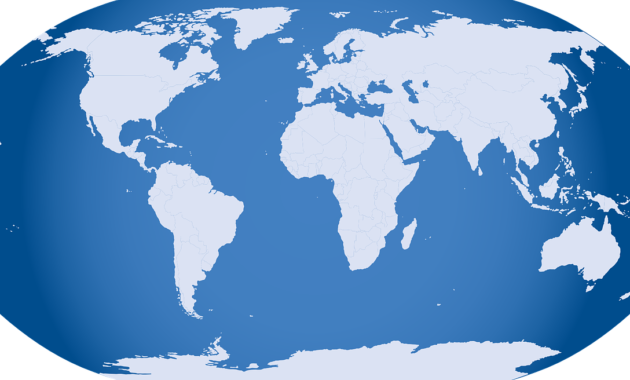
    The difference between arithmetic sequences and series and geometric sequences and series is the pattern. If in arithmetic we use addition patterns, then in geometry we use multiplication patterns. Well, like material in other branches of science, the higher the level of discussion, the more difficult it will be. But don’t worry, because Sinaumed’s will still understand it all if he understands the concept of the formula.

    So, what is a geometric series? What is the concept of the formula for this geometric series? What about examples of problems regarding geometric series and their discussion? So, so that Sinaumed’s isn’t confused about these things, let’s immediately see the following review!

    What is a Geometry Series?

    According to Ruangguru , a geometric series is one that looks like a geometric sequence, but is written in addition form. The ratio in the geometric series is symbolized by r. A simple example of a geometric series is: 1 + 4 + 16 + 64 + 256,….

    Yep, the thing that distinguishes a geometric sequence from a geometric series is the way of writing the arrangement. If in a geometric sequence, the numbers are separated using a comma (,), then in a geometric series using an addition sign (+). “That is why, the definition of a geometric series is the sum of each term of a geometric sequence.”

    In order to understand better, pay attention to writing the following standard arrangement patterns for geometric sequences and geometric series!

    Geometry sequence: a, ar, ar2 , ar3 , …, arn – 1
    Geometry series: a + ar + ar2 + ar3 + … + arn – 1

    Well, based on various sources it can be concluded about matters regarding geometric series, namely.

    • A geometric series is the sum of the terms in the geometric sequence.
    • The sum in question is the sum for several finite terms (starting from the first n terms).
    • The symbol used is Sn, meaning the number of first n terms.

    Another example of a geometric series is:

    S 1 = U 1 (sum of 1 first term)

    S 2 = U 1 + U 2 (sum of the first 2 terms)

    S 3 = U 1 + U 2 + U 3 (sum of the first 3 terms)

    S 4 = U 1 + U 2 + U 3 + U 4 (sum of first 4 terms) 

    etc.

    Understanding What An Infinite Geometry Series Is

    The discussion of geometric series will also be related to infinite geometric series, of course the sum will reach the infinity term. The number of the series still follows the geometric sequence. Since this geometric series is infinite, it will use the symbol ∞ alias infinity (infinite).

    Geometry Series Formulas

    The formula for this geometric series is of course different from the formula for an arithmetic series, even with the formula for an infinite geometric series. This is because, even though these three things have the same name as “series”, their definitions and formulas will still be different. The following is a formula for calculating a geometric series!

    Ascending series (r > 1)

    Descending series (r < 1)

    Information:

    Sn = Sum of the nth term of the geometric series

    a = First term

    r = Ratio

    Proof of Geometry Series Formulas

    The following is a proof of the geometric series formula, especially in the descending series for r < 1.

    ⇔ Sn = U 1 + U 2 + U 3 + U 4 + … + Un

    ⇔ = a + ar + ar 2 + ar 3 + …+ ar n-1 ……………………… (1)

    Now, from equation (1), all terms will be multiplied by r, so it becomes:

    ⇔ rS n = r (U 1 + U 2 + U 3 + U 4 + … + Un )

    ⇔ = r ( a + ar + ar 2 + ar 3 + …+ ar n-1 )

    ⇔ = a + ar + ar 2 + ar 3 + …+ ar n  ………………… (2)

    Then, from equations (1) and (2), the following calculation will be obtained:

    S n = a + ar + ar 2 + ar 3 + …+ ar n-1

    rS n = ar + ar 2 + ar 3 + ar 4 +….. + ar n

    ————————————————————— –

    S n – rS n = a + (-ar n )

    (1-r) S n = a – ar n

    Examples of Geometry Series Problems and their Discussion

    Example Question 1

    1. Find the sum of the first 9 terms of the geometric series 3 + 6 + 12 + 24 + 48 + …

    Completion:

    Given: a = 3

    Wanted: S 9

    Answer:

    Example Problem 2

    2. A rope is divided into 6 parts with length measurements to form a geometric series; if the shortest part is 3 cm and the longest is 96 cm, determine the length of the rope.

    Completion:

    Given: Un = 96; a = 3; n = 6

    Asked: S 7

    Answer:

    Un = ar n-1

    ⇔ 96 = 3 . r 5

    ⇔ r 5 = 32

    ⇔r = 2

    Because r > 1, the applicable calculation formula is

    So, the length of the rope is 189 cm.

    15+ Geometry Series Problems

    1. It is known that the sequence √3 , 3, 3√3 , … The 9th term is …
    A. 81√3 B. 81 C. 243 D. 613√3 E.729
    1. In a geometric sequence, it is known that the 3rd term is 3 and the 6th term is 81. Then the 8th term is…
    A. 729 B. 612 C. 542 D. 712 E. 681
    1. You know the sequence 2, 2 2 , 4, 4 2 , … What term is 64√2?
    A.11 B.12 C. 13 D. 14 E. 15
    1. The sum of the first 5 terms of the series 3 + 6 + 12 + … is …
    A. 62 B. 84 C. 93 D. 108 E. 152
    1. The sum of the first n terms of a geometric series is expressed by Sn = 2n+2 – 3. The formula for the nth term is…
    A. . 2n–1 B. 2n+1 C. 2n+3 D. . 2n–3 E. 2n
    1. It is known that a geometric series with the first term is 6 and the fourth term is 48. The sum of the first six terms of the series is …
    A.368 B.389 C. 378 D. 379 E.384
    1. Given four numbers, the first three numbers are arithmetic sequences and the last three numbers are geometric sequences. The sum of the second and fourth numbers is 8. The sum of the first and third numbers is 18. The sum of the four numbers is…
    A.28 B. 31 C. 44 D. 52 E. 81
    1. A rope is cut into 8 pieces. The length of each of these pieces follows the geometric sequence. The length of the shortest piece of rope is 4 cm and the length of the longest piece of rope is 512 cm. The length of the original rope is … cm
    A.512 B. 1020 C. 1024 D. 2032 E.2048
    1. The following series is known: 3 + 9 + 27 + 81 + …
    1.  Determine the 8th term in the series!
    2. Determine the sum of the first 8 terms in the series!
    1. Bacteria reproduce by dividing every 30 minutes. If the number of bacteria is 200, count how many bacteria will grow after 12 hours and after 24 hours!
    2. Calculate the sum of the geometric series: 3 + 6 + 12 + …. +384

    Understanding What an Arithmetic Sequence Is

    What is the Arithmetic Sequence Formula?

    Please note, Sinaumed’s, that the formulas for arithmetic sequences and arithmetic series are different, even though both are sub-chapters of the same material. Well, here is the formula for calculating an arithmetic sequence.

    Un = a + (n – 1)b

    Information:

    a = U1 = first term in the arithmetic sequence

    b = difference in arithmetic sequence = Un – Un-1, provided that n is the number of terms

    n = number of terms

    Un = the number of the nth term

    The formula for finding the difference in an arithmetic sequence

    b = Un – Un-1

    Information:

    b = difference in the arithmetic sequence

    Un = the nth term

    Un-1 – the n-1 term

    Examples of Problem Arithmetic Sequences and their Discussion

    Example Question 1

    Find the 100th term of the arithmetic sequence 2, 5, 8, 11, …

    Discussion:

    a = 2

    b = u2 – u1 = 5 – 2 = 3

    n = 100 un = a + (n – 1)b

    un = 2 + (100 – 1)3 = 2 + (99 x 3) = 299

    Example Problem 2

    The arithmetic sequence 1, 3, 5, 7, … is known. un = 225. Determine the number of terms (n).

    Completion:

    a = 1, b = 2, un = 225

    un = a (n – 1)b

    225 = 1 + (n – 1)2 = 1 + 2n – 2

    226 = 2n

    n = 113

    Example Problem 3

    Si Dadap successfully passed the PT (Higher Education) entrance examination. As a student, starting January 1, 2008 he received an allowance of Rp. 500,000.00 for one quarter. This allowance is given at the beginning of each quarter. For each subsequent quarter the pocket money he receives is increased by Rp. 25,000. How much pocket money will Dadap receive in early 2011?

    Completion:

    1st Quarter: u1 = a = Rp. 500,000.00

    2nd quarter: u2 = a + b = Rp. 525,000.00, etc

    So b = 25,000.

    At the beginning of 2011, the college had been used for 3 years or 12 quarters, meaning: u12 = a + (12 – 1)b = 500,000 + (11 x 25,000) = 775,000

    So the amount of money that Dadap will receive at the beginning of 2011 is Rp. 775,000.00.

    Example Problem 4

    It is known that the 1st term of the arithmetic sequence is 6 and the fifth term is 18, determine the difference.

    Completion: 

    It is known that a = 6, and U5 = 18

    Un = a + (n – 1) b

    U5 = 6 + (5 – 1) b

    18= 6 + 4b

    4b = 12

    b = 3

    So the difference is 3.

    Example Problem 5

    Find the 21st term of the arithmetic sequence: 17, 15, 13, 11,…

    Completion: 

    If a = 17, b = -2, and n = 21,

    then U21 = 17 + (21-1)(-2) = -23 

    So, the 21st term of the arithmetic sequence is -23

    Example Problem 6

    The 40th term of sequence 7, 5, 3, 1, … is …

    Completion:

    Given: a = 7

    b = –2

    Asked 𝑈40 ?

    Answer:

    𝑈𝑛 = 𝑎 + (𝑛 − 1) 𝑏

    𝑈40 = 7 + (40 − 1) (−2)

    = 7 + 39 x (-2)

    = 7 + (-78) = – 71

    So, the 40th term of the arithmetic sequence is –71.

    Example Problem 7

    The formula for the nth term of the sequence 5, –2, –9, –16, … is …

    Discussion: 

    Given: a = 5 b = –7

    Wanted: the formula for the nth term of the arithmetic sequence = ?

    Answer:

    𝑈𝑛 = 𝑎 + (𝑛 − 1) 𝑏

    = 5 + (𝑛 − 1)(−7)

    = 5 − 7 𝑛 + 7

    = 12 − 7 𝑛

    So, the formula for the nth term of the arithmetic sequence is 𝑈𝑛 = 12 − 7𝑛

    Example Problem 8

    In a theater, seats are arranged with the front row consisting of 12 seats, the second row containing 14 seats, the third row containing 16 seats, and so on. The number of seats in the 20th row is…

    Discussion: 

    Is known:

    a = 12

    b = 2

    Asked 𝑈20 ?

    Answer:

    𝑈𝑛 = 𝑎 + (𝑛 − 1)𝑏

    𝑈20 = 12 + (20 − 1)(2)

    = 12 + 19 . (2)

    = 12 + (38) = 50

    So, the number of seats in the 20th row is 50 seats

    Example Problem 9

    The 10th number of the sequence: 3, 5, 7, 9, ….is…

    Completion:

    a = 3, b = 2,

    U10 = (a + 9b)

    U10 = 3 + 18 = 21

    Example Problem 10

    A sequence of 2, 5, 10, 17, …. meet the pattern Un = an2 + bn + c. 9th tribe of

    that line is…

    Completion

    Is known :

    Rows 2, 5, 10, 17, …

    𝑈𝑛 = 𝑎𝑛2 + 𝑏𝑛 + 𝑐

    Asked: 𝑈9 = ⋯ ?

    Answer:

    𝑈𝑛 = (1)𝑛 2 + (0)𝑛 + 1

    𝑈𝑛 = 𝑛2 + 1

    𝑈9 = 92 + 1

    𝑈9 = 82

    Source:

    Dhoruri, Atmini. Sequences and Series of Numbers.

    Istiqomah. (2020). General Mathematics High School Learning Module: Class XI Sequences and Series . Ministry of Education and Culture. SMA Negeri 5 Mataram.

    Karso, H. Lines and Derets (High School Mathematics Learning) . FMIPA UPI.

    Also Read!

    • Understanding Arithmetic Series Along with Formulas and Examples of Problems
    • What is the Operation of Integer Multiplication?
    • Definition, Formulas, and Examples of Arithmetic Sequences!
    • Examples of Mathematical Induction Problems and their Proof
    • How To Convert Ordinary Fractions Into Decimal Form
    • Sets: Definition, History, Types, and How to Express them 
    • What Is a Down Interval?
    • Trigonometry Function Derivative Formulas
  • Geographical Research: Methods and Steps for Conducting Research

    Geographical Research: Methods and Steps for Conducting Research

    Geographical research – Geography is an essential science field in which humans are involved. Geography is critical because it studies aspects related to the Earth, such as layers of soil, layers of rock, minerals, and so on. This knowledge is indeed critical because humans live on Earth. With this, humans need to know the state of the Earth.

    In addition to studying the Earth, geography explores climate, weather, and everything related to the heavens and outer space. Geography is a vast subject that comprises several branches.

    All aspects of the Earth will only be easily obtained by some. Some people who know geography will conduct geographic research to discover all elements on Earth and even outer space. Therefore, geographic research is fundamental to learning more about the Earth we live in today.

    This article aims to provide Sinaumed with a clear understanding of geographic research and the necessary steps to take. Let’s delve into the following review to gain a better insight into the sequential steps of geographic research.

    Geography Research

    Geography also conducted research. These studies are called “geographical research.” Geographic research is a study conducted in the field of geography. Geography Research is a logical and scientific study. Therefore, geographic research is carried out systematically. Geographic research is carried out to achieve goals through results or solutions to geographic problems.

    Therefore, some problems are mainly faced in geography before starting geographic research. On this occasion, we will learn about the steps of the geographic research method. Of course, this can be used as a guideline for those who want to do research in geography.

    Unlike other research, the research phase in geography focuses on natural phenomena. In other words, formulating the problem in the study of geography contains geographical phenomena. In general, this geographical research has three characteristics: making and using maps, field observations, and identification of models from the research analysis results.

    A phenomenon is an observed fact, event, or state of nature. In general, there are two primary questions about a phenomenon: what or why it occurs and where it occurs.

    So, the phenomena studied in geography are geosphere phenomena. The wonder of the geosphere consists of humans, nature, and their interrelationships on the Earth’s surface. The geosphere is the hydrosphere (water layer), lithosphere (rock layer), atmosphere (air layer), biosphere (life layer including plants and animals), and the human environment (population dynamics).

    Geographical Research Methods

    Geographical research has many types depending on the method, form, and purpose. Based on the objectives, exploratory, descriptive, and explanatory research methods are used to obtain research data. The following is an explanation of the method.

    Explorative Research

    Exploratory research is research by collecting data through interviews, observation, and literature review. This research aims to develop a basis for topics that are new or unknown to people. This study examines the relationship between social and physical symptoms to obtain a quality hypothesis.

    Descriptive Research

    Descriptive research is further research according to exploratory research. The purpose of this study is to reveal cases of the geosphere that are following the facts. The results of descriptive research are in the form of schematic descriptions or systematic flow in solving research cases.

    Explanative Research

    The last is explanatory research, namely research that aims to reveal the problems of the geosphere that occur on Earth.

    Geographical Research Implementation Methods

    After identifying the right type of method, the next step in geographic research is broken down based on the method. Based on the method used, geographic research is divided into 3: case studies, surveys, and empirical studies.

    Case studies were conducted through fieldwork and interviews. Investigations are carried out to test the truth of hypotheses or temporary conclusions. The survey results depend on the sample or samples and information from the respondent. At the same time, experiments were conducted to determine the effect a variable has on other variables. This experiment is carried out in the field or in the laboratory.

    Geography Research Steps

    It should be, wherever there is research, carried out with a scientific and systematic approach. Even not only in geography but also in science or the like, research needs to be guided in scientific and systematic steps. For those of you who want to do geographic research, several steps must be taken to get the results you want. Geography research steps are as follows.

    Defining the ProblemIn conducting research, the first step that must be done is to choose a case. Problems occur when a gap or imbalance exists between the requirements and the actual conditions. Problems can also occur due to gaps between theory and practice or plans and implementation.

    In a geographical study, there are four origins of cases; it could be based on the results of other people’s research, literature, field conditions, or availability of data, maps, and graphs. Geographical problems must contain at least three main issues: what the problem is, where did the case occur, and why did the case occur.

    For example, the first point is about erosion incidents. Then in the second point, where the case occurred, for example, the location is Kali Wangan, Kedungupit, Sragen Kota District. On the third point, why did the problem occur? For example, erosion was caused due to flash floods near the location area?

    1. Make a problem statement.

    The second step in geographic research is to formulate the problem. The formulation of this problem needs to be aligned with the actual situation. The formulation of the problem is in the form of more specific questions that will be sought for answers and the truth through data collection and research that will be carried out. However, the problem and the formulation of the problem have a close interaction because the problem is the basis for making the problem statement.

    As explained in the initial paragraph, the formulation of the problem in geographic research contains facts about the scope of the geosphere. An example of a problem formulation in a geographic study is “Why do urban residents tend to experience cultural changes?” or “What factors influence the quality of Ciliwung river water?”. The answers to these questions will be sought through research.

    1. Determining the Research Title

    The third step that must be done is to choose a research title. The title of geographic research must describe the object and subject to be studied, the location, purpose, and target of the researcher. A research title must be crucial to the research, the data must be available, and the researcher’s abilities must be affordable.

    1. Research Objectives

    After determining the problem, formulation, problem, and research title, the next step is to determine the research objectives. The purpose of this research must be consistent with the problem you create. There are two types of research objectives: specific and general. Specific objectives are formulated in several questions in the formulation of the problem, while general objectives briefly explain what you want to achieve in the research.

    1. Determining Research Variables

    The next step is to determine the research variables. Variables are factors or items that researchers decide to investigate and draw conclusions. There are three types of variables, including independent variables, dependent variables, and moderate variables.

    Independent variables are variables that affect or trigger the next variable. The dependent variable, on the other hand, is the variable that is affected by or is the result of the independent variable. Then moderate variables are variables that strengthen or weaken the relationship between the independent and dependent variables.

    In order to better understand what was conveyed above, two examples will be given below.

    The first example is a physical geographical study of the distribution of landslide-prone areas, as follows.

    Landslides can occur due to rainfall, vegetation cover, slope, soil type, and morphology. All of these conditions will differ in each region.

    There are areas whose morphology is in the form of hills, steep slopes, and high rainfall. However, some areas have conditions that are reversed from the previous area. Well, it is these conditions that can cause the area to be prone to landslides or not.

    From this first study, it can be concluded that a dependent variable is a landslide event because the landslide event was an impact or determined by other variables. At the same time, the independent variables are rainfall, vegetation cover, soil slope, soil type, and morphology.

    Well, the second example will be taken from examples according to social-based geographic research, for example, regarding the effects of the development of tourist areas on the community’s economy, as follows.

    The most straightforward research to do discusses the development of tourist areas on the community’s economy.

    From this research, you will find several supporting factors. The first factor is transportation access to the location, such as road network and conditions. The second factor relates to the distance from the tourism location, strategic location or not. The last or third factor is the distribution of tourism spots.

    In this second study, the dependent variable is people’s income in the tourism sector. Why? Because this variable is influenced or caused by the three factors mentioned above. These three factors became independent variables in the second study because they influenced or became the cause of other variables.

    1. Determine the theoretical basis.

    Before submitting research, the next step in geographic research that you must pay attention to is choosing a theoretical basis. The goal is to strengthen your research by using theories, concepts, and definitions systematically to carry out research. All scientific research must have a theoretical basis; it is not permissible to make it. This theory has three functions, namely explaining, predicting, and controlling.

    1. Develop a Research Framework

    The next step is to develop a research framework. The framework begins with formulating the problem and then explains the variables in the theoretical framework. The researcher will then analyze and compare the relationship between the two variables in his research to provide a frame of mind. Based on this research framework, the researcher will propose a hypothesis.

    1. Research Hypothesis

    After doing the seven steps above, the next step is a hypothesis. The hypothesis is a temporary statement or answer to the problem that has been formulated. However, this hypothesis may change after data collection.

    1. Determine the population and research sample.

    After preparing the hypothesis, we enter into the research process, namely determining the population and the sample to be studied. Why do you need an example? This is necessary to represent the population. The use of this sample will make the research simpler.

    1. Sampling Techniques

    Sampling certainly must be done appropriately. There needs to be a certain technique for taking research samples.

    1. Data Collection Techniques

    You also have to determine the data processing techniques used in the research. There are a lot of data processing techniques. This is done so that research is more accurate.

    1. Data Processing

    After the samples and data are obtained, the next process is data processing. Research data processing can use a particular software or use other supporting tools.


  • Geographical Position of Asia and Characteristics of the Continent

    Geographical location of Asia – The continent of Asia is the largest continent in the world and is inhabited by around 4.3 billion people, equivalent to 60 percent of the total human population worldwide today. In general, the Asian Continent with an area of ​​up to 44,579,000 square kilometers consists of land area, including several islands and water area consisting of several ocean areas.

    The Asian continent is also known as the Yellow continent because there are some majority people who inhabit this continent, namely the Mongoloid race who have yellow skin color.

    Apart from being known as the Yellow continent, the Asian Continent is also known as the East continent. This title refers to the opinion of several historians who reveal that the word Asia was actually taken from the Syriac or Ancient Greek language which means east. Then where is the geographical location of the continent of Asia? And what are the characteristics? Check out the explanation until the end in this article!

    Geographical, Astronomical and Country Locations on the Asian Continent

    The Asian continent according to its astronomical position is at 11° South Latitude – 77° North Latitude and 26° East Longitude – 169° West Longitude. Meanwhile, the geographical location of the Asian Continent is between two continents and two oceans, therefore the geographical location of the Asian Continent is considered very strategic.

    Geographically, the Asian Continent is directly adjacent to the European Continent and the Pacific Ocean, while to the south there is a boundary with the Australian Continent and the Indian Ocean. Here are the boundaries of the continent of Asia from west to north.

    • To the west: the Asian continent is directly adjacent to the European continent which is bounded by the Ural Mountains, the Red Sea, the Ural Sea, the Caspian Sea, the Mediterranean Sea, the Suez Canal and the Sea of ​​Marm.
    • To the east: The continent of Asia is directly adjacent to the Pacific Ocean and the Bering Strait.
    • To the north: The continent of Asia is directly adjacent to the Arctic Ocean.

    As the largest continent in the world, there are around 48 countries in the continent of Asia that stretch from west to east, from north to south. Therefore, there are sub-regions on the Asian Continent.

    The sub-regions on the Asian Continent are West Asia, East Asia, North Asia, South Asia, Southeast Asia and Central Asia and the Asian sub-region that has the most countries in the world is the West Asia sub-region, which totals 17 countries.

    Meanwhile, the least number of countries in the Asian Continent region is in the north, then the central and eastern parts have a total of 5 countries. In the Southeast sub-continent, it has a total of 11 countries, while in South Asia it is inhabited by 9 countries.

    The country with the most population on the Asian Continent according to 2020 is China with a population of 1.43 billion, then in second place is India and third is Indonesia. Then for the countries with the least population are Brunei Darussalam, Maldives and Bhutan.

    Specifically for China, the country has two regions with special autonomy, namely Macau and Hong Kong. To make it clearer, here is a list of countries according to the sub-continent of Asia.

    1. Southeast Asia

    Country Capital Name
    Brunei Darussalam Badr Seri Begawan
    Cambodia Phnom Penh
    Philippines manila
    Indonesia Jakarta
    Singapore Singapore
    Thailand Bangkok
    Timor Leste Dili
    Laos Vientiane
    Vietnamese Hanoi
    Malaysia Kuala Lumpur
    Myanmar Naypyidaw

    2. East Asia

    Country Capital Name
    China Beijing
    Hong Kong Hong Kong
    Macau Macau
    Taiwan Taipei
    Japan Tokyo
    South Korea seoul
    North Korea Pyongyang
    Mongolia Ulan Bator

    3. South Asia

    Country Capital Name
    Bangladesh Dhaka
    Bhutan Thimphu
    India New Delhi
    Maldives Male
    Nepal Kathmandu
    Pakistan Islamabad
    Sri Lanka Sri Jayawardenepura Kotte
    Afghanistan Granted

    4. West Asia

    Country Capital Name
    Saudi Arabia Riyadh
    Bahrain Manama
    Kuwait Kuwait
    Oman Muscat
    Qatar Doha
    United Arab Emirates Abu Dhabi
    Yemen Sanaa
    Palestine Jerusalem
    Iraq Baghdad
    Israel Tel Aviv
    Lebanese Beirut
    Turkey Ankara
    Syria Damascus
    Jordan Amman
    Iran Tehran
    Cyprus Nicosia

    5. Central Asia

    Country Capital Name
    Kazakhstan Astana
    Kyrgyzstan Bishkek
    Tajikistan Dushanbe
    Turkmenistan Ashgabat
    Uzbekistan Tashkent

    Because of its vast area, the Asian continent is not only the largest continent in the world but also a continent rich in diverse nature, ranging from highlands, mountains, steppes, deserts, saltwater ecosystems, fresh water ecosystems and others. With this wealth, there are several developed countries that are able to take advantage of it and there are also developing countries on the Asian continent.

    There are seven developed countries on the Asian continent, including Japan, Hong Kong, South Korea, Macau, Taiwan, Singapore and Israel. Meanwhile, the other 41 countries on the Asian continent are developing countries, including Indonesia. The 41 developing countries are Bhutan, Kazakhstan, Bangladesh, Kyrgyzstan, Tajikistan, India, Iran, Turkmenistan, Iraq, Uzbekistan, Kiribati, China, Kuwait, Mongolia, Brunei Darussalam, Philippines, Lebanon, Malaysia, Maldives, Indonesia, Micronesia, Nepal, Cambodia, Oman, Papua New Guinea, Myanmar, Pakistan, Thailand, Timor Leste, Qatar, Sri Lanka, Vietnam, Syria, Afghanistan, United Arab Emirates, Yemen, Jordan, Armenia, Azerbaijan and Bahrain.

    Characteristics of the Asian Continent

    The continent of Asia has several characteristics. Apart from its breadth, the continent of Asia has 5 climates and is one of the continents that experiences the most frequent earthquakes. What are the other characteristics of the Asian Continent? Check out the following explanation.

    1. The Most Extensive Continent in the World

    The first characteristic of the Asian continent is its area. The area of ​​the continent of Asia is almost ⅓ of the plains in the whole world. If the Australian continent has an area of ​​43,998,920 square km, then the Asian continent has an area of ​​44,000,000 square km.

    Due to its large area, the Asian continent is divided into six regions or six sub-regions, namely East Asia, South Asia, Southeast Asia, Central Asia and North Asia.

    2. Has 5 Climates

    The continent of Asia has five climate divisions, which are cold climate, continental, wet sub-tropical, wet tropical and desert climate. Here’s a further explanation.

    a. Cold climate

    The cold climate on the Asian Continent can be found in the north, especially on the Siberian mainland which has a polar continental climate or a subarctic climate. Regions with cold climates generally have shorter summers.

    b. Continental climate

    The continental climate is also called the terrestrial climate and can be found around Central Asia and Northwest China. The region that has a terrestrial climate is the Gobi Desert.

    c. Wet subtropical climate

    The climate with western subtropics is dominated around the East China region which is at latitude 250 0 350 LU. Areas with a wet subtropical climate type generally rain more often, due to the influence of the southeast monsoon and the Pacific Ocean.

    d. Wet tropical climate

    Wet tropical climates can be found throughout most of Southeast Asia and South Asia. This region has a fairly high rainfall, which is between 1,000 and 2,000 mm per year. The wet tropical climate is heavily influenced by monsoon winds which result in dry and rainy seasons.

    e. Desert climate

    The desert climate has a dry nature, therefore rainfall in areas with a desert climate tends to be very low, around 250 mm to 220 mm per year.

    A desert climate can occur due to the influence of winds originating from dry desert areas. Desert climates can be found in the West Asian region, especially on the Arabian Peninsula and Central Asia around the Robi Desert.

    3. Has a fairly wide sea and desert

    Besides having a large enough ocean, the continent of Asia also has a vast desert as well. Some of the deserts on the Asian Continent include the Taklamakan Desert, the Gobi Desert, and the Ordos. Meanwhile, the continent with the largest ocean in the world is the South China Sea.

    4. Has the Most Population

    The continent of Asia is not only big and wide, but also the continent with the most population, reaching up to 4 billion people. This population size makes the continent of Asia the continent with the largest population in the world. Countries that have the highest population on the Asian Continent are Pakistan, India, Indonesia, China, Japan and Bangladesh.

    5. Experiencing Earthquakes Often

    The continent of Asia is a continent that often experiences earthquakes. One of the countries on the Asian continent that experiences earthquakes quite often is Japan.

    6. There is a mountain with the highest peak in the world

    The highest mountain peak in the world is on the continent of Asia, namely Mount Everest, the peak of Mount Everest is not only the highest in Asia but also the highest in the world.

    According to National Geographic, the height of this mountain reaches up to 29,035 feet or about 8,850 meters above sea level. Mount Everest is on the border of Nepal and China.

    7. Has the Highest Plains in the World

    Besides having the highest mountain peaks in the world, Asia also has the highest plateau in the world which is in Tibet. Because of this, Tibet has earned the nickname as the roof of the world.

    Most of Tibet has an altitude ranging from 4,000 to 5,000 meters above sea level. The Tibetan region is on the border between East Asia and South Asia. Tibet itself is in the southern part of China and has direct borders with India, Nepal, Bhutan and Burma.

    8. Became the Birthplace of a Major Religion

    The Asian continent is the birthplace of most major religions, for example, Islam, Christianity, Buddhism, Hinduism and Confucianism.

    Asian continent profile

    The continent of Asia was formed thousands of years ago. This continent has an area of ​​about 51,053,817 square km. The Asian continent also gets the nickname as the largest continent in the world, this is because the area of ​​the Asian continent is almost one third of the plains in the whole world.

    Please note that the land area of ​​the mainland is only 30% of the surface area on earth and one third of that 30% is owned by the Asian continent. So it can be concluded that the continent of Asia covers almost all the land on earth.

    Given the size and diversity that exists on the continent of Asia, the concept of the name Asia is actually taken from classical times and relates to human geography rather than physical geography.

    The Asian continent and the European continent are continents that are connected by land and both form a giant continent which is named Eurasia. The boundary between the Asian Continent and the European Continent is very blurred, so that some countries such as Turkey can sometimes be categorized as the European Continent or even the Asian Continent.

    Some of the natural landscapes used to separate the two continents are the Sea of ​​Marmara, Dardanelles, Black Sea, Bosphorus Strait, Caucasus Mountains, Caspian Sea, Black Sea, Ural River and Ural Mountains.

    The word Asia comes from ancient Greek which has been adapted into Indonesian. The word Asia was first used in 440 BC in reference to Asia Minor or with the intention of describing the Persian Wars on the Persian Empire as an enemy of Greece and Egypt.

    Apart from that, the origin of the word Asia probably comes from an Akkadian word which is still related to the Hebrew word which means going out or rising, referring to the direction of the sun when the sun rises in the Middle East and is also related to the Phoenician word asa which means east.

    Meanwhile, according to Arabic and Persian, Asia has the meaning of entering or setting in reference to the sun.

    Apart from the origin of the word or the etymological meaning of Asia, Sinaumed’s also needs to know the flora and fauna that exist on the continent of Asia. the following explanation.

    Areas with a wet tropical climate are usually covered by tropical rain forests with trees that have broad and heterogeneous leaves. There are also seasonal forests which have rather sparse and homogeneous trees.

    Animals that live in areas with a wet tropical climate include rhinos, monkeys and bison. Then in areas with dry climates you will find desert plants with a fairly short growing period.

    These plants can be found in areas with dry climates, such as prickly cacti. Animals that can survive in areas with dry climates include camels, lions, donkeys and hyenas.

    Furthermore, in areas surrounded by deserts with greater rainfall, it is generally covered with dry grasslands. In slightly more humid areas, there are savanna forests. Animals that live in desert areas with greater rainfall and humid areas include giraffes, yaks, zebras, zebu, bison, tigers, horses, lions, deer, wolves and jaguars.

    In the area around the poles, there are plants that have needle-like leaves with mixed forests such as fir or conifer forests. Then, the area along the coast of the Arctic sea is an area that has no trees.

    The plants that can be found in this area are usually moss-like plants or also known as tundra forests. Animals that can survive in this area are caribou animals, which are deer-like animals, there are also wolves and bears that can live in the tundra region.

    Thus the explanation of the geographical location of Asia and the characteristics of the Asian Continent. For Sinaumed’s who are interested in studying the geography of other continents, they can learn it by reading books.

    As #FriendsWithoutLimits, sinaumedia.com provides various kinds of quality and original books for Sinaumed’s. Reading lots of books and articles will never hurt you, because Sinaumed’s will get #MoreWithReading information and knowledge.

    Author: Khansa

    Reference:

    • https://sinaumedia.com/literasi/kartuistik-benua-asia/#Layout_Astronomy_Geographic_dan_Batas_Benua_Asia
    • https://en.wikipedia.org/wiki/Asia
  • Geographical Location of the Australian Continent, Climate Conditions, and Nature

    Geographical Location of the Australian Continent – ​​The Australian continent consists of only one country. Australia is also the smallest continent among the other five continents. The only country on the continent of Australia is Australia.

    This continent has a fairly large mainland area and is located in the south of the territory of Indonesia. Australia has several islands, for example Christmas, Macquarie, Coscos and Tasmania.

    According to the IPS Module book published by the Ministry of Education and Culture in 2018, the mainland of the Australian continent has a unique fauna. This area is home to most of the kangaroo animals that have pouches on their stomachs.

    A small proportion of kangaroos live on the island of New Guinea, because the island was once attached to the Australian mainland. The Australian continent is a new landmass that little has been discovered by western explorers. This continent is the smallest continent in the world. Then where is the geographic location? See the explanation further in this one article.

    History of the Australian Continent

    The Australian continent is a land with the nickname of the new world because a little more has been discovered by western explorers. Mainland Australia, as noted in J. Siboro’s book History of Australia (1989), had attracted the attention of the VOC based in Batavia.

    Then, on orders from the VOC, a reliable Dutch sailor named Abel Janszoon Tasman departed from Batavia to search for the location of the landmass in 1642. The search for land was inspired by Pythagoras’s theory of the balance of the earth who believed that there was a continent at the south pole and then call it Terra Australia Incognito.

    This theory was supported by Claudius Ptolemaeus, an astronomer and geographer from Alexandria from Egypt who lived in the 2nd century AD. Ptolemaeus (Ptolemy) believed that there was a large landmass south of the equator which had a function to balance the weight of the northern part of the earth.

    Tasman has actually managed to stop at several beaches on mainland Australia and New Zealand. However, he was not aware that this area was the land he was looking for. For this reason, he did not explore the land he was on.

    Then, in 1688, a pirate and a British scientific investigator named William Dampier made it to the mainland of the Australian continent, he then wrote a more detailed report about the area. After that, the puzzle about Terra Australia Incognito was finally answered.

    James Cook was an accomplished sailor and an astronomer who made voyages from 1768 to 1971 on orders from the British government, he was a figure who succeeded in ascertaining the details of the map of the location of mainland Australia and New Zealand and carried out explorations by observing the natives there. there.

    Australia is a continent country located in the southern part of the Asian Continent. Australia’s largest city is Sydney, but the nation’s capital is Canberra.

    Australian residents use English as their official language, because this mainland is one of the British commonwealth countries or is referred to as common wealth.

    Historically, the Australian continent was inhabited by indigenous people called the Aborigines, a race from the Polynesian nation. However, after the Europeans explored and expanded to discover a new world, the Australian continent gradually became one of the British colonies and included the Australian continent in the Commonwealth of Nations, along with South Africa, Hong Kong, Malaysia and other countries.

    After the conquest of the Australian Continent, the British also made this continent the smallest continent and a land of disposal for convicts who were considered to have disturbed British society and dissidents of the British empire. Then, the Australian Continent became a place for the European race besides its original inhabitants, namely the Aborigines.

    The government of the Australian state, until now, is still following the British Empire with the queen as the symbol of government and represented by the Governor General as the leader of the country. Australia adheres to a constitutional monarchy system.

    Location of the Australian Continent and its Territory Boundaries

    After knowing the brief history of the Australian continent, Sinaumed’s also needs to know the geographic location of the Australian continent and its astronomical position. The following is an explanation of the location of the Australian continent.

    1. Geographical Location of the Australian Continent

    Geographically, there are only three countries in the Australian continent, namely Australia, Papua New Guinea and only parts of Indonesia. Even so, if you count the countries in the Oceania region, then the total of all the countries is 14 countries.

    The following is the geographical location of the Australian continent:

    • The northern part is bordered by Indonesian territory, namely the Timor Sea and the Arafuru Sea.
    • The south is bordered by the Indian Ocean and Antarctica.
    • The western part is directly adjacent to the Indian Ocean.
    • The east is bordered by the Tasmanian Sea, Coral Sea and the Pacific Ocean.

    2. Geological Location of the Australian Continent

    The continent of Australia is in the eastern hemisphere and the southern hemisphere. It is this geological location that makes Australia also often referred to as the lower continent. For nature in Australia, it is divided into three parts. The following is the geological location of the Australian Continent:

    • The area in eastern Australia is filled with mountain ranges extending from Cape York in the north to the island of Tasmania.
    • The area in the western part of Australia is filled with high ground which is commonly called the Australian Shield. The majority of the area in the western and central parts is desert, namely the Gibson Desert and the Victoria Desert.
    • The central area is between the eastern mountains and the western highlands, which are the Murray Darling valley and the lowland plains of Lake Eyre. Lake Eyre is the largest lake in Australia.

    3. Astronomical Location of the Australian Continent

    Astronomical location is the location or position of a country or continent that can be seen according to the country’s position in latitude and longitude. The astronomical position can later determine the climate, weather and even the socio-cultural conditions of the people living in the area. Astronomically, the Australian Continent is located in the following positions:

    • Because it is in the southern hemisphere, the position of the Australian continent is at latitude at a point between 10°41′ South Latitude (South Latitude) – 43°39′ South Latitude (South Latitude).
    • The Australian continent is in the eastern part of the earth, so the position of the Australian continent is in the longitude between 113°9′ east longitude (East longitude) – 153°39′ east longitude (east longitude).

    4. Australian Continental Boundaries

    The Australian continent is bordered by continents and oceans in the north, west, east and south. These boundaries include the continental boundaries of the Americas and the maritime boundaries of the Americas. The following are the boundaries of the Australian continent:

    • The boundaries of the continent of Australia in the north: the continent of Asia.
    • The boundary of the Australian continent in the east: the Pacific Ocean.
    • The boundaries of the Australian continent in the south: the Indian Ocean.
    • The boundaries of the continent of Australia in the west: the Indian Ocean.

    Australia’s Advantages of Geographical Position

    With the geographical conditions of the Australian continent described above, of course this geographical location will provide benefits for the Australian continent. These advantages include the following:

    1. Has varied natural conditions

    The natural conditions in Australia are quite varied, ranging from highlands, lowlands, deserts and even mountains. So it can be said that the natural conditions that exist on the continent of Australia have characteristics or characteristics and uniqueness that can be used as an attractive tourist destination.

    2. It has diverse flora and fauna

    The second advantage of the geographical location of the Australian continent is the diversity of flora and fauna. The flora in Australia is dominated by steppes and savannas. Meanwhile, the wealth of fauna is dominated by types of fauna such as koalas, kangaroos and ostriches.

    Climate, Natural and Geographical Conditions of the Australian Continent

    The astronomical and geographical location of the Australian continent will affect the climatic conditions, natural environment, geography and the diversity of its fauna and flora. The following are the climatic conditions, nature and geographical conditions of the Australian Continent.

    1. Climate Conditions of the Australian Continent

    The location of the continent of Australia, the majority of its territory is south of the equator. Therefore, the climate of the Australian continent is more diverse than the tropics. There are four climates on the continent of Australia, namely as follows:

    • The tropical climate belongs to the northern part of Australia.
    • The climate is sub-tropical in southern Australia.
    • A temperate marine climate exists in the southern regions of Victoria and Tazmania.
    • A desert climate that exists in the desert region of Australia.

    2. Natural Conditions of the Australian Continent

    The Australian continent has a topography that tends to be flatter when compared to other continents. Part of the continent of Australia is a low plateau. In fact, two-thirds of the area on the Australian continent is desert.

    One of the factors for the extent of the desert on the Australian continent is its location in the descending zone of air masses, also known as the subsidence zone. The zone, astronomically, is around 30 LU or 30 LS.

    Meanwhile, the western plateau of the Australian continent used to be a fairly large plateau, but the area experienced erosion. The plateaus in the area consist of the Hammersley Plateau, the Kimberly Plateau, the Macdonnell Low Mountains, the Musgrave and Arnhem Land Plateau.

    The western plateau is mostly a desert area with large areas and no rivers, while a small part of the area has rivers consisting of the Gascoyne River, Ord River, and Murchison River with a flow towards the west or north.

    The Australian continent has an eastern plateau known as the Great Dividing Mountains, these mountains extend from the Cape York Peninsula to Tazmania in the south.

    Meanwhile, other mountains are the Blue Mountains to the west of Sydney and the Snowy Mountains on the border of New South Wales and Victoria.

    The Australian continent has a west coast plain formed by rock faults along the western continent. Then there is also a plateau on the east coast which makes the lowland coast narrower. To the east of the Australian continent off the coast of Queensland, has an area with extensive, large and longest coral reefs in the world, the area is referred to as the Great Barrier Reef or the Great Barrier Reef.

    3. Geographical Conditions of the Australian Continent

    The continent of Australia is the smallest continent in the world and the smallest continent by area. The total area of ​​the entire Australian continent is only 8.6 million square km.

    The territory of the Australian Continent consists of the Australian mainland, the island of Tasmania and the island of New Guinea which consists of Papua New Guinea and parts of eastern Indonesia.

    With the smallest area, Australia is also the continent with the second least population after Antarctica. In Papua, there are still many people who live in forest areas and tribes that are still unknown and unknown.

    This is different from the mainland of the Australian continent which has advanced. In the western part, there are many plateaus and some areas with deserts, while in the east you can find mountains that stretch. There are even many valley areas that are fed by rivers, both in the western and eastern parts of Australia.

    Characteristics of the Australian Continent

    Australia’s official name is the Commonwealth of Australia with its capital city in Canberra. The form of this country is a constitutional monarchy with the head of state being the Queen or King of England and the head of government being the Prime Minister.

    The official language used in Australia is English with the majority population adhering to Christianity. The currency in Australia is the Australian Dollar. The country has a national anthem entitled God Save the Queen .

    In addition to the characteristics of the Australian continent mentioned above, there are also several characteristics or characteristics of the Australian continent, as follows:

    1. The Australian continent is the smallest continent when compared to the area of ​​other continents.
    2. The Australian continent only has one country, namely Australia, in contrast to other continents which are inhabited by more than one or several countries.
    3. The Australian continent is the second continent in the south after the Antarctic continent.
    4. Australia has unique endemic animals, namely kangaroos, platypus (a type of otter) and kiwi birds.
    5. The Australian continent is a continent that has indigenous tribes, namely the Aborigines.
    6. The majority of the population on the Australian continent are white races.

    Australia is a country in the southern hemisphere and also cooperates with several neighboring countries, including Indonesia. The cooperation between Australia and Indonesia covers trade with export and import activities, where so far Indonesia has always imported beef and wool from Australia.

    Apart from working together in the field of trade, Australia and Indonesia are also working together with Indonesia in the field of education. Australia and Indonesia are collaborating by providing a number of scholarships through the Australian government to Indonesian students who wish to continue their higher education in Australia.

    This is an explanation regarding the geographical location of the Australian continent. If Sinaumed’s wants to learn more about the Australian Continent or other continents, Sinaumed’s can get information by reading books.

  • Geographical Location of the African Continent and Its Profile

    Geographical Location of the Continent of Africa – Africa is the second largest continent in the world. The African continent has a land area of ​​30.365 million square kilometers, which is about 8 thousand kilometers from north to south and 7,400 kilometers from east to west.

    Astronomical and Geographical Location of the African Continent

    The African continent has a position at 37°N – 34°S and 17°W – 51°East. Geographically, the African continent is between the Atlantic Ocean and the Indian Ocean. The African continent is also south of the European continent.

    The northernmost point of the African Continent is Al-Ghiran, Tunisia, and the southernmost point is Cape Agulhas, South Africa. The easternmost point is at Xaafuun (Hafun) Point, near the Cape Gwardafuy area, Somalia. And the westernmost point is Almadi Point, Cape Verde, Senegal.

    The boundaries of the African Continent are as follows:

    • North: Mediterranean Sea or Mediterranean Sea and Continental Europe
    • South and West: Atlantic Ocean East: Indian Ocean and Red Sea.

    Profile of the continent of Africa

    The African continent has an area of ​​up to 30.365 million square kilometers which makes this continent the second largest continent in the world after Asia. The continent of Africa stretches for 8,000 km from north to south and 7,400 km from east to west.

    The northernmost point of the African continent is located in Al-Ghiran, Tunisia while the southernmost point is Cape Agulhas, South Africa. In addition, the easternmost point is located at Xaafuun (Hafun) Point, which is close to the Cape Gwardafuy (Guardafui) area, Somalia. Meanwhile, the westernmost point is Almadi Point, Cape Verde, Senegal.

    In the past during the imperialism of European countries, the African continent was nicknamed the Dark Continent. This nickname was given not only because of the skin color of its inhabitants, but also because the African continent is considered to be very mysterious and holds many mysteries. The continent of Africa at that time was still not much explored and not much had been mapped.

    As quoted from the Encyclopedia Britannica, in ancient times the Greeks were said to have called this continent the continent of Libya and the Romans called it Africa. These names are thought to have come from the Latin aprica which means “bright” or the Greek aphrike which means “without cold”.

    Climate Conditions of the African Continent

    Due to the astronomical location of the African Continent, this continent can be grouped into 4 climate regions, which are as follows:

    1. Tropical climate

    The African region which includes a tropical climate is the area around the equator, which divides the African continent into two in the middle. The region includes Guinea-Congolia and Madagascar. Quoting from the Food and Agriculture Organization of the United Nations, the tropical region has a rainfall of around 1,000 to 2,000 milliliters per year. This makes this area overgrown with many plants and forms tropical rainforests and moist tropical deciduous forests.

    2. Subtropical climate

    The African region which includes a subtropical climate is an area that is located away from the equator. This area is filled with savanna, one of the most famous of which is the Serengeti area.

    3. Desert climate

    The vast continent of Africa makes this continent have several climates. Desert climates can be found in the north, south, and southwest. Quoted from Safaris Africana, the desert is defined as an area that is dry and receives less than 12 inches of rainfall each year. Africa has the hottest desert in the world, namely the Sahara Desert, which stretches up to 9.4 million kilometers or has the same size as the United States.

    4. Mediterranean climate

    The northernmost African region has a Mediterranean climate type, namely around the Atlas Mountains, the Mediterranean Sea, and a small part of southwest Africa. This area tends to be dry in summer and has cold winds with low temperatures in winter.

    5. Mountain climate

    The African continent also has a mountainous climate, precisely in the Ethiopian highlands. The area is located around northeastern Africa. Launching from National Geographic, the Ethiopian plateau is home to 80 percent of the highest mountains in Africa. The plateau is home to a variety of animal species including the Walia ibex and the now endangered Ethiopian wolf.

    Landscapes of the African Continent

    The continent of Africa and the continent of Europe are separated by the Strait of Gibraltar, the Mediterranean and the Red Sea. The continent of Africa unites with the continent of Asia at its northeastern tip by passing through the Suez Canal which has a width of 130 km.

    The continent of Africa is passed by several major rivers. One of the rivers through Africa, including the Nile, with a length of up to 6,400 km. The Nile is the longest river in the world and passes through the countries of Sudan and Egypt. Besides that, Africa is also traversed by the Zambesi, Congo, Niger, and Orange Rivers. Lakes on the African continent include Lake Victoria, Tanganyika, Chad, and Nasser.

    The continent of Africa is vast and covers nearly one-fifth of the land area on earth. Areas of this continent include mountains and mountains. The fold mountains are located at the northern tip of the African continent, namely the Atlas Mountains.

    The mountains on the African Continent include Mount Kilimanjaro (5,890 m) in Tanzania, Mount Margherita (5,109 m) in Congo, Mount Ras Dashen (4,629 m) in Ethiopia, Mount Cameroon (4,070 m) in Cameroon, Mount Emi Koussi (3,415 m) in Chad, and Mount Kinyeti (3,187 m) in Sudan.

    Flora and Fauna of the African Continent

    The astronomical location of the African continent makes climatic conditions and natural conditions greatly affect the distribution of flora and fauna on the African continent. Therefore, the flora on the African continent is a combination of tropical rainforest plants, for example various types of mosses, ferns, shrubs, and plants with dense leaves in Central Africa and West Africa. In the north, the plants that live are generally grasses, shrubs and plants with soft stems. Likewise those in the south, the plants that live are generally types of grass, shrubs, and soft plants.

    Characteristics of the African Continent

    Based on the astronomical location of the African continent, there are several characteristics that must be known, including:

    • It is called the ‘Dark Continent’ because most of its inhabitants have black skin.
    • It has the largest desert in the world, namely the Sahara Desert. The desert has an area of ​​up to about 8.4 million km². This desert stretches from Senegal in the west to Kenya in the east. The deserts in the South are the Kalahari Desert and the Namibian Desert.
    • Has the Ethiopian plateau and the Kilimanjaro volcano as the highest mountain on the African continent.
    • The African continent has one of the longest rivers in the world, namely the Nile with a length of up to 6,690 km. This river flows from Lake Victoria and Lake Tana to the Mediterranean Sea. Then there is the Congo River, the Orange River in South Africa, the Niger River in Nigeria, and the Zambesi River in Zambia. Some of these rivers are dammed for irrigation as well as power generation, for example the Aswan dam which dams the Nile River and the Akosombo dam which dams the Volta River in Ghana.
    • Found the pyramids which are the tombs of the kings of ancient Egypt. This pyramid is one of the wonders of the world.
    • Africa has the 800 most widely spoken languages, for example the Afro Asiatic language group (Arabic, Somali, Amharic, Berber, Hausa and Oromo), Nile-Saharan languages ​​(Luo, Songhay, Nubian, and Maasai), Niger-Congo (Swahili, Igbo, Yoruba, Fula, and Shona), and Khoisan (Sandawe, Khoe, Hadza, Ju).
    • Stretching from north to south for 8,000 km, the African continent has a wide variety of climates. An area located near the equator with a tropical, then subtropical, and desert climate.
    • The economies of the countries on the African Continent are included in the lower middle class category up to the crisis limit. All of this is influenced by various factors, such as the climate, most parts of Africa are classified as dry and have less potential for work.
    • The continent of Africa has a wide variety of biodiversity due to different climatic conditions.

    List of Countries on the African Continent and Their Capitals

    The African continent is divided into five regions namely North Africa, West Africa, Central Africa, East Africa and South Africa. According to 2018 data from the United Nations, the African continent is inhabited by around 1.3 billion people with a density of up to 36 people per square km.

    1. North Africa Region

    The countries in North Africa and their capitals are:

    • Egypt: Cairo
    • Libya: Tripoli
    • Morocco: Rabat
    • Algeria : Algiers
    • Tunisian: Tunis
    • Sudan: Khartoum
    • South Sudan: Juba

    Apart from that, in North Africa, there are also the Canary Islands which are Spanish territory. Spain also has the autonomous cities of Melilla and Ceuta. Meanwhile, Portugal also has Madeira Island in this area.

    There is also the Sahrawi Arab Democratic Republic which claims that its territory is the entire territory of Western Sahara, a former Spanish colony. This country was declared by the Frente Popular de Liberacion de Saguia el Hamra y Rio de Oro or Polisario Front on 22 February 1976 in Bir Lehlu.

    2. East Africa Region

    The countries in East Africa and their capitals are:

    • Zambia: Lusaka
    • Rwanda: Kigali
    • Zimbabwe: Harare
    • Eritrea: Asmara
    • Djibouti : Djibouti
    • Tanzanian: Dodoma
    • Mauritius: Port Louis
    • Kenya: Nairobi
    • Comoros: Moroni
    • Burundi: Bujumbura
    • Malawi: Lilongwe
    • Somalia: Mogadishu
    • Uganda: Kampala
    • Mozambique: Maputo
    • Seychelles : Victoria
    • Ethiopia : Addis Ababa
    • Madagascar : Antananarivo

    Besides that, there is also Somaliland with the capital city Hargeisa. This entity has not been recognized by the United Nations as a state.

    3. West Africa Region

    The West African region has a regional organization called The Economic Community of West African States (ECOWAS). This organization has existed since 1975 through the Lagos Treaty.

    The countries in West Africa and their capitals are:

    • Mauritania: Nouakchott
    • Sierra Leone : Freetown
    • Senegal: Dakar
    • Togo : Lome
    • Guinea-Bissau : Bissau
    • Benin : Porto-Novo
    • Gambia : Banjul
    • Ghana: Accra
    • Niger: Niamey
    • Ivory Coast: Yamoussoukro
    • Guinean: Conakry
    • Burkina Faso: Ouagadougou
    • Liberia : Monrovia
    • Nigeria: Abuja
    • Cape Verde : Praia
    • Mali : Bamako

    4. Central African Region

    The countries in Central Africa and their capitals are:

    • Central African Republic : Bangui
    • Cameroon: Yaounde
    • Gabonese: Libreville
    • Sao Tome and Principe : Sao Tome
    • Angola: Luanda
    • Democratic Republic of the Congo: Kinshasa
    • Chad : N’Djamena
    • Equatorial Guinea : Malabo
    • Congo: Brazzaville

    5. South Africa Region

    Countries in South Africa and their capital cities are:

    • South Africa : Cape Town, Pretoria, and Bloemfontein
    • Swaziland : Mbabane
    • Botswana : Gaborone
    • Namibia: Windhoek
    • Lesotho: Maseru

    It should be noted that this southern African continent has three capital cities. Pretoria is the capital for the executive, Bloemfontein for the judiciary, and Cape Town for the legislature.

    • The 7 Largest Continents on Earth’s Surface According to Order
    • Who Discovered America? This is the historical explanation
    • What’s the difference between an island and a continent? Here’s the answer
    • 7 Continents in the World, You Must Know This!
    • Get to know the Australian Continent and the Causes of Deserts
  • Geographical Conditions in Indonesia You Need to Know!

    Geographical Conditions in Indonesia – The geographic and astronomical location of the country of Indonesia is the position of the state of Indonesia which can be interpreted as all the boundaries that surround Indonesia. This country has many islands which are composed from Sabang to Merauke and from Miangas to Rote Island.
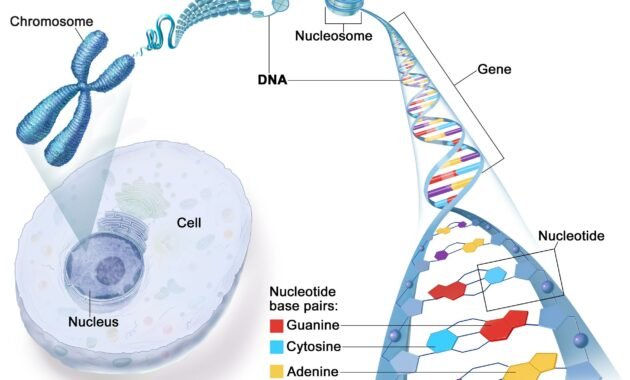
    In the following article, we will discuss more deeply the astronomical geographical location of Indonesia. For You who are curious about the explanation regarding the geographical location and astronomical location of Indonesia, let’s look at the information in the following article.

    The appearance of Indonesia’s natural surface consists of land and water with a ratio of around 4:1. The appearance of the land itself includes the island whose largest size is 786,000 km (Papua Island), the mountain with the highest altitude is 4,884m (Puncak Jaya Wijaya), the river with the longest size is 1,143 km (Kapuas River), and the lake which is the largest. the largest size is 1.130km (Lake Toba). These things have helped make Indonesia the 15th largest country in the world.

    Indonesia is the largest archipelagic country in the world. This country also has a geographical position that can be said to be unique and makes it a strategically located country. We can see this from the position of the Indonesian state which is between two oceans and is also flanked by two continents and has waters that serve as one of the hearts of international trade.

    Geographical Location of Indonesia

    Geographical location is a determinant that will determine the future of a country in establishing international relations. Although for the time being one can ignore geographical location, the geographical conditions that exist in a country will actually contribute to various events that have global influences.

    According to Robert Kaplan, geography broadly can be used as a determinant and become the influence of various events more than anything that has ever happened before.

    In the future, Indonesia’s existence will be greatly influenced by its geographical location and conditions. Therefore, good natural resource management, qualified national defense, and secure border areas are indispensable.

    Due to its quite strategic location, since ancient times, the Indonesian state has become an area contested by foreign parties. The Indonesian state has gone through various periods of domination and also territorial struggles.

    Starting from Portuguese, Spanish, Dutch, French, English, and also Japanese. Colonization is even still being pursued for several years after the Indonesian state proclaimed its independence. In the future, it is possible that the Indonesian state will again become an area of ​​struggle for influence by other major powers.

    We can see this with the presence of China as the new hegemon country in the region which has shifted the balance of power and eroded America’s influence in the Indonesian region.

    Not only that, Indonesia and the surrounding region can be said to be an area prone to disputes. The dispute is still possible because the Indonesian state has yet to resolve various issues regarding maritime boundaries with the Philippines, Timor Leste, Australia and Papua New Guinea.

    When viewed geographically, the Indonesian Archipelago is located between the Asian Continent and also the Australian Continent and is between the Indian Ocean and the Pacific Ocean.

    For the boundaries of Indonesia itself, namely:

    • To the north: the South China Sea and the Pacific Ocean.
    • To the east: Papua New Guinea.
    • To the south: Indian Ocean.
    • West: Indian Ocean.

    Meanwhile, the total area of ​​Indonesia is 5,194,143 km2 and two-thirds of Indonesia’s area is ocean.

    Indonesian Natural Appearance

    As mentioned in the previous point, Indonesia is the number 1 largest archipelagic country in the world. Therefore, the country of Indonesia is very rich in various natural landscapes. In addition, the natural resources in Indonesia are also very abundant. Where natural wealth is one of the basic capital for the development of the Indonesian state. Therefore, it would be better if we use the existing natural wealth as well as possible and still pay attention to its sustainability.

    Some of the land areas in Indonesia were originally formed from volcanic activity. This is marked by the appearance of islands that have shapes resembling mountains of dust, lava, and also mud originating from volcanic eruptions which make the surrounding land more fertile. Therefore, most of Indonesia’s population utilizes existing land for agriculture and plantations.

    Meanwhile, the series of mountains in Indonesia stretches from the tip of Sumatra Island to the northern tip of Sulawesi Island. One of the most famous mountains in Indonesia is Mount Anak Krakatau. This mountain is located between the islands of Java and Sumatra.

    At first, in 1883 there was a very powerful eruption originating from Mount Krakatau. With the eruption, three-quarters of the volcanic island was destroyed and caused a tsunami that killed up to thousands of people.

    After the eruption of Mount Krakatau, a new mountain emerged which is now named Mount Anak Krakatau. The territory of Indonesia itself is located on the equator. This causes Indonesia to have a tropical climate type.

    Meanwhile, the difference in temperature in each region tends to be very small, except for Puncak Jaya Wijaya, which is in Papua Province. This mountain peak is covered with eternal snow because of its very high position. Puncak Jaya Wijaya is located in the Sudirman Mountains area.

    Rainfall in various regions in Indonesia also varies. The wettest places in Indonesia are the mountainous areas of Sumatra, Sulawesi, Kalimantan and Papua. Rainfall in these places reaches 3,000 mm per year.

    Meanwhile, the lowland areas only have rainfall ranging from 1.0600 – 2.200 mm per year. High rainfall is the cause of many areas in the country of Indonesia becoming more fertile. For more than 2,000 years, people living in the archipelago of Indonesia have made a living in the agricultural sector, especially rice. Besides that, the country of Indonesia is also rich in diversity of flora and fauna.

    As for the Australian type fauna, it lives in the eastern part of Indonesia, especially in Papua. On some remote islands also found quite unique fauna. For example, the Komodo dragons on Rinca Island and Komodo Island.

    Condition of the Indonesian Population

    In mid-2022, Indonesia’s population will reach 275.77 million people. There are more than 300 ethnic groups in Indonesia. Where most of the population adheres to Islam. Other religions that are developing in Indonesia are Protestant, Catholic, Hindu, Buddhist, and also Confucianism.

    Meanwhile, the main economic activity of Indonesian citizens is in the agricultural sector. Apart from rice, agricultural activities in Indonesia also produce cassava, corn, rubber, tea and soybeans. Other economic activities in Indonesia are industry, animal husbandry, fishing and mining.

    Location of Indonesian Astronomy

    In addition to geographical location, there is also an astronomical location in which Indonesia’s position is influenced by the earth’s imaginary lines, namely the latitudes and longitudes that surround the earth. Imaginary lines and latitudes are called imaginary lines because they are made as if they were on the actual surface of the earth.

    This one line is not only in the development of astronomy, but also in various branches of biology. The following is the location of Indonesian astronomy based on latitude and longitude, namely:

    1. Latitude

    The lines of latitude divide the structure of the earth into 2 equal parts, namely between the south and also the north. Where is the latitude parallel to the imaginary equator (equator) that stretches to the north pole and south pole. The astronomical location of Indonesia is at 6o North Latitude (N) to 11o South Latitude (S).

    2. Longitude

    This line of longitude is formed as if it divides the earth horizontally, that is, from east to west. This line of longitude is also referred to as the meridian which limits the astronomical position of Indonesia between 95o east longitude (BT) – 141o east longitude (BT).

    The Influence of Indonesia’s Geographical Location

    The following are some of the things that affect the country of Indonesia based on its geographical location.

    1. Influence Season

    Indonesia’s geographical location is traversed by monsoon winds or better known as monsoon winds. This monsoon wind gives a difference in the seasons in Indonesia. Which will affect the process of rain in the rainy season and also in the hot dry season. In addition, the monsoon itself will move alternately twice throughout the year.

    2. Strategic Areas

    As stated in the previous point, the location of the Indonesian state itself is between two continents and two oceans. This makes the Indonesian state an international crossing route, be it by sea or by air. That way, this will affect economic development which is in Indonesia’s exclusive economic zone and is traversed by various large industries.

    3. Have Cultural Diversity

    Because the position of the territory of the Indonesian state is between two continents, namely the Australian Continent and the Asian Continent, so that the Indonesian state can be said to be in a cross position . This is the reason why Indonesia has cultural diversity in the form of languages, arts and religions.

    4. Has a Strategic Trading Location

    This good geographical location makes Indonesia a strategic trading location. This is because the territory of the Indonesian state is a distribution channel for trade goods. This reason makes Indonesia have trade partners with various countries around it. Thus, increasing trading activity.

    The Influence of Indonesia’s Astronomical Location

    Furthermore, the following is the influence of Indonesia’s astronomical position, as follows:

    1. Affects the Climate

    The country of Indonesia is located along the equator which means that the country of Indonesia has a tropical climate type. Areas that have a tropical climate type will get sunlight all the time. This of course will be different from what happens in countries that have a four-season subtropical climate type. Likewise with areas that have a polar climate type.

    Characteristics of Regions with a Tropical Climate

    1. High rainfall
    2. There is a vast tropical rain forest
    3. Sunshine all year round
    4. High air humidity

    2. Affects the Time Difference

    This astronomical location can affect the time difference set starting from the point of longitude and also 0 o latitude in Greenwich City, England. For Indonesia itself, it is divided into three time zones, namely WIB (West Indonesia Time), WIT (East Indonesia Time), and WITA (Central Indonesia Time) based on Presidential Decree No. 41 of 1987.

    1. Western Indonesian Time (WIB) covers the western part of Indonesia, namely Sumatra, Java, Madura, West Kalimantan, Central Kalimantan, and the small islands around it.
    2. Central Indonesia Time (WITA) covers the territory of the central part of Indonesia, such as Bali, Nusa Tenggara, South Kalimantan, East Kalimantan, Sulawesi, and the small islands around it.
    3. Eastern Indonesia Time (WIT) covers the eastern part of Indonesia such as the Maluku Islands, Papua, West Papua, and the small islands around it.

    This is an explanation regarding the geographic and astronomical location of the country of Indonesia that You needs to understand. With the explanation in this article, we can understand more about the influence of a country’s location on natural conditions and also its economy.

  • Genetic Material: Genes, DNA, RNA & Chromosomes

    Genetic Material: Genes, DNA, RNA & Chromosomes

    sinaumedia Literacy – Genetic material or heredity factors are information possessed by every living cell that can be passed on to their offspring. In a sequence of DNA there are instructions that affect the nature or determine the characteristics of living things (called genes).

    Meanwhile, genetic factors are a condition of the body that can occur due to the influence of our previous ancestors who belong to the family lineage. This genetic factor can actually happen to us, for example if there is our family (parents, grandparents, and so on) who have diabetes, then we are most likely to get diabetes too.

    In general, all of the genetic information that determines the characteristics of living things is stored in DNA which is located in the cell nucleus. DNA becomes a fairly long strand. In order to assemble inside the cell’s tiny nucleus, DNA strands are wrapped around proteins called histone proteins.

    In studying genetic information there is a branch of biology known as Genetics. The book entitled Genetics by Ramadhani Chaniago ,  Agus Hery Susanto ,  Desak Made Citrawathi & Sanusi Mulyadiharja discusses genes, DNA and chromosomes.

    With histone proteins, the DNA coils form chromatin threads. When a cell divides, these chromatin threads form chromosomes. The genetic material itself consists of chromosomes, genes, DNA, and RNA. Check out the full discussion below, Sinaumed’s.

    Gen

    Genes are the smallest units of genetic material that control the heredity of organisms. Genes consist of DNA spun by histone proteins and arranged in a linear and orderly sequence at loci on chromosomes.

    Each chromosome has hundreds of loci, so that in a cell, there are thousands of genes.

    For example, it is estimated that there are 26,000 to 40,000 genes in the human body with 46 chromosomes. This also causes one individual to have thousands of traits. There are three kinds of components that make up a gene, namely cistrons (components consisting of hundreds of nucleotides), rekons (components that are smaller than a gene and consist of one or two pairs of nucleotides), mutons (components that are larger than rekons and consist of one or two nucleotides). nucleotide pairs). There are two things that determine the types of genes, namely their nature and role.

    Regulatory genes that regulate structural gene expression. In eukaryotic cells, the gene consists of a transcription initiation regulatory domain, which consists of the GCCACACCC series, ATGCAAAT, GC box, CCAAT box and TATA box, then Introns, Exons, (Protein codification areas that can be transcribed overlapping or nonoverlapping. For example , in a code with three nucleotide sequences (triplet codons) AUU GCU CAG, it can be read nonoverlapping as AUU GCU CAG or overlapping as AUU UUG UGC GCU CUC CAG.

    Although around 1961 it was known that amino acids are coded by codons in a nonoverlapping manner, it has been found that different proteins are transcribed by shifting overlapping codons.

    In studying the genes that make up us, life, character, and one’s destiny, Sinaumed’s can read the book Genes from Siddhartha Mukherjee which discusses this matter.

    Gene Expression

    Gene expression is the process by which information codes contained in genes are converted into proteins that operate only within the cell.

    Gene expression consists of two stages, namely:

    1. Transcription, the process of making an RN copy
    2. Translation, the process of synthesizing a specific polypeptide in the ribosome.

    The process of transcription of DNA into mRNA and translation of mRNA into a polypeptide is called the central dogma. The central dogma applies to both prokaryotes and eukaryotes. However, in eukaryotes there is an additional stage that occurs in between transcription and translation which is called the pre-mRNA stage.

    The pre-mRNA stage is to select the mRNA to be sent out of the nucleus for translation at the ribosome. Exons are mRNAs that will be sent out of the nucleus for translation, while introns are mRNAs that will remain in the nucleus because it is possible that the mRNA will form a protein that is not functional (useless) when translated.

    The introns will then break down again to form new mRNA chains. Also know that some mistakes called mutations can occur in this process of gene expression.

    Gene Scope

    The concept of genetics developed from the science that discusses how traits are passed on to a wider scope, namely the study of genetic material. Broadly speaking, genetics discusses:

    • The structure of the genetic material, including genes, chromosomes, DNA, RNA, plasmids, episomes, and transposable elements.
    • Reproduction of genetic material, including cell reproduction, DNA replication, and others.
    • Genetic material work, covering the scope of genetic material, transcription, genetic code and others.
    • Changes in genetic material, including mutations and recombination
    • Genetics in populations
    • Genetic material engineering

    Chromosome

    Chromosomes are fine objects like threads that easily absorb color and function as hereditary carriers. In a diploid cell, the chromosomes appear in pairs. A pair of chromosomes is called a homologous chromosome, which is a chromosome that has the same shape, size and gene sequence.

    While the chromosomes that are not their partner are called nonhomologous chromosomes. Each chromosome has parts such as the centromere, chromosome arms, matrix, chromonema, chromomeres, telomeres, and satellites. Based on the location of the centromere, there are four types of chromosomes, namely: metacentric type, submetacentric type, acrocentric type, telocentric type. The following is a picture of the chromosome and its parts. Chromosome Heredity – Capture1 Well, Quipperian, in humans, the number of chromosomes in a diploid cell is 46 pieces or 23 pairs.

    The chromosomes consist of 44 pieces or 22 pairs of body chromosomes (autosomes) and a pair of sex chromosomes (gonosomes), namely XX in females and XY in males. In haploid cells such as egg cells or sperm cells, there are 23 chromosomes consisting of 22 autosomes and a gonosome. Egg cells have 22 autosomes and 1 X, while sperm have 22 autosomes and 1 X or 1 Y.

    Chromosome functions include as a place to store genetic information that will be passed from parent to child to form the characteristics and characteristics of that individual. Plays an important role in the process of cell division.

    Determines the sex of an individual. The structure of the Chromosome Section includes:

    • Centromere The central part of a chromosome which is usually round in shape. At the centromere there is a kinetochore which has an important function during cell division. It is at this point that the spindle threads attach to each of the opposite poles.
    • Chromatids are one of the two arms of the replicated chromosome. On the chromosome arm there is a chromonema, which is a spiral-shaped band. On chromonema you can see thickening in the form of beads called chromomeres. Usually chromeres are difficult to observe, but they can be seen clearly in chromosomes that have done a lot of replication. Kromonema is covered by a special substance called matrix. Chromatids are attached to each other at the centromere.
    • Telomeres are the term used to denote the ends of chromosomes. Telomeres function to keep DNA at the ends unraveled and prevent one arm from meeting with the other chromosome arm. Telomeres also function to protect chromosomes from environmental threats.
    • Chromomeres are bead-shaped structures that are accumulations of chromatin material that are sometimes seen during interphase. Chromomeres are very clearly visible on polytene chromosomes (chromosomes with DNA that has been replicated many times without separation and are located side by side until the chromosomes form like wires).
    • Satellites are part of the chromosomes that are circular in shape and are located at the ends of the chromatid arms. Satellites are formed due to secondary constriction in that area.

    Chromosome Arrangement

    Chromosomes in prokaryotic organisms are in the form of RNA only. This can be found in the mosaic virus (tobacco). Chromosomes can also be just DNA, for example in the T virus, and can also contain both DNA and RNA, as in the Escherichia coli bacteria.

    Chromosomes contain structures consisting of thin, coiled threads. Along these threads are regularly located structures called genes. Each gene occupies a specific place in the chromosome. The location of a gene on a chromosome is called a gene locus. So it is this gene that actually functions to regulate the traits that will be passed on from parents to offspring. In addition, genes also regulate the development and metabolism of individuals. Genes are made up of DNA (Nucleic acid).

    A number of genes lined up on each chromosome have a special job. There are genes that regulate flower color, hair height, nose shape, hair type, hair color, blood type, coat color and so on. The number of chromosomes in each organism is different in different types of organisms. The size of the chromosomes also varies greatly from one type of organism to another.

    In every cell of the body, chromosomes are in pairs. Paired chromosomes that have the same shape, size and composition are called homologous chromosomes. Each pair of homologous chromosomes is different from other pairs of homologous chromosomes. The chromosomes of body cells are in pairs (allelic) so that the body’s chromosomes consist of two sets. The two sets of chromosomes in the body cell are diploid (2n). In sex cells (gametes) there are no pairs or only one set of chromosomes. One set of chromosomes in sex cells is haploid (n).

    Chromosome Building Materials

    The building blocks of chromosomes are chromatin threads which consist of DNA (deoxyribonucleic acid), RNA as a result of transcription and protein (histones or acids and non-histones or bases). Each chromatid carries a DNA molecule whose structure is in the form of a double strand so that in both chromatids there are two DNA molecules.

    In humans, it includes at least 7 proteins making up the chromosomes, while other proteins do not get a place in the chromosomes. One of the proteins, CENP-A, Chromosomes in eukaryotic organisms are composed of the following parts: DNA-DNA makes up about 35% of the total number of chromosomes. RNA RNA makes up about 5% of the chromosomes.

    Protein This protein consists of histones which are basic and nonhistones which are acidic. These two types of proteins function to roll up the chromosome threads so that they become faded and act as DNA doubling enzymes and DNA copying.

    DNA

    DNA or deoxyribonucleic acid is a nucleic acid which is a constituent of genes in the cell nucleus. DNA stores all the biological information of every living thing and some viruses. DNA consists of two polynucleotide chains arranged in a double helix. Each nucleotide consists of three components, namely a phosphate, deoxyribose sugar, and a nitrogenous base.

    There are two kinds of nitrogenous bases that make up DNA, namely purine bases consisting of adenine (A) and guanine (G) bases and pyrimidine bases consisting of thymine (T) and cytosine (S) bases. Well, these two DNA chains are bonded to each other on the nitrogenous bases connected by hydrogen bonds. Nitrogen base A binds to T, while G binds to S. Between A and T are connected by 2 hydrogen bonds, while between G and S are connected by 3 hydrogen bonds. Functions of DNA include:

    • DNA Serves as a Carrier of Genetic Information The unique nature of DNA material makes researchers interested in learning more about DNA. The results of DNA can be used to help identify a murder case, even the death of someone whose identity is unknown. DNA also helps law enforcement work, because it can identify or find out information about who is the perpetrator or who is the victim through a DNA test.
    • Plays a Role in Self-Duplication and Inheritance DNA is bundled into 46 chromosomes. Humans have 23 each derived from male and female germ cells. This can happen through a complex process. To be clear, germ cells, spermatozoa from males and eggs or ova from females each supply half of your DNA. This is what makes DNA play a role in self-duplication and inheritance.
    • Expression of Genetic Information DNA is the basis of life. It is a complex molecule made up of four types of bases, cross-connected like a ladder, and twisted into a spiral. All four proteins are each connected to one another. And the order of all the pairs forms the genes that define who you are as well as all other organisms on earth. DNA also contains all the genetic coding used to control the function, behavior and development of an organism.
    • Functions of DNA for Forensics Forensic scientists can use DNA found in blood, sperm, skin, saliva, and hair left at crime scenes to identify possible suspects. This identification is usually called genetic fingerprinting or DNA profiling.
    • Functions of DNA in Computing DNA has an important role in computer science, for research and also as an example of a form of computational method. For example, database theory. Database theory was also influenced by DNA research, which had the particular problem of storing and manipulating DNA sequences. The database devoted to DNA research is the genomic database.

    RNAs

    RNA nitrogenous bases consist of purine bases, namely adenine (A) and guanine (G) and pyrimidine bases, namely uracil (U) and cytosine (S). The four nitrogenous bases will form pairs A – U and G – S. Adenine and uracil are connected by 2 hydrogen bonds, while guanine and cytosine are connected by 3 hydrogen bonds. RNA can be divided into two types, namely genetic RNA and nongenetic RNA. Genetic RNA is RNA that plays a role in inheritance. This RNA is only found in RNA viruses. Nongenetic RNA is RNA that plays a role in protein synthesis. Well, RNA is divided into three kinds, namely mRNA, tRNA, and rRNA. What’s the difference?

    Kinds of RNA

    mRNA

    mRNA is a single and long chain RNA formed by DNA through the process of transcription in the cell nucleus. The nitrogenous bases along the mRNA chain constitute the genetic code called codons. mRNA functions as a carrier of the genetic code (codons) from the cell nucleus to the cytoplasm.

    tRNAs

    tRNA is a short, single-stranded RNA formed by DNA in the cell nucleus and transported to the cytoplasm. tRNA functions as a codon translator. The trick is to carry amino acids from the cytoplasm to the ribosome and attach these amino acids according to the codon sequence on the mRNA. tRNA has two important attachment ends, namely the end for the attachment of the codon on the mRNA or called the anticodon and the end for the attachment of amino acids.

    rRNA

    rRNA is RNA that is contained in ribosomes, but is formed by DNA in the cell nucleus. rRNA functions as a polypeptide assembly machine in protein synthesis that moves in one direction along the mRNA chain.

    Thus, the discussion of genetic material that has been discussed above. After reading this article to the end, we hope that Sinaumed’s can understand and add insight into genes, chromosomes, DNA and RNA.

  • Generic Stucture Explanation Text & Contoh Explanation Text

    Generic Structure Explanation Text & Explanation Text Example – The word explanation in English, of course, is already familiar. In the world of education, or even in our daily lives, we often encounter explanations, or explanations in Indonesian. Explanation text is a text that explains the occurrence of a process.

    Every day in class, the teacher will explain something to his students. Starting from the process of the occurrence of rain, how the organs of the human body work, how to operate a machine and others. The explanation is the same as the explanation text.

    Explanation text or explanatory text has the aim of explaining various social, natural and cultural phenomena. To understand what an explanation text is, what is the generic structure, how to write an explanation text, and practice questions and answers, see the text below.

    Pengertian Explanation Text

    Explanation text in English is a text that explains the occurrence of a process.

    This type of text is actually a bit similar to procedure text. Procedure text has the goal of explaining how to do something, while explanation text explains how a process is.

    Explanation text tells how the process starts from the formation of natural, social, scientific to cultural phenomena. Texts of this type are very often found in books on science, history and geography.

    This book provides an understanding of the types of text for those of you who are in high school. In addition, this book is equipped with the purpose and function of the text, structure and linguistic elements in it. The book is packaged in light and simple language. So that understanding of several types of reading texts that are often raised as exam material will be easier to understand.

    Generic Structure Explanation Text

    Like other types of text, explanation text has the following structure:

    1. Title

    Every text or writing must have a title at the beginning to tell what the contents are written in a writing, as well as explanation text.

    When giving a title for an explanation text, we don’t need to beat around the bush, just write down what fits the contents of the text. For example, ‘What causes a flood?’, ‘Why is the earth rotating?’ or ‘How the lungs work’ and so on.

    The title in an explanation text has the goal of preparing or directing the reader to the text. The title in this text usually appears in various forms that mention an action to the questions ‘How’ and ‘Why’. Such questions will be answered with explanations in the text.

    2. Opening Statement

    Explanation text has a writing purpose which of course must provide valid and factual information to readers. That way, a very strong opening statement needs to be inserted in the writing.

    It would be better if the author includes evidence of previous research such as journals or articles that have already been verified.

    In the opening statement, the writer can also identify a process to be explained in the text. To write an opening statement, you can try to focus on the process of a phenomenon you want to explain.

    With an opening statement that introduces or identifies a phenomenon you wish to discuss, it will give the reader a brief introduction to it and provide a brief understanding of the type of text you are writing.

    3. Sequencing

    When writing an article, you should separate it into several sequences or parts. Of course, you don’t want to make your readers dizzy reading one very long paragraph.

    Connect the paragraph with the cause-and-effect relationship of the phenomenon being written. The paragraphs written must be logically ordered and explain why or how something happened.

    The sequential explanation must contain a series of events, actions, causes or processes of the phenomenon. Events that occur are also written down in order of time or cause.

    All of this must be written down in detail and accurately. Usually the written sequence of events will expand by explaining how events occurred in the time period.

    4. Conclusion

    Conclusions or conclusions are written when all explanations have been written. The conclusion given at the end of the explanation text will give the impression that the writing made is valid.

    5. Visual

    In explanation text, visuals or diagrams have become commonplace to embed. The images or visuals provided are useful for clarifying existing explanation texts. Moreover, in scientific texts, accurate diagrams or illustrations are very important to support explanation texts.

    Those of you who are looking to deepen your English at the high school level can get an explanation of explanations about the types of texts through the English Student Book for Class 12. All explanations are thoroughly reviewed along with questions and answers.

    Language Feature Explanation Text

    Explanation text has language features, namely:

    1. Using the present tense, because an explanation text discusses a fact.
    2. Using complex noun groups, it aims to build detailed descriptions for example, ‘Threatening’, ‘Rampaging’ or ‘Enormous’ and many more.
    3. Using abstract nouns such as ‘heat’, ‘earthquakes’, ‘floods’, etc.
    4. Using a sentence with a clear subject and using the verb agreement.
    5. Using action verbs to explain the cause of the phenomenon being discussed, such as ‘from’ or ‘started from’.
    6. Use adverbial phrases of a time and place to tell when and where this event took place. For example. ‘Its to be found in Sulawesi, Indonesia’.
    7. Use connectors to link time sequences in causal order. For example ‘after’, ‘finally’, ‘so’, ‘then’ and others.
    8. Use passive voice which is useful for emphasizing the focus of events that are taking place.
    9. Using time conjunctions, for example, ‘when’, ‘as’. This time conjunction is used to sequence and connect events so that the written text flows more. This time conjunction can be placed first in a sentence to focus the reader’s attention.
    10. Use technical terms or word chains about the subject.

    Find other English formulas or tenses that can help you improve your English skills in the book Tenses And Exercises: Quick Formulas to Master English.

    Types of Explanation Text

    when writing an explanation text, of course we already know that the phenomenon we want to explain does exist and then explain why and how this phenomenon can occur. To write explanation text you must have and seek a lot of knowledge before starting to write. There are several types of explanation text.

    The first is a text that describes an event or how something works. For example, how a car works, or how a computer works until natural events such as how landslides can occur, how mountains can erupt and so on.

    The second type of explanation text is a text that explains why something happened. For example, why can the mirror in the bathroom fog up when we take a hot shower, why are owls more active at night, why do humans close their eyes when they sneeze, and so on.

    For the third type is to explain the similarities and differences in objects. This type of text is related to the topic of science and technology where an explanation of a natural or non-natural phenomenon occurs. For example, how can a tornado form, how can sound move, how does a cell phone work, why does a tsunami happen and so on.

    Explanation text also contains explanations about human relations with the human environment, for example how cotton can be processed into clothing, why humans have to exercise and consume healthy food, how milk can be processed into yogurt and so on.

    How to Write Explanation Text

    Writing by utilizing time as effectively as possible is very important. When writing an explanation text, you need to spend about 20 percent of your time researching the topic you want to cover. Apart from that, you also have to make sure that you know what you want to explain.

    Take the same time to compose the writing you want to make. You can make mind-mapping or graphics that can help you write the outline of your explanation more easily.

    That way, with this 40 percent time, you can already form ideas and structure your writing. The rest, you just have to use the time to edit the spelling or grammar in your writing.

    There are several points that must be considered in writing explanation text. First, what is it about? what do you explain, what is a good title and which part is very important? which part needs to be explained, how does it work, moreover what things might be included in the writing and so on.

    Assume that the reader is not as knowledgeable about the topic you are writing about as you are. so, at the beginning of writing you should be able to briefly explain the topic before entering the body of writing.

    Use an interesting title so that it can encourage readers to read your writing further. In writing explanation text, you also have to use correct scientific terms or technical terms.

    Apart from that, you can also create interesting visuals or use appropriate diagrams if possible. It should be remembered again, explanation text is written in the present tense because this text discusses a fact and is written from the third person’s perspective. Improve your English skills through the book 7 Habits of Effective English Learning.

    Example Explanation Text

    How Do Fish Breathe?

    All animals breathe just like humans. How they breathe, however, varies. Breathe by inhaling oxygen and exhaling carbon dioxide as waste. Air flows in through the human’s nose or mouth into the lungs where oxygen is transported through the blood to the rest of the human body. Humans need air to breathe. So, what does that mean for animals that live in the water?

    Like humans, fish also need oxygen and emit carbon dioxide to survive. But using the lungs, these creatures that live in water use organs called gills. The gills are organs located on the sides of the fish’s head. These gills have many small blood vessels called capillaries.

    When the fish opens, the water will flow over the gills. After that, the blood in the capillaries will pick up oxygen that is soluble in water. The blood then moves through the fish’s body to provide oxygen throughout the body, just like in humans.

    All bony fish also have a bony plate called an operculum. This operculum is useful for opening and closing to protect the gills. Breathing underwater is difficult. The air we breathe has an oxygen concentration of 200,000 parts per million.

    Whereas water only has a concentration of 4 to 8 parts per million. This means fish need to flow a lot of water over their gills to get the amount of oxygen to survive. In addition, the gills are very useful for extracting the oxygen needed by fish.

    Breathing becomes more difficult as the oxygen concentration decreases. Low levels of oxygen concentration make it impossible for animals to survive. Although it can occur naturally, it can also be created by human activity.

    When pollution is high, such as waste dumped into the sea, this will cause algae blooms which then die and decompose. Furthermore, it will cause the zone to have a low oxygen concentration level of oxygen.

    Fish need clean water to breathe. Similarly, humans need clean air to breathe. Humans can help these gilled creatures to thrive by keeping their habitat free of pollutants.

    How Do Fish Breathe?

    All animals breathe like humans. How they breathe, of course, varies greatly. Breathing is a process of inhaling oxygen and exhaling carbon dioxide as waste. Air flows in through the human nose or mouth to the lungs where oxygen is transported through the blood throughout the human body. Humans need air to breathe. So, what about animals that live in water?

    Like humans, fish also need oxygen and emit carbon dioxide to survive. But instead of using the lungs, creatures that live in water use organs called gills. Gills are organs located on the sides of the fish’s head.

    These gills have many small blood vessels called capillaries. When the fish opens, water will flow over the gills. After that, the blood in the capillaries will pick up water-soluble oxygen. The blood then moves through the fish’s body to provide oxygen throughout the body, just like it does in humans.

    All bony fish also have a bony plate called the operculum. The operculum is useful for opening and closing to protect the gills. Breathing underwater is a difficult thing.

    The air we breathe has an oxygen concentration of 200,000 parts per million. whereas water only has a concentration of 4 to 8 parts per million. This means fish need to circulate a lot of water over their gills to get the proper amount of oxygen to survive. In addition, gills are very useful for extracting the oxygen needed by fish.

    Breathing becomes more difficult as the oxygen concentration decreases. Low levels of oxygen concentration make it impossible for animals to survive. Although it can occur naturally, it can also be created by human activity.

    When pollution is high, such as garbage dumped into the sea, it will cause the development of algae which then die and decompose. Furthermore, it will cause the zone to have a low level of oxygen concentration.

    Fish need clean water to breathe. Likewise, humans need clean air to breathe. Humans can help these gill-like creatures thrive by keeping their habitat free of pollutants.


    Exercise Question Explanation Text

    1. What is the text about?  
    what is the text about?

    2. what is the purpose of the text
    above

    3. Does fish breathe using an organ called ?
    Fish breathe using an organ called?

    4. Where are the organs located?
    Where is this organ located?

    5. What is meant by breathing?
    What is meant by breathing?

    6. What does concentration mean in Indonesian?
    What does ‘concentration’ mean in Indonesian?

    7. How do humans breathe?
    How do humans breathe?

    8. From the text above, we imply that?
    From the text it can be implied that?

    9. What does the word ‘thrive’ mean?
    What is meant by ‘thrive’?

    10. What does the third paragraph focus on?
    The third paragraph focuses on?

    11. What do humans inhale when they breathe?
    What do humans inhale when breathing?

    12. What is released when humans exhale?
    What is released when humans exhale?

    13. What does the word ‘decompose’ mean?
    Apa arti dari kata ‘decompose’?

    14. Based on the text above, do fish need clean water to breathe?
    Based on the text above, do fish need clean water to breathe?

    15. How can humans help fish to stay alive in their habitat? 
    How can humans help fish to survive in their habitat?


    Answers to Explanation Text Questions

    1. how fish breathe
    2. to inform the fish’s respiratory system
    3. gill
    4. on the side of the fish head
    5. inhale oxygen and exhale carbon dioxide
    6. concentration
    7. inhale and exhale
    8. Fish breathe with gills and need clean water
    9. develop
    10. The gills are very useful for extracting the oxygen needed by fish.
    11. oxygen
    12. carbon dioxide
    13. rot
    14. yes
    15. by keeping their habitat clean


  • General and Specific Characteristics of ASEAN Countries

    Characteristics of ASEAN countriesThe Association of Southeast Asian Nations or ASEAN is a geopolitical and economic organization of countries in the Southeast Asian region which was established in Bangkok, Thailand on August 8, 1967. The aim of establishing ASEAN is to increase social and economic growth, development culture and create stability and peace among member countries.

    ASEAN members consist of 10 countries. Each member country has its own characteristics. The characteristics of these ASEAN countries serve as a differentiator between one country and another. The characteristics of these ASEAN countries include the shape of the country, capital city, language, population, head of state and government to the area of ​​the ASEAN member countries.

    So what are the characteristics of these 10 ASEAN member countries? Check out the explanation further in this article, OK!

    The Association of Southeast Asian Nations (ASEAN) or the Association of Southeast Asian Nations (Perbara) is a geopolitical and economic organization of countries in the Southeast Asian region.

    The ASEAN organization was established on August 8, 1967 in Thailand, Bangkok in accordance with the Civil Declaration by Indonesia, the Philippines, Malaysia, Singapore and Thailand. ASEAN was established to achieve a goal, which is to increase economic growth, social progress, cultural development of member countries, promote regional peace and stability and increase opportunities to discuss differences among member countries in a peaceful way.

    In 2010, according to nominal combined ASEAN GDP has grown to approximately 1.8 trillion dollars. If ASEAN were a single entity, then ASEAN would be the ninth largest economy along with the United States, China, Japan, Germany, France, Brazil, Britain and Italy.

    ASEAN was founded by five countries namely Indonesia, Malaysia, Singapore, Thailand and the Philippines through the Bangkok Declaration. The following is the contents of the Bangkok Declaration.

    • Accelerate economic growth, social progress and cultural development in the Southeast Asia region.
    • Promote regional peace and stability.
    • Increase cooperation and mutual assistance for the common good in the social, economic, technical, administrative and scientific fields.
    • Maintain close cooperation, within existing regional as well as international organizations.
    • Increasing cooperation with the aim of advancing education, training as well as research in the Southeast Asian region.

    Brunei Darussalam is the first member of ASEAN outside of the five initiating countries. Brunei Darussalam joined as a member country of ASEAN on January 7, 1984, which is exactly a week after commemorating the country’s independence day.

    Eleven years later, ASEAN again accepted its seventh member on July 28, 1995. Then, two years later Laos and Myanmar also followed and joined ASEAN as members on July 23, 1997.

    Although Cambodia plans to join as a member of ASEAN with Myanmar and Laos, the plan has to be postponed due to political problems occurring within Cambodia.

    However, one year later, Cambodia finally joined ASEAN as a member on December 16, 1998. After all the countries in the Southeast Asian region had joined ASEAN, Timor Leste finally decided to join as a member of ASEAN, even though its membership had not been fulfilled.

    That is the brief history of the founding of ASEAN and how other countries in Southeast Asia decided to join this organization.

    Characteristics of ASEAN Countries in General

    As previously explained, ASEAN member countries have their own characteristics. This characteristic serves as a differentiator from one member country to another. The characteristics of ASEAN countries include several things, including the form of the state, head of state, head of government, capital city, language, population and area.

    Before discussing the characteristics of ASEAN countries one by one, here are the general characteristics of ASEAN countries.

    1. Geographical conditions of ASEAN countries

    The geographical location of countries in the Southeast Asian region or members of the ASEAN organization is in the southeast of the Asian continent. If you pay attention to the world map, Southeast Asia itself is located between the Australian Continent and the mainland of the Asian Continent.

    Meanwhile, according to the ocean side, the position of Southeast Asia is right in the middle between the Indian Ocean and the Pacific Ocean. When viewed according to its astronomical position, Southeast Asia is at 29.1° North Latitude – 11° South Latitude and 92° East Longitude – 141° East Longitude.

    All countries that are passed by the equator must have a tropical climate, so that it becomes an area that has lots of tropical forests and beautiful nature accompanied by a variety of flora and fauna. The area of ​​Southeast Asia itself reaches around 2,257,000 km².

    2. Climate of ASEAN member countries

    As an area that has a tropical climate, in general, the Southeast Asian region only has two seasons, namely the dry season and the rainy season.

    According to the emodul.kemdikbud page , this is because the equator receives pressure from monsoons that originate from deserts in Australia and trade winds that originate from the sub-tropics.

    Rainfall in this area is also influenced by the geographical conditions of each country, so that each region can have a different rainy season. For example, like Indonesia, the rainy season usually comes from October to April, while in Thailand the rainy season usually comes from October to January.

    In contrast to the Philippines, which is the entire territory, rain can occur throughout the year, while the northern part of Myanmar has a sub-tropical climate.

    Specific Characteristics of ASEAN Countries

    After knowing the general characteristics of ASEAN countries, Sinaumed’s also needs to know the characteristics that serve as differentiators from one ASEAN country to another. Here’s an explanation.

    1. Thai

    Thailand is a country located in Southeast Asia. Thailand is a neighboring country to Indonesia, because it is still in one regional area. Thailand is a founding country and member of ASEAN which has the following characteristics.

    Official name: Muang Thai or Prathet Thai
    Capital: Bangkok
    Government: Constitutional monarchy
    Head of state: King Bhumibool Adulyadej
    Head of government: Prime Minister (PM)
    Primary languages: Thai (official), Chinese, English, Malay
    Population: 65.1 million soul according to 2015 data
    Currency: Thai Bath
    Religion: Islam, Buddhism, Christianity and animism
    National anthem: Pleng Chard Thai

    In addition to the above characteristics, Thailand also has other secondary characteristics. Here’s an explanation.

    a) Economy

    Economic activity in Thailand is in the agricultural sector, especially rice and rubber. In addition, Thailand also produces tobacco, heads, silk, cotton and various types of fruits that help the economy.

    Thailand is also developing into the industrial sector. Currently, Thailand has produced several industrial products including paper, cement and sugar.

    In addition, there are also livestock and mining sectors. It is noted, that Thailand provides a sizeable contribution to the country’s foreign exchange.

    b) Natural Resources

    Thailand is one of the biggest tin producers in the world. Petroleum and tungsten are natural resources produced by this country.

    Thailand’s main natural resources in economic activity are corn, rice, soybean trees, copra, tobacco and rubber.

    2. Philippines

    The Philippines is an archipelagic country like Indonesia. The Philippines has approximately 7,641 islands and has a length of area from north to south of about 1,851 km with a width from west to east reaching around 1,062 km. Astronomically, the Philippines is between 5°N – 20°N and between 120°E – 127°E. With the following characteristics.

    Official name: República de Philippines
    Capital: Manila
    Government: Republic
    Head of state: President
    Head of government: President
    Primary languages: Filipino or Tagalog, English (official), Cebuano, Ilocano and local dialects.
    Population: 103 million in 2015
    Currency: Peso
    Religion: Roman Catholicism (90%), Islam, Buddhism, animism
    National anthem: Lupang Hinirang

    In addition to the above characteristics, the Philippines also has other secondary characteristics. Here’s an explanation.

    a) Economy

    The Philippines relies on the agricultural sector, but currently the Philippines is also developing economic activities in the industrial sector. The main agricultural products are rice, corn, sugarcane, coconut, pineapple, mango, eggs, fish, meat, bananas.

    b) Natural Resources

    There are several natural resources in the Philippines, including nickel, wood, petroleum, silver, gold, cobalt, bronze and others. According to research, the Philippines has very good quality rice varieties.

    3. Indonesian

    Indonesia is an archipelagic country located in the Southeast Asian region which is crossed by the equator and is between the continents of Asia and Oceania, so that Indonesia is known as a transcontinental country.

    Indonesia is the 14th largest country as well as being the largest archipelagic country in the world. Apart from being wide, Indonesia has other characteristics as follows.

    Official name: Unitary State of the Republic of Indonesia (NKRI)
    Capital: Jakarta
    Government: Presidential Republic
    Head of state: President
    Head of government: President
    Main language: Indonesian
    Population: 255.7 million people in 2015
    Currency: Rupiah
    Religion: Islam, Buddhism, Christian, Hindu, Catholic, Confucian
    National anthem: Indonesia Raya

    In addition to the above characteristics, Indonesia also has other secondary characteristics. Here’s an explanation.

    a) Economy

    According to the International Monetary Fund or IMF, Indonesia has grown by 4% in 2013. This growth can be achieved because Indonesia is a major exporter of oil and gas or oil and gas. In addition, Indonesia also has abundant natural resources.

    b) Natural Resources

    Indonesia is known as a country that has natural resources in the form of raw materials such as rattan, wood, textiles, rubber, fisheries and various kinds of agricultural products.

    Apart from that, Indonesia also has coal, gold ore, petroleum, and other raw material natural resources.

    4. Malaysian

    Malaysia is known as the neighbor country. Malaysia is a neighboring country to Indonesia and still has a thick Malay family. Malaysia has a fairly well-known icon, namely the tall twin towers. Like other ASEAN member countries, Malaysia also has the following characteristics.

    Official name: Malaysia
    Capital: Kuala Lumpur
    Government: Constitutional Monarchy
    Head of state: Raja Tuan Agung Sultan Abdul Halim Muadzan Shah
    Head of government: Prime Minister (PM)
    Main languages: Malay, Tamil, English, Chinese
    Population: 32,801 million people as of 2015
    Currency: Ringgit
    Religion: Islam, Buddhism, Christianity, Hinduism and Taoism
    National anthem: My country

    In addition to the above characteristics, Malaysia also has other secondary characteristics. Here’s an explanation.

    a) Economy

    Economic activity in Malaysia is carried out with plantation and agricultural products. Malaysia’s agricultural products are able to meet basic needs, such as vegetables and rice. As for plantations, Malaysia produces palm oil.

    a) Natural Resources

    The main natural resource owned by Malaysia is paddy or rice. In addition, Malaysia also has natural resources from mining such as silver, gold, coal and copper.

    5. Singapore

    Singapore is one of the developed countries in the Southeast Asia region. Even though the territory of this country is small, the facilities and technology owned by Singapore are of international standard. Singapore has the following characteristics.

    Official name: His–chia–p’o Kung (Mandarin): Republic of Singapore (Malay), Singapore Kudiyarasu (Tamil), Republic of Singapore (English).
    Capital: Singapore
    Government: Republic
    Head of state: President
    Head of government: Prime Minister (PM)
    Primary languages: Malay, Tamil, English, Chinese
    Population: 5.5 million as of 2015
    Currency: Singapore Dollar
    Religion: Islam, Buddhism, Christian, Hindu, Taoist, Confucian
    National anthem: Majulah Singapore

    Apart from the above characteristics, Singapore also has other secondary characteristics. Here’s an explanation.

    a) Economy

    Singapore is famous for its trade transit routes between countries, the products that are distributed are also various. Because of this, Singapore is a fairly advanced country in the field of technology and information.

    b) Natural Resources

    SDA owned by Singapore is not too much, because of this shortage of natural resources, Singapore developed the trade and tourism sector.

    6. Brunei Darussalam

    Brunei is a sovereign country in Southeast Asia which has an area of ​​5,765 km², currently it is recorded that Brunei has the second highest human development index in Southeast Asia, after Singapore. Brunei has the following characteristics.

    Official name: Brunei Darussalam
    Capital: Bandar Seri Begawan
    Government: Absolute Monarchy
    Head of state: Sultan
    Head of government: Prime Minister (PM)
    Main languages: Malay, English, Mandarin
    Population: 0.4 million people as of 2015
    Currency: Brunei dollar
    Religion: Islam, Buddhism, Christianity, Hinduism
    National anthem: Allah Peliharakan Sultan

    7. Vietnamese

    Vietnam is on the Indochina peninsula and has cultural influences from China and India. This country is the geographic form of Elongated according to its morphology. Vietnam has the following characteristics.

    Official name: Cong Hoa Xa Hol Chu Viet Nam or Socialist Republic of Vietnam
    Capital: Hanoi
    Government: Socialist Republic
    Head of state: President
    Head of government: Prime Minister (PM)
    Main language: Vietnamese
    Population: 91.7 million people as of 2015
    Currency : Dong
    Religion: Islam, Buddhism, Christianity
    National anthem: Tien Quan Ca

    8. Laos

    Laos is a country covered by dense forests and many mountains, one of the highest mountains has an altitude of 2,817 meters above sea level. Laos has the following characteristics.

    Official name: Lao People’s Democratic Republic
    Capital: Vientiane
    Government: Socialist Republic
    Head of state: President
    Head of government: Prime Minister (PM)
    Main languages: Lao, French, English
    Population: 6.9 million as of 2015
    Currency:
    Religious Kip : Buddhism, animism
    National anthem: Pheng Kat Lao

    9. Cambodia

    Cambodia is a constitutional monarchy with a tropical monsoon climate with two seasons, rainy and dry. Cambodia has the following characteristics.

    Official name: People’s Republic of Kampuchea
    Capital: Phnom Penh
    Government: Constitutional Monarchy
    Head of state: King
    Head of government: Prime Minister (PM)
    Primary languages: Khmer, French, English
    Population: 6.9 million as of 2015
    Currency: Rie
    Religion : Buddha

    10. Burmese

    Myanmar has a fairly varied landscape ranging from lowlands to mountains. Myanmar was the last country to join ASEAN. Following are the characteristics of the country of Myanmar.

    Official name: Union Socialist Republic of Myanmar
    Capital: Yangon
    Government: Republic
    Head of state: President
    Head of government: Prime Minister (PM)
    Primary language: Myanmar
    Population: 52.1 million as of 2015
    Currency: Kyat
    Religion: Buddhist, Hindu, Islam and Christianity

    That is a review of the characteristics of ASEAN countries , starting from the founding countries and the last countries that joined.

  • Gauss’s Law And The Electric Field

    Gauss’s Law and the Electric Field –  Previously, did Sinaumed’s know what electricity is, what are the uses of electricity, and what is the history of electricity? It’s a good idea to discuss these three things in this article. Let’s look at the short discussion!

    Electricity is a condition of certain subatomic particles, such as electrons and protons, that cause attractive and repulsive forces between them. According to another understanding, electricity is a source of energy that can be channeled using cables. Electricity enables the creation of many well-known physical phenomena, such as lightning, electric currents and electric fields. Electricity can be used widely in various industrial applications such as for electric power sources and electronic devices.

    Electricity gives rise to the four basic natural forces (gravity force, electromagnetism force, weak nuclear force and strong nuclear force). “Amount of electricity” is also known as “Electrical Charge” or “Total Charge”. There are two types of electric charges: positive and negative. Through experimentation, like-charges repel each other and opposite-sex charges attract one another.

    When electricity flows through special materials, such as tungsten and tungsten, light is emitted by the metals. Such materials are used in light bulbs ( bulb or bulb). Whenever electricity flows through a material that has resistance, it releases heat energy. The greater the electric current, the more heat energy that arises will be multiplied. This property is used for electric stove elements, irons, and so on.

    Electric current flows from positively charged channels to negatively charged channels. With direct current electricity, if Sinaumed’s only holds the positive cable (but doesn’t simultaneously hold the negative cable), the electricity will not flow to Sinaumed’s’ body (he will not be electrocuted). This also happens the other way around, like when Sinaumed’s only held negative channels.

    Meanwhile, electricity that has alternating current, electricity can also flow to the floor of the house (or the earth). This can happen because it is caused by an electrical system that uses the earth as a reference for neutral voltage ( ground ). Therefore, if Sinaumed’s touches a power source and his feet are on the ground or his hands are touching a wall, electricity will flow from his hands to his feet and Sinaumed’s will get an electric shock (get an electric shock).

    Electrical power can be stored, for example in a battery or accumulator. Small electric power, for example stored in a battery, will not have a shock effect on the body. Whereas in large car batteries, there is often a slight shock effect, although not too big and dangerous. Electricity will flow from the positive pole of the battery/battery to the negative pole.

    ELECTRICAL BENEFITS

    Electricity cannot be separated from human life. Most of today’s human activities are highly dependent on electricity, both for primary and secondary needs. Electricity is also very useful in personal, social, trade, education, and various other lines of life. The needs of the trimmer, for example, are for the use of water pumps, cell phones , lighting devices, magic jars , electric irons, even today there are many vehicles that use electricity. Meanwhile, secondary needs, for example, are television, computers, educational media equipment, and so on.

    HISTORY OF THE DISCOVERY OF ELECTRICITY

    History of the inventor of electricity there are several versions. The first version, electricity was discovered in ancient Egypt. The second version, Electricity was discovered by Thales from Melitus. And the third version, Electricity was discovered by Faraday.

    First Version (Ancient Egyptian Period)

    Theory, regarding electricity which was known and used during the heyday of Europe was wrong, it was the ancient Egyptians who discovered it and the Europeans only popularized it. The key to all of these theories lies a few hundred kilometers east of Egypt, in Iraq. There were some oddly shaped pots found. Some of these pots are waterproof and their contents are cylinders made of copper, and glued into the holes using bitumen. In the center of the cylinder is an iron rod. Researchers discovered the pot for the first time in 1936. Researchers believe that the pot is a galvanic element also known as a primitive battery. The reconstruction did show that it was possible to create electricity using these tools.

    It was discovered that next to a temple in the Dendera area, some tens of kilometers north of Luxor, experts discovered a light. An electrical engineer from Norway saw that the object shown in the relief at the top of this page could act as a lamp.

    Second Version (Thales)

    The early history of the discovery of electricity was carried out by a Greek scholar named Thales. Theles suggested that the phenomenon of amber, which when rubbed repeatedly would have the power to attract hairs, was an electrical phenomenon. Then, after many years since the idea from Thales was put forward, new opinions and various new theories about electricity emerged, as researched and advanced by William Gilbert, Oersted, Charles De Coulomb, Joseph Priestley, Ampere Michael Farraday, etc.

    Third Version (Faraday)

    Michael Faraday is a scientist from England and earned the nickname “Father of Electricity”, thanks to his efforts, electricity is now a technology that is widely used in human life. Faraday was born on September 22, 1791 in Newington, England. He studied various scientific fields, including electrochemistry and electromagnetism. Faraday also invented a device that was later used to become the Bunsen burner. The Bunsen burner is used in almost all science laboratories as a practical source of heat.

    In order to help the family economy, at the age of 14 Faraday has worked as a salesman and book seller. In between his work, he uses his time to read various types of books, especially books on natural science, chemistry, and physics.

    When he was 20 years old, Faraday attended various classes given by well-known British scientists. One of them is Sir Humphry Davy, a chemist who also works as head of the Royal Institution laboratory. During class, Faraday took careful notes and then neatly transcribed what he had heard.

    Then, he sent the note file to Sir Humphry Davy accompanied by a job application attachment. It turned out that the lecturer was interested in appointing Faraday as his assistant at the famous University Laboratory in London. At that time Faraday was 21 years old.

    Under Davy’s tutelage, Faraday displayed rapidly growing abilities. Initially, he was only given a job as a bottle washer. However, thanks to his persistence in learning, in a relatively short time, Faraday was able to make various kinds of new discoveries based on his own ideas, namely finding two chlorocarbon compounds and also succeeding in liquefying chlorine gas and several other types of gases. Thanks to his intelligence, Faraday was able to establish relationships with renowned experts, such as Andre Marie Ampere.

    In addition, Faraday also had the opportunity to tour Europe with Davy. On this occasion, Faraday began to develop his practical and theoretical knowledge.

    Davy was a great influence on Faraday’s thinking and had assisted Faraday in each of his discoveries. Faraday’s first highly influential discovery in the field of electricity occurred in 1821. Two years earlier Oersted had discovered that the magnetic needle of an ordinary compass could be tilted when an electric current was passed in a wire not too far apart. From these findings, Faraday concluded that when the magnet is tightened, what actually moves is the wire.

    On the basis of this conjecture, Faraday managed to devise a clear scheme in which a wire would rotate continuously adjacent to a magnet as long as an electric current is applied to the wire.

    ELECTRIC FIELD DEFINITIONS

    The electric field is an effect caused by the presence of electric charges such as electrons and ions or protons in the space around them Judging from the understanding of the electric field, it can be exemplified by objects that have an electric charge. If object A which has an electric charge is placed in a space in which object B already exists.

    If object B has an electric charge, then object A will also experience an electric force. The space around object A and object B is called an electric field. So, what is meant by an electric field (E) is a room that is around objects with electric charges that experience an electric force.
    If an object that has an electric charge is placed in a room, then in that room there will be an electric field.

    To describe an electric field, lines of electric force will be used. Lines of electric force are curved lines which are assumed to be the paths traversed by positive charges moving in an electric field. The lines of electric force cannot intersect, because the lines of electric force are an imaginary line that starts from an object with a positive charge and will end in an object with a negative charge. The following figure illustrates the lines of electric force around objects that contain electric charges.

    The electric field is described by lines of electric force whose direction starts from the positive pole to the negative pole.

    Then how strong can an electric field affect an object? All depends on the magnitude of the source charge and the distance from the object (test charge). The electric field strength is formulated as the magnitude of the Coulomb force for each unit charge. Mathematically the electric field formula is:

    Description
    E = electric field strength (N/C)
    F = coulomb force (F)
    q = test charge (C)

    The direction of the electric field strength experienced by the test charge depends on the type of test charge and the source charge. If the charges are positive and negative, there will be an attractive force, but if the charges are the same, there will be a repulsive force.

    When known by using the coulomb force formula between the source charge Q and the test charge q is

    then the electric field formula becomes

    GAUSS’S LAW

    Gauss’s law was created by Carl Fredrich (1777-1855), a mathematician of all time. Does Sinaumed’s know what Gauss’s law is? In general, we learn Gauss’s law at school in Physics lessons. In this section, we will discuss the meaning of Gauss’s law and its formula. Please listen to the explanation until it’s finished below.

    Understanding Gauss’s Law

    Gauss’s law is a law that states that the number of field lines that pass through a surface is proportional to the amount of charge that is on the surface. Gauss’s law relates the electric field that exists on a closed surface to the total charge inside that surface.

    Gauss’s law is a law that is used to calculate the amount of an electric flux through a field. Gauss’s law states that the amount of electric flux through a field will be directly proportional.

    The sound of Gauss’s Law, namely: “That the total electric flux passing through any closed surface (a surface that includes a certain volume) is proportional to the total (net) electric charge inside that surface”.

    Gauss’s law is generally used to calculate the electric field that has been generated from very fast moving charges and also accelerated moving charges. Gauss’s law can be used to calculate the electric field of systems that have a high tendency of symmetry (eg cylindrical, square, and also spherical symmetries). In using Gauss Sinaumed’s law it is necessary to choose an imaginary closed surface (Gaussian surface). The shape of the closed surface can be anything.

    Gauss’s law is based on the concept of electric field lines which have directions or arrows as shown in the following figure.


    ELECTRIC FLUX

    Fulk has a relationship to the magnitude of the field that penetrates in a direction perpendicular to a certain surface. Electric flux states that when an electric field penetrates in a direction perpendicular to a surface. It will be easier to illustrate when using a visual description of the electric field, namely the depiction of the electric field in the form of lines. By depicting the electric field (lines), the electric flux can be illustrated as the number of field “lines” that penetrate a surface. Come on, consider the following picture:

    The following is the electric flux formula:

    If the lines in the electric field that penetrate a plane have angles, then the electric flux formula is as follows.

    Gauss’s Law Formula


    Use of Gauss’s Law

    If Sinaumed’s wants to apply Gauss’s law to determine how strong the electric field is around a charge distribution, it is necessary to pay attention to the following points.

    • What kind of symmetry does this system have, from the symmetry you will get a qualitative picture of the field.
    • Choose a (imaginary) surface which will be called a Gaussian surface according to the shape of the symmetry, passing through the point where you want to find out how strong the field is.
    • Correct selection of the Gaussian surface can produce E that is equal in size and perpendicular to some or all of the closed surface and zero to the other surfaces.

    Gauss’s law on closed surfaces

    Gauss’s law on the surface of the ball

    Gauss’s Law Around Surfaces


    Gauss’s law around a uniformly charged wire

    Gauss’s law on a charged ball

    The formula for an insulator ball that is evenly charged with a charge density is as follows:

    Inside the ball, the equation is as follows:

    Outside the ball, the equation is as follows: