
Are You looking for references on microeconomic theory? That’s right, sometimes there are still many people who can’t tell the difference between micro and macro economics. Even though the study of this theory will often be encountered by us when studying economics. In order to get to know and understand more about the study of the theory, the following is a specific explanation of microeconomic theory, starting from the definition, objectives, scope, problems, and practical examples:
Understanding Microeconomics
The definition of microeconomics is a special study of economics to study the behavior of consumers and a company and determine market prices and quantities of inputs, goods and services to be traded. Microeconomics is also referred to as microeconomics which can directly affect decision making about supply and demand for goods or services.
So, the definition of microeconomics is to have the main goal for companies, namely to analyze the market and how the mechanism in forming the relative prices of products or services. In microeconomic theory, the study of supply and demand curves helps to understand the relationship between changes in wages, the right pattern of work, and to understand what cost variables are in the production of certain goods and services.
Aspects in analyzing microeconomics include: cost and benefit analysis, theory of demand and supply, elasticity, market models, industry, production theory, and price theory. This aspect of analysis can play a role in helping to analyze market failures and theoretically describe conditions in a perfectly competitive market. To understand the broader understanding of microeconomics, the following is the definition of microeconomics based on the opinion of experts:
1. According to Mary A Marchant and William M Snell
Microeconomics is the study of individuals, households and firms in making decisions within a larger economic process.
2. According to David A. Moss
Microeconomics is a step in analyzing a decision made by an individual or group, starting from the factors to the form of consideration of the costs and benefits.
3. According to Adam Smith
Microeconomics is a rational consideration in making decisions made by business people.
4. According to NG Mankiw
Microeconomics is a scientific study that discusses the role of individual economic actors in making decisions and how they interact in the market.
5. According to David Ricardo
Microeconomics is a condition where economic actors already have information about the ins and outs of a particular market. So, microeconomics is a determining factor in the global economic market.
6. According to Marshal and Pigou
Microeconomics is a form of high level of mobility in the market, thus enabling economic actors to directly adapt and adjust to changes in the market.
Microeconomic Goals
In practice, microeconomics has the following main objectives in economics:
Can perform analysis on the mechanism that forms the relative price of the product, both in the form of goods and services and its application from limited sources among the many alternative uses.
Can perform market failure analysis, which is when the market fails to produce efficient results and explains various theoretical and strategic situations required by a market with a perfect form of competition.
Scope of Microeconomics
The scope of microeconomic theory is producers and consumers, but in the world of economics, producers and consumers are individual forms in every condition of society, organizations, companies, and households. The following is a more detailed or specific scope of economic theory in a broader economic study:
1. Interaction in the Goods Market
In this economic concept, there must be interaction in the goods market. The market is a place where supply and demand transactions meet. This place then becomes a meeting place between sellers and buyers to make real buying and selling transactions.
2. Seller and Consumer Behavior
Sellers and consumers have a rational nature, where sellers want maximum profit, while consumers or buyers need optimal satisfaction, both in terms of quality and price of goods and services. The behavior of these sellers and buyers can be analyzed using assumptions and it is necessary to pay attention to their economic activities which are carried out rationally and openly.
3. Market Interaction of Production Factors
The scope of microeconomics also involves the interaction of the market with the factors of production, where the seller has the product to meet the needs of the factors of production which he does by becoming a buyer as well. While the buyer or consumer then needs money to be able to continue to meet their needs and satisfaction.
4. Value Use Theory
Use value in microeconomic theory is a way to study how an item can produce benefits or satisfaction for buyers or consumers who use these goods or services.
5. Market Structure Theory
The theory of market structure is to explain the form of market classification based on a number of existing companies, characteristics, and types of products. This theory also discusses the aspect of convenience for companies or producers to enter and exit a market. A market structure that is generally non-competitive will occur if the company does not have the power and ability to influence the amount of certain goods and their prices.
Meanwhile, if the company has the power or ability to influence the number of certain goods and their prices, then the market structure becomes a competitive market structure.
6. Price Elasticity
Price elasticity is a useful form of analysis for studying how the prices of certain goods or services are formed in a market. The formation of this price is influenced by the large number of requests in the market.
7. Industry
In microeconomic theory, it also discusses how the flow of product turnover, both goods and services, can be formed in the market. This theory will then analyze the goods produced, producers, consumers, and distribution in terms that allow or rational in making the right economic decisions.
8. Input Market
The scope of the input market studies how producers obtain their production materials at the lowest possible cost and can produce goods or services that have a higher selling value. This means that in this scope it discusses the product process itself from the beginning which does not yet have a high value after it reaches the hands of consumers or buyers.
In the study of microeconomics, this theory divides three analyzes that can be carried out as follows:
1. Price Theory
In price theory, it is usually carried out in the process of price formation, the factors that can affect changes in supply and demand in the market. In addition, it also examines the relationship between the price of demand and supply, as well as the shape of the market and the concept of elasticity of demand and supply.
Price theory also discusses the balance that occurs between sellers and buyers, where both will carry out a bargaining process until an agreement is reached at a certain price.
2. Production Theory
Production theory is used as a basis for analyzing the level and cost required for a particular production process.
This analysis is then carried out on all matters relating to the cost of producing goods and services on the market. The combination of factors that occur in microeconomics needs to be determined by producers in order to get maximum profit.
3. Distribution Theory
Distribution theory aims to analyze labor wages, profits, and the amount of interest that must be paid to the owners of capital. This theory becomes the activity of distributing products from producers to final consumers through distribution channels.
Generally, this theory in microeconomics is used as a consideration for ordering time, product durability, and the distance between producers and consumers. Distribution is not only a matter of distributing a product from producers to consumers, but also a form of business promotion and packaging of these products or services.
4. Consumption Theory
This theory refers to the religious behavior of consumers in the context of meeting a need. Consumption theory will also discuss the occurrence of the market demand curve which is assessed as a derivative of the individual customer demand curve. In addition, it also discusses the occurrence of a decrease in the curve that can use this theoretical approach.
Microeconomic Problems
In microeconomics, economic actors can certainly face problems or obstacles that are economic in nature or related to the economy. The application of microeconomic theory is what can make the best choice from various alternative choices according to the needs and conditions of the problem at hand. This can happen because there are activities to produce or consume goods and services.
In this situation, economic actors need to make decisions that aim to make the available resources more efficient. In addition, this choice can also create better welfare for economic actors and even more broadly. The following economic problems can occur in the scheme of microeconomic theory:
1. Scarcity Problem
The problem of scarcity can occur because of an imbalance between community needs and available production factors. Factors of production that can be used to produce the needs of these goods are limited. That is why people find it difficult to get all the things they want. Finally, the community makes a decision to choose other options in order to still be able to meet their needs.
2. Community Needs
In microeconomics there must be problems related to the needs of the community because basically the needs of the community are a form of need and desire to consume goods or services. Generally is as goods or services imported from abroad. Nevertheless, it remains the most widely produced domestically. In microeconomic theory, it shows that people’s desire to obtain goods and services can be divided into two forms, as follows:
The desire followed by the ability to buy or is called effective demand
Desire that is not followed by the ability to buy
Microeconomic Example
In practice, microeconomics can be seen when producers and consumers carry out rational economic activities. The following is an example of the occurrence of micro-economy that applies in Indonesia:
1. Request
Demand is one form of microeconomic example that shows the amount of goods and services that are in demand and the ability to buy for consumers at a certain price level and time. When there is demand when the price of goods or services is higher, the quantity demanded for goods or services will decrease. Conversely, if the price of goods or services decreases, the higher the buyer’s demand for goods or services.
2. Offer
In addition to demand, there is supply which is also an example of microeconomics which shows the amount of goods or services available for sale or offered to consumers at a certain price level and period. The actors who make offers are producers, where the higher the price, the higher the number of bids. Conversely, if the price decreases, the number of goods or Java offered will also decrease.
3. Consumer and producer behavior
The behavior of consumers and producers is also an example in microeconomics which shows the activities and processes carried out by economic actors in selecting, searching, buying, evaluating, and using goods or services for certain needs.
4. Price
Price is certainly a part of microeconomics because it has a relationship with the value of goods. Price is the element of the marketing mix that represents a profit. The price function in microeconomic theory is a measuring tool that shows the value of a good or service. So when the price is determined it is influenced by economic conditions, demand and supply curves, and also costs that can continue to change.
5. Inner Cost
Internal costs are sacrifices that companies or individuals use to get more benefits from the various economic activities they carry out. These costs can affect price changes, for example, high raw material costs cause an increase in the price of the product itself. This cost is also commonly referred to as cost because it is issued for output according to the target to be achieved.
6. Market
The market is a place where buying and selling activities occur, namely bringing them together to obtain a sale and purchase agreement. The market is then not only defined as a physical form, but can take a broader form, such as a marketplace or online buying and selling activities using the internet.
If we talk about microeconomic theory, we cannot be separated from macroeconomics. Both have a fundamental difference, namely the scope that covers them. If microeconomics has an attempt to find factors that contribute to decisions and their possible impact on the general market, then macroeconomics discusses a holistic study of the structure, performance, behavior, and processes of economic policy making at the national level.
Well, that’s an explanation of the introduction to microeconomics , starting from the definition, objectives, scope, problems, and examples. have you been able to understand it? Most people may still have difficulty distinguishing between micro and macroeconomics. Both economic theories discuss the same economic objects, such as producers, consumers, prices, impacts, and so on.
You certainly know that today’s communication technology plays a very important role in human life. Why is that? As we know, communication technology has become an intermediary medium that humans use to be able to carry out various interactions and express themselves. Humanity has also felt that the world is developing very rapidly and we have been able to adapt to these developments.

Every day there is always a progress and development that occurs in this world. These developments succeeded in producing a new innovation that is certainly very useful for mankind in the world. You must have realized that we ourselves use various technological developments and innovations discovered by even countless scientists, as well as developments in communication technology.
The development of communication technology is a cycle that will continue to develop over time. The development of communication technology certainly brings changes in aspects of daily communication. You must know very well right, we will be very difficult if we live without communication and technology. We cannot possibly do things in daily life without the communication that is made by human beings.
Well, this time we will invite You to look at the history of the development of communication technology from time to time in the world. Eits, before we will introduce the meaning of communication technology first so that You is not confused.
Understanding Communication Technology
Before understanding what communication technology is, it helps if we first understand what communication is.
Communication is a term that has a meaning where the process of exchanging information, words, or signs is carried out by two or more people. The process or the communication process can be done by means of nonverbal or verbal. In the communication process, two or more people who communicate have the potential to give or receive information.
A person can understand the meaning of another person through the communication process carried out by that person. If a communication process runs smoothly and effectively, it does not rule out the possibility of closeness and a sense of togetherness. Having good communication skills is an important thing that must be owned by every human being. Why is that? As we have explained, that communication plays the most important role in this life.
After knowing the meaning of communication, it’s time for you to tell about the meaning of communication technology.
In general, communication technology is a thing that refers to all goods or tools that can be used to support the communication process (sending, conveying, receiving, processing, editing, processing and manipulating information).
History of Communication Technology
After knowing about the meaning of communication and communication technology, now is the time for you to present a brief history of the development of communication technology that has occurred from one period to another.
1. Communication Technology in the form of Cave Paintings
Cave painting is claimed to be the oldest communication method in the world. The method of cave painting functioned as a sign of early humans in marking their area. Not only to mark the territory, cave paintings are also a medium to record various important events that occurred at that time.
These cave paintings can usually be found on the walls or ceiling of the cave.
Cave paintings also have other functions, namely as a religious function as well as a symbolic function. The symbolic function in cave paintings is symbolic to communicate. These symbols usually have various forms with different meanings. The goal is of course only to convey a certain message.
2. Communication Technology Through Symbols
It is known that there are stone carvings called petroglyphs that were discovered and introduced around 10,000 years BC. These stone carvings functioned as a medium for recording stories by early humans.
Lately, we often hear the fact that graphic symbols function as a medium to describe a certain concept or idea. It is known that the Chinese state created the characters used to communicate. Over time, the letters of the pn alphabet were created and communication technology developed with the help of the creation of the letters of the alphabet.
3. Communication Technology Using Smoke Signs
Smoke signs are often known as signals that are used to send messages or information. The use of smoke sign communication technology is quite popular and the most widely used in China. An example of its use is when a guard releases the signal into the air. Smoke will be interpreted as a message that goes to the Great Wall in China. There is also a Greek historian who uses this signal to replace the letters of the alphabet.
4. Communication Technology Using Pigeons
Pigeons are very popular because they know the direction in which they are flying, the direction to their home even after they have had a long and long journey.
People who use pigeons as their messengers will usually put a small letter around the dove’s neck in the hope that it will reach the recipient. Pigeons have an important role in the development of this communication technology.
5. Postal System Communication Technology
After the development of the times, people are increasingly aware to stop using pigeons as messengers and switch to using courier services. This postal system makes someone who wants to send a message must send it to someone else and it will be sent to the recipient via the postal service. In this postal system, it requires the use of a mailbox.
6. Communication Technology Using Newspapers
Newspaper or formerly known as newspaper is a communication technology that is still used today. Newspapers or newspapers contain the delivery of a written news as well as various events that are taking place at that time. There are two types of newspapers, namely national newspapers and international newspapers.
The type of newspaper published is very dependent on what news is contained in it. Newspapers themselves are known to take people’s attention and slowly change the method of conveying information from time to time.
7. Communication Technology Using Radio
The emergence of print media communication technology in the form of newspapers was followed by the emergence of radio. Radio itself is a communication technology that can produce sound and provide news and entertainment for the community.
Scientists began to study and test wireless signals to be able to generate radio. Even today, radio is still there and placed as a feature in today’s cell phones.
8. Communication Technology Using Telegraph
The telegraph became the first electrical communication tool that could send text messages. The telegraph was created to make it easier for people to send messages in text form to help spread information across the country.
9. Communication Technology Using Telephone
The telephone became an invention that played an important role at that time. Telephones are highly reliable for a variety of situations both at home and in the office. This communication tool provides access for users to transmit voice and will be converted into a signal. The signal will then be routed using a cable and delivered to the receiver.
10. Communication Technology Using Television
Television is the umpteenth communication technology that is still used today. Television itself is a source of entertainment for people who cover the world at large. Television is a form of communication technology that is indirect for the audience.
Initially television has a black and white display. After the development of the times, then television can be watched to be more colorful and equipped with various unique features in it.
11. Communication Technology Using Computer
The computer was created in 1930 by an American engineer named Vannevar Bush. 16 years later, scientists from the University of Pennsylvania, United States, created a digital computer called the ENIAC. This tool is controlled by tubes without air or vacuum.
Over time, ENIAC was judged to have no memory (memory capacity). Because of that, around the 1950s, a mathematician developed a thought to store all programs on a computer in a memory bank. The mathematician was named John von Neumann.
About 20 years later, in 1970, computers began to operate using more efficient transistors. Furthermore, computers continue to be developed to become the most perfect communication technology and can do various jobs that greatly help the work of mankind in the world. In its development, computers are also equipped with various reliable specs and network access to increase their usefulness.
12. Internet
The world of internet has brought people closer and closer. Especially after the website. Where Berners Lee’s team invented the WWW or the World Wide Web in 1990. Then satellites supported the internet. With the internet, we can search for anything and anywhere in the world. Then, wireless connections started appearing in 1991. Since then, people have started to get addicted to the internet. Especially now, all activities no matter how small, starting from daily life, business, and education are not far from using the internet.
13. Email or Email
Email or email is one of the most formal communication media and is usually only used in the office or campus. John Vittal in 1975 developed a software or software to support letters. Since the invention of e-mail, many mailing platforms have fallen out of use. Because, email seems more effective for recording and also cost-effective.
14. Text Message
The next communication technology is the existence of text messages. Where various network providers are used to transmit texts. The first person to send a text message was Neil Papworth, an engineer. He sent the text message in 1992. Since then until now, text messages have become part of social life in long-distance communication. People from any corner of the world can chat via text messages. With the advent of the sophisticated internet, text messaging applications began to appear. These apps can help in connecting people. Where they can share messages via the internet.
15. Social media
These days, almost everyone shares their entire life story on social media. Social media platforms can help people share photos, videos and anything on the internet. This is the newest communication medium in the digital world. Currently, there are many social media platforms that have sprung up, starting from Instagram, Facebook, Twitter, and others. The presence of a smart phone or smartphone also adds to the convenience of people in using social media. Social media applications can be installed on our smartphones.
Then social media users can freely share their stories or life events to the public domain. Nowadays, many people are obsessed with social media platforms. In fact, many of them share things that are actually unethical to upload on social media. This is done for the sake of popularity only. Therefore, social media has revolutionized the way people communicate.
On social media, we can see what other people are doing through their respective social media profiles. So, nowadays it is too easy to contact our friends who live far away. Communication has also become much easier and more effective. Distance is no longer a problem to communicate.
We can talk to anyone in all corners of the world, even people we have never met. Communication technology that has become better is very helpful for us in gaining social skills. From verbal speech to text messages. Everyone can communicate about their daily life.
The Role of Communication Technology
Technological developments have changed human life and affected almost all major sectors of society. Starting from transportation, business, and also communication. Advances in communication technology and science have had a huge impact on the way we communicate. It also leaves us with no choice but to go through the developments of this era.
Over the years, the means of communication have begun to evolve from simple text messages to audio calls. Then it developed again with the emergence of chat platforms that offer advanced features that make communication more efficient. The impact of communication technology has had an impact on both individuals and businesses.
The dominance of communication technology has forced business people to start investing heavily in providing communication services. Good for employees or clients. This can be proven in the marketing strategy that occurs in service providers and customers.
In addition, social media platforms have also caused drastic changes in the way we communicate. Through social media platforms such as Facebook, Instagram, Twitter, Tiktok, and others, users can communicate through comments, likes, and even user profiles. The platform is able to break down barriers related to differences in religion, ethnicity, race, and others.
Communication Technology Function
To facilitate all human activities, communication technology has several functions. The first is to make work easier in the business world and also in the economy. With this, communication technology which is developing rapidly has become a supporting pillar in transportation technology in the industrial sector.
Second, the function of communication technology can also be to assist and facilitate in sending or receiving data from one device to another. Both from close range and from a distance. Then the third is being able to play a role in regulating a system so that it can be managed properly. With good system management, it will affect system performance for the better.
In addition to the functions mentioned above, there are other functions where communication technology is able to bring values from social, economic and political structures in general. Then the last function of communication technology is to be able to increase the senses of every human being in hearing and seeing.
The following is an explanation of the similarities and differences between social differentiation and social stratification, along with their respective meanings.

tirto.id – Interactions between community members involve different individual behaviors and habits. This difference is influenced by the social structure as a pattern that regulates people’s daily lives.
In the study of sociology, the classification of differences in society includes 2 aspects, namely social differentiation and social stratification. So, the social structure affects the diversity of people’s behavior which in the end gives rise to social differentiation and social stratification. The last two concepts have differences and similarities.
The similarity between social differentiation and social stratification is that the two concepts describe the existence of distinctions or classifications in society.
However, the two concepts refer to different realities because they use unequal measures in defining differences between members of society. In social differentiation, group differences in society are seen as pluralistic.
This means that the gap in the position between groups in society due to these differences is not considered. Meanwhile, in social stratification, differences between groups in society are seen based on stratified layers, thus giving rise to identification of social classes.
It can be concluded, the difference between social differentiation and social stratification lies in the way of looking at the differences between groups in society. Social differentiation shows differences between groups in society in the context of equal, or horizontal (not hierarchical) relationships.
In contrast, social stratification describes the differences between groups in society, which occur vertically or hierarchically (tiered). To better understand the similarities and differences between social differentiation and social stratification, it is necessary to understand the meaning of each of these concepts along with examples in society.
Definition of Social Differentiation and Examples
Through the concept of social differentiation, sociological studies examine the relationship between members of society in an equal position. In the study of sociology, the notion of social differentiation is the horizontal differentiation of society which is characterized by the absence of hierarchical classification. Thus, social differentiation shows plurality and social heterogeneity in society.
However, this plurality does not show differences in social strata. Social differentiation arises because of the division of labor, gender differences, and differences in religion, race, ethnicity (grouping of individuals on the basis of similar cultural characteristics, such as language, customs, history, attitudes, region).
Horizontally, society is characterized by the fact that there are social units separated by differences in ethnicity, religion, race, customs, regional elements, and professions.
One example is social differentiation based on religion. In Indonesia, the people are diverse because they consist of adherents of Christianity, Catholicism, Islam, Hinduism, Buddhism, Confucianism, to local religions and beliefs.
There are no groups that are higher or lower in social differentiation based on religion, as happened in the distinction between Indonesian people based on their beliefs. The same applies to the example of social differentiation based on sex. Men and women have different social roles and functions.
Definition of Social Stratification and Examples
Social stratification is the classification of society into layers that are arranged in stages or hierarchies. This classification refers to the division of community members into vertically tiered levels or strata.
The emergence of social stratification is driven by the existence of values as something that is valued and upheld in society.
The value referred to in the context of social stratification relates to resources or valuables that are needed by the community. For example: power, wealth, education, and skills.
Therefore, it can be concluded that social stratification shows the relationship between community members in an unequal position. So, broadly speaking, social stratification shows the classification of community members based on differences in access to utilizing resources. privilege and prestige , but some are not.
There are a number of basic forms of social stratification in society. The various forms are economic stratification, education/work stratification, and political stratification.
Meanwhile, Jeffries and Ransford formulated there are 3 kinds of social stratification in society. The explanation of the 3 kinds of social stratification and their examples are as follows.
1. Class Hierarchy
This first type of social stratification is based on the classification of society from an economic perspective, namely control over resources to produce goods and services (means of production).
The economic element can simply be measured by wealth. This type of stratification can apply differently in each society, depending on the mode of production in its economy.
For example, in a village community whose economy is based on agriculture, the determinant of social class is ownership of land and houses. Meanwhile, in coastal communities where the majority of fishermen are fishermen, the determinant of class hierarchy is ownership of the boat.
It is different in urban communities, where the layers of society are determined by differences in access to capital. Community groups with strong capital will control the means of production for industry and business, as the economic foundation of urban areas. Capital can be in the form of money or valuable assets that can be used for investment.
2. Hierarchy of power
The hierarchy of power is determined by the ability to influence authoritative values. This classification is related to the political aspect. For example, members of society who occupy the position of kings or heads of state and government officials will have different degrees from ordinary citizens.
3. Status Hierarchy
The status hierarchy is based on differences in honor and position in society. Size in layers in this type of hierarchy generally occurs in traditional or religious societies.
An example of this classification can be seen in Javanese society, in which there is a distinction between the priyayi and the wong cilik. The traditional elders whose position is exalted in a number of tribes are also another example. As for the religious community, religious leaders generally get a higher position than ordinary citizens.
Social change cannot be avoided from social life. Even so, these changes can be slow, due to a number of factors that influence it.
Social change has 4 characteristics that are most commonly known, according to the sociologist, Selo Soemardjan . First, people feel social changes in their environment, be it slow or fast. This change is relentless.
Second, when changes are experienced by social institutions, there will also be changes in other social institutions. Third, disorganization can occur if social change takes place very quickly in a community group. However, the nature of this disorganization is only temporary.
Fourth or last, changes can occur in the material (material) and spiritual fields. These two fields have a reciprocal relationship.
Definition of Social Change
Etymologically, social change means changes in various social institutions that affect the social system of society, including values, attitudes, patterns, behavior among groups in society.
Priotr Sztompka describes social change as a change that occurs within or includes a social system, with the explanation that there are differences between the state of certain systems at different times.
The basic concept of social change relates to three criteria including:
The study of differences, in the sense of being able to see differences or changes in the condition of the object that is the focus of the study. These studies must be carried out at different times, in the sense that comparative studies are carried out in different time dimensions.
Observations on the same social system, in the sense that the object of the comparative study must be the same object. So the discussion of social change is always related to the dimensions of space and time.
The spatial dimension refers to the area of social change and the conditions that surround it. Of course, this dimension cannot be separated from the historical aspects that occurred in the region. The time dimension in the sense of social change looks at the past (past ), present ( present ), and future ( future) . From time to time will be compared so that social changes can be found.
In the process of social change there are also drivers (reinforcers) and barriers to social change. This is caused by several factors.
The driving factors make the process of socio-cultural change faster, while the inhibiting factors make the process of social change slower and even fail.
Communities Communities that are less connected with other communities experience slow change. This is because these people do not know the development of other communities that can enrich their own culture.
They are trapped in their culture and patterns of thought that are still simple. For example, ethnic groups who still live in the interior.
2. Traditional Society
In general, traditional society holds strongly the existing customs. They reject all new things related to social life. Traditions and customs are glorified. This attitude prevents the community from progressing.
3. Low Education
People with low education generally cannot accept new things. Their mindset and perspective is still simple.
They are generally reluctant to follow the existing changes. That is, society is static and does not experience significant changes.
4. There is a strong vested interest in a group of people ( vested interest )
The existence of a strong vested interest in a group makes it difficult for change to occur. This is because each group that has enjoyed its position will reject all forms of change.
They will try to maintain the existing system. They are afraid that any change will change their position and status in society.
5. Fear of Unsteadiness in Integration
The creation of integration is the hope and aspiration of society in general. Therefore, integration is something that is protected by society. Everything new is rejected to avoid swaying in the integration of society.
6. Bad Prejudice Against Foreign Cultural Elements
Such attitudes are often found in societies that have been colonized by foreign nations. Past experiences cause them to always have a bad attitude towards foreign cultures.
As a result, they reject all new things, especially from foreign nations, even though it will bring changes for the better.
7. Ideological Barriers
Ideological change is very difficult to do. Why is that? Everyone views ideology as the most basic way of life.
Therefore, ideological changes are not possible, especially in traditional societies when ideology is firmly held in social life.
8. Ingrained Customs and Habits
Habits are patterns of behavior for community members to fulfill their basic needs. If then these behavioral patterns are no longer effective in meeting needs, a crisis will occur.
For example, in the adoption of innovations which can then replace human labor, it is not always easy to happen because on a certain side technology can replace the presence of human labor so that effectiveness and savings occur. On the other hand, it raises a new problem, namely unemployment.
9. The Value That Life is Essentially Bad and Impossible to Improve
This value is owned by some individuals who have a background of failure so that they feel that in essence life is bad and cannot be repaired.
Feelings of despair and giving up are more dominant than wanting to get up and try something new again. So this value is a barrier to social change.
Definition of sociology according to experts such as Emile Durkeim, Karl Marx, and Max Weber is different. But the essence of sociology is the study of society.

As social beings, our daily activities can be studied through a social science or better known as sociology. Furthermore, according to Max Weber, sociology tries to understand social action to arrive at a causal explanation of how it works and the consequences of that action.
As a scientific discipline, sociology was born around the 19th century, namely in 1837. The term sociology itself was first used by a French social scientist named Auguste Comte. The term consists of a combination of two Latin words, namely socius which means society and logos which means knowledge. So that literally sociology is a science that studies society.
Although Comte was the first social scientist to use the term sociology, the existence of sociological theory actually exists in the philosophy of several philosophers such as Emile Durkeim, Karl Marx, and Max Weber.
Thoughts of 3 Main Figures of Sociology
Karl Marx
In social science, Marx issued a theory on the issue of capitalism. Marx thought that the existence of capitalism has the potential to damage the good relations between humans and the earth. This is because of the exploitation carried out by capitalists who aim to enrich themselves.
The works of Marx that are still frequently encountered today include social class, social class conflicts, oppression, and alienation. One of the concepts used as the main perspective in sociology, is the theory of social conflict.
Then, entering the 20th century, various neo-Marxist notions or various social analyzes emerged which made the theory of Marx the main reference. One theory that claims to be neo-Marxist is the dual movement theory of Karl Polanyi, an economic historian. The theory describes a form of response in environmental movements. Examples such as organized labor, to the excesses of capitalism.
Based on the various theories he put forward, Marx thought that sociology could be used as a tool to help the oppressed in fighting and realizing ideals without the concept of class.
Max Weber
One of Weber’s most famous works is the Protestant Ethic and the Spirit of Capitalism (1905) and Economics and Society (1920)
In his book, Economy and Society , Weber argues that the spread of capitalism has led to the rationalization of society. This has an impact on the development of life with the creation of new technologies. In this regard, Weber was also the first theorist to believe in the independent role of the state in the spread of capitalism.
In general, Max Weber has a study that is used as the main theory in sociology, namely social action. According to him, social action refers to all forms of action that affect and are influenced by other people.
So as a sociologist, Weber argues that it must lead to subjective meaning, that is, each person interprets their own behavior or attaches their own behavior.
Emile Durkheim
Durkheim in the study of sociology has carried out various types of analysis, among which are well-known such as Subcultural Variations in Suicide (1897), Sociology of Religion (1912) and Rules of Sociological Methods (1895).
In addition, one of his most important works in sociology is on the division of labor. He thought that the longer the population density and size would increase. So that in terms of work there will be a clearer division between people who come from urbanization and globalization.
Opinions of Other Social Experts related to Sociology
Apart from the three main figures in this science, there are several other experts who have also contributed to the development of sociology to date, including:
Erving Goffman
According to Goffman, sociology is the study of social interactions in everyday life. .
Anthony Giddens
In contrast to Goffman, Giddens explains that sociology is a study of the social life of humans, groups, and society.
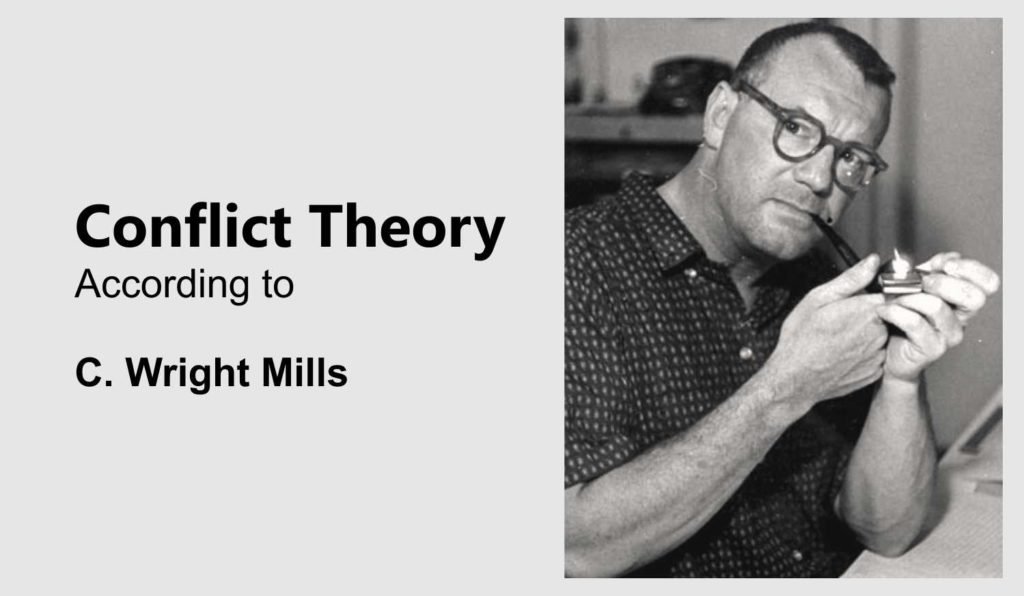
C. Wright Mills
Meanwhile, C. Wright Mills thinks that to understand what is happening in the world, it is necessary to have a sociological imagination. That way we can understand the life history of the community, personal history, to the relationship between the two.
Social conflict is a form of conflict in society that occurs due to various factors. The complexity of social conflict makes studying this phenomenon give rise to multiple theories. Among the sociological thinkers who formulated specific theories to analyze social conflict were Karl Marx and Ralf Dahrendorf.

Conflict theory was born to oppose the theory of structural functionalism. This is because the last theory provides an understanding that it is as if the development of society is balanced and static.
Conflict theory comes with the understanding that society is changing because of the ongoing conflicts in life.
Conflict also turns out to be derived from class conflicts, for example, the ruling group and the oppressed community group. This was one of the factors that brought about social changes or social systems in social life.
An unbalanced condition ignores generally accepted norms and values but still affects people’s lives. In other words, social life cannot be separated from the various conflicts that occur in it.
Karl Marx considers that a class conflict occurs due to differences in access to power. In this case, the key meant by Karl Marx is the facility of capital (money) which can create two classes, namely the bourgeoisie and the proletariat.
Furthermore, Elena G. Bystova and Petter Gottschalk, in their research, add that Karl Marx views conflict as a form of class conflict. Karl Marx also explained the concept of class structure in a society full of inequality.
Both class differences and social inequality can cause conflicts in everyday life. Some groups can dominate, and some are controlled only because of differences in economic class.
There are conflicting economic interests in each of the different classes
There is a significant influence of economic class on a person’s lifestyle
The influence of class conflict can lead to changes in social structure
Ralf Dahrendorf’s Conflict Theory
Ralf Dahrendorf’s opinion about conflict theory. He wrote that Ralf Dahrendorf proposed an idea that concluded: conflict occurs because of the social relations in a system.
Thus, it can be concluded that conflict only occurs with groups belonging to one system. The relations were also classified by power. The existence of the controller with sanctions makes those who have power can benefit from those they control.
This conflict finally conveyed a conflict between the owners of power and those who were not in control.
In the end, both the theory of Karl Marx and Ralf Dahrendorf explain that conflicts that occur in society can be a factor in social change. In other words, conflict, discontinuity, inequality, and deviation of norms and values also become an unavoidable part of society.
Another quite popular conflict theory is Dahrendorf. Ralf Dahrendorf is a German intellectual who became famous through his work ” Class and Class Conflict in Industrial Society ” in 1959.
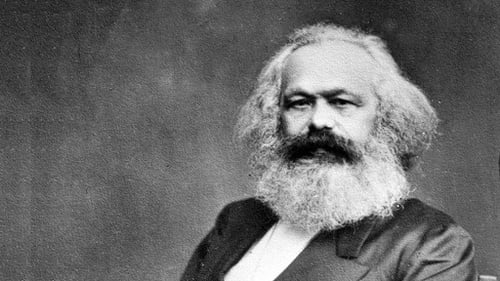
For Dahrendorf, the functionalist explanations of integration, value and consensus, and stability needed to be revised. He rejected these functionalist assumptions and sought to base his theory on a modern Marxist perspective. For him, social conflicts based on the opposition of interests and the consequences of disputes can be widespread and, at the same time, can give birth to social change. (Johnson: 1986: 183).
Although Dahrendorf has the same thoughts in viewing class conflict, Dahrendorf does not agree with the proposition offered by Marx. Dahrendorf considers Marx’s view irrelevant to post-industrial society (modern industry).
That is why Marx’s theories and concepts are recommended to be modified so that they can be adapted to analyze modern industrial society. Dahrendorf views that Marx only refers to capitalist society. Since Marx wrote his thoughts, there have been significant changes in the social structure. (Dahrendorf 1988).
That is why, Dahrendorf offers a concept and theory that pays more attention to explaining capitalist and post-capitalist society. Dahrendorf then built his new theory through this framework.
Dahrendorf had quite a few conflicts with Marx. He even rejected Marx’s concept of a classless society. Dahrendorf considers that the analysis of a classless society is highly speculative, and there is no empirical evidence that it can be realized.
Furthermore, Dahrendorf views several of Marx’s theses as not supported by empirical facts. In reality, class division cannot be carried out solely based on ownership of the means of production.
In conflict theory, Ralf Dahrendolf assumes that society is loyal when subject to change and conflict processes. Conflicts and various elements of culture that exist in the social system are considered to contribute to disintegration and change.
For him, the order that can be created in society is nothing but coercion on its members, carried out by those with power. This means that power in this social system plays a role in efforts to maintain order in society.
Dahrendorf also put forward the idea of a dialectical conflict theory. This theory states that society is a subject with two faces, namely conflict, and consensus. From this, Dahrendorf proposed the division of sociological theory into two parts, namely conflict theory and consensus theory.
In conflict theory, we can examine conflicts of interest and the use of violence in society. In consensus theory, we can examine the value of integration in society.
Dahrendorf assumes that society cannot exist without consensus and conflict because the unification of society occurs because of enforced non-freedom. This also reflects that in certain societal positions, there is authority over other positions that delegate power.
Karl Marx (1818-1883) is considered a major pioneer of conflict theory. In fact, many figures in sociology calls him the master of conflict perspective.
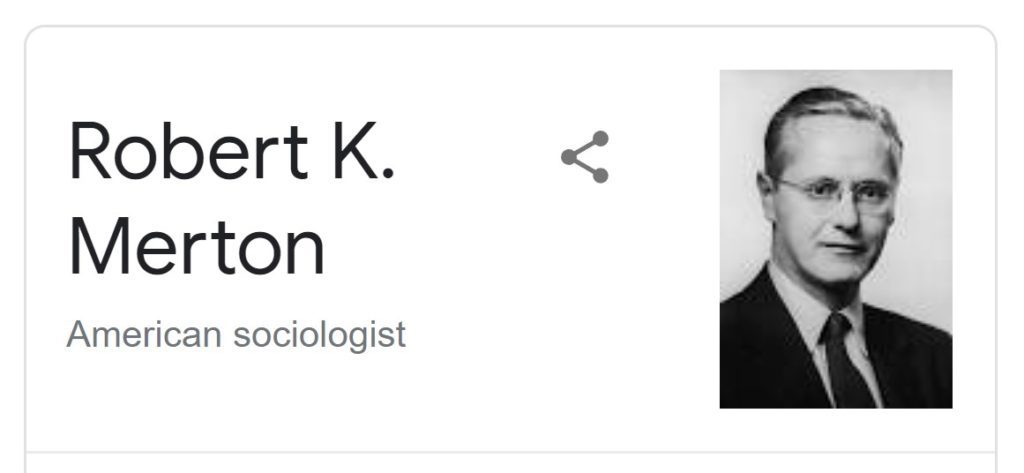
The basis of Marx’s thought is about the massive exploitation which is considered as the prime mover of historical forces. Marx views the existence of class differences, one of which is caused by the industrialization project, and this is only the pursuit of economic gain.
The struggle of class society is a fundamental concept that was conceptualized by Karl Marx at that time. This was triggered by the condition of society at that time which was surrounded by industrialization in the 19th century. Industrialization gave rise to a class of workers and industrialists which in turn led to alienation.
The conflict perspective which is rooted in the thought of Karl Marx is recognized by sociologists as one way out so that it is very closely related to revolution. However, the conflict here is not meant to be a radical revolution, let alone to the point of spilling blood. Because, after all, Marx was a humanist.
In essence, conflict theory sees the existence of conflict and conflict in social systems. So, society will not always be in order. In this theory, different authorities are also discussed, which result in superordination and subordination.
The difference in the interests of these two things then creates a conflict. However, conflict theory itself also reveals that conflict in this social process is needed to create a social change, both in a negative and positive direction.
The conflict theory according to Karl Marx has long been ignored by sociologists. However, it was not until the 1960s that this theory was re-emerged. Some sociologists who have revived conflict theory include C. Wright Mills [1956-1959], Lewis Coser: [1956] and others [Aron, 1957; Dahrendorf, 1959, 1964; Chambliss, 1973; Collins, 1975].
In contrast to functionalists who view the normal state of society as a static equilibrium, conflict theorists tend to see society as being in constant conflict within groups and classes.
Conflict theorists even claim that functionalists have failed to ask the “functionally useful” question, who is this aimed at. The harmonious balance referred to by functionalists is considered only beneficial for some people, while for others it is detrimental.
Conflict theorists view that a social balance as intended by these functionalists is a mere fantasy, because they are unable to explain how the dominant group exploits other groups and silences them.
In Marx’s theory, the existence of personal relations in production and social classes is seen as a key element that exists in many societies. Marx in Das kapital also argues that the social changes that are created are largely influenced by the existence of conflicts between the dominant class and the subordinated class.
The marxian-modern conflict strategy, which is mentioned by Stephen K Sanderson , is as follows:
Social life is an arena of conflict or conflict within opposing groups.
Various economic resources and political power are important, so various groups try to seize it.
A typical consequence of this conflict is the division of society into economically determined groups and subordinated groups.
The basic social pattern of a society is strongly influenced by the social conditions of the group which is economically a determining group.
Conflicts and deep social conflicts that exist in various societies give birth to forces capable of driving social change.
Because conflicts and contradictions are the basic criteria of social life, social change is also a common thing that often occurs.
As a proponent of the structural-functional theory, Robert K Marton only makes more limited demands for this perspective. Merton assumes that this functional, structural approach significantly influences the advancement of sociological knowledge. However, he considered structural functionalism still impossible to solve all social problems.

Merton himself proposed Merton’s functional analysis model, which he got due to the development of a thorough knowledge of classical theories, including the work of Max Weber. Weber influenced Merton’s thinking regarding bureaucracy, thus making Merton more limited in viewing bureaucracy, as was Weber.
As for the modern bureaucratic organization, according to Merton, it contains the following concepts:
bureaucracy is a form of social structure that is organized rationally and formally;
bureaucracy includes a pattern of activities with clear boundaries;
the actions that take place in the system are ideally related to the goals of the organization;
positions in the organization are integrated into the overall bureaucratic structure;
The existing statuses in the bureaucracy are arranged in a hierarchical arrangement;
Detailed rules limit obligations and rights in the bureaucracy;
authority lies in the position, not in the person;
the relationships that exist between people are formally restricted.
The bureaucratic model, as described by Merton, can be illustrated in the form of large-scale organizations. For example, such as companies, universities, or academies.
Merton’s functional analysis theory can be summarized in three postulates as available analysis, which he then refines individually. In summary, the first postulate is the postulate of the functional unity of society, which shows that the available unit of society has parts that work together in an adequate level of internal consistency without producing a prolonged unresolved conflict.
The second postulate is the postulate of universal functionalism, assuming that all standardized social and cultural forms have their positive functions, which can establish a balance in the social system.
The third postulate completes the trio of postulates of functionalism in the form of the postulate of indispensability; namely in every type of civilization, every habit, idea, material object, and belief all fulfill several essential functions and tasks that must be carried out so that they cannot be separated in the activities of the system as a whole.
Put, in this third postulate, all aspects of society’s standards have a positive function and represent inseparable parts of the whole. This postulate leads to the idea that all structures and functions are functionally necessary for society.
When discussing the Washington Consensus, it is also important that we discuss Neoliberalism. Basically, neoliberalism is not a big theory. This theory was born from a combination of several contemporary anti-investment theories which were developed in certain historical, political and institutional contexts.
Neoliberalism
Many people who are unfamiliar with economic theory think that neolibism is a freer form of liberalism or the free market. In fact, neolib can not be understood that simple.
Neolib is a new form of modification or development of the economic system of liberalism and capitalism. This theory reawakens the ideas of classical economics advocating free markets, individual freedom, and state intervention in the economy.
Neoliberalism is a collection of theories regarding the relationship between countries, markets, individuals and communities that interact with each other in an economic system based on capitalism.
In connection with the development of neoliberalism, the World Bank, IMF, and the US Treasury agreed to generalize these various theories in one policy package.
This policy package is known as the Washington Consensus, which is taken from the form of theory development and its successful application in developed countries. This Washington Consensus also became the trigger for the birth of neoliberalism which is unique and known today.
Initially, the Washington Consensus was only an agreement between politicians, congress, government agencies, the US Central Bank, and also international financial institutions related to the way of economic recovery in developing countries.
the Washington Consensus policy
In order to understand what the policies implemented according to the Washington Consensus are, it will be easier if we look at the 10 policy points formulated by John Williamson.
According to John Williamson, an economist, the 10 points of the Washington Consensus policy are as follows:
1. Fiscal Discipline
Fiscal discipline is basically a very important thing to do. Almost every country implements a budget deficit system to balance the balance of payments crisis and high inflation rates.
This condition is often experienced by poor countries because many rich people in their countries prefer to save their money abroad.
2. Public Expenditure Priority
Public spending must be assessed on a clear priority scale. In this case, Consensus chose to allocate government spending on pro-poor programs. These include subsidies for health and education.
3. Tax Reform
Tax reform is carried out by creating a model that combines a broad tax base with a low tax rate.
4. Interest Rate Liberalization
The liberalization of interest rates is carried out by implementing a system of interest rates that are free and only determined by the market and are positive in real terms.
5. Competitive Exchange Rate
6. Trade Liberalization
Liberalization in trade was carried out, especially in the case of the abolition of single licenses and tariffs.
7. Liberalization of Foreign Direct Investment
8. The privatization of State-Owned Enterprises (SOEs)
9. Deregulation
This deregulation was carried out by eliminating regulations that hinder competition, except for maintaining security, the environment, consumer protection, and supervision of financial institutions.
10. Property Rights Protection
Property rights define the theoretical and legal ownership of resources and how they can be used. These resources can be both tangible or intangible and can be owned by individuals, businesses, and governments.
When we talk about socialism or marxism, we will often come into contact with the concept of liberalism. Not because these two ideologies have much in common, but on the contrary, these two ideologies are completely opposite. In fact, the emergence of Marxism is none other than his rejection of the ideas of classical liberalism proposed by Adam Smith.

Marxism itself is also closely related to socialism, because the two are often considered to have the same basic concept. However, socialism and marxism are fundamentally different . Marxism is an ideology based on the teachings of Karl Marx. This is why it is called Marxism or the teachings of Marx.
Socialism is a form of idea or thought that existed long before Marx. The ideas in socialism talk a lot about togetherness and collectivism. Even so, there are teachings about togetherness that make the two seem attached.
That is why, discussions of socialism will usually be divided into three groups , which include:
socialism before Marx;
Marx’s socialism (Marxism);
socialism after Marx (Deliarnov, 2005).
Discussions about socialism can be done through various perspectives, ranging from philosophy, ideals, movements, politics, teachings, ideology or political economy systems. However, this time our focus is on socialism from the point of view of political economy.
From the point of view of political economy, socialism is a social system based on the principle of commune or togetherness, with the nature of distribution and ownership of the means of production or collective means of production . So, the most prominent character of this socialist society is its togetherness.
In its most extreme form, socialism can develop into a form of communism, in which various economic decisions are drawn up, planned and controlled by the state.
History of Marxism
The era of industrialization has indeed brought major changes in the world economic system, including the emergence of new thinkers, such as Karl Marx (1818-1883). The ideas of Karl Marx are not really fresh and new ideas. What Karl Marx was trying to bring up was actually the idea of togetherness in a commune, just like the socialist thought.
However, Marx himself more developed the idea of socialism in the form of a system. This is why, when talking about socialism in the form of a system, what is often used as a reference is the teachings of Karl Marx in the form of Marxism.
So, here it can be seen that the basic difference between socialism and Marxism apart from their originators, lies in the line of thought. In socialism, the line of thought is broader based on the concept of togetherness. Whereas Marxism emphasizes more on how socialism can be realized in a comprehensive system in people’s lives.
The history of Marxism itself was driven by the development of industrialization after the industrial revolution in England. Many of Karl Marx’s thoughts are a form of refutation of the classical liberal-leaning thoughts, which build their economy based on the market mechanism.
Through his ideas, Karl Marx is called the main pioneer of the scientific socialism movement. The beginning of Marx’s popularity began when he published his first book together with Friederich Engels, the financial supporter of Marx.
The book is entitled Communist Manifesto in 1847. In this book, Marx expresses a series of criticisms of Adam Smith’s ideas along with the concept of capitalism that he carries. This book also describes the conflicts between classes. Marx also said that the state is an instrument of oppression.
Apart from the Communist Manifesto, Marx’s ideas are also included in many other books, all of which lead to socialist concepts. One of the most popular works of Marx is a book entitled Das Capital, which was published in 1867. It was Marx’s works that eventually became the basis for the emergence of Marxist ideology or Marxism (Deliarnov, 2005: 52).
In fact, Marx himself never explicitly stated the ideology of Marxism. The concepts of his thought were also never designed into an ideology or ideology called Marxism.
The term Marxism as a new ideology began to be developed after the death of Marx in 1883. Marx’s thought which was quite interesting began to be summarized as a new ideology which was given the name Marxist by German thinkers (Ritzer, 2005: 478).
Because of this history, the concept of Marxism is often difficult to define precisely. What can be concluded is that basically, Marxist teachings try to harmonize reality, theories and concepts of thought in the life of an ideal society, through the commune system (Albert, Hahnel, 1991: 13).
It should be noted that the philosophy of Karl Marx took a lot of dialectics developed by Hegel in 1818 as a basis. What Marx took from Hegel was about the philosophy of idealism and history.
In Hegel’s philosophy, it is explained how social turmoil relates to the future of civilization. It was Hegel’s thoughts regarding the cycle of historical change that later inspired Marx’s ideas. Marx thought of a revolutionary concept in shaping the theory of society (Chilcote, 2010: 114).
Scope of Marxist Ideology
Mainly, many criticisms of Karl Marx were directed at Adam Smith’s idea of deifying the market economy. In his attempt to criticize the idea of capitalism, Marx used many foundations from various disciplines. He tried his best to prove that the ideas of capitalism are actually ” rotten from within ” ideas and are a reflection of an unfair system.
Various disciplines used by Karl Marx in challenging the thought of capitalism, including:
From a moral point of view, Marx claims that capitalism inherits injustice from within. This is based on capitalism’s indifference to the social inequalities that arise in society.
From a social point of view, Marx stated that capitalism is a source of class conflict. This conflict can arise between the bourgeoisie and the proletariat, between the landlords and farm workers, and between the capitalists and their workers. This happens because one party acts as a suppressor ( oppressor ) and the other party as the oppressed ( opressed ).
From an economic point of view, Marx views capitalism as a tool of capitalists which is solely used to obtain as much profit as possible, even if by suppressing the workers as hard as possible.
Marx who uses various glasses to present his ideas is what makes Marx’s concept of ‘socialism’ more comprehensive. Marx also thought that the approach to the deductive procedure he used was far superior to that of the classical economists.
Marx and his followers believed that the world should be understood as an integrated superior unit. Based on this, Marxism offers an idea or system based on the totality method, and not just a mere economic foundation.
Marxism’s Critique of Capitalism
As explained earlier, Marxism emerged as a response to Classical thinkers. Therefore, the teachings of Marxism are also based on many forms of criticism of the teachings of the Classical Liberals, especially against the teachings of Adam Smith in the form of capitalism.
Marx saw capitalism as a system with many weaknesses. Here are some of Karl Marx’s critiques of capitalism, which at the same time illustrate how the mindset of Marx’s ideology is.
# Capitalism creates classes in society
Marx believed that the formation of social classes in society was the impact of capitalism. Capitalism forms classes based on economic aspects. The most obvious is the emergence of the ruling class and the working class or workers.
# Capitalism makes the distribution of wealth unequal
The rulers who want to make as much profit as possible tend to suppress the workers. In the end, the workers only receive wages that can only be used to survive.
Marx based his thinking on Ricardo’s theory which proposed a low wage rate. Ricardo stated that in this subsystem of capitalism, such a low wage rate is determined by a value that can only be for survival.
This form of so-called ” iron wage ” or iron wages is only equivalent to the cost of fuel for the machine to work, or as much as “the cost of animal feed”. This means that the remuneration given to the owners of capital or capitalists is much greater than the remuneration for the owners of labor or labor.
The owners of capital will be getting stronger and richer, while the owners of labor will be getting poorer and weaker. Capitalism tends to distribute wealth unequally. Until in the end, this system also gave rise to stratified power (Deliarnov, 2006: 42-43).
# Capitalism allows the ruling class to exploit
In economics-oriented capitalism, the ruling class or capitalists will try to make as much profit as possible. The greater the efforts of the capitalists to seek profit, the harder the pressure is exerted on the workers.
That is, this concept allows the ruling class to exploit the workers. In other words, according to Marx, capitalism is a form of exploitation of workers.
# Capitalism triggers class conflict
Marx believed that state capitalism would side with the rulers. Why is that? This is because the economically ruling class tends to have the potential to gain political power. This is because money or wealth is considered a form of power.
This “rotten from within” capitalist country has an unfair system. Capitalism triggers class conflict. One side acts as an oppressor (oppressor) and on the other side there is an oppressed ( oppressed person). This happens because the capitalists will make as much profit as possible by suppressing the workers (Deliarnov, 2006: 41-42).
# Capitalism makes workers experience alienates
The system created by capitalism makes the workers experience alienates . Workers who are used as means or tools to meet the needs of the capitalists, will tend to be exploited in order to complete their work as quickly and as well as possible.
In the end, workers will only focus on their work and have minimal interaction with social life or with other humans. This forces workers to be isolated and unable to grow. In other words, workers are alienated from their basic human nature (Ritzer, Goodman, 2011: 36).
# Capitalism is Self Destructive
Marx rejected the notion of the Classics which stated that capitalism is a system that is considered self-sustained ( self- developing). In the eyes of Marxism, capitalism is more referred to as self-destructive ( self-destructive ).
This condition occurs because the pressure of the capitalists on the workers is so great. This convinced Karl Marx, and even stated his prediction that there would be a revolution of the workers.
In order to make as much profit as possible, the capitalists will put more pressure on the workers. Workers who are increasingly pressured by these capitalists will certainly not remain silent. There will be resistance so that in the end, this system will self-destruct (Deliarnov, 2005: 42).
Karl Marx’s Ideas
The strength of Marxism is in the system it offers, which is all-encompassing. That is, the ideas of Karl Marx have a comprehensive discussion and have interconnections in all types of existing social institutions. Marxism also shows the interconnection between politics and economics.
This is why the teachings of Marxism are considered the most comprehensive teachings in the concept of political economy. This all-encompassing concept led Marx to believe that his teachings were far superior to the deductive approach of classical political economy.
# Dialectical Materialism
Marx carried out an analysis of political economy by combining dialectical methods and materialism. By Engels, this is called dialectical materialism or historical materialism. The view that the world is a single integrated unit makes Marx’s approach able to cover everything with the totality method.
This conception of Marx’s dialectical materialism draws on Hegel’s thoughts regarding the cycle of historical change. Marx stated that there would be a revolutionary concept in shaping the theory of society through the struggle of the workers to overthrow the rulers, and in the end the formation of all classless society.
Even so, Marx rejected Hegel’s idealism which stated that these changes were most influenced by ideas. According to Marx, what is more decisive is the power of materialism.
# Materialistic
Marx’s materialistic conception is a form of political subordination and the decisions of public authorities under the inherent power of operating in society. Simply put, materialistic ideas are what determine everything, whether in terms of politics, culture, social, morals, philosophy, as well as ideology, is ‘economic’, namely material .
More simply, matter is the center of life. The material conditions the process of political, social and intellectual life in general. So, when we talk about the mode of production of life, we will focus on the economy. This economy is then able to influence various other modes of life, from various aspects. This also includes, the economy influences politics.
# Politics is a medium to exercise power and authority
Politics, power and material things are basically related. However, the most powerful influence is material. According to Marx, politics is only a tool or media used by the authorities as a medium to exercise and legitimize their control.
Meanwhile, according to Marx, the role is to exercise power and authority, which is influenced by material things. The state must play a role in preparing the political conditions and pressures necessary to maintain each mode of production (Staniland, 1985).
In linking politics to a market economy, Marx believes that there is a domination structure in every economic organization. Politics for Marx is only a bridge for the ruling class to legitimize its control in order to obtain materials (Deliarnov, 2005: 44).
# Country Removal
According to Marx, the expansion of wealth is the same as the expansion of power . This makes Marx believe that wealth is not only used in the concept of power to , but also power over . The power possessed by the capitalists will be used as much as possible to suppress the workers, so this must be abolished.
The state is only a creation of civil society which is used solely to protect the interests of the ruling classes. This affects the occurrence of conflicts of interest between classes that encourage conflicts between classes or conflicts within the State. Marx proposed that both the state and the ruling class should be abolished (Chilcote, 2010: 148).
# Co-ownership is replaced by collective distribution
Capitalism must be immediately replaced with a social system based on collective ownership and distribution (Deliarnov, 2005: 42). In a Marxist perspective, economic change is capable of transforming the ideological superstructure. Human actions depend on changes in the economic structure (Chilcote, 2010: 161).
# Leaders of the proletarian class to form an authoritarian state
Marx’s analysis states that the existence of classes is only tied to certain historical phases in the form of the development of production. For this reason, it is necessary to form an authoritarian state to ensure that the historical revolution takes place properly.
To form an authoritarian state, a leader from the proletariat or the working class is needed. In order to lead to this dictatorship of the proletariat a class struggle is necessary. By itself, this dictatorship will be a transition to the abolition of the entire class.
According to Marx, the existence of this class must be abolished. In the end, the state will also be abolished. The world will be a single unit without class and without state.
# Elimination of classes in society
The social situation will lead to the realization of a classless society, where private property rights to property are abolished. For Marx, the existence of property rights is indicated by the ownership of goods and income opportunities. In fact, this is a hallmark of the existence of class in society, so this must be abolished (Chilcote, 2010: 171).
The development of Marxism
Marx after the era of Karl Marx is still experiencing development. Many other thinkers have tried to develop the ideas of Marxism by being seasoned with various other ideas in order to perfect the system that has been offered by Karl Marx. One of them, there is Lenin.
From the thought of Marx and Engels, Lenin put forward the theory of the State which he expressed in the book State and Revolution in 1932. Lenin argued that the state at that time was a form of manifestation of irreconcilability of class antagonisms .
Therefore, state power had to be abolished by violent revolution. A form of effort through compromise and reformist solutions is considered unable to solve these class antagonisms (Chilcote, 2010: 259).
The proletariat is tasked with carrying out the struggle against the state and its instruments of power. The next power is held by the proletariat. The modes of production are then transformed from private ownership to state ownership.
This transition of capitalism power will then give rise to a form of proletarian government or dictatorship of the proletariat. Bourgeois democracy turned into proletarian democracy. So in essence, the reform aims to establish prosperity for the proletariat.
The functions of the state will eventually be handed over to the people, until there is no longer a need for this kind of power. After the development of production reaches the highest level, the existence of class is no longer needed. Likewise, the state must also be abolished.
The function of the state will be replaced by control by the whole community. As a result, people will work voluntarily according to their abilities and receive according to their needs. This is where socialism was created (Chilcote, 2010: 260).
Criticism of Marxism
Just as Marxism critiqued the Classical Liberals, it seems that Marxism is not free from criticism. Not a few thinkers claim that the teachings of Marx are not ideal teachings, and even have many shortcomings. Some of the criticisms leveled against Marxism are as follows:
# Impressed Dogmatic
After the era of Karl Marx, there were thinkers who carried out critical theory. This critical theory is one that criticizes Marxism. According to critical theory, in general, Marxism has a weakness because this ideology simply imitates Marx’s analysis outright. Karl Marx’s words were used as ideology and tried to be applied to modern society.
It is this direct application that makes Marxism as an ideology more dogmatic than scientific. The analysis offered by Critical theory itself is a reconceptualization of the basic theory of Karl Marx, namely the liberation of humans from various shackles of oppression.
# The idea of social revolution occurs automatically is irrational
According to Marx, capitalism which is “rotten from within” will automatically be destroyed by social revolution. This social revolution carried out by workers will occur automatically, so that in the end it will replace the capitalist order by itself.
This idea is considered by revisionists as a weakness of Marxism, and seems excessive or irrational. The idea that the collapse of capitalism can happen automatically is irrational.
Moreover, when referring to the view that socialism will only emerge when capitalism collapses, this means that as long as capitalism is able to maintain its surplus value , this social revolution will not automatically occur.
Described by Bernstein, as long as countries that support capitalism are still successful in maintaining various anti-monopoly policies and free markets, then capitalism is not on the way to destruction. To put it simply, to expect a social revolution to happen automatically is an exaggeration or even irrationality.
# Too deify Materialism and ignore ideas
Marx’s concept of materialism too idolizes matter as part of the economic aspect. In fact, Marx ignores the importance of ideas or ideas and their contribution to history. Marx argued that reality is material and that social revolutions can occur mainly because of this material aspect.
Material or economy is the only thing that is important and becomes the standard of human life, not thoughts or ideas. Marx’s attitude that put every interest only as part of economic interests is considered excessive and illogical.
Marx believed, directly or indirectly, that political power is a tool for the benefit of the function of economic power only. Likewise in social and cultural conditions, all are based on a materialistic perspective.
In his perspective, Marx stated that the historical and revolutionary forces of society are not determined by ideas or ideas, nor are the ideals of freedom. The absence of ideas or ideas, and the attitude of being too deifying of the material is what makes Marx’s teachings widely criticized.
Reference :
Albert, Michael, Robin Hahnel. Marxist and Socialist Theory . Ho Chin Minh: South End Press.
Deliarnov. 2006. Political Economy . Jakarta: Erlangga.
Your shaft. Tt. Tracing Marxism through the Thoughts of Karl Marx . accessed from http://www.porosilmu.com/2014/12/menelursuri-marxisme-via-pemikiran.html
Ritzer, George and Douglas J. Goodman. 2004. Marxist Theory and Various Neo-Marxian Theories. Bantul: Offset Discourse Creation.
Ritzer, George. 2005. Encyclopedia of Social Theory . New Delhi: Sage Publications.
Want to know the answer, let’s look at the following explanation and review and there are three analytical approaches that you can try to understand.
Understanding Social Inequality
What is the meaning of social inequality that you need to know, where social inequality is an imbalance.
As well as social inequalities that occur in society. Where indeed this condition will cause a significant difference between the community.
We can see this social gap in poverty, low levels of education, social problems related to criminal acts, and others.
For example, in terms of the need for health, economy, employment, we can also see that there are many gaps there. Let’s see below.
Analysis of Social Inequality Approach
There are several approaches that can be used in conducting or analyzing or describing social inequality in people’s lives, namely:
1. Historical Approach
For those of you who want to understand social inequality, it is also obligatory to know the existence of social inequality that arises due to differences in life.
Both in terms of social, economic, and political existence and we often encounter in the daily activities of people’s daily activities.
For example, if you remember, in the 19th century, there was a great war in Europe, namely World War II.
Where the occurrence of this war also brought many social changes to the lives of its people, and brought the destruction of most countries in the world to destruction.
Now this destruction also causes and results in poverty, social inequality, and misery.
2. Sociological Approach
Of course, the gaps that occur in the world in particular have made some people restless and worried about these social problems.
In reality, it can be seen how the lower and upper classes exist in people’s lives.
Between the rich and the poor who increasingly show the gulf of difference so far. Where the distribution of wealth resources is increasingly not targeting the small community.
It is precisely the upper classes who are closer to power who benefit from the various uses of this wealth.
Poverty that occurs in Indonesia is an example of how social inequality appears to be real and compared so far when viewed, the control of these assets.
Where it is said that a nation can be considered advanced if it has succeeded in improving the welfare of its people.
However, as well as developed countries will be separated from the problem of poverty that has been faced by many countries.
3. Juridical Approach
The social inequality that we see in the lives of the people around us is one thing that does not reflect the existence of justice.
Moreover, the state should be able to provide welfare for all its citizens.
However, in fact and reality, everything seems to be inversely proportional to what is happening in society today.
But if we look at it, social inequality is still a concern for many people and is a scary ‘ghost’.
So that’s a glimpse of the discussion and explanation as well as a review of the topic of Understanding Social Inequality: 3 Analysis of the Approach.
Want to know more fully, how we view the conflict version of this critical figure, it is important to study. Let’s read.
Understanding the Thought of C. Wright Mills
There are several important figures in sociology who also gave their views on conflict, ranging from Karl Marx, Lewis Coser, Jonathan Turner, Ralf Dahrendorf, and many others.
The discussion of conflict is indeed interesting to study. Moreover, in the community itself, there will certainly be various disputes and conflicts.
There are also those who say that conflict always leads to negative things. However, there are also those who say that conflict can lead to positive things.
Indeed, there are many views and perspectives given by figures and experts on conflicts that occur in society.
So on this occasion, we will briefly review the understanding of conflict from the character, namely conflict according to C Wright Mills.
Charles Wright Mills is an American sociologist who was born in Waco Texas on August 28, 1916.
He died in West Nyack, New York, on March 20, 1962. Mills was indeed known as a radical thinker who was rich in ideas, open and courageous.
He is known as a sociologist who is intense in observing the reality of the state and power.
Then he is famous for putting forward a very famous theory, namely the power elite theory.
That’s a glimpse of a popular figure in sociology with his phenomenal works, in his thoughts and perspectives.
So what do you think about conflict? Check out the explanations and reviews below, let’s read.
Conflict Theory in the Perspective of C. Wright Mills
Understanding C. Wright Mills’s thoughts on conflict let’s see, read the plan yes.
Mills said that to be able to create a good society on the basis of knowledge and its formation.
It is the responsibility of the intellectuals to socialize liberally and support the revolution in Cuba.
He also condemned the American reaction to the revolution in Cuba because he believed that the revolution in Cuba would unite revolutionary socialism and freedom.
The theme of the theme discussed in depth and specifically in Mills Sociology is the relationship between alienation and bureaucracy as well as the power of the elite.
First, a Glimpse Understanding the Alienation of Bureaucracy
According to Mills explaining the economic difficulties experienced by workers in the past have been replaced.
Today by psychological dissatisfaction rooted in alienation. The workers of what they work for.
He views these workers who work in offices as apathetic, fearful and shaped by mass culture.
Where in modern society, those in power often use it covertly.
With the aim of doing manipulation manipulation. Therefore, Mills argues that bureaucracy is synonymous with manipulation.
According to him, the rational system hides their power so that no one understands their calculations. For the biocracy, the world is an object of manipulation.
Second, Elite Group Power
For Mills himself in America at that time, it was controlled by a group of ruling elites, which consisted of people who produced dominant positions in the field.
Politics, military and economy. Where the three areas of power have a relationship with one another.
Until the people in power in the field, work together to create a group of elites in power in America.
It is therefore not surprising that a high-ranking military official could become a capitalist.
Likewise, the head of government can apply his style of government like an army. Mills explained that he believed where power could be based on other factors.
Indeed and not on mere ownership. However, it is the same interests of this elite group that have united them and sustained the economy.
So, that’s just a brief overview of the basics that friends can read from the reference sources below. Then, what about conflict in a sociological sense?
Where conflict is defined as a social process between two or more people. In which one party excludes the other.
By destroying it or making it helpless, and the weakness of a person or group of people.
Indeed, every element of society or policy makers will contribute to the conflict.
Yes, you may not realize it, the danger that threatens social disintegration in people’s social life.
Which will have an impact on the integrity of the country. Mills said conflict in society occurs because of differences in interests, and resources.
He continues that social structures are created through conflicts between people with different interests and resources.
Moreover, at this time, sometimes the government’s position is often unstable, which is the main trigger for conflict in society.
The difference in interests between the community and the government in national development often creates an open conflict.
Indeed, this social conflict usually occurs because of one party or group who feels that their interests or rights have been taken by certain parties.
In an unfair way, this term is known as surplus value in Karl Marx’s view.
In essence, society will not be separated from the existence of social dynamics and conflict. Especially in the process and social relations.
There are bound to be disputes and conflicts that overshadow people’s daily lives. Thus conflict becomes a color in various human lives.
Ideology is an idea, thought, or principle that is owned by an individual or group of people. This time, we will briefly discuss one of the ideologies which was also coined as an economic system, namely capitalism.
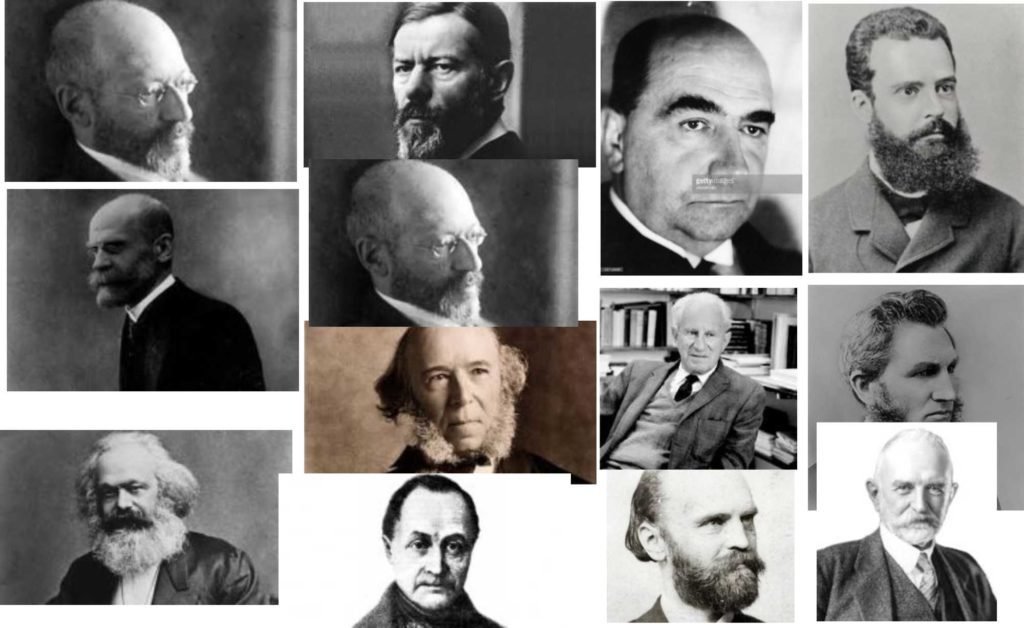
Capitalism upholds individual ownership of the means of production and distribution used to gain competitive advantage of the characteristics of capitalism. In the mid-20th century, capitalism was growing, supported by advances in technology and information.
What is Capitalism ?
The theory as well as the economic system of capitalism is estimated to have first appeared in the late 18th and early 19th centuries. Capitalism was present when the economic system at that time was still under the mercantilism economic system, namely an economic system in which there was a lot of government intervention, especially in matters of restrictions on economic activities aimed at increasing export activities and limiting import activities.
Here are some very important meanings in capitalism as follows:
Capitalism is an understanding that was first coined by figures including Adam Smith and David Ricardo.
The origin of the word Capitalism is “capital” which generally means “profit” or capital, while the suffix -ism is a term that describes a way of life that has become a principle or habit.
Therefore, capitalism can be interpreted as an ideology that emphasizes capital in a commercial ownership or in an economic activity. Capitalism is an ideology that supports personal interests.
Characteristics of Capitalism
The economic system of capitalism can indeed provide large profits for the owners of capital or the means of production, but in reality capitalism opens the gap to social inequality that is getting bigger. Sometimes profits are only obtained by the elite who are better able to compete and survive, while the lower middle class still experience difficulties in meeting the capital needs to carry out the production process. So that the capitalist economic system can be said to be not fully in favor of the welfare of the general public. According to one source, in general capitalism has three characteristics, namely:
Right to private property,
The right to raise capital and obtain maximum profit with minimum capital,
The right to compete in any way between the owners of capital.
Meanwhile, in particular, Capitalism is characterized by the following:
Recognition of individual property rights over factors of production including natural resources.
There is freedom to own private means of production. This causes a lot of production tools and capital such as factories, machines, raw materials which are owned by private parties individually or in groups in the form of companies.
Every individual is free to try in any way and compete with each other for maximum personal gain, one example is establishing his own company. In the economic system of capitalism, humans are seen as creatures who always seek profit for themselves or homo-economicus. One of the principles of capitalism is to get maximum results with minimum capital. These characteristics can be a gap for the negative impact of capitalism, because for the sake of pursuing profit, someone can justify all means, including even bad ways.
The production process is the full responsibility of private entrepreneurs and they are free to determine what will be produced, how many goods will be produced including the price that will be charged on the production. But in a capitalist economic system, prices are more often determined by market supply and demand.
There is a free competitive market, which is where supply and demand play a major role in the market mechanism, for example in determining prices. This is related to the “Invisible Hands” theory proposed by Adam Smith. That supply and demand as a market mechanism seems to be an “invisible hand” that can manage economic problems, such as inflation and unemployment without realizing it.
Does not recognize government interference in the country’s economy. In a capitalist state, the government only acts as a ‘night watchman’, that is, it can only regulate the economic process but cannot limit the ownership and economic activities of the owners of capital.
The capitalist system encourages the formation of an individualist attitude based on the nature of materialism.
The number of individuals who are hedonistic. This is because the owners of capital will take all the attractive ways through various depictions of products or services through advertisements or other mass media that aims to attract market interest, and this is often successful. Consumers are continuously ‘fed’ with various attractive advertisements with various product advantages that will make consumers decide to buy it without thinking.
Capitalist Economic System
Whereas what is meant by a capitalist economic system is a system that gives economic actors the freedom to do everything possible with the resources or factors of production that they have individually, so that they can compete optimally with these resources or factors. other production. This economic system frees everyone to have resources, work, try and compete with each other to meet the needs of life, without interference from the government. So there is a lot of competition between business entities.
According to Adam Smith, the main elements that must exist in a capitalist economic system are:
1. Private Property Rights Both Individuals and Groups.
Capitalism liberates and gives everyone the right to own the factors of production including resources in a legal way. In addition, the owners of capital are allowed to compete in any way to achieve large profits at small costs.
2. Invisible Hand as Regulator of Economic Activities.
The invisible hand is a theory coined by Adam Smith, who says that there are “hidden forces” that regulate the course of the economy through the mechanism of supply and demand. These forces are also a motivation for the owners of capital.
3. Economic Individualism
Namely, the limitation of government power on economic activities so that individuals can carry out economic activities independently without any government intervention.
4. Free Competitive Market
Capitalism can also give birth to individuals who only pursue profit without paying attention to the quality and benefits of something that is produced because it is only made based on market demand. In addition, capitalism can also give rise to monopolies on the means of production or capital. The mechanism of demand and supply that occurs causes the formation of a free competitive market.
In conclusion, capitalism is an ideology as well as an economic system that prioritizes individual freedom to own the factors or means of production, forms a free competitive market through the mechanism of supply and demand, and does not recognize government interference in economic activities. A brief explanation of the meaning and characteristics of capitalism. Hope it is useful.
Sociology is a social science that studies social behavior between groups and other groups or from individuals to other individuals. Humans are social creatures whose daily activities will always be related to social relationships. As a field of study, of course, the scope of sociology is very broad.

Not only studying how people influence other people but also in other fields. In a field of study, of course there are figures in it who have a role in developing the field of science. So, here are some of the world’s Major Figures in sociology, as follows:
1. Auguste Comte (1798-1857)
Auguste Comte is a French scientist who is also known as the Father of Sociology. The term sociology was first proposed by Comte in 1839. Here are some of the contents of Augustthe Comte’s theory as a figure in sociology:
Previously, the use of the term social physics was used which was adapted from Adholpe Quetelet used to denote statistical studies related to the phenomenon of minerals.
Then Comte transformed it into sociology which marked it as a new science for society.
Comte is a figure who adheres to the flow of positivism which is quite well known. These positivists believe that society is one part of nature which uses empirical research methods to apply social laws.
2. Herbet Spencer (1820-1903)
Herbet Spencer is a British philosopher and thinker of classical liberal theory that is prominent. Although most of his works write about politics, he is better known by the nickname “Father of Social Darwinism”. Spencer analyzed society as an evolutionary system. Some of the theories found in Herbet Spencer in his formulation as a sociological figure:
According to Specer, the main objects of sociology are family, religion, politics, industry, and social control. It also includes the local community, division of labor, associations, social stratification, science, and research on beauty and the arts.
In 1879, Specer put forward the theory of Social Evolution which is still in use today despite many changes.
Specer believes that society undergoes evolution, from what was originally a primitive society and then became an industrial society.
As an organism, humans evolved independently of their responsibilities and desires and under a law.
3. Emile Durkheim (1859-1917)
Durkheim talks more about collective consciousness which is used as a moral force to bind individuals in a society. Through his writings, The Division of Labor in Society, Durkheim uses a collectivist approach to an understanding if society can be said to be modern or primitive. This solidarity is in the form of shared values, customs, and beliefs.
In primitive society, they are united by strong moral ties and have an intertwined relationship called Mechanical Solidarity. As for modern society, the collective consciousness is declining due to the existence of bonds with a complex division of labor and interdependence called Organic Solidarity, as follows from the political foundation of Emile Durkheim as a sociological figure which he formulated:
In his next work, The Role of Sociological Method, Dhurkeim explains the workings known as social facts, namely facts that come from outside the individual which can control the individual so that he can think, act, and has coercive power.
Social facts are divided into two, namely material and non-material. Furthermore, Durkheim was also able to prove that there is an influence between social facts and patterns of suicide.
This he concluded that there are 4 types of suicide, namely egoistic, altruistic, anomic, and fatalistic.
4. Karl Marx (1818-1883)
Karl Marx used the historical materialism approach to believe that the driving force of human history was class conflict. Marx argues that power and wealth are not evenly distributed in society, so that there are rulers who have the means of production which are always involved in problems by exploited workers.
Marxist sociology explains more about capitalism in which the production of commodities can affect the overall pursuit of profit. This is because production values have permeated all areas of life. The level of profit earned will determine how much service will be provided. This is what Marx meant if the economic infrastructure will determine the superstructure.
The Marxist sociological approach does have a conclusion regarding the idea of social reform which has been proven to be quite a brilliant idea in the twentieth century, here are the details.
Society is built on conflict
Society must be seen as a form of totality in the economy which is the dominant factor.
The basic driver of all existing social change is the economy.
Historical developments and changes do not occur randomly but can be seen from the relationship between humans and economic groups.
Individuals are indeed formed by society but can change society itself through rational actions based on scientific premises.
Working in a capitalist society can lead to alienation.
Through existing criticism, humans can understand and change the position of their own history.
5. Max Weber (1846-1920)
The theory put forward by Max Weber does not agree with Marx, which states that the economy is the main force of social change. From his work, “Protestant Ethics and the Spirit of Capitalism”, Weber argues that it is the revival of a certain religious view (Protestanism) that has brought society towards the development of capitalism. Protestants who have a Calvinist tradition claim that financial success is a major sign that God is on their side. So to get this sign, they will live a frugal lifestyle, be diligent in saving, and invest the profits in order to get a lot of capital.
Another view of Weber is about individual behavior that can affect society at large, this is what is called Social Action. According to him, social action can be understood as long as we can understand ideas, intentions, values, and beliefs as a form of social motivation. This approach is called Verstehen.
6. Georg Simmel (1859-1919)
Georg Simmel is indeed famous for his work which explains the specifics of individual actions and interactions, for example on the form of interaction, types of interaction, prostitution, poverty, and problems on a small scale. In fact, Simmel’s works have become a reference for figures in sociology in America, and there are also some theoretical foundations, as follows:
One of his most famous works is on the Philosophy of Money. Simmel is known as a sociologist whose attitude tends to oppose modernization or who is known as a pessimistic vision.
This view is often known as Cultural Pessimism. According to him, modernization makes humans grow and develop without quality because they are stuck with their own rationality.
In addition, monetization symptoms that take place in various aspects of life can in fact shackle the community, especially in terms of freezing individual creativity, even in this case it can change awareness. This is because money is a means of payment, but power can be a human liberator over humans. So that money is not only used as a tool but as a goal.
7. Ferdinand Tonnies (1855-1936)
Ferdinand Tonnies has studied the forms and patterns of social ties and the organization which results in social classification. According to Tonnies, society has the nature of gemeinschaft or gesselschaft. The gemeinschaft community is a society that has closed social relations, is valued by each of its members, and is based on social compliance and family relationships.
Meanwhile, the Gesselschaft community is a society that has faded familial relations, its social relations tend to be more impersonal because of the complicated division of labor.
This form of society can be seen in urban communities. Tonnies’ theory has finally succeeded in distinguishing between traditional and modern concepts in the social sphere by using gemeinschaft and gesselschaft.
8. Herbert Marcuse (1898-1979)
Herbert Marcuse, a German scientist who is also a member of the Frankfurt School, became famous in the 1960s due to his support for radical and anti-establishment movements.
Here are some understandings found in Herbert Marcuse’s theory in his statement as follows:
Even Herbert Marcuse was nicknamed the “Grandfather of Terrorists” because of his criticism of capitalist society.
In his 1964 work, One Dimensional Man, he stated that capitalism creates false needs and consciousness and a mass culture which enslaves workers
9. Leopold Von Wiese (1876-1949)
Von Wiese, who is a scientist from Germany, stated that sociology is an empirical and independent science. The object of sociology itself is a study of the relationship between humans and other humans which is a social reality. So according to him the special object of sociology is a social process or social interaction. Subsequent research focused on the social structure which is the channel of human relations.
The following is the meaning of the formulation and some important theories in Leopold Von Wiese’s character as a figure in sociology:
According to Wiese, sociology is research that focuses on the relationship between humans which is a social reality.
Wiese researched on the classification of social processes with an emphasis on associative and dissociative social processes.
The process categories are then subdivided into smaller processes.
Sociology must focus its attention on human relations without being associated with existing goals and rules. Sociology must also begin with observations of certain concrete behaviors.
10. Antonio Gramsci (1891-1937)
The Italian sociologist was one of the key thinkers of redefining the debate about class and power. His concept is about hegemony which discusses the complexity of modern society.
The following are some of the theoretical foundations taught by Antonio Gramsi during his famous period as a figure in sociology:
Gramsci argues that the bourgeoisie have power not because of coercion but because of agreement, forming political alliances with other groups and working ideologically in order to dominate in society.
The idea of hegemony (winning power on the basis of the consent of the people) is indeed an interesting thing because in reality individuals always have reactions and redefine the society and culture in which they are located.
Gramsci’s ideas did have a lot of influence on the study of popular culture.
11. George Herbert Mead (1863-1931)
George Herbert Mead Is one of the figures from the center of symbolic interactionism who has a picture of self formation or what is known as the stage of socialization in describing children’s growth. According to him, children’s growth consists of 3 stages, namely the play stage, the game stage, and the stage of taking the role of the other.
Humans will not react to the world around them directly, but they will react to the meaning associated with events or objects around them.
WI Thomas stated if the definition of a situation, where we can only act appropriately if we have determined the nature of the situation.
Failure when formulating a situation correctly and correctly can lead to unpleasant consequences.
12. Lester Frank Ward (1841-1913)
According to him, Sociology has a goal to conduct research on human progress. Lester Frank Ward himself distinguishes between pure sociology, which focuses on the origin and development of social phenomena, and applied sociology, which focuses on changes that occur in society due to human efforts. Ward stated that if humans developed from a low level to their current status, here’s the theory:
Here are some of the theories found in Lester Frank Ward’s formulation of his becoming a figure in sociology:
Ward believed that ancient societies could be characterized by modesty and moral poverty.
Whereas in modern society it can be characterized by things that are more complex, happy, and get excess freedom.
Applied sociology includes awareness in using scientific knowledge that is used to be able to achieve people’s lives to be better than before.
13. Vilfredo Pareto (1848-1923)
According to Vilfredo Pareto, sociology is based on observations made on actions, experiments on facts and mathematical formulas. Society is a very balanced power system, the balance depends on the characteristics of human behavior and actions. And these actions depend on the desires and impulses that exist in humans.
Pareto is known for his criteria of economic efficiency, he is even recognized as the founder of sociology in the 20th century along with Durkheim and Weber.
The emphasis of Pareto theory is more on the legal roots that exist in sources that oppose orthodox rational analysis and its construction that justifies logic on non-logos foundations.
In his work entitled “The Mind and Society”, Pareto tries to refute the statement of Marxism by using the existence of the ruling class or what is known as the elite group.
Pareto stated that the elite did not need to get a position because of their economic supremacy and social and political changes could occur due to the circulation of the elite which was not supported by economic factors.
So, those were some of the figures in world sociology and their theories that were quite famous and influential. Some of the existing theories are still used today even though they have changed according to the existing era. And of course these theories are very helpful in the development of sociology to this day. Hopefully the above information can be useful for you.
Hello friends, this time we want to share insights about processed food from livestock called sausage. We will discuss starting from the definition, history of sausages, the process of making sausages, types of sausages, and the technology used to make sausages. keep reading.
In the past, people faced many problems in the processing and handling of animals. First, the size of animal is large. Animal must be cut into small pieces so that it is easy to use. Cutting tools that are commonly used such as animal bones, horns, and teeth. Second, animals have a short shelf life so that are prone to spoilage. As we know, meat is one of the perishable foodstuffs. Third, the body parts of the animal are not fully utilized. The ancients needed great effort to hunt, but not all parts of the body of the game were used so that they were wasted.
In fact, people have known that smoking and drying can extend the shelf life of food. They also have known that salt can improve the quality and preserve meat. Many of these references are obtained from an inscription in the form of clay found in the Mesopotamian era of the 16th century BC. In addition, people are starting to realize that the intestines, stomachs, and skins of animals can be used, but they still have nott figured out how to use them.
1. Definition of Sausage
The word Sausage comes from the Latin “Salsus” which means salted or preserved. Sausage has been an important food product for the last twenty centuries. The first recognizable mention of this meat diet is found in a Greek play called “The Orya” or “The Sausage” written around 500 BC, after that the word for sausage appeared in many Greek writings. Sausage was originally invented to preserve blood, offal, and small pieces of meat that were inserted into the intestines of animals.
Sausage
2. Sausage: Its Discovery
Sausage was first discovered in an area called Mesopotamia. This area was roughly the territory of modern-day Iraq, Kuwait, and some of Saudi Arabia. The dominant tribe in this region is the Sumerians. These people were instrumental in the invention of the sausage around the 3100 BC century.
Sausage is then more widely known in other areas, for example in Turkey around 1000 BC and in China around 580 BC based on historical records. The development of sausages occurred due to the introduction of new spices that allowed sausages to be more varied in taste and advances in technology such as drying/preserving.
Previously, countries with hot climates were very limited with the utilization and processing of their meat. They do not have many choices of what products they can make and where they can market their processed meat products. Furthermore, the development of the taste and type of sausage is greatly influenced by the spices available in each region of the world.
Preparation of ingredients and spices. Seasonings and ingredients include: chicken eggs, tapioca flour, salt, garlic, flavourings, (nitrite/nitrate), emulsifier. The best products will be produced if the best ingredients are used too
Grinding Process. This process aims to reduce the size of the meat so that it is easily mixed with other ingredients
Mixing meat and spices. This process aims to mix the spices and minced meat evenly
Emulsification process. In this process a piece of ice is added to reduce the effect of heat so that the meat protein is not damaged. The occurrence of a stable emulsion is largely determined by the functional properties of meat protein as an emulsifier. In addition to meat, other sources of emulsifier are eggs and emulsifiers in the form of protein concentrates
Filling the dough into the casing. Sausage dough is inserted into the casing and then tied according to the desired sausage size. Fastening can be done manually or by machine
Cooking (boiling or smoking). This process aims to cook, preserve, improve taste and aroma
Removal of the casing. Not all sausages are removed from the shell/skin. Peeled sausages need to be repackaged. Some types of sausages use an edible casing, meaning that you can eat the contents as well as the casing
Packaging: Sausage that has been peeled is put in plastic packaging
4. Types of Sausages
Sausages are made from minced/ finely ground meat that is seasoned and stuffed into gut casings, then dried, can be fermented, smoked, or produced using a combination of these techniques. Sausages can be made using very finely ground beef or meat cut into small pieces. Some sausages need to be cooked further before consumption, but there are also those that have been preserved or smoked so they are safe for direct consumption.
Based on the method of manufacture, sausages are categorized into several types as follows:
Fresh sausage : The most popular type in some countries, for example in the UK. This sausage is usually marketed in the form of uncooked (fresh/uncooked) in frozen or unfrozen conditions, the contents of which are coarsely ground meat and fat. Example: British fresh sausage (not widely marketed in Indonesia)
Cooked sausage : The sausage is cooked after the process of filling the sausage dough into the casing. The meat and fat are finely ground, but not to form an emulsion. This type of sausage has a longer shelf life than fresh sausage. Popular example: Sozis
Emulsion sausage: The meat and fat are finely ground to form an emulsion (oil in water emulsion). Meat protein acts as an emulsifier because it can “unite” fat and water (protein has a hydrophobic arm that can bind to fat and a hydrophilic arm that binds to water). Meat proteins that act as emulsifiers are myofibril proteins, namely myosin and actin. Emulsion-type sausages are also usually cooked sausages, some are also smoked. Example: Bologna, frankfurter, bratwurst
Fermented sausage: In its manufacture involves the formation of lactic acid through the fermentation process. Lactic acid is produced by lactic acid bacteria. Has a fairly long shelf life (1-2 years) without freezing; This is the combined effect of low water content and acidic conditions. Grouped into dry (dry) and semi-dry (half-dry). Example: Dry: salami, pepperoni, genoa Semi-dry: summer-sausage, Lebanese bologna
Based on the type of meat used, sausages can also be divided into beef sausage, chicken sausage, pork sausage and so on.
5. Development of Sausage Making Technology
Long ago, people cooked sausages with the idea of a sausage production site, close to slaughterhouses and markets so that meat raw materials could be obtained easily and the final product could be marketed more quickly.
However, with the freezing technology, sausages have a longer shelf life and of course can be marketed more widely.
To reduce production costs as well, the sausage industry is making innovations, for example, replacing meat raw materials with cheaper ones and adding flavour as a substitute. For example, beef-flavoured chicken sausage.
Sausage casings also did not escape development. In the past, sausage casings came from natural ingredients (made from the digestive tract of animals; cows, goats, sheep, pigs). The advantage of natural casings is that they are edible, but have non-uniform shapes and sizes, often tear easily.
So the industry is looking for other alternatives such as artificial casings. Artificial casings can be made from cellulose (non-edible), collagen (edible & non-edible), plastic (non-edible). With the development of sausage-making technology, the more variety of sausages on the market.
References:
Sausage – A Global History, by Gary Allen (2015)
Sausage Manufacture, Principles and Practices. E. Eissen (2003). WoodheadPublishing, UK
In this article we will discuss various branch of chemistry. The branch of chemistry is divided into several branches including Analytical Chemistry, Physical Chemistry, Organic Chemistry, Thermochemistry, Geochemistry and others. You can learn various branches of chemistry in the following review.
In addition to the branch of physics and biology, chemistry is also a part of the natural sciences.
Chemistry is the study of the composition, structure, changes and properties of a substance.
Chemistry Branch
Currently, there are many that include chemistry, so they are grouped into several branches of chemistry. The following are some of the branches of chemistry that exist, namely:
1. Analytical Chemistry
Analytical chemistry is a branch of chemistry that studies the analysis of chemicals.
Examples include how to separate or identify the types of constituent substances and their amounts, grouping of substances and the formation of new substances.
Analytical chemistry is divided into two parts, namely qualitative analysis and quantitative analysis.
2. Physical Chemistry
Physical chemistry is a branch of chemistry that studies the relationship between the concepts of chemistry and physics.
Examples such as the occurrence of chemical reactions, the separation between two compounds, changes in chemical compounds, energy calculations and determination of the properties of a substance.
In addition, in physical chemistry, you will find many mathematical equations and calculations related to energy.
3. Organic Chemistry
Organic chemistry is a branch of chemistry that studies chemicals such as the synthesis or properties of organic compounds.
The nature of these organic compounds consists of hydrocarbon compounds and their derivatives.
Organic chemistry also has a role in the synthesis of compounds and research on other carbon atoms.
4. Inorganic Chemistry
Inorganic chemistry is a branch of chemistry as opposed to organic chemistry, which studies the synthesis and properties of inorganic compounds, such as salts, minerals and metals.
Inorganic chemistry also studies the separation of inorganic compounds, mineral processing and crystal formation.
In its use, inorganic chemicals are often used for the glass, textile, plastic and paint industries.
5. Environmental Chemistry
Environmental chemistry is a branch of chemistry that studies the chemistry and biochemistry that occurs in nature or everything that happens in the environment.
Chemistry is also a science that includes atmospheric, aquatic and soil chemistry so that chemistry is often associated with environmental pollution and how to overcome it.
In addition, environmental chemistry is highly dependent on other branches of chemistry, such as analytical chemistry.
6. Core Chemistry
Nuclear chemistry or often referred to as radiochemistry is a branch of chemistry that studies radioactive substances, the structure of the atomic nucleus and its influence on nuclear stability and reactions in the decay process of radionuclides and nuclear transmutation.
7. Biochemistry
Biochemistry is a branch of chemistry related to the branch of biology.
In biochemistry, you will learn about the chemical processes that occur in the body of living things and the analysis of the compounds involved.
In addition, biochemistry is related to genetic research, the chemical components of cells, as well as research on reactions in the bodies of living things.
8. Food Chemistry
Food chemistry is a branch of chemistry that studies chemical processes and interactions with biological components and improves the quality of food.
For example, a food product that undergoes changes due to the emergence of various food processing methods so how to improve or prevent changes.
9. Pharmaceutical Chemistry
Pharmaceutical chemistry is a branch of chemistry that studies the development of materials containing drugs based on quantitative and qualitative analysis of chemical compounds, both organic and inorganic.
10. Complex Chemistry
In chemistry, a complex or coordination compound refers to a molecule or entity formed by the joining of a ligand and a metal ion. Previously, a complex meant the reversible association of molecules, atoms, or ions through weak chemical bonds. This understanding has now changed. Some metal complexes are formed irreversibly and many of them have fairly strong bonds.
11. Geochemistry
Geochemistry is the science that uses chemical principles and technologies to analyze and explain the mechanisms behind geological systems such as the Earth’s crust and the oceans above it. The scope of geochemistry extends beyond the geo (earth), covers all rock movement systems in the solar system and has an important contribution in understanding the processes behind mantle convection, planet formation, to the origin of rocks such as granite and basalt.
12. Stereochemistry
Stereochemistry, a branch of chemistry, involves the study of the relative spatial arrangement of the atoms that make up the structure of molecules and their manipulation. An important branch of stereochemistry is the study of chiral molecules
13. Electrochemistry
Electrochemistry is a branch of physical chemistry that studies the electrical aspects of chemical reactions. Elements used in electrochemical reactions are characterized by the number of electrons they have. In general, electrochemical cells are divided into two groups, namely galvanic cells and electrolytic cells.
14. Material Chemistry
Materials chemistry is a branch of chemistry that studies organic, inorganic materials, and the structure of a chemical substance. There is a fundamental difference between matter which is known in chemistry and the term material which is used in materials chemistry. Chemistry studies the properties of matter, both intensive and extensive. However, in material chemistry, the properties of matter are studied so that they can be used for certain functions. For example, certain properties of metalloid elements (silicon, germanium, and arsenic) that can be used as semiconductor materials.
15. Thermochemistry
Thermochemistry is a branch of chemistry that studies the energy that accompanies physical changes or chemical reactions. The main objective of thermochemistry is the establishment of criteria for determining the probability or spontaneity of the required transformation. In this way, thermochemistry is used to estimate the energy changes that occur in chemical reactions, phase changes, and solution formation. Most of the features in thermochemistry develop from the application of the first law of thermodynamics, the law of ‘conservation’ of energy, to the functions of internal energy, enthalpy, entropy, and Gibbs free energy.
16. Polymer Chemistry
Polymer chemistry or macromolecular chemistry is a branch of chemistry that focuses on the chemical synthesis and chemical properties of polymers and macromolecules. According to IUPAC recommendations, macromolecules refer to individual molecular chains and are the domain of chemistry. Polymers describe the properties of polymeric materials and are a subfield of polymer physics as a subfield of physics.
17. Theoretical Chemistry
Theoretical chemistry is a branch of chemistry that deals with physics that studies and predicts chemical phenomena. Although not entirely precise, theoretical chemistry is often confused with quantum chemistry.
18. Mathematical Chemistry
Mathematical chemistry or mathematical chemistry is a branch of theoretical chemistry that uses mathematical functions to study chemical phenomena. Mathematical chemistry does not have to be related to quantum chemistry although most of the theories used relate to quantum mechanics or quantum chemistry, for example: group theory to explain the phenomenon of symmetry in molecules.
19. Quantum Chemistry
Quantum chemistry is a branch of theoretical chemistry, which applies quantum mechanics (and more recently quantum field theory) to dealing with problems in chemistry. The explanation of the behavior of electrons in atoms and molecules in terms of reactivity is one of the applications of quantum chemistry.
20. Computational Chemistry
Computational chemistry is a branch of chemistry that uses the results of theoretical chemistry which are translated into computer programs through computer simulations to calculate the properties of molecules and their changes as well as to simulate large systems (macromolecules such as proteins or systems of many molecules such as gases, liquids, solids). , and liquid crystals), and apply the program to real chemical systems.
Benefits of studying chemistry
The benefit of studying chemistry is a better understanding of the environment and the processes that take place within it. From the description above, it has been explained that matter can change physically or chemically. By studying chemistry, we can change natural materials into more useful products to meet the needs of human life , and we can understand the needs of human life, and we can understand various natural phenomena that we encounter in our daily lives , for example:
Digestion and burning of food substances in the body. Food comes from plants. Growing plants are assimilated by chemical processes. Our bodies need carbohydrates, proteins, fats, vitamins, all of which are chemical processes that can produce carbon dioxide gas, water and energy .
In this life, we need soap, toothpaste, textiles, cosmetics, plastics, medicines, fertilizers, pesticides, fuels, paints, cooking spices, household utensils, even various types of processed foods, all of which are the result of application of chemistry. Almost all the materials we need, more or less, either directly or indirectly experience chemical touch. Try to pay attention.
Given the importance of the benefits of chemistry in life, it is not surprising that then chemistry continues to be developed. Various studies on anything continue to be done. Inventions continue to be born, it is all aimed at the lives of many people. In contrast to chemistry which tends not to be liked much, the benefits of chemistry are actually in demand and needed by humans themselves.
Everyone has their own view of chemistry and the benefits of chemistry for life. Some have a negative view, some accept its presence. Those with negative views are people who do not understand how important chemistry is in life, lack of knowledge can be the main cause.
In this article, we will discuss the branch of physics. There are various branches of physics, such as Mechanics, Fluid Mechanics, Thermodynamics, Electronics, Geometric Optics, Quantum Physics, Geophysics, and others. Check out the full review below.

Physics is a natural science which is divided into several branches. Each of these branches of physics has a different focus of study. The division of physics simultaneously proves that physics is a comprehensive science. This aligns with the fact that many facets of the universe can be studied separately.
Branch of Physics
All branches of physics have played many roles in human life. The following are the important branches of physics:
1. Mechanics
Mechanics is a branch of physics that studies motion and changes in the shape of objects caused by forces. Mechanics is a branch of science in the early or oldest period of all branches of physics. Rows of physicists who laid the foundations of mechanics include Archimedes, Galileo Galilei, and Isaac Newton.
Mechanics is a branch of physics that is widely applied in everyday life. The most crucial problem in mechanics is how things move and what causes them. This problem was solved by Newton in his Laws of motion. The branch of physics mechanics is further divided into two, namely kinematics and dynamics.
Kinematics is a part of mechanics that studies the motion of matter without regard to the cause of the object’s action.
Dynamics is a branch of mechanics that studies the relationship between the motion of an object and the cause of action, namely force.
2. Fluid Mechanics
The next branch in physics is fluid mechanics. Fluid mechanics comes from the words mechanics and fluid. Mechanics is the study of motion, while fluid is a substance that, when a force is applied to it, will change shape continuously because it cannot withstand the pressure, no matter how small the force acts.
So, mechanics study motion in fluids (liquids, gases, and plasmas) and the forces acting on them. Fluid mechanics is a science that has long been applied in everyday life. Since time immemorial, without us realizing it, many human activities have been related to fluid mechanics.
Famous fluid mechanics laws include Archimedes’ Law, Pascal’s Law, and Bernoulli’s Law. The physics branch of fluid mechanics is further divided into fluid kinematics and fluid dynamics.
Fluid kinematics is a branch of fluid mechanics that studies the behavior of fluids at rest or not in motion.
Fluid dynamics is the branch of fluid mechanics that studies fluids in motion or flow.
3. Thermodynamics
Physics also has a branch called thermodynamics. In simple terms, thermodynamics is the study of energy transformations, changes in state, and the equilibrium of a group of particles that make up gases, liquids, and solids, especially those related to thermal or heat properties.
Thermodynamics is often defined as the study of energy changes from one form to another, significantly changing from heat to other forms of energy. The physicist who is known as the father of thermodynamics is Sadi Carnot.
4. Electronics
Electronics is a branch of physics that studies the emitting behavior and effects of electrons and the control of charged particles in vacuum, gases, and semiconductor materials.
In other words, electronics is a branch of science that deals with how to flow and control electrons and their behavior and effects when in a medium such as a vacuum, gas, semiconductor material, or a pie.
Electronics is further divided into several branches, including:
Digital electronics are electronic systems with digital strategies or discrete signals.
Analog electronics are electronic systems that have a continuous signal.
Microelectronics is an electronic device that uses the concept of integration (integrated circuit-IC).
Integrated circuits (ICs) are Active Electronics components consisting of a combination of hundreds, thousands, and even millions of transistors.
Optoelectronics is an electronic component that uses the properties of light or the interaction of light with matter.
5. Geometric Optics
Geometric optics is a branch of physics that studies light’s reflecting and refracting properties. A well-known law in this branch of physics is Snell’s law. The basics in geometric optics are as follows:
The path of light in a homogeneous medium is straight
The rays do not affect one another
The trajectory of the rays can be reversed
The trajectory of light obeys Snell’s laws of reflection and refraction
6. Physical Optics
Physical optics is a branch of physics that studies the properties of interference, diffraction, and polarization of light. In another sense, physical optics is the study of the physical properties of light as a wave. Light is polychromatic, consisting of many colors called the color spectrum.
7. Quantum Physics
Quantum physics is a branch of physics that studies the physical properties of matter on an atomic or sub-atomic scale. The essence of quantum physics is uncertainty; predictions in quantum theory are more likely than confident. Quantum physics is a branch of physics that will invite us to see the world of physics from a different perspective. A point of view that considers matter not only as matter but also as waves.
8. Medical Physics
Medical physics is a branch of physical science that uses the principles, methods, and philosophies of physics in practice and research to prevent, diagnose, and treat disease. Medical physics is needed to reduce the risk of devices that use radiation by implementing and developing quality assurance methods in terms of the safety and feasibility of medical radiation equipment.
9. Biophysics
Biophysics is a branch of physics that studies physical phenomena in living things. Biophysics is a combination of biology and physics. In biophysics, biological processes are studied using physical methods. The method is applied to biological organisms and systems to gain insight into how they work
10. Geophysics
Geophysics is a branch of physics that studies the earth, including the atmosphere surrounding it, such as volcanic eruptions, earthquakes, landslides, weather changes, etc.
Geophysics is the knowledge of the physical properties of the earth, and its application includes methods: seismic, gravitational, magnetic, electrical, and radioactive.
Geophysics is a combination of physics and geography.
11. Environmental Physics
Environmental physics is a branch of physics that studies everything about the earth and air and those related to the environment. Environmental physics is divided into several components: soil physics (surface and deep), water physics, air physics, ocean physics, earthquake physics, cloud physics, atmospheric physics, and weather physics.
12. Astrophysics
Astronomy is a branch of physics that studies space and everything in it. In other words, Astrophysics is the study of celestial bodies such as the moon, planets, and stars, including the sun. Astrophysics is a combination of physics and astronomy.
13. Economic Physics
Economic physics is a branch of physics that studies economics using physical methods. Financial physics is a combination of physics and economics. The physics framework is used to solve problems that exist in economics.
14. Radiation Physics
Radiation Physics is the science of physics that studies any process by which energy moves through a medium or space and is eventually absorbed by another object.
15. Atmospheric Physics
Atmospheric physics is a branch of physics to study the atmosphere. Atmospheric physicists attempt to model Earth’s atmosphere and the atmospheres of other planets using fluid flow equations, chemical models, radiation budgets, and energy transfer processes in the atmosphere (and how these bind to other systems, such as the oceans).
16. Meteorology
Meteorology, or weather science, is a branch of atmospheric science that includes atmospheric chemistry and atmospheric physics, with the main focus being on the science of weather forecasting.
17. Computational Physics
Computational physics is the study of numerical implementation of algorithms to solve problems in areas of physics where quantitative theory already exists. In history, computational physics was the first application of modern computer science in science and is now a subsection of computational science.
18. Physics of solids
Solid matter physics is the study of the physical properties and behavior of substances in the solid phase
19. Physics of condensed matter
Condensed matter physics deals with the exploration and manipulation of phenomena and physical properties of solid and liquid matter based on the principles of quantum mechanics and statistical physics.
20. Nuclear Physics
Nuclear physics is the study of atomic nuclei and the changes in atomic nuclei. Particle physics is the branch of physics that studies the fundamental particles that makeup matter and radiation and their interactions. Particle physics is also called high-energy physics.
Relationship of Physics with Other Sciences
Physics is a very fundamental science among all the Natural Sciences. For example, in Chemistry, the arrangement of molecules and practical ways of changing specific molecules into others using the method of applying the laws of Physics. Biology must also rely heavily on physics and chemistry to explain the processes in living things.
The purpose of studying Physics is to know the essential parts of objects, understand the interactions between objects, and explain natural phenomena that occur. Although physics is divided into several fields, the laws of physics apply universally. A review of a phenomenon from a particular area of physics will obtain the same results when viewed from another area of physics.
In addition, the basic concepts of physics support not only the development of physics itself but also the development of other sciences and technology. Physics supports both pure and applied research. Geologists, in their study, use gravimetric, acoustic, electrical, and mechanical methods. Modern hospital equipment applies physics principles, and astronomers require spectrograph optics and radio engineering.
Benefits of Studying Physics
It is something that we often hear about the statement of some people, or maybe most people think physics is complex. They believe physics is a science full of formulas and high-level mathematical calculations. This results in not everyone being able to study physics well. Even physics is often considered the scourge of learning. This situation is almost the same as the assumption in mathematics.
But despite all the assumptions above, there is something more essential for us to consider. That is about the advantages of studying physics and the disadvantages if we do not want to study physics. Whether we realize it or not, essentially every human being needs knowledge. It keeps up with technological developments to live this life in harmony, where the development of technology is certainly an implication of the physical sciences that experts in their fields have studied.
Studying physics has many benefits. From the beginning of studying physics, physics has been proven to help humans carry out daily life activities. There are several benefits of studying physics, including:
Physics plays a significant role in technological discoveries.
Through physics can reveal the secrets of nature.
Physics is at the forefront of technological developments.
Physics is a basic science that has a role in developing other sciences.
Physics trains us to think logically and systematically.
Hello Livestock Friends, This time Sinaumedia will share an article entitled 4 benefits of Biology in the Livestock Sector. Let’s see the following article.

What are the benefits of biology in the livestock sector ? Oh, before we discuss that, let’s define what is a Animal husbandry.
Definition of Animal husbandry
Animal husbandry is the activity of breeding and raising livestock to obtain the benefits and results of these activities. Animals that are widely bred include cows, chickens. goats, sheep and pigs. Livestock products include meat, milk, eggs, and clothing (such as wool). In addition, livestock manure when processed into manure can fertilize the soil and animal labor can be used as a means of transportation and to plow the land.
The definition of animal husbandry is not limited to maintenance alone, the difference between maintaining and animal husbandry lies in the goals set. The purpose of animal husbandry is to seek profit by applying management principles to the factors of production that have been optimally combined.
From the brief explanation above we can find out what livestock is. Then what are the activities or activities carried out by farmers on a farm?
Manufacturing and Feeding
Environmental condition control
Cattle breeding or mating
Livestock Manure Waste Management
Disease Prevention
etc
Why do we need to know about livestock activities? so that we can understand at what point biological science can be applied in the livestock sector .
Benefits of Biology in General
Biology is the science that studies all aspects of living things. Starting from the chemical substances that make up life forms to where and how these life forms live. Biology is closely related to other sciences such as chemistry, physics, and even the social sciences.
Biology in the field of science is a basic science so that it can provide understanding and benefits for those who study it. Then, what are the benefits of biology in general for our lives?
Can understand the characteristics of an organism.
Can create superior seeds so that food availability can be overcome.
Can prevent the occurrence of disease or abnormalities in a particular organism.
Take an active role in solving problems that can interfere with health.
4 Examples of the Benefits of Applying Biology in Animal Husbandry
In the world of animal husbandry, branches of biological sciences such as animal physiology, genetics, reproductive biology, biochemistry are very often used.
1. Genetic Science for Animal Breeding
In the field of animal husbandry, genetics is applied to produce superior livestock breeds. Animal husbandry scientists select superior traits possessed by livestock through a controlled and programmed mating process. The real result that we can enjoy today is the existence of broiler chickens that can be harvested within 35 days.
development of broiler chickens from year to year
In ancient times, to get the body weight of harvested chicken weighing 1.5 kg, it took 6 months of maintenance. But now, in just 35 days, the farmers can get the harvest weight of 1.5 kg. It could even be more.
Today we can say thank you to the science of genetics which has succeeded in realizing these superior quality broiler chicks.
2. Embryology and Reproductive Biology for Reproduction
Ever heard of the term injecting marriage? or embryo transfer? nowadays both of these are commonplace on farms. Injecting mating and embryo transfer are examples of the application of embryology and reproductive biology in animal husbandry. By injecting breeding, farmers can save on production costs because the number of males kept is less.
injection mating on cows
The injection mating technique is a process by inserting the sperm of male farm animals into the womb of female animals. The chance of getting a pregnancy is about 5-25%. This breakthrough was carried out in the field of animal husbandry to be able to improve superior offspring, as well as change the genetics and phenotype of cells in livestock. To get prospective offspring with superior quality, it is necessary to pay attention to such as nutritional feed before and after insemination, the age of the prospective parent, the time of insemination, the reproductive organs of the prospective parent and also a good and correct insemination process.
Both of these techniques are often used for livestock breeding. Semen or semen of superior quality males from a livestock research center can be used to mate with females throughout Indonesia without having to carry the males on trucks to go anywhere.
Once again, let’s say thank you to biology.
3. Physiology
Physiology or physiology (pronounced fa-al) is one of the branches of biology that studies the functioning of living systems. The term “physiology” is borrowed from the Dutch, physiologie, which is formed from two Ancient Greek words: , physis, meaning “origin” or “nature” and , logia, meaning “study”. The term “faal” is taken from Arabic, meaning “sign”, “function”, “work”. Physiology uses a variety of methods to study biomolecules, cells, tissues, organs, organ systems, and organisms as a whole carry out their physical and chemical functions to support life.
closed environment fro raising broiler
By knowing how the living system processes of livestock organisms work, farmers can meet the important needs for optimal livestock growth and development. Farmers can also make decisions to engineer certain environmental conditions to stimulate the desired biological processes to occur in the livestock’s body. for example modifying the temperature or lighting of the cage to increase the productivity and comfort of livestock ( animal welfare ).
4. Biochemistry
Biochemistry is the study of chemical reactions or molecular interactions in living cells. If it is associated with agriculture, especially regarding plants, it means the study of chemical reactions or molecular interactions that occur in plants.
Biochemistry is the science that deals with the various molecules in cells or living organisms as well as their chemical reactions. Biochemists study the molecules and chemical reactions catalyzed by enzymes that take place in all organisms. See the article on molecular biology for diagrams and descriptions of the relationships between biochemistry, molecular biology, and genetics. Biochemistry is the study of the structure and function of cellular components, such as proteins, carbohydrates, lipids, nucleic acids, and other biomolecules.
Biochemistry is the basis of animal nutrition science.
Biochemistry plays an important role in animal husbandry, because the processes that take place in the maintenance of body functions and livestock productivity are dominated by biochemistry. Animal productivity will be maximum if the digestive process takes place optimally. The new digestive process takes place optimally if the enzymes needed are available in the right types and amounts.
Biochemistry is also the basis of the science of preparing animal feed rations. By understanding the enzymatic reactions that occur in the digestive tract of livestock, it can increase the efficiency of the reaction, for example by giving feed additives in the form of cellulose breaking enzymes to broiler feed that contains relatively high fiber.
The final word…
Those are examples of 4 benefits of Biology in the Livestock Sector. Actually there are many other biological benefits that can be discussed. In the future, this article will continue to be improved by adding more new examples, but for now, only 4 are enough. See you again in the next article and greetings farms !!!
Branches of biology, including ecology, genetics, taxonomy, zoology, mammology, herpetology, ichitology, carcinogenesis, and others will be discussed in this article.
Biology is the study of living things. As we know, the study of living things is very broad because living things consist of various types and different characteristics. Of course, this makes the study of biological sciences have a very broad scope.
Therefore, biology is divided into several branches to be more specific and detailed when studying a type of living thing. Well, this time we will discuss about several branches of biology to add to your insight.
Biology Science Branches
Biology is a branch of science that studies living organisms and their lives, which includes the sciences of evolution, genetics, plants, animals, identification, to taxonomy.
There are many branches of science studied in the field of biology. These biology branches are divided based on the object of study. The following is a list of scientific branches studied in the scope of biology.
1. Agronomy
Agronomy is the science and technology of producing and utilizing plants for food, fuel, fiber, and environmental applications such as reclamation.
Agronomy is the study of plant cultivation with optimum production and sustainable sustainability.
2. Anatomy
Anatomy is a branch of biology that studies the body structure of living things. The term anatomy is used for the study of the structure of the human and animal bodies, while plant structure is studied in plant anatomy..
The study of the structure in the body of living things (organ and organ system level)
3. Andrology
Andrology is a medical specialty that deals with men’s health, specifically to problems related to the male reproductive system and urinary system.
Andrology is the opposite of gynecology which deals with women’s health issues. Andrology has been studied since the late 1960s. The study of male reproduction (processes, hormones, abnormalities, etc.)
4. Astrobiology
Astrobiology is a branch of Biology that examines the possibility of life on other planets and other celestial bodies.
This science has developed since the discovery of other planets whose conditions are similar to Earth. Predictions about the existence of life on Mars, Earth’s neighbour, have been a matter of concern for years.
This thought became the idea of a variety of science fiction works. The films ET and Star Wars are some of the works of science fiction that feature extraterrestrial beings known as aliens.
The study of the origin, evolution, distribution, and future of life in the universe
5. Bacteriology
Bacteriology is a branch of microbiology that studies bacteria, including studying the morphology, ecology, genetics and biochemistry of bacteria and various other aspects related to bacteria.
The study of the life of bacteria and their role in life.
6. Bioinformatics
Bioinformatics is defined as the application of computer science and informatics engineering in the field of biology. Bioinformatics is generally known as an application or algorithm used to interpret complex biological data into easy-to-understand biological information.
The science that studies the use of information technology to study and store biological data, such as the genome
7. Evolutionary biology
Evolutionary biology is a branch of biology that studies the evolution, or rather the origin of species that share a common ancestor, and the decline of species, as well as their changes, additions, and diversifications over time.
The science that studies the evolution, origin, and descent of living organisms over time
human evolution – source : britannica.com
8. Marine biology
Marine biology or biological oceanography is a branch of biology that studies the ecosystem of living things in the oceans. There are many reasons to study marine biology. The sea provides a source of food, medicine, basic materials, recreation and tourism.
The science that study of ecosystems, plants, and marine animals
9. Molecular biology
Molecular biology is a branch of biology that refers to the study of life at the molecular scale.
The study of the structure of living organisms at the molecular level.
10. Synthetic biology
Synthetic biology is a branch between biology and engineering. This field combines disciplines from within this domain, such as biotechnology, genetic engineering, molecular biology, molecular engineering, systems biology, membrane science, biophysics, chemical and biological engineering, electronics engineering, computer engineering, control engineering and evolutionary biology.
Synthetic biology applies these disciplines to build artificial biological systems for research, engineering, and medical applications.
The study of biological constructions not found in nature
11. Theoretical biology
Theoretical biology is an interdisciplinary field that uses mathematical techniques and tools to model natural and biological processes.
This field is sometimes referred to as mathematical biology or biomathematics to emphasize the mathematical side, or theoretical biology to emphasize the biological side.
Theoretical biology focuses more on developing theoretical principles for biology whereas mathematical biology focuses on using mathematical tools to study biological systems, although the two terms are sometimes interchanged.
The study of modeling mathematics for biological phenomena.
12. Biotechnology
Biotechnology is a branch of biology that studies the use of living things (bacteria, fungi, viruses, etc.) and products from living things (enzymes, alcohol, antibiotics, organic acids) in the production process to produce goods and services that can be used by humans. .
product Biotechnology
Today, the development of biotechnology is not only based on biology alone, but also on other applied and pure sciences, such as biochemistry, computers, molecular biology, microbiology, genetics, chemistry, mathematics, and so on. In other words, biotechnology is an applied science that combines various branches of science in the process of producing goods and services.
The study of the application of biology to produce products to improve human well-being.
13. Biogeography
Biogeography is a branch of geography that studies biodiversity based on space and time. Biogeography studies and seeks to explain the distribution of organisms on the earth’s surface.
This branch of Biology aims to reveal about the life of an organism and what influences it. One of the basics of studying biogeography is that every animal and plant appeared or evolved only once in the past. A certain place of origin of a species is called the center of origin.
The study of the distribution (collection, distribution) of species on earth, including their history
14. Biophysics
Biophysics is a branch of physics that examines the application of various devices and physical laws to explain various biological or biological phenomena. Biophysics has developed very rapidly since the early 1980s with the establishment of various existing physical theories.
The study of biological processes through the methods used in physical sciences
15. Biochemistry
Biochemistry is a field of science that studies knowledge about the structure, function and interactions of biomolecules that make up cells, mechanisms of enzyme catalysis reactions, energetics and reactions of cell metabolism, signal transduction processes related to biological and physiological functions of cells at the molecular level and genetic information.
This field of science is also supported by strengthening the understanding of biomolecular isolation techniques from various biological natural resources, purification, and characterization of biomolecules that support the utilization and development of biological natural resources into biotechnology products.
The study of chemical reactions in living things, especially at the cellular level.
16. Quantum biology
Quantum biology is the study of the science of the application of quantum mechanics and theoretical chemistry to biological objects and their problems. Many biological processes involve the conversion of energy into forms that can be used for chemical transformations and are quantum mechanical
The study of the application of quantum mechanics and theoretical chemistry to biological objects and problems
17. Botany
Botany is the study of organisms in the kingdom Plantae, otherwise known as plants. The word botany comes from the adjective botanic, which in turn comes from the ancient Greek word botane, referring to plants, grasses, and meadows. Botany also has another, more specific meaning; it can refer to the biology of a particular plant species (e.g. botany of flowering plants) or to plant life in a specific area (e.g. rainforest botany).
red colored plant
People who study botany are also known as botanists. Botany along with plant studies also includes the study of fungi and algae; hence these three major groups of organisms are included under the International Botanical Congress.
Branch of botany: Botany is the scientific study of plants, or multicellular organisms, that carry out photosynthesis. As a branch of biology, botany is sometimes referred to as plant science or plant biology.
18. Briology
Briology (from the Greek bryon) is a branch of botany concerned with the scientific study of mosses, liverworts, and hornworts. Briologists are people who have an interest in observing, recording, classifying or researching bryophytes.
This field is often studied together with lichenology because of its similar morphology and ecology, although in fact bryophytes and lichens are not classified in the same kingdom.
19. Dendrology
Dendrology is a branch of biology that studies trees and other woody plants, such as lianas and shrubs. This branch of science is mainly studied in the field of botany and its application, forestry. In this science, morphology and anatomy are mainly studied to obtain the basics of tree recognition.
The study of trees and plants other woody plants, such as lianas.
20. Ecology
Ecology can also be interpreted as a branch of science that studies the interaction of living things or groups of living things with their environment.
The term ecology is often considered a foreign term that is rarely heard by the public. In fact, most people think of ecology as the same as ecosystems, when in fact they are different.
Ecology was introduced by a biologist from Germany named Ernst Heinrich Philipp August Haeckel or commonly known as Ernst Haeckel.
Ecology comes from the Greek words oikos and logos. Oikos means habitat, while logos means knowledge.
So if explored further, ecology has a meaning as a science that studies the relationship between fellow organisms and the relationship between organisms and their environment. The meaning also varies, because some experts have different meanings.
21. Embryology
Embryology or embryo science is the field of science that studies how single cells divide and change during development to form multicellular organisms. This process is called embryogenesis. Embryology can be divided into several types:
Descriptive embryology describes what happens during embryogenesis.
Comparative embryology in organisms differs regarding the occurrence of changes that occur during the evolutionary process.
Experimental embryology manipulates embryos in the laboratory to observe cellular and biochemical processes.
22. Entomology
Entomology is a branch of biology that studies insects. This term comes from two Latin words. Entomon means insect and logos means science. As part of the earth’s ecosystem community, insects have become a determinant of the existence and development of ecosystems on earth.
23. Enzymology
Enzymology is a field of study that deals with a specific group of proteins called enzymes.
These proteins accelerate specific chemical reactions in a biological system, and these reactions are essential to the growth, development, adaptation, and survival of the organism.
The absence, accumulation, or dysfunctionality of an enzyme has drastic effects on the living organism, some of which are reflected as metabolic disorders.
24. Epidemiology
Epidemiology is the study and analysis of the distribution, patterns and determinants of health and disease conditions in defined populations. It is a cornerstone of public health, and shapes policy decisions and evidence-based practice by identifying risk factors for disease and targets for preventive healthcare
The study of the distribution pattern of disease.
25. Eugenetics
Eugenetics can be defined as the improvement of the human race by multiplying healthy individuals and removing those who are disabled or sick. Healthy individuals can be produced from the marriage of healthy individuals as well.
26. Zoology
Zoology or animal science is a branch of biology that studies animals. Scientific zoological studies have been started since the 16th century AD. The object of study includes the structure, function, behavior, and evolutionary processes of animals.
27. Endocrinology
Endocrinology is a branch of biology that studies the endocrine system/hormon. The endocrine system is a system in which hormones are produced and regulated by organs and glands.
Organs that are included in the endocrine system, diseases and health disorders that can occur in endocrine glands and organs can affect the overall metabolic function of the body.
Endocrinology is the study of behavior or psychic activity that is related to or occurs due to changes in the endocrine system.
28. Ethnobiology
Ethnobiology is a a branch of biology that is considered capable of explaining local knowledge and traditional conservation practices and their dynamics.
The dynamic nature of local knowledge that is able to adapt to environmental conditions makes local knowledge develop and have a place in the social life of the community.
The depth of appreciation of traditional communities towards conservation principles is reflected in their cultural and social systems that have respect for nature.
This principle is also reflected in the knowledge system and the adaptability of the community in the use of technology that is in accordance with the conditions of the natural resources and ecosystems in which the community lives.
Ethnobiology is The study of how living things are treated or used by human culture
29. Phycology
Phycology or algology, is a subdiscipline of botany that studies algae or algae. Phycology also studies some prokaryotic organisms known as Cyanobacteria.
Phycology is The study of algae/algae
30. Physiology
Physiology is one of the branches of biology that studies living systems. The term physiological comes from the Greek words physis and logos which means nature and story.
The scientific method used in physiology aims to study the physical and chemical functions of biomolecules, cells, tissues, organs, organ systems, and the organism as a whole.
The study of physiology began when the anatomist William Harvey described the existence of blood circulation in the 17th century AD. Physiology later became a scientific discipline through a textbook entitled Institutiones Medicae (1708) written and taught by Herman Boerhaave in Leiden. Physiology does not care about the types of living things being studied.
31. Physiotherapy
Physiotherapy is based on science that focuses on stabilizing or correcting impaired function of the movement organs/body functions that are disturbed, which is then followed by the process/method of motion therapy and/or with equipment.
Physiotherapy is The study of the treatment of patients with paralysis or muscle disorders
32. Pharmacology
Pharmacology
Pharmacology is a term derived from the Greek words pharmacos which means medicine and logos which means knowledge. So literally, pharmacology can be interpreted as a science that studies drugs and how they work on biological systems.
33. Pharmacognosy
Pharmacognosy is a science that studies plant or animal parts that can be used as natural medicines through various kinds of tests such as pharmacodynamic tests, toxicological tests and biopharmaceuticals.
Pharmacognosy is the study of medication or medicines from natural sources such as plants, animals, or microbes
34. Phylogeny
phylogeny is the study of the relationships among groups of organisms associated with the evolutionary processes that are thought to underlie them. The term “phylogeny” is borrowed from the Dutch, phylogenie, which comes from a combination of Ancient Greek words meaning “tribal origin, race”.
Phylogeny is not entirely the same as cladistics (phylogenetic systematics), but uses a lot of methods and concepts used in it. Cladistics is widely used to formulate phylogenetic relationships in the form of tree diagrams, but in phylogeny it is also studied the comparative anatomy of various organisms.
Today’s phylogeny uses the support of genetics and molecular biology. Systematics (classification) biology also uses input from this branch of science.
The study of the relationships among organisms associated with evolution
35. Photobiology
Photobiology is the scientific study of the effects of radiation, visible light and infrared on living organisms. This covers topics such as photography, vision, bioluminescence, circadian rhythms, and photodynamic therapy.
The study of the interactions of light and living organisms
36. Genetics
Genetics (adoption from Latin and Dutch: genetica; from Greek: , genno, meaning “to give birth”) is a branch of biology that studies the inheritance of genes in organisms and sub-organisms.
In short it can also be said that genetics is the science of genes and all its aspects. The term “genetics” was introduced by William Bateson in a personal letter to Adam Chadwick and he used it at the 3rd International Conference on Genetics in 1906.
The field of genetic studies starts from the subcellular (molecular) area to the population. In more detail, genetics seeks to explain:
information-carrying material to be inherited (genetic material),
how the information is expressed (genetic expression), and
how the information is transferred from one individual to another (genetic inheritance).
Genetics is branch of biology that The study of about heredity
37. Histology
Histology is The study of plant and animal tissues.
Xylem – plant tissue
Histology or microscopic anatomy is a branch of biology that studies the structure of cells and tissues in detail using a microscope. Histological activities were carried out on thinly cut tissue preparations
Histology is very useful in studying the physiological functions of cells in the body, both humans, animals, and plants, and in the form of histopathology is useful in establishing the diagnosis of diseases involving changes in physiological functions and deformation of organs.
For example, in the field of medicine, the presence of a tumor requires the results of a tissue sample (sample). In agriculture, inspection of the condition of the transport network can support the diagnosis of tobacco leaf blight.
38. Hematology
The study of blood. Hematology is one of the biological studies that specializes in studying blood and its disorders. Some of the diseases treated by the field of hematology medicine include anemia, blood clotting disorders, infectious diseases, hemophilia, and leukemia.
Hematology is a branch of medical biology that studies the blood and blood-forming organs. The origin of the word comes from the Greek word haima which means blood.
39. Herpetology
Herpetology is a branch of zoology that studies the life of amphibians and reptiles.
In fact, the object of this scientific study is “cold-blooded” (poikilothermic) vertebrates with four legs (tetrapods). Thus the term “herpetofauna” (often abbreviated as “herpet” or “herps”) does not include fish; although herpetologists and ichthyologists often cooperate, both in the field and in the exchange and dissemination of ideas.
40. Immunology
Immunology is the biological branch of biomedical science that includes the study of the immune system in all organisms.
Immunology charts, measures, and contextualizes the physiological function of the immune system in states of health and disease; immune system damage in immunological disorders (such as autoimmune diseases, hypersensitivity, immune deficiency, and transplant rejection); and the physical, chemical, and physiological characteristics of immune system components in vitro, in situ, and in vivo.
Immunology has applications in various medical disciplines, particularly in the fields of organ transplantation, oncology, rheumatology, virology, bacteriology, parasitology, psychiatry, and dermatology.
41. Ichthyology
Ichthyology is a branch of zoology that studies fish life. Ichtiology in the field of biology for aspects of knowledge and fisheries for its applied aspects, especially in the fields of cultivation and pathology. There are approximately 25,000 species of fish which constitute the largest part of vertebrates.
42. Cardiology
Cardiology is a branch of medical science that specifically studies disorders of the heart and blood vessels.
Cardiology is often seen as a sub-specialty in the field of internal organs health. This branch focuses on the diagnosis and treatment of cardiovascular conditions ranging from congenital disorders to heart diseases including heart failure and coronary heart disease.
43. Carcinology
Carcinology is the branch of zoology that studies crustaceans, a group of arthropods that includes lobsters, crayfish, prawns, krill, copepods, barnacles, and crabs.
44. Limnology
Limnology is a branch of biology that studies inland aquatic ecosystems. The study is mainly freshwater. The scope of the study sometimes includes brackish waters. Limnology is a comprehensive study of life in inland waters, so it is classified as part of ecology.
45. Mamalogy
Mamalogy is the science of zoology that studies mammals. a class of vertebrate animals characterized by a four-chambered heart, warm blooded, blond hair, and a complex nervous system. Mamalogy is also known as “mastology”, “theriology”, and “therology”.
46. Mycology
Mycology is the branch of biology concerned with the study of fungi, including their genetic and biochemical properties, their taxonomy and their use to humans as a source for tinder, traditional medicine, food, and entheogens, as well as their dangers, such as toxicity or infection.
47. Microbiology
Microbiology is a branch of biology that studies microorganisms. The object of study is usually all creatures that need to be seen with a microscope, especially bacteria, fungi, microscopic algae, protozoa, and Archaea.
48. Malacology
Malacology is the branch of invertebrate zoology that deals with the study of the Mollusca, the second-largest phylum of animals in terms of described species after the arthropods. Mollusks include snails and slugs, clams, octopuses and squid, and numerous other kinds, many of which have shells.
49. Morphology
morphology, in biology, the study of the size, shape, and structure of animals, plants, and microorganisms and of the relationships of their constituent parts. The term refers to the general aspects of biological form and arrangement of the parts of a plant or an animal.
50. Neurology
Neurology is a branch of biology dealing with disorders of the nervous system. Neurology deals with the diagnosis and treatment of all categories of conditions and disease involving the central and peripheral nervous systems, including their coverings, blood vessels, and all effector tissue, such as muscle.
51. Nematology
Nematology is the branch of biology that concerned with the study of nematodes, or roundworms. Although nematological investigation dates back to the days of Aristotle or even earlier, nematology as an independent discipline has its recognizable beginnings in the mid to late 19th century.
52. Neurophysics
Neurophysics (or neurobiophysics) is the branch of biophysics dealing with the development and use of physical methods to gain information about the nervous system. Neurophysics is an interdisciplinary science using physics and combining it with other neurosciences to better understand neural processes.
The methods used include the techniques of experimental biophysics and other physical measurements such as EEG mostly to study electrical, mechanical or fluidic properties, as well as theoretical and computational approaches. The term “neurophysics” is a portmanteau of “neuron” and “physics”.
53. Organology
Organology is the science of musical instruments and their classifications. It embraces study of instruments’ history, instruments used in different cultures, technical aspects of how instruments produce sound, and musical instrument classification.
54. Oncology
Oncology is a branch of medicine that deals with the prevention, diagnosis, and treatment of cancer. A medical professional who practices oncology is an oncologist.
55. Ontogeny
Ontogeny describes the origin and development of organisms from the fertilized egg to its adult form. Ontogeny is studied in developmental biology and attributed by Ernst Haeckel to phylogeny.
56. Ornithology
Ornithology is the branch of zoology that studies birds. Several aspects of ornithology differ from those closely related to discipline, which relates to high vision and an aesthetic approach to birds.
57. Osteology
Osteology is a branch of anatomy that deals with human and animal bones, including bone disorders and diseases. Bone consists of hard bone and cartilage. All bones are covered by a connective tissue membrane called the periosteum.
58. Pathology
Pathology is a branch of medical science that involves the study and diagnosis of disease through the examination of surgically removed organs, tissues (biopsy samples), bodily fluids, and in some cases the whole body (autopsy).
59. Palaentology
Palaentology
Paleontology, also spelled palaeontology or palæontology, is the scientific study of life that existed prior to, and sometimes including, the start of the Holocene epoch. It includes the study of fossils to classify organisms and study their interactions with each other and their environments.
60. Paleobotany
Paleobotany is the scientific study of ancient plants, using plant fossils found in sedimentary rocks. These fossils can be impressions or compressions of the plants left on the rock’s surface, or “petrified” objects, such as wood, which preserve the original plant material in rocklike form.
61. Paleozoology
Palaeozoology, also spelled as Paleozoology, is the branch of paleontology, paleobiology, or zoology dealing with the recovery and identification of multicellular animal remains from geological contexts, and the use of these fossils in the reconstruction of prehistoric environments and ancient ecosystems.
62. Parasitology
Parasitology is the study of parasites, their hosts, and the relationship between them. As a biological discipline, the scope of parasitology is not determined by the organism or environment in question but by their way of life.
63. Protozoology
Protozoology is the study of protozoa, the “animal-like” protists. The Protozoa are considered to be a subkingdom of Protista. They are free-living organisms that are found in almost every habitat.
64. Primatology
Primatology is a branch of zoology that studies the life (biology) of primates other than humans (apes, monkeys, and their relatives).
This science is considered important today because of the increasing attention to the preservation of animals that are classified as primates.
In addition, based on DNA sequencing it is known that the genetic composition of humans and some primates is not much different (even up to more than 99% in bonobos).
Thus, theoretically the study of primates can be easily analogous to humans. An example is the case of the HIV or Ebola virus which is strongly suspected to be transmitted from primates to humans. Research in the field of animal behavior also takes a lot of primate objects in relation to understanding the learning process.
Primatology is studied as a special science in the field of biology or forestry (especially its conservation aspects). Veterinary medicine also studies this science at an advanced level.
65. Pulmonology
Pulmonology is a medical science that focuses on treating health problems in the respiratory system, such as the lungs, bronchi, bronchioles, and alveoli. Doctors who specialize in pulmonology are known as pulmonologists (pulmonologists).
66. Radiology
The study of medical imaging to diagnose and cure disease. Radiology is a medical science that uses radiation to scan the inside of the body, to detect and treat disease.
67. Genetic engineering
The study of manipulation genetic traits. Genetic engineering is described as the science in which the characteristics of an organism are intentionally modified by genetic manipulation. It usually uses DNA and certain gene transformations to create new variations.
68. Sanitation
The study of environmental health
69. Cytology
Cell biology or cytology is a branch of biology that specifically studies cells by using optical lenses and microscopes.
70. Taxonomy
Taxonomy is the science of grouping organism based on certain things. Initially, taxonomy only referred to the categorization of living organism. However, in a broader and more general sense, taxonomy can also refer to the categorization of things or concepts, as well as the principles underlying that categorization.
71. Teratology
Teratology is the study of abnormalities in physiological development, which is often also referred to as the study of congenital abnormalities in humans.
72. Virology
Virology is a branch of biology that studies sub-organisms, especially viruses. In its development, in addition to viruses, viroids and prions were also found. These two groups are currently still in the field of virology studies.
73. Virophysics
The study of mechanics and dynamics of interactions between viruses and cells
Infrared is a type of energy radiation that is invisible to the human eye, but we can feel its heat.
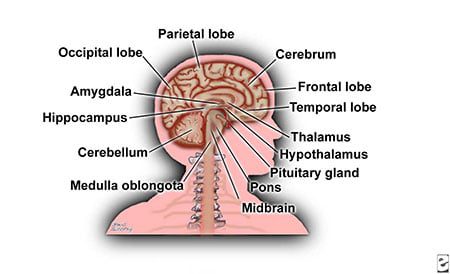
Infrared has many applications in everyday life, from smartphones for facial recognition, data transfer, remote control, to astronomical telescopes.
Have you ever tried to point the tv remote when you press it towards the camera?
If you see with your eyes, when you press the button, the small light on the end of the TV remote doesn’t seem to shine.
However, with the camera, you can see that the small light is white.
Why is the light visible only to the camera and not to our eyes?
What light is that?
Infrared Light
Infrared radiation or infrared light is a type of energy radiation that is invisible to the human eye, but we can feel its heat.
Infrared light has a longer wavelength than visible light.
Everything in the universe emits some level of infrared radiation, but the most obvious sources are the sun and fire.
Infrared radiation is a type of electromagnetic radiation as well as visible light.
It is produced when an atom absorbs and releases energy in the form of photons.
William Herschel, British astronomer, was the first to recognize the existence of infrared waves in 1800.
He conducted an experiment to measure the temperature difference between the various colors of visible light.
Placing the thermometer along the path of the rainbow light due to the dispersion of the crystals.
He observed the temperature rise from blue to red light, he found a strange hot temperature near after the red light.
Infrared Light is hot
Infrared is located in the frequencies above the microwaves and below the red waves.
Infrared light waves are longer than visible light waves .
Infrared frequencies range from 3 gigahertz to 400 terahertz.
And the wavelength ranges from 1000 micrometers to 760 nanometers.
Similar to visible light, which ranges from light purple to red.
Infrared also has its own range.
Infrared radiation is one of 3 ways of heat transfer, in addition to convexid and conduction mechanisms.
All objects with a temperature above 5 K or -268°C emit infrared radiation.
The sun emits almost half of its energy in the form of infrared radiation. Like most other stars.
One of the most useful uses of infrared is for sensing and detection.
All objects on Earth emit infrared radiation.
Which can be detected by electronic sensors, such as in infrared cameras and night vision goggles.
What are infrared rays used for?
Infrared (IR) light is used by electrical heaters, cookers for cooking food, short-range communications like remote controls, optical fibres, security systems and thermal imaging cameras which detect people in the dark.
1. Face Recognition On Our Smartphone
The latest security technology in smartphones like the iPhone X.
By using facial recognition or face recognition that takes the owner’s face with an infrared camera.
10,000 points of infrared light are projected on our faces then captured by infrared cameras and processed to produce a model of our face.
2. Remote Control
TV and AC remote controls use infrared light as a medium of communication with their electronic equipment.
The receiving sensor converts the infrared light signal into an electrical signal which instructs the microprocessor on command.
3. Data Transfer
Those of you who have owned a Nokia mobile phone with Java OS must have recognized it.
Infrared rays were popularly used as a data transfer technology between mobile phones.
But gradually lost to other technologies such as Bluetooth and WiFi direct because of the low transfer speed and its use is a bit complicated.
4. Optical fiber
The fiber optic cables that run our modern internet systems use infrared light to transmit data.
Infrared rays are used because they are compatible with fiber materials, are not easily dispersed and lose energy.
5. Satellite
Imaging on satellite devices mostly uses infrared scanners, mainly on weather satellites.
Infrared cameras or scanners on satellites can be used to determine the height and water vapor content of clouds.
Infrared channel image on Himawari . weather satellite
Infrared images of the ocean can be analyzed to determine the movement of ocean currents which is useful for the shipping industry.
6. Incandescent lamps
Incandescent lamps convert only about 10% of electrical energy into visible light, while the other 90% of energy is converted into infrared radiation.
7. Thermal Camera
Most digital cameras have filters that block infrared.
This filter can be removed and allows sensitivity in the infrared range.
The same two photos. The photo on the left was taken with a camera that has an infrared filter and the image on the right was taken with a regular camera.
8. Astronomical Telescope
The imaging system on the infrared CCD is able to capture detailed observations of infrared sources in space.
The advantage of infrared radiation is that it can be used to detect or see objects that are too cold to emit visible light.
This technique is able to find previously unknown objects, such as comets, asteroids, dwarf planets and interstellar clouds.
Infrared is useful for observing cold molecules in gases and determining the chemical composition of dust particles in space.
This observation uses a CCD detector which is sensitive to infrared photons.
Another advantage of infrared radiation is that the longer the wavelength, the less light is scattered by the atmosphere.
Visible light, which can be absorbed and reflected by gas and dust, infrared, which has a longer wavelength, is more difficult to interfere with the medium through which it passes.
Because of this property, infrared can be used to observe objects where the light is blocked by gases and dust.
Expanse of the Milky Way Galaxy in Infrared light
Like celestial bodies, newly formed stars are confined within the nebula or center of the Milky Way galaxy.
The central nervous system is one part of the nervous system in humans that holds all control and regulation of the work of the nervous network to the nerve cells.
The parts of this nervous system are the cerebrum, cerebellum, spinal cord and spinal cord.
Understanding the Central Nervous System
The central nervous system (CNS) is the part of the nervous system that coordinates the activities of all body parts of bilaterian animals—that is, all multicellular animals except radially symmetrical sponges and animals such as jellyfish.
Together with the peripheral nervous system it has a fundamental role in behavioral control. The CNS is contained within the dorsal cavity, with the brain in the cranial cavity and the spine in the spinal cavity.
The brain is protected by the skull, while the spinal cord is protected by the spine.
Central Nervous System Structure
1. Brain
The brain is the most important organ of the human body which is composed of millions of nerve cells. The surface of the human brain is folded, making the human brain capable of storing more neurons than the smooth surface of the brain as in most animals.
The human brain consists of 3 parts, namely the forebrain, midbrain, and hindbrain. Here’s the explanation:
a. Cerebrum
Cerebrum
Cerebrum is part of the nervous system that contains cerebrospinal fluid around it which is useful for feeding the brain and can protect it from shock. In the cerebrum there are also many blood vessels that can be useful for supplying oxygen.
Serebum is able to formulate all complex activities, such as when you are studying, playing or thinking. When reading a topic or study material, for example, the cerebrum determines what information is important and must be remembered.
In addition, the cerebrum also regulates human emotions. The cerebrum consists of two hemispheres, namely the right hemisphere and the left hemisphere. These two hemispheres have an important role in our learning process.
The right hemisphere has the ability to solve visual problems, while the left hemisphere works more rationally and analytically.
b. Cerebellum
This section functions as a center for coordinating movements between muscles that occur consciously, balanced and in body position. In other words, the cerebellum is the balance center of the body.
In this part of the hindbrain there is also a pons varoli or varol bridge. Pons varoli is responsible for connecting or delivering impulses back and forth from the right and left hemispheres of the brain.
c. Thalamus and Hypothalamus
The thalamus is the part of the brain that receives sensory information from the sense organs which is transmitted to the cerebrum. From the cerebrum, the translated information will enter the thalamus first before leaving the brain to be conveyed to the targeted organ.
While the hypothalamus is the part of the brain that is the center of homeostasis regulation or environmental regulation in our body. The hypothalamus is what regulates your body temperature to keep it stable.
d. Mesencephalon (Middle Brain)
The midbrain, commonly called the mesencephalon, is positioned parallel to and closer to the eyes and ears. Because the two sense organs are closer, the task of the mesencephalon is related to our hearing and vision.
The mesencephalon is able to translate sound information from both ears, even though the center of vision in the brain is the cerebrum, but this mesencephalon also has a role in eye reflexes.
For example, when there is disturbing dust or there is a blinding light, it is this mesencephalon that you unconsciously work to close your eyes.
2. The spinal cord
The spinal cord is connected to the brain. The base is called the spinal cord or medulla oblongata, and the part that extends into the spinal cavity is called the spinal cord, which serves to connect stimuli to and from the brain.
This section functions as a reflex center, because in the spinal cord there are sensory, motor and connecting nerves. The function of these nerves is to conduct impulses from the brain.
3. Medula Oblongata
medula oblongata
This section functions to regulate body temperature, control vomiting and regulate several reflex movements such as coughing, sneezing and blinking and besides that this brain part also functions as the respiratory center.
Well, that’s a discussion of the Central Nervous System along with its structure, function and description. Hope it is useful!
First of all, why Phi? The mathematical symbol for Phi “π” is a Greek letter, derived from the first letter of the Greek words “περιφέρεια”, meaning periphery, and “περίμετρος”, meaning perimeter. The earliest known use of symbols was by the Welsh mathematician William Outright in 1647, but was only popularized in 1748 by Leonhard Euler in his Introduction to Infinite Analysis.

Mathematically, Phi is used to calculate the volume of a sphere or the circumference or area of a circle. So why all the fascination and curiosity towards Phi? First, we must trace the history of Phi and then we will discuss the discovery of the decimal place of Phi. We will see that Phi is an irrational number, a transcendent number, and possibly a normal number.
We will then end with some of the mysteries surrounding Phi. Even if you don’t like math, algebra, trigonometry, Gauss, Thales, Pythagoras and these kinds of theorems, I guarantee that you’ll find the odds somewhere in this article!
To become a real expert on Phi in math class and know everything there is to know about math, all you have to do is read!
What is Phi? And what is the history?
If today, the most powerful computers are capable of determining up to 13 trillion decimal places of Phi, you can imagine that this is not always the case.
In the level of studying mathematics, it is not foreign to discuss Phi. We use it a lot but do you know what Phi is and what is its history?
Phi is the ratio of the circumference of a circle to its diameter. Phi is denoted by the lowercase Greek letter which is spelled as phi which comes from the first letter of the Greek word perimetros or the so-called circumference. The value of pi is the length of the circumference of a circle whose diameter is 1 unit. Based on the previous definition, the phi formula is derived from the definition of as the ratio of the circumference of a circle to its diameter d;
π = k / d
From this comparison, we finally get the formula for the circumference of a circle as k=πd. Approach for the value of phi itself, we can use =3.14 or =22/7 . The number is only an estimate used for approximation of the value of itself, but there is no exact number that shows the exact value.
History of the value of Phi
Since antiquity, scholars and mathematicians have been fascinated by Phi and have tried long and hard to get values that are as representative as possible.
1680 BC: The oldest known value of Phi is the work of the Babylonians. They tried to compare the perimeter of a circle with that of a hexagon. The approximate value of Phi at that time was 3 + 1/8 = 3.125
1650 BC: The Rhind Mathematical Papyrus discovered in 1855 teaches us that the Egyptians also studied Phi and tried to find its closest approximation. The Egyptian scribe Ahmès observed that the area of a square of 8 units on one side could be reformed to almost produce a circle with a diameter of 9. Mathematically, this would mean (16/9) 2 or about 3.16.
700 BC: The Indian text Shatapatha Brahmin also gives an estimate of Phi equal to 25/8 (3,125). Indian mathematicians from the Vedic period again estimated Phi to be 3.1416 using astronomical calculations.
Archimedes (-287 / -212) is widely considered to be the first person to calculate an accurate estimate of Phi in his essay on ‘Measurement of Circles’. Archimedes, using a very clever method, figured out how to estimate the perimeter for a polygon with twice as many sides. Using a polygon with 96 sides, Archimedes arrived at the following approximation: 220/71 < Pi < 22/7
Archimedes’ method was used for 2000 years after his death. Not bad, right?
The circumference of the circle (blue) is between the circumference of the green hexagon and the purple hexagon according to Archimedes’ method. (Source: math.psu.edu)
Phi Value Relationship with Radians and Degrees
In measuring angles, we will recognize radians and degrees which are units of measure for angles. The value of phi in degrees is 180 degrees or for a full circle it is 2π.
Radian is the radius or radius. As we know, the circumference of a full circle is 2π radians or the equivalent of 360 degrees. For this reason, v radian represents a circle as far as 180̊ so that 1 radian is equal to 180/π or 1 radian is equal to 57,290 degrees.
Phi Value: The Process Towards Decimal Numbers
After proving his method, many mathematicians will use Archimedes’ method to determine the more digits of Phi.
3.14 is not an exact number to show the exact value of pi. Source: Pixabay
5 decimal places: Liu Hui used a method to give an estimate of Phi to the nearest one hundred thousand (3rd Century).
6 decimal places: approximation determined to the nearest millionth (3.141592) by mathematician Tsu Chung Chih (5th century).
14 decimal places: still working from the discoveries of Archimedes, the Persian astronomer Jemshid al Kashi presents us with the first 14 decimal places of Phi (15th century).
Western countries did not start the race to estimate the value of Phi until several centuries later, although in the early 17th century Leonardo da Pisa Fibonacci proposed an interesting estimate of the value of Phi.
From 20 to 32 decimal places: Based on Archimedes’ theory, German mathematician Ludolph Van Ceulen fixed the first 20 decimal places of Pi in 1596 using a polygon with 480 billion (60 * 233) sides, then the first 32 in 1615. He was pleased to know that the number Phi is called with the “Van Ceulen number”. A little confession!
The real turning point in the calculation of Phi was the discovery of analysis and differential calculus. Many mathematicians such as John Wallis, Leibniz, James Stirling and Newton understood that Phi could not only be understood geometrically, but could be in the form of a series.
From 71 to 100 decimal places: thus Abraham Sharp got the correct 71 decimal places of Phi in 1699, the 100 decimal bar was then crossed in 1706 by John Machin with the help of the arctan function. From an interest in pure mathematics, Phi has become a challenge for all mathematicians, a clear sign of pride.
Several thousand billion decimal places: today, the most advanced computers are able to provide several thousand billion digits after the decimal point, humans no longer feel burdened …
Humans have found another way to have fun with math and Phi: say as many decimal places as you can! There is even a group of individuals who can make a list from the first 1000 decimal places of Phi (1000-club).
Notable achievements include Daniel Tammet who in 2004 quoted 22,514 Phi decimal places in just 5 hours. The record is currently held by a Japanese native who can read 100,000 decimal places of Phi.
If you want to get started, it only takes sixteen and a half hours…! If you’re feeling bored or need a break from your usual lessons, why not see how far you and your math teacher can help you? If the value of Phi is uncertain, and therefore mysterious, do you know one of the greatest mysteries in mathematics?
Features- Phi Features
Let’s get back to the point of these two little letters, which will still reveal a lot of surprises! Not a very rational thing, right? Phi is an irrational number, which means it cannot be written as a fraction of two whole numbers (like a rational number). B
In fact, the decimal places are neither periodic nor finite. In other words, the decimal Phi is unpredictable and no model can predict it. The first Mathematicians discovered the principles of infinity and abstract infinity, they even saw Phi as an insult to God’s omniscience! A number of transcendents! Phi is a transcendental number, which means it cannot be a solution to polynomial equations with integral coefficients.
However, the formula that ties Phi to other mathematical constants such as the Golden Ratio, which corresponds exactly to the method of constructing the Fibonacci sequence.
Is Phi a normal number? The fact that researchers still don’t know whether Phi is a normal number (a number with a finite order of decimal places) has had a profound effect on our continued interest in Phi. In nearly four millennia, this figure still hasn’t revealed all its secrets!
Phi is everywhere! Oh yes! Phi is all around you! Phi’s omnipresence, outside of geometry classes, is of real interest to many researchers and mathematicians alike.
Phi is effectively a certain continuous fraction limit, nested radicalism. Research carried out on transcendental and irrational numbers, mostly related to Phi, provided the answer to the square of a circle.
It is actually impossible to construct a square with the same area as a given circle. In statistics and probability, the Phi number also appears, as in Buffon’s needle problem.
Interesting Facts about Phi
More interestingly, Phi is everywhere beyond the bounds of simple mathematics. Phi exists wherever the circle is, for example in a light bulb, sun, eye and DNA! Phi is even present in the equations of Heisenberg’s famous uncertainty principle, which seeks to evade our understanding of the universe. Pi-ramid from Cheops
What is the relationship of pi with the Egyptian pyramids? Source: Pixabay
What is the connection between Phi and the Egyptian pyramids? Pi also appears in mythical constructs, which have no clear connection to the circle. This is particularly the case with the famous Cheops pyramid case. A number of works show that Phi is the ratio between the perimeter of the base and twice the height of the pyramid.
This mathematical ratio for Cheops is almost the same as Phi (I’ll let you calculate the perimeter!). Was this intentional by the architects or just a coincidence? Math and literature! Finally, for those who categorically separate mathematics from literature, Phi reconciles the two subjects.
Poetry allows us to learn the first few decimal places of Phi (127 in the full poem), so why not amaze your friends! The idea is that the number of letters in each word corresponds to the decimal point Phi.
This short stanza has thirteen digits : Look, I have a very helpful rhyme 3 1 4 1 5 9 My weak brain ability, 2 6 5 Which sometimes refuses to do its job. 3 5 9 9 Why not study the whole poem!
In conclusion: Why obsessed with Phi?
Because it’s historic! Phi has always been interesting because it has deceived mathematicians throughout history. All the greatest mathematicians have been fascinated by this symbol. This attraction is universal and has been around for almost 4000 years.
More secrets to discover! It is a fact that Phi has not revealed all its secrets, it is a symbol that holds many mysteries, a symbol that transcends mathematics and is a very beautiful, if not the most beautiful embodiment.
Live Math! Often viewed as a bleak science where imagination has no place, Phi restored mathematical prowess and dispelled this theory.
Phi is really special! His extraordinary qualities and his presence in science as well as in everyday life give Phi a special place.
You have won against Phi! Be sure to pay tribute to one of the greatest mathematical discoveries on the next “Phi day”, every March 14th.
on this occasion we will share information about Ohm law formula for you so that your insight becomes wider. Here is the discussion, please read to the end
This article will discuss the Ohm law formula, of course complete with understanding to example questions and discussion.
Who here wants to be a reliable electronics engineer? If that is your goal, it means that you really have to understand the basic science , namely Ohm law. At school, you also learn this law , guys . Precisely in Physics subjects. But don’t worry, the Ohm law formula can be said to be easy, because it’s still basic. The important thing is that you understand the basics first, then deepen them to advanced levels, and become a reliable electronics engineer. Beuhh .. It’s really cool anyway. So that you understand about Ohm law, see the explanation below, come on !
What is Ohm Law
Yep , so you don’t get confused when discussing the formula later, you must first understand the meaning of Ohm law itself. So, what is Ohm law , sis? Ohm law is a science in physics that states the relationship between electric current, voltage, and resistance in an electrical circuit.
Ohm law was first introduced by a German physicist named Georg Simon Ohm in 1827 through his work entitled ” The Galvanic Circuit Investigated Mathematically” . This is how Ohm law reads:
The amount of electric current (I) flowing through a conductor will be directly proportional to the voltage/potential difference (V) applied to it and inversely proportional to the resistance R
As already I mentioned earlier, if the law of ohm is the basis of a variety of science related electronic same electrical circuit. Such as TV sets, refrigerators, washing machines, and much more. So, yes it is true that Ohm law is the basis of all electrical circuits. That’s why you have to understand this material, guys .
Ohm Law Formula
Well , after you understand the meaning and benefits of Ohm law, now you also understand the formula. Based on the sound of Ohm law in the previous point, the formula for Ohm law can be written as follows:
V = IR
Information:
V : voltage (Volt)
I : current strength (Amperes)
R : resistance (Ω or Ohm)
The formula above can also be used to find the electric current and resistance. Stay behind and forth just formula, in accordance with the following pyramid, guys .
If you want to find the electric voltage, you use the formula V = IR. If it turns out that you need to find the electric current, then use the formula I = V/R. Well , if what you are looking for is electrical resistance, then use the formula R = V/I. The point is you need to remember the pyramid, yes, guys . It would be easier to remember, wouldn’t it?
Sample Questions and Discussion
Okay, let’s just go straight to the example questions and discussion. Eitsss.. but before that, you need to prepare the writing utensil first! So, you can simply scribble deh so that more understand more about Ohm law.
Problems example:
In an electrical circuit, there is a power supply with a voltage of 20 Volts. The resistance in the circuit is 20 Ohms. Determine the current flowing in the circuit!
Discussion
Given: V = 20 Volts; R = 20 Ohms.
Asked: I
Answer:
I = V/R = 20/20 = 1.
So, the current flowing in the circuit is 1 Ampere.
That’s the explanation of Ohm law formula. From the above, what wrote the new really you know, guys ? So far we ‘ve learned about the Ohm law. we also learn the formulas. It turns out easy for me right measure and understand the formula. I hope the above explanation is useful for you. Eager to learn!
Top 10 Stress Level Measuring Applications: The Ultimate Guide
Stress is a common part of modern-day existence. The demands of work, family, and other responsibilities can easily take a toll on our mental and emotional well-being. However, with the help of stress level measuring applications, it’s now easier than ever to manage stress levels and improve our overall quality of life. In this article, we’ll be looking at the top 10 stress level measuring applications to help you stay on top of your stress levels.

1. Calm
Source: https://tse1.mm.bing.net/th?q=Calm+app
Calm is a popular application used by people all around the world to help manage stress and anxiety. It offers guided meditations and breathing exercises that help relax the mind and body. Besides offering guided meditations, it also provides tips on how to improve sleep quality and reduce anxiety. With its multitude of features, Calm is an excellent application for overall mental wellbeing.
2. Aura
Source: https://tse1.mm.bing.net/th?q=Aura+app
Aura is an application that helps people manage their stress levels through daily meditations and mindfulness exercises. The application includes guided meditations designed to help reduce stress and anxiety. Additionally, it provides a gratitude journal to help users focus on the positive things in their life. Aura also sends personalized notifications to remind users when it’s time to take a break and focus on their wellbeing.
Headspace is an application that provides guided meditations and mindfulness exercises to help users manage stress levels. Its approachable design makes it popular with those new to meditation. The application’s meditation library covers a wide range of topics from stress and anxiety reduction to better sleep and productivity.
4. Happify
Source: https://tse1.mm.bing.net/th?q=Happify+app
Happify is a unique application that combines neuroscience with positive psychology. The application aims to help users improve their mental wellbeing and reduce stress levels with evidence-based activities designed to boost happiness. It includes a range of activities such as meditations, games, and gratitude exercises to help individuals focus on the positive aspects of their life.
Pacifica is an application designed to help users manage stress and anxiety levels. It includes an array of features to help individuals understand and monitor their stressors. Pacifica’s approach combines cognitive-behavioral therapy techniques with stress management tools like guided meditations, breathing exercises, and mood tracking to help individuals improve their decision-making, coping skills, and overall mental wellbeing.
6. Happier
Source: https://tse1.mm.bing.net/th?q=Happier+app
Happier is an application designed to help users find more joy and positivity in their lives. It includes activities like gratitude journaling, goal setting, and inspirational community content designed to motivate and inspire. The application’s easy-to-use interface makes it a popular choice for those seeking to incorporate more self-care into their daily lives.
7. Slumber
Source: https://tse1.mm.bing.net/th?q=Slumber+app
Slumber is an application that helps users improve their sleep quality for overall mental wellness. The application includes a range of guided meditations designed to help users fall asleep faster and stay asleep longer. Additionally, it includes calming background sounds and music to help reduce stress and anxiety levels.
8. Serene
Source: https://tse1.mm.bing.net/th?q=Serene+app
Serene is an application that combines guided meditations and relaxation techniques to help users handle stress and anxiety. The application’s guided meditations range from five to thirty-three minutes, providing stress relief options for all schedules. It also includes a gentle bell sound to help users come out of their relaxation breaks gradually.
Stress Tracker is an application designed to help users keep track of their stress levels. It comes with a built-in stress test designed to measure stress levels and provides users with individualized goals and tips to help manage their stress. Additionally, it comes with resources like guided imagery, relaxation exercises, and motivational texts to help users improve their overall mental wellbeing.
Breathwrk is an application designed to help users regulate their breathing patterns to help manage stress levels. It includes a breathing screen that makes it easy to follow along with the app’s guided breath exercises. With its simple interface and range of breathing exercises, Breathwrk is an excellent option for those looking to incorporate breathing techniques into their daily routines.
The Bottom Line
These days, managing stress is becoming increasingly important. Fortunately, it’s now easier than ever to keep stress levels under control with these top 10 stress level measuring applications. Whether you’re dealing with day-to-day stress or looking to improve your overall mental wellbeing, these applications can help you stay on track and live a healthy, happy life.
Frequently Asked Question
1. What is a stress level measuring application?
A stress level measuring application is a tool that measures an individual’s stress level through various inputs, such as heart rate or breathing rate. It provides helpful insights to manage stress levels and improve mental health.
2. Is measuring stress levels through an application accurate?
Yes, it is accurate to a certain extent. These applications use advanced algorithms to measure physiological responses to stress, such as heart rate variability and breathing rate, and provide a reliable analysis of your stress level.
3. Can anyone use a stress level measuring application?
Yes, anyone can use a stress level measuring application on their smartphone, tablet or other mobile devices. These apps are available on different platforms and can be downloaded easily.
4. How does a stress level measuring application work?
A stress level measuring application generally uses heart rate variability, breathing pace, or other real-time physiological data to calculate an individual’s stress level. These inputs are compared to a baseline value, and the app provides guidance on how to improve stress levels.
5. Are there any risks in using a stress level measuring application?
There are no major risks in using stress measurement applications. However, some individuals may feel anxious or stressed by frequent reminders of their stress level, and it is essential to seek professional help if your stress level is consistently high.
6. Can stress level measuring applications be used for clinical purposes?
Yes, stress level measuring applications are commonly used for clinical purposes to evaluate stress levels in patients with anxiety disorders, depression, or other health conditions.
7. Are stress level measuring applications free of cost?
Some stress measurement applications are free of charge, while others may require purchasing a premium version to access advanced features.
8. How can a stress level measuring application help with mental health?
Stress level measuring applications provide helpful insights to manage stress levels, which can contribute to better mental health. The app can guide individuals through meditation, breathing exercises, or other relaxation techniques to alleviate stress.
9. How frequently should one use a stress level measuring application?
It is recommended to use a stress level measuring application once or twice daily to track stress levels and improve mental health effectively.
10. Can a stress level measuring application replace a therapist?
No, stress level measuring applications cannot replace a therapist. They are a valuable tool to manage stress levels, but it is essential to seek professional help if you are struggling with mental health issues.
Are you a fitness enthusiast who is looking to track your muscle mass accurately? With the rise of smartphones and mobile apps, muscle mass measuring has become more accessible than ever before. With a wide range of applications available from different vendors, it can be challenging to select the right one that suits your needs. In this article, we will walk you through the top 10 muscle mass measuring applications available in the market.
1. MyFitnessPal
MyFitnessPal is among the most popular fitness apps available in the market. The app features a comprehensive range of features, which includes muscle mass measuring. Using MyFitnessPal, you can track your daily nutrition and exercise regimes, which in turn helps you keep a check on your muscle mass. Also, the app has a vast database of more than six million foods and drinks that help users in tracking their macro and micronutrient intake.
2. Fitbit
Fitbit is another good application for measuring your muscle mass. The app makes it more accessible than ever to track your fitness goals. By tracking your daily exercise routine and dietary habits, the app helps you to keep a check on your muscle mass on a weekly and monthly basis. Also, Fitbit offers activity tracking features such as heart rate tracking and sleep tracking, making it a complete package for fitness enthusiasts.
3. MyPlate by Livestrong
MyPlate is another popular application that helps track muscle mass, nutrition, and weight. The app(https://www.livestrong.com/myplate/) has a food library consisting of more than 2 million verified foods, making it effortless for users to record what they have eaten. MyPlate also provides customized meal plans based on your calorie intake and helps automate your nutritional intake tracking. The app offers an extensive range of features, making it an all-in-one application for fitness enthusiasts.
4. BodySpace
BodySpace is a fantastic application that allows you to track your fitness progress conveniently. You can track your exercise routine and nutrition, recording as you go. The app features a robust workout library, where you can access many of the latest and most effective exercises. BodySpace app also enables you to create personal workout plans that match your workout needs and goals.
5. HealthifyMe
Another popular application that helps track your muscle mass and nutritional habits is HealthifyMe. This app is user-friendly and efficient in helping you stick to your fitness plans easily. With HealthifyMe, you can track the number of calories you consume daily, and the application gives you an estimate of the muscle mass you will gain over a week or month. The app also trains you on healthy eating, making the journey easier and more fun.
6. StrongLifts 5×5
StrongLifts is another app focusing on muscle mass and strength building. This app provides workout plans, and the most popular one is the 5×5 workout plan. The 5×5 program is a strength program that helps build muscle mass and strength with compound lifts. The app tracks and saves the weights lifted on all lifts, and one can use that data to monitor their progress actively.
7. JEFIT Workout
JEFIT Workout is a fantastic app that helps people track their muscle mass and strength-building exercises. The app features an extensive database of exercises, which users can use to create their customized workout routine. JEFIT Workout comes equipped with gym-trained coaches who will help users meet their fitness goals. The app tracks exercises done and proposes modifications and progressions to suit the user’s needs.
8. Fitness Point
Fitness Point is an app that is focused on muscle mass and strength building. The app features a wide range of exercises and workout routines that individuals can use to create their customized workout plans. Fitness Point enables users to record the reps, weights, and sets performed on each exercise. Additionally, the app has a useful feature where it tracks the daily progress of the user.
9. Google Fit
Google Fit is a simple application that focuses on exercising and staying active. The app tracks your daily physical activity using sensors available on your smartphone or smartwatch. The application accurately records and tracks muscle mass and heart rate. Additionally, the app offers guided mindfulness exercises for relaxation.
10. MyPlate by Relish
MyPlate by Relish is another great application that offers a comprehensive range of features, including muscle mass tracking. The app tracks calorie and nutrient intake, allowing users to meet their fitness goals effectively. Additionally, MyPlate offers personalized meal plans customized to your dietary restrictions and preferences.
Conclusion
In conclusion, these applications offer an effective way to track muscle mass, which is crucial for fitness enthusiasts. With the help of these applications, you can track your exercise routine, nutritional intake, and muscle mass, enabling you to make informed decisions and to track your progress. In selecting the right application for you, identify your fitness goals and choose an app that offers features that meet your needs.
Frequently Asked Question
1. What is a muscle mass measuring application?
A muscle mass measuring application is an app that utilizes various measurements and calculations to estimate an individual’s muscle mass percentage.
2. How accurate is a muscle mass measuring application?
The accuracy of a muscle mass measuring application varies depending on the app itself and the method used to calculate muscle mass. In general, the accuracy of the measurement is not as high as other methods such as DXA scans or hydrostatic weighing.
3. What measurements are used by muscle mass measuring applications?
Most muscle mass measuring applications use a combination of height, weight, age, gender, and muscle circumference measurements to estimate muscle mass.
4. How do muscle mass measuring applications determine muscle mass?
Muscle mass measuring applications use different formulas and algorithms to estimate muscle mass based on various measurements.
5. Can muscle mass measuring applications be used by everyone?
While most muscle mass measuring applications are designed to be used by anyone, certain apps may have age or weight restrictions.
6. Are muscle mass measuring applications accurate for athletes?
Muscle mass measuring applications may not be as accurate for athletes due to their higher muscle mass and lower body fat percentage.
7. Do muscle mass measuring applications require additional equipment?
Most muscle mass measuring applications require a smartphone and access to the internet. Some apps may require additional equipment such as a tape measure or a body fat caliper.
8. Can muscle mass measuring applications track progress over time?
Yes, many muscle mass measuring applications have built-in features that allow users to track their muscle mass percentage over time.
9. How often should I use a muscle mass measuring application?
It is recommended to use a muscle mass measuring application at least once a month to accurately track progress.
10. Are muscle mass measuring applications useful for weight loss goals?
Yes, muscle mass measuring applications can be helpful for weight loss goals as they can track changes in muscle mass percentage and provide motivation for continuing an exercise regimen.
Keeping track of your weight is essential for maintaining a healthy lifestyle. With the advancement in technology, we have some excellent apps that can help you track your weight on the go. Whether you are looking to lose weight, build muscle, or maintain your current weight, these applications can help you achieve your goals. In this article, we will be listing the top 10 weight measuring applications that you can use to track your weight.
1. MyFitnessPal
MyFitnessPal is one of the most popular weight measuring applications available today. This app not only helps you track your weight but also lets you keep a check on your daily calorie intake. With a huge database of food items, you can easily track your meals and stay within your calorie budget. The app also features a barcode scanner, which makes it easier to log your meals. The app is available on iOS and Android devices.
2. Lose It!
Lose It! is a popular weight loss application that has been around for a while. With this app, you can set goals and track your progress towards them. You can log your meals, track your exercise, and connect with friends for added motivation. The app also features a premium version that comes with added features like a meal planner and more advanced tracking options. The app is available on iOS and Android devices.
3. Weight Watchers
Weight Watchers is a popular weight loss program that has helped millions of people shed those extra pounds. The Weight Watchers app is an excellent tool for tracking your weight, food intake, and activity. The app comes with a database of over 8,000 food items, making it easy to track your meals. The app also features a barcode scanner, which makes logging your meals a breeze. The app is available on iOS and Android devices.
4. Fitbit
Fitbit is known for its fitness trackers, but the company also offers an excellent weight tracking application. With the app, you can set goals, track your weight, and monitor your progress over time. The app also features a food log, which makes it easy to track your meals. The app is available on iOS and Android devices.
5. Noom
Noom is a weight loss program that combines coaching with technology. The Noom app uses a unique approach by offering personalized coaching to help you achieve your weight loss goals. The app also features a food log, activity tracker, and progress tracker. The app is available on iOS and Android devices.
6. MyPlate by Livestrong
MyPlate by Livestrong is an excellent tool for tracking your weight and food intake. The app features a barcode scanner, which makes logging your meals a breeze. The app also tracks your macro and micronutrients, making sure you stay within your daily requirements. The app is available on iOS and Android devices.
7. Yazio
Yazio is a weight loss app that not only helps you track your weight but also offers nutritional coaching. The app features a database of over 2 million food items, making it easy to log your meals. The app also tracks your macro and micronutrients and features personalized information on how to improve your diet. The app is available on iOS and Android devices.
8. MyNetDiary
MyNetDiary is a weight loss app that offers personalized coaching and tracking options. With the app, you can track your meals, activity, and water intake. The app also features a barcode scanner, which makes logging your meals easy. The app is available on iOS and Android devices.
9. Carb Manager
Carb Manager is an excellent app for tracking your weight and monitoring your carbohydrate intake. The app features a barcode scanner, which makes logging your meals easy. The app also lets you track your water intake, exercise, and sleep. The app is available on iOS and Android devices.
10. Cronometer
Cronometer is a comprehensive nutrition and fitness tracking app. With the app, you can track your weight, food intake, and exercise. The app also features a barcode scanner, which makes logging your meals easy. The app also tracks your macro and micronutrients, making sure you stay within your daily requirements. The app is available on iOS and Android devices.
Conclusion
In conclusion, these weight measuring applications can help you achieve your weight loss goals. With features like food logs, barcode scanners, and personalized coaching, these apps make it easier than ever to track your meals and monitor your progress. So, choose the app that suits your needs, set your weight loss goals, and start tracking your progress today!
Frequently Asked Question
1. How does the weight measuring application work?
The weight measuring application works by utilizing the sensors of your device to detect pressure changes caused by an object placed on your device’s screen. It converts the pressure changes into weight measurements.
2. Is the weight measuring application accurate?
The accuracy of the weight measuring application is dependent on the quality of the device’s sensors and the consistency of the surface you place the object on. However, it is generally accurate enough for everyday household use.
3. What is the minimum weight that can be measured using the weight measuring application?
The minimum weight that can be measured using the weight measuring application varies depending on the application, but it is usually around 5 grams.
4. Can the weight measuring application measure the weight of living creatures?
It is not recommended to use the weight measuring application to measure the weight of living creatures as it can potentially harm them. Using a proper weighing scale would be a better choice.
5. Can the weight measuring application measure the weight of liquids?
No, the weight measuring application cannot measure the weight of liquids as it requires a solid surface for the sensors to detect pressure changes.
6. Is the weight measuring application compatible with all devices?
No, the weight measuring application may not be compatible with all devices, especially older devices with outdated sensors.
7. Can the weight measuring application measure weight in different units?
Yes, the weight measuring application can measure weight in different units like grams, kilograms, pounds, and ounces.
8. Will the weight measuring application drain the battery life of my device?
No, the weight measuring application consumes very little battery life and will not significantly impact the device’s battery.
9. Can I calibrate the weight measuring application?
Yes, some weight measuring applications allow users to calibrate the application by placing a known weight on the device and adjusting the settings accordingly.
10. Is there a way to use the weight measuring application if my device does not have sensors?
No, the weight measuring application requires sensors to detect pressure changes, so devices without sensors cannot use the application.
Top 10 Height Measuring Applications You Need to Try
Do you want to know your height but don’t have a measuring tape? Don’t worry, because there are now apps that can help you measure your height with just a few clicks on your smartphone. Here are the top 10 height measuring applications that you need to try:
1. Height Measure
Height Measure is a simple and accurate app that allows you to measure your height using your smartphone. To use this app, all you need to do is stand against a wall with your smartphone in front of you, and the app will do the rest. This app is available for free on the iOS platform.
2. Ruler App
Ruler App is a multifunctional app that allows you to measure the length and width of objects, as well as your height. This app uses your smartphone’s camera and uses AR technology to measure your height accurately. This app is available for free on the iOS platform.
3. Smart Measure
Smart Measure is an app that uses trigonometry to measure the height of an object or person. To use this app, you need to stand a specific distance away from the person or object you want to measure. This app is available for free on the Android platform.
4. Measure App
Measure App is a simple and straightforward app that allows you to measure your height and the length and width of objects. This app uses AR technology to measure your height accurately. This app is available for free on the iOS platform.
5. Height Ruler
Height Ruler is an app that uses your smartphone’s camera to measure your height. This app is easy to use, and all you need to do is take a photo of yourself standing against a wall, and the app will calculate your height. This app is available for free on the iOS platform.
6. AR Ruler
AR Ruler is an app that uses AR technology to measure the height of an object or person. This app is accurate, and all you need to do is point your smartphone’s camera at the person or object you want to measure. This app is available for free on the iOS platform.
7. Height Detector
Height Detector is an app that uses ultrasound waves to measure a person’s height. To use this app, you need to place your smartphone on the top of your head, and the app will send ultrasound waves to measure your height. This app is available for free on the Android platform.
8. Measure Master Pro
Measure Master Pro is an app that allows you to measure your height and the length and width of objects. This app is easy to use and features a variety of tools for accurate measurements. This app is available for free on the iOS platform.
9. Height Measure Tape
Height Measure Tape is an app that uses your smartphone’s camera to measure your height. This app is easy to use and features a virtual measuring tape that you can use to measure your height. This app is available for free on the Android platform.
10. Camera Measure
Camera Measure is an app that uses your smartphone’s camera to measure the height of an object or person. This app is accurate, and all you need to do is take a photo of the person or object you want to measure, and the app will do the rest. This app is available for free on the Android platform.
Conclusion
These are the top 10 height measuring applications that you need to try. These apps are easy to use, accurate, and can be downloaded for free on the iOS and Android platforms. With these apps, you can now measure your height without the need for a measuring tape.
Frequently Asked Question
1. What is a height measuring application?
A height measuring application is a software that uses your smartphone’s camera to accurately measure your height.
2. Is the app accurate?
Yes, the app is accurate. However, the accuracy may vary depending on the device’s camera and the user’s posture during the measurement process.
3. What are the features of a height measuring application?
The features of a height measuring application may include metric and imperial unit measurements, automatic calibration, and real-time measurements.
4. How does the application work?
The application uses your smartphone’s camera and advanced algorithms to measure your height. You need to stand straight in front of the camera and follow the instructions displayed on the screen.
5. Does the application save my height measurements?
Yes, the application may save your height measurements. However, you can delete them or clear the app data to erase all saved measurements.
6. Can the application be used by multiple users?
Yes, the application can be used by multiple users. Each user needs to create a separate profile and follow the measurement process.
7. Can the application measure the height of children?
Yes, the application can measure the height of children. However, it is recommended to use the app under adult supervision for accurate measurements.
8. Is the application free?
Some height measuring applications are free, but others may require a one-time purchase or subscription to access all features.
9. Can the application be used offline?
Yes, some height measuring applications can be used offline. However, other applications may require an internet connection to function properly.
10. Which smartphones support a height measuring application?
Most smartphones with a rear-facing camera and modern operating system can support a height measuring application. However, it is recommended to check the app’s requirements before downloading it.
Distance calculator applications are useful tools that can help you determine the distance between two or more locations. These applications can be handy when planning a road trip, determining shipping costs, or just figuring out how far away your destination is. In this article, we’ll review the top 10 distance calculator applications.
1. Google Maps
Google Maps is one of the most popular distance calculator applications available. It’s available as a web application and also as a mobile app for both iOS and Android devices. You can use Google Maps to get driving directions between two or more locations along with the distance and estimated travel time. You can also use it to plan your route by selecting multiple stops along the way.
2. MapQuest
MapQuest is another popular distance calculator application. It’s available as a web application and also as a mobile app for both iOS and Android devices. You can use MapQuest to get driving directions between two or more locations along with the distance and estimated travel time. You can also use it to plan your route by selecting multiple stops along the way.
3. Waze
Waze is a popular distance calculator application that is more geared towards helping you navigate traffic on your route. It’s available as a mobile app for both iOS and Android devices. You can use Waze to get driving directions between two or more locations along with the distance and estimated travel time. It also includes real-time traffic updates and rerouting options.
4. DistanceCalculator
DistanceCalculator is a web application that allows you to determine the distance between two or more locations. You simply enter the addresses or coordinates of your starting and ending locations and click “calculate” to get the distance. It also shows you the estimated travel time and a map of the route.
5. Distance.to
Distance.to is a web application that allows you to determine the distance between two or more locations. You simply enter the addresses or coordinates of your starting and ending locations and click “calculate” to get the distance. It also shows you the estimated travel time and a map of the route.
6. GeoDataSource
GeoDataSource is a web application that offers distance calculation services along with other location-based data. You can use it to determine the distance between two or more locations, as well as search for nearby locations, calculate driving distances, and more.
7. GPS Navigation & Maps Sygic
GPS Navigation & Maps Sygic is a mobile app for both iOS and Android devices that offers turn-by-turn driving directions, real-time traffic updates, and distance calculation services. You can use it to plan your route, get estimates on fuel costs, and find nearby points of interest along your route.
8. Bing Maps
Bing Maps is another web application that offers distance calculation services. You can use it to determine the distance between two or more locations, get driving directions, and view maps of your route. Bing Maps also offers real-time traffic updates and the ability to search for nearby points of interest.
9. iMaps+ for Google Maps
iMaps+ is a mobile app for iOS devices that offers distance calculation, turn-by-turn driving directions, real-time traffic updates, and more. You can use it to plan your route and find nearby points of interest along your route. It also offers the ability to download maps for offline use.
10. My Maps
My Maps is a web application and mobile app for both iOS and Android devices. You can use it to create custom maps with multiple locations, custom labels, and more. You can also use it to determine the distance between two or more locations on your custom map.
Conclusion
There are many distance calculator applications available, each with its own unique features and capabilities. Whether you’re planning a road trip, navigating traffic, or just trying to determine the distance between two or more locations, there’s an application out there that can help you get the job done. We hope this list has been helpful in identifying the best distance calculator applications available.
Frequently Asked Question
1. What is a distance calculator application?
A distance calculator application is a tool that enables you to calculate the distance between two or more locations on a map or using latitude and longitude coordinates.
2. How accurate are distance calculator applications?
The accuracy of distance calculator applications can vary depending on the source of the data and the algorithm used to calculate the distance. However, most applications provide reasonably accurate distance measurements.
3. Can I use a distance calculator application to find directions?
No, distance calculator applications only calculate the distance between two or more points. To get directions, you need to use a navigation application.
4. Can I use a distance calculator application offline?
Some distance calculator applications provide offline support, but others require an internet connection to access the data needed to calculate distances.
5. Can I use a distance calculator application to calculate distances between different countries?
Yes, distance calculator applications can be used to calculate distances between any two points on the planet, including across different countries and continents.
6. Can a distance calculator application factor in traffic conditions?
No, distance calculator applications cannot factor in traffic conditions. They only provide a fixed distance measurement between two or more points.
7. Can I use a distance calculator application on my smartphone?
Yes, many distance calculator applications are available for use on smartphones and other mobile devices.
8. How do I use a distance calculator application?
To use a distance calculator application, simply input the desired locations or coordinates and the application will calculate the distance between them.
9. Are distance calculator applications free?
Some distance calculator applications are free, while others may require a one-time or ongoing fee.
10. Can a distance calculator application calculate distances for multiple locations at once?
Yes, some distance calculator applications allow you to input multiple locations and will provide distance measurements between all the locations you’ve specified.
Many people love speed, whether that be on the road or online. From checking the speed of a car to measuring the internet speed, speed meter applications are the perfect tool for tracking performance. Here are the top 10 speed meter applications that are worth trying:
1. Speedtest by Ookla
Speedtest by Ookla is one of the best and most accurate speed meter applications available. It allows users to test their internet connection speed with one click. With millions of tests taken every day worldwide, this app gives users an accurate speed measurement. It also provides detailed information about upload and download speeds, as well as latency testing. Speedtest by Ookla is available for free on iOS and Android.
2. FAST Speed Test
FAST Speed Test is another popular speed meter application. It offers a quick and easy way to test internet speed using a simple one-tap system. The app measures upload, download, and latency speeds. It also provides a history of tests to see average speeds over time. FAST Speed Test is free and available on the App Store and Google Play Store.
3. Internet Speed Test by Speedchecker
Internet Speed Test by Speedchecker allows users to measure their internet speeds through a simple user interface. It offers detailed information on upload and download speeds, as well as latency and jitter measurements. The app also provides a map of local Wi-Fi hotspots and internet speeds. It is free and available on iOS and Android.
4. Meteor
Meteor is a speed meter application that specializes in measuring the internet speeds of mobile devices. It offers a simple and easy-to-use interface that allows users to measure their data speed, video quality, and other internet performance metrics. Meteor also offers speed testing before and after using specific apps to see how much bandwidth is being used. It is free and available on iOS and Android.
5. SpeedSmart Speed Test
SpeedSmart Speed Test is a simple and quick app that allows users to measure their internet connection speeds. It offers features such as upload and download speed tests, as well as latency testing. The app also provides a history of previous tests including average speeds. SpeedSmart Speed Test is free and available on iOS and Android.
6. Internet Speed Test by V-SPEED.eu
Internet Speed Test by V-SPEED.eu measures upload and download speeds, as well as latency and ping rates. It also provides detailed information on the user’s IP, ISP, and location. The app allows users to compare their internet speeds to other users in their area. Internet Speed Test is free and available on iOS and Android.
7. TestMy.net
TestMy.net is a free online speed meter application that allows users to measure their internet connection speed. It offers upload and download speed tests, latency testing, and a history of previous tests. TestMy.net also offers a unique feature that allows users to test the speed of individual files, such as music or video files. The app is available online.
8. Speed Checker
Speed Checker is a simple and easy-to-use app that measures upload and download speeds. It also provides users with data usage indicators as well as widgets to track internet speeds. Speed Checker has a visual speedometer that displays users’ internet speeds in real-time. It is available for free on the App Store and Google Play Store.
9. OpenSignal
OpenSignal is a speed meter application that measures internet speeds worldwide. It shows users mobile coverage maps and their signal strength, upload and download speeds, and Wi-Fi hotspot search. The app is perfect for users who travel and need to check internet quality in different areas. OpenSignal is free and available on iOS and Android.
10. U Mobile Speed Test
U Mobile Speed Test is an app that allows users to measure mobile and broadband internet speeds. It is designed for users in Malaysia and provides reliable speed measurements for the country’s major carriers. The app provides detailed information on upload and download speeds, as well as latency testing. U Mobile Speed Test is free and available for download on iOS and Android.
Conclusion
Using speed meter applications is an easy and convenient way for users to measure their internet and mobile device speeds. In this article, we have looked at the top 10 speed meter applications that are available to use today. Each app offers different features, from latency testing to comparing speeds with others in the area. Depending on the user’s requirements, some apps may be more appropriate than others. With these speed meter applications, users can optimize their online experience and get the best performance possible.
Frequently Asked Question
1. What is the Speed Meter Application for?
The Speed Meter Application is a utility app that measures the current speed of the device it is installed in.
2. Is the Speed Meter Application free to download?
Most versions of the Speed Meter Application are free to download. However, some versions may require a small fee for advanced features.
3. How does the Speed Meter Application measure speed?
The Speed Meter Application measures the speed by using the device’s built-in GPS receiver to determine its movement and location.
4. Does the Speed Meter Application work offline?
The Speed Meter Application requires an active GPS signal to measure speed accurately. So, it might not work accurately without an active internet connection.
5. Is the Speed Meter Application available for iOS devices as well?
Yes, The Speed Meter Application is available for iOS devices like iPhone and iPad as well.
6. How accurate is the Speed Meter Application?
The accuracy of the Speed Meter Application depends on the GPS signal’s strength, so the accuracy can usually range between +/- 2 miles per hour.
7. Can the Speed Meter Application be used while driving?
Yes, the Speed Meter Application can be used while driving, but it is recommended to use it only through a hands-free device.
8. Can the Speed Meter Application measure the speed of other moving objects like trains or planes?
No, the Speed Meter Application is built to measure only the speed of the device it is installed in, not other moving objects around it.
9. Does the Speed Meter Application record the speed information?
Some versions of the Speed Meter Application may have the option to record speed information, but most versions do not have this feature.
10. Will the Speed Meter Application drain the device’s battery?
The Speed Meter Application may use the device’s GPS feature, which can consume significant battery power, so it is best to use it when necessary and close it when not in use.
If you are trying to lose weight or maintain your current physique, then tracking your calories is crucial. There are many calorie counter applications available on the market, making it difficult to choose the best one. In this article, we have rounded up the top 10 burned calorie counter applications that make it easy to track your daily intake and burned calories.
1. MyFitnessPal
MyFitnessPal is a free calorie counter application that provides comprehensive tracking of your calorie intake and burned calories. It contains a database of over six million foods, making it easy to track even the most obscure meals. The application also includes a barcode scanner, making it easier to track meals from packaged products. MyFitnessPal syncs with apps that track your exercise activity, such as Fitbit or Apple Health, to provide accurate calorie burn data.
2. Lose It!
Lose It! is another free calorie counter application that is easy to use. The app provides a barcode scanner to scan the packaged products you consume, making it easy to track your calorie intake. Lose It! also provides the ability to connect with friends through the application, which can help hold you accountable for following your diet and exercise regimen.
3. FatSecret
FatSecret is a calorie counter application that provides a comprehensive tracking of your calorie intake and burned calories. It includes a food diary, a recipe analysis tool, and a barcode scanner that makes it easy to track the packaged products you consume. The app also includes a community forum where users can share tips and advice.
4. Calorie Counter by Yazio
Calorie Counter by Yazio is a free calorie counter application that provides comprehensive tracking of your calorie intake and burned calories. The app includes a barcode scanner that makes it easy to track meals from packaged products. It also includes a water tracker to help you stay hydrated and a step tracker to track your physical activity.
5. SparkPeople
SparkPeople is a calorie counter application that provides comprehensive tracking of your calorie intake, burned calories, and physical activity. The app includes a barcode scanner that makes it easy to track packaged products’ meals. SparkPeople also includes a community forum where users can share tips and advice.
6. Lifesum
Lifesum is a calorie counter application that provides comprehensive tracking of your calorie intake and burned calories. The app includes a barcode scanner that makes it easy to track your meals from packaged products. It also includes a step tracker to track your physical activity and a water tracker to help you stay hydrated.
7. Fooducate
Fooducate is a calorie counter application that aims to educate users about healthy eating habits. The app includes a barcode scanner that quickly scans the packaging of food products and presents you with information about the product’s nutritional value. The Fooducate app also provides a detailed analysis of your daily food intake and warns you if you go over your calorie budget.
8. Fitbit
Fitbit is a calorie counter application that provides comprehensive tracking of your calorie intake and burned calories. The app includes a barcode scanner that makes it easy to track meals from packaged products. It also provides detailed tracking of your physical activity through the Fitbit tracker and syncs up with the Apple Health app to provide accurate burn data. The app also has a community forum where users can share tips and advice.
9. Noom
Noom is a calorie counter application that provides comprehensive tracking of your calorie intake and burned calories. The app includes a barcode scanner that makes it easy to track meals from packaged products. It also provides personalized coaching based on your fitness goals and dietary preferences. The Noom app also includes a community forum where users can share tips and advice.
10. CalorieKing
CalorieKing is a calorie counter application that provides a comprehensive database of more than 50,000 food items. The app includes a barcode scanner that makes it easy to track your meals from packaged products. CalorieKing also includes a recipe analyzer that provides users with a detailed analysis of a recipe’s nutritional value. The app also syncs with other applications such as Fitbit to provide accurate data on burned calories.
Conclusion
These are the top 10 burned calorie counter applications for tracking your daily calorie intake and burned calories. Each app offers unique features, such as personalized coaching and educational resources, to support your fitness goals. Choose the application that best suits your needs and start tracking your calories for a healthier lifestyle.
Frequently Asked Question
1. What is a Burned Calorie Counter Application?
A Burned Calorie Counter Application is a mobile application that helps users track their calorie intake as well as the calories burned during physical activities.
2. How does a Burned Calorie Counter Application work?
A Burned Calorie Counter Application typically uses algorithms to estimate the number of calories burned during various physical activities based on user input, such as weight, height, and activity type.
3. Can a Burned Calorie Counter Application help me lose weight?
Yes, a Burned Calorie Counter Application can help you lose weight by allowing you to monitor the number of calories you consume and burn. This information can help you make informed decisions about your diet and exercise routine.
4. Is a Burned Calorie Counter Application accurate?
The accuracy of a Burned Calorie Counter Application can vary depending on the quality of the algorithms used and the accuracy of the user’s input. However, these applications can provide a good estimate of the number of calories burned during physical activities.
5. Do I need to wear any special devices to use a Burned Calorie Counter Application?
No, a Burned Calorie Counter Application typically does not require any special devices. However, some applications may work in conjunction with wearable fitness devices like smartwatches or fitness trackers for more accurate tracking.
6. Are there any free Burned Calorie Counter Applications?
Yes, there are several free Burned Calorie Counter Applications available on both the App Store and Google Play Store.
7. Can a Burned Calorie Counter Application track calories burned during all types of physical activities?
Most Burned Calorie Counter Applications are designed to track calories burned during a variety of physical activities, including running, walking, cycling, and swimming.
8. Can a Burned Calorie Counter Application connect with other health apps?
Yes, many Burned Calorie Counter Applications can connect with other health apps such as MyFitnessPal and Apple Health.
9. Can more than one person use a Burned Calorie Counter Application?
Yes, multiple users can use a Burned Calorie Counter Application by creating individual profiles within the app.
10. Do Burned Calorie Counter Applications offer any additional features?
Some Burned Calorie Counter Applications may offer additional features such as meal planning, recipe suggestions, and personalized workout plans.
Top 10 Step Counter Apps: Keeping Track of Your Daily Activities
It’s important to stay active and healthy, and one way to do that is by tracking your steps. Fortunately, with the help of step counter apps, it’s easier than ever to keep track of your daily activities. Here are the top 10 step counter apps that can help you achieve your fitness goals.
1. Pedometer++
Pedometer++ is a free step counter app for iPhone users. It provides you with accurate step counts by using the sensors in your iPhone. In addition to tracking your steps, it also logs the distance you’ve walked and the amount of time you’ve been active. The app also supports Apple Watch integration, and you can share your progress on social media.
2. Google Fit
Google Fit is a free step counter app for Android users. It can track your steps, distance, and calories burned throughout the day. The app also allows you to set goals and track your progress towards them. Google Fit also supports a wide range of wearable devices and fitness trackers.
3. Fitbit
Fitbit is a popular step counter app that comes with a range of features. It tracks your daily activities, including steps, distance, and calories burned. You can also log your food intake and water consumption. The app also supports a wide range of Fitbit devices, so you can easily sync your data and get detailed insights into your fitness progress.
4. StepsApp
StepsApp is a step counter and activity tracker app for iOS and Apple Watch users. It tracks the number of steps you take, as well as the distance you’ve walked and the calories you’ve burned. The app also allows you to track your daily goals and view your progress over time. It also supports Apple Health integration, so you can easily sync your data with other apps and devices.
5. Runtastic Steps
Runtastic Steps is a step counter and activity tracker app available for both iOS and Android users. It provides you with detailed insights into your daily activities, including steps, distance, and calories burned. The app also allows you to set daily goals and track your progress towards them. It supports a wide range of wearable devices and fitness trackers, so you can easily sync your data and get a complete picture of your fitness progress.
6. Nike Run Club
Nike Run Club is a popular step counter and running app available for both iOS and Android users. In addition to tracking your steps, the app also provides you with real-time running data, including distance, pace, and calories burned. You can also join challenges and compete with other users to achieve your fitness goals. The app also supports Apple Watch integration.
7. Moves
Moves is a step counter app that automatically tracks your daily activities. It records your daily steps, distance traveled, and calories burned. The app allows you to set daily goals and view your progress over time. It also syncs with other fitness apps and devices, including Fitbit, Jawbone, and Apple Health.
8. Argus
Argus is a step counter and activity tracker app for iOS users. It tracks your daily activities, including steps, distance, and calories burned. The app also allows you to log your food intake and water consumption. You can set daily goals and track your progress towards them. It also supports Apple Health integration.
9. Accupedo
Accupedo is a step counter app available for both iOS and Android users. It provides you with accurate step counts by using the sensors in your phone. The app also allows you to set daily goals and view your progress over time. It also supports integration with Google Fit and Samsung Health.
10. Simple Pedometer
Simple Pedometer is a basic step counter app available for both iOS and Android users. As the name suggests, it provides a simple way to track your daily activities, including steps and distance traveled. The app also allows you to set daily goals and view your progress over time.
Conclusion
Keeping track of your daily activities, including your steps and other exercise routines, is important to stay healthy. With the help of step counter apps, you can easily monitor your fitness progress and achieve your fitness goals. These top 10 step counter apps are some of the best in the market, and they offer a wide range of features that can help you stay on track with your fitness journey.
Frequently Asked Question
1. What is a step counter app?
A step counter app is a mobile application that uses the sensors on your phone to track your daily physical activity and count the number of steps you take throughout the day.
2. How does a step counter app work?
A step counter app works by using the accelerometer sensor in your phone to measure the changes in motion as you move. It then takes that motion and calculates the number of steps taken.
3. Is a step counter app accurate?
The accuracy of a step counter app can vary depending on the model of phone, type of movement, and how well the app is calibrated. However, many apps are accurate enough to provide a good estimate of the number of steps taken.
4. Can a step counter app track other activities besides walking?
Some step counter apps can track other activities besides walking, such as running, cycling, and even swimming, depending on the features of the app and the sensors in your phone.
5. Can I use a step counter app to lose weight?
A step counter app can help you track your physical activity and set goals for increasing your daily steps or other physical activity, which can help you lose weight over time.
6. Do I need a fitness tracker to use a step counter app?
No, you do not need a fitness tracker to use a step counter app. Most modern smartphones have an accelerometer sensor built-in, which is all you need to use a step counter app.
7. How much does a step counter app cost?
There are many free step counter apps available, as well as paid apps that offer more advanced features and tracking options. The cost of a step counter app varies depending on the app and the platform you are using.
8. Can I sync a step counter app with other fitness apps?
Many step counter apps allow you to sync your data with other fitness apps, such as MyFitnessPal, Apple Health, or Google Fit, to give you a more comprehensive picture of your health and fitness.
9. Can I track my progress with a step counter app?
Yes, most step counter apps allow you to set goals and track your progress over time. Many apps also offer rewards or badges for achieving certain milestones or reaching specific goals.
10. How often should I use a step counter app?
You can use a step counter app as often as you like. However, it is recommended to use a step counter app daily to track your physical activity and progress towards your fitness goals.
Temperature monitoring plays a vital role in multiple industries, especially in the food and pharmaceutical sectors. Manual temperature monitoring is a challenging task, and it takes hours to record the temperature of multiple storage units. However, modern technology has introduced digital temperature monitoring solutions that can monitor the temperature of multiple units simultaneously. These applications work on multiple devices and provide real-time temperature readings. Here is a list of the top 10 temperature monitoring applications that you can use to streamline your temperature monitoring process.

1. TempLog
TempLog is a leading temperature monitoring application that can be used in the healthcare, food and pharmaceutical industries. The application can monitor up to 500 storage units simultaneously by providing real-time temperature readings. The application allows users to receive alerts if the temperature goes beyond the specified parameters, ensuring that you don’t have to worry about the safety of your products. The app even allows users to generate reports, providing an insight into the temperature history of each storage unit.
2. SensorPush
SensorPush is a compact temperature and humidity monitoring device that can be used with both iOS and Android devices. It is an excellent solution for home monitoring devices and small scale industries. It uses high-precision sensors to record the temperature and humidity of the storage unit and sends alerts to the user if the temperature goes beyond the specified range. The SensorPush application allows the user to access real-time data from any device, and the long-range capability allows the user to access data from a distance of up to 325 feet.
3. TraqFreq
TraqFreq is an excellent temperature monitoring application that can be used in large scale industries such as warehouses and manufacturing units. The application uses an IoT system to provide real-time temperature readings, and the data can be accessed from any device. The application provides alerts when the temperature goes beyond the specified range, ensuring that the products are kept safe. The application is highly customizable, and it can be integrated with multiple devices such as RFID readers and barcode scanners to provide an automated temperature monitoring solution.
4. SmartSense
SmartSense is a highly scalable temperature monitoring solution that can be used in multiple industries. The application provides real-time temperature and humidity readings and sends alerts when the temperature goes beyond the specified range. The application provides insights into the temperature history of the storage unit, and it even provides data on power outages, ensuring that the products are kept safe at all times. The application is highly customizable and can monitor up to thousands of storage units simultaneously.
5. Nimble
Nimble is a cloud-based temperature monitoring solution that can be used in multiple industries. The application uses IoT sensors to provide real-time temperature readings, and the data can be accessed from any device. The application provides alerts when the temperature goes beyond the specified range, and it provides insights into the temperature history of the storage unit. The application can monitor up to thousands of storage units simultaneously, and it even provides data on power outages.
6. ELPRO
ELPRO is a robust temperature monitoring solution that is widely used in the pharmaceutical industry. The application provides real-time temperature readings and sends alerts when the temperature goes beyond the specified range. The application is highly customizable and can be integrated with multiple devices such as RFID readers and barcode scanners to provide an automated temperature monitoring solution. The application also provides a qualification service, ensuring that the system is validated according to GMP guidelines.
7. Avax
Avax is a cost-effective temperature monitoring application that can be used in multiple industries. The application uses IoT sensors to provide real-time temperature readings, and the data can be accessed from any device. The application sends alerts when the temperature goes beyond the specified range, ensuring that the products are kept safe at all times. The application is highly customizable and can monitor up to thousands of storage units simultaneously.
8. Podfather
Podfather is a unique temperature monitoring solution that is designed for shipping containers. The application provides real-time temperature and humidity readings during the shipment process and sends alerts when the temperature goes beyond the specified range. The application is highly customizable and can be integrated with multiple devices such as RFID readers and barcode scanners to provide an automated temperature monitoring solution. The application is widely used in the pharmaceutical and food industry to monitor the temperature during transportation.
9. TempGenius
TempGenius is an advanced temperature monitoring solution that can be used in multiple industries. The application uses IoT sensors to provide real-time temperature readings, and the data can be accessed from any device. The application sends alerts when the temperature goes beyond the specified range, and it even provides data on power outages. The application provides a qualification service, ensuring that the system is validated according to GMP guidelines. The application can monitor up to thousands of storage units simultaneously, and it provides insights into the temperature history of the storage units.
10. DigiMon
DigiMon is a cloud-based temperature monitoring solution that can be used in multiple industries. The application uses IoT sensors to provide real-time temperature readings, and the data can be accessed from any device. The application can monitor up to thousands of storage units simultaneously and provides insights into the temperature history of the storage units. The application sends alerts when the temperature goes beyond the specified range, ensuring that the products are kept safe at all times.
Conclusion
Temperature monitoring is a crucial task for multiple industries, and manual temperature monitoring is an outdated process that can lead to errors. The temperature monitoring applications listed above provide real-time temperature readings and alerts, ensuring that the products are kept safe at all times. These applications can be used in multiple industries, and they can be integrated with multiple devices to provide an automated temperature monitoring solution. Choose a temperature monitoring application that suits your needs, and streamline your temperature monitoring process.
Frequently Asked Question
1. What is a Temperature Monitoring Application?
A Temperature Monitoring Application is a software program that allows you to track and monitor the temperature of specific areas, such as cold storage units, warehouses or laboratories.
2. What are the benefits of using a Temperature Monitoring Application?
The benefits of using a Temperature Monitoring Application include the ability to prevent spoilage of goods, early detection of equipment failure, reduced energy costs, and improved regulatory compliance.
3. How does a Temperature Monitoring Application work?
A Temperature Monitoring Application works by using sensors to capture real-time temperature data from your facility, which is then stored on a cloud-based platform. The data is analyzed to alert you when temperatures fall outside of predefined ranges.
4. What types of sensors are used in a Temperature Monitoring Application?
Temperature Monitoring Applications typically use digital thermometers, infrared sensors or wireless monitoring sensors to collect temperature data.
5. Can I access the Temperature Monitoring Application remotely?
Yes, you can access the Temperature Monitoring Application remotely from any internet-enabled device.
6. Does the Temperature Monitoring Application require any specialized equipment?
Yes, the Temperature Monitoring Application requires temperature sensors to be installed in the area being monitored, as well as a device to collect and transmit the data to the cloud-based platform.
7. What is the cost of a Temperature Monitoring Application?
The cost of a Temperature Monitoring Application varies depending on the size of the area being monitored, the number of sensors required, and the level of functionality needed.
8. Is the Temperature Monitoring Application easy to use?
Yes, the Temperature Monitoring Application is designed to be user-friendly, with a simple and intuitive interface that makes it easy to set up, configure and monitor.
9. How often should I calibrate the temperature sensors?
Temperature sensors should be calibrated regularly to ensure accurate readings. The frequency of calibration depends on the manufacturer’s recommendation and the type of sensor used.
10. Can the Temperature Monitoring Application be used in other applications besides temperature monitoring?
Yes, some Temperature Monitoring Applications also include monitoring for humidity, light, air quality and other environmental factors. They can be used in a wide range of applications, such as data centers, medical facilities and food processing plants.
The air we breathe is essential to our survival, and it is essential that we are able to monitor the quality of the air. With the development of technology, air quality meter applications have become available for smartphones and other portable devices, which allow us to easily monitor the air quality, even on-the-go. In this article, we have listed the top 10 air quality meter applications, so you can choose the one that suits your needs best.

1. AirVisual
AirVisual is a free air quality meter application that is available for both iOS and Android platforms. It provides real-time air quality updates for locations around the world, as well as forecasts for the coming days. With its user-friendly interface, you can easily check the AQI (Air Quality Index) levels for your city and get recommendations on how to minimize air pollution. The app also allows you to set up notifications for monitoring air quality in your surrounding areas.
2. Plume Air Report
Plume Air Report is a free air quality meter application that is available for both iOS and Android platforms. It provides real-time air quality updates for your location, as well as for areas around the world. The app uses AI-powered algorithms to provide personalized air quality recommendations based on your current location and daily routine. The app also provides advice on how to reduce your exposure to air pollution.
3. BreezoMeter
BreezoMeter is a free air quality meter application that provides real-time updates on air quality for over 80 countries around the world. The app provides information on AQI, pollen count, and weather in your area. It also provides recommendations on how to minimize exposure to pollution. BreezoMeter is available for both iOS and Android platforms.
4. AirMatters
AirMatters is a free air quality meter application that offers real-time air quality updates for locations around the world. The app provides detailed information on AQI, PM2.5, PM10, pollen count, and more. AirMatters also provides personalized air quality recommendations based on your current location and daily habits. The app is available for both iOS and Android platforms.
5. IQAir AirVisual Pro
IQAir AirVisual Pro is a paid air quality meter application that offers real-time air quality updates for over 10,000 locations around the world. It provides detailed information on AQI, PM2.5, PM10, and more. The app is available for both iOS and Android platforms, and it also comes with a portable air quality monitor.
6. Blueair Friend
Blueair Friend is a free air quality meter application that works with Blueair’s air purifiers. The app provides real-time air quality updates for your location and allows you to control your air purifier from your smartphone. The app is available for both iOS and Android platforms.
7. The Weather Channel
The Weather Channel is a free application that provides weather updates for locations around the world. It also provides detailed air quality updates and pollen counts for your location. The app is available for both iOS and Android platforms.
8. Netatmo Weather
Netatmo Weather is a paid weather application that provides real-time updates on weather and air quality for your location. It comes with a personal weather station that allows you to monitor temperature, humidity, barometric pressure, and more. The app is available for both iOS and Android platforms.
9. Air Matters
Air Matters is a free air quality meter application that offers real-time air quality updates for over 180 countries around the world. The app provides information on AQI, PM2.5, pollen count, and weather in your area. The app is available for both iOS and Android platforms.
10. Atmotube
Atmotube is a portable air quality monitor that pairs with a free application that provides real-time air quality updates for your location. The app provides information on AQI, PM2.5, CO2, temperature, and humidity. The app is available for both iOS and Android platforms.
Conclusion
Air quality monitoring is essential for our health and overall well-being. With these top 10 air quality meter applications, you can easily monitor the air quality in your surrounding areas and take the necessary steps to minimize exposure to pollution. Whether you are looking for a free or paid application, there is an option available for you. Choose the one that suits your needs and stay informed about the air you breathe.
Frequently Asked Question
1. What is an air quality meter? An air quality meter is a device that measures the quality of the air in a specific location. It can measure various pollutants such as particulate matter, carbon monoxide, and nitrogen dioxide.
2. Why is it important to have an air quality meter? It is important to have an air quality meter to ensure that the environment we live in is safe and healthy. Monitoring air quality can help identify potential health risks and inform policy decisions to improve environmental conditions.
3. How does an air quality meter work? An air quality meter works by using sensors to detect the levels of pollutants in the air. It then converts this data into a readable format such as a numerical value or an air quality index.
4. What are some common pollutants detected by air quality meters? Some common pollutants detected by air quality meters include particulate matter, carbon monoxide, nitrogen dioxide, sulfur dioxide, ozone, and volatile organic compounds.
5. Where are air quality meters commonly used? Air quality meters are commonly used in indoor environments such as homes, schools, and workplaces, as well as outdoor environments such as cities or industrial areas.
6. Can air quality meters be used by individuals?
Yes, many air quality meters are designed for personal use and can be purchased by individuals.
7. How accurate are air quality meters?
The accuracy of air quality meters can vary depending on the specific device and the pollutants being measured. However, many commercially available air quality meters are designed to meet certain accuracy standards.
8. How can air quality meter data be used?
Air quality meter data can be used to identify potential health risks and inform policy decisions. It can also be used by individuals to make informed decisions about their daily activities, such as choosing the best time to exercise outdoors.
9. Can air quality meters be used to improve indoor air quality?
Yes, air quality meters can be used to identify pollutants in indoor environments and inform actions to improve air quality, such as increasing ventilation or using air purifiers.
10. Are air quality meters expensive?
The cost of air quality meters can vary greatly depending on the specific device and its features. However, there are many affordable options available for personal use.
Environmental monitoring has become increasingly important as we strive to protect our planet and learn more about the impact of human activity. With the help of modern technology, tracking changes in the environment has become easier than ever. Here are the top 10 environmental monitoring applications that are making an impact in the industry.
1. AirNow
AirNow is a mobile application that offers real-time air quality data for cities across the United States. It offers air quality index data, which provides information on the level of air pollution and how it can impact human health. This app is an excellent tool for people who want to make informed decisions about outdoor activities and health-related decisions. AirNow can help people reduce their exposure to harmful pollutants and improve their quality of life.
2. Waterkeeper Swim Guide
Waterkeeper Swim Guide is an app that provides real-time information about water quality in different swimming locations in the United States and Canada. It offers up-to-date information on issues such as sewage spills, pollution levels, and other health hazards that can affect swimmers. This app is a must-have for people who love swimming and want to stay informed about their health and safety.
3. EarthNow
EarthNow is a popular mobile application that provides a live feed of the Earth from a satellite, which can be accessed from your mobile device. This app offers access to images from different parts of the world, which can be used for environmental monitoring, weather tracking, and other purposes. EarthNow is an excellent tool for scientists, researchers, and educators who need access to real-time data about the Earth.
4. Forest Carbon Monitoring App
Forest Carbon Monitoring App is a mobile application that helps track changes in the amount of carbon stored in forests. It offers information on forest growth rates, deforestation rates, and other metrics that can be used to monitor the health of forests. This app is an excellent tool for scientists, researchers, and policymakers who want to monitor the impact of climate change and human activity on forests.
5. MyRadar Weather Radar
MyRadar Weather Radar is a popular mobile application that provides real-time data about weather conditions, including temperature, precipitation, and humidity. This app offers an easy-to-use interface that allows users to track weather patterns, set alerts, and get up-to-date information about current conditions. MyRadar Weather Radar is an excellent tool for outdoor enthusiasts and people who need to make decisions based on weather conditions.
6. Global Forest Watch
Global Forest Watch is an environmental monitoring app that provides real-time data on forest conditions around the world. It offers information on forest cover, deforestation rates, and other metrics that can be used to monitor the health of forests. This app is a must-have for scientists, researchers, and policymakers who want to track changing forest conditions and their impact on the environment.
7. Light Pollution Map
Light Pollution Map is an app that provides information on the amount of light pollution in different parts of the world. It offers a map that allows users to see the level of light pollution in their area, which can be used to protect wildlife, reduce energy consumption, and promote sustainable development. This app is an excellent tool for environmentalists, astronomers, and anyone who wants to protect the night sky.
8. Climate Mobile
Climate Mobile is a mobile application that offers real-time data on climate-related factors, including temperature, precipitation, and carbon emissions. It provides information on climate change risks and offers solutions that individuals and communities can take to address these risks. Climate Mobile is an excellent tool for people who want to take action on climate change and protect the environment.
9. EnviroMapper
EnviroMapper is an environmental monitoring app that provides a wealth of information on environmental issues across the United States. It offers data on air and water quality, toxic releases, and other environmental hazards, allowing users to stay informed and take action to protect their health and the environment. EnviroMapper is an excellent tool for environmental activists, journalists, and policymakers who want to stay informed on environmental issues.
10. iNaturalist
iNaturalist is an app that allows users to identify and catalogue plants and animals in their local environment. It offers information on different species, including their distribution, habitat, behavior, and other characteristics. iNaturalist is an excellent tool for people who want to learn more about the environment and the different species that call it home. It can be used for educational purposes, research, and conservation efforts.
In conclusion, environmental monitoring is an essential aspect of ensuring a sustainable future. With the help of modern technology, it has become easier than ever to monitor changes in the environment and take action to protect it. These top 10 environmental monitoring applications offer valuable data and insights that can be used to make informed decisions and promote sustainability.
Frequently Asked Question
1. What is an Environmental Monitoring Application?
An Environmental Monitoring Application is a tool that helps monitor and measure the environment’s various parameters that indicate its quality, such as temperature, air pollution, and water quality.
2. What are the benefits of using an Environmental Monitoring Application?
Environmental Monitoring Applications help you obtain essential data on the environment’s conditions, which can help you develop appropriate resource management strategies, mitigate environmental risks, and enhance public health and safety.
3. What parameters can an Environmental Monitoring Application measure?
Environmental Monitoring Applications can measure various parameters like temperature, humidity, air pollution, water quality, soil moisture, and other parameters that can help in measuring the environmental quality.
4. Can an Environmental Monitoring Application monitor air and water quality remotely?
Yes, with advancements in technology, an Environmental Monitoring Application can monitor air and water quality remotely through wireless sensors that can be accessed through mobile devices and computers.
5. Can an Environmental Monitoring Application be used in farming?
Yes, Environmental Monitoring Application can be used in farming to help measure moisture levels, temperature, and other significant parameters to optimize the use of resources, enhance the crop yields, and ensure the long-term sustainability of farming.
6. Can an Environmental Monitoring Application detect air and water pollutants?
Yes, Environmental Monitoring Applications can detect various air and water pollutants, including carbon dioxide, nitrogen dioxide, ozone, methane, and other chemicals that have adverse effects on the environment and human health.
7. How reliable is an Environmental Monitoring Application?
Environmental Monitoring Applications are generally reliable with high accuracy rates, but their effectiveness depends on the quality of sensors used and the calibration process.
8. Can data obtained from an Environmental Monitoring Application be used for scientific research?
Yes, data obtained from Environmental Monitoring Applications can be used for scientific research to help gain insights into environmental trends, assess the efficacy of environmental policies, and identify areas that need further intervention to promote environmental sustainability.
9. How user-friendly is an Environmental Monitoring Application?
Environmental Monitoring Applications are generally user-friendly and require limited technical skills to operate, and can be accessed through mobile devices and computers.
10. Why is an Environmental Monitoring Application important?
Environmental Monitoring Application is critical, as it helps identify environmental risks, enhance public health and safety, preserve natural resources, and develop effective environmental management strategies to promote sustainability.
Noise pollution can be a major problem for people living in cities or near busy roads. It can also cause health problems such as stress, sleep disturbance, and anxiety. To combat this issue, many developers have created noise detection applications that help users measure the level of noise around them. In this article, we will discuss the top 10 noise detection applications that are currently available.
1. Sound Meter Pro
Sound Meter Pro is a popular noise detection application available on both Android and iOS platforms. It utilizes the device’s microphone to measure sound levels and provides real-time data on the noise level in decibels (dB). This application is ideal for measuring the noise level in homes, schools, and workplaces. It is available for download on both Google Play and the App Store.
2. Decibel X
Decibel X is a highly-rated noise detection application that measures noise levels using the device’s built-in microphone. It provides real-time readings in both decibels (dB) and A-weighted sound pressure level (dBA). The application also includes a noise recorder that allows users to record and play back the sound. Decibel X is available on both Google Play and the App Store.
3. NoiSee
NoiSee is a free noise detection application that is available on the App Store. It uses the device’s microphone to measure noise levels and provides readings in decibels. The application also includes a graphical display that shows the noise level over time. NoiSee is perfect for monitoring noise levels in homes, offices, and public spaces.
4. Too Noisy Pro
Too Noisy Pro is a popular noise detection application that was designed specifically for classrooms. It uses the device’s microphone to monitor the noise levels and provides visual and audio alerts when the noise level exceeds a certain threshold. This application is perfect for teachers who want to maintain a quiet classroom environment. Too Noisy Pro is available on the App Store.
5. SoundPrint
SoundPrint is a noise detection application that helps users find quieter bars, restaurants, and other public spaces. The application allows users to measure the noise level in a certain area and submit the data to a public database. The application also includes a map that shows noise level ratings for different places in the user’s area. SoundPrint is available on both Google Play and the App Store.
6. Noise Monitor
Noise Monitor is a free noise detection application available on Google Play. It uses the device’s microphone to measure noise levels and provides real-time data in decibels. The application also includes a graphical display that shows the noise level over time. This application is ideal for measuring noise levels in industrial settings and other noisy environments.
7. Noise Sniffer
Noise Sniffer is an innovative noise detection application that allows users to discover the exact source of the noise. It uses the device’s microphone and directional sensors to locate the source of the noise in 3D space. This application is perfect for identifying noisy machinery and equipment in industrial settings. Noise Sniffer is currently available on the App Store.
8. NIOSH Sound Level Meter
The NIOSH Sound Level Meter is a free noise detection application available on Google Play. It measures noise levels in decibels (dB) and provides real-time data, including sound level readings and frequency analysis. The application also includes a customizable noise level threshold that triggers an alarm when exceeded. This application is ideal for those who work in noisy environments and want to protect their hearing.
9. SoundLevel Meter
The SoundLevel Meter is a comprehensive noise detection application available on the App Store. It measures noise levels in decibels (dB) and provides real-time data, including sound level readings and frequency analysis. The application also includes a graphical display that shows the noise level over time. This application is perfect for professionals who work in acoustics and want to measure sound levels with precision.
10. NoiseAudit
NoiseAudit is a noise detection application that allows users to conduct noise assessments in the workplace. It measures noise levels in decibels (dB) and provides a comprehensive report on the noise exposure of the workers. The application also includes a customizable noise level threshold that triggers an alarm when exceeded. This application is perfect for companies that want to comply with occupational noise regulations. NoiseAudit is currently available on the App Store.
Conclusion
Noise detection applications can help people monitor noise levels in their environment to stay safe and healthy. With the apps we have discussed in this article, you can quickly measure noise levels, identify noise sources, and take action to reduce noise pollution. Depending on your needs and preferences, you can choose the perfect noise detection application for you.
Frequently Asked Question
1. What is a noise detection application? A noise detection application is software that identifies and analyzes unwarranted sounds (i.e., noise) from various sources in real-time, and provides notifications or alerts to the user.
2. What types of noise can be detected by a noise detection application? A noise detection application can identify different types of noise, including traffic noise, animal sounds, machinery sounds, construction noise, loud music, and voice.
3. What is the purpose of a noise detection application? The primary purpose of a noise detection application is to help maintain a peaceful environment by identifying and alerting users about the unwanted noise that can disturb their work, study, or sleep. The application can also be used to measure noise-levels in different settings to identify potential health hazards.
4. How does a noise detection application work? A noise detection application works by actively monitoring surrounding sounds with the device’s microphone or external sensors. The software then compares the detected sound with predefined parameters, such as decibel level, frequency, duration, or pattern, to determine if it is a noise event. Upon detection of unwanted noise, the application sends an alert or notification to the user.
5. Can a noise detection application differentiate between different types of noise? Yes, a noise detection application can distinguish between various types of noise by analyzing the frequency, duration, and pattern of the sound wave.
6. Is a noise detection application expensive? No, a noise detection application is usually affordable, with many free versions available for download on mobile devices. There are also premium versions with additional features and functionalities, but they are still reasonably priced.
7. Can I customize notifications and alerts on a noise detection application? Yes, most noise detection applications allow users to customize various notification settings, such as the sound, volume, vibration, and frequency of alerts, as well as the threshold for noise detection.
8. Do noise detection applications use a lot of device resources? No, most noise detection applications are designed to use minimal device resources, such as CPU, RAM, and battery life, to ensure continuous and reliable monitoring without affecting the device’s performance.
9. Are noise detection applications accurate? Yes, noise detection applications are generally accurate in identifying and analyzing sound events. However, some environmental factors, such as wind, rain, or other background noise, may affect the application’s accuracy and detection rate.
10. How can I use the data from a noise detection application? The data collected by a noise detection application can be used for a variety of purposes, such as identifying the sources and patterns of noise pollution, assessing noise levels in different environments for safety and compliance, and adjusting noise management strategies to improve public health and wellbeing.
Voice recognition technology has come a long way since its inception in the mid-20th century. We’re now seeing it being used everywhere, from personal assistants like Siri and Alexa to the virtual assistants used in healthcare and education. Voice recognition applications can be found on almost every device, from smartphones to smart TVs. In this article, we’re going to outline some of the best voice recognition applications available on the market.

1. Google Assistant
Google Assistant is a virtual personal assistant developed by Google. It is one of the most advanced voice recognition applications. With the Google Assistant, you can control your smart home devices, get information about the weather, set reminders, and do so many other things. The beauty of this app is that it’s available on most Android devices and can be activated by voice commands.
2. Siri
Siri is one of the most popular voice recognition applications, used by many iOS users. It is developed by Apple and works with all iOS and macOS devices. Siri can help you with anything from setting reminders, finding directions, and even sending messages. With the new shortcuts feature, you can even program your own custom commands to perform more advanced tasks.
3. Amazon Alexa
Amazon Alexa is a virtual assistant developed by Amazon. It is known for its high-quality audio output and compatibility with many smart home devices. Alexa can perform a wide variety of tasks, from playing music to controlling smart home devices like lights and thermostats. Additionally, Alexa can recognize multiple voices, making it a great choice for households with multiple users.
4. Dragon NaturallySpeaking
Dragon NaturallySpeaking is a highly rated voice recognition application on the market. It is used primarily for dictation, but can also be used for other tasks. Dragon NaturallySpeaking is known for its accuracy and speed. The app is used mainly by professionals, students, and authors who need to transcribe long documents quickly and with minimal errors.
5. Nuance OmniPage
Nuance OmniPage is a highly rated OCR software that supports voice input. It can read text from any scanned document and convert it into a text document. The voice commands are used to control the software while reading the text content of the document. The text can be edited and saved in several file formats including Microsoft Word, Adobe Acrobat, and Corel WordPerfect.
6. Bixby
Bixby is a virtual assistant developed by Samsung. It has a fully functional voice recognition system that can perform most of the tasks available on any device. Bixby can also control smart home devices and provides text translation for several languages. The voice recognition component is activated using the “Hi, Bixby” command.
7. Cortana
Cortana is a virtual assistant developed by Microsoft. It was first introduced as a Windows phone feature, but is now available on Windows 10 and other operating systems. The voice recognition is highly advanced and can perform many tasks, including setting reminders, sending messages, and making phone calls.
8. IBM Watson
IBM Watson is a supercomputer that uses machine learning and artificial intelligence to understand natural language. The voice recognition component of Watson is used to understand spoken language and provide contextually relevant outputs. Watson is used mainly in businesses and industries for large-scale data analysis and decision making.
9. SoundHound
SoundHound is a voice recognition application that helps you identify songs by their melodies or lyrics. It is also used for playing music, which can be initiated through voice commands. SoundHound can even recognize singing and humming, making it a great tool for musicians and music lovers alike. The app is available for both Android and iOS devices.
10. Prisma
Prisma is a voice recognition application used primarily for photo editing. Once you’ve taken a photo, you can edit it using voice commands. Prisma can apply filters, adjust brightness, contrast, and other editing techniques through voice commands, making it a great time saver for those who love to edit their photos manually. The app is available for both Android and iOS devices.
Conclusion
Voice recognition technology has come a long way and is now an integral part of many aspects of our lives. As you can see, there are many voice recognition applications available on the market, each with its unique features and functions. Whether you’re using it to control smart home devices, transcribe documents, or edit photos, these voice recognition applications can help you work more efficiently and effectively.
Frequently Asked Question
1. How does voice recognition technology work?
Voice recognition technology uses a combination of algorithms and machine learning to analyze vocal patterns and match them to pre-existing samples in order to identify the words being spoken.
2. What are the applications of voice recognition technology?
Voice recognition technology is used across a wide range of industries, including healthcare, banking, automotive, and consumer electronics. Some common applications include virtual assistants, transcription software, and home automation systems.
3. What are the benefits of voice recognition technology?
Voice recognition technology can provide a number of benefits, including increased efficiency, improved accuracy, and enhanced accessibility for individuals with disabilities or limited mobility.
4. What are the limitations of voice recognition technology?
Some limitations of voice recognition technology include inaccuracies in speech recognition, difficulties recognizing accents or dialects, and limitations in vocabulary and context understanding.
5. How secure is voice recognition technology?
Voice recognition technology can be secure if implemented properly, but there are still some concerns around the potential for unauthorized access to voice data and the ability for attackers to spoof or manipulate voice samples.
6. Can voice recognition technology be used for authentication and verification?
Yes, voice recognition technology can be used for authentication and verification by analyzing speech patterns and comparing them to pre-existing voice samples.
7. What types of devices support voice recognition technology?
Voice recognition technology is supported on a wide range of devices, including smartphones, smart TVs, home automation systems, and smart speakers.
8. What is natural language processing (NLP) and how does it relate to voice recognition technology?
Natural language processing is a subfield of artificial intelligence that focuses on understanding and processing human language. Voice recognition technology relies heavily on NLP and machine learning algorithms to accurately recognize and interpret spoken language.
9. How does voice recognition technology impact speech-to-text transcription?
Voice recognition technology has greatly improved the accuracy and efficiency of speech-to-text transcription, making it a valuable tool for professionals in a wide range of industries.
10. What is the future of voice recognition technology?
The future of voice recognition technology is likely to see continued advancements in accuracy, efficiency, and accessibility, along with increased integration into a wide range of products and services.
One of the biggest barriers for deaf people when communicating with others is the lack of an interpreter. It can be challenging as there are not enough interpreters available to cater to the needs of each of the deaf people. However, technology has made it possible for a sign language translator app to be created. These apps are convenient and easy to use, allowing people to communicate with deaf individuals efficiently. Here are the top 10 sign language translator apps to help you communicate with the deaf.

1. Ava – Real-time Captioning
Ava is a real-time captioning app that makes communication more inclusive. This app is unique in the sense that it transcribes the spoken words into text, so both deaf and non-deaf individuals can have an inclusive conversation. The app provides live captions that appear on the phone screen, making it easy for non-deaf individuals to understand the conversation without an interpreter. With this app, you are not just limited to written language, and ASL users can keep their conversations private.
2. Signily Keyboard
Signily Keyboard is a sign language keyboard that allows the user to type in sign language. Unlike other keyboards, Signily Keyboard replaces letters and alphabets with ASL signs. The app comes with a wide range of categories, such as food, clothing, body parts, and more. Every category has a vast range of signs to choose from, making it easy to communicate with deaf people who use sign language. Signily was first created for the deaf community, specifically for the deaf children, to communicate with others through the means of technology.
3. Google Translate
Google Translate is a commonly known translation app that can translate over 100 languages, including sign language. The app makes communications easy for people who don’t speak the same language. Type in the sentence you want to translate, and the app will translate it into the desired language. The same goes for sign language. If you don’t know sign language, simply type in the text and select the sign language option to translate the text into sign language. The app is simple to use and has a user-friendly interface.
4. Hand Talk Translator
The Hand Talk Translator is a full-featured language translation app specifically for sign language users. The app has a simple interface, providing you with the option to choose your desired sign language. Once you’ve made your selection, type in the text, and the app will translate it into sign language. The app allows you to choose from more than 300,000 videos of signs in Brazilian Sign Language, making it easy to communicate with anyone who uses that language.
5. Microsoft Translator
Microsoft Translator is another translation app that allows you to translate texts, voice, and sign language. Similar to Google Translate, the app can translate up to 60 languages, including sign language. The app uses advanced technology, such as machine learning and artificial intelligence, to better match human translators’ quality. This app is perfect for traveling overseas or communicating with experts who speak different languages.
6. Sign BSL
Sign BSL is an app designed for people who are looking for a British Sign Language (BSL) dictionary. The app has a collection of signs that are arranged in alphabetical order, making them easy to locate. The app’s interface is user-friendly, and you can search for a sign by typing in the word or its corresponding alphabet, then the app will display the corresponding sign. The app also includes videos, which allows you to learn the signs by visualizing examples.
7. Dictate2Me
Dictate2Me is an app that can transcribe and translate sign language into text. The app is simple to use, and you just need to record the sign language conversation, and then the app will transcribe it into text. The app can recognize American Sign Language (ASL) and British Sign Language (BSL). Dictate2Me is perfect for those who are not familiar with sign language and want to communicate with the deaf.
8. iASL Dictionary
iASL Dictionary is specifically designed for people who use ASL. This dictionary includes over 5,000 ASL signs and a handshape dictionary. Users can learn new vocabulary words every day, and the app keeps track of the user’s progress. The app also includes a quiz feature that tests the user’s knowledge of the signs they’ve learned. The iASL Dictionary is an excellent resource for those who want to learn ASL.
9. ASL Coach
ASL Coach is an app that focuses on helping users learn American Sign Language. The app is designed to teach its users basic, beginner, and intermediate ASL vocabulary. The app has a collection of around 650 signs, along with videos of deaf actors, to help users learn the signs. The app also includes a quiz feature that tests the user’s knowledge of the signs they’ve learned. ASL Coach is perfect for individuals who want to learn ASL at their own pace.
10. ProDeaf Translation
The final app on our list is ProDeaf Translation, which is designed to help you translate text into sign language. The app is available in 36 languages, including American Sign Language, Brazilian Sign Language, and Spanish Sign Language, among others. The app allows you to choose your desired language and enter the text you want to translate. Once done, the app will produce the corresponding sign language.
Conclusion
In conclusion, sign language translator apps have revolutionized the way we communicate with the deaf community. These apps provide a unique and convenient way to communicate with people who use sign language. With so many apps out there, it’s essential to choose one that caters to your specific needs. The top 10 sign language translator apps listed in this article are worth checking out as they provide unique features to help communicate with the deaf community.
Frequently Asked Question
1. What is a Sign Language Translator App?
A Sign Language Translator App is a mobile application that uses artificial intelligence and computer vision to help users communicate with people who are deaf or hard of hearing by translating spoken or written language into sign language.
2. How does a Sign Language Translator App work?
A Sign Language Translator App uses a camera to capture video or images of the user, which are analyzed by machine learning algorithms to identify and interpret gestures and signs. The app then generates spoken or written text and sign language video to convey the message to the person who is deaf or hard of hearing.
3. Is a Sign Language Translator App accurate?
The accuracy of a Sign Language Translator App depends on the quality of the camera and the underlying machine learning algorithms. While these apps are not yet perfect, they have come a long way in recent years and can be a valuable tool for communication.
4. Can a Sign Language Translator App replace human interpreters?
While a Sign Language Translator App can be a useful tool for communication, it cannot fully replace human interpreters. Interpreters are able to provide contextual interpretation and convey nuances and emotions that a machine may not pick up on.
5. Are Sign Language Translator Apps free to use?
There are both free and paid versions of Sign Language Translator Apps available. Some free versions may have limited functionality or may include ads, while paid versions typically offer more features and a smoother user experience.
6. How do I download and install a Sign Language Translator App?
To download and install a Sign Language Translator App, simply search for it in your device’s app store and follow the prompts to install it on your device.
7. What languages does a Sign Language Translator App support?
The languages supported by a Sign Language Translator App may vary depending on the specific app. Many apps support multiple languages, including ASL, BSL, and international sign language.
8. Can a Sign Language Translator App be used offline?
Some Sign Language Translator Apps can be used offline, but this depends on the specific app and its capabilities. However, it is worth noting that an internet connection is required for some features, such as accessing AI-powered translation and language models.
9. Can a Sign Language Translator App be used in noisy environments?
The ability of a Sign Language Translator App to function in noisy environments can vary depending on the app’s noise cancellation capabilities and the quality of the device’s microphone. In general, quieter environments will yield more accurate translations.
10. Is it necessary to have prior knowledge of sign language to use a Sign Language Translator App?
No, it is not necessary to have any prior knowledge of sign language to use a Sign Language Translator App. The app is designed to translate spoken or written language into sign language, making it accessible to anyone who needs it.
Top 10 Visual Aid Applications: A Comprehensive List
When it comes to presentations, visual aids go a long way in engaging the audience and conveying information effectively. In today’s digital age, there are numerous visual aid applications available that make creating visual content easier than ever before. Here are the top 10 visual aid applications you should consider using for your next presentation.
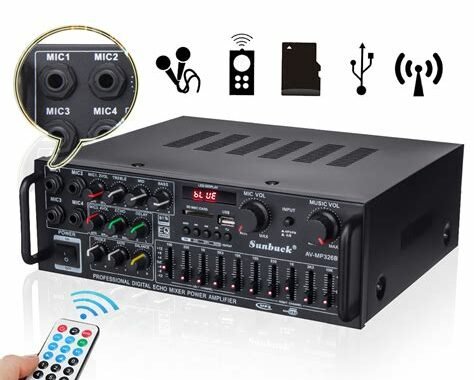
1. Canva
Canva is a web-based graphic design tool that allows users to create professional-looking graphics, presentations, posters, and social media images. Canva has a huge library of templates, fonts, and images, making it easy to create visually appealing presentations with minimal effort.
2. Prezi
Prezi is a presentation software that uses zoom, motion, and spatial relationships to create dynamic presentations. Unlike traditional slide-based presentations, Prezi allows users to create interactive, non-linear presentations that can be zoomed, rotated, and panned.
3. Venngage
Venngage is a web-based tool that allows users to create infographics, reports, and presentations. Venngage has a library of over 100 templates, making it easy to create professional-looking visuals. Users can customize charts, icons, and text to make their presentations informative and visually appealing.
4. Piktochart
Piktochart is another web-based tool that helps users create infographics, posters, and presentations. Piktochart has a library of over 600 templates, as well as numerous design elements that can be customized to fit the user’s needs.
5. PowerPoint
PowerPoint is a classic presentation software that has been around for decades. While it may not have all the bells and whistles of some of the newer applications, PowerPoint remains a reliable tool for creating slide-based presentations. With its simple interface and easy-to-use features, PowerPoint is an ideal choice for beginners.
6. Google Slides
Google Slides is a cloud-based presentation software that allows users to create and edit presentations online. Google Slides has an extensive library of templates, fonts, and images, as well as built-in collaboration features that allow users to work on presentations together in real-time.
7. Haiku Deck
Haiku Deck is a web-based tool that allows users to create visually stunning presentations. Haiku Deck has a library of high-quality images and design elements, making it easy to create presentations with a professional look and feel. Haiku Deck also has a feature that suggests slide layouts and design choices based on the user’s content.
8. Keynote
Keynote is a presentation software developed by Apple for MacOS and iOS. Keynote has a range of built-in design tools that allow users to create professional-looking presentations with ease. Keynote also has a range of animation and transition effects that can be used to enhance the visual impact of a presentation.
9. Genially
Genially is a web-based tool that allows users to create interactive visual content, such as infographics, presentations, and quizzes. Genially has a range of templates and design elements that can be customized to suit the user’s needs. Genially also has a wide range of interactive features, such as pop-ups, animations, and hotspots.
10. Vyond
Vyond is a web-based tool that allows users to create animated videos, infographics, and presentations. Vyond has a range of templates and design elements that allow users to create engaging visual content with minimal effort. With its built-in animation features and drag-and-drop interface, Vyond is an ideal tool for creating animated explainer videos.
The Final Word
Each visual aid application on this list has its own unique features and benefits. Whether you’re looking for a web-based tool with a large library of templates or an animation tool that can create professional-looking explainer videos, there is an option on this list that will suit your needs. By choosing the right visual aid application, you can create presentations that are engaging, informative, and visually stunning.
Frequently Asked Question
1. What is a Visual Aid Application?
A Visual Aid Application is a software program that allows users to create, edit, and present visual aids such as graphs, charts, diagrams, and slideshows.
2. What features should I look for in a Visual Aid Application?
Some essential features to look for in a Visual Aid Application include user-friendliness, versatility in creating different sorts of visual aids, editing and customization options, and options for animation and transitions.
3. Can I create visual aids in different formats using a Visual Aid Application?
Yes, a Visual Aid Application can create visual aids in various formats like JPG, SVG, PNG, and PDF.
4. Do I need a specific skill set to use a Visual Aid Application?
No, Visual Aid Applications are designed for users of all skill levels and are typically straightforward to use, with many incorporating drag and drop features or customizable templates.
5. Can I share my visual aids with others using a Visual Aid Application?
Yes, most Visual Aid Applications allow you to save and share your presentations with others via email, cloud-based storage services, or other methods.
6. Can I animate my visual aids in a Visual Aid Application?
Yes, most Visual Aid Applications offer animation features to make the presentations more engaging.
7. Can I include audio and video in my visual aids with a Visual Aid Application?
Yes, many Visual Aid Applications allow you to add audio and video to your presentations to enhance the audience’s experience.
8. Can I use a Visual Aid Application on my mobile device?
Yes, many Visual Aid Applications have mobile versions or are web-based, so you can access them from your phone, tablet, or other mobile devices.
9. Are Visual Aid Applications expensive?
There are both free and paid versions of Visual Aid Applications available, with the cost dependent on the application’s features and capabilities.
10. Are there any alternatives to Visual Aid Applications?
Yes, there are alternatives like whiteboards, flipcharts, posters, and other physical visual aids that can be made by hand or purchased. However, Visual Aid Applications offer several advantages over traditional physical aids, like more editing options and the ability to share and access presentations on any device.
Hearing loss can be a significant hindrance to enjoying everyday life activities. It can lead to communication problems and cause isolation and loneliness. Fortunately, with the technological advancements in smartphones and tablets, dealing with hearing loss has become much more manageable. There are several hearing aid applications currently available that can amplify sound and filter out noise. In this article, we have compiled the top 10 hearing aid applications.
1. Sound Amplifier
Google developed the Sound Amplifier application for Android mobile devices to assist individuals experiencing hearing difficulties. The application uses the built-in microphone of the device to capture speech and other sounds, then enhances them through headphones or earbuds. Sound Amplifier is an excellent tool for individuals who need to hear conversations in loud environments such as restaurants or parties.
2. LACE Auditory Training
LACE (Listening And Communication Enhancement) Auditory Training is an application that provides individuals with hearing loss the opportunity to improve their listening skills. LACE Auditory Training works by retraining the brain to listen and understand speech in noisy environments. The application uses interactive computerized training to provide users with the opportunity to sharpen their listening and communication skills, leading to an improvement in their overall quality of life.
3. Petralex Hearing Aid
Petralex is a hearing aid application that amplifies sound through headphones or earbuds. The application uses a noise reduction algorithm that filters out background noise and enhances speech clarity. Petralex has several customizable features such as adjusting microphone sensitivity, gain control, and Bluetooth connectivity.
4. Mimi Hearing Technologies
Mimi Hearing Technologies is an application that provides a personalized hearing experience for users. The application requires users to complete a hearing test, and then the application analyzes the results to create a personalized hearing profile for the user. Mimi Hearing Technologies then enhances sound based on the user’s specific hearing profile.
ALICE (Ambulatory Listening & Conversational Enhancement) is a hearing aid application that filters out background noise and enhances speech intelligibility. ALICE uses advanced algorithms that allow users to hear speech better in noisy environments such as restaurants, airports or parties. The application is available for both iOS and Android devices.
6. ReSound Smart 3D
ReSound Smart 3D is a hearing aid application that enhances speech clarity and filters out background noise. The application allows users to adjust their hearing aids using their smartphone or tablet. ReSound Smart 3D provides users with the ability to customize their hearing experience with several features such as directional microphones, noise reduction, and volume control.
7. Oticon ON
Oticon ON is a hearing aid application that provides users with the ability to control their hearing aids with their smartphones or tablets. The application includes several useful features such as the ability to stream music and phone calls to hearing aids, adjust volume, and noise reduction. The Oticon ON application is compatible with both iOS and Android mobile devices.
8. Sound World Solutions Companion Hearing Aid
The Sound World Solutions Companion Hearing Aid application is designed for individuals who suffer from mild to moderate hearing loss. The application is compatible with iOS and Android devices and provides excellent sound clarity. The Companion Hearing Aid application includes several features such as volume control, noise reduction, and directional microphones.
9. Phonak RemoteControl App
The Phonak RemoteControl application is designed to allow users to control their Phonak hearing aids with their smartphones. The application is available for both iOS and Android devices and provides users with several helpful features such as adjusting volume, program selection, and a locator function.
10. Signia App
The Signia application is a hearing aid application that allows users to control their Signia hearing aids with their smartphones. The application is available for both iOS and Android devices and provides users with several features such as adjusting volume, program selection, and a locator function. The Signia application also includes a speech focus feature that enhances speech comprehension.
Conclusion
Hearing loss can significantly impact a person’s quality of life, and fortunately, technology can help improve it. The applications on this list are some of the best hearing aid apps currently available. These hearing aid applications provide users with several customizable features that can enhance sound clarity and filter out background noise. Individuals who suffer from hearing loss should consider using one of these applications to experience better communication and improved quality of life.
Frequently Asked Question
1. What is a hearing aid application and how does it work?
A hearing aid application is an app on your smartphone designed to assist in improving your hearing. It uses your phone’s microphone to capture sounds, filters out background noise, amplifies sounds, and directs the amplified sounds to your earbuds or headphones.
2. Can a hearing aid application completely replace hearing aids?
While hearing aid applications can be helpful, they are not a replacement for traditional hearing aids. They may provide some assistance for people with mild hearing loss, but those with moderate to severe hearing loss usually need the personalized fitting and technology provided by traditional hearing aids.
3. Are hearing aid applications expensive?
Most hearing aid applications are affordable or even free. However, some applications may have additional features that require payment, such as noise reduction or customized sound settings.
4. Can hearing aid applications be used with any smartphone or device?
Hearing aid applications are designed to be compatible with most smartphones, tablets, and other devices. However, be sure to check the compatibility requirements before downloading an application to ensure it will work with your device.
5. How do I know which hearing aid application is best for me?
Research different hearing aid applications and read reviews before choosing one. Be sure to look for an app that meets your specific needs, whether it’s for noise reduction, speech enhancement, or sound customization.
6. Can hearing aid applications be customized for my specific hearing needs?
Some hearing aid applications offer customized sound settings based on your hearing profile. This feature can be helpful for people who have a unique hearing loss pattern.
7. Are hearing aid applications easy to use?
Most hearing aid applications are designed to be user-friendly and easy to use. They typically come with a tutorial or instructions on how to operate them properly.
8. Do I need a prescription or a hearing test to use a hearing aid application?
No, a prescription or hearing test is not required to use a hearing aid application. However, it is important to have your hearing tested by a professional if you have concerns about your hearing.
9. Can a hearing aid application be used with hearing aids?
Depending on the hearing aid, some may be compatible with certain hearing aid applications. Be sure to consult your hearing professional before attempting to use a hearing aid application with your hearing aids.
10. Do hearing aid applications come with a warranty?
The warranty for a hearing aid application varies depending on the developer. Be sure to read the terms and conditions of the application before purchasing to understand the warranty policy.
Managing medication can be a difficult task, especially for those who require multiple medications daily. With so many medications to manage, it is easy to forget a dose or take the wrong medication at the wrong time. Luckily, technology has come to the rescue with medication settings apps. These apps make it easier to manage medication schedules and facilitate medication tracking. Below are the top 10 medication settings apps for hassle-free medication management.
1. Medisafe
Medisafe is an all in one medication management app that tracks medications, reminders, and shareable adherence reports to help patients feel secure and in control of their medications. It can handle complex medication regimens and integrates with most pharmacies to auto-fill prescriptions. Medisafe is free and available on iOS and Android devices.
2. MyTherapy
MyTherapy is an award-winning medication reminder app that helps users manage their medications safely and effectively. With personalized reminders, MyTherapy ensures that users take their medications at the right time and in the right dosage. With automatic logging of medication doses and symptoms, MyTherapy simplifies medication management even further. MyTherapy is free and available on iOS and Android devices.
3. Round Health
Round Health is an easy-to-use medication reminder app that helps users stay on top of their medication schedules. With customizable alerts and notifications, Round Health helps keep track of daily medications and allows users to set reminders for refilling and doctor’s appointments. Round Health is free and available on iOS and Android devices.
4. Mango Health
Mango Health is a comprehensive medication management app that helps users stay on top of their medication schedule while providing motivation and support. With integrations to pharmacy networks, Mango Health helps with prescription renewals and refill reminders. While taking medication, Mango Health rewards users with points and helps track the overall progress in taking medications. Mango Health is free and available on iOS and Android devices.
5. Pill Reminder
Pill Reminder is a simple yet effective medication management app designed for anyone who wants to ensure that they never miss a medication dose. With Pill Reminder, users can create custom medication schedules and get notifications when it’s time to take their medications. Pill Reminder can also track when medications are taken to provide valuable insights to users. Pill Reminder is free and available on iOS and Android devices.
6. CareZone
CareZone is a medication management app designed to help users keep track of their medications and healthcare needs. With CareZone, users can create medication schedules, refill prescriptions, and track health conditions and symptoms. CareZone also provides a personal health journal and contact list for healthcare providers. CareZone is free and available on iOS and Android devices.
7. Dosecast
Dosecast is a medication management app that helps users track their medications and provides dose reminders using alerts, sounds, and vibrations. Dosecast also allows users to track their allergies, refill reminders for medications, and set up doctor’s appointments. Dosecast is free and available on iOS and Android devices.
8. HealthTap
HealthTap is a comprehensive health app that provides medication reminders and helps users stay on top of their medication schedules. HealthTap also provides access to virtual consultations with licensed doctors and can help users find in-person doctors and medical professionals. HealthTap is free and available on iOS and Android devices.
9. The PillBoxie
The PillBoxie is a medication management app with a unique visual representation of pillboxes. With The PillBoxie, users can create their custom medication schedules, choose from a variety of custom backgrounds, and receive reminders when it’s time to take their medication. The PillBoxie is perfect for those who want a visually appealing way to manage their medications. The PillBoxie is available for purchase for iOS devices.
10. MedHelper
MedHelper is a medication management app that helps users keep track of their medications, set medication reminders, and schedule doctor’s appointments. MedHelper also allows users to input their medical information and emergency contacts in case of an emergency. MedHelper is free and available on iOS and Android devices.
Conclusion
Managing medications can be a difficult task, especially for those with multiple medications daily. Fortunately, technology has come to the rescue with medication settings apps. These apps make it easier to manage medication schedules and facilitate medication tracking. With the top 10 medication management apps listed above, users can take control of their medication schedules and ensure that they never miss a dose again.
Frequently Asked Question
1. What is Medication Settings App?
Medication Settings App is an application that helps you manage and keep track of your medication schedule, doses, and refills.
2. Can I download Medication Settings App for free?
Yes, Medication Settings App is a free application that you can download from the App Store or Google Play Store.
3. What features does Medication Settings App offer?
Medication Settings App offers various features such as tracking medication schedules, reminders, prescription information, pharmacy and doctor contact information, medication interaction checker, and more.
4. Is Medication Settings App available on both iOS and Android?
Yes, Medication Settings App is available on both iOS and Android platforms.
5. Can I set up multiple medication schedules on the app?
Yes, you can set up multiple medication schedules and reminders on Medication Settings App.
6. Does the app notify me when it’s time to take my medication?
Yes, the app sends push notifications and reminders when it’s time to take your medication.
7. Can I add medication refill reminders on the app?
Yes, you can add medication refill reminders on the app and receive notifications when it’s time to refill your prescription.
8. Is it possible to use Medication Settings App without an internet connection?
Yes, you can use the app without an internet connection, but you need to have an internet connection to update the app and medication information.
9. Are the medication interaction checks accurate?
The medication interaction checker on the app provides accurate information based on the latest research and medical journals.
10. Are my medication and personal information secure on the app?
The app uses various security measures, including encryption and secure servers, to keep your medication and personal information safe and confidential.
Health registrar applications are software tools specifically designed for managing and organizing health-related data. As the healthcare industry becomes more technologically advanced, the use of health registrar applications has become an essential aspect of healthcare management.
There are plenty of health registrar applications available in the market, making it challenging to choose the perfect one. This article presents an overview of the top 10 health registrar applications that have proven to be efficient and reliable.
1. Cerner Millennium
Cerner Millennium is an all-inclusive and user-friendly electronic medical record (EMR) system that offers a range of features such as clinical workflows, scheduling, billing, and patient management. This software is suitable for hospitals, clinics, and private practices. It streamlines communication among healthcare providers and enhances patient care outcomes.
2. Epic
Epic is a popular EMR software that is often used in large healthcare organizations. It offers features such as patient documentation, clinical decision support, and customized patient portals. Epic integrates with other healthcare systems, making it easy to access and share patient data.
3. Medical Information Technology (MEDITECH)
MEDITECH is a comprehensive EMR software that has been in the market for more than 40 years. It offers unique features such as clinical decision support, lab management, and patient care management. MEDITECH has an intuitive user interface that makes it user-friendly to healthcare providers. This software is commonly used in community hospitals and private practices.
4. NextGen
NextGen is an EMR software that provides healthcare organizations with tools to improve the quality of patient care. It includes features such as patient scheduling, insurance claims management, and patient data management. NextGen also integrates with other healthcare systems, allowing healthcare providers to access patient data across different platforms.
5. Allscripts
Allscripts is an EMR software that is widely used in small and medium-sized healthcare organizations. It provides a range of features such as practice management, patient scheduling, and clinical decision support. Allscripts is known for its user-friendly interface and easy-to-navigate menu.
6. Kareo
Kareo is a cloud-based healthcare software that caters to the healthcare needs of small practices. It includes features such as patient scheduling, billing, and practice management. Kareo is known for its streamlined and automated processes that save time for healthcare providers.
7. Conifer Health Solutions
Conifer Health Solutions is a healthcare management software that is often used in large healthcare organizations. It provides a range of services such as revenue cycle management, population health management, and patient experience management. Conifer Health Solutions enables healthcare providers to maximize their resources and improve patient outcomes.
8. CureMD
CureMD is a healthcare software that offers EMR and practice management solutions tailored to small and medium-sized healthcare practices. It includes features such as e-prescribing, billing, and evidence-based clinical decision support. CureMD is known for its user-friendly interface and customizable templates.
9. eClinicalWorks
eClinicalWorks is a cloud-based healthcare software that is suitable for both small and large healthcare organizations. It includes features such as patient scheduling, revenue cycle management, and patient portal. eClinicalWorks provides healthcare providers with real-time access to patient data across different healthcare platforms.
10. Nextech
Nextech is a healthcare software that provides healthcare organizations with features such as practice management, patient scheduling, and EMR. It is designed for both small and large healthcare practices. Nextech is known for its customizability and user-friendly interface.
Conclusion
Health registrar applications are becoming an indispensable component of the healthcare industry. The applications mentioned above are some of the best health registrar applications in the market, tested and trusted by healthcare providers globally. These software tools provide healthcare organizations with the necessary features to manage and organize healthcare data, streamline healthcare processes, and deliver quality patient care. Before selecting any health registrar application for your healthcare practice, carefully consider the unique needs of your organization to make the right choice.
Frequently Asked Question
1. What is a Health Registrar Application?
A Health Registrar Application is a process in which a person applies to be registered with a board or council responsible for regulating health practitioners, such as doctors, nurses, or dentists.
2. Which board or council should I apply to?
You should apply to the board or council that regulates the specific health profession you wish to practice. For example, if you want to be a doctor, you should apply to the medical board.
3. What qualifications do I need to apply for registration?
The qualifications required will depend on the specific health profession and the board or council’s requirements. Generally, you will need to have completed a recognized training program and passed an examination.
4. Can an international applicant apply for registration?
Yes, international applicants can apply for registration. However, they may need to provide additional documentation to prove their qualifications and English language proficiency.
5. How long does the registration process take?
The registration process can take several months, depending on the board or council’s workload and the complexity of your application.
6. What fees are associated with the registration process?
There are various fees associated with the registration process, including application fees, examination fees, and annual registration fees. These fees will vary based on the board or council and the specific health profession.
7. Can a person with a criminal record apply for registration?
Having a criminal record does not necessarily mean that you cannot apply for registration, but it may affect your eligibility. The board or council will review each application on a case-by-case basis.
8. What happens if my application is rejected?
If your application is rejected, you have the right to appeal the decision. The board or council will provide you with the reasons for the rejection and the steps you can take to appeal the decision.
9. What is the role of a Health Registrar?
A Health Registrar is responsible for overseeing the registration process of health practitioners, maintaining accurate records, enforcing regulations and standards, and ensuring public safety.
10. How can I renew my registration?
To renew your registration, you will need to submit a renewal application and pay the annual registration fee. The board or council may also require you to complete continuing education or other professional development requirements.
Top 10 Applications for Measuring Blood Sugar Levels
Living with diabetes can be a challenge, but modern technology has given us tools to help manage this chronic condition. One of the most important aspects of diabetes management is tracking blood sugar levels. Measuring blood glucose levels regularly allows individuals with diabetes to make informed decisions about their diet, exercise, and insulin dosing. In this article, we’ll take a look at the top 10 applications for measuring blood sugar levels.
1. Glucose Buddy
Glucose Buddy is a comprehensive diabetes management application that allows you to track blood glucose levels, medication, and exercise. The app also has a food database with nutritional information, making it easy to track your carb intake. Glucose Buddy is available for both iOS and Android.
2. mySugr
mySugr is an award-winning diabetes management application that makes blood sugar tracking fun and easy. The app has a clean and intuitive interface, making it easy to log blood glucose levels, medication, and food. mySugr also offers a personalized diabetes coach and a feature that allows you to share your data with your healthcare team. The app is available for both iOS and Android.
3. Glooko
Glooko is a diabetes management application that allows you to sync your blood glucose data from your meter, pump, or continuous glucose monitor. The app also allows you to track medication, food, and exercise, and provides insights and trends based on your data. Glooko is available for both iOS and Android.
4. One Drop
One Drop is a diabetes management application that offers a sleek and modern interface for tracking blood glucose levels, medication, food, and exercise. The app also offers a personal diabetes assistant that provides insights and recommendations based on your data. One Drop is available for both iOS and Android.
5. Sugar Sense
Sugar Sense is a blood glucose tracking application that offers a clean and easy-to-use interface. The app allows you to track blood glucose levels, medication, and food, and provides insights and trends based on your data. Sugar Sense is available for both iOS and Android.
6. Diabetic Connect
Diabetic Connect is a social network and diabetes management application that allows you to connect with others living with diabetes. The app also allows you to track blood glucose levels, medication, food, and exercise, and provides insights and trends based on your data. Diabetic Connect is available for both iOS and Android.
7. RapidCalc Diabetes Manager
RapidCalc Diabetes Manager is a diabetes management application that allows you to calculate insulin doses based on your blood glucose levels and carbohydrate intake. The app also allows you to track blood glucose levels, medication, and exercise. RapidCalc Diabetes Manager is available for iOS.
8. Diabetes:M
Diabetes:M is a diabetes management application that offers a comprehensive set of features for tracking blood glucose levels, medication, food, and exercise. The app also provides insights and trends based on your data and offers a personal diabetes coach for guidance and motivation. Diabetes:M is available for both iOS and Android.
9. OnTrack Diabetes
OnTrack Diabetes is a diabetes management application that allows you to track blood glucose levels, medication, food, and exercise. The app also offers a target range feature that allows you to set goals for your blood glucose levels and track your progress. OnTrack Diabetes is available for Android.
10. BlueStar Diabetes
BlueStar Diabetes is a diabetes management application that offers a personalized diabetes coach and provides insights and recommendations based on your data. The app also allows you to track blood glucose levels, medication, food, and exercise. BlueStar Diabetes is available for both iOS and Android.
Conclusion
Tracking blood glucose levels is an essential part of managing diabetes, and these top 10 applications make it easy and convenient. Whether you’re looking for a comprehensive diabetes management app, a simple blood glucose tracker, or an insulin dose calculator, there’s an application out there that will fit your needs. With these powerful tools at your disposal, you can take control of your diabetes and live a healthier, happier life.
Frequently Asked Question
1. What is an application for measuring blood sugar levels?
An application for measuring blood sugar levels is an app that helps diabetics monitor their blood glucose levels.
2. How does an application for measuring blood sugar levels work?
An application for measuring blood sugar levels works by allowing users to input their blood glucose levels from a meter into the app, where it is then tracked and analyzed over time.
3. Can an application for measuring blood sugar levels replace a blood glucose meter?
No, an application for measuring blood sugar levels cannot replace a blood glucose meter as it still requires a blood glucose reading to be taken with a meter.
4. What are the benefits of using an application for measuring blood sugar levels?
The benefits of using an application for measuring blood sugar levels include better monitoring and management of blood glucose levels, improved communication with healthcare providers, and greater independence and control for the diabetic patient.
5. How accurate are measurements made with an application for measuring blood sugar levels?
The accuracy of measurements made with an application for measuring blood sugar levels is dependent upon the accuracy of the glucose meter used with the app.
6. Can an application for measuring blood sugar levels help with diabetes prevention?
No, an application for measuring blood sugar levels cannot help with diabetes prevention as it is used primarily for monitoring and managing blood glucose levels in those who already have diabetes.
7. Is an application for measuring blood sugar levels easy to use?
Yes, applications for measuring blood sugar levels are designed to be user-friendly and easy to use.
8. Are there any costs associated with using an application for measuring blood sugar levels?
Some applications for measuring blood sugar levels may require a fee for use or for premium features, while others may be free to use.
9. Can an application for measuring blood sugar levels be used by children?
Yes, applications for measuring blood sugar levels can be used by children as long as they are supervised by an adult.
10. Are there any precautions or warnings when using an application for measuring blood sugar levels?
It is important to follow the instructions provided by the app and to monitor blood glucose levels regularly with a glucose meter in order to ensure accurate readings. Users should also consult with their healthcare provider before making any changes to their diabetes management plan.
Blood pressure monitoring is a critical aspect of maintaining good health. Elevated blood pressure levels can increase the risk of cardiovascular diseases such as stroke, heart attack, or heart failure. Hence, keeping track of your blood pressure levels is essential for maintaining your overall health. The advancements in technology have made it possible to monitor your blood pressure levels at home with a simple blood pressure meter. In this article, we will discuss the top ten blood pressure meter applications that will help you track and manage your blood pressure levels more effectively.
1. Blood Pressure Tracker: MyDiary
MyDiary is an intuitive blood pressure meter app that is developed to help users keep track of their blood pressure readings. The app provides a user-friendly interface and allows you to enter your blood pressure readings and medication information. You can also set reminders for taking medicine, record notes, and share your information with your healthcare provider. The app also provides detailed graphs and charts to help you visualize your blood pressure levels over time, and identify trends or changes.
2. Blood Pressure Monitor
Blood Pressure Monitor is designed to be a comprehensive blood pressure tracking app. It allows users to store their blood pressure readings, track their progress over time, create reports, and share the data with their healthcare provider. The app also enables users to set reminders for medication or to take their blood pressure readings. Other key features include a BMI calculator, medication tracker, and integration with other health apps.
3. iBP Blood Pressure
iBP is an easy-to-use app that enables users to track their blood pressure readings, pulse rate, and weight. It also allows users to sync their data with Apple Health, making it easier for users to keep track of all their health information in one place. The app features a handy reminder to take your readings, graph your results, and even email your data to your healthcare provider for easy communication.
4. Qardio
Qardio is a blood pressure monitoring app that syncs with QardioArm, a wireless blood pressure monitor. The app is easy to use and enables users to measure their blood pressure and track their progress over time. It also provides users with the ability to view their readings and generate reports. The app also features a Smart Feedback system, which helps users to interpret their blood pressure readings by providing suggestions for improvement. Other features include reminders, sharing capabilities, and integration with other health apps.
5. Blood Pressure Tracker – iCare
iCare BP Tracker is a user-friendly blood pressure monitoring app that enables users to keep track of their blood pressure readings, pulse rate, and weight. The app also provides graphical analysis that allows users to see their progress over time. Additionally, the app also features a reminder to take your readings, and you can export and share your data with your healthcare provider for improved communication and care.
6. Blood Pressure Diary
Blood Pressure Diary is one of the most popular blood pressure monitoring apps available. The app has a simple user interface, making it easy for users to input their data quickly. The app enables users to store their blood pressure readings, view their data on graphs or charts, and track their weight. The app also includes reminders and allows users to share their information with their healthcare providers easily.
7. Heart Habit
Heart Habit is an all-in-one health app that enables users to monitor their blood pressure, heart rate, weight, and fitness activities. The app helps users track their progress over time and provides visual analysis for better insights. Users can set reminders, record notes, and export their data to healthcare providers. Additionally, the app includes a health plan that offers tips and advice to help users achieve their health goals.
8. Omron Connect
Omron Connect is a blood pressure monitoring app that is developed to work with Omron blood pressure monitors. The app connects with Bluetooth-enabled Omron monitors to track your readings and provides graphical analysis of your results over time. The app also enables users to share their information with their healthcare providers and set reminders for taking readings or medication.
9. Blood Pressure Tracker – BPWatch
BPWatch is a blood pressure monitoring app that is designed to help users track their blood pressure readings, pulse rate, and weight. The app offers a user-friendly interface, reminders, and graphical analysis for better insights. The app also enables users to generate reports and share their data with their healthcare providers.
10. SmartBP
SmartBP is an intuitive blood pressure monitoring app that enables users to store their blood pressure readings, track their progress over time, and analyze their results visually. The app features reminders, note-taking options, and the ability to share data with healthcare providers easily. Additionally, the app includes a feature that enables users to track their medication history and set reminders for taking their medications.
Conclusion
Using a blood pressure meter application is an excellent way to keep track of your blood pressure readings effortlessly. The above-discussed blood pressure meter apps differ in terms of features, usability, and compatibility with different blood pressure monitors. Having said that, the key features that any blood pressure monitor application should have include reminders, graphical analysis, robust reporting features, data sharing options, and a user-friendly interface. These top ten blood pressure meter applications will help you track and manage your blood pressure levels more effectively, leading to better health and wellness.
Frequently Asked Question
1. What is a blood pressure meter application?
A blood pressure meter application is a mobile application that measures the blood pressure of an individual using a smartphone or an electronic device.
2. How does a blood pressure meter application work?
A blood pressure meter application works by measuring the changes in blood pressure in your arteries when your heart beats and rests. The application uses sensors on the device to measure these changes and calculate your blood pressure readings.
3. Is the blood pressure meter application accurate?
The accuracy of a blood pressure meter application depends on the quality of the device used and the proper usage of the application. It is important to use regularly calibrated and validated devices for accurate readings.
4. Can a blood pressure meter application replace a traditional blood pressure monitor?
A blood pressure meter application can be used for regular monitoring of blood pressure but does not replace the need for a traditional blood pressure monitor. It is important to consult a healthcare practitioner for accurate diagnosis and treatment of blood pressure.
5. Is it safe to use a blood pressure meter application?
Blood pressure meter applications are generally safe to use when the device is used correctly and regularly calibrated. However, it is important to follow the instructions provided in the application and seek medical advice if you have any concerns.
6. Can the blood pressure meter application be used on any type of smartphone or device?
Blood pressure meter applications can be downloaded and used on a variety of smartphones and devices, but it is important to ensure compatibility with the operating system and sensors.
7. How often should blood pressure be measured using the blood pressure meter application?
Blood pressure should be measured regularly for people with high blood pressure or those at risk of high blood pressure. It is important to consult a healthcare practitioner for personalized recommendations on how often blood pressure should be measured.
8. Can blood pressure meter applications be used for multiple users?
Some blood pressure meter applications allow multiple users to track their blood pressure readings. These applications may require additional user profiles or logins.
9. Should blood pressure meter application readings be shared with a healthcare practitioner?
It is recommended to share blood pressure meter application readings with a healthcare practitioner for accurate diagnosis and treatment of blood pressure.
10. Are blood pressure meter applications affordable?
Blood pressure meter applications are generally affordable and can be downloaded for free or a minimal cost. However, additional costs may be incurred if purchasing a device for measuring blood pressure.
Monitoring your heart rate is essential during exercise, as it helps you optimize your workouts and prevent overexertion. While traditional heart rate monitors are still prevalent, most people prefer the convenience of using their smartphones instead. With the vast number of heart rate meter apps available, choosing the right one can be a daunting task. Here is a list of the 10 best heart rate meter applications:
1. Instant Heart Rate
Instant Heart Rate is one of the most popular heart rate monitoring applications available. The app uses your smartphone camera and flashlight, placing your finger on the camera, and keeping still for a few seconds. The app then calculates your heart rate and gives you an accurate reading. The app also provides you with graphs that show your heart rate over extended periods, and it can also sync with other health data apps like Apple Health and Google Fit.
2. Runtastic Heart Rate Monitor
Runtastic Heart Rate Monitor measures your heart rate accurately, either using your smartphone camera or pulse sensor. It calculates your heart rate variability graphically and a target heart rate zone that you can customize to fit your workout routine better.
3. Heart Rate Monitor by Biostrap
Heart Rate Monitor by Biostrap is a great app that records your heart rate and gives you personalized insights based on your heart rate data. The app also records other metrics like sleep and physical activity, making it great for users who want a comprehensive view of their overall health.
4. HeartWatch
HeartWatch is a unique heart rate monitoring application designed solely for Apple Watches. The app tracks your heart rate in real-time and categorizes your data to show what you’ve done throughout the day. HeartWatch also calculates the maximum and minimum heart rate zone and gives you personalized feedback based on your heart rate data.
5. Cardiogram
Cardiogram requires access to your watch or wrist-based heart rate monitor. The main feature of the app is the HealthKit compatibility, which makes it easy to see your heart rate data in other apps. The app also provides insights about your heart health and how it can be improved.
6. Heart Rate Plus
Heart Rate Plus provides health insights based on your heart rate data. The app measures heart rate accurately and features a personalized dashboard that shows you how your heart rate is doing throughout the day. Heart Rate Plus also allows you to share your data with your physicians, providing them with a comprehensive view of your heart health.
7. Polar Beat
Polar Beat is an all-in-one fitness tracker with heart rate monitoring capabilities. The app has a range of heart rate monitoring features, including a heart rate guide, which helps you stay in the zone while you work out. The app also has a vast community of users that you can compete with, keeping you motivated to stay on track.
8. Elite HRV
Elite HRV is an app that tracks your heart rate variability (HRV). The app tracks HRV in real-time and provides analytics that help you understand how various factors influence your HRV. Elite HRV also includes several tools that help you positively influence your HRV, such as guided meditations and breathing exercises.
9. Fitbit
While Fitbit is primarily known for its fitness tracking devices, the company also has an app that tracks your heart rate. The app is compatible with Fitbit devices, but it can also work with other devices like Apple Watches and smartphones. The app also helps you track other aspects of your health, such as sleep and physical activity, giving you a comprehensive view of your overall well-being.
10. Heart Rate Variability Logger
Heart Rate Variability (HRV) Logger is a tool specifically designed to measure HRV. The app measures HRV and provides you with detailed reports that help you monitor your HRV closely. It also provides you with information about how outside factors, like stress, can affect your HRV.
Conclusion
Choosing the right heart rate monitoring app depends on your needs and preferences. Any of the above heart rate monitoring applications will help you stay on track with your fitness and health goals. Keep in mind that the most accurate results are obtained from heart rate monitors that use your smartphone camera or pulse sensor, and that syncing with other healthy data apps like Apple Health and Google Fit can help you get a more comprehensive view of your overall health.
Frequently Asked Question
1. What is a heart rate meter application?
A heart rate meter application is a mobile application that uses the camera and/or sensors on a smartphone to measure heart rate and other vital signs.
2. How accurate is the heart rate measurement on a mobile app?
The accuracy of heart rate measurements on a mobile app may vary depending on the quality of the camera and sensors, as well as the user’s position and movement during the measurement. However, many heart rate meter applications have been validated for accuracy, and can provide reliable measurements when used correctly.
3. How do I use a heart rate meter application?
To use a heart rate meter application, simply open the app and follow the instructions to begin the measurement. This typically involves placing a finger over the camera lens or touching the sensors on the back of the phone.
4. Can I use a heart rate meter application to monitor my heart rate during exercise?
Yes, many heart rate meter applications are designed specifically for use during exercise, and can monitor heart rate in real-time while the user is active.
5. Do heart rate meter applications provide other health metrics besides heart rate?
Some heart rate meter applications may also provide measurements for other health metrics such as blood pressure, oxygen saturation, and respiratory rate.
6. Can heart rate meter applications detect abnormal heart rhythms?
Some heart rate meter applications may be able to detect abnormal heart rhythms, such as atrial fibrillation, but they are not as reliable as medically-approved devices for detecting these conditions.
7. Is it safe to use a heart rate meter application instead of a medical device?
While heart rate meter applications can provide useful information about heart rate and other health metrics, they are not a substitute for medical devices and should not be used for medical diagnosis or treatment.
8. Do heart rate meter applications require internet connectivity?
Most heart rate meter applications can be used offline, but some may require internet connectivity to download updates or sync data with other devices or services.
9. Are heart rate meter applications free?
Many heart rate meter applications are free to download and use, but some may require payment for premium features or to remove ads.
10. Are heart rate meter applications available on both iOS and Android?
Yes, there are heart rate meter applications available for both iOS and Android devices.
Technology has become an indispensable part of our lives, and fitness is no exception. In today’s fast-paced world, monitoring fitness has become essential for all age groups. With the advancement in technology, we now have fitness monitoring apps that can track activities, provide feedback, and help in achieving fitness goals. Here’s our list of the top 10 fitness monitoring apps:
1. MyFitnessPal
MyFitnessPal is a free app that tracks your daily calorie intake, exercise routine, and water intake. It has a database of over 6 million foods, making it easy to track every meal. The app also syncs with various fitness trackers and smartwatches, including FitBit, Jawbone, and Garmin, to provide a comprehensive analysis of your progress. MyFitnessPal also includes a community section where users can connect with each other for motivation and support.
2. Strava
Strava is an activity tracker that tracks your runs, rides, and walks. The app uses GPS to record your activity and provides real-time feedback on your pace and distance. It also allows you to create and join challenges with friends and other Strava users. The premium version of the app provides personalized coaching, training plans, and advanced analytics.
3. Fitbit
Fitbit is a popular fitness tracker that syncs with your smartphone to track your daily activity, including steps taken, distance traveled, and calories burned. It also tracks your sleep patterns and provides insights into your sleep quality. The app allows you to set goals, track your progress, and earn badges for achieving milestones. It also has a community section where users can connect with each other for support and motivation.
4. Nike Training Club
Nike Training Club is a free app that offers over 185 workouts designed by Nike Master Trainers. The app allows you to select a workout based on your fitness goals, level of fitness, and available equipment. It also includes personalized training plans and audio guidance from Nike trainers. The app syncs with Apple Health and other fitness apps to provide a comprehensive analysis of your progress.
5. Runtastic
Runtastic is a running app that tracks your runs using GPS. It provides real-time feedback on your pace, distance, and calories burned. The app also has a voice coach that provides audio feedback during your run. Runtastic includes features for tracking other activities, including cycling, hiking, and skiing. The premium version of the app includes personalized training plans and advanced analytics.
6. Seven
Seven is a 7-minute workout app that offers quick workouts that can be done anywhere, anytime. The app includes over 200 exercises that target different parts of the body. Seven is perfect for those who have a busy schedule and cannot devote much time for workouts. The app also includes a daily reminder feature and personalized coaching.
7. 7 Minute Workout
7 Minute Workout is another app that offers quick and effective workouts that can be done anywhere, anytime. The app includes 12 high-intensity exercises that are performed for 30 seconds each, with a 10-second rest in between. The app also includes customizable workouts and voice instructions.
8. MapMyFitness
MapMyFitness is an app that tracks your workouts using GPS. It provides real-time feedback on your pace, distance, and calories burned. The app also allows you to create and join challenges with friends and other MapMyFitness users. The premium version of the app includes personalized training plans, advanced analytics, and live tracking of friends’ activities.
9. Fitocracy
Fitocracy is a fitness app that allows you to set goals, track your progress, and earn points for achieving milestones. The app includes personalized training plans and over 800 workouts designed by certified personal trainers. Fitocracy also includes a community section where users can connect with each other for support and motivation.
10. Headspace
Headspace is a meditation app that helps you reduce stress and improve focus. The app includes guided meditations that range from 3 to 30 minutes in length. It also includes personalized coaching and progress tracking. Headspace is perfect for those who need a break from their daily routine and want to relax and recharge.
Conclusion
These are the top 10 fitness monitoring apps that can help you achieve your fitness goals. From tracking your daily activity to personalized coaching and training plans, these apps have it all. Whatever your fitness level and goals are, there’s an app out there that can help you get there. So, download one of these apps today and kickstart your fitness journey!
Frequently Asked Question
1. What is a fitness monitoring app?
A fitness monitoring app is a mobile application that tracks and records physical activity, health, and weight-related data, allowing individuals to monitor their progress toward fitness and weight loss goals.
2. How does a fitness monitoring app work?
Fitness monitoring apps use sensors, GPS technology, and other tools to collect data about a user’s physical activity, such as steps taken, calories burned, and distance traveled. Users input additional data, such as height, weight, and workout details, to create a comprehensive view of their fitness progress.
3. How accurate are fitness monitoring apps?
The accuracy of fitness monitoring apps can vary depending on the quality of the app and the sensors and tools used to collect data. However, many apps are highly accurate and have been proven to provide reliable data.
4. Can a fitness monitoring app help me lose weight?
Yes, a fitness monitoring app can be a helpful tool for weight loss. By tracking your physical activity, food intake, and other health-related data, you can identify where you need to make improvements to achieve your weight loss goals.
5. Can I connect my fitness monitoring app to other fitness devices?
Many fitness monitoring apps can connect to other fitness devices such as smartwatches, fitness trackers, and heart rate monitors, which can provide even more detailed information about your physical activity and health.
6. Is my personal data safe when using a fitness monitoring app?
Most fitness monitoring apps have privacy policies in place that protect your personal data. Always be sure to read and understand the privacy policy before using any app, and use a secure password to protect your account.
7. Can I use a fitness monitoring app if I have a medical condition?
It’s always recommended that you speak with a healthcare professional before starting any new fitness regimen. However, many fitness monitoring apps can be used by individuals with medical conditions to monitor their health and activity levels.
8. Are fitness monitoring apps expensive?
The cost of a fitness monitoring app can vary, with some apps being free and others charging a monthly subscription fee. However, many free apps are highly rated and provide the same basic features as more expensive apps.
9. Can I use a fitness monitoring app without an internet connection?
Most fitness monitoring apps require an internet connection to access data and sync with other devices. However, some apps do allow you to use certain features, such as tracking steps, without an internet connection.
10. Can I share my progress on social media using a fitness monitoring app?
Many fitness monitoring apps allow users to share their progress on social media, which can provide motivation and support from friends and family. However, it’s always important to keep your personal privacy in mind and only share what you’re comfortable with.
With the advancement of technology, health monitoring has become easier and more convenient. Health monitoring applications have taken over the traditional methods to monitor health as they provide instant updates and personalized feedback. These applications have gone beyond just counting steps and monitoring sleep. They now provide a gamut of features including tracking diet, menstrual cycle, stress levels, heart rate, blood pressure, and much more. In this article, we have compiled a list of the top 10 health monitoring applications for you to choose from.
1. MyFitnessPal
MyFitnessPal is a popular health monitoring application that helps users track their nutritional intake, water consumption, and exercise goals. The app has a huge database of food items, allowing users to easily track their calorie intake. It also provides personalized macro-nutrient goals for users based on their fitness goals, age, weight, and height. Users can also connect the app with their fitness wearable to track their exercise activities.
2. Google Fit
Google Fit is a popular health monitoring application that integrates seamlessly with Android devices. The app tracks users’ physical activities, including walking, running, cycling, and swimming through the phone’s sensors. It also tracks daily goals and reminds users to move when they have been sedentary for a long period.
3. Headspace
Headspace is a health monitoring application that focuses on mental health. It provides guided meditation sessions to help users relieve stress, anxiety, and other mental health issues. The app also helps improve focus, sleep quality and provides mindfulness exercises to promote overall well-being.
4. Clue
Clue is a health monitoring application that helps women track their menstrual cycle. The app provides personalized predictions for menstrual and ovulation cycles. It also tracks symptoms, mood changes, and provides insights into the menstrual cycle and health. The application has a feature for logging birth control method data and helps women plan their pregnancy.
5. Fitbit
Fitbit is a popular health monitoring application that tracks daily activities, sleep patterns and workouts. It is compatible with a range of wearable devices designed to track physical activities, calories burned and sleep patterns. It provides personalized goal setting and social interaction to keep users motivated to achieve their fitness targets.
6. Lifesum
Lifesum is a popular health monitoring application that helps users track their overall health by tracking food intake, water consumption, and physical activities. It also provides feedback and reminders to help users achieve their fitness goals. The app sets daily and weekly goals based on users’ fitness profiles, providing personalized routines and recipes to meet their fitness targets.
7. Sworkit
Sworkit is a fitness app that provides personalized workout routines designed for users’ fitness level and goals. The application provides video demonstrations of workout routines for users to follow along. It also has an option to connect with personal trainers for customized routines and advice. The app makes it easy for users to achieve their fitness goals, regardless of whether they have access to a gym or not.
8. WaterMinder
WaterMinder is a health monitoring application that tracks water intake to ensure users stay hydrated. The app sets daily goals based on user profiles and reminds users to drink water throughout the day. The application also provides detailed analysis of users’ hydration progress and history.
9. HeartWatch
HeartWatch is a health monitoring application that tracks heart rate activity and provides detailed analysis of users’ heart rates. The app provides daily and weekly progress reports, customizable alerts and tracking of heart rate zones to ensure users stay within their ideal workout zone.
10. MyPlate by Livestrong
MyPlate by Livestrong is a health monitoring application that tracks caloric intake, water consumption, and exercise goals. It provides personalized daily goal setting and reminders to ensure users remain on track with their fitness and diet goals. The app allows users to scan food item barcodes to automatically log nutritional information.
Conclusion
Choosing the right health monitoring application is crucial in ensuring overall health and well-being. With the wide variety of health monitoring apps available today, it’s easier than ever to track progress and make changes to achieve a healthier and happier life.
Frequently Asked Question
1. What is a health monitoring application?
A health monitoring application is a digital tool designed to help users track and monitor their health and fitness goals. It typically includes features such as exercise tracking, food logging, and biometric data analysis.
2. What kind of information can a health monitoring application track?
Depending on the specific app, a health monitoring application can track a range of information, such as steps taken, calories burned, heart rate, blood pressure, sleep patterns, and nutrition intake.
3. How accurate is the health data collected by monitoring applications?
The accuracy of health data collected by monitoring applications can vary depending on the app and how it collects and analyzes the data. Some apps utilize more advanced sensors and algorithms to produce more accurate readings, while others may be less reliable.
4. How can a health monitoring application improve my health?
A health monitoring application can give users valuable insights into their overall health and fitness, allowing them to make more informed decisions about diet, exercise, and other lifestyle factors. By tracking progress over time, users can set goals and make changes to improve their health.
5. What are the benefits of using a health monitoring application?
The benefits of using a health monitoring application can include increased motivation, better health outcomes, more effective tracking, improved goal-setting, and personalized insights and recommendations.
6. Can a health monitoring application integrate with other health tools and services?
Many health monitoring applications can integrate with other health tools and services, such as smartwatches, fitness trackers, and electronic medical records. This can provide users with a more comprehensive view of their health and fitness data.
7. Are health monitoring applications secure?
The security of health monitoring applications can vary, but most apps take steps to protect user data and comply with regulations such as HIPAA. Users can take additional steps such as using strong passwords and enabling two-factor authentication to help protect their data.
8. Are health monitoring applications easy to use?
The ease of use of health monitoring applications can vary depending on the app and the user’s experience with technology. Many apps are designed to be intuitive and user-friendly, with clear instructions and guidance.
9. Can health monitoring applications be used by people with chronic health conditions?
Some health monitoring applications are specifically designed for people with chronic health conditions, such as diabetes or hypertension. These apps can provide users with tailored recommendations and insights based on their condition and individual health needs.
10. What should I look for when choosing a health monitoring application?
When choosing a health monitoring application, users should look for features that align with their health and fitness goals, as well as ease of use, data privacy and security, and user reviews and ratings. It may also be helpful to consult with a healthcare professional or trusted advisor to determine which app is best for their individual needs.
Data backup software is an essential tool for any individual or organization looking to protect their data from loss. These tools play a crucial role in securing your precious files, documents, photos, and videos from unforeseen disasters like ransomware, hardware failure, natural disasters, theft, and other vulnerabilities. In this article, we will discuss the top 10 data backup applications and their features.
1. Acronis True Image
Acronis True Image is a comprehensive data backup solution that offers full disk image backup, cloud backup, and electronic device protection. This software is designed to protect valuable data, whether stored on physical devices or cloud accounts, against cyber-attacks, hardware failure, and system crashes. Its advanced backup features include ransomware protection, blockchain-based file verification, online backup management, and automated backups. With Acronis True Image, users can enjoy seamless data backups that can be accessed from multiple devices and platforms.
2. EaseUS Todo Backup
EaseUS Todo Backup is a popular data backup software that offers quick and hassle-free backup for important files, drives, and partitions. The software provides a variety of backup modes, including full backup, incremental backup, differential backup, and schedule backup. Users can also create system backups that enable them to recover their computers in case of system failures. Other advanced features of EaseUS Todo Backup include disk cloning, disk wiping, compression, and password protection.
3. Carbonite
Carbonite is a cloud-based data backup service that offers unlimited storage space for businesses of all sizes. The software provides automatic and continuous backups that capture all changes made to files and folders, including modifications, additions, and deletions. Carbonite also offers granular recovery and point-in-time restores to enable users to restore their data from any point in time. Additionally, the software provides advanced security features such as encryption, two-factor authentication, and compliance with data protection regulations.
4. Backblaze
Backblaze is a highly affordable and user-friendly cloud backup service that provides unlimited storage space for one computer. With Backblaze, users can enjoy automatic and continuous backups, web-based restores, and infrastructure restoration in case of data loss. The software also provides robust security features such as data encryption, two-factor authentication, and compliance with data protection regulations. Additionally, Backblaze boasts an impressive uptime record, with backup servers distributed across multiple locations for optimal reliability.
5. NovaBackup
NovaBackup is a comprehensive backup tool with a user-friendly interface that makes data backup and recovery easy and quick. The software provides various backup options, including disk image backup, file backup, and cloud backup. The cloud backup feature enables users to store their data on the cloud and access it from any device or location. Other advanced features of NovaBackup include speedy backup and restore, advanced scheduling, and automated backup verification. The software also offers military-grade encryption to ensure maximum data security.
6. CrashPlan
CrashPlan is an easy-to-use and affordable data backup software that provides automatic and continuous cloud backup for unlimited data. The software offers multiple backup options, including full backup, differential backup, and incremental backup. Additionally, CrashPlan provides robust security options such as 448-bit Blowfish encryption, two-factor authentication, and compliance with data protection regulations. The software also provides users with flexibility and control by allowing them to customize their backup settings and backup frequency.
7. GoodSync
GoodSync is a powerful data backup and synchronization software that provides real-time and automated two-way synchronization of all types of files and folders. The software supports multiple platforms and devices, making it easy to backup and synchronize data across multiple locations. GoodSync also offers advanced features such as file versioning, conflict resolution, and compression. Additionally, the software provides frequent updates and customer support to ensure optimal performance and user satisfaction.
8. Macrium Reflect
Macrium Reflect is a comprehensive backup and disk imaging software that allows users to create full disk images of their computers, including the operating system, applications, settings, and data. The software provides users with flexibility by enabling them to schedule backups or perform them manually. Macrium Reflect also offers advanced features such as differential backup, incremental backup, and GPT disk cloning. The software also comes with extensive documentation and customer support to ensure ease of use and optimal performance.
9. R-Drive Image
R-Drive Image is a powerful disk imaging and backup software that allows users to create exact disk images of their computers, partitions, and hard drives. The software offers a variety of backup options, including full backup, differential backup, and incremental backup. Additionally, R-Drive Image provides users with a range of advanced features such as automatic backup verification, password protection, and compression. The software also offers excellent compatibility with multiple platforms and file systems, making it easy to backup and restore data across different devices and computers.
10. Veeam Backup and Replication
Veeam Backup and Replication is a powerful backup solution designed primarily for businesses and enterprises. The software provides comprehensive backup and replication functionality for virtual environments, ensuring maximum data protection and recovery. Veeam Backup and Replication offers multiple backup options, including full backup, incremental backup, and differential backup. It also provides advanced features such as instant VM recovery, granular file recovery, and backup verification. Additionally, the software supports various platforms and environments, making it easy to backup and restore data across different systems and devices.
Final Thoughts
Data backup software plays a critical role in protecting valuable data against loss or damage. With so many excellent backup software options available, choosing the right one for your needs can be a daunting task. In this article, we have outlined the top 10 data backup software along with their features to help you make an informed decision. We hope this guide has been helpful in identifying the best data backup software for your needs and budget.
Frequently Asked Question
1. What is a data backup application?
A data backup application is a software program that automatically copies data to a separate storage device or cloud-based server, giving users access to their data in case the original copy is lost, damaged or stolen.
2. Why do I need a data backup application?
Data loss can happen due to various reasons like hardware failure, natural disasters, human error, cyber-attacks, viruses, and theft. A data backup application ensures that your important data is safe and secure in case of any such unforeseen events.
3. How does a data backup application work?
A data backup application copies data from the primary storage device to another location, such as an external hard drive or cloud-based server. It can automatically schedule backups or manually perform them depending on the user’s preference.
4. What types of data can be backed up using a data backup application?
Almost any type of data can be backed up using a data backup application, including documents, photos, videos, music, email messages, contacts, and settings.
5. Can I access my backed-up data from anywhere?
Yes, if you use a cloud-based backup service, you can access your backed-up data from anywhere as long as you have an internet connection.
6. How secure is my backed-up data in the cloud?
Most data backup applications use encryption to protect data during transfer and storage. They also offer various security features like two-factor authentication, password protection, and data center security to ensure maximum protection of your data.
7. How often should I back up my data?
It is recommended that you back up your data daily or weekly, depending on how frequently you use your devices and the importance of the data being backed up.
8. Can I schedule automatic backups with a data backup application?
Yes, most data backup applications have features that allow users to schedule automatic backups at specific intervals.
9. What happens if my device is lost or stolen?
If your device is lost or stolen, your backed up data will still be safe and accessible from a different device as long as you have your login credentials.
10. How much does a data backup application cost?
The cost of a data backup application will depend on the features and level of security provided. Some applications are free, while others require a one-time or monthly subscription fee.