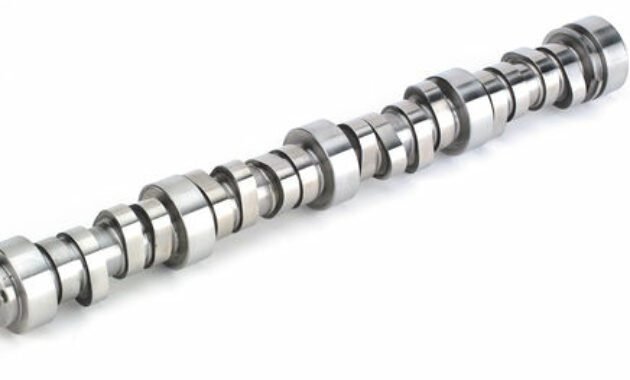
When it comes to optimizing engine performance and power, selecting the right engine camshaft can make all the difference. The camshaft plays a crucial role in the operation of an internal combustion engine, controlling the intake and exhaust valve timing and dictating the engine’s power output and efficiency. However, with so many different types of camshafts available, each with its own set of specifications and benefits, choosing the right one for your vehicle can be a daunting task.
In this article, we’ll provide a comprehensive guide to selecting the right engine camshaft for your car, including tips for evaluating your engine’s needs, understanding camshaft specs and measurements, and installing and maintaining your camshaft for optimal performance and longevity. Whether you’re a seasoned mechanic or a first-time car owner, this guide will help you make an informed decision and achieve the best possible performance from your engine.
What is an engine camshaft?
An engine camshaft is a critical component in the operation of an internal combustion engine. It is responsible for controlling the opening and closing of the engine’s intake and exhaust valves, which determines the engine’s performance, power output, and efficiency. Camshafts work in conjunction with other engine components, such as the pistons, connecting rods, and crankshaft, to create the rotational motion that drives the vehicle.
There are different types of camshafts available, each with its own unique benefits and drawbacks. The most common types of camshafts include:
Hydraulic camshafts: These camshafts are a popular choice for street-driven vehicles, as they provide smooth and consistent valve timing, resulting in good low- to mid-range power. They are also low maintenance and easy to install.
Solid camshafts: These camshafts are ideal for high-performance racing applications, as they provide increased lift and duration, resulting in greater power and torque at high RPMs. However, they can be noisy and require regular adjustment to maintain proper valve clearance.
Roller camshafts: These camshafts feature roller lifters, which reduce friction and wear on the camshaft and valvetrain components. They are a good choice for high-performance street and racing applications, as they provide increased lift and duration, while maintaining a smooth and quiet operation.
By understanding the different types of camshafts and their respective benefits and drawbacks, you can choose the right camshaft for your engine and achieve the best possible performance and efficiency.
Factors to Consider When Choosing an Engine Camshaft
When selecting an engine camshaft, there are several key factors to consider to ensure that you choose the right one for your engine and vehicle. Here are some of the most important factors to evaluate:
Engine type: The type of engine you have, such as a naturally aspirated, supercharged, or turbocharged engine, can affect the type of camshaft you need. For example, a high-performance camshaft with increased lift and duration may be better suited for a naturally aspirated engine, while a turbocharged engine may require a camshaft with a lower duration to prevent boost from escaping.
Vehicle use: The way you plan to use your vehicle can also affect your camshaft selection. If you use your vehicle for daily driving, you may want to choose a camshaft that provides good low- to mid-range power and drivability, while a camshaft with more aggressive specs may be better suited for racing or high-performance applications.
Budget: Camshafts come in a range of prices, so it’s important to consider your budget when selecting a camshaft. Keep in mind that higher-priced camshafts may offer better performance and durability, but may not always be necessary for your specific application.
To evaluate these factors and make an informed decision when selecting a camshaft, consider the following tips:
Research the different types of camshafts available and their respective benefits and drawbacks.
Consult with a professional mechanic or engine builder who can provide expert advice on camshaft selection.
Use online resources, such as camshaft selection guides and calculators, to help determine the best camshaft specs for your engine and vehicle.
Take into account your personal preferences and driving style, as well as any specific performance goals you have for your vehicle.
By taking these factors into consideration and making an informed decision when selecting an engine camshaft, you can achieve the best possible performance and efficiency from your engine.
Understanding Camshaft Specs and Measurements
To select the right engine camshaft for your vehicle, it’s important to understand the various camshaft specifications and measurements that impact its performance. Here are some of the most important specs to consider:
Lift: Lift refers to the distance that the camshaft opens the engine’s valves. A camshaft with a higher lift will provide increased airflow and power, but can also put greater stress on the valvetrain components.
Duration: Duration refers to the length of time that the valves remain open during the engine cycle. A camshaft with a longer duration will provide increased power at higher RPMs, but can result in reduced low-end torque and drivability.
Centerline angle: The centerline angle refers to the angle between the intake and exhaust lobes on the camshaft. A camshaft with a wider centerline angle will provide increased low-end torque and drivability, while a narrower centerline angle will provide increased power at higher RPMs.
Lobe separation angle: The lobe separation angle refers to the distance between the intake and exhaust lobes on the camshaft. A camshaft with a wider lobe separation angle will provide increased low-end torque and drivability, while a narrower lobe separation angle will provide increased power at higher RPMs.
When selecting a camshaft, it’s important to consider the balance between lift, duration, centerline angle, and lobe separation angle to achieve the desired performance characteristics for your engine and vehicle.
To help illustrate these concepts, here are some examples of camshaft specs and their impact on performance:
A camshaft with high lift and short duration is ideal for drag racing and high-performance applications, as it provides maximum power at high RPMs.
A camshaft with moderate lift and duration is suitable for street driving and daily use, as it provides good low- to mid-range power and drivability.
A camshaft with a wide centerline angle and moderate lift and duration is well-suited for tow vehicles and other heavy-duty applications, as it provides good low-end torque and towing power.
By understanding these camshaft specs and their impact on performance, you can select the right camshaft for your engine and achieve the best possible power and efficiency.
How to Install and Maintain Your Engine Camshaft
Installing a new engine camshaft in your vehicle can provide a significant boost to performance, but it’s important to take the necessary precautions and follow proper procedures to ensure a safe and successful installation. Here are some step-by-step instructions for how to install an engine camshaft:
Gather necessary tools: You will need a camshaft installation tool, a degree wheel, a dial indicator, a torque wrench, and other basic mechanic’s tools.
Remove the old camshaft: Remove the valve covers, rocker arms, pushrods, and other components that are in the way of the camshaft. Use a camshaft installation tool to carefully remove the old camshaft.
Install the new camshaft: Lubricate the new camshaft with assembly lube and carefully install it into the engine block, making sure to align it with the timing chain or belt. Use the degree wheel and dial indicator to set the camshaft to the proper specifications.
Reassemble the valvetrain: Install the pushrods, rocker arms, and other valvetrain components, making sure to torque them to the manufacturer’s specifications.
Perform a break-in procedure: After installing the new camshaft, it’s important to perform a proper break-in procedure to ensure that the camshaft and other engine components are properly seated and lubricated. This typically involves running the engine at varying RPMs for a specified amount of time.
In addition to proper installation, it’s important to properly maintain and care for your engine camshaft to ensure long-term performance and reliability. Here are some tips for camshaft maintenance:
Check valve clearance regularly: It’s important to check and adjust the valve clearance on your engine periodically to ensure that the camshaft and valvetrain components are working properly.
Use proper lubrication: Use high-quality engine oil and assembly lube to lubricate the camshaft and other valvetrain components.
Avoid over-revving the engine: Over-revving the engine can cause stress on the camshaft and other components, leading to premature wear and failure.
Avoid using aggressive cleaners: Harsh chemicals and cleaners can damage the camshaft and other engine components, so it’s important to use only approved cleaning products.
By following these tips for camshaft maintenance and installation, you can ensure that your engine performs at its best and lasts for years to come.
Conclusion
In conclusion, selecting the right engine camshaft is a critical step in optimizing your vehicle’s performance and longevity. By considering factors such as engine type, vehicle use, and budget, and understanding key camshaft specifications such as lift, duration, and centerline angle, you can choose the camshaft that best fits your needs and achieve the best possible power and efficiency from your engine.
Proper installation and maintenance of your engine camshaft is also essential to ensure its long-term performance and reliability. By following the proper installation procedures, performing a break-in procedure, and regularly maintaining and caring for your camshaft, you can help ensure that your engine performs at its best and lasts for years to come.
We hope that this guide has provided valuable insights and guidance for selecting and optimizing your engine camshaft. By implementing the tips and strategies provided in this article, you can take your vehicle’s performance to the next level and enjoy the benefits of a well-tuned engine.
References and Additional Resources
For more information on engine camshaft selection and performance optimization, check out the following resources:
BEIJING – China’s most secretive spacecraft broke the record for the flight of an unmanned spacecraft. This reusable test aircraft was launched from the Jiuquan Launch Center in China ‘s Gobi Desert aboard a Long March 2F rocket on August 4, 2022.
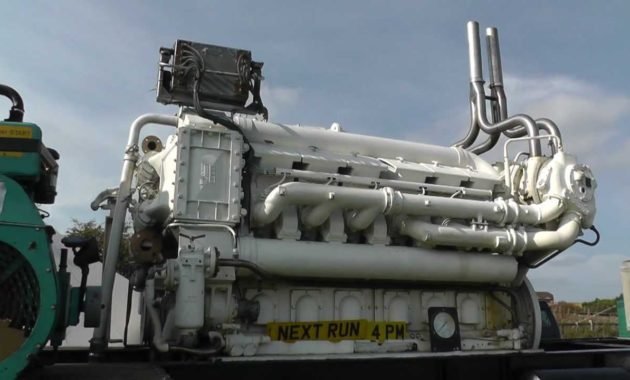
The rocket’s fairing size as well as amateur sightings and tracking by the US Space Force all point to similarities to the American X-37B. built by Boeing. The difference is, the size of China’s spacecraft is smaller.
This appears to be the second flight in China’s response to the US’s X-37B spacecraft. On Monday 22 August 2022, the Chinese spacecraft launched on 4 August has now been in orbit for 18 days.
As far as anyone outside of China’s space program and military know, this Chinese spacecraft is believed to have flown for the first time in 2020. At that time, the Chinese spacecraft was able to survive in orbit for two days.
“Just like the 2020 spacecraft mission, it appears that at least one smaller satellite was also released alongside the spacecraft,” SpaceNews said.
Satellite photos appear to show that the alleged landing site used by Flight 2020 is being prepared again, but no landings have been reported yet. It is possible that the plane managed to land in a place that has gone undetected or not reported by orbital observers.
However, it seems unlikely, given the US Space Force must have been monitoring the presence of this spacecraft with its cameras. Moreover, the US also has the X-37B spacecraft has been flying for more than a decade on secret missions.
The plane has flown missions that saw the plane spend more than two years in continuous flight over Earth. In fact, it is currently above us on a mission that has lasted more than 800 days.
As we know, this ground is also known as grounding. Where this grounding or grounding is a complementary system that is in every electrical installation. Its own function is as a grounding system.
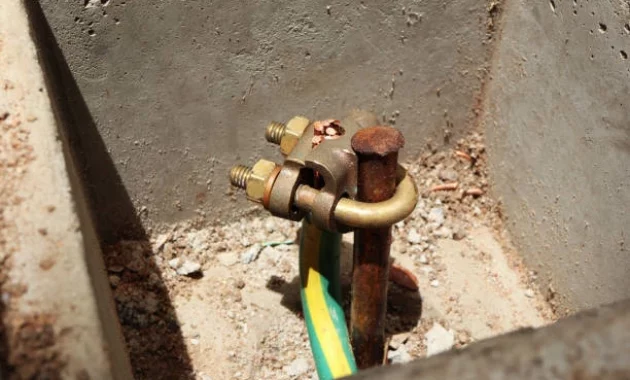
In addition, the installation of grounding is also useful to provide protection for home electrical installations from various disturbances and hazards. How, interested to know more about Arde?
In this article, we will thoroughly discuss what is a grounding or grounding system. Starting from the understanding, function, how it works, symbols, to how to install and how to make a simple ground. We will also examine whether grounding can save electricity.
Definition of Electrical Grounding
When viewed from its function, it can be said that grounding or what is also known as grounding is a grounding system in the form of a separate cable line that does not connect with other electrical wiring installations installed in home electrical installations to the ground point (earth) .
So this system was created with the aim of eliminating the potential difference that occurs in the electrical circuit . In addition, at the same time aims to release the excess electric charge that arises.
With the installation of grounding, when there is an excess load on the electrical installation, the charge will automatically flow into the ground.
Because the soil has a very large mass and volume, if there are disturbances or problems related to electric charge, it will be quickly neutralized. It is for this purpose that a grounding or grounding system is installed.
Electrical Grounding / Grounding Function
Judging from its function, of course this Ground or Grounding needs to be installed in every electrical installation, right? Whether it’s for personal needs such as home areas or industrial areas such as factories, of course it requires the presence of Ground as security.
The function of grounding is as a form of protection. By installing grounding, electrical installations can avoid the following risks:
Grounding serves to prevent large electrical leakage. For example, in the event of an electric short circuit, insulation leakage, and avoiding people from being exposed to electric shocks.
Prevents in the event of an induction in the flow voltage.
Serves as a protector from the threat of static electricity. Especially static electricity that has a voltage with a very high scale such as a lightning strike.
Grounding also serves as a reference for measuring the electric current in the installation.
Grounding can also prevent damage caused by voltage leakage.
Ground also serves to neutralize noise caused by several factors. Among them due to the quality of components that are far from standard or power quality that is not good.
How Electric Ground Works
If observed, the ground installation area is generally deliberately placed close to the kWh meter. So from the kWh meter, the neutral and ground cables are combined together with the phase cable. Then this cable will be connected to the entire network and also the socket.
From this socket, the grounding will be connected and connected to various electrical equipment . For example, home electrical appliances such as refrigerators, TVs, radios, computers and so on.
Grounding symbol
In general, grounding or ground is denoted by certain symbols. This electrical installation symbol is used when you want to draw an electronic circuit .
Let’s take a look at some of the most common Ground symbols below. Use the following symbols to explain what the meaning of Grounding is each.
Various Grounding Systems
When making electrical installations, of course the security system is the most important thing to pay attention to. Therefore, carrying out a grounding or grounding system is important to do.
Before discussing further about how to install a grounding cable, of course we need to know the various types. The following is a discussion of various grounding systems that you need to know.
1. Safety Grounding
Safety grounding is one system that is often used in grounding installations. Safety grounding is used with the aim of neutralizing the impact of dangerous electric currents.
For example, if there is a voltage and electric current that goes up or down. Whether it’s caused by an electromagnetic wave whose source of emission comes from a flash of lightning or comes from various other reasons.
To overcome this, the installation of safety grounding can be an option. Because of this, safety grounding systems are often applied to various electrical lines. It is easy to say that grounding is one of the lightning protection systems.
2. RF Grounding
RF grounding is a grounding system whose designation is generally used in communication devices. One example is like radio. As for the process of installing RF grounding , it is mostly applied to devices with large needs.
The purpose of the installation of this system is to reduce the impact of radiation. Especially to ward off the risk of radiation. As we know, this radiation can arise from the emission of radio communication waves.
Wire Color For Ground
Before you install a grounding system, of course you also need to know the standard size of the home electrical installation cable. Because this cable is the main component needed to make ground or grounding.
The wire for grounding is usually green or yellow with a green stripe. Cables with yellow green are generally used for conductors.
For example, its use for various types of conductors. For example, such as earthing conductors and protective conductors. In addition, this yellow green wire is also used to connect equipotential bonds to the ground.
Cable Size For Ground
The ground wire for the grounding system is done by planting a pipe in the ground. Where this pipe will be installed on the terminal part of the socket.
How to install the grounding on the socket must meet the applicable size standards so that its function can be maximized.
What you need to know, too, is that the installation method will affect the level of security and also the quality of the ground.
Therefore, the size and specifications of the cable are also points that should not be ruled out if you want to install grounding at home, right?
The size of the house electrical cable for grounding can later be adjusted to the standards that have been set. The following is the standard size of the power cord for installing grounding in areas of the house that need attention.
The use of wires for grounding generally uses yellow-green wires.
Minimum grounding cable diameter using a 50 mm cross-section. But when using a cable with a larger diameter is also allowed.
Especially for grounding or grounding in a location that is quite sensitive, try using the HVSC (High Voltage Single Core) cable.
For outdoor installations, grounding can use a 50 mm NYA type cable.
How to Install a Good and Standardized Ground
The size of the power cord and its strength do have different specifications. The larger the diameter used for grounding, the better the flow of electric current in the circuit.
With a good flow of electric current, it will not cause a greater burden. In addition, the waste of electricity can also be avoided. So, if someone asks whether grounding can save electricity?
So the answer is yes. Logically, this grounding or grounding will make the flow of electricity in each circuit better than before. How, of course interesting if you can save electricity, right? In addition, the security of the installation is also more guaranteed with this Grounding.
Let’s just look at how to install a good grounding cable and of course according to the standards below:
1. Installing the Grounding Rod
Installing a grounding or grounding rod is an important step that should not be missed. The more ground rods installed, the better for the installation.
What are the requirements for installing a grounding rod? Here are the steps that need to be done.
Ground rods should be planted with more than one number. Also, make sure to be at least 5 meters apart from each other.
Ground rods should be installed more than one and arranged in parallel.
Ground rods should be avoided from sandy or rocky soil types because they are poor media.
To maximize the grounding system, stick rods should be planted at a distance not too far from the house.
2. Material Selection For Ground
To install a good grounding, the material used is also very important to note.
What are the points to consider when choosing a material for grounding?
Choosing a cable that complies with standards is very important. Both in terms of size, color, and type and material.
For stick rods, choose ones made of solid copper.
Because iron is a material that rusts easily and is not durable. We recommend that the use of iron material for grounding can be avoided.
3. Planting Grounding Rod
The way to install the grounding cable is the next stage, namely the process of planting the grounding rod. You will of course need to dig at the location to be grounded or grounded.
The electrical grounding depth should not be less than 50 cm from the ground level. More fully, here are some steps that you need to do.
First of all, dig a hole with a vertical position and with a depth of approximately 50 cm.
After that, plug the stick rod into the hole firmly.
Pour enough water into the dug hole. It can also be filled with water until the hole is full.
Press the rod down, then lift it for a while so that the water can enter and seep into the soil.
Next, re-insert the stick rod to the desired depth.
4. Connecting the Earth to the Cable
After installing the grounding rod, the next step is to ground the wire. For the process of connecting the ground to the wire, it will be easier if you use the exothermic welding method.
This exothermic method is carried out by mixing copper material that has previously been melted at high temperatures. Then the copper liquid can be used to permanently join the conductors.
After the welding is complete, you can clean the surface to be joined from dirt. The goal is to make the connection stronger and not easily separated.
5. Planting Cable Arde
The steps for installing the last ground are by planting a ground wire. For this one method, you can apply the following methods:
Before embedding the ground wire, you can first measure the grounding resistance. For this purpose, you can take advantage of special tools such as an ohm meter or a grounding tester.
After that, dig the soil to the predetermined grounding points.
Excavate the track to the grounding terminal with a depth of 40 cm to 50 cm.
Next, pull the cable through the path. Make sure the size of the power cord used is of sufficient length.
After all the connections are connected, put the marking pipe in that place as a marker.
Next, fill the soil with a minimum height of 20 cm.
Put a mark on the excavation as a marker that the place has been grounded.
The Right way to install Ground
In order for the grounding installation to function optimally, of course you must follow good and correct installation standards.
What needs to be considered when installing grounding? Here is the full review.
Provide a pipe with a minimum size of 75 cm
Planting pipes for grounding should be avoided from places that allow the emergence of puddles when it rains.
The distance for the ground pipe and also the kWh meter box should not be too close. For example, in a group with a minimum distance of 180 cm to avoid the kWh meter from being struck by lightning when bad weather occurs.
The cross-sectional area of the grounding should be expanded and the conducting depth deepened.
The system for new grounding should be made with a parallel system .
Conclusion
Grounding or grounding is a grounding system that is often installed in various electrical installations. The main purpose of this grounding is as a means of protecting electrical installations from various problems and disturbances. One of them is from an electric short circuit, lightning strike when it rains and other risks.
Then, can grounding save electricity? The installation of grounding can also save electricity consumption. With the grounding system, the electrical voltage can be neutralized so that the load is not too much.
This also affects the obstacles that arise to be reduced. So that automatically the use of electric power will be reduced. So, do you understand the function of grounding in electrical installations?
The diesel engine was invented by a German scientist named Rudoft Diesel in 1893. The first prototype diesel engine was then made in 1897. Initially, the diesel engine was only used in large motorized vehicles such as trucks and full size SUVs
Characteristics Diesel Engine sounds rough and the vibration is more pronounced than gasoline engines. But more than that it offers abundant torque.
Then, how does a diesel engine work? Is it similar to a gasoline engine? Keep in mind, the way Diesel engines work does not require spark plugs. As a trigger for combustion, it requires diesel and compressed air .
How a 4-stroke Diesel engine works
The way a diesel engine works is different from that of a gasoline engine. How does the engine that is believed to be able to produce this greater torque works? Check out the explanation below!
Like modern gasoline engines, the combustion process goes through 4 steps: intake, compression, combustion, and exhaust. The components in the engine include pistons, intake and exhaust valves, injectors, intake and exhaust manifolds , connecting rods , and crankshafts.
one cycle in diesel engine . source : britanica.com
Suction Phase
The first way a diesel engine works is the suction phase. The working system of the diesel engine in this phase is the entry of air into the combustion chamber through the valve. In this phase, the piston moves from TDC (Top Dead Center ) to BDC (Bottom Dead Center) to produce an increase in volume in the cylinder chamber. In addition, this phase also plays a role in sucking outside air into the cylinder space without using fuel.
Compression Phase
After passing through the suction phase, the next way the diesel engine works is the compression phase. After the air from outside has collected in the cylinder chamber in the suction phase, the BDC (Bottom Dead Center) and the cylinder chamber will store the air, then the piston will begin to compress the air until the pressure and temperature become high enough.
Work process
Compressed air usually reaches a temperature of 5,500 degrees Celsius, while the boiling point of diesel fuel is at a temperature of 3.00 degrees Celsius. After the air is compressed and reaches that temperature, the next way the diesel engine works is that the injector component will start spraying diesel fuel to drive the car engine.
Disposal Phase
After going through the work process, the next diesel engine working system enters the exhaust phase. The combustion products that have been formed from the gas will then flow into the cylinder chamber. In this phase, the position of BDC (Bottom Dead Center) to TDC (Top Dead Center) has a role to push the gas out through the exhaust valve to become the driving force.
Illustration of a diesel engine working. dock. quora
Those were the four main phases on the working principle of a diesel engine that you need to know. After understanding these phases, you can make a car with a diesel engine a driving choice because of the various advantages it offers. One of them is fuel economy, because diesel engines do not use spark plug components which make the use of fuel more efficient and maintenance is not complicated.
You can also see this video about how diesel engine work.
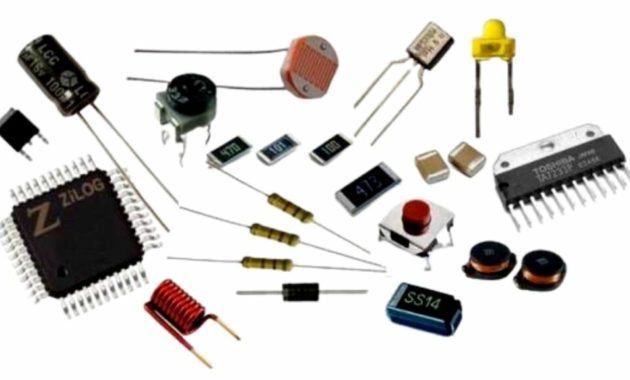
Any electronic device that is used today turns out to have the smallest components in it. Where each component certainly has its own type and function. More or less that’s the picture of the electrical components.
Well, the electrical components contained in electronic objects themselves are called circuits. For example, there is a component in a cell phone that is used to capture signals.
Types of Electrical Components
For a more complete explanation, here is an explanation of the types of electrical components and their functions that you need to know.
The types of electrical components that are important for you to know are:
Battery
Transistor
Transformer
Microcontroller
Resistor
Inductor
Capacitor
Switch
Diode
Electrical circuits are used to conduct conductive electric current in electronic components. Its function is very important, namely so that electronic devices can turn on and function properly. There are two types of components, namely active and passive components.
While the type and function of the circuit will be discussed in more detail below.
1. Battery
The electrical component of the battery is a component for storing chemical energy which will be converted into electricity in electronic devices.
You could say this component is very easy to find in electronic devices. For example like in cell phones, radios, watches and so on.
2. Transistor
The electrical component that is the main component in electronic devices is the transistor . Because one of the components of the transistor will amplify, control, direct, modulator, oscillator and much more for the quality of electricity.
3. Transformer
The electrical component of the transformer is one of the electrical components so that the AC voltage can go up and down. This condition will produce very clear sound, images, and so on.
Examples of its use can be found in household electrical power .
4. Microcontroller
The electrical component of the microcontroller is a component to carry out certain tasks in electronics. Of course it depends on the type of tool itself. Well, the microcontroller is often called an IC or integrated circuit .
Microcontroller is almost the same as a sensor for measuring electrical quantities in electronics. Where this sensor will process various kinds of information captured through signals.
5. Resistors
The electrical component of the resistor has the main function of regulating the electric current in the electronic device so that it is stable and safe.
This component is also passive and can limit the electric current.
6. Inductors
One of the most important electrical components is the inductor. Components that will form coils in electronic devices. The shape of this component is an arrangement of wire turns on top of the circuit.
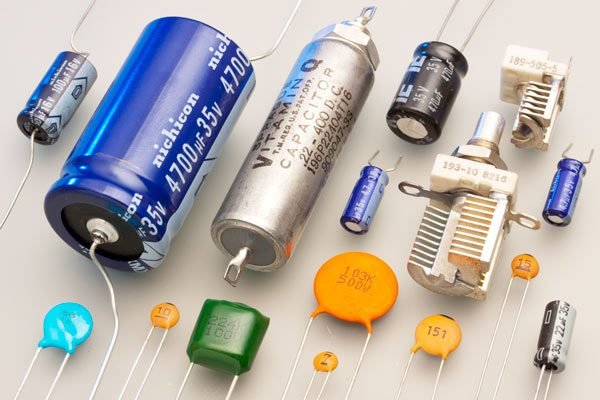
7. Capacitor
A capacitor is a type of electrical component that functions to store current. The time to save it is quite limited. This is because the electrical component of the capacitor has a certain material whose active power is also limited.
8. Switch
The external electrical components of electronic devices are switches , fuses and button switch buttons. These three components main function is to turn on or break the current in electrical or electronic devices. This component is also used to protect the electrical voltage.
9. Diode
The electrical component of the diode is one of the active components in electronic circuits. This component is able to conduct or inhibit electric current from the opposite direction. The materials used are semiconductor materials .
Conclusion
Thus a discussion of the meaning of electrical components. Starting from the types of components to examples of electronic devices that contain components, you can see above. Hope it helps you to get to know each component type and its function better, huh?
you certainly don’t know a tool called this microcontroller.
It can be said that this microcontroller is a chip that has an important role in programming in various electronic devices.

In this article, we will discuss the understanding of microcontrollers, working principles, structures, block diagrams, advantages, disadvantages, types, functions and differences. For that, see the discussion below.
What is Microcontroller
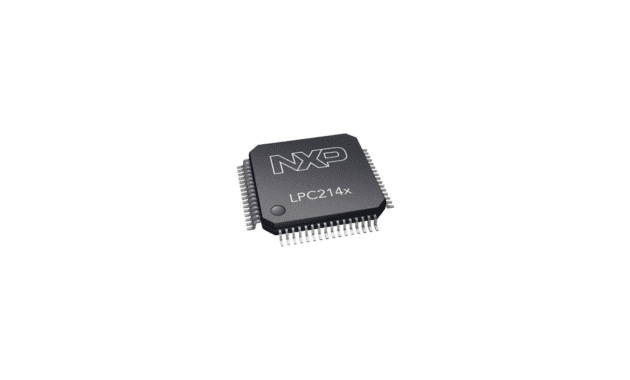
Microcontroller is a small computer that is packaged in the form of an IC (Integrated Circuit) chip and is designed to perform certain tasks or operations.
Generally a microcontroller IC consists of one or more processor cores (CPU), memory (RAM and ROM) and programmable input and output devices.
In its application, the micro controller which in English is called the microcontroller is used in products or devices that are controlled automatically.
Examples include car engine control systems, remote controls, medical devices and devices that use other embedded systems.
The use of this microcontroller is increasingly popular because of its ability to reduce the size and cost of a product or design when compared to designs built using microprocessors with memory and separate input and output devices.
Microcontroller Working Principle
After discussing the meaning of the microcontroller, then the next thing is that there is a working principle.
Microcontroller is used as a controller or controller of a system. In carrying out these functions, these components require the support of other parts such as those incorporated in the microcontroller IC.
Depending on the function and purpose, any incoming data or commands are then processed in the CPU section. The processing is assisted by other parts such as timers, RAM, CDA or ADC.
Difference Between Microcontroller and Microprocessor
Microcontroller is an IC component that performs the controlling function. It contains other components.
Examples such as ADC, RAM, CDA and many more. The data processing center of the microcontroller is called the CPU.
While the microprocessor is the CPU (Control Processing Unit) itself, so the history of the microprocessor can be referred to as part of the microcontroller.
This microprocessor has components such as ALU (Aritmati Logic Unit), registers, control unit and interconnected CPU.
To better understand how it works, you can see the image of the microprocessor block diagram above.
Microcontroller Block Diagram and Structure
The following is the structure and block diagram of the microcontroller along with an explanation of its main parts.
1. CPU
CPU is the brain of the microcontroller. The CPU is responsible for fetching instructions (fetch), decoding them (decode), then finally executing (execute).
The CPU connects every part of the microcontroller into one system. Its main function is to retrieve and decode instructions.
Instructions taken from program memory must be decoded or decoded by the CPU.
2. Serial Port (Serial Port)
The serial port provides various serial interfaces between the microcontroller and other peripherals such as the parallel port.
3. Memory (Storage)
This memory is in charge of storing data. The data is data that has been processed (output) or data that has not been processed (input).
This storage is in the form of RAM and ROM. ROM is used to store data for a long period of time.
While RAM is used to store data temporarily while the program is running until it is finally moved to ROM.
As for some parts of RAM, including:
Contact point
Packaging chips
CSP (Chip Scale Package)
DIP (Dual In-Line Package)
PCB (Printed Circuit Board)
TSOP (Thin Small Outline Package)
DRAM (Dynamic Random Access Memory)
4. Parallel Input/Output Port
Parallel input/output ports are used to drive or connect various devices such as LEDs , LCDs , printers, memory and other input/output devices to the microcontroller.
5. ADC (Analog to Digital Converter)
ADC converter (Analog to Digital Converter) is used to convert analog signals to digital form.
The input signal in this converter must be in analog form (eg output from a sensor) while the output is in digital form.
Digital outputs can be used for various digital applications such as digital displays in measuring devices.
6. DAC (Digital to Analog Converter)
DAC (Digital to Analog Converter) performs the ADC (Analog to Digital Converter) conversion reversal operation.
The DAC converts the digital signal into an analog format. This DAC is usually used to control analog devices such as DC motors and so on.
7. Interrupt Control
Interrupt Control is in charge of controlling delays in microcontroller programming.
The interrupt control section can be operated internally or externally.
8. Special Functioning Block
The special functioning block is an additional part that is made to have a special function.
Usually this block is found in the microcontroller architecture in robotics machines. Not all devices use this section.
9. Timer and Counter
This timer/counter is used for measuring time and counting tools. The existence of this component is very important.
Because time information is often used to make system settings more accurate and effective.
Advantages and Disadvantages of Microcontroller
After the previous admin explained about the definition of a microcontroller, working principles, differences, structure and block diagrams, then there are advantages and disadvantages that you can know.
The main advantages of the microcontroller:
The time required to perform the operation is low.
Easily connect additional RAM, ROM and I/O ports.
Most pins can be programmed by the user to perform various functions.
Can reduce the cost and size of the system, due to complete integration in a microcontroller.
The microcontroller acts as a microcomputer without the need for any additional digital components.
The use of the microcontroller is simple and easy for troubleshooting and system maintenance.
Disadvantages of the microcontroller:
Most are only used in micro-equipment.
Cannot connect with high power devices directly.
Microcontrollers have a more complex architecture than microprocessors.
Only execute a limited number of times at the same time.
Microcontroller Types
Microcontrollers are divided into several types according to their function. The types of microcontrollers include:
1. AVR Microcontroller
AVR microcontroller is a type of 8 bit RISC microcontroller. This type is included in the RISC, so all the instruction code will be packaged in a clock cycle.
AVR is the most common type of microcontroller used in electronics and instrumentation.
This microcontroller is a type of microcontroller architecture that is the mainstay of Atmel. This architecture is specially designed by offering various advantages and improvements from the existing microcontroller architecture.
Atmel has produced various series of AVR microcontrollers and has been marketed worldwide as a microcontroller with low cost and high performance characteristics.
the AVR microcontroller has been widely used, because it offers a very complete range of features, is easy to obtain and has an affordable price.
2. MSC 51 . Microcontroller
The MSC 51 type microcontroller is included in the CISC family where almost all instructions will be executed at 12 clock cycles.
This type of microcontroller uses the Harvard architecture and was originally designed specifically for single-chip microcontroller applications.
However, the expansion mode allows an external 64 kb ROM and an external 64 kb RAM to be addressed by means of a separate chip selection path for program access and data memory.
One of the advantages of the 8051 microcontroller is the inclusion of a boolean processing engine which allows bit-level boolean logic operations to be performed efficiently in internal registers and RAM.
Therefore, MCS51 is often used in early PLC designs. MCS51 is an atmel production which is divided into 2 versions, namely a 20 foot version and a 40 foot version.
Almost all types of MCS51 microcontrollers are equipped with PEROM flash (Programmable Eraseable Read Only Memory) as program memory media and the arrangement of these IC legs reaches each version.
3. PIC Microcontroller
PIC stands for Programmable Interface Controller. But along with its development, it underwent a change into a Programmable Intelligent Computer.
PIC is a type of RISC type microcontroller where this microcontroller uses the Harvard architecture that has been made by microchip technology.
It was first developed by the general instrument microelectronic division which has the name PIC1640.
PIC microcontroller is a single circuit that has a small size and contains memory processing units, clocks and inputs or outputs in a single unit.
This PIC can be purchased blank which is then added with a certain control program.
This PIC is very popular among developers and hobbyists, because the cost is fairly cheap.
Wide availability and use, large application databases and programming via serial port connections that exist on a computer.
4. ARM . Microcontroller
The microcontroller is a processor with a 32-bit RISC family of instruction set architecture that has been developed by ARM holdings.
ARM (Advanced RISC Machine) was previously known as the Acorn RISC Machine.
Initially, the ARM Processor was developed by PCs or personal computers by Acorn Computers.
However, with the dominance of the Intel x86 Microsoft process on compatible IBM PCs, Acorn Computer has gone out of business.
Microcontroller Function
As for some of the main functions of the microcontroller, including:
As a counter
As a flip-flop
As an oscillation generator
As a decoder and encoder
As a timer or timer
As ADC (Analog to Digital Converter)
Thus an explanation of the definition of a microcontroller, working principle, structure, block diagram, advantages, disadvantages, types, functions and differences. Hopefully it can be useful for all of us. Bye bye, thank you
Infrared is a type of energy radiation that is invisible to the human eye, but we can feel its heat.

Infrared has many applications in everyday life, from smartphones for facial recognition, data transfer, remote control, to astronomical telescopes.
Have you ever tried to point the tv remote when you press it towards the camera?
If you see with your eyes, when you press the button, the small light on the end of the TV remote doesn’t seem to shine.
However, with the camera, you can see that the small light is white.
Why is the light visible only to the camera and not to our eyes?
What light is that?
Infrared Light
Infrared radiation or infrared light is a type of energy radiation that is invisible to the human eye, but we can feel its heat.
Infrared light has a longer wavelength than visible light.
Everything in the universe emits some level of infrared radiation, but the most obvious sources are the sun and fire.
Infrared radiation is a type of electromagnetic radiation as well as visible light.
It is produced when an atom absorbs and releases energy in the form of photons.
William Herschel, British astronomer, was the first to recognize the existence of infrared waves in 1800.
He conducted an experiment to measure the temperature difference between the various colors of visible light.
Placing the thermometer along the path of the rainbow light due to the dispersion of the crystals.
He observed the temperature rise from blue to red light, he found a strange hot temperature near after the red light.
Infrared Light is hot
Infrared is located in the frequencies above the microwaves and below the red waves.
Infrared light waves are longer than visible light waves .
Infrared frequencies range from 3 gigahertz to 400 terahertz.
And the wavelength ranges from 1000 micrometers to 760 nanometers.
Similar to visible light, which ranges from light purple to red.
Infrared also has its own range.
Infrared radiation is one of 3 ways of heat transfer, in addition to convexid and conduction mechanisms.
All objects with a temperature above 5 K or -268°C emit infrared radiation.
The sun emits almost half of its energy in the form of infrared radiation. Like most other stars.
One of the most useful uses of infrared is for sensing and detection.
All objects on Earth emit infrared radiation.
Which can be detected by electronic sensors, such as in infrared cameras and night vision goggles.
What are infrared rays used for?
Infrared (IR) light is used by electrical heaters, cookers for cooking food, short-range communications like remote controls, optical fibres, security systems and thermal imaging cameras which detect people in the dark.
1. Face Recognition On Our Smartphone
The latest security technology in smartphones like the iPhone X.
By using facial recognition or face recognition that takes the owner’s face with an infrared camera.
10,000 points of infrared light are projected on our faces then captured by infrared cameras and processed to produce a model of our face.
2. Remote Control
TV and AC remote controls use infrared light as a medium of communication with their electronic equipment.
The receiving sensor converts the infrared light signal into an electrical signal which instructs the microprocessor on command.
3. Data Transfer
Those of you who have owned a Nokia mobile phone with Java OS must have recognized it.
Infrared rays were popularly used as a data transfer technology between mobile phones.
But gradually lost to other technologies such as Bluetooth and WiFi direct because of the low transfer speed and its use is a bit complicated.
4. Optical fiber
The fiber optic cables that run our modern internet systems use infrared light to transmit data.
Infrared rays are used because they are compatible with fiber materials, are not easily dispersed and lose energy.
5. Satellite
Imaging on satellite devices mostly uses infrared scanners, mainly on weather satellites.
Infrared cameras or scanners on satellites can be used to determine the height and water vapor content of clouds.
Infrared channel image on Himawari . weather satellite
Infrared images of the ocean can be analyzed to determine the movement of ocean currents which is useful for the shipping industry.
6. Incandescent lamps
Incandescent lamps convert only about 10% of electrical energy into visible light, while the other 90% of energy is converted into infrared radiation.
7. Thermal Camera
Most digital cameras have filters that block infrared.
This filter can be removed and allows sensitivity in the infrared range.
The same two photos. The photo on the left was taken with a camera that has an infrared filter and the image on the right was taken with a regular camera.
8. Astronomical Telescope
The imaging system on the infrared CCD is able to capture detailed observations of infrared sources in space.
The advantage of infrared radiation is that it can be used to detect or see objects that are too cold to emit visible light.
This technique is able to find previously unknown objects, such as comets, asteroids, dwarf planets and interstellar clouds.
Infrared is useful for observing cold molecules in gases and determining the chemical composition of dust particles in space.
This observation uses a CCD detector which is sensitive to infrared photons.
Another advantage of infrared radiation is that the longer the wavelength, the less light is scattered by the atmosphere.
Visible light, which can be absorbed and reflected by gas and dust, infrared, which has a longer wavelength, is more difficult to interfere with the medium through which it passes.
Because of this property, infrared can be used to observe objects where the light is blocked by gases and dust.
Expanse of the Milky Way Galaxy in Infrared light
Like celestial bodies, newly formed stars are confined within the nebula or center of the Milky Way galaxy.
Do you know what IC is? In general, IC is an important component that we often find in an electronic circuit.
This time, we will discuss in more detail what IC is. Starting from understanding, history, types, functions, and also examples.

So, don’t miss the complete information below, okay?
What is IC / Integrated Circuit ?
IC stands for Integrated Circuit. Briefly, the definition of IC is an active electronic component . Which in it consists of a collection of thousands or even millions of resistors, transistors, diodes and capacitors.
All of these elements are assembled into one electronic component and then integrated in a small package that we know as an IC.
In terms of language, this IC is usually referred to as an Integrated Circuit. To make it, you need semiconductor materials in the form of silicon.
IC serves as a logic gate whose job is to control a circuit. When using IC, the electronic device will have a small or portable form. This is why the appearance can be more concise, practical and more modern.
history of Integrated Circuit
IC invented by whom?
IC history was first introduced in 1958. This technology was introduced by a worker from Texas named Jack Killby.
After being introduced for the first time, six months later IC was re-developed with a more sophisticated format than before.
Who developed the IC ( Integrated Circuit )?
Robert Noycer is a person who succeeded in making IC fabrication. Which IC is made with a system connected to a silicon chip.
With this discovery, IC is known as a popular technology and continues to grow rapidly from time to time.
Why was IC invented?
This IC is very influential on the appearance of today’s electronic equipment. Just imagine, how big the old electronics were because they still used vacuum tubes as their basic components.
Now with the IC, almost all electronic equipment today has a thinner and more practical form.
But not so when IC technology was invented. Some electronic devices have had significant changes.
As we can see now, electronic equipment such as mobile phones, laptops or televisions have a slimmer and lighter form.
In addition, IC technology is also proven to be able to make electricity consumption much lower.
Therefore, nowadays almost every electronic component uses IC technology as its main internal part.
What is the functions of IC?
As we discussed above, IC is the main component used for electronic circuits .
The IC functions for electronic devices are divided into 3 parts, namely:
Linear IC
Digital IC
Mixed IC
The following is an explanation of the IC functions of the 3 parts above, namely:
1. Linear IC
Linear IC is also known as Integrated Circuit Analog. This linear IC can only operate on a continuous waveform signal.
Here are some functions of the linear IC that you need to know.
Power amplifier (power amplifier).
Micro signal amplifier (microwave amplifier)
voltage regulator (voltage regulator)
RF and IF amplifier (RF And IF amplifier)
Multiplier
Voltage comparator
Radio frequency reception (radio receiver)
Operational amplifier
Signal booster and so on.
2. Digital IC
igital IC is a type of IC that is popular for its use in the latest electronic equipment. For example, ICs are embedded in calculators, smartphones and laptops.
These digital ICs generally have input and output voltages. Where each voltage has two levels, namely high and low. As for binary code, generally use the symbols of the numbers 1 and 0.
The tasks and functions of digital ICs are as follows.
As a logic gate.
flip-flop
Timer
Counter
multiplexer
Memory
Calculator
Microprocessor and so on.
3. Mixed IC
Mixed IC is a type of IC that consists of a combination of analog IC types and digital ICs. The main function of the Mixed IC is to convert from analog signals to digital signals and vice versa.
As technology develops, mixed ICs are also used for digital signal integration and RF functions.
the Types of IC
Having previously known about the various functions of IC, then next we will discuss about the types of IC. Let’s look at the explanation of the following IC classification.
1. Transistor Transistor Logic (TTL)
Transistor transistor logic (TTL) is a type of digital IC that is quite widely used in electronic circuits. Because the TTL IC has a relatively low voltage source. That is only about 4.75 volts to 5.25 volts.
TTL ICs are built using transistors as the main element. The function of the transistor in this case is as a logical variation, so it is often referred to as Transistor Logic.
In TTL ICs, several transistors are combined into one. So that it forms two states, namely on / off or functioning as a switch .
TTL ICs also have multiple logic gates. Where each gate has a different function. These include AND, NAND, OR, NOR, and XOR. In addition, this component also has several other logical functions.
For example, such as econder, multiplexer, decoder, and also memory.
2. IC-CMOS
IC-CMOS stands for complementary with MOSFET. Which, the CMOS IC consists of a combination of MOSFETs. IC-CMOS uses a square wave.
Where the waves used are generally in two conditions. Namely points 1 and 0 which function as a switch.
The function of the IC-CMOS is as a logic gate. Where when using it, the electronic circuit can function automatically.
IC-CMOS can usually function optimally when given an electric current of 12 volts. In this type of IC, there are several functions of logic gates.
Among them are AND, NAND, OR, NOR, and XOR functions. Then there are also other logic functions such as multiplexer, decoder, econder and memory.
3. Linear IC
Linear ICs are not included in the category of digital ICs. This is why linear ICs and digital ICs work differently. If the digital IC usually uses a contact signal, then this linear IC uses a sinusoidal wave.
The sinusoidal wave contained in the linear IC functions as an amplifier or amplifier. So, the IC does not have a function as a logic gate. Because its main function is specifically designed as a voltage amplifier.
Linear ICs in general also have a proportional circuit. So, it is balanced in order to produce an output that is proportional to the input value. An example of the application of a linear IC is that it is used as an operational amplifier.
Advantages and Disadvantages of IC
IC is an electronic element that has many advantages and benefits. However, in addition to having advantages, these electronic components of course also have disadvantages.
What are the advantages of using IC and what are the disadvantages? Check out the full review below!
1. Advantages of IC
Here are some of the advantages of IC in electronic circuits are:
IC has a much larger size.
Has a light weight.
Can be produced simultaneously or in large quantities so that the selling price can be cheaper.
Soldering and interconnecting ICs with very few IC internal components.
The use of electrical power can be smaller and of course efficient.
Easier to replace and repair if there is damage.
Suitable for operating systems with low signal.
Can perform complex functions and work systems.
2. Lack of IC
In addition to having many advantages, IC also has several disadvantages. Among the disadvantages of IC are :
The IC can only be operated on low-voltage systems.
IC cannot trigger or generate high power.
ICs need to be handled with care as they are very sensitive to Electrostatic Discharge.
IC is not resistant to high temperatures. This is why a fan or heatsink is needed to lower the temperature around the IC.
Tolerance to voltage is very small and limited.
Conclusion :
In short, IC is an electronic component that contains thousands of transistors, diodes and capacitors. Technically the IC functions as a logic gate to control an electronic circuit.
With the IC technology, electronic devices have a significant improvement. Among them are slimmer, portable and also compact. In addition, the IC also saves electrical energy. So that its use is very popular until now.
Well, how? Do you understand what IC is? See you on the next material about electricity.
How Induction Stoves Work, Superior and Safe Electric Stoves. Induction cookers heat cooking utensils placed on them directly by magnetic induction. Cooking utensils do not get hot because the surface of the stove is hot like on a gas stove. But the heat is directly flowed into the cooking utensil which makes the food in it cooked. So, the surface of the stove is not hot, it is safe to touch.

Induction Stove Components and Their Functions
There are several main components in an electric stove. These components also have their respective roles. Are as follows :
1. thermostat
The function of this component is to regulate the temperature of the electric stove. With this component can be determined how high the desired heat temperature when cooking.
2. Control Knob
This component is useful for disconnecting the electric stove from the power source. The form of a button can be a touch screen or a regular button.
3. Timer
The advantage of electric stoves is the presence of a digital timer. From this component, you can set a warning for the length of time required to warm up.
4. Halogen Coil/Lamp
A coil is a kind of wire that is able to convert electric current into heat. The mechanism of action uses the principle of electromagnetic induction. While the halogen lamp uses the principle of heat radiation.
5. Fuse
Induction hobs use a series of fuses to protect the heating element. This fuse will blow if too much electricity flows through it. Its main function is to prevent spikes from reaching the heating element.
How Induction Cookers Work
The working principle of the induction cooker can be explained as follows
When the stove is connected to a regular power source with a frequency of 50 Hz. Using the converter and controlling element, the mains frequency of 50 Hz is converted into a high frequency of up to 25 kHz (the frequency can be adjusted via the controlling element).
This high-frequency electricity is supplied to the induction coil, then current flows through the coil. Keep in mind here that the current flowing into the induction coil is alternating current with high frequency.
This alternating current generates magnetic field lines. This magnetic field always changes according to changes in the current, namely ac.
This magnetic field cuts the cooking place (container) made of metal (conductor). What happens when metal is cut by a magnetic field that changes all the time?
In metal, there will be an induced emf (voltage) ( Faraday’s law ).
Because the metal for cooking is a single unit, it is electrically the same as being short- circuited. What happens when the voltage is short-circuited? There will be a current which in this case is rotating in direction. Because of its direction, this current is then called an eddy current or eddy current .
The eddy current that flows in the metal and the metal still contains a resistance even though it is small, so heat arises and this heat is used for cooking.
The heat generated by the stove depends on the electrical energy converted to heat. The power of the stove will be determined by the frequency of the electricity supplied to the induction coil. The higher the frequency, the higher the power of the stove and the higher the temperature (heat) of the stove.
How it Works Induction stoves do not produce fire, there is no risk of exploding if the gas cylinder is not installed properly like on a gas stove. The surface of the induction cooker is also not heated, so it is safe to touch.
The Kanahome induction stove is equipped with a sensor to stop the heating process if the temperature on the surface of the stove is too hot or if no cooking utensils are placed on the stove, there is also a timer feature so that the stove will turn itself off within the set time.
The heat generated by induction stoves is more efficient than gas stoves. The flat shape makes the heat received by the cookware more evenly and 90% accepted by the cookware. While the gas stove produces uneven fire, sometimes the fire is large in certain parts so that the heat is only on a certain side, the heat received by the cooking utensils is only 65-70%. Therefore, cooking with an induction cooker is also faster and more efficient. In addition, the bottom of your pan will not turn black from being exposed to excessive heat.
In this article, you will learn what the components of a steam engine are and how they work. Steam engine is a technology that converts heat energy into motion energy. The steam engine has a way of working using physical concepts that apply the laws of thermodynamics.

Inventor of the Steam Engine
We know James Watt as the inventor of the steam engine in the mid-18th century. In that year, the invention of the steam engine became one of the most revolutionary inventions in history because it revolutionized the industrial world. The invention of the steam engine was the beginning of the industrial revolution.
But in fact, James Watt was not the first inventor. James Watt made repairs to the previous steam engine on the condenser and shaft parts.
So who invented the steam engine? So the answer to the inventor of the steam engine is Thomas Newcomen. The steam engine invented by Thomas Newcomen in 1712 had the purpose of pumping water in the mining world. While James Watt made repairs in 1776.
After improvements by James Watt, the steam engine operated more efficiently and moved more smoothly in its energy conversion process. Through its improvements, the steam engine can be applied in industry more efficiently.
James Watt worked with Matthew Boulton to design steam engines for industries in Europe.
Not only for industry, the use of steam engines is increasingly developing as a means of supporting land transportation. Steam engines began to replace animal power during the industrial revolution, one of which was the steam locomotive. Animal power began to be replaced by steam engines in 1830 when there was a race between horses and steam engines.
In the early 19th century, the steam engine underwent continuous improvement until it became more efficient with a smaller size.
Steam Engine Components
The working principle of a steam engine can occur because the components are interconnected into a system. The components of a steam engine consist of frames, pistons, cylinders, bearings, valves, etc.
1) Frame
Steam engine has a frame or frame that has a function as a container to connect the components in it. A steam engine frame is made of metal casting material because it is more resistant to thermal expansion.
2) Cylinder
Component Cylinder or cylinder on a steam engine is a part or component in the form of a room that has a function to accommodate steam and piston movement. Some engineers refer to the cylinder on a steam engine as the crankcase.
3) Steam Chest
Steam Chest on a steam engine is a part or component of a steam engine that is integrated with the cylinder. This Steam Chest generally has a cube or spherical shape depending on the valve used.
4) Main Bearings
Bearing is a component or part of a steam engine that has a function to maintain the rotating axis of a shaft. Because friction or flexion often occurs, the inner bearing surface needs to be coated with lubricant.
5) Piston
piston in the steam engine has a similar way of working like the piston in a car engine or motorcycle engine in general. The piston in the steam engine has a function to continue the steam compression force into rotation.
6) Piston Rings or Piston Rings
A piston has rings to keep steam from penetrating between the pistons and cylinders.
7) Piston Rod or Piston Rod The piston
rod in a steam engine has a function to transmit the compressive force on the piston head to a rotary crank.
8) Stuffing Box
The Stuffing Box on the steam engine has a function as a seal to prevent the steam in the system from escaping into the atmosphere. If a leak occurs, the energy in the steam engine system will not be maximized.
9) Crosshead
Crosshead on a steam engine has a function so that the movement of the piston is not sideways and out of line.
10) Connecting Rod or Piston
Rod Connecting Rod on a steam engine has a function to connect the piston to the crankshaft.
11) Valve / Valve
As previously explained that the valve is a part of the cylinder and steam chest. The valve on the steam engine has a function as a gate for the entry and exit of steam in the system.
12) Valve Rod and Eccentric Rod
Eccentric Rod The machine has a slab-like shape that has the function of converting rotary motion into linear motion. Why do we need linear motion in steam engines? The answer is to open and close the valve.
13) Flywheel
Free Will or we call it the gear on a steam engine is a mechanism to dampen the rotation suddenly. So that the torque on the steam engine becomes more stable.
How Does Steam Engine Work?
Steam engines are included in the category of heat engines, namely equipment used to convert thermal energy from fuel into mechanical energy through the combustion process. There are two types of heat engines, namely Internal Combustion Engines (ICE) and External Combustion Engines (ECE). In ICE-type heat engines, the process of burning fuel to produce mechanical power is carried out within the equipment itself; while in ECE, this equipment only converts thermal energy into mechanical energy while the combustion process is carried out outside the equipment.
Examples of ICE-type heat engines are gasoline and diesel engines, which are very popular as prime movers for both automotive and industrial use. In gasoline and diesel motors, the process of burning fuel (gasoline/diesel) is carried out in the motor cylinder itself and the change in thermal energy resulting from combustion into mechanical energy is also carried out in the aircraft itself through the back and forth movement of the piston into rotational movement of the crank shaft.
Examples of ECE-type heat engines are steam engines and steam turbines. In this equipment, the steam engine only converts the potential energy of the steam into mechanical energy in the form of to and fro movement of the piston and then converted into rotational motion of the crank shaft; while the steam turbine converts the potential energy of the steam into mechanical energy which is directly the rotational motion of the turbine axle. The fuel combustion process is carried out outside the steam engine and steam turbine, namely in the boiler (boiler). In the boiler (boiler) the thermal energy from the combustion of fuel is used to heat water so that it turns into steam with high temperature and pressure, then the steam with high temperature and pressure is flowed to a steam engine or steam turbine to be converted into mechanical power.
The workings of the steam engine are as follows: See the picture below,
Inside the steam engine cylinder there is a piston which has a piston rod connected to a cross head which is outside the cylinder. The cross head is connected by a connecting rod to the crank shaft (not shown in the picture), so that when the piston moves to and fro, the crank shaft can rotate.
The slide valve which has a valve rod is driven by the crank shaft through an eccentric, so that the slide valve can move to and fro while opening and closing the two steam holes connected to the cylinder. The valve box where the slide valve is located has two channels, the intake channel is connected to the boiler to deliver high pressure steam (red color), and the exhaust channel is connected to the chimney to remove used steam (blue color).
When the piston reaches the leftmost position, the slide valve will open the steam hole of the left cylinder so that steam from the boiler can enter the cylinder on the left side of the piston and push the piston to the right, while the right steam hole is connected to the exhaust channel so that the used steam can be drained. discharged through the chimney. Before the end of the piston stroke, the steam hole is closed by the slide valve so that the steam supply stops but the piston continues to move to the right due to the expansion of the steam.
When the piston reaches the far right position, the slide valve will open the steam hole of the right cylinder so that steam from the boiler can enter the cylinder on the right side of the piston and push the piston to the left, meanwhile the left steam hole is connected to the exhaust channel so that used steam can be wasted. through the chimney. Before the end of the piston stroke, the steam hole is closed by the slide valve so that the steam supply stops but the piston continues to move to the right due to the expansion of the steam.
Because the cross head with the crankshaft is connected by a connecting rod, the back and forth movement of the piston will be converted into rotational motion of the crankshaft. Thus as long as there is a supply of steam from the boiler, the steam engine will turn into mechanical power with the rotational movement of the crank shaft.
Steam locomotives usually have 2 steam engines mounted on the right and left of the locomotive, the rotational motion produced by the two steam engines is directly used to turn the locomotive wheels so that they are able to pull the entire train series (see picture below).
We often hear the question of what is the function of charcoal in water purification. So is it true that charcoal can actually purify water? Let’s see the following Sinaumedia review !

What is Charcoal?
Charcoal itself is a black residue which contains impure carbon compounds. Charcoal can be obtained by removing the water content and volatile compounds/components from plants and animal bones through the combustion process.
The form of charcoal is almost like coal consisting of 85% to 98% carbon, the rest is in the form of ash and other chemical compounds . There are several basic ingredients for making charcoal such as wood, bones, coconut shells, rice husks and so on.
The Function of Charcoal in Water Purification
If you have studied science, you must have done water purification techniques using sand, gravel and stones, right? Can the water you filter be perfectly clear? Of course you can’t! Then why is that? The reason is because the material you use does not contain activated carbon compounds.
As we know, charcoal contains activated carbon which is able to bind impurities through the absorption or absorption process . That is, when there is a substance or material that passes through the activated carbon and interacts, the material contained in it will also be absorbed. Therefore, charcoal with activated carbon is able to purify polluted water and at the same time eliminate odors and tastes in the water.
The use of charcoal in the water purification process is an example of the adsorption properties of colloids, namely the ability to absorb colloidal dispersed particles in water. Dirty water will usually have a lot of colloids that need to be separated using adsorbents such as charcoal, activated carbon and zeolites.
The way this separation works is by binding the dirt that has accumulated in the water so that the water can be clean and fit for consumption. In addition, activated carbon can also bind to the remnants of the cleaning agents used, such as fluorine and chlorine .
Conclusion
Purification of dirty water to be clean can indeed use charcoal or activated carbon. You can use charcoal from coconut shells, wood, bones, rice husks and so on.
The real use in our daily life is in the process of refilling gallons of water. The gallon water refill machine has a purification section with the help of activated charcoal to produce water that is safe for consumption.
This distilled water is something that is commonly found, many people have used this water. Especially in the laboratory. So what is aquadest?, aquadest or some also call it aquadest water is a type of water where this water is produced through a distillation process.
Then what is the function of aquadest? The distillation process here is a process where the goal is to produce water with very good quality, which later on so that the results of the water can be equalized with mineral water. What kind of mineral water is meant?, namely water in which has a lot of good content.
Examples such as salt, sulfur, and in the form of gases dissolved in water. Aquatic water is a type of water whose content is able to be equal to mineral water. However, this water can only be obtained by one distillation process. Did not achieve two or more processes.
Although this water can only be obtained with one distillation process, but still the content contained can exceed the content contained in mineral water. So, mineral water is far superior to distilled water. This does not reduce the use of distilled water.
A. Definition of Aquades
Aquadest water is water from the distillation process or can also be called distilled water, which is a process of boiling water which will produce water vapor. This process aims to remove the minerals present in the water. From this boiling process the steam will then be re-solidified in a different container.
So, after distillation, only H2O is contained in the water, in the absence of other elements. Even though it contains only H2O, this water can still be consumed. Here are some explanations of the advantages and disadvantages of the distillation process:
The advantages of aquadest water
Aquadified water certainly has many advantages in its use. Here are the various advantages of aquadest:
From several research studies, that this water can be consumed to help prevent arthritis . Why is that?, This is because distilled water is believed to be able to get rid of mineral deposits contained in human joints.
Distilled water is also believed to be free from various microscopic toxins . Examples are bacteria , viruses , and various other microorganisms found in a faucet or tub and can be harmful to the health of the body.
Distilled water is also free from various other chemical mixtures. Such as chlorine , fluoride , and other mixed materials that are likely to be found in ordinary bottled water, or bathtubs in general.
Distilled water is even believed to be an alternative for preventing gallstones. This water will remove the minerals contained in the cells of the human body. So that the risk of gallstone disease can be avoided.
Distilled water also does not have the various ingredients found in tap or bottled water in general. Why is that?, because this water has gone through the distillation process first.
Lack of Aquatic Water
Not only does it have various advantages, in fact distilled water also has several disadvantages. Following are the disadvantages of aquadest:
Consuming distilled water in the long term and in excessive amounts can result in poor health. This is because distilled water is able to absorb very large amounts of carbon dioxide .
If you continue to consume distilled water, then this results in a rapid loss of electrolytes in the body of the person who consumes it. This is clearly dangerous, isn’t it?
If the body has experienced a deficiency of various electrolytes that are very important, for example, such as chloride , minerals , sodium , and others. This can cause irregular heart pressure, this cell also results in blood pressure fluctuations.
B. Aquatic Functions and Its Various Uses
Generally, some people consume aquadest as an alternative to absorb various toxic substances in the body, then dispose of them. Even so, there are also those who use this water in various other areas of life that are far more important.
Because actually consuming distilled water is not always profitable. Another use of this water can be in the laboratory space . Namely as a mixture of chemical solution substances . Here are some explanations regarding the use of aquadest water:
1. Aquatic Function in the Laboratory
The function of distilled water in the laboratory is as a mixture of chemical substances, when conducting research. In addition, distilled water is also used to clean laboratory equipment before or after use. After this, use distilled water as an alternative to assist in research.
2. Function of Aquades in Steel Processing
Besides being used in the laboratory, aquadest can also be used in steel processing. What kind of processing is meant?, that is, it is utilized in the process of cutting steel and cooling the engine. It is known to be very effective in inhibiting the presence of scale and moss.
3. Aquatic Function in Chemistry
In the field of chemistry, aquadest can clearly be utilized. As already explained, distilled water is used as a mixture or solvent for chemicals, or certain solutions. This water can be used when researching a concentration or compound.
4. Aquades Function As Battery Water
It turns out that this very popular distilled water is also popularly used as a substitute for battery water. Do you know how important it is to use battery water in motorized vehicles? The answer must be very important. So this shows that distilled water can be another alternative as a substitute for battery water.
Those are some explanations about the use of aquadest water in everyday life. Is distilled water considered important and useful?, judging from the explanation above and the many benefits that can be obtained from aquadest, then distilled water is considered very important and beneficial.
A capacitor or capacitor by Michael Faraday (1791-1867) is essentially a device that can store energy/electrical charge in an electric field, by accumulating an internal imbalance of electric charge or an electrical component capable of storing an electric charge formed by a surface. (disk or chip) connected which are separated by an insulator.
Michael Faraday
When a capacitor is connected to a voltage source, the disk or plate is filled with electrons. When electrons separate from one plate to another, the electron charge will exist between the two plates. This charge is caused by a positive charge on the plate that loses electrons and a negative charge on the plate that gains electrons.
Capacitors are electronic components that have the ability to store electrons for a certain time or electronic components that are used to store electric charges consisting of two conductors and are separated by an insulating material (dielectric material) each conductor is called a chip.
Like resistors, capacitors are one of the passive components that are widely used in making electronic circuits. Capacitors differ from accumulators in that they store electric charge, especially when there is no chemical change in the capacitor material. Another definition of a capacitor is an electronic component that can store and release an electric charge. Capacitors or often called capacitors are electrical components that are made in such a way that they are able to store an electric charge.
The principle of a capacitor in general is the same as a resistor which is also included in the passive component group, namely the type of component that works without the need for bias current. Capacitors consist of two conductors (metal plates) separated by an insulating material (insulator). This insulating insulator is often referred to as a dielectric material.
The dielectric substance used to block the two transmitters of the component can be used to distinguish the type of capacitor. Some definitions of capacitors that use dielectric materials include paper, mica, liquid plastic and others.
If both ends of the metal plate are given an electric voltage, then positive charges will collect on one of the metal legs (electrodes) and at the same time negative charges will accumulate on the other metal end. Positive charges cannot flow towards the negative end of the pole and conversely negative charges cannot go to the positive end of the pole, because they are separated by a non-conductive dielectric material.
This electric charge is “stored” as long as there is no conduction at the ends of the legs. The ability to store electric charge in a capacitor is called capacitance or capacity. Capacitance is defined as the ability of a capacitor to accommodate electron charges. Coulombs in the 18th century calculated that 1 coulomb = 6.25 x 10¹⁸ electrons.
Then Michael Faraday postulated that a capacitor will have a capacitance of 1 farad if with a voltage of 1 volt it can carry a charge of 1 coulomb of electrons. With the formula it can be written: Q = CV Where: Q = electron charge in C (coulombs) C = capacitance value in F (farads) V = voltage in V (volts) In the practice of making capacitors,
The capacitance is calculated by knowing the area of the metal plate (A), the distance (t) between the two metal plates (dielectric thickness) and the dielectric constant (k) of the material. The formula can be written as follows: C = (8.85 x 10⁻¹²) (k A/t) The following is a table of examples of the constant (k) of some simplified dielectric materials Vacuum air k = 1 Aluminum oxide k = 8 Ceramics k = 100 – 1000 Glass k = 8 Polyethylene k = 3
As the ability of a capacitor to accommodate the charge of electrons. Coulombs in the 18th century calculated that 1 coulomb = 6.25 x 10¹⁸ electrons. Then Michael Faraday postulated that a capacitor will have a capacitance of 1 farad if with a voltage of 1 volt it can carry a charge of 1 coulomb of electrons.
With the formula it can be written:
Q = CV
With assumption :
Q = electron charge C (Coulomb)
C = capacitance value in F (Farad)
V = high voltage in V (Volts)
In the practice of making capacitors, the capacitance is calculated by knowing the area of the metal plate (A), the distance (t) between the two metal plates (dielectric thickness) and the dielectric constant (k) of the material. With the formula can be written as follows:
The way a capacitor works in a circuit is to flow electrons into the capacitor. When the capacitor is filled with electrons, the voltage will change. Furthermore, electrons will exit a capacitor and flow into the circuit that needs it. That way, the capacitor will generate a reactive circuit.
But we do not deny, even though a capacitor component has a different shape and size, the function of a capacitor is still very much needed in an electronic component or even an electronic circuit.
As for the two plates or plates in a capacitor separated by an insulator, basically no electrons can cross the gap between the two plates. When the battery is not connected, the two pieces will be neutral (uncharged). When the battery is connected, the point where the wire at the negative end of the pole is connected will repel electrons,
while the point where the positive pole is connected attracts electrons. The electrons will be scattered throughout the capacitor plates. Momentarily, electrons flow into the right-hand plate and electrons flow out of the left-hand plate; in this condition current flows through the capacitor even though there are no electrons flowing through the gap between the two plates.
After the outside of the chip is charged, it will gradually reject the new charge from the battery. Therefore the current in the plates will decrease in magnitude with time until both plates are at the voltage that the battery has. The plate on the right will have an excess of electrons which is measured with a charge of -Q and on the plate on the left it is charged with +Q .
How is a capacitor made?
If two or more plates are facing each other and are limited by insulation, then the plate is electrified, a capacitor will be formed (the insulation that limits the two plates is called a dielectric).
The dielectric materials used are different, so the naming of capacitors is based on the dielectric material. The area of the plate opposite the dielectric material and the distance between the two plates affect the capacitance value.
In a circuit that does not occur stray capacitors. Such a property is called parasitic capacitance.The cause is the presence of adjacent components in adjacent electrical conductor lines and adjacent coils of wire. The picture above shows that there are two plates that are bounded by air. The distance between the two plates is expressed as d and the input voltage.
Capacitance
The capacity of a capacitor is the ratio of the amount of electric charge to the voltage across the capacitor. C = Q / V If calculated by the formula C = 0.0885 D/d. Then the capacity in units of pico farads D = the area of the plates facing each other and influencing each other in cm2. d = distance between plates in cm. If the voltage between the plates is 1 volt and the magnitude of the electric charge on the plates is 1 coulomb, then the ability to store electricity is called 1 farad. In reality capacitors are made with units below 1 farad. Most electrolytic capacitors are manufactured from 1 microfarad to several millifarads.
Capacitor Formula
The Capacitor Formula consists of several formulas that are used to calculate the amount of electric charge both generated by the capacitor and the incoming electric charge. The following are some formulas about capacitors with parallel circuits, series circuits and series and parallel capacitor circuits whose units of calculation are farads (F). The following are the formulas that are stored in the pieces of an electrically charged capacitor as follows:
Here is an Example of the Capacitor Formula Rumus
Explanation:
Q = Charge in Coulombs
C = Capacity in Farads
V = Voltage in Volts
(1 Coulomb = 6.3*1018 electrons)
The capacitor can function as a battery because the voltage remains in the capacitor even though it is not connected, the length of the remaining voltage depends on the capacity of the capacitor itself. Examples of other formulas in a capacitor circuit:
Formula for Capacitors with Parallel Circuit
C Total = C1 + C2 + C3
In the Capacitor Formula above it can be concluded that, in the parallel capacitor circuit there is no division for voltage or electric charge at all, all voltages will have the same amount at every point in the parallel capacitor circuit the reason is because at the same point the parallel capacitor is connected , so it has no significant changes.
Formula for Capacitors with Series Circuit
1/C Total = 1/C1 + 1/C2 + 1/C3
In the formula for a capacitor with a series circuit above, it can be concluded that, at each measurement of this series capacitor, there is a voltage distribution from the voltage source to each point, which in the end when combined by adding up the voltages from each point it will look the same as the sum of the voltages. from the voltage source.
Series and Parallel Capacitor Formulas
C Total = (C1 + C2) // C3
1/CA = 1/C1 + 1/C2 (tie)
In the Capacitor Formula with series and parallel circuits above, it can be concluded that this type of circuit can be calculated by combining several equations that can be seen from the two capacitor formulas, namely series and parallel. So we can find out the total number of combinations between these 2 types of capacitors.
Capacitor Circuit
Capacitor circuit is divided into two, namely series circuit and parallel circuit. The calculation method is almost the same as for series and parallel circuits on resistors. The following is the equation of the capacitor circuit.
Series circuit
The series circuit on a capacitor is a capacitor circuit by connecting the NOT similar poles between the capacitors, as shown in the following figure:
The replacement capacity in a series circuit is:
1 C tot = 1 C 1 + 1 C 2 + 1 C 3 Q tot = Q 1 = Q 2 = Q 3 V tot = V 1+ V 2+ V 3
The series arrangement of capacitors is that the capacitors are arranged in one unbranched connecting line. If a capacitor is arranged in series, the total replacement capacitor can be determined from all the capacitors in the series circuit. In this series arrangement the following rules apply:
The charge on each capacitor is equal to the sum of the charges on the replacement capacitor.
Q s = Q 1 = Q 2 = Q 3 = Q 4
The potential difference (V) across the ends of the replacement capacitor is equal to the potential difference across each capacitor
Vs = V1 + V2 + V3 + V4
The capacity of the replacement capacitor can be found by the formula
Cs = 1/C 1 + 1/C 2 + 1/C 3 + 1/C 4
For n capacitors with the same capacity, you can use the quick formula
Cs = C/n
What needs to be remembered because the replacement capacity of the series arrangement of several capacitors is always smaller than their respective capacity, so capacitors arranged in series can be used to reduce the capacity of a capacitor.
Parallel Circuit
Parallel circuit is a series of capacitors by connecting the SAME poles between the capacitors, as shown in the following figure:
The replacement capacity in a parallel circuit is:
C tot = C 1+ C 2+ C 3 Q tot = Q 1+ Q 2+ Q 3 V tot = V 1 = V 2 = V 3
The charge on the replacement capacitors is equal to the sum of the individual capacitors (same as the voltage in a series circuit)
Qp= Q1 + Q2 + Q3 + Q4 + dst…
The potential difference of each capacitor is equal to the potential difference of the original source (same as the charge in a series circuit)
Вп = В 1 + В 2 + В 3 + В 4
The capacitance of the replacement capacitor in a parallel circuit is equal to the sum of the total capacitances of the capacitors in the circuit.
Cp = C1 + C2 + C3 + C4
Because the replacement capacity of all parallel circuits is always greater than that of each capacitor in the circuit, so parallel arrangement can be used to increase the capacity of the capacitor.
Combined Series and Parallel
This arrangement is a combination of series and parallel arrangement. The formula that applies is the same as the formula that applies to the two previous types of circuits. Here, my friend must be shrewd in identifying from a series of combinations which are series and which are parallel. The following is a simple example of a combined circuit
Capacitor Energy
An electric charge creates an electric potential and work is required to move it. To charge a capacitor requires electrical work, and this electrical work is stored in the capacitor as energy. The loading starts from zero to Q coulomb. The energy equation for the capacitor can be written as:
According to the type, capacitors can be divided into 2 types, namely:
Fixed capacitor
Fixed capacitor is a capacitor whose capacitance value cannot be changed and the value has been set by the manufacturer. The shape and size of the capacitor still vary and differ from one another depending on the material of manufacture.
Fixed capacitors are also divided into 2, namely:
Polar capacitor
1) Electrolytic capacitor
This capacitor is a type of polar capacitor or has 2 poles on the legs. The long leg is the positive pole and the short leg or the leg that has a special sign is the negative leg. The installation of electrolytic capacitors in electronic circuits should not be reversed, especially for DC current circuits but for AC current it is not a problem.
This capacitor should not be exposed to excessive heat during the soldering process because the electrolyte contained in the capacitor can boil and cause the capacitor to be damaged. The following is a picture of an electrolytic capacitor. These capacitors are available with a large enough capacity, the smallest having a capacity of 0.1 microFarrad and the largest commonly available on the market is 47000 microFarrad. But the author has encountered this capacitor in the size of 1 Farrad at a price that is enough to make the bag dry. The working voltage of this capacitor is very diverse but is usually written on the capacitor body. Its working voltage ranges from 6.7 V to 200 Volts.
2) Tantalum capacitor
In accordance with technological developments in the field of electronics, electronic component manufacturers are always creating new inventions in the form of capacitor components that have high reliability. In general, these capacitors are made with a small physical shape and are red or green in color. Because they have high reliability, tantalum capacitors are quite expensive.
Non-polar capacitor
1) Ceramic capacitor
Named ceramic capacitors, because these capacitors are made of ceramic dielectric material. Ceramic capacitors come in various shapes and sizes. This capacitor is stable enough that it is often used in electronic circuits. The capacitance value of this capacitor is usually written in color code, but there are also those that are written directly on the body using numbers.
2) Polyester capacitor
The role of plastic is not limited to making bags or household appliances, but also plays a role in the manufacture of electronic components, namely capacitors. Plastic capacitors are very popular in their use and in the field of electronics known as polyester capacitors. In general, these capacitors are made with a small and flat shape. This capacitor does not have a polarity so the installation will not be difficult. The inclusion of the capacitance is usually in color code.
3) Mica capacitor
Mica capacitors are components that were born since the first generation and are still widely used today because of their high reliability in addition to having stable properties and low tolerance. As the name implies, this capacitor is made of mica. The use of this type of capacitor is in circuits associated with high frequencies. The capacitance of this capacitor is 50 to 10,000 F
4) Film capacitor
Film capacitors, the dielectric is made of film. The amount of capacitance is listed with a color coded in the form of a bracelet and the reading method is almost the same as reading the resistor color code.
5) Paper capacitor
It is called a paper capacitor because the dielectric material is made of paper. This type of capacitor has been born since the first generation where at that time still using a vacuum tube. This type of capacitor is now rare and almost not used anymore. In the installation of this capacitor will not be a problem because it is not equipped with polarity. The capacitance of this type of capacitor is 100 pF to 6800 pF.
Capacitor is not fixed (Variable)
A variable capacitor is a capacitor whose capacitance value can be adjusted as needed. The types of variable capacitors are;
Variable capacitor (Varco)
Variable capacitors are a type of capacitor that are larger than fixed capacitors. In accordance with its physical form, the variable capacitor has a large capacitance. Capacitors of this type were made in the first generation. Variable capacitors are widely used in large circuits. The capacity of this type of capacitor usually ranges from 1 F to 500 F.
Trimer Capacitor
The trimer capacitor is a variable capacitor that has been developed from the previous variable capacitor which has a small size, so because it has a small size this capacitor is very suitable to be installed in today’s modern circuits.
Trimmer capacitors are equipped with presets, which are tools used to adjust the amount of capacitance. The adjustment can be done using a screwdriver. This type of variable capacitor uses a dielectric material, namely mica or plastic. The capacitance of this type of capacitor is 5 to 30 F
Active capacitor or CDS
Technological developments in the field of electronics are currently growing rapidly so that now many components are appearing that are getting smaller but have better functions than before.
Likewise with capacitor components, currently active types of capacitors have been developed, meaning that these capacitor components will actively flow charge when exposed to light, either sunlight or other light sources. These components are widely used as sensors in garden lighting circuits or alarm circuits or functions as an automatic switch.
Capacitor Function
Capacitor function is needed in an electronic component. Capacitors are electronic components that function to store electric charge, besides that capacitors can also be used as frequency filters. The capacity to store the ability of a capacitor in an electric charge is called Farad (F) while the symbol for a capacitor is C (capacitor).
The function of the capacitor itself is divided into 2 groups, namely capacitors that have a fixed capacity and capacitors that have a capacity that can be changed or in other words variable capacitors. The basic nature of a capacitor is that it can store an electric charge, and for DC current the capacitor functions as an insulator / retainer of electric current, while for AC current the capacitor functions as a conductor / passes electric current.
In its application the capacitor is used as a filter, DC voltage leveler which is used to change the AC voltage to DC, AC wave generator or oscillator and so on, and can also function as impedance (resistance whose value depends on the given frequency), to save power. electricity in fluorescent lamps.
The function of a capacitor in an electronic circuit is as a coupling, a filter in a power supply circuit, a phase shifter, a frequency generator in an oscillator circuit and is also used to prevent sparks in a switch.
To temporarily store current and voltage
As a filter or filter in an electronic circuit such as a power supply or adapter
To eliminate the bounce (sparks) when installed on the switch
As a coupling between one electronic network and another electronic network
To save electricity when installed in fluorescent lamps
As an insulator or electric current barrier for DC or direct current
As a conductor or conduct electric current for AC or alternating current
To even out the DC voltage waveform in the AC to DC voltage converter circuit (adapter)
As an oscillator or AC wave generator (alternating) and so on
Examples Types of Capacitors
Tantalum Capacitor
Tantalum Capacitor Is a type of electrolytic capacitor whose electrodes are made of tantalum material . This component has a polarity, how to distinguish it by looking for the + sign on the body of the capacitor, this sign indicates that the pin underneath has a positive polarity. It is expected to be careful in the installation of components because they should not be upside down. The temperature and frequency characteristics are better than electrolytic capacitors made of aluminum.
Ceramic Capacitor
The capacitor uses titanium acid barium for its dielectric. Because it is not constructed like a coil, this component can be used in high frequency circuits. The frequency response characteristics need to be taken into account, especially if the capacitor operates at high frequencies.
For frequency response calculations, the unit of quality factor Q ( quality factor ) is also known which is nothing but 1/DF. Usually used to pass high frequency signals to ground . This capacitor is not good for analog circuits, because it can change the shape of the signal. This type has no polarity and is only available with very small capacitor values.
Electrolytic Capacitor
The electrolytic capacitor group consists of capacitors whose dielectric material is a metal-oxide layer. The electrode of this capacitor is made of aluminum which uses a thin oxidation membrane. Generally, capacitors belonging to this group are polar capacitors with + and – signs on their bodies. From these characteristics, the user must be careful in its installation in the circuit, do not turn it upside down. If the polarity is reversed it will be damaged and even “explode”.
To get a large surface, this Aluminum plate material is usually rolled radially. So that way can be obtained capacitors with large capacitance. Usually this type of capacitor is used in power supply circuits , low pass filters , and timer circuits.
This capacitor cannot be used in high frequency circuits. Usually the working voltage of the capacitor is calculated by multiplying the power supply voltage by 2. For example, the capacitor will be supplied with a power supply of 5 volts, meaning the selected capacitor must have a minimum working voltage of 2 x 5 = 10 volts.
Multilayer Ceramic Capacitor
The material for this capacitor is the same as the type of ceramic capacitor, the difference is in the number of layers that make up the dielectric. In this type the dielectric is arranged in many layers or usually called a layer with a thickness of 10 to 20 m and the electrode plate is made of pure metal.
Besides being small in size and having better temperature characteristics than ceramic capacitors, this type is usually good for applications or passing high frequencies to ground.
Polyester Film Capacitor
The dielectric in this capacitor is made of polyester film . Has better temperature characteristics than all the above types of capacitors. Can be used for high frequency. Usually this type is used for circuits that use high frequencies, and analog circuits. These capacitors are usually called mylars and have a tolerance of ±5% to ±10%.
Polypropylene Capacitor
The capacitor in addition has a higher tolerance value than the polyester film capacitor . In general, the capacitance value of this component will not change if it is designed in a system if the frequency through it is less than or equal to 100kHz.
The picture above shows a polypropylene capacitor with a tolerance of ±1%. This type of capacitor is still under development to get a large but small and light capacitance, for example for electric car applications.
Mica Capacitor
This type uses mica as its dielectric material. Mica capacitors have a high level of stability, because of their low temperature coefficient. Because the frequency characteristics are very good, usually these capacitors are used for resonant circuits, filters for high frequencies and circuits that use high voltages, for example: radio transmitters that use transistor tubes. Mica capacitors do not have a high capacitance value, and the price is also relatively high.
Polystyrene Film Capacitor
The dielectric of this capacitor is polystyrene film . This type can not be used for applications that use high frequencies, because the construction is the same as an electrolytic capacitor, which is like a coil. These capacitors are good for timer and filter applications that use frequencies of several hundred kHz.
This component has 2 colors for the electrodes, namely: red and gray. For the red one, the electrode is made of copper, while the gray one is made of aluminum foil.
Electric Double Capacitor (Super Capacitor)
This type of capacitor has the same dielectric material as an electrolytic capacitor. However, the difference is that the size of the capacitor is larger than the electrolytic capacitor described above. Usually have units of F. These capacitors have a large voltage limit.
Because it has a voltage limit and a larger shape than other capacitors, this capacitor is also called a super capacitor. The picture of the physical form can be seen above, in Figure 2.13 the capacitor has a size of 0.47F. These capacitors are usually used for power supply circuits .
Trimmer Capacitor
This type of capacitor uses ceramic or plastic as its dielectric material. The value of the capacitor can be changed by turning the screw above it. In the playback is expected to use a special screwdriver, so as not to cause the effect of capacitance between the screwdriver and hand
Tuning Capacitor
These capacitors in Japan are referred to as “Varicons”, usually a lot of use as a selector on radio waves. The dielectric type uses air. The capacitance value can be changed by turning the handle on the capacitor body to the right or to the left.
Proximity sensor is a detection tool that works based on the distance of the object to the sensor. The characteristic of this sensor is to detect objects at a fairly close distance. This proximity sensor has a working voltage between 10-30 Vdc and some use a voltage of 100-200VAC. Almost every production machine today uses this type of sensor, because in addition to being practical, this sensor includes a sensor that is resistant to impact or shock, besides that it is easy to carry out maintenance or replacement repairs.

There are types of proximity sensors
1. Inductive Proximity Sensor
Inductive Proximity Sensor
Inductive Proximity is used to detect metal objects. The working principle of inductive proximity is that if there is a voltage source, the oscillator in the proximity will generate a magnetic field with a high frequency. If a metal object is brought near the surface of the sensor, the magnetic field will change.
Component of Inductive Proximity Sensor
Changes in this oscillator will be detected by the sensor as a signal of the presence of an object. This example of Inductive Proximity is usually used in metal detectors at airports. This proximity sensor will detect the presence of metal objects even if they are not visible.
2. Capacitive Proximity Sensor
Capacitive Proximity Sensor
Capacitive Proximity sensor is able to detect metallic and non-metallic objects. The working principle of capacitive proximity is by measuring the change in the electric field capacitance of a capacitor caused by an object approaching it. Capacitive proximity is usually used on car bumpers or other car parts. The simple benefit is to make it easier for the car to park, because this sensor will work when it detects objects at a certain distance so that the car will not hit the object.
Componen of Capacitive Proximity Sensor
3. Optical Proximity Sensor
Optical Proximity Sensor (infrared)
This sensor detects the presence of objects with light usually infrared. This optical proximity consists of a light and a receptor that detects an object by reflection. If an object is within a sensitive distance or an object hits the light from the sensor, the light will bounce back to the receiver and indicate that an object has been caught by the sensor.
Optical Proximity Sensor
The disadvantages of this optical proximity sensor are that in its use sometimes the lens is dirty, the light is blurry, the reflection surface is poor and the object orientation is wrong. This optical proximity is usually used in touch screen cell phone technology. Because when receiving a call, the ear will become an object that blocks the emission of infrared rays, then the infrared rays will be reflected back and indicate that there is an object in front of them. The result is that the phone screen will be locked so that the screen does not random when it comes into contact with the ear.
Maybe many of us are already familiar with safety hand gloves. Especially for those who work with a high potential for danger, the use of hand gloves is no longer just an obligation but a necessity so that our healthy and beautiful hands are not scratched and may even be seriously injured due to work.

But did you know that there are many types of safety gloves ?
Safety hand gloves are tools used to protect hands from potential hazards such as scratches from sharp objects, heat, and even chemicals. Hand gloves that are used to protect from heat are certainly different from those used to protect hands from chemicals. What’s the difference? Then how to apply it? Here are some types of hand gloves based on their function and constituent materials:
1. Impact Hand Gloves
Impact Hand Gloves via tokopedia
This type of Impact Hand Gloves is equipped with a shock absorber feature . This means that when a heavy object falls and hits your hand, Impact Hand Gloves can protect your hand by absorbing the impact energy so that your hand is not completely affected by the impact energy.
2. Cut & Puncture Resistant Gloves
Cut & Puncture Resistant Gloves digitx-gloves.com
Hand Gloves of this type are hand gloves that are often used when machining, especially abrasives. The nitrile formulation in the material makes these gloves resistant to abrasion caused by friction. Cut & Puncture Resistant Glove is also resistant to sharp objects, so it is suitable for workers who use abrasive machines.
3. Anti-Slip Hand Gloves
Anti-Slip Hand Gloves
Anti Slip Hand Gloves are used on wet or oily workpieces. These anti-slip gloves are equipped with Grip Technology so that oily or wet work objects can be gripped firmly without slipping. With microchannel technology, these gloves absorb liquid fluids that stick to the workpiece so that the contact of the glove with the workpiece is not blocked by these fluids.
5. Lifting Hand Gloves
Lifting Hand Gloves
This type of hand gloves is the type of safety gloves that are most often found on the market. Used to protect hands from scratches by sharp objects and minimize the potential for slippage when lifting something. These hand gloves are made of fibrous fabric. There are also several lifting hand gloves that are equipped with a rubber layer on the palm of the hand to increase hand grip strength when lifting.
Do not use this type of hand gloves when you operate objects or rotating machines. Why? Because these hand gloves are made of fibrous cloth, there is the potential for the fibers to get caught in the rotating machine which actually endangers our hands.
6. Heat Resistant Gloves
Heat Resistant Gloves
These hand gloves are usually made of leather and have a smooth layer of cloth inside. These Heat Resistant Gloves are thicker and heavier than other hand gloves. Why is it made of rubber and thick? Because as the name implies, these hand gloves function as heat insulators that protect our hands from heat or high temperatures. In the market, these hand gloves are often referred to as welding gloves. Usually used when welding work, blander (cutting torch), and various other jobs that are directly related to high temperatures, furnaces, etc.
As the name implies, chemical resistant gloves are usually used in the scope of laboratories and work that is directly related to chemical materials or substances, such as wet analysis and painting. These hand gloves are usually made of latex, nitrile, vinyl, and PVC materials. Chemical gloves made of latex, nitrile, and vinyl are gloves that we often see used in the medical field, but the use itself is actually not limited to that, these hand gloves can also be used in chemical laboratories because they are impermeable to liquids. These gloves are disposable or single use.
Latex gloves
In addition, there are also chemical gloves made of PVC. When viewed from the shape, these gloves usually have longer and thicker sleeves than other chemical resistant gloves. Chemical Resistant Gloves of this type are commonly used during painting jobs.
Of course, there are many other types of safety hand gloves. Hopefully this article can provide more knowledge for those of you who are going to buy safety gloves. The more suitable the gloves are, the smaller the potential danger.
The type of fixing screw ( Set Screw ) commonly known as the cap screw has a shape similar to a bolt, but this type of screw is full-grained. The difference between a bolt and a screw is that the bolt has a thread that is not complete, in other words the thread does not reach the head of the bolt.

While the screw has a thorough thread until it reaches the screw head. Another difference can also be identified from the bolt and screw heads. In its use, the bolt does not use a screwdriver but a key, while the screw uses a driver, in the form of a screwdriver .
This type of screw is the most widely used type. Usually better known by the name of the screw head (cap screw). This type of screw is widely used to join and fasten the two objects.
2. Stud Bolt
Stud Bolt via dumore
Stud bolts are headless and have threads from each end. Stud bolts are applied in a number of industries for fitting parts, industrial equipment, flanges and machine tools. These types of bolts are available in various sizes and can be configured as double end or tap end.
3. Round Head Bolt
Round Head Bolt via united fasteners
This type of bolt is very commonly used with a round head. This round head bolt has a portion of the stem that is square in shape to hold the bolt, which can be used to fasten the wooden floor of the truck body or to the metal bumper.
4. Partially Threaded Bolt
Partially Threaded Bolt
A small diameter full hydrated screw fitted with a square or hexagonal nut. The head can be round or “cheese head” and has a groove for a screwdriver. This Partially Threaded Bolt is used to place lightweight components or small brackets.
5. Gutter Bolt
Gutter Bolt
Full grain and often galvanized with a dome-shaped head and a screwdriver groove. Used with a nut to fasten lightweight materials and sheet metal.
6. Grub Screw
Grub Screw
A headless screw that may have a groove for a screwdriver or a groove for an Allen Key Wrench . Used when the screw must be attached below the submerged surface.
7. Self Drilling Screw
Self Drilling Screw
These screws will thread themselves into the thin metal. Usually it is used directly into the sheet metal or a special sheet metal nut is attached to the component. All screw head shapes can be used with self drilling screws.
8. “U” Bolt
“U” Bolt
U bolt is usually used for the needs of gas / water pipes. U bolts can also hold leaf springs on the vehicle axle, and also on the exhaust system.
9. Split Pin/Cotterpin
Split Pin/Cotterpin
This pointed steel pin has a flat section on one side and a small threaded section on the small end. Its flat pointed section is used to hold components such as truck king pins in place. Nuts and washers need to be attached to these split pins to avoid movement.
10. Battery Bolt
Battery Bolt
A square head bolt, firmly galvanized, which is often used to secure the battery terminals (battery) to the pole (head) of the battery.
11. Taper Lock Stud
Taper Lock Stud
Uses a special thread to produce a thread whose last few threads are tapered. The stud has threads that are almost as sharp as to create an interference fit when the stud is installed. These studs are used in heavy load applications on moving equipment.
12. Plow Bolt
Plow Bolt
Has a tapered head that can fit into embedded screw holes. When installed, the head is immersed in the surface of the component. These bolts are used to mount the blade on dozers and graders that require a ground connection, so that the driven soil can rotate/roll smoothly on the bonded parts.
Renewable energy is not the only effective approach to reducing carbon emissions. Renewable Energy will continue to play a growing role in power generation capacity, he said, but it is projected that by 2050, 74% of global primary energy demand will still be supplied by coal, oil and gas.

Instead, industry leaders and energy experts recognize there are many different avenues to explore on the journey towards delivering cleaner energy. Now that the energy sector understands this premise, realistically, achieving a low-carbon future becomes a more complex challenge.
Mitigating climate change while balancing the growing global demand for energy remains a key focus for the industry, but there are many other considerations. Key challenges for the years ahead include addressing supply intermittency, navigating economic realities and ensuring a safe and consistent energy supply.
Natural gas remains the main focus of the transition to cleaner and more fuel-efficient fuels, supported by several factors: including falling renewable energy prices; the growing impact of innovations such as carbon capture and provision (CCS); alternative fuels for coal and oil; and expansion of wind and solar technology.
Costly moving towards cleaner energy, solar power, along with offshore and onshore wind generation, holds the key to the renewable resources of the future. The success of this emission-free technology is driven by cost reductions, coupled with increased generating capacity. As future energy generation leans towards a decentralized power grid, matching supply with demand will prove a challenge. New innovations or alternative fuels will be needed to combat the intermittency of renewable energy supplies to generate power when there is no sunlight or wind.
The large number of new energy solutions being brought to market creates a large trader risk for the energy industry. The danger of investing in the wrong technology, or in solutions that cannot be measured, acts as a barrier to new innovations being adopted.
Future Energy Sector
Natural gas remains the main focus of the transition to renewable energy, but also has an important role in the long-term energy mix, along with other alternative fuels such as hydrogen and biomass. These fuels support renewable energy in an effort to meet the growing demand in the energy sector of the future.
Biomass is a cleaner source of fuel that does not require large investments in infrastructure, as the process of generating electricity is the same as using fossil fuels.
Improve Energy Efficiency
In addition to reducing emissions by using alternative fuels, the energy sector is also developing ways to increase energy efficiency and reduce the environmental impact of traditional fossil fuels.
Another efficiency-enhancing technology, which can be applied to the manufacture of things like cement, steel, glass and metal, is waste heat recovery. That in heat recovery applications, organic rankine cycle (ORC) units increase the efficiency of the production process by converting low-level heat into useful power.
model world
In an increasingly digital world, the Fourth Industrial Revolution is poised to transform the energy sector, just like most other industries.
Advances in Artificial intelligence (AI), The internet of things ( IoT) and machine learning will automate processes, optimize efficiency and lower costs. In a rapidly changing world, digital energy generation and distribution will enable the energy sector to model real-world behavior and simulate the resource and infrastructure challenges required to scale renewable energy in the future. Using technology to make decisions and create realistic models should make the simulations as realistic as possible.
Framework for success
To meet the uncertain challenges of the future energy sector, there is a growing industry confidence in market-based solutions involving government and private sector alliances. By working in unison, policymakers and industry representatives can create a flexible regulatory framework to facilitate the transition to renewable energy.
Government support and encouragement gives the energy sector scope to absorb and scale up new technologies. The increasing global demand for energy will put pressure on the market in the future as renewable energy becomes fully utilized. In the future, long-term seasonal generation reserves will be very important, including from fossil fuels.
Geothermal Power Plant is a power plant that uses geothermal energy as its energy source.

Geothermal energy is one of the natural resources in the form of hot water or steam which is formed through natural heating.
The word geothermal comes from the Greek “geo” which means earth and “therme” which means heat. In other words, geothermal energy refers to the energy produced by heat stored in the earth’s core. As a source of energy that comes directly from nature and is renewable in nature, its use does not have a negative impact on the environment and humans.
Indonesia is very fortunate to be blessed with abundant geothermal resources because of the many volcanoes in Indonesia.
Things that need attention in choosing technology for using geothermal energy to be converted into electrical energy are:
Temperature; geothermal fluids with a high temperature of> 225 oC have long been used for electricity generation. Medium temperature 150 – 225 oC
Resource reserves of up to 25-30 years
Steam Quality; It is expected that the pH is almost neutral, because if the pH is very low the corrosion rate of the material will be faster.
Well Depth and Chemical Content Usually not very deep (no more than 3 km). The location is relatively easy to reach.
The likelihood of a hydrothermal eruption is relatively low. The production of hot fluid from the bowels of the earth can increase the risk of hydrothermal eruptions.
Geological Characteristics of Geothermal Areas
Heat Source: Magma which has a temperature of ~ 700 C
Bed Rock: The bedrock layer which is the hard rock of the lower layer
Aquifer (Permeable Zone Layer): is a layer that can be flowed by water. This layer serves as a reservoir
Cap Rock: A layer of hard rock as a cover rock layer.
Water Replishment: as water enhancer.
Surface Manifestation, namely: Symptoms that appear on the earth’s surface (craters, hot springs, geysers, volcanoes, etc.).
Benefits of Geothermal Energy
The benefits of geothermal energy obtained from the center of the earth is one of the environmentally friendly alternative energies.
The way to take advantage of geothermal energy is to drill the part that is the location of geothermal energy to release steam at a certain depth.
In modern times, geothermal energy is not only used as electricity generation, it turns out that energy from geothermal can also be used as other means such as to help plant growth or other agricultural products that are in the greenhouse during winter. Even this energy can also be used as a space heater and guard the road or sidewalk so that it is not too slippery.
In the future geothermal energy will be of great help to us in many ways. However, we also have to know that not all regions have locations that have the potential to be used as a source of geothermal energy. With the increasing need for energy in modern times, there are many benefits that we get by taking advantage of geothermal energy.
How Geothermal Power Plants Work
How does Geothermal Power Plant work?
For more details on how the PLTP works, let’s look at the picture and description below.
1. Steam is supplied from production wells through a steam transmission system which then enters the Steam Receiving Header as a steam collecting medium. The Steam Receiving Header is equipped with a Rupture Disc which functions as the last safety unit. If there is over pressure in the Steam Receiving, the steam will be discharged through the Vent Structure. The Vent Structure functions for warming-up in the pipe line when starting the unit and as a safety valve that will relieve pressure if a sudden trip occurs.
2. From the Steam Receiving Header, the steam is then flowed to a Separator (Cyclone Type) which functions to separate steam (pure steam) from foreign objects such as heavy particles (Sodium, Potassium, Calcium, Silica, Boron, Ammonia, Fluor etc.).
3. Then the steam enters the Demister which functions to separate the moisture contained in the steam, so it is hoped that clean steam will enter the turbine.
4. The steam enters the turbine so that the energy conversion occurs from the heat energy contained in the steam into kinetic energy which is received by the turbine blades. The turbine which is coupled with the generator will cause the generator to rotate when the turbine rotates so that there is a conversion from kinetic energy to mechanical energy.
5. The rotating generator produces Electricity
6. Exhaust Steam from the Turbine is condensed in the Condenser with a Jet Spray system (Direct Contact Condensor).
7. NCG (Non Condensable Gas) which enters the Condenser is sucked by the First Ejector then enters the Intercondensor as a cooling medium and NCG catcher. After from the Intercondensor, NCG is sucked again by the Second Ejector into the Aftercondensor as a cooling medium and then discharged into the atmosphere through the Cooling Tower.
8. From the condenser, the water from the condensation is flowed by the Main Cooling Water Pump into the Cooling Tower. Furthermore, the cooling water from the cooling tower, dry steam, is recirculated back into the condenser as a cooling medium.
9. The Primary Cooling System besides being a cooler the Secondary Cooling System also fills the cooling water to the Intercondensor and Aftercondensor.
10. The overflow from the Cold Basin Cooling Tower will be accommodated for the benefit of the Reinjection Pump.
11. River Make-Up Pump operates only when filling the Basin Cooling Tower.
Advantages And Disadvantages of Geothermal Power Plants
Advantage
There are actually many advantages to geothermal power. Here are the advantages of geothermal power:
1. First and foremost, geothermal energy is renewable energy, which means that as long as we don’t pump too much water the energy will continue to exist.
2. Geothermal energy does not produce pollution, and at the same time, does not contribute to the greenhouse effect.
3. The location of the power plant for geothermal energy does not require a large area and therefore tends to have little impact on the surrounding environment.
4. Since geothermal energy is energy that comes from within and from itself, no sources outside of fuel are required to keep the generator running.
Deficiency
Although it has many benefits, there are still some disadvantages of geothermal energy. These deficiencies can affect or all three stages of production – pre-production, production and post-production:
1. Perhaps the biggest drawback of geothermal power is that you don’t build a geothermal power plant anywhere you want. You will need an exact location containing hot rock. After that, not all of these rocks can be drilled because they are too hard. These rocks must also have a depth that allows them to be drilled.
2. There are also other risks to consider – sometimes a geothermal site may be drilled but has run out of steam. It could be that this happens when the dry season lasts for a long time.
3. The final loss concerns the potential hazards of geothermal energy. When it is carried out into the soil and which can be mined, this could also mean that there is a possibility that other substances that are not environmentally friendly could also be involved. Harmful gases and minerals can seep from underground and it is very difficult to find ways to safely dispose of these substances into the surrounding environment.
However, there are certainly advantages and disadvantages caused by exploration. However, with increasingly sophisticated technology, these losses can be anticipated and minimized.
Why is PLTP now prioritized in Indonesia? Because the profit aspect is greater and Indonesia has abundant geothermal wealth.
Both are internal combustion engines designed to convert chemical energy from fuels into mechanical energy or motion.
In short, this mechanical energy will move the piston up and down in the cylinder. The piston is connected to the crankshaft and causes a rotating motion to turn the wheels of the car.
In the world of engine design and production, achieving the highest level of performance and reliability is critical to stay competitive in the market. With advancements in materials science and manufacturing technology, manufacturers are constantly seeking more efficient ways to construct their engines, while also ensuring they meet stringent regulatory requirements.

Innovative testing methods play a significant role in this process, facilitating developers and engineers to evaluate engine performance and reliability during and after development. In recent years, new and advanced testing techniques have emerged that offer valuable insights into the behavior of engines under various conditions, improving the engine’s performance and reliability.
Here we will elaborate on the effect of advanced testing techniques and their role in enhancing engine performance and reliability.
1. Virtual Testing
The use of virtual testing methods enables researchers to evaluate and optimize components and systems of an engine without developing physical prototypes, thus saving time and costs. Computer-aided engineering simulations can analyze the complexities of numerous engine components, such as combustion chambers, intake and exhaust valves, ignitions systems, and turbochargers, to create accurate representations of engine performance.
By simulating combustion processes, engineers can optimize the design of the cylinder head, pistons, and valves to achieve greater efficiency and power output. This approach not only reduces development costs but also accelerates time-to-market and enhances engine performance and reliability.
2. Non-Destructive Testing Techniques
Non-destructive testing techniques permit researchers to assess the properties of engine components without harming the parts. Using technologies such as magnetic particle imaging, ultrasonic testing, and X-ray imaging, engineers can detect tiny defects that can impact performance and reliability over time, assisting manufacturers in identifying potential issues in engine components before failure occurs.
Non-destructive testing also allows manufacturers to inspect the quality of materials used in the engine, ensuring they meet the required material specifications for proper performance and reliability. Detecting defects before the engine is assembled enhances the quality of the final product, resulting in better fuel efficiency, longer lifespan, and lower maintenance costs.
3. Durability Testing
Durability testing simulates real-world usage conditions and climate variations, such as temperatures, humidity, and vibration, to evaluate engine performance and longevity over time. Durability testing aids in detecting individual components’ weaknesses, such as pistons, bearings, and cylinder liners, and in turn, improves the engine’s performance and reliability.
Durability testing also enables designers to determine how various materials and designs impact engine life, identify high-stress areas, and optimize component performance. By identifying defects or design weaknesses early, manufacturers can improve engine durability, reduce repair costs, and enhance the engine’s overall performance and reliability.
4. High-Speed Photography
High-speed photography facilitates capturing images of internal engine components at high speeds, providing valuable data on component performance, vibration, and fluid movement within the engine. Using this technique, engineers can monitor the engine’s combustion process, fuel injection patterns, and valve behavior, enabling them to identify inefficiencies and optimize the engine’s design for better fuel efficiency and power output.
High-speed photography also allows engineers to evaluate potential problems and changes in real-time, significantly decreasing the time and cost involved in the development process. The data obtained from high-speed photography helps engineers to hone their designs and produce engines that are more reliable and efficient in operation.
Conclusion
Innovation testing techniques are vital to achieving improved engine performance and reliability. With the advancements in technology, manufacturers can harness the power of non-destructive testing, virtual testing, durability testing, and high-speed photography to evaluate engine components and systems thoroughly.
By utilizing these innovative testing methods in engine design and testing, manufacturers can ensure their products meet regulatory standards while also providing the highest possible efficiency and reliability. These testing methods enable manufacturers to save time and costs, accelerate the development process and optimize the engine’s design while significantly improving engine performance and reliability.
In the early days of automobiles, engine ignition and fuel delivery systems were relatively simple by today’s standards. Most engines used a carburetor to mix fuel and air for combustion, and the ignition system relied on a distributor, spark plugs, and coil to provide a spark to ignite the fuel mixture. However, as time went on, new technologies were developed that allowed for more advanced ignition and fuel delivery systems. In this article, we will take a look at the evolution of engine ignition and fuel delivery systems, from carburetors to direct injection.

Carburetors
The carburetor was the primary fuel delivery system used in automobiles for many years. It was first patented in 1888 by German engineer Karl Benz, who also created the first gasoline-powered automobile. The carburetor is essentially a tube with a narrowing constriction in the middle called a venturi. As air flows through the venturi, it creates a low-pressure area that draws fuel from a reservoir and mixes it with the air. This fuel/air mixture is then sent to the engine’s cylinders for combustion.
While carburetors were simple and effective, they had some significant drawbacks. One of the biggest issues was that they had difficulty maintaining the optimal air/fuel ratio across all operating conditions. This led to poor fuel economy and emissions, as well as reduced engine performance. To address these issues, new fuel delivery systems were developed.
Fuel Injection
Fuel injection was first introduced in the 1950s as a way to improve engine performance and fuel economy. Rather than relying on a carburetor to mix air and fuel, fuel injection systems use an injector to spray fuel directly into the engine’s cylinders. The amount of fuel injected is determined by a computer that monitors various engine parameters, such as air flow, engine speed, and throttle position.
Early fuel injection systems were mechanical, meaning they used a series of gears and linkages to control the amount of fuel delivered. Later systems became electronic, using sensors and a computer to precisely control fuel delivery. Electronic fuel injection (EFI) systems offer several advantages over carburetors, including better fuel economy, reduced emissions, and improved engine performance.
Electronic fuel injection systems have also evolved over time. Early EFI systems used a single injector to deliver fuel to all of the engine’s cylinders. This was improved upon later with multi-point fuel injection, which uses individual injectors for each cylinder. This allows for more precise fuel control and better engine performance.
Direct Injection
The latest evolution in fuel delivery systems is direct injection. Unlike traditional fuel injection, which sprays fuel into the engine’s intake manifold, direct injection injects fuel directly into the combustion chamber. This allows for even more precise fuel control, which results in improved engine performance, fuel economy, and emissions.
Direct injection also allows for more efficient combustion, which is especially beneficial in turbocharged engines. Turbocharged engines produce more power by compressing air before it enters the engine’s cylinders. However, this also increases the temperature of the air, which can cause detonation (premature combustion) if the fuel mixture isn’t precisely controlled. Direct injection allows for better control of the fuel mixture, which reduces the risk of detonation and allows for more aggressive turbocharging.
Another benefit of direct injection is that it allows for the use of alternative fuels, such as ethanol and compressed natural gas (CNG). These fuels have different combustion characteristics than gasoline, which can make them difficult to use with traditional fuel injection systems. Direct injection allows for more precise control of the fuel mixture, which makes it easier to use alternative fuels.
Ignition Systems
While fuel delivery systems have evolved significantly over the years, ignition systems have also undergone some changes. The old-fashioned distributor, spark plugs, and coil system has largely been replaced by electronic ignition systems.
Electronic ignition systems use a computer to control the timing of the spark plug, which ignites the fuel mixture in the engine’s cylinders. This allows for more precise control of the ignition timing, which can improve engine performance and fuel economy.
Another technological advance in ignition systems is the use of coil-on-plug (COP) systems. With a traditional ignition system, a single coil provides the spark for all of the engine’s spark plugs. However, with a COP ignition system, each spark plug has its own coil. This allows for more precise control of the spark timing, which can improve engine performance and fuel economy.
Conclusion
Engine ignition and fuel delivery systems have come a long way since the early days of the automobile. Carburetors gave way to electronic fuel injection, which has now been surpassed by direct injection. Meanwhile, electronic ignition systems have replaced the old-fashioned coil, distributor and spark plug system. These technological advances have resulted in improved fuel economy, reduced emissions, and better engine performance. As automotive technology continues to evolve, it will be interesting to see what the future holds for engine ignition and fuel delivery systems.
Engine oil analysis is a critical tool that every engine owner requires to ensure peak performance and reliability of their engines. By scrutinizing the lubricant that lubricates the engine components, one can get a wealth of insights on its performance and maintenance needs.

An expert engine oil analysis service can help you identify potential engine troubles before they cause a significant problem, thereby reducing maintenance costs, and maximizing uptime. In this article, we will take a closer look at engine oil analysis services and how they can help you optimize your engine’s health.
What is Engine Oil Analysis?
Engine oil analysis is a diagnostic tool that examines a lubricant that lubricates the engine parts for contaminants, wear debris, and other harmful elements that can affect engine performance and longevity. The process involves analyzing a small sample of the engine oil to provide a comprehensive report that analyzes the oil’s quality based on several parameters, ranging from metal wear to contaminants.
The sample provided is collected from the engine and then compared to a benchmark sample to determine any changes that have occurred. The analysis provides a detailed report that identifies any wear patterns, indicates oil efficiency, and helps to identify potential maintenance/repair issues which could be necessary.
The Benefits of Engine Oil Analysis
As previously pointed out, engine oil analysis provides considerable benefits that extend far beyond the simple detection of contaminants.
Preventative Maintenance
By providing insight into potential issues before they become significant problems, oil analysis helps you save money and downtime by replacing parts before catastrophic failures occur. The analysis can also identify the root cause of failures, providing data to help prevent future occurrences.
Reliability Improvements
By ensuring that your engine’s lubrication system is working at optimal performance, the engine operates efficiently, minimizing the likelihood of mechanical failures that could result in downtime, costly repairs, or even total engine failure.
Extending Engine Life
Regular engine oil analysis and lubrication system maintenance are essential for keeping an engine running longer. By using the data provided by the analysis, you can detect and prevent issues that could impact an engine’s lifespan.
Cost Savings
By discovering issues early and taking action on those problems, you can save considerable money on maintenance and repair costs. Furthermore, preventative maintenance reduces downtime, allowing your business to operate more effectively.
The Importance of Expert Analysis
While there are many different ways to analyze engine oil, an expert engine oil analysis service is essential to fully realizing the benefits of oil analysis. Expert service providers can provide a more thorough analysis and offer more comprehensive insights into the engine oil’s condition.
Notably, expert oil analysis services offer extended diagnostic parameters and expert interpretations, ensuring the best possible analysis results. In addition, expert providers offer reliable and consistent recommendations on the correct courses of action, and this allows one to make informed decisions that help improve the engine’s performance and longevity.
Conclusion
Engine oil analysis is a critical tool that should be employed to ensure peak performance and reliability of your engine. Expert engine oil analysis services offer in-depth insights into an engine’s lubrication system’s efficiency and help to identify potential maintenance needs. By engaging expert oil analysis services, you can be assured of a thorough analysis of your engine’s lubrication system, saving you time, money, and increasing efficiency. In the end, the expert oil analysis will help maximize the lifespan of your engine while ensuring its optimal performance.
When it comes to engine repair, traditional troubleshooting approaches can be a tedious and time-consuming process. Mechanics often resort to trial and error methods to pinpoint the root cause of engine problems. However, advanced diagnostic tools have emerged as a game-changer for engine repair professionals. These tools are designed to streamline the engine diagnosis process and help mechanics save time and money. This article explores some of the best advanced diagnostic tools that can help you rev up your engine repair game.
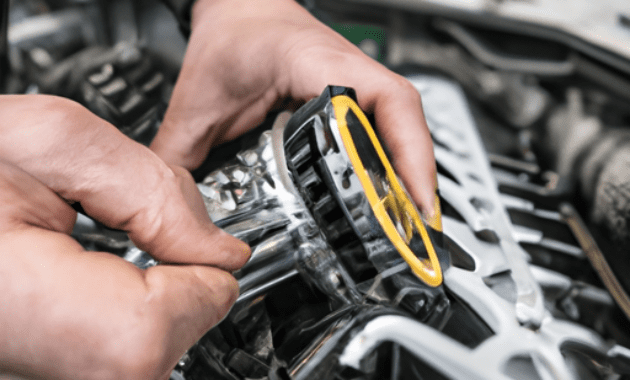
1. OBD-II Scanners
On-board diagnostic (OBD) scanners are arguably the most essential diagnostic tools for any mechanic. They are designed to diagnose issues in the engine control unit (ECU) and other onboard systems of a vehicle. OBD-II scanners are the latest iteration of this tool and provide advanced diagnostic features. They can read and clear codes, display live data, monitor sensors, and perform various other diagnostics tasks. Furthermore, OBD-II scanners are compatible with most vehicle models, making them an indispensable tool for any mechanic.
2. Digital Oscilloscopes
Digital oscilloscopes are advanced diagnostic tools that allow mechanics to analyze various electrical signals in an engine. They provide real-time feedback on voltage, current, and resistance levels, indicating potential issues with electronic components in the engine. Oscilloscopes can also be used to test sensors, fuel injectors, and ignition coils. Additionally, they can be used to detect intermittent problems that would otherwise go unnoticed.
3. Smoke Machines
Smoke machines are a relatively new addition to the engine diagnostic toolkit. They are designed to identify leaks in the engine and exhaust system. The machine produces a neutral-colored smoke that is then fed into the vehicle’s intake system. If there is a leak in the engine or exhaust system, the smoke will be visible, and the mechanic can easily locate the source of the leak. Smoke machines are particularly useful for diagnosing vacuum leaks, which can be difficult to detect using other diagnostic methods.
4. Thermal Imaging Cameras
Thermal imaging cameras are another advanced diagnostic tool that has gained popularity among engine repair professionals. They are used to identify issues related to the engine’s cooling system, such as overheating or loss of coolant. Thermal cameras detect temperature variations in the engine’s components, highlighting potential issues that would otherwise be difficult to spot. Mechanics can use these cameras to check for hotspots in the engine block, radiator, or other components that may indicate a problem with the cooling system.
5. Fuel Pressure Testers
Fuel pressure testers are essential diagnostic tools that help mechanics identify issues related to fuel delivery. They are used to measure the fuel pressure in the fuel lines and can be used to locate fuel-related issues such as clogged fuel filters, low fuel pressure, or faulty fuel pumps. Fuel pressure testers can also be used to test the fuel injectors to ensure that they are delivering fuel to the engine properly.
6. Battery Testers
A weak or dead battery can cause a variety of problems in the engine, including difficulties in starting the vehicle. Battery testers are designed to check the battery’s voltage, capacity, and other parameters. They are particularly useful for identifying weak batteries and can be used to determine if the battery needs to be replaced.
7. Compression Testers
Compression testers are used to measure the engine’s compression levels. They are designed to be attached to the engine’s cylinder to measure the pressure created when the engine turns over. Compression testers can be used to identify issues related to valve seals, piston rings, or other components that may affect the engine’s performance. Furthermore, compression testers can be used to determine the overall health of an engine and its potential lifespan.
Conclusion
Advanced diagnostic tools have revolutionized the engine repair profession. They have streamlined the diagnostic process, making it easier and faster to identify issues and fix them. These tools help mechanics save time and money by reducing the need for trial and error troubleshooting methods. By incorporating these advanced diagnostic tools into their repair toolkit, mechanics can improve the quality of their services and provide a better experience for their customers. Whether you are a seasoned professional or just starting in the field, investing in these advanced diagnostic tools can give you a competitive edge and help you rev up your engine repair game.
Engine remanufacturing is the process of rebuilding an engine to its original factory specifications by taking it apart, cleaning and inspecting each part, and replacing or repairing any parts that are damaged or worn out. This service is a cost-effective alternative to purchasing a new engine and can add years of life to a vehicle.
The need for engine remanufacturing arises when an engine has worn out or has been damaged beyond repair. A worn-out engine exhibits symptoms such as low power, high fuel consumption, excessive smoking, and poor acceleration. In such cases, engine remanufacturing comes to the rescue.
Engine remanufacturing services are available for a variety of engines, from small two-stroke motors to large diesel engines used in heavy machinery. These services are provided by experienced and skilled technicians who have a deep understanding of the mechanical workings of engines. With the use of specialized tools and equipment, these technicians can disassemble an engine, inspect each part, and rebuild it with precision and accuracy.
The process of engine remanufacturing starts with the disassembly of the engine. The engine is stripped down to the bare block, and each component is inspected for damage or wear. The pistons, connecting rods, and crankshaft are inspected for wear and are either reconditioned or replaced as needed. The cylinder walls are bored and honed to the correct specifications, and the block is inspected for cracks and repaired if necessary.
Once the major components have been addressed, the engine is reassembled with new gaskets, seals, and bearings. New camshafts, lifters, and timing chains are installed as needed, and the entire engine is thoroughly cleaned and lubricated. The rebuilt engine is then tested to ensure that it meets the original factory specifications and is ready for installation.
The benefits of engine remanufacturing services include cost savings, improved performance, and reduced environmental impact. Remanufacturing an engine costs significantly less than purchasing a new one, and it is a more sustainable option as it reduces the amount of waste produced by the automotive industry. In addition, remanufactured engines perform as well as new engines and can add years of life to a vehicle that would otherwise have to be scrapped.
The market for engine remanufacturing services has been steadily growing over the years, driven mainly by the increasing demand for sustainability and cost-effectiveness. According to a report by Grand View Research, the global engine remanufacturing market size was valued at $47.1 billion in 2019 and is expected to reach $68.9 billion by 2027, growing at a CAGR of 4.9% from 2020 to 2027.
The United States is the largest market for engine remanufacturing services, with companies such as Jasper Engines, Caterpillar Inc., and Cummins Inc. leading the industry. These companies offer a wide range of remanufactured engines for various applications, from passenger cars to commercial trucks and heavy machinery.
In addition to the United States, the engine remanufacturing market is also growing rapidly in Asia Pacific, particularly in China and India. The increasing industrialization and demand for transportation in these countries have led to a surge in demand for engine remanufacturing services.
The growth of the engine remanufacturing market can be attributed to several factors, including the increasing cost of new engines, the aging vehicle fleet, and the growing awareness of the environmental impact of the automotive industry. As more consumers and companies seek cost-effective and sustainable solutions for their engine needs, the demand for engine remanufacturing services is expected to continue growing.
In conclusion, engine remanufacturing services offer a cost-effective and sustainable alternative to purchasing a new engine. These services are provided by skilled and experienced technicians who use specialized tools and equipment to rebuild engines to their original factory specifications. The market for engine remanufacturing services is growing rapidly, driven by the increasing demand for sustainability and cost-effectiveness. As the automotive industry continues to evolve, engine remanufacturing services will play an important role in reviving the power of vehicles and reducing their environmental impact.
In the automotive industry, the engine is one of the most important components of a vehicle. The engine is responsible for converting fuel into mechanical energy, powering the wheels of a car, truck or any other vehicle. The design and performance of an engine play a crucial role in the overall performance and reliability of a vehicle. It’s no wonder that automotive engine manufacturers are always striving to produce ever-more efficient, powerful and reliable engines. Here are the top automotive engine manufacturers in the world.
1. Toyota
Founded in 1937, Toyota is one of the largest automotive manufacturers in the world. The company’s engines are known for their efficiency, reliability, and quality. Toyota produces a wide range of engines, from small four-cylinder engines to powerful V8s. Among its most notable engines is the 2JZ-GTE, which powered the legendary Toyota Supra. Toyota’s hybrid engines are among the best in the industry, powering the company’s popular Prius models.
2. BMW
As one of the world’s premier luxury car manufacturers, BMW has an excellent reputation for building high-performance engines. BMW’s engines are known for their smooth power delivery and punchy acceleration. The company’s inline six-cylinder engines are among the best in the world, delivering balanced and refined performance. BMW’s M division produces some of the most powerful engines on the market. The BMW S65 V8 that powers the M3 and M4 is a prime example of BMW’s engineering expertise.
3. Mercedes-Benz
Mercedes-Benz has a long history of producing some of the most advanced engines in the automotive industry. The company’s engines are renowned for their smoothness, refinement, and longevity. Mercedes-Benz produces a range of engines, from small four-cylinder diesels to powerful V8s. The company’s hybrid engines are among the best on the market, delivering excellent fuel economy and performance.
4. General Motors
General Motors is one of the largest automotive manufacturers in the world, and the company has a long history of producing innovative and advanced engines. General Motors’ engines are known for their power and performance, and the company has produced some of the most iconic engines in the world. The Chevrolet Small-Block V8, first introduced in 1955, is a legendary engine that has been used in millions of cars and trucks.
5. Ford
Ford is one of the most iconic American automotive manufacturers, and the company’s engines are known for their reliability and longevity. The company produces a wide range of engines, from small four-cylinder engines to powerful V8s. Ford’s EcoBoost engines are among the most advanced on the market, delivering excellent performance and fuel economy.
6. Honda
Honda is one of the most respected automotive manufacturers in the world, and the company’s engines are known for their efficiency, reliability and performance. Honda produces a range of engines, from small four-cylinder engines to powerful V6s. Honda’s VTEC engines are some of the most advanced on the market, delivering high-revving performance and excellent fuel economy.
7. Volkswagen Group
Volkswagen Group is one of the largest automotive manufacturers in the world, and the company produces a wide range of engines for its various brands, including Volkswagen, Audi, Porsche, and Bentley. Volkswagen Group’s engines are known for their efficiency, reliability and high-performance. The company’s TDI diesel engines are among the best on the market, delivering excellent fuel economy and performance.
8. Fiat Chrysler Automobiles
Fiat Chrysler Automobiles is one of the largest automotive manufacturers in the world, and the company produces a wide range of engines for its various brands, including Fiat, Chrysler, and Jeep. Fiat Chrysler Automobiles’ engines are known for their power and performance, and the company has produced some of the most powerful engines on the market. The company’s Hemi V8 engine is an iconic engine that delivers excellent performance and power.
9. Renault-Nissan
Renault-Nissan is one of the largest automotive manufacturers in the world, and the company produces a wide range of engines for its various brands, including Renault, Nissan, and Infiniti. Renault-Nissan’s engines are known for their efficiency and reliability, and the company has produced some of the most advanced engines on the market. The company’s hybrid engines and electric motors are some of the best in the industry, delivering excellent performance and fuel economy.
10. Hyundai-Kia
Hyundai-Kia is one of the fastest-growing automotive manufacturers in the world, and the company produces a range of engines for its various brands. Hyundai-Kia’s engines are known for their efficiency and reliability, and the company has made significant investments in electric and hybrid technology. The company’s Theta and Gamma engines are among the most advanced on the market, delivering high-performance and excellent fuel economy.
In conclusion, the automotive engine manufacturers on this list are known for producing some of the most advanced, efficient and reliable engines on the market. These engines power some of the world’s most iconic and popular vehicles. As the automotive industry continues to evolve, these manufacturers will continue to play a vital role in shaping the future of automotive technology.
The world of automobiles is filled with countless different engines, and the decisions regarding which engine to use in a vehicle can make or break the success of a car manufacturer. From the hybrids and electrics to the engines that rely on internal combustion, there are plenty of options for a car manufacturer to choose from. However, despite the wide array of possibilities, there are several top automotive engine manufacturers worldwide that tend to dominate the industry through their innovation, quality, and reliability. In this article, we’ll take a look at some of the top automotive engine manufacturers in the world.
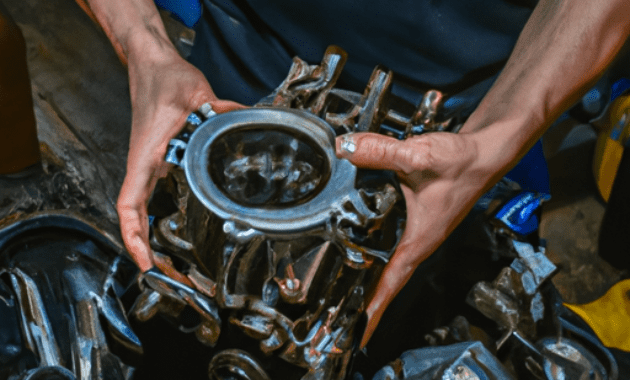
Toyota
As one of the biggest automobile manufacturers, it comes as no surprise that Japan’s Toyota holds a significant share of the global engine production market. Toyota has positioned itself as an innovative player that is always looking to challenge the status quo, and this is reflected in its engine designs. Many of Toyota’s engines are known for their high fuel efficiency and low emissions, which makes them an attractive choice for consumers who are on the lookout for environmentally friendly vehicles.
In addition, Toyota has built a reputation for quality and reliability. Their engines are known for their ability to last for a long time, making them a solid investment for car owners. Thanks to their innovative designs and commitment to quality, it is no surprise that Toyota remains one of the top automotive engine manufacturers globally.
General Motors
General Motors is an American car manufacturing giant that has a long history of producing high-quality engines. The company’s engines are used in a wide range of vehicles, from small SUVs to large pickup trucks. General Motors is known for designing engines that are powerful and reliable, which has made them the go-to choice for many car manufacturers worldwide.
One of the things that sets General Motors apart from other engine manufacturers is their investment in hybrid and electric car engine technology. The company has been at the forefront of developing engines that run on alternative fuels, and their engines are some of the most efficient and environmentally friendly in the industry. As we continue to shift towards more sustainable modes of transportation, General Motors’ dedication to developing cutting-edge hybrid and electric engines is an excellent signal for the future.
Honda
Honda is a Japanese company that has built a reputation for designing efficient and reliable engines. The company is known for its innovative engines that incorporate advanced technologies, which helps reduce emissions and improve fuel efficiency. As one of the pioneers of hybrid cars, Honda’s engines have always been associated with sustainability and innovation.
Honda’s engines are used in a wide range of vehicles, from small hatchbacks to powerful sports cars. The company’s VTEC engine has become a hallmark of Honda’s brand, thanks to its ability to deliver exceptional performance while remaining fuel-efficient. Overall, Honda’s commitment to innovation and sustainability has made it one of the top automotive engine manufacturers in the world.
Ford
Ford is an American car manufacturer that has held a significant share of the global engine production market for several decades. The company’s engines are used in a wide range of vehicles, from compact cars to large SUVs. Ford is known for designing engines that are powerful and reliable, which is reflected in the durability and performance of their engines.
One of the things that sets Ford apart from other engine manufacturers is its emphasis on fuel efficiency. The company has been investing in new engine technologies that can help reduce emissions and improve fuel economy, which makes their engines an excellent choice for consumers who are looking to reduce their carbon footprint. Overall, Ford’s long history of producing high-quality engines has made them one of the top automotive engine manufacturers in the world.
BMW
Founded in 1916, BMW is a German automobile manufacturer that has built a reputation for designing some of the best-performing engines in the industry. The company’s engines are known for their high horsepower and torque, making them an excellent choice for sports cars and high-performance vehicles. However, despite their power, BMW’s engines are also fuel-efficient and are designed to reduce emissions, making them an excellent choice for eco-conscious consumers.
In addition, BMW has continued to invest in hybrid and electric engine technology, which is reflected in their BMW i lineup of electric vehicles. As we continue to shift towards more sustainable modes of transportation, BMW’s commitment to developing cutting-edge hybrid and electric engines is an excellent signal for the future. Overall, BMW’s reputation for designing high-quality, high-performance engines has made them one of the top automotive engine manufacturers in the world.
Conclusion
With so many different engine manufacturers competing for a share of the market, it can be challenging to determine which ones are the best. However, by considering factors such as innovation, quality, and reliability, it is possible to identify several top automotive engine manufacturers. From Toyota’s commitment to fuel efficiency and low emissions to General Motors’ investment in alternative fuel technology, these companies are at the forefront of designing some of the best engines in the industry. Whether you are in the market for a fuel-efficient hybrid or a high-performance sports car, these engine manufacturers are sure to have an option that suits your needs.
Small engine repair services are essential in maintaining and repairing the machines that make our lives easier each day. From lawn mowers to snow blowers, small engines require consistent maintenance and repair work to stay in working order. But, finding a reliable and competent small engine repair service provider can be a daunting task.
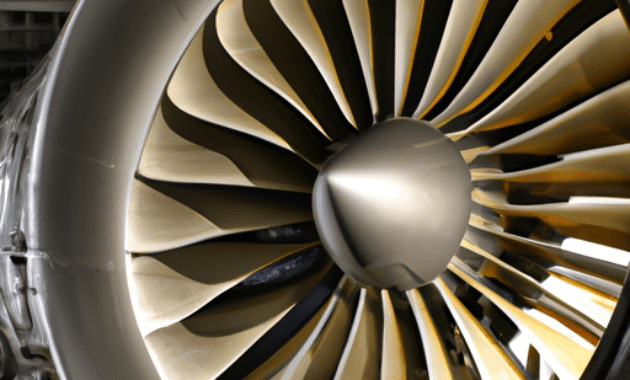
A quick search online can reveal many options, but how do you choose the best service provider for your needs? Here are some tips to help you discover local small engine repair services near you:
1. Ask family and friends for referrals
The best place to start your search for small engine repair services is by asking family and friends who have used these services before. Referrals from people you trust are often the best starting point when it comes to finding professional services. Ask these individuals about the quality of work done, the timeliness of service, and the overall experience they had with the provider. This information can help you determine whether it’s worth reaching out to the provider.
2. Check online reviews
Online reviews can provide useful insight into the experiences of past customers with small engine repair services near you. Websites such as Google, Yelp, and Angie’s List can provide ratings and reviews from multiple customers. Look for service providers with high ratings and a lot of positive reviews. However, don’t just rely on high ratings alone. Take the time to read through individual reviews to gain a full understanding of what to expect when working with a particular service provider.
3. Local directories
Local directories such as the Yellow Pages can also provide a list of small engine repair services in your area. These directories list service providers based on their location in different areas so that you can easily find options that are close to you. You can also look for online directories that list service providers based on location and service type, and these directories will provide more detailed information like phone numbers, email addresses, and even the price range of different providers.
4. Check for certifications and licensing
When looking for small engine repair services, check for certifications and licensing. Certifications mean that the repair shop is trained and qualified to work on small engines. Licensing ensures that the provider is registered with the relevant local government authority and has met the necessary requirements to legally offer their services. Make sure to confirm that the provider is licensed and certified before any work is done.
5. Visit the shop
Before having any repair work done, take a visit to the shop to evaluate the facility, equipment, and customer service. Take note of how organized the shop is and how clean the work area is. You want to work with a provider that values cleanliness and orderliness, as it shows they take pride in their work. Meet with the repair technicians and ask questions about the type of repairs they specialize in, how long they’ve been in business, and what their experience level is. This information can help you determine whether their services are a good match for your needs.
6. Consider the price
Price is also a crucial factor when choosing a small engine repair service provider. While many providers offer competitive pricing, consider other factors like service quality, experience, and customer feedback before making a final decision. Be wary of low pricing, as this may indicate lower-quality service or inexperienced technicians. On the other hand, high prices don’t necessarily guarantee excellent service. The key is striking a balance between affordability and the quality of the service.
7. Consider overall convenience
When choosing a small engine repair service provider, it’s also important to consider convenience. Look for a provider that is nearby your location (or one that will come to you for a fee) and offers flexible service hours. You don’t want to waste valuable time and energy driving across town to get maintenance or repair work done. Also, ensure that the repair shop offers a variety of services, as you may need other services in the future, such as engine replacement or tune-ups.
In conclusion, finding a reliable and trustworthy small engine repair service provider near you can be challenging, but not impossible. With a little research and careful consideration, you can find the best provider for your needs. Consider reaching out to friends and family for referrals, checking online reviews and local directories, confirming certifications and licensing of providers, visiting the shop, and considering overall convenience and pricing. By using these tips, you can find a small engine repair service provider that meets your expectations and helps keep your small engines running smoothly.
Taking Flight: The Role of Engine Parts in Aircraft Safety and Reliability
Flying on an aircraft is one of the safest modes of transportation in the world. However, like any form of transport, there are inherent risks involved. These risks can be minimized through the use of proper maintenance and care of the aircraft and its components. Engine parts, in particular, play a crucial role in the safety and reliability of an aircraft.

The engine is the heart of an aircraft, and it is responsible for generating the thrust needed to propel the aircraft forward. It is made up of several critical components, each of which plays a vital role in the performance and safety of the engine. Let’s take a closer look at some of these key engine parts.
Compressor Blades
The compressor is the first stage in the turbine engine, and its job is to compress the incoming air before it enters the combustion chamber. Compressor blades are the parts responsible for compressing the air, and they are subject to high stresses and temperatures. These blades are typically made of titanium or nickel-based alloys to withstand the extreme conditions they are exposed to.
Over time, compressor blades can become damaged or worn, compromising the performance and safety of the engine. Regular inspections and maintenance are essential to catch any problems early and prevent catastrophic failures.
Turbine Blades
Turbine blades are the next critical component in the engine, responsible for converting the energy generated by the combustion process into rotational energy that drives the compressor and ultimately the aircraft. These blades are also subjected to high temperatures and stresses, and they are typically made of similar materials as compressor blades.
Like compressor blades, regular inspections and maintenance are crucial to ensure the safe operation of turbine blades. Failure of a turbine blade can result in catastrophic engine failure and loss of the aircraft.
Fuel System Components
The fuel system is responsible for delivering fuel to the engine’s combustion chamber, where it is burned to generate the energy needed to drive the aircraft. Fuel system components include fuel pumps, fuel nozzles, and fuel filters. These components can become clogged or damaged over time, leading to a loss of power or even engine failure.
Regular maintenance and testing of fuel system components are essential to ensure the fuel system is operating correctly. Any anomalies or issues with the fuel system should be immediately addressed to prevent potential failure.
Exhaust System Components
The exhaust system is responsible for removing the hot gases generated by the combustion process from the engine and directing them away from the aircraft. The exhaust system consists of exhaust pipes, exhaust nozzles, and exhaust shields. These components are exposed to high temperatures and vibrations, leading to potential cracking, corrosion, or other damage.
Regular inspections of exhaust system components are crucial to ensure their integrity and prevent the potential for failure. Any signs of damage should be addressed immediately to ensure the safe operation of the engine.
Bearings
Bearings are critical components in the engine, responsible for supporting shafts and other rotating components. These parts are typically made of high-strength steel alloys and can be subjected to high stresses and temperatures.
Like all engine components, bearings require regular inspections and maintenance to ensure their safe operation. Bearings should be replaced if they are found to be worn, damaged, or otherwise compromised.
Conclusion
In conclusion, engine parts play a vital role in the safety and reliability of an aircraft. Proper maintenance and care of these components are essential to minimize the risks associated with flying. Regular inspections, testing, and maintenance can catch any issues early and prevent catastrophic failure, ultimately keeping the aircraft and its passengers safe. As such, it is of utmost importance that airlines and maintenance crews diligently attend to these critical parts to ensure the safe operation of aircraft.
Whether you’re a seasoned sailor or a beginner, understanding the basics of marine engine repair is essential for a safe and comfortable sailing experience. All boats depend on their engines to power them through the water, so keeping them in good working order is crucial. This article will provide you with some tips and tricks on how to master the art of marine engine repair.

1. Regular Maintenance Checks
The first step in mastering marine engine repair is to carry out regular maintenance checks on your engine. This means inspecting the various components for wear and tear, checking fluid levels and filters, and ensuring that all moving parts are well lubricated. You should also keep the engine clean and free from debris, as this can cause overheating and other problems. By taking care of your engine and addressing small issues before they become big problems, you will ensure that your boat is always running smoothly.
2. Understanding the Parts of a Marine Engine
Before you can start repairing your engine, it’s essential to understand the different parts that make up a marine engine. These include the crankshaft, camshaft, pistons, connecting rods, valves, and fuel injectors. By understanding how each component works together to power your boat, you’ll be able to diagnose problems more effectively and make the necessary repairs.
3. Proper Storage
Proper storage is also crucial for maintaining your engine. If you’re leaving your boat for an extended period, it’s essential to prepare your engine by draining fuel, changing the oil, and lubricating any moving parts. This will prevent corrosion and ensure that your engine is ready to go when you return. It’s also a good idea to protect your engine from the elements by covering it with a tarp or storing it in a protected area.
4. Identifying Common Problems
Some common problems that can occur with marine engines include overheating, poor performance, rough idling, and difficulty starting. Understanding the most common issues that can arise will help you to diagnose and fix problems quickly. For example, a clogged fuel filter can cause poor performance, while a faulty alternator can result in difficulty starting.
5. Using the Right Tools
One of the most important elements of mastering marine engine repair is having the right tools. You’ll need a set of basic wrenches, screwdrivers, pliers, and wire cutters, as well as more specialized tools like a compression tester, multimeter, and spark plug socket. It’s also a good idea to invest in a shop manual for your engine, which will provide detailed instructions on how to repair and maintain your engine.
6. Seeking Professional Help
While it’s essential to develop your skills in marine engine repair, there will be times when you need to seek professional help. Some repairs are just too complicated or dangerous to attempt yourself, and a trained mechanic will have the knowledge and experience to fix the problem quickly and safely. If you’re unsure about how to proceed with a repair, it’s best to err on the side of caution and seek professional help.
7. Safety Precautions
Finally, it’s important to remember that working on a marine engine can be dangerous, and safety precautions should always be taken. This includes wearing protective clothing and safety glasses, using caution when working around moving parts, and ensuring that the engine is cool before starting work. It’s also a good idea to turn off all electrical systems before starting work on the engine, as this will prevent accidental shocks.
In conclusion, mastering the art of marine engine repair takes time, patience, and practice. By carrying out regular maintenance checks, understanding the parts of your engine, and identifying common problems, you’ll be able to diagnose and fix issues more effectively. Investing in the right tools and seeking professional help when necessary will also help you to keep your engine in good working order. And always remember to take safety precautions when working on your engine. By following these tips and tricks, you’ll be well on your way to a smooth sailing experience.
The world of engine oil and lubricants is constantly evolving, as new innovations are made in the field of lubricants and the needs of customers change. For vehicle owners and industrial operations, the quality of engine oil and lubricants is critical not only to maintain the optimal performance of their engines but also to keep them running smoothly for as long as possible. With so many engine oil and lubricant suppliers on the market, it can be difficult to know which suppliers are the best choice. In this article, we’ll be exploring the top engine oil and lubricant suppliers of the year.
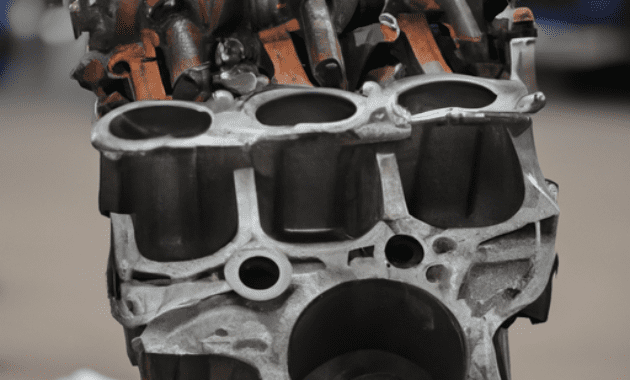
1. Castrol
Castrol is one of the world’s leading engine oil and lubricant suppliers, known for its high-quality products and innovative solutions. Castrol’s range of engine oils and lubricants covers a wide range of applications, including passenger cars, heavy-duty trucks, motorcycles, and industrial machinery. Castrol is also known for its collaboration with leading car manufacturers around the world, making it a popular choice for vehicle owners looking for the best possible performance and protection for their engines. With a history stretching back over 100 years, Castrol is a reliable and trusted brand that has consistently delivered high-quality products to customers around the world.
2. Mobil 1
Mobil 1 is another popular engine oil and lubricant supplier that has built a reputation for quality and innovation. Mobil 1’s range of engine oils and lubricants includes a wide range of products that are designed to provide optimal performance and protection for engines of all types. Whether it’s a passenger car, a heavy-duty truck, or an industrial machine, Mobil 1’s products are designed to meet the needs of a variety of applications. Mobil 1 is also known for its technology leadership, with constant innovations in the field of lubrication that help to improve engine performance and efficiency.
3. Valvoline
Valvoline is a well-known name in the world of engine oils and lubricants, with a history that dates back to 1866. Valvoline’s range of engine oils and lubricants covers a wide range of applications, including passenger cars, heavy-duty trucks, and industrial machinery. Valvoline is also known for its commitment to sustainability, with a range of products that are designed to reduce environmental impact while maintaining the highest level of performance and protection for engines.
4. Pennzoil
Pennzoil is a popular engine oil and lubricant supplier that has built a reputation for quality and performance. Pennzoil’s range of engine oils and lubricants includes products for passenger cars, heavy-duty trucks, and industrial machinery. Pennzoil is also known for its commitment to innovation, with a range of products that are designed to provide the best possible performance and protection for engines of all types. Whether it’s fuel efficiency, durability, or environmental impact, Pennzoil’s products are designed to meet the needs of customers around the world.
5. Royal Purple
Royal Purple is a unique engine oil and lubricant supplier that has built a reputation for its high-quality, synthetic products. Royal Purple’s range of engine oils and lubricants includes products for a wide range of applications, including passenger cars, heavy-duty trucks, and industrial machinery. Royal Purple is also known for its focus on performance and protection, with a range of products that are designed to provide the best possible performance in even the toughest conditions. With a commitment to innovation and quality, Royal Purple is a supplier that customers can trust.
Conclusion
For vehicle owners and industrial operations alike, the quality of engine oil and lubricants is critical to ensuring reliable performance and longevity of engines. With so many engine oil and lubricant suppliers on the market, it can be difficult to know which suppliers are the best choice. By exploring the top engine oil and lubricant suppliers of the year, customers can make informed decisions and choose a supplier that meets their specific needs and requirements. Whether it’s performance, protection, sustainability or innovation, the engine oil and lubricant suppliers on this list are some of the best in the business, providing customers with the high-quality solutions they need to keep their engines running smoothly.
Introduction
The art of engine rebuilding and restoration has been around for decades. It is a way of reviving vintage and classic engines, making them functional and performing like brand new. It is a combination of science, art and passion, as it requires a skillful and creative approach to bring old engines back to life. In this article, we will explore this fascinating world of engine rebuilding and restoration, discussing its history, the process, and the benefits of reviving the past.
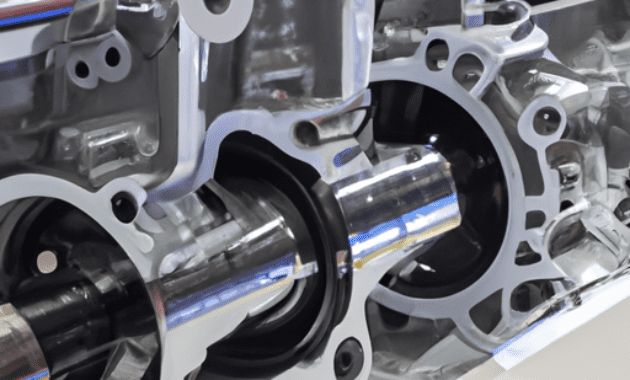
The history of engine rebuilding and restoration
The history of engine rebuilding and restoration dates back to the early 20th century. During that time, automobiles were still in their infancy, and engines were far from perfect. Engine failures were common, and it was not uncommon to replace an engine every few years. However, in 1915, a company called “Dixie Flyer Garage” was established in Atlanta, Georgia, offering engine rebuilding services. This was the first engine rebuilding shop in the United States, and it quickly became popular among car owners. The company was so successful that it expanded and opened branches all over the country.
The process of engine rebuilding and restoration
Engine rebuilding and restoration can be a complex process, requiring a combination of technical expertise and creative problem-solving. Here is a step-by-step breakdown of how the process typically works:
1. Disassembly: The first step is disassembling the engine, removing all the components, and inspecting them for damage or wear. This includes the block, crankshaft, pistons, and bearings.
2. Cleaning: Once the engine is disassembled, the next step is cleaning. This involves removing any dirt, grime, or rust from the components to prepare them for machining and rebuilding.
3. Machining: This step involves machining the components to the correct specifications. This includes reboring the cylinders, grinding the crankshaft, and replacing damaged bearings.
4. Assembly: Once the components are machined, the next step is assembly. This involves putting the engine back together, making sure all the components fit together perfectly. This is where the true artistry of engine rebuilding comes in, as a skilled mechanic must balance precision with creativity to ensure the engine runs smoothly and efficiently.
5. Finishing touches: The final step is adding the finishing touches. This may include painting the engine or adding new parts, such as a new carburetor or exhaust manifold.
The benefits of reviving the past
There are several benefits to reviving vintage and classic engines through engine rebuilding and restoration. Here are a few:
1. Cost-effective: Engine rebuilding and restoration can be a cost-effective way of keeping an old car on the road. Instead of buying a new engine, a rebuilt engine can be an affordable option.
2. Eco-friendly: Rebuilding an old engine is also eco-friendly as it saves the energy and resources that would be required to manufacture a new engine.
3. Historical value: Reviving a vintage or classic engine can add significant historical value to a car. It allows the owner to preserve a piece of automotive history and re-create the experience of driving a classic car.
4. Performance: Rebuilt engines often perform better than the original engine due to advancements in machining technology and materials. This can result in a smoother, more efficient ride.
Conclusion
The art of engine rebuilding and restoration is a fascinating world that combines science, art, and passion. It has a rich history, with early pioneers paving the way for modern-day mechanics to continue the tradition. The process of engine rebuilding and restoration can be complex and challenging, but the benefits of reviving the past are vast. It is a cost-effective, eco-friendly way of keeping classic cars on the road, adding historical value and improving performance. In essence, engine rebuilding and restoration embody the spirit of innovation, creativity and a commitment to preserving history for future generations to enjoy.
Heavy equipment is a crucial element in various industries that require the handling of heavy loads and equipment, including construction, mining, transportation, and agriculture. To keep heavy equipment engines running optimally, high-quality engine parts are crucial. Heavy equipment engines need to withstand long hours of use under heavy load, high temperatures, and rough terrain, which can result in wear and tear over time. Failing to maintain or replace worn engine parts can lead to reduced performance, costly repairs, and even equipment failure, which can result in downtime that impacts profit margins. Here are some of the benefits of using high-quality heavy equipment engine parts.
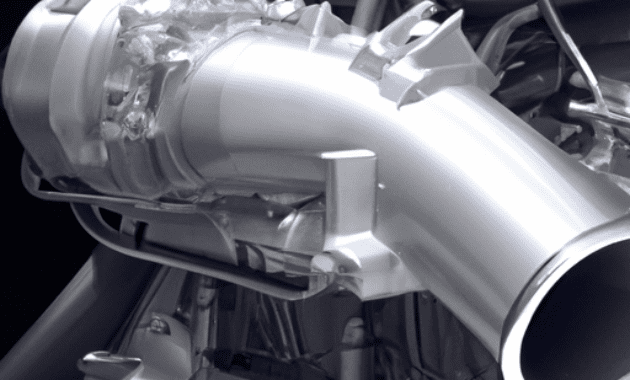
Improved Performance
Heavy equipment engines are highly complex and require intricate machinery to function smoothly. When using high-quality engine parts, even the smallest components are highly engineered to meet rigorous standards, ensuring optimal performance. Heavy equipment that runs efficiently saves fuel, reduces wear and tear, and maximizes uptime. The use of high-quality heavy equipment engine parts significantly reduces the likelihood of equipment breakdowns due to faulty components, which can result in lost productivity and increased repair costs.
Extended Equipment Life
The durability and longevity of high-quality heavy equipment engine parts ensure that equipment remains functional for more extended periods, effectively extending the equipment’s life. Heavy equipment can be incredibly expensive and making each piece last as long as possible is both financially responsible and environmentally conscious. Using low-quality or substandard engine parts can lead to frequent breakdowns and repairs, leading to more downtime and ultimately shortening the equipment’s service life.
Improved Safety
Safety is a top priority in any business. Using high-quality engine parts reduces the likelihood of equipment failure, significantly improving safety on the jobsite. When equipment is maintained appropriately, it is less likely to experience unexpected breakdowns, which can result in accidents or injuries. Furthermore, when heavy equipment is in peak condition, it can perform critical safety functions, such as braking and steering, effectively.
Cost Savings
Investing in high-quality engine parts may seem like a more significant expense upfront, but the cost savings and benefits in the long run far outweigh the initial costs. Using high-quality parts means that equipment runs more efficiently, reducing fuel consumption and maintenance costs. By extending the equipment’s lifespan, there is no need to purchase expensive replacement equipment, thereby reducing overhead costs. Additionally, high-quality engine parts are less likely to fail, reducing repair costs, downtime, and lost productivity.
Reduced Environmental Impact
Heavy equipment is known for producing harmful emissions that impact the environment. One of the primary contributors to these emissions is inefficient engines that consume excessive fuel. By using high-quality engine parts, heavy equipment engines operate more efficiently, consuming less fuel and producing fewer emissions. The use of high-quality parts also extends the equipment’s lifespan, reducing the amount of waste generated from replacing faulty or worn-out parts.
Conclusion
In conclusion, investing in high-quality heavy equipment engine parts provides numerous benefits for businesses in various industries that require the use of heavy equipment. The improved performance, extended equipment life, improved safety, cost savings, and reduced environmental impact all contribute to boosting profitability while reducing negative environmental consequences. It is crucial to note that using substandard engine parts can lead to expensive repairs, downtime, and lost productivity, highlighting the importance of investing in high-quality parts. By prioritizing the use of high-quality heavy equipment engine parts, businesses can improve their long-term outcomes and ensure that their heavy equipment runs optimally.
Diesel engines have been around for over a century, and despite their many benefits, they have always had a serious drawback: emissions. Diesel engines produce more harmful gases than gasoline engines, and this has led to increasing concern about their impact on the environment and public health.

In recent years, however, there has been a surge in new emissions control technologies that promise to revolutionize diesel engines. These solutions, which range from exhaust after-treatment systems to alternative fuels, are making diesel engines more efficient, cleaner, and more environmentally friendly than ever before.
One of the most promising solutions for reducing diesel emissions is the use of exhaust after-treatment systems. These systems work by treating the exhaust gases from diesel engines with a series of filters and catalysts that neutralize harmful gases like nitrogen oxides (NOx). The result is a cleaner, more efficient diesel engine that produces fewer emissions.
One of the most popular exhaust after-treatment systems is the selective catalytic reduction (SCR) system. This system works by injecting a urea solution into the exhaust gases to reduce NOx emissions. The urea reacts with the NOx to form harmless nitrogen and water vapor. SCR systems have been widely adopted by truck and bus manufacturers and are quickly becoming standard equipment on new diesel engines.
Another popular exhaust after-treatment system is the diesel particulate filter (DPF). This system works by capturing and removing particulate matter (PM) from the exhaust gases. PM is a significant contributor to air pollution and can cause a variety of health problems, including respiratory issues and cardiovascular disease. DPFs have been proven to reduce PM emissions by up to 90%, making them a valuable tool for improving air quality.
But these technologies are just the beginning. In recent years, researchers have been exploring new and innovative ways to control diesel emissions. One of the most promising approaches is the use of alternative fuels.
Biodiesel, for example, is a renewable fuel made from vegetable oils, animal fats, or recycled cooking oil. When used in diesel engines, biodiesel produces significantly lower emissions than traditional diesel fuel. It also has the added benefit of reducing dependence on fossil fuels and supporting local agriculture and industry.
Another promising alternative fuel is natural gas. Natural gas is a cleaner-burning fuel than diesel, producing lower levels of NOx, PM, and carbon dioxide (CO2). Many truck and bus fleets have already made the switch to natural gas, and the trend is expected to continue as more natural gas infrastructure is built across the country.
In addition to alternative fuels, new engine designs are also playing a critical role in revolutionizing diesel engines. One such design is the opposed-piston engine, which features two pistons per cylinder that move towards each other in opposing directions. This design improves engine efficiency by reducing heat loss, which results in lower fuel consumption and emissions.
In conclusion, diesel engines have come a long way in the past century, but their emissions remain a serious concern. Fortunately, new emissions control solutions are quickly changing the game for diesel engines. Whether it’s the use of exhaust after-treatment systems, alternative fuels, or innovative engine designs, these technologies are improving the efficiency and cleanliness of diesel engines like never before. With continued investment in research and development, there’s no telling how much further diesel engine technology can advance in the years to come.
Unleashing the Power: The Ultimate Guide to Gasoline Engine Tuning and Performance Upgrades
If you’re looking to boost the performance of your gasoline engine, you may be wondering where to start. With a wide range of performance upgrades available, it can be tough to know which options are worth your time and money. In this ultimate guide, we’ll cover the essentials of gasoline engine tuning and performance upgrades, so you can make informed choices and unleash the full potential of your engine.

First, let’s talk about the basics of engine tuning. When you tune an engine, you’re adjusting its fuel and air delivery system to optimize performance. The goal is to get the right amount of fuel and air to the combustion chambers at the right time, so that the engine can operate as efficiently and smoothly as possible.
There are several key factors to consider when tuning an engine. One of the most important is the air/fuel ratio. This refers to the ratio of air to fuel that’s delivered to the engine. If you’re running too rich (with too much fuel), you may experience reduced power output, increased emissions, and poor fuel economy. On the other hand, if you’re running too lean (with too little fuel), you risk damaging your engine and reducing performance.
To optimize your air/fuel ratio, you can use a variety of tuning tools and techniques. One common option is to install an aftermarket air intake system. These systems can improve air flow and replace restrictive factory air filters, which can result in more horsepower and torque. Similarly, you may consider upgrading your exhaust system to reduce back pressure and improve exhaust flow. This can help your engine breathe more easily and run more efficiently.
Another key factor in engine tuning is spark timing. When the spark plugs fire, they ignite the air/fuel mixture in the combustion chambers. Optimizing the timing of these sparks can make a big difference in engine performance. If the spark occurs too early, you may experience detonation (also known as “knocking”), which can damage your engine over time. If the spark occurs too late, you may lose power and fuel economy.
To adjust your spark timing, you can use an engine tuner or a standalone ignition system. These tools allow you to adjust timing settings and fine-tune your engine’s performance. However, if you’re not experienced with engine tuning, it’s important to consult a professional to ensure that you’re making safe and effective adjustments.
In addition to tuning your engine, you may also consider upgrading various engine components to improve performance. One common upgrade is to install high-performance fuel injectors. These injectors can deliver a greater volume of fuel to the engine, resulting in more power and torque. Similarly, you may consider upgrading your fuel pump to ensure that your engine is getting the optimal fuel pressure.
Other performance upgrades may include installing a larger throttle body to allow more air into the engine, or upgrading your camshaft to optimize valve timing and lift. You may also consider upgrading your ignition system or installing a supercharger or turbocharger to increase horsepower and torque. These upgrades can be expensive, but they can also offer significant performance gains.
Of course, there are always trade-offs when it comes to engine tuning and performance upgrades. Upgrading certain components may improve one aspect of performance, but may also have negative effects on other parts of the engine. For example, installing a supercharger may increase horsepower, but it may also increase engine temperature and put additional stress on other components.
It’s also important to note that some upgrades may require additional modifications to your engine or other systems. For example, if you install an aftermarket camshaft, you may need to upgrade your valve springs or rocker arms to ensure proper operation. Similarly, if you install a supercharger, you may need to upgrade your fuel system to handle the additional pressure.
Ultimately, the key to successful engine tuning and performance upgrades is to do your research and work with experienced professionals. Before making any modifications to your engine, consult with a reputable tuning shop or mechanic to ensure that you’re making safe and effective changes. With the right tools and expertise, you can unleash the full potential of your gasoline engine and enjoy improved performance on the road or track.
The automotive industry has witnessed significant changes in the last few decades. From the manufacturing process to technological advancements, several innovations have transformed the way we ride our vehicles. One of the most significant developments in this industry is the emergence of hybrid engines. Hybrid engines are a combination of an electric motor and an internal combustion engine. This technological breakthrough has provided several benefits to drivers, including increased mileage, reduced fuel consumption, and lower emissions. In today’s article, we will discuss the latest hybrid engine systems and technologies.

What are Hybrid Engines?
Before we dive into the latest hybrid engine systems and technologies, let’s briefly understand what hybrid engines are. As mentioned above, hybrid engines are a combination of an electric motor and an internal combustion engine. The electric motor is powered by a battery, which is recharged by the internal combustion engine. Alternatively, the electric motor can assist the internal combustion engine, reducing the amount of fuel used. In addition, hybrid engines can operate on electric power alone for short distances or at low speeds, making them ideal for urban driving.
Regenerative Braking Systems
One of the latest technologies in hybrid engines is regenerative braking systems. Conventional braking systems produce heat, which is lost to the environment. However, with regenerative braking, the kinetic energy produced by the vehicle when it slows down is captured and converted into electricity. This energy is stored in the battery and used to power the electric motor, reducing the amount of fuel used by the internal combustion engine. Regenerative braking systems, therefore, provide a more efficient method of braking and help to increase the overall fuel economy of hybrid engines.
Electric Turbochargers
Turbochargers have been used in combustion engines for many years to increase the output power of the engine. However, with the introduction of electric turbochargers, these systems have become even more efficient. Electric turbochargers work by using an electric motor to power the compressor, which produces compressed air to increase the engine’s horsepower. This technology eliminates the delay associated with traditional turbochargers, improving the overall performance of the engine.
Mild Hybrid Engines
Mild hybrid engines are a type of hybrid engine that uses a smaller electric motor to provide additional support to the internal combustion engine. These engines are known as “mild” because they cannot operate on electric power alone. However, the electric motor can provide additional power to the internal combustion engine, reducing the amount of fuel used. Mild hybrid engines are becoming increasingly popular in the automotive industry because they provide many of the benefits of hybrid engines without the high cost.
Plug-In Hybrid Engines
Plug-in hybrid engines are a type of hybrid engine that can operate on electric power alone for longer distances than their counterparts. These engines are powered by a larger battery than other hybrid engines and can be recharged by plugging them into an electrical outlet. The larger battery provides enough power for the engine to travel for more extended periods on electric power alone, reducing the amount of fuel used. Plug-in hybrid engines are becoming more prevalent in the automotive industry as the cost of batteries continues to decrease, making them more affordable.
Hybrid Engines with Automatic Start-Stop Technology
Automatic start-stop technology is a feature of some hybrid engines that switches off the internal combustion engine when the vehicle is stationary. This feature is particularly useful in urban driving conditions, where there is a lot of stop-start traffic. When the vehicle comes to a stop, the combustion engine is switched off, and the electric motor takes over. As soon as the accelerator is pressed again, the internal combustion engine comes back to life, and the vehicle continues on its way. This feature reduces the amount of fuel used by the engine, making it more efficient.
Conclusion
The latest hybrid engine systems and technologies have revolutionized the automotive industry. From regenerative braking systems to plug-in hybrid engines, these new technologies offer several benefits to drivers, including increased fuel economy, reduced emissions, and improved performance. As we continue to move towards more sustainable forms of transportation, it is clear that hybrid engines will play a vital role in the future of the automotive industry.
As a car owner, it is essential to take good care of your vehicle’s cooling system. The cooling system is responsible for keeping your engine cool during driving, preventing it from overheating and causing damage to its components.
In this article, you will learn all the essential aspects of how to take care of your cooling system and avoid costly repairs or engine failures.
What is a Cooling System?
A cooling system is a component of your car that helps regulate your engine’s temperature. It comprises various parts, such as the radiator, thermostat, water pump, hoses, and coolant.
For it to work optimally, the system must be clean and contain the right amount and type of coolant fluid. Coolant (also known as antifreeze) is a water-based liquid that contains additives that prevent corrosion and keep the engine from freezing in cold weather.
How to Maintain Your Cooling System?
1. Check the Coolant Level and Quality
One of the essential things you can do to take care of your cooling system is to regularly check your coolant level and quality. You can do this by opening the radiator cap or overflow tank when the engine is cool.
The level of the coolant should be between the minimum and maximum marks on the side of the tank or cap. If the level is low, add more coolant until it reaches the recommended level.
Additionally, check the coolant’s quality by inspecting its color and clarity. The coolant should be transparent and have a bright color. If it looks rusty or cloudy, it may be contaminated and require replacement.
2. Flush the Cooling System
Flushing the cooling system is essential in maintaining a healthy engine. Flushing helps remove the old coolant and any debris that may have accumulated in the system over time.
The frequency of flushing the cooling system varies depending on the car’s make and model, but it is generally recommended to do it every 50,000 miles or every five years.
During a flush, the mechanic will drain the old coolant, clean the radiator and other components, and refill the system with new coolant. This helps prevent corrosion, blockages, and leaks in the system.
3. Check the Radiator and Hoses
Inspecting the radiator and hoses is another essential part of taking care of your cooling system. The radiator is responsible for dissipating the heat generated by the engine, and the hoses help carry the coolant throughout the system.
Check the radiator for any signs of damage, such as cracks, leaks, or damage to the fins. Also, check the hoses for any cracks, leaks, or bulges. If you notice any issues, have a mechanic inspect or replace the parts if necessary.
4. Replace the Thermostat
The thermostat is a small component that controls the flow of coolant throughout the engine. It is typically located at the engine’s top and is responsible for maintaining a steady engine temperature.
If the thermostat fails or is stuck in the closed position, it can cause the engine to overheat. To avoid this, it is recommended to replace the thermostat every 30,000 to 50,000 miles or as recommended in your car’s owner manual.
5. Regularly Check the Water Pump
The water pump is responsible for circulating the coolant throughout the engine. It has a pulley that connects to the engine’s crankshaft and spins the impeller, which helps move the coolant through the hoses.
It is essential to check the water pump regularly for any leaks or signs of damage, such as rust or corrosion. If you notice any issues, have a mechanic inspect or replace the water pump.
Conclusion
In conclusion, taking good care of your car’s cooling system is essential in maintaining a healthy engine. Regularly checking the coolant level and quality, flushing the system, inspecting the radiator and hoses, replacing the thermostat, and checking the water pump are critical aspects of cooling system maintenance.
By following these guidelines, you can prevent costly repairs or engine failures and ensure that your car runs smoothly and efficiently.
In today’s world, engine noise is still one of the biggest problems when it comes to automotive engineering. As a result, car manufacturers have been striving to come up with new, innovative engine noise solutions that help to silence the roar. A silent engine not only reduces driver fatigue, but it also ensures a comfortable ride for passengers. In this article, we will explore some of the innovative engine noise solutions that are being developed in the automotive industry and the impact they can have on driving experience.
Acoustic Insulation for Quieter Engines
Acoustic insulation is playing a significant role in reducing engine noise. It involves the use of sound-absorbing materials such as polyurethane foam to block out unwanted engine noise. These materials can be used in different ways to reduce noise levels in a vehicle, including using them as floor mats, trimming them into vehicle interiors, and placing them in engine compartments. The thermal insulation can be done in the headliner, under the carpet, or along the door. The acoustic insulation helps to create a more relaxed and serene environment within the cabin, minimizing the engine’s noise and other outside sounds that could cause distractions.
Automakers are not only using sound-absorbing materials to reduce cabin noise levels, but they are also improving traditional methods of insulation (like carpeting and underbody seals) to create better sound-deadening barriers. By creating these barriers, it becomes possible to cut down on engine and road noise while also improving the overall driving experience for vehicle occupants.
Active Noise Cancellation Technology
Similar to noise-canceling headphones, automakers are introducing Active Noise Cancellation (ANC) technology to reduce engine noise levels in their vehicles. ANC uses a separate speaker system in conjunction with microphones to effectively cancel out engine noise. The microphones pick up the engine sound, and the speaker generates an opposing sound wave that cancels out the noise before it can reach the passengers. The new Volvo XC90 and BMW 5 Series are great examples of vehicles that use ANC technology to reduce cabin noise levels.
ANC technology is an excellent addition to the overall driving experience. It can turn a noisy car into a substantially quieter and more comfortable one. ANC has become an integral component of advanced driver assistance systems (ADAS) that utilize on-board cameras and sensors to provide real-time feedback to your vehicle.
Electric Drivetrains
Gasoline engines are known to emit various noises that can be quite disturbing to someone wishing to enjoy a quiet ride. Fortunately, electric drivetrains have the potential to reduce engine noise levels entirely. Electric vehicles (EVs) have a much quieter operation compared to their counterpart, which relies on a combustion engine. In an EV, the electric motor produces a low hum, which is barely audible. The absence of vibration and noise from the engine provides a serene ambiance in the cabin.
While electric drivetrains are expensive, they may be the future of automotive engineering since it brings low noise pollution to cities, and they have fewer toxic emissions. As technology continues to improve, electric vehicles may soon become more affordable and practical for consumers.
Conclusion
Innovations in automotive engineering are paving the way for quieter engines. The effective use of acoustic insulation, Active Noise Cancellation technology, and electric drivetrains are changing the driving experience by providing a more relaxed and serene environment in the cabin. While acoustic insulation is the most established technology, Active noise-canceling and electric drivetrains are relatively new and have the potential to completely eliminate engine noise.
In conclusion, innovations in engine noise solutions are providing automotive engineers with exciting opportunities to improve the overall driving experience. Drivers can expect exciting new technology that expands beyond acoustic insulation to include Active Noise Cancellation and potentially electric drivetrains. Quieter engines provide a more comfortable and serene ride, allowing passengers to enjoy their music, converse or relax.
The power generation industry has always been one of the most important sectors in the world, providing the necessary energy to run the economy, keep the lights on, and keep our homes warm during the cold winter months. However, with the growing concerns about climate change and the increasing demand for clean energy, the power generation industry is going through a significant change. The future of this industry is focused on revolutionizing power generation by developing more efficient, cleaner, and sustainable industrial engines.

The industrial engines that power generators use account for a significant portion of the world’s energy consumption. These engines use fossil fuels and produce greenhouse gas emissions that contribute to global warming. It is necessary to develop a new kind of industrial engine to revolutionize the power generation industry, reduce greenhouse gas emissions, and create a more sustainable future.
One of the most promising technologies that can revolutionize the power generation industry is the use of renewable energy. Solar power and wind power have now become cheaper than traditional fossil fuel-based energy sources, making it a viable option for industrial applications. The use of renewable energy in industrial engines can help reduce greenhouse gas emissions while providing reliable power to communities around the world.
Another way to revolutionize the power generation industry is to develop more efficient industrial engines that can use both fossil fuels and renewable energy sources. This approach can help reduce greenhouse gas emissions while still providing reliable energy to communities around the world. The use of hybrid engines that can switch between conventional fuels and renewable energy sources is a promising area of research and development.
The use of energy storage systems in industrial engines is another area of development that can revolutionize the power generation industry. Energy storage systems can help store energy generated from renewable sources during off-peak hours, which can be used during peak demand times. This approach can help the power generation industry reduce its reliance on fossil fuels and provide reliable power to communities around the world.
The implementation of digital technologies is also a significant development that has potential for revolutionizing the power generation industry. The use of data analytics, artificial intelligence, and the Internet of Things can help optimize the performance of industrial engines and power generation systems, reduce downtime, and improve efficiency. By analyzing data from sensors and other devices in the system, operators can identify areas for improvement and optimize the performance of industrial engines to reduce emissions and improve sustainability.
The development of fuel cells is another potential technology that can revolutionize the power generation industry. Fuel cells use hydrogen or other energy sources to produce clean energy. The use of fuel cells in industrial engines can help reduce greenhouse gas emissions while providing reliable power to communities around the world.
Finally, the development of microgrids is a promising area of research that can revolutionize the power generation industry. Microgrids are small-scale energy systems that can operate independently or connect to the larger power grid. By using a combination of renewable energy sources, energy storage systems, and efficient industrial engines, microgrids can provide reliable power to communities while reducing greenhouse gas emissions and improving sustainability.
In conclusion, the power generation industry is going through a significant change as the world becomes more conscious of the need for clean and sustainable energy. The development of more efficient, cleaner, and sustainable industrial engines that incorporate renewable energy sources, energy storage systems, digital technologies, fuel cells, and microgrids is necessary to revolutionize the power generation industry. These innovations will not only help reduce greenhouse gas emissions but also provide reliable power to communities around the world. As we move towards a more sustainable future, it is essential to focus on the development of new and innovative technologies that can revolutionize the power generation industry.
Introduction
Revolutionizing efficiency in the transportation sector has been an ongoing quest. With the world’s growing population, transportation needs have also risen, and there’s no question that they will continue to expand. However, the environmental impact of transportation has become more evident than ever. From 1990 to 2016, greenhouse gas emissions from the transportation sector increased by almost 30% in the United States. Therefore, it’s crucial to develop solutions that enhance the efficiency of vehicles and reduce their environmental impact. One of the solutions is engine control and monitoring systems (ECMS). ECMS provides real-time data that optimizes and enhances the operation of engines, resulting in improved efficiency, less fuel consumption, and lower emissions. In this article, we’ll explore the benefits of ECMS and how they’ve been revolutionizing transportation efficiency.

What is an engine control and monitoring system (ECMS)?
In simple terms, engine control and monitoring systems (ECMS) are computer systems that regulate and monitor the performance of engines. ECMS has various components that collect data from the engine, such as temperature, pressure, speed, fuel consumption, and exhaust composition. The collected data is then analyzed by the computer system, which adjusts the engine’s performance and provides the operator with real-time data to improve efficiency.
Benefits of Engine Control and Monitoring Systems (ECMS)
1. Fuel Efficiency
ECMS provides real-time data on fuel consumption, allowing operators to adjust their driving habits and reduce fuel consumption. According to the U.S. Department of Energy, ECMS can improve fuel efficiency by approximately 5-15% depending on the application. Additionally, ECMS can monitor engine idling, which is a significant contributor to fuel consumption, and provide data to minimize idle time, ultimately reducing fuel expenses.
2. Lower Emissions
With ECMS, engines can better control their emissions by analyzing exhaust gas composition and adjusting the engine performance accordingly. For instance, if the engine’s exhaust gas has an excessive amount of carbon monoxide, the ECMS will adjust the air-fuel ratio to reduce carbon monoxide emissions. Also, ECMS can monitor the EGR (exhaust gas recirculation) system, which reduces nitrogen oxide emissions by recirculating exhaust gases back into the engine. The result is a cleaner and more sustainable environment.
3. Improved Engine Performance
ECMS provides a detailed analysis of engine performance, which enables operators to identify and fix engine issues before they become significant problems. By monitoring the engine’s performance, operators can ensure that it’s running at optimal conditions, reducing unnecessary wear and tear and improving the engine’s lifespan. Additionally, ECMS can predict engine failures by identifying any irregularities and notifying operators before the engine breaks down.
4. Cost Reduction
ECMS can lead to significant cost savings in several ways, such as reducing fuel consumption, minimizing idle time, and improving engine maintenance. By optimizing fuel consumption, ECMS can reduce expenses associated with fuel consumption. Also, ECMS can reduce engine wear and tear, resulting in lower maintenance costs. Furthermore, by reducing engine downtime, ECMS improves productivity, leading to economic benefits.
5. Safety Enhancement
ECMS provides information that makes it easier for operators to drive their vehicles safely. With real-time data on speed, rpm, and engine temperature, operators can make sound decisions to prevent accidents. For example, if the engine’s temperature is too high or if the speed is too high, operators can reduce their speed or stop the vehicle before it overheats, preventing engine failure.
Conclusion
Engine control and monitoring systems (ECMS) have revolutionized transportation efficiency by optimizing engine performance, reducing fuel consumption and emissions, predicting engine failures, and enhancing safety. The use of ECMS will continue to increase as transportation companies strive to cut costs, reduce environmental impact, and meet regulatory requirements. By implementing ECMS, we can make our transportation sector more sustainable and efficient, leading to a better future for all.
Definition of MPV Car – For users of four-wheeled vehicles, especially those who use the vehicle as a family car, the MPV car type is indeed the right choice. Apart from that, the size of the car is large enough to accommodate up to seven people, this car is also very comfortable to use for traveling and its function is very flexible.
For Reader friends who are interested in owning a car, of course this MPV type car is very interesting to own. However, for those of you who are still wondering what the heck is an MPV car? In this discussion, we will present related information about the MPV car to make it easier for Reader to consider this type of car to buy.
For that, let’s find out the meaning of the MPV car, its types, functions, as well as its advantages and disadvantages in this discussion.
Further information related to the MPV car can be read below!
What is an MPV car?
Multi Purpose Vehicle (in Indonesian means: Multipurpose Vehicle, abbreviated as MPV (“MPV”) is a classification of “multipurpose” vehicles that can be used both as passenger and cargo carriers. This type of vehicle is usually classified as a “minibus” (small bus) based on its shape This MPV-type vehicle usually comes in two production versions, namely passenger (with rear passenger seats) and cargo (without windows and rear seats) designed only for cargo transportation.
The first MPV was made in France in 1987 with the Renault Espace. With the creation of the MPV car, it became a great advance in its time because it could transport more passengers without having to carry a lot of cargo.
Now the MPV also appears in a new category that is mentioned as a mini MPV with a passenger capacity of 5 passengers but in terms of cargo it can carry more goods than a sedan.
In the 1990s the MPV movement was quite large in Indonesia, the most popular among the community in the early 90s was Toyota Kijang which offered 1.8 (82 hp) and 1.5 (66 hp) engines which are known to be repulsive and suitable for road conditions in Indonesia. Furthermore, Isuzu introduced a diesel MPV that is in great demand, namely the Isuzu Panther which is known to be very economical with a 2300 cc OHV engine with 63 bhp.
Then Daihatsu did not want to miss out on other segments, in 1994 it changed the look of the Daihatsu Zebra to the Daihatsu Zebra Espass which offered a 1600 cc engine with 88 hp from other competitors at the time. besides, the 1300 cc (75 hp) engine is said to be more economical.
Among its competitors, Suzuki Carry is the most suitable for the purchasing power of the public, besides being known for its affordable price, low maintenance costs, and the cheapest fuel consumption in its class. Suzuki Carry will reach the Indonesian community with three engines, namely 1500cc (80hp), 1300cc (72hp) and 1000cc (52hp).
MPV car features
As we know that there are many types of cars in the market, one of the most popular is the MPV car. Well, to distinguish the type of MPV car from other types of car, first know the following characteristics of the MPV car.
1. MPV Passenger Capacity
It is a vehicle designed for family needs. No wonder if one of its features is a spacious enough cabin that can accommodate up to 7-8 passengers.
2. Machine Capacity
As a universal family car, the average MPV engine capacity is less than 1500 cc. Unlike SUVs that are designed to drive on extreme roads and have an engine capacity of 1500 cc or more. MPV is indeed a type of vehicle that is more suitable for driving on flat roads.
3. Car body
Because it is used to transport passengers and goods, usually the MPV body is higher and wider, so the interior cabin is wider. These features are also an advantage of the MPV car type, where the slogan “relief makes you happy” This MPV type car is very suitable as a family vehicle.
4. Operating system
The operating system has the following functions. Most types of MPV cars use a two-wheel drive system, both front and rear wheel drive.
5. Clearance
Other characteristics of MPV cars can be seen in the clearance, which is the distance from the bottom of the car to the ground. This type of MPV has a fairly high ground clearance, an average of more than 200 mm, which makes it possible to drive even on rough roads.
MPV car type
MPV cars themselves are divided into several types, namely low, medium and premium types. Here is an explanation of the types of MPV:
1. Low MPV
The Low Type MPV is a category of MPV with simpler features and a body that is not too big. But this type can still meet daily transportation needs and save fuel.
2. Medium MPV
Being one level above the low MPV, the medium type MPV is a class with a larger body and more complete features than the low MPV. The price of this type of car is slightly more expensive compared to Low MPV.
3. Premium MPV
This type is the most advanced type of car in the MPV class. The car body in this category is bigger, with an interior that can be considered VIP class.
Advantages of MPV cars
In addition to being a multi-purpose vehicle, MPV cars have several advantages that are a plus compared to other types of cars, among others:
1. Large capacity
As a minibus class, this type of MPV is indeed a fairly large type of car. Certainly to fulfill its role as a means of transportation. Its dimensions can accommodate many passengers.
Like a mini bus, this MPV can accommodate 8 people. The spacious cabin it carries also makes the front row passengers comfortable. The distance between rows of seats is relatively the same regardless of whether it is the second or third row.
In addition to being a family vehicle, this MPV type car also has a passenger space that is large enough to fit in the trunk of the car. It has enough space for your belongings when traveling with the family.
2. An environmentally friendly car
Another advantage of this MPV car is the jar sector in the kitchen. Most types of MPV cars now have environmentally friendly and fuel-efficient engines that are usually more economical.
3. Relatively Affordable Prices
This superiority can be one of the strong reasons why MPVs are so popular in Indonesia, namely the price range. The price tag is relatively cheaper than other cars in the same class. Another advantage is that MPVs tend to have a more competitive purchase price. In fact, the price is considered more affordable than other types of cars. In addition, MPV operating and maintenance costs are also relatively cheap, such as fuel consumption, monthly maintenance, service costs, and the purchase of spare parts. The price of the MPV will not drop far from the purchase price. Provided that the condition of the car is still prime and in good condition.
4. Large Baggage
After the passenger capacity, the next advantage when buying an MPV car is the large luggage.
Luggage in the form of bags, suitcases, souvenirs or luggage of any shape can easily fit into the spacious trunk and this certainly makes the MPV a multi-purpose vehicle.
When driving, let alone a long enough distance, carrying a lot of luggage is certainly annoying when we have to force ourselves into the car.
Instead of enjoying a comfortable trip, we are bothered with large luggage. Therefore, an MPV car with large luggage is the right solution to make the journey more comfortable.
5. Comfortable when driven on various terrains
Despite going through rough roads, MPV passengers still feel comfortable while driving. Because this type of car usually has a spacious cabin. Passengers can sit comfortably and stretch their legs. No wonder, MPV can be relied upon to travel long distances.
In addition, MPV now also has several features that increase the comfort of the driver and passengers in various road conditions. For example, it has a plateau feature. This feature can help vehicles move more smoothly on different terrains, such as uneven roads, potholes and puddles or floods.
Thus, passengers can feel more comfortable during the trip. In fact, some brands of MPV cars also have advanced features that allow them to drive on uphill, narrow, and winding roads.
6. Complete Security Features
In addition to comfort, driving safety is an important factor in choosing a vehicle. The latest MPV is equipped with various safety features, including Electronic Stability Program (ECS), Tire Pressure Monitoring System and Emergency Stop Signal (ESS) and dual SRS airbags. These features can minimize the risk of accidents and ensure the safety of the driver and passengers during the journey.
Lack of MPV cars
It can also be said that MPV type cars have some shortcomings, or rather the other side, which is less suitable for certain needs or users. The following are some of the disadvantages of MPV type cars:
1. The capacity of the machine is relatively small
The first disadvantage is that most of the machines use standard equipment and are relatively small. In the Indonesian low-end MPV category, the average only carries a 1.5-1.8L engine.
But on the other hand, it cannot be called a deficit. Considering this type of car is designed for everyday use in the city where the contour of the road is smooth. Unlike SUVs that are functionally used on extreme roads.
2. Not suitable for young people
You can’t even call it a deficiency. Because the target market is family cars, MPV cars are not intended for young people. This type of car does not have a flashy grill, a stylish body, or other “young” elements.
Well, that’s the comment about MPV type cars not being suitable for young people to use. Basically, this very popular vehicle is designed as a multipurpose minibus, suitable for transportation and family use.
3. All features remain standard
Another highlight of the MPV is its features. Potential consumers pay attention to this area.
In terms of features, most MPVs only have standard features that are limited to ensure driving comfort and safety.
However, many premium MPVs have advanced features but the price tag is much higher.
4. Designed only to be driven on smooth roads
Not as powerful as a jeep, the first MPV’s shortcoming was that it couldn’t drive on bad roads.
Basically, most MPVs are designed to be driven only on flat roads such as toll roads, toll roads, or paved roads.
So if you drive an MPV down a hill, on a rocky road, on a muddy road, in water, this car is not suitable.
5. Less strong uphill
Another weakness of MPV is that it is not strong going uphill. The reason is that, in addition to only being able to drive on flat roads, this car is also less reliable when going uphill.
Different from SUV type cars which are very reliable to explore various types of roads such as ramps, rocky roads and worse road conditions.
6. Low car height
For a family car with seven seats, the range of MPV cars is relatively low. It’s different with an SUV type car that can only accommodate four people, this is quite high.
This happens because MPVs use less than 16 inch wheels. If you want to make it higher, the wheel can only be raised 2 inches from the factory default. Therefore, it is not recommended to change 17-19 inch tires to the MPV.
Tips before buying an MPV car
Variations in the MPV car segment are of course very many and it is not uncommon for us to be a little confused with what suits the needs of the family, including the availability of pockets.
Here are some considerations that can be your reference before you decide to buy for family needs and of course your supplies:
1. Security Features
Of course, safety is the most important thing you can offer your family, right? Especially when it comes to choosing a vehicle for your beloved family.
Security is one of the most important factors and should be a priority for families.
Because the MPV can accommodate a minimum of 5 passengers, the safety requirements must of course be optimal.
One of the safety systems that you should pay attention to is the ABS EBD BA braking system which is touted as the best braking system. .
In addition, the ABS braking function is also very useful when drivers use it on winding and slippery roads after rain.
Another safety feature that your MPV of choice should have is a seat belt and make sure you have a three-point seat belt. In general, this seat belt was developed by Volvo car designer, Nils Bohlin.
Because of the level of safety and comfort that is the main focus of this seat belt, it is not uncommon for European and Asian car manufacturers to use this type of seat belt.
These seat belts are designed to prevent the driver and passengers from being thrown and reduce the risk of personal injury.
Don’t forget the airbag function or what is commonly called airbag, is one of the safety components of your MPV vehicle of choice.
This airbag is very helpful to you and often saves the life of the driver and passenger in the event of a collision or traffic accident.
2. Engine and Fuel Performance
Machine performance is one of the main considerations in choosing an MPV for your beloved family.
Choose an MPV that has good engine performance and good gear shifting acceleration and of course is fuel efficient so it remains economical in the pocket.
In general, the average new car has good fuel efficiency because the various supporting features are still good and make the car fuel efficient.
Of course, Reader friends, you don’t want your pockets to be flat because the car wastes fuel due to poor engine performance, right?
3. Seat comfort
The seat is an important part of driving, especially when traveling long distances with the family or in traffic jams.
When choosing an MPV for a family, the comfort of the seats should be considered.
Choose a seat that provides comfort for you and other passengers. Make sure each seat is also equipped with a seat belt or safety belt to ensure the safety of both the driver and the passenger.
Conclusion
So much for a brief discussion about what an MPV car is: Features, Types, as well as its advantages and disadvantages. Not only knowing what an MPV car is, but also discussing the advantages, disadvantages, tips for buying it and knowing the types of cars on the market.
Knowing what an MPV car is for automotive lovers is very beneficial to know the right type of four-wheeled vehicle to be a family car with a cheap and environmentally friendly price that is suitable to own as a family vehicle.