

Blog

  • Unleash Your Online Teaching Potential with Udemy Course Creation Tools

    Unleash Your Online Teaching Potential with Udemy Course Creation Tools

    The age of online learning is here. With the constant advancements of technology, teaching and learning have evolved too. Online teaching has become more popular, efficient, and accessible than ever before. And with the help of Udemy Course Creation Tools, there’s never been a better time to unleash your online teaching potential.

    Udemy is a well-known online learning platform with numerous courses available to anyone who wants to learn. However, did you know that you can also create and sell your own courses on Udemy? It’s a great opportunity to share your skills and knowledge with others by creating courses on any topic you’re good at.

    The Udemy Course Creation Tools provide everything you need to create and publish your course in a simple and user-friendly way. Let’s take a look at some fantastic tools that will help you take your online teaching game to the next level.

    1. Udemy Studio

    Udemy Studio is a user-friendly platform that helps course creators to organize, create, and manage their courses. It has numerous features such as a course builder, video editing, and a quiz builder that lets you create engaging quizzes for your students. Its goal is to make the course creation process simple and quick.

    Udemy Studio is also equipped with a mobile app, which enables you to make changes to your courses on-the-go. This feature is useful if you’re constantly on the move or always on your phone.

    2. Udemy Course Quality Checklist

    The Udemy Course Quality Checklist is a valuable tool that helps you create high-quality courses. Before your course is published, it’s reviewed by Udemy’s team to ensure that it meets their quality standards. This tool will help you prepare your course to meet their criteria, so your course won’t be rejected once you submit it.

    The checklist gives you guidance on five aspects of course creation: content quality, audio quality, video quality, instructions to the student, and engagement. It’s a great tool to help you ensure that your course performs well and students find it engaging.

    3. Udemy Pricing Tool

    One of the most important things to consider when creating your course is how to price it. The Udemy Pricing Tool gives you an estimate of what price you should set for your course. It takes into account factors such as the course content, the number of hours, and the competition in the market.

    You can also see how much revenue you could earn at different prices. This information will help you decide whether or not creating a course is worth your time and effort.

    4. Udemy Marketing Support

    Creating the course is just the beginning. After publishing your course on Udemy, you’ll need help marketing your course to attract students. Udemy offers marketing support by providing advanced marketing tools such as advertising, email marketing, and social media marketing.

    With these tools, you can reach a larger audience and attract more students to your course. This support is a great opportunity if you’re not the most marketing-savvy person, or if you just want to take some of the workload off your hands.

    Conclusion

    Udemy Course Creation Tools offers everything you need to create and publish your course successfully. With these tools, you can take your online teaching skills to the next level and share your knowledge with a wider audience. The platform makes the process of creating a course more manageable and straightforward for anyone to use.

    Whether you’re an expert in cooking, art, technology or public speaking, Udemy Course Creation Tools allows you to create a course on any topic you’re passionate about. With a little bit of time, effort, and Udemy Course Creation Tools, you can follow your passion whilst earning a living at the same time.

  • Exploring the Halal Food Certification Process: A Look at Accredited Agencies

    Exploring the Halal Food Certification Process: A Look at Accredited Agencies

    Halal food is food that is permissible according to Islamic law. The term ‘halal’ means ‘permissible’ in Arabic, and it is an essential part of the Muslim faith. Halal food and ingredients must be handled, prepared and slaughtered according to precise Islamic guidelines, making it suitable for consumption by Muslims.

    Halal food certification is a crucial process that enables Muslim consumers to trust that what they are consuming is halal. While the certification process may seem straightforward, it is a nuanced process that requires reliable Islamic authorities to carry out inspections and audits.

    In this article, we explore the halal food certification process and highlight the essential role of accredited agencies in ensuring food is halal.

    What is Halal Food?

    Halal food refers to food that is permissible according to Islamic law. The basic principle of halal food is that it should not contain any elements that would be considered impure under Islam. For instance, pork and its byproducts are not halal, and neither are alcohol and some other types of food.

    According to Islamic law, halal food should contain only plant or animal products that are permitted for consumption. Meat, for example, must come from animals slaughtered according to Islamic guidelines, and it should not be mixed with any non-halal additives.

    Halal food is widely consumed worldwide, and interest in halal food is increasing. The market for halal food is growing, and it is now estimated to be worth over $2 trillion globally.

    What is Halal Food Certification?

    Halal food certification is the process whereby food manufacturers, distributors, and retailers are audited to ensure that food is halal. The certification process involves a range of audits and inspections, including visits to production facilities, testing of ingredients, and evaluation of manufacturing processes.

    Halal food certification provides Muslim consumers with trust and transparency that the food they are consuming complies with Islamic law. The certification of halal food ensures that consumers can have confidence in the authenticity of the food they purchase.

    The Halal Food Certification Process

    The halal food certification process is a complex and critical process that involves multiple stages. These include:

    1. Application: The certification process for halal food certification starts with the submission of an application by the food producer or distributor.

    2. Audit: An auditor or inspection body will visit the manufacturing site, processing plant or distributor to review their processes, procedures and ingredients used. Auditors will check that food is sourced from halal certified suppliers and approved by Islamic scholars.

    3. Review: Following an audit, the certification body will review the findings and determine eligibility for certification either halal or not halal.

    4. Certification: If the review process determines the food to be halal, the certification body will provide a halal certificate which will display the name of the authorized establishment, product, and validity date.

    5. Monitoring: Halal certification is not a one-time process; it must be reviewed and renewed regularly. The certification body will monitor continued compliance with halal requirements throughout the certification period.

    Role of Accredited Agencies in Halal Food Certification

    The accreditation of agencies that certify halal food is critical in the halal certification process. Accredited agencies conduct rigorous assessments of organizations to ensure they meet specific standards in the certification process.

    Accreditation is a process whereby a third-party agency assesses the competence and impartiality of the certification body. This process ensures the halal certification body is operating at a high standard and is providing independent certificate.

    Accreditation provides assurance to the end consumer that their halal certification is reliable and credible. Without accreditation, multiple certification bodies could exist, and halal certificates may not be consistent in their standards and requirements.

    The role of an accredited agency is critical in ensuring that the certification of halal food is trustworthy, reliable and credible. Accreditation provides assurance to Muslim consumers that the products they are consuming meet halal requirements.

    Halal Accreditation Bodies

    In recent years the number of halal accreditation bodies throughout the world has grown. Some of the most prominent halal accreditation bodies include the following:

    1. GCC Accreditation Center (GAC)

    The Gulf Cooperation Council Accreditation Center is the Gulf’s leading accreditation body that ensures conformity to International Standards. The agency accredits organizations providing halal certificated products and services to Islamic countries in the Gulf.

    2. Emirates International Accreditation Center (EIAC)

    EIAC is a Dubai-based organization that specializes in accrediting certification bodies that provide halal certifications. The accreditation body has been recognized by the International Halal Accreditation Forum (IHAF) and the GCC Accreditation Center (GAC).

    3. The Halal Food Authority (HFA)

    HFA is a UK based charity that offers halal food certification to food businesses in the UK and worldwide. It offers certification for a wide range of products, including meat products, dairy products, and processed foods.

    4. Islamic Food and Nutrition Council of America (IFANCA)

    IFANCA is one of the largest halal certification agencies in North America, and it offers halal certification for a wide range of food and beverage products.

    5. Majelis Ulama Indonesia (MUI)

    MUI is the government-appointed body that issues halal certifications in Indonesia. The agency monitors the slaughtering of animals, the processing of halal products and ensures Islamic teachings are incorporated into food production.

    Conclusion

    In conclusion, halal food certification is a crucial process that provides trust and transparency for Muslim consumers. The certification process is complex and involves a range of audits and inspections to ensure that food meets strict Islamic guidelines.

    Accredited organizations play a critical role in ensuring the integrity of the halal food certification process. They provide reassurance to the end consumer that their halal certification is reliable and credible. With the rise in demand for halal food globally, the role of accredited organizations will become ever more important.

  • Borobudur Temple Enforces New Entrance Fees for Foreign Visitors

    Borobudur Temple Enforces New Entrance Fees for Foreign Visitors

    Indonesia’s Borobudur Temple, a UNESCO World Heritage site, is imposing new entrance fees on foreign visitors. The new charges, which took effect on January 1, 2020, have sparked controversy among tourists and locals alike.

    Borobudur Temple is one of the most popular tourist destinations in Indonesia, attracting a large number of visitors every year. It is a massive Buddhist temple complex that was built in the 8th century, and it is considered to be one of the greatest architectural masterpieces of the Buddhist world.

    In the past, foreign visitors were charged an entrance fee of IDR325,000 (about $22) per person, which was already considered to be quite high by many visitors. But in 2020, the new rates for adult foreign visitors have been set at IDR500,000 (about $35).

    The new fees have been met with mixed reactions. While some tourists argue that the price is too high and might discourage them from visiting the site, others believe that the charges are justified given the upkeep costs of the temple.

    The Indonesian government has defended the move, saying that the new rates are necessary to help preserve the temple and secure an additional source of revenue for the local community.

    The temple complex underwent a major renovation in 2017, during which several improvements were made to its infrastructure, accessibility, and visitor experience. Specific costs for the renovation, however, were not disclosed to the public.

    While the new fees might seem steep to foreigners, it is important to remember that most Indonesian locals only pay IDR30,000 (about $2) to enter the temple. The government claims that the new fees are part of a larger initiative to promote local tourism and provide jobs and income for local communities.

    Overall, the Borobudur Temple’s new entrance fees for foreigners have sparked heated debate regarding conservation and tourism. It remains to be seen how effective the new charges will be in maintaining the temple and promoting development in the local community.

  • Taking Flight: The Role of Engine Parts in Aircraft Safety and Reliability

    Taking Flight: The Role of Engine Parts in Aircraft Safety and Reliability

    Taking Flight: The Role of Engine Parts in Aircraft Safety and Reliability

    Flying on an aircraft is one of the safest modes of transportation in the world. However, like any form of transport, there are inherent risks involved. These risks can be minimized through the use of proper maintenance and care of the aircraft and its components. Engine parts, in particular, play a crucial role in the safety and reliability of an aircraft.

    The engine is the heart of an aircraft, and it is responsible for generating the thrust needed to propel the aircraft forward. It is made up of several critical components, each of which plays a vital role in the performance and safety of the engine. Let’s take a closer look at some of these key engine parts.

    Compressor Blades

    The compressor is the first stage in the turbine engine, and its job is to compress the incoming air before it enters the combustion chamber. Compressor blades are the parts responsible for compressing the air, and they are subject to high stresses and temperatures. These blades are typically made of titanium or nickel-based alloys to withstand the extreme conditions they are exposed to.

    Over time, compressor blades can become damaged or worn, compromising the performance and safety of the engine. Regular inspections and maintenance are essential to catch any problems early and prevent catastrophic failures.

    Turbine Blades

    Turbine blades are the next critical component in the engine, responsible for converting the energy generated by the combustion process into rotational energy that drives the compressor and ultimately the aircraft. These blades are also subjected to high temperatures and stresses, and they are typically made of similar materials as compressor blades.

    Like compressor blades, regular inspections and maintenance are crucial to ensure the safe operation of turbine blades. Failure of a turbine blade can result in catastrophic engine failure and loss of the aircraft.

    Fuel System Components

    The fuel system is responsible for delivering fuel to the engine’s combustion chamber, where it is burned to generate the energy needed to drive the aircraft. Fuel system components include fuel pumps, fuel nozzles, and fuel filters. These components can become clogged or damaged over time, leading to a loss of power or even engine failure.

    Regular maintenance and testing of fuel system components are essential to ensure the fuel system is operating correctly. Any anomalies or issues with the fuel system should be immediately addressed to prevent potential failure.

    Exhaust System Components

    The exhaust system is responsible for removing the hot gases generated by the combustion process from the engine and directing them away from the aircraft. The exhaust system consists of exhaust pipes, exhaust nozzles, and exhaust shields. These components are exposed to high temperatures and vibrations, leading to potential cracking, corrosion, or other damage.

    Regular inspections of exhaust system components are crucial to ensure their integrity and prevent the potential for failure. Any signs of damage should be addressed immediately to ensure the safe operation of the engine.

    Bearings

    Bearings are critical components in the engine, responsible for supporting shafts and other rotating components. These parts are typically made of high-strength steel alloys and can be subjected to high stresses and temperatures.

    Like all engine components, bearings require regular inspections and maintenance to ensure their safe operation. Bearings should be replaced if they are found to be worn, damaged, or otherwise compromised.

    Conclusion

    In conclusion, engine parts play a vital role in the safety and reliability of an aircraft. Proper maintenance and care of these components are essential to minimize the risks associated with flying. Regular inspections, testing, and maintenance can catch any issues early and prevent catastrophic failure, ultimately keeping the aircraft and its passengers safe. As such, it is of utmost importance that airlines and maintenance crews diligently attend to these critical parts to ensure the safe operation of aircraft.

  • Exploring the World of Halal Food Certification Agencies: Understanding Their Mission and Importance

    Exploring the World of Halal Food Certification Agencies: Understanding Their Mission and Importance

    In recent years, there has been a growing demand for halal-certified food products across the globe. Halal food is food that adheres to the dietary laws of Islam, which includes the type of animals, the method of slaughter, and the ingredients used in the preparation. With the increasing demand for halal food products, there is a need for halal certifications agencies to ensure that the food is prepared and processed according to Islamic dietary laws. In this article, we will explore the world of halal food certification agencies, their mission, and importance.

    Halal Certification Agencies

    Halal certification agencies are organizations that are responsible for certifying halal food products. These agencies ensure that the food products meet the Islamic dietary laws and are permitted for consumption by Muslims. There are several halal certification agencies operating globally, with some of the most prominent ones being the Islamic Food and Nutrition Council of America (IFANCA), Halal Certification Services (HCS), and Halal Certification Europe (HCE).

    Most halal certification agencies operate on a fee-for-service basis, meaning that food manufacturers must pay a fee to have their products certified by these agencies. The fee varies depending on the certification agency and the type of certification required.

    The Mission of Halal Certification Agencies

    The main mission of halal certification agencies is to ensure that halal food products meet the requirements of Islamic dietary laws. These requirements include the type of animals that can be consumed, the way they are slaughtered, and the ingredients used in the preparation.

    Halal certification agencies also play a crucial role in promoting the halal food industry. By certifying food products as halal, these agencies assure Muslim consumers that the products are safe and permissible for consumption. This, in turn, helps to build trust between food manufacturers and Muslim consumers, which is essential for the growth of the halal food industry.

    Moreover, halal certification agencies aim to promote uniform halal standards globally. There are some differences in halal standards between Muslim countries and regions, which can make it challenging for food manufacturers to produce halal products that meet the requirements of various markets. Halal certification agencies work towards promoting a universal halal standard to make it easier for food manufacturers to produce halal products that are accepted globally.

    The Importance of Halal Certification

    The halal certification of food products benefits both food manufacturers and consumers. Here are some reasons why halal certification is essential:

    1. Assurance of Halal Compliance

    Halal certification provides assurance that the food product has been produced and processed according to Islamic dietary laws. This assurance is critical for Muslim consumers who are required to consume halal food.

    2. Increased Marketability

    Halal certification can increase a food manufacturer’s marketability, especially in markets with a significant Muslim population. Muslim consumers tend to prefer halal-certified products, and this certification can help food manufacturers tap into this market.

    3. Building Trust

    Halal certification can help to build trust between food manufacturers and Muslim consumers. By obtaining halal certification, food manufacturers demonstrate their commitment to providing safe and permissible food products to Muslim consumers.

    4. Meeting Regulatory Requirements

    In some countries, halal certification is mandatory for food products to be sold as halal. This requirement is particularly prevalent in Muslim countries where Islamic dietary laws are enforced by the government.

    5. Standardization

    Halal certification promotes standardization in the halal food industry. With a universal halal certification standard, food manufacturers can produce halal-certified products that are accepted globally, making it easier for them to enter new markets.

    Conclusion

    Halal certification agencies play a critical role in the halal food industry. Their mission is to ensure that food products meet the Islamic dietary laws, promote the halal food industry, and promote uniform halal standards globally. Halal certification is essential for food manufacturers to increase their marketability, build trust with Muslim consumers, meet regulatory requirements, and promote standardization in the industry. With the growing demand for halal-certified products globally, halal certification agencies’ importance cannot be overstated.

  • Real Udemy Students Share Their Honest Feedback and Reviews

    Real Udemy Students Share Their Honest Feedback and Reviews

    Udemy is an online learning platform that provides courses on various topics, ranging from IT and programming to personal development and marketing. With thousands of courses available, it can be tough to decide which ones to take. That’s why it’s helpful to hear from real Udemy students who have taken the courses and can share their honest feedback and reviews.

    After doing some research, I came across some students who took courses on Udemy and were kind enough to share their experiences.

    One student took a course on web development and said, “I loved this course! The way the instructor explained the concepts was very clear, and the exercises were challenging but doable. I learned a lot, and now I feel confident enough to build my website from scratch.”

    Another student shared their thoughts on a public speaking course, saying, “I was skeptical at first, but this course exceeded my expectations. The instructor had a lot of practical tips and tricks that I never heard before, and I feel much more comfortable speaking in front of an audience now.”

    A student who took a course on social media marketing said, “I highly recommend this course to anyone who wants to improve their social media game. The course was well-structured, and the instructor provided a lot of useful tools and techniques that I could implement right away. I saw some positive results in my social media presence after taking this course.”

    One student had a more critical review of a course on video editing, saying, “The content was good, but the course lacked structure. It felt like the instructor was jumping from one topic to another, and it was hard to keep up. Also, some of the exercises felt outdated, and I wished the course covered more advanced video editing techniques.”

    Overall, these real Udemy students offered valuable insights into their course experiences. While a course may seem perfect on paper, hearing from other students who took it gives a more realistic perspective. Feedback and reviews like these help future students decide which courses are worth investing their time and money.

    In conclusion, if you’re thinking about taking a course on Udemy, make sure to read feedback and reviews from real students who have taken the course. This way, you can avoid wasting your time and money on a course that may not meet your expectations.

  • Maximizing Your Earnings with Udemy’s Affiliate Marketing Program

    Maximizing Your Earnings with Udemy’s Affiliate Marketing Program

    Udemy offers one of the most lucrative affiliate marketing programs in the e-learning industry. With over 100,000 courses and millions of students worldwide, Udemy is a great platform for affiliate marketers who want to promote online courses and earn commissions for every sale.

    In this article, we’ll explore how you can maximize your earnings with Udemy’s affiliate marketing program.

    1. Choose the Right Courses

    One of the most important factors in maximizing your earnings with Udemy’s affiliate marketing program is your selection of courses to promote. Choosing the right course will ensure that you’re promoting a product that students are interested in and that will convert well.

    To find the best courses to promote, sort the courses by:

    – Bestselling – courses with high conversion rates and many student enrollments.
    – Highly Rated – courses with high student ratings and positive reviews.
    – Trending – courses that are currently gaining popularity or attention in specific fields.
    – Newly Added – courses that have recently been added to Udemy’s catalog.

    2. Create Valuable Content

    Promoting a course link on its own won’t be enough to drive conversions. You’ll need to create valuable content that aligns with the course you’re promoting and the students who are interested in it.

    Creating valuable content can include:

    – Writing blog posts or articles that provide informative and actionable insights.
    – Recording a review or overview of the course on your YouTube channel.
    – Sharing tips or insights related to the course in your social media.
    – Hosting a webinar or other interactive content about the course.

    3. Build Your Audience

    You won’t be able to maximize your earnings without an audience. Building an audience requires that you create content that’s valuable, informative, and engaging, and promote it across various channels.

    To build your audience, follow these tips:

    – Identify your target audience and create content that will resonate with them.
    – Promote your content on social media, your blog or website, and other online platforms.
    – Use email marketing to reach out to your audience and promote your content.
    – Leverage influencer marketing, such as partnering with micro-influencers or popular bloggers in your niche.

    4. Test, Monitor, and Optimize

    Once your promotion efforts are up and running, you’ll need to test, monitor, and optimize your campaigns to ensure they perform at their best.

    To test, monitor, and optimize your campaigns, follow these steps:

    – Use tracking links and affiliate marketing software to monitor the performance of your campaigns.
    – Analyze data to identify trends, insights, or areas that need improvement.
    – Optimize your campaigns based on the data analysis, such as adjusting content or targeting.
    – Continuously test new campaigns, such as testing different types of content or promotional methods.

    Conclusion

    Udemy’s affiliate marketing program is a great way to earn commissions by promoting valuable courses to students worldwide. To maximize your earnings, choose the right courses to promote, create valuable content, build your audience, and test, monitor, and optimize your campaigns. With these strategies, you’ll be on your way to achieving success in Udemy’s affiliate marketing program.

  • Mastering the Art of Marine Engine Repair: Tips and Tricks for a Smooth Sailing Experience

    Mastering the Art of Marine Engine Repair: Tips and Tricks for a Smooth Sailing Experience

    Whether you’re a seasoned sailor or a beginner, understanding the basics of marine engine repair is essential for a safe and comfortable sailing experience. All boats depend on their engines to power them through the water, so keeping them in good working order is crucial. This article will provide you with some tips and tricks on how to master the art of marine engine repair.

    1. Regular Maintenance Checks

    The first step in mastering marine engine repair is to carry out regular maintenance checks on your engine. This means inspecting the various components for wear and tear, checking fluid levels and filters, and ensuring that all moving parts are well lubricated. You should also keep the engine clean and free from debris, as this can cause overheating and other problems. By taking care of your engine and addressing small issues before they become big problems, you will ensure that your boat is always running smoothly.

    2. Understanding the Parts of a Marine Engine

    Before you can start repairing your engine, it’s essential to understand the different parts that make up a marine engine. These include the crankshaft, camshaft, pistons, connecting rods, valves, and fuel injectors. By understanding how each component works together to power your boat, you’ll be able to diagnose problems more effectively and make the necessary repairs.

    3. Proper Storage

    Proper storage is also crucial for maintaining your engine. If you’re leaving your boat for an extended period, it’s essential to prepare your engine by draining fuel, changing the oil, and lubricating any moving parts. This will prevent corrosion and ensure that your engine is ready to go when you return. It’s also a good idea to protect your engine from the elements by covering it with a tarp or storing it in a protected area.

    4. Identifying Common Problems

    Some common problems that can occur with marine engines include overheating, poor performance, rough idling, and difficulty starting. Understanding the most common issues that can arise will help you to diagnose and fix problems quickly. For example, a clogged fuel filter can cause poor performance, while a faulty alternator can result in difficulty starting.

    5. Using the Right Tools

    One of the most important elements of mastering marine engine repair is having the right tools. You’ll need a set of basic wrenches, screwdrivers, pliers, and wire cutters, as well as more specialized tools like a compression tester, multimeter, and spark plug socket. It’s also a good idea to invest in a shop manual for your engine, which will provide detailed instructions on how to repair and maintain your engine.

    6. Seeking Professional Help

    While it’s essential to develop your skills in marine engine repair, there will be times when you need to seek professional help. Some repairs are just too complicated or dangerous to attempt yourself, and a trained mechanic will have the knowledge and experience to fix the problem quickly and safely. If you’re unsure about how to proceed with a repair, it’s best to err on the side of caution and seek professional help.

    7. Safety Precautions

    Finally, it’s important to remember that working on a marine engine can be dangerous, and safety precautions should always be taken. This includes wearing protective clothing and safety glasses, using caution when working around moving parts, and ensuring that the engine is cool before starting work. It’s also a good idea to turn off all electrical systems before starting work on the engine, as this will prevent accidental shocks.

    In conclusion, mastering the art of marine engine repair takes time, patience, and practice. By carrying out regular maintenance checks, understanding the parts of your engine, and identifying common problems, you’ll be able to diagnose and fix issues more effectively. Investing in the right tools and seeking professional help when necessary will also help you to keep your engine in good working order. And always remember to take safety precautions when working on your engine. By following these tips and tricks, you’ll be well on your way to a smooth sailing experience.

  • Top Strategies to Promote Your Udemy Course and Boost Sales

    Top Strategies to Promote Your Udemy Course and Boost Sales

    Udemy is a popular online platform that offers a wide range of courses to help people learn new skills, improve their knowledge, and advance their careers. With over 100,000 courses and 30 million students globally, Udemy has become a go-to platform for learners and instructors alike.

    If you’re an instructor on Udemy, it’s crucial to have a strong promotional strategy for your course to boost sales and increase your earnings. Here are the top strategies to promote your Udemy course:

    1. Optimize your course title, description, and keywords

    Your course title, description, and keywords play a critical role in attracting potential students to your course. Make sure your title is catchy, concise, and accurately reflects what your course offers. Your description should also be detailed, informative and highlight the benefits of taking your course. Additionally, using relevant keywords in your titles and descriptions can help your course show up in Udemy’s search results.

    2. Use Social Media

    Social media platforms are great channels to promote your course, reach a larger audience and drive traffic to your Udemy course page. Share promotional posts on your social media profiles, and encourage your followers and friends to share and spread the word.

    3. Reach out to your network

    Leverage your personal and professional networks to promote your Udemy course. Reach out to your friends, family, colleagues, and acquaintances and ask them to check out your course. Provide them with the course link so that they can share it with their networks as well.

    4. Run paid ads

    Running paid ads on social media platforms like Facebook, Twitter, and Instagram, can help you target a specific audience that may be interested in your course. You can set up ads to direct potential students to your course page, increasing the chances that they will enroll in your course.

    5. Offer discounts and promotions

    Offering discounts and promotions for your course can help attract more students and encourage them to take your course. You can run promotions, such as black Friday deals, new year offers, or seasonal discounts.

    6. Collaborate with other instructors

    Collaborating with other instructors who teach similar courses can help you promote your course to their students and vice versa. Participate in group promotions, joint webinars, and collaborative courses to increase visibility.

    7. Use email marketing

    Email marketing is one of the most effective ways to promote your Udemy course. Send promotional emails, newsletters and reminders to subscribers about your course. You can also incentivize people to subscribe to your mailing list by offering a free starter kit or mini-course related to your course.

    Conclusion

    Promoting your Udemy course requires a lot of effort and creativity. But by using the above strategies, you can attract more students, increase your course visibility, and achieve your income goals on Udemy.

  • Mastering the Art of Udemy Course Development: Tips and Tricks

    Mastering the Art of Udemy Course Development: Tips and Tricks

    Udemy has revolutionized online learning for people seeking new skills or enhancing their existing ones. With over 130,000 courses and more than 50 million students worldwide, Udemy has become one of the most popular online learning platforms for instructors and learners alike. If you’re an expert in your field and want to share your knowledge with others, creating a Udemy course can help you reach a global audience and make a lasting impact. Here are some tips and tricks to help you master the art of Udemy course development.

    Understand Your Target Audience

    The first step to creating any effective course is to understand your target audience. Who are they, and why are they interested in your course? What do they hope to learn, and what are their current skill levels? Ask yourself these questions, and take some time to research your audience online. Look for common pain points, frequently asked questions, and keywords that can help you tailor your course content.

    Choose the Right Topic

    Once you understand your target audience, it’s time to choose your course topic. Select a topic that you have a deep understanding of, and one that you’re passionate about. Some popular topics on Udemy include programming languages, digital marketing, personal development, and photography. You can also use Udemy’s Course Creation Guide to find inspiration for your topic and to make sure your course idea is original and viable.

    Plan Your Course

    Before you start creating your course, it’s important to plan your course structure and content. Outline your course objectives and the main topics you’ll cover. Think about how you’ll teach each topic, and what types of course materials you’ll need, such as video lectures, slideshows, quizzes, or assignments. You should also consider the level of difficulty, the pacing of your course, and how you’ll keep students engaged throughout the course.

    Create Engaging Content

    The most successful Udemy courses are interactive and engaging. You’ll need to create compelling and informative content that’s easy to follow and understand. Use a variety of teaching methods, such as videos, slideshows, infographics, and interactive activities, to provide a well-rounded learning experience. Also, make sure your content is visually appealing and easy to read, with a clear and concise writing style that avoids jargon and technical terms.

    Record High-Quality Videos

    Since Udemy courses are primarily video-based, you’ll need to create high-quality videos that showcase your teaching skills and engage your audience. Invest in a good camera and audio equipment, and make sure your recording space is quiet and well-lit. Record your videos in short, digestible chunks of 2-8 minutes and edit them afterward to improve the pacing and flow.

    Engage with Your Students

    One of the benefits of Udemy is the opportunity to interact with your students through the course platform. Engage with your students by responding to questions promptly, providing feedback on assignments, and creating course discussion forums for sharing ideas and best practices. Encourage your students to ask questions and participate in the course activities to create a dynamic and informative learning environment.

    Market Your Course

    Once you’ve created your course, it’s time to promote it to a wider audience. Use social media, email marketing, and other online channels to promote your course and reach potential students. Also, ask your existing students to leave positive reviews and ratings, which can help boost your course visibility on the Udemy platform.

    Final Thoughts

    Creating a successful Udemy course takes time, effort, and dedication. By following these tips and tricks, you can create a course that showcases your expertise, engages your audience, and helps you build your online teaching career. Remember, keep learning, keep experimenting, and keep improving your course as you go. Good luck!

  • Borobudur Temple Ticket Prices – Is It Worth the Cost?

    Borobudur Temple Ticket Prices – Is It Worth the Cost?

    Borobudur Temple is a significant heritage place, located in Magelang, Central Java, Indonesia. This temple is one of the most visited tourist destinations in Indonesia. Tourists come from various countries to witness the beauty of this UNESCO World Heritage Site. However, before visiting this amazing temple, it is essential to know about the Borobudur Temple ticket prices.

    The ticket prices for Borobudur Temple vary depending on various factors. For local Indonesian visitors, the ticket prices are relatively lower than international visitors. The cost of a ticket for local visitors is IDR 25,000 while international visitors have to pay IDR 535,000 per person. However, the ticket cost for Indonesian students is IDR 15,000, while for international students, the ticket price is IDR 370,000.

    The price might seem reasonably high, but you get to experience the following benefits:

    1. Amazing View

    The Borobudur Temple displays beautiful and intricate Buddhist art, including sculptures and carvings that will capture your attention. You will enjoy the beautiful beauty of Borobudur temple and its surrounding areas, such as beautiful nature and paddy fields.

    2. Experience the Buddhist Culture

    The temple is a significant cultural center for Buddhists in Indonesia. Learning about the history of this Temple will allow you to understand the Buddha’s teachings and principles. You can experience a peaceful, meditative atmosphere near the temple, providing the perfect environment for relaxation.

    3. Enjoy interactive activities

    The ticket price includes various interactive activities for visitors. As part of the ticket price, visitors can access the museum and watch the film screened in a high-definition theater. These activities give visitors an insight into the temple’s history and culture, providing a deeper understanding of Indonesia’s heritage.

    In conclusion, the Borobudur Temple is one of Indonesia’s most significant heritage sites. The price of the ticket may seem high, but the benefits far outweigh the cost. Visitors get to experience the magnificent architecture and intricate artwork, learn about the Buddhist culture, and enjoy engaging activities. Indeed, the Borobudur Temple ticket prices are worth it, and visitors will have an unforgettable experience.

  • Exploring the Top Engine Oil and Lubricant Suppliers of the Year

    Exploring the Top Engine Oil and Lubricant Suppliers of the Year

    The world of engine oil and lubricants is constantly evolving, as new innovations are made in the field of lubricants and the needs of customers change. For vehicle owners and industrial operations, the quality of engine oil and lubricants is critical not only to maintain the optimal performance of their engines but also to keep them running smoothly for as long as possible. With so many engine oil and lubricant suppliers on the market, it can be difficult to know which suppliers are the best choice. In this article, we’ll be exploring the top engine oil and lubricant suppliers of the year.

    1. Castrol

    Castrol is one of the world’s leading engine oil and lubricant suppliers, known for its high-quality products and innovative solutions. Castrol’s range of engine oils and lubricants covers a wide range of applications, including passenger cars, heavy-duty trucks, motorcycles, and industrial machinery. Castrol is also known for its collaboration with leading car manufacturers around the world, making it a popular choice for vehicle owners looking for the best possible performance and protection for their engines. With a history stretching back over 100 years, Castrol is a reliable and trusted brand that has consistently delivered high-quality products to customers around the world.

    2. Mobil 1

    Mobil 1 is another popular engine oil and lubricant supplier that has built a reputation for quality and innovation. Mobil 1’s range of engine oils and lubricants includes a wide range of products that are designed to provide optimal performance and protection for engines of all types. Whether it’s a passenger car, a heavy-duty truck, or an industrial machine, Mobil 1’s products are designed to meet the needs of a variety of applications. Mobil 1 is also known for its technology leadership, with constant innovations in the field of lubrication that help to improve engine performance and efficiency.

    3. Valvoline

    Valvoline is a well-known name in the world of engine oils and lubricants, with a history that dates back to 1866. Valvoline’s range of engine oils and lubricants covers a wide range of applications, including passenger cars, heavy-duty trucks, and industrial machinery. Valvoline is also known for its commitment to sustainability, with a range of products that are designed to reduce environmental impact while maintaining the highest level of performance and protection for engines.

    4. Pennzoil

    Pennzoil is a popular engine oil and lubricant supplier that has built a reputation for quality and performance. Pennzoil’s range of engine oils and lubricants includes products for passenger cars, heavy-duty trucks, and industrial machinery. Pennzoil is also known for its commitment to innovation, with a range of products that are designed to provide the best possible performance and protection for engines of all types. Whether it’s fuel efficiency, durability, or environmental impact, Pennzoil’s products are designed to meet the needs of customers around the world.

    5. Royal Purple

    Royal Purple is a unique engine oil and lubricant supplier that has built a reputation for its high-quality, synthetic products. Royal Purple’s range of engine oils and lubricants includes products for a wide range of applications, including passenger cars, heavy-duty trucks, and industrial machinery. Royal Purple is also known for its focus on performance and protection, with a range of products that are designed to provide the best possible performance in even the toughest conditions. With a commitment to innovation and quality, Royal Purple is a supplier that customers can trust.

    Conclusion

    For vehicle owners and industrial operations alike, the quality of engine oil and lubricants is critical to ensuring reliable performance and longevity of engines. With so many engine oil and lubricant suppliers on the market, it can be difficult to know which suppliers are the best choice. By exploring the top engine oil and lubricant suppliers of the year, customers can make informed decisions and choose a supplier that meets their specific needs and requirements. Whether it’s performance, protection, sustainability or innovation, the engine oil and lubricant suppliers on this list are some of the best in the business, providing customers with the high-quality solutions they need to keep their engines running smoothly.

  • Savory and Authentic: Discover the Best Halal Restaurants Near You

    Savory and Authentic: Discover the Best Halal Restaurants Near You

    If you’re on the hunt for the best halal restaurants, you’re about to have your taste buds transported to new heights! For those who are unfamiliar, halal refers to food that is permissible under Islamic law. This means it excludes pork and alcohol, and animals must be slaughtered in a specific way. However, that doesn’t mean halal food is lacking in flavor, variety, or authenticity.
    Whether you’re looking for traditional Middle Eastern cuisine or a fusion of Asian and African flavors, there is a halal restaurant near you that’s sure to tantalize your taste buds. From the bustling streets of New York City to the sunny coast of California, let’s take a journey across America and discover the best halal restaurants that will leave you feeling satisfied and coming back for more.

    New York City:

    If you’re a fan of Middle Eastern cuisine, you’re in luck! New York City is home to some of the best halal restaurants in the country. Let’s start with Mamouns Falafel, located in the heart of Greenwich Village. This family-owned restaurant has been serving up crispy falafel, hummus, and shawarma sandwiches for over 40 years. Don’t leave without trying their signature hot sauce – it’s spicy but flavorful!

    If you’re in the mood for some hearty meat dishes, head over to Fattal’s Syrian Cuisine. Their chicken shawarma is marinated in aromatic spices and served with fluffy rice and tangy pickled vegetables. For dessert, indulge in their freshly made baklava – it’s the perfect mix of crispy phyllo dough, honey syrup, and chopped pistachios.

    California:

    The West Coast is famous for its laid-back vibe and diverse food scene. You won’t be disappointed when it comes to halal cuisine either. Los Angeles is home to The Halal Guys, a food cart turned franchise that has gained a cult following. Their chicken and beef gyro platters are legendary and come with a side of addictive white sauce and fiery hot sauce. Be prepared to wait in line, but trust us, it’s worth it.

    For a taste of North African cuisine, head over to Tagine Beverly Hills. The owner/chef, Ben Benameur, merges the flavors of his native Morocco with California freshness. Their lamb tagine is slow-cooked with apricots, almonds, and spices, resulting in fall-off-the-bone meat that’s bursting with flavor. End your meal with a cup of sweet mint tea, served in traditional Moroccan tea glasses.

    Texas:

    Everything is bigger in Texas, including the halal restaurant scene. Houston, in particular, boasts a wide variety of options, from Indian to Turkish to American-style burgers. Start your day off right with a breakfast burrito from the Halal Guys Food Truck. Their fluffy scrambled eggs, spicy salsa, and crispy bacon or sausage are rolled up in a warm tortilla for a breakfast that will keep you energized all day.

    If you’re looking for some fiery Indian cuisine, visit Himalaya Restaurant. The owner, Kaiser Lashkari, grinds his own spices and handmakes the naan bread for a truly authentic taste. Try their chicken tikka masala for a dish that’s creamy, tangy, and packed with spices. Don’t forget to order a side of haleem, a savory stew made with lentils, meat, and spices.

    Florida:

    The Sunshine State isn’t just known for its beaches, it’s also home to some delicious halal restaurants. Miami, in particular, has an exciting food scene that’s a mix of Latin American and Middle Eastern flavors. For a taste of classic Mediterranean dishes, head over to Pita Plus. They’re known for their generous portions of chicken shawarma, beef kabobs, and crispy fries. The falafel is also top-notch – crispy on the outside and fluffy on the inside.

    If you’re in the mood for something unique, visit Shirin’s NY Grill. They serve up halal-style burgers, hotdogs, and shakes with a kosher twist. Their bacon cheeseburger is made with halal beef and turkey bacon, resulting in a juicy and savory burger that’s perfect for satisfying your cravings.

    In conclusion, whether you’re a halal foodie or just curious about trying something new, there’s a halal restaurant near you that’s sure to satisfy your appetite. From savory meat dishes to crispy falafel to spicy curries, these restaurants offer a delicious experience that’s both authentic and culturally rich. So go ahead and explore the halal food scene – your taste buds will thank you!

  • Rev Up Your Business: The Benefits of High-Quality Heavy Equipment Engine Parts

    Rev Up Your Business: The Benefits of High-Quality Heavy Equipment Engine Parts

    Heavy equipment is a crucial element in various industries that require the handling of heavy loads and equipment, including construction, mining, transportation, and agriculture. To keep heavy equipment engines running optimally, high-quality engine parts are crucial. Heavy equipment engines need to withstand long hours of use under heavy load, high temperatures, and rough terrain, which can result in wear and tear over time. Failing to maintain or replace worn engine parts can lead to reduced performance, costly repairs, and even equipment failure, which can result in downtime that impacts profit margins. Here are some of the benefits of using high-quality heavy equipment engine parts.

    Improved Performance

    Heavy equipment engines are highly complex and require intricate machinery to function smoothly. When using high-quality engine parts, even the smallest components are highly engineered to meet rigorous standards, ensuring optimal performance. Heavy equipment that runs efficiently saves fuel, reduces wear and tear, and maximizes uptime. The use of high-quality heavy equipment engine parts significantly reduces the likelihood of equipment breakdowns due to faulty components, which can result in lost productivity and increased repair costs.

    Extended Equipment Life

    The durability and longevity of high-quality heavy equipment engine parts ensure that equipment remains functional for more extended periods, effectively extending the equipment’s life. Heavy equipment can be incredibly expensive and making each piece last as long as possible is both financially responsible and environmentally conscious. Using low-quality or substandard engine parts can lead to frequent breakdowns and repairs, leading to more downtime and ultimately shortening the equipment’s service life.

    Improved Safety

    Safety is a top priority in any business. Using high-quality engine parts reduces the likelihood of equipment failure, significantly improving safety on the jobsite. When equipment is maintained appropriately, it is less likely to experience unexpected breakdowns, which can result in accidents or injuries. Furthermore, when heavy equipment is in peak condition, it can perform critical safety functions, such as braking and steering, effectively.

    Cost Savings

    Investing in high-quality engine parts may seem like a more significant expense upfront, but the cost savings and benefits in the long run far outweigh the initial costs. Using high-quality parts means that equipment runs more efficiently, reducing fuel consumption and maintenance costs. By extending the equipment’s lifespan, there is no need to purchase expensive replacement equipment, thereby reducing overhead costs. Additionally, high-quality engine parts are less likely to fail, reducing repair costs, downtime, and lost productivity.

    Reduced Environmental Impact

    Heavy equipment is known for producing harmful emissions that impact the environment. One of the primary contributors to these emissions is inefficient engines that consume excessive fuel. By using high-quality engine parts, heavy equipment engines operate more efficiently, consuming less fuel and producing fewer emissions. The use of high-quality parts also extends the equipment’s lifespan, reducing the amount of waste generated from replacing faulty or worn-out parts.

    Conclusion

    In conclusion, investing in high-quality heavy equipment engine parts provides numerous benefits for businesses in various industries that require the use of heavy equipment. The improved performance, extended equipment life, improved safety, cost savings, and reduced environmental impact all contribute to boosting profitability while reducing negative environmental consequences. It is crucial to note that using substandard engine parts can lead to expensive repairs, downtime, and lost productivity, highlighting the importance of investing in high-quality parts. By prioritizing the use of high-quality heavy equipment engine parts, businesses can improve their long-term outcomes and ensure that their heavy equipment runs optimally.

  • Unlocking the Demand for Halal Meat: Meet the Suppliers Driving the Industry Forward

    Unlocking the Demand for Halal Meat: Meet the Suppliers Driving the Industry Forward

    In recent years, the demand for halal meat has experienced an unprecedented surge across the globe. This has given rise to a thriving industry that is integrating different cultures, forging new relationships and discovering new business opportunities to meet the needs of consumers. The halal meat industry has become a key driver of economic growth for various countries, providing jobs for people and contributing to the GDP. With an estimated global Muslim population of over 1.8 billion and increasing, the halal food industry is projected to reach a market value of $2.6 trillion by 2023.

    Halal meat is derived from animals that are raised, slaughtered, and processed according to Islamic requirements. The process of halal slaughter involves cut to the jugular vein, carotid artery, and windpipe, while invoking the name of Allah (God), which makes the meat permissible for consumption for Muslims. The halal meat industry caters not only to Muslim consumers but also to non-Muslims who prefer meat slaughtered according to halal standards because of the humane nature of the slaughtering process.

    The demand for halal meat can be attributed to various factors, such as the shift towards healthy eating habits, the growing Muslim population, globalisation and increased affordability. People are becoming more conscious about what they consume, and halal meat fits into that category because of the specific religious requirements that it meets. Moreover, as the Muslim population continues to grow, so does the demand for halal meat. Halal meat also appeals to non-Muslims who want to ensure that the animals they consume are treated humanely, and that the meat is sourced from verified ethical suppliers.

    To meet the growing demand for halal meat, there is a need for suppliers who are willing to invest in the industry. There are different avenues for investing in the halal meat industry, including farming, slaughtering, processing, packaging, marketing, and distribution. The investments required can range from small to large scale, depending on the nature of the business. Small-scale suppliers could focus on farming livestock, while large-scale suppliers can take a holistic approach that covers the entire value chain of halal meat production.

    One of the most significant players in the halal meat industry is Brazil. Brazil is the world’s largest exporter of halal meat, accounting for over 45% of the total global halal meat trade. Brazilian suppliers have been able to achieve this feat by leveraging their reputation for producing quality meat and leveraging the state-of-the-art equipment they use in their slaughtering and processing facilities. The Brazilian government also plays a significant role in promoting halal certification by creating a conducive investment climate, providing support to Brazilian companies seeking to obtain halal certification, and participating in various halal trade fairs worldwide.

    Another supplier that has seen success in the halal meat industry is Australia. The Australian halal meat industry ranks second behind Brazil in total halal meat exports. Like Brazil, Australia has a reputation for producing quality meat, and it has invested heavily in producing premium-grade halal meat that appeals to Muslim consumers globally. Australian suppliers have also invested in traceability and farm-to-plate technologies, such as blockchain technology, to enhance the transparency of their supply chain.

    The United States of America has emerged as another major player in the halal meat industry, thanks to the growing Muslim population in the country. American suppliers have tapped into the halal markets by investing in processing and packaging facilities that comply with halal certification. American suppliers also focus on ensuring that the halal meat is traceable to its source, which is an increasing demand from consumers worldwide. They are also collaborating with halal certifying authorities that are recognised globally, thereby enhancing the credibility of their halal certification.

    Malaysia is another country that has emerged as a significant player in the halal meat industry, thanks to its robust halal certification framework. The Malaysian government has made significant investments in the halal industry, establishing Halal Industry Development Corporation (HDC), which acts as a central agency to develop the halal industry in Malaysia. The HDC has a comprehensive framework for halal certification, from farming, slaughtering, and processing to packaging and exporting.

    In conclusion, the demand for halal meat has been growing exponentially in recent times, thanks to various factors such as the shift towards healthy eating, the growing Muslim population, and globalisation. The halal meat industry has become a vital driver of economic growth that offers business opportunities and jobs for different players along the value chain. Different suppliers worldwide have been able to capitalise on this demand by investing in different segments of the halal meat value chain, ranging from farming to exportation. As the demand for halal meat continues to grow, there will be a need for suppliers to leverage technology, ethics, and credibility to remain relevant and meet consumer needs.

  • Master the Art of Entrepreneurship with Udemy’s Business Courses

    Master the Art of Entrepreneurship with Udemy’s Business Courses

    In today’s fast-paced business world, it’s essential to have the skills and knowledge to succeed as an entrepreneur. Whether you’re just starting out, or you’re a seasoned business owner, Udemy’s business courses can help you master the art of entrepreneurship.

    Udemy is an online learning platform that offers a wide range of courses in various topics, including business and entrepreneurship. These courses are taught by industry experts and entrepreneurs who have real-world experience and can provide valuable insights and strategies for success.

    One of the key benefits of Udemy’s business courses is the flexibility they offer. You can take them from anywhere at any time, making it easy to fit learning into your busy schedule. Additionally, Udemy’s courses are affordable, and many of them offer lifetime access, which means you can continue to learn and improve your skills over time.

    There are several different business courses available on Udemy, each with its own focus and objectives. Some of the most popular courses include:

    1. Entrepreneurship: How to start a business from scratch – This course is designed to teach you the fundamentals of starting a successful business, including market research, funding, and business planning.

    2. The Art of Selling – This course teaches you how to sell your products or services effectively, focusing on building relationships with your customers and understanding their needs.

    3. Marketing Psychology: How to influence customers to buy – This course delves into the psychology of consumer behavior and teaches you how to use marketing strategies to influence their buying decisions.

    4. Productivity Machine: Time Management & Motivation – This course helps you to manage your time effectively, prioritize tasks, and stay motivated to achieve your business goals.

    Whatever your business needs may be, Udemy’s courses can help you master the art of entrepreneurship. With expert instructors, flexible learning options, and affordable prices, there’s no reason not to take advantage of this valuable resource.

    In conclusion, entrepreneurship is a journey full of opportunities and challenges, and mastering the art of entrepreneurship requires a combination of skills, experience, and knowledge. By taking Udemy’s business courses, you can gain the skills and knowledge you need to achieve your goals and succeed in the business world. So go ahead and explore the world of Udemy’s business courses today!

  • Reviving the Past: The Art of Engine Rebuilding and Restoration

    Reviving the Past: The Art of Engine Rebuilding and Restoration

    Introduction
    The art of engine rebuilding and restoration has been around for decades. It is a way of reviving vintage and classic engines, making them functional and performing like brand new. It is a combination of science, art and passion, as it requires a skillful and creative approach to bring old engines back to life. In this article, we will explore this fascinating world of engine rebuilding and restoration, discussing its history, the process, and the benefits of reviving the past.
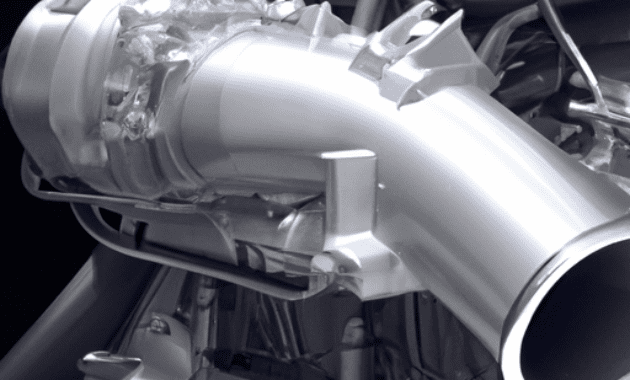
    The history of engine rebuilding and restoration
    The history of engine rebuilding and restoration dates back to the early 20th century. During that time, automobiles were still in their infancy, and engines were far from perfect. Engine failures were common, and it was not uncommon to replace an engine every few years. However, in 1915, a company called “Dixie Flyer Garage” was established in Atlanta, Georgia, offering engine rebuilding services. This was the first engine rebuilding shop in the United States, and it quickly became popular among car owners. The company was so successful that it expanded and opened branches all over the country.

    The process of engine rebuilding and restoration
    Engine rebuilding and restoration can be a complex process, requiring a combination of technical expertise and creative problem-solving. Here is a step-by-step breakdown of how the process typically works:

    1. Disassembly: The first step is disassembling the engine, removing all the components, and inspecting them for damage or wear. This includes the block, crankshaft, pistons, and bearings.

    2. Cleaning: Once the engine is disassembled, the next step is cleaning. This involves removing any dirt, grime, or rust from the components to prepare them for machining and rebuilding.

    3. Machining: This step involves machining the components to the correct specifications. This includes reboring the cylinders, grinding the crankshaft, and replacing damaged bearings.

    4. Assembly: Once the components are machined, the next step is assembly. This involves putting the engine back together, making sure all the components fit together perfectly. This is where the true artistry of engine rebuilding comes in, as a skilled mechanic must balance precision with creativity to ensure the engine runs smoothly and efficiently.

    5. Finishing touches: The final step is adding the finishing touches. This may include painting the engine or adding new parts, such as a new carburetor or exhaust manifold.

    The benefits of reviving the past
    There are several benefits to reviving vintage and classic engines through engine rebuilding and restoration. Here are a few:

    1. Cost-effective: Engine rebuilding and restoration can be a cost-effective way of keeping an old car on the road. Instead of buying a new engine, a rebuilt engine can be an affordable option.

    2. Eco-friendly: Rebuilding an old engine is also eco-friendly as it saves the energy and resources that would be required to manufacture a new engine.

    3. Historical value: Reviving a vintage or classic engine can add significant historical value to a car. It allows the owner to preserve a piece of automotive history and re-create the experience of driving a classic car.

    4. Performance: Rebuilt engines often perform better than the original engine due to advancements in machining technology and materials. This can result in a smoother, more efficient ride.

    Conclusion
    The art of engine rebuilding and restoration is a fascinating world that combines science, art, and passion. It has a rich history, with early pioneers paving the way for modern-day mechanics to continue the tradition. The process of engine rebuilding and restoration can be complex and challenging, but the benefits of reviving the past are vast. It is a cost-effective, eco-friendly way of keeping classic cars on the road, adding historical value and improving performance. In essence, engine rebuilding and restoration embody the spirit of innovation, creativity and a commitment to preserving history for future generations to enjoy.

  • Revolutionizing Diesel Engines: The Latest Emissions Control Solutions

    Revolutionizing Diesel Engines: The Latest Emissions Control Solutions

    Diesel engines have been around for over a century, and despite their many benefits, they have always had a serious drawback: emissions. Diesel engines produce more harmful gases than gasoline engines, and this has led to increasing concern about their impact on the environment and public health.

    In recent years, however, there has been a surge in new emissions control technologies that promise to revolutionize diesel engines. These solutions, which range from exhaust after-treatment systems to alternative fuels, are making diesel engines more efficient, cleaner, and more environmentally friendly than ever before.

    One of the most promising solutions for reducing diesel emissions is the use of exhaust after-treatment systems. These systems work by treating the exhaust gases from diesel engines with a series of filters and catalysts that neutralize harmful gases like nitrogen oxides (NOx). The result is a cleaner, more efficient diesel engine that produces fewer emissions.

    One of the most popular exhaust after-treatment systems is the selective catalytic reduction (SCR) system. This system works by injecting a urea solution into the exhaust gases to reduce NOx emissions. The urea reacts with the NOx to form harmless nitrogen and water vapor. SCR systems have been widely adopted by truck and bus manufacturers and are quickly becoming standard equipment on new diesel engines.

    Another popular exhaust after-treatment system is the diesel particulate filter (DPF). This system works by capturing and removing particulate matter (PM) from the exhaust gases. PM is a significant contributor to air pollution and can cause a variety of health problems, including respiratory issues and cardiovascular disease. DPFs have been proven to reduce PM emissions by up to 90%, making them a valuable tool for improving air quality.

    But these technologies are just the beginning. In recent years, researchers have been exploring new and innovative ways to control diesel emissions. One of the most promising approaches is the use of alternative fuels.

    Biodiesel, for example, is a renewable fuel made from vegetable oils, animal fats, or recycled cooking oil. When used in diesel engines, biodiesel produces significantly lower emissions than traditional diesel fuel. It also has the added benefit of reducing dependence on fossil fuels and supporting local agriculture and industry.

    Another promising alternative fuel is natural gas. Natural gas is a cleaner-burning fuel than diesel, producing lower levels of NOx, PM, and carbon dioxide (CO2). Many truck and bus fleets have already made the switch to natural gas, and the trend is expected to continue as more natural gas infrastructure is built across the country.

    In addition to alternative fuels, new engine designs are also playing a critical role in revolutionizing diesel engines. One such design is the opposed-piston engine, which features two pistons per cylinder that move towards each other in opposing directions. This design improves engine efficiency by reducing heat loss, which results in lower fuel consumption and emissions.

    In conclusion, diesel engines have come a long way in the past century, but their emissions remain a serious concern. Fortunately, new emissions control solutions are quickly changing the game for diesel engines. Whether it’s the use of exhaust after-treatment systems, alternative fuels, or innovative engine designs, these technologies are improving the efficiency and cleanliness of diesel engines like never before. With continued investment in research and development, there’s no telling how much further diesel engine technology can advance in the years to come.

  • Transform Your Life with Udemy’s Personal Development Courses!

    Transform Your Life with Udemy’s Personal Development Courses!

    Udemy, one of the leading platforms of online education, offers a wide array of courses that cover numerous topics, including personal development. Personal development courses are designed to help individuals grow and improve in various aspects of their lives. These courses can help transform your life for the better.

    There are many benefits to taking personal development courses on Udemy. For starters, these courses are designed to help you identify and overcome limiting beliefs, set goals, build confidence, develop new skills, and ultimately lead a more fulfilled life. These courses are taught by experts in their respective fields, so you can rest assured that you’re learning from the best.

    Udemy’s personal development courses cover a wide range of topics, including but not limited to, productivity, time management, stress management, communication skills, emotional intelligence, leadership, and public speaking skills. These courses are designed to help individuals improve in their personal and professional lives, so you can apply the skills learned in these courses in various aspects of your life.

    One of the most significant advantages of taking personal development courses on Udemy is the flexibility it offers. These courses are designed to be taken at your own pace, so you can learn at your own convenience. Additionally, the courses are entirely online, so you can access your course material from anywhere and at any time. This flexibility is particularly useful for people with busy schedules who are looking to improve themselves but struggle to find the time to attend traditional classes.

    Udemy’s personal development courses are also incredibly affordable, with prices starting as low as $9.99. This makes these courses an excellent investment for those looking to transform their lives without breaking the bank. Furthermore, Udemy offers a 30-day money-back guarantee, so you can try these courses risk-free.

    In conclusion, Udemy’s personal development courses are an excellent way to improve your personal and professional life. With a wide range of courses available, individuals have the opportunity to learn valuable skills that can help transform their lives for the better. The flexibility of these courses allows individuals to learn at their own pace, and the affordable prices make them accessible to everyone. If you’re looking to make a positive change in your life, consider taking a personal development course on Udemy today.

  • Discovering Borobudur Temple – The Impacts of the New Entrance Fee Structure

    Discovering Borobudur Temple – The Impacts of the New Entrance Fee Structure

    Borobudur temple, located in central Java, Indonesia, is one of the most magnificent ancient temples in the world. It is a UNESCO world heritage site and a popular tourist attraction. The temple has seen a significant increase in visitors in recent years, and the government has now implemented a new entrance fee structure. This new pricing structure has both positive and negative impacts on the tourism industry and local community.

    The temple’s new entrance fee structure has come into effect from 1st January 2020. Previously, there was a fixed entrance fee for both local and foreign visitors. The new pricing structure differentiates between local and foreign visitors, and the price for foreigners has significantly increased compared to locals. This change in price aims to increase revenue and balance the number of local and foreign visitors.

    One of the positive impacts of this new entrance fee structure is it will help to support the maintenance of the temple. The temple, which is more than 1200 years old, requires significant maintenance and restoration work. The funds collected from the entrance fees will be used for these essential works. This will help to preserve the cultural heritage site for future generations and ensure visitors can appreciate the site’s beauty and history.

    However, a significant negative impact of this pricing structure is that it may discourage some foreign visitors from visiting the monument. The increase in price could make it less affordable for some tourists, causing a decrease in the number of foreign visitors. Moreover, it may reduce the tourism industry’s contribution to the local economy, which heavily depends on tourism. This decrease in foreign visitors could lead to a reduction in employment opportunities and income for the local community.

    It should be noted that this new pricing structure will not affect the visiting locals, as the cost of entry has not increased for them. The new pricing structure aims to encourage local visitors to appreciate their cultural heritage, which is very important, as the temple is a crucial symbol of Indonesia’s rich cultural history.

    In conclusion, the new entrance fee structure in Borobudur Temple has both positive and negative impacts on the tourism industry and local community. It provides much-needed funding for the maintenance and restoration of the temple while potentially discouraging some foreign visitors from visiting. Nonetheless, it is essential to preserve this cultural heritage site for the future, and we must acknowledge and support the government’s effort in maintaining our world’s cultural wonders.

  • Why Borobudur Temple’s Entrance Fee Increase is a Good Thing

    Why Borobudur Temple’s Entrance Fee Increase is a Good Thing

    Borobudur Temple, a UNESCO World Heritage site located in Indonesia, attracts millions of tourists every year. It is a magnificent structure that symbolizes the Buddhist religion and culture. Recently, there has been an increase in the entrance fee to the temple. While some tourists have criticized this, there are several reasons why the increase in entrance fees is a good thing.

    Firstly, the revenue generated from the entrance fee goes towards maintenance of the temple. The Borobudur Temple is centuries old and requires constant attention to maintain its structural integrity. The increase in revenue has enabled the temple authorities to undertake regular maintenance work, thus ensuring the temple’s preservation for future generations.

    Secondly, the increase in entrance fee helps in managing the crowds that visit the temple. Borobudur Temple is a popular tourist destination, and sometimes the influx of tourists can be overwhelming. The increase in entrance fee has deterred some travelers who may not be genuinely interested in the temple or may not be able to afford the new price. This, in turn, has resulted in a better visiting experience for those who do visit.

    Thirdly, the funds generated by the increase in entrance fee can help in the development of the local community. The temple is located in a rural area, and the revenue generated from the fees can be used for the upliftment of the local community in terms of education, healthcare, and infrastructure. This ensures that the temple’s presence has a positive impact on the region.

    Lastly, the increase in entrance fee could be seen as a way of promoting responsible tourism. Responsible tourism aims to minimize the negative impact of tourism on the environment and local people. By increasing the entrance fee, only serious and committed tourists who value the temple’s significance will visit the site.

    In conclusion, the increase in the entrance fee to the Borobudur Temple may have caused discomfort to some tourists, but it is essential to understand the benefits it brings. The revenue generated helps in maintaining the temple, managing the crowds, developing the local community and promotes responsible tourism. Ultimately this ensures that the Borobudur Temple continues to be a landmark not only in Indonesia but in the world.

  • The Rise of Halal Beauty: Meeting the Growing Demand for Ethical and Safe Beauty Products

    The Rise of Halal Beauty: Meeting the Growing Demand for Ethical and Safe Beauty Products

    In the world of beauty, there is a growing demand for ethical and safe products. Consumers are increasingly concerned about the impact of beauty products on their health, as well as the environment and animal welfare. The rise of halal beauty is a reflection of this trend.

    Halal beauty refers to products that are compliant with Islamic law. This means that they are free from ingredients that are haram or forbidden, such as alcohol and animal-derived ingredients. Halal products are also produced using ethical and sustainable methods, which are in line with Islamic values.

    The global halal market is expected to reach $2.6 trillion by 2023, with the beauty and personal care sector accounting for a significant share. This growth is driven by the rising demand for halal products among Muslim consumers, as well as non-Muslim consumers who are looking for ethical and safe products.

    One of the key factors driving the rise of halal beauty is the increasing awareness among consumers about the harmful effects of certain chemicals and ingredients commonly found in beauty products. Many consumers are now looking for natural and organic products that are free from harsh chemicals and toxins.

    Halal beauty products are typically free from sulfates, parabens, phthalates, and other harmful ingredients that can cause skin irritation, allergies, and other health problems. This makes them a popular choice among consumers who are looking for safe and gentle products that are suitable for all skin types.

    Another factor contributing to the rise of halal beauty is the growing concern among consumers about animal welfare. Many beauty products are tested on animals, which can cause pain and suffering to these animals. Halal beauty products are produced using ethical and sustainable methods that do not harm animals, which makes them a popular choice for consumers who are looking for cruelty-free products.

    In addition to being safe and ethical, halal beauty products are also known for their high quality and effectiveness. Many halal brands use natural ingredients that are rich in vitamins, minerals, and antioxidants, which help to nourish and protect the skin.

    Halal beauty products also tend to be more affordable than their mainstream counterparts. Since halal manufacturers do not spend money on expensive marketing campaigns, they are able to offer their products at lower prices. This makes them a popular choice for consumers who are looking for quality products at a reasonable price.

    Halal beauty is not just a trend among Muslim consumers; it is also appealing to non-Muslim consumers who are looking for ethical and safe products. The halal market is becoming increasingly mainstream, with major retailers and beauty brands launching their own halal lines to cater to this growing demand.

    However, the rise of halal beauty has also raised questions about its authenticity and certification. With so many brands claiming to be halal, it can be difficult for consumers to distinguish between genuine halal products and those that are simply marketed as halal for commercial purposes.

    To address this issue, several organizations have been established to certify halal products, such as the Halal Certification Services and the Islamic Society of North America. These organizations provide consumers with assurance that the products they are using are genuine halal products that are compliant with Islamic law.

    In conclusion, the rise of halal beauty is a reflection of the growing demand for ethical and safe beauty products. Halal products are free from harmful chemicals and toxins, and are produced using ethical and sustainable methods that are in line with Islamic values. They are also known for their high quality and affordability, making them a popular choice among consumers who are looking for quality products at a reasonable price. As the halal market becomes increasingly mainstream, it is important for consumers to ensure that the products they are using are certified halal products that are compliant with Islamic law.

  • Advance Your Programming Skills with Udemy’s Comprehensive Courses!

    Advance Your Programming Skills with Udemy’s Comprehensive Courses!

    As technology continues to evolve, the demand for skilled programmers also increases. However, being a programmer is a continuous learning process and it’s important to stay up to date with the latest technologies and programming languages.

    This is where Udemy comes in – a platform that provides comprehensive courses to advance your programming skills. Udemy offers courses for various programming languages such as Java, Python, C++, HTML, and more.

    One of the best things about Udemy is that it offers courses for beginners, intermediate, and advanced programmers. This means that whether you are an aspiring programmer or an experienced one, there is always room for improvement and Udemy has got you covered.

    Udemy’s courses are also ideal for individuals who are looking to change careers or start a new venture. The courses are designed to help you gain mastery of the programming language and give you hands-on experience to build projects that you can include in your portfolio.

    Udemy’s courses are also very affordable compared to other programming courses, which can run into the thousands of dollars. The courses are also accessible at any time, which means that you can fit them into your busy schedule.

    Another great feature of Udemy’s courses is that they are taught by experienced programmers who have a wealth of knowledge and experience. These instructors take time to explain complex concepts in an easy-to-understand manner and offer practical examples to reinforce your understanding.

    In conclusion, Udemy’s comprehensive courses are an ideal platform to advance your programming skills. With its affordable courses and accessibility, Udemy is a great choice for both aspiring and experienced programmers who seek to continue learning and stay ahead of the curve. Plus, the practical application of the courses can help you stand out in the job market and increase your earning potential.

  • Revolutionize Your Ride: The Latest Hybrid Engine Systems and Technologies

    Revolutionize Your Ride: The Latest Hybrid Engine Systems and Technologies

    The automotive industry has witnessed significant changes in the last few decades. From the manufacturing process to technological advancements, several innovations have transformed the way we ride our vehicles. One of the most significant developments in this industry is the emergence of hybrid engines. Hybrid engines are a combination of an electric motor and an internal combustion engine. This technological breakthrough has provided several benefits to drivers, including increased mileage, reduced fuel consumption, and lower emissions. In today’s article, we will discuss the latest hybrid engine systems and technologies.

    What are Hybrid Engines?

    Before we dive into the latest hybrid engine systems and technologies, let’s briefly understand what hybrid engines are. As mentioned above, hybrid engines are a combination of an electric motor and an internal combustion engine. The electric motor is powered by a battery, which is recharged by the internal combustion engine. Alternatively, the electric motor can assist the internal combustion engine, reducing the amount of fuel used. In addition, hybrid engines can operate on electric power alone for short distances or at low speeds, making them ideal for urban driving.

    Regenerative Braking Systems

    One of the latest technologies in hybrid engines is regenerative braking systems. Conventional braking systems produce heat, which is lost to the environment. However, with regenerative braking, the kinetic energy produced by the vehicle when it slows down is captured and converted into electricity. This energy is stored in the battery and used to power the electric motor, reducing the amount of fuel used by the internal combustion engine. Regenerative braking systems, therefore, provide a more efficient method of braking and help to increase the overall fuel economy of hybrid engines.

    Electric Turbochargers

    Turbochargers have been used in combustion engines for many years to increase the output power of the engine. However, with the introduction of electric turbochargers, these systems have become even more efficient. Electric turbochargers work by using an electric motor to power the compressor, which produces compressed air to increase the engine’s horsepower. This technology eliminates the delay associated with traditional turbochargers, improving the overall performance of the engine.

    Mild Hybrid Engines

    Mild hybrid engines are a type of hybrid engine that uses a smaller electric motor to provide additional support to the internal combustion engine. These engines are known as “mild” because they cannot operate on electric power alone. However, the electric motor can provide additional power to the internal combustion engine, reducing the amount of fuel used. Mild hybrid engines are becoming increasingly popular in the automotive industry because they provide many of the benefits of hybrid engines without the high cost.

    Plug-In Hybrid Engines

    Plug-in hybrid engines are a type of hybrid engine that can operate on electric power alone for longer distances than their counterparts. These engines are powered by a larger battery than other hybrid engines and can be recharged by plugging them into an electrical outlet. The larger battery provides enough power for the engine to travel for more extended periods on electric power alone, reducing the amount of fuel used. Plug-in hybrid engines are becoming more prevalent in the automotive industry as the cost of batteries continues to decrease, making them more affordable.

    Hybrid Engines with Automatic Start-Stop Technology

    Automatic start-stop technology is a feature of some hybrid engines that switches off the internal combustion engine when the vehicle is stationary. This feature is particularly useful in urban driving conditions, where there is a lot of stop-start traffic. When the vehicle comes to a stop, the combustion engine is switched off, and the electric motor takes over. As soon as the accelerator is pressed again, the internal combustion engine comes back to life, and the vehicle continues on its way. This feature reduces the amount of fuel used by the engine, making it more efficient.

    Conclusion

    The latest hybrid engine systems and technologies have revolutionized the automotive industry. From regenerative braking systems to plug-in hybrid engines, these new technologies offer several benefits to drivers, including increased fuel economy, reduced emissions, and improved performance. As we continue to move towards more sustainable forms of transportation, it is clear that hybrid engines will play a vital role in the future of the automotive industry.

  • Discover a New World of Language Learning with Udemy Courses

    Discover a New World of Language Learning with Udemy Courses

    If you’re someone who’s always dreamt of learning a new language but didn’t have the time or resources to attend classes, online learning platforms like Udemy offer a whole new world of opportunities for you. With dozens of language courses available covering everything from Spanish and French to Mandarin and Arabic, there’s never been a better time to explore the world of language learning.

    One of the most exciting things about Udemy courses is the flexibility they offer. With on-demand video lectures, you can learn at your own pace, fitting your language learning around your existing commitments. You also have the added benefit of being able to learn from experts in the field, many of whom are native speakers.

    One such expert is Felix Lattman, a Swedish polyglot who has taught over 165,000 students across multiple languages. Lattman’s courses are a great example of the variety of courses available on Udemy – while some of his courses are aimed at beginners, others are designed for more advanced learners, teaching more complex grammar and vocabulary.

    Another Udemy instructor worth checking out is Angelika Davey, who offers a range of courses focused on German language learning. With years of experience teaching German, Davey has developed a unique teaching style that emphasizes practical communication over more traditional teaching methods. Her courses are a great option not just for beginners, but for anyone looking to improve their spoken German and gain confidence in their ability to communicate in a real-world setting.

    Of course, learning a new language isn’t just about the teacher – the platform itself plays a crucial role in making the learning experience effective and engaging. Udemy’s platform is user-friendly and customizable, allowing you to track your progress, set personalized goals, and communicate with your instructor and fellow students.

    One of the great benefits of Udemy’s platform is the community it fosters. Through discussion boards and interactive features, you can connect with other learners and gain valuable insights and feedback on your progress. This sense of community can be a real motivator for sticking with your language learning goals.

    Ultimately, Udemy offers a highly accessible way to discover a new world of language learning. With courses covering all major languages and catering to learners of all levels, there’s truly something for everyone. Whether you’re hoping to pick up a new language before your next trip abroad, or simply want to expand your horizons and explore new cultures, Udemy’s courses provide a fun, flexible, and highly effective way to do so.

  • Unleashing the Power: The Ultimate Guide to Gasoline Engine Tuning and Performance Upgrades

    Unleashing the Power: The Ultimate Guide to Gasoline Engine Tuning and Performance Upgrades

    Unleashing the Power: The Ultimate Guide to Gasoline Engine Tuning and Performance Upgrades

    If you’re looking to boost the performance of your gasoline engine, you may be wondering where to start. With a wide range of performance upgrades available, it can be tough to know which options are worth your time and money. In this ultimate guide, we’ll cover the essentials of gasoline engine tuning and performance upgrades, so you can make informed choices and unleash the full potential of your engine.

    First, let’s talk about the basics of engine tuning. When you tune an engine, you’re adjusting its fuel and air delivery system to optimize performance. The goal is to get the right amount of fuel and air to the combustion chambers at the right time, so that the engine can operate as efficiently and smoothly as possible.

    There are several key factors to consider when tuning an engine. One of the most important is the air/fuel ratio. This refers to the ratio of air to fuel that’s delivered to the engine. If you’re running too rich (with too much fuel), you may experience reduced power output, increased emissions, and poor fuel economy. On the other hand, if you’re running too lean (with too little fuel), you risk damaging your engine and reducing performance.

    To optimize your air/fuel ratio, you can use a variety of tuning tools and techniques. One common option is to install an aftermarket air intake system. These systems can improve air flow and replace restrictive factory air filters, which can result in more horsepower and torque. Similarly, you may consider upgrading your exhaust system to reduce back pressure and improve exhaust flow. This can help your engine breathe more easily and run more efficiently.

    Another key factor in engine tuning is spark timing. When the spark plugs fire, they ignite the air/fuel mixture in the combustion chambers. Optimizing the timing of these sparks can make a big difference in engine performance. If the spark occurs too early, you may experience detonation (also known as “knocking”), which can damage your engine over time. If the spark occurs too late, you may lose power and fuel economy.

    To adjust your spark timing, you can use an engine tuner or a standalone ignition system. These tools allow you to adjust timing settings and fine-tune your engine’s performance. However, if you’re not experienced with engine tuning, it’s important to consult a professional to ensure that you’re making safe and effective adjustments.

    In addition to tuning your engine, you may also consider upgrading various engine components to improve performance. One common upgrade is to install high-performance fuel injectors. These injectors can deliver a greater volume of fuel to the engine, resulting in more power and torque. Similarly, you may consider upgrading your fuel pump to ensure that your engine is getting the optimal fuel pressure.

    Other performance upgrades may include installing a larger throttle body to allow more air into the engine, or upgrading your camshaft to optimize valve timing and lift. You may also consider upgrading your ignition system or installing a supercharger or turbocharger to increase horsepower and torque. These upgrades can be expensive, but they can also offer significant performance gains.

    Of course, there are always trade-offs when it comes to engine tuning and performance upgrades. Upgrading certain components may improve one aspect of performance, but may also have negative effects on other parts of the engine. For example, installing a supercharger may increase horsepower, but it may also increase engine temperature and put additional stress on other components.

    It’s also important to note that some upgrades may require additional modifications to your engine or other systems. For example, if you install an aftermarket camshaft, you may need to upgrade your valve springs or rocker arms to ensure proper operation. Similarly, if you install a supercharger, you may need to upgrade your fuel system to handle the additional pressure.

    Ultimately, the key to successful engine tuning and performance upgrades is to do your research and work with experienced professionals. Before making any modifications to your engine, consult with a reputable tuning shop or mechanic to ensure that you’re making safe and effective changes. With the right tools and expertise, you can unleash the full potential of your gasoline engine and enjoy improved performance on the road or track.

  • Express Your Creativity with Udemy’s Range of Arts Courses

    Express Your Creativity with Udemy’s Range of Arts Courses

    Are you tired of feeling uninspired and looking for a way to express your creativity? Udemy offers a range of arts courses designed to unleash your inner artist and help you grow in your craft.

    Whether you’re a beginner or an expert in the field, Udemy’s arts courses cater to every level of expertise. With over 100,000 courses in various fields, you can choose from a range of art courses including drawing, painting, sculpting, graphic design, and digital photography.

    One of the many benefits of these courses is the flexibility you have in your learning experience. You can choose a course that fits your schedule and learn at your own pace. Whether you want to learn a new skill to enhance your creativity or to improve your professional portfolio, you can find a Udemy course that caters to your goals and aspirations.

    For instance, the course “Digital Illustration for Beginners: Essentials to Start Drawing” is perfect for any beginner who is new to the world of digital art. The course provides an introduction to basic digital art tools and techniques, which helps to create simple but impressive illustrations.

    In contrast, the course “Mastering Portrait Drawing Course” is for intermediate to advanced artists who want to elevate their portrait drawing skills to the next level. The course provides a comprehensive understanding of facial structure, anatomy, and techniques for achieving more realistic and better-drawn portraits.

    Another exciting course for creative professionals is “Graphic Design Boot Camp: Photoshop, Illustrator, InDesign.” This course is perfect for anyone looking to sharpen their skills in graphic design as it covers a wide range of essential tools and techniques for graphic designing, including Photoshop, Illustrator, and InDesign.

    Many of these courses are offered by expert professionals in their respective fields, which makes for an enriching learning experience. With their knowledge and guidance, you can learn new techniques, gain insights, and become a better artist.

    In conclusion, if you want to embrace your creativity, it’s never too late to start. Udemy’s range of arts courses offers an opportunity to take your passion to the next level. By learning new techniques, exploring new mediums, and engaging with expert instructors, you can unleash your inner artist and expand your skill set. So start today and let Udemy help you express your creativity!

  • 10 Halal Friendly Travel Destinations for an Authentic Cultural Experience

    10 Halal Friendly Travel Destinations for an Authentic Cultural Experience

    Halaal tourism has been increasing rapidly over the years, and it comes as no surprise that travel destinations are becoming more and more halal friendly. Halal tourism means having activities, accommodations and food options that caters to the Muslim community. More and more people want to experience other cultures without having to compromise their own religion or beliefs. Here are 10 halal friendly travel destinations for an authentic cultural experience:

    1. Istanbul, Turkey
    If you’re looking for an authentic cultural experience with a variety of halal options and attractions, Istanbul, Turkey should be your number one destination! Istanbul is filled with beautiful mosques, museums, and bazaars that highlight its rich history and culture. The Blue Mosque, Topkapi Palace, and the Grand Bazaar are some of the top destinations that are worth visiting. You can also savor some of the best Turkish cuisine in local halal restaurants and shops which offer a unique taste of traditional meats such as shawarma and kebab.

    2. Marrakech, Morocco
    Marrakech is known for its vibrant colors, historical monuments, and spices. It’s an ideal destination for Muslims seeking a unique cultural experience as well as halal accommodations and food options. Enjoy exploring the Grand Souk and the Bahia Palace and indulge in some delicious Moroccan cuisine like tajine, couscous, and pastries in many halal-friendly restaurants.

    3. Kuala Lumpur, Malaysia
    Kuala Lumpur has been rated one of the top halal travel destinations around the world. The city is full of vibrant street markets, iconic landmarks such as the towering Petronas Twin Towers, and wonderful halal-friendly dining options. Located in the heart of Kuala Lumpur, Jalan Masjid India, is known for its variety of local halal food and affordable range of shops selling traditional wear like baju kurung and hijab.

    4. Dubai, UAE
    Dubai is a popular destination for halal travel because of its growing number of halal-friendly accommodations, malls, and restaurants. The city’s magnificent architecture and remarkable hospitality make it a must-visit destination for Muslim travelers. Visitors can experience unique culture by visiting the Burj Khalifa, Dubai Mall, and the Miracle Garden.

    5. Konya, Turkey
    Konya is a city in Turkey that holds great significance in the Islamic world due to it being the spiritual center of Mevlana’s Sufi order. Experience traditional Mevlevi culture through whirling dervish performance or explore the green mosque, the Meram Gardens, and the Alaaddin Mosque. Moreover, Konya offers a number of halal restaurants and food options for visitors to choose from.

    6. Amman, Jordan
    Amman, the capital of Jordan, is known for its ancient ruins, traditional cuisine, and warm hospitality, ranking it upward in halal-friendly travel. The city is home to several historical sites, including the Roman Amphitheater, Jerash, or the Citadel. Additionally, visitors can taste the best of Jordanian cuisine while exploring the local halal restaurants.

    7. Doha, Qatar
    Doha, the capital of Qatar, is a city of contrasts, blending old and new traditions, with its unique architecture and ultramodern museums. The Katara Cultural Village is a great place to indulge in authentic art, music, opera, and theater performances. Its range of world-class halal dining options makes Doha a top halal-friendly travel destination in the Middle East.

    8. Tunis, Tunisia
    Tunis is a city of architecture, history, and tradition. The old Carthage ruins, the Medina and the Bardo Museum are some of the top attractions you should visit, and for a unique experience, the Dougga and Sidi Bou Said are some beautiful destinations to visit. Tunis has a variety of halal-friendly restaurants where visitors can enjoy Tunisian spices and traditional meat and vegetable dishes.

    9. Jakarta, Indonesia
    Jakarta, the capital city of Indonesia, has a lot to offer to Muslim travelers seeking a unique cultural experience. It’s known for its traditional and historical landmarks, including the Monas Tower, Istiqlal Mosque, or the Ragunan Zoo. Visitors can discover the city’s authentic Indonesian cuisine in many halal food stalls or restaurants.

    10. Zanzibar, Tanzania
    Zanzibar is an exotic island destination in East Africa. The island is dotted with sandy beaches, coral reefs, and amazing wildlife. You can visit Stone Town, the Island’s historic capital and stroll through the famous Open-Air Night Markets selling a variety of seafood and Halal street food. Other must-visit destinations include Jozani Chwaka National Park, and the Mnemba Atoll Marine Reserve which is known for its turtles and dolphins.

    In conclusion, Halal-friendly tourism is profiting rapidly in the travel industry with more destinations accommodating their Muslim visitors. Halal-friendly travel destinations cater to the Muslim community while offering a unique and authentic cultural experience. From Istanbul’s historical mosques and bazaars to Bali’s tropical paradise, Muslim travelers do not have to sacrifice their beliefs or values when traveling. These 10 destinations should be on your travel list for 2021!

  • Upgrade Your Skills and Advance Your Career with Udemy Courses

    Upgrade Your Skills and Advance Your Career with Udemy Courses

    In our fast-paced world, it is imperative to continually learn and upgrade our skills, especially in a digital age where technological advancements are rapidly changing the job market. With the growth of online learning platforms, such as Udemy, there is no excuse for anyone not to improve their skills and advance their careers.

    Udemy is an online educational platform with over 150,000 courses, which are taught by instructors from all over the world. The courses vary from software development and IT courses to music and arts, health and fitness, business and personal development, and many more. Udemy offers a flexible learning platform that allows you to learn at your own pace and convenience.

    One of the significant advantages of Udemy courses is that they are affordable, which means you can learn from top instructors without breaking the bank. Additionally, Udemy offers courses that are applicable to different levels of expertise, from beginners to advanced levels. Whether you are a recent graduate, mid-career professional, or a business owner looking to expand your skills, Udemy has the right courses for you.

    Apart from affordability and flexibility, Udemy courses also help you to remain competitive in your field. With the constant evolution of technology, it is crucial to stay up-to-date with the latest techniques and tools. Udemy courses bring you the latest trends in your industry, enhancing your knowledge and expertise.

    Another advantage of Udemy courses is that they help you to stand out in the job market. Employers value the continuous learning and upskilling of their employees, and having Udemy courses on your resume could be the decisive factor that sets you apart from other candidates vying for a position.

    In conclusion, upgrading your skills and advancing your career with Udemy courses is a wise decision in this digital age. With Udemy’s vast course offerings, flexible scheduling, affordability, and up-to-date content, you can take your career to the next level. Investing in yourself and your education is a lifelong endeavor, and Udemy is an excellent place to start.

  • Experience the Grandeur of Borobudur Temple – Updated Entrance Fee and Guidelines

    Experience the Grandeur of Borobudur Temple – Updated Entrance Fee and Guidelines

    Borobudur Temple is one of the most significant and majestic Buddhist temples in the world, located in the Central Java province of Indonesia. This iconic temple, built in the 8th and 9th centuries, was abandoned for centuries before being rediscovered in the early 19th century. It stands as a testament to the skill and creativity of the ancient Javanese civilization.

    Built in the shape of a mandala, Borobudur Temple is an incredible piece of architecture that boasts nine stacked platforms, adorned with over 2,500 relief panels and 500 Buddha statues, all carved from volcanic stone. Visitors can witness the intricate details of the carvings that depict scenes from daily life, the Buddha’s teachings, and the path to enlightenment.

    To enjoy the grandeur of Borobudur Temple, visitors must follow the updated entrance fee and guidelines. The entrance fee for foreign visitors is IDR 530,000 (around USD 38) per person and IDR 30,000 (around USD 2) for domestic visitors. The entrance fee includes access to the temple grounds, the museum, and the Manohara Sunrise Tour package.

    Visitors must also follow a dress code, as Borobudur Temple is a sacred site. Visitors are required to wear decent clothes that cover their shoulders and knees. Wearing hats or sunglasses is discouraged, as it is a sign of disrespect in the Javanese tradition.

    To maintain the sanctity of Borobudur Temple, visitors are also prohibited from bringing food, beverages, or any kind of trash inside the temple. Smoking, drinking, and loud talking are also not allowed.

    Visitors are encouraged to join the Manohara Sunrise Tour, which starts at 4:30 AM, to witness the sunrise from the top of Borobudur Temple. The tour includes a guided walk through the temple, a light breakfast, and a bottle of mineral water. The tour provides a serene and peaceful experience as visitors can see the sun rising over the temple and the surrounding hills, an unforgettable sight.

    In conclusion, a visit to the Borobudur Temple is an absolute must for anyone visiting Indonesia. To enjoy the full grandeur of this magnificent temple, visitors must follow the updated entrance fee and guidelines, including the dress code and prohibited items. The Manohara Sunrise Tour offers a unique and breathtaking experience at Borobudur Temple, making it a must-visit attraction.

  • Silence the roar: innovative engine noise solutions

    Silence the roar: innovative engine noise solutions

    In today’s world, engine noise is still one of the biggest problems when it comes to automotive engineering. As a result, car manufacturers have been striving to come up with new, innovative engine noise solutions that help to silence the roar. A silent engine not only reduces driver fatigue, but it also ensures a comfortable ride for passengers. In this article, we will explore some of the innovative engine noise solutions that are being developed in the automotive industry and the impact they can have on driving experience.

    Acoustic Insulation for Quieter Engines

    Acoustic insulation is playing a significant role in reducing engine noise. It involves the use of sound-absorbing materials such as polyurethane foam to block out unwanted engine noise. These materials can be used in different ways to reduce noise levels in a vehicle, including using them as floor mats, trimming them into vehicle interiors, and placing them in engine compartments. The thermal insulation can be done in the headliner, under the carpet, or along the door. The acoustic insulation helps to create a more relaxed and serene environment within the cabin, minimizing the engine’s noise and other outside sounds that could cause distractions.

    Automakers are not only using sound-absorbing materials to reduce cabin noise levels, but they are also improving traditional methods of insulation (like carpeting and underbody seals) to create better sound-deadening barriers. By creating these barriers, it becomes possible to cut down on engine and road noise while also improving the overall driving experience for vehicle occupants.

    Active Noise Cancellation Technology

    Similar to noise-canceling headphones, automakers are introducing Active Noise Cancellation (ANC) technology to reduce engine noise levels in their vehicles. ANC uses a separate speaker system in conjunction with microphones to effectively cancel out engine noise. The microphones pick up the engine sound, and the speaker generates an opposing sound wave that cancels out the noise before it can reach the passengers. The new Volvo XC90 and BMW 5 Series are great examples of vehicles that use ANC technology to reduce cabin noise levels.

    ANC technology is an excellent addition to the overall driving experience. It can turn a noisy car into a substantially quieter and more comfortable one. ANC has become an integral component of advanced driver assistance systems (ADAS) that utilize on-board cameras and sensors to provide real-time feedback to your vehicle.

    Electric Drivetrains

    Gasoline engines are known to emit various noises that can be quite disturbing to someone wishing to enjoy a quiet ride. Fortunately, electric drivetrains have the potential to reduce engine noise levels entirely. Electric vehicles (EVs) have a much quieter operation compared to their counterpart, which relies on a combustion engine. In an EV, the electric motor produces a low hum, which is barely audible. The absence of vibration and noise from the engine provides a serene ambiance in the cabin.

    While electric drivetrains are expensive, they may be the future of automotive engineering since it brings low noise pollution to cities, and they have fewer toxic emissions. As technology continues to improve, electric vehicles may soon become more affordable and practical for consumers.

    Conclusion

    Innovations in automotive engineering are paving the way for quieter engines. The effective use of acoustic insulation, Active Noise Cancellation technology, and electric drivetrains are changing the driving experience by providing a more relaxed and serene environment in the cabin. While acoustic insulation is the most established technology, Active noise-canceling and electric drivetrains are relatively new and have the potential to completely eliminate engine noise.

    In conclusion, innovations in engine noise solutions are providing automotive engineers with exciting opportunities to improve the overall driving experience. Drivers can expect exciting new technology that expands beyond acoustic insulation to include Active Noise Cancellation and potentially electric drivetrains. Quieter engines provide a more comfortable and serene ride, allowing passengers to enjoy their music, converse or relax.

  • Ace Your Exam with Udemy’s Comprehensive Test Prep Courses

    Ace Your Exam with Udemy’s Comprehensive Test Prep Courses

    Preparing for an exam can be a daunting task, whether it’s an entrance exam, standardized test or certification test. And with a lot of material to cover, it can be overwhelming to know where to begin. Fortunately, Udemy’s comprehensive Test Prep Courses can help you face your exam with confidence and ace it.

    Udemy’s Test Prep Courses are academic courses designed to help learners prepare for exams. They are developed by experienced and knowledgeable instructors and educators who have expertise in the exam, and have helped other students pass the exam in the past. The courses provide a step-by-step guide on the key concepts and areas that learners need to master before taking the test.

    Currently, Udemy offers over 20,000 Test Prep Courses, and the selection is growing every day. The courses cover a wide range of exams, such as the GRE, GMAT, LSAT, SAT, ACT, MCAT, and more. The courses also cover professional certification exams such as PMP, CPA, CFA, ITIL, and others.

    The most notable advantage of Udemy’s Test Prep Courses is that they are comprehensive. They cover all the material that you will need to know for an exam. They also provide practice exams, which are the closest simulations to the actual exam that you’ll find. The practice exams help you gauge your understanding of the material and acquaint you with the testing format to better prepare you for the real test day.

    The courses are highly flexible, allowing learners to study at their own pace, anytime and anywhere. The videos can be accessed on demand, and learners are not required to adhere to any schedules. Additionally, learners can go back and read a previous section if they do not understand it or rush ahead if they feel confident with the topic.

    Moreover, the courses are designed to cater to all learning styles, as they include video lectures, slideshows, quizzes, and downloadable study materials. The courses also provide learners with one-on-one support from instructors in case they need clarification on a topic or have inquiries.

    Udemy’s Test Prep Courses are also cost-effective, with a majority of them being offered at affordable prices. This makes them more accessible to learners who cannot afford to attend expensive classes or hire private tutors.

    In conclusion, Udemy’s Test Prep Courses are an excellent resource for anyone looking to prepare for an exam. They have a range of courses, cater to all learning styles, and are cost-effective. Most importantly, they provide learners with the necessary skills to successfully ace their exam.

  • Borobudur Temple Entrance Fees – How it Benefits the Preservation of the Monument

    Borobudur Temple Entrance Fees – How it Benefits the Preservation of the Monument

    Borobudur Temple is an iconic monument located in central Java, Indonesia, and is regarded as one of the world’s largest Buddhist temples. It is an impressive venue for visitors who are interested in ancient Indonesian art, culture, and religion.

    To access the temple, visitors must pay a fee, which helps to preserve the monument. The Borobudur temple entrance fee has become vital in ensuring that the site is well-conserved and protected from degradation.

    Preservation of the Monument

    The significance of the temple as a world heritage site has prompted UNESCO to support its conservation by initiating various programs. Through the Borobudur temple entrance fee, a significant portion goes into maintaining and improving the site. The funds collected are used for various maintenance activities such as cleaning, repair, and restoration of the temple’s structures.

    Upgrading the Facilities

    The temple has continued to attract visitors from all over the world, and the entrance fees have become instrumental in improving the temple’s facilities. A portion of the entrance fees are used to maintain and upgrade the visitor center, including restrooms, pathways, and other amenities. This way, visitors can enjoy the experience of exploring the temple, making it a worthwhile investment for tourists and locals.

    Conservation of the Environment

    The Borobudur temple is situated in a natural environment that is home to various flora and fauna. The temple entrance fee is utilized to support the conservation of the environment, including the management of waste, preventing soil erosion, and controlling the negative impact of tourism activities. This supports the temple’s sustainability and future cultural heritage.

    Supporting the Local Community

    The preservation of the Borobudur temple results in increased tourism activity, which positively impacts the local community. The temple provides employment opportunities that enhance the local economy. It has also opened up opportunities for small businesses through the sale of locally-made souvenirs.

    Conclusion

    In conclusion, the Borobudur temple entrance fee has become instrumental in preserving the site and supporting the local community. The funds collected are utilized in maintenance activities, upgrading facilities, conserving the environment, and supporting local businesses. Despite the fee being a small price to pay, it goes a long way in enriching visitors’ experience while ensuring the temple’s sustainable cultural heritage.

  • Keep Your Engine Cool: How to Take Care of Your Cooling System

    Keep Your Engine Cool: How to Take Care of Your Cooling System

    As a car owner, it is essential to take good care of your vehicle’s cooling system. The cooling system is responsible for keeping your engine cool during driving, preventing it from overheating and causing damage to its components.

    In this article, you will learn all the essential aspects of how to take care of your cooling system and avoid costly repairs or engine failures.

    What is a Cooling System?

    A cooling system is a component of your car that helps regulate your engine’s temperature. It comprises various parts, such as the radiator, thermostat, water pump, hoses, and coolant.

    For it to work optimally, the system must be clean and contain the right amount and type of coolant fluid. Coolant (also known as antifreeze) is a water-based liquid that contains additives that prevent corrosion and keep the engine from freezing in cold weather.

    How to Maintain Your Cooling System?

    1. Check the Coolant Level and Quality

    One of the essential things you can do to take care of your cooling system is to regularly check your coolant level and quality. You can do this by opening the radiator cap or overflow tank when the engine is cool.

    The level of the coolant should be between the minimum and maximum marks on the side of the tank or cap. If the level is low, add more coolant until it reaches the recommended level.

    Additionally, check the coolant’s quality by inspecting its color and clarity. The coolant should be transparent and have a bright color. If it looks rusty or cloudy, it may be contaminated and require replacement.

    2. Flush the Cooling System

    Flushing the cooling system is essential in maintaining a healthy engine. Flushing helps remove the old coolant and any debris that may have accumulated in the system over time.

    The frequency of flushing the cooling system varies depending on the car’s make and model, but it is generally recommended to do it every 50,000 miles or every five years.

    During a flush, the mechanic will drain the old coolant, clean the radiator and other components, and refill the system with new coolant. This helps prevent corrosion, blockages, and leaks in the system.

    3. Check the Radiator and Hoses

    Inspecting the radiator and hoses is another essential part of taking care of your cooling system. The radiator is responsible for dissipating the heat generated by the engine, and the hoses help carry the coolant throughout the system.

    Check the radiator for any signs of damage, such as cracks, leaks, or damage to the fins. Also, check the hoses for any cracks, leaks, or bulges. If you notice any issues, have a mechanic inspect or replace the parts if necessary.

    4. Replace the Thermostat

    The thermostat is a small component that controls the flow of coolant throughout the engine. It is typically located at the engine’s top and is responsible for maintaining a steady engine temperature.

    If the thermostat fails or is stuck in the closed position, it can cause the engine to overheat. To avoid this, it is recommended to replace the thermostat every 30,000 to 50,000 miles or as recommended in your car’s owner manual.

    5. Regularly Check the Water Pump

    The water pump is responsible for circulating the coolant throughout the engine. It has a pulley that connects to the engine’s crankshaft and spins the impeller, which helps move the coolant through the hoses.

    It is essential to check the water pump regularly for any leaks or signs of damage, such as rust or corrosion. If you notice any issues, have a mechanic inspect or replace the water pump.

    Conclusion

    In conclusion, taking good care of your car’s cooling system is essential in maintaining a healthy engine. Regularly checking the coolant level and quality, flushing the system, inspecting the radiator and hoses, replacing the thermostat, and checking the water pump are critical aspects of cooling system maintenance.

    By following these guidelines, you can prevent costly repairs or engine failures and ensure that your car runs smoothly and efficiently.

  • Transform Your Body with Udemy Health and Fitness Courses

    Transform Your Body with Udemy Health and Fitness Courses

    If you are looking to transform your body, but you are unsure where to get started, you may be interested in Udemy Health and Fitness Courses. This online platform offers access to a wide variety of courses that can help you improve your health and fitness, which ultimately can lead to a better quality of life.

    Udemy Health and Fitness Courses offers a range of topics that can help address specific areas of your health, such as nutrition, exercise, mindfulness, and overall wellness. The courses provide a wealth of information and guidance to help you achieve your goals, whether it’s weight loss, building strength, managing stress, or anything in between.

    One of the major advantages of Udemy Health and Fitness Courses is the convenience it offers. You can take the courses at your own pace, whenever and wherever you want. This makes it easy to fit the courses into your schedule, even if you have a busy lifestyle.

    Another benefit of Udemy Health and Fitness Courses is the affordability of the courses. You can often find high-quality courses for under $20, which is much more affordable than traditional health and fitness programs. Plus, with a 30-day money-back guarantee, you can try out the courses risk-free.

    If you are interested in weight loss, Udemy has a variety of courses specifically designed to help you succeed. You can find courses that teach you how to set realistic goals, track your progress, and develop healthy habits. There are also courses that focus on the benefits of plant-based diets and how to implement them into your lifestyle.

    If your goal is to build strength and improve your fitness, Udemy offers courses designed to help you devise a workout plan that fits your needs and goals. These courses range from yoga and Pilates to weightlifting and resistance training. Many of the courses can be done at home with little equipment, making it easy to get started.

    Udemy Health and Fitness Courses also focuses on mental health and wellness. You can find courses that teach you how to manage stress, the importance of mindfulness, and how to cultivate a positive mindset. These courses can help improve your overall well-being, which can have a positive impact on your physical health as well.

    Overall, Udemy Health and Fitness Courses provides a wealth of knowledge and resources to help transform your body and improve your health. With affordable courses, convenient access, and a diverse range of topics, Udemy is a valuable tool for anyone looking to improve their fitness and wellness. So why not take the first step towards transforming your body today?

  • Borobudur Temple: Understanding the Entrance Fee Debate

    Borobudur Temple: Understanding the Entrance Fee Debate

    Borobudur Temple, located in Central Java, Indonesia, is one of the world’s largest Buddhist temples and a UNESCO World Heritage site. For decades, visitors have been flocking to this magnificent temple, marveling at its intricate carvings and grand architecture. However, in recent years, the temple’s entrance fee has become the subject of controversy and confusion. Here’s everything you need to know about the entrance fee debate.

    Borobudur Temple Entrance Fee

    First off, it’s important to understand that there are different entrance fees for Indonesian citizens and foreigners. In 2021, the entrance fee for Indonesian citizens is IDR 40,000 (approximately $2.75 USD) and for foreigners, it’s IDR 500,000 (approximately $34 USD).

    A Higher Price for Foreigners

    The high entrance fee for foreigners has stirred up a fair bit of controversy. Some visitors have argued that the fee is too high, and it’s an unfair discrimination against foreigners.

    However, it’s important to note that the higher price for foreigners is not unique to Borobudur. It’s a standard practice in many countries and tourist attractions worldwide. For instance, foreigners pay more to see the Great Wall of China, the Taj Mahal in India, and the Colosseum in Rome.

    Why the Price Difference?

    The reasoning behind the price difference is that foreign tourists can afford to pay more, and the higher fees can help support and improve the maintenance and preservation of the cultural heritage sites. Additionally, many of these sites receive significant government or charity funding that might not be available in other parts of the world.

    Furthermore, higher entrance fees can help to limit overcrowding, allowing for a more peaceful and serene experience for those who do pay to visit the temple.

    What About Indonesian Citizens?

    While the price difference has been criticized, it’s essential to note the affordability of the entrance fee for Indonesian citizens. In comparison to other tourist attractions worldwide, the entrance fee is nominal and incredibly affordable for the average citizen. It’s essential to ensure that Indonesians are not priced out of visiting their own cultural heritage sites.

    It’s also worth mentioning that Indonesian citizens receive a substantially lower fee for other cultural heritage sites in the country, such as Prambanan Temple and dozens of other temples scattered around the island of Java.

    Wrapping Up

    In summary, the high entrance fee for foreigners visiting Borobudur Temple may appear unjust at first glance, but it’s a standard practice around the world. The higher price helps to support the maintenance and preservation of the cultural heritage sites while also limiting overcrowding.

    At the same time, it’s essential to keep the entrance fee affordable for Indonesian citizens, ensuring that they retain access to their own cultural heritage sites. By striking a delicate balance between affordability and long-term conservation, Borobudur Temple will continue to provide an unforgettable experience for visitors for years to come.

  • Halal-certified baby food and formula options now available in the market

    Halal-certified baby food and formula options now available in the market

    Halal certification is becoming an increasingly important factor for Muslim families when choosing food for their children. With the global Halal market predicted to reach $2.55 trillion by 2024, more and more companies are recognizing the need to obtain Halal certification for their products. This is especially crucial when it comes to baby food and formula, where parents need to have absolute trust in the safety and quality of the products they are giving to their little ones.

    Fortunately, there are now a range of Halal-certified baby food and formula options available in the market. These products are designed to meet the rigourous standards set by certification bodies such as the Halal Food Authority and the Islamic Food and Nutrition Council of America (IFANCA), ensuring that they are free from any ingredients or processes that are considered Haram (forbidden) under Islamic dietary laws.

    One of the key benefits of Halal-certified baby food is that it provides peace of mind to Muslim parents who want to ensure that their children are consuming food that aligns with their religious beliefs. Halal certification covers everything from the ingredients used to the production process, storage, and transportation of the product, ensuring that each step upholds the highest standards of Islamic dietary law. In addition, Halal-certified baby food and formula are also free from artificial preservatives, colors, and flavors, making them a healthier and safer option for little ones.

    When it comes to choosing Halal-certified baby food and formula, parents have a wide range of options to choose from. Some of the most popular brands in the market include Earth’s Best, Gerber, Enfamil, Similac, and Nestle, all of which offer certified Halal products. These companies have gone through a rigorous auditing process to ensure that their products meet the Halal certification requirements, which includes obtaining certification for each individual ingredient used in the product.

    One important thing to note is that Halal certification requires a product to be fully traceable, meaning that the source and production of each ingredient must be known and documented. This not only gives parents peace of mind, but it also ensures a more transparent supply chain, which can help prevent issues such as mislabeling or contamination.

    In terms of specific products, there are many Halal-certified baby food and formula options available. For instance, Earth’s Best offers a range of organic baby formulas, cereals, and purees that are certified Halal. Similarly, Gerber has a line of organic purees that are Halal-certified, while Enfamil and Similac both offer Halal-certified infant formula options.

    Aside from these major brands, there are also many smaller, niche companies that offer Halal-certified baby food and formula. These companies may specialize in specific types of food, such as halal-certified peanut butter or Halal-certified organic baby food. While some of these products may be more difficult to find in local stores or markets, they can often be purchased online, making it easier for parents to access a wider range of options.

    One thing to keep in mind when purchasing Halal-certified baby food and formula is to ensure that the product is not only Halal-certified, but also meets any additional dietary or nutritional needs that your child may have. Parents may want to consult with their pediatrician or a nutritionist to ensure that the product they are choosing is appropriate for their child’s age, weight, and overall health.

    In conclusion, Halal-certified baby food and formula provides an easy and convenient option for Muslim parents who want to ensure that their children are consuming food that aligns with their religious beliefs. With a range of certified options available in the market, parents can choose products that are not only Halal-certified, but also meet their child’s dietary and nutritional needs. The increased awareness and availability of Halal-certified baby food is an important step towards providing greater choice and accessibility for Muslim families around the world.

  • Master Data Science and Analytics with Udemy’s Comprehensive Courses

    Master Data Science and Analytics with Udemy’s Comprehensive Courses

    Mastering Data Science and Analytics is a highly sought-after skill in today’s fast-paced digital landscape. If you’re interested in learning how to analyze and interpret data to identify insights and drive business decisions, Udemy offers an extensive collection of courses that can help you achieve your goals.

    Here are some of the benefits of choosing Udemy’s Comprehensive Master Data Science and Analytics Courses:

    1. Comprehensive Learning Materials

    The Master Data Science and Analytics courses offered by Udemy are designed to provide users with a comprehensive learning experience. The courses cover key concepts, best practices, and practical applications allowing learners to develop a holistic understanding of the field.

    2. Learning Flexibility

    One of the significant advantages of Udemy’s courses is the flexibility they offer. Users can take courses at their own pace, during their preferred times, or adjust schedules as needed. This convenience allows learners to balance their studies with work, hobbies, or other important commitments.

    3. Quality Curriculum

    Udemy’s Master Data Science and Analytics courses are meticulously designed by industry experts with significant experience in the field. This guarantees that learners receive high-quality content, which includes the latest trends, case studies, and best practices.

    4. A Diverse Range of Courses

    Udemy offers a diverse range of courses to cater to different learning styles, preferences, and career goals. Some of the popular courses include Python for Data Science and Machine Learning Bootcamp, Data Science and Machine Learning Bootcamp with R, and Data Science and Machine Learning with Python, to name a few. These courses aim to highlight various aspects of the field and help learners develop well-rounded skill sets.

    5. Affordable Pricing

    Udemy’s courses are reasonably priced compared to other similar programs. They allow learners to access high-quality content without breaking the bank. Additionally, Udemy frequently offers discounts, promotions, and sales to enable further cost savings.

    Finally, mastering Data Science and Analytics through comprehensive courses is a crucial first step to unlocking various lucrative job opportunities. With Udemy’s Master Data Science and Analytics Courses, learners can upskill, keep up with industry trends and stand out as an attractive candidate for employers.

    In conclusion, the Master Data Science and Analytics courses offered by Udemy provide learners with a flexible, affordable, and comprehensive way to acquire critical skills and knowledge in the field of data analytics. Whether you’re looking for a career change or enhancing your skills, Udemy has courses that can help you achieve your goals.

  • Udemy’s Top 10 Financial Management Courses to Boost Your Money Management Skills

    Udemy’s Top 10 Financial Management Courses to Boost Your Money Management Skills

    Udemy’s Top 10 Financial Management Courses to Boost Your Money Management Skills

    Are you struggling with managing your finances? Do you want to learn more about financial management to be able to make sound financial decisions? Well, Udemy, a popular online learning platform, offers a wide range of financial management courses that can help you acquire the knowledge and skills needed for better money management.

    Here are Udemy’s top 10 financial management courses that can help you boost your money management skills.

    1. Personal Finance Masterclass – Easy Guide to Better Finances

    This course aims to guide students on adopting better financial management habits that will help them reach financial stability and independence. It covers a range of topics, including budgeting, saving, investing, credit management, and retirement planning.

    2. Finance for Non-Finance Professionals

    Designed for individuals from non-finance backgrounds, this course aims to equip students with basic financial concepts such as financial statements, accounting, and financial analysis.

    3. Finance for Startups and Entrepreneurs

    This course provides guidance on how to manage finances when starting and running a business. It covers topics such as funding, cash flow management, financial forecasting, and budgeting for the long-term future of your company.

    4. Financial Accounting & Excel – Comprehensive Accounting Course

    This course aims to equip students with practical accounting skills using Excel. It covers a range of topics, including financial statements, accounting concepts, and ledger management.

    5. Investing In Stocks The Complete Course!

    This course teaches students about stock investing, from the basics to more advanced strategies. It covers topics such as stock markets, risks, rewards, and investment analysis.

    6. Introduction to Financial Analysis

    This course aims to help students understand the basics of financial analysis. It covers topics such as financial statements, ratios, and profitability analysis.

    7. Financial Modeling for Beginners in Excel in 120 Minutes!

    This course is designed for individuals with no prior experience in financial modeling. It teaches students how to build a financial model from scratch using Excel.

    8. Financial Data Analysis with Excel & Power BI

    This course aims to teach students how to analyze financial data using Excel and Power BI. It covers topics such as financial statement analysis, forecasting, and data visualization.

    9. Accounting for E-Commerce Businesses

    This course is designed for entrepreneurs running e-commerce businesses. It covers topics such as tax laws, accounting methods, budgeting, and financial performance measurement for e-commerce businesses.

    10. Essentials of Corporate Finance

    This course teaches students about the key concepts of corporate finance. It covers topics such as capital budgeting, financing decisions, risk management, and dividend policy.

    In conclusion, these courses provide an excellent opportunity to learn essential financial management skills that are crucial to making informed financial decisions. Udemy’s broad range of courses offers something for everyone, regardless of their level of financial knowledge. By taking these courses, you could acquire the knowledge and skills needed to become financially astute and confident.

  • “Revolutionizing the Power Generation Industry: The Future of Industrial Engines”

    “Revolutionizing the Power Generation Industry: The Future of Industrial Engines”

    The power generation industry has always been one of the most important sectors in the world, providing the necessary energy to run the economy, keep the lights on, and keep our homes warm during the cold winter months. However, with the growing concerns about climate change and the increasing demand for clean energy, the power generation industry is going through a significant change. The future of this industry is focused on revolutionizing power generation by developing more efficient, cleaner, and sustainable industrial engines.

    The industrial engines that power generators use account for a significant portion of the world’s energy consumption. These engines use fossil fuels and produce greenhouse gas emissions that contribute to global warming. It is necessary to develop a new kind of industrial engine to revolutionize the power generation industry, reduce greenhouse gas emissions, and create a more sustainable future.

    One of the most promising technologies that can revolutionize the power generation industry is the use of renewable energy. Solar power and wind power have now become cheaper than traditional fossil fuel-based energy sources, making it a viable option for industrial applications. The use of renewable energy in industrial engines can help reduce greenhouse gas emissions while providing reliable power to communities around the world.

    Another way to revolutionize the power generation industry is to develop more efficient industrial engines that can use both fossil fuels and renewable energy sources. This approach can help reduce greenhouse gas emissions while still providing reliable energy to communities around the world. The use of hybrid engines that can switch between conventional fuels and renewable energy sources is a promising area of research and development.

    The use of energy storage systems in industrial engines is another area of development that can revolutionize the power generation industry. Energy storage systems can help store energy generated from renewable sources during off-peak hours, which can be used during peak demand times. This approach can help the power generation industry reduce its reliance on fossil fuels and provide reliable power to communities around the world.

    The implementation of digital technologies is also a significant development that has potential for revolutionizing the power generation industry. The use of data analytics, artificial intelligence, and the Internet of Things can help optimize the performance of industrial engines and power generation systems, reduce downtime, and improve efficiency. By analyzing data from sensors and other devices in the system, operators can identify areas for improvement and optimize the performance of industrial engines to reduce emissions and improve sustainability.

    The development of fuel cells is another potential technology that can revolutionize the power generation industry. Fuel cells use hydrogen or other energy sources to produce clean energy. The use of fuel cells in industrial engines can help reduce greenhouse gas emissions while providing reliable power to communities around the world.

    Finally, the development of microgrids is a promising area of research that can revolutionize the power generation industry. Microgrids are small-scale energy systems that can operate independently or connect to the larger power grid. By using a combination of renewable energy sources, energy storage systems, and efficient industrial engines, microgrids can provide reliable power to communities while reducing greenhouse gas emissions and improving sustainability.

    In conclusion, the power generation industry is going through a significant change as the world becomes more conscious of the need for clean and sustainable energy. The development of more efficient, cleaner, and sustainable industrial engines that incorporate renewable energy sources, energy storage systems, digital technologies, fuel cells, and microgrids is necessary to revolutionize the power generation industry. These innovations will not only help reduce greenhouse gas emissions but also provide reliable power to communities around the world. As we move towards a more sustainable future, it is essential to focus on the development of new and innovative technologies that can revolutionize the power generation industry.

  • Revolutionizing Efficiency: The Benefits of Engine Control and Monitoring Systems

    Revolutionizing Efficiency: The Benefits of Engine Control and Monitoring Systems

    Introduction
    Revolutionizing efficiency in the transportation sector has been an ongoing quest. With the world’s growing population, transportation needs have also risen, and there’s no question that they will continue to expand. However, the environmental impact of transportation has become more evident than ever. From 1990 to 2016, greenhouse gas emissions from the transportation sector increased by almost 30% in the United States. Therefore, it’s crucial to develop solutions that enhance the efficiency of vehicles and reduce their environmental impact. One of the solutions is engine control and monitoring systems (ECMS). ECMS provides real-time data that optimizes and enhances the operation of engines, resulting in improved efficiency, less fuel consumption, and lower emissions. In this article, we’ll explore the benefits of ECMS and how they’ve been revolutionizing transportation efficiency.

    What is an engine control and monitoring system (ECMS)?

    In simple terms, engine control and monitoring systems (ECMS) are computer systems that regulate and monitor the performance of engines. ECMS has various components that collect data from the engine, such as temperature, pressure, speed, fuel consumption, and exhaust composition. The collected data is then analyzed by the computer system, which adjusts the engine’s performance and provides the operator with real-time data to improve efficiency.

    Benefits of Engine Control and Monitoring Systems (ECMS)

    1. Fuel Efficiency

    ECMS provides real-time data on fuel consumption, allowing operators to adjust their driving habits and reduce fuel consumption. According to the U.S. Department of Energy, ECMS can improve fuel efficiency by approximately 5-15% depending on the application. Additionally, ECMS can monitor engine idling, which is a significant contributor to fuel consumption, and provide data to minimize idle time, ultimately reducing fuel expenses.

    2. Lower Emissions

    With ECMS, engines can better control their emissions by analyzing exhaust gas composition and adjusting the engine performance accordingly. For instance, if the engine’s exhaust gas has an excessive amount of carbon monoxide, the ECMS will adjust the air-fuel ratio to reduce carbon monoxide emissions. Also, ECMS can monitor the EGR (exhaust gas recirculation) system, which reduces nitrogen oxide emissions by recirculating exhaust gases back into the engine. The result is a cleaner and more sustainable environment.

    3. Improved Engine Performance

    ECMS provides a detailed analysis of engine performance, which enables operators to identify and fix engine issues before they become significant problems. By monitoring the engine’s performance, operators can ensure that it’s running at optimal conditions, reducing unnecessary wear and tear and improving the engine’s lifespan. Additionally, ECMS can predict engine failures by identifying any irregularities and notifying operators before the engine breaks down.

    4. Cost Reduction

    ECMS can lead to significant cost savings in several ways, such as reducing fuel consumption, minimizing idle time, and improving engine maintenance. By optimizing fuel consumption, ECMS can reduce expenses associated with fuel consumption. Also, ECMS can reduce engine wear and tear, resulting in lower maintenance costs. Furthermore, by reducing engine downtime, ECMS improves productivity, leading to economic benefits.

    5. Safety Enhancement

    ECMS provides information that makes it easier for operators to drive their vehicles safely. With real-time data on speed, rpm, and engine temperature, operators can make sound decisions to prevent accidents. For example, if the engine’s temperature is too high or if the speed is too high, operators can reduce their speed or stop the vehicle before it overheats, preventing engine failure.

    Conclusion

    Engine control and monitoring systems (ECMS) have revolutionized transportation efficiency by optimizing engine performance, reducing fuel consumption and emissions, predicting engine failures, and enhancing safety. The use of ECMS will continue to increase as transportation companies strive to cut costs, reduce environmental impact, and meet regulatory requirements. By implementing ECMS, we can make our transportation sector more sustainable and efficient, leading to a better future for all.

  • Plumbing services for high-rise buildings

    Plumbing services for high-rise buildings

    [Plumbing services are an integral part of ensuring that high-rise buildings are properly maintained and functional. Operating, maintaining and repairing mechanical equipment and systems that provide water distribution, drainage, and sewage disposal are all part of what a plumber does. In this article, we will explore the ins and outs of plumbing services for high-rise buildings.

    High-rise buildings pose unique challenges in terms of plumbing systems. As the height of the building increases, so does the complexity of its plumbing network. The vertical height of the building requires that water pressure be carefully monitored and water distribution systems be designed to handle the demands of high-rise tenants. Additionally, drainage and sewage systems must be carefully designed to handle the increased capacity required by high-rise buildings.

    Plumbing maintenance in high-rise buildings is critical. Plumbing systems must be regularly checked to ensure that they are functioning properly. This may include checking for leaks, checking pipe integrity, and monitoring water pressure. Should a problem arise, a plumber must be able to quickly respond and make repairs before any serious damage occurs.

    Repairing plumbing issues in a high-rise can be more challenging than repairing them in a single-story building. The plumber may have to climb several flights of stairs or use specialized equipment to reach the problem. Furthermore, repairing leaks or broken pipes can require shutting off water to the affected area, which can be difficult in a building with many occupants.

    The installation of new plumbing systems is another area of expertise for plumbers. When a new high-rise is being built, the plumbing system must be carefully designed and installed to meet the needs of its occupants. This may include the installation of high-volume water distribution pipes, large-capacity drainage systems, and specialized fixtures such as water-saving faucets and toilets.

    In conclusion, plumbing services for high-rise buildings are a critical part of maintaining the safety and comfort of its occupants. The complexity of high-rise plumbing systems requires expertise and experience to maintain and repair. Whether it’s regular maintenance or responding to an emergency call, plumbers must be able to meet the unique challenges of high-rise plumbing systems to keep the building’s water distribution, drainage, and sewage disposal systems functioning properly.

  • Best plumbing fixtures for eco-friendly homes

    Best plumbing fixtures for eco-friendly homes

    [As we become more conscious about the environment, it’s no surprise that more people are looking for eco-friendly options in their homes. This includes plumbing fixtures that are designed to reduce water usage and save energy. If you’re building an eco-friendly home or simply looking to upgrade your plumbing, here are some of the best plumbing fixtures to consider:

    1. Low-flow toilets

    Toilets are one of the biggest water-wasting culprits in our homes. A low-flow toilet uses less water per flush, which helps to save water and reduce your water bill. Some estimates show that a family of four can save up to 16,000 gallons of water per year by switching to low-flow toilets. There are many options available to suit your style and budget.

    2. High-efficiency showerheads

    A high-efficiency showerhead can reduce water usage by up to 70% compared to a traditional showerhead. Some models even have settings that can adjust the water flow and pressure, so you don’t have to sacrifice a good shower. Look for showerheads with an EPA WaterSense label to ensure they meet efficiency standards.

    3. Tankless water heaters

    Traditional water heaters store hot water in a tank, which can lead to wasted energy as the water cools and needs to be reheated. Tankless water heaters, on the other hand, heat water on-demand, which means they use less energy overall. They are also compact and can be installed in small spaces.

    4. Motion-sensor faucets

    Have you ever left the faucet running while you brush your teeth or wash dishes? A motion-sensor faucet can help to prevent this. These faucets only turn on when the sensor detects movement, which saves water and reduces your water bill. They’re also more hygienic, as you don’t have to touch the faucet handle to turn it on.

    5. Dual-flush toilets

    Dual-flush toilets have two buttons, one for liquid waste and one for solid waste. The button for liquid waste uses less water, while the button for solid waste uses more water and pressure for more efficient flushing. This means you save water and reduce your water bill while still having a toilet that can handle all waste types.

    6. Greywater systems

    Greywater refers to wastewater from sinks, showers, and washing machines. Instead of being sent to the sewer, greywater can be reused for outdoor irrigation or flushing toilets. Greywater systems can be installed in any home, but they are especially effective in areas with water shortages or restrictions.

    Overall, these plumbing fixtures can help you save water, reduce your water bill, and contribute to a more eco-friendly home. When choosing plumbing fixtures, be sure to check for eco-friendly certifications, such as the EPA WaterSense label or ENERGY STAR certification. With these fixtures, you can enjoy a more sustainable and efficient home.

  • Emergency plumbing services for commercial buildings

    Emergency plumbing services for commercial buildings

    [As a business owner or property manager, it’s important to have a plan in place for emergency plumbing services for your commercial building. Plumbing emergencies such as burst pipes, clogged drains, and water leaks can occur at any time and can cause significant damage to your property if not addressed promptly.

    Emergency plumbing services for commercial buildings are available 24/7 to provide immediate assistance in case of a plumbing emergency. These services are provided by licensed and experienced professionals who are trained to handle all types of plumbing emergencies.

    One of the key benefits of emergency plumbing services for commercial buildings is that they can help to minimize the damage caused by plumbing emergencies. The faster a plumbing issue is addressed, the less damage it’s likely to cause. Emergency plumbers have the tools and expertise to quickly diagnose the problem and provide a solution, which can help to prevent further damage.

    Another benefit of emergency plumbing services for commercial buildings is that they can help to minimize downtime. Plumbing emergencies can disrupt business operations, which can lead to lost revenue and productivity. With emergency plumbing services, you can get your plumbing issues resolved quickly so that your business can get back to normal as soon as possible.

    Emergency plumbing services for commercial buildings can also help to prevent future plumbing issues. By addressing plumbing problems promptly, you can identify potential issues before they become major problems. This can help to save you time and money in the long run by preventing costly repairs and downtime.

    When choosing an emergency plumbing service provider for your commercial building, it’s important to choose a reputable and experienced provider. Look for a provider that offers 24/7 services, has positive customer reviews, and is licensed and insured.

    In conclusion, emergency plumbing services for commercial buildings are essential to ensuring the safety and productivity of your business. By having a plan in place and partnering with a trusted provider, you can rest assured that your plumbing emergencies will be resolved quickly and effectively.

  • Top plumbing tools every plumber should have

    Top plumbing tools every plumber should have

    [Plumbing is one of the most important fields of work, especially in the current world where water plays a significant role in our daily lives. As such, plumbers need the right tools to get the job done correctly and efficiently. Here are the top plumbing tools that every plumber should have:

    1. Pipe Wrenches

    One of the essential plumbing tools is the pipe wrench. The tool is ideal for tightening and loosening large and sturdy pipes. The wrench has serrated jaws that grip onto the pipe and provides leverage for turning the pipe.

    2. Plumbing Snake

    Another important tool is the plumbing snake, which is used to clear clogged pipes or drain. The tool is a long, flexible cable that can reach deep inside the pipe and remove the blockage.

    3. Basin Wrench

    A basin wrench is a specialized tool used to install or remove faucets under sinks. The tool has a long handle with a swivel head that allows the installer to reach tight spaces.

    4. Plunger

    A plunger is a basic, but essential tool for every plumber. It is used to unclog toilet blockages, and it works by creating suction and pressure to dislodge the clog.

    5. Hacksaw

    A hacksaw is another essential tool for plumbers, especially when cutting pipes. It is used to cut pipes and other metal materials. It has a replaceable blade that is simple to change.

    6. Teflon Tape

    Teflon tape, often called plumber’s tape, is used to wrap around pipe threads to ensure a tight seal. It is an essential tool to prevent leaks when joining two pipes. The Teflon tape is easy to use and only requires a few turns to seal the joint.

    7. Adjustable Wrench

    An adjustable wrench is also called a crescent wrench. It is a versatile tool that every plumber should have. The wrench can be adjusted to different sizes of nuts or bolts, making it easy to work on different types of pipes and connections.

    8. Compression Sleeve Puller

    A compression sleeve puller is used to remove compression sleeves, which are used to connect pipes. The tool simplifies the process of removing the sleeve safely, especially in tight spaces.

    9. Torch

    A torch is an essential tool for soldering and welding pipes. The tool is used to heat the joint, allowing the plumber to join two pipes.

    10. Tube Cutter

    A tube cutter is used to make precise cuts to copper or plastic pipes. The tool has a sharp cutting blade that is designed to cut through pipes with ease.

    In conclusion, every plumber should have the above tools when working. Having the right tools helps the plumber to diagnose and fix the problem correctly, efficiently, and safely. With the above tools, a plumber can handle almost any plumbing job effectively.

  • Plumbing for mobile homes: installation and repair

    Plumbing for mobile homes: installation and repair

    [Mobile homes have become popular over the years due to their affordability, convenience, and flexibility. When it comes to plumbing, however, they require special attention because they have unique systems that differ from those in traditional homes.

    Installation of Plumbing in Mobile Homes

    The installation of plumbing in mobile homes is similar to that of traditional homes, although some factors have to be kept in mind. For instance, mobile homes require flexible pipes that can withstand high levels of vibration during transportation. These pipes have to be secured with clamps to prevent breakages and leaks.

    The plumbing system should also be designed with preservation in mind. This is because mobile homes are typically built with limited space, and water usage has to be kept to a minimum to conserve the water available. For this reason, low-flow showerheads, faucets aerators, and water-efficient toilets are ideal.

    Mobile homes also require a plumbing system that is energy-efficient to keep utility bills low. For instance, the water heater should be installed in a location that has easy access to the plumbing system and should be appropriately insulated to minimize heat loss.

    Repair of Plumbing in Mobile Homes

    The repair of plumbing in mobile homes is also unique, and homeowners should be familiar with the correct measures to undertake in case of a problem. Here are some of the common plumbing problems mobile homeowners face:

    Water Leaks

    Water leaks are common in mobile homes due to the constant vibrations during transportation. If you notice a leak, it is essential to locate the source immediately and fix it to prevent further damage. This could be done by turning off the water supply and replacing/repairing the defective pipe.

    Clogged Drains

    Clogged drains are another common problem in mobile homes, and they can be caused by various factors such as debris buildup or grease accumulation. For this issue, a plunger or drain snake can be used to unclog the drain. You can also apply non-toxic drain cleaners to clear the blockage.

    Water Heater Problems

    Water heater problems can also occur in mobile homes, for example, the heater may not produce hot water or produce it in limited amounts. In such cases, the problem could be related to the thermostat, heating element, or a faulty burner. It is essential to call a licensed plumber to identify the problem and conduct the necessary repairs.

    Conclusion

    Mobile homes have unique plumbing systems that require specific attention during installation and repair. Homeowners should consult licensed plumbers knowledgeable in mobile home plumbing to ensure the job is done properly. By following the above guidelines, you can minimize the risks of plumbing problems and ensure a reliable supply of water in your mobile home.

  • Plumbing services for historic homes

    Plumbing services for historic homes

    [As the popularity of historic homes has increased, so has the demand for professional plumbing services. Older homes are often filled with unique charm and character, but the plumbing systems can pose a challenge due to aged materials, outdated technology, and a lack of maintenance. Here are some things to consider when hiring a plumber for a historic home.

    1. Experience Matters

    Plumbing in historic homes requires specialized knowledge and skills. Look for a plumber with experience working on older homes, and make sure they are licensed and insured. A professional plumber will have the expertise to troubleshoot and diagnose issues unique to historic plumbing systems while also being familiar with the latest technologies.

    2. Preservation is Key

    When repairing or updating plumbing systems in historic homes, it’s important to balance modern conveniences with preserving the original charm and character of the home. A professional plumber will work with you to come up with solutions that will maintain the integrity of the house while providing modern conveniences.

    3. Creative Solutions

    Older homes often have unique layouts and unusual plumbing configurations. A professional plumber will be able to problem-solve and come up with creative solutions to plumbing issues that may not be immediately apparent.

    4. System Updates

    If the plumbing system has not been updated in a long time, it may be time to consider a major overhaul. An outdated system can lead to leaks, damage to the home, and potential health hazards. A professional plumber can assess the current system and provide advice on how to upgrade it to meet modern needs.

    5. Ongoing Maintenance

    To keep a historic plumbing system in good working condition, regular maintenance is key. Older plumbing systems can be more prone to leaks and other issues, so having a professional plumber perform routine checkups can help prevent major problems from occurring.

    In conclusion, choosing the right plumber to assist with a historic home’s plumbing needs involves finding someone with the specific experience, creativity, and knowledge to handle the unique challenges of working with older plumbing systems. By doing your research and selecting a reputable professional plumbing service with experience working with historic homes, you can ensure your home will maintain its original charm and character while also functioning correctly for years to come.

  • DIY plumbing repair for beginners

    DIY plumbing repair for beginners

    [Plumbing issues can be daunting, but fear not! Many plumbing problems can be tackled by beginners with only a few simple tools and a bit of patience. Of course, there are some situations where it’s best to call in a professional, but for simple fixes like unclogging a sink or fixing a leaking faucet, DIY can save you a lot of money.

    The first rule of DIY plumbing repair is safety. Make sure you turn off the water supply before attempting any work on pipes or fixtures. If you’re not sure where the shut-off valve is located, find it before you start. It’s usually located near the water meter or where the main supply line enters your home. Turning off the water will prevent any unexpected accidents or spills.

    Clogged drains are among the most common plumbing problems. While it can be tempting to reach for a chemical drain cleaner, there are better alternatives. You can try using a plunger or a plumbing snake to clear the blockage. Plungers work by creating suction to dislodge the debris causing the blockage. A plumbing snake can be used to loosen and remove the obstruction. If you don’t have a plumbing snake or don’t want to purchase one, a wire hanger can be bent into a hook shape and used with success.

    Leaking faucets can also be fixed by beginners. A dripping faucet is not only annoying, but it can also increase your water bill over time. The cause of a leaky faucet is usually a worn-out washer or O-ring, which can easily be replaced. First, shut off the water supply to the faucet, then remove the handle and the nut holding the valve cartridge. Inspect the washer and O-ring for damage, and replace if necessary.

    Toilets can also have issues that can be fixed easily by beginners. One of the most common problems is a running toilet. This is usually caused by a worn-out flapper valve, which allows water to continually flow from the tank to the bowl. To fix this problem, turn off the water supply to the toilet, drain the tank, and remove the old flapper valve. Replace it with a new one and turn the water supply back on.

    If DIY plumbing repair seems like too much, don’t hesitate to call in a professional. Some problems, like broken pipes or major leaks, require specialized tools and knowledge that most beginners don’t have. However, by following simple safety guidelines and trying some basic fixes, many plumbing problems can be solved without the need for a plumber.

    In conclusion, DIY plumbing repair is not as scary as it seems. With a few basic tools and some safety guidelines, beginners can tackle many common plumbing problems. As always, if you feel uncomfortable or unsure about any aspect of the repair, call in a professional for help.