

Category: Science

  • Discussion of the Photosynthesis Process in Plants [+Image]

    Discussion of the Photosynthesis Process in Plants [+Image]

    Since we were in elementary school, of course, we are all familiar with the term photosynthesis. Photosynthesis is the process of making food substances carried out by plants that takes place on the role of the sun. If the sun shines very brightly, then the process of photosynthesis can run perfectly. Because without the sun, photosynthesis could never happen.

    Photosynthesis role in the Carbon Cycle
    Photosynthesis role in the Carbon Cycle

    Definition of Photosynthesis

    Photosynthesis comes from two words, photo which means light and synthesis which means the process of making or processing using nutrients. On earth, there are only a few creatures that can carry out photosynthesis. Among them: plants, algae, and several types of bacteria.

    It can be said that photosynthesis is very important for life on this earth. This is because almost all living things are very dependent on the energy produced from the photosynthesis process in plants , especially in terms of obtaining food sources (glucose).

    see phorosynthesis definition from wikipedia.

    Photosynthesis Function

    After knowing the meaning of photosynthesis, we continue with the function of photosynthesis. There are many functions obtained from photosynthesis. And here are some of the functions obtained from photosynthesis.

    Producing Glucose

    Photosynthesis is carried out by plants to produce glucose. Glucose is also the main raw material that can be used as the manufacture of other food substances, such as fats and proteins in plants. These substances are also a source of food for animals and humans. Therefore, the ability of plants to convert light energy into chemical substances has always been the most important thing in the food chain system.

    Convert Carbon Dioxide to Oxygen

    Photosynthesis also functions to clean the air. Carbon dioxide that cause of global warming  can be reduced due to the photosynthesis process carried out by plants. Because carbon dioxide is the raw material used for photosynthesis. The more photosynthesis occurs, the more carbon dioxide content is reduced in the air.

    Produce Coal

    Photosynthesis carried out by plants also causes plant remains that lived in the past and buried in the ground to turn into coal which is still one of the sources of energy for life on this earth. This is of course very important because coal has so many functions and benefits. Therefore, it is appropriate for us to always maintain and preserve the plants that exist in our environment.


    Main Ingredients Used In Photosynthesis Process

    • Carbon dioxide (CO2)
    • Water
    • Chlorophyll
    • Sunlight

    Photosynthesis Process

    Photosynthetic Process
    Photosynthesis Process

    The process of photosynthesis also has stages, and the following steps are carried out by plants during the photosynthesis process.

    • Photosynthesis begins with carbon dioxide taken from the mouth of the leaf at night. After carbon dioxide is taken, plants will then take water from the soil by using the roots carried by the transportation system in plants. The transport system that carries water is called xylem and
    • If sunlight is available, then plant chlorophyll will directly absorb sunlight as the main energy in making glucose
    • Furthermore, glucose will be directly processed into protein, fat, and other substances. The process of photosynthesis is also very complex.

    2 Stages in Photosynthesis

    In general, the process of photosynthesis that occurs in chloroplasts requires sunlight to be able to make glucose. But there is also a process of photosynthesis that does not require sunlight at all. As a result there are 2 types of reactions caused by the process of photosynthesis. The following are the two reactions.

    The two stages of photosynthesis
    The two stages of photosynthesis : Photosynthesis takes place in two stages: light-dependent reactions and the Calvin cycle (light-independent reactions). Light-dependent reactions, which take place in the thylakoid membrane, use light energy to make ATP and NADPH. The Calvin cycle, which takes place in the stroma, uses energy derived from these compounds to make GA3P from CO2. source : lumenlearning.com

    1. Light dependent Reaction / Photolysis

    The light reaction is a photosynthetic reaction that requires the help of sunlight. In general, this reaction takes place in an open space exposed to direct sunlight. The light reactions also take place in the thylakoid membrane in the chloroplast space. In this reaction, chlorophyll will serve as an absorber of sunlight which is used to convert water molecules into oxygen and hydrogen. The light reaction is also known as photolysis.

    2. Dark Reaction / The Calvin Cycle

    If the light reactions desperately need help from sunlight, then the dark reactions don’t need it at all. But the dark reaction can never happen if the plant does not carry out the light reaction first. If the light reactions take place in the thylakoid membrane, the dark reactions take place in the stroma and chloroplasts.

    The processes that occur in the dark reactions are also very complex, just like those that occur in the light reactions. The purpose of this dark reaction is to convert carbon dioxide into glucose. Therefore, the light reaction is closely related to the dark reaction. Because the dark reaction itself can never occur if the plant does not carry out the light reaction first.


    Factors Affecting the Success of Photosynthesis

    There are several factors that can affect the success of the photosynthesis process. The success or failure of the photosynthesis process is very dependent on the elements that are the basic ingredients in the photosynthesis process. Not only that, the condition is also one of the factors that can influence. And here are some factors that affect the success of the photosynthesis process.

    • Internal Factors

    Internal factors are factors that come from plants that will carry out photosynthesis. Because basically there are many types of plants that live in various conditions. Therefore the photosynthetic reactions that occur will also be very different.

    In addition, heredity is also one of the things that greatly affects the process of photosynthesis. For example, such as albino plant species that absolutely cannot produce chlorophyll. So that the type of albino plant can not carry out the process of photosynthesis. There are also several other influencing factors. Among them: leaf age, completeness of plant organs, number of leaves, and carbohydrate translocation.

    red colored plant
    • External Factors

    In addition to the internal factors described above, there are also external factors that also greatly affect the success of the photosynthesis process carried out by plants. And here are some external factors that affect the success of the photosynthesis process.

    • Water Availability

    Water is one of the main ingredients needed in the process of photosynthesis. The availability of water in the soil greatly affects the results that will be obtained from the photosynthesis process. The more water content in the soil, the greater the results that will be obtained from the photosynthesis process. Vice versa, if the water content in the soil is very little, the smaller the results that will be obtained from the photosynthesis process. The process of photosynthesis can also potentially fail.

    • temperature

    Photosynthesis is highly dependent on the performance of enzymes. Enzymes themselves can work optimally at a temperature of 23-30 degrees Celsius. If the available temperature reaches minus 5 degrees Celsius or even exceeds 50 degrees Celsius, the photosynthesis process carried out by plants will not produce maximum results.

    • Content of Carbon Dioxide (CO2)

    In order for plants to carry out photosynthesis, plants really need carbon dioxide. Plants must absorb at least 0.03 percent of the existing amount of carbon dioxide. But that’s just the bare minimum. The more carbon dioxide content absorbed by plants, the better the results obtained by plants from the photosynthesis process itself.

    • Oxygen Content (O2)

    Not only carbon dioxide, plants also need oxygen to be able to carry out photosynthesis. Because oxygen is the energy used by plants during photosynthesis. If the oxygen content around is very low, the results will not be perfect. This is because very little oxygen content can inhibit the respiratory system in plants.

    That’s a brief discussion of the meaning of photosynthesis and a little discussion of the processes that occur during photosynthesis. Hopefully the above explanation can add insight to all of us.

    In addition, we all must try as much as possible to be able to maintain and preserve plants so that plants can carry out photosynthesis perfectly. Because if there were no plants, all of us who live on this earth would never be able to live. Because plants play an important role in life on the entire surface of the earth. May be useful!

  • Get to know the types of surgery that exist in the medical field

    Get to know the types of surgery that exist in the medical field

    For some people, they may have had surgery, both for themselves and those closest to them. Hearing the word type of surgical operation, many of us think that the person who undergoes it must be exposed to a dangerous disease, even though it is not necessarily a very serious disease. There are people who undergo minor surgery so that there is no risk to him. This time sinaumedia will review further types of surgery.
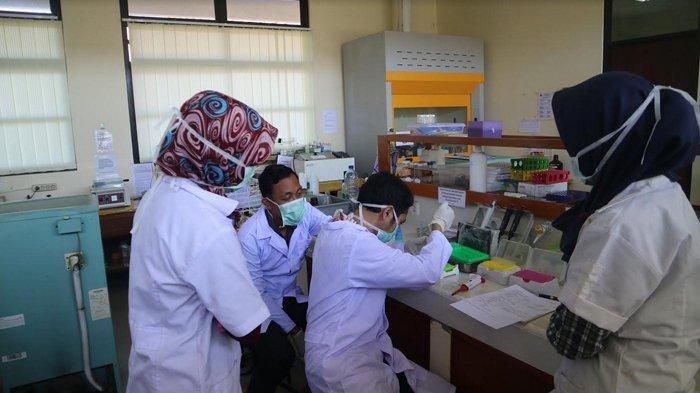
    Definition of surgical operation and its types 

    While surgery itself is a method of treatment carried out by medical personnel / doctors to treat a disease by opening / closing certain body parts according to applicable procedures. Not all diseases can be cured by surgery, so doctors must know very well the symptoms, treatment and appropriate treatment for patients.

    Medical personnel or doctors who perform surgery should also not be careless because it can be bad if something fatal happens. Must have had good experience. There are many kinds / types of this surgical operation, judging from its purpose, level of risk, and technique.

    Types of operations based on their objectives are divided into:

    • Diagnose

    Diagnosing disease is an obligation for a doctor in his work. The operation that is commonly performed for this is a biopsy operation which aims to determine the presence of cancer or tumors in the patient’s body.

    • Prevent

    This action aims to prevent the spread of the disease in the patient’s body. For example, surgery to remove intestinal polyps is done to prevent cancer.

    • Remove

    Surgery that aims to remove a number of tissues in the body because it has spread in several body tissues. For example, surgical removal of the uterus, and breast removal.

    • Restore

    The purpose of this operation is to restore the function of certain body organs to normal again. Like breast reconstruction surgery.

    • palliative

    This type of surgery is only to reduce the pain felt by the patient, usually this action is done in patients with end-stage chronic disease.


    Surgical operations based on the level of risk are divided into 2, namely:

    • Minor surgery (minor)

    This type of surgery is a surgical procedure that does not require a long time in the recovery process because there is no need to perform surgery in a dangerous area and usually this type of anesthesia uses local anesthesia. For example, surgery on external tissues when an accident occurs in the hands/feet, extraction of nails, ganglion surgery on the hands.

    • Major surgery (severe)

    Major surgery is an operation that is carried out with greater risk because it has to open wider body tissues so that the recovery time for the patient is usually relatively longer. Examples of major operations such as organ transplant surgery, brain tumor surgery, heart surgery and so on.

    Based on the technique of surgery is divided into:

    • Open surgery

    This surgical operation is better known as conventional surgery, where medical procedures are performed by making incisions in the body using a special knife. For example, heart surgery, where the doctor must cut the patient’s chest and open it so that the heart organs are clearly visible.

    • Laparoscopy

    A type of laparoscopic surgery where the doctor only makes a small incision on the body and then inserts a tool such as a tube into the incision hole to find out the problems that occur in the patient’s body

    Based on the timing of the surgery, surgery is divided into 3, namely:

    • Elective

    Surgical procedures are performed to treat diseases that do not endanger the patient’s life and are only performed at the request of the patient.

    • Emergency

    Surgery performed to save a patient’s life or a patient’s body part due to an accident or injury which caused trauma.

    • Semi elective

    Surgery is performed to prevent the effects of an illness or injury, but does not have to be done immediately, this surgery can be postponed for a while.


    Thus the explanation for the types and definitions of surgical operations, this knowledge is to make the general public understand the importance of surgery on body parts to be carried out for some patients. So, we should not equate that all operations are dangerous.

  • THE 3 TYPES OF RESEARCH

    THE 3 TYPES OF RESEARCH

    Hello Statisticians, this time Sinaumedia will review about recognizing 3 types of research that you need to know. For those of you who are going through a thesis or research, I hope this article can be an inspiration.

    Although there is often a blur within the boundaries, research in general can be classified into 3 types. The first is exploratory research, explanatory research or confirmatory research , and descriptive research.

    WHAT IS SCOPING OR EXPLORATORY RESEARCH?

    An exploratory research is a type of research that is open, still searching, and does not necessarily have a hypothesis. Researchers’ knowledge about the symptoms to be studied is still very little.

    Scoping research is thus often carried out as the first step for more in-depth research, be it explanatory research or descriptive research. Through this exploratory research, research problems can be formulated more clearly and in more detail, and hypotheses can be developed.

    In general, the definition of exploratory research is an activity in conducting an in-depth analysis of something new, which has never existed before.

    Here are some examples of studies with exploratory research designs:

    • A study of the role of social networking sites as an effective marketing communication channel
    • Investigation of how to improve the quality of customer service in the hospitality sector in Bangkok
    • Assessment of the role of corporate social responsibility on consumer behavior in the Garment industry in Vietnam

    DEFINITION OF EXPLANATORY RESEARCH ( EXPLANATORY OR CONFIRMATORY RESEARCH )

    Explanatory research is a type of research that highlights the relationship between research variables and tests hypotheses that have been formulated previously. Therefore, this has also eaten research hypothesis testing or testing research . Although the description also contains a description, as a relational research the focus lies in explaining the relationship between variables.

    Explanatory Research allows researchers to provide deep insight into a particular subject, which breeds more subjects and provides more opportunities for researchers to learn new things and question new things.

    An in-depth study of a subject creates cycles and, critical thinking/study of a subject creates more questions and those questions lead to more ways for the researcher to learn more things related to that subject.

    Explanatory research is a type of research that is a pillar of other types of researchers. Before starting the research for the next research, we should always do explanatory research first, because without it the research would not be complete and would not be as efficient.

    Explanatory research works to give your survey and research design a better focus and significantly limits unwanted bias information.

    THEN, WHAT ABOUT DESCRIPTIVE RESEARCH? WHAT DOES IT MEAN?

    Descriptive research usually has two objectives. The first is to determine the development of certain physical facilities or the frequency of occurrence of certain aspects of social phenomena. For example, the number of two-wheeled vehicles, four-wheeled vehicles, family planning acceptors, the number of films being screened, and so on.

    The results are listed in the frequency table table. the second is to describe in detail certain social phenomena. For example, social interaction, kinship system, and others. Such research is usually carried out without a rigorously formulated hypothesis. Sometimes using a hypothesis but not for statistical testing

    In essence, descriptive research is used to describe various aspects of phenomena. In its popular format, descriptive research is used to describe the characteristics and/or behavior of a sample population.

    An important characteristic of descriptive research relates to the fact that although descriptive research can use a number of variables, only one variable is needed to conduct descriptive research. The three main objectives of descriptive studies can be described as describing, explaining and validating research findings.

    this type of descriptive research is closely related to observational research, but is not limited to the method of collecting observational data. Case studies and surveys can also be defined as popular data collection methods used with descriptive studies.

  • ELEMENTS OF SCIENTIFIC RESEARCH THAT MUST BE UNDERSTOOD

    ELEMENTS OF SCIENTIFIC RESEARCH THAT MUST BE UNDERSTOOD

    Hello statisticians. Are you working on a script or want to take a script? Now this time sinaumedia will discuss the elements of scientific research. Keep on reading.
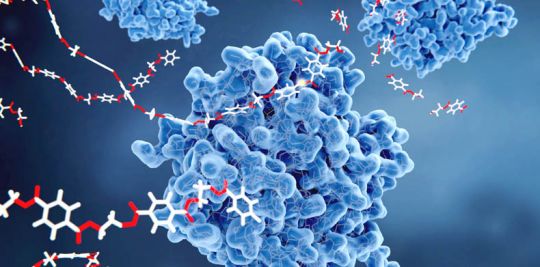
    To be able to conduct research well, researchers need to have knowledge of various elements of research . The elements that form the basis of this scientific research are: concepts, prepositions, theories, variables, hypotheses and operational definitions .

    Scientific research is a systematic process of proving the relationship. Therefore, the relationship between the elements of scientific research can also be presented systematically below.

    the relationship between the elements of research
    the relationship between the elements of research

    The schematic above shows the theoretical process of the empirical process of a research; formulation of concepts, positions and theoretical arrangements in a scientific research. Formulation of operational definitions, data collection, formulation and testing of statistical hypotheses is an empirical process.

    It should be remembered that the research process is an ongoing process and begins with the researcher’s deep interest in the relationship to be studied.

    With the interest and ideas, the research process increases in theoretical understanding (which requires an understanding of concepts, theoretical propositions), hypothesis formulation (including an understanding of hypothetical variables, operational definitions and statistical hypotheses), and hypothesis testing.

    ELEMENTS OF SCIENTIFIC RESEARCH

    Below, the statistical consultant’s efforts will describe the elements of this research one by one with examples of their actual use.

    1. CONCEPT

    The concept of research is the most important element of research and is the definition used by researchers to abstractly describe a social phenomenon or natural phenomenon.

    For example, to describe the reproductive capacity of poultry known as the concept of fertility and hatchability. Another example to illustrate population movement is known as the concept of migration and mobility.

    Some of the concepts commonly used in population research and social research include the value of children, contraceptive behavior, labor force, unemployment and so on.

    2. PREPOSITION

    Prepositions are statements about the nature of reality that can be tested for truth. A hypothesis is a proposition formulated for empirical testing. Theorems or laws are also prepositions that have a wider range or scope and have received a lot of empirical support.

    3. THEORY

    Theory is the main means of expressing the systematic relationship between social and natural phenomena to be studied. A theory is a logical sequence of one or more prepositions.

    Is scientific information obtained to increase the abstraction of meanings and relationships in prepositions. Theory is scientific information obtained by increasing the abstraction of meanings and relationships in prepositions. More complex theories are usually logical combinations of several prepositions.

    4. VARIABLE

    Another element commonly known as the element of research is the variable. Variable is a concept that has a variety of values.

    So, the concept of the body is not a variable why and does not contain the meaning of the existence of varying values. Weight or height are variables because they have different values.

    Sex is a variable because it can have a value that is male or female. Age, education, marital status, number of children, home ownership status, money supply are all variables.

    Concepts that do not contain multiple value meanings can usually be turned into variables by focusing on certain aspects of the concept.

    An example is eggs. The concept of eggs can be used as a variable, for example by assessing aspects of egg weight, egg length and width, egg color and so on.

    5. HYPOTHESIS

    As previously discussed, the research objective is to examine the systematic relationship between the variables. This relationship is usually presented in the form of a hypothesis which is an important research element.

    A hypothesis is a tentative conclusion or preposition about the relationship between two or more variables. The hypothesis is always presented in the form of a statement that links explicitly or implicitly a variable with one or more other variables.

    A good hypothesis must meet 2 criteria. First the hypothesis must describe the relationship between the variables. Both hypotheses should provide clues on how to test the relationship. This means that the variables listed must be measurable and the direction of the relationship between these variables must be clear.

    Example of a hypothesis in animal husbandry research: the fertility rate of native chicken eggs is influenced by the quality of feed and the age of the mother.


    6. OPERATIONAL DEFINITION

    One element of research that really helps communication between researchers is the operational definition. The operational definition is an indication of how a variable is measured. By reading the operational definition of a study, a researcher will know the measurement of a variable, can know the good or bad of the measurement.

    In the operational definition section, it is usually explained how the research method is carried out. such as the number of samples, how to measure variables, the research process, experimental design, how to analyze statistical data, and so on.

    Well, that’s the article about the elements of research from sinaumedia , I hope this article is useful and enlightening. see you again in the next article. stay tuned.

  • Biology – How Enzymes Work

    Biology – How Enzymes Work

    You has been chewing rice for a long time, If you’ve ever done it, surely over time the rice you chew tastes sweet, right? Do you know the reason why the rice can taste sweet? This happens because rice is starch, aka complex carbohydrates, which are the products of plant photosynthesis to store excess glucose.
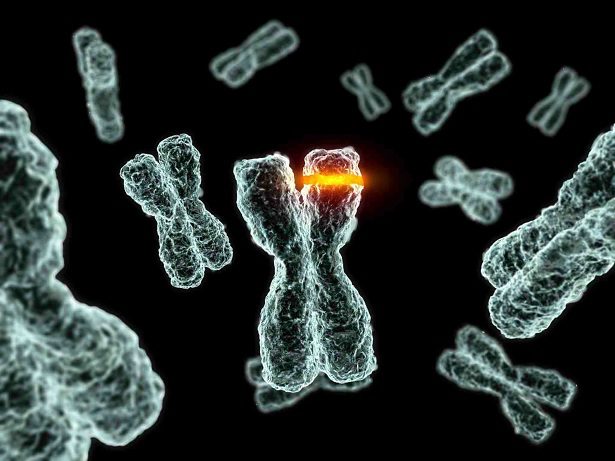
    Well, when we start chewing rice in our mouths, there is a function of the amylase enzyme from our saliva which breaks down starch in rice into maltose, a simpler carbohydrate group. The way the maltose enzyme works is what has a sweet taste when we chew starch like rice.

    This is what distinguishes rice from sugar. When we eat sugar, the sweet taste of sugar is immediately felt when the sugar enters our mouth. The sweet taste can be felt immediately because sugar is composed of simple carbohydrate compounds.

    While rice, which is a complex carbohydrate, requires the help of the enzyme amylase to create a sweet taste. Eh, but what is an enzyme? What are the functions of enzymes that you know? So that you understand what enzymes are and how they work, let’s just talk about it, let’s go!

    Get to know the function of enzymes and the factors that influence how enzymes work

    Some of you may have been asked to explain how enzymes work, the structure of enzymes and the factors that affect the work of enzymes, right? So, so you don’t get confused, you should pay attention to the following discussion about enzymes:

    enzyme. source: genome.gov

    Relationship of Enzymes, Substrates, and Products

    Enzymes are protein compounds produced by the cells of living things. That’s why humans, animals, and plants have a protein called this enzyme in their bodies. In general, the function of this enzyme is to assist and speed up metabolic processes in the body, which in biology is referred to as a biocatalyst. There are two types of metabolic processes in our body, namely catabolism and anabolism. Catabolism is a metabolic process that breaks down complex substances into simpler ones, while anabolism is a metabolic process that forms complex substances from simple ones.

    Well, the way enzymes work in our bodies has a role in both these metabolic processes. When an enzyme acts, the initial substance before the reaction occurs is called the substrate and the resulting substance is called the product. For example, in the process we eat rice earlier. The starch in rice is the substrate, while maltose is the product.

    Enzyme Nomenclature

    There are many properties of the enzyme, not only amylase that breaks down starch. There are so many enzymes in our body. The function of each enzyme is also different. For example, in addition to the amylase enzyme mentioned earlier, there is also a lipase enzyme whose function is to break down fats and proteases that break down proteins.

    To make it easy to remember, each enzyme name is adjusted to its substrate and is given the -ase suffix. So, if the substrate is starch, the enzyme is called amylase. If the substrate is fat or lipid, the enzyme is called lipase. If it’s protein, it’s a protease, while if it’s fructose, it’s fructose. Now, if the substrate is cellulose, you can guess what the name of the enzyme is, right? Yup! Cellulase. Easy, right, memorizing it?

    you can also read this article from this articel to see human digestion system enzyme

    Enzyme Classification

    Just as we have a place to live, the enzymes in our body also have a place to live in our body. The residence of these enzymes is adjusted to the function of their respective enzymes. There are intracellular enzymes and there are extracellular enzymes.

    Intracellular enzymes are enzymes that reside in living cells. An example is catalase. This catalase enzyme can break down toxins such as hydrogen peroxide (H2O2) into water molecules (H2O) and oxygen (O2) which are harmless to our bodies. Because of this function, the enzyme catalase can mostly be found in liver, heart, kidney, bone marrow, and blood cells.

    Well, if extracellular enzymes are enzymes that live outside the cell. These extracellular enzymes are usually produced by the glands of our body. For example, the amylase enzyme is produced by the salivary glands in our oral cavity. So, this amylase enzyme works outside the body’s cells or extracellularly.

    Enzyme Components and Structure

    Do you know how enzymes can speed up metabolic reactions in living things? To be able to carry out metabolic processes, the body requires a lot of energy. With the presence of enzymes, energy requirements can be reduced because enzymes can accelerate the occurrence of metabolic reactions.

    Before we know how enzymes work, we must first know the parts of enzymes. In terms of shape, enzymes have two sides. There is an active site, where the substrate is bound, and there is an inactive or allosteric site. Then the enzyme is composed of two different components. There are apoenzymes made of protein and there are prosthetic groups made of non-protein material.

    Apoenzyme is the main component of the enzyme that will react with the substrate. Actually, with only apoenzyme enzymes can work, but the reaction will be very slow, aka long. So the enzyme must be equipped with a second component, aka a prosthetic group. This prosthetic group can be made of two types of ions, namely organic ions and inorganic ions.

    If the prosthetic group is an organic ion, the prosthetic group is called a coenzyme. For example, there are vitamin B1, vitamin B2, vitamin H, NAD, and FAD. That’s why vitamins are important for our bodies. Because some of the vitamins we consume help enzymes to work. Well, this coenzyme functions to move chemical groups, atoms, and electrons from one molecule to another, so that the metabolic process becomes smoother.

    But if the prosthetic group is an inorganic ion, then the prosthetic group is called a cofactor. Some of the cofactors present in enzymes are calcium (Ca), chlorine (Cl), sodium (Na), and potassium (K). Well, the cofactor usually pairs with the apoenzyme to form a new structure called the holoenzyme. When this holoenzyme is formed, it goes up one level, so the enzyme can work optimally.

    How Enzymes Work

    When there is a substrate to be broken down, such as starch, for a reaction to occur, the enzyme and the substrate must complement each other, such as a lock and key. We think of this lock as an enzyme and this key as a substrate. So, if you want both to work, the lock and key must be paired. Meanwhile, if the key is wrong, yes, the lock won’t open, right?

    how enzyme work
    how enzyme work source : khan academy

    Likewise with enzymes and substrates. The shape of the substrate must match the active site of the enzyme. If the enzyme does not match the substrate, for example, if we use the amylase enzyme as a protein substrate, the two will not match. If the substrates don’t match, they can’t complement each other because there won’t be a reaction between them. But if the substrate is right, for example starch meets amylase, the enzyme will work.

    In order for the amylase enzyme to break down starch into maltose, the enzyme requires a chloride ion (Cl) cofactor. This ion is like the power button in the enzyme. If the ions are attached, then the amylase enzyme will immediately turn on, work immediately, or the cool language is activated. If it is activated, the amylase enzyme can help break down starch into maltose.

    Well, an enzyme must have a substrate pair. But the substrate can come in various forms. One starch is different from the other, in the form of amylopectin and in the form of amylose. If the shape of the incoming substrate does not match the enzyme, the active site of the enzyme can change to match the substrate, aka flexible.

    But still, yes, even if the active site of an enzyme can change, the enzyme and its substrate must match, in order for it to work. Like amylase and starch earlier. Whatever the form of starch, if you meet the amylase enzyme, yes, they will match each other.

    Enzyme Properties

    Enzymes must have pairs with suitable substrates because enzymes have specific properties. This means that even though there are many substrates, the enzyme will choose a suitable substrate for it, aka already paired. In addition to specific properties, enzymes also have several other properties. The second property is that enzymes can work back and forth. In addition to turning the substrate into a product, enzymes can also turn the product into a substrate again, according to the body’s needs. Then as long as the enzyme is not damaged, the enzyme can be used over and over again. So actually the body only needs enzymes in small amounts. Well, whether or not enzymes work smoothly depends on several factors, such as temperature, pH, inhibitors, and activators.

    you can also see how enzyme work on this video :

    Well, now you understand what enzymes are and how enzymes work, right,

  • Gene Mutations And Their Levels

    Gene Mutations And Their Levels

    What happens if our bodies suddenly mutate, huh? Did you instantly turn into Spiderman or Wolverine? Unlike that, don’t imagine examples of gene mutations in humans like in superhero fiction films. Because, a number of cases of gene mutations in humans actually cause abnormalities in the body, you know!
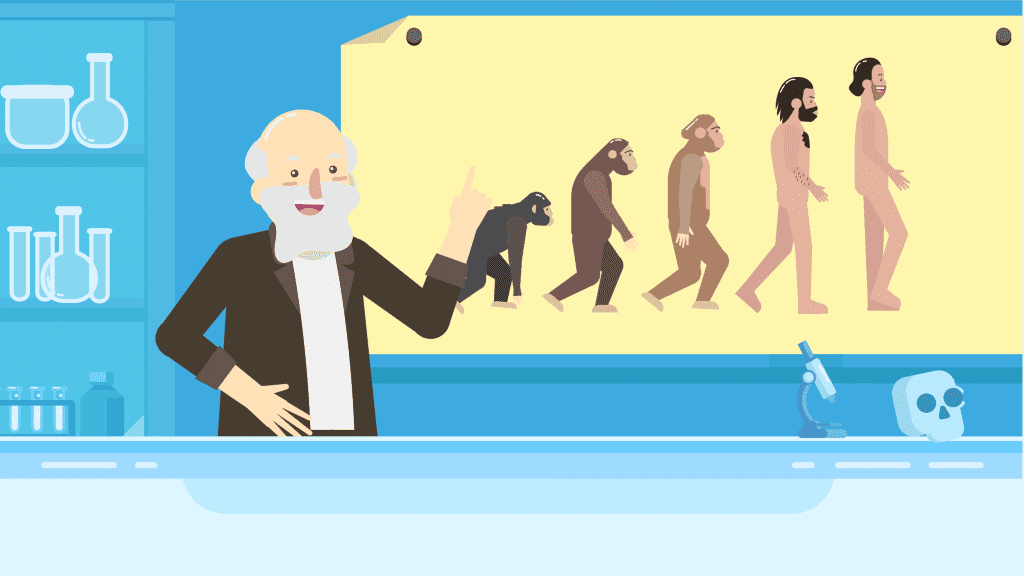
    Well, so that you understand more, in this article, sinaumedia wants to invite you to know about gene mutations, along with examples of gene mutations in humans. Listen to the discussion until it’s finished, yes.

    Definition of Gene Mutation

    Gene mutations are changes that occur in the genetic material in cells. Changes in this material can make changes in properties, both at the cellular level and in living things.

    In people who have gene mutations, the DNA in the cells will undergo changes. These mutations can occur only in DNA or extend to the chromosomes involving several types of genes.

    gene
    gene. source : medlineplus

    Based on changes in the level of occurrence, mutations are divided into gene mutations and chromosomal mutations. The difference between gene mutations and chromosomal mutations lies in the scale of the changes. In gene mutations, only one gene is changed.

    While chromosomal mutations change many genes in it. That is why, chromosomal mutations have a greater effect on the body and can cause more serious abnormalities when compared to mutations at the gene level.

    You need to know, organisms that experience this mutation are usually called mutants. The cause of the mutation is called a mutagen. For example in the fictional Spiderman story, in this film the main character Peter Parker turns into a mutant. While the spider venom that causes mutations is called a mutagen.

    Main Types of Gene Mutations

    There are two main types of gene mutations, namely mutations in the number of bases in the sequence of nitrogenous bases and mutations in the types of nitrogenous bases. These kinds of gene mutations can affect the formation of amino acids that are different from the normal state. So that you understand better, see the following explanation.

    1. Nitrogen Base Mutation

    This mutation occurs due to the addition (addition), reduction (deletion), or doubling (duplication) of nitrogenous bases in the DNA chain of an organism.

    The nitrogenous base mutation can affect the triplet reading of the genetic code in mRNA (messenger RNA). As a result, the amino acids that cells make are different from those that are supposed to be formed.

    For example, there is a DNA chain that has the nitrogenous base sequence CCA–TAA–GCG. This DNA chain will be translated by mRNA, one-third of its nucleotide bases, into the amino acids glycine, isoleucine, and arginine.

    If there is a mutation in the DNA chain, for example there is a T base, thymine, which suddenly increases the front of the chain, the reading of the 3 nucleotide bases will change to TCC-ATA-AGC.

    If you have this, the amino acids that are formed will turn into arginine, tyrosine, and serine. This change in the addition of the thymine nucleotide base in front of the DNA chain is referred to as an addition gene mutation. Not only at the front, the addition of DNA chains can also occur in the middle, yes.

    In addition to mutations in addition genes, changes can also occur if there is a duplication or duplication in the sequence of nucleotide bases in the DNA chain. For example, the beginning of the chain is CCA-TTA-GCG, because the cytosine is duplicated, the chain changes to CCC-ATA-AGC. In this situation, the amino acids formed by the chain will also change.

    Lastly, there is a change in the nucleotide base in the DNA chain which is called a deletion. A deletion is a reduction in the nitrogen sequence in DNA. For example, initially the DNA chain is CCA-TTA-GCG, then the cytosine at the beginning of the chain is deletion and is lost. As a result, the DNA chain will turn into CAT-AAG-CG.

    2. Nitrogen Base Type Mutation

    Types of nitrogenous bases in DNA are divided into two groups, there are purines consisting of adenine and guanine (A and G), and pyrimidines consisting of cytosine and thymine (C and T).

    In nitrogenous base type mutations, the changes can occur in similar groups or are called transition substitution gene mutations. For example, adenine turns into guanine, or thymine turns into cytosine. If the change occurs in a different group, between purines and pyrimidines, the gene mutation is called a transversion substitution.

    Examples of Gene Mutations in Humans

    By now, you must have understood more about gene mutation, right? To be clear, you should also know examples of gene mutations in humans. Until now, gene mutations in humans have more adverse effects on the condition of the body, you know!

    One of the examples of gene mutations in humans can cause errors in the formation of red blood cells. Red blood cells that are initially round in shape turn into a sickle shape or commonly called sickle cell anemia .

    This sickle shape makes blood flow easily blocked so that less oxygen is carried by the blood, blood cells die quickly. The body of patients with sickle cell anemia is usually easily tired, dizzy, painful, has difficulty breathing, and can experience damage to several organs of the body.

    Another example of gene mutations in humans is cancer. Cancer occurs due to errors in the formation of amino acids that affect the cell division cycle.

    Cells in the body of cancer sufferers undergo mutations and divide continuously without stopping, until finally damaging the function of the sufferer’s organs. If that’s the case, gene mutations in humans can cause severe organ damage, or even make the sufferer die,

  • The Theory of Human Evolution and Its Controversy

    The Theory of Human Evolution and Its Controversy

    most of you must have heard stories about human origins, right? There is an evolutionary theory that says that humans came from apes. Do you think that information is correct or not? Well, before discussing this further, it’s a good idea to first know what is meant by the theory of evolution.
    Actually, until now there is still a debate about the theory of evolution. Instead of being curious, in this article, we wants to invite you to discuss what is meant by the theory of evolution, as well as unique facts and growing controversies. Read this article until it’s finished.

    What is the Theory of Evolution?

    The theory of evolution is a theory that discusses the changes or development of living things, their origins, and their genetic linkages between one living thing and another. In the theory of evolution, change or development of living things occurs due to a combination of three main processes, namely variation, reproduction, and natural selection.

    human evolution
    human evolution – source : britannica.com

    In the process of reproduction and variation, the characteristics or characteristics of a living being that form the basis of evolution are carried by genes and passed on to the next generation. The inheritance of this gene can be a lot of variation in a population.

    In short, when living things reproduce, their offspring will have new traits, it can be more common or rarer than the previous generation. These traits can occur due to gene mutations or gene transfer between populations or between species.

    The theory of evolution also states that evolution occurs due to the process of natural selection. In this natural selection, traits that are detrimental to living things will decrease, while traits that are beneficial will have a great chance of survival and reproduction. So, there will be more living beings in the next generation who will inherit these beneficial traits.

    In addition, adaptation is also an important factor in the evolutionary process of living things, you know. For example, in today’s humans, there are minor differences between people living on the coast and people living in the mountains.

    The number of red blood cells of people in the mountains is more than the red blood cells of people on the beach. This is an evolutionary process that occurs due to natural adaptations that occur in the human body.

    The culmination of the evolutionary process is usually marked by the emergence of new species. Based on history, it is the evolutionary process that has resulted in the emergence of many species of living things in this world.

    All living things have different species and these differences can be evidence that the theory of evolution really occurs in nature. Species differences can occur due to strict adaptation, geographical conditions of the region, gene mutations, and natural selection.

    Theory of Evolution According to Experts

    Some experts define the theory of evolution as follows:

    Anaximander

    It is argued that the origin of life on earth was the ocean. Therefore, all living things on earth, including humans, were originally fish.

    When the heat of the sun caused the appearance of land on earth, living things began to move to the land. According to him, it makes the evolution of living things from fish to various land living creatures, including humans.

    George Louis Leclerc

    Believe that the earth is very old, more than 7,000 years. Therefore, he argues that living things have existed and developed during the age of the earth based on their migratory movements.

    As a result of these migration movements, living things must eventually adapt to their new environment. The pattern of adaptation is what causes living things to evolve due to the interaction of organic particles that trigger changes in the bodies of living things.

    Jean-Baptiste Lamarck

    Has two ideas about evolution. The first idea relates to the parts of the body that are used and not used by living things.

    Through this idea, he assumed that the parts of the body that are constantly used by living things in dealing with certain environments will become bigger and stronger than the parts of the body that are rarely used. Meanwhile, limbs that are rarely used will experience setbacks.

    Lamarck’s second idea relates to the inheritance of traits or traits that living things acquire in adapting to their environment. It is this inheritance of traits or traits that modifies the organism that it acquires during its lifetime.

    For example, the so-called giraffe has a short neck, but because its neck is constantly sticking out to get leaves on a tall tree, the giraffe’s neck begins to get long. This long neck is passed on to all his descendants.

    Charles Robert Darwin

    argues that evolution occurs through the process of natural selection. Only living things that can adapt to nature can survive.

    In contrast to Lamarck who thought that giraffes were originally only short-necked, Darwin argued that the necks of giraffes were initially varied, some with short necks and some with long necks.

    Through the process of natural selection, the short-necked giraffe eventually became extinct and only the long-necked giraffe has managed to survive and reproduce to this day.

    In addition to explaining evolution based on the process of natural selection, Darwin also argued that all species on earth came from a common ancestor ( common ancestor ), which evolved over time.

    Early Human Evolution Theory

    By this point, you have begun to understand what is meant by the theory of evolution, right? To be clear, it’s better if you know the theory of early human evolution.

    After removing body hair, humans were naked for 1 million years. Why did they put on clothes later?

    As discussed earlier, Anaximander, a pre-Socratic philosopher who lived around 610–546 BC has discussed the possibility of how humans evolved from fish. However, there is no scientific evidence that can prove this opinion.

    Over time, this theory of human evolution focuses more on the assumption that humans evolved or evolved on earth from extinct primates, you know. The primates that are often associated with human evolution are ape-like primates. That’s why there is a lot of information circulating that humans came from apes.

    Evidence that primates are related to humans is from their genetics. DNA between humans and primates can reach a similarity of up to 97%. However, that does not mean that humans are considered to have originated from apes. This fact can only trace that humans and primates may have shared a common ancestor.

    Human Theory According to Charles Darwin

    In fact, information about humans evolving from apes emerged because of Charles Darwin’s theory of human evolution. In the book ” The Origin of Species ” which put forward the theory of evolution written by Charles Darwin, concluded that all living things came from a common ancestor ( common ancestor ) and are related to each other.

    According to Darwin in the book, the process of genetic mutation from a common ancestor resulted in the process of evolution and the emergence of various new species. Darwin imagined human evolution like a tree.

    A single tree trunk and roots are the ancestors of living things. While the twigs and leaves of trees become new species that were born due to the process of genetic mutation. The process of genetic mutation can occur due to natural selection in a long time.

    From natural selection, Darwin then divided the evolutionary process into microevolution and macroevolution. Microevolution is changes that occur in species in small ways. For example, changes in color or size in a population over several generations.

    While macroevolution is a change due to natural selection that is able to create new species. For example, the change of dinosaurs into birds, amphibian mammals into whales, and the ancestors of apes into humans.

    Human Evolution Theory Controversy

    Darwin’s statement about what is meant by the theory of human evolution that later caused controversy. Did humans come from apes or not?

    Actually, Darwin’s theory of humans never concluded with certainty that humans evolved directly from apes. He simply argued that all living things came from a common ancestor. Evidently, from the similarity of human DNA with primates by 97%.

    However, the theory of human evolution has already been debated. Essentialists and religious people reject this theory emphatically. They believe that humans have been created according to their shape and nature as they are now by God.

    Some people also think that Darwin’s theory cannot explain the missing link in the process of human evolution. The missing sequence of human evolution is a link between the hairy and tailed generation like apes and intelligent and intelligent living things like humans.

    The undiscovered human fossil in the form of half human and half ape is considered to be the missing link to explain the sequence of human evolution. The fossil is considered necessary to be valid evidence that humans did evolve from an ape.

    source: pahamify.com

    Even though the theory of evolution causes controversy, but you can see strong evidence about the truth of this theory of evolution. For example, you can see that the racial differences that exist in humans are part of the strict adaptation process that occurred in ancient homo sapiens . Or, you can see it from the immunity of bacteria and microbes to certain antibiotics that occurs due to the process of genetic change.

    That is a review of  the theory of human evolution, along with its controversies. Hopefully the above review can help you understand what is meant by the theory of evolution, yes.

  • Difference between Series and Parallel Circuits and Examples

    Difference between Series and Parallel Circuits and Examples

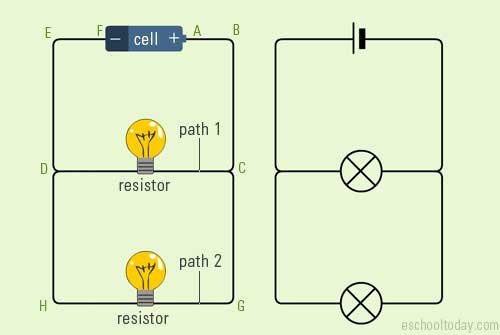
    Parallel circuit is one type of circuit or arrangement of electrical components that are connected in parallel.

    The parallel circuit formula is Voltage V= V1=V2=V3, resistance 1/R =1/R1 +1/R2 + 1/R3 and current flowing I = I1 +I2 + I3.

    In this modern era, electricity is a very important requirement for life. In fact, almost all human activities require a power source so that it is as if electricity is a cog in everyday life.

    However, many people still do not understand electricity, especially the basics of electricity such as series and parallel circuits.

    Knowledge of parallel series circuits is something that is commonly used by everyone. An example of its application is when someone wants to install a light installation in his house. Therefore, in this article, we will discuss series and parallel circuits starting from the differences, advantages and disadvantages along with examples of both.

    preliminary

    Before we dive deeper into series and parallel circuits, we need to know the basics first.

    An electrical circuit is a collection of several electrical components that are connected and attached to a voltage. Here are some electrical components along with symbols that are often used in circuits:

    There is also a symbol regarding another parameter called electric current. Usually, electric current is indicated by the direction of the arrow on the circuit and the symbol “I”

    Difference between Series and Parallel Circuits

    As we know, series and parallel circuits have significant differences. Some of these differences include:

    Differences in Circuit Arrangement

    What we can clearly see from the difference between the two circuits is the arrangement of the components installed. The arrangement can be seen from the branching of the cable or the placement of its components. For more details, here is the description in detail:

    Series Circuit

    “The series circuit has a simple arrangement so that the series arrangement does not have cable branches between the load or the installed voltage source.”

    Parallel circuit

    “In parallel circuits, there are complex arrangements and there are branching of cables between loads or installed voltages.”

    Circuit Component Difference

    Apart from the obvious differences in arrangement, we can distinguish series and parallel circuits from the components used. Although the amount of load or resistance can be adjusted, there are differences in the components, including:

    Series Circuit

    In a series circuit, the components are simpler consisting of a voltage source, cable and load. Although sometimes a series circuit uses a switch, a series circuit only requires one switch.

    Parallel circuit

    In parallel circuits, the components used tend to be more. An example is the cable that is used in parallel circuits is longer because parallel circuits have branches. In addition, parallel circuits usually use one switch for one load only.

    Differences in Physics Formulas and Parameters

    In addition to things that are clearly visible, there are other parameters that affect the series and parallel circuits, namely the electric voltage “V” and the electric current “I”. Of course to find these two parameters have different ways for series circuits and parallel circuits. Here’s how to calculate voltage and electric current in series and parallel circuits:

    Strong Electric Current

    Electric current is a quantity that states every electric charge that flows in a component. In series and parallel circuits, the electric current has a different calculation for each component.

    Series Circuit

    “The electric current in a series circuit has the same amount of electric current flowing through each resistance. This makes one point on the series circuit equal to another point.”

    Parallel circuit

    Also read:   Standard Deviation Formula (FULL) + Explanation and Example Questions

    “In a parallel circuit, the sum of the strong currents flowing out of the junctions will be equal to the sum of the strong currents entering the junctions.”

    Electrical voltage

    electrical circuits

    In an electric circuit, voltage is the amount of potential energy in an electric field and has units of volts. Electrical voltage in series and parallel circuits have different calculations.

    Series Circuit

    series circuit

    “In a series circuit, the electric voltage is not as strong as the current, but the voltage that is installed is equal to the voltages on the components.”

    Parallel circuit

    parallel circuit

    “Unlike the case with a series circuit, the voltage applied to all circuits will always be the same value in parallel circuits.”

    Electrical resistance

    In addition to voltage and current sources, there is one more parameter that is commonly owned by each component, namely resistance or load. On the total resistance of each circuit has a different way of addition including:

    Series Circuit

    series circuit

    “Every resistance that is connected in series in the circuit will add up to each other. So, the total resistance installed is the total resistance of each component.”

    Parallel circuit

    parallel circuit

    “While in a parallel circuit all the voltages on the components will be the same value. Therefore the total resistance installed in the parallel circuit as described in the picture above.

    Thus the article about series circuits and parallel circuits, hopefully it can be useful for you.

  • Human Blood Pressure (Normal, High, and Low)

    Human Blood Pressure (Normal, High, and Low)

    Normal adult human blood pressure is 120/80 mmHg. Blood pressure expresses the pressure that the blood experiences when blood is pumped by the heart around the body.
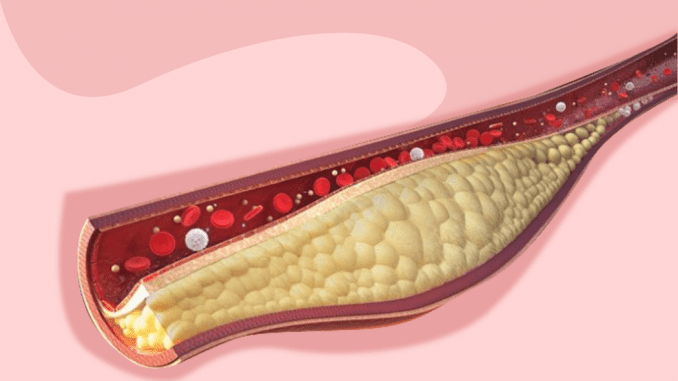
    Blood pressure can change with age, body condition, and activity.

    In general, human blood pressure is classified into three groups.

    1. Normal blood pressure
    2. High blood pressure
    3. Low blood pressure

    Normal human blood pressure

    Normal blood pressure for children and adults has different values.

    Normal blood pressure for adults is around 120/80 mmHg.

    The way to read blood pressure values ​​is to look at the first and second numbers. 120 (the first number) indicates systolic blood pressure. Systolic pressure expresses the pressure when the heart pumps blood around the body.

    80 mmHg (second number) indicates diastolic blood pressure. Diastolic pressure expresses the pressure when the heart muscle relaxes, before pumping blood.

    A person who has a blood pressure value above normal blood pressure is diagnosed with hypertension and if the blood pressure is below normal blood pressure is said to have hypotension.

    Blood pressure table
    Blood pressure table

    High blood pressure (hypertension)

    Hypertension occurs when blood pressure is above normal blood pressure. Blood pressure is above 130/80 mmg.

    Hypertension can lead to diseases such as stroke and heart disease, and fatal diseases of other organs such as kidneys. Besides being able to trigger deadly diseases, hypertension is also difficult to identify.

    Things that can trigger hypertension include: Obesity, likes to consume salty foods, age, rarely exercise, smokers, and heredity.

    Low blood pressure (hypotension)

    Hypotension occurs when blood pressure is below normal blood pressure. Occurs when blood pressure is below 90/60 mmHg.

    Symptoms usually experienced by people with low blood pressure, such as nausea, dizziness, fatigue, thirst, unclear vision, rapid and shallow breathing, lack of concentration, and fainting.

    Blood pressure that is too low can lead to heart and brain damage.

    Things that can cause hypotension include: dehydration, anemia, hormonal imbalances, heart problems, hormonal imbalances, and so on.

    Maintain normal blood pressure

    In order for blood pressure to remain normal, we can do the following things.

    • Get regular exercise
    • Maintain ideal body weight
    • Eat healthy foods
    • Avoid smoking, alcohol, and dangerous drugs.
  • How Geothermal Power Plant Work System

    How Geothermal Power Plant Work System

    What exactly is a Geothermal Power Plant?
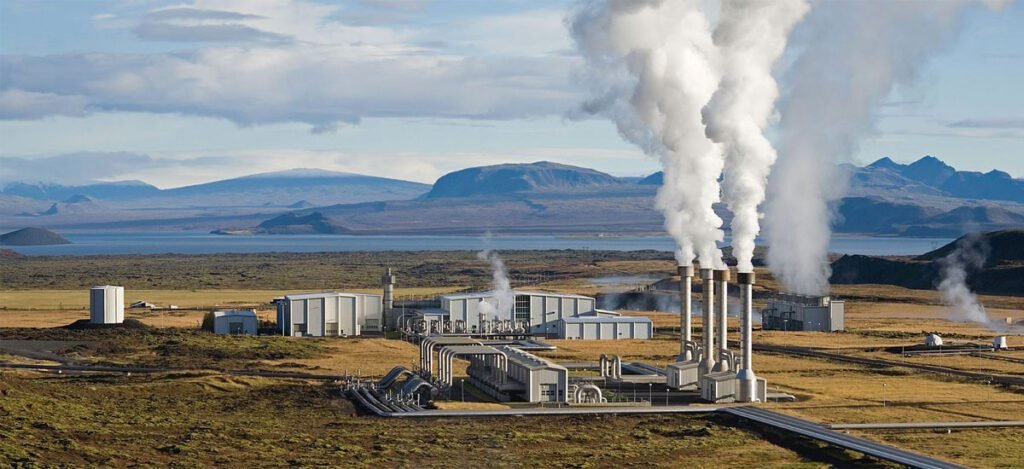
    Geothermal Power Plant is a power plant that uses geothermal energy as its energy source.
    Geothermal energy is one of the natural resources in the form of hot water or steam which is formed through natural heating.
    The word geothermal  comes from the Greek “geo” which means earth and “therme” which means heat. In other words, geothermal energy refers to the energy produced by heat stored in the earth’s core. As a source of energy that comes directly from nature and is renewable in nature, its use does not have a negative impact on the environment and humans.
    Indonesia is very fortunate to be blessed with abundant geothermal resources because of the many volcanoes in Indonesia.

    Things that need attention in choosing technology for using geothermal energy to be converted into electrical energy are:

    1. Temperature; geothermal fluids with a high temperature of> 225 oC have long been used for electricity generation. Medium temperature 150 – 225 oC
    2. Resource reserves of up to 25-30 years
    3. Steam Quality; It is expected that the pH is almost neutral, because if the pH is very low the corrosion rate of the material will be faster.
    4. Well Depth and Chemical Content Usually not very deep (no more than 3 km). The location is relatively easy to reach.
    5. The likelihood of a hydrothermal eruption is relatively low. The production of hot fluid from the bowels of the earth can increase the risk of hydrothermal eruptions.

    Geological Characteristics of Geothermal Areas

    1. Heat Source: Magma which has a temperature of ~ 700 C
    2. Bed Rock: The bedrock layer which is the hard rock of the lower layer
    3. Aquifer (Permeable Zone Layer): is a layer that can be flowed by water. This layer serves as a reservoir
    4. Cap Rock: A layer of hard rock as a cover rock layer.
    5. Water Replishment: as water enhancer.
    6. Surface Manifestation, namely: Symptoms that appear on the earth’s surface (craters, hot springs, geysers, volcanoes, etc.).

    Benefits of Geothermal Energy

    The benefits of geothermal energy obtained from the center of the earth is one of the environmentally friendly alternative energies.
    The way to take advantage of geothermal energy is to drill the part that is the location of geothermal energy to release steam at a certain depth.
    In modern times, geothermal energy is not only used as electricity generation, it turns out that energy from geothermal can also be used as other means such as to help plant growth or other agricultural products that are in the greenhouse during winter. Even this energy can also be used as a space heater and guard the road or sidewalk so that it is not too slippery.
    In the future geothermal energy will be of great help to us in many ways. However, we also have to know that not all regions have locations that have the potential to be used as a source of geothermal energy. With the increasing need for energy in modern times, there are many benefits that we get by taking advantage of geothermal energy.

    How Geothermal Power Plants Work

    How does Geothermal Power Plant work?
    For more details on how the PLTP works, let’s look at the picture and description below.

    1. Steam is supplied from production wells through a steam transmission system which then enters the Steam Receiving Header as a steam collecting medium. The Steam Receiving Header is equipped with a Rupture Disc which functions as the last safety unit. If there is over pressure in the Steam Receiving, the steam will be discharged through the Vent Structure. The Vent Structure functions for warming-up in the pipe line when starting the unit and as a safety valve that will relieve pressure if a sudden trip occurs.

    2. From the Steam Receiving Header, the steam is then flowed to a Separator (Cyclone Type) which functions to separate steam (pure steam) from foreign objects such as heavy particles (Sodium, Potassium, Calcium, Silica, Boron, Ammonia, Fluor etc.).

    3. Then the steam enters the Demister which functions to separate the moisture contained in the steam, so it is hoped that clean steam will enter the turbine.

    4. The steam enters the turbine so that the energy conversion occurs from the heat energy contained in the steam into kinetic energy which is received by the turbine blades. The turbine which is coupled with the generator will cause the generator to rotate when the turbine rotates so that there is a conversion from kinetic energy to mechanical energy.

    5. The rotating generator produces Electricity

    6. Exhaust Steam from the Turbine is condensed in the Condenser with a Jet Spray system (Direct Contact Condensor).

    7. NCG (Non Condensable Gas) which enters the Condenser is sucked by the First Ejector then enters the Intercondensor as a cooling medium and NCG catcher. After from the Intercondensor, NCG is sucked again by the Second Ejector into the Aftercondensor as a cooling medium and then discharged into the atmosphere through the Cooling Tower.

    8. From the condenser, the water from the condensation is flowed by the Main Cooling Water Pump into the Cooling Tower. Furthermore, the cooling water from the cooling tower, dry steam, is recirculated back into the condenser as a cooling medium.

    9. The Primary Cooling System besides being a cooler the Secondary Cooling System also fills the cooling water to the Intercondensor and Aftercondensor.

    10. The overflow from the Cold Basin Cooling Tower will be accommodated for the benefit of the Reinjection Pump.

    11. River Make-Up Pump operates only when filling the Basin Cooling Tower.

    Advantages And Disadvantages of Geothermal Power Plants

    Advantage

    There are actually many advantages to geothermal power. Here are the advantages of geothermal power:
    1. First and foremost, geothermal energy is renewable energy, which means that as long as we don’t pump too much water the energy will continue to exist.
    2. Geothermal energy does not produce pollution, and at the same time, does not contribute to the greenhouse effect.
    3. The location of the power plant for geothermal energy does not require a large area and therefore tends to have little impact on the surrounding environment.
    4. Since geothermal energy is energy that comes from within and from itself, no sources outside of fuel are required to keep the generator running.


    Deficiency

    Although it has many benefits, there are still some disadvantages of geothermal energy. These deficiencies can affect or all three stages of production – pre-production, production and post-production:
    1. Perhaps the biggest drawback of geothermal power is that you don’t build a geothermal power plant anywhere you want. You will need an exact location containing hot rock. After that, not all of these rocks can be drilled because they are too hard. These rocks must also have a depth that allows them to be drilled.
    2. There are also other risks to consider – sometimes a geothermal site may be drilled but has run out of steam. It could be that this happens when the dry season lasts for a long time.
    3. The final loss concerns the potential hazards of geothermal energy. When it is carried out into the soil and which can be mined, this could also mean that there is a possibility that other substances that are not environmentally friendly could also be involved. Harmful gases and minerals can seep from underground and it is very difficult to find ways to safely dispose of these substances into the surrounding environment.
    However, there are certainly advantages and disadvantages caused by exploration. However, with increasingly sophisticated technology, these losses can be anticipated and minimized.
    Why is PLTP now prioritized in Indonesia? Because the profit aspect is greater and Indonesia has abundant geothermal wealth.
  • Benefits of Radioisotopes in Various Fields of Life

    Benefits of Radioisotopes in Various Fields of Life

    Radioisotopes may sound very foreign to us, right? In fact, most people have never seen and also do not know the use of radioisotopes in various fields. Without realizing it, there are many benefits of radioisotopes that we don’t know about, there are various fields that are already feeling their benefits. If so, there is nothing wrong with trying to find out and study the benefits provided by radioisotopes for various fields in the world. Read it until it’s finished, so you can get complete information.

    Definition of Radioisotopes

    Radioactive elements are elements that spontaneously emit radiation. The atomic number of this radioactive element is usually above 83, for example Uranium which has an atomic number of 92. Radioactive elements have an unstable ratio of neutrons and protons, so to stabilize themselves, these elements emit radiation.

    For radioisotopes, the definition is an isotope (when both atoms have the same number of protons) of a radioactive substance, made by the reaction of the nucleus with neutrons. Isotopes of an element, both stable and radioactive, have the same chemical properties. Can become another element, by giving off radiation. So, isotopes that emit radiation can turn elements into radioisotopes.

    To produce radioisotopes, we can shoot stable isotopes with neutrons into a target. This firing can increase the number of neutrons in the target nucleus which will create an instability in the atomic nucleus and make it radioactive.

    When radioisotope elements change from one element to another, it will not cause the type of element to be different. For example, the element O turns into the H element. Radioisotope elements are still the same, but they differ in atomic mass.

    Benefits of Radioisotopes

    The following are some of the radioisotope names and their uses in a wide variety of fields, from health to industry.

    Types of Radioisotopes and Their Benefits

    No. Element Name Benefits / Uses
    1 Iodine (I-131) Helps to look for abnormalities in the thyroid / thyroid gland.

    In the field of hydrology, it can be used to determine the velocity of river flow.

    2 Iodine (I-123) Helps to find out disorders of the kidneys
    3 Carbon (C-14) Look for abnormalities associated with diabetes and anemia.
    4 Chromium (Cr-51) Play a role in the spleen scanning process.
    5 Selenium (Se-75) Play a role in the scanning process of the pancreas.
    6 Technetium (Tc-99) Play a role in the process of scanning lung bones, and heart damage.
    7 Ti-201 Detects heart damage, is used in conjunction with the Tc-99.
    8 Gallium (Ga-67) Play a role in the lymph scanning process.
    9 Xe-133 Play a role in detecting lung health.
    10 Fe-59 Studying the formation of red blood cells.
    11 Sodium (Na-24) Detect narrowing of blood vessels / thrombosis, and detect circulatory disorders.

    Detect underground drainage leaks and investigate river flow velocity

    12 Silicon radioisotope Radioisotope tracer in port or tunnel mud dredging process.
    13 Phosphorus (P-32) Can be used to estimate the amount of fertilizer a plant will need.

    For the health sector, it can be used to detect eye, tumor and liver diseases.

    14 Carbon (C-14) Measuring the age of animal, plant and human fossils (by measuring beta rays).
    15 Uranium (U-238) Estimate the age of the rock.
    16 Uranium (U-235) Controlled chain reaction in the NPP.
    17 Cobalt (Co-60) Play a role in controlling the growth of several types of cancer through the resulting gamma rays.
    18 Isotope 8 O 15 Analyze the photosynthetic process in plants.
    19 Isotope O-18 Atom tracer / tracer from which water molecules are formed.
    20 K-40 K-40 is used in conjunction with stable and Ar-40 to measure the age of rocks, by comparing the concentrations of K-40 and Ar-40 in the rock.


    So, that’s the information along with the benefits of radioisotopes for various fields.

  • How The Diesel Engine Works

    How The Diesel Engine Works

    Diesel engines are combustion engines that use pressure as a trigger for diesel fuel explosion, while gasoline engines run on gasoline.
    Currently we recognize two types of engines for vehicles, namely diesel engines and gasoline engines.

    Diesel engines are combustion engines that use pressure as a trigger for diesel fuel explosion, while gasoline engines run on gasoline.

    However, the use of diesel engines is still sidelined compared to gasoline engines. Even though the diesel engine also has many advantages.

    How the Diesel Engine Works

    In theory, How the diesel engine works are almost the same as a gasoline engine.

    Both are internal combustion engines designed to convert chemical energy from fuels into mechanical energy or motion.

    In short, this mechanical energy will move the piston up and down in the cylinder. The piston is connected to the crankshaft and causes a rotating motion to turn the wheels of the car.

    Diesel engines use a four-stroke combustion cycle like a gasoline engine, where:

    • Intake stroke – The intake valve opens, allowing air to enter and moving the piston down.
    • Compression stroke – The piston moves back up and compresses the air.
    • Combustion stroke   – When the piston reaches the top, fuel is injected at the right moment and ignited, forcing the piston back down.
    • Exhaust stroke – The piston moves back upward, pushing the exhaust resulting from combustion out of the exhaust valve.

    The Advantages of Diesel Machine

    In Indonesia, diesel engines are widely used in heavy transport vehicles such as trucks, and rarely used in private cars.

    Even though the diesel engine has many advantages compared to gasoline-fueled engines. Here are some of the advantages of a diesel engine.

    1. Diesel engines are more efficient than gasoline engines

    diesel engine is

    The thermal efficiency of a diesel engine can reach more than 40%, which is greater than a gasoline engine which is only 20-30%.

    This is why this machine is very popular for use in large vehicles such as trucks.

    2. At high altitudes, diesel engines have better power than gasoline engines.

    diesel engine is

    This is because diesel engines have turbochargers, which pump air into the combustion chamber.

    3. Diesel fuel has a high energy density

    Diesel has a higher energy density than all the fuels used for transportation engines.

    4. The best performance of a diesel engine when it is below 100 km per hour

    diesel engine is

    Peak power is achieved when RPM is low, generally at speeds below 100 km per hour.

  • Basic Knowledge of Kinetic Energy

    Basic Knowledge of Kinetic Energy

    Energy is something that is very in every activity of our life. Generally, energy is the ability of an object to do work. An object is said to have energy when it is capable of producing a force that can do work. Energy is required in almost all activities, such as pushing tables, playing ball, throwing objects, and other activities. Energy has several types, namely kinetic energy, potential energy, and mechanical energy.
    Kinetic energy is a type of energy due to the movement of an object. The word kinetic comes from the Greek which means to move. Therefore, all energy in motion must have kinetic energy. The kinetic energy is mathematically formulated as follows:

    KE = 1 / 2.mv 2

    Where :

    m = mass

    v = speed

    From this equation, it can be seen that the kinetic energy is influenced by the mass (m) and velocity (v) of an object. The SI unit for energy is the joule (J). The joule is equal to kg.m 2 / s 2 , the other units are calories (cal) which is equivalent to 4.184 J.

    A simple example of kinetic energy is when someone hits a ball with the aim of making the ball fly towards the opponent. Or when you throw stones at a certain speed. Energy can be seen when a rock hits the target it hits.

    Summary 

    • Energy is the capacity of an object to do work or generate heat.
    • Kinetic energy is energy arising from the motion of objects.
    • A joule (J) is the SI unit for energy equal to kg.m 2 / s 2 .
  • Basic Units in the International System of Units (SI)

    Basic Units in the International System of Units (SI)

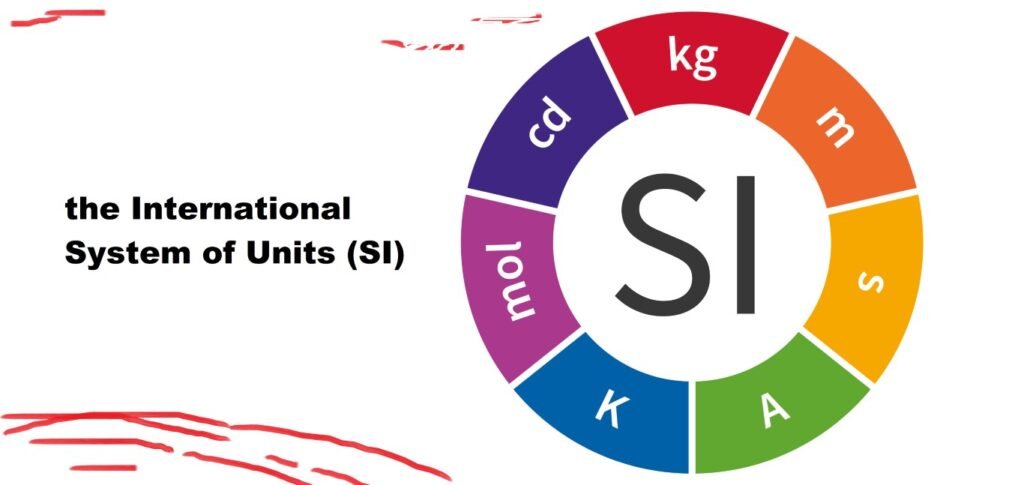
    The International Unit (SI) is a modern form of the metric system and is currently the most commonly used measurement system. This system consists of a coherent measurement system consisting of 7 base units and defines 22 units and many more derivatives.
    Meanwhile, the SI base unit is the seven units of measurement defined by the Systeme International d’Unites , as the basic set to derive all other SI units, namely SI derived units. This basic unit is commonly used in various measurements, such as measuring height, weight, time and many others.

    Here are 7 basic units for the international system (SI) :

    • Long. Dimensions of an object which expresses the distance between ends, with the SI base unit meters (m).
    • Mass. A quantity representing weight, with the SI basis of the kilogram (kg).
    • Time. The entire sequence during which a process, action, or state exists or takes place, has the SI base unit second (s).
    • Temperature. Indicator of the degree of heat of an object, has units of kelvin (K).
    • Electric current. The amount of electric charge caused by the movement of electrons flowing through a point in an electric circuit over time, in the SI base unit amperes (A).
    • Light intensity. The basic physical quantity in measuring the power emitted by a light source in a certain direction per unit angle, has units of candela (cd).
    • Amount of substance. A physical base unit that measures the number of elementary samples which can be atoms, electrons, ions, molecules, or certain particles, with the SI base unit mole (Mol).
    No. Basic Quantity Unit Name Unit Insignia Magnitude Symbol
    1 Long Meter m l
    2 Mass Kilogram Kg m
    3 Time Second s t
    4 Temperature Kelvin K T
    5 Electric current Ampere A I
    6 Light intensity Candela CD j
    7 Amount of substance Mole mole n

    The five of the units of the international system of units are commonly used in chemistry, namely length, mass. Temperature, time and amount of substance.

    Summary

    • The International System of Units (SI) is a modern form of the metric system and is currently the most commonly used measurement system.
    • In international units there are seven basic quantities used, namely length, mass, time, temperature, electric current, light intensity, and amount of substance.
    • Five of the basic SI quantities are commonly used in chemistry.
  • Get to know tissue culture techniques

    Get to know tissue culture techniques

    In their efforts to acquire new individuals or reproduce, plants, like other living things, also carry out the process of reproduction. There are several reproductive technologies that can be applied to plants, including plant tissue culture techniques. What is this?

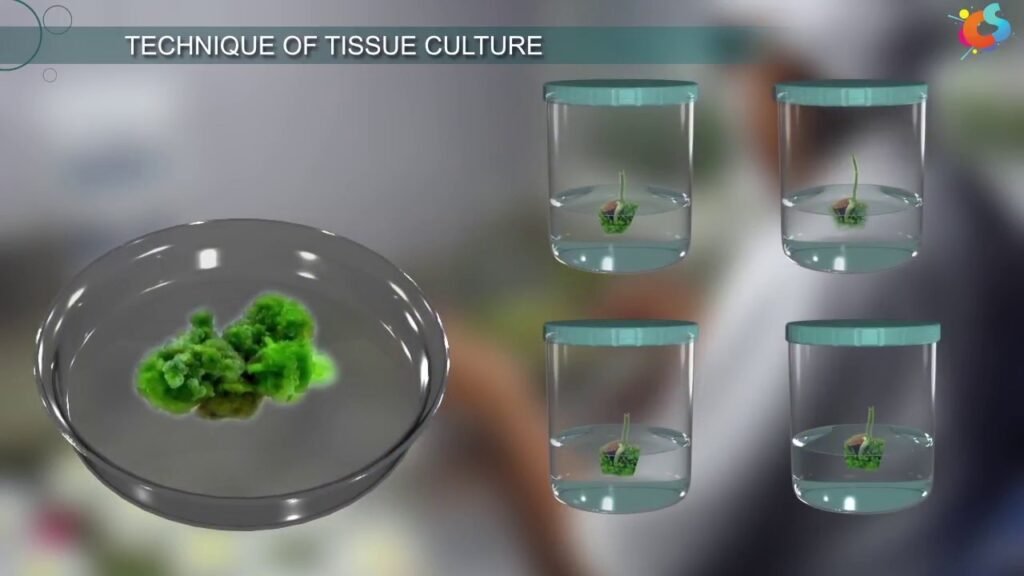
    Plant tissue culture is a method that aims to multiply plants by taking a part of the plant, such as a cell or a group of cells, tissues, or organs. This tissue culture technique utilizes the principle of vegetative propagation of plants.

    In practice, the previously extracted plant parts are grown in sterile conditions on a medium containing nutrients and growth regulators or hormones. Parts of the plant will be able to multiply and develop into plants that have complete organs, namely roots, stems, and leaves.

    In tissue culture techniques, several components are needed such as explants and culture media that contain the nutrients that plants need for their growth. Eksplan is a plant tissue that contains young tissue or tissue that is meristematic only a few millimeters in size which will later be cultured on culture media.

    Examples of tissue commonly used as explants are stem tips, leaf tips, and root tips. Culture media is a place where plant cells grow in the form of agar in a sterile tube and contain the nutrients that plants need. Some examples of plants that have been used as objects for culture are mango, sugar cane, banana and orchid.

    There are several advantages of developing plant tissue cultures, including:

    • In a short time you can produce the required plant seeds in large quantities.
    • The nature of the plants produced is in accordance with the characteristics of the parent plant being cultured.
    • Can be bred without waiting for the plant to mature.
    • No large area is needed to grow plant seeds.
    • Plants produced by tissue culture produce faster.
  • What Are the Components of Genetic Engineering?

    What Are the Components of Genetic Engineering?

    Genetic engineering is a branch of science that deals with direct modification or alteration of the genetic makeup of a living organism to express unnatural but desirable traits. In genetic modification usually uses DNA and certain gene transformations to create new gene variations. What are some of the components of this genetic engineering?
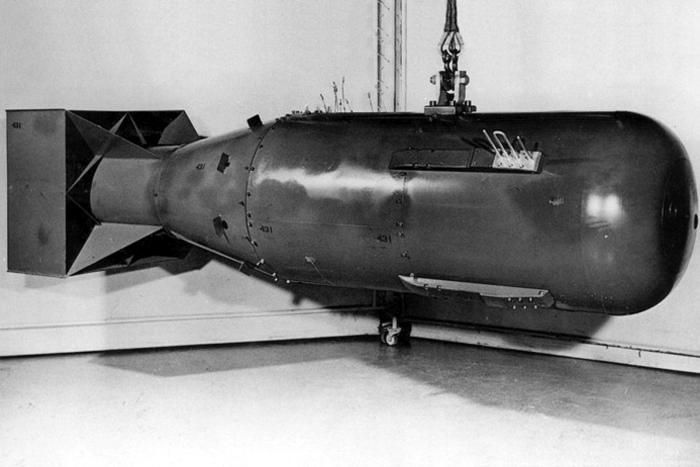
    The basic principle of genetic engineering technology is to manipulate or change the nucleic acid composition of DNA or insert new genes into the DNA structure of the recipient organism. There are several main components used in genetic engineering techniques, including enzymes, cloning vectors, and competent host cells.

    Enzyme

    In genetic engineering, 2 types of enzymes are used, namely restriction endonuclease and ligase enzymes. Restriction endonucleases function to break DNA phosphate sugar bonds and cut specific nucleotides in DNA.

    Hence, the restriction enzymes are known as “molecular scissors”. Meanwhile, DNA ligase is an enzyme that functions to connect DNA fragments by forming diester bonds between two nucleotides.

    Cloning Vector

    The cloning vector is a component that carries genes to be inserted into the host cell. A cloning ventor must have an origin of replication (ORI) that marks the start of DNA replication, a selectable marker that helps identify the cell to be converted from the original cell, and a restriction site or cloning area. is a typical DNA sequence that the restriction enzyme will recognize.

    A cloning vector has more than one restriction site. Some of the restriction sites for some endonuclease enzymes in the vector are called polylinkers. There are several known types of cloning vectors, namely plasmids, bacteriophages, cosmids, vectors, YAC, animal viruses and plant viruses.

    • Plasmids, are cloning vectors that are most often used in the cloning process for bacteria. Plasmids are extrachromosomal DNA that is usually circular in shape, and these plasmids are found in bacterial cells. Bacteria have the ability to divide quickly, so plasmids are often used as vectors for carrying genes to produce a particular product in a fast time.
    • Bacteriophage, is a virus that infects bacteria by inserting their DNA into the host bacteria. Viral DNA can be manipulated by inserting a foreign gene and then inserting it into the bacteria. The bacteriophages developed for cloning vectors are lambda and M13 bacteriophages.
    • Cosmide, is a combination of several parts of the plasmid vector and the lambda bacterium COS site. The cosmide allows the target DNA to enter the lambda’s head. The advantage of using cosmides is their high level of transformation efficiency and can carry 45kb of foreign DNA.
    • The YAC vector is a vector developed to clone very large segments of DNA.
    • Animal virus, animal virus DNA can be manipulated to insert foreign DNA into cultivated animal cells. For example, Simian virus 40 (SV 40), Adenovirus and Papilloma virus.
    • Plant viruses, these viruses can be manipulated to insert foreign DNA into plant cells. For example, Tobacco Mosaic Virus (TMV) and Cauliflower Mosaic Virus (CaMV).

    Competent Host Cell

    The competent host cell functions to reproduce recombinant DNA mocellules that are genetically engineered. Some of the host cells that can be used are bacteria, yeast, plant and animal cells. The type of bacteria most often used is E-coli because it is easy to grow and control, can accept a variety of vectors, and divide rapidly.

    In addition, competent cells are cells that are capable and ready to accept foreign DNA. Where, these cells are usually made using a CCMB80 buffer containing a divalent cation salt, namely CaCl2. This salt functions to change the charge on the cell membrane so that the bacterial cell is not selective against foreign molecules, including plasmid vectors. Furthermore, when the heat shock method is used with a temperature of approximately 420C, the foreign DNA can enter the host cell.

  • The Theoretical Physicists Behind the Development of the Atomic Bomb

    The Theoretical Physicists Behind the Development of the Atomic Bomb

    Talking about the early development of the atomic bomb in the 1940’s, there are two names of great physicists who are worth mentioning:

    • J. Robert Oppenheimer
    • Werner Heisenberg

    Oppenheimer became a central figure in the development of the atomic bomb in America, while Heisenberg in Germany — where the two countries were at odds with each other.

    Interestingly, both Oppenheimer and Heinsenberg were theoretical physicists by nature and had never “worked on a real project”.

    J. Robert Oppenheimer

    J. Robert Oppenheimer

    Oppenheimer works in two important areas of modern physics at the same time:

    • In quantum mechanics, he coined the Born-Oppenheimer Approximation for the wave function of particles
    • While in general relativity, he pioneered the modern theory of neutron stars and black holes

    Werner Heisenberg

    Heinseberg is clearly no less great than Oppenheimer.

    He won the Nobel Prize in physics for his contributions in establishing the foundation and foundation of quantum mechanics.

    One of his most famous discoveries was the Heisenberg Uncertainty Principle, which broke the understanding of classical physics in seeing subatomic particles.

    The Atomic Bomb Project

    Both Oppenheimer and Heisenberg are both “forced” out of their comfort zone.

    They broke out of the habit of scribbling paper and thinking theoretically about physics, becoming the leaders of the most ambitious project aimed at ending the Second World War.

    Yes, even though they are opposite, their goals are the same. The difference is only whether America or Germany succeeded in making the atomic bomb and ending the war.

    However, the most important lesson is not that.

    In my opinion, an important lesson from Oppenheimer and Heisenberg is that learning something theoretically does not mean limiting oneself to just a paper or paper scribbles.

    Both Oppenheimer and Heisenberg shared distant visions. It’s not just looking at physics in the mortal world, but also about applying it to the real world.

    Hiroshima Nagasaki Bombing

    End of the Atomic Bomb Race

    In the end, Heisnberg did lose the race to develop the atomic bomb.

    His laboratory exploded during a chain reaction experiment in breaking up uranium nuclei. But he still came back and continued that research.

    Until finally he and his team of scientists were caught by the United States soldiers on the Alsos mission, so he could not continue the development of the atomic bomb.

    Meanwhile, at the same time Oppenheimer was getting very fast progress both in getting a chain reaction, as well as the production of uranium and plutonium as the main “fuel” of the atomic bomb.

    On July 16, 1945, the first attempt to detonate the atomic bomb of the Manhattan Project, led by Oppenheimer, was successful.

    And following that success, after three weeks, the atomic bomb was ready to be brought by US troops to be detonated in Hiroshima and Nagasaki in Japan.

  • The Promise of Nanotechnology for Advancing Solar Energy

    The Promise of Nanotechnology for Advancing Solar Energy

    I. Introduction

    A. Background information on solar energy and its potential benefits

    Solar energy is a clean and renewable source of energy that is becoming increasingly important in the fight against climate change. The sun provides an abundant and virtually unlimited supply of energy that can be harnessed to power homes, businesses, and even entire cities. Solar energy has the potential to reduce our dependence on fossil fuels, lower greenhouse gas emissions, and create a more sustainable future for generations to come.
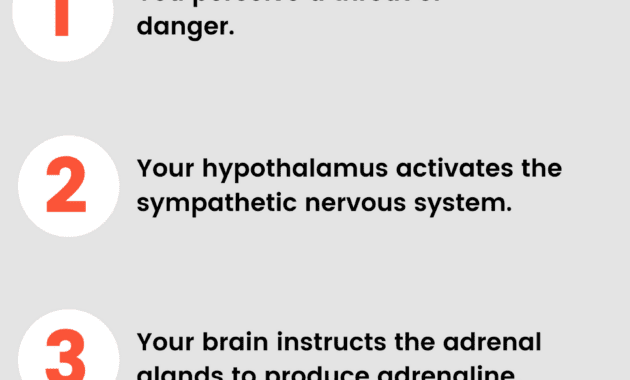
    B. Brief overview of nanotechnology and its application in solar energy

    Nanotechnology is the science of manipulating matter at the nanoscale level (one billionth of a meter). It involves the design, production, and application of materials and devices with unique properties that arise from their small size. Nanotechnology has the potential to revolutionize many fields, including energy, electronics, medicine, and environmental science.

    In the context of solar energy, nanotechnology can be used to enhance the efficiency, durability, and cost-effectiveness of solar panels. Nanomaterials and nanoparticles can be engineered to improve the absorption and conversion of sunlight into electricity, while also reducing the amount of material needed to produce solar cells. Nanotechnology can also be used to develop more efficient solar concentrators and energy storage devices, making solar energy a more viable and competitive option for meeting our energy needs.

    In the following sections, we will explore the various ways that nanotechnology is being used to advance solar energy, as well as the challenges and considerations that come with adopting nanotechnology in this field.

    II. Nanotechnology for Solar Energy

    A. Overview of the current state of solar technology

    Solar panels are the most common technology used for harnessing solar energy. They work by converting sunlight into electricity through a process called the photovoltaic effect. However, the efficiency of solar panels is limited by several factors, including the material properties of the solar cells, the absorption and transmission of sunlight, and the thermal stability of the system. Current solar technology is only able to convert about 15-20% of the incoming solar energy into usable electricity.

    B. How nanotechnology can improve the efficiency of solar panels

    Nanotechnology has the potential to significantly improve the efficiency of solar panels by addressing some of the limitations of current technology. For example, the use of nanomaterials such as quantum dots and nanowires can increase the surface area of solar cells, allowing for more efficient absorption of sunlight. Nanotechnology can also improve the transmission of light by reducing reflection and scattering, and by enhancing the optical properties of the solar cell materials.

    C. Nanomaterials for solar cell fabrication

    Nanotechnology can also be used to develop new and improved materials for solar cell fabrication. For example, the use of perovskite materials in solar cells has shown promising results in improving efficiency and reducing costs. Perovskite solar cells are made up of a thin film of perovskite material that is sandwiched between two electrodes. By using nanoscale engineering techniques, researchers can improve the performance and stability of perovskite solar cells, making them a viable alternative to traditional silicon-based solar cells.

    D. Nanoparticle-based solar concentrators

    Another application of nanotechnology in solar energy is the development of nanoparticle-based solar concentrators. These devices use nanoparticles to focus and concentrate sunlight onto a small area, increasing the efficiency of solar cells. By using nanoscale materials that absorb light at different wavelengths, solar concentrators can capture a larger portion of the solar spectrum and convert it into electricity.

    E. Nanotechnology for improving solar energy storage

    Finally, nanotechnology can be used to improve the storage of solar energy. One approach is to use nanomaterials to enhance the performance of batteries and other energy storage devices. For example, the use of nanoscale electrodes and electrolytes can increase the surface area and conductivity of batteries, leading to faster charging and longer lifetimes. Nanotechnology can also be used to develop new types of energy storage devices, such as supercapacitors and nanogenerators, which can store and release energy more efficiently than traditional batteries.

    III. Recent Developments and Future Directions

    A. Recent research advancements in nanotechnology for solar energy

    Recent research in nanotechnology for solar energy has focused on improving the efficiency, durability, and cost-effectiveness of solar panels. Some of the most promising developments include the use of perovskite materials, the development of new nanomaterials for solar cell fabrication, and the use of nanotechnology for improving solar energy storage. For example, researchers have made significant progress in improving the stability and efficiency of perovskite solar cells, making them a more viable alternative to traditional silicon-based solar cells. In addition, the use of nanoscale engineering techniques has led to the development of new and improved materials for solar cell fabrication, such as nanowires and quantum dots.

    B. The potential of nanotechnology for making solar energy more affordable and accessible

    One of the main advantages of nanotechnology in solar energy is its potential to make solar energy more affordable and accessible. By improving the efficiency and durability of solar panels, and by reducing the cost of materials and manufacturing processes, nanotechnology can make solar energy a more cost-effective option for consumers and businesses. In addition, the use of nanotechnology can make it possible to develop solar panels that are more lightweight, flexible, and portable, making them easier to install and transport.

    C. Future directions in the development of nanotechnology for solar energy

    Looking to the future, the development of nanotechnology for solar energy is likely to focus on several key areas. These include the development of new and improved materials for solar cell fabrication, the use of nanotechnology for improving solar energy storage, and the development of new nanoscale devices and systems for capturing and converting solar energy. In addition, researchers are exploring the use of nanotechnology for improving the environmental sustainability and safety of solar energy systems, as well as for improving their integration with other renewable energy sources and the electrical grid.

    IV. Challenges and Considerations

    While nanotechnology has the potential to revolutionize solar energy, there are several challenges and considerations that must be addressed in order to realize its full potential. These include:

    A. Environmental and safety concerns related to nanomaterials in solar technology

    One of the main concerns related to the use of nanomaterials in solar technology is their potential impact on human health and the environment. While nanomaterials have unique properties that make them ideal for improving the efficiency and durability of solar panels, they can also pose health and environmental risks if not properly handled and disposed of. It is important to ensure that the production and use of nanomaterials in solar technology is done in a safe and responsible manner, and that appropriate regulations and guidelines are in place to mitigate potential risks.

    B. Economic and regulatory challenges in adopting nanotechnology in solar energy

    Another challenge related to the adoption of nanotechnology in solar energy is the economic and regulatory landscape. While nanotechnology has the potential to make solar energy more cost-effective and accessible, there are still economic and regulatory barriers that must be overcome. For example, the high cost of nanomaterials and manufacturing processes can make it difficult for smaller companies and individuals to afford solar panels. In addition, there may be regulatory barriers to the development and use of nanomaterials in solar technology, particularly in regards to safety and environmental concerns.

    C. Ethical considerations related to the use of nanotechnology in renewable energy

    Finally, there are ethical considerations related to the use of nanotechnology in renewable energy. As with any new technology, there is a risk of unintended consequences and unforeseen impacts on society and the environment. It is important to consider the potential ethical implications of using nanotechnology in renewable energy, and to ensure that the benefits of this technology are shared fairly and equitably across society.

    Overall, while the potential of nanotechnology for advancing solar energy is great, it is important to address these challenges and considerations in a responsible and thoughtful manner. By doing so, we can ensure that the benefits of this technology are realized in a safe, sustainable, and equitable way.

    V. Conclusion

    Nanotechnology has the potential to significantly improve the efficiency, durability, and cost-effectiveness of solar energy. By using nanomaterials and nanoscale engineering techniques, researchers can develop new and improved materials for solar cell fabrication, improve the absorption and conversion of sunlight into electricity, and enhance the performance of energy storage devices. However, there are also challenges and considerations related to the use of nanotechnology in solar energy, including environmental and safety concerns, economic and regulatory barriers, and ethical considerations.

    Looking to the future, the role of nanotechnology in advancing solar energy is likely to continue to grow. With continued research and development, nanotechnology has the potential to make solar energy more affordable, accessible, and sustainable. As the technology continues to evolve, researchers may also find new and innovative ways to integrate nanotechnology with other renewable energy sources, such as wind and hydroelectric power, to create a more efficient and integrated energy system.

    In order to fully realize the potential of nanotechnology for advancing solar energy, it is important to continue to invest in research and development in this field. This includes developing new and improved materials and devices for solar energy, addressing the environmental and safety concerns related to nanomaterials, and working to overcome economic and regulatory barriers to adoption. By doing so, we can help to create a more sustainable and equitable energy future for all.

  • What Is Adrenaline? Know the Benefits and Dangers to the Body

    What Is Adrenaline? Know the Benefits and Dangers to the Body

    Adrenaline is- Have you ever been in a tense situation? Like being on an extreme ride on a playground, watching a horror movie, or almost facing death while driving a vehicle. When you are in that situation, usually a person will feel adrenaline in their body which is triggered by the stressful things mentioned above.
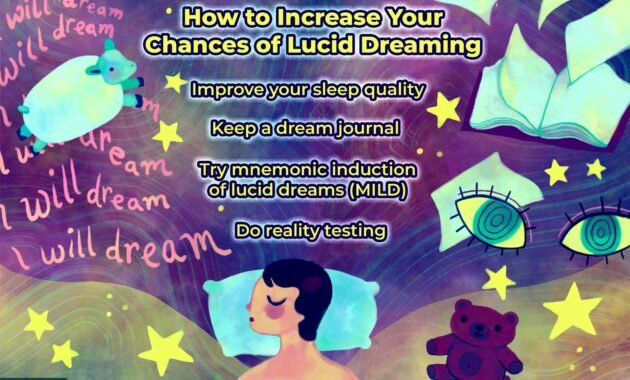
    The human body generally produces the hormone adrenaline which is used as a response for the human body when experiencing a stressful situation or when under stress to react quickly. However, it should be noted that the hormone adrenaline must also be controlled in normal amounts because it has an impact on the body if it is excess or lacking.

    For this reason, Sinaumed’s friends who have experienced being in a stressful situation need to know that the body’s quick response is present because of the adrenaline hormone in the body. So, in this discussion, we will also listen to interesting facts about the adrenaline hormone.

    Furthermore, the discussion about adrenaline can be listened to below!

    What Is Adrenaline?

    Adrenaline (English: adrenaline, epinephrine) is a drug and hormone involved in the regulation of visceral functions (eg breathing). Adrenaline is produced by the adrenal glands and a small number of nerve cells in the spinal cord. Adrenaline plays an important role in the fight-or-flight response by increasing muscle blood flow, cardiac output by acting on the SA node, the pupil dilation response, and blood sugar.

    Adrenaline performs this action by binding to adrenergic receptors: alpha and beta. Adrenaline is present in many animals and some unicellular organisms. Polish physiologist Napoleon Cybulski first isolated adrenaline in 1895.

    Adrenaline is a hormone produced by the body when faced with a dangerous or stressful situation. In a balanced amount, this hormone has an important role in maintaining the function of various organs in the body. However, a deficiency or excess of the adrenaline hormone can actually be dangerous to health.

    The hormone adrenaline, or sometimes also called epinephrine, is a hormone produced by the adrenal glands and the brain. The body releases this hormone when it feels stressed, depressed, scared, excited, or in a stressful and dangerous situation.

    “Adrenaline overload can result from prolonged stress, and this effect can increase a number of health risks. While adrenaline deficiency is rare, it can leave a person unable to react. Therefore, we must be able to manage stress well.”

    Adrenaline will bring about a number of changes to the body, including a faster heart rate and more efficient lung breathing. This causes blood vessels to send more blood to the brain and muscles, increases blood pressure, makes the brain more alert, and raises blood sugar to give you energy. The pupils will also dilate and you will sweat during the experience.

    When there’s more adrenaline in your blood, you don’t feel as much pain, so you can keep running or fighting, even if you get hurt. It makes you stronger and allows you to perform better.

    The body also makes a similar chemical called norepinephrine (or norepinephrine). It is made in the nervous system and released into the bloodstream continuously. Unlike adrenaline, which affects many parts of the body, noradrenaline’s main role is to control blood pressure.

    Adrenaline benefits

    As previously explained, the function of the adrenaline hormone is to trigger the body’s fight-or-flight response. This response causes the airways to widen to deliver the oxygen needed to the muscles to fight danger or escape.

    Vascular hormone explains that the hormone adrenaline also triggers the constriction of blood vessels to direct blood to major muscle groups, including the heart and lungs. The body’s ability to feel pain is also reduced by adrenaline, which is why one can continue to run away or fight danger even when injured.

    The hormone adrenaline causes a marked increase in strength and performance, as well as increased alertness, during times of stress. After the stress subsides, the effects of the adrenaline hormone can last up to an hour.

    When it enters the bloodstream, the hormone adrenaline will have an impact on various organs of the body such as:

    • The heart beats faster and works harder so alertness increases
    • Blood vessels dilate, increasing blood flow to the muscles and brain
    • Sweat production increases
    • The senses of sight and hearing become sharper
    • Blood sugar rises, which the body uses for energy
    • Breathing becomes faster
    • Pain is not felt

    This adrenaline hormone will be produced naturally by the body when the body is in a dangerous situation or experiencing severe stress. This response is a form of the body’s defense to deal with circumstances.

    Besides being produced naturally by the body, adrenaline can also be produced as a medicine. This artificial or synthetic adrenaline hormone is commonly used for:

    • Treatment of severe allergies or anaphylaxis, severe asthma attacks and heart attacks
    • Treating shock, for example due to bleeding, severe dehydration, or severe infection (sepsis)
    • Prolongs the duration of anesthetic effect in surgery.
    • Support cardiopulmonary resuscitation

    Impact of Excess Adrenaline on the Body

    Excess adrenaline hormone is common. This can be caused by prolonged stress which causes a person to have too much adrenaline.

    In addition, some rare medical conditions, such as tumors on the adrenal glands, can also cause a person to have too much adrenaline.

    This condition can cause you to experience several health symptoms or problems, such as:

    • High blood pressure
    • Headache or dizziness
    • Vision becomes blurred
    • Restless and irritable
    • Trouble sleeping or insomnia
    • sweating too much
    • Fast heart rate

    Over time, high levels of the hormone adrenaline can increase your risk of heart attack or stroke and lead to palpitations, high blood pressure, anxiety and weight loss.

    Impact of Adrenaline Deficiency for the Body

    Adrenaline deficiency is rare, even if you lose both adrenal glands due to illness or surgery. This is because 90% of the body’s norepinephrine comes from the nervous system. However, if your adrenaline is low, you may not respond well to stressful situations.

    Given that excess and deficiency of the hormone adrenaline has a negative effect, try to keep your hormone levels under control. When you’re stressed, you can lower adrenaline levels in your body by breathing slowly, meditating, practicing yoga, or tai chi which is beneficial for breathing. Excessive hormone levels can also be overcome by living a healthy lifestyle, such as consuming nutritious food, exercising regularly, and limiting caffeine and alcohol intake.

    The hormone adrenaline is not only dangerous when there is too much of it, but also dangerous when there is too little of it. Lack of adrenaline makes the body unable to react properly in stressful situations.

    In addition, low levels of the hormone adrenaline in the body will also cause:

    • Depression
    • sleep disorder
    • fibromyalgia
    • Easily tired
    • migraine headaches
    • restless leg syndrome
    • hypoglycemia

    There are several things you can do to keep your adrenaline levels in balance, including eating a healthy diet, exercising regularly, relaxing with meditation or yoga, and limiting your alcohol and caffeine intake. .

    If you are constantly experiencing stress or have certain diseases that can affect the production of the hormone adrenaline, such as an adrenal tumor, you should consult your doctor immediately.

    How does adrenaline work?

    Adrenaline starts in the brain. When you perceive a dangerous or stressful situation, that information is sent to a part of the brain called the amygdala. This area of ​​the brain is involved in processing emotions. If the amygdala detects danger, it sends signals to another area of ​​the brain called the hypothalamus. The hypothalamus itself is the command center of the brain. This part communicates with the rest of the body through the sympathetic nervous system.

    The hypothalamus sends signals via the autonomic nerves to the adrenal medulla. When the adrenal glands receive a signal, they respond by releasing adrenaline into the bloodstream.

    Once in the bloodstream, adrenaline will work in the following way:

    • Binds to receptors in liver cells to break down larger sugar molecules called glycogen into smaller, more usable sugars called glucose; it gives your muscles a boost of energy
    • Binds to muscle cell receptors in the lungs, making you breathe faster
    • Stimulates heart cells to beat faster
    • causes blood vessels to constrict and directs blood to major muscle groups
    • muscle cells contract beneath the surface of the skin to stimulate sweating
    • Binds to pancreatic receptors to inhibit insulin production

    The bodily changes that occur when adrenaline circulates in the blood are often called adrenaline because these changes occur quickly. In fact, it happened so quickly that you couldn’t fully process what was happening. It’s the adrenaline rush that gives you the ability to dodge oncoming cars before you even have a chance to think about it.

    Adrenaline Activating Activities

    When a person perceives a threat or danger, the hypothalamus or part of the limbic system at the base of the brain activates the sympathetic nervous system, also known as the fight or flight state.

    The brain instructs the adrenal glands to produce adrenaline, which is then released into the bloodstream. In addition to real threats and dangerous situations, people with certain mental health conditions can also experience increased adrenaline as part of their condition.

    People with post-traumatic stress disorder (PTSD) may also experience increased adrenaline from memories or thoughts about the trauma. People with panic disorders, such as agoraphobia or social anxiety disorder, may experience an adrenaline rush when faced with a situation they fear or another specific phobia. Some people love the feeling of adrenaline being released and enjoy the beating heart, dilated pupils, and sweating with excitement.

    Even though the purpose of adrenaline is to trigger the body’s quick response to stressful situations, sometimes some people do certain activities just to get the adrenaline pumping. Activities that can trigger adrenaline include:

    • Watch horror movies
    • Play Parachute
    • Jump off the cliff
    • Bungee jump
    • Diving with sharks
    • Playing bicycle on mountain track
    • Play rafting
    • Talk to your loved ones

    Adrenaline symptoms

    Adrenaline is a term sometimes described as an energy booster. Other symptoms of adrenaline rush are:

    • Increase heart rate
    • Sweat
    • Keen senses
    • Rapid breathing
    • Reduced ability to feel pain
    • Increased power and performance
    • The pupils are dilated
    • Feeling agitated or anxious
    • When the stress or danger wears off, the adrenaline effects can last up to an hour.

    How to Control Adrenaline

    It’s important to learn techniques to combat your body’s stress response. Experiencing stress is normal and sometimes good for your health.

    But over time, the constant rush of adrenaline can damage blood vessels, increase blood pressure and increase the risk of heart attack or stroke. It can also cause anxiety, weight gain, headaches, and insomnia.

    To help control adrenaline, you need to activate the parasympathetic nervous system, which is also known as the “rest and digestive system.” The resting and digesting response is the opposite of the fight-or-flight response. This helps promote balance in the body and allows your body to rest and repair itself.

    How to control adrenaline is:

    • Get to know the meaning of mental training and its types
    • Deep breathing exercises
    • Meditation
    • Yoga or tai chi exercises that combine movement and deep breathing
    • Talking to friends or family about stressful situations that you don’t think about at night; similarly, you can journal about your Feelings or thoughts
    • Have a healthy and balanced diet
    • Exercise regularly
    • Limit caffeine intake
    • Avoid cell phones, bright lights, computers, loud music, and television before bed

    Treatment and Treatment of Adrenaline Hormone Problems

    The main treatment for adrenaline or adrenal hormone disorders is to address the underlying cause.

    If the cause of your adrenaline problems is due to a biological disorder, your doctor may need time to test and find the necessary medication or other treatment. Most problems with the adrenaline hormone stem from stress.

    Adrenaline and other stress hormones are great for people when situations force them to fight or flee. However, it is important to learn how to neutralize the hormone adrenaline, so that the heart rate and blood pressure return to normal, the digestive and reproductive systems function or function regularly, and a person can feel good, ready and focused.

    While shutting off the stress response is not always easy, especially when life circumstances are difficult or when a person has been used to feeling stressed for long periods of time, there are several very effective treatments to help a person return to a relaxed state.

    Those are some explanations related to the hormone adrenaline. In the short term, the hormone adrenaline does not have a significant impact on health. But over time, high levels of the hormone adrenaline in a person’s body can cause real health problems. If a person is constantly feeling stressed, alert, anxious or panicked, it is best to make an appointment with a doctor. After all, the hormone adrenaline can increase heart rate, blood flow, and alertness.

    Conclusion

    That’s all the discussion about adrenaline which has benefits as well as dangers in the body. Not only discussing adrenaline, but also discussing the benefits of adrenaline in the body, the effects of excess and deficiency of adrenaline, knowing how adrenaline works in the body, symptoms of adrenaline, adrenaline trigger factors, and how to treat an excessive adrenaline reaction.

    Knowing about the hormone adrenaline gives more knowledge about every body reaction that we usually experience but we don’t know the trigger factors. Knowing about the adrenaline hormone allows us to know more about how the body reacts and not easily panic if the body’s reaction due to adrenaline is working.

  • What are Lucid Dreams? Causes, Impact, and Benefits

    What are Lucid Dreams? Causes, Impact, and Benefits

    Lucid Dream Is- Dreams can also be referred to as sleeping flowers when talking about dreams, of course everyone has experienced dreams when they are deep asleep. Someone who is dreaming is usually not aware of what he is doing because it all happens in the subconscious mind that a person cannot control. However, in fact there is a dream phenomenon that causes a person to be aware and can feel what is going on in their dream world which is also called the Lucid Dream phenomenon .

    Lucid dream is a state where a person feels the world of the subconscious or their dreams in real terms. This phenomenon, although it sounds a bit strange and tends to be scary, because after all, we can’t choose what dreams we want to experience. Is it a beautiful dream or a nightmare? Someone who experiences the lucid dream phenomenon can clearly feel it.

    However, do you know that even though it sounds strange, this lucid dream phenomenon can be explained through medical explanations, you know, Sinaumed’s friends. So, for those of you who want to know more about the lucid dream phenomenon in detail, in this discussion we have summarized all the information regarding the lucid dream phenomenon along with interesting facts in it, the causes, benefits, and impact for someone who experiences it.

    Further discussion of the lucid dream phenomenon can be listened to below!

    What Does Lucid Dream Mean?

    Lucid dream or can be interpreted as a conscious dream is a dream when a person is aware that he is dreaming. The term was coined by the Dutch psychiatrist and writer Frederik (Willem) van Eeden (1860-1932). With lucid dreaming, the dreamer can play an active role and change imaginary experiences in his dream world. Conscious dreams can feel real and alive.

    Lucid dreams can occur in two ways. Dream-initiated lucid dreams (DILD) begin as normal dreams and the dreamer immediately concludes that they are dreaming, whereas wake-initiated lucid dreams (WILD) occur while the person is awake. dream transition from the waking state to the dream state. without feeling unconscious. Conscious dreams have been studied by science and their existence has been recognized.

    Human sleep is divided into two stages: rapid eye movement (GMC) and non-rapid eye movement (GMTC). Like other types of dreams, lucid dreams often occur during the rapid eye movement (REM) phase. This stage is a time when the brain is very active during sleep. These active brain waves cause a person to feel between sleep and wakefulness. Well, this condition causes the phenomenon of dreams, including lucid dreams. People who have lucid dreams will often remember the dream they had, even after they wake up. This is different from normal dreams which are often forgotten after waking up.

    Even so, lucid dreaming is actually not something dangerous or something to be wary of. This type of dream is very common among adults. In addition, lucid dreams rarely have a negative impact on the health of the body. Like other dreams during sleep, sufferers of this condition often wake up in the morning without certain symptoms.

    In addition to the natural phase, lucid dreams are also thought to be related to meditation habits. He said that people who meditate tend to experience lucid dreams more easily. Because meditation is believed to help a person become more relaxed and calm, can improve sleep quality and make life’s dreams more real.

    Interesting Facts About Lucid Dreams

    If you have ever had a lucid dream and are curious about it, here are some lucid dream facts that you should know:

    1. The process of lucid dreaming

    Basically, the sleep phase is divided into two, namely rapid eye movement (REM) and non-rapid eye movement (NREM). During REM sleep, the eyelids are closed but the eyeballs are still moving and brain waves are still active. Meanwhile, the NREM sleep phase occurs when you start to fall into a deep sleep.

    When you sleep, your brain waves are sometimes still active, so you stay in REM sleep longer. These active brain waves will make you feel you are between the stages of sleep and wakefulness. This condition causes dream phenomena, including lucid dreams.

    2. Lucid dreams are different from ordinary dreams

    In a normal dream, one may forget the details of the dream story the next day. However, when someone experiences a lucid dream it is different. Someone who experiences a lucid dream will remember every detail of the dream he is experiencing and it is as if he is experiencing the events in his dream. This is what allows a person to control the lucid dreams they experience.

    3. Lucid dreaming is not a pathology

    Lucid dreams are not a health problem that you need to be aware of. According to a study, almost everyone has had a lucid dream at least once in their life. In fact, a survey shows that around 55% of adults have had lucid dreams.

    Even though it doesn’t have a negative impact on physical health, in some cases and in the long term, frequent lucid dreams can affect a person’s mental health. For example, causing sleep disorders such as sleep paralysis or sleep disorders, as well as anxiety and depression disorders.

    4. Meditation and lucid dreaming

    Research shows that people who meditate regularly are more likely to have lucid dreams. This is because meditation activities can train a person to be more relaxed and calm so that the quality of sleep becomes better and the lucid dreams he experiences can become more real.

    However, it is also theorized that meditators often more easily tap into theta brainwave patterns. This brain wave pattern is formed during REM sleep, which is the sleep stage when a person easily dreams, including lucid dreams.

    Based on the facts about lucid dreaming above, it can be said that this phenomenon is not a dangerous condition and is not related to some myths or mysteries, especially if you only experience it once.

    Even so, if you have the same dream or lucid dream repeatedly, especially if you have experienced trauma, it is likely that the dream is a symptom of a psychological disorder, such as Post-traumatic stress disorder or PTSD. Therefore, if you often experience lucid dreams accompanied by sleep disturbances or have certain psychological problems, you should see a doctor to determine the cause and get the appropriate treatment.

    Negative Impact After Experiencing Lucid Dreams

    In addition to unusual hallucinations, here’s a brief review of some of the adverse effects of lucid dreaming or lucid dreaming that you should be aware of below:

    1. Energy Drain

    Someone who experiences a lucid dream will drain a lot of body energy after waking up from the dream. Because during sleep, only your body rests and your mind, your brain is always forced to be active and very focused.

    Well, it is definitely not good for the health of the human immune system. Indeed, in addition to the body that needs rest, so does the human mind, that is, it needs healthy rest at the right time.

    2. It’s hard to wake up from a dream

    People dream awake, if they are not controlled it will be difficult to wake up from their dreams. Even though the alarm clock is very loud, it is still difficult for you to wake up from a lucid dream. This is caused by sleep dissatisfaction, or fatigue as we call it.

    3. It is difficult to distinguish between dreams and reality

    Called derealization, is the feeling of being alive in reality but apparently not being real. Vice versa, in a dream it seems real, but it is not. This is also due to the fatigue factor that is too deep.

    At this factor, it will be difficult for us to distinguish between dreams and reality.

    4. Sleep quality is getting worse

    Because you are sleeping consciously, your brain is automatically forced to work.

    This can worsen the quality of your sleep. Apart from lucid dreaming, you will feel weak and still sleepy. So don’t abuse this lucid dream method, Sinaumed’s friends

    5. The memory of the brain decreases

    Conscious dreams, in addition to reducing the quality of your sleep, can also reduce the brain’s ability to remember.

    Well, the cause of decreased brain memory is because the neurons in the brain stimulate fantasies too often, including lucid dreams.

    6. Lucid Dreams are addictive

    One of the negative effects of lucid dreaming is that it can be addictive.

    When you are addicted to the world of lucid dreaming, you will often feel sleepy and avoid real-world activities. Dissociation or disconnection from the outside environment can be caused by too many lucid dreaming methods.

    Of course, this can be a physical and mental challenge for you.

    Well, this lucid dream should not be used too often, friend Sinaumed’s, just use it for entertainment or needs so that it is not affected or dangerous by the lucid dream.

    The health benefits of lucid dreaming

    Lucid dream is said to have its own benefits. One of the benefits is for therapy. In this case, lucid dreaming or the ability to control dreams is said to help overcome nightmares. In fact, the right therapy should be able to overcome recurring nightmares.

    Meanwhile it will affect the condition of the body and quality of life. Applying lucid dream therapy with the help of a therapist gives a person self-control. This includes dreams or nightmares. Apart from overcoming nightmares, this therapy also has the potential to help overcome anxiety disorders or obsessions with certain things.

    When someone has a lucid dream, he realizes that this is not the real world. So that he is more flexible and has the courage to explore it. Over time, this sense of courage fostered by dream therapy can then be transferred to the real world. However, not everyone is suitable for this type of therapy. Because under certain conditions, it is very difficult for a person to distinguish between dreams and reality

    Here are some studies showing that lucid dreaming has beneficial health effects, including:

    1. Overcoming nightmares

    Just like any other type of dream, nightmares happen to everyone. However, recurring nightmares can cause stress and anxiety.

    Lucid dreams have the power to overcome nightmares because they allow a person to control the dreams they experience. Furthermore, a person who realizes that he is dreaming will easily realize that the nightmare is not real.

    Sweet dreams are commonly used in Image Repetition Therapy (IRT). This therapy helps patients to re-imagine the nightmares they often experience by coming up with different and more interesting stories.

    In addition, IRT can also be combined with cognitive behavioral therapy (CBT) to improve dream control.

    2. Reduce anxiety

    Slightly different from the previous point, lucid dreams can also reduce symptoms of post-traumatic stress disorder (PTSD) and anxiety, both of which occur due to nightmares or other causes.

    Indeed, lucid dreams allow you to manipulate dreams and create situations in them. With lucid dreaming, you can practice dealing with things that cause anxiety in the real world.

    3. Improve motor skills

    Lucid dreaming has the potential to have a positive impact on a person’s physical recovery and motor skills.

    A 2013 study found that mental motor skills can enhance physical abilities. This fact allows people with disabilities to improve their physical abilities in lucid dreaming.

    4. Stimulate creativity

    Lucid dream allows the dreamer to explore and create anything in his dreams. This can be a fun way to explore ideas and creativity.

    How do you have a lucid dream?

    Some people may want to dream lucidly and benefit from it. Here are some ways to increase your chances of having a lucid dream:

    • Get more sleep during the REM phase by increasing the quality of your sleep each night. You can improve sleep quality by setting a consistent sleep schedule, avoiding using electronic devices before bed, avoiding overeating and caffeine before bed, and creating a relaxing and comfortable atmosphere in your bedroom.
    • Keep a journal about the dream you had. Focusing on the dreams you’re having will increase your awareness of when you’re dreaming.
    • Practice the Induced Mindful Dream Technique (MILD), which involves repeatedly telling yourself that you are about to dream and that you know what dreams are about.
    • Do a reality check, which is taking a test to determine if you are dreaming or awake.

    How to wake up from a lucid dream

    Sometimes you may want to wake up from a lucid dream. Here are a few ways to do this:

    • Shouting or talking loudly in a dream can wake up the brain
    • Continuous blinking can help you mentally prepare to wake up from sleep
    • Deep sleep in a dream
    • Reading signs or books in dreams can activate parts of the brain that are not used during REM

    Conclusion

    So a brief discussion about the meaning of lucid dreaming. Not only understanding the meaning of lucid dreaming, but further discussing the causes, effects, benefits, and ways to do lucid dreams and wake up from these lucid dreams.

    Knowing what the phenomenon of lucid dreaming is gives us knowledge that this is a normal thing, not something strange or mystical because it has received in-depth research from a medical point of view. And it is known that lucid dreaming can also be a useful benefit for the body.