

Category: Psychology

  • Overcoming the Instant Mentality: Understanding and Conquering the Desire for Quick Results

    Overcoming the Instant Mentality: Understanding and Conquering the Desire for Quick Results

    Yes, why do we all easily get caught up in the Instant mentality and desire to get fast results? The answer is because of the presence of cognitive errors called PRESENT BIAS.

    Present bias is a type of human cognitive error that has been widely studied in behavioral economics. Present bias is inevitably one of the human psychological dimensions that often makes future financial life gloomy and messy.

    The ordinary present is basically our tendency as humans (which are weak and make many mistakes) to appreciate rewards that can be enjoyed right away, rather than having to wait for positive rewards in the future.

    We humans prefer “instant gratification”, or instant rewards that can be enjoyed immediately. We tend to be lazy and reluctant to do the opposite, namely “delayed gratification” or delaying current pleasures for positive results in the future.

    The slogan is: if you can enjoy it right now, why wait so long.

    Present bias was revealed in the following experiment. A group of respondents were given a choice: A) would they like to receive Rp. 1.5 million right away or B) would they receive Rp. 1.7 million next week. The majority of respondents chose option A or the first option. Many people do not like to wait too long, even though they will get a bigger return.

    The true present bias is also shown in various everyday examples that we do. For example, the present trap can occur when people prefer to spend their money on buying new gadgets for the sake of present pleasure, for example, rather than using it for savings and investment for future financial preparation. A similar example: using existing money to buy various goods at an olshop feels like it can provide more “instant pleasure” than putting that money in savings for future needs.

    Another example. A number of people prefer to eat delicious food that is available around them, rather than doing a diet that will be more beneficial for their health in the future. Eating well now is much more tempting than thinking about the slimness and health of the body in the future.

    Another example. It’s better to lie on the bed while playing your cell phone right now, than having to complete a work assignment whose deadline is still next week.

    Those are all examples of the present bias trap. The point is we want to immediately feel “instant pleasure” or “instant reward” right now. Now. We value rewards that can be felt right now (present bias). On the other hand, we tend to belittle something that is actually more useful, if we can only feel this something in the distant future (future bias).

    The question is why do we humans tend to prefer “instant gratification” rather than having to postpone current pleasures for future benefits? Because it turns out that there really is a part in our nerve cells that likes something that is instantaneous and can be enjoyed immediately without having to work hard. Something that can be felt and enjoyed immediately is more tangible and this is more tempting than imagining future benefits that are still abstract.

    Imagining and eating various delicious fried foods and cakes right now feels real, compared to imagining the benefits of diet for the future of health which feels still abstract. Lying on the bed at this time while scrolling through the cellphone feels more real and can be enjoyed immediately, compared to imagining the benefits of learning for the future which are still abstract.

    On the other hand, delaying current pleasures for future benefits also really needs strong willpower. While not many people have strong willpower.

    Delaying current pleasures for future success also often requires a lot of tiring and uncomfortable actions. Even though getting out of this comfort zone is not really liked by our nerve cells which prefer comfort (comfort zone) and tend to enjoy laziness.

    Viewed from the perspective of our personal financial future, this present bias can have a variety of adverse impacts.

    For example, like the example described above. Some people prefer to spend their money for pleasure now, rather than saving for the future. This kind of action will of course be less profitable for the future of our personal finances. Present bias will make us always tempted to spend money for pleasure now (present times), rather than saving it for the preparation of a more important future life.

    The combination of present bias and instant gratification mentality , can also make us trapped to expect instant results right now, for the pleasure of now. An instant mentality that always wants immediate results, right now, can make us ignore the power of process and long persistence.

    Even though we know, bright future results always require the ability to delay gratification today, be willing to work hard to carry out the process consistently, and continue to be persistent in the midst of various challenges.

  • Breaking the Cycle of Present Bias: Tactics for Resisting Instant Gratification

    Breaking the Cycle of Present Bias: Tactics for Resisting Instant Gratification

    Are you constantly finding yourself succumbing to the temptations of instant gratification? It can be difficult to resist the pull of immediate pleasure, but giving in to present bias can lead to regrets and missed opportunities in the long term.

    Fortunately, there are strategies that can help you overcome this tendency and make decisions that are truly in your best interest. In this article, we will explore some tactics for resisting instant gratification and breaking the cycle of present bias.

    Strategy for Dealing with Present Bias #1: Develop a Specific Behavioral Plan

    In the daily life that we live, we often carry out various impulsive actions that arise because of the situation around us at a certain moment.

    For example, sometimes we are tempted to buy things more impulsively because of the temptation of online discounts that keep appearing on our cellphone screens. Or another example: we sometimes buy food impulsively even though we know this food is full of cholesterol, it makes us fat and unhealthy. We impulsively buy these unhealthy foods because of our mood or maybe because of the influence of our surroundings.

    Another example: we often impulsively open our cellphones every time we feel confused, and then spend time scrolling through anything that is often useless (and often takes more than an hour imperceptibly).

    All of the examples of action above are impulsive, and actually occur because of a present bias. We suddenly make a decision to fulfill the pleasure of this moment; without thinking about the impact on the future.

    The solution to overcome impulsive actions driven by present bias is to develop a specific behavior implementation plan (behavior implementation plan).

    A practical example is like this. For example, if you want to use more of your income for future investments, and not spend it on impulse spending, then you can arrange a kind of planning commitment like this: every time you receive payday, I will immediately allocate this amount of funds to a special account to buy investment instruments. useful (whether stocks, mutual funds, gold or other). It would be great if the account had an auto debit feature, so that automatically your funds would be withdrawn to purchase the investment instrument that you have set.

    The auto debit feature, which is automatic in nature, is an innovation that seems small, but actually has a powerful positive impact on the process of managing our personal finances. Because with this auto debit feature, we no longer have to bother thinking about every month, what should we do with our money. Reducing the decision-making process because everything runs automatically will really help us to avoid the trap of detrimental impulsive decisions.

    Another example of a behavior implementation plan. For example, you want to allocate some of your time at night for useful activities, and not just spend it watching television or scrolling through cellphone screens. Then you can set a behavior plan like this: after every Isha prayer, I will allocate only 30 minutes to read books or material guides that are relevant to the process of improving the skills I need.

    The two examples above are samples of specific behavior implementation plans (in which there is information on what actions will be taken, when and if necessary, how long they will take, or how much rupiah will be invested).

    And research in human behavior shows that such a specific behavior plan is very effective in encouraging you to take action in a more planned, measurable and useful manner – and not always trapped in the temptation of impulsive action, trapped in present bias, and instant gratification mentality.

    Now think about what specific behavior plan you want to live. Be specific (include what, when, and how). Through specific planning commitments like this, you can slowly reduce unplanned and frequent impulsive actions due to the influence of the present bias trap.

    Strategy for Dealing with Present Bias #2: Breaking Abstract Long-Term Goals into Short-Term and Small-Scale Goals

    In the description above, it is stated that one of the reasons why many people prefer the pleasure of the moment, rather than postponing it for the sake of future pleasure, is because they feel that their future is still far away and feels abstract.

    People are sometimes reluctant to do “delayed gratification” (delaying pleasure for the sake of future pleasures), because they feel that the pleasures of their future seem far away, even though they wish that if they could, there would be results now.

    The way to deal with problems like the one above is actually relatively simple, namely breaking down and detailing these long-term goals in smaller units of action where progress can be measured immediately, and the results immediately felt.

    Example: I want to be rich in five years. These long-term goals feel abstract, and still a long way off. So often people are not so committed to living it. It would be great if the abstract long-term goals were detailed in small, measurable and tangible actions so that progress could be tracked. For example: every night for 1 hour I will learn about Facebook Advertising, so that within 6 months I can master and make money from FB advertising.

    These goals are more specific and progress can also be monitored weekly or monthly. The progress of this progress is very important, because research shows you will be able to continue to be consistent and motivated, if you can feel specific progress and can monitor it every week or at least every month.

    Another example: there are people who have dreams of wanting to become a famous and productive book author. But this goal is abstract, and will not be effective for people who are easily tempted by instant gratification. It would be great if the abstract goals were broken down into specific and measurable small goals, for example: that person is successful enough to write 3 pages of a book every day. Just 3 pages. If this small process can be done continuously, then the result will automatically come by itself (in two months he can write 1 book).

    Breaking abstract goals down into small goals (small goals) allows us to experience more immediate results. Small goals and small results can make us feel the results of our work processes more quickly. And this is important: because remember, we tend to want instant results and have a tendency to be present bias.

    Breaking down our abstract long-term goals into small goals that are easy and progress can be monitored immediately – is our trick so that these goals become more tangible and the results are easy to feel. In this way, our thirst for present bias and instant results can be fulfilled. And in turn, we become more motivated to live it optimally.

  • Overcoming Brain Fatigue: Strategies for Managing Mental Exhaustion

    Overcoming Brain Fatigue: Strategies for Managing Mental Exhaustion

    Brain fatigue (or often also referred to as decision fatigue) is an event when our brains experience fatigue because there are too many things to think about and decide . The process of thinking and making various decisions in our daily lives turns out to make our brains experience fatigue.

    Various problems and burdens that haunt our brains for a long time, if they continue to accumulate, will make our brains experience acute fatigue (brain fatigue). In other words, our mental minds experience deep fatigue (mental exhaustion).

    There are a number of problem categories that often block our minds, ranging from trivial aspects to serious ones.

    The first category of thought burden is thinking about trivial things. Everything looks trivial, but if the volume is repeated a lot, it will also burden the mind.

    Examples of this burden category include: what are you going to wear to work today, what are you going to eat this afternoon (and then you’re even confused because there are too many choices), which way are you going to go home later, or also the decision to buy what brand of product, or When are you going to check email and reply.

    The burden of thought above seems trivial. But if you keep doing it repeatedly, it will slowly create a burden on your mind. In other words, there is a portion of our brain that is used to think about these apparently trivial things.

    The second category of thought burden is thinking about work. The volume of tasks that are too much, accompanied by lots of distractions and various urgent instructions that are demanded quickly, while time is very limited, often makes the mind become very burdened and then experience stress.

    The next category of thought burden is thinking about financial conditions that are still limited. For example, the burden of thinking because you feel that your salary or income is still not satisfactory, while the cost of living is getting more expensive. Or think that you have to pay these installments that haven’t been paid off. Or think about when you can buy your own house while the price is getting exorbitant. Or also think about how to prepare for children’s education costs. Or also think about how to allocate income that is still limited for investment purposes.

    The burden of thinking about limited financial conditions turns out to have a dark effect on our brain abilities and cognition (ability to think sharply). A study shows that people whose income is mediocre, their thinking ability and creative power will tend to decrease (Mulainathan & Shafir, 2014). A fact that is quite grim, especially if you are among those whose income is still mediocre.

    Another category of thought burden is related to personal relationship problems, for example the mind becomes very disturbed if for example there is a problem in communication with a spouse. Or also if there is a personal conflict with co-workers.

    Another category of mental burden that often haunts our daily life is traffic jams. A study found the fact that congestion is one aspect that very quickly makes our brains experience fatigue (Eden, 2002). Stress due to traffic jams is a very destructive willpower destroyer.

    These are various examples of thoughts that often haunt our daily life. Starting from the burden of thinking about trivial things but keep repeating, thinking about workload, thinking about financial problems, to thinking about traffic jams on the streets.

    The combination of the various thoughts above will cumulatively be able to create a brain fatigue phenomenon in our minds. Our brains are exhausted. Or also mentally our minds experience acute fatigue (mental exhaustion).

    And when our brains are exhausted, the willpower (determination and self-discipline) in our bodies will also decrease. When experiencing brain fatigue, our willpower to do something diligently and with full discipline (self-discipline) will slowly decrease as well.

    All of the above descriptions show that the heavy and cumulative burden of thoughts will eventually make our willpower experience fatigue.

    The cycle scheme is like this: the burden of thinking about various life problems >> will give rise to the phenomenon of brain fatigue or mental fatigue >> and this mental fatigue will eventually erode the willpower energy in our bodies.

    This mental fatigue is the reason why many people feel their life is stuck. A tired mental mind makes a person experience a significant decrease in willpower.

    And when willpower energy is weak, then this person will find it difficult to formulate solutions to change fate; and also failed to make consistent efforts for a better future life.

    Do you also feel this condition?

  • 7 Tips to Increase Positive Vibrations For Good Things To Come To You

    7 Tips to Increase Positive Vibrations For Good Things To Come To You

    Everything we think, what we do, and what we say every day affects the frequency of our vibrations. Vibration is an energy/force that attracts things (events, objects, etc.) to you.
    When your vibration is high, you emit a frequency that can attract good things to you. Signs that you have high vibrations are:

    • You feel happy, light, and calm
    • You feel clearer to go through the day towards the purpose of life
    • You are connected to everything
    • You can hold your ego
    • Good things always come to you
    • You feel the problem is solved by itself
    • You are like a fortune magnet
    • You get what you want easily

    On the other hand, if your vibrations are low, you feel frustrated, tired, and often angry, this negative energy can prevent you from achieving your dreams.

    To return your vibration level to a high level, follow these tips!

    Tips to Increase Vibration So that Good Things Come to You

    If you see someone smiling often, exuding their beauty, and being able to lighten the mood, that’s a sign that they have high vibrations. If you want to be like that, try to apply the following tips!

    1. Be thankful

    Gratitude is a feeling of deep appreciation for someone or something.

    Gratitude can be a way of expressing love, and love can increase the vibrations from within.

    Gratitude is not just saying “thank you”, being grateful also means feeling full of kindness in the heart.

    Having gratitude is being able to feel a deep connection with something bigger, for example with nature, animals, people can make you feel like a bigger part of yourself outside of yourself as an individual.

    Try to start by closing your eyes and thinking about the one thing that is significant in your life – it could be someone you love, your favorite thing, or a pet.

    Focus on the feelings that arise when you think about it. Appreciate it, thank you. Do this gratitude exercise for 10 minutes every day.

    Practicing gratitude every day can train the mind to be calmer. A calm soul and mind make you look more comfortable. Because in essence, positive vibrations come from within.

    2. Self Reflection

    Indeed many people live with other people’s expectations until you don’t know yourself. Your feelings and thoughts are always dictated by others; you can’t be sad, you have to be happy, and so on.

    How can you express yourself to the fullest when you don’t even know who you are and how you feel?

    Try to let it all go. Choose a specific time for self-reflection. Take a break from social media.

    You may realize, small things, small talk, daily routines can’t define you. Maybe you will realize that other people’s thoughts about you may no longer matter and you begin to focus on yourself.

    3. Trying New Things

    Low vibrations usually feel bored and stuck in an uncomfortable situation.

    If you’re starting to feel it, there may be something wrong with your routine.

    You may be so caught up in your busy life that you forget to try something that excites you.

    To increase the vibration in this case, you may need a new variety in life. Try doing something out of the ordinary—something new.

    Whether it’s learning to skate , exploring new places, or getting to know new people, it can offer something new in a stagnant life. You might find something unexpected when you try it.

    The shock effect can increase the adrenaline hormone. This is what makes you look more alive and vibrant. Hopefully this method works, yes!

    4. Be With People with Positive Energy

    When from inside you have tried to be positive but you are still like that, maybe there is something wrong with your surroundings. It could be your friends who cause sadness, feelings of shame, and insecurity. 

    Get out of the negative environment immediately.

    The environment indirectly affects the way you think.

    If you are surrounded by people with positive energy, you tend to see the world around you as a good place.

    On the other hand, negative people will always complain in front of you and drain your energy. You tire easily and sometimes adopt their thoughts into you.

    5. Admiring Nature

    Like the practice of gratitude, admiring nature can also release your mind from your narrow self.

    By admiring nature, you see something outside of yourself-something unique, beautiful, sometimes strange too.

    Even so, you still judge that nature is very beautiful and brings you into serenity. Then something even strange to you can look beautiful too right?

    6. Express Creativity

    The way to increase the vibration is to activate the creativity button! You can draw, sing, dance, make scraps!

    Try to do it without thinking. Let the thoughts carry you.

    Remember when you were 5 years old? 10 years? Reminiscing about a natural hobby when you were a child can make positive vibrations fill you.

    Don’t forget to share what excites you with those closest to you. Sharing happiness and passion makes people around you happy too. They will also reflect positive vibrations around you. Believe me!

    7. Be Yourself

    There’s nothing better than being yourself. Being yourself is when:

    • You are aware of your strengths and weaknesses.
    • You accept all the uniqueness within you.
    • You have your own standards of being “beautiful”, “smart”, and so on.
    • You don’t compare yourself to others because you know you live up to the standards you set.

    When you are comfortable being yourself, positive vibrations will radiate by itself.

    People with low vibrations usually often feel insecure , insecure , and try to imitate people who are not themselves. He lives in the expectations of others so he is always afraid if his attitude and appearance do not match the expectations of others. Try to avoid that thought, OK!

    If you feel your vibration is low, try entering white space as a life balance and do the tips above.

    Assessing vibration is not difficult. The point is, always be aware of your condition and do what can make you better.

    If this Sinaumedia article is useful, don’t forget to share it with your friends!

  • Alfred Adler’s Theory of Personality Principles

    Alfred Adler’s Theory of Personality Principles

    Alfred Adler was born in the suburbs of Vienna on February 7, 1870 into a Jewish family, and died in Aberdeen, Scotland in 1937 while he was traveling around giving lectures. He earned his doctorate in 1895 from the University of Vienna. He is the second of six children.

    Growing up in an environment where people have all kinds of backgrounds, Adler spent his childhood playing with his peers including Jewish and Gentile children, both middle and lower class. Seems like a long journey with various social aspects of personality that are sourced from his experiences from the start.

    About personality theory

    There are four people who have been instrumental in completing psychoanalytic theory or personality with the views of social psychology in the twentieth century, namely Alfred Adler, Karen Horney, Erich Fromm, and Harry Stack Sullivan. but considering the capacity of the place without reducing the level of balance between reading places and the common thread of each view,

    On this occasion, Alfred Adler‘s view will be described which may be considered the father of the “new social psychology” because since 1911 he had parted with Freud because of problems regarding the theory of sexuality, and began to develop a theory in which social interest and the struggle for superiority became the two pillars. its most important concept.

    Horney and Fromm vigorously resisted psychoanalysis that was too instinctual and maintained the relevance of social psychology variables to personality theory. Harry Stack Sullivan in his theory of interpersonal relationships confirmed the establishment of a personality theory based on social processes.

    Although each theory has its own views and concepts, there are many similarities between them as has been stated by various authors (James, 1947; Ansbacher, 1956).

    Alfred Adler’s theory of Personality 

    According to Adler, living things are a social unit that cannot be separated. They connect themselves with others around them in social cooperation efforts, place the general welfare above their own desires, and get a more powerful lifestyle in social organization.

    Adler has a great contribution to thinking, namely, first, the emphasis on social determinants of behavior, second, the concept of being creative, and third, the emphasis on the characteristics of each personality.

    Adler developed the main points so that they became a special feature of Adlerian thought, namely:

    • Fictional finalism (Life Purpose)
    • Self drive
    • Feelings of inferiority
    • Social push
    • Lifestyle
    • creative power

    Alfred Adler’s Principles of Personality Theory assumes that individuals and their problems in life are always social, such as feeling together with other people and caring about the welfare of that person.

    Alfred Adler’s Theory of Personality Principles

    There are seven principles in Alfred Adler’s theory of personality. The seven principles of Alfred Adler’s Personality Theory explain how Adler views individual psychological conditions.

    1. Principles of low self-esteem theory of personality

    Adler believed that humans are born with feelings of inferiority. This feeling of inferiority stems from children who are unable to perform adult actions. In principle, individuals want to compete with the strengths and abilities of others.

    If at this stage, the individual feels weak and lacking in achieving the above abilities, there will be a sense of inferiority in the next stage of development. Each individual tries to compensate for his weakness in every way. Compensation is determined by lifestyle and efforts to achieve perfection (superior).

    2. Principles of superior personality theory

    Superior is defined as an effort to achieve self-strength. Adler thought that humans are aggressive creatures and must always be aggressive if you want to achieve success. Humans desire power and expect perfection.

    This drive to be superior is universal and knows no bounds. However, being superior does not always have to be in competition with others, but an attempt to leave a sense of inferiority behind.

    3. Principles of lifestyle personality theory

    Individual efforts to achieve superiority require certain ways which are known as lifestyles. Lifestyle consists of impulses from within that regulate the direction of behavior and encouragement from the environment. Encouragement from the environment may be able to increase or hinder the direction of the impulse from within.

    Humans have sufficient power although not completely free to regulate their own lives naturally. No human lifestyle is identical and often determines the quality of interpretation of all experiences encountered.

    4. Principles of creative self-personality theory

    The creative self is the prime mover of behavior. That is to create something new that is different from before. The creative self is a means that processes the facts of the world and transforms these facts into a personality that is subjective, dynamic, unified, personal, and unique because individuals create themselves.

    5. Principles of self-conscious personality theory

    Consciousness is the core of individual personality. Man is aware of everything he does. He can plan and direct behavior toward goals that he consciously chooses. The conscious mind is whatever the individual understands and accepts in helping the struggle to be successful and superior.

    6. Principles of quasi-purpose personality theory

    The past is important but what is more important is the future, namely the plans that individuals will do. Human end goals do not show tangible results will be realized, but only pseudo devices.

    This goal is false because it is made so ideal to be fought that it may not be realized. The purpose of all this is separated from the lifestyle. False goals contain hopes that drive the power of human behavior.

    7. Principles of social interest personality theory

    Humans are born with the gift of universal social interest. This need is manifested in communication with other people. This process takes a lot of time and continuous effort. Individuals are directed to maintain and strengthen feelings of social interest by increasing concern for others through empathy and communication.

    That’s what the author can convey, hopefully it is useful and can be understood easily, see you in the next article, thank you.

  • The Psychology of Group Behavior: A Discussion of Mass Psychology Theory

    The Psychology of Group Behavior: A Discussion of Mass Psychology Theory

    Mass psychology is a branch of psychology that developed in the mid-19th century. This branch of psychology deals with the behavioral and thought processes of both members of the masses and the masses themselves.

    Understanding the Theory of Mass Psychology

    Mass psychology theory is a branch of psychology that developed in the mid-19th century. This branch of science deals with the behavioral and thought processes of both members of the masses and the masses themselves. Mass psychology theory is often influenced by the loss of individual responsibility and views on behavior. universal, both of which increase with the sum of the masses.

    Gustave Le Bon, an influential individual figure who is even considered the father of mass psychology theory, stated that the mass is a group of individuals or humans who are in the same time and place who have the same temporary interest or point of interest.


    Draft

    Mass psychology theory is the study of the human psyche, both visible and invisible. The soul that is visible or can be seen is often called behavior, while the soul that is not visible can be in the form of ideas, motives, desires, and potential potentials that exist in humans. We can simply conclude that the theory of mass psychology is a branch of science that studies the soul of a large group of individuals, both visible and invisible.

    The theory of mass psychology was initially developed earlier than the theory of mass psychology and can even be considered as an embryo of mass psychology theory, but because of the level of interest of experts in the masses, the development of mass psychology theory has stagnated and is currently categorized as a branch of psychology.


    Application of Mass Psychological Theory

    1. Derived from the theory of mass psychology due to the advancement of mass thought

    Mass psychology theory is a relatively new field of mass psychology theory because of the advancement of mass thought. It uses various theories of critical analysis and investigative mass psychology to develop a working model of psychologists’ perceptions of mass thought experiences.

    The theory of mass psychology is used for individuals as a whole and individually. Mass psychology theory is able to carry out mass thought activities which include consulting, design, and production in various mass minds such as television, video games, films, and news broadcasting.

    It is important to understand that mass psychology theorists are not regarded as those presented in mass thought (such as counselor-psychotherapists, doctors, etc.) but as those who research, work or contribute to the field.

    2. Connect with various other fields of psychological theory

    There is overlap with various fields, such as mass psychology theory of mass thought, communication science, anthropology, education, and sociology, not to mention that within mass psychology theory itself. Most of the research that would be considered ‘mass thought theory of mass psychology’ has come from other fields, both academic and applied.

    3. Relates to behavior in social mass thought

    In the 1920s, individual marketing, advertising and relations professionals began conducting research on behavior and motivation for the application of mass thinking. The use of mass thought during World War II, created a surge of academic interest in mass thought messages and resulted in the creation of a new field, communication science (Lazarsfeld & Merton, 2000).

    4. Dealing with the impact of mass thought impressions

    Mass psychology theory responds to widespread social concerns about children and their television appearances. For example, researchers are beginning to study the impact of television viewing on children’s reading ability. Then, they began to study the impact of violent television viewing on children’s behavior, for example, if they were inclined to exhibit anti-social behavior or to copy violent behavior they saw.

    5. Concerning environmental perceptions of mass thinking

    Mass psychology theory of mass thought includes the user’s perception, cognition, and humanistic components with respect to their experience of the surrounding environment. Mass psychology theory also makes use of

    developmental social and narrative and discover findings from neuroscience. Mass psychology theory and research in mass psychology theory are used as the backbone of mass psychology theory and guide the discipline itself.

    6. Has many dimensions that appear in the minds of the masses

    The theory of mass psychology in mass psychology theory that is applied to mass thinking includes many dimensions, namely text, images, symbols, video and sound. Sensory psychology, semiotics and semantics for visual communication and language, social cognition and neuroscience are among the areas covered in mass psychology theory, this field of social psychology of mass thought.

    7. Determine the content according to the psychological state

    • Mass thinking is based on individual emotions and opinions of character.
    • The content of mass thought is driven from the enjoyment and appreciation of the individual.
    • Individuals form feelings about existing characters, both positive and negative.
    • Mass thinking depends on conflict between characters and how individuals react to conflict.

    8. Having extensive information is no exception

    Mass thinking does not completely exclude external information that surrounds the individual. Rather, the stimuli in the minds of the masses are converted into individual images and memories in order to run the simulation. This explains why individuals can shape these experiences without resorting to mass thinking, as it deals with the relevance of constructs and internal processing.

    9. Setting the framework

    Mass thinking applies a more general framework to the concept of mass thought entertainment. This idea has the potential to offer a conceptual connection that leads to more presence. The mass thought activity of playing exhibitions is consistent with the use of entertainment objects.

    10. Mass thinking provides psychological entertainment & spectacle satisfaction

    Individuals use mass thinking to their satisfaction and how mass thinking changes in individual life according to its content. Mass thinking is used for pleasure and is independent. Individuals influence the thinking of the masses both negatively and positively because they can relate to what is seen in the environment.

    By taking a deeper look at the various forms of mass thought, it becomes clear that the early versions of the belief that mass thought demonstrated each individual’s need for control and a desire to influence their current environment.

    11. Mass thinking can create emotions psychologically

    Dolf Zillmann proposed a two-factor model of emotion. These two emotional factors suggest that emotions involve components of social and cognitive mass psychology theory. Zillmann advanced the theory of mass psychology of “excitation transfer” by establishing an explanation for the effects of violent mass thinking. Zillmann’s theory of mass psychology proposes the idea that viewers are physiologically aroused when they witness aggressive scenes. After witnessing an aggressive scene, the individual will become aggressive because of the passion of the scene.


    Critics

    This, combined with the global political and economic impact of mobile mass thinking, suggests that mass thinking will continue to disrupt systems and potentially generate solutions to problems and challenge the imagination.

    Mass psychology theory is indeed uniquely positioned to examine the questions that arise, but in setting best practices and standards for positive and ethical mass thinking and the use of mass thinking, and informing the development of mass thought and mass thinking must be of greater benefit to individuals.

    Emerging thinking includes mass literacy thinking, digital citizenship, mass transthinking storytelling, and the use of artificial intelligence (AI) and the sense of a large amount of data analysis is increasingly available through the emerging fields of data science and data visualization.

    This is what the author can convey, hopefully it will be a quality insight for all readers. Okay friends, see you in the next article, may you always be happy.

  • Types of Bullying and Examples

    Types of Bullying and Examples

    Bullying is an act or behavior that is done to hurt either in the form of verbal, psychological or emotional and can also be in physical form.
    This bullying can be done by a group of people or individuals who feel physically and mentally stronger than the victim.

    The impact of bullying is very large, here are the types of bullying that we need to know.

    1. Physical Bullying

    This type of bullying is the most common type we encounter. Usually the perpetrators of bullying will do physical violence such as pushing, kicking, hitting and others related to the physical.

    The side effect of this bullying is the marks of violence that appear on the body of the victim of bullying. This type of bullying is easiest to report to the authorities because there is evidence of lasting violence.

    2. Sexual Bullying

    It is a type of sexual bullying, whether against a partner or non-partner. This bullying can be done directly, for example, rape, sexual harassment. Or indirectly with words or private messages.

    3. Prejudicial Bullying

    Bullying against certain races and groups, usually the perpetrators of this bullying act by imitating the speech style of the victim, imitating the tribal habits of the victim or by criticizing his race.

    4. Financial Bullying

    Is a type of bullying that forces the victim to spend money or valuables belonging to him. Examples such as harassing, pointing, embezzlement of funds and others.

    5. Cyber ​​Bullying

    This type of bullying is usually done on social media such as the internet. An example of a case is the perpetrator commenting negatively on the victim’s post or terrorizing the victim.

    6. Verbal Bullying

    Verbal bullying is often associated with cyber bullying, even more cruel. Usually the victim who is affected, will prefer to be alone and hide the problem.

  • Psychodynamic Therapy: Benefits – How it Works and Examples

    Psychodynamic Therapy: Benefits – How it Works and Examples

    In psychology, there are various forms of application to help individuals with certain psychological disorders. One of them is psychodynamic therapy which is part of psychotherapy. Through various processes of communication with the therapist, exercises, doing assignments, and so on, psychodynamic therapy can lead individuals to find solutions to their own problems.

    In general, psychodynamic therapy does look similar to psychoanalytic therapy which uses deep communication based on psychoanalytic theory. However, this therapy tends to place less emphasis on the therapist-patient relationship and tends to be shorter than psychoanalytic therapy. The following is a further explanation of psychodynamic therapy.

    Definition of Psychodynamic Therapy

    According to Yakeley (2014), psychodynamic therapy is seen as therapy with a broader perspective than psychoanalysis and includes relationships by including interpersonal experiences that are manifested in the social world and the internal world. Both are built or arise from vulnerabilities in oneself and childhood experiences.

    Gatta, et al., (2019) translate psychodynamic therapy as a form of psychotherapy whose focus is devoted to the interaction between mental processes that occur due to individual subjective experiences at the beginning of the problem so that the goal is to increase the patient’s ability to understand the meaning of the experience.

    Meanwhile, as reported by Good Therapy , psychodynamic therapy is a psychological interpretation of mental and emotional processes that originate from the interrelation of objects, ego and psychological self with the aim of overcoming basic conditions and the formation of psychological processes.

    Benefits of Psychodynamic Therapy

    Psychodynamic therapy has various benefits not only to cure symptoms of psychological disorders, but also to increase self-esteem , confidence, and confidence to function optimally. Here are some details of the benefits of psychodynamic therapy, including:

    • Helping individuals to rebuild their self-esteem and self- confidence.
    • Develop individual abilities in order to have more satisfying relationships.
    • Making individuals more confident in their own abilities to be able to do what they want well.
    • Increase the ability to understand yourself and others.
    • Become more sensitive and tolerant of a wider range of emotions, not just primary ones.
    • Gradually can be more able to face the problems and difficulties that occur in life.
    • Helps with symptoms of depression, anxiety, and physical ailments related to stress.
    • Life as a whole will gradually get better because these benefits work to the fullest over time.

    How Psychodynamic Therapy Works

    Reporting from Talking Therapy , psychodynamic therapy has a quite different way of working from other psychotherapy, namely by focusing on understanding and expressing feelings and how individuals try to avoid thoughts, feelings that cause disturbances, and how they relate to experiences or other people.

    In addition, psychodynamic therapy also tries to help the patient to be able to understand for himself how he suppressed previous emotions that affect the way he makes decisions, behaves, and establishes relationships with other people at this time.

    Psychodynamic therapy not only focuses on the problems faced by the individual within himself, but also helps the patient to be more alert and understand the origin of the social problems that occur. However, that does not mean that the patient will be able to solve the problem on his own.

    Patients will be given direction that can lead to the ability to analyze and resolve current issues that are currently happening and change their behavior in current relationships through in-depth exploration as well as analysis of previous experiences or emotions.

    Examples of Application of Psychodynamic Therapy

    According to the American Psychological Association, the application of psychodynamic therapy begins with building a relationship between the therapist and patient as a doorway to carry out a series of psychotherapy processes. Initially, the therapist will try to understand the nature of the relationship that exists in the patient’s life.

    The pattern of this relationship is related to the emotions, thoughts, and beliefs that are related to him at this time and can then be searched for its relationship with the patient’s life experiences in childhood. This is because psychodynamic theory emphasizes the importance of early life.

    The initial application of psychodynamic therapy is intense with sessions that are scheduled for about an hour and last for several months to years. Later, this method was changed to modern psychodynamic therapy so that it is not more intensive. In addition, the use of certain sofas is also changed to a pair of ordinary chairs and the therapist can also do face-to-face instead of hiding.

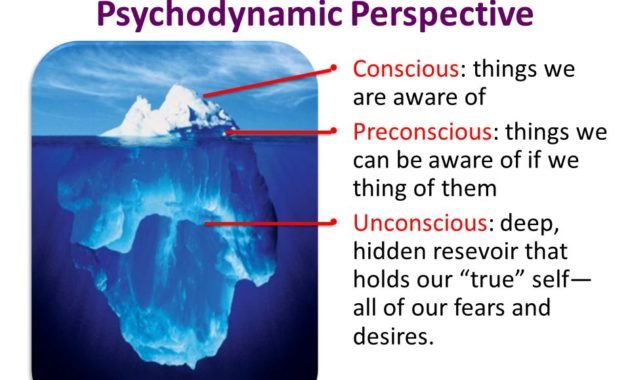
    In the session, the therapist will encourage the patient to talk freely about anything about his conscious mind. Then, the therapist will investigate the recurring pattern in the client’s subconscious mind. That way, the patient can be aware of things that were previously unconscious.

    As a result, patients can identify the important puzzle pieces that make up their present self and put them back together to allow patients after therapy to maximize their functioning and have an awareness of the positive things in their lives.

    Discussion Conclusion

    Psychodynamic therapy can be defined as a psychotherapy technique based on psychoanalytic theory that emphasizes associations within individuals both with their emotions and thoughts or with interpersonal relationships in everyday life through deepening related experiences in early life so that they are able to overcome the problems they face themselves.

    Generally, this therapy is useful for dealing with psychological disorders, such as anxiety or depression and also restoring self-confidence to live well through the ability to analyze oneself and environmental conditions. How, the therapist will encourage individuals to be more aware of their current condition and behavior.

    An example of the application of psychodynamic therapy is where the patient freely tells what he is feeling to the therapist. Then the therapist will arrange a recurring pattern that appears and directs the patient to rearrange the things that affect him until he is in his current condition.

  • The 6 Safest Steps to Telling Bad News

    The 6 Safest Steps to Telling Bad News

    Your score is bad. Or you lose your cellphone, and are afraid to tell your parents. You want to break up with a girlfriend. If you’re honest, you’ll be scolded. If it’s a lie, it’s not good. How are you? It’s a way of telling bad news without over-emotionalizing the other person.
    1. Calm down first

    You have chosen to be honest. This is the right attitude. If this bad news happened because of you (losing things, not doing your job), you have to be prepared with the consequences. Fatal mistakes, as subtle and as good as they are, will surely have consequences.

    2. Just do both

    If you want to give bad news, you should tell the people who are interested. If there are other people, I’m afraid that this person will complicate things, and their emotions will get out of control.

    3. Start with small talk

    Before delivering bad news, you need to start with small talk.

    Speak lightly. Its function is to read the emotions of your interlocutor later. If your emotions aren’t good, for example, you’re upset, you may need to postpone telling them about the bad news.

    In addition, small talk can reduce anger or emotions from the other person you are talking to later.

    4. Be honest, don’t blame other people or circumstances

    If this bad news happens because of your actions, for example your grades are bad because you never study, just answer honestly. Likewise if for example your parents are called teachers. If it’s your fault, tell the truth.

    If you blame other people, for example blaming the teacher, blaming your boyfriend, blaming the situation, or blaming anything, you look like a coward. Parents also don’t like it when you blame other people.

    Honestly, I was scolded. But if you lie / hide and keep getting caught, the lie is even worse. People prefer to be told the truth. There’s research .

    Be honest and admit it. Mention your mistakes anywhere, and face the consequences like an adult .

    5. Understand the feelings of others

    Another way to tell bad news is to understand the other person’s feelings.

    When delivering bad news, there must be a negative reaction from the other person.

    For example, if you lose something, your parents might scold you. Behind the anger there is actually a sense of disappointment.

    For example, if you tell your parents about your boyfriend, your parents may be angry because they don’t believe you. Or maybe they see that your boyfriend is a bad boy, it’s not true .

    For example, if you want to break up with your boyfriend, maybe your girlfriend’s anger is because of… various things. Eh maybe because he thinks you are his soul mate and you are destined to be together. There is a desire to continue to have you, even though the way may be wrong.

    Whatever it is, try to understand the basics of why other people get emotional. Imagine if you were your interlocutor. By understanding the other person’s feelings, you will be able to move on to the next stage.

    6. Apologize and offer a solution (if this bad news is because of you)

    Be quiet and listen to the anger of the other person you are talking to. They deserve to express their emotions first.

    Remember, if you make a mistake, your job is to apologize. Do it as best and sincerely as possible. If your apology is not accepted, that’s their right.

    After apologizing, offer a possible solution. For example, you are willing to cut your pocket money so that your cellphone is replaced. Or if because of bad grades, then you offer to take lessons. Show your responsibility.

    Or any punishment, as long as you deserve it, then accept it bravely.

    Remember, don’t bid!

    Well, that was a way of telling bad news. Want to tell your partner, parents, or anyone else, the point is to prepare yourself, tell the truth, admit mistakes, understand the feelings of the other person, and take responsibility.

  • Classical Conditioning Theory – Pavlov’s Learning Theory

    Classical Conditioning Theory – Pavlov’s Learning Theory

    What is classical conditioning theory? What is the explanation of classical conditioning like? How is classical conditioning applied in everyday life? We discuss all here.
    Have you ever drooled at the thought of the food you crave? Or shudder at the thought of the animal you fear? Or do you feel angry just because you hear the name of the person you hate being called in front of you?

    Why do people have phobias ? Why do we remember our ex when we smell a certain perfume?

    In psychology, you’ve experienced classical conditioning. Classical conditioning  we will study together in this article. Including its history, the process of its occurrence, and how this classical conditioning occurs in our lives.

    Let’s discuss!

    Classical Conditioning Definition

    So what is classical conditioning actually?

    According to psychology, classical conditioning  is a learning theory that was discovered by Ivan Pavlov  , a doctor from Russia.

    Pavlov revealed that we can produce a response by combining two stimuli; natural stimulus and artificial stimulus.

    In ordinary situations, this artificial stimulus does not produce any response. But when combined with a natural stimulus many times, this artificial stimulus will eventually produce the same response as the natural stimulus.

    Confused?

    I’ll give you an example. You can do this too, the ingredients are pretty easy to find. You need an unused friend and a straw.

    Sit next to your friend, and, using signal 123, blow your friend’s eye with a straw. Just go slow, if you’re too tight, your spit will splash into his face.

    What happened? Your friend will probably squint because the blast is annoying.

    Do this several times. On cue, then blow. See the response.

    After a few times, when you say the cue, what is your friend’s response? Squinting right?

    Well, in this case, the wind being blown is a natural stimulus, and squinting when blown is a natural response.

    But here we add an artificial stimulus, namely the cue. Before the experiment, maybe our friend didn’t respond when we said 1,2,3, in front of his face. But after conditioning many times, hearing the signals 1-2-3 was enough to make him squint.

    When he squints before we blow, we’ve done classical conditioning.


    History and Development of Classical Conditioning

    Classical conditioning is a theory that is within the flow of behavioristic psychology. Behaviorists, as we know, believe that individual behavior is caused by different learning experiences.

    John Watson, a leader in the behavioristic school, once said:

    “Give me a dozen healthy infants, well-formed, and my own specified world to bring them up in and I’ll guarantee to take any one at random and train him to become any type of specialist I might select – doctor, lawyer, artist, merchant-chief and, yes, even beggar-man and thief, regardless of his talents, penchants, tendencies, abilities, vocations and the race of his ancestors”

    “Give me a dozen healthy babies, and give me a world of my own to raise them. And I can take any baby at random and mold him into any specialist I choose – doctors, lawyers, artists, chief merchants and, yes, even beggars and thieves, regardless of talent, inclination, inclination, ability, calling and ancestral race.”

    Behaviorists believe that our personality is formed by experiences and the environment around us. And Pavlov’s classical conditioning confirms this belief.

    Advertisement!

    Pavlov himself was not a psychologist. He’s a doctor. In fact, this classical conditioning was discovered by accident.

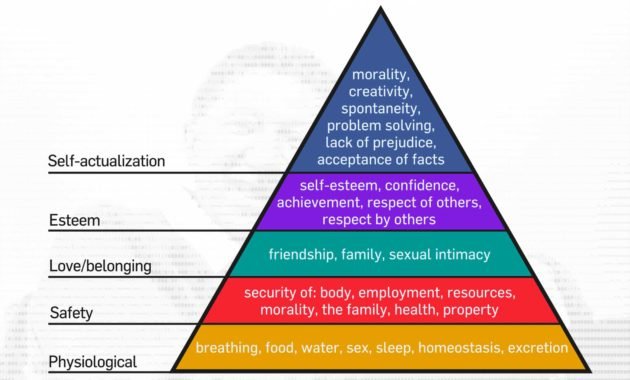
    In the 1890s, Ivan Pavlov studied the salivation of dogs in response to being fed. He put a small test tube in each dog’s cheek to measure the saliva when the dog was fed (with a powder made from meat).

    At first Pavlov thought the dogs would salivate in response to the food in front of them, but he noticed that the dogs started drooling whenever they heard his assistant’s footsteps bringing food.

    When Pavlov discovered that any object or event that the dog thought had something to do with food (such as a lab assistant) would trigger the same response, he realized he had made an important scientific discovery.

    Therefore, he devoted the rest of his career to studying this conditioning.


    Classical Conditioning Theory Concepts

    Behaviorism is based on the assumption that:

    • All learning occurs through individual interaction with the environment
    • Environment shapes our behavior

    One thing that is typical in classical conditioning is that there is a neutral signal before the reflex.

    In Pavlov’s classic experiments with dogs, the neutral signal was a natural pitch and reflex sound (salivating) in response to food.

    In our experiment, the neutral signal was a 1-2-3 cue and a natural reflex (squinting) in response to wind hitting the eye. By associating a conditioned stimulus (the cue) with an unconditioned stimulus (blowing the eye), the cue can produce a squinting response.

    But of course classical conditioning is not that simple.

    There is a phase where our friend stops squinting after the signal. It could be, a few days after you start working, your friend’s squinting response appears again.

    To understand more about how classical conditioning works, we need to get to know some of its basic principles.

    Let’s take a closer look at the five main principles of classical conditioning:

    1.Acquisition

    Acquisition is the initial stage of learning. This appears response time first appears and is gradually amplified. During this acquisition phase, the conditioned stimulus (the cue) is repeatedly followed by the unconditioned stimulus (blowing the eye).

    A natural stimulus is something that will naturally trigger a response without the need for learning. If the conditioning process is carried out, the subject will begin to respond to a stimulus that was initially neutral. Since this stimulus has already produced the expected response, it is now called  a conditioned stimulus . It is at this point that we can say that a response has been obtained.

    For example, you condition your friend to squint in response to a signal. You repeatedly pair the cue with the blink of the eye. A response is said to have been obtained immediately if your friend starts squinting in response to the signal.

    Once the response is established, you can gradually amplify the squinting response to ensure the behavior is properly conditioned.

    2. Extinction/Kepunahan

    Extinction or extinction is the reduction or disappearance of the response that we have conditioned. In the case of classical conditioning, this occurs when the conditioned stimulus is no longer accompanied by the unconditioned stimulus.

    If you just give a signal without being followed by a blast, after a long time your friend will not respond anymore.

    3. Spontaneous Recovery

    Sometimes, a learned response may suddenly reappear even after a period of waning in the response. Spontaneous recovery is the reappearance of a conditioned response after a period of pause.

    In this case, imagine that you stop signaling in front of your friend’s eyes. After he doesn’t squint anymore (the response is extinct), give him a break for some time, about 15 minutes. If you suddenly say the cue again, the extinct response can reappear.

    This is called spontaneous recovery, or spontaneous recovery.

    But the response will be extinct again, if the conditioned stimulus (squinting) is not followed by the unconditioned stimulus (blowing).

    4. Stimulus Generalization

    Stimulus generalization is the tendency of the subject to respond to a similar conditioned stimulus.

    For example, after being conditioned, your friend may continue to squint even if the cue is replaced with clapping or hand signals.

    5. Stimulus Discrimination

    Discrimination is the ability to distinguish a conditioned stimulus from another stimulus that has not been paired with an unconditioned stimulus.

    If before that you started with a signal, try starting with a knock on the table.

    Your friend may not squint, because there are different forms of stimulus. Discrimination involves the ability to distinguish between types of signals. Since the subject is able to distinguish between these stimuli, he or she only responds when the conditioned stimulus is presented.

    Responses 4 and 5 may depend on the subject’s perception. If he equates all the signals, it means that even with a knock on the table he will respond (generalize). But if he really focuses on one response, he will ignore other stimuli (discrimination).


    How Does Classical Conditioning Work?

    So what is the process of classical conditioning?

    You may already have an idea, but I’ll explain in more detail.

    The classical conditioning process occurs in three phases:

    Phase 1: Before Conditioning

    The first part of classical conditioning requires an unconditioned stimulus, which, if done, will elicit a response. An example is squinting, it’s a reflex because the eyes are blown.

    This blow is called an unconditioned stimulus, because this stimulus already produces a response without having to be conditioned.

    During phase 1, the unconditioned stimulus (UCS) produces an unconditioned response (UCR).

    In this phase there is a stimulus that has not yet produced a response. This stimulus, if not paired with UCS, doesn’t produce the response you want.

    Let’s say in our research you want to make your friend squint. If you want to give a signal until your mouth is dry, if you don’t blow your friend’s eyes, he won’t squint.

    This cue is what we call a conditioned stimulus. Called conditioned, because we will condition our friends to respond to this stimulus. If we haven’t conditioned our friend, then this stimulus has no response.

    Phase 2: During Conditioning

    This is the second phase of the classical conditioning process. In this phase, the conditioned stimulus will be given to the subject and then followed by the unconditioned stimulus. This is done repeatedly.

    As a result of this sequential stimulus, your friend assumes that CS and UCS will always occur sequentially.

    Here, the stimulus that previously did not produce a response will slowly elicit a response.

    Phase three: After conditioning

    This is the final stage of conditioning. A conditioned stimulus that previously did not provoke a response, because it is always associated with a natural stimulus, can finally trigger a response. In this case squinting on cue. This response we elicit is called a conditioned response.

    It is called a conditioned response because it is the result of our conditioning, not a natural reflex.

    This is an example of classical conditioning.


    Research Related to Classical Conditioning

    Little Albert’s Research

    Ivan Pavlov  studied classical conditioning in his pet dog. Even so, it turns out that humans can also be conditioned.

    In a famous (though now outlawed) experiment, Watson and Rayner (1920) demonstrated just that.

    Little Albert is a 9 month old child who is tested on his reactions to various stimuli. He was shown a white mouse, a rabbit, a monkey and various masks. Albert is described as “not responding emotionally,” unafraid of these stimuli.

    However, what shocked and scared him was the hammer being hit against the iron rod. This loud sound made little Albert cry.

    Two months later, Little Albert was 11 months old. The white mouse was presented again, and a few seconds later a hammer was struck against the iron. This was done seven times over the next seven weeks, and it always brought Albert to tears.

    Since then the little Albert would be scared every time he saw a white mouse.

    Furthermore, it turned out later that he had a phobia of things that were hairy and white, such as dogs, fur coats, cotton wool, and even white beards. This is called generalization, which we discussed briefly earlier.

    Watson and Rayner showed that classical conditioning can lead to phobias.

    Over the following weeks and months, Albert was observed and after ten days post-conditioning, his fear of mice was much less. The process of extinction of the conditioned response is called extinction.

    But the remnants of conditioning remain. Even the conditioned response can be regenerated by reconditioning, with a shorter time span than the initial conditioning.


    Classical Theory of Conditioning in Life

    You may have certain phobias that make friends laugh. I have a friend who cries when she is scared by worms. Another friend of mine, his legs tense up and get goosebumps when there is a cat.

    A friend of mine doesn’t want to go to a mall, just because he was dumped in that mall. Entering the mall makes him sad, he said. Surem, his face is scary but his heart is like Hello Kitty.

    Why do people have an illogical fear of something harmless? Why do places that we think are normal, according to other people can make us sad and upset?

    Many responses arise as a result of classical conditioning. Intense and unforgettable events make us respond to similar stimuli in an exaggerated manner.

    For example, my friend who was decided. Maybe for him, being dumped by the girl he loves has a tremendous impact on his subtle feelings. The incident may be repeated in his mind, so that he unconsciously did classical conditioning himself.

    The mall where he was dumped, he unwittingly translated as a conditioned stimulus. Responses in the form of sadness and confusion over time became a conditioned response every time they saw the mall.

    Another example is my friend who has a phobia of cats. The cat phobia arose because he had seen a cat give birth as a child. Blood and mucus everywhere imprinted so intensely on his memory, it made him disgusted every time he saw a cat.

    Disgust, which is an unconditioned response to seeing mucus and blood, has long been associated with cats. The cat here is a conditioned stimulus, and disgust eventually becomes a conditioned response every time you see a cat.

    Classical conditioning is not only seen in phobias. PTSD is also believed to be caused by a process similar to this conditioning.

    Posttraumatic stress disorder (PTSD), suffered by war veterans and disaster survivors with traumatic experiences, can trigger the formation of classical conditioning. Even years after the event has passed, veterans may feel fear and anxiety at stimuli such as loud noises (Roberts, Moore, & Beckham, 2007; Schreurs, Smith-Bell, & Burhans, 2011; Rosellini et al., 2015).

    Classical conditioning can also be associated with pleasurable experiences.

    For example, you are excited every time you hear a certain song. Or the smell of your boyfriend’s perfume that still lingers on your jacket. Happy emotions can arise because there are positive memories that are intense and imprint on your brain.

    Oh yes, Pavlov’s learning theory also explains why addiction is so difficult to deal with.

    Drug addicts associate certain stimuli — such as a drug device such as a syringe, the smell of a drug, or the room where they use the drug — with the pleasurable feeling that the drug produces.

    Just looking at a syringe is enough for an addict to trigger a craving reaction (Saunders, Yager, & Robinson, 2013; Valyear, Villaruel, & Chaudhri, 2017).


    Criticism of Pavlov’s Theory of Learning

    Classical conditioning was a major breakthrough of its time. In fact, this research made Ivan Pavlov one of the most influential psychological scientists of the 20th century .

    But that doesn’t mean the theory is flawless.

    Classical conditioning overemphasizes that we learn and develops because of the environment, and pays less attention to complex aspects of ourselves as humans.

    In addition, scientists also argue that this approach in analyzing behavior tends to be reductionist, meaning that our complex actions are then simplified into stimulus and response.

    Even to explain human behavior, classical conditioning is also classified as reductionist. Called reductionist because behavior, which is a complex process, is broken down into simple stimulus-response.

    Proponents of the reductionist approach say that this is scientific, because this reduced behavior allows it to be measured. But there are also those who argue that the reductionist view is less valid. Thus, although reductionism can be measured, it may lead to an incomplete explanation.

    Why is it incomplete?

    We come to the last drawback of Pavlov’s theory: it is deterministic.

    This theory emphasizes that humans or other organisms behave in response to external stimuli, and counteract individual free will.

    Two people with the same upbringing and social environment can still be two different people. A bad environment with high poverty can breed criminals, but also many athletes are born from this kind of situation. And behaviorists have difficulty explaining this kind of phenomenon.

    The deterministic approach actually has the potential to guess and predict human behavior in response to something.

    However, this deterministic approach underestimates the uniqueness of the human person and their ability to choose.

    Yes, that was the explanation about classical conditioning theory, Pavlov’s learning theory. In the end, a single theory of learning is not enough to explain us and our souls. Next time we will discuss the second learning theory, namely operant conditioning.

    I’ve actually discussed Bandura’s Social Learning theory , but this should be the last one. The order is messy, hahaha.

    But for the time being I want to write something else, which is a bit lighter.


    Reference:

    https://www.verywellmind.com/classical-conditioning-2794859

    McLeod, S. A. (2018, Oct 08). Pavlov’s dogs. Simply psychology: https://www.simplypsychology.org/pavlov.html

    Feldman, R., 2019. Essentials Of Understanding Psychology. New York: McGraw-Hill Education.

  • The Science of Motivation: Maslow’s Hierarchy of Needs Explained

    The Science of Motivation: Maslow’s Hierarchy of Needs Explained

    Abraham Maslow was a humanist. This is what makes Abraham Maslow believe in the statement that every individual has a desire to make himself at the top level. However, to reach this level there are other levels that must be met.

    Maslow’s Hierarchy of Needs Theory contains the level of needs that must be met by each individual. Individuals referred to in this theory are humans. As We knows, humans are weak creatures and will certainly continue to develop to find their strengths in an effort to meet their needs.

    This theory contains five levels of needs that must be met at each level. The level of needs begins with basic needs such as human physiological needs, the need for security, the need to feel love, the need for achievement, and the top level is the need for self-actualization. This hierarchy of needs is formed in the form of a triangle with the base having a wider aspect coverage than the cone part. The following is an explanation and sequence of the Hierarchy of Needs Theory by Abraham Maslow.

    Maslow’s Hierarchy of Needs Theory contains the level of needs that must be met by each individual. Individuals referred to in this theory are humans. As We knows, humans are weak creatures and will certainly continue to develop to find their strengths in an effort to meet their needs.

    This theory contains five levels of needs that must be met at each level. The level of needs begins with basic needs such as human physiological needs, the need for security, the need to feel love, the need for achievement, and the top level is the need for self-actualization. This hierarchy of needs is formed in the form of a triangle with the base having a wider aspect coverage than the cone part. The following is an explanation and sequence of the Hierarchy of Needs Theory by Abraham Maslow.

    Abraham Maslow
    Abraham Maslow

    1. Basic Needs or Physiology

    This first basic level need has a relationship with the needs of each individual’s body, both biological and physical needs. This very basic need must first be met so that humans can survive and move to the next level of needs. Physiological needs are human needs for oxygen, water, food, normal body temperature, sleep, homeostasis, sexual needs, and the like.

    Basic Needs or Physiology- eati
    Food is one of Basic Needs or Physiology example. Source: tanboykun (YT)

    We can reason, an individual may not be able to meet the next level of needs if they have not met these basic physiological needs. It should be remembered that if one part of this physiological need cannot be met, it will automatically interfere with the achievement of the fulfillment of the needs at the next level. Of course this will be different from those who are destined to be rich, eating food is no longer their physiological need. However, they consider eating expensive food is their way of life.


    2. The Need for Security

    The second basic need is the need to always feel safe. An individual can move to the next level of need if he has successfully met the needs at the first level. Abraham Maslow explained that this need for security includes both physical and emotional security. Please note, the level of need at this level is more for the age range of children. This is because children still have a low level of alertness, so the assistance of older people is very much needed.

    The need for security can be exemplified by examples such as the need for a sense of security from the dangers that will threaten, the need for protection from crime, the need for security from the threat of disease, the need for a sense of security from the dangers of natural disasters, and so on.


    3. Social Needs (Love, Compassion, and Property Rights)

    The third level needs are needs regarding social aspects that exist in society, such as the need to feel love, affection, and have the right to ownership of something. In this level, Abraham Maslow gives his opinion on the reasons why an individual seeks love. Abraham Maslow explained the background of this aspect because it is based on loneliness, loneliness, depression, stress, and excessive anxiety. There are two types of love possessed by an individual, namely D-Love or Deficiency and B-Love or Being.

    Social Needs (Love, Compassion, and Property Rights)
    Social Needs (Love, Compassion, and Property Rights)

    Someone who feels love due to lack, it will be included in the type of D-Love. D-Love itself is often described as a love that makes oneself the focal point. While for B-Love is a form of assessment of an individual without any intention to take advantage of loved ones. Love is tangible like love that there is no desire to have, only supports the person to be better, and love that can have a positive impact on both parties, usually can be exemplified when an individual establishes a friendship with another individual or group.

    In addition, the needs at the third level also include the need to be able to make friends with other individuals, form a family, socialize with a group, adapt to the surrounding environment, and be in the community. Like the previous needs, this third level of needs can be achieved if an individual succeeds in satisfying their needs at the previous level.


    4. The Need for Appreciation

    The next level of needs, namely the fourth level is the need for appreciation. The award referred to in this level of need is not always an award in the form of trophies or prizes. The meaning of the word appreciation here is self-esteem. Yep, every individual deserves their self-respect. Self-esteem can come from oneself or others. When the needs at this level can be met, it will automatically bring up the need to feel respect, to be trusted by others, and to stabilize oneself.

    From that, we can conclude that this need is about rank, title, and profession. After an individual successfully fulfills it, the individual’s self-confidence will automatically skyrocket. A high level of self-confidence will certainly affect the social role of the individual. On the other hand, if these needs are not met, it will have serious impacts such as depression, anxiety, stress, lack of self-confidence, inferiority, feeling useless, and so on.

    Appreciation
    Appreciation

    Self-esteem is divided into two forms, namely:

    4.1 Forms of self-respect

    having confidence in oneself, achieving achievements, being an independent person, having the ability, and competent competence.

    4.2 Forms of appreciation from others

    get status, titles, ranks, positions, become famous people, get appreciation for the hard work done, get praise, be judged well by others.


    5. The Need for Self-Actualization

    The highest level needs, namely the need for self-actualization. This need can be achieved if an individual successfully fulfills the four previous needs. Self-actualization can be interpreted as a real form to reflect the hopes and desires of an individual towards himself. In the description of self-actualization given by Abraham Maslow, this self-actualization acts as an individual’s need to decide their desires.

    If We is still confused with the image of self-actualization, then we will give examples such as if an individual is a musician then he should go to make music, if he is a dancer then he has to move his body, if he is an educator then he should look for someone to be educated, and much more.

    Self-actualization is not an easy thing to do. Because in meeting this need, an individual must get sufficient support from various parties. The impact that occurs if the needs at this final level are not met are the emergence of feelings of discomfort, anxiety, tension, inferiority, and so on.

    The Need for Self-Actualization
    The Need for Self-Actualization

    In the following, we will explain more clearly about Abraham Maslow‘s description of the need for self-actualization.

    5.1 Acceptance and Realism

    someone who manages to understand themselves and accept all the good facts about themselves, others, and their environment.

    5.2 Problem Centering

    have a person who likes to help others, can find the best solution for the problems at hand. Although the matter is beyond the control and personal environment of the individual. have the motivation to always be responsible and always prioritize social ethics.

    5.3 Spontaneity

    able to act spontaneously and can adapt to these conditions.

    5.4 Autonomy and Solitude

    have a higher level of freedom and privacy.

    5.5 Continued Freshness of Appreciation

    a person who achieves self-actualization looks at the world with a gaze full of gratitude and unstoppable admiration. They will be easy to be grateful even if they only receive or experience small things, they are also very easy to make every incident in their life as their inspiration and source of pleasure.

    5.6 Peak Experiences

    people who achieve self-actualization have their peak of pleasure which Abraham Maslow used to call joy. They will view everything that has happened to him in a positive light. Every good or bad incident is used wisely as a lesson, inspiration, experience, and strength to be better and better.

    Peak Experiences
    Peak Experiences

    In addition, according to Abraham Maslow, someone who has achieved self-actualization has several qualities that are different from other individuals. The following are the qualities of individuals who successfully achieve self-actualization, such as:

    • truth,
    • goodness,
    • beauty,
    • wholeness,
    • dichotomy,
    • aliveness,
    • unique,
    • perfection,
    • necessity,
    • completion,
    • justice,
    • orders,
    • simplicity,
    • richness,
    • effortless,
    • playfulness,
    • self-sufficiency.

    It turns out that there is a lot of information that we get in just one theory. This theory has a conclusion, essentially to achieve the highest level of needs, an individual must first meet the basic level of needs. Well, then can reach the highest level of need.

  • Learn Effectively using the Pomodoro method

    Learn Effectively using the Pomodoro method

    Lack of focus when studying is a problem for every student. Maybe it’s time for you to replace your study technique with the pomodoro technique .

    When studying there are people who find it difficult to focus and are easily distracted by other things. For example, the desire to play mobile phones, watch movies , or talk to other people. 

    However, there are also people who are so focused on studying that they forget time to rest. As a result, the brain will be exhausted and allow the occurrence of burnout due to too long studying. 

    The pomodoro technique can be a solution to the two problems above. 


    What is the Pomodoro Technique? 

    The pomodoro technique is a learning technique introduced by Francesco Cirillo

    In Italian, pomodoro means tomato. This name was taken because while developing the pomodoro technique, Francesco used a tomato-shaped timer. 

    The essence of the pomodoro technique is a focused learning technique for a certain period of time, ignoring distractions, and interspersed with rest periods. 


    How to Apply the Pomodoro Technique

    Then how to apply the pomodoro technique? Check out the following explanation, yes.

    1. Avoid Things That Can Be Distracted

    The first step is to avoid things that make you lose focus. Usually, what often happens is being distracted by the cellphone. 

    Whether it’s because there is an incoming notification or just a desire to check the cellphone and end up not doing the task. 

    Therefore you can change the cellphone mode to silent. Or turn off the cellphone internet and turn it into airplane mode. 

    Also, choose a quiet room. The goal is that no one else interferes with your focus on studying and doing assignments. 


    2. Prepare the task to be done

    The second step is to prepare the tasks to be done. It would be better if you do the task from the highest priority scale. 

    You can make a list of the tasks you have and the deadlines for their collection. Choose and work on the task with the closest submission deadline. 

    This will help you remember to do your assignments and be able to submit them on time. 


    3. Set Timer For 25 Minutes

    The third step is to set a timer for 25 minutes.

    As previously explained, the pomodoro technique is a technique of learning and doing work within a certain time. 

    It doesn’t take too long, the important thing is that you can focus on the task you’re doing and make good use of your time

    For example, by giving 25 minutes to do assignments in each session. You can use a cellphone or an alarm clock to set this time. 


    4. Focus on Your Tasks

    The fourth step is to do the task with focus. 

    Use the 25 minutes well. Focus on the task you are working on. 

    Try not to glance at your phone or chat with other people. That is why in the first step when you want to apply this pomodoro technique, you are required to avoid things that can break your focus. 


    5. Rest for a while

    The timer will sound after 25 minutes. That’s a sign you’re entering time to rest. 

    Take at least 5 minutes to rest before continuing to work on the task for another 25 minutes. 

    You can use this break to drink, eat a snack, go to the toilet, listen to music , or just stretch. 


    6. Do Repetition

    When the 5-minute break is over, you can set an alarm for another 25 minutes. 

    After a break, return to focus on unfinished tasks. Repeat the steps above at least 4 times. 

    After the alarm goes off for the fourth time, you can give yourself a longer break. For example 15-30 minutes. The most important thing is that you can get your energy back to do the task again later. 


    Closing 

    Those are the steps to apply the pomodoro technique from sinaumedia. This pomodoro technique not only serves to increase focus, but can also increase productivity and avoid burnout due to studying too long. 

  • Atomic Habits: How to Turn Bad Habits into Good Habits

    Atomic Habits: How to Turn Bad Habits into Good Habits

    How to turn bad habits into your good habits today? Have you ever felt that you are just going with the flow of life without ever being the person you want to be?

    It usually happens during the new year, you have so many resolutions that you wonder how to turn bad habits into good ones.

    This is not an easy thing, so the question arises how do you change bad habits into good ones more easily and automatically?

    Based on a book written by James Clear entitled Atomic Habits , here is a review of his book and what lessons we can learn from Atomic Habits.

    This review is quoted from the YouTube channel Escaping Ordinary (BC Marx) in the video entitled How to become 37.78 times better at anything | Atomic Habits summary (by James Clear) uploaded on October 6, 2021.

    Comparison Between Hard Work vs 1% Grow

    “A slight change in your daily habits can guide your life to a very different destination,” ungkap James Clear.

    Often times, we convince ourselves that working hard all day long will lead us to success.

    We even other people see it, then give appreciation to us. But the truth is no, even if you grow even only 1% steps every day, you can achieve success.

    This 1% which is not even visible to the naked eye will make a great impact in life.

    Let’s try a math calculation. If we do something meaningful even only 1% per day. Calculate multiplied by 365 days per year, then the result is:

    This means that 1% better every day gives a percentage of up to 38 times better. While 1% worse every day will give a percentage to 0. This means that it does not achieve anything.

    Daily habits can complicate you in the form of stress and negative thoughts. Or daily habits can make you grow in the form of knowledge, productivity, skills, and healthy relationships.

    Nothing is Instant, Everything Needs a Process

    “Success is the product of daily habits, not once in a lifetime transformations.” – James Clear

    The truth about progress is not what most of us or most people think. In fact, progress to move forward does not always run smoothly without obstacles.

    The line is not straight, it is curved and at that time, James Clear called it “the abyss of despair.”

    You’ve been trying hard, risking everything, but still getting no results. That’s when you stop and go back to bad habits.

    The best, most perfect results you will achieve can only be obtained from a growth process that has many delays, so patience is key.

    Goals vs System

    “Forget about goals, focus on system instead.” – James Clear.

    Goals are the goals you want to achieve, while the system is how you can go through the processes that lead you to the results,

    There are policies, societal stereotypes that suggest several ways to achieve your goals and of course you should focus on those goals, such as:

    1. Regular exercise to achieve body goals
    2. Building a business
    3. Maintain good relationships with family, and spend a lot of time with family.

    However, James Clear countered by changing the stereotype by only leading us to the system, not the goal. The following problems will occur if you only focus on goals.

    “Goals are good for setting a direction, but systems are best for making progress.” – James Clear.

    The problem that occurs when changing habits is not with you, but in the system you apply.

    Atomic Habits means implementing small routines and attitudes to produce positive results . Hard work can achieve more attention than small growth.

    But what really matters is how to make decisions every day and the actions we take.

    “Just as atoms are the building blocks of molecules, atomic habits are the building blocks of remarkable results.” – James Clear

    3 Layers of Behavior Change

    1. The first layer is changing outcomes or results. Results are what you want to achieve.
    2. The second layer is changing the processes you do, such as changing your exercise pattern, developing a reading routine.
    3. The third layer is changing your identity. This includes what you believe, your perception of the world, and how you value yourself and others.

    The goal is not to learn to play an instrument, but how to become a musician. The goal is not how to run to the finish line, but how to become a professional runner.

    So apply these thoughts every day in your mind, then you can turn bad habits into good habits.

    watch the original video here

    Thus the article about Atomic Habits: How to Change Bad Habits into Good Habits Easily and Automatically from Sinaumedia.com, please  share  with your friends if this article is useful. thank you

  • Signs You’re Burnout and Need Healing from Work

    Signs You’re Burnout and Need Healing from Work

    Fatigue after work is common for everyone. However, fatigue that is experienced continuously and has a negative impact on job performance can be dangerous. This fatigue is called burnout .

    Some people take burnout lightly . And if it happens continuously, a person’s mental health can be disrupted. Doing daily activities is not optimal.

    One way to overcome burnout is by healing . What is healing ? What activities can be done while healing ?

    This article will review the signs of burnout and how to heal to get rid of burnout. Check out the review below!

    Definition of Burnout and Healing

    Burnout

    Burnout is a feeling of being physically, emotionally, and mentally overwhelmed by the situation at hand. Burnout can be caused by fatigue from work or study that is forced continuously.

    Healing

    Healing is an English term that refers to healing. Healing can mean physical healing and/or mental/emotional healing. Healing does not mean the answer to all mental problems. Healing can be done as a way other than therapy in psychology and mindfulness .

    Signs Someone is Burnout and Needs Healing from Work

    1. Easily Emotional and Offended

    You may not be aware of this sign. However, when people around you start telling you that you get angry easily for no reason, it’s a sign that you need to stop for a moment to think about it.

    2. Decreased Self-Confidence (Insecure)

    When you burnout , chances are you are not performing well at work. Criticism from colleagues and superiors will often come. When you are tired and get bad comments, your self-confidence can decrease.

    Even when you look good, burnout can cause cynical thoughts to arise about your own work. You will feel dissatisfied with the results of your work and self-performance.

    3. Easily Tired and Difficult to Concentrate

    Are you tired and frustrated because you keep feeling tired? That’s a sign you’re burnout . You feel the work is endless even though before you feel enjoy living it.

    Because you feel tired, you choose to divert your mind to other less productive activities. Easily distracted, lose focus, and engage in non-essential activities are also signs of burnout . This usually happens not just once, but has become a pattern that you often do, consciously or unconsciously.

    4. Feeling like you don’t want to do anything

    During burnout , you will feel very tired, even just doing simple activities such as taking a shower or cleaning the room. Just wanting to get out of bed was very hard.

    You feel like you don’t have any energy. This is due to the accumulated fatigue without rest so your body sends a signal that it wants to rest more. Don’t think yourself lazy, okay… Just listen to your body and take a break. If you can only do light activities or want to take a complete break from work, go for it!

    5. Decreased Appetite and Enthusiasm

    When you feel excessively tired, your mind can ignore hunger signals. That’s why when you’re overwhelmed, you just panic and can’t feel what your body really needs.

    The spirit that you usually have is also instantly lost. Burnout can cancel all planned activities because of the lack of enthusiasm to do something.

    6. Lost Work Motivation

    Motivation to work can be lost when you burnout. It’s because you’ve been doing repetitive work that at one point, you feel really bored.

    Try to do work with a different method than what you usually do. Set the layout and decoration of the desk. Making small changes can help you feel new so you can get out of the boredom phase.

    7. Often Sick

    Because you are tired and skip meals, your body will physically weaken. Excessive stress will also make the immune system decline which can eventually make you sick.

    Not just once but in a certain time you will get sick several times. This could be a sign that you need to rest and use your time off for healing .

    Healing Activity Ideas

    Healing is one way to deal with burnout. No need to waste money on healing , here are simple healing ideas that you can do yourself.

    1. Practice Deep Breathing

    Sometimes when we are anxious, breathing occurs quickly and quickly. Resetting your breathing can help relieve anxiety . How to do deep breathing is:

    • Sit or stand position with your chest slightly puffed out
    • Inhale deeply through the nose. Set the count according to your strength. Do it slowly.
    • Hold your breath for a count of five
    • Exhale slowly through the nose
    • Repeat until you feel calm

    2. Enjoying Nature

    There are many options that you can visit while taking a break from work. You can visit the beach, mountains, or even just take a walk in the rice fields near your house.

    Enjoying nature can make you feel grateful for the beauty of nature that you may have ignored because you are too busy working. Enjoying the blue sea and the sound of the waves or gazing at the green trees can also provide a calming effect.

    3. Write a Gratitude Journal

    When you take time off and rest, try to reflect on your feelings in a journal. Try to use positive words about your current job.

    If you are confused about where to start, try using less negative words first. The use of words in an emotional journal is important in shaping your mindset and interpretation of the work you are doing.

    Just mention what you are grateful for from your current job. What makes you happy at work? What was the initial motivation when you took the job? Writing gratitude has been shown to calm the soul and reduce anxiety.

    4. Soak in warm water

    Taking a warm bath after a long day can relieve stress. Warm water can release stiffness and tension in the muscles. A tired mind can be refreshed with the aroma of aromatherapy fragrances.

    Just have hot water and aromatherapy candles on the side of the tub. You can also prepare your favorite face mask to wear while bathing. Play soothing music for deeper relaxation. Also prepare hot chocolate drinks for warmth from the body.

    Besides being cheap, you don’t need to go out of the house to do this healing .

    5. Communicate with Boss

    There is no better healing than rearranging your work. Maybe all this time your workload is too heavy and you just realized it.

    Try talking to your boss about your current condition. Offer options by asking for some adjustments if possible. You can also ask your boss to modify your work routine or ask to be transferred to another division. If you feel uncomfortable, think about the option of applying for a job in a new place.

    Ask your boss for their opinion on these options. If your boss is a professional, he will respect the situation and find the best solution for you.

    Well, that’s a sign that you need healing and sinaumedia version of how to heal . What is your favorite activity while healing? Submit your answer in the comments column, yes!

  • Impact of Bullying Actions on Victims, Perpetrators, and Witnesses

    Impact of Bullying Actions on Victims, Perpetrators, and Witnesses

    Who would have thought that bullying does not only have a negative impact on the mental health of victims of bullying , but also has an impact on the perpetrators and witnesses.

    Everyone will be found guilty. Everyone will go to court to give a statement if bullying cases go to law.

    the following is the impact of bullying on victims, perpetrators, and witnesses.

    Victim

    A teenager who is often bullied at school will be a closed person, low self-esteem, and tend to avoid other people. They will feel that they are worthless, and do not want to be friends with him.

    Of course, such thinking is a very wrong prejudice. That way they think school is a place of discomfort and even hate school.

    Instead of having a passion for learning at school, school becomes a place where we stop learning and academic achievement will decline.

    Those victims will find it hard to trust anyone . Pain in the heart will cause depression and trauma which if it gets worse it must be handled by professionals.

    Of course this will be a serious problem because the pain that is unbearable makes the victim grow a sense of revenge, hurt himself, and commit suicide.

    Perpetrator

    At first it could be just joking with friends, but a teenager may not understand the extent to which we joke without even realizing that we have crossed the line.

    Bullies are those who find it difficult to control their emotions. When there is a problem they tend to vent their anger on other people , the victims of this bullying .

    If someone has been defeated by anger, conscience has been defeated by emotion, then what arises is only a hard and merciless personality.

    A rude personality like this will lead someone into a fight without mercy.

    Because they feel they are used to juvenile delinquency, the environment will continue to lead to alcohol and drug abuse.

    Academic achievement will also decline, to seek other emotional outlets such as trying early sex or out of wedlock.

    Witness

    A witness who is also a human being of course also has a conscience that can feel the emotional conditions of the people around him.

    This means that they actually feel guilty when watching bullying , but are also unable to do anything or are confused about what to do.

    Over time , feelings of guilt and regret will arise in their hearts, especially if the bullying case has gotten worse.

    Witnesses of bullying are also likely to experience health problems, such as depression and excessive anxiety .

    Emotional problems when they cannot be controlled will likely end up in the decision to seek an outlet.

    The outlet that can be done when conditions are unstable is juvenile delinquency such as alcohol and drug abuse.

    Closing

    It’s not just one party, or you alone, but everyone in the bullying circle is wrong for not being able to stop bullying .

    One thing is certain and we need to always remember, that God is just, and those who commit crimes against fellow human beings will certainly receive learning .

    Everyone deserves to accept the same behavior, we can be friends with everyone. Bullying is merely an outlet for anger when someone is tired.

    Doing bullying does not make you a strong person, it actually indicates that you are a coward and weak person because you are unable to stand on your own without demeaning others.

    Thus the article about the hormone of happiness from  Sinaumedia.com , please share it with your friends if this article is useful. thank you.


  • 5 Recommended Movies That Describe Loneliness Accurately

    5 Recommended Movies That Describe Loneliness Accurately

    As social beings, humans need to interact and build relationships with other people. Building social relations is one way for humans to survive. Lack of social relationships and interactions makes a person feel lonely .

    What exactly is loneliness? What are the signs?

    In this article, you will be invited to identify the definition of loneliness, the symptoms of loneliness, and movies that accurately describe loneliness. Listen to the end, yes!

    Loneliness and its Signs

    Loneliness according to Healthline is a negative feeling experienced when the need for contact and social relationships is not met. There are two types of loneliness, namely social loneliness and emotional loneliness .

    Social loneliness is related to unfulfilled access to social networks, for example loneliness in the absence of close relatives or friends.

    While emotional loneliness is related to a lack of closeness and intimacy in an exclusive relationship. This type of loneliness is often experienced by singles.

    Loneliness is also common among people who are older, live alone, or use social media.

    Physical and mental signs of loneliness according to Healthline include:

    • Lack of energy and enthusiasm
    • It’s hard to focus
    • Insomnia and sleep disorders
    • decreased appetite
    • Having doubts and losing hope
    • Easily hurt
    • Impulsive shopping or engaging in other impulsive habits (example: always drinking alcohol to get rid of negative feelings)
    • Desire for physical warmth (hot drink, warm bath, or blanket)

    Recommended Movies about Loneliness

    Sometimes seeing someone who is lonely is very difficult from the outside. To find out you can watch the following films to find out how someone is experiencing loneliness and what they really need.

    Here ‘s a list of movie recommendations that accurately depict loneliness .

    1. On The Beach At Night Alone (2017)


    Title : On the Beach at Night Alone (2017)

    Director: Hong Sang-soo

    Writer: Hong Sang-soo

    Cast: Kim Min-hee, Young-hwa Seo, Jae-yeong Jeong

    Duration: 1 hour 41 minutes

    Genre : Drama

    IMDb Score : 6.8/10

    This indie film by director Hong Sang-soo talks about a young actress (played by Kim Min-hee as Young-hee) who has an affair with a married director. This film describes how the feeling of losing the actress after the director left.

    The film is set in two countries, the city of Hamburg, Germany and the province of Gangwon-do, South Korea. Both settings are depicted in winter, so the melancholy atmosphere adds to Young-hee’s sadness.

    This movie can be pretty boring if you like movies with lots of dialogue and fast pace. However, to describe the feeling of loneliness, this film manages to show several scenes of drinking alcohol, traveling alone, and daydreaming. This film is increasingly sure to raise the issue of loneliness by ending the scene of the actress who enjoys sleeping on the beach alone.

    2. Can You Ever Forgive Me? (2018)

    Title: Can You Ever Forgive Me? (2018)

    Director: Marielle Heller

    Authors: Nicole Holofcener, Jeff Whitty

    Cast: Melissa McCarthy, Richard E. Grant, Dolly Wells

    Duration: 1 hour 46 minutes

    Genre : Biography, Comedy, Crime, Drama

    IMDb Score : 7.1/10

    Can You Ever Forgive Me? (2018) tells the story of a writer named Lee Israel. Usually Melissa McCarthy gets witty roles but in this film, she plays a lonely and desperate writer.

    Failure and a fading career make Lee along with his cat and the help of his best friend, Jack Hock (played by Richard E. Grant) forge letters from famous people. He then sold the fake letters to collectors at high prices. However, his efforts aroused suspicion. He was eventually investigated by the FBI and received a sentence.

    This film very accurately depicts two lonely friends. Lee and Hock need each other for drinking buds. They accept each other because no one wants to accept both. Several scenes also depict the emptiness of Israel. For example , the scene sitting alone in the room or when Lee is drinking at the bar without friends.

    3. Christine (2016)

    Title : Christine (2016)

    Director: Antonio Campos

    Author: Craig Shilowich

    Cast: Rebecca Hall, Michael C. Hall, Maria Dizzia, Tracy Letts, J. Smith-Cameron

    Duration: 1 hour 59 minutes

    Genre : Biography, Drama

    IMDb Score : 6.9/10

    Christine (2016) set in 1974 tells the story of a local television reporter, Christine Chubbuck (Rebecca Hall), who committed suicide while on air .

    The relentless suffering, from her self-diagnosis of being unable to conceive, unrequited love, the betrayal of a friend, and her stagnant career made her snap the trigger of a gun to her head.

    This film shows the complexity of Christine’s emotions during the ups and downs of life. This film is very accurate in depicting depression and loneliness that is neglected. Prepare your mentality before watching this film, OK!

    4. Shame (2011)

    Title : Shame (2011)

    Director: Steven McQueen

    Writers: Steven McQueen, Abi Morgan

    Cast: Michael Fassbender, Carey Mulligan, James Badge Dale

    Duration: 1 hour 41 minutes

    Genre : Drama

    IMDb Score : 7.2/10

    Shame (2011) tells the story of Brandon Sullivan (played by Michael Fassbender) who has an addiction to sex and pornography.

    What makes this film apt to describe loneliness is how addiction is Brandon’s way of eliminating the emptiness of his day as a company employee. He also often changes partners and is never serious about his love relationship.

    Director Steve McQueen’s frustration is expressed time and time again as Brandon tries to get rid of his pornography collection and head to the club to remedy his failed relationship with his ex and sister, Sissy Sullivan (played by Carey Mulligan).

    Fassbender’s great acting earned him the title of Best Actor at the Venice Film Festival. This film is rated for adults only so it is worth watching for those of you who are old enough and interested in addiction and loneliness issues.

    5. Her (2013)

    Title : Her (2013)

    Director: Spike Jonze

    Author : Spike Jonze

    Cast: Joaquin Phoenix, Amy Adams, Scarlett Johansson

    Duration: 2 hours 6 minutes

    Genre : Drama, Romance, Sci-Fi

    IMDb Score : 8.0/10

    In a world full of technology, all human interaction is minimal. Loneliness often becomes Theodore (played by Joaquin Phoenix).

    This film tells the story of Theodore, a writer who orders an assistant program on his computer. The loneliness he experienced made him feel “full” again when he began to fall in love with the voice of the digital assistant program (voiced by Scarlett Johansson).

    In addition to the unusual story idea, Theodore’s story has actually been experienced by many people today. This is what makes this film relevant to watch.

    That’s the recommendation for a movie about loneliness according to sinaumedia. Have you watched any of them? Which do you think hit the most? Submit your answer in the comments column, yes!

  • Book Review : The Subtle Art of Not Giving a F*ck – Mark Manson

    Book Review : The Subtle Art of Not Giving a F*ck – Mark Manson

    The Subtle Art of Not Giving a F*ck , a book by acclaimed New York Time selling author Mark Manson.

    Mark Manson managed to make many people change perspectives in life. Most people think of following the stereotypes that exist in society, but Mark Manson makes us ignore the stereotypes.

    Any doubts and questions about the little things in life, the book The Subtle Art of Not Giving a F*ck by Mark Manson, manages to answer them.

    The book The Subtle Art of Not Giving a F*ck has become the most purchased book in bookstores. It has been sitting in the window for the best selling book category for a long time in 2020.

    There’s a lot to be gained from the book The Subtle Art of Not Giving a F*ck by Mark Manson . The following are thoughts that we can learn from the book The Subtle Art of Not Giving a F*ck.


    An Art To Be Stupid It Means To Be Ignorant

    Thoughts of indifference sound harsh and evil, turn into a thought that increases the mental strength in us to face life.

    Don’t care is a word that Mark Manson sticks to, so that his readers no longer feel guilty for thinking so stupid or not caring. Not caring at all does not mean indifferent behavior.

    Indifference and indifferent are very different.

    In the first chapter of The Subtle Art of Not Giving a F*ck, we will explain in detail why we have to act like we don’t care at all.

    Being indifferent doesn’t mean being indifferent, not caring means being comfortable being different , as Mark Manson wrote.

    It’s not that simple, Mark Manson explains on his “don’t be special ” page. Definition of indifferent? explained in the book The Subtle Art of Not Giving a F*ck, indifference means those who are weak and timid, those who are classified as “couch potatoes”.

    Mark Manson thinks couch potatoes sometimes act like they don’t care, but they don’t really care because they’re immature. They don’t like being criticized.


    Don’t Try Too Hard

    If only we cared what other people say? Dare to follow our heart. Happy and active with our routine. It doesn’t matter if you win or lose.

    Mark Manson explained, that’s not the real value . We have to accept that the world isn’t always on our side, but it doesn’t matter.

    You’ll find the ironic fact in The Subtle Art of Not Giving a F*ck that we don’t really have to try.

    Directing thoughts on positive things: about what is better and what is superior will only remind ourselves again and again about our failures, our shortcomings, what we should have done but failed to achieve.

    Like this, if we realize that we are happy, there is no need, right, every morning to say in front of the mirror that we are happy. “Stay happy, stay healthy.” or “You are beautiful.”

    Mark Manson reminds us to be “All right, just believe in yourself today.”.


    Values ​​of Life / Principles and Values ​​of Life

    The book The Subtle Art of Not Giving a F*ck also covers the story of the world famous heavy metal guitarist, Dave Munstaine .

    Dave Munstaine had been kicked out of his band , then determined to become a musician who was far greater than the band . He devoted himself to heavy metal music and formed his own band, Megadeth .

    Dave Munstaine is considered the legendary and most influential, most brilliant heavy metal musician in the history of heavy metal music . Dave Munstaine has released more than 25 million albums, and toured around the world.

    Unfortunately the band that first kicked Dave Munstaine was Metallica , who sold 180 million copies of the album worldwide.

    Even with such success, Dave Munstaine still considers himself a failure, because he measured the value of life by beating Metallica, while his fans around the world measure Mustaine in different ways.

    Mark Manson berkata, “Do what you love, love what you do. Don’t think about awards, winning or losing. Just do it!”

    Ultimately, Mark Manson divides life values ​​into two categories:

    • Bad Values ​​/ Bad life values

    The bad values ​​of life, namely enjoyment, material success, always feeling right, and staying positive.

    Although being positive is a good attitude, for Mark Manson, negative emotions are a component of emotional health that must be present. Denying the negative side is the same as perpetuating the problem, not solving it.

    Bad life values ​​can be identified from superstitious, socially destructive, and uncontrollable beliefs . Usually comes from external factors

    • Good Values ​​/ Good Life Values

    Mark Manson mentions the values ​​of the good life , namely honesty, innovation, defending oneself, defending others, self-respect, curiosity, charity, humility, and creativity.

    The values ​​of a good life are based on facts or facts that have happened. The values ​​of a good life are also socially constructive, can be controlled, and usually come from internal factors.


    Don’t Be Special

    Because the truth is we’ve never been special.

    Mark Manson means it this way, when we feel that we are lucky. that we can do everything easily. We will begin to increase our self-confidence on a delusional level .

    Because in reality, we are not that special. We will become narcissistic, consider others below us. Mark Manson said that failure is really useful for creating a strong and successful person.

    There’s no such thing as a personal problem . When you have a problem, there is a chance that millions of other people have the same problem. Either then, now, or tomorrow. It could be a stranger, a friend, or a relative.

    You’re not the only victim. Again, as simple as that you are not special.

    Most of us can be categorized as “mediocre” in almost any area. Even if we are special in one area, the chances are that we are average or below average in other areas.

    Such is the nature of life. To be extraordinary in a field. There is no other way, other than to take the journey of dedicating our energy and time to achieve it.


    Thoughts to Be a Successful Person

    No worries.. we are all destined to be successful people . In the book The Subtle Art of Not Giving a F*ck, there is a funny question, that if everyone is successful, what does it mean to hold the title of being successful?

    The nickname of successful people is even considered the new standard of failure. Many people are afraid to accept their successful selves, because they believe that if they accept them, they will never achieve anything again.

    It never changes for the better, and their life will no longer have any meaning and this can be a dangerous thought.

    In fact, successful people, managed to become professionals in their field not because they think that they are special or belong to the category of successful people.

    On the other hand, successful people have an obsession with improving themselves again and again and never feel special.


    Closing

    The book The Subtle Art of Not Giving a F*ck doesn’t just slap us on the unrevealed realities.

    Nobody is perfect. Even human memory is an absolute inaccuracy.

    For Mark Manson, no one’s speech is 100% correct, there must be errors or system errors when we speak. So never feel that you are the most correct.

    Mark Manson’s The Subtle Art of Not Giving a F*ck uncovers the true secrets of the human mind. We just need to ignore everything. There is no need to overdo it, because in fact, we will still be fine with our stance as it is.

    Thus the article from  sinaumedia.com, please share it with your friends if this article is useful. thanks.

  • What is Passion? Definition, Types, and Examples

    What is Passion? Definition, Types, and Examples

    Knowing Passion: Definition, Types, and Examples – Doing anything based on our self-generated interests and passions makes something more fun and exciting when we do it, whether it’s work or just a hobby. Doing a job that fits your passion makes us very happy in doing the job regardless of the severity of the task or the pressure of the work given, as long as we like the job, it makes us more comfortable doing the job.

    All of these things are fun because we live them in accordance with the passion that is within us, so anything feels fun and exciting. Someone who does things according to passion will do things with totality and wholeheartedly because this is indeed related to passion in themselves. However, not everyone can work or live their life according to their passion due to various factors and demands of life that we cannot live according to our own ideals.

    And, do you know what passion means? Or have you found the passion you want? If you don’t know what passion means and want to know how to find passion within yourself, then in this discussion we will try to summarize the discussion about the meaning of passion and how to find passion within each of you.

    Furthermore, we will review the discussion below!

    Definition of Passion

    Passion means passion, passion, great desire, joy, emotion, anger and anxiety

    Basically, the concept of passion is not ambition, desire, dream or wish. However, passion is something that begins with awareness.

    Passion because it’s someone’s desire to do something or activity that he likes or thinks is important. Those who already have passion are willing to do various things to achieve something. In fact, they are willing to use their time, energy, and mind to achieve something.

    This is something we consider to be a passion. So if you find something or activity that makes you ready to ignite things in your life, it means you have found a passion that you enjoy.

    According to Vallerand and Houlfar, passion is a strong tendency to perform pleasurable actions.

    Although according to Covey, the definition of passion is a burning desire, a strong belief and desire that can make a person disciplined to achieve his vision.

    Pertula also stated that passion is a psychological state characterized by positive and strong emotional feelings, inner desire and high commitment to an activity that is considered meaningful by someone.

    Gani and Priambodo stated that passion is a strong desire or passion that is aroused when a person believes that he will achieve pleasant results. Gani and Priambodo also interpret the opinion about passion that he who has no hope also loses passion. Passion or passion also refers to a state of mind, according to Gan and Priambodo.

    Augustine gives his opinion about the meaning of passion. According to Augustine, passion is a passionate and passionate spirit to achieve a goal, a great desire and willingness to suffer for that goal. According to Augustine, passion is driven by feelings of love, which then creates passion to achieve goals and desires. Apart from this joy, according to Augustine, there is also suffering in desire.

    Passion (from the Greek “suffer, endure” and from the late Latin (particularly Christian) passio “passion; suffering” (from the Latin pati “suffer”; participle: passus)) is a term denoting a feeling of strength and violence. or tendencies or nearly uncontrollability in relation to certain people or things. Passion can vary from a strong interest in, or admiration for, an idea, proposal, or goal; enjoy an interest or activity with enthusiasm; strong attraction, excitement or feelings for someone. It is used primarily in the context of romance or sexual desire, although it usually conveys a deeper or broader range of emotions than the term lust, often including the notions of ecstasy and/or agony.

    Denis Diderot (1713-178) described passion as “desire”. We call inclinations, desires, and aversions brought to a certain intensity, by vague feelings of pleasure or pain, caused or followed by the disordered movements of blood and animal spirits, lust. . They can be so strong as to prevent the exercise of all personal liberties, a state in which the soul is somehow passive; hence the name lust. These tendencies, or so-called inclinations of the soul, arise from our understanding that great good or great evil is contained in the object of passion itself.

    Passion Types

    For some people, passion can be something very unique, both in type and intensity. But in general there are 3 types of passion, namely:

    • Passion for knowledge

    The first type of passion is the desire to know. It is the kind of passion one has to have to have the desire to learn a new skill or knowledge. Knowledge is the first pillar one must master.

    Because if someone has adequate skills, he can optimally develop himself or help others optimally.

    One example of a person who has a passion for science is David Attenborough. He is a British national who works as a broadcaster and natural historian. David is known for his writing and programming for the BBC’s Natural History Unit. David loved collecting fossils, rocks and other natural objects from an early age. As an adult, he continued to study geology and zoology.

    He started his career as an editor of children’s science books and joined the BBC on television. He currently hosts a science program related to animals and vegetables. From this we can conclude that David has and lives his passion for wild animals and nature.

    • Passion for Business

    Another type of passion is the passion for business. This kind of spirit is highly recommended so that everyone is motivated to be independent and not burden others financially. Moreover, they can even help others by making meaningful donations either directly or indirectly.

    • Passion to serve/people

    This kind of passion is necessary because humans are basically social beings. So naturally, the urge to connect with each other arose. Whether we realize it or not, people in various interactions want to provide services to others. They seem motivated to be more considerate of others.

    Examples of Passion We Can Have

    People who do things with passion tend to keep trying even when they fail. An example of passion is that we continue to be excited and passionate about what we want.

    Other examples of Passion can be seen, for example, there was a professional dancer who was very sad, even desperate, because she couldn’t appear on the big stage with other dancers, because of illness, for example.

    • Such a strong feeling

    Passion is a feeling of extraordinary enthusiasm that comes from doing a job or task. An example is the excitement of participating in a soccer competition for the 17th time. Another example is the feeling of immense pleasure when you do something you love.

    • Strong emotions

    Passion is a state of high concentration and seriousness. People who work for their passion, like a computer that uses maximum memory.

    As a simple example, many children who were fond of computers or IT in their childhood were curious to invent or create new things. Why? because he has their wants and desires. It might motivate him to create something useful in the future.

    • Terrible Enthusiasm and Desire

    Passion are things that can add great enthusiasm and high hopes. If work excites you, wastes time and interrupts your day, you can say it’s your passion.

    You never stop talking, thinking and discussing. In fact, you feel like no day is complete without interacting with him. You do your job cheerfully, sincerely and willingly do it, even if you don’t get paid.

    Tips for Finding Passion

    Everyone has their own way of finding their passion and it takes time to find it. So, how to find passion is as follows:

    • Know your strengths and weaknesses

    Of course, everyone has their own strengths and weaknesses. This is the first process you need to learn about your passion.

    Try doing a SWOT analysis or, if necessary, ask your partner for help in assessing your personality. Try to remember what you have done so far. Based on the frequency of your routine, what stands out the most?

    In addition, you should also think about what things are causing you the most trouble.

    • Hobby

    The next way to find your passion is to know your hobbies. It helps you see what is hidden inside you. Childhood is the beginning of knowing your life.

    Many things you have loved since childhood may be passions that you don’t fully understand.

    Besides, as a child, you can also ask your closest relatives. Then try again to check if something you enjoy is still related to your current hobby.

    • Knowing the greatest hope

    Everyone must have hopes for the future or ideals. When we were young, we probably knew our ideals based on what we found attractive. But it was definitely different from today.

    Only you decide your future, if you know the opportunities and possibilities that open today.

    This means that you already know the passion that indirectly makes you think about this hope, but you don’t understand it.

    • Know your favorite activity

    Based on your daily schedule, are there other activities that make you feel good besides your hobbies? This is how you know your character.

    What you loved as a child is also very closely related. Think about it and answer this question, are the things you are enjoying right now a part of something very important in your life?

    If yes, then this activity is your passion. This allows you to refine it to get what you wanted before. This way you can achieve your expectations in a unique way, namely through what you love.

    • Ask the closest people

    The way to find another passion is to ask the people closest to you, for example, your spouse, parents, friends, friends.

    You can ask the following questions: “What kind of person do you think I am and what are my abilities?”

    • Don’t Limit Yourself

    One thing you have to do if you want to find your passion is to be creative rather than limiting yourself. You can “adventure in every activity of your life. Remember, to find passion, stay away from fear as long as it has a positive effect on your life.

    Benefits of Finding Passion for Yourself

    Here are 5 benefits of passion that you will get if you do it with passion:

    • Build a strong character

    Passion makes a person a strong character. How could that be? So when someone does something with passion, he still tries to reach his goal.

    No matter how many people underestimate it. It encourages persistence. This character makes a person a strong person.

    • Teaches about time estimates

    A person who knows his passion automatically knows what his goal is. For that, he knows which activities should be prioritized. Don’t waste time on useless things.

    • Increase people’s joy in life and work

    There is a big difference between people who recognize their passions and those who don’t. A person who recognizes his desires clearly knows what he wants.

    Another case with people who have no passion. He tends to do things for other people or on other people’s orders. Hence, he does not live a contented life because he acts according to the wishes or orders of others.

    At the same time, passionate people are satisfied with what they do. He enjoys every process, and even though obstacles often arise, he tries to find a way out. It is believed that passionate people enjoy life and work more.

    • Improve concentration

    On the other hand, passion drives a person to do something wholeheartedly. It’s also what separates people who have passion from those who don’t. Someone who doesn’t have passion tends to do something half-heartedly because they don’t do it voluntarily.

    Passionate person knows very well what he is doing. What are the goals and objectives. This makes it easier to concentrate. It’s easier to focus on what you want.

    • Reduce stress

    Other benefits based on research published in The Annals of Behavioral Medicine. Passion can remember stress. In addition, passion also increases passion and happiness. This is because passion affects the purpose of life. He feels his life is full of meaning.

    According to Ika Indriasari and Noni Setyorini, passion is related to work. The benefits described above are generally the benefits of passion. So, Ika Indriasari and Noni Setyorini’s research specifically looks at the impact of passion in work.

    Two of the three planned hypotheses are correct, namely passion has a positive effect on work performance. Second, the meaning of work affects morale. The higher the importance, the stronger the relationship between morality and performance.

    So the benefits of passion in the world of work are not just a figment of the imagination. Passion affects performance and morale. Therefore, a workplace that supports and supports the morale of employees is very necessary to keep them motivated and excited.

    This fact shows the importance of passion in a career. Before you enter the world of work, you must identify your passion from now on. This will make it easier for you later when you graduate and finally go to work, because working with passion is much more fun than working without passion.

    Conclusion

    So a brief discussion of the definition of passion. The discussion this time does not only discuss the definition of passion but also discusses the types, examples, and benefits of passion itself. Understanding the meaning of passion makes us learn to understand ourselves and look deeper into our passions and the direction of life goals that are in accordance with our own desires.