
Author: Johannes Surya

  • 10 Benefits of Floor Exercise along with the Rules and Tools

    The benefits of this floor exercise are of course very much. Floor exercise can make the body healthy, the muscles stronger, the body more flexible, and many more. By routinely doing floor exercises, more and more our bodies will develop proportionally according to the movements carried out in floor exercises.

    Floor exercise will have many benefits for our bodies if done properly and correctly. This must be done because floor exercises require a combination of movements and harmony between the limbs, as well as coordination of the muscles and joints. If it’s not done properly and correctly it won’t be of any benefit, but it can result in injury.

    Therefore, if you want to do floor exercises, pay attention to how to do it correctly, don’t make mistakes in your movements. If necessary, you should have a gymnastic instructor to teach you how to do various good and correct floor gymnastic movements.

    This book discusses light and easy physical exercises at first that function to improve blood circulation, breathing, heart, distribution of nutrients, and other organ functions; with apparently symptoms the body feels healthy and fit, the muscles are tight and stocky, and the wrinkles on the skin fade.

    In order to get maximum benefits, of course, in doing floor exercises, it is necessary to pay attention to the rules for doing so. Besides that, you also have to pay attention to the tools that must be used to support floor gymnastics exercises.

    Benefits of Floor Gymnastics

    After doing it correctly it will cause many benefits to our body. What are the benefits that we get from floor exercises? Come on Sinaumed’s, see the following review!

    1. Makes the Body Flexible

    Floor exercise is useful for making our bodies more flexible than before, especially if you are someone who rarely exercises. By routinely doing floor exercises you will be able to move more flexibly, so you will avoid injury when doing other activities.

    Flexibility in the body can provide the agility and speed of the muscles and joints to help your movement in activities other than sports. For example, when walking, lifting things, climbing trees maybe. Everything can be done easily.

    2. Strengthens Bones

    In floor exercise activities, the body is trained to withstand its own weight. If done routinely, you can feel the benefits such as the strengthening of the bones you have, of course, the bones will also be healthier.

    In addition, if you are young, bone density will be maximized. By strengthening your bones from an early age, you can reduce the risk of osteoporosis in old age. Therefore, do lots of exercise like this floor exercise to nourish and strengthen bones.

    3. Increases Muscle Strength

    In addition to strong bones, muscles can also increase in strength if we routinely do floor exercises. Because this floor exercise involves all of our limbs to move. In its movement, it indirectly makes the muscles recognize the load that is obtained from this exercise. After the muscles are familiar, the muscles will gradually strengthen by themselves, the muscles get used to the load received during floor exercises.

    All the muscles that move in floor exercises such as the leg muscles, arms, chest, back, thighs, buttocks, calves, and also other muscles. Not only strengthening, but muscle mass will also be formed due to frequent floor exercises.

    4. Train the Coordination of Body Members

    Floor exercise activities require combination and coordination of the limbs to be able to perform the movements in floor exercise. This coordination is useful so that when moving there are no injuries that can hurt yourself. If one limb is stiff it will result in wrong movement in the joints and make the body injured.

    With routine floor exercises, coordination of the limbs will form itself over time. It grows with the new movements that you learn when doing floor exercises. Over time, your body will recognize the movement and reduce the risk of injury during floor exercises or other activities.

    5. Increases Endurance

    Floor exercise also has the benefit of increasing endurance. A body that routinely performs floor exercises will automatically form strong protection. This will reduce the risk of disease in the body. This regular floor exercise can build endurance just like doing cardiovascular exercises.

    The risks of diseases such as asthma, diabetes, osteoporosis, obesity, and cancer can also be minimized. However, floor exercise alone is not enough to reduce this risk. You also have to balance it with the consumption of nutritious foods and vitamins.

    6. Adequate Sports Needs

    Floor gymnastics has the benefit of fulfilling sports needs. Sports are certainly needed for anyone, both children and adults. The American Heart Association recommends that children get 60 minutes of exercise a day. Meanwhile, people aged 18 and over exercise at least 30 minutes a day 5 days a week.

    If you don’t like exercising or doing physical activities that can make you sweat, then floor exercises can be the solution for you. By doing floor exercises, your sports needs will be fulfilled properly.

    7. Burning Calories in the Body

    Doing physical activity every day can burn calories in the body. Moreover, doing floor exercises regularly, the calories burned will also be more and more. Calories in the body are burned because when doing floor exercises, we involve several limbs such as the muscles of the arms, legs, back, clothes, stomach and thighs to do the exercises.

    By burning calories, fat is also reduced. Reduced fat can lose weight for those who are excessive. For those who do not have excess weight will make the weight to be stable.

    8. Increasing self-disciplined behavior

    Exercising certainly requires high discipline so that the body becomes ideal and healthy. Floor gymnastics also requires high concentration and discipline. Moreover, floor gymnastics has many difficult movements, everyone who learns must be fully concentrated and disciplined in practicing so that it is easier to do it.

    To achieve the goal of self-health, building muscles, and also an ideal body requires high discipline and patience in doing it. The body will not instantly form to be ideal if we are lazy to exercise.

    9. Overcoming Depression

    Depression makes a person alone and can even take it out by self-harm. Depressed people should go to a psychologist and do therapy that can calm the mind. In this case floor exercises can handle it.

    This floor exercise can make the body calm and can also increase endorphins which make you feel happy. This happy feeling will slightly cure someone’s depression.

    Endorphins are chemicals in the body that can reduce pain and trigger positive feelings within. These endorphins are produced by the human central nervous system and the pituitary gland.

    10. Increase Socialization

    For beginners who cannot do floor exercises on their own, they usually join a group that holds floor exercises. The group is led by gymnastic instructors who are reliable and can train beginners in floor exercise activities.

    By doing floor exercises together, this will increase socialization from within oneself. We will pay attention, listen, follow the instructor’s directions, and can also ask questions if we don’t understand the movements being exemplified. In this training we will also learn to respect other people who are teaching us floor gymnastic movements.

    Rules in Floor Gymnastics

    In doing floor exercise to achieve maximum results, important things must be considered in floor exercise activities so that no injury occurs while doing it. Here are the rules in floor gymnastics.

    • Always use a mat if you want to do floor exercises. This lowers the risk of injury during practice.
    • The placement of the mattress must also be considered. You have to put it on a flat and smooth floor. Also try to stay away from objects that can cause you harm while practicing.
    • Floor gymnastic exercises are carried out from the easiest movements first, if you can then proceed to the more difficult stages. This is done to minimize the risk of injury.
    • Must warm up before starting floor gymnastics exercises. This is done so that the body is loose and not stiff. Stiffness in the body will cause injury during exercise.
    • It is forbidden to do floor gymnastic movements without direction from a gymnastic instructor if you have not mastered the technique. You can do it yourself if you are judged to have mastered the techniques in floor gymnastics.
    • Keep the mattress as clean as possible so it doesn’t get damaged quickly.

    This ebook provides an overview, prevention and treatment measures that sports practitioners can take. This ebook can also be used as a reference for undergraduate and postgraduate health students as a guide for lectures. This ebook is also useful for researchers or someone doing research on sports injuries.

    Tools Used in Floor Gymnastics

    In sports activities, certain tools are needed to support effectiveness in their activities. There are two ways to do floor gymnastics, namely using tools and without tools. This time we will explain some floor gymnastics tools that can be used to support their activities.

    1. Floor

    As the name suggests, namely floor gymnastics, of course, requires the floor as the main tool in carrying out these activities, because every gymnastic movement always uses the floor.

    The floor for this floor gymnastics has a special standard. The size of the floor for doing floor exercise activities must be 12 meters x 12 meters. Also pay attention to the texture of the floor, the floor must be smooth but not slippery. Slippery floors can increase the risk of injury to gymnasts.

    2. Mat

    This second tool is a supporting tool for the main tool, namely the floor. Every floor gymnastic activity definitely requires a mat so that you can do the movements safely and comfortably.

    The mat used must be thick, soft, and not slippery. This is useful for the comfort and safety of floor exercise participants in carrying out their movements.

    3. Bracelets

    In addition to the basic tools, floor exercises also require supporting tools such as these rings. The bracelets in floor exercise have a large shape. These bracelets are 2.8 meters to 3 meters high, 13 cm in diameter, and have a distance of 50 cm between the bracelets.

    The use of these bracelets is to connect two ropes, after which gymnastic athletes can hang on these bracelets. Besides being used to hang the body, the bracelet can be used to lift weights so that the muscles in the hands become stronger.

    4. Saddle Horses

    This saddle easel looks very much like a seat on a horse’s back.

    This tool is used to train jumps in floor gymnastics. The trick is to jump as far as possible and not to hit this saddle horse. The movements used in this exercise are flank, thomas fair, and double circle .

    5. Horses Jump

    The jump stance is only slightly different from the saddle stance. This tool has a length of 1.2 meters and a height of 1.35 meters. Its use is the same, to practice jumping.

    6. Single Cross

    Single bar in floor exercise is usually used for movements that are challenging and very attractive. This bar has also been adjusted in height according to the movement.

    This single bar is usually used in world championships. The movements used with this single bar have complicated movements such as back hip circle, run under single, pull over, back mill, front hip circle, single knee mount, and many other complicated movements.

    7. Parallel Bars

    Parallel bars are also often used in floor exercise activities. You can adjust the size of the parallel bars as desired. The standard size of this bar is about 330 cm long, 175 cm high and 40 to 50 cm wide.

    The usual movement for the parallel bars is like swinging the arms. In the movement, only the shoulders and arms are allowed to be swung, other body movements are not permitted. Apart from that, you can also do front mount, shoulder stand, straddle travel, rear dimount, and many other movements.

    Conclusion

    In doing floor exercises, of course, there are so many benefits for each body. Of course, these benefits must be supported by the consumption of nutrients that can meet the body’s needs, not forgetting also a good quality of life so that the benefits of floor exercises are not in vain.

    The benefits of floor exercises are varied, ranging from making the body flexible, strengthening bones, increasing muscle strength, training limb coordination, increasing endurance, fulfilling sports needs, burning calories in the body, increasing self-discipline, overcoming depression, and can improve socialization.

    Isn’t there already a lot of benefits offered from floor gymnastics activities? If you feel you don’t have one of these, you can learn this floor exercise to complement your body’s health.

    In addition, in doing floor exercises also have their own rules. You have to pay attention to the mattress you are using, don’t let the mattress make you uncomfortable and get injured while using it, don’t forget to always keep the mattress clean too.

    Then, practice from the easy moves first, if you can master it, you will proceed to the next stage. Then, every time you do the activity you have to warm up so you don’t get injured. In floor gymnastics, you can’t do it alone, you have to have an instructor.

    Floor gymnastics also has several supporting tools in its activities such as floors, mats, rings, saddle horses, jumping horses, single bars, and also parallel bars.

  • 10 Benefits of Deliberation in Society

    10 Benefits of Deliberation in Society – The benefits of deliberation in society are numerous. It can be said that deliberation is a middle way for various differences of opinion from the community. Deliberation can solve problems fairly.

    Indonesia is a country with many customs and cultures. Therefore, the people are also different. This is what makes so much difference in society.

    To reach a fair agreement, the community often uses deliberation. However, the benefits of deliberation are not only that. This article will discuss 10 benefits of deliberation in society.

    What is Deliberation?

    Deliberation is a joint effort to resolve a problem or issue. Deliberations can be carried out by community groups, organizations or an institution.

    Deliberation according to KBBI is a joint discussion with the intention of reaching a decision on solving the problem. Deliberation is carried out through a negotiation. In addition, deliberations can also be carried out through the opening process.

    Deliberation is part of democracy. Therefore, deliberations are still often held in the community. From young people to old people.

    Deliberation in Arabic comes from the word “shawara-tasy’uru-deliberation” or “shura”. The word contains the meaning of instructions, signs, advice and consideration.

    Etymologically, deliberation is a noun or masdar verb. Deliberation means giving each other a hint, a hint, a consideration. Deliberation has a reciprocal and mutual meaning.

    Deliberation features

    There are several characteristics of deliberation, including the following:

    1. Deliberations are carried out based on the interests of many people or together.
    2. The results of deliberation decisions can be accepted with common sense.
    3. The results of the deliberation decisions are in accordance with Conscience.
    4. All opinions given during deliberations can be understood.
    5. All opinions given during the deliberation will not burden any members of the deliberation.
    6. Deliberations must prioritize moral considerations.
    7. Deliberation comes from a noble conscience.

    1. Practice Expressing Opinions

    Deliberation is something that is done together. Generally, deliberations are carried out by a group. Both in a family, and in a society.

    Everyone who is in the meeting must have ideas and ideas. It could be that one person with another person has different ideas. The ideas that everyone has will later be expressed when they have the opportunity to speak.

    One of the benefits of deliberation is to practice expressing opinions. Examples such as deliberations conducted by the family. In the conversation, family members will take turns to speak.

    It is at this time that children are trained to express their opinions. Opinions expressed by children will be taken into consideration for the purpose of this deliberation. Through this, children will be trained to dare to speak.

    Another example can also be illustrated when deliberating on school organizations. Students who conduct deliberations will also practice speaking. Generally, when holding an organizational meeting, everyone is asked to speak.

    Situations like this will train students to speak. Starting from fellow organization friends. Students will be able to express their opinions well in public.

    2. Mutual Value

    The benefits of subsequent deliberations also have a shared value. Deliberation is not just a discussion activity. However, at the same time friendly activities.

    Through deliberation, brotherly relations among fellow members will become closer. The differences that exist will be brought together in deliberations. This is because in a deliberation it is recommended that members be open to each other.

    Through this mutual open attitude, a sense of togetherness will grow. Deliberation is an activity that has a goal. This will make each member aware that what is decided is a common goal.

    3. Problems can be quickly solved

    The next benefit of deliberation is that it can solve problems quickly. When a big problem occurs, it will be difficult to solve if only one or two people. However, if you do it with many people it will feel lighter.

    This is one of the benefits of deliberation. Everyone who is part of the deliberation will take part in solving the problem. This is what makes the problem can be quickly resolved.

    If solving a problem with many people will get different points of view. Everyone must have a different idea. This will make more consideration in solving the problem.

    4. Decision Results Benefit All Parties

    Before making a final decision, there are several things to consider. This includes having to comply with a joint decision. All members also may not be forced on the final decision.

    In addition, there are other things that are no less important. The results of deliberation decisions must benefit all parties. No party may be disadvantaged from the final outcome of the deliberations.

    Beneficial for all parties is done so that the end result can be accepted by all. So that the results can be implemented by all members of the deliberation. If there is one member who feels disadvantaged, then the deliberation does not work properly.

    Someone who leads the deliberation must be a firm person. Cannot defend anyone or neutral. This is intended so that no party is harmed.

    5. Decision Results Have a Value of Justice

    Deliberation can be said as a process of hearing. When conducting deliberations, each member must listen to the opinions of other members. Decisions taken must be based on mutual agreement.

    The agreement reached must not have an element of coercion. Before making a decision, it must be confirmed in advance whether all members have agreed. If you have agreed, then the decision can be taken.

    Decisions in deliberations are decisions taken together. Therefore, all members must share responsibility. That is the consequence of deliberation.

    Deliberation benefits

    6. Unite Different Opinions

    The benefit of the next deliberation is that it can unite different opinions. When conducting deliberations, everyone’s opinions or ideas are different. Everyone has their own opinion.

    Sometimes, to put it together takes effort that is quite difficult. That’s because everyone thinks that his opinion is appropriate. Everyone will think that his opinion is the best.

    To unite any differences of opinion, a deliberation is held. In deliberations, we don’t look for who has a good idea. However, it will be negotiated about the best thing to do.

    It is through this deliberation that any differences can unite. This is the beauty of deliberation. Any differences will be received, collected and then reviewed together. After that will reach the final decision.

    7. Draw the Right Conclusion

    The final result or decision taken after deliberation is a decision that has been weighed. This decision is considered correct and valid. So that each member must carry out the final decision that has been reached.

    8. Prevent Mistakes

    The benefits of deliberation can also find or draw conclusions that are considered correct. Through deliberations, a group can listen to the opinions of each of its members. This will prevent an error from occurring.

    9. Avoid Reproach

    Deliberation is something that is done together. Through deliberation, each member will avoid various criticisms and wrong responses from others. This is because the process and results of the deliberation are things that have been discussed and reviewed jointly by all members of the deliberation.

    10. Creating Emotional Stability

    Deliberation is not an activity for arguing. However, deliberation is an activity that requires members to be open to each other. Through this openness, members are asked to express their opinions.

    This will make emotions become trained. Each member will be asked to respect the opinions of other members. This will keep the emotional level between fellow members stable.

    Those are the 10 benefits of deliberation in society. Until now, deliberation is still an inherent part of society.

    Find other interesting things in www.sinaumedia.com . sinaumedia as #FriendsWithoutLimits will always present interesting articles and recommendations for the best books for Sinaumed’s.

    Author: Wida Kurniasih

    Source: from various sources

    • Definition of Citizens: Along with Their Functions, Rights and Obligations
    • Contents and History of the Formulation of the Jakarta Charter
    • Definition of the State Along with Its Functions and Elements
    • Understanding the Nation: Purpose, Factors, Elements and Characteristics
    • History of BPUPKI: Background, Purpose, Members and Sessions
  • 10 Benefits of Coral Reefs for Marine Life and Humans

    Benefits of Coral Reefs – Indonesia as an archipelagic country turns out to have the status as the richest coral reef paradise in the world. Coral reefs are one of Indonesia’s potential maritime resources or Indonesian marine resources. Indonesia’s sea area is known to reach 5.8 million square kilometers.

    This amount covers 2/3 of the entire area of ​​Indonesia. Coral reefs or limestone sedimentary rocks in the sea are physically formed from limestone which is mostly produced from coral. When thousands of corals form a colony, a coral will be created.

    Ecosystems in the sea formed by lime-producing marine biota, especially types of rocky corals and calcareous algae, together with other biota that live on the ocean floor are called coral reefs. In general, coral reefs as marine ecosystems protect the coast and the life of shallow water ecosystems from sea abrasion.

    Ecologically, coral reefs can be interpreted as a place for animal and plant organisms to find food and shelter. Indonesia as an archipelagic country is a country that has the widest coral reefs in the world.

    It is not surprising that the area of ​​Indonesia’s coral reefs reaches 284.3 thousand square kilometers. This amount is equivalent to 18% of coral reefs around the world. Sea water temperatures between 21-29 degrees Celsius make coral reefs grow well.

    The growth of coral reefs becomes less good when the temperature is greater or less than that. Coral reefs thrive in Indonesia because they are in a tropical area with warm sea temperatures.

    Then clear and shallow water conditions are the best place for coral reef growth. To get good coral reef growth, it is necessary to pay attention to good water depth as well. Good water depth for coral reefs should not be more than 18 meters.

    Coral reefs are divided into two types, namely soft corals and hard corals. Soft corals or soft corals are shaped like plants and do not have a symbiosis with algae. Meanwhile, hard coral or hard coral is produced from coral organisms that form massive deposits of calcium carbonate.

    Coral reefs are generally divided into three types, namely fringing reefs , barrier reefs , and ring coral reefs ( atolls). Fringing reefs are the most common type found in Indonesian waters.

    It can be concluded that coral reefs are tropical marine ecosystems that have high levels of calcium carbonate with the dominance of communities of various types of hard coral animals. sinaumedia.com has summarized reviews about the benefits of coral reefs and the areas with the most beautiful coral reefs in Indonesia that you need to know.

    Now Sinaumed’s already knows a little information about coral reefs that live in Indonesia. As an archipelagic country that holds the status of a coral reef paradise, I think we need to know the benefits of the coral reefs themselves. Check out the following reviews.

    10 Benefits of Coral Reefs

    After learning information about coral reefs that live in Indonesia, now is the time for Sinaumed’s to understand the benefits of coral reefs for the life of marine biota and humans. Read this article to the end, OK?

    1. As Coastal Protectors and Beaches

    The presence of coral reefs actually has a big influence on wave energy. All objects and living things on the beach will be destroyed by the appearance of a large wave.

    The energy of the waves coming from the sea towards the land will be reduced by the presence of coral reefs. This condition will reduce the damage to the beach by the waves towards the mainland. The function of coral reefs is almost the same as mangrove forests.

    The existence of coral reefs can help keep coastal ecosystems protected. Big waves will hit the coral reefs before reaching the beach so that the waves that reach the beach are small.

    2. Ecosystems that Support Life

    Around the coral reefs there are many living things. Coral reefs play an important role as a place to find food, breed and live in various marine biota.

    Coral reefs are a place for marine biota organisms to survive. Coral reefs have vital benefits for fish life. That is the reason why coral reefs are ecosystems that support life.

    3. As a Cultivation Seed Media

    As we know, coral reefs are home to a number of marine biota. Coral reefs have benefits as a medium for cultivation seeds. There are various types of fish that live in coral reefs.

    Coral reefs or coral reefs can be used as a livelihood because they can be a place for seaweed and sea cucumber cultivation. The presence of coral reefs is useful for helping the economy of the surrounding community.

    4. Facilities for Recreation

    Coral reefs have a variety of biota with beautiful shapes and colors. The charm of the beauty of coral reefs will amaze anyone. Especially for those who like diving and snorkeling activities.

    Then photography activities are also often carried out as a way to enjoy the beauty of coral reefs. The richness of biology, the beauty of the corals, and the clarity of the water make the coral reef area known as a place of recreation.

    Coral reefs as a means of recreation have many activities that are sought to preserve them. Bleaching activities are often carried out as a form of coral reef rehabilitation efforts.

    The presence of coral reef organisms can increase the attractiveness of a tourist spot. By helping to preserve coral reefs, Sinaumed’s is also helping to improve the country’s tourism sector.

    5. As a Raw Material for Medicine and Cosmetics

    Various marine animals have chemical compounds that bring benefits. Several types of useful marine animals usually live on coral reefs.

    Then coral reefs contain chemicals that are effective for use as raw materials for medicines for humans. It is not surprising that many of them are often used as raw materials for medicines and cosmetics.

    Various types of algae are commonly used for medicine capsule packaging materials. Apart from being used as medicine capsules, algae are useful as anti-inflammatories, antibiotics, and anticancer.

    6. Sources of Genetic and Species Diversity

    As organisms that become ecosystems, coral reefs have the highest biodiversity value. When compared to other marine ecosystems, coral reefs have a very high biodiversity.

    This is one of the reasons why coral reefs are home to many species and genetics. The diversity of species will make the type of biota more and more utilized.

    7. Reduce Global Warming

    For information, it turns out that the sea can be a medium that can absorb carbon dioxide gas. Just like forests, the role of coral reefs will synergize with chemical reactions.

    The synergy that occurs will convert carbon dioxide into limestone, the raw material for the coral reef itself. This process is scientifically called classification.

    If explored more deeply, corals will be assisted by zooxanthellae (single-celled plants). Zooxanthellae will work in the body tissues of coral rocks.

    8. Facilities for Education and Research Activities

    Coral reefs as Indonesia’s marine resources are often used for research and educational activities. Getting to know ecosystems in coastal areas, getting to know marine animals and underwater plants are some of the educational activities that are usually carried out.

    Then there are many rocks that are used as a means for research activities. Research on coral reefs was carried out because this one organism has an important role.

    9. As Raw Materials for Jewelry and Industry

    In addition to being useful as a means of educational and research activities, coral reefs can be used as a raw material for jewelry. Then coral reefs are also often used as industrial raw materials.

    Stone coral reefs as very hard coral reefs can be used as raw materials for making accessories and jewelry with high economic value. Not only that, coral reefs are useful as raw materials for industry.

    10. High Fishery Resources

    Not only useful as a raw material for jewelry and industry, coral reefs can be a high source of fisheries. Coral reefs serve as a place to live for high-priced reef fish.

    Fishermen often catch fish in coral reef areas. In a sustainable manner, the amount of fish, crab and shellfish harvested from coral reefs reaches 9 million tons. This figure has a percentage of at least 12% of the total world fisheries catch.

    Areas with the Most Beautiful Coral Reefs in Indonesia

    After discussing the benefits of coral reefs, Sinaumed’s needs to know the areas with the most beautiful coral reefs in Indonesia. Some of them are one of the best diving spots in the world, you know, Sinaumed’s. Here are the areas with the most beautiful coral reefs in Indonesia that you need to know about.

    1. Raja Ampat

    This tourist destination in West Papua is included in the category of the most beautiful sea in the world. Raja Ampat is known for having marine parks rich in flora and fauna.

    Marine life and coral reefs in Raja Ampat are so complete. Raja Ampat, which is located in eastern Indonesia, is known to have around 540 types of beautiful hard corals.

    This one tourist destination is also known to accommodate 1,000 types of reef fish and various other unique species. Sinaumed’s can find seahorses, manta rays, and the like in Raja Ampat.

    2. Wakatobi

    The Wakatobi marine park, located in Southeast Sulawesi, has an area of ​​1.39 million hectares. This one tourist destination is known as an underwater paradise rich in beautiful coral reefs.

    Sinaumed’s can see the biodiversity and natural wealth under the sea by diving or snorkeling. Wakatobi is one of the most popular places among domestic and foreign divers.

    3. Alor

    Alor, which is located in East Nusa Tenggara, is one of the best dive sites in Indonesia. This dive location is directly adjacent to Timor Leste.

    Alor is rich in beautiful coral reefs and a variety of marine life. Alor marine park has clear water so divers are comfortable doing their hobby.

    4. Komodo Island

    Komodo Island, located in East Nusa Tenggara, is one of the best diving spots in the world. Komodo Island presents the beauty of coral reefs and various types of unique species of marine animals.

    Sinaumed’s can enjoy the beautiful underwater beauty with a variety of coral reefs. Sinaumed’s can also see various types of unique marine animals, such as dugongs, manta rays, sharks and green turtles.

    5. Bunaken

    Bunaken as one of the national parks located in North Sulawesi has biodiversity with underwater natural wealth. Bunaken has around 390 species of beautiful coral reefs. Sinaumed’s can also see ancient sea king fish and dolphins in Bunaken.

    6. Derawan

    Derawan as a popular tourist destination has underwater beauty that is no less beautiful. The Derawan Islands, located in East Kalimantan, have 28 popular international dive spots.

    The Derawan Islands are known to have around 460 types of stunning coral. In addition, Sinaumed’s can see a variety of protected species, such as dolphins, hawksbill turtles and dugongs.

    7. Banda

    The Banda Islands, which are located in eastern Indonesia, have a wealth of coral reefs and marine life. There are at least 310 types of coral in the Banda Islands, Central Maluku. The Banda Islands are also well-known spots for shark and grouper populations.

    • Non Biological Natural Resources
    • Definition of Magnetic Force
    • Biological Natural Resources
    • Alternative Energy Sources
    • Source of Motion Energy
    • Source of Heat Energy
    • Natural Mineral Resources
    • Acid rain
    • The process of rain
    • Mosquito Life Cycle
    • Frog Life Cycle
    • Global warming
    • The cause of flooding
    • Causes of Air Pollution
    • Causes of Soil Pollution
    • Causes of Water Pollution

    That’s a review of the benefits of coral reefs and areas with the most beautiful coral reefs in Indonesia. Through the review above, Sinaumed’s now understands more about coral reefs and the various benefits in them.

  • 10 Benefits of Computers and How to Maximize Computer Use

    Benefits of Computers – Computers have proven to be very beneficial to human life in this era. Computers are basically devices that were created to facilitate human work. The invention of the computer has made it easier for many people to complete various activities, both from studying to working.

    So, what benefits have computers provided to humans? In the following we will discuss the various benefits of computers. However, before that, let’s review a basic understanding of computers.

    A. Definition of Computer

    The term “computer” first appeared from the Latin word “computare” which means counting. The definition of a computer itself is an electronic device that can be programmed to receive raw data as input and then perform processing using an instruction or program so that it can produce an output or commonly called a computer step.

    A computer is an electronic device that can manipulate information or data. Computers are also equipped with the ability to store, retrieve, and process data. Computers are actually designed to be able to run applications while providing various solutions through synchronized or integrated software and hardware components. The computer works based on a program aid and represents a decimal number with a series of binary digits. Computers are also equipped with memory that is capable of performing tasks such as storing data and programs as well as processing results.

    B. Benefits of Computers

    Along with the development of the times, all activities carried out by humans can be facilitated by the emergence of various new inventions created by computer experts and technology experts. In an era where everything is made easier by technology like today, the position of computers in human life is increasingly important and much needed. Computers have proven successful in facilitating human life as well as being able to perform multifunctions. This is what makes computers used by all age categories, from small children, teenagers, to adults and the elderly.

    The many benefits of computers make computers almost always around humans, such as offices, supermarkets, banks, schools, and so on. In fact, computers in today’s era are increasingly compact and more easily used by everyone.

    Even so, there are still many people who do not fully understand the benefits of computers. This makes computer users unable to use the computer optimally. Most people only use computers with a few basic steps, even though the benefits of computers are abundant and have the potential to facilitate all human work.

    So, here are the benefits that computers can provide to mankind, including:

    1. Become a Means of Communication

    First, one of the benefits of computers that are almost felt by all mankind is to become a means of communication. The benefits of computers as a tool for communication have grown tremendously in recent years. This is because the computer has replaced the function of the home telephone which is the means of communication for most people.

    The computer has become a tool that makes humans no longer have limits, computers have succeeded in becoming so much closer that it feels like there are no limits. As a means of communication, computers are increasingly optimal after the development of the internet which is very widespread. Users can easily contact family, relatives, friends, and colleagues as long as they have a computer connected to the internet.

    For example, you can send messages with your friends via email. Not only that, now you can also make video calls easily. Furthermore, computers can allow you to meet your friends or relatives in real or virtual.

    The development of computers that are getting faster requires every user to always update or adapt every time. Therefore, understanding the benefits of computers can make you better prepared to face the next wave of advances in computer technology.

    2. Make Work Easier

    Basically, the computer was created in order to facilitate all kinds of work done by humans. This can be proven in today’s era, computers have helped almost all of humanity’s work in various fields such as offices, banks, accountants, to more and more service services in every company.

    Computers are felt to have been able to help complete and speed up all the work affairs of many people. In the world of work, computers have been very useful in speeding up work that if done with human power would take a lot of time to complete.

    The benefits of computers that make it very easy for humans, such as processing data, speeding up work, sending information, printing important documents, to communicating with certain parties who have a relationship with the company.

    In fact, some companies now provide special jobs for computer parts whose job is to optimize computer work systems, both as a device and as a network.

    3. As an Educational Support

    Almost schools in the era of technological advances have now made computers a tool used to support teaching and learning activities. As future generation printers, schools are starting to prepare their students to get used to taking advantage of the conveniences offered by computers.

    The existence of computers in schools has also been felt by the benefits, both from teachers to students. Teachers can use computers as learning media, this is also significant because the use of computers as media makes learning more interactive so that teaching and learning activities become more fun.

    The teaching profession is slowly starting to be required to understand the function of computers. In addition to what has been stated above, computers can also be used by teachers to present various interactive videos, simulative material, to interesting presentations via computer. The benefits provided have made it easier for students to understand the subject matter presented.

    The benefits of computers for students themselves are that they can more easily obtain information or data to complement the material provided. In this technological era too, the existence of printed books or manuals that are commonly used by students will be replaced by innovations in e-books or electronic books.

    The advancement of computer technology also decides the school to make policies regarding digital library programs or computer-based libraries. This paradigm shift has provided many benefits and conveniences for innovating teaching and learning activities in the classroom and activities outside the classroom.

    4. As a Business Support

    The development of information and communication technology has now required many business people to participate in innovation in all of their business activities. Computers have provided benefits to the business world by reducing the distance between sellers and consumers, opening up a very broad market, and providing many innovations for selling.

    Computers can record, fill, and delete data quickly. In addition, digitalization makes every business person who wants to increase sales have to optimize from the real world to the internet world. The use of tools provided by computers is very important for business people to be able to manage their business optimally.

    5. As Entertainment Media

    Finally, the main benefit that computers have provided to mankind is the convenience of finding and finding entertainment quickly and closely. With computers, many people don’t have to leave the house for entertainment. It is enough to turn on the computer, connect the computer to the internet, and open all the entertainment programs provided.

    Computers in this era of technological advances do not only provide benefits for serious activities such as work and school. However, the computer is also an alternative to find happiness because there are many programs that provide entertainment.

    The entertainment provided by computers is numerous and varied. For example, people now don’t need to watch movies in the cinema, it is enough to have documents from the film, people can watch movies on their computers. Not only that, to play games, people don’t need to come to the game rental, the computer has provided many games that users can use. Apart from that, there are also application programs for listening to music and many other entertainments.

    Computers allow users to save energy in finding entertainment because they can do various kinds of entertainment with just one device. In addition, the development of the internet which is getting easier and faster and the emergence of various kinds of sites that offer entertainment have made computers increasingly in demand by many people.

    6. As an Information Warehouse

    The benefit provided by the computer is as a provider of important information. Computers make it easier for many people to get information, be it from online newspapers or e-papers, online magazines, news websites, to blogs. Computers can be a medium for connecting many people, plus connectivity with the internet makes it easier and faster for people to find information.

    There is a lot of information that can be found with a computer, such as health information, locations for hospitals, health centers, pharmacies, and other health places. In addition to health information, with computers and the internet, users can find information about traveling, products, politics, developments in the market economy or trade, and information on job vacancies, and so on.

    7. Can Speed ​​Up Work

    It is everyone’s fact that computers can make many people’s jobs easier. It can make the job can be done in a short time. For example, if there are people who want to go by air transportation such as planes. This person does not need to come to the airport in person to buy a plane ticket. Computers can make it easier for users to place orders remotely via the internet.

    Not only for workers, computers can also make it easier for students to do assignments. Students do not need to spend more effort to find books in the school library. Students only need to enter words in an information search engine via a computer, then students can learn directly the subject matter on the computer. In addition, many electronic books have been provided so that they can be downloaded on a computer.

    7. Able to Make Money

    In this era of technological advances, there are many ways you can do to get money through computers and the internet. Computers can make it easier for many people to create content for advertising. Content that can be created is content such as videos, articles, audio, graphic design, and so on. The content can also be adjusted to what many people are interested in so that many people see your content.

    In placing advertisements, Google has made it easy for computer users to cooperate in increasing people’s activities to visit the internet. Computer users only need to register through Google Adsense. Google Adsense is the party that will display ads on the content that you share on the internet. Google Adsense also has the advantage of not charging ad tenants.

    8. As a Control Tool

    Furthermore, the benefits that the internet can provide in today’s era are as a medium for monitoring or controlling other devices. Computers can be used to monitor and control to activate sensors and detect something.

    It has been widely applied in several other devices such as CCTV cameras, controlling and running escalators, controls for operating a robot, turning on street lights, and many more.

    9. Media Content Maker

    One of the benefits of a computer that you can use is as a tool for creating content. Computers can help you in making articles like this one, video editing, music editing, to graphic design. The content that you will create can be customized according to your wishes and needs. Apart from that, you can also adapt content to current market needs.

    Not only that, if you are a Youtuber or influencer, you can make quality videos by using a computer for editing. Computer devices can run expert-level editing applications such as Adobe Premiere, Sony Vegas, After Effects, and so on. Apart from that, for you graphic content creators, you can use Adobe Photoshop or Corel Draw or Adobe Lightroom to beautify the appearance of the design.

    10. Main Media For Programmers

    As the world of information and communication technology develops, computers will be increasingly needed to meet human needs. The development of today’s world has enlarged the opportunity for novice programmers to create innovations in the field of technology and information.

    The ease of internet access for consumption makes it easier for programmers to maximize ideas on their computers. Not only that, now there are many forums available to make it easier for novice programmers to learn more about the world of programming.

    To make a program, the computer is the main medium for programmers to create innovations to create good and quality systems. In addition, many internet users are also from smartphones, making programmers able to create applications for both computers and smartphones.

    • Definition, Kinds and Examples of Press Release
    • Example of a Poster About a Book and How to Make It
    • How to Make a Mind Map for Free with These 11 Softwares
    • 7 Ways to Make an Easy Online CV Without Software, Free!
    • How to Make a Manual & Automatic WA Link with the WA Generator Link


  • 10 Benefits of Coal, What is it used for?

    10 Benefits of Coal – Not only as a natural product, the benefits of coal can be found in everyday life. The benefits of coal that are widely known by the public are for electrical energy. This is because coal is a very reliable source. In addition, coal is also a very affordable source for electricity generation.

    In Indonesia, coal is available in abundance. This makes the use of coal more and more needed by many people. The use of coal is also carried out by many industries. Because the use of coal is very profitable.

    Not only as a power plant and industry alone. There are still many benefits of coal in human life. This article will discuss the benefits of coal in human life.

    Bara’s New Definition

    The elements of coal consist of carbon, hydrogen and nitrogen and oxygen. Coal is an organic rock that has chemical and physical properties. These properties are very complex. In addition, it can be found in various forms.

    Benefits of Coal

    1. The Benefits of Coal in Everyday Life

    a. Source of power generation

    This benefit is very close to human daily life. Coal can be utilized as a source of power generation. The Ministry of Energy and Mineral Resources records coal consumption.

    In 2020, domestic coal consumption or the Domestic Market Obligation reached 121.89 million tons. The biggest use is to supply power plants or steam power plants.

    Currently there are 237 coal power plants in Indonesia. The breakdown is as much as 31% in Bali, Java and Nusa Tenggara. 25% are in Sumatra and 17% are in Sulawesi. In addition, in Maluku it is 2% and in Papua it is 1%.

    The total installation capacity of the coal fired power plant is 34.6 Giga Watt. A total of 98.9 million tons of coal use. The potential for Fly Ash and Bottom Ash (FABA) is 9.89 million tons.

    This benefit is not only carried out in Indonesia. Many countries already use coal as the main fuel. These countries use coal for electricity generation. Such as India, Australia, China, Germany, Japan and several other countries.

    b. Produces gaseous products

    Coal is an energy that can produce a product. The product is a gas product. Natural gas can come out of the coal that is still in the ground.

    Coal that is still in the ground can directly produce natural gas. Then, the natural gas will be processed at the mining site. After that it can be a variety of products.

    For example, such as fuel for industry. It can also be used for gas power generation. In addition, natural gas can be produced into diesel and hydrogen.

    c. Help meet household needs

    Although not much, another benefit of coal is to meet household needs. Coal in the form of briquettes can be utilized in this sector. Utilization is as an alternative fuel.

    Coal can be used to replace kerosene. So that it will help in meeting household needs. An example is cooking. In addition, coal can also help warm the room.

    2. Benefits of Coal in Industry

    a. Support aluminum industry products

    Another benefit of coal is to support aluminum industry products. This material can be obtained as a by-product. These results were obtained from the iron oxidation process during the steel industry activity.

    The gas and coking heat from coal can separate some steel products. This will result in aluminum products being used for various types of industries. Examples include the kitchen equipment industry, the agricultural industry, the construction industry, and other industries.

    b. Helping the steel products industry

    The benefits of coal can also be found in the steel product industry. Steel is a material that has a very important role in human life. Steel can produce a variety of goods. These items can be used to help human life.

    Many everyday materials are made of steel. For example in medical equipment, transportation equipment, agricultural equipment and others. Apart from that, it is also used in existing machines for household products.

    c. Fuel in liquid form

    The next benefit of coal is as a liquid fuel. Oil is one of the fuels that many people need. If oil is used continuously and wastefully, the supply will run out quickly. It is in this case that coal has a role.

    Coal can be used as a liquid fuel. This is what makes coal able to replace fuel oil. Processing of coal will basically become fuel in liquid form. Coal will be processed into powder or lumps. Furthermore, it will be dissolved at a relatively high temperature.

    d. Can be processed for the production of the chemical industry

    Another benefit of coal is in the chemical industry products. New coals can be processed into brick tar. Then, this tar can be reused. As for materials to make buildings that are waterproof.

    In addition, it can also be used for building insulation. This material can also be used to make paint or cloth. In fact, it can also be used to make soap and shampoo.

    3. Other Benefits of Coal

    a. Helping the cement industry

    Another benefit of coal is for the semes industry. Coal is a product of land or excavation. So that it can help in the cement production industry.

    It can be said that coal is the raw material. However, coal is not a raw material in terms of material. However, coal is used during the combustion process.

    b. Help the paper industry

    Coal can help in the production of the paper industry. It can be seen that the heat generated from coal is very high. This is what makes coal can be used for the paper industry.

    Coal is a very effective material to work with. This is because the heat produced by coal is fairly stable. This can be seen in fiber processing machines. The machine is used for the paper raw material industry.

    c. Helping the production of agricultural fertilizers

    The next benefit of coal is to help the production of agricultural fertilizers. Chemical agricultural fertilizers are inseparable from coal. Coal will play a role in the processing process.

    This is because the production of agricultural fertilizer always requires a special gas. This special gas is used for combustion. It can be supplied from coal.

    Many chemical products are produced from processed residues from burning coal. The coal will be refined with several special tools and equipment. This process forms the materials that make chemical fertilizers.

    Those are the 10 benefits of using coal in life. Natural products that come from the earth really have many benefits. Even so, as humans we still need to maintain its sustainability. Do not be extravagant in using it.

    Find other interesting information in www.sinaumedia.com . sinaumedia as #FriendsWithoutLimits will always present interesting articles and recommendations for the best books for Sinaumed’s.

    Author: Wida Kurniasih

    Source: from various sources

    • Atmosphere Layer
    • Structure of the Earth’s Layers
    • Definition of Geography
    • Geography Concept
    • Groundwater
    • Geographic Information System (GIS)
    • Differences in Climate and Weather
    • The Solar System
    • Solar System
    • Order of the Solar System Planets
    • Impact of the Earth Revolution
    • Theory of the Formation of the Earth and the Solar System
  • 10 Basic Techniques of Pencak Silat that Beginners Need to Master!

    10 Basic Techniques of Pencak Silat that Beginners Need to Master!

    The basic techniques of pencak silat – Silat is a traditional martial art originating from the Malay Archipelago. Martial arts are known in many Southeast Asian countries. For example Indonesia, Malaysia, Brunei Darussalam, Singapore, southern Philippines and southern Thailand. Indonesia itself has pencak silat which is a traditional martial art originating from this archipelago.

    The term pencak silat consists of two words that have two meanings. “Pencak” means the basic movements of pencak silat with rules. Meanwhile, ‘silat’ means a complete martial art that originates from spirituality.

    Every region in Indonesia has the term pencak silat, such as silek from West Sumatra, penca from West Java, pencak from Central Java and Yogyakarta, mancak Bali and mpaasila from West Nusa Tenggara (NTB).

    This sport requires concentration and agility. In particular, each region in Indonesia has its own distinctive style of pencak silat. For example, West Java has the Cimande and Cikalong schools, Central Java has the Merpati Putih School and East Java has the Perisai Diri School.

    For Sinaumed’s friends who want to learn this martial arts sport from Indonesia, you need to know the basic techniques. What are the basic techniques of pencak silat that need to be mastered?

    The following are the basic techniques of pencak silat that need to be mastered:

    Basic Techniques of Pencak Silat

    1. Easel Technique

    Inilah 7 Teknik Silat

    Usually the first basic technique of pencak silat is the stance technique. This technique is used to maintain the balance of the body to attack or defend. The trick is to put your feet on the ground. The stances are named because the position of the feet when performing this technique is the same as the position of the human feet on the horse’s back.

    There are three stance techniques based on their shape, namely light stance, medium stance, and heavy stance. Based on the weight of the pedestal, pencak silat is divided into five parts, namely front stances, rear stances, middle stances, cross stances, and side stances.

    2. Post Attitude Technique

    Teknik Dasar Pencak Silat yang Benar, dari Kuda-kuda hingga Tendangan

    After being able to position the stance technique correctly and accurately, Sinaumed’s will learn how to do the stance technique. This technique is a combination of stance, footwork, and arm stance. This technique allows Sinaumed’s’ body position to be more flexible in attacking and defending.

    The stance technique is a technique that combines arm and leg poses with or without a horse. However, it must be accompanied by total mental and sensory alertness. Because, the attitude of the tide is a prefix to launch an attack or used for self-defense (defense).

    There are two types of tides, namely open tides and closed tides. Open pair stance is a stance in which the hands and arms do not protect the body, while closed court stance is a stance in which the hands and arms protect the body. This technique can be performed standing, standing or sitting. However, to learn, you need the help of a professional or coach.

    There are 4 attitudes that can be trained hard to be able to master them perfectly. The following is a brief review of the 4 attitudes in question:

    A. Install One

    Pairs of one is an attitude technique in pencak silat where the fighter’s body position can be in an upright condition and both hands are at the sides of the body. In a state of ready martial arts, the fighter’s legs can be opened so that their width can be equal to the width of the shoulders.

    B. Pair Two

    Pairs of two is a stance technique in pencak silat where the position that needs to be formed by the fighter is with the body in an upright position while opening both feet shoulder-width apart. Not only that, make sure to position both hands in a fist and parallel to the waist; this is a bit different from pair one.

    C. Pair Three

    Pair of three is an attitude technique in pencak silat where the fighter needs to position the body exactly like when doing pair of two and make sure that the position is always perpendicular. Don’t forget to open your feet shoulder-width apart while raising your hands at eye level and make sure your fists are open.

    D. Pair Four

    Pairs of four is a stance technique in pencak silat in which fighters can form postures and also eyes as when doing pairs of three. The difference is only in the part of the hand that we can lift at eye level but in a cross position. The fist that was originally open can be clenched.

    3. Step Pattern Technique

    Pola Pembentukan Gerak Pencak Silat | Mikirbae.com

    The step pattern technique is very useful so that the opponent does not easily guess our movements. This technique is done by changing the footsteps from one place to another according to a pattern that we arrange ourselves. Step technique requires a combination of body posture, hand posture, floor pattern, and foot pattern when stepping.

    A. Straight Step Pattern 

    In pencak silat, the straight step technique is when the fighter takes steps to make a straight line. When forming a straight line, this can be done by moving forward or backward. Actually fighters can start from any of the positions mentioned above, especially from the middle position.

    B. Zig-zag Step Pattern

    In pencak silat, this type of zig-zag step is when the fighter moves to make a saw blade, aka zig-zag. In fact, fighters may start in the first pair position, where the ridges that form later are misaligned.

    C. S-Step Pattern

    In pencak silat, a standing competitor can perform an S-step with the point position pointing in a designated direction. The right leg slides toward the body weight on the right foot, then continues or follows the left leg. This step pattern movement basically combines 3 pose techniques that make the letter S. Using a combination of poses here includes side, back, and center poses

    D. U Step Pattern

    In pencak silat, the u or horseshoe stride pattern allows the fighter to start from a straight starting position and move the foot to the right, followed by stopping the left foot before the left foot stops advancing. Pull the leg back and close, then move left and pull the right leg close before moving forward. For the final step, pull your right legs back to bring them together and form the starting position.

    E. Triangular Step Pattern

    In pencak silat, this triangular step pattern is when the fighter moves to form a triangular plane. Usually this technique is done using 2 positions, namely the front position and the middle position.

    F. Quadrilateral Step Pattern 

    In pencak silat, the quadrilateral step pattern is when the fighter moves using a combination of front and center stances, similar to the triangle move, only done so that the stances are prepared first. Then move forward using the middle stance and only then can the expected rectangular pattern of steps be formed.

    4. Direction Technique or Eight Directions of the Wind

    Pola Pembentukan Gerak Pencak Silat | Mikirbae.com

    A fighter definitely needs the right direction of attack. The same goes for defending against an opponent’s attack. This technique works so that Sinaumed’s can determine the direction well.

    This directional technique really requires an understanding of the direction in forming movements when attacking or defending. The direction of pencak silat must be understood as the direction of the 8 basic directions, namely the attitude or pattern of steps in the basic movements of pencak silat with the axis of rotation in the middle.

    Sinaumed’s’ fulcrum is in the middle. Then Sinaumed’s can move in various directions like the eight main directions namely east, southeast, south, southwest, west, northwest, north, northeast. Or simply go backwards, left backwards, left sideways, left forwards, forward right forwards, backwards backwards right.

    5. Kick Technique

    18 Macam Tendangan dalam Pencak Silat, Lengkap dengan Penjelasannya -  Sonora.id

    Kick technique is a technique using the foot to attack the opponent. However, it is not uncommon for kicks to be used to defend against enemy attacks. Kicks or leg attacks in pencak silat can be done using the shins, soles of the feet and knees.

    What are the types of kick techniques in pencak silat? Let’s discuss:

    A. Straight Kick

    This kicking technique is carried forward towards the target using the toe. Oh yes, make sure Sinaumed’s’ legs are straight and his body is straight too. The body facing the opponent and the foot used to attack the opponent is the base of the toes.

    B. Circular Kick

    While kicking with the instep, Sinaumed’s will do a circular kick. For example, Sinaumed’s kicks using his right foot, the left foot is used for left stances.

    Then the right leg is kicked to the side. The part of the opponent’s body that is in contact with the instep, Sinaumed’s friends . To balance Sinaumed’s’ body , place both hands in front of his chest. Don’t forget to make sure there are stomping feet, Sinaumed’s.

    C. Jejag Kick

    This kick is also known as a jejeg kick (in Javanese) or a gejos kick. This kick makes the opponent’s stomach a target. Kicks are executed by lifting the knee as high as possible and pushing the foot into the opponent’s stomach.

    D. Crescent Kick

    The sickle kick is done by hitting the opponent’s stomach with a curved trajectory like a crescent moon.

    E. Kick T

    Take Sinaumed’s to the side and kick to the right. The opponent will be hit by the sharp soles of the feet and heels. There are three styles of T-kick, namely T-snaps, T-jump and T-hang .

    F. Back Kick

    Perform this kick with your back facing your opponent. Twisting while kicking the leg or heel to the opponent’s stomach or head.

    6. Punch Technique

    5 Teknik Pukulan Pencak Silat Dan Penjelasannya (Dengan Gambar)

    Punching techniques do not only exist in pencak silat but other martial arts also use this technique. Punch technique is an attempt to hit the opponent by using the hands. But Sinaumed’s definitely understands, how to execute the right punches? Don’t let Sinaumed’s intend to attack your opponent by attacking the heart which can make your opponent injured by using the wrong punching technique. There are several types of punch techniques, namely:

    A. Front Punch Technique

    This technique is a simple orbital. This punch can be done in two different ways. First the position of the feet in front, but hands parallel. Second, the position of the feet in front, but the hands are not parallel.

    Some mistakes that are often made by fighters are stiff bodies, weak legs, looser hands, weaker strokes and an unbalanced body.

    B. Pendulum blow

    This stroke is called a pendulum movement, namely a blow with the hand moving from the bottom up. Bend your elbows at a 90 degree angle with your feet parallel or not parallel. The way to do a pendulum swing is to raise the middle horse. Then cross your arms in front of your chest.

    Tilt your head and swing one arm forward to attack. Keep the other hand in the starting position to protect the body from the opponent’s attack. After the first stroke is finished, continue with the next stroke with the other hand. Remember, Sinaumed’s , the hand that was originally used to attack or used to defend.

    C. Upright Punch

    The target of an upright punch is the shoulder or shoulder joint. First, install the middle stance. Then place both hands in front of the chest (not crossing). Clench the fingers of the hand used to hit. Strike one hand upright. One hand remains in the starting position to protect the body. Alternate between right and left hands.

    D. Circular Punch

    Circle punch target is usually the opponent’s waist. As the name suggests, this punch is made by moving the hand in a circle. The movement of the shoulders and waist towards the shot can affect the quality of the shot.

    E. Side Punch

    This punch is directed to one side of the body using the back of the hand. The direction of the punch can be done sideways or forward but starting from the side.

    7. Parry Technique

    Inilah Teknik Jatuhan Dalam Pencak Silat yang Sangat Penting! -  OlahragaPedia.com

    To defend, you need parry techniques. This parry technique aims to block or teleport the opponent’s attack, this technique is done by making direct contact with the body part of the opponent who is attacking.

    Blocking techniques can use a combination of hand, arm, elbow and leg movements. Some of the parry techniques that must be mastered are outer block, inner block, upper block, and lower block.

    A. One Arm Block

    • Internal parry, parrying attacks from the outside in.
    • External parry, parrying attacks from the inside out.
    • Upper parry, intended to protect the head. Counter direction from bottom to top.
    • Bottom parry, intended to protect the legs and thighs. Direction of parry from top to bottom.

    B. Two-Arm Block

    • Block two arms with the palms.
    • Two-arm block with forearms.

    8. Cutout Technique

    The cutting technique is a technique of dropping the opponent by pinning both legs to the neck, waist, shins, and other targets on the body. There are three cutting techniques, namely the bottom cut, the middle cut, and the top cut. These three cutting techniques really require speed and accuracy of leg movements, and require the supervision of a trainer. It is best to do this cutting technique with a professional or your trainer to avoid the risk of injury.

    9. Lockdown Technique

    In addition to defending and attacking, fighters must master the death of their opponents. The locking technique or commonly known as the cutting technique can prevent the opponent from moving because his body is locked. Have you ever watched the WWE SmackDown fight ? In this battle, many locking techniques were demonstrated.

    Locking technique is a technique to lock, control, and make the opponent powerless, unable to move, or to disarm the opponent. Movements can use a combination of hands, feet or other limbs by involving avoidance and capture to target the opponent’s body parts. Usually, the vital body parts that are targeted are the neck, shoulders, chin, arms and wrists.

    10. Lying Technique

    The lying technique is intended to train the ability to fall as well as a means of self-defense. There are three types of lying techniques, namely:

    1. The oblique attitude is done by bending while bending the legs to bring them closer to the chest. The line of sight should be straight, while the other leg is used to support the body. One elbow is on the floor and the other hand is used to support the thigh.
    2. The supine position is done by lying on your back while bending one leg, while the other leg is straightened. One hand on the ground bent at the elbow and the other on the chest.
    3. The prone position is done by turning the body, looking straight and awake. Straighten your legs, and at the same time touch the floor with both hands and bend your elbows firmly.


  • 10 Basic Techniques in Soccer Game

    10 Basic Techniques in Playing Soccer – Sinaumed’s, do you like playing soccer? Or do you want to pursue soccer? Before that, you have to know the basic techniques of playing soccer. These techniques will later help you when playing soccer. This article will discuss 10 basic techniques in the game of soccer.

    Basic Techniques in Football Games

    1. Shooting

    This technique can be done using the outside of the left foot, the inside of the foot, and using the toe. In addition, it can also be done using the toe. The following are some tips that can be done to do shooting techniques so that they can be done correctly:

    1.   Look at the field, then observe the situation before shooting .
    2.   Focus on the target or target for the ball to be shot. Also, don’t forget to pay attention to the opposing players.
    3.   Adjusting the shot to the opponent’s position.
    4.   Look at the ball when you want to kick it.
    5.   When you have set goals and information on the field, then look at the ball again. After that, take a look at the ball so that the results become more accurate.
    6.   Don’t forget to choose the right and comfortable shoes.

    2. Dribbling

    Dribbling techniques are also used when the ball wants to be dribbled into the goal area. Then, neither player will be awarded for the pass. This basic dribbling technique is divided into two types. These techniques are speed dribbling and closed dribbling .

    First, the speed dribbling technique , which is a technique in soccer. This technique is done in several ways. The player will kick the ball towards the front, then he will chase the ball quickly. This speed dribbling technique is a technique that is done quickly. So players must need high focus in doing so.

    Second, the close dribbling technique is a technique that is carried out if the distance between the ball and the player is very close. In doing so, players must have full control when dribbling. This is necessary because the distance is not far. However, usually the opponent will be around the player and try to grab the ball at the player’s feet.

    3. Techniques to Stop the Ball

    On the leg, a player can stop the ball using several parts. These parts are the outer leg, instep, and sole of the foot. The technique of stopping the ball which is done with the thigh is usually due to the ball being received from a long distance.

    Unlike the legs and thighs. The technique of stopping the ball which is done using the chest is done when receiving the ball from above. This allows the ball to stabilize and glide to the ground. For techniques using the stomach, it is somewhat unique and rarely done. Players must pay attention to the direction the ball is coming from first, if you want to use abdominal techniques.

    4. Throw-in Technique

    Use both hands and throw the ball in. However, what must be considered is that the player must use good technique in the throw. So that the throw can be done well.

    To do this technique, first grab the ball using both hands. The second step, point your feet so they face the field. In this position, the toes are positioned on the edge of the field line. Third step. Arch your back, step four, lift the ball starting from behind the head. Bring the ball up over your head.

    Step five, release the ball forward with a flick of the wrist. The last step, run back into the field to return to play. However, don’t touch the ball before it has been touched by another player.

    5. Passing

    In general, the passing technique is done using the feet only. Players will pass and do it using the inside of the foot. The use of the inner leg is because the inner leg has a wider area. When compared to the instep, the inner leg will help more.

    Passes are of two types. There are short passes or short passes, and there are long passes or long passes. Short passing techniques are used to give the ball to fellow players who are close. To be able to direct the ball, players must have good body balance. You do this by positioning the foot that is used as the pedestal so that it is parallel to the ball.

    Long pass technique is a technique that makes the ball kick soar into the air. So it will go over the head of the player. This is what makes this pass done from a distance.

    6. Headings

    The following are the principles of heading the ball:

    • Run to call the ball from the direction the ball came from. The gaze is properly directed in preparation for the heading technique. Focus on the direction of the ball.
    • The attitude of the neck muscles is done correctly when heading. The trick is to strengthen and harden the neck muscles
    • Use your forehead to head the ball, that’s the good part. Precisely in the head area above the forehead and under the head hair
    • Pull the body back by curving at the waist area. Movement of the whole body, such as the strength of the abdominal muscles. The strength of the pelvic thrust and also the strength of the two knees. Then the legs are lowered and the body swings forward. So that the forehead can hit the ball.
    • When heading the ball, the eyes must be kept open and not closed. Follow the direction of the ball. Follow where the ball is directed. Then proceed with the movement to quickly run away from the position.

    7. Juggling technique 

    To do this technique, the first step is to hold the ball in front of your chest. The second step, keep your knees slightly bent. Then do this technique. To get maximum results, of course you need to do regular exercises.

    8. Sweeping Ball Technique

    To use the technique of sweeping the ball, there are several techniques that must be learned. The technique is sliding by dropping the body into the field. In addition, players must also pay attention to the right time to do this. If you make a mistake in estimating the time, you will get a card from the referee.

    Another thing that should not be done when doing this technique is to do it from behind the opponent besides that, lifting your legs up while doing this technique is also not allowed. Another thing that is not allowed is tackle using scissoring technique.

    9. Intercepting

    In addition, players who use this technique can also stop the bait from opposing players. This technique is very important to be a defense from the opponent’s attack. However, players who use this technique must be careful. The thing to pay attention to is that the ball will be grabbed, not the feet of the opposing player.

    10. Goal keeping

    Goalkeeping technique is an important technique as the last defense of the team. In doing this technique, it is necessary to master several other techniques. Like a kick technique that is done with strong power.

    Book Recommendations & Related Articles


    Those are some basic techniques in the game of soccer. To be more proficient, you have to practice regularly. Apart from the techniques above, you also need to learn other things about soccer. Find these interesting things at www.sinaumedia.com. sinaumedia as #FriendsWithoutLimits will always provide the best book recommendations for Sinaumed’s.

    Source: from various sources

  • 10 Angels & Duties of Angels in Islam

    The Duties of Angels – As Muslims, we are obliged to believe in the Pillars of Faith. The pillars of faith themselves feel and think that the figures mentioned in the posts, even though they cannot be seen directly.

    One of the Pillars of Faith that Muslims must believe in is the belief in Angels. In Islam, angels are creatures of Allah SWT created from light. There are thousands of Angels in the world who are tasked with helping Allah SWT, such as recording good deeds and evil deeds, guarding the doors of heaven and hell, and so on.

    So that Sinaumed knows more about the duties of Angels, you can refer to this article. The following are the names of angels and their responsibilities that Muslims must know.

    Angels in Islam

    Angels (Arabic: الملائكة‎ (plural); singular: الملك), according to Islam, are creatures created by Allah SWT. Angels do not eat or drink and do not have lust like humans. According to Arabic, “Malaikat” is the plural of “Malak,” which means strength. This word itself becomes the form of mashdar (infinitive) al-alukah, which means treatise or mission.

    Angels themselves are creatures who always obey God and never disobey. Angels always worship Allah SWT without stopping and they like to find and surround the dhikr assembly. In addition, Angels also have the ability given by Allah SWT. Namely, they can change their shape to resemble humans.

    Angels as heavenly beings created by Allah (in Islam) from light, then carry out specific tasks assigned to them. At the same time, the messenger is usually called the Apostle. Allah created angels themselves from light or nur if based on the hadith of the prophet Muhammad, “This angel himself has been created from light.”

    Believing in the existence of Angels is one of the six Pillars of Faith in Islam, the second pillar of faith. Believing in Angels is assuming that there are Angels, even though they are invisible, and thinking that they later become one creature created by Allah. They also worship Allah and always obey Him and never sin.

    No one then knows the exact number of Angels. Only Allah knows the number. Even though humans cannot see angels, if God wills, angels can be seen by humans. This generally happens to the Prophets and Apostles. Angels always appear as men to the Prophets and Apostles, as happened to the Prophet Ibrahim.

    Names and Duties of Angels

    The names and duties of Angels in Islam are as follows.

    1. Jibril

    First is the Jibril, who must deliver revelations to the Messengers of Allah SWT. In this modern era, there are no more Prophets or Messengers. Because the Prophet Muhammad SAW was the last Messenger and died thousands of years ago. Jibril also has a task besides conveying revelations to the Messengers of Allah SWT, while the job is to blow the spirit into the fetus in the womb.

    2. Mikail

    Angel Mikail must provide sustenance to living things on Earth. Angel Mikail cares for every living thing on earth, not only humans but also animals, plants, and others.

    Everyone will then get their sustenance through the Angel Mikail. Not only in providing care, with the permission of Allah SWT, Angel Mikail is also in charge of regulating heat, rain, and plants on earth.

    3. Israfil

    Angel Israfil with the task of guarding and blowing the trumpet on the Day of Judgment. The trumpet is a kind of trumpet that is large. When Allah SWT has ordered Angel Israfil to blow the trumpet, the Day of Judgment will also come.

    On the Day of Resurrection, all living things will die. Then, after blowing the first trumpet, Allah SWT will revive Angel Israfil to blow the trumpet again. All living things will be resurrected when the second trumpet has been blown. It is at this time that it is called the Day of Resurrection.

    4. Izrail

    Furthermore, the name of the Angel that must be believed is Angel Izrail. His job is to take the lives of all living things in the world. Not a single creature will miss its destiny to die when the time comes.

    When a living creature dies, the Angel Izrail will come to the beast and take its life. Angel Azrael can also be said to be an angel whose name is quite well-known among the names of other angels. Angel Izrailas is an angel who is very obedient to the commands of Allah SWT, including taking the lives of Allah’s creatures.

    5. Munkar

    The Munkar Angel has the task of questioning people in the grave and doing various bad things. After the Angel Azrail takes away the human life and he dies, then in the grave, he will meet the Munkar Angel, who will question his faith and come to people who often do bad things in their lives.

    In the Koran itself, Angel Munkar is described as a scary figure who carries a sledgehammer as his weapon. He will then ask the human and if the human cannot answer, the Munkar Angel will then hit the human’s head using his gun until it is destroyed.

    It doesn’t stop there, humans will then be resurrected and asked the same questions. The Munkar angel will then strike his weapon if the human cannot answer. And so on until the Day of Resurrection arrives.

    6. Nakir

    Angel Nakir is in charge of asking people in graves to do good. Angel Nakir, the opposite of Angel Munkar, will come to the tomb and ask humans about their goodness.

    Narrated in the Koran, Angel Nakir will have a friendly and pleasant face. It is also told that if the Angel Nakir visits a human, then that person will enter God’s heaven.

    7. Raqib

    Angel Raqib is in charge of recording the various good deeds of humans as long as he lives in the world. Narrated in the Koran, this good deed note will then be made by the Angel Raqib, who will later become a savior and a person considered for entering heaven.

    8. Atid

    Angel Atid is in charge of recording humans’ evil deeds while living in the world. The opposite of Angel Raqib, Angel Atid will record all the evil deeds humans do while they are still alive. The slightest ugliness and crime did not escape Angel Atid’s notes.

    9. Malik

    The ninth angel that must be believed is the Angel Malik. The Angel Malik must guard the gates of hell.

    This is in accordance with the letter At-Tahrim verse 6 which reads

    يٰٓاَيُّهَا ​​الَّذِيْنَ اٰمَنُوْا قُوْٓا اَنْفُسَكُمْ وَاَهْلِيْكُمْ نَارًا وَّقُوْدُهَا النَّاسُ وَالْحِجَارَةُ عَلَيْهَا مَلٰۤىِٕكَةٌ غِلَاظٌ شِدَادٌ لَّا يَعْصُوْنَ اللّٰهَ مَآ اَمَرَهُمْ وَيَفْعَلُوْنَ مَا يُؤْمَرُوْنَ

    It means:

    “O you who believe, protect yourselves and your families from the fires of hell whose fuel is human and stone; the guardians are angels who are rough, harsh, and do not disobey Allah in what He commands them and always do what order.”

    Hell is a place for those who always do bad things in their lives and do not believe in Allah SWT.

    10. Ridwan

    Angel Ridwan has the task of guarding the gates of heaven. In the Qur’an, heaven is described as a beautiful place and a gift for those who have always believed in Allah SWT during their lifetime.

    Angels Included in Magical Beings

    Faith in the Angels of Allah SWT means that we also believe wholeheartedly in Allah SWT’s greatness. If someone does not believe in the existence of the Angels of Allah SWT, then that person is not said to be a believer or believer.

    Angels created by Allah SWT existed before humans were created. The creation of angels is also different from humans; Allah SWT in creating angels comes from nur or light.

    Quoted from the book Secrets of the Nature of Angels Jinn and Satan by Umar Sulaiman, Angels are included as supernatural beings. That is, they are then invisible, cannot be touched, and cannot be felt by the five human senses; the bodies of Angels are subtle and changeable. Angels are also not male or female. Allah SWT also created Angels in a beautiful form. As in the word of Allah QS. Joseph verse 31.

    فَلَمَّا سَمِعَتْ بِمَكْرِهِنَّ أَرْسَلَتْ إِلَيْهِنَّ وَأَعْتَدَتْ لَهُنَّ مُتَّكَـًٔا وَءَاتَتْ كُلَّ وَٰحِدَةٍ مِّنْهُنَّ سِكِّينًا وَقَالَتِ ٱخْرُجْ عَلَيْهِنَّ ۖ فَلَمَّا رَأَيْنَهُۥٓ أَكْبَرْنَهُۥ وَقَطَّعْنَ أَيْدِيَهُنَّ وَقُلْنَ حَٰشَ لِلَّهِ مَا هَٰذَا بَشَرًا إِنْ هَٰذَآ إِلَّا مَلَكٌ كَرِيمٌ

    Meaning: So when the women see him, they will feel amazed at his (beauty), and hurt his (fingers) and say: ‘Glory is God, this is not human. Truly this is none other than a noble Angel’. (QS. Yusuf: 31).

    Angels Have Wings

    Apart from that, the Angels of Allah SWT also have such beautiful wings. As in the word of Allah SWT QS. Fathir verse 1.

    الْحَمْدُ لِلَّهِ فَاطِرِ السَّمَاوَاتِ وَالْأَرْضِ جَاعِلِ الْمَلَائِكَةِ رُسُلًا أُولِي أَجْنِحَةٍ مَثْنَىٰ وَثُلَاثَ وَرُبَاعَ ۚ يَزِيدُ فِي الْخَلْقِ مَا يَشَاءُ ۚ إِنَّ اللَّهَ عَلَىٰ كُلِّ شَيْءٍ قَدِيرٌ

    Meaning: Praise be to Allah, the creator of the earth and the sky, who will then make angels as messengers (who will take care of various kinds of affairs) and have wings, of which there are two, three, and four, respectively. Allah also adds to His creation what He then wills. Verily, Allah is Powerful over all things.” (QS. Fathir: 1).

    The function of Faith in Angels Faith in Angels includes being sure and confirming that Allah SWT created Angels from light (nur). Besides that, the process of faith in other Allah SWT Angels is always to do good deeds and always not try not to do evil deeds because Angels always supervise him.

    By trying to enter heaven, which Angel Ridwan guards, having piety and faith in Allah SWT, and competing to get Lailatul Qadar by increasing sincerity, dedication, and discipline, we have tried to fear Allah.

    Also, please always think and be careful in carrying out every action because every good deed or evil deed will be accounted for.

  • The Best Autoclaves for Small Business Medical and Laboratory Needs

    The Best Autoclaves for Small Business Medical and Laboratory Needs

    Autoclaves are an essential piece of equipment for many small businesses, particularly those in the healthcare and laboratory industries. They are used to sterilize equipment and materials, ensuring that they are free from harmful bacteria and other microorganisms. If you’re looking for an autoclave for your small business, there are a few key factors to consider, such as capacity, features, and price. Here are some of the best autoclaves for small businesses:

    1. Tuttnauer EZ9 Fully Automatic Autoclave: This autoclave is a great choice for small businesses that need a reliable and easy-to-use machine. It has a 9-inch chamber and can accommodate a variety of items, from small tools to large containers. It also has a range of features, including a pre-programmed sterilization cycle and automatic shut-off.
    2. Midmark M11 UltraClave Automatic Sterilizer: This autoclave is another excellent choice for small businesses. It has an 11-inch chamber and can accommodate a range of items, from small tools to large containers. It also has a range of features, including a pre-programmed sterilization cycle and a user-friendly control panel.
    3. Statim 2000 G4 Cassette Autoclave: This autoclave is a bit more expensive than the other options, but it is also one of the fastest and most efficient. It uses a cassette sterilization system, which allows for quick and easy sterilization of small tools and instruments. It also has a range of advanced features, such as a self-diagnostic system and a touch screen control panel.

    No matter which autoclave you choose, it’s important to ensure that it meets your specific needs and requirements. Look for a machine that is easy to use and maintain, and that has a range of features that are relevant to your business. With the right autoclave, you can ensure that your equipment and materials are properly sterilized and safe for use.

  • The Best Espresso Machines for Small Business Owners and Entrepreneurs

    The Best Espresso Machines for Small Business Owners and Entrepreneurs

    An espresso machine is a device use


    d to prepare espresso, a concentrated coffee beverage that is popular all over the world. Espresso machines come in a wide variety of styles and designs, ranging from simple stovetop models to high-end electric machines used in commercial settings.

    If you’re looking for an espresso machine for your small business, there are a few key factors to consider. The machine should be durable and reliable, capable of handling a high volume of orders, and easy to use and maintain. Here are some of the best espresso machines for small businesses:

    Breville BES870XL Barista Express Espresso Machine: This machine is a great choice for small businesses that want a high-quality espresso machine without breaking the bank. It has a built-in conical burr grinder and a powerful steam wand, making it easy to prepare espresso drinks quickly and efficiently.

    Nuova Simonelli Appia II Volumetric Espresso Machine: This machine is a step up from the Breville in terms of price and features. It has a commercial-grade build quality and can handle a high volume of orders with ease. It also has programmable volumetric dosing, which makes it easy to ensure consistent shots every time.

    La Marzocco Linea Mini Espresso Machine: This machine is a top-of-the-line option for small businesses that want the best of the best. It has a commercial-grade build quality and is designed to deliver consistently excellent espresso shots. It also has a powerful steam wand and a range of programmable features that make it easy to use and maintain.

    Rancilio Silvia Espresso Machine: This machine is a classic choice for small businesses that want a reliable and durable espresso machine. It has a commercial-grade build quality and is designed to last for years. It also has a powerful steam wand and a compact size that makes it easy to fit into small spaces.

    No matter which espresso machine you choose, make sure to invest in a high-quality grinder and use freshly roasted, high-quality beans for the best possible results. With the right equipment and ingredients, your small business can serve delicious espresso drinks that keep customers coming back for more.

  • For the Love of Games: Discover the Top 10 Universities for Game Design and Development

    For the Love of Games: Discover the Top 10 Universities for Game Design and Development

    Discover the best universities for studying game design, including their programs, admission requirements, and career options.

    The gaming industry is one of the fastest growing industries in the world, with revenue projections estimated to reach $300 billion by 2025. With such a rapidly growing market, it’s no surprise that game design has become a sought-after field of study.
    Game design involves creating the visual and interactive aspects of video games, from the characters and environments to the game mechanics and user interface.

    As the demand for talented game designers continues to rise, many universities have developed robust game design programs to meet this need. In this article, we will provide a list of the top 10 universities for game design.

    This guide is intended to help prospective students and industry professionals make informed decisions about where to study or recruit talent. Whether you’re interested in pursuing a career in game design or just curious about the best programs out there, this list has got you covered.

    Criteria for selection best universites for game design

    The selection process for our top 10 universities for game design involved a thorough review of various factors that we believe are essential in determining the quality and effectiveness of a game design program. We considered multiple criteria, such as:

    1. Faculty: We looked at the qualifications and experience of the faculty members teaching in the game design programs. We considered the ratio of faculty to students, as well as their industry experience, research, and publications in the field.
    2. Facilities: We examined the availability and quality of the facilities and resources provided to students for game design. This includes access to software, hardware, equipment, and technology that are necessary for game design.
    3. Curriculum: We reviewed the course offerings and the curriculum for the game design programs, including the variety, depth, and relevance of the courses offered, as well as the overall learning outcomes and objectives of the program.
    4. Industry connections: We looked at the industry partnerships, internships, and other opportunities available for students to gain hands-on experience and build connections with industry professionals.
    5. Reputation and ranking: We considered the reputation and ranking of the university and its game design program, both within the academic community and the gaming industry.

    By considering these factors, we were able to identify the top universities that are leading the way in game design education. It’s worth noting that these criteria are not the only factors that make a game design program great, but they are a good starting point for evaluating the overall quality of a program.

    The Top 10 Universities for Game Design

    Sure, here are the top 10 universities for game design, listed in ascending order:

    1. University of Southern California

    Located in Los Angeles, California, USC is home to the USC Games program, which offers both undergraduate and graduate programs in game design. USC Games has won multiple awards and is consistently ranked as one of the top game design programs in the United States.

    2. Carnegie Mellon University

    CMU is located in Pittsburgh, Pennsylvania, and is home to the Entertainment Technology Center (ETC), which offers a Master of Entertainment Technology. The ETC is a collaborative program between the College of Fine Arts and the School of Computer Science, and has consistently been ranked as one of the top game design programs in the world.

    3. University of California, Santa Cruz

    UC Santa Cruz is located in Santa Cruz, California, and is home to the Center for Games and Playable Media. The center offers a Master of Science in Games and Playable Media and a PhD in Computational Media, with a focus on game design and development. UC Santa Cruz is known for its innovative and experimental approach to game design education.

    4. Massachusetts Institute of Technology

    MIT is located in Cambridge, Massachusetts, and is home to the Comparative Media Studies and Writing program. This program offers a Bachelor of Science in Comparative Media Studies and a Master of Science in Comparative Media Studies with a concentration in game design. MIT is renowned for its cutting-edge research in technology and game design.

    5. New York University

    NYU is located in New York City and offers a Bachelor of Science in Game Design and a Master of Science in Game Design. NYU’s game design program is highly regarded in the industry and has produced multiple award-winning games.

    6. University of Central Florida

    UCF is located in Orlando, Florida, and is home to the Florida Interactive Entertainment Academy (FIEA), which offers a Master of Science in Interactive Entertainment. FIEA has been ranked as one of the top game design programs in the world and is known for its state-of-the-art facilities and industry connections.

    7. Rochester Institute of Technology

    RIT is located in Rochester, New York, and is home to the School of Interactive Games and Media. RIT offers a Bachelor of Science in Game Design and Development, a Master of Science in Game Design and Development, and a PhD in Game Design and Development. RIT’s game design program has been consistently ranked as one of the top programs in the country.

    8. University of Southern California

    USC is located in Los Angeles, California, and is home to the USC Games program, which offers both undergraduate and graduate programs in game design. USC Games has won multiple awards and is consistently ranked as one of the top game design programs in the United States.

    9. University of Utah

    The University of Utah, located in Salt Lake City, Utah, offers a Bachelor of Science in Games and a Master of Entertainment Arts and Engineering, with specializations in game design, engineering, and production. The university is home to the EAE (Entertainment Arts and Engineering) program, which has consistently been ranked as one of the top game design programs in the country.

    10. DigiPen Institute of Technology

    Located in Redmond, Washington, DigiPen Institute of Technology is a private college specializing in computer science and game design. DigiPen offers a range of undergraduate and graduate degrees in game design, animation, and computer science, and has won numerous awards for its student projects.

    Honorable mentions 11-15

    Here are some notable universities with strong game design programs that did not make it into our top 10 list, but are still worth considering:

    11. Georgia Institute of Technology

    Georgia Tech offers a Master of Science in Digital Media with a focus on game design, and also offers a PhD in Digital Media. The program is highly interdisciplinary, drawing from areas such as computer science, engineering, and the humanities.

    12. University of Wisconsin-Stou

    UW-Stout offers a Bachelor of Fine Arts in Game Design and Development, as well as a Master of Fine Arts in Game Design. The program emphasizes hands-on experience and collaboration, with students working on real-world projects and engaging with industry professionals.

    13. DePaul University

    Located in Chicago, DePaul University offers a Bachelor of Science in Game Design, a Master of Fine Arts in Game Design, and a Graduate Certificate in Game Design. DePaul’s game design program is known for its focus on experiential learning and its close ties to the Chicago gaming industry.

    14. Full Sail University

    Full Sail is a private university located in Winter Park, Florida, specializing in creative media and entertainment. Full Sail offers a range of programs in game design, including a Bachelor of Science in Game Design, a Master of Science in Game Design, and various specialized certificate programs.

    15. University of California, Irvine

    UC Irvine offers a Bachelor of Arts in Computer Game Science and a Master of Science in Computer Game Science, with a focus on game design, development, and programming. The program emphasizes the technical aspects of game design and is known for its strong industry connections.

    These universities may not have made our top 10 list, but they are still notable for their game design programs and have produced talented graduates who have made an impact in the gaming industry. Prospective students should consider these universities as potential options for their game design education.

    Conclusion

    In conclusion, game design is a critical component of the fast-growing gaming industry, and these top 10 universities for game design are leading the way in producing talented and skilled game designers. From the University of Southern California to Carnegie Mellon University, each university on our list offers outstanding programs in game design with dedicated faculty, state-of-the-art facilities, and strong industry connections.

    These universities are not only providing quality education but are also shaping the future of the gaming industry by producing graduates who are pushing the boundaries of creativity, innovation, and technology. By collaborating with industry professionals, conducting cutting-edge research, and exploring emerging trends, these universities are helping to prepare students for the rapidly evolving landscape of the gaming industry.

    If you’re considering a career in game design or want to learn more about the field, these universities are a great place to start. By attending one of these top universities, you will have access to the best resources, connections, and opportunities to help you succeed in the world of game design.


  • Saving the Planet: Top 10 Universities for Environmental Science Programs

    Saving the Planet: Top 10 Universities for Environmental Science Programs

    Discover the top universities for studying environmental science, including their programs, research opportunities, and more.

    Environmental science is a multidisciplinary field that focuses on understanding the natural environment, including the physical, biological, and chemical processes that occur within it. It also explores the impact of human activities on the environment, as well as the ways in which we can work to mitigate and adapt to those impacts.

    As our world becomes more complex and interconnected, understanding the environment and its role in supporting human and other life forms has become increasingly important. Environmental science is critical for addressing issues such as climate change, pollution, loss of biodiversity, and sustainable resource use.

    This article aims to provide an overview of the best universities for studying environmental science, based on factors such as academic rigor, research opportunities, and campus sustainability efforts. We hope to help prospective students make informed decisions about where to pursue their education in this exciting and rapidly growing field.

    Factors to Consider When Choosing a University for Environmental Science

    When deciding where to study environmental science, there are several important factors to consider. Here are some of the key factors to keep in mind:

    A. Accreditation and Ranking

    It’s essential to choose a university that is accredited and well-ranked in the field of environmental science. Accreditation ensures that the program meets high standards of academic rigor and that the degree you earn will be respected by employers and other institutions. Looking at university rankings can give you an idea of which schools are considered the best in the field, based on factors such as research output, faculty quality, and student satisfaction.

    B. Faculty and Research Opportunities

    The faculty at a university can have a significant impact on your educational experience. Look for schools with experienced and respected professors who are actively engaged in research and have strong connections to industry and government partners. Research opportunities can also provide valuable hands-on experience, so make sure to investigate the research opportunities available at each university.

    C. Course Offerings and Curriculum

    The courses you take will shape your education and influence your career path. Look for universities that offer a wide range of courses in environmental science, including topics such as ecology, sustainability, climate change, and environmental policy. A well-rounded curriculum will prepare you for a variety of careers in the field.

    D. Internship and Job Opportunities

    Internships and job opportunities can provide valuable real-world experience and help you build connections in the industry. Look for universities that have partnerships with government agencies, non-profit organizations, and private companies, and offer opportunities for students to gain practical experience through internships, co-op programs, and research projects.

    E. Campus Sustainability Efforts

    Finally, it’s important to consider the sustainability efforts of the universities you are considering. Look for schools that prioritize environmental sustainability on their campuses and are actively working to reduce their environmental impact. This can include initiatives such as energy-efficient buildings, sustainable transportation options, and green spaces for students to enjoy.

    Top 10 Universities for Environmental Science

    1. University of California, Berkeley

    The University of California, Berkeley, commonly known as UC Berkeley, was founded in 1868 and is located in the San Francisco Bay Area. It is a public research university and is the flagship institution of the University of California system. UC Berkeley has a rich history of innovation, academic excellence, and social activism, and is consistently ranked as one of the top public universities in the world.

    UC Berkeley offers an undergraduate major and a graduate program in Environmental Science, Policy, and Management (ESPM). The program focuses on the scientific, social, and policy dimensions of environmental issues, and students can choose from a variety of specializations, such as conservation biology, environmental economics, and environmental health.

    One of the unique features of UC Berkeley’s ESPM program is its interdisciplinary nature. Students have the opportunity to take courses in a variety of fields, including natural sciences, social sciences, and humanities, and can tailor their coursework to their specific interests. The program also has strong connections to industry and government partners, providing students with access to valuable research and internship opportunities.

    UC Berkeley is also known for its commitment to sustainability. The university has a comprehensive sustainability plan that includes goals for reducing greenhouse gas emissions, promoting sustainable transportation, and supporting research on sustainability issues.

    UC Berkeley’s ESPM faculty are engaged in a wide range of research projects, from studying the impacts of climate change on ecosystems to exploring the social and economic factors that drive environmental policy. Students also have the opportunity to work on research projects, both independently and in collaboration with faculty members. Recent student projects include assessing the impacts of wildfire on wildlife populations, studying the effectiveness of green infrastructure in reducing urban heat island effects, and exploring the relationships between environmental policy and social justice.

    2. Massachusetts Institute of Technology (MIT)

    The Massachusetts Institute of Technology (MIT) is a private research university located in Cambridge, Massachusetts, USA. Founded in 1861, MIT has a long history of innovation in science and engineering, and has played a key role in many technological breakthroughs. MIT is consistently ranked as one of the top universities in the world.

    MIT offers an undergraduate major and a graduate program in Environmental Science and Engineering. The program focuses on the application of engineering and science to environmental issues, and emphasizes the development of solutions that are technically sound, economically viable, and socially acceptable.

    One of the unique features of MIT’s Environmental Science and Engineering program is its focus on innovation and entrepreneurship. The program encourages students to develop innovative solutions to environmental challenges, and provides opportunities for students to work on research projects and startup ventures. MIT also has strong connections to industry and government partners, providing students with access to valuable resources and opportunities.

    MIT is also known for its commitment to sustainability. The university has a comprehensive sustainability plan that includes goals for reducing greenhouse gas emissions, promoting sustainable transportation, and increasing the use of renewable energy sources.

    MIT’s Environmental Science and Engineering faculty are engaged in a wide range of research projects, from developing new technologies for water treatment to exploring the impacts of climate change on coastal ecosystems. Students also have the opportunity to work on research projects, both independently and in collaboration with faculty members. Recent student projects include developing a system for tracking the location and quantity of plastic waste in the ocean, designing a sustainable system for producing food in urban areas, and exploring the use of renewable energy sources in developing countries.

    3. Stanford University

    Stanford University is a private research university located in Stanford, California, USA. It was founded in 1885 by Leland and Jane Stanford in memory of their son, and is known for its strong emphasis on entrepreneurship and innovation. Stanford is consistently ranked as one of the top universities in the world.

    Stanford offers an undergraduate major and a graduate program in Environmental Systems Engineering (ESE). The program focuses on the development of sustainable engineering solutions to environmental problems, and includes coursework in areas such as water resources, energy systems, and air pollution.

    One of the unique features of Stanford’s ESE program is its focus on systems thinking. The program emphasizes the interconnectedness of environmental systems and the importance of taking a holistic approach to problem-solving. Students also have the opportunity to participate in interdisciplinary research projects, and to collaborate with faculty members from a variety of fields.

    Stanford is also known for its commitment to sustainability. The university has a comprehensive sustainability plan that includes goals for reducing greenhouse gas emissions, promoting sustainable transportation, and increasing the use of renewable energy sources.

    Stanford’s ESE faculty are engaged in a wide range of research projects, from developing new technologies for renewable energy production to exploring the impacts of climate change on water resources. Students also have the opportunity to work on research projects, both independently and in collaboration with faculty members. Recent student projects include designing a sustainable wastewater treatment system for a rural community in India, developing a carbon capture and storage technology for reducing greenhouse gas emissions from power plants, and exploring the use of machine learning for predicting the impacts of climate change on wildlife populations.

    4. Yale University

    Yale University is a private research university located in New Haven, Connecticut, USA. It was founded in 1701 and is one of the oldest and most prestigious universities in the United States. Yale has a long history of academic excellence and is consistently ranked as one of the top universities in the world.

    Yale offers an undergraduate major and a graduate program in Environmental Studies. The program focuses on the social, political, and economic dimensions of environmental issues, as well as the scientific aspects. Students can choose from a variety of specializations, such as environmental policy, conservation biology, and sustainable development.

    One of the unique features of Yale’s Environmental Studies program is its interdisciplinary nature. The program draws on faculty and resources from a variety of departments and schools, including the School of Forestry and Environmental Studies, the Law School, and the School of Management. Students also have the opportunity to participate in research projects, internships, and other experiential learning opportunities.

    Yale is also known for its commitment to sustainability. The university has a comprehensive sustainability plan that includes goals for reducing greenhouse gas emissions, promoting sustainable transportation, and increasing the use of renewable energy sources.

    Yale’s Environmental Studies faculty are engaged in a wide range of research projects, from developing new methods for assessing the impacts of pollution on human health to exploring the social and economic factors that influence sustainable development. Students also have the opportunity to work on research projects, both independently and in collaboration with faculty members. Recent student projects include analyzing the effectiveness of carbon offset programs in reducing greenhouse gas emissions, studying the impacts of climate change on wildlife migration patterns, and developing a plan for improving access to clean water in a rural community in Africa.

    5. University of Michigan

    The University of Michigan, commonly referred to as UM or U-M, is a public research university located in Ann Arbor, Michigan, USA. It was founded in 1817 and is the oldest university in Michigan. UM is one of the top public universities in the United States and is known for its strong emphasis on research and innovation.

    UM offers an undergraduate major and a graduate program in Environmental Science and Sustainability. The program focuses on the scientific, social, and policy dimensions of environmental issues, and includes coursework in areas such as ecology, environmental policy, and sustainable resource use.

    One of the unique features of UM’s Environmental Science and Sustainability program is its focus on practical experience. Students have the opportunity to participate in internships, research projects, and other experiential learning opportunities, and can earn credit for these activities. The program also emphasizes the importance of community engagement, and students work on projects that benefit local communities.

    UM is also known for its commitment to sustainability. The university has a comprehensive sustainability plan that includes goals for reducing greenhouse gas emissions, promoting sustainable transportation, and increasing the use of renewable energy sources.

    UM’s Environmental Science and Sustainability faculty are engaged in a wide range of research projects, from studying the impacts of climate change on freshwater ecosystems to exploring the effectiveness of environmental policy in promoting sustainable development. Students also have the opportunity to work on research projects, both independently and in collaboration with faculty members. Recent student projects include developing a plan for reducing food waste on campus, assessing the effectiveness of green infrastructure in reducing urban heat island effects, and exploring the impacts of climate change on biodiversity in the Great Lakes region.

    6. University of Cambridge

    The University of Cambridge is a public research university located in Cambridge, England. It was founded in 1209 and is one of the oldest universities in the world. Cambridge is known for its academic excellence, and is consistently ranked as one of the top universities in the world.

    Cambridge offers an undergraduate degree in Natural Sciences, which includes a specialization in Environmental Science. The program focuses on the scientific aspects of environmental issues, including ecology, environmental chemistry, and environmental physics.

    One of the unique features of Cambridge’s Environmental Science program is its focus on research. Students have the opportunity to participate in research projects, both independently and in collaboration with faculty members, and can contribute to ongoing research on a variety of environmental issues. The program also emphasizes the importance of critical thinking and problem-solving, and students are encouraged to develop their own research questions and approaches.

    Cambridge is also known for its commitment to sustainability. The university has a comprehensive sustainability plan that includes goals for reducing greenhouse gas emissions, promoting sustainable transportation, and increasing the use of renewable energy sources.

    Cambridge’s Environmental Science faculty are engaged in a wide range of research projects, from studying the impacts of climate change on biodiversity to developing new methods for monitoring air pollution. Students also have the opportunity to work on research projects, both independently and in collaboration with faculty members. Recent student projects include exploring the use of biodegradable plastics as an alternative to traditional plastics, analyzing the impacts of climate change on crop yields, and studying the effectiveness of urban green spaces in reducing air pollution.

    7. ETH Zurich – Swiss Federal Institute of Technology Zurich

    ETH Zurich is a public research university located in Zurich, Switzerland. It was founded in 1855 and is one of the leading universities in Europe for science and technology. ETH Zurich has produced many Nobel laureates and is known for its high academic standards and research excellence.

    ETH Zurich offers an undergraduate major and a graduate program in Environmental Sciences. The program focuses on the scientific, social, and policy dimensions of environmental issues, and includes coursework in areas such as ecology, environmental chemistry, and environmental policy.

    One of the unique features of ETH Zurich’s Environmental Sciences program is its interdisciplinary nature. The program draws on faculty and resources from a variety of departments and schools, including the Department of Environmental Systems Science, the Department of Civil, Environmental and Geomatic Engineering, and the Department of Humanities, Social and Political Sciences. Students also have the opportunity to participate in research projects and internships, and to collaborate with faculty members from a variety of fields.

    ETH Zurich is also known for its commitment to sustainability. The university has a comprehensive sustainability plan that includes goals for reducing greenhouse gas emissions, promoting sustainable transportation, and increasing the use of renewable energy sources.

    ETH Zurich’s Environmental Sciences faculty are engaged in a wide range of research projects, from developing new technologies for renewable energy production to exploring the social and economic factors that drive environmental policy. Students also have the opportunity to work on research projects, both independently and in collaboration with faculty members. Recent student projects include analyzing the effectiveness of green roofs in reducing urban heat island effects, studying the impacts of climate change on alpine ecosystems, and developing a plan for reducing plastic waste in a local community.

    8. Australian National University

    The Australian National University (ANU) is a public research university located in Canberra, Australia. It was founded in 1946 and is one of the top universities in Australia and the world. ANU has a strong research focus and is known for its expertise in a wide range of disciplines.

    ANU offers an undergraduate major and a graduate program in Environmental Science. The program focuses on the scientific, social, and policy dimensions of environmental issues, and includes coursework in areas such as ecology, environmental policy, and natural resource management.

    One of the unique features of ANU’s Environmental Science program is its focus on experiential learning. Students have the opportunity to participate in fieldwork, internships, and research projects, and can apply their knowledge and skills to real-world environmental problems. The program also emphasizes the importance of critical thinking and problem-solving, and students are encouraged to develop their own research questions and approaches.

    ANU is also known for its commitment to sustainability. The university has a comprehensive sustainability plan that includes goals for reducing greenhouse gas emissions, promoting sustainable transportation, and increasing the use of renewable energy sources.

    ANU’s Environmental Science faculty are engaged in a wide range of research projects, from studying the impacts of climate change on biodiversity to exploring the effectiveness of environmental policy in promoting sustainable development. Students also have the opportunity to work on research projects, both independently and in collaboration with faculty members. Recent student projects include developing a plan for reducing plastic waste on campus, analyzing the impacts of urbanization on local ecosystems, and studying the effectiveness of conservation programs in protecting endangered species.

    9. National University of Singapore

    The National University of Singapore (NUS) is a public research university located in Singapore. It was founded in 1905 as the Straits Settlements and Federated Malay States Government Medical School, and has since evolved into a comprehensive university with a strong research focus. NUS is consistently ranked as one of the top universities in Asia and the world.

    NUS offers an undergraduate major and a graduate program in Environmental Studies. The program focuses on the scientific, social, and policy dimensions of environmental issues, and includes coursework in areas such as ecology, environmental policy, and sustainable development.

    One of the unique features of NUS’s Environmental Studies program is its focus on Asia and the tropics. The program emphasizes the importance of understanding environmental issues in the context of Asia’s unique socio-economic and ecological landscape, and includes coursework and research opportunities that are specific to the region. Students also have the opportunity to participate in internships and fieldwork, and to collaborate with faculty members from a variety of disciplines.

    NUS is also known for its commitment to sustainability. The university has a comprehensive sustainability plan that includes goals for reducing greenhouse gas emissions, promoting sustainable transportation, and increasing the use of renewable energy sources.

    NUS’s Environmental Studies faculty are engaged in a wide range of research projects, from developing new methods for monitoring and mitigating air pollution in urban areas to exploring the impacts of climate change on tropical forests. Students also have the opportunity to work on research projects, both independently and in collaboration with faculty members. Recent student projects include analyzing the effectiveness of green roofs in reducing urban heat island effects in Singapore, studying the impacts of climate change on coral reefs in Southeast Asia, and developing a plan for improving access to clean water in a rural community in Indonesia.

    10. University of Cape Town

    The University of Cape Town (UCT) is a public research university located in Cape Town, South Africa. It was founded in 1829 and is the oldest university in South Africa. UCT is consistently ranked as one of the top universities in Africa and the world.

    UCT offers an undergraduate major and a graduate program in Environmental and Geographical Science. The program focuses on the scientific, social, and policy dimensions of environmental issues, and includes coursework in areas such as climate change, conservation biology, and environmental justice.

    One of the unique features of UCT’s Environmental and Geographical Science program is its focus on Africa and the developing world. The program emphasizes the importance of understanding environmental issues in the context of Africa’s unique socio-economic and ecological landscape, and includes coursework and research opportunities that are specific to the region. Students also have the opportunity to participate in internships and fieldwork, and to collaborate with faculty members from a variety of disciplines.

    UCT is also known for its commitment to sustainability. The university has a comprehensive sustainability plan that includes goals for reducing greenhouse gas emissions, promoting sustainable transportation, and increasing the use of renewable energy sources.

    UCT’s Environmental and Geographical Science faculty are engaged in a wide range of research projects, from studying the impacts of climate change on African ecosystems to exploring the effectiveness of community-based conservation programs in reducing human-wildlife conflicts. Students also have the opportunity to work on research projects, both independently and in collaboration with faculty members. Recent student projects include analyzing the effectiveness of green spaces in promoting mental health in urban areas, studying the impacts of climate change on the water resources of the Western Cape, and developing a plan for promoting sustainable tourism in a rural community in South Africa.

    Conclusion

    In this article, we have explored some of the best universities for environmental science around the world. We provided an overview of the history and background of each university, an overview of their environmental science program, unique features and strengths of the program, and examples of faculty research and student projects.

    Environmental science is a rapidly growing field that is critical to the future of our planet. If you are interested in pursuing a career in this field, we highly recommend exploring the environmental science programs offered by the universities we have highlighted in this article. Each of these universities offers unique features and strengths that make them stand out in the field of environmental science.

    We encourage readers to take action by researching and exploring environmental science programs at universities around the world. Consider the unique features and strengths of each program, and choose one that aligns with your interests and career goals. By pursuing a career in environmental science, you can make a positive impact on the world and help create a more sustainable future.

    FAQ

    What university has the best environmental science program?

    • University of California, Berkeley
    • Massachusetts Institute of Technology (MIT)
    • Stanford University
    • Yale University
    • University of Michigan
    • University of Cambridge
    • ETH Zurich – Swiss Federal Institute of Technology Zurich
    • Australian National University
    • National University of Singapore
    • University of Cape Town

    What is the best major for environmental science?

    • Environmental architecture and environmental design.
    • Environmental engineering.
    • Environmental health sciences.
    • Environmental Law.
    • Environmental science and sustainability.
    • Horticulture.
    • Marine Sciences.
    • Energy.

    What university has the best environmental science program UK?

    • University of Oxford.
    • Imperial College London.
    • University of Cambridge.
    • University of Exeter.
    • University College London.
    • University of Edinburgh.
    • Lancaster University.
    • University of Leeds.

    What are the 5 major areas of environmental science?

    These five fields are atmospheric sciences, ecology, environmental chemistry, geosciences, and social sciences

    Which country is best for environmental science Jobs?

    Some of the best countries worldwide to work as an environmental engineer include:

    • Canada — work for improving people’s standard of living. …
    • USA — most states need qualified environmental engineers. …
    • The United Kingdom — get a green job from the Brits. …
    • United Arab Emirates — working in a growing industry.

    Is environmental science a good paying career?

    The median annual wage for environmental scientists and specialists was $76,530 in May 2021. The median wage is the wage at which half the workers in an occupation earned more than that amount and half earned less. The lowest 10 percent earned less than $46,200, and the highest 10 percent earned more than $129,070.

    What can you do with a PhD in environmental science?

    With a PhD in environmental science, you can work in academia, research, government, nongovernmental agencies, corporate, or entrepreneurial positions. You can focus on water issues, climate change, ecosystems, waste management, rural and urban land use, and much more.

    What are the 10 branches of environmental science?

    Environmental science is based on a number of disciplinary traditions, including physics, chemistry, biology, geography, geology, soil science, hydrology, various engineering fields (especially sanitary engineering, or what is now often called environmental engineering), and ecology.

  • Learn Anywhere, Anytime: Top 10 Online MBA Programs for Busy Professionals

    Learn Anywhere, Anytime: Top 10 Online MBA Programs for Busy Professionals

    Learn everything you need to know about online MBA programs, including the top schools, program options, and application tips.

    As the world of business continues to evolve and become more globalized, more professionals are seeking ways to advance their careers and stand out in the job market. One increasingly popular option is pursuing a Master of Business Administration (MBA) degree. However, not everyone has the time, resources, or ability to attend a traditional on-campus MBA program. That’s where online MBA programs come in.

    What is online MBA program?

    An online MBA program is a degree program that allows students to complete coursework and earn their MBA entirely online, without the need to attend traditional in-person classes. These programs use a combination of virtual classrooms, video lectures, and online discussions to deliver a curriculum that covers the same material as an on-campus MBA program.

    With the increasing popularity of online MBA programs, it’s important to choose the right program that fits your individual needs and career goals. The right program can provide you with the skills and knowledge necessary to advance your career and achieve your goals. On the other hand, the wrong program can be a waste of time and money, and may not provide the necessary skills or network to achieve career success.

    In this ultimate guide to online MBA programs, we’ll cover everything you need to know to make an informed decision when choosing an online MBA program. We’ll start by discussing the benefits of an online MBA program, followed by how to choose the right program for you. We’ll then explore some of the top online MBA programs in the US and provide tips on how to apply and finance your degree. Finally, we’ll answer some frequently asked questions about online MBA programs to help you make the best decision for your career.

    What is the Benefits of an Online MBA Program?

    Online MBA programs offer a range of benefits that make them an attractive option for many professionals seeking to advance their careers. Here are some of the key benefits:

    1. Flexibility and convenience

    One of the biggest advantages of online MBA programs is the flexibility and convenience they offer. With online programs, students can complete coursework at their own pace, on their own schedule. This is especially beneficial for working professionals who may not be able to take time off from their jobs to attend traditional on-campus classes.

    2. Lower costs

    Online MBA programs are often more affordable than on-campus programs, since they don’t require the same overhead costs associated with running a physical campus. Additionally, students can save money on transportation, housing, and other expenses associated with attending a traditional on-campus program.

    3. Diverse student body

    Online MBA programs often attract a more diverse student body than traditional on-campus programs, since they allow students from all over the world to enroll. This diversity can be a valuable asset, as it provides students with the opportunity to learn from and network with professionals from different backgrounds and cultures.

    3. Access to global network

    In addition to a diverse student body, online MBA programs also offer students access to a global network of alumni and business professionals. This network can be a valuable resource for finding job opportunities, connecting with other professionals in your field, and expanding your business connections.

    4. High-quality education

    Online MBA programs offer the same high-quality education as traditional on-campus programs, with experienced and qualified faculty members delivering coursework and providing support. Online MBA programs often use the latest technology and teaching methods to ensure that students receive a comprehensive and engaging education.

    How to Choose the Right Online MBA Program?

    When it comes to choosing the right online MBA program, there are several factors to consider. Here are some of the most important factors to keep in mind:

    1. Accreditation and reputation

    First and foremost, it’s important to choose an online MBA program that is accredited by a recognized accrediting agency. Accreditation ensures that the program meets certain standards of quality and rigor. Additionally, it’s important to consider the program’s overall reputation, including its rankings and reviews.

    2. Curriculum and course offerings

    The curriculum and course offerings of an online MBA program can vary widely. It’s important to choose a program that offers a curriculum that aligns with your career goals and interests. Look for programs that offer a range of elective courses and specializations, as well as opportunities for practical experience such as internships and capstone projects.

    3. Faculty and support services

    The faculty and support services of an online MBA program can also have a significant impact on your experience and success. Look for programs that have experienced and qualified faculty members who are actively engaged in the business community. Additionally, look for programs that offer strong support services, such as academic advising, tutoring, and career counseling.

    4. Admissions requirements

    Each online MBA program has its own unique admissions requirements, such as undergraduate GPA, GMAT or GRE scores, and work experience. It’s important to carefully review the admissions requirements of each program you’re considering, to ensure that you meet the qualifications and can submit a competitive application.

    5. Career services and alumni network

    Finally, it’s important to consider the career services and alumni network offered by each online MBA program. Look for programs that offer career counseling, job placement assistance, and networking opportunities with alumni and business professionals. These resources can be invaluable in helping you achieve your career goals after graduation.

    Top Online MBA Programs in the US

    There are many online MBA programs to choose from, but some stand out as the best of the best. Here are some of the top online MBA programs in the US:

    1. Brief overview of top-ranked programs

    2. Comparison of program features and benefits

    Each of these programs has its own unique features and benefits. For example, the Kenan-Flagler Business School at UNC Chapel Hill offers a highly ranked program with a rigorous curriculum and strong career services. The Tepper School of Business at Carnegie Mellon is known for its focus on data analytics and technology. The Kelley School of Business at Indiana University has a highly customizable program that allows students to tailor their coursework to their specific interests and career goals.

    3. Student reviews and feedback

    One of the best ways to get a sense of what it’s like to attend an online MBA program is to read reviews and feedback from current and former students. You can find these reviews on a variety of sites, including the program’s website, third-party review sites, and online forums. Look for reviews that provide honest and detailed feedback on the program’s strengths and weaknesses, the quality of the faculty and coursework, and the level of support and resources provided to students.

    How to Apply to an Online MBA Program

    Once you’ve identified the online MBA programs you’re interested in, it’s time to start the application process. Here’s what you need to know:

    1. Application requirements

    Each online MBA program has its own unique application requirements. Generally, you can expect to be asked to submit transcripts from your undergraduate degree, GMAT or GRE scores, a resume, essays or personal statements, letters of recommendation, and an application fee. Some programs may also require an interview or additional application materials.

    2. Tips for crafting a strong application

    To craft a strong application, it’s important to take the time to carefully review the program’s application requirements and craft a thoughtful and well-written personal statement or essay. Be sure to highlight your strengths and achievements, and explain why you are interested in the program and how it will help you achieve your career goals. Additionally, make sure your resume is up-to-date and highlights your relevant experience.

    3. Common mistakes to avoid

    Common mistakes to avoid when applying to online MBA programs include submitting a generic personal statement that doesn’t speak to your specific interests or goals, failing to provide sufficient detail in your application, and failing to follow the application instructions.

    4. Timeline for the application process

    It’s important to start the application process well in advance of the program’s application deadline. Most programs have multiple application deadlines throughout the year, so be sure to review the program’s website to identify the deadlines that work best for you. Additionally, be aware that it can take several weeks to obtain transcripts and GMAT or GRE scores, so be sure to start that process early as well. Finally, don’t forget to follow up with your recommenders to ensure that they have submitted their letters on time.

    Financing Your Online MBA

    One of the biggest concerns for many students considering an online MBA program is how to pay for it. Here are some key considerations:

    1. Cost considerations

    The cost of an online MBA program can vary widely, from several thousand dollars to over $100,000. It’s important to carefully consider the costs of each program you’re considering, including tuition, fees, and any additional expenses such as textbooks or technology fees.

    2. Scholarships and grants

    Many online MBA programs offer scholarships and grants to help offset the cost of tuition. These awards can be based on academic merit, financial need, or other factors. Be sure to review the program’s website and contact the financial aid office to learn more about available scholarships and grants.

    3. Loans and other financing options

    In addition to scholarships and grants, there are a variety of loan and financing options available to help pay for an online MBA program. These include federal and private student loans, as well as personal loans, employer tuition reimbursement programs, and military education benefits.

    4. ROI and career prospects

    When considering the cost of an online MBA program, it’s important to consider the potential return on investment (ROI) and career prospects. Look for programs that have a strong track record of helping graduates advance their careers and achieve a good ROI. This may include programs that offer strong career services, networking opportunities, and access to alumni and business professionals in your field.

    Ultimately, it’s important to carefully consider all of your financing options and to choose an online MBA program that fits your career goals and financial situation.

    Frequently Asked Questions About Online MBA Programs

    If you’re considering an online MBA program, you may have some questions about what to expect. Here are some of the most frequently asked questions:

    How do online MBA programs differ from traditional programs?

    Online MBA programs differ from traditional programs in that they are delivered entirely online, without the need for in-person classes. Online programs also often offer more flexibility in terms of scheduling, with coursework that can be completed at any time of day or night.

    Can I earn an online MBA while working full-time?

    Yes, many students choose to earn an online MBA while working full-time. Online programs offer the flexibility to complete coursework on your own schedule, which can make it easier to balance work and school.

    What are the admission requirements for an online MBA program?

    Admission requirements for online MBA programs can vary depending on the program, but generally include undergraduate transcripts, GMAT or GRE scores, a resume, personal statements or essays, letters of recommendation, and an application fee. Some programs may also require an interview or additional application materials.

    What is the typical timeline for completing an online MBA program?

    The timeline for completing an online MBA program can vary depending on the program and the student’s pace of study. Most online MBA programs can be completed in 1-2 years of full-time study, but some programs may offer more flexible timelines for part-time students.

    What are the career prospects for online MBA graduates?

    The career prospects for online MBA graduates can be quite good, especially if the program has a strong reputation and career services support. Graduates of online MBA programs can pursue a variety of career paths in fields such as finance, marketing, entrepreneurship, and more. Additionally, many online MBA programs offer networking opportunities with alumni and business professionals, which can be valuable for finding job opportunities and advancing your career.

    Conclusion

    In conclusion, earning an online MBA can be a great way to advance your career and achieve your professional goals. When choosing an online MBA program, it’s important to consider factors such as accreditation, curriculum, faculty, admissions requirements, and career services.

    Key takeaways from this ultimate guide to online MBA programs include the benefits of online MBA programs, how to choose the right program, how to apply to a program, and how to finance your degree.

    If you’re considering an online MBA program, we encourage you to start researching and applying to programs that align with your career goals and interests. With the right program, you can gain the skills and knowledge necessary to achieve success in the business world.

  • The Road to Biomedical Engineering: The Complete Guide to Programs

    The Road to Biomedical Engineering: The Complete Guide to Programs

    Find the best biomedical engineering programs in the country, learn about their curriculum, admission requirements, and more.

    Biomedical engineering is a rapidly growing field that combines engineering principles with medical and biological sciences to develop innovative solutions to healthcare challenges. Biomedical engineers work on a wide range of projects, from designing medical devices and imaging systems to developing artificial organs and prosthetics.

    In this article, we will provide a complete guide to biomedical engineering programs, including an overview of the different types of programs available, how to choose the right program for your needs, and a look at some of the top programs in the US.

    We will also cover the application process, funding and financial aid options, career opportunities in the field, and more. Whether you are just starting to explore the field of biomedical engineering or are a seasoned professional looking to advance your career, this guide has something for you.

    Types of Biomedical Engineering Programs

    There are several types of biomedical engineering programs available to students at different levels of education and experience. These include:

    1. Bachelor’s Degree Programs in Biomedical Engineering

    These programs typically require four years of full-time study and provide students with a strong foundation in the fundamental principles of biomedical engineering, including anatomy and physiology, biomaterials, biomedical instrumentation, and computational biology.

    2. Master’s Degree Programs in Biomedical Engineering

    These programs typically require two years of full-time study and provide students with advanced knowledge and skills in areas such as biomechanics, bioinformatics, medical imaging, and tissue engineering. Many programs also offer the opportunity to specialize in a particular area of interest.

    3. PhD Programs in Biomedical Engineering

    These programs typically require four to six years of full-time study and prepare students for careers in research and academia. Students in PhD programs typically conduct original research in a specific area of biomedical engineering, culminating in a dissertation.

    4. Certificate Programs in Biomedical Engineering

    These programs provide specialized training in specific areas of biomedical engineering, such as medical device design, biomaterials, or clinical engineering. They are typically shorter than degree programs and may be completed in a matter of months rather than years.

    Whether you are just starting your education or looking to advance your career, there is a biomedical engineering program to fit your needs and goals.

    Choosing the Right Biomedical Engineering Program

    With so many different types of biomedical engineering programs available, choosing the right one can be a daunting task. Here are some important factors to consider when selecting a program:

    1. Location: Consider where the program is located and whether it is accessible for you. Look for programs that are close to home, or in cities or regions with a strong biomedical engineering industry, to help you access job opportunities and internships.
    2. Cost: Biomedical engineering programs can be expensive, so it’s important to consider the cost of tuition and fees, as well as any additional expenses such as textbooks, housing, and transportation.
    3. Program Type: Think about the type of program that best suits your needs and career goals. For example, if you are interested in pursuing a research career, a PhD program may be the best option. On the other hand, if you are interested in entering the workforce quickly, a certificate program may be a good choice.
    4. Accreditation: Look for programs that are accredited by organizations such as the Accreditation Board for Engineering and Technology (ABET). Accreditation ensures that the program meets a set of rigorous standards and will provide you with a high-quality education.

    Once you have identified programs that meet your needs, it’s important to research and compare them to determine which is the best fit. Look for information on program rankings, faculty expertise, research opportunities, and job placement rates.

    You may also want to schedule campus visits and talk to current students and alumni to get a better sense of the program and its community. By doing your research and comparing different programs, you can find the right biomedical engineering program to help you achieve your career goals.

    Top Biomedical Engineering Programs in the US

    The field of biomedical engineering is constantly evolving, and there are many outstanding programs throughout the United States. Here is an overview of some of the top-ranked biomedical engineering programs in the country:

    1. Massachusetts Institute of Technology (MIT)

    MIT’s Department of Biological Engineering is consistently ranked as one of the top programs in the country. The program emphasizes interdisciplinary research, and students have the opportunity to work with renowned faculty on cutting-edge projects in areas such as synthetic biology, nanotechnology, and tissue engineering.

    2. University of California, San Diego (UCSD)

    UCSD’s Department of Bioengineering is known for its strong research programs in areas such as molecular imaging, drug delivery, and regenerative medicine. The program offers a range of degree programs, including a BS, MS, and PhD in Bioengineering.

    3. Johns Hopkins University

    Johns Hopkins is home to one of the oldest and most respected biomedical engineering programs in the country. The program is known for its focus on clinical applications of biomedical engineering, and offers a wide range of research opportunities for students.

    4. Georgia Institute of Technology

    Georgia Tech’s Wallace H. Coulter Department of Biomedical Engineering is consistently ranked among the top programs in the country. The program has a strong focus on interdisciplinary research, and offers students opportunities to work on projects in areas such as medical robotics, neuroengineering, and cardiovascular engineering.

    5. Stanford University

    Stanford’s Department of Bioengineering is a leader in the field of regenerative medicine and tissue engineering. The program offers a wide range of research opportunities, including the Stanford Biodesign Program, which teaches students to develop innovative medical technologies.

    These are just a few examples of the many outstanding biomedical engineering programs available in the US. Each program has its own unique strengths and specialties, so it’s important to do your research and choose a program that aligns with your interests and career goals.

    Applying to Biomedical Engineering Programs

    The application process for biomedical engineering programs can be competitive, so it’s important to put together a strong application that showcases your academic qualifications and experience.

    Here is an overview of the typical application process for biomedical engineering programs, along with some tips for preparing a strong application:

    1. Academic Qualifications
      Most biomedical engineering programs require applicants to have a strong academic background in science, technology, engineering, and math (STEM) fields. This typically includes coursework in calculus, physics, chemistry, and biology. Many programs also require applicants to have a minimum GPA of 3.0 or higher.
    2. Letters of Recommendation
      Most biomedical engineering programs require applicants to submit letters of recommendation from professors or other professionals who can speak to their academic abilities and potential. It’s important to choose recommenders who know you well and can provide detailed, specific examples of your strengths and accomplishments.
    3. Personal Statement
      A personal statement is a crucial part of the application process for biomedical engineering programs. This is your opportunity to explain why you are interested in the field, what your career goals are, and how you plan to use your education to make a positive impact. It’s important to be clear, concise, and compelling in your personal statement, and to highlight specific experiences and skills that demonstrate your potential.

    Other tips for preparing a strong application include:

    • Researching the program and its faculty to ensure it’s a good fit for your interests and goals.
    • Taking relevant coursework and gaining hands-on experience through internships or research opportunities.
    • Preparing for and taking any required standardized tests (such as the GRE).
    • Submitting your application materials well in advance of the deadline to ensure they are complete and accurate.

    By taking these steps and putting together a strong application, you can increase your chances of being accepted into a top biomedical engineering program.

    Funding and Financial Aid for Biomedical Engineering Programs

    Biomedical engineering programs can be expensive, but there are many sources of funding available to help students pay for their education. Here is an overview of some of the most common sources of funding for biomedical engineering programs, along with tips for applying for and securing financial aid:

    1. Scholarships
      Many biomedical engineering programs offer scholarships to help cover tuition and other expenses. Scholarships may be based on academic merit, financial need, or other factors. It’s important to research the scholarships available to you and apply early to increase your chances of being awarded funding.
    2. Grants
      Research grants are another common source of funding for biomedical engineering students. These grants may be awarded by government agencies, private foundations, or the university itself. Research grants typically cover the cost of tuition and provide a stipend for living expenses.
    3. Fellowships
       Fellowships are similar to grants, but they are typically awarded to graduate students and provide additional funding for research or other academic pursuits. Fellowships may cover tuition, living expenses, and travel costs.
    4. Loans
      If other sources of funding are not available, student loans may be an option. However, it’s important to carefully consider the terms of any loans you take out and to avoid taking on more debt than you can realistically afford.

    To apply for and secure financial aid, here are some tips to keep in mind:

    • Research the financial aid options available to you well in advance of the application deadline.
    • Fill out the Free Application for Federal Student Aid (FAFSA) to determine your eligibility for federal financial aid programs.
    • Contact the financial aid office at the schools you are considering to learn about their specific policies and procedures for awarding aid.
    • Apply for scholarships and grants early to increase your chances of being awarded funding.
    • Consider working part-time or taking on research assistantships to help cover the cost of tuition.

    By exploring all of the funding options available and carefully planning your finances, you can minimize the cost of your biomedical engineering education and make your career goals a reality.

    Career Opportunities in Biomedical Engineering

    Biomedical engineering is a rapidly growing field with a wide range of career opportunities in various areas of healthcare. Here is an overview of some of the most common career paths in biomedical engineering:

    1. Medical device development: Biomedical engineers work on the design and development of medical devices, such as prosthetics, implants, and diagnostic equipment.
    2. Tissue engineering: Biomedical engineers work on developing methods for growing and replacing tissues and organs, such as skin, bone, and heart valves.
    3. Biomaterials: Biomedical engineers work on developing and testing new materials that can be used in medical applications, such as artificial joints or drug delivery systems.
    4. Biomanufacturing: Biomedical engineers work on developing and optimizing processes for manufacturing biological products, such as vaccines or biologics.

    In addition to these career paths, biomedical engineers may also work in fields such as medical imaging, biomechanics, or clinical engineering.

    The job outlook for biomedical engineers is strong, with the Bureau of Labor Statistics projecting a 5% job growth rate from 2029 to 2030.

    The earning potential for biomedical engineers is also high, with a median annual wage of $92,620 as of May 2021.

    As the healthcare industry continues to evolve and new technologies emerge, there will likely be many new career opportunities for biomedical engineers in the coming years.

    By staying up to date on the latest developments and pursuing continuing education and professional development opportunities, biomedical engineers can position themselves for success in this exciting field.

    Conclusion

    In conclusion, biomedical engineering is an exciting and rapidly growing field with a wide range of career opportunities. In this article, we have covered the different types of biomedical engineering programs available, how to choose the right program for your needs, and an overview of some of the top-ranked programs in the US. We have also discussed the application process, funding and financial aid options, career paths in the field, and job outlook and earning potential for biomedical engineers.

    To recap, some of the key takeaways from this article include:

    • There are many different types of biomedical engineering programs available, including bachelor’s, master’s, and PhD programs, as well as certificate programs.
    • When choosing a program, it’s important to consider factors such as location, cost, program type, and accreditation.
    • There are many sources of funding and financial aid available for biomedical engineering students, including scholarships, grants, fellowships, and loans.
    • Biomedical engineering offers a wide range of career paths, including medical device development, tissue engineering, biomaterials, and biomanufacturing.
    • The job outlook for biomedical engineers is strong, and the earning potential is high.

    If you are interested in pursuing a degree in biomedical engineering, there are many resources available to help you find the right program and achieve your career goals. Consider reaching out to current students and faculty, attending informational events, and researching job opportunities in your area. With hard work and dedication, you can build a successful career in this exciting and dynamic field.

  • Understanding the Brain: The 10 Best Universities for Neuroscience Studies and Beyond.

    Understanding the Brain: The 10 Best Universities for Neuroscience Studies and Beyond.

    Discover the top 10 universities for studying neuroscience, including their programs and admission requirements.

    Neuroscience is a fascinating field of study that encompasses a wide range of topics, from understanding the mechanisms behind brain function and behavior to developing treatments for neurological disorders. For students interested in pursuing a career in neuroscience, it is essential to choose the right university to obtain the necessary knowledge, skills, and experience to succeed in this field.

    This article provides a comprehensive guide to the top 10 universities for neuroscience studies, highlighting the best neuroscience programs and degrees offered by these institutions.  By the end of this article, students will have a better understanding of the options available for studying neuroscience and the top universities to consider for pursuing their academic goals.

    Criteria for Choosing the Top Universities for Neuroscience Studies

    When selecting the best universities for neuroscience studies, several factors were considered to provide an accurate and comprehensive ranking. The key factors include the quality and reputation of the neuroscience programs, the availability of research opportunities, the strength and expertise of the faculty, the range of neuroscience degrees offered, and the overall academic reputation of the institution.

    For students studying neuroscience, the quality of the program and the strength of the faculty are crucial in gaining a deep understanding of the field. Additionally, research opportunities can provide valuable hands-on experience and help students develop important skills. The range of neuroscience degrees offered can also be an important factor for students, as it allows them to tailor their education to their specific interests and career goals. Finally, the academic reputation of the institution can influence future career prospects and opportunities for further education.

    The ranking process involved analyzing the various factors for each university, considering student feedback, and consulting with experts in the field to ensure the accuracy and relevance of the ranking. The top 10 universities for neuroscience studies were chosen based on the strength of their neuroscience programs, the quality of their faculty, the availability of research opportunities, and the range of neuroscience degrees offered.

    Top 10 Universities for Neuroscience Studies

    1. Harvard University

    Harvard University is one of the most prestigious universities in the world and has a renowned neuroscience program. Harvard offers a variety of undergraduate and graduate degrees in neuroscience, including an undergraduate concentration, a doctoral program, and a postdoctoral program. The university has a long history of neuroscience research, with some of the earliest studies in the field being conducted by Harvard researchers.

    Harvard’s neuroscience program was selected for its strong reputation and commitment to research. The university is home to some of the most notable and respected professors in the field of neuroscience, including Michael Greenberg, who is recognized for his work on the molecular mechanisms underlying brain development, and Caroline Buckey, who is an expert in the effects of space travel on the brain.

    Harvard also boasts several top-tier research facilities, including the Martinos Center for Biomedical Imaging, which houses some of the most advanced imaging technology available for neuroscience research. Additionally, the Program in Neuroscience at Harvard is designed to provide students with a comprehensive and interdisciplinary approach to studying the brain and behavior.

    Overall, Harvard University is a top choice for students interested in pursuing neuroscience degrees. The university’s commitment to research, distinguished faculty, and state-of-the-art research facilities make it a leader in the field of neuroscience education and research.

    2. Massachusetts Institute of Technology (MIT)

    The Massachusetts Institute of Technology (MIT) is a highly regarded university in the field of neuroscience education and research. The university offers both undergraduate and graduate degrees in neuroscience, including a joint program with Harvard University. MIT is recognized for its innovative approach to neuroscience education and research, and its commitment to interdisciplinary collaboration.

    MIT was selected for its highly ranked neuroscience program and its strong focus on research. The university has a long history of groundbreaking neuroscience research, with notable discoveries including the development of optogenetics, a technique used to manipulate neurons with light, and the discovery of the molecular basis of long-term memory.

    Notable professors in the MIT neuroscience program include Ann Graybiel, who is an expert in the neurophysiology of the basal ganglia and is recognized for her work on the role of the basal ganglia in decision-making, and Mark Bear, who is recognized for his work on synaptic plasticity and the cellular mechanisms of learning and memory.

    MIT has several research facilities dedicated to neuroscience, including the Picower Institute for Learning and Memory and the McGovern Institute for Brain Research. The university’s neuroscience program also offers interdisciplinary training and collaboration opportunities, including the Systems Neuroscience program, which brings together faculty and students from diverse fields to study the brain at the systems level.

    Overall, MIT’s reputation for innovative research, distinguished faculty, and interdisciplinary collaboration make it a top choice for students interested in pursuing neuroscience degrees. The university’s commitment to cutting-edge research and education ensures that graduates are well-prepared for a wide range of careers in neuroscience and related fields.

    3. Stanford University

    Stanford University is a renowned research institution that is recognized for its excellence in neuroscience education and research. The university offers a variety of undergraduate and graduate degrees in neuroscience, including a joint program with the University of California, San Francisco (UCSF). Stanford is known for its multidisciplinary approach to neuroscience, which integrates the fields of biology, physics, engineering, and computer science.

    Stanford’s neuroscience program was selected for its strong reputation and emphasis on interdisciplinary collaboration. The university has a long history of pioneering neuroscience research, with notable discoveries including the development of optogenetics, the identification of genes that regulate brain size, and the discovery of a cellular mechanism for memory consolidation.

    Notable professors in Stanford’s neuroscience program include Karl Deisseroth, who is recognized for his work on optogenetics and the development of new imaging technologies for neuroscience research, and William Newsome, who is an expert in the neurobiology of visual perception and has made significant contributions to our understanding of the neural basis of decision-making.

    Stanford’s neuroscience program is supported by several world-class research facilities, including the Stanford Neurosciences Institute, which is dedicated to promoting collaboration and innovation in the field of neuroscience. The university’s interdisciplinary approach to neuroscience is further reflected in its Neurosciences Graduate Program, which brings together faculty and students from diverse fields to study the brain and behavior.

    Overall, Stanford University is an excellent choice for students interested in pursuing neuroscience degrees. The university’s multidisciplinary approach to neuroscience education and research, distinguished faculty, and state-of-the-art research facilities make it a leader in the field of neuroscience.

    4. University of California, San Francisco (UCSF)

    The University of California, San Francisco (UCSF) is a renowned institution in the field of neuroscience education and research. The university offers a variety of undergraduate and graduate degrees in neuroscience, including a PhD program and an interdisciplinary neuroscience program that brings together faculty and students from diverse fields.

    UCSF’s neuroscience program was selected for its outstanding reputation and commitment to research. The university has a long history of groundbreaking neuroscience research, with notable contributions including the identification of the genes that regulate circadian rhythms and the discovery of the neural mechanisms that underlie pain perception.

    Notable professors in the UCSF neuroscience program include Michael Brainard, who is recognized for his work on the neural basis of vocal learning in birds and the development of new technologies for studying neural circuits, and Richard Kramer, who is an expert in the study of light-sensitive proteins and has made significant contributions to the development of optogenetics.

    UCSF’s neuroscience program is supported by several top-tier research facilities, including the Kavli Institute for Fundamental Neuroscience, which is dedicated to the study of the brain and behavior. The university’s interdisciplinary approach to neuroscience is further reflected in its Neuroscience Graduate Program, which brings together faculty and students from diverse fields to study the brain and behavior.

    Overall, the University of California, San Francisco is an excellent choice for students interested in pursuing neuroscience degrees. The university’s commitment to research, distinguished faculty, and state-of-the-art research facilities make it a leader in the field of neuroscience education and research.

    5. California Institute of Technology (Caltech)

    The California Institute of Technology (Caltech) is a top-ranked research institution that is renowned for its excellence in neuroscience education and research. The university offers undergraduate and graduate degrees in neuroscience, with a particular focus on understanding the neural basis of behavior.

    Caltech’s neuroscience program was selected for its strong reputation and emphasis on cutting-edge research. The university has a long history of pioneering neuroscience research, with notable contributions including the development of the first techniques for recording single-unit activity in the brain and the discovery of the mechanisms underlying synaptic plasticity.

    Notable professors in Caltech’s neuroscience program include Richard Andersen, who is recognized for his work on the neural basis of movement and the development of neural prostheses for restoring motor function, and Doris Tsao, who is an expert in the study of visual perception and has made significant contributions to our understanding of the neural mechanisms that underlie face recognition.

    Caltech’s neuroscience program is supported by several top-tier research facilities, including the Tianqiao and Chrissy Chen Institute for Neuroscience, which is dedicated to advancing our understanding of the brain and behavior. The university’s interdisciplinary approach to neuroscience is further reflected in its Computation and Neural Systems program, which integrates the fields of biology, engineering, and computer science to study the brain.

    Overall, the California Institute of Technology is an excellent choice for students interested in pursuing neuroscience degrees. The university’s commitment to cutting-edge research, distinguished faculty, and state-of-the-art research facilities make it a leader in the field of neuroscience education and research.

    6. University of California, Los Angeles (UCLA)

    The University of California, Los Angeles (UCLA) is a highly regarded institution that is recognized for its excellence in neuroscience education and research. The university offers a variety of undergraduate and graduate degrees in neuroscience, including a PhD program that is consistently ranked among the top in the country.

    UCLA’s neuroscience program was selected for its outstanding reputation and commitment to research. The university has a long history of pioneering neuroscience research, with notable contributions including the discovery of the cellular mechanisms that underlie learning and memory and the development of new imaging technologies for studying the brain.

    Notable professors in the UCLA neuroscience program include Kelsey Martin, who is recognized for her work on the molecular mechanisms underlying synapse formation and the development of new therapies for neurological disorders, and Daniel Geschwind, who is an expert in the genetics of neurological disease and has made significant contributions to our understanding of the genetic basis of autism.

    UCLA’s neuroscience program is supported by several top-tier research facilities, including the Semel Institute for Neuroscience and Human Behavior, which is dedicated to advancing our understanding of the brain and behavior. The university’s interdisciplinary approach to neuroscience is further reflected in its Interdepartmental Graduate Program in Neuroscience, which brings together faculty and students from diverse fields to study the brain and behavior.

    Overall, the University of California, Los Angeles is an excellent choice for students interested in pursuing neuroscience degrees. The university’s commitment to research, distinguished faculty, and state-of-the-art research facilities make it a leader in the field of neuroscience education and research.

    7. Johns Hopkins University

    Johns Hopkins University is a highly respected institution that is recognized for its excellence in neuroscience education and research. The university offers a variety of undergraduate and graduate degrees in neuroscience, including a PhD program that is ranked among the top in the country.

    Johns Hopkins’ neuroscience program was selected for its outstanding reputation and commitment to research. The university has a long history of pioneering neuroscience research, with notable contributions including the discovery of the neurotransmitter acetylcholine and the development of the first brain-machine interface.

    Notable professors in the Johns Hopkins neuroscience program include David Linden, who is recognized for his work on the molecular mechanisms of synaptic transmission and the development of new therapies for neurological disorders, and Richard Huganir, who is an expert in the study of synaptic plasticity and has made significant contributions to our understanding of the neural mechanisms that underlie learning and memory.

    Johns Hopkins’ neuroscience program is supported by several top-tier research facilities, including the Kavli Neuroscience Discovery Institute, which is dedicated to advancing our understanding of the brain and behavior. The university’s interdisciplinary approach to neuroscience is further reflected in its Neuroscience Graduate Program, which brings together faculty and students from diverse fields to study the brain and behavior.

    Overall, Johns Hopkins University is an excellent choice for students interested in pursuing neuroscience degrees. The university’s commitment to research, distinguished faculty, and state-of-the-art research facilities make it a leader in the field of neuroscience education and research.

    8. Columbia University

    Columbia University is a highly regarded institution that is recognized for its excellence in neuroscience education and research. The university offers a variety of undergraduate and graduate degrees in neuroscience, including a PhD program that is consistently ranked among the top in the country.

    Columbia’s neuroscience program was selected for its strong reputation and emphasis on cutting-edge research. The university has a long history of pioneering neuroscience research, with notable contributions including the discovery of the cellular mechanisms that underlie learning and memory and the development of new techniques for recording brain activity.

    Notable professors in the Columbia neuroscience program include Richard Axel, who is recognized for his work on the molecular mechanisms of odor perception and the development of new technologies for studying the brain, and Darcy Kelley, who is an expert in the study of neural circuits and the development of sensory systems.

    Columbia’s neuroscience program is supported by several top-tier research facilities, including the Mortimer B. Zuckerman Mind Brain Behavior Institute, which is dedicated to advancing our understanding of the brain and behavior. The university’s interdisciplinary approach to neuroscience is further reflected in its Integrated Program in Cellular, Molecular, and Biomedical Studies, which brings together faculty and students from diverse fields to study the brain and behavior.

    Overall, Columbia University is an excellent choice for students interested in pursuing neuroscience degrees. The university’s commitment to cutting-edge research, distinguished faculty, and state-of-the-art research facilities make it a leader in the field of neuroscience education and research.

    9. Duke University

    Duke University is a highly respected institution that is recognized for its excellence in neuroscience education and research. The university offers a variety of undergraduate and graduate degrees in neuroscience, including a PhD program that is consistently ranked among the top in the country.

    Duke’s neuroscience program was selected for its strong reputation and emphasis on research. The university has a long history of pioneering neuroscience research, with notable contributions including the discovery of the neural mechanisms underlying hearing and the development of new techniques for studying the brain.

    Notable professors in the Duke neuroscience program include Lawrence Katz, who is recognized for his work on the development of the visual system and the mechanisms of neural plasticity, and Nicole Calakos, who is an expert in the study of basal ganglia circuitry and has made significant contributions to our understanding of the neural basis of movement disorders.

    Duke’s neuroscience program is supported by several top-tier research facilities, including the Duke Institute for Brain Sciences, which is dedicated to advancing our understanding of the brain and behavior. The university’s interdisciplinary approach to neuroscience is further reflected in its Cognitive Neuroscience Admitting Program, which brings together faculty and students from diverse fields to study the brain and behavior.

    Overall, Duke University is an excellent choice for students interested in pursuing neuroscience degrees. The university’s commitment to research, distinguished faculty, and state-of-the-art research facilities make it a leader in the field of neuroscience education and research.

    10. University of Pennsylvania

    The University of Pennsylvania is a highly respected institution that is recognized for its excellence in neuroscience education and research. The university offers a variety of undergraduate and graduate degrees in neuroscience, including a PhD program that is ranked among the top in the country.

    The University of Pennsylvania’s neuroscience program was selected for its outstanding reputation and commitment to research. The university has a long history of pioneering neuroscience research, with notable contributions including the development of the first neuroimaging technique for functional brain imaging and the discovery of the role of the neurotransmitter dopamine in addiction and reward.

    Notable professors in the University of Pennsylvania’s neuroscience program include Michael Platt, who is recognized for his work on the neural basis of social behavior and the development of new technologies for studying the brain, and Anna Beyeler, who is an expert in the study of neural circuits and the mechanisms of emotion and motivation.

    The University of Pennsylvania’s neuroscience program is supported by several top-tier research facilities, including the Mahoney Institute for Neurosciences, which is dedicated to advancing our understanding of the brain and behavior. The university’s interdisciplinary approach to neuroscience is further reflected in its Neuroscience Graduate Group, which brings together faculty and students from diverse fields to study the brain and behavior.

    Overall, the University of Pennsylvania is an excellent choice for students interested in pursuing neuroscience degrees. The university’s commitment to research, distinguished faculty, and state-of-the-art research facilities make it a leader in the field of neuroscience education and research.

    Conclusion

    In conclusion, choosing the right university is crucial for students interested in pursuing neuroscience degrees. The universities on this list were selected for their outstanding reputation, commitment to research, and top-tier research facilities. By considering these universities and conducting further research, students can find the right program to suit their needs and help them achieve their career goals.

    For additional resources, students interested in neuroscience studies can visit the Society for Neuroscience, which provides information on research, education, and professional development opportunities in the field. Additionally, the National Institutes of Health offer several resources for students interested in pursuing neuroscience research, including funding opportunities and training programs.

    In short, the field of neuroscience is constantly evolving, and choosing the right university can have a significant impact on a student’s future career in the field. By exploring the universities on this list and utilizing additional resources, students can take the first step towards a successful career in neuroscience.

  • Choosing the Right Camshaft: The Key to Unlocking Your Car’s Performance Potential

    Choosing the Right Camshaft: The Key to Unlocking Your Car’s Performance Potential

    When it comes to optimizing engine performance and power, selecting the right engine camshaft can make all the difference. The camshaft plays a crucial role in the operation of an internal combustion engine, controlling the intake and exhaust valve timing and dictating the engine’s power output and efficiency. However, with so many different types of camshafts available, each with its own set of specifications and benefits, choosing the right one for your vehicle can be a daunting task.

    In this article, we’ll provide a comprehensive guide to selecting the right engine camshaft for your car, including tips for evaluating your engine’s needs, understanding camshaft specs and measurements, and installing and maintaining your camshaft for optimal performance and longevity. Whether you’re a seasoned mechanic or a first-time car owner, this guide will help you make an informed decision and achieve the best possible performance from your engine.

    What is an engine camshaft?

    An engine camshaft is a critical component in the operation of an internal combustion engine. It is responsible for controlling the opening and closing of the engine’s intake and exhaust valves, which determines the engine’s performance, power output, and efficiency. Camshafts work in conjunction with other engine components, such as the pistons, connecting rods, and crankshaft, to create the rotational motion that drives the vehicle.

    There are different types of camshafts available, each with its own unique benefits and drawbacks. The most common types of camshafts include:

    • Hydraulic camshafts: These camshafts are a popular choice for street-driven vehicles, as they provide smooth and consistent valve timing, resulting in good low- to mid-range power. They are also low maintenance and easy to install.
    • Solid camshafts: These camshafts are ideal for high-performance racing applications, as they provide increased lift and duration, resulting in greater power and torque at high RPMs. However, they can be noisy and require regular adjustment to maintain proper valve clearance.
    • Roller camshafts: These camshafts feature roller lifters, which reduce friction and wear on the camshaft and valvetrain components. They are a good choice for high-performance street and racing applications, as they provide increased lift and duration, while maintaining a smooth and quiet operation.

    By understanding the different types of camshafts and their respective benefits and drawbacks, you can choose the right camshaft for your engine and achieve the best possible performance and efficiency.

    Factors to Consider When Choosing an Engine Camshaft

    When selecting an engine camshaft, there are several key factors to consider to ensure that you choose the right one for your engine and vehicle. Here are some of the most important factors to evaluate:

    1. Engine type: The type of engine you have, such as a naturally aspirated, supercharged, or turbocharged engine, can affect the type of camshaft you need. For example, a high-performance camshaft with increased lift and duration may be better suited for a naturally aspirated engine, while a turbocharged engine may require a camshaft with a lower duration to prevent boost from escaping.
    2. Vehicle use: The way you plan to use your vehicle can also affect your camshaft selection. If you use your vehicle for daily driving, you may want to choose a camshaft that provides good low- to mid-range power and drivability, while a camshaft with more aggressive specs may be better suited for racing or high-performance applications.
    3. Budget: Camshafts come in a range of prices, so it’s important to consider your budget when selecting a camshaft. Keep in mind that higher-priced camshafts may offer better performance and durability, but may not always be necessary for your specific application.

    To evaluate these factors and make an informed decision when selecting a camshaft, consider the following tips:

    • Research the different types of camshafts available and their respective benefits and drawbacks.
    • Consult with a professional mechanic or engine builder who can provide expert advice on camshaft selection.
    • Use online resources, such as camshaft selection guides and calculators, to help determine the best camshaft specs for your engine and vehicle.
    • Take into account your personal preferences and driving style, as well as any specific performance goals you have for your vehicle.

    By taking these factors into consideration and making an informed decision when selecting an engine camshaft, you can achieve the best possible performance and efficiency from your engine.

    Understanding Camshaft Specs and Measurements

    To select the right engine camshaft for your vehicle, it’s important to understand the various camshaft specifications and measurements that impact its performance. Here are some of the most important specs to consider:

    1. Lift: Lift refers to the distance that the camshaft opens the engine’s valves. A camshaft with a higher lift will provide increased airflow and power, but can also put greater stress on the valvetrain components.
    2. Duration: Duration refers to the length of time that the valves remain open during the engine cycle. A camshaft with a longer duration will provide increased power at higher RPMs, but can result in reduced low-end torque and drivability.
    3. Centerline angle: The centerline angle refers to the angle between the intake and exhaust lobes on the camshaft. A camshaft with a wider centerline angle will provide increased low-end torque and drivability, while a narrower centerline angle will provide increased power at higher RPMs.
    4. Lobe separation angle: The lobe separation angle refers to the distance between the intake and exhaust lobes on the camshaft. A camshaft with a wider lobe separation angle will provide increased low-end torque and drivability, while a narrower lobe separation angle will provide increased power at higher RPMs.

    When selecting a camshaft, it’s important to consider the balance between lift, duration, centerline angle, and lobe separation angle to achieve the desired performance characteristics for your engine and vehicle.

    Valve Lift Graph for Definitions

    To help illustrate these concepts, here are some examples of camshaft specs and their impact on performance:

    • A camshaft with high lift and short duration is ideal for drag racing and high-performance applications, as it provides maximum power at high RPMs.
    • A camshaft with moderate lift and duration is suitable for street driving and daily use, as it provides good low- to mid-range power and drivability.
    • A camshaft with a wide centerline angle and moderate lift and duration is well-suited for tow vehicles and other heavy-duty applications, as it provides good low-end torque and towing power.

    By understanding these camshaft specs and their impact on performance, you can select the right camshaft for your engine and achieve the best possible power and efficiency.

    How to Install and Maintain Your Engine Camshaft

    Installing a new engine camshaft in your vehicle can provide a significant boost to performance, but it’s important to take the necessary precautions and follow proper procedures to ensure a safe and successful installation. Here are some step-by-step instructions for how to install an engine camshaft:

    1. Gather necessary tools: You will need a camshaft installation tool, a degree wheel, a dial indicator, a torque wrench, and other basic mechanic’s tools.
    2. Remove the old camshaft: Remove the valve covers, rocker arms, pushrods, and other components that are in the way of the camshaft. Use a camshaft installation tool to carefully remove the old camshaft.
    3. Install the new camshaft: Lubricate the new camshaft with assembly lube and carefully install it into the engine block, making sure to align it with the timing chain or belt. Use the degree wheel and dial indicator to set the camshaft to the proper specifications.
    4. Reassemble the valvetrain: Install the pushrods, rocker arms, and other valvetrain components, making sure to torque them to the manufacturer’s specifications.
    5. Perform a break-in procedure: After installing the new camshaft, it’s important to perform a proper break-in procedure to ensure that the camshaft and other engine components are properly seated and lubricated. This typically involves running the engine at varying RPMs for a specified amount of time.

    In addition to proper installation, it’s important to properly maintain and care for your engine camshaft to ensure long-term performance and reliability. Here are some tips for camshaft maintenance:

    1. Check valve clearance regularly: It’s important to check and adjust the valve clearance on your engine periodically to ensure that the camshaft and valvetrain components are working properly.
    2. Use proper lubrication: Use high-quality engine oil and assembly lube to lubricate the camshaft and other valvetrain components.
    3. Avoid over-revving the engine: Over-revving the engine can cause stress on the camshaft and other components, leading to premature wear and failure.
    4. Avoid using aggressive cleaners: Harsh chemicals and cleaners can damage the camshaft and other engine components, so it’s important to use only approved cleaning products.

    By following these tips for camshaft maintenance and installation, you can ensure that your engine performs at its best and lasts for years to come.

    Conclusion

    In conclusion, selecting the right engine camshaft is a critical step in optimizing your vehicle’s performance and longevity. By considering factors such as engine type, vehicle use, and budget, and understanding key camshaft specifications such as lift, duration, and centerline angle, you can choose the camshaft that best fits your needs and achieve the best possible power and efficiency from your engine.

    Proper installation and maintenance of your engine camshaft is also essential to ensure its long-term performance and reliability. By following the proper installation procedures, performing a break-in procedure, and regularly maintaining and caring for your camshaft, you can help ensure that your engine performs at its best and lasts for years to come.

    We hope that this guide has provided valuable insights and guidance for selecting and optimizing your engine camshaft. By implementing the tips and strategies provided in this article, you can take your vehicle’s performance to the next level and enjoy the benefits of a well-tuned engine.

    References and Additional Resources

    For more information on engine camshaft selection and performance optimization, check out the following resources:

  • The Best Anti-Aging Serums for Mature Skin: Top-rated Products for a More Youthful Appearance

    The Best Anti-Aging Serums for Mature Skin: Top-rated Products for a More Youthful Appearance

    As we age, our skin undergoes changes that can lead to wrinkles, fine lines, and other signs of aging. One way to combat these changes is by incorporating an anti-aging serum into your skincare routine. But with so many products on the market, it can be challenging to know which ones are worth investing in. In this article, we will explore the best anti-aging serums for mature skin and share our top-rated products to help you achieve a more youthful appearance.

    What are Anti-Aging Serums?

    Anti-aging serums are concentrated skincare products that are formulated to target specific signs of aging, such as wrinkles, fine lines, and age spots. Unlike moisturizers and creams, which provide general hydration and nourishment to the skin, serums contain high levels of active ingredients that work to address specific concerns. The most common ingredients found in anti-aging serums include retinol, vitamin C, hyaluronic acid, and peptides.

    The Best Anti-Aging Serums for Mature Skin

    Skinceuticals C E Ferulic Serum

    Skinceuticals C E Ferulic Serum

    This serum is a favorite among dermatologists and skincare enthusiasts alike. It contains a potent blend of antioxidants, including 15% vitamin C, vitamin E, and ferulic acid, which work to protect the skin from environmental damage and improve the appearance of fine lines and wrinkles.

    Sunday Riley Good Genes All-in-One Lactic Acid Treatment

    Sunday Riley Good Genes All-in-One Lactic Acid Treatment

    This serum contains lactic acid, which gently exfoliates the skin and improves texture and tone. It also contains licorice and lemongrass extracts, which help to brighten the skin and reduce the appearance of dark spots and hyperpigmentation.

    Olay Regenerist Retinol 24 Night Serum

    Olay Regenerist Retinol 24 Night Serum

    This serum contains a high concentration of retinol, which is known for its ability to stimulate collagen production and improve the appearance of fine lines and wrinkles. It also contains niacinamide, which helps to reduce inflammation and improve the skin’s texture and tone.

    Drunk Elephant T.L.C. Framboos Glycolic Night Serum

    The Best Anti-Aging Serums for Mature Skin

    This serum contains a blend of alpha-hydroxy acids (AHAs), including glycolic acid, which exfoliate the skin and improve texture and tone. It also contains salicylic acid, which helps to unclog pores and reduce the appearance of acne.

    PCA Skin Rejuvenating Serum

    PCA Skin Rejuvenating Serum

    This serum contains a blend of antioxidants, including vitamin C and E, which work to protect the skin from environmental damage and improve the appearance of fine lines and wrinkles. It also contains peptides, which help to stimulate collagen production and improve the skin’s elasticity.

    How to Use Anti-Aging Serums

    To get the most out of your anti-aging serum, it’s important to use it correctly. Here are some tips for using these products effectively:

    1. Start with a clean, dry face – Wash your face with a gentle cleanser and pat it dry before applying your serum.
    2. Apply a small amount – Serums are concentrated, so a little goes a long way. Apply a pea-sized amount to your fingertips and gently massage it into your skin.
    3. Follow with moisturizer – After your serum has absorbed, apply a moisturizer to lock in the active ingredients and provide additional hydration.
    4. Use sunscreen – Many anti-aging ingredients, such as retinol and AHAs, can increase the skin’s sensitivity to the sun. Be sure to apply a broad-spectrum sunscreen with an SPF of at least 30 to protect your skin from UV damage.

    Final Words

    Finding the right anti-aging serum for your mature skin can be a game-changer when it comes to improving your overall appearance. With the right ingredients and proper usage, these products can help reduce the signs of aging and leave your skin looking more youthful and radiant.

    The products we’ve highlighted in this article are some of the best on the market and have received rave reviews from customers and experts alike. By following our guide to the best anti-aging serums for mature skin and incorporating one of these products into your skincare routine, you can make an informed decision and invest in a product that will truly make a difference in your quest for more youthful-looking skin.

  • Discover the Spellbinding Beauty of Indonesia’s 10 Largest Caves

    Discover the Spellbinding Beauty of Indonesia’s 10 Largest Caves

    Indonesia boasts an array of breathtaking natural landscapes, including seas, mountains, forests, rivers, lakes, and caves. Among the many awe-inspiring tourist attractions in Indonesia, caves hold a special charm. In fact, some of the largest and most beautiful caves in the world can be found in Indonesia.

    If you’re an avid caver or simply interested in exploring the unique beauty of caves, then these are the top 10 largest caves in Indonesia you must visit.

    1. Jomblang Cave, Gunung Kidul

    jomblang cave

    The must-visit largest cave in Indonesia is Jomblang Cave. Located in Gunung Kidul Regency, Yogyakarta, Jomblang Cave is renowned for its breathtaking exoticism.

    With its vertical shape, exploring Jomblang Cave requires specialized caving equipment and the assistance of an experienced guide. The effort is well worth it once you reach the bottom of the cave. The view of the base will mesmerize any visitor with its lush ancient forest, complemented by shafts of sunlight filtering in through gaps in the cave, enhancing its already stunning beauty.

    The struggle will immediately pay off when you arrive at the bottom of the cave. The view of the base of this cave will hypnotize anyone who sees it. You will see the beauty of the ancient forest that grows lush underneath, coupled with the sunlight that enters through the gap in the cave, which adds to the beauty of this cave.

    2. Pindul Cave, Gunung Kidul

    pindul cave

    In addition to Jomblang Cave, Gunung Kidul Regency is also home to another of the largest caves in Indonesia, Pindul Cave. Unlike Jomblang Cave’s vertical orientation, Pindul Cave offers a unique experience for those seeking to explore it.

    Visitors are given the opportunity to float down the 350-meter river within the cave on a tire, providing a chance to take in the stunning beauty of the cave walls and the crystal-clear water. It’s no surprise that Pindul Cave is a highly sought-after tourist destination when visiting Yogyakarta, attracting a large number of visitors every year. The cave is also known for its adventure activities, including tubing, caving, and exploring the underground river, making it a popular spot for adrenaline seekers and nature lovers alike.

    3. Selarong Cave, Bantul

    Serong cave

    Still within Yogyakarta, in Bantul district lies another one of Indonesia’s largest caves, Goa Selarong. In addition to its stunning beauty, Selarong Cave also holds a rich history that adds to its appeal as a tourist destination.

    The cave was formed within rocky hills and served as a headquarters for Prince Diponegoro during the Java War against the Dutch East Indies Army. At that time, Prince Diponegoro was forced to retreat to Selarong Cave after his home in Tegalrejo, Yogyakarta was attacked and burned by the Dutch.

    In addition to its historical significance, Selarong Cave is surrounded by lush and shady trees, offering a cool and refreshing escape from the surrounding heat. The cave is also home to a longan fruit agro-tourism development, making it an interesting place to visit for nature and agriculture enthusiasts alike.

    4. Gong Cave, Pacitan

    Gong cave Pacitan

    Goa Gong is also one of the biggest caves in Indonesia which is a shame to miss. This cave is located in Pacitan Regency, East Java and is one of the most beautiful caves not only in Indonesia but also in Southeast Asia.

    Goa Gong offers a very beautiful view of the stalactites and stalagmites with a captivating light. It is called Goa Gong because it sounds like a gamelan gong from stalactites and stalagmites that are hit and will echo in the cave.

    5. Lowo Cave, Trenggalek

    5. Lowo Cave, Trenggalek

    The next largest cave in Indonesia is Lowo Cave which is in Trenggalek Regency, East Java. This cave is called the longest cave in Southeast Asia because it has a length of up to 2 kilometers.

    Given the name Goa Lowo which means bats because this cave is inhabited by a number of bats where the distinctive aroma of bats can be smelled at several points in this cave. In particular, access to the cave is very good because the road is concrete and on either side there is a fence as a safety. You also have to walk without lighting because inside the cave there are rows of colorful lights that add to the beauty of the stalactites and stalagmites in the cave. Interestingly, as long as you walk through this cave you won’t feel hot because the air is very cool even though there is no air conditioning.

    6. Maharani Cave, Lamongan

    6. Maharani Cave, Lamongan

    The next largest cave in Indonesia is Maharani Cave which is located in Lamongan Regency, East Java. Maharani Cave is located at a depth of 25 meters from the ground with a cavity of 2500 square meters.

    Maharani Cave is known to have extraordinary beauty which is even compared to other caves around the world, such as the Mamont Cave in the United States and the Altamira Cave in Spain. This is because Maharani Cave has stalagmites and stalactites which are still growing today and emit colorful light when exposed to light.

    7. Jatijajar cave, Kebumen

    7. Jatijajar cave, Kebumen

    The next largest cave in Indonesia is Goa Jatijajar. As the name implies, this cave is located in Jatijajar Village, Ayah District, Kebumen Regency. Jatijajar Cave is formed from limestone which was discovered in 1802 by a farmer who owned land above this cave.

    Jatijajar Cave has a 4 meter hole with a depth of 24 meters from the ground. This cave offers the beauty of stalactites and stalagmites and very beautiful limestone pillars. Not only that, on the other side of the cave, you can see eight dioramas and 32 statues installed inside the cave. The statues tell the story of Raden Kamandaka who is also known as Lutung Kasarung.

    8. Petruk Cave, Kebumen

    8. Petruk Cave, Kebumen

    The largest cave in Indonesia is also not far from Goa Jatijajar, namely Goa Petruk. Petruk Cave is located in Candirenggo Village, Ayah District, Kebumen.

    Petruk Cave is known to have extraordinary beauty because its naturalness is still maintained. Like other caves, Petruk Cave also offers very beautiful views of stalactites and stalagmites. Uniquely, the stalagmites and stalactites in this cave have various shapes, from crocodiles, barns to corpses.

    This cave has three levels which are wet and humid because there are rivers and waterfalls. On the ceiling of the cave you will find water droplets that add to the beauty of this Petruk Cave.

    9. Surupan Cave, Kebumen

    9. Surupan Cave, Kebumen

    Located in Kebumen Regency, Surupan Cave is another one of Indonesia’s largest caves, featuring breathtaking views and unique characteristics. This cave runs through two villages, Argopeni and Karangduwur, and is highly regarded by nature enthusiasts and international researchers for its stunning stalagmites and stalactites, as well as its underground river.

    The river, which originates from Gadung Hill, runs through the villages and flows into Surupan Cave, adding to its allure. However, visitors should exercise caution during the rainy season, as the cave is prone to flash floods. With its exceptional natural beauty and unique features, Surupan Cave is definitely a must-visit destination for anyone exploring the Kebumen Regency.

    10. West Cave, Kebumen

    10. West Cave, Kebumen

    The last largest cave in Indonesia is West Goa. West Goa is also in the Gombong Karst area, Jatijajar Village, Ayah District, Kebumen.

    Taken from the Javanese language, West Goa means Goa Winds. So named because from inside this cave always blow wind out of the mouth of the cave. West Goa is up to 6.5 kilometers long and takes about 5 hours to explore. The local people call it the Kratonan, this is because the people who have been there this cave looks like a palace and the rocks seem alive because they flicker when exposed to light.

  • Overcoming the Instant Mentality: Understanding and Conquering the Desire for Quick Results

    Overcoming the Instant Mentality: Understanding and Conquering the Desire for Quick Results

    Yes, why do we all easily get caught up in the Instant mentality and desire to get fast results? The answer is because of the presence of cognitive errors called PRESENT BIAS.

    Present bias is a type of human cognitive error that has been widely studied in behavioral economics. Present bias is inevitably one of the human psychological dimensions that often makes future financial life gloomy and messy.

    The ordinary present is basically our tendency as humans (which are weak and make many mistakes) to appreciate rewards that can be enjoyed right away, rather than having to wait for positive rewards in the future.

    We humans prefer “instant gratification”, or instant rewards that can be enjoyed immediately. We tend to be lazy and reluctant to do the opposite, namely “delayed gratification” or delaying current pleasures for positive results in the future.

    The slogan is: if you can enjoy it right now, why wait so long.

    Present bias was revealed in the following experiment. A group of respondents were given a choice: A) would they like to receive Rp. 1.5 million right away or B) would they receive Rp. 1.7 million next week. The majority of respondents chose option A or the first option. Many people do not like to wait too long, even though they will get a bigger return.

    The true present bias is also shown in various everyday examples that we do. For example, the present trap can occur when people prefer to spend their money on buying new gadgets for the sake of present pleasure, for example, rather than using it for savings and investment for future financial preparation. A similar example: using existing money to buy various goods at an olshop feels like it can provide more “instant pleasure” than putting that money in savings for future needs.

    Another example. A number of people prefer to eat delicious food that is available around them, rather than doing a diet that will be more beneficial for their health in the future. Eating well now is much more tempting than thinking about the slimness and health of the body in the future.

    Another example. It’s better to lie on the bed while playing your cell phone right now, than having to complete a work assignment whose deadline is still next week.

    Those are all examples of the present bias trap. The point is we want to immediately feel “instant pleasure” or “instant reward” right now. Now. We value rewards that can be felt right now (present bias). On the other hand, we tend to belittle something that is actually more useful, if we can only feel this something in the distant future (future bias).

    The question is why do we humans tend to prefer “instant gratification” rather than having to postpone current pleasures for future benefits? Because it turns out that there really is a part in our nerve cells that likes something that is instantaneous and can be enjoyed immediately without having to work hard. Something that can be felt and enjoyed immediately is more tangible and this is more tempting than imagining future benefits that are still abstract.

    Imagining and eating various delicious fried foods and cakes right now feels real, compared to imagining the benefits of diet for the future of health which feels still abstract. Lying on the bed at this time while scrolling through the cellphone feels more real and can be enjoyed immediately, compared to imagining the benefits of learning for the future which are still abstract.

    On the other hand, delaying current pleasures for future benefits also really needs strong willpower. While not many people have strong willpower.

    Delaying current pleasures for future success also often requires a lot of tiring and uncomfortable actions. Even though getting out of this comfort zone is not really liked by our nerve cells which prefer comfort (comfort zone) and tend to enjoy laziness.

    Viewed from the perspective of our personal financial future, this present bias can have a variety of adverse impacts.

    For example, like the example described above. Some people prefer to spend their money for pleasure now, rather than saving for the future. This kind of action will of course be less profitable for the future of our personal finances. Present bias will make us always tempted to spend money for pleasure now (present times), rather than saving it for the preparation of a more important future life.

    The combination of present bias and instant gratification mentality , can also make us trapped to expect instant results right now, for the pleasure of now. An instant mentality that always wants immediate results, right now, can make us ignore the power of process and long persistence.

    Even though we know, bright future results always require the ability to delay gratification today, be willing to work hard to carry out the process consistently, and continue to be persistent in the midst of various challenges.

  • Breaking the Cycle of Present Bias: Tactics for Resisting Instant Gratification

    Breaking the Cycle of Present Bias: Tactics for Resisting Instant Gratification

    Are you constantly finding yourself succumbing to the temptations of instant gratification? It can be difficult to resist the pull of immediate pleasure, but giving in to present bias can lead to regrets and missed opportunities in the long term.

    Fortunately, there are strategies that can help you overcome this tendency and make decisions that are truly in your best interest. In this article, we will explore some tactics for resisting instant gratification and breaking the cycle of present bias.

    Strategy for Dealing with Present Bias #1: Develop a Specific Behavioral Plan

    In the daily life that we live, we often carry out various impulsive actions that arise because of the situation around us at a certain moment.

    For example, sometimes we are tempted to buy things more impulsively because of the temptation of online discounts that keep appearing on our cellphone screens. Or another example: we sometimes buy food impulsively even though we know this food is full of cholesterol, it makes us fat and unhealthy. We impulsively buy these unhealthy foods because of our mood or maybe because of the influence of our surroundings.

    Another example: we often impulsively open our cellphones every time we feel confused, and then spend time scrolling through anything that is often useless (and often takes more than an hour imperceptibly).

    All of the examples of action above are impulsive, and actually occur because of a present bias. We suddenly make a decision to fulfill the pleasure of this moment; without thinking about the impact on the future.

    The solution to overcome impulsive actions driven by present bias is to develop a specific behavior implementation plan (behavior implementation plan).

    A practical example is like this. For example, if you want to use more of your income for future investments, and not spend it on impulse spending, then you can arrange a kind of planning commitment like this: every time you receive payday, I will immediately allocate this amount of funds to a special account to buy investment instruments. useful (whether stocks, mutual funds, gold or other). It would be great if the account had an auto debit feature, so that automatically your funds would be withdrawn to purchase the investment instrument that you have set.

    The auto debit feature, which is automatic in nature, is an innovation that seems small, but actually has a powerful positive impact on the process of managing our personal finances. Because with this auto debit feature, we no longer have to bother thinking about every month, what should we do with our money. Reducing the decision-making process because everything runs automatically will really help us to avoid the trap of detrimental impulsive decisions.

    Another example of a behavior implementation plan. For example, you want to allocate some of your time at night for useful activities, and not just spend it watching television or scrolling through cellphone screens. Then you can set a behavior plan like this: after every Isha prayer, I will allocate only 30 minutes to read books or material guides that are relevant to the process of improving the skills I need.

    The two examples above are samples of specific behavior implementation plans (in which there is information on what actions will be taken, when and if necessary, how long they will take, or how much rupiah will be invested).

    And research in human behavior shows that such a specific behavior plan is very effective in encouraging you to take action in a more planned, measurable and useful manner – and not always trapped in the temptation of impulsive action, trapped in present bias, and instant gratification mentality.

    Now think about what specific behavior plan you want to live. Be specific (include what, when, and how). Through specific planning commitments like this, you can slowly reduce unplanned and frequent impulsive actions due to the influence of the present bias trap.

    Strategy for Dealing with Present Bias #2: Breaking Abstract Long-Term Goals into Short-Term and Small-Scale Goals

    In the description above, it is stated that one of the reasons why many people prefer the pleasure of the moment, rather than postponing it for the sake of future pleasure, is because they feel that their future is still far away and feels abstract.

    People are sometimes reluctant to do “delayed gratification” (delaying pleasure for the sake of future pleasures), because they feel that the pleasures of their future seem far away, even though they wish that if they could, there would be results now.

    The way to deal with problems like the one above is actually relatively simple, namely breaking down and detailing these long-term goals in smaller units of action where progress can be measured immediately, and the results immediately felt.

    Example: I want to be rich in five years. These long-term goals feel abstract, and still a long way off. So often people are not so committed to living it. It would be great if the abstract long-term goals were detailed in small, measurable and tangible actions so that progress could be tracked. For example: every night for 1 hour I will learn about Facebook Advertising, so that within 6 months I can master and make money from FB advertising.

    These goals are more specific and progress can also be monitored weekly or monthly. The progress of this progress is very important, because research shows you will be able to continue to be consistent and motivated, if you can feel specific progress and can monitor it every week or at least every month.

    Another example: there are people who have dreams of wanting to become a famous and productive book author. But this goal is abstract, and will not be effective for people who are easily tempted by instant gratification. It would be great if the abstract goals were broken down into specific and measurable small goals, for example: that person is successful enough to write 3 pages of a book every day. Just 3 pages. If this small process can be done continuously, then the result will automatically come by itself (in two months he can write 1 book).

    Breaking abstract goals down into small goals (small goals) allows us to experience more immediate results. Small goals and small results can make us feel the results of our work processes more quickly. And this is important: because remember, we tend to want instant results and have a tendency to be present bias.

    Breaking down our abstract long-term goals into small goals that are easy and progress can be monitored immediately – is our trick so that these goals become more tangible and the results are easy to feel. In this way, our thirst for present bias and instant results can be fulfilled. And in turn, we become more motivated to live it optimally.

  • Overcoming Brain Fatigue: Strategies for Managing Mental Exhaustion

    Overcoming Brain Fatigue: Strategies for Managing Mental Exhaustion

    Brain fatigue (or often also referred to as decision fatigue) is an event when our brains experience fatigue because there are too many things to think about and decide . The process of thinking and making various decisions in our daily lives turns out to make our brains experience fatigue.

    Various problems and burdens that haunt our brains for a long time, if they continue to accumulate, will make our brains experience acute fatigue (brain fatigue). In other words, our mental minds experience deep fatigue (mental exhaustion).

    There are a number of problem categories that often block our minds, ranging from trivial aspects to serious ones.

    The first category of thought burden is thinking about trivial things. Everything looks trivial, but if the volume is repeated a lot, it will also burden the mind.

    Examples of this burden category include: what are you going to wear to work today, what are you going to eat this afternoon (and then you’re even confused because there are too many choices), which way are you going to go home later, or also the decision to buy what brand of product, or When are you going to check email and reply.

    The burden of thought above seems trivial. But if you keep doing it repeatedly, it will slowly create a burden on your mind. In other words, there is a portion of our brain that is used to think about these apparently trivial things.

    The second category of thought burden is thinking about work. The volume of tasks that are too much, accompanied by lots of distractions and various urgent instructions that are demanded quickly, while time is very limited, often makes the mind become very burdened and then experience stress.

    The next category of thought burden is thinking about financial conditions that are still limited. For example, the burden of thinking because you feel that your salary or income is still not satisfactory, while the cost of living is getting more expensive. Or think that you have to pay these installments that haven’t been paid off. Or think about when you can buy your own house while the price is getting exorbitant. Or also think about how to prepare for children’s education costs. Or also think about how to allocate income that is still limited for investment purposes.

    The burden of thinking about limited financial conditions turns out to have a dark effect on our brain abilities and cognition (ability to think sharply). A study shows that people whose income is mediocre, their thinking ability and creative power will tend to decrease (Mulainathan & Shafir, 2014). A fact that is quite grim, especially if you are among those whose income is still mediocre.

    Another category of thought burden is related to personal relationship problems, for example the mind becomes very disturbed if for example there is a problem in communication with a spouse. Or also if there is a personal conflict with co-workers.

    Another category of mental burden that often haunts our daily life is traffic jams. A study found the fact that congestion is one aspect that very quickly makes our brains experience fatigue (Eden, 2002). Stress due to traffic jams is a very destructive willpower destroyer.

    These are various examples of thoughts that often haunt our daily life. Starting from the burden of thinking about trivial things but keep repeating, thinking about workload, thinking about financial problems, to thinking about traffic jams on the streets.

    The combination of the various thoughts above will cumulatively be able to create a brain fatigue phenomenon in our minds. Our brains are exhausted. Or also mentally our minds experience acute fatigue (mental exhaustion).

    And when our brains are exhausted, the willpower (determination and self-discipline) in our bodies will also decrease. When experiencing brain fatigue, our willpower to do something diligently and with full discipline (self-discipline) will slowly decrease as well.

    All of the above descriptions show that the heavy and cumulative burden of thoughts will eventually make our willpower experience fatigue.

    The cycle scheme is like this: the burden of thinking about various life problems >> will give rise to the phenomenon of brain fatigue or mental fatigue >> and this mental fatigue will eventually erode the willpower energy in our bodies.

    This mental fatigue is the reason why many people feel their life is stuck. A tired mental mind makes a person experience a significant decrease in willpower.

    And when willpower energy is weak, then this person will find it difficult to formulate solutions to change fate; and also failed to make consistent efforts for a better future life.

    Do you also feel this condition?

  • Essential Tips on How to Secure Your Linux VPS from Hackers

    Essential Tips on How to Secure Your Linux VPS from Hackers

    The internet is a dangerous place, and if you are running a Linux VPS, you need to be especially vigilant about security. Hackers are always looking for vulnerabilities they can exploit, and if they manage to gain access to your Linux VPS, they could have access to your personal data, business data, and more.

    Fortunately, there are a few essential tips you can follow to secure your Linux VPS and protect it from malicious hackers. By following these tips, you can ensure that your Linux VPS is as secure as possible and that your data and systems remain safe.

    Understand Common Attack Vectors

    Every type of software has its own security issues, but a large number of attacks are aimed at the operating system rather than specific application software. A Linux VPS uses Linux as the underlying operating system, so you need to be aware of the most common attack vectors for Linux systems.

    If you understand these attack vectors, you can take steps to secure your Linux VPS from the most common threats.

    – Rogue Users – This is a common problem in any system that allows user accounts. Sometimes, users try to log in with a different user account or with a root account. This can be dangerous if they are malicious and have the ability to do anything on the system.

    – Rogue Services – Some Linux servers run services that are not required, but they are wide open to attack. This can be anything from remote login services to web servers.

    – Rogue Devices – Many internet-connected devices have poor security that can leave the server open to attack.

    – Malicious Code – Malicious code attacks can be either active or passive and aim to do damage to the system or data stored on it.

    Use Secure Passwords

    Passwords are the first line of defense for any system, and a hacked account is often the first step in a larger attack against your Linux VPS. Unfortunately, many people use weak or easy-to-guess passwords, which makes them far more vulnerable.

    Fortunately, there are a few simple tips to follow that can help you create strong passwords that are also easy to remember.

    First, use long passwords. Aim for a minimum length of 14 characters.

    Second, use a combination of letters, numbers, and symbols.

    Finally, change your passwords regularly. Ideally, you should change your passwords every 30 days.

    If you manage a Linux VPS, you should follow these tips and make sure that you require strong passwords from your users.

    Harden SSH Access

    SSH is the most common method of logging into Linux servers, and it is enabled by default. Unfortunately, it also has several weaknesses that can be exploited by malicious hackers.

    If you are running a Linux VPS and have SSH enabled, you should follow these steps to harden it and make it more secure.

    First, you need to change the default port. You can do this by editing the /etc/ssh/sshd_config file and changing the port value.

    You should also use the Two-factor authentication (2FA) to make it harder for malicious hackers to access your system. Finally, you should use an SSH key-based login rather than password-based login.

    Install Server Firewall

    Depending on your host, your Linux VPS may have an inbuilt firewall that can protect it against common threats. If you are using a cloud-based service, you may have an out-of-the-box firewall.

    However, if you are running a Linux VPS server, you may need to install a firewall. There are a few different firewall options, but the most common is the iptables firewall.

    You can install this firewall on your Linux VPS by editing the /etc/sysctl.conf file and adding the following lines: net.ipv4.ip_forward=1 net.netfilter.nf_nat_irc=0 You can then restart the server and the firewall will be enabled.

    Disable Unnecessary Services

    When you install Linux, you are given a wide range of services that are enabled by default. Some of these are useful, but many are unnecessary and open your system to attack.

    Before you launch your server, it is a good idea to review the services that are running and disable the ones that are not needed.

    You can do this by opening the /etc/init.d/services file and following the instructions.

    You can also use a website such as What Ports Are Open to review the services that are running.

    Ideally, you should disable as many services as possible. However, you can always enable them again if you need to.

    Use Security Auditing Tools

    Linux systems have a wide range of security auditing tools that can be used to monitor access to important files and systems.

    These tools can be useful for discovering existing vulnerabilities in your Linux VPS and finding out how malicious hackers might be trying to gain access.

    There are many different security auditing tools that you can use. Some of the most common are auditd, logcheck, and tripwire.

    Update Software & OS Regularly

    It is important to keep your Linux VPS up to date with the latest software and patches. New releases often include patches for security vulnerabilities, and it is important to install these as soon as possible.

    You can do this by running the following commands. yum clean all yum update You can also set up automatic updates so that you don’t forget to install patches and updates.

    Monitor Your System Logs

    If a malicious attack occurs, you will know about it if you have enabled system logging. You should regularly check your system logs and make sure that they are not generating too much data.

    You should also check the logs regularly and look out for anomalies such as failed login attempts. If you see any unusual behavior, you can use the logs to discover what has happened and who is responsible.

    Conclusion

    A hacked Linux VPS is a major security breach for any company or individual that uses the virtual server. Fortunately, there are a few simple steps that can be taken to make the Linux VPS more secure.

    These tips include understanding common attack vectors, using secure passwords, hardening SSH, installing a server firewall, disabling unnecessary services, and updating software and operating systems regularly. As long as you follow these tips, you can be sure that your Linux VPS is secure and protected from malicious hackers.

  • Scientists Plan to Harvest Resources on Mars with Plasma

    Scientists Plan to Harvest Resources on Mars with Plasma

    Nationalgeographic.co.id—An international research team has discovered a plasma-based way to produce and separate oxygen in the Martian environment. This is a complementary approach to NASA’s Mars In-Situ Oxygen Resource Utilization Experiment, or MOXIE. Which can produce a high rate of molecular production per kilogram of instrumentation sent into space.

    Such systems could play an important role in the development of life support systems on the planet Mars. Raw materials as well as basic chemicals needed to process fuels, building materials, and fertilizers.

    In Journal of Applied Physics, from AIP Publishing, a team from the University of Lisbon, Massachusetts Institute of Technology, Sorbonne University, Eindhoven University of Technology, and the Dutch Institute for Fundamental Energy Research presented this method. According to them, this method can be used to utilize and process local resources. Mainly to produce products on Mars. Their findings were published on August 16 under the title Plasmas for in situ resource utilization on Mars: Fuels, life support, and agriculture.

    The natural conditions on the red planet are almost ideal for the utilization of in situ resources by plasma. Since the atmosphere is mainly composed of carbon dioxide which can be broken down to produce oxygen and the pressure is favorable for plasma ignition.

    Vasco Guerra, a University of Lisbon physicist who authored the study, says that creating and accelerating electron beams is much easier on Mars. Where the air is about 100 times thinner than Earth. “There is an ideal pressure for plasma surgery,” he said. “Mars has this exact pressure.”

    However, according to him, there are two major obstacles that hinder the production of oxygen on Mars.

    “First, the decomposition of carbon dioxide molecules to extract oxygen. This is a very difficult molecule to break down,” Guerra said. “Second, the separation of oxygen resulting from a gas mixture that also contains, for example, carbon dioxide and carbon monoxide. We look at these two steps holistically to complete both challenges at the same time. This is where plasma can help.”

    Plasma is the fourth natural state of matter, and contains freely charged particles such as electrons and ions. Electrons are light and easily accelerated to very high energies by electric fields.

    “When electrons like bullets collide with carbon dioxide molecules, they can either instantly decompose them or transfer energy to make them vibrate,” Guerra said.

    “This energy can be channeled, largely into the decomposition of carbon dioxide. Together with our colleagues in France and the Netherlands, we experimentally demonstrated the validity of these theories. In addition, the heat generated in the plasma is also beneficial for the separation of oxygen from oxygen. .”

    Oxygen is the key to creating a breathable environment. As well as a starting point for producing fuel and fertilizer for future Martian agriculture. Local fuel production will be important for future missions. All of them are important for future human settlement on Mars.

    By separating carbon dioxide molecules to produce green fuels and recycled chemicals. Then plasma technology can also help in tackling climate change.

    Michael Hecht, an experimental scientist at the Massachusetts Institute of Technology, also noted that the plasma device would need a portable power source and a place to store the oxygen it provides. But he also said the approach could be developed to avoid bulk with the right investments. “There’s nothing wrong with the plasma technique other than that it’s much more mature,” he said.


  • Drinking Rainwater Is More Risky Than Previously Thought.

    Drinking Rainwater Is More Risky Than Previously Thought.

    Sticking out one’s tongue on a rainy day, may be thought of as a droplet of water just like water coming out of a faucet. But in factrainwatercontains a lot of microscopic material that needs to be filtered before being pumped into your home.

    The question now is, is it safe to collect dams? drink rain water?

    According to the Centers for Disease Control and Prevention (CDC), there are many contaminants found in rainwater. These include bacteria, viruses, parasites, dust, smoke particles and chemical materialother.

    If you collect rainwater from the roof, it can also contain traces left by animals, such as bird droppings. And if the roof or drain pipes are old, materials like asbestos, lead, and copper can also end up in your tank.

    If rainwater is stored in an open container, it may also be full of insects and rotting organic matter, such as dead leaves.

    For this reason, the CDC advises against collecting and drinking rainwater. The CDC recommends using it for other purposes, such as watering plants.

    However, levels of contaminants vary widely depending on where you live, and your risk of disease depends on how much rainwater you drink.

    If you have a clean collection system and properly sterilize rainwater, either with chemicals or by boiling and distilling, most of the dirt can be removed. This causes a lot of confusion about whether rainwater is unsafe to drink.

    Drinking Rainwater Is More Risky Than Previously Thought.
    There are many contaminants found in rainwater. steemit

    But now, in the modern era of man-made chemicals, there are new risks associated with drinking rainwater.

    In a study published in August 2022 in the journal Environmental Science & Technology, the researchers found that rainwater around the world has a concentration PFAS toxic substances (alkyl per and polyfluorinated substances) that exceed health guidelines.

    These findings indicate that rainwater is clearly unsafe to drink, especially if untreated.
    “To be known, PFAS is a collective term for more than 1,400 chemical material and man-made substances that have historically been used for various products,” study lead author Ian Cousins, an environmental chemist at Stockholm University in Sweden, told Live Science.

    “Includes textiles, fire extinguishing foam, non-stick cookware, food packaging, artificial turf and guitar strings.”

    However, “the current understanding of the biological impact is based primarily on studies of the four perfluoroalkyl acids (PFAAs) that are a subgroup of PFAS, Cousins ​​said.

    These PFAAs include perfluorooctanesulfonic acid (PFOS), perfluorooctanoic acid (PFOA), perfluorohexanesulfonic acid (PFHxS) and perfluorononanoic acid (PFNA), which are the main focus of the research, he added.

    Previous research has shown that this chemical is highly toxic and can cause a variety of problems. These include various types of cancer, infertility, pregnancy complications, developmental problems, immune system conditions, and various intestinal, liver and thyroid diseases.

    “Also because of the potential to decrease the effectiveness of vaccines in children, Cousins ​​said. “PFAS are also likely to cause additional harm to the environment, but this idea has not been studied in detail.”

    PFAS are non-perishable, meaning they remain in the environment long after they are produced and are equally toxic. “This has led scientists to dub PFAS the “forever chemical,” he added.

    Previous research has shown that this chemical is highly toxic and can cause a variety of problems. These include various types of cancer, infertility, pregnancy complications, developmental problems, immune system conditions, and various intestinal, liver and thyroid diseases.

    “Also because of the potential to decrease the effectiveness of vaccines in children, Cousins ​​said. “PFAS are also likely to cause additional harm to the environment, but this idea has not been studied in detail.”

    PFAS are non-perishable, meaning they remain in the environment long after they are produced and are equally toxic. “This has led scientists to dub PFAS the “forever chemical,” he added.

    In the study, the researchers collected data from a sample rainwater collected around the world. They revealed that PFAS still abundant in rainwater everywhere on Earth.

    The concentration is above the safety guidelines set by the EPA and other similar regulatory agencies in other countries.

    “Experts had hoped that PFAS concentrations might have started to decline by now, but this is clearly not the case,” Cousins ​​said.

    Researchers are still unsure exactly how PFAS moved to the most remote parts of the world. They hypothesized that PFAS at sea level is carried back into the atmosphere and then transferred to other areas as rainwater.

    They plan to test this hypothesis in future research. “It’s also possible that PFAS is still leaking into the environment from landfills,” Cousins ​​said.

    Pool maintenance and cleaning in Washington, D.C.

    Window Cleaning Services in Washington DC


  • Why Do Cats Enjoy Playing With Their Prey?

    Why Do Cats Enjoy Playing With Their Prey?

    For loverscat, definitely know the habits of this one cat. Whenpredatory instinctThe cat appears, then the cat will catch a bird, a small mouse or a lizard, the cat will play with it for a few minutes.

    After the cat is satisfied, or until the prey doesn’t move anymore, then the cat puts it in front of the door or even gives it to you.

    For cat owners, this behavior is the behavior of fur kittens – their adorable cat’s affectionate nickname. But for many conservationists, it’s an invasive killing machine action with four legs full of blades.

    This difference in perception has sparked a heated debate between conservationists and cat lover about whether cats can be allowed out of the house.

    But why do domestic cats chase and play with their prey even after they are dead? Are they adorable pets or furry serial killers? The truth lies somewhere in between.

    To answer this question, we need to look at cat domestication. Wild catThe first to be domesticated probably around 8,000 years ago in Egypt and the surrounding region, according to a 2017 study published in the journal Nature Ecology and Evolution.

    These cats are members of the species Felis silvestris lybica, also known as the African wildcat. They are attracted to the city by the rats they hunt for food.

    Humans, in turn, keep these cats because they control populations of disease-spreading and grain-eating rodents. In certain societies, such as ancient Egypt and China, these feline companions were considered lucky or even respected.

    But, even though we’ve lived with our feline friends for thousands of years, “the domestication of ‘true’ cats can be traced back to about 200 years ago,” Martina Cecchetti, a conservation scientist who studies cat behavior at the University of Exeter in the UK, told Live Science.

    In this context, Cecchetti explains, “true” domestication means selectively and deliberately bred by humans, not simply living together with our species.

    Because they were recently tamed, cats retain many of the instincts passed down from their wild ancestors. They hunt small prey throughout the day, according to a 2006 study in The Journal of Nutrition.

    This evolutionary remnant encourages a cat “to catch prey even if it’s not hungry,” Cecchetti said.

    What’s more, cat play instincts, such as hitting, pouncing, and clawing with claws, stem from hunting behavior. Feral cats often play with their prey to tire it out before eating it, which reduces the risk of injury to the cat.

    Thanks to this instinct, even modern domestic cat breeds can survive relatively easily in the wild. Some Polish populations have been so successful, they are now considered invasive pests.

    Studies show that domestic cats allowed to roam outside can cause serious environmental disturbances. A 2013 study in the journal Nature Communications estimated that cats kill more than 1.3 billion birds and 6.3 billion small mammals each year in the United States alone.

    So how can people stop their furry friends from causing so much ecological damage? Cecchetti’s research shows that some pet cats’ urges to hunt can be stymied by giving them sufficient playtime at home.

    Then, feed them a high-quality, meat-rich diet that provides the right balance of micronutrients.

    “Domestic cats are obligate carnivores,” Cecchetti says, so if they don’t get enough meat at home, they may look elsewhere.

    If you choose to provide food for feral cats, the Humane Society recommends using a trap-neuter-return (or TNR) program. These programs temporarily catch stray cats and spay or neuter them, vaccinating them against rabies.

    Then they identify the cats by ear tips and return them to the area where they were found if local shelters cannot accommodate them.

    This process helps control the feral cat population, which in turn can reduce the number of feral creatures they kill.

    But perhaps the best way to ensure that your feline friends don’t run amok in your local ecosystem is to keep them indoors. With lots of toys and at least 20 square feet of space, or 1.8 square meters.

    And if you leave the house, take it with a rope. That way, he can unleash his hunting instincts to his heart’s content, without sacrificing the wildlife around him.

  • How Old is the Earth? This is what scientists say

    How Old is the Earth? This is what scientists say

    How old is the rest of the Earth, this is a big question mark. Recent studies say the Earth will not die as quickly as previously predicted by scientists.

    The hotter sunlight will not evaporate Earth’s water for at least another 1 billion to 1.5 billion years. When compared with previous predictions of scientists, this means hundreds of millions of years slower.

    Previously, a study conducted by planetary scientist Ravi Kopparapu from Pennsylvania State University (Penn State), University Park, revealed that the Earth will gradually die when the water has evaporated. Extreme evaporation only requires about a 6% increase in the sun’s current heat, which he says occurs once every 100 million years.

    That means Earth has only 600 million to 700 million years left for evaporation that could destroy life on Earth. However, the study was denied by a student.

    Eric Wolf, a doctoral student at the University of Colorado, Boulder said Kopparapu’s study was quite simple, only analyzing what happens in one dimension, altitude. As a result, the study by Kopparapu excluded clouds and incorrectly assumed that climatic factors such as humidity were the same everywhere on Earth.

    Wolf and his colleague, Owen Brian Toon, simulated Earth’s future using a more realistic 3D climate model from the National Center for Atmospheric Research. This includes clouds, and a number of other details such as regional differences in humidity.

    In climate models, it is assumed that atmospheric CO2 levels have increased 25 percent higher than today. It didn’t stop there, he also raised the Earth’s heat to 15.5% higher than now. As a result, Earth’s temperature has increased dramatically from the current average of 15°C to 40°C.

    But Wolf says that the heat isn’t hot enough to evaporate Earth’s water let alone boil it. So some living things in it are able to survive.

    The stratosphere is also not warming up, Wolf concluded that Earth has at least 1.5 billion years left to support life, especially in the Polar region.

  • UNESCO Calls These 3 Big Cities Threatened by Tsunami in the near future

    UNESCO Calls These 3 Big Cities Threatened by Tsunami in the near future

    NEW YORK – UNESCO warned that a tsunami would soon hit major cities in or near the Mediterranean Sea including Marseille, Alexandria and Istanbul. And there is a nearly 100 percent chance that the waves will reach more than a meter in the next 30 years.

    The risk of tsunami in Mediterranean coastal communities is expected to increase along with rising sea levels. While people in the Pacific Ocean and Indian Ocean, are often aware of the dangers. In contrast, in other coastal areas, including the Mediterranean it is often underestimated.

    UNESCO said the five at-risk communities in the Mediterranean would join 40 other ‘tsunami ready’ cities and towns in 21 countries next year. In addition to Marseille, Alexandria, and Istanbul, they include Cannes and Chipiona, a city on Spain’s Atlantic coast near Cádiz.

    The ‘tsunami prepared’ program is part of a UNESCO effort launched ahead of the UN Oceans conference in Lisbon, Portugal next week, to ensure all communities at risk will know what to do in the event of a tsunami by 2030.

    “The 2004 and 2011 tsunamis are a warning. We have come a long way since 2004. We are safer today. But there are gaps in preparedness and we need to improve; we need to ensure that warnings are understood by visitors and the community,” said Bernardo Aliaga, lead tsunami expert at UNESCO as reported by Unilad.

    The 2004 Indian Ocean tsunami was the deadliest in history. The tsunami killed about 230,000 people in 14 countries. The 9.1-magnitude earthquake and tsunami in 2011, which reached a height of nearly 40 meters (130 feet), killed 18,000 people in Japan.

    Bernardo Aliaga said authorities in the cities were working on a tsunami ready for preparedness. This includes evacuation signs and procedures, as well as plans to warn tourists.

    The program will be launched at a UN maritime conference in Lisbon next week. Tsunami-ready is an effort to ensure that all communities at risk know what to do if a tsunami occurs in 2030.

  • China’s secret spacecraft can last 18 days in orbit

    China’s secret spacecraft can last 18 days in orbit

    BEIJING – China’s most secretive spacecraft broke the record for the flight of an unmanned spacecraft. This reusable test aircraft was launched from the Jiuquan Launch Center in China ‘s Gobi Desert aboard a Long March 2F rocket on August 4, 2022.

    The rocket’s fairing size as well as amateur sightings and tracking by the US Space Force all point to similarities to the American X-37B. built by Boeing. The difference is, the size of China’s spacecraft is smaller.

    This appears to be the second flight in China’s response to the US’s X-37B spacecraft. On Monday 22 August 2022, the Chinese spacecraft launched on 4 August has now been in orbit for 18 days.

    As far as anyone outside of China’s space program and military know, this Chinese spacecraft is believed to have flown for the first time in 2020. At that time, the Chinese spacecraft was able to survive in orbit for two days.

    “Just like the 2020 spacecraft mission, it appears that at least one smaller satellite was also released alongside the spacecraft,” SpaceNews said.

    Satellite photos appear to show that the alleged landing site used by Flight 2020 is being prepared again, but no landings have been reported yet. It is possible that the plane managed to land in a place that has gone undetected or not reported by orbital observers.

    However, it seems unlikely, given the US Space Force must have been monitoring the presence of this spacecraft with its cameras. Moreover, the US also has the X-37B spacecraft has been flying for more than a decade on secret missions.

    The plane has flown missions that saw the plane spend more than two years in continuous flight over Earth. In fact, it is currently above us on a mission that has lasted more than 800 days.

  • Suppress Crime, Scientists Propose Chip Implants in Criminal Brains

    Suppress Crime, Scientists Propose Chip Implants in Criminal Brains

    Dr Allan McCay, a scientist and lawyer from the University of Sydney has proposed implanting a chip into the criminal brain to suppress crime. Installation of the chip into the criminal brain is believed to be very influential in law enforcement efforts in the future.

    Dr. Allan McCay said that currently neurotechnology is developing very rapidly. Technology that interacts directly with the brain, or nervous system, has undergone many new innovations. The technology can no longer only monitor and record neural activity but also influence and suggest action.

    “Neurotechnology can not only be implanted in the brain but can also be in the form of a headset, bracelet or helmet,” explained Dr Allan McCay.

    Currently, according to him, neurotechnology has been useful in treating patients with Parkinson’s and epilepsy. In the future, neurotechnology can be used to treat schizophrenia, depression and high anxiety.

    From there he saw the potential of neurotechnology in criminals. Later the brains of criminals can be monitored and also influenced to stop committing crimes.

    “This technology provides an opportunity to monitor and possibly even intervene in the brains of perpetrators through neurotechnology devices while they are serving their sentences in society,” he said.

    However, according to him, the idea needs clear legal support. The reason is that intervention efforts through neurotechnology on criminals are against the law. According to him, criminals may think it violates their privacy.

    “This technology will actually be coming soon, we just have to think about the regulation. Real action is needed because there are already many investors who already want to run this neurotechnology,” he explained.

    One of the parties that is developing neurotechnology is Neuralink , which was founded by one of the richest people in the world, Elon Musk. This year, Neuralink plans to conduct trials of implanting computer chips in humans.

    “Neuralink is working very hard to safely implant and communicate with the FDA (U.S. Food and Drug Administration). If all goes well, we may be able to test in humans later this year,” said Elon Musk.

  • NASA Sends Yeast to the Moon to Help Humans Explore Outer Space

    NASA Sends Yeast to the Moon to Help Humans Explore Outer Space

    NASA sent yeast to the moon to help humans explore outer space even further. The yeast was sent along with the Artemis I mission which will fly on August 29, 2022.

    The yeast is one of 10 special payloads or Secondary Payloads that Artemis I carries into lunar orbit and back to Earth. The yeast is a research effort carried out by BioSentinel and has been approved by NASA to be carried on the Artemis I mission. It is known that the Artemis I

    mission to be initiated by the Orion spacecraft is an unmanned mission. It’s just that the mission transports special specimens that are very related to future space flights.

    Includes BioSentinel’s proprietary yeast. Explained Matthew Napoli, Project Manager BioSentinel, yeast cells have a biological mechanism similar to human cells. In the Artemis I mission, the yeast cells will be studied while in space.

    Like how yeast cells react to space radiation. In addition, they will also study the metabolic activity of yeast cells after being exposed to a high-radiation environment beyond low-earth orbit.

    “This mission is very exciting because it will take living organisms into space even further than ever before,” said Matthew Napoli.

    It is known that after circling the moon, Artemis I will also send a satellite containing a secondary payload on a long mission. It is planned for seven to nine months the secondary payload including BioSentinel’s yeast will be in orbit around the sun.

    Meanwhile the team on Earth periodically trigger week-long yeast studies to examine microorganisms. To do so, they will use a new biosensor, which NASA describes as a mini biotechnology laboratory.

  • The Earth is getting hotter, Humans are in danger of Mass Extinction?

    The Earth is getting hotter, Humans are in danger of Mass Extinction?

    The increasing temperature of the Earth due to global warming poses a threat to living things, including humans . But are humans threatened with mass extinction due to global warming?

    Quoted by Live Science , the current rate of extinction of life on Earth does not qualify as a mass extinction event. Although the current trend is towards this.

    So far there have been five mass extinctions that have occurred throughout Earth’s 4.5 billion year history. The five previous major mass extinction events were the Ordovician-Silurian extinction that occurred about 440 million years ago.

    The Late Devonian extinction occurred about 365 million years ago, followed by the Permian-Triassic extinction ( 253 million years ago). The Triassic-Jurassic extinction (201 million years ago), and the Cretaceous-Paleogene extinction occurred about 66 million years ago.

    To quote the National History Museum ‘s website , a mass extinction is when the number of species disappears much faster than they are replaced. Usually, an extinction falls into the category of mass extinction if 75 percent of the species on Earth are lost in a short period of time, about 2.8 million years according to geological time.

    Katie Collins, Curator of Benthic Molluscs at the Museum, said it was difficult to identify when the mass extinction may have started and ended. But the five previous extinction events can be a reference when the sixth mass extinction will occur.

    However, Katie admits the current rate of species extinction is alarming. “The current extinction rate is between 100 and 1000 times higher than it was during the pre-human background rate of extinction, which is very surprising. We are actually headed for a sixth mass extinction,” he said.

    When a species becomes extinct, its role in the ecosystem is usually replaced by a new species, or another species becomes extinct as well. The normal rate of species extinction on Earth is estimated to be between 0.1 and 1 species per 10,000 species per 100 years. That is called the background rate of extinction.

    On the other hand, Kunio Kaiho, professor emeritus from the Department of Earth Science, Tohoku University, Japan, stated that the background rate is useful for experts to understand normal extinction rates.

    According to him, “5-10 percent of species extinctions in 1 million years correspond to background rates. Higher rates “such as more than 10 percent of species extinctions in a short period (such as hundreds of years) are significant events,” he said.Kaiho added that the mass extinction caused more than 60 percent of species to be wiped out. But apart from that, there are minor mass extinctions that occur more frequently.According to Kaiho in the journal Biogeosciences, climate change is causing extinction rates to rise. However, the current rate is not yet classified as a mass extinction by a very strict definition.To meet the definition of a mass extinction, scientists must observe the extinction of 60 percent of species and 35 percent of genera (plural of genus). But again, that doesn’t mean Earth isn’t headed for a sixth mass extinction.Kaiho argues, the sixth mass extinction is different from the five previous mass extinctions because it is caused by climate change due to human actions. The climate change, said Kaiho, is gradual rather than drastic or sudden.For this reason, mass extinctions may not occur in the near future. However, there are minor extinctions that will occur.On the other hand, there is a different opinion from David Storch, professor of the Department of Ecology at Charles University, Prague. According to him, human behavior such as habitat changes due to deforestation and pollution, along with excessive hunting of animals, have a more significant role in the current rate of mass extinctions than global warming.”The current mass extinction rate is about two magnitudes higher than the normal extinction rate,” David said.(can/lth)

  • University of Michigan’s Galileo Manuscript Turns Out to be Fake

    University of Michigan’s Galileo Manuscript Turns Out to be Fake

    The University of Michigan declared a handwritten manuscript by Galileo Galilei  to be a forged document.

    Previously, the historic piece of paper was in the collection of the University of Michigan Library. However, an internal investigation by a history professor has proven this document to be a fake.

    The professor’s search found watermarks on paper no younger than the 18th century. Galileo himself is known to have died on January 8, 1642, so documents originating after that period can be confirmed as fake documents.

    “It was heartbreaking when we first learned that our Galileo (collection) wasn’t actually Galileo,” said Donna L. Hayward, interim dean of the Michigan library, as quoted by Live Science.

    The University of Michigan has owned the manuscript since 1938 from a donation from Tracy McGregor, a businessman from Detroit, United States (US) who had obtained the document at another collector’s auction in 1934.

    According to the University of Michigan Library, a 1934 auction catalog claims Cardinal Pietro Maffi (1858-1931), Archbishop of Pisa, has authenticated the manuscript by comparing it to other Galileo letters in his collection.

    The upper part of the manuscript is a draft of a letter that Galileo wrote before his presentation of the new telescope to the Doge of Venice in 1609. Meanwhile, the lower part of the document is a set of records of Jupiter’s moons.

    One of the suspicious researchers at the manuscript is Nick Wilding, a historian at Georgia State University. Wilding looked at the image of the document and suspected something was wrong.

    In his opinion, the ink, handwriting, and some of the word choices seemed odd for a 17th century document. Wilding emailed University of Michigan Library curator Pablo Alvarez in May 2022 out of his suspicions, and the University of Michigan launched an internal investigation.

    Three months later, the university confirmed Wilding’s suspicions. The document was not written by Galileo, but most likely by Tobia Nicotra, a prolific Italian forger operating in the 1920s and 1930s.

    Quoting Britannica , Galileo Galilei was an Italian scientist who was born on February 15, 1564 to January 8, 1642. Apart from being an astronomer, he was also a physicist and philosopher.

    In 1610, Galileo was credited with discovering Jupiter’s four moons. For this reason, the four moons of Jupiter are also known as the Galilean Moons.

    One of the controversial claims of Galelio is when he mentions the Earth revolves around the Sun. In his time, this claim contradicted the church’s claim that the Earth was the center of the Solar System.

  • Preparing for the Moon, NASA Announces the Landing Site of the Artemis Mission

    Preparing for the Moon, NASA Announces the Landing Site of the Artemis Mission

    The United States space agency ( NASA ) is preparing to send humans to the surface of the Moon for the first time in more than 50 years.

    But before actually setting foot there, NASA first needs to decide where the mission, dubbed Artemis 3, will land on the Moon.

    Last week, NASA finally announced 13 candidate landing areas on the Moon’s surface. The candidate area is near the south pole of the Moon.

    Quoted from Gizmodo, Sunday (21/8/2022) each area is 15×15 kilometers in size and each contains several landing sites with a radius of about 100 meters.

    “An area can be thought of as a series of landing sites. A site is a single parking lot for a lander,” said Jacob Bleacher, NASA’s chief exploration scientist.

    To get to these 13 candidates, NASA collected data using the Lunar Reconnaissance Orbiter (LRO), which was launched in 2009 and is still orbiting the Moon.

    The LRO, which has mapped the Moon’s polar regions and orbiters, is crucial in helping NASA figure out where to land during future lunar missions.

    The south pole area of ​​the Moon itself was chosen because it may contain ice. Water on the Moon is considered a huge boon for future space exploration, and can provide astronauts a valuable, local resource for ongoing support on the lunar surface.

    But while while the south pole does have certain advantages, NASA also has many technical issues to consider when deciding where to land.

    Because the south pole has an area that is permanently shrouded in darkness and other areas that are continuously exposed to the sun.

    “Finding a location with a larger-than-average amount of light allowed us to design systems that utilize light for energy and thermal control,” said Bleacher.

    “Similarly, the unique permanent shadow locations at the poles provide opportunities for water and other volatile elements to be trapped there,” he added.

    Sarah Noble, the science leader of the Artemis mission , said that a team of scientists and engineers was formed to evaluate the accessibility of the South Pole landing area, including safe landing, ease of communication, and proper lighting conditions.

    Furthermore, NASA is working to narrow down the list of candidate landers, as the launch date for the Artemis 3 mission draws near. The mission itself is expected to launch in 2026.

    Meanwhile, NASA’s SLS rocket is now on the launch pad at the Kennedy Space Center in Florida, which will depart the unmanned Artemis 1 mission on August 29.

    Artemis 2, on the other hand, is scheduled to launch in late 2024, but will not land on the Moon ‘s surface .

    This will be the Moon landing that will be carried out by the Artemis 3 mission, in which NASA plans to land a man and a woman at the Moon’s south pole.

    Unlike Apollo, the Artemis mission wasn’t just about landing humans for short stints.

    The mission’s goal is to establish and maintain a human presence on and around Earth’s natural satellite.

    It would be a stepping stone to a much more ambitious project, namely the first human journey to Mars.

  • 3 Reasons Why Many CEOs Are From India

    3 Reasons Why Many CEOs Are From India

    Many have asked why CEOs of tech companies are from India, this inspired us to write about 3 reasons why so many CEOs are from India.

    Of course we are familiar with names like Sundar Pichai from Alphabet who oversees Google or Satya Nadella who now leads Microsoft.

    Then, who was just appointed at the end of 2021, namely Parag Agrawal as CEO of Twitter.

    He has joined at least a dozen other Indian-born CEOs in a corner of the tech firm’s offices in Silicon Valley, the world’s most influential tech hub.

    According to statistical records, Native Indians account for only about 1% of the population in the United States and only 6% of the entire workforce in Silicon Valley.

    However, disproportionately these 6% have a lot of representation in high positions in the company. The important question is “Why?”.

    3 Reasons Why Many CEOs Are From India

    If you really want to know the answer, read this article to the end and you will find 3 reasons why so many CEOs are from India.

    1. Competition in India is very tough

    Various life competitions are increasingly making many young people depressed, mentally affected, healing a little bit, aka vacations that cost money.

    To quote R Gopalakrishnan, former executive director of Tata Sons and co-author of The Made in India Manager, as saying that “No other country in the world ‘trains’ so many of its citizens in a gladiator way like India.”

    “Growing up in India educates every individual to be a natural fighter, from obtaining birth certificates to death certificates, from school admissions to finding jobs, from lack of infrastructure to inadequate capacity”

    Don’t imagine that life in India is full of flowers and singing all day long.

    The true reality of India is exemplified by the police who always arrive late to the crime scene or a child who works hard and is almost depressed in the film The White Tiger (2020).

    Competition and chaos, in other words, make Indians instinctively adaptable problem solvers .

    In fact, this affects the way Indians work, who often prioritize professionalism over personal matters.

    Of course this is very suitable to be applied in the American office culture that encourages everyone to do a lot of work.

    2. Education

    Since the 1960s, India has made gradual shifts in its educational curriculum that emphasizes knowledge of mathematics, science and technology.

    This knowledge cluster is known as STEM, namely Science, Technology, Engineering, and Math.

    You will very easily find technology-based campuses in many cities in India called the Indian Institute of Technology , this is under the auspices of the Indian ministry of education.

    Do not forget to apply English as the language of education in India which allows them to access a variety of the latest knowledge literature from Europe and America.

    Then it also makes it easier for Indian technology college graduates to compete abroad, be it Europe or America.

    America’s tightening immigration policies that prioritized professional workers since the 1960s also made it easy for alumni of technology colleges in India to get work permits in America.

    This policy is like a welcome greeting to the alumni of the institute of technology in India who are masters of the STEM field and are in line with the needs of the high-end labor market in the United States.

    In these two decades, More than 70% of H-1B visas i.e. work permits for foreigners issued by the United States were granted to Indian software engineers.

    Then nearly 40% of all overseas engineers living in cities like Seattle are from India, giving them a greater chance of becoming CEOs from India.

    This group of immigrants from India does not resemble any other group of immigrants from any other country.

    They were selected with a selection process three times more stringent than engineers from other countries.

    Selection in fierce social life in India, selection in competition in college, and also job selection to enter technology companies in America.

    Although a small percentage of these Indians already have the privilege of being born into the upper caste and able to go to famous and expensive colleges.

    Then also a smaller share, namely those who can finance master’s education in the US, as can now be found in Silicon Valley.

    3. Revolution of Work Culture and Mental Attitude

    Work culture is one of the issues that dominate the problems of technology companies in Silicon Valley.

    As practiced by Satya Nadella, a CEO from India who took over as CEO of Microsoft in February 2014. He inherited a toxic culture in a company that is considered a tech dinosaur.

    Bill Gates, the founder, was known to berate employees, and Steve Ballmer, who succeeded Gates, continued the tough business tactics his partners hated.

    Microsoft has lost the battle for smartphones, and Nadella is directing Microsoft’s technology platform to focus on desktops and pave the way to cloud technology.

    As Alex Salkever wrote in the book “From Incremental to Exponential”, Nadella chose to focus first on changing Microsoft culture.

    Since birth in India, and with Buddhist beliefs, he is determined to turn the company into one that embraces what he calls the “learn everything” curiosity, as opposed to today’s worldview which is geared towards “knowing everything”.

    Nadella has now made it clear that the old and aggressive behavior is no longer acceptable in the Microsoft environment.

    Microsoft now does not tolerate anger or shouting at executive meetings.

    As a CEO from India, Nadella sets an example by never raising her own voice or showing blatant anger to employees or executives.

    Never writing angry emails, he is constantly working to create a more comfortable environment.

    As a result of a cultural shift and a change in strategy thanks to the direction of Satya Nadella, Microsoft’s market capitalization increased from about $300 billion in Nadella’s rise to $2.5 trillion and made it one of the two most valuable companies in the world.

    Likewise with Sundar Pichai, CEO from India who also inherited a company with cultural problems.

    Google is known for having an excused workplace culture, where sexual relationships between top executives and employees create internal tensions.

    With his gentle and humble Indian demeanor, Pichai steered a large Alphabet corporate team into calmer waters and reorganized workplace ethics.

    The result is that he has achieved as much success as other Indian CEOs such as Shantanu Narayen of Adobe and Jayshree Ullal of Arista Networks.

    Outside of the tech sector, other Indian CEOs have also left their mark on companies including Indra Nooyi at PepsiCo and Ajay Banga at Mastercard.

    All thanks to the subtle leadership based on the process they have gone through in the company climbing the corporate ladder from the bottom.

    This gives them a sense of humility that sets them apart from many CEOs who came from company founders with a tendency to be arrogant and have great power in their vision and management.

    Alex Salkever also said people like Mr Nadella and Mr Pichai also brought some caution.

    They reflect a “gentle” culture typical of Hinduism and Buddhism which makes them ideal candidates for top positions in a company.

    Especially at a time when the reputation of big technology has plummeted amid congressional hearings in America on the protection of user data and the widening gap between the richest in Silicon Valley and the rest of America.

    Their humble leadership is a big plus, said Saritha Rai, a technology reporter with Bloomberg News.

    India’s diverse society, with so many customs and languages ​​gives CEOs from India the ability to navigate complex situations especially when it comes to organizational scaling.

    Coupled with the ‘hard work’ ethic that makes them grow well,” he added.

    Also Read : How a Google Online Course Can Help You Find the Best Job in Your Field?

    Americans’ Recognition of Indian CEOs

    These are traits that any company’s board of directors would recognize and appreciate, especially when the other option is company founders who are arrogant and very confident that they are entitled to their work.

    These 3 reasons allow a new CEO to change the company culture to be healthier and more productive. This is what is believed to have benefited Indian CEOs.

    This may also be the reason why Twitter’s board unanimously approved Jack Dorsey’s recommendation to appoint Parag Agrawal as his successor, again the CEO is from India.

    A work culture transformation is what Twitter may need above all else.

    Twitter has received a barrage of justified criticism for its toxic work culture and insensitivity to abuses on its platform.

    Coupled with Jack Dorsey’s status is part-time CEO of another company, namely payments start-up Square which is building a blockchain and cryptocurrency ecosystem.

    Dorsey’s predecessor, Dick Costolo, was someone who practiced the company’s chauvinistic culture and an all-male board.

    As many tech CEOs do, he really likes attacking people in public rather than listening to criticism.

    That’s a response no Indian CEO would have made, and that’s why they were chosen to run America’s leading tech company.

    Closing

    There is no doubt that competition in life, education and behavior gives strength to struggle in the overseas land and makes Parag Agrawal, Satya Nadella and others become CEOs from India.

    In a country of more than a billion people, much of which is hampered by rampant corruption, weak infrastructure, and limited opportunities, it takes a lot to survive, let alone progress.

    Indians learned to be tough, to fight endless odds, and to make the most of what they had.

    It should be with a variety of scholarships provided by the government, should motivate the younger generation to be able to study well to win the competition in the global arena to be like the CEOs from India above.

  • What is desiccator and its function ?

    What is desiccator and its function ?

    Now we will discuss a laboratory tool that is no less familiar, namely the laboratory desiccator.

    The topics that we will discuss in this article include the definition of a desiccator, the function of a desiccator, how to use a desiccator and the price of a laboratory desiccator. Here’s the review:
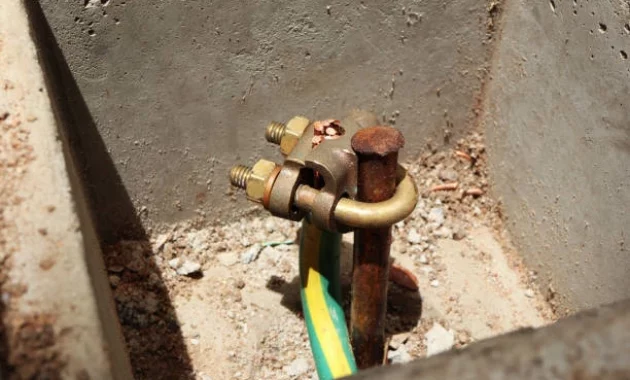
    what is desiccator

    A desiccator is a laboratory instrument made of glass or glass. The desiccator usually has a shape that is almost similar to the food jar in our homes.

    This tool is composed of a container, cover and silica gel. The lid of the desiccator usually has a hole that is very useful in drying the sample in it.

    Desicator Function

    A desiccator functions to remove water content in a test sample. It can also be used to remove crystals in the test sample.

    A desiccator is often used in the analysis of water content testing with the help of silica gel in it. This silica gel functions as a vaporizer that can bind the water present in the sample.

    Desicator Function

    Desicator Working Principle

    The principle or method of working of a desiccator is to bind the water content in the sample. Silica gel will bind H2O before the sample completely loses its water content.

    The test sample is put in a desiccator and has moisture because the water will be bound by the silica gel in it. The silica gel will then experience a color change which indicates that the water is bound.

    If the silica has changed color, it is best to dry the silica in an oven at 105 degrees Celsius or replace it with new silica if necessary.

    Kinds of Desiccators

    Just like other laboratory equipment, it turns out that there are 2 different types of desiccators, namely:

    1. Ordinary Desiccator : Ordinary desiccator is a desiccator that only consists of a container, cover and silica gel.
    2. Vacuum desiccator : Unlike the usual desiccator, the vacuum desiccator consists of an additional vacuum device. The vacuum in this desiccator is useful for sucking all the water content in the sample.

    Conclusion

    After reading the article above, there are several points that we can draw conclusions about this desiccator, namely:

    • A desiccator is a container made of glass and is impermeable to air in it.
    • A desiccator is a laboratory tool that functions to dry test samples with the help of silica gel.
    • Silica gel in the desiccator serves to bind the water content in the sample.

    That is the meaning and function of a laboratory desiccator. Hopefully this article is useful for those of you who are looking for a reference about the desiccator and its function as a laboratory tool.


  • Electrical Grounding: Functions, Types, How to Install

    Electrical Grounding: Functions, Types, How to Install

    As we know, this ground is also known as grounding. Where this grounding or grounding is a complementary system that is in every electrical installation. Its own function is as a grounding system.

    In addition, the installation of grounding is also useful to provide protection for home electrical installations from various disturbances and hazards. How, interested to know more about Arde?

    In this article, we will thoroughly discuss what is a grounding or grounding system. Starting from the understanding, function, how it works, symbols, to how to install and how to make a simple ground. We will also examine whether grounding can save electricity.

    Definition of Electrical Grounding

    Definition of Electrical Grounding

    When viewed from its function, it can be said that grounding or what is also known as grounding is a grounding system in the form of a separate cable line that does not connect with other electrical wiring installations installed in home electrical installations to the ground point (earth) .

    So this system was created with the aim of eliminating the potential difference that occurs in the electrical circuit . In addition, at the same time aims to release the excess electric charge that arises.

    With the installation of grounding, when there is an excess load on the electrical installation, the charge will automatically flow into the ground.

    Because the soil has a very large mass and volume, if there are disturbances or problems related to electric charge, it will be quickly neutralized. It is for this purpose that a grounding or grounding system is installed.

    Electrical Grounding / Grounding Function

    Judging from its function, of course this Ground or Grounding needs to be installed in every electrical installation, right? Whether it’s for personal needs such as home areas or industrial areas such as factories, of course it requires the presence of Ground as security.

    The function of grounding is as a form of protection. By installing grounding, electrical installations can avoid the following risks:

    • Grounding serves to prevent large electrical leakage. For example, in the event of an electric short circuit, insulation leakage, and avoiding people from being exposed to electric shocks.
    • Prevents in the event of an induction in the flow voltage.
    • Serves as a protector from the threat of static electricity. Especially static electricity that has a voltage with a very high scale such as a lightning strike.
    • Grounding also serves as a reference for measuring the electric current in the installation.
    • Grounding can also prevent damage caused by voltage leakage.
    • Ground also serves to neutralize noise caused by several factors. Among them due to the quality of components that are far from standard or power quality that is not good.

    How Electric Ground Works

    If observed, the ground installation area is generally deliberately placed close to the kWh meter. So from the kWh meter, the neutral and ground cables are combined together with the phase cable. Then this cable will be connected to the entire network and also the socket.

    From this socket, the grounding will be connected and connected to various electrical equipment . For example, home electrical appliances such as refrigerators, TVs, radios, computers and so on.

    Grounding symbol

    In general, grounding or ground is denoted by certain symbols. This electrical installation symbol is used when you want to draw an electronic circuit .

    Let’s take a look at some of the most common Ground symbols below. Use the following symbols to explain what the meaning of Grounding is each.

    Grounding symbol

    Various Grounding Systems

    When making electrical installations, of course the security system is the most important thing to pay attention to. Therefore, carrying out a grounding or grounding system is important to do.

    Before discussing further about how to install a grounding cable, of course we need to know the various types. The following is a discussion of various grounding systems that you need to know.

    1. Safety Grounding

    Safety grounding is one system that is often used in grounding installations. Safety grounding is used with the aim of neutralizing the impact of dangerous electric currents.

    For example, if there is a voltage and electric current that goes up or down. Whether it’s caused by an electromagnetic wave whose source of emission comes from a flash of lightning or comes from various other reasons.

    To overcome this, the installation of safety grounding can be an option. Because of this, safety grounding systems are often applied to various electrical lines. It is easy to say that grounding is one of the lightning protection systems.

    2. RF Grounding

    RF grounding is a grounding system whose designation is generally used in communication devices. One example is like radio. As for the process of installing RF grounding , it is mostly applied to devices with large needs.

    The purpose of the installation of this system is to reduce the impact of radiation. Especially to ward off the risk of radiation. As we know, this radiation can arise from the emission of radio communication waves.

    Wire Color For Ground

    Wire Color For Ground

    Before you install a grounding system, of course you also need to know the standard size of the home electrical installation cable. Because this cable is the main component needed to make ground or grounding.

    The wire for grounding is usually green or yellow with a green stripe. Cables with yellow green are generally used for conductors.

    For example, its use for various types of conductors. For example, such as earthing conductors and protective conductors. In addition, this yellow green wire is also used to connect equipotential bonds to the ground.

    Cable Size For Ground

    The ground wire for the grounding system is done by planting a pipe in the ground. Where this pipe will be installed on the terminal part of the socket.

    How to install the grounding on the socket must meet the applicable size standards so that its function can be maximized.

    What you need to know, too, is that the installation method will affect the level of security and also the quality of the ground.

    Therefore, the size and specifications of the cable are also points that should not be ruled out if you want to install grounding at home, right?

    The size of the house electrical cable for grounding can later be adjusted to the standards that have been set. The following is the standard size of the power cord for installing grounding in areas of the house that need attention.

    • The use of wires for grounding generally uses yellow-green wires.
    • Minimum grounding cable diameter using a 50 mm cross-section. But when using a cable with a larger diameter is also allowed.
    • Especially for grounding or grounding in a location that is quite sensitive, try using the HVSC (High Voltage Single Core) cable.
    • For outdoor installations, grounding can use a 50 mm NYA type cable.

    How to Install a Good and Standardized Ground

    how to install the correct ground

    The size of the power cord and its strength do have different specifications. The larger the diameter used for grounding, the better the flow of electric current in the circuit.

    With a good flow of electric current, it will not cause a greater burden. In addition, the waste of electricity can also be avoided. So, if someone asks whether grounding can save electricity?

    So the answer is yes. Logically, this grounding or grounding will make the flow of electricity in each circuit better than before. How, of course interesting if you can save electricity, right? In addition, the security of the installation is also more guaranteed with this Grounding.

    Let’s just look at how to install a good grounding cable and of course according to the standards below:

    1. Installing the Grounding Rod

    Installing a grounding or grounding rod is an important step that should not be missed. The more ground rods installed, the better for the installation.

    What are the requirements for installing a grounding rod? Here are the steps that need to be done.

    • Ground rods should be planted with more than one number. Also, make sure to be at least 5 meters apart from each other.
    • Ground rods should be installed more than one and arranged in parallel.
    • Ground rods should be avoided from sandy or rocky soil types because they are poor media.
    • To maximize the grounding system, stick rods should be planted at a distance not too far from the house.

    2. Material Selection For Ground

    To install a good grounding, the material used is also very important to note.

    What are the points to consider when choosing a material for grounding?

    • Choosing a cable that complies with standards is very important. Both in terms of size, color, and type and material.
    • For stick rods, choose ones made of solid copper.
    • Because iron is a material that rusts easily and is not durable. We recommend that the use of iron material for grounding can be avoided.

    3. Planting Grounding Rod

    The way to install the grounding cable is the next stage, namely the process of planting the grounding rod. You will of course need to dig at the location to be grounded or grounded.

    The electrical grounding depth should not be less than 50 cm from the ground level. More fully, here are some steps that you need to do.

    • First of all, dig a hole with a vertical position and with a depth of approximately 50 cm.
    • After that, plug the stick rod into the hole firmly.
    • Pour enough water into the dug hole. It can also be filled with water until the hole is full.
    • Press the rod down, then lift it for a while so that the water can enter and seep into the soil.
    • Next, re-insert the stick rod to the desired depth.

    4. Connecting the Earth to the Cable

    After installing the grounding rod, the next step is to ground the wire. For the process of connecting the ground to the wire, it will be easier if you use the exothermic welding method.

    This exothermic method is carried out by mixing copper material that has previously been melted at high temperatures. Then the copper liquid can be used to permanently join the conductors.

    After the welding is complete, you can clean the surface to be joined from dirt. The goal is to make the connection stronger and not easily separated.

    5. Planting Cable Arde

    The steps for installing the last ground are by planting a ground wire. For this one method, you can apply the following methods:

    • Before embedding the ground wire, you can first measure the grounding resistance. For this purpose, you can take advantage of special tools such as an ohm meter or a grounding tester.
    • After that, dig the soil to the predetermined grounding points.
    • Excavate the track to the grounding terminal with a depth of 40 cm to 50 cm.
    • Next, pull the cable through the path. Make sure the size of the power cord used is of sufficient length.
    • After all the connections are connected, put the marking pipe in that place as a marker.
    • Next, fill the soil with a minimum height of 20 cm.
    • Put a mark on the excavation as a marker that the place has been grounded.

    The Right way to install Ground 

    The Right way to install Ground 

    In order for the grounding installation to function optimally, of course you must follow good and correct installation standards.

    What needs to be considered when installing grounding? Here is the full review.

    • Provide a pipe with a minimum size of 75 cm
    • Planting pipes for grounding should be avoided from places that allow the emergence of puddles when it rains.
    • The distance for the ground pipe and also the kWh meter box should not be too close. For example, in a group with a minimum distance of 180 cm to avoid the kWh meter from being struck by lightning when bad weather occurs.
    • The cross-sectional area of ​​the grounding should be expanded and the conducting depth deepened.
    • The system for new grounding should be made with a parallel system .

    Conclusion

    Grounding or grounding is a grounding system that is often installed in various electrical installations. The main purpose of this grounding is as a means of protecting electrical installations from various problems and disturbances. One of them is from an electric short circuit, lightning strike when it rains and other risks.

    Then, can grounding save electricity? The installation of grounding can also save electricity consumption. With the grounding system, the electrical voltage can be neutralized so that the load is not too much.

    This also affects the obstacles that arise to be reduced. So that automatically the use of electric power will be reduced. So, do you understand the function of grounding in electrical installations?

  • How Diesel Engines Work ?

    How Diesel Engines Work ?

    The diesel engine was invented by a German scientist named Rudoft Diesel in 1893. The first prototype diesel engine was then made in 1897. Initially, the diesel engine was only used in large motorized vehicles such as trucks and full size SUVs

    Characteristics Diesel Engine sounds rough and the vibration is more pronounced than gasoline engines. But more than that it offers abundant torque.

    Then, how does a diesel engine work? Is it similar to a gasoline engine? Keep in mind, the way Diesel engines work does not require spark plugs. As a trigger for combustion, it requires diesel and compressed air .

    How a 4-stroke Diesel engine works

    The way a diesel engine works is different from that of a gasoline engine. How does the engine that is believed to be able to produce this greater torque works? Check out the explanation below!

    Like modern gasoline engines, the combustion process goes through 4 steps: intake, compression, combustion, and exhaust. The components in the engine include pistons, intake and exhaust valves, injectors, intake and exhaust manifolds , connecting rods , and crankshafts.

    one cycle in diesel engine
    one cycle in diesel engine . source : britanica.com

    Suction Phase

    The first way a diesel engine works is the suction phase. The working system of the diesel engine in this phase is the entry of air into the combustion chamber through the valve. In this phase, the piston moves from TDC  (Top Dead Center ) to BDC  (Bottom Dead Center)  to produce an increase in volume in the cylinder chamber. In addition, this phase also plays a role in sucking outside air into the cylinder space without using fuel.

    Compression Phase

    After passing through the suction phase, the next way the diesel engine works is the compression phase. After the air from outside has collected in the cylinder chamber in the suction phase, the BDC  (Bottom Dead Center)  and the cylinder chamber will store the air, then the piston will begin to compress the air until the pressure and temperature become high enough.

    Work process

    Compressed air usually reaches a temperature of 5,500 degrees Celsius, while the boiling point of diesel fuel is at a temperature of 3.00 degrees Celsius. After the air is compressed and reaches that temperature, the next way the diesel engine works is that the injector component will start spraying diesel fuel to drive the car engine.

    Disposal Phase

    After going through the work process, the next diesel engine working system enters the exhaust phase. The combustion products that have been formed from the gas will then flow into the cylinder chamber. In this phase, the position of BDC  (Bottom Dead Center)  to TDC  (Top Dead Center)  has a role to push the gas out through the exhaust valve to become the driving force.

    Illustration of a diesel engine working. dock. quora
    Illustration of a diesel engine working. dock. quora

    Those were the four main phases on the working principle of a diesel engine that you need to know. After understanding these phases, you can make a car with a diesel engine a driving choice because of the various advantages it offers. One of them is fuel economy, because diesel engines do not use spark plug components which make the use of fuel more efficient and maintenance is not complicated.

    You can also see this video about how diesel engine work.


  • Get to know the German Student’s Zettelkasten Note-taking Technique

    Get to know the German Student’s Zettelkasten Note-taking Technique

    The Zettelkasten technique is a note-taking technique introduced by the German sociologist, Niklas Luhmann. Luhmann was a very prolific sociologist. During his 40 years of research, he has produced 70 books and 400 articles.

    His prolific secret is the Zettelkasten writing technique . As a modern academic, Luhmann including an oldschool . He only had paper, pen, and typewriter to take notes.

    What is the Zettelkasten Note-taking Technique?

    Zettelkasten in German is a combination of two words, “Zettel” means a small note (a note) or a piece of paper and “Kasten” means a box. Zettellkasten is simply a box containing index records (slip box) .

    Luhmann used a cabinet with 4 boxes down and 6 rows of boxes to the side. He used the cupboard to store his notes. In the corner of the paper, Luhmann wrote down the topic of the note on the paper so that he did not have trouble finding notes and did not have to open the contents of the notes one by one to find out the topic of his notes.

    In principle, this note-taking technique uses a note-taking system that is interconnected between topics. The problem of students so far is taking notes without knowing the relationship between subject matter so that it does not form a comprehensive understanding. Moreover, there are many note-taking media that we use so that the knowledge we record is scattered and eventually lost, forgotten.

    Advantages of the Zettelkasten Note-taking Technique

    The benefits and advantages of the Zettelkasten note-taking technique include:

    1. Zettelkasten links topics systematically

    Just like how the brain works, index notebooks are like neurons in the brain. Random ideas have interconnections, for example, the topic of public communication is related to the sociology of communication. The relationship is indicated by a tag code or color, depending on the tagging method you apply.

    By tagging topics with categories, it will be easier for you to connect ideas. You will also find it easier to understand the phenomenon as a whole.

    2. You won’t get tired of reading

    Have you ever found reading too tiring? You’ve finally marked all the sections of your book with a highlighter. 

    However, by using the Zettelkasten method, you will be more focused on noting the important parts. Taking notes in Zettelkasten is not necessary to write all parts of the book. You only need to divide it per paper per topic so you won’t get tired. You will also be more excited to enrich your “knowledge bank” in your Zettelkasten!

    3. Learn to be more efficient

    The Zettelkasten note-taking method helps you create a working system for conducting information research, structure thinking, and developing your thinking.

    With the system, you have a productive pattern every time you study . If you are consistent, you will collect tons of ideas in no time. This is because you are not too stressed and overwhelmed by the amount of material you have to learn.

    4. Better memory and creativity

    The essence of Zettelkasten is connecting ideas. When you make a new note about a topic, you need to revisit the old notes so you can decide which category you just noted falls into.

    This is what can train your memory as well as your creativity in deciding category marks or themes.

    How to Take Notes Using the Zettelkasten Method

    The Zettelkasten principle you need to follow. Read more here. 

    To create a Zettelkasten note is very easy! Follow these steps to create your own version of the Zettelkasten knowledge bank.

    1. You don’t need to have a big wardrobe with 24 lockers. Just prepare a folder or shoebox.
    2. Take a piece of paper. Write one and only one idea on paper. Write the explanation in the middle. Use your own language to avoid plagiarism. Don’t forget to put a reference from where you got the idea.
    3. When the paper is arranged in a grid, make sure there is a section of the paper that is easy to see when looking, for example at the top of the paper.
    4. Write in that section the name of the topic. Put the paper number. For example:
    5. “1 Finance”
    6. You can also add category tags (tags) related to the topic. For example, the paper “1 Finance” explains the concept of money, then you can put the tags “#money” or “#economy” and so on.
    7. Add the next paper according to the paper sequence number. When you have found a connection, don’t forget to write the number of the related paper at the bottom right of the paper.
    8. Create index notes to make it easier for you to find bookmarks. For example, #finance is on paper numbers 1, 2, 1/1, and so on.

    Well, how? Easy isn’t it? Try starting from a simple category. As notes/papers grow, you can add other categories and bookmarks that can make your Zettelkasten notes richer.

    Those are the tips for noting the Sinaumedia version of Zettelkasten . Share this information with your friends or teachers, yes, and start making Zettelkasten together!

    ***


  • How Does Staff Augmentation Work? Everything You Need to Know

    How Does Staff Augmentation Work? Everything You Need to Know

    Staffing is the process of hiring temporary or contract workers to supplement the company’s staff. This can increase the company’s capacity during busy seasons, cover employees who are on leave or bring in special skills that are not currently in the company’s workforce.

    Staffing, also known as contract staffing, is the process of hiring workers through a third party to add to the company’s workforce on a temporary or permanent basis. Contractors can be brought in for certain projects or fill in absent employees. Staffing services can allow companies to increase or decrease their workforce as needed and help reduce costs by avoiding the need to recruit and train new employees.

    Staff addition process

    Contracting staff agents are responsible for finding qualified contractors and matching them to suitable positions. They usually have many candidates with varying skill levels and experience and screen candidates thoroughly before recommending them to clients. Agencies also monitor contractor performance and provide support during the placement process.

    There are several ways to add staff. The most common way is to hire workers through an agency. The agency will screen the candidates and provide a list of qualified workers for the company to choose from. The company can then interview the candidate and make a selection.

    How to add work staff?

    Another way to do staff augmentation is to recruit workers directly from the talent pool. This can be done by recruiting candidates through social media, job boards, or other online sources. The company will then conduct an interview and select from among the best candidates.

    Staffing jobs can be a great option when your business is ready to grow, and you need to bring in more developers.

    Staff augmentation work is when you are the best Swift Developers For Hire team to work on a specific task or project for your business.

    This can be an excellent option for companies that don’t have the time or resources to hire an in-house developer.

    You need to consider a few things before hiring a development team for staffing work. First, you need to decide what kind of development assistance you need.

    Do you need someone to help with certain tasks, or do you need the entire development team?

    You also need to decide what kind of developer you need. If you’re not sure what language to use, Hire Kotlin Developers and Swift are two great options that are growing in popularity.

    Overseas development teams can be an excellent choice for companies to expand their internal application development teams.

    When hiring an overseas development team, it’s important to consider the team’s experience with the technology your company uses as well as its availability and cost.

    Fixed or flexible contracts can be a good choice when hiring an overseas development team. With a fixed contract, the team is hired for a set period of time, and the job is done.

    Teams are hired for an indefinite period on flexible contracts, and work is completed as needed. This can be a good option for companies that are unsure how much work they need to complete or want the flexibility to increase or decrease the amount of work they need.

    Worldwide, We recruit and train talented and innovative individuals in specialized IT fields. Our success is primarily due to our unique application methods and federal screening, and we only hire high quality IT experts who have been thoroughly researched. Period.

    This Subject Matter Expert has the right skills, experience, and experience across the United States, whether you’re an employee, contractor, team leader, IT leader, or full-time MSP.

    Some of the IT options for staff recruitment and placement that we provide include:

    • Short and Long Temporary Staff Positions
    • Straight Contract
    • Contract for Direct
    • Direct Placement
    • From Block Time to Hourly

    In conclusion, adding IT staff is a great way to fill a void in your IT team. By outsourcing some of your IT needs, you can get the help you need without having to hire full time employees. This can save you money and time, and can also be a great way to get the help you need when you’re short on staff.

  • Definition and Functions of Universal Indicators

    Definition and Functions of Universal Indicators

    Definition and function of universal indicators – In measuring pH many methods are used by researchers in conducting research. One method that is often used is universal indicators. This indicator is often used in research because it is easier to use than other methods. In addition, the results obtained are also accurate and fast.

    However, for ordinary people, students and students who are new to pH measurement methods will find it difficult to understand what the meaning and function of universal indicators are. Moreover, how to use the universal indicator itself. So to anticipate this, here is a complete explanation of universal indicators.

    What is Universal Indicators?

    Universal indicator is a paper that has various colors that can be used to measure a pH value in a solution. Generally, the colors owned by universal indicator paper are 4 colors or more. Each paper that is inserted into the solution can change color according to the level of the pH value of the solution.

    This universal indicator method usually takes advantage of the color change on the paper that occurs due to a comfort in a liquid solution to measure how high the pH is in the solution.

    Colours of universal indicator
    Colours of universal indicator

    Universal Indicator Function

    After knowing the meaning, let’s move on to the function of this universal indicator. Each research method has its own function in examining an object. Likewise, the universal indicator research method has the function of measuring several levels of compounds in a liquid solution. This method is very easy to use in research so that many researchers and students use this method to measure a pH level in a compound.

    This universal indicator function is obtained from paper that has 5 colors. Each color that will be produced by universal indicator paper has various colors, namely:

    pH range Description Colour
    < 3 Strong acid Red
    3–6 Weak acid Orange or Yellow
    7 Neutral Green
    8–11 Weak alkali Blue
    > 11 Strong alkali Indigo or Violet

    The colours from yellow to red indicate an acidic solution, colours blue to violet indicate an alkaline solution and a green colour indicates that a solution is neutral.

    Universal indicator components
    Indicator Low pH colour Transition pH range High pH colour
    Thymol blue (first transition) Red 1.2 – 2.8 Yellow
    Methyl orange Red 3.2 – 4.4 Yellow
    Methyl red Red 4.8 – 6.0 Yellow
    Bromothymol blue Yellow 6.0 – 7.6 Blue
    Thymol blue (second transition) Yellow 8.0 – 9.6 Blue
    Phenolphthalein Colourless 8.3 – 10.0 Fuchsia

    Wide-range pH test papers with distinct colours for each pH from 1 to 14 are also available. Colour matching charts are supplied with the specific test strips purchased.

    How to Use Universal Indicator

    Universal indicators is very easy to use . There is no need to need many tools in using universal indicator methods in a study.

    Researchers only need to buy research indicator paper and prepare a liquid solution that will be used in research and follow these steps:

    1. Take Universal Indicator Paper

    The first step is that the universal indicator paper must be taken with care and try not to touch the dye contained in this universal indicator paper. Because if the dye contained in this paper is contaminated with other substances that have acidic or alkaline properties, this indicator paper can be damaged.

    How to Use Universal Indicator
    How to Use Universal Indicator

    2. Put In Liquid Solution

    The second step is the universal indicator paper is inserted into the beaker which already contains the liquid solution. Make sure all parts of the universal indicator paper have been immersed in the liquid solution. Wait a few minutes to make sure that all the substances in the liquid have adhered to the universal indicator paper and changed color.

    Then, remove the universal indicator paper and let it sit for 4-5 minutes until it dries completely. Make sure the paper is dry properly. If not, the paper will change color again so that the results of the study will change.

    3. Compare Using Scale

    The use of a scale in comparing the levels of substances contained in universal paper is something that cannot be missed. Because this scale will be used to measure the levels of substances contained in a liquid solution. In general, the scale used by researchers to measure color change is between pH 0-4.

    The method used in determining the concentration of the solute is by matching the color of the indicator paper that has been inserted into the liquid solution with a universal indicator scale. After determining the indicator scale that is considered the most suitable for the color of the universal indicator paper. Then the researcher will know the pH levels contained in the liquid solution that has been tested.

    In addition to studying the meaning and function of universal indicators A researcher, student or student who wants to conduct research using the universal indicator method must also understand the advantages and disadvantages of a method itself. These advantages and disadvantages can be used in considering a research method to be taken.

    Disadvantages and Advantages of Universal Indicators

    Disadvantages and Advantages of Universal Indicators

    It is the same with pH research methods or other acid and base measurements . Universal indicators also have their own advantages and disadvantages. There are many advantages possessed by universal indicators and there are also many disadvantages possessed by the pH research method using universal indicators. The following are the advantages and disadvantages of universal indicators:

    Advantages of Universal Indicator

    1. Easy to Use

    The first advantage of the pH measurement method using universal indicators is that it is easy to use. The use of this measurement method can be done anywhere and by anyone. You don’t have to use complicated formulas and so many tools if you want to use universal indicator methods in research.

    Usually, this research method has been applied by teachers who teach in secondary schools. So that students can already feel how to do a research that is usually done by expert researchers. This easy use is the main reason for teachers to choose this method in practical activities.

    2. Low Price

    The price for getting universal indicator paper is relatively cheap compared to other research tools. Thus, many researchers and teachers take advantage of this opportunity to conduct research. In addition, this universal indicator paper is easy to get anywhere, both in big cities and small areas.

    The selling price of universal indicator paper which is relatively cheap makes students, students and researchers conduct research on a solution level using universal indicator paper. Research using this method clearly does not require expensive costs.

    Lack of universal indicators

    1. Not Very Accurate

    The first drawback of universal indicator paper is that the results of this method in measuring pH are not 100% accurate. This happens because, this research can be done by everyone who does not necessarily understand correctly the results of a study.

    If you want the results of the universal indicator method to be more accurate, it is advisable to take measurements with people who are experts in research, namely a laboratory assistant. Laborers will be more careful in inferring the results from changes in the color of the universal indicator paper and compare the indicator scales better.

    Scale limitations

    the scale used to match the color of the indicator paper has only the numbers 0-14. So that the level of pH solution that has a level that requires a comma will not be detected. Of course this is very different if you use a more modern digital pH meter . Each concentration of solution does not have a definite number of scales so that further research is needed.

    Research using other tools to accompany the universal indicator method is very necessary. It aims to see more accurately the results of the solution under study whether it is one hundred percent accurate or not when using the universal indicator research method.

    Well, this article on the meaning and function of universal indicators is written very easily. Hopefully the readers can understand the meaning and function of universal indicators better. So that it can add insight to the readers.

  • Definition & Examples of Inorganic Waste

    Definition & Examples of Inorganic Waste

    Understanding Inorganic Waste & Examples of Inorganic Waste – Sinaumedia readers, did you know that inorganic waste takes approximately 500 years to decompose? This of course will have a negative impact on living things on earth.

    n fact, many parties have tried and urged the people around them to be able to sort and choose which is inorganic waste and which is organic waste. 

    This problem is very crucial so that in-depth knowledge related to inorganic waste is needed. Therefore, this article will provide an explanation about inorganic waste. Listen to the end of the discussion.

    What is Inorganic Waste?

    Inorganic Waste

    Inorganic waste is a kind of garbage or the rest of the material that is not easily decomposed which usually does not originate from animals and plants. Inorganic waste can be in the form of plastic, glass or glass bottles, cans, paper, and other food wrappers.

    It should be noted that most inorganic wastes do not decompose naturally. Even if there is something that can be decomposed naturally, the waste will take a longer time when compared to organic waste.

    The danger is that if inorganic waste is allowed to accumulate, it will result in the emergence of various diseases, such as cholera and diarrhea. Not only that, various environmental pollution can also occur, such as soil and water pollution.

    Based on the type, inorganic waste is divided into three, namely solid inorganic waste, liquid inorganic waste, and gas inorganic waste. For a more complete explanation of the three types of inorganic waste, see the explanation below.

    Types of Inorganic Waste

    Inorganic waste is divided into several types. This division is useful for determining what processing is appropriate to do so that waste or garbage does not damage or pollute the surrounding environment.

    The following are the types of inorganic waste based on their form, including:

    1. Solid Inorganic Waste

    Solid inorganic waste is waste that is hard, solid, and can be touched or handled. There are also solid inorganic wastes that cannot be touched because they contain hazardous chemicals. As for examples of solid inorganic waste, namely aluminum, iron, base, belong bottles, plastic, and several similar items.

    2. Liquid Inorganic Waste

    This inorganic waste is in the form of a very dangerous liquid originating from a factory or production company. Generally, these factories or production companies channel this liquid inorganic waste into rivers so that the living things that live there and the local environment will be damaged and polluted.

    Not only from factories or production companies, this liquid inorganic waste can also come from household activities or activities, such as from washing soap and detergent. Actually, the most dangerous thing is the waste from oil spills in the sea.

    3. Inorganic Waste Gas

    Inorganic waste gas or wind is waste that cannot be touched by the senses. Generally, this inorganic waste gas comes from chimneys in production factories. The smoke or steam will be very dangerous because it can cause the earth to be hotter, prone to acid rain, and various pollutants will increase.

    Apart from factory chimney smoke, this inorganic waste gas can come from gas or motor vehicle fumes that contain carbon monoxide or CO gas which if inhaled will be dangerous, and can even cause death.

    Inorganic Waste

    Characteristics of Inorganic Waste

    To make it easier to know in detail what inorganic waste looks like, first identify the characteristics and characteristics of inorganic waste. The following will briefly describe the characteristics of inorganic waste, including:

    1. The main characteristic of this inorganic or non-natural waste is that it is not easily biodegradable . This means that this inorganic waste will require a fairly long period of time to decompose and decompose naturally. In fact, some of these types of waste take decades to decompose into smaller substances, elements, or particles, such as undersea plastic waste.
    2. Next, the characteristic of this inorganic waste is that it is obtained or made from manufactured or synthetic materials . For example, styrofoam , which is an inorganic type of waste made from a mixture of synthetic materials, such as polystyrene and CFC gas, both of which can damage and thin the ozone layer or O3.
    3. Another characteristic of inorganic waste is that it can be processed through a recycling process . Although this inorganic waste is not easily decomposed as described in the first feature, this waste can be processed through a recycling process, either processed for other needs or processed into new goods which are certainly more useful. For example, plastic bottles can be processed into handicrafts and used as plant pots or the like.

    Examples of Inorganic Waste

    Here are some examples of inorganic waste, among others.

    • Plastic
    • Low Density Polyethylene (LDPE) and Low Linear Density Polyethylene LLDPE, which are types of agricultural plastic used for straw, greenhouse covers, and the like.
    • High Density Polyethylene (HDPE), which is a type of agricultural plastic used for pesticide containers or nursery pots.
    • Polypropylene (PP), a type of thermoplastic polymer used for woven tarpaulins, and so on.
    • Polystyrene (PS), a type of synthetic aromatic hydrocarbon polymer agricultural plastic used for nursery containers or media.
    • Crackle Bag
    • Iron Metal
    • Steel Waste
    • Broken Glass and Ceramics
    • Detergent Water
    • Leftover Bath Soap
    • Aluminum Cans
    • Textile Waste
    • Waste Oil
    • Bottle cap
    • Styrofoam
    • Used tires
    • Various Electronics
    • Pesticide Disposal

    Recently, the world has been fussed over by the presence of plastic pollutants and petroleum contaminants in the sea. Also the presence of radioactive pollutants and air pollution.

    Knowledge about the threat of human negligence, needs to be transferred to students as the foundation of hope for the nation’s leaders in the future. This book is expected to be able to provide insight regarding problems that occur in the environment, especially the problem of marine pollution.

    Examples of Inorganic Waste
    Examples of Inorganic Waste

    What are the Negative Impacts of Inorganic Waste?

    As is known, inorganic waste will have a negative and bad impact or influence not only on the environment, but on living things that live and live in that environment.

    Many people have tried to destroy inorganic waste in various ways, such as throwing it into the sea, burning it, and even dumping it in the ground.

    1. Negative Impact of Burning Inorganic Waste 

    Burning inorganic waste is tantamount to provoking air pollution. Then, the smoke that will be produced from burning the waste can threaten health, such as health for the lungs and heart. This is because the various pollutants contained in the inorganic waste will be dangerous and threaten health because of the toxic content or elements.

    2. Negative Impacts of Disposing of Inorganic Waste into Rivers and Seas

    Then, throwing inorganic waste into rivers, even into the sea will increase water pollution. Water which has a function as a source of human life, especially for drinking, bathing, washing, and other needs becomes very dangerous when used. Not only that, the disposal of inorganic waste into the sea will threaten the safety of marine biota.

    The United Nations or the United Nations has stated that 2.2 billion people do not have access to adequate and proper drinking water services. The amount of clean water available is still very less compared to the amount they should need.

    Experts also say that about 4.8 to 12.7 tons of waste enters the seabed every year. Inorganic plastic waste that gradually breaks down will form microplastics which in turn will be consumed again by humans, thus threatening health.

    Not only humans, but also animals. Imagine how many animals have died due to their inadvertent eating of inorganic waste that has been produced by humans. It is this waste or garbage that brings disease to the animals.

    Negative Impacts of Disposing of Inorganic Waste into Rivers and Seas
    Negative Impacts of Disposing of Inorganic Waste into Rivers and Seas

    3. Negative Impacts if Inorganic Waste is Piled on the Ground

    Inorganic waste that is attempted to be stockpiled can also have a bad impact, namely soil pollution. Groundwater can contain toxins because the soil has been mixed with various types of inorganic waste that contain toxic or toxic substances.

    Until finally, the balance of the ecosystem is also disturbed and has an impact on plant growth. Hoarding inorganic waste in the soil will not make the waste disappear or disappear, but rather cause problems.

    In addition, the fertility of the soil is disrupted which in the end the bad or negative impact returns to humans. Therefore, it is very important to pay attention to these inorganic wastes and return to pay attention and think about this problem seriously and carefully.

    Used plastic bottles that are considered trash can turn out to be useful items, even worth selling, and indirectly we protect the environment because it helps reduce the amount of waste.

    Benefits of Inorganic Waste

    Inorganic waste is indeed a threat to the environment, but currently, inorganic waste management has been considered. This has resulted in the threat of inorganic waste being slightly reduced, although not completely.

    There are several inorganic wastes that can be processed and recycled and are environmentally friendly so that they can be reused. Then there are some important benefits of inorganic waste that you and all of us need to know. Here are some of the benefits of inorganic waste for human life, including:

    1. Inorganic Waste as a Basic Material for Making Handicrafts

    In this increasingly modern era, creative hands have emerged from the people of Indonesia and also the world so that they have started to see and consider the benefits or hidden uses of this inorganic waste.

    The first benefit of inorganic waste is that it can be used as material for making handicrafts or handicrafts. As for several types of handicrafts which are derived from inorganic waste, it turns out that they have high economic value or selling value. Moreover, handicrafts from the processed inorganic waste can develop into a business or business opportunity that is quite large.

    How come? Yes, that’s because, as explained earlier, creative hands have emerged so that even inorganic waste materials can be transformed and managed into various types of handicrafts that are useful and of sale value.

    Inorganic Waste as a Basic Material for Making Handicrafts

    2. Reusable _

    The term reusable means that an inorganic waste or similar material does not need to be disposed of. In other words, in the end, this type of waste will not be different, but can be useful and reused without having to be disposed of.

    For example, used cardboard. If used cardboard is disposed of, of course the cardboard will become one of the materials or inorganic waste that can pollute the environment. However, the cardboard can be used for other needs or purposes. Until finally, the cardboard is not a waste, but can be useful and used for other purposes.

    3. Inorganic Waste can be Melted to Make Other Goods

    There are some inorganic wastes, such as plastic and metal, which are inorganic wastes with high economic value. As we know that metal materials or waste can be smelted or re-melted together with other metals. Then, the metal that has been melted will return to a liquid metal that can be transformed into a new form.

    For example, scrap metal from collectors can be taken to a metal smelter. Then, after the irons are melted down and some other chemical elements are added, the melted iron becomes new iron that can be used and reused.

    4. Inorganic Waste for Recycled Materials

    Inorganic waste is often used as a material for recycling. Generally, the material used for recycling is plastic waste which is easy to collect and then recycle.

    This recycling of inorganic plastic waste can reduce the possibility of the accumulation of other inorganic wastes that exist. This is certainly a positive impact on the state of the environment around us.

    5. Inorganic Waste Can Make Money

    Next, inorganic waste can generate money. Because besides being made and processed into handicrafts which are then sold and make money, of course you can also sell bottles and used inorganic waste. You can sell inorganic waste, such as used batteries, used newspapers, and the like to used goods collectors.

    Of course, you can exchange this for something in the form of cash. Although the amount obtained is not much, but this will be very profitable if we do it regularly. Because, apart from being able to help clean up the surrounding environment from inorganic waste, you can also get money from sales to these used goods collectors.

    How to Treat Inorganic Waste

    In order to avoid the bad impact of inorganic wastes, it is necessary to carry out appropriate utilization methods, namely recycling inorganic waste into goods that can be reused.

    However, there is an important point that must be done, namely separating in advance which is organic waste and which is inorganic waste in your home. Thus, waste that is still fit for recycling will be easier to process.

    How to Treat Inorganic Waste
    How to Treat Inorganic Waste

    Below will be explained several types of waste that can be reused

    1. Inorganic Waste in the form of Cans

    Canned waste is a type of waste that cannot be decomposed even though it has been waste for hundreds, even thousands of years. Therefore, as much as possible we use inorganic waste cans as recycling material so that the quantity of waste does not continue to soar.

    The simple way is to use used drink, paint, or food cans as flower pots or media to store other items.

    2. Inorganic Waste in the form of Glass Bottles

    In waste treatment or recycling facilities, inorganic waste in the form of glass bottles or glass bottles will usually be reprocessed into new bottles.

    3. Inorganic Waste in the form of Paper

    Management of inorganic waste in the form of paper can be done at home. The trick is to collect some books or papers that are no longer used (used), then hand them over to a waste bank or to a waste paper collector in places that are specifically meant to recycle such inorganic waste.

    Instead of just piling them up or throwing them into the sea, it would be nice if the remaining papers were processed into useful recycled paper, such as bags, masks, and some other handicrafts.

    4. Inorganic Waste in the form of Fabric

    We often ignore the existence of inorganic fabric waste. Clothes, pants, and the like that are not used have piled up in the closet. To overcome this, there is a way to reuse it so that its use can also change. For example, clothes that are no longer used can be used as mops, rags, or donated to people who need it more if the clothes are still fit for use.

    As for inorganic waste craftsmen, usually inorganic waste in the form of cloth will be modified into a dispenser cover, table cloth, and even blankets.

    5. Inorganic Waste in the form of Plastic

    Currently, inorganic waste in the form of plastic such as used food packaging has been processed into various kinds of crafts, including handicrafts for wallets, tissue holders, small bags, and even clothes.

    That way, if we encounter plastic waste at home, it would be nice not to just throw it away. Try to separate and clean it from other waste, then you can give it to a waste bank or to an existing recycling place.

    Hopefully this article can add to your insight, yes!

  • From Spark to Blaze: The Causes and Impacts of Forest Fires

    From Spark to Blaze: The Causes and Impacts of Forest Fires

    Causes and impacts of forest fires – Before discussing fires, of course, we must first know what the definition of fire is. In this case, of course, fire has a role as a trigger for a fire that occurs somewhere. A small fire can become big and start a fire.

    Fire is a chemical reaction formed from three elements, namely heat, oxygen, and fuel that produce light and heat. The three elements are combined and become one element, namely fire. That’s why the fire we see today can produce light as well as a sense of heat around it.

    There is so much to know about water, fire, and air, such as their uses, properties, sources, and dangers. This book is perfect for those of you who want to know. Learning becomes fun and adds insight.

    Fire itself is an uncontrolled fire that can damage safety and property around us. The nature of the fire before the fire becomes very large, usually burning nearby objects within 3 to 10 minutes. That is why if a fire occurs in a residential area, it will spread to nearby houses. Especially if the fire occurred in the forest. All life in the forest such as flora, fauna, and even humans can also die because of fires that occur.

    Therefore, on this occasion, Sinaumedia will discuss the causes and impacts of forest fires. For those of you who are curious about the causes and effects, let’s look at the following review!

    Forest fires

    Forest and peat fires are surface fires where fire burns fuel such as, (debris, trees, shrubs, etc.) above the surface. Then, the fire spreads irregularly below the surface (earth fire), burning organic matter through peat holes and roots of bushes/trees, the tops are bound to catch fire.

    In its development, the fire spreads both vertically and horizontally in the form of smoke pockets, burning with only white smoke visible above the surface. The fire will be very difficult to extinguish, considering that the fire starts underground and only smoke rises to the surface.

    Previously, Indonesia had experienced forest fires with the largest volumes, these fires occurred in 1982, 1983, 1991, 1994, 1997, 1998, 2006 and 2015. Fires in 2015 covered 80% of Sumatra’s area with thick smoke from fires. The impact of forest fires is certainly detrimental to various parties, ranging from the economy, health, and also social society because the smoke also disturbs neighboring countries. Therefore, it is necessary to take serious handling of this disaster and analyze the causes of its occurrence.

    Forest fires in indonesia
    Forest fires map in indonesia

    Causes of Forest Fires

    The causes of forest fires certainly have various things, namely from nature and humans. Here are the causes that make forest fires.

    1. Prolonged Drought

    The dry season that is too long is the cause of forest fires because nature is difficult to control. These fires are often started by the friction of trees or dry leaves. Naturally occurring friction can cause fires and forest fires. Forest fires due to the long dry season often occur on mountain slopes.

    2. Lightning Strike

    Lightning is a natural cause of forest fires. In general, lightning strikes have a greater impact in the dry season. If the soil with vegetation is dry and flammable. Sometimes lightning causes fires in rough, hard-to-reach terrain.

    Just like what happened in California in August 2020. Lightning continued to strike for almost three days. This occurred as many as 12,000 strikes and sparked large-scale fires. This fire is recorded as the largest fire in California.

    3. Volcanic Eruption

    Volcanic eruptions are the cause of forest fires that occur naturally. These forest fires become more intense in the long dry season. The greatest risk is that the vegetation area will be burned by the volcanic material ejected during the eruption.

    Forest fires in mountainous areas are difficult to control and invisible. Usually, only clouds of white smoke can be seen from a distance. If you see smoke from the mountains, it indicates that the vegetation is burning.

    Volcanic Eruption

    4. Indiscriminate Deforestation

    Mass indiscriminate logging is one of the causes of forest fires that should not be underestimated. Especially if people do logging carelessly. Deforestation machines are a cause of fire hazard, especially in the dry season because these machines emit sparks.

    5. Throwing Cigarettes Carelessly

    Smoking in the forest can cause forest fires. This time, not natural, but man-made. The risk is even greater when the vegetation dries up due to the long dry season. Not to mention cigarette sticks and dry leaves can burn if rubbed against each other. So, be careful when in the forest. To protect the environment, do not throw cigarette butts carelessly.

    6. Wildlife Hunting

    Hunting for wildlife also indirectly causes forest fires. Especially if the hunters hunt with firearms that can cause sparks. This not only depletes the forest, but also threatens the flora and fauna that inhabit the forest.

    7. Land Clearing

    Forest fires can start naturally. However, this does not apply in the case of land clearing. Most human actions are the cause of forest fires. Just like what happened in Kalimantan and Sumatra. Forest fires flare when new land is cleared for oil palm trees. Even forest fires that occur affect habitats in rural and urban communities.

    If forest fires have occurred then it is not only plants and animals that are a problem. Various health problems related to breathing pose a threat to local residents. In this case, the government must intervene to overcome it.

    8. Wild Burn

    Illegal burning creates valuable land with a high level of vulnerability. Uncontrolled fires spread easily into this critical forest area. Illegal burning often leaves residues in the form of dry leaves, twigs, and branches that grow and accumulate in forest areas. During the dry season the residue from this illegal burning can dry up and cause new forest fires.

    9. Campfire

    The forest is truly the most comfortable place to pitch a tent and camp. Then make a fire to keep it warm. Unfortunately, many people are wrong. Campfire debris that is not extinguished properly can cause forest fires.

    10. Population Migration

    The next cause of forest fires is forest invasion or migration of people in the forest. Not many people know about this. In connection with the increasing needs of people’s lives and the increasing number of families. This requires the community to increase the area of ​​their land.

    11. Farm Animal Feed

    People who live around the forest, most of them raise livestock and graze making it a side job to meet the needs of their families. The needs of forage (Forage Forage) and grazing areas must be met.

    To achieve good quality and a high level of palatability, people usually burn grasslands that are no longer productive. After the prairie is burned, new vegetation will grow with better quality and higher nutrient content. But, of course, it could also burn the surrounding forest.

    Causes of Forest Fires

    Forest Fire Impact

    Fire certainly has a bad impact on living things on earth, especially humans. The following is the impact of forest fires.

    1. Loss of Habitat for Living Creatures in the Forest

    Forest fires in Riau that occur automatically can damage the habitat of local animals. Creatures that live in the forest are expelled and stop surviving, such as interacting, foraging, breathing, and so on. There were also rumors that a tiger had come out of the forest. He is looking for another place to live to replace what he has lost. Apart from being homeless, the creatures in the forest could die if they failed to escape.

    The creatures of the forest have been searching and finding new habitats will disturb the people. If this continues and there is no further treatment, losses will occur. Humans will also lose their habitat because they will be displaced by animals that have lost their homes.

    2. The fall of a big tree

    A tree that was supposed to live for many years accidentally fell. The existence of what is happening will also be disturbed. If this continues, forest fires continue to occur and are not accompanied by appropriate repairs, we will lose green open spaces that can produce oxygen and natural resources. Indeed this time the results are not small, but the losses will be much greater.

    The disadvantage is that the existing agricultural land is used for construction and settlement, while the forests inhabited by other organisms are instead used to expand arable land. In the future, our generation will only think that the forest is just a fairy tale because the past has come, they can’t find the forest. The absence of the forest would also cause a lot of damage. Such as floods, landslides, global warming, and rising temperatures.

    3. Disrupted Health

    Forest fire smoke can cause local irritation of the mucous membranes of the nose, mouth and throat in direct contact with the smoke and cause allergic reactions, inflammation, and possibly infection, from ARI and if severe can cause pneumonia.

    The ability of the lungs and respiratory tract to fight infection is also impaired, making infection more likely. Acute Respiratory Infections (ARI) are becoming more likely to occur, mainly due to an imbalance in the immune system (host), bacteria/viruses, and other pathogens (agents) as well as a bad environment.

    4. Hard to Find Clean Water

    Forests are containers for water which is necessary for survival. If the forest continues to be drained, automatically nothing can hold water, both rainwater and mountain water. The presence of water and forest is proportional. If the forest is depleted, there is nothing left to hold water, reducing the groundwater supply (artesian).

    If this continues, it will be difficult for living things to get clean water. Losses due to lack of clean water, including public health, will be disrupted, the water cycle will be disrupted so that it affects climate change such as long droughts, and irregular rainfall cycles.

    5. Disrupted Economy

    This can happen because the smoke from pollution due to forest burning is very thick as a result, it disturbs residents to carry out economic transactions. This loss has an impact on residents because it can reduce the income of residents who work in the private sector. In addition, regional agencies also interfere with activities based on regional governments in carrying out regional development.

    Forest Fire Impact
    Forest Fire Impact

    6. Global Warming

    Due to the inclusion of chemicals such as carbon monoxide (CO) and aldehydes, pollution from intentionally forest fires is much more dangerous than natural forest fires. The disadvantage of contaminated smoke is that it interferes with public health and prevents plants from photosynthesis.

    In addition, the harmful effects of ozone, nitrogen oxides, carbon dioxide, and hydrocarbons. Different types of substances can travel long distances and be converted into other gases such as ozone or particles such as nitrate species and organic oxygen during this transport. The ozone layer can also be destroyed by these chemicals. When the ozone layer is damaged, the Earth’s surface temperature rises, global warming occurs, and the polar ice caps melt.

    In addition, UV rays radiate directly to the earth (nothing is in the way). It can also affect public health, including UV-induced skin cancer. The next disadvantage is the greenhouse effect it causes. This is because the smoke produced blocks the heat bouncing off the biosphere.

    As a result, the heat bounces off the surface and reflects the smoke that is present and cannot escape. If this continues, the greenhouse effect that occurs can melt polar ice, and if this happens the country could sink.

    The dynamics of changes in pollutants that enter the environmental body are increasingly varied in quality and more in terms of quantity, this is influenced by the high variety of human activities on earth. The entry of pollutants into the environment will have a direct and indirect impact on the environment and public health in the area. To anticipate this, an analysis of the potential risks both to the ecology and the community is carried out early so that the pollutant rate can be controlled and a prevention scenario is also made.

    7. Limited Food Ingredients

    Limited community activities outside the home or area hamper community farming. Not only because the community cannot carry out agricultural activities as usual, but also because the plants that are growing are no longer able to return to their optimal level.

    If this happens, the community will be malnourished. Even the food provided by the government is limited and cannot reach remote areas. The disadvantage of this food shortage is that long-term starvation can lead to death.

    that’s the article on the causes and effects of forest fires. Of course, these forest fires have a very bad impact on life on earth. Especially if this forest fire occurs because of human activity. With this, we must be able to maintain the forest as the lungs of the world so that we can still live healthy on earth.

  • Sales Forecasting: Definition, Importance, and Techniques

    Sales Forecasting: Definition, Importance, and Techniques

    What is a Sales Forecast?

    Sales forecasting or sales forecasting is the process of estimating future revenue by predicting the number of products or services that a sales unit (which can be an individual salesperson, sales team, or company) will be sold in the following week, month, quarter, or year.

    Simply put, a sales forecast is a projected measure of how the market will respond to a company’s entry into the market.

    Why is Sales Forecast Important?

    Forecast is about the future. It’s hard to overstate how important it is for companies to produce accurate sales forecasts.

    Private companies gain confidence in their business when leaders can trust forecasts. For public companies, accurate forecasts provide credibility in the marketplace.

    Finance, for example, relies on forecasts to develop budgets for capacity and recruitment plans. Production uses sales forecasts to plan its cycle. Forecasts assist sales operations with territory and quota planning, supply chains with material purchasing and production capacity, and sales strategies with channel and partner strategies. These are just a few examples.

    Unfortunately, in many companies, this process remains disconnected, which can result in a loss of business. If information from sales forecasts is not shared, for example, product marketing may create demand plans that are not in line with sales quotas or sales attainment levels.

    This leaves the company with too much inventory, or too little inventory, or inaccurate sales targets — all mistakes that hurt the bottom line in your business. Committing to quality and regular sales forecasts can help avoid those costly mistakes.

    What are the benefits of having an accurate sales forecast?

    • An accurate sales forecasting process provides many benefits. This includes:
    • Better decision making about the future
    • Reduction of sales channels and risk forecast
    • Alignment of sales quotas and revenue expectations
    • Reduction of time spent planning area coverage and setting quotas
    • Benchmarks that can be used to assess future trends
    • Ability to focus the sales team on high-return, high-profit sales channel opportunities, resulting in better win rates

    How to Accurately Forecast Sales

    To create an accurate sales forecast, follow these five steps:

    1. Assess historical trends

    Check sales from the previous year. Break the numbers down by price, product, representation, sales period, and other relevant variables.

    Turn them into “sales rate”, which is the projected number of sales per sales period. This forms the basis of your sales forecast.

    2. Merge changes

    This is where estimates get interesting. Once you have a basic sales level running, you’ll want to tweak it according to the number of changes you see coming. As an example:

    Pricing.

    Did you change the price of a product? Are there competitors who might force you to change your pricing plan?

    Customers.

    How many new customers do you anticipate landing this year? How much did you land the previous year? Have you hired a new representative, gained measurable brand exposure, or increased the likelihood of acquiring a new customer?

    Promotion.

    Will you be running a new promotion this year? What was the ROI on the previous promotion, and how do you expect it to compare with the new promotion?

    Channels.

    Did you open a new channel? New location? New territory?

    Product changes.

    Are you introducing a new product? Changing your product range? How long did it take for the previous product to gain traction in the market? Would you expect a new product to act similarly?

    3. Anticipating market trends

    Now is the time to project all the market events you have tracked. Are you or your competitors going public? Are you anticipating an acquisition? Will there be laws that change how your product is received?

    4. Monitor competitors

    You’ve likely already done this, but consider competing products and campaigns, especially the major players in the field. Also check to see if new competitors might enter your market.

    5. Include a business plan

    Add it to all your business strategic plans. Are you in growth mode? What are the hiring projections for this year? Is there a new market you are targeting or a new marketing campaign? How does all this affect the forecast?

    Once you’ve calculated all of these things, build them into your estimates. You want everything to be detailed, so that you can understand the estimate in as much detail as possible.

    Different stakeholders in the company will likely want to understand different aspects of the forecast, so you should be able to zoom in or out as far as needed.

    Should you do a bottom-up sales forecast or a top-down sales forecast?

    In general, there are two types of sales forecasts: bottom-up forecasts and top-down forecasts.

    Bottom-up forecasting begins by projecting the number of units the company will sell, then multiplying that number by the average cost per unit. You can also build the number of locations, number of sales reps, number of online interactions, and other metrics.

    The idea behind bottom-up sales forecasting is to start with the smallest component of the forecast, and build from there.

    The advantage of bottom-up forecasting is that if a variable changes (such as cost per item, or number of representatives), the forecast is easy to change. It also provides quite detailed information. The top-down sales forecast starts with the size of the total market, then estimates what percentage of the market the business can capture.

    If the market size is $500 million, for example, a company can estimate that they can win 10 percent of that market, making their sales forecast $50 million for the year. When creating sales forecasts, it is important to use both of these methods.

    Start with a top-down method, then use a bottom-up approach to see if your first estimate is feasible. Or do both separately and see how well they fit together. To produce the most accurate estimates, companies must perform both types of estimates, and then adjust them to produce the same amount.

    The Key to Success in Forecasting Sales

    Improving the accuracy of your sales forecasts and the efficiency of the forecasting process depends on many factors, including strong organizational coordination, automation, reliable data, and analytics-based methodologies. Ideally, the sales forecast should:

    Collaborative

    Leaders must combine input from a variety of sales roles, business units, and regions. Frontline sales teams can be very useful here, providing an overview of the market you’ve never considered before.

    Based on data

    Predictive analytics can reduce the impact of subjectivity, which is often more backwards than forwards. Using common data definitions and baselines promotes alignment and saves time.

    Produced in real time

    Investing in real-time capabilities for correcting or re-estimating allows sales leaders to gain insight quickly so they can make more informed decisions. This allows them to quickly and accurately update forecasts based on demand or market changes.

    Single source, with multiple views

    Generating forecasts as a single data source gives you good visibility into your company’s reputation, region and performance, and helps align business functions across the organization.

    Better from time to time

    Use the data provided by the improved sales forecasting process to create more refined future forecasts with increasing accuracy over time against a set of accuracy goals.

    Companies with better forecasting processes and tools perform better than their peers because they better understand the drivers of their business and have the ability to shape the results of the sales period before the period closes.

    What are the Key Challenges in a Sales Forecast?

    It can be difficult to consistently produce accurate sales forecasts. Some keys to success in sales forecasting:

    Accuracy and Distrust

    When companies use spreadsheets for sales forecasts, they can run into accuracy issues, which in turn make forecasts less reliable. This accuracy issue can be exacerbated by:

    • Poor implementation of CRM across the company, and employees don’t enter data in a timely manner
    • Inconsistent data across teams or salespeople don’t include complete data.
    • Stakeholders across the company use different methodologies to generate their estimates
    • Inadequate collaboration across product, sales, and finance teams. This lack of collaboration can be enhanced when companies create sales forecasts manually or using spreadsheets.

    Subjectivity

    While generating quality sales forecasts relies heavily on forecasters making sound decisions about how to use data, in general, companies rely more on judgment and less on credible predictive analytics than they should.

    Companies that forecast with simple arithmetic pipe weighting, for example, may miss the nuances of the true drivers of accuracy, which might be number of employees, pricing decisions, or route-to-market emphasis points.

    Usability

    When a sales forecast is not created in a way that makes it useful to stakeholders across the company, it becomes much less effective than it should be. A good estimate should produce data that is relevant to many teams, and understandable to them.

    Inefficiency

    Sales forecasts can be very difficult to create when inefficiencies are incorporated into the forecasting process. For example, if an estimate has multiple owners, or the forecasting process is not clearly defined by a standard set of rules, there may be disagreements about how the forecast will be produced.

    Similarly, if input into the forecast is not reconciled before the forecast is produced, the forecast itself may undergo multiple revisions, which can reduce confidence in the forecast if a version is released and later revised.

    Conclusion

    To perform company-wide forecasts, companies need different elements of each business function.

    The following functions can contribute to sales forecasts:

    • Sales: Provides a bottom-up view, using data from CRM and PRM, building judgments from sales leaders. Sales can manage this process through the Sales Operations function, using the right tools, and reporting
    • Finance: Provide macroeconomic guidance and work with product teams.
    • Marketing: Provides macro market guidance, especially in industries such as telecommunications, retail and CPG. Marketing can also provide the financial team with market data.
    • Supply Chain: Provides input on inventory and production.
    • IT: Assist with sales forecasting by providing platform, data, integration, and technical support.


  • Negotiation: Definition, Objectives, Benefits, and Examples of Negotiation

    Negotiation: Definition, Objectives, Benefits, and Examples of Negotiation

    Negotiation is a form of communication that cannot be separated from human life, both in business activities and daily life. So what exactly is negotiation and what is the purpose of negotiation?

    In this article, we will discuss several things related to negotiations, including:

    • A brief explanation of what is meant by negotiation.
    • General purpose of negotiations.
    • Benefits of negotiation in general.
    • Some basic skills in negotiating.
    • Examples of negotiation activities in everyday life.

    Come on, read this article to the end so that you better understand what negotiation is.

    The Meaning of Negotiation

    Etymologically, the word negotiation comes from the English language, namely “to negotiate” and “to be negotiating” which means to discuss, negotiate, or offer. The word then has another derivative, namely “negotiation” which means the activity of discussing or negotiating something with other parties to reach an agreement.

    According to the origin of the word, negotiation is a strategic discussion process carried out to resolve a problem in a way that is acceptable to the negotiating parties.

    In negotiations, each party tries to persuade the other party to agree on his point of view. By negotiating, all parties involved try to avoid contention but agree to reach some form of compromise.

    So in general, the notion of negotiation is a form of social interaction between several parties that aims to reach a mutual agreement that is considered beneficial to the negotiating parties. People who carry out negotiation activities are called negotiators.

    Negotiation activities are used in various areas of life, and usually involve many people’s problems. For example, in the world of business and organization, activities in these two fields are never separated from the negotiation process.

    The parties involved in negotiations can vary and can cover many things. Here are some examples of negotiation activities in everyday life:

    • Conversations between buyers and sellers in the process of bargaining for goods.
    • The interview process between employers and prospective employees.
    • The process of a business agreement between a company and another company.
    • The process of communication between the government of a country and other countries in bilateral cooperation.

    Negotiation Purpose

    According to the Oxford dictionary, negotiation is a way to reach an agreement through formal discussion. Negotiations are carried out by two or more parties where each party has different goals and a bargaining process occurs to reach an agreement.

    From this explanation, we can understand that in negotiating activities there are goals to be achieved by the negotiating parties. The objectives of the negotiations are as follows:

    1. To reach an agreement that is considered beneficial to all parties.
    2. To solve a problem and find a solution to the problem being faced by the negotiating parties.
    3. To achieve a mutually beneficial condition for the negotiating parties where all benefit (win-win solution) .

    For example, business negotiation activities between a company and another company are very useful in developing a market where the goal is to increase sales figures.

    Another example, the negotiation process also occurs when producers and consumers negotiate the price of a product to set an agreed price. With negotiation activities, sellers and buyers can determine a price that is considered equivalent to the value of a product.

    Negotiation Benefits

    Many people assume that an offer or price is something that is final. In fact, many things that are considered final are in fact flexible or subject to change.

    After understanding the meaning of negotiation and its purpose, we need to know what are the benefits of negotiation. Some of the benefits of negotiation are as follows:

    1. The creation of a network of cooperation between one party with another party to achieve their respective goals.
    2. There is mutual understanding between each negotiating party regarding the agreement to be taken and its impact on all parties.
    3. Negotiation is beneficial for the creation of a mutual agreement that is mutually beneficial for all negotiating parties.
    4. The creation of a positive interaction between the negotiating parties so that the cooperation will produce a wider impact for many people.

    Basic Negotiation Skills

    Before negotiating, all negotiators must understand the philosophy of negotiating. Referring to the notion of negotiation, the basis for negotiating is that the agreement reached benefits all parties, or everyone wins.

    This can be achieved by considering all aspects of the negotiation from various points of view. The basic skills for negotiating are as follows:

    1. Sharp in thinking.
    2. Be patient in action.
    3. Can adapt well.
    4. Have endurance.
    5. Good socialization skills .
    6. Good concentration ability.
    7. Have articulation skills.
    8. Have a good sense of humour.

    In addition, there are several crucial things that negotiators must pay attention to when conducting the negotiation process, including:

    • In expressing an opinion, it must be accompanied by clear reasons, facts, or examples so that it is easily understood by other parties.
    • Opinions must be conveyed with the appropriate volume, intonation and choice of words.
    • Expression of opinion must be done clearly, smoothly, and politely.
    • It is not easy to accept or reject the opinion of other parties but must go through various considerations.

    Key Factors in Negotiations

    There are several main elements or factors that must be considered in the negotiation process. Quoted from Investopedia.com, the following are some of the main factors in negotiations:

    1. The Parties Involved

    We must know who will be participating in the negotiations, and what are their interests? It is also important to know the background of the parties involved and how this affects their position in the negotiation process.

    2. Relationship

    Next, we also need to know what the relationship between the parties and their intermediaries is in the negotiation process. How are the parties connected and what role do they play in the negotiation process?

    3. Communication

    This relates to the interests of the negotiators can be well communicated to secure their agreement through negotiations? What is the most effective way to deliver the desired result? How can negotiators be sure they are being heard?

    4. Alternative

    Is there any alternative to what one of the parties originally wanted? If direct agreement is not possible, do the parties need to look for other alternatives?

    5. Realistic Options

    What options are possible to achieve a result? Have the negotiators suggested that there might be some flexibility in their demands?

    6. Legitimate Claims

    Are the requests and promises of each party valid? What evidence do the negotiators offer to support their claims and demonstrate that their claims are valid? How will they guarantee that they will follow through on the outcome of the negotiations?

    Conclusion

    From the explanation above, we can conclude that the definition of negotiation is a strategic discussion activity involving two or more parties to reach a final agreement that is agreed by all parties involved.

    In practice, one of the parties will put forward his point of view, while the other will accept the conditions offered or refuse by conveying his own point of view. This process continues until both parties agree on a resolution.

    Thus a brief explanation of negotiation, starting from its meaning, objectives, benefits, and basic skills needed in negotiating. Hopefully this article is useful and adds to your insight.

  • Types of Electrical Components and How They Work: A Comprehensive Review

    Types of Electrical Components and How They Work: A Comprehensive Review

    Any electronic device that is used today turns out to have the smallest components in it. Where each component certainly has its own type and function. More or less that’s the picture of the electrical components.

    Well, the electrical components contained in electronic objects themselves are called circuits. For example, there is a component in a cell phone that is used to capture signals.

    Types of Electrical Components

    For a more complete explanation, here is an explanation of the types of electrical components and their functions that you need to know.

    The types of electrical components that are important for you to know are:

    1. Battery
    2. Transistor
    3. Transformer
    4. Microcontroller
    5. Resistor
    6. Inductor
    7. Capacitor
    8. Switch
    9. Diode

    Electrical circuits are used to conduct conductive electric current in electronic components. Its function is very important, namely so that electronic devices can turn on and function properly. There are two types of components, namely active and passive components.

    While the type and function of the circuit will be discussed in more detail below.

    1. Battery 

    Battery 

    The electrical component of the battery is a component for storing chemical energy which will be converted into electricity in electronic devices.

    You could say this component is very easy to find in electronic devices. For example like in cell phones, radios, watches and so on.

    2. Transistor 

    Transistor 

    The electrical component that is the main component in electronic devices is the transistor . Because one of the components of the transistor will amplify, control, direct, modulator, oscillator and much more for the quality of electricity.

    3. Transformer

    Transformer

    The electrical component of the transformer is one of the electrical components so that the AC voltage can go up and down. This condition will produce very clear sound, images, and so on.

    Examples of its use can be found in household electrical power .

    4. Microcontroller 

    Microcontroller 

    The electrical component of the microcontroller is a component to carry out certain tasks in electronics. Of course it depends on the type of tool itself. Well, the microcontroller is often called an IC or integrated circuit .

    Microcontroller is almost the same as a sensor for measuring electrical quantities in electronics. Where this sensor will process various kinds of information captured through signals.

    5. Resistors

    Resistors

    The electrical component of the resistor has the main function of regulating the electric current in the electronic device so that it is stable and safe.

    This component is also passive and can limit the electric current.

    6. Inductors

    Inductors

    One of the most important electrical components is the inductor. Components that will form coils in electronic devices. The shape of this component is an arrangement of wire turns on top of the circuit.

    7. Capacitor 

    Capacitor 

    A capacitor is a type of electrical component that functions to store current. The time to save it is quite limited. This is because the electrical component of the capacitor has a certain material whose active power is also limited.

    8. Switch

    Switch

    The external electrical components of electronic devices are switches , fuses and button switch buttons. These three components main function is to turn on or break the current in electrical or electronic devices. This component is also used to protect the electrical voltage.

    9. Diode 

    Diode

    The electrical component of the diode is one of the active components in electronic circuits. This component is able to conduct or inhibit electric current from the opposite direction. The materials used are semiconductor materials .

    Conclusion

    Thus a discussion of the meaning of electrical components. Starting from the types of components to examples of electronic devices that contain components, you can see above. Hope it helps you to get to know each component type and its function better, huh?

  • Rotary Evaporator : Working Principle, Use and Function

    Rotary Evaporator : Working Principle, Use and Function

    Rotary Evaporator: Working Principles, Uses, and Functions – In testing chemical substances, generally, we will carry out several reaction activities.

    The reaction activity is carried out, of course, with a specific purpose, such as accelerating reactions, separating substances, dissolving chemicals, evaporating, concentrating, etc.

    Evaporation is included in it, which by definition Evaporation or evaporation is the process of changing water molecules into gas.

    Yes, the purpose of using an evaporator is to vaporize a solution.

    Here’s the full explanation:

    Rotary Evaporator: Working Principle, Use and Function

    Work principle

    Broadly speaking, the Evaporator evaporates the solution, separating the substance from the solvent.

    The working principle of a rotary evaporator is to heat the solution in one of the containers (evaporation flask), which is warmed in a water bath, because of the difference in boiling point between the substance and the solvent (e.g., ether, methanol, etc.), the substance with a lower boiling point will evaporate.

    The vaporized gas will be trapped by the condenser, which, with the help of cold pressure and temperature, will re-liquid the gas, return to a solution, and be accommodated in a receiving flask.

    In the end, two separate liquids will be formed: a concentrated solution and a solvent which generally already contains the dissolved test substance.

    Of course, this is a big picture of the working principle of a rotary evaporator; the rest depends on the use and testing in each laboratory.

    Usage and Function

    The use of a Rotary Evaporator can be very diverse, but the function remains the same, namely separating two solutions with different boiling points.

    First Test Example (#1)

    For example, if you concentrate, you can use a Rotary Evaporator to evaporate other substances that you did not test.

    The concentration of a general solution is done to get a high concentration of the substance we will test.

    Because of this, a Rotary Evaporator can evaporate other substances you would not be testing.

    Of course, with the difference in boiling points, there will be two separate solutions, and you can test the substance concentrated in the Evaporating Flask.

    Second Test Example (#2)

    If, in your first example, you focused on the substance being concentrated, this time, you will be testing the vaporized substance.

    The working principle is more or less like this:

    The substance you are going to test is dissolved in a solvent such as ether, for example, so that the solvent is already bound to the test substance to be evaporated.

    By using a water bath and rotating the rotator, the solvent (ether) with varying boiling points can be evaporated and collected in the condenser.

    With the help of cold temperatures and air pressure, the gas trapped in the condenser will melt again and be accommodated in the reservoir flask.

    So that finally, it forms two solutions, namely the initial solution and the solvent, which already contains the test substance that you will analyze.

    Tool Parts

    Seeing the shape that may be quite complex, the Rotary Evaporator consists of several parts.

    Here are some of the parts needed to run the tool.

    Heating Bath

    This section is used to warm the liquid in the evaporation flask.

    Instead of using a fired heater which may be dangerous, a water bath can be an alternative solution for providing heat to the solution to be evaporated.

    Rotator

    The rotator is used to rotate the evaporation flask so that it heats evenly and creates a kinetic movement that makes evaporation more effective.

    Without a circular motion, the solution in it may not evaporate completely.

    Condenser

    This glass device is used to ‘trap’ the air coming out of the evaporating flask with a winding air duct.

    In the condenser, manipulation occurs with the addition of cold temperatures and pressure so that the gas, which was originally going to rise to the top, becomes liquid again.

    Receiving Flask

    This glass tool is used to accommodate the recovered gas from the condenser.

    Later this flask contains a solvent that may contain the substance you are testing.

    Vacuum Pump

    This tool is applied to the condenser, increasing the air pressure, thereby slowing the gas’s movement.

    Circulator Chiller

    This tool is also applied to the condenser to introduce cold air.

  • 3 Basic Investment Principles from Warren Buffett

    3 Basic Investment Principles from Warren Buffett

    Warren Buffett is a legendary investor and billionaire who is greatly admired in the United States and throughout the world. Not surprisingly, his experience and business principles have inspired a number of billionaires, investors, and CEOs from a number of companies in the United States and even in the world.

    For example, like Marc Andreessen, he is a venture capitalist and Silicon Valley technology legend. No wonder because Warren Buffett’s business is also diverse, for example being an investor in various giant companies.

    His investment strategy requires investors not only to explore the latest news, but also to focus on the company’s fundamentals when deciding where to allocate their funds.

    Warren Buffett’s Basic Investing Principles

    Here are a number of investment principles that are owned by the 5th richest man in the world, including:

    1. Know What You Want To Invest

    Avoid investing in businesses you don’t understand. Warren Buffett says, if an investor should stick to what they know. When he wants to invest he only buys shares in a business that he understands and how the business will make money in the future.

    This is evidenced by the portfolio of shares owned such as Apple, American Express and Coca-Cola, these three companies are proven to continue to grow and generate profits for shareholders.

    According to him, most investors are usually trapped in the profits of initial offering shares. Then release the shares because they hold on to investment profits.

    He suggested that investors summarize businesses that have the opportunity to continue to grow in the future, have a certain market or are needed by many people and then collect their shares. Examples include drinking water companies, technology stocks to luxury fashion brands.

    2. Selling and Buying Quality Stocks

    Another basic principle of Warren Buffett ‘s investment is to sell and buy quality stocks. He said it is better to buy a good company at a reasonable price, compared to a standard company, but has an expensive price.

    Investors must understand well what the company is doing and know the amount of money that must be paid to own the shares. His initial investment strategy was to buy stocks at very low prices.

    The quality of the stock is not so important if the price is cheap, so he believes he can still make money. However, his focus changed, and he ended up buying strong and competitive stocks.

    By their nature, such companies are less common and are generally more valued. He believes that after finding a good company, active investors should invest large sums of money.

    Although it takes time, investors must believe that the company whose shares are collected will be able to collect income in the coming years.

    3. Long Term

    Warren Buffett also says, if you don’t think about owning a stock for 10 years, don’t think about owning it for 10 minutes. With so many fast news every day, there is a tendency for investors to have to react to everything.

    But he did not agree with this. He thought that indolence was the key to increasing wealth. This is what makes him think, his favorite hold period is the long term.

    Although occasionally selling shares, he never relinquished all of his holdings. For example, when he first invested in Coca-Cola in the 1980s, he still holds the stock. As Warren Buffett has explained before, you have to know what you are investing in.

  • What is Microcontroller

    What is Microcontroller

    you certainly don’t know a tool called this microcontroller.

    It can be said that this microcontroller is a chip that has an important role in programming in various electronic devices.

    In this article, we will discuss the understanding of microcontrollers, working principles, structures, block diagrams, advantages, disadvantages, types, functions and differences. For that, see the discussion below.

    What is Microcontroller

    What is Microcontroller

    Microcontroller is a small computer that is packaged in the form of an IC (Integrated Circuit) chip and is designed to perform certain tasks or operations.

    Generally a microcontroller IC consists of one or more processor cores (CPU), memory (RAM and ROM) and programmable input and output devices.

    In its application, the micro controller which in English is called the microcontroller  is used in products or devices that are controlled automatically.

    Examples include car engine control systems, remote controls, medical devices and devices that use other embedded systems.

    The use of this microcontroller is increasingly popular because of its ability to reduce the size and cost of a product or design when compared to designs built using microprocessors with memory and separate input and output devices.

    Microcontroller Working Principle

    Microcontroller Working Principle

    After discussing the meaning of the microcontroller, then the next thing is that there is a working principle.

    Microcontroller is used as a controller or controller of a system. In carrying out these functions, these components require the support of other parts such as those incorporated in the microcontroller IC.

    Depending on the function and purpose, any incoming data or commands are then processed in the CPU section. The processing is assisted by other parts such as timers, RAM, CDA or ADC.

    Difference Between Microcontroller and Microprocessor

    Difference Between Microcontroller and Microprocessor

    Microcontroller is an IC component that performs the controlling function. It contains other components.

    Examples such as ADC, RAM, CDA and many more. The data processing center of the microcontroller is called the CPU.

    While the microprocessor is the CPU (Control Processing Unit) itself, so the history of the microprocessor can be referred to as part of the microcontroller.

    This microprocessor has components such as ALU (Aritmati Logic Unit), registers, control unit and interconnected CPU.

    To better understand how it works, you can see the image of the microprocessor block diagram above.

    Microcontroller Block Diagram and Structure

    Microcontroller Block Diagram and Structure

    The following is the structure and block diagram of the microcontroller along with an explanation of its main parts.

    1. CPU

    CPU is the brain of the microcontroller. The CPU is responsible for fetching instructions (fetch), decoding them (decode), then finally executing (execute).

    The CPU connects every part of the microcontroller into one system. Its main function is to retrieve and decode instructions.

    Instructions taken from program memory must be decoded or decoded by the CPU.

    2. Serial Port (Serial Port)

    The serial port provides various serial interfaces between the microcontroller and other peripherals such as the parallel port.

    3. Memory (Storage)

    This memory is in charge of storing data. The data is data that has been processed (output) or data that has not been processed (input).

    This storage is in the form of RAM and ROM. ROM is used to store data for a long period of time.

    While RAM is used to store data temporarily while the program is running until it is finally moved to ROM.

    As for some parts of RAM, including:

    • Contact point
    • Packaging chips
    • CSP (Chip Scale Package)
    • DIP (Dual In-Line Package)
    • PCB (Printed Circuit Board)
    • TSOP (Thin Small Outline Package)
    • DRAM (Dynamic Random Access Memory)

    4. Parallel Input/Output Port

    Parallel input/output ports are used to drive or connect various devices such as LEDs , LCDs , printers, memory and other input/output devices to the microcontroller.

    5. ADC (Analog to Digital Converter)

    ADC converter (Analog to Digital Converter) is used to convert analog signals to digital form.

    The input signal in this converter must be in analog form (eg output from a sensor) while the output is in digital form.

    Digital outputs can be used for various digital applications such as digital displays in measuring devices.

    6. DAC (Digital to Analog Converter)

    DAC (Digital to Analog Converter) performs the ADC (Analog to Digital Converter) conversion reversal operation.

    The DAC converts the digital signal into an analog format. This DAC is usually used to control analog devices such as DC motors and so on.

    7. Interrupt Control

    Interrupt Control is in charge of controlling delays in microcontroller programming.

    The interrupt control section can be operated internally or externally.

    8. Special Functioning Block

    The special functioning block is an additional part that is made to have a special function.

    Usually this block is found in the microcontroller architecture in robotics machines. Not all devices use this section.

    9. Timer and Counter

    This timer/counter is used for measuring time and counting tools. The existence of this component is very important.

    Because time information is often used to make system settings more accurate and effective.

    Advantages and Disadvantages of Microcontroller

    After the previous admin explained about the definition of a microcontroller, working principles, differences, structure and block diagrams, then there are advantages and disadvantages that you can know.

    The main advantages of the microcontroller:

    • The time required to perform the operation is low.
    • Easily connect additional RAM, ROM and I/O ports.
    • Most pins can be programmed by the user to perform various functions.
    • Can reduce the cost and size of the system, due to complete integration in a microcontroller.
    • The microcontroller acts as a microcomputer without the need for any additional digital components.
    • The use of the microcontroller is simple and easy for troubleshooting and system maintenance.

    Disadvantages of the microcontroller:

    • Most are only used in micro-equipment.
    • Cannot connect with high power devices directly.
    • Microcontrollers have a more complex architecture than microprocessors.
    • Only execute a limited number of times at the same time.

    Microcontroller Types

    Microcontrollers are divided into several types according to their function. The types of microcontrollers include:

    1. AVR Microcontroller

    AVR microcontroller is a type of 8 bit RISC microcontroller. This type is included in the RISC, so all the instruction code will be packaged in a clock cycle.

    AVR is the most common type of microcontroller used in electronics and instrumentation.

    This microcontroller is a type of microcontroller architecture that is the mainstay of Atmel. This architecture is specially designed by offering various advantages and improvements from the existing microcontroller architecture.

    Atmel has produced various series of AVR microcontrollers and has been marketed worldwide as a microcontroller with low cost and high performance characteristics.

    the AVR microcontroller has been widely used, because it offers a very complete range of features, is easy to obtain and has an affordable price.

    2. MSC 51 . Microcontroller

    The MSC 51 type microcontroller is included in the CISC family where almost all instructions will be executed at 12 clock cycles.

    This type of microcontroller uses the Harvard architecture and was originally designed specifically for single-chip microcontroller applications.

    However, the expansion mode allows an external 64 kb ROM and an external 64 kb RAM to be addressed by means of a separate chip selection path for program access and data memory.

    One of the advantages of the 8051 microcontroller is the inclusion of a boolean processing engine which allows bit-level boolean logic operations to be performed efficiently in internal registers and RAM.

    Therefore, MCS51 is often used in early PLC designs. MCS51 is an atmel production which is divided into 2 versions, namely a 20 foot version and a 40 foot version.

    Almost all types of MCS51 microcontrollers are equipped with PEROM flash (Programmable Eraseable Read Only Memory) as program memory media and the arrangement of these IC legs reaches each version.

    3. PIC Microcontroller

    PIC stands for Programmable Interface Controller. But along with its development, it underwent a change into a Programmable Intelligent Computer.

    PIC is a type of RISC type microcontroller where this microcontroller uses the Harvard architecture that has been made by microchip technology.

    It was first developed by the general instrument microelectronic division which has the name PIC1640.

    PIC microcontroller is a single circuit that has a small size and contains memory processing units, clocks and inputs or outputs in a single unit.

    This PIC can be purchased blank which is then added with a certain control program.

    This PIC is very popular among developers and hobbyists, because the cost is fairly cheap.

    Wide availability and use, large application databases and programming via serial port connections that exist on a computer.

    4. ARM . Microcontroller

    The microcontroller is a processor with a 32-bit RISC family of instruction set architecture that has been developed by ARM holdings.

    ARM (Advanced RISC Machine) was previously known as the Acorn RISC Machine.

    Initially, the ARM Processor was developed by PCs or personal computers by Acorn Computers.

    However, with the dominance of the Intel x86 Microsoft process on compatible IBM PCs, Acorn Computer has gone out of business.

    Microcontroller Function

    As for some of the main functions of the microcontroller, including:

    • As a counter
    • As a flip-flop
    • As an oscillation generator
    • As a decoder and encoder
    • As a timer or timer
    • As ADC (Analog to Digital Converter)

    Thus an explanation of the definition of a microcontroller, working principle, structure, block diagram, advantages, disadvantages, types, functions and differences. Hopefully it can be useful for all of us. Bye bye, thank you