
Category: Environment

  • The Impact of Waste Gas on the Environment and How to Overcome It!

    The Impact of Waste Gas on the Environment and How to Overcome It!

    Impact of Waste Gases – Currently the quality of air on earth is getting worse due to the large number of harmful gases released from the use of motorized vehicles, factory waste gases released through chimneys, and various related matters such as smoking which causes a reduction in the quality of clean air.

    Human activities are generally carried out every day and it is on each day that the quality of clean air decreases slowly due to the various factors mentioned above. Maintaining air quality so that it remains clean and comfortable to breathe is our shared duty so that one’s life expectancy is high and one can live a healthy life without getting respiratory problems.

    Oxygen as a source of human life which is useful for smoothing the performance of the brain to the body through red blood cells. If the body inhales air other than oxygen-containing air, the body’s reaction will definitely react to reject it and may even experience respiratory poisoning because of the smell of toxic gas or the smell of bad air.

    For this reason, it is very important for us to care about environmental health by maintaining clean air quality so that we can always breathe fresh air every day and live longer healthily. And, minimizing the production of gas waste starting from daily activities that worsen air quality.

    Therefore, we have summarized information about the bad impact of waste gas on air quality on earth.

    Furthermore, we have presented the discussion and can be listened to below!

    Definition of Waste Gas

    Gas waste can be caused by household activities to industrial activities. This condition causes a decrease in air quality and can cause death due to environmental damage.

    According to WHO, about nine out of ten people breathe air that contains a lot of toxins or pollutants. Airborne debris can be found in the air, especially in urban and industrial areas.

    At least around 7 million people die from the side effects of air pollution. The amount of poison that is inhaled and enters the body triggers the development of several dangerous diseases, such as lung and heart disorders.

    Because polluted air is very dangerous to health, WHO always recommends that every city in the world have a system that monitors the quality of clean air. In addition, pollution abatement measures should be implemented to reduce the impact.

    Gas waste is industrial waste in the form of gaseous substances. Gas waste can be produced from the remaining combustion or decomposition of materials. Gas waste is mostly generated in factories and industries, but can also come from households, agriculture, mining, offices, etc.

    Sources of waste gas can be caused by nature or human activities. Because it is in the form of a gas, this gaseous waste is sometimes quite difficult to detect, unlike visible examples of solid or liquid waste.

    Gas waste can cause air pollution and reduced clean air. The result can be acid rain or carbon dioxide emissions, which in the worst case can lead to global warming. Air pollution is also a source of oxygen deficiency.

    Although this type of waste is called gaseous waste, it is not entirely gaseous. Because this type of waste contains solid or liquid particles.

    Due to its very small particle shape, this waste easily spreads in the air. Mufflers usually also contain dust. Some examples of this type of waste are carbon monoxide, carbon dioxide, nitrogen oxides, sulfur oxides, hydrochloric acid, ammonia, methane, hydrogen fluoride, nitrogen sulfide, and chlorine.

    There is a hazard of inhalation of waste gas. Shortness of breath is just one result. In the long term, exhaust gas can cause lung problems, heart attacks, strokes and interfere with fetal brain development.

    Therefore, the surrounding community must also handle the impact of gas waste properly so that air quality is maintained and there is no air pollution. Some steps that can be taken are reducing emissions, planting trees and limiting the use of motorized vehicles.

    Type of Waste Gas

    Gas waste can usually be generated from industrial and household activities.

    Such as dust and thick smoke that contains many unhealthy particles.

    Waste gas has several types of content as follows:

    1. Carbon Monoxide CO

    This substance is produced in various combustion processes such as burning coal, burning wood and burning motor vehicles.

    This type of gas is odorless, colorless and cannot be felt. But it can poison you.

    Direct contact with this substance is very hazardous to health, but ventilation and air circulation are poor.

    2. Carbon dioxide CO2

    Carbon dioxide is beneficial to many organisms, so its concentration in the air must be maintained.

    That is why many factories have tall chimneys to protect nearby animals from direct exposure to the gas.

    3. Sulfur dioxide SO2

    Sulfur dioxide is produced from burning materials containing sulfur.

    Coal-fired power plants emit a lot of this gas.

    4. Ammonia gas NH3

    Sourced from the breakdown of protein and has an unpleasant odor.

    Usually it can still be found in your environment because it can come from rotting food and animal carcasses.

    Source of Waste Gas

    There are many sources of waste gas and sometimes we don’t know that we have contributed to it. What are the sources of radiation that can cause damage and also cause disturbances in the body? Read more below.

    1. Industry

    The air in industrial areas is darker than the air in mountainous areas. This can happen because industrial areas produce a lot of pollutants or emissions into the air.

    One proof that industry emits a lot of waste gas through the air is the many factory chimneys. This smoke contains harmful gases such as carbon dioxide, carbon monoxide and methane.

    2. Energy Production

    Energy such as electricity is not only produced by hydropower. There are also fossil fuel power plants. In addition, fossil fuels are also widely used as a source of energy for the manufacture of engines.

    This energy production process produces quite a lot of waste or residue. Most of the residue is gas carried by the wind and increases carbon dioxide emissions.

    3. Vehicle Emissions

    The large number of private and public vehicles in urban areas causes quite a lot of dangerous air waste.

    Therefore, air pollution in big cities like Jakarta or Surabaya is quite high. Especially during rush hours like morning and evening when many people use vehicles to get home from work.

    4. Forest fires

    Forest fires are an important cause of air pollution and often occur in Indonesia. This condition can be caused by two things. First, forest fires from illegal activities to rapid land clearing. Second, forest fires occur due to a long drought, so that parts of the forest catch fire easily.

    Air pollution due to forest fires is quite serious in Indonesia. The latest incident could cause months of smoke disaster. This condition can even spread to neighboring countries such as Singapore or Malaysia.

    5. Agricultural Activities

    Two agricultural activities can cause more air loss. The first is burning, which is cleaning up quite a lot of grass or weeds.

    Both operations use hazardous chemicals to spray pests. These hazardous materials can also be airborne and eventually cause contaminants to stick to plants.

    6. Household activities

    Household activities can also affect air pollution, although many people are often not aware of it. For example, some houses still use natural cooking utensils made from firewood.

    Using firewood adds smoke to the air. In fact, this practice is used by quite a number of households in Indonesia, especially in rural areas.

    In addition, household waste such as trash is also often burned. This waste may not be burned, especially plastic waste, where combustion produces hazardous substances such as carbon monoxide, dioxins, volatile substances and other particles.

    Impact of Waste Gas

    1. Gas Poisoning

    When people breathe in a gas other than oxygen, the gas replaces the oxygen bound to hemoglobin in the blood. As a result, the blood that should carry oxygen to the body and brain tissues instead carries foreign gases into the bloodstream. “The problem is that leaking or polluting gases replace the oxygen in the air around us.

    The gas flows into the heart, brain and vital organs. The blood oxygen level also drops and hypoxia, or lack of oxygen, occurs in the body. In fact, the cells and tissues of the body need oxygen to carry out their metabolic functions. The work of brain cells is also disrupted when the body lacks oxygen.

    The foreign gas prevents the oxidation of the cytochrome complex and weakens intracellular respiration. “The body runs out of oxygen until it finally runs out of oxygen for metabolism and ends with cell death.”

    The most important consequences are direct poisoning of the body’s cells and disturbances in the nervous system. It causes symptoms such as shortness of breath, dizziness, vomiting, weakness, bluish body, fainting, respiratory arrest, cardiac arrest, and death.

    When gas poisoning occurs, the body actually mounts a protective response to prevent further organ damage. The body’s cells and glands secrete chemicals in the form of mucus, which dilute the irritating poison and render it harmless.

    At the same time there is a muscle spasm in the airways, which tries to prevent the increased flow of gas into the lungs. But in severe gas poisoning, this condition can not only protect the lungs, but also prevent air from entering. As a result, he suffocated and died before the poison was diluted and the convulsions subsided. “The body’s first defense is coughing. And actually we can adapt to the lack of oxygen.

    First aid for victims of gas poisoning can be done by keeping the victim’s body warm. Give warm drinks and put the victim in the hospital. In the open air or near a window so that the victim can be given artificial respiration or oxygen.

    2. Carbon Emissions

    Emission is related to the process of moving a substance or object. In general, the word emission is used for heat, light emission or carbon emission. Based on the explanation above, the definition of carbon dioxide emissions is the gas released during the combustion of all carbon-containing compounds such as CO2, diesel, gasoline, LPG and other fuels.

    The phenomenon of carbon emissions is the process of releasing carbon into the earth’s atmosphere. Currently, carbon dioxide emissions, along with greenhouse gases, are one of the causes of climate change and warming. Both cause global temperature rise or the greenhouse effect. To calculate the amount of emissions produced, it is necessary to measure the carbon footprint.

    Carbon footprint is the sum of carbon dioxide and greenhouse gas emissions associated with any activity of a person or other entity, such as buildings, businesses, land, etc. The units used in calculating carbon dioxide emissions are calculated in tons of carbon dioxide equivalent (CO2). For example, Budi, who uses private vehicles such as motorbikes in Jakarta, produces a carbon footprint of 4.82 kg CO2 per day.

    Greenhouse gas emissions, including carbon, usually result from burning carbon-containing compounds. Burning of fossil fuels in industry and the production, transportation, and emission of goods and services consumed by humans. Apart from the use of fossil fuels, the use of electronic devices also contributes to the release of carbon dioxide. The use of smartphones also affects the release of carbon dioxide into the air.

    3. Global Warming

    Global warming (also known as climate change or climate crisis) is the process by which the average temperature of the earth, atmosphere, oceans and land masses is increasing. There were periods of climate change in the past, but climate change today is much more rapid and not due to natural causes.

    The biggest cause of global warming today is the pollution of greenhouse gases, especially carbon dioxide (CO2) and methane. Burning fossil fuels such as coal, gasoline and diesel to produce energy is the biggest source of this pollution. Other factors include certain agricultural practices, industrial processes and deforestation.

    Because of its transparency, sunlight can penetrate greenhouse gases that heat the earth’s surface. However, when the ultraviolet waves of sunlight are absorbed and then re-emitted to earth as infrared radiation, greenhouse gases absorb it, trapping heat at the earth’s surface and causing global warming.

    How to Reduce Gas Waste Properly

    This type of waste treatment requires a set of tools and certain conditions from the company, because it is difficult to obtain.

    But you can also help reduce pollution in the following ways:

    1. Grow more plants in your home

    Start planting trees or polluting plants in your home. Besides being suitable for home use, anti-pollution trees and plants also beautify your home.

    2. Don’t burn garbage carelessly

    Burning trash yourself sounds easier, but did you know what substances are produced during combustion with minimal processes?

    To minimize this, simply rely on local waste disposal sites (TPS).

    3. Use public transportation or choose to walk or cycle

    By walking or cycling you are active, besides burning calories you have reduced pollution and the amount of gas released.

    Public transportation is also an opportunity for you to minimize air pollution in the capital city.

    Conclusion

    This is a brief discussion of the impact of waste gas on air quality. Not only discussing the definition of waste gas, but also further discussing the types of waste gas, sources of waste gas, the adverse effects of waste gas, and how to properly handle waste gas.

    Knowing information about waste gas gives us a valuable lesson on how important it is to protect and care for nature from even the smallest things. Because, indirectly we also play a role in climate change, weather, and environmental health which is getting worse every day the impact of deteriorating environmental health, especially the reduced quality of clean air due to human activities that produce waste gas. Therefore, let’s take care of nature and the earth together so that we can provide a better life by creating a healthy environment for the next generation.

  • The Impact of Industrial Waste that is Dangerous to Health and the Environment!

    Impact of Industrial Waste – Every major industrial sector that always produces their various products to be marketed to consumers will have a major impact on the environment around these industrial plants because of the waste they produce.

    Even though the industrial sector is a large company that supports human needs because of the products they make, unfortunately they are still not able to handle the disposal of industrial waste that they produce with a fairly good management.

    Industrial waste, especially in large companies, has an extraordinary impact on the environment which is definitely polluted because in fact there are still many irresponsible industrial factories disposing of their waste in places where it should not be. As a result, a lot of nature is polluted, such as river water, oceans, air polluted by severe pollution as a result of industrial waste disposal.

    As citizens who care about environmental health, it’s good for us to understand how dangerous the impact of industrial waste is which is very bad for the environment, not only for human needs but also for the needs of other affected living things.

    For this reason, in this discussion, we have presented related information regarding the harmful effects of industrial waste on environmental health.

    Further information about the impact of industrial waste can be seen below!

    Definition of Industrial Waste

    Waste is residue resulting from a business or activity that contains hazardous or toxic materials which, due to their nature, concentration and amount, can directly or indirectly threaten the environment, health, survival of humans and other living things.

    Substances commonly found in waste include biodegradable organic matter, volatile organic matter, organic matter which is difficult to decompose, toxic heavy metals, solids, nutrients, pathogenic microbes and parasites.

    Industrial waste is an object or material used in certain industrial activities that cannot be used anymore so that the object or material cannot be used again. The waste generated in different industries has different characteristics starting from its phase, shape, size and characteristics.

    Waste is usually generated from stopped activities. For example: plastic bottle waste is thrown away when the water in the bottle is finished being consumed, but it turns out that waste, especially industrial waste, can be produced through different processes. The sequence of industrial production process activities from the ongoing production process, the potential for industrial waste to arise can appear in different stages, namely before the start of the production process, during the production process and after the production process ends.

    This indicates that the industrial waste generated can be in the form of materials or resources that have been spilled, contaminated, obsolete, damaged and used in a way that cannot be used during industrial operations, be it preparation, use or delivery, processing, post-processing.

    Types of Industrial Waste

    Based on the stages formed, industrial waste can generally be grouped into three parts, namely industrial waste in the form of solid, liquid and gas. The following types and examples of industrial waste:

    1. Industrial solid waste

    Solid waste generated during processing or waste from industrial activities and public places. Industrial solid waste can be either organic or inorganic waste. Solid waste is the remaining waste from industrial activities, not only production waste which is actually solid, because sludge is also classified as solid waste.

    Solid waste that is dumped into the water pollutes the water and can damage or even kill its ecosystem. If solid waste is dumped on land without prior treatment, it will cause environmental pollution in the area. Examples of industrial solid waste include clothing waste, plastic waste, wood chips, pulp waste, cables, cement pulp waste and iron.

    Examples of solid household industrial waste include plastic, bags, leftover clothing, used paper, cables, electricity, excess cement, industrial waste sludge, etc.

    Industrial solid waste generated by different industries is usually grouped into two parts, namely B3 solid waste and non-B3 solid waste

    A.) B3 solid waste

    B3 solid waste can be generated from different industries, such as the pulp industry, the textile industry, the automotive industry, the zinc industry, the pharmaceutical industry. Solid B3 waste produced by industry is waste with properties that are usually explosive, flammable, reactive, toxic, infectious and corrosive.

    B.) Non-B3 Solid Waste

    Non-B3 Solid Waste is waste that is not contaminated or mixed with industrial waste which is hazardous and toxic.

    2. Industrial Liquid Waste

    Liquid waste as the name implies is liquid waste generated from industrial production. This waste is usually disposed of in ditches, rivers or even the sea. Liquid waste has different concentrations depending on industrial production. There are liquid industrial wastes that can be easily and quickly neutralized, and liquid industrial wastes with hazardous content. Disposal of hazardous liquid waste without prior treatment can cause water pollution and damage the ecosystem and kill the organisms in it. Liquid industrial waste, for example stamp residue, tofu residue, food or clothing coloring residue, preservative residue, washing water from production materials, iron content in water and other chemical residues.

    The emergence of industrial liquid waste is usually caused by resources in the form of spills, defects or product residue, when the industrial waste treatment process is complete (waste as liquid industrial waste in industrial waste treatment plants), processing in industrial waste processing plants, leaking or damaged solvents, etc.

    3. Industrial gas waste

    Gas waste is waste generated during industrial activities in the form of gas molecules. Gas molecules become waste if there are too many of them or exceed the norm. This waste pollutes the air, which has a negative impact on living things if not handled properly. Some examples of industrial emissions are gas leaks, factory smoke, factory combustion, excess methane gas, carbon monoxide, and hydrogen peroxide.

    The Impact of Industrial Waste on the Environment

    This waste has a toxic effect that damages the environment. Various cases of pollution due to industrial waste are clear examples of how dangerous this very important waste is. Of course, this problem requires special attention from all of us. Not only government and industry representatives, the waste problem must also be our shared responsibility.

    Industrial waste is usually included in the category of B3 waste. Namely waste that needs special handling before being released into nature. What if this waste is dumped carelessly? The following are the harmful effects that occur:

    1. Environmental pollution from industrial waste

    Industrial waste has important impacts, one of which is the environmental impact. In general, waste can pollute the environment, including water, soil and air. Black and polluted air damages lung health and causes health problems for organisms exposed to it.

    Although water is also often polluted, especially due to the dumping of industrial waste into rivers which often occurs in many cases. The effect can be seen in the destruction of ecosystems and aquatic life. This also has an impact on the lack of clean water.

    In fact, contamination of soil waste can have a negative impact, namely reducing soil fertility. Of course it’s bad for people. Because this country is the perfect place to provide people with food.

    2. Pollution of Industrial Waste for Health

    Indonesian people still often use groundwater as a source of clean water. Groundwater contamination causes various health problems. In addition, the existence of untreated solid waste also produces toxic waste.

    This can lead to bad consequences that affect the emergence of various diseases. Be it diseases that are spread through the food chain, diseases caused by flies, rats or other animals. It is a disease caused by the presence of toxic waste products.

    3. Dirty Polluted Environment

    The dirty environment due to industrial waste is also a negative impact that cannot be simply thrown away. Garbage collected without proper handling pollutes the environment.

    In addition, the air quality in this place is polluted and disturbing comfort. Also, with a high probability that insects that cause health problems live and breed in garbage heaps. This situation is troubling not only the people who work in the factory, but also the people who live in the vicinity.

    Thus, some of the impact of industrial waste pollution on humans and also on the environment. This negative effect is always felt when industrial activities are not accompanied by knowledge about how to handle waste properly and correctly.

    How to Handle Industrial Waste

    Business actors must also have a good understanding of waste management methods. The goal is to prevent and reduce the harmful effects that can occur in industrial waste. So that environmental damage can be prevented so as not to cause worse consequences. What actions should be taken in waste management? Here are the three main steps that are most effective:

    1. Do not dispose of waste directly into water sources

    One way to reduce the negative impact of waste is not to dump industrial waste into rivers. Liquid or solid waste must not be discharged into water bodies. Because it is fatal to aquatic ecosystem life.

    In addition to water pollution, dumping of industrial waste into rivers or water bodies is also detrimental to aquatic life. And cause the death of creatures and plants that live in it.

    Therefore waste must be handled first. Its purpose is to separate harmful substances from it. In this way, waste is safer when it enters nature and its potential for the environment is much lower.

    2. Separation of Organic and Inorganic Waste

    Industrial waste in solid form can be divided into two, viz. organic and inorganic waste. Organic waste is a type of waste that is easily decomposed, so this organic waste decomposes quickly when buried in the ground.

    Organic waste can be treated by placing it in a pit and then letting it decompose and decompose. In addition to making the environment cleaner and tidier, organic waste disposal sites are also very profitable. Because it makes the soil more fertile so that it can be used for certain purposes.

    However, inorganic waste or waste that cannot be decomposed even for decades. Inorganic waste that can still be used can be recycled. Namely by recycling and then making new stuff. In addition to dealing with solid waste, this recycling process helps save raw materials for production.

    3. Planting trees around the factory

    Planting trees around factories can also be a simple way to reduce the impact of industrial waste. In addition to liquid and solid waste, industrial activities usually also produce waste in the form of gas. What exhaust gases can pollute the air and deplete the ozone layer.

    Therefore, planting trees is one option that can be used. The goal is to neutralize polluted air. So that the air quality in the factory environment can be even better.

    The harmful effects of industrial waste can be reduced in several ways. Protecting the environment in order to remain sustainable must be a shared responsibility. One way is to process industrial waste properly and correctly.

    4. Reducing a consumptive lifestyle

    One of the efforts to overcome the problem of the large amount of industrial waste is to reduce a very consumptive lifestyle, such as reducing buying goods that are actually purchased not because of necessity but because of desire and eventually become goods that have no functional value.

    This consumptive culture is a walking bomb for environmental health because various household products are produced by factories that produce them because of their high selling value to the public. So that the more goods produced also results in the greater amount of industrial waste produced.

    Conclusion

    This is a brief discussion of the harmful effects of industrial waste on environmental health. Not only discussing the definition of industrial waste, but also discussing the types of industrial waste, the adverse effects of industrial waste, and how to properly handle industrial waste.

    Knowing information about industrial waste gives us valuable lessons on how important it is to protect and care for nature from even the smallest things. Because, indirectly we also play a role in climate change, weather, and environmental health which are getting worse every day the impact of environmental health is deteriorating due to human activities that produce industrial waste. Therefore, let’s take care of nature and the earth together so that we can provide a better life by creating a healthy environment for the next generation.

    This is a review of the adverse effects of industrial waste and how to handle it properly.

  • The Impact of Hazardous Waste on Health and How to Handle It!

    Impact of HAZMAT Waste – There are many types of waste generated from production such as processed household, industrial, and waste generated from mining processes. Although these various wastes are indeed the result of human production to meet their needs, it should also be noted that more and more of these wastes will produce dangerous problems in the future for human life and the environment if not handled properly.

    So it’s a good idea for us to carry out proper waste management so that any waste produced can be controlled and does not endanger human life and the surrounding natural environment where other living things live on earth.

    One of the many types of waste is what is called HAZMAT waste (Hazardous and Toxic Materials). This type of waste is the most environmentally unfriendly and very dangerous for nature and human survival.

    For this reason, in this discussion we have summarized various information regarding the impact of this HAZMAT waste so that we can get to know it better and care about the surrounding environment so as not to add to this type of HAZMAT waste.

    Further information regarding the impact of HAZMAT waste can be seen below!

    Definition of hazardous waste

    Leftover materials arising from activities and production processes, as well as in households, industries, mines, and others, are commonly called waste. Waste can be gas and dust, liquid or solid. Several of these different wastes are toxic or hazardous and are known as hazardous and toxic materials waste (HAZMAT waste).

    Waste is classified as HAZMAT waste if it contains hazardous or toxic materials whose nature and concentration, either directly or indirectly, can damage or pollute the environment or endanger human health. Waste that includes HAZMAT waste, for example, hazardous and toxic raw materials, not recycled due to damage, packaging residue, spills, process residues and used marine oil which requires special treatment and handling. These materials are classified as HAZMAT waste if they have one or more of the following characteristics: explosive, flammable, reactive, toxic, infectious, corrosive, etc., which can be identified as HAZMAT waste in toxicological tests.

    HAZMAT waste is a type of waste that causes serious damage to the environment and living things. HAZMAT itself stands for hazardous and toxic materials. There are many types of HAZMAT waste and their characteristics include flammable, explosive, toxic, harmful to the environment, etc. In Government Regulation Number 101 of 2014 concerning Management of Hazardous and Toxic Waste, Hazardous and Toxic Materials (HAZMAT ) are defined as substances, energy, and/or other objects which due to their nature, concentration, and/or amount, can directly or indirectly pollute and/or damage the environment and/or threaten the environment, health and survival of humans and other living things.

    Characteristics of hazardous waste

    HAZMAT waste has certain properties and characteristics. The characteristics of this HAZMAT waste differentiate HAZMAT waste from other wastes in general. We present the nature and characteristics of HAZMAT waste below.

    1. Explosive (Easy to Explode)

    Explosive nature means that waste can easily explode at normal temperature and pressure or during chemical and/or physical reactions so that gases are produced which quickly damage the surrounding environment.

    2. Oxidation

    HAZMAT waste is an oxidizing agent, meaning that the burning time for waste is the same or shorter than the standard composition in general.

    3. Flammable

    HAZMAT waste is also flammable, meaning that it can ignite if exposed to air, flame, water or other materials, even at normal temperature and pressure. This property is also divided into three, namely extremely flammable, highly flammable and flammable.

    4. Toxic

    HAZMAT waste is toxic because it can contain toxins that are harmful to humans and can cause illness or even death if it enters the body through the mouth, skin or respiratory system. This property is also divided into 3 (three) namely very very toxic (very toxic), very toxic (highly toxic) and toxic (moderately toxic).

    5. Dangerous

    HAZMAT waste is hazardous, meaning it can pose a certain health hazard to humans and other living things if inhaled or comes into contact with the mouth.

    6. Corrosive

    Hazardous waste is corrosive, namely in the form of materials that can irritate the skin and cause rust on SAE 1020 steel plates with a corrosion rate of more than 6.35 mm per year or a pH value of 2 HAZMAT or less: for acidic and equal to or greater than 12, 5 bases.

    7. Irritant properties

    HAZMAT waste is an irritant, so this type of waste can cause inflammatory diseases, skin sensitization and respiratory irritation if it is continuously in direct contact with the skin or mucous membranes.

    8. Not Environmentally Friendly

    HAZMAT waste is also very unfriendly to the environment and has characteristics that damage the environment, because this type of HAZMAT material can damage the environment and ecosystems throughout nature, such as destroying the ozone layer and causing it to be very bad for the environment.

    9. Carcinogenic

    HAZMAT waste is carcinogenic, meaning that HAZMAT waste contains materials that can cause cancer cells in humans and living things.

    10. Teratogenic

    HAZMAT waste is also teratogenic, meaning that it contains materials that can affect the formation and growth of embryos in living organisms.

    11. Mutagenic

    Another characteristic of HAZMAT waste is that it is mutagenic, meaning that HAZMAT waste contains materials that can cause chromosomal changes or alter the genetics of living things.

    Harmful Impact of Hazardous Waste

    At present it is very easy for us to know how many activities produce HAZMAT waste. This is because the products used do not meet factory and environmental safety standards, namely they come from unused or expired chemical residues. The nature of HAZMAT waste is explosive and flammable, reactive, toxic, causes inflammation and causes rust (corrosive), etc.

    Many products in our daily environment contain hazardous and toxic substances, such as air fresheners, clothing, bleach, bath products, detergents, pesticides, glue, hairspray, batteries, various electronic devices that are obsolete or no longer used, and others. .

    These goods are dangerous because they contain heavy metals such as Al, Cr, Cd, Cu, Fe, Pb, Mn, Hg and Zn as well as other chemicals used in various industries such as paint, paper, mining, tin smelting and Accu etc.

    Industries must comply with applicable regulations regarding the handling of HAZMAT waste, so that the waste produced is not disposed of by dumping it somewhere or on the ground, because it can damage the environment.

    Industries that dispose of HAZMAT waste anywhere are subject to sanctions based on the Environmental Law. In addition, as an industry that pollutes the environment, they receive criticism and objections from various walks of life.

    However, we, users of products that contain hazardous and toxic substances, can also damage the environment if we dispose of them carelessly.

    The release of waste into the environment causes problems that are evenly distributed and spread over a large area of ​​land. Wind carries exhaust gases from one place to another. Liquid or solid waste discharged into rivers is carried far downstream from upstream, across territorial boundaries, and finally ends up in the sea or lake, as if the sea or lake had become a landfill. Hazardous waste originates, for example, from residential, industrial, agricultural, mining and recreational activities.

    Industrial waste, whether in the form of gas, liquid or solid, generally belongs to the category or nature of HAZMAT waste. The most feared hazardous and toxic waste (B3) is waste from the chemical industry. Waste from the chemical industry usually contains various heavy metal elements that are cumulative and toxic so that they are harmful to human health. The most dangerous agricultural wastes are pesticides and fertilizers.

    Hazardous industrial waste that enters the environment ultimately affects human health. Exposure can be direct from the source to humans, such as through contaminated drinking water, or through the food chain, such as eating fish that have increased contamination from eating contaminated prey (biological amplification). The following are examples of the adverse effects of HAZMAT waste on the environment and health:

    1. Soil and Water Pollution

    HAZMAT waste that is simply dumped into the environment without special treatment can cause soil or water pollution. The toxic or dangerous substances contained therein threaten the sustainability of soil or water organisms. For example, batteries containing harmful metals disrupt the life of organisms in the vicinity if they are simply dumped on the ground.

    2. Cause health problems n

    HAZMAT waste does not only affect organisms (animals or plants), but also humans. If people consume ground water contaminated with HAZMAT waste, their health can be disrupted. HAZMAT waste can cause serious disturbances to the function of the nerves and organs of the human body. HAZMAT waste can also be inhaled directly as airborne particles. For example, TL lamps emit toxic mercury particles when broken.

    Procedure for handling hazardous waste

    Because we are not aware of the dangers of HAZMAT waste, we often ignore this waste product. It should be remembered that HAZMAT waste is very dangerous for humans, animals, plants, soil or the environment, even though the amount/level is small.

    Land where HAZMAT waste is stored without being treated can cause the productivity of plants in that location to decrease or the plants to die, it can even cause part of the land and all the plants in the land to die. This reduces the quality of soil contaminated with HAZMAT waste.

    The best way to prevent it is not to dump HAZMAT waste on land where there are plants and animals, including places inhabited by humans, because it will have a negative impact on all living things on earth.

    Protecting the environment is not only about controlling pollution, but also about improving the quality of the environment for the better. This requires us to consciously protect the environment by controlling environmental pollution.

    The bad consequences of land or land contaminated with HAZMAT waste are decreasing the quality of the soil, making it difficult to plant crops on the land, because it is difficult to plant crops in unsuitable soil conditions. Apart from soil, toxic substances mixed into the soil can also contaminate water and cause various diseases.

    The serious impact of HAZMAT waste that is accidentally disposed of naturally raises the question “how to deal with it?”. Based on Article 5 PP No. 18 of 1999, management of HAZMAT waste is handled by a responsible agency in accordance with the applicable laws and regulations. Assuming these rules, HAZMAT waste producing companies can take the following actions:

    1. Waste storage

    The first option a company can take in dealing with HAZMAT waste is to store it. However, it is not stored anywhere, but in a place equipped with special equipment. This technology must ensure that the HAZMAT waste contained in it does not pollute the surrounding environment. Some of the facilities that must be accessible include buildings, silos, tanks, landfills and landfills.

    2. Waste collection

    Business units that cannot provide a special place to store HAZMAT waste and obtain official permits can use this option. HAZMAT waste is not disposed of, but collected in a storage area. The waste is then delivered by scavengers who have permits for HAZMAT waste management.

    3. Recycle

    If the company can recycle HAZMAT waste, for example to replace raw materials, this is also permissible. The process of recycling HAZMAT waste can also be a way of managing waste, if it is accompanied by official permission.

    It would be even better if the company could also minimize the use of B3 products. With a lower level of use, the amount of HAZMAT waste produced is also reduced. This of course facilitates the work of handling HAZMAT waste, and also makes it easier for companies to store it before handing it over to the party.

    The company’s task is to support the prevention of environmental pollution through appropriate storage systems. The place used for temporary storage of HAZMAT waste must meet the standards set by the competent authority.

    Example of hazardous waste

    There are various types of HAZMAT waste that we can find around the environment, for example, leftover water from detergents, smoke or harmful gases from motorized vehicles, spoiled food, textile dye solutions, room fresheners, pest sprays and many other products around us that dangerous if we throw it carelessly.

    Therefore, we have presented information about various examples of HAZMAT waste (Hazardous and Toxic Materials) below!

    Examples of hazardous waste from factories (industrial sector):

    • Chlorobenzene
    • Methylene chloride
    • toluene
    • Acetone
    • nitrobenzene
    • Sodium hydroxide
    • Sulfuric acid
    • Phosphoric acid
    • Used battery
    • Laboratory waste
    • Used catalyst
    • Active carbon waste
    • Production process residue
    • Incinerator ash
    • Tank bottom residue
    • Sludge
    • Nickel slag
    • Copper slag
    • White tin slag
    • WWTP sludge
    • Copper cyanide
    • Carbon disulfide
    • Barium cyanide
    • endrin
    • Fluorine gas
    • Expired product
    • The rest of the packaging
    • Chemical residue
    • Production waste
    • Picric acid
    • chlorine
    • Infusion fluids
    • Hospital waste
    • Used catalyst
    • Pesticide waste
    • Sodium hydroxide
    • Formic acid
    • CFCs (chlorofluorocarbons)

    Examples of hazardous waste from household products:

    • Used air freshener
    • Laundry Detergent
    • clothes bleach
    • Glass cleaner
    • Floor cleaner
    • Bathroom cleaner
    • Insect exterminator
    • Glue
    • Hair spray
    • Oven cleaner
    • Wood polish
    • Used battery
    • Dye
    • Rotten fruit
    • Expired food

    Conclusion

    This is a brief discussion on the adverse effects of HAZMAT waste on public health and the environment. Not only discussing the definition of HAZMAT waste, but also discussing the characteristics of HAZMAT waste in full, its impact on the environment and health, as well as examples of HAZMAT waste.

    Recognizing HAZMAT waste, especially with products that can be easily found around us, invites us to be more concerned and careful because we see the bad effects of HAZMAT waste so that we can continue to enjoy a safe and healthy environment in the future.

    This is an overview of the bad effects of HAZMAT waste and how to handle it properly. For Sinaumed’s who want to understand about HAZMAT waste and other knowledge related to environmental health, you can visit sinaumedia.com to get related books.

    As #FriendsWithoutLimits, sinaumedia always provides the best products, so you have the best and latest information for you. To support Sinaumed’s in adding insight, sinaumedia always provides quality and original books so that Sinaumed’s has #MoreWithReading information.

  • The Impact of Domestic Waste and the Right Way to Manage it

    Impact of Domestic Waste – For some Indonesian people who are consumptive by always buying various household products such as bathing, washing, cooking needs, most of which are plastic-based products, the amount of household waste is increasing every time.

    The habit of this consumptive society creates various impacts on the environment related to the waste generated from various instant products packaged in plastic. Moreover, the habit of the people who are still not regular when disposing of garbage in its place adds to the series of problems that must be overcome by the government to manage the waste from the products consumed by the community.

    For this reason, as citizens who care about environmental health and want to see the clean face of the country free from various wastes, the impact will certainly affect community activities which are disrupted by the abundant amount of waste that causes odors and is difficult to decompose, we must also take a stand to protect the environment is kept clean and well maintained.

    So in this discussion, we have provided related information regarding the domestic waste generated by these various household products and how to manage it properly so that the environment can be better preserved in the future.

    Furthermore, we have presented information related to the impact of domestic waste and can be seen below!

    Definition of Domestic Waste

    Waste is a substance that arises in the production process, both industrial and domestic (household). Waste can be trash, toilet water, and many other household wastes.

    Solid waste is better known as waste whose appearance is often undesirable because it has no economic value. In terms of chemistry, this waste consists of chemicals, organic compounds, and inorganic compounds. At certain concentrations and quantities, the presence of waste can have a negative impact on the environment, especially human health, therefore waste management is very important. The level of risk of poisoning caused by waste depends on the type and characteristics of the waste.

    Regulation of the Minister of Industry and Trade of the Republic of Indonesia concerning Procedures for Importing Waste 231/MPP/Kep/7/1997 Article I states that waste is used goods or leftover material from an activity or production process, whose function has changed.

    After that, Government Decree No. 18/1999 Jo.PP 85/1999, waste is defined as residue or waste of commercial activities and/or human activities. In other words, waste is the residue of an activity that is no longer useful or has economic value.

    In the book Quality Control of Agricultural Products, Prof. dr. Bernal Saragih, SP, M.Si (2020:139) stated that based on the source, the types of waste can be divided into urban waste, industrial waste and agricultural waste.

    Of the three types of waste, household waste is the easiest to find around us. Domestic waste is waste generated by urban and household activities.

    The definition of household waste is mentioned in the book Theoretical and Practical Reviews of Sustainable Environmental Management Policy, Dr. Albert Napitupulu, SE, MSi, ‎Dwi M Nastiti (2019: 16).

    Municipal waste is waste generated by households. Waste can come from residential areas such as places of business, markets or workplaces, hotels, agencies (eg government and private offices) and tourism.

    In addition, this book also states that household waste can be in the form of solid and liquid waste. The following are examples of household waste and its forms:

    • Household solid waste can be in the form of organic waste. It is difficult for microorganisms to break down the waste. For example plastic bags, drink containers, mineral water bottles, etc.
    • Household liquid waste in the form of faeces, detergent water, oil, paint and others. If the waste is absorbed into the soil, it will damage the soil water content and can kill microorganisms in the soil.

    Types of Domestic Waste

    Household waste (Domestic waste) is divided into two main categories, which are separated according to the form of waste produced.

    1. Liquid waste

    Domestic liquid waste, as the name implies, is liquid waste that arises from various activities or daily needs of the community. There are many examples of liquid waste, starting from washing water, water used to wash clothes, leftover food in liquid form, to water used for bathing you and your family.

    Various wastes from these activities contain chemicals that are not environmentally friendly and can cause health problems for humans. This is due to the different liquid residues, namely soap, detergent and cooking oil residues.

    2. Solid Waste

    Solid waste is various goods or materials that are no longer used or needed. Municipal solid waste tends to pollute the environment more because of its larger size than liquid waste. Solid waste is also more commonly classified as household (Domestic) waste.

    This type of household waste can be divided according to its recycling capacity.

    3. Organic Waste

    When preparing food, it is bound to produce organic waste, because there are always leftover vegetables or seasonings that cannot be used for cooking. Even if eating, household waste can range from rice to animal protein bones.

    Organic waste itself is waste generated in households that can decompose and decompose by itself. It can be said that this type of organic waste is generally more environmentally friendly than other types of waste.

    4. Inorganic waste

    In contrast to organic waste, which can and does decompose more quickly, inorganic waste is generally more dangerous for the environment because it is difficult to decompose and decompose. The ability of inorganic waste to decompose itself can take up to thousands of years. An example of inorganic waste is plastic waste.

    Inorganic household waste is certainly very easy to find. Plastic bags used to buy vegetables or fruits can turn into inorganic waste when disposed of. Laundry soap and even used detergent packaging are inorganic waste which can be very harmful to the environment if not handled properly.

    Impact of Domestic Waste on Community Health and Environment

    The environment is one of the areas most affected by the presence of domestic waste if not handled properly. This is because the disposal of urban waste such as liquid and solid waste can cause environmental changes which also affect the state of the environmental ecosystem.

    Following are the more obvious environmental impacts of household waste. Are there any environmental impacts from the waste that you are already starting to see and feel? The following is information regarding the impact of domestic waste on public health and the environment:

    1. Changing Soil Fertility

    The chemicals in detergents and other types of soap residue can actually affect soil acidity or soil pH. When acidity changes, soil fertility can also change. This is because acidity greatly affects the absorption of nutrients in the soil. This effect can occur when household waste is simply thrown away or hits the ground.

    Have you ever been annoyed because the plants you planted are difficult to grow? The reason may be due to the effect of household waste falling on the ground. The chemical content of household waste that is absorbed into the soil often makes the soil less fertile, which in turn makes it difficult for your plants to grow optimally. 

    2. Destruction of animals and plants

    Areas with very poor urban waste management can be killers of suburban populations. Domestic waste not only affects humans, but is likely to kill animals and plants as well. This can happen when animals eat chemical compounds in municipal waste. Animals can die because the chemical content is toxic. The same goes for when large amounts of household waste are absorbed into the ground. Soil fertility and acidity change, making it difficult for plants to grow properly, as explained in the previous section.

    3. Deoxygenation of water

    Household waste is material that contains large amounts of chemicals. When these chemicals come into contact with water, such as rivers or lakes, the quality of these water bodies changes in a negative direction, because exposure to large amounts of these chemicals in water bodies can reduce the oxygen levels of the water. Oxygen levels that continue to fall will endanger the entire aquatic ecosystem if it remains stagnant for a long time. Fish, which used to be a source of livelihood and food for residents living near water bodies, eventually died.

    Health effects of household waste

    Exposure to chemicals from properly treated household waste ultimately affects human health. People living in areas with poor municipal solid waste management rarely experience further health problems

    These health problems can be caused by liquid and solid waste. In the case of the two types of municipal waste, the effect of solid waste on decomposition is stronger. This is because this type of household waste emits toxic gases such as ammonia, methane, or sulfuric acid when decomposed.

    Below are various health impacts that can be caused by household waste.

    1. Itching

    These health problems are easily caused by contact with water contaminated with liquid waste. You may not only have hives, but also other, more serious skin irritation problems.

    2. Diarrhea

    Liquid toilet waste, such as faeces, mixes very easily with other liquids. If so, be prepared to be exposed to E.coli bacteria or other bacteria that can cause diarrhea when your body comes in contact with them.

    3. Typhus

    The slum living environment is often considered as one of the causes of typhus. However, the real cause is household waste that is not handled properly in the environment. This household waste can become an intermediary for the spread of E.coli and salmonella bacteria which in turn trigger typhoid fever.

    4. Liver and Kidney Disease

    Exposure to chemicals and toxic substances from liquid or solid household waste can irritate your body’s vital organs. One of the organs most susceptible to this harmful substance is the liver and kidneys. Liver and kidney functions are more easily decomposed when exposed to domestic waste for a long time.

    Proper Method of Domestic Waste Management

    There are several ways to deal with household waste. The recommended waste handling methods for proper domestic waste are as follows:

    1. Do Sorting

    Waste processing can be done by sorting organic and inorganic waste from each household. Households who own land can process wet waste into plant-friendly compost, while dry waste such as paper, bottles, plastic and cans should be sorted before being disposed of, because some waste can be recycled or managed again and what cannot be recycled can be discarded.

    2. Giving a Container

    Every family must have a container for collecting garbage, the container is placed in front of the house in the yard or on the side of the road to facilitate collection and transportation. The purpose of this bin is to sort waste based on material to facilitate further processing.

    Providing a container, which is a method of temporary storage of waste before being transferred to a temporary disposal site. To avoid emissions or odors that are harmful to the environment and respiration, all waste should be stored in closed, non-polluting and waterproof containers that can be emptied and transported easily and quickly, cheaply and easily recovered.

    3. Collection

    To overcome the problem of urban waste, waste is collected by cleaners who visit the place of origin of the waste and deliver it to the TPA. Another alternative collection model is the Direct Community model (a feature where waste is collected from any common point and transported directly to landfills without transportation).

    4. Waste management with the 3R concept

    Management efforts are expected to significantly reduce the amount of waste from the point of origin to the final storage location. There are several ways to deal with waste reduction which are better known as the 3R principle, namely Reduce, Reuse and Recycle.

    In the case of liquid waste, household waste treatment can be carried out by constructing drainage channels and impregnation tanks with the following rules:

    • Do not contaminate nearby drinking water sources, including surface and underground water.
    • Does not pollute the earth.
    • Avoid spreading hookworms in the soil.
    • To prevent the breeding of flies and other insects.
    • Does not produce a disturbing odor.
    • The building is made only of materials that are easily available and cheap.
    • The minimum distance between the water source and the infiltration pond is 10 m

    The simplest management method is to use sand and floating objects through sand traps and sieves. Floating objects can be removed with a relaxing bath specifically designed to remove oil and grease. Sludge from settling tanks is first stabilized in sludge decomposition troughs, where the sludge is compacted and more stable, then dried and discharged.

    Secondary treatment is carried out with special filters to remove organic matter through oxidation. Level 3 controls are for cleaning only. The treatment method used depends on local conditions, such as sunlight. High temperature can be used.

    Human waste such as faeces and urine during the construction of latrines. Sanitary toilets are a way of disposing of human waste so that it does not harm health and the environment. Then a septic tank is made which is connected to a pipe channel.

    Hopefully the information above helps friends, Sinaumed’s adds

    your understanding of the importance of household waste management in maintaining the ecosystem so that your home is safe from natural disasters and kept clean.

    Conclusions regarding the Impact of Domestic Waste

    This is a brief discussion of the impact of domestic waste on public health and the environment. Not only discussing the definition of domestic waste, but also discussing the types of domestic waste, their impact on health and the environment and the proper management method so that the waste can be reused.

    Learning about domestic waste is very important considering the current polluted world environmental conditions are a warning to world citizens to care more about the environment and help deal with it so as to create a healthy, clean and unpolluted environment in the future.

    This is a review of the negative impact of domestic waste on public health and the environment.

  • Mangrove Forests Spread in Indonesia

    Mangrove Forests Scattered in Indonesia – Indonesia is known for its wide variety of biodiversity and is spread throughout the archipelago. Having an area that is also wide and large makes Indonesia home to forests which are the source of oxygen or the world’s lungs. It’s no wonder why we as citizens of Indonesia must also start caring about the existence of forests so that they continue to be sustainable by caring for them and rejecting the mass burning of forests that often occurs in various regions.

    One of the biodiversity that Indonesia currently has is the many mangrove forests that grow in various parts of Indonesia, especially coastal areas or swamps which are the natural habitat for the growth and development of the mangrove forests themselves.

    The presence of the mangrove forest itself is a blessing because how can it not that its presence has various benefits not only for maintaining the balance of nature but also for being a source of sustenance for other living things. Humans can take advantage of natural resources in mangrove forests to find food sources and sources of livelihood. Then the animals can take advantage of the growing area of ​​the mangrove forest as a place to live, be it water, land or air animals can live there.

    However, do you all know where the distribution of mangrove forests is in Indonesia? If you don’t know, then in this discussion we have summarized various information about the distribution of mangrove forests throughout Indonesia that Sinaumed’s friends can see and know as additional insight regarding the geographical location of forests in Indonesia.

    Mangrove Forests in Indonesia

    Mangrove forests, or commonly called mangrove forests, grow on the coast, in estuaries, and some even grow on peatlands. Mangroves are of great benefit to Indonesians, up to 40 to 50 percent of whom live near the coast, by preventing erosion and intrusion by tsunamis and seawater. There are several mangrove forest areas in Indonesia which are quite beautiful and used as tourist attractions.

    According to Steenis (1978), the definition of mangrove forest (mangrove) is forest vegetation that grows between tidal lines. Nybakken (1988) defines mangrove forest as a general term used to describe tropical coastal communities dominated by a few special species of trees or shrubs that have the ability to grow in salt water.

    Mangrove forests according to Soerianegara (1990) are forests that grow in coastal areas, usually found in bays and river channels, which are characterized by: 1) not affected by climate; 2) influenced by tides; 3) land that is inundated by sea water; 4) coastal lowlands; 5) no canopy structure in the forest; 6) the type of wood is usually shaped like flames.

    Distribution of Mangrove Forests in Indonesia

    There is no doubt about the existence of mangrove forests in Indonesia. In addition, Indonesia is an archipelago with millions of kilometers of coastline that is vulnerable to seawater erosion. The existence of mangrove forests in Indonesia can be found in almost all islands in Indonesia, both large and small. Indonesia’s mangrove forests alone have an area of ​​3,716,000 hectares. The following islands are the distribution of mangrove forests in Indonesia.

    • West and East Side of Sumatra Island

    Sumatra Island has many mangrove forests. As a large island, Sumatra has some mangrove forests, which are only on the west and east coasts. The area of ​​mangrove forests on the island of Sumatra itself reaches 417,000 hectares.

    • Several Points on the Island of Java

    Java Island is not too wide compared to Sumatra Island, and its coastline is not too long either. However, the existence of mangrove forests on the island of Java cannot be denied. There are not so many mangrove forests on the island of Java, only a few places, namely on the north coast of West Java. The area of ​​mangrove forests on the island of Java alone reaches 34,400 hectares.

    • On the Coast of Borneo Island

    Kalimantan Island is the largest island in Indonesia. Kalimantan Island is also known as a forested island. but as we know mangroves are only found on the coast. Therefore, even on the island of Borneo, mangrove forests are only found on the coast. However, the existence of mangrove forests in Kalimantan is quite evenly distributed, namely almost along the coast of Kalimantan. Kalimantan’s mangroves cover an area of ​​165,000 hectares.

    • On the Coast of Sulawesi Island

    Apart from Kalimantan, Sulawesi has mangrove forests. Sulawesi’s mangrove forests cover an area of ​​53,000 hectares.

    • West Papua Island

    Did you know that the richest mangrove forests in Indonesia are on the island of Papua. Papua’s mangroves cover millions of hectares. The area of ​​mangrove forests in Papua is 2,943,000 hectares. Wow, that’s a pretty big number, Sinaumed’s friends.

    • Bali and Nusa Tenggara

    Mangrove forests are also found in Bali and Nusa Tenggara. The area of ​​mangrove forest in this area is 3,700 hectares.

    Mangrove Forest Tourist Attractions in Indonesia

    • Muara Gembong Bekasi Mangrove Forest

    This mangrove forest in the Gembong Bekasi area offers Mangrove Ecotourism tours with the beauty of mangroves along 200 meters and panoramic sunsets. This area also has rare animals such as Javan langurs, migratory birds and others. There are also good spots or places to take pictures. This tourist area also has places to eat such as cafes or other food stalls.

    • Angke Kapuk Nature Tourism Park (TWA).

    Jakarta is not only about traffic jams. There are also cool places in Jakarta full of mangroves. TWA Angke Kapuk is a nature reserve with a mangrove ecosystem. In this place the area of ​​the Angke Kapuk TWA area is 99.82 hectares. Visiting TWA Angke Kapuk feels different. No jams or suffocating smoke. When passing through the gate, guests will be greeted by beautiful trees. Walking even further, visitors can already see the typical TWA Angke Kapuk tree, namely the mangrove forest. There are dozens of campsites in this area. This place was indeed offered by the TWA management to Angke Kapuk to spend the night or camp.

    • Karimunjawa Mangrove Forest

    Karimunjawa does not only have beautiful beaches and abundant underwater. Karimunjawa also has a mangrove forest where tourists can enjoy the coolness of nature. In the Karimunjawa mangrove forest, visitors can walk along a 1.3 km wooden path. Then, after walking about 700 meters, visitors will find a tall watchtower from where they can see the extent of the Karimunjawa mangrove forest. From the height of this observation tower, tourists can see Cemara Besar Island, Cemara Kecil Island, and Menyawakan Island.

    • Mangrove Forest in Maerokoco Park Semarang

    Maerokoco Park is better known as Taman Mini Central Java because of the variety of typical houses in regions and cities in Central Java. Here tourists can also take a walk around the mangrove forest, play duck boats and eat at a cafe while watching the sunset.

    • Ecomarine Mangrove Forest

    Eco Marine Mangrove Forest is located in Muara Angke, North Jakarta. It used to be a mangrove forest area full of trash both from land and sea. The debris is then cleaned and replaced with mangrove seedlings. From about 200 seedlings, now you can find quite a lot of mangrove trees. Not only resistant to abrasion, mangrove forests are also a tourist destination. In the Ecomarine mangrove forest, visitors can try mangrove cultivation by the local community and see ponds where fish are kept.

    • Yogyakarta’s Kulonprogo Mangrove Forest

    Kulonprogo in Yogyakarta also has mangrove forests. This mangrove forest tourism area stretches from east to west, neighboring a river that empties into the Bogowonto River at Congot Beach. In the mangrove forest of Kulon Progo, visitors can enjoy a trip on a bamboo bridge built by the management so that tourists can walk on it without touching the water. This place also has several photo spots. Some bamboo structures consist of bridges and towers. The structure of the bridge becomes so large that its towers soar, making it the perfect photo backdrop.

    There are about four bridges over the river. All bridges are unique and majestic. This mangrove forest is located only 10 kilometers from downtown Balikpapan, to be precise at the end of the Graha Indah Balikpapan housing complex. Even though it’s not far from the city center, visitors can still see hundreds of hectares of green mangrove forests split by rivers. Walking about 50 meters along the iron plank bridge, visitors arrive at a small pier where several outboard motor boats and wooden boats rest. After that, visitors can go down the river by boat and witness the original inhabitants of the place, the monkeys. Arriving at the Balikpapan Mangrove Center, visitors can also relax by the river, sit on iron cotton or climb up to 12 meters without getting off the river.

    Mangrove Forest Habitat

    Mangrove forest plants are diverse because they respond to fluctuations (changes) in the physical environment above, resulting in specific vegetation zones. Some of the physical environment factors are:

    • Land

    As a place of deposition, the beach substrate can vary greatly. The most common are mangroves, which grow in clay mud mixed with organic matter. In some places, however, the proportion of this organic matter is high; there are even mangrove forests growing on peatlands.

    Another substrate is silt from the beach adjacent to the coral reef, where there is a lot of sand or even crushed coral.

    • Exposure to Sea Waves

    The outermost or front part of the mangrove forest towards the open sea is often exposed to strong waves and currents. In contrast to the quieter inside.

    Somewhat similar is the part of the forest that is directly opposite the river, that is, which is located on the bank of the river. The difference is, the salinity in this section is not that high, especially in parts that are quite far from the mouth. Mangrove forests are also a natural barrier that slows down large waves.

    • Tidal puddle

    The outer section also has the longest tidal inundation of any other section; sometimes even permanently underwater. In contrast, parts of the inner forest may only be submerged in seawater once or twice a month during high tide.

    Facing these differences in environmental conditions, a mangrove vegetation zone is formed naturally; which are usually layered, starting from the outermost exposed ocean waves to the relatively dry interior.

    Mangrove species (Rhizophora spp.) usually grow on the outer surface (often hit by waves). Rhizophora apiculata and R. mucronata mangroves grow in the mudflats. While the mangroves R. stylosa and perepat (Sonneratia alba) grow on muddy sand. In calmer parts of the ocean, the black firefly (Avicennia alba) lives in the outer zone, or pilot zone.

    In the deeper parts, which are still under water at high tide, a mixture of R. mucronata mangroves with kendeka (Bruguiera spp.), kaboa (Aegiceras corniculata) and others is often found. While nipa (Nypa fruticans), pida (Sonneratia caseolaris) and bintaro (Cerbera spp.) are found along river banks where the water is fresher.

    Iris (Xylocarpus spp.), teruntum (Lumnitzera racemosa), hillock (Heritiera littoralis) and darkwood (Excoecaria agallocha) are found in the drier interior parts of the forest.

    Condition of Mangrove Forests in Indonesia

    Indonesia has the largest mangrove forest area in the world. According to FAO data for 2007, the area of ​​mangrove forests in Indonesia is 3,062,300 hectares or 19% of the total forests in the world. This number exceeds Australia by about 10 percent and Brazil by about 7 percent.

    According to Arobaya and Wanma, Indonesia has 27% of the world’s mangrove forests or around 4.25 million hectares. Similarities are also shown by national data, namely 4.3 million hectares (Ministry of Forestry, 2006).

    However, the destruction of mangrove forests in Indonesia is getting worse every year. Deforestation in mangroves is 42% in severely damaged condition, 29% in damaged condition, less than 23% of mangroves in good condition, and 6% in very good condition.

    Conclusion

    That’s all for a brief discussion of mangrove forests that are scattered in Indonesia. Not only discussing mangrove forests, but also discussing their distribution area in various islands in Indonesia, tourist attractions of mangrove forests in Indonesia, their natural habitat, and the current condition of mangrove forests in Indonesia.

    Knowing various information about the condition and distribution area of ​​mangrove forests in Indonesia gives us valuable lessons on how important it is to protect and care for nature and its ecosystem because it is very beneficial for the life of every living thing and not only humans who receive the positive impact but all living things both animals and plants. also feel the positive impact of caring for mangrove forests.

  • Know the Benefits of Mangrove Forests for Natural Ecosystems and Community Life

    Know the Benefits of Mangrove Forests for Natural Ecosystems and Community Life- Protecting nature and its habitat is the duty of humans as creatures that live side by side with nature. In coastal communities who live directly above sea level because they are far from land, it is their duty to protect every natural ecosystem that is on the coast.
    Mangrove forest is one example of a natural ecosystem that grows very well on the coast to maintain the balance of the border between land and sea so that the rising sea water does not erode the existing land little by little.

    Mangrove forest is an important coastal ecosystem. The benefits of mangrove forests are very broad, especially in supporting coastal life. In principle, mangrove forests do not only grow in coastal areas, but can also grow in brackish swamps.

    The habitat of this tree makes the shape of the mangrove tree unique because it combines the characteristics of land and sea plants. Indonesia itself is one of the countries with the most mangrove forest landscapes.

    But do Sinaumed’s friends already know what are the benefits that are obtained when maintaining and caring for mangrove forests for coastal life? If not, then in this discussion we have presented information about what are the benefits of mangrove forests for natural ecosystems and the lives of coastal communities.

    Furthermore, we have summarized this information below!

    What Are Mangrove Forests?

    Before knowing what are the benefits of mangrove forests, it’s a good idea for Sinaumed’s friends to also know about what mangrove forests themselves are.

    Next, see the summary below.

    Mangrove forest (mangrove in English) is a forest that grows in brackish water, which is affected by tides. This forest grows mainly in muddy areas and accumulation of organic matter. And in bays that are protected from wave attack and around river mouths, where the water slows and deposits silt that is carried upstream.

    The mangrove forest ecosystem is unique both because of muddy soil which reduces soil friction; its high soil salinity; and experienced tidal flooding. Only a few plant species survive in these places and most of them are characteristic of mangroves because they have undergone a process of adaptation and development.

    Mangroves are common in warmer areas of the world, especially around the equator in the tropics and to a lesser extent in the subtropics.

    Indonesia has mangrove forests with an area of ​​2.5 to 4.5 million hectares, making it the largest mangrove forest in the world. It is surpassed by Brazil (1.3 million ha), Nigeria (1.1 million ha) and Australia (0.97 ha) (Spalding et al, 1997, Noor et al, 1999).

    The area of ​​mangroves in Indonesia reaches 25 percent of the world’s mangrove area. However, some of them are in critical condition. In Indonesia, extensive mangrove forests surround the relatively calm Sunda Coast, where major rivers flow. Namely on the east coast of Sumatra and on the west and south coasts of Kalimantan. On the north coast of Java, this forest has long been eroded due to the people’s need for land.

    In eastern Indonesia, on the edge of the Sahul shelf, mangrove forests are still in good condition along the southwest coast of Papua, especially around Bintun Bay. Mangroves in Papua cover an area of ​​1.3 million hectares, which is about a third of the area of ​​mangroves in Indonesia.

    Types of Mangrove Plants

    There are three classes of mangroves in the mangrove forest ecosystem, namely:

    • Main (large) true mangroves, namely mangroves that grow in intertidal areas and form clean stands.
    • Other true (small) mangroves, namely parts of mangroves which are usually found on the edges and rarely form stands, therefore they are considered as minor parts.
    • Follow-up mangroves (Association), namely mangrove plants that never grow in true mangrove areas and usually grow on land.

    Of the three types of mangroves, true mangroves are the most important in coastal areas because they grow in intertidal areas to prevent direct damage.

    According to the Ministry of Maritime Affairs and Fisheries (KKP), there are 202 types of mangrove plants in Indonesia, consisting of 89 tree species, 5 climbing species, terrestrial grass species, epiphytic species (growing on other plants), and 1 fern species.

    Of the 202 species, 3 species belong to the true (primary) mangrove class, while the rest belong to the related mangrove class. Mangrove plant species are scattered throughout Indonesia. Complete information on 166 species in Java, 157 species in Sumatra, 150 species in Kalimantan, 142 species in Papua, 135 species in Sulawesi, 133 species in Maluku and 120 species in the Lesser Sunda Islands.

    Benefits of Mangrove Forests for Ecosystems

    • Abrasion Prevention

    The main advantage of mangrove forests which are very beneficial for coastal life is their ability to prevent abrasion.

    Abrasion is the process of eroding the beach by the force of sea waves and ocean currents or by the destructive tides of ocean currents. Abrasion is also known as beach erosion. Coastal damage due to abrasion is caused by disruption of the natural balance of coastal areas.

    Unprotected dredging can lead to erosion of coastal plains, destruction of mangrove forests and loss of fish aggregation sites.

    Why can scouring still damage mangroves? This condition can occur if the abrasion strength is not comparable to the mangroves planted. Even without mangroves, the livelihoods of coastal residents could be reduced.

    At certain times of the year sea breezes blow strongly towards the land which then causes erosion.

    Uncontrolled abrasion can have a negative impact on coastal life because these conditions can cause seawater intrusion.

    However, erosion can be prevented by maintaining mangrove forests, as dense mangroves block sea breezes.

    • Seawater Intrusion Prevention

    Sea water intrusion is a condition where sea water enters into the pores of rocks and contaminates groundwater.

    This has a fatal impact on the availability of clean water for coastal settlements. This condition can get worse if it lasts a long time. The worst impact is the disruption of the health of coastal residents and coastal agriculture suffers.

    • Animal Living Places

    Human activities have caused massive loss of biodiversity in terrestrial and marine ecosystems around the world. This threatens the many plant and animal species that live in mangrove forests.

    The existence of mangrove forests is not only limited to the protection of marine animals, but also serves as a habitat for land and air animals.

    These can be birds, snakes, monkeys and many other species of animals.

    Mangrove roots are also very useful for fish as a food source.

    By filtering coastal waters, mangroves create a nutrient-rich habitat for many species that grow both above and below the water’s edge.

    Mangrove ecosystems are home to or nest in a wide variety of fauna, including many species of fish, crabs and shrimp, molluscs, turtles and other mammals.

    Trees are also home to various types of nesting, breeding and migratory birds.

    When mangrove forests are cut down, this valuable habitat is lost, which threatens the survival of many species.

    But that’s not the whole story. Mangroves are also a potential source of as yet undiscovered biological materials, such as antibacterial compounds and pest-resistant genes, that may be of benefit to humanity. When mangroves are gone to coastal erosion, so are they.

    Depletion of mangroves and other forests such as the Amazon affects many different species. Data from the Red List of the International Union for Conservation of Nature (IUCN) shows that 68,574 species of invertebrates, currently 8,374 of them are threatened with extinction.

    Protecting natural ecosystems such as mangroves not only helps conserve biodiversity, but also protects important resources for local communities.

    • Natural filters

    Mangrove forests must be dense with large roots and muddy areas.

    Both of these act as natural filters that can break down organic waste and chemicals that can pollute the sea.

    Therefore, planting mangrove trees is very important because the benefits of mangrove forests are to protect the ecosystem around the coast.

    • Contributed to the formation of the island

    The benefit of mangrove forests in the long term is to contribute to the formation of land that influences coastal development.

    The wider the area of ​​land produced from mangrove forests, the greater the chance of success for land plants.

    If this condition lasts a long time, it is possible that this ecosystem can form new islands.

    • Mangrove Forest Maintains Water Quality

    Mangrove forests are also very important in maintaining water quality. Thanks to their dense network of roots and surrounding vegetation, they filter and capture sediment, heavy metals and other pollutants.

    The ability to retain sediment upstream prevents pollution of downstream waterways and protects sensitive habitats such as the underlying coral reefs and sea grasses.

    • Plant Products

    Mangrove wood is often used in construction and as a fuel.

    However, it must be properly monitored. Instead of cutting down mangrove forests on a large scale.

    Mangrove trees are often used as pulp, charcoal and animal feed.

    In addition, the mangrove ecosystem can also be a place for the growth of various types of medicinal plants.

    • Tourism area development

    The benefits of mangrove forests also extend to the tourism sector because mangrove ecosystems have their own importance.

    Especially for people who do not live on the coast.

    There are several tourist attractions for mangrove forests in Indonesia itself. You can visit Muara Angke, Rembang, Tarakan, Wanasari and many more.

    • Climate and Weather Protection

    Unpredictable climate and weather changes can cause damage to natural ecosystems, including mangrove ecosystems.

    However, this can be minimized by keeping the mangroves intact and undamaged.

    Thus, the coastal climate is maintained and mangrove forests also play a role in preventing natural disasters.

    • Global Warming Prevention

    Currently global warming has become a big problem for mankind. One of the causes is none other than damage to the ecosystem.

    Developing mangrove forests can be one way to prevent global warming and minimize its impact.

    • Scientific Development

    The enormous benefits of mangrove forest ecosystems are a place for scientific development because there is much that can be learned from this ecosystem.

    Examples of research in the field of marine, fisheries or even chemistry.

    • Source of Firewood

    One of the benefits of mangroves experienced by coastal communities is as a source of firewood.

    Therefore, the use of gas can be reduced to reduce the need for gas use.

    • Marine Pond Environment

    The mangrove forest area is one of the most comfortable places for various types of creatures and organisms.

    Shrimp, fish and crabs, for example, are suitable for living in mangrove forests.

    On the other hand, humans also need these living things as food and as a source of nutrients that are important for health.

    • Tsunami Prevention

    Tsunamis are giant waves under the sea caused by earthquakes or volcanic eruptions. Dense mangrove forests, which have strong roots that go deep into the ground, can be useful in reducing the impact of tsunamis by reducing the damage caused by water flowing inland. Mangrove forests several hundred meters wide have been shown to reduce tsunami heights by 5-30%.

    • Absorbable carbon dioxide

    Research: Dr. Nugroho Dr. IOP Conference Series Waskitho University of Muhammadiyah Malang: Materials Science and Technology shows that mangroves have the ability to absorb carbon. Another study found that the average maturity of mangroves is 25 years.

    One hectare of mature mangrove forest can absorb 840 tons of carbon dioxide. This means that one mangrove tree can absorb 308 kg (0.3 tons) of carbon dioxide from the atmosphere during its growing season, which is 12.3 kg per year. The main cause of climate change is the excess amount of carbon dioxide produced from the use of fossil fuels. With mangrove forests, more carbon dioxide is absorbed to prevent climate change.

    How to Care for and Preserve Mangrove Forests

    There are several ways to preserve mangrove forests that local communities and the government can apply.

    How to protect mangroves are as follows:

    • Replanting mangroves in damaged mangrove ecosystem areas.
    • Utilize mangroves wisely to avoid damage and provide protection of mangrove forests.
    • Protection and management of mangrove forests.
    • Encouraging people not to dump waste into the sea.

    Conclusion

    This is a brief discussion on the benefits of mangrove forests for natural ecosystems and people’s lives. Not only discussing mangrove forests, but also discussing what benefits can be obtained from caring for mangrove forests for nature and its living things and what ways can be done to care for and preserve the existence of the mangrove forests themselves.

    Knowing the various benefits of mangrove forests gives us a valuable lesson how important it is to protect and care for nature and its ecosystem because it is very beneficial for the life of every living thing and not only humans receive the positive impact but all living things both animals and plants also feel the positive impact of caring for mangrove forest.

  • Discover the Spellbinding Beauty of Indonesia’s 10 Largest Caves

    Discover the Spellbinding Beauty of Indonesia’s 10 Largest Caves

    Indonesia boasts an array of breathtaking natural landscapes, including seas, mountains, forests, rivers, lakes, and caves. Among the many awe-inspiring tourist attractions in Indonesia, caves hold a special charm. In fact, some of the largest and most beautiful caves in the world can be found in Indonesia.
    If you’re an avid caver or simply interested in exploring the unique beauty of caves, then these are the top 10 largest caves in Indonesia you must visit.

    1. Jomblang Cave, Gunung Kidul

    jomblang cave

    The must-visit largest cave in Indonesia is Jomblang Cave. Located in Gunung Kidul Regency, Yogyakarta, Jomblang Cave is renowned for its breathtaking exoticism.

    With its vertical shape, exploring Jomblang Cave requires specialized caving equipment and the assistance of an experienced guide. The effort is well worth it once you reach the bottom of the cave. The view of the base will mesmerize any visitor with its lush ancient forest, complemented by shafts of sunlight filtering in through gaps in the cave, enhancing its already stunning beauty.

    The struggle will immediately pay off when you arrive at the bottom of the cave. The view of the base of this cave will hypnotize anyone who sees it. You will see the beauty of the ancient forest that grows lush underneath, coupled with the sunlight that enters through the gap in the cave, which adds to the beauty of this cave.

    2. Pindul Cave, Gunung Kidul

    pindul cave

    In addition to Jomblang Cave, Gunung Kidul Regency is also home to another of the largest caves in Indonesia, Pindul Cave. Unlike Jomblang Cave’s vertical orientation, Pindul Cave offers a unique experience for those seeking to explore it.

    Visitors are given the opportunity to float down the 350-meter river within the cave on a tire, providing a chance to take in the stunning beauty of the cave walls and the crystal-clear water. It’s no surprise that Pindul Cave is a highly sought-after tourist destination when visiting Yogyakarta, attracting a large number of visitors every year. The cave is also known for its adventure activities, including tubing, caving, and exploring the underground river, making it a popular spot for adrenaline seekers and nature lovers alike.

    3. Selarong Cave, Bantul

    Serong cave

    Still within Yogyakarta, in Bantul district lies another one of Indonesia’s largest caves, Goa Selarong. In addition to its stunning beauty, Selarong Cave also holds a rich history that adds to its appeal as a tourist destination.

    The cave was formed within rocky hills and served as a headquarters for Prince Diponegoro during the Java War against the Dutch East Indies Army. At that time, Prince Diponegoro was forced to retreat to Selarong Cave after his home in Tegalrejo, Yogyakarta was attacked and burned by the Dutch.

    In addition to its historical significance, Selarong Cave is surrounded by lush and shady trees, offering a cool and refreshing escape from the surrounding heat. The cave is also home to a longan fruit agro-tourism development, making it an interesting place to visit for nature and agriculture enthusiasts alike.

    4. Gong Cave, Pacitan

    Gong cave Pacitan

    Goa Gong is also one of the biggest caves in Indonesia which is a shame to miss. This cave is located in Pacitan Regency, East Java and is one of the most beautiful caves not only in Indonesia but also in Southeast Asia.

    Goa Gong offers a very beautiful view of the stalactites and stalagmites with a captivating light. It is called Goa Gong because it sounds like a gamelan gong from stalactites and stalagmites that are hit and will echo in the cave.

    5. Lowo Cave, Trenggalek

    5. Lowo Cave, Trenggalek

    The next largest cave in Indonesia is Lowo Cave which is in Trenggalek Regency, East Java. This cave is called the longest cave in Southeast Asia because it has a length of up to 2 kilometers.

    Given the name Goa Lowo which means bats because this cave is inhabited by a number of bats where the distinctive aroma of bats can be smelled at several points in this cave. In particular, access to the cave is very good because the road is concrete and on either side there is a fence as a safety. You also have to walk without lighting because inside the cave there are rows of colorful lights that add to the beauty of the stalactites and stalagmites in the cave. Interestingly, as long as you walk through this cave you won’t feel hot because the air is very cool even though there is no air conditioning.

    6. Maharani Cave, Lamongan

    6. Maharani Cave, Lamongan

    The next largest cave in Indonesia is Maharani Cave which is located in Lamongan Regency, East Java. Maharani Cave is located at a depth of 25 meters from the ground with a cavity of 2500 square meters.

    Maharani Cave is known to have extraordinary beauty which is even compared to other caves around the world, such as the Mamont Cave in the United States and the Altamira Cave in Spain. This is because Maharani Cave has stalagmites and stalactites which are still growing today and emit colorful light when exposed to light.

    7. Jatijajar cave, Kebumen

    7. Jatijajar cave, Kebumen

    The next largest cave in Indonesia is Goa Jatijajar. As the name implies, this cave is located in Jatijajar Village, Ayah District, Kebumen Regency. Jatijajar Cave is formed from limestone which was discovered in 1802 by a farmer who owned land above this cave.

    Jatijajar Cave has a 4 meter hole with a depth of 24 meters from the ground. This cave offers the beauty of stalactites and stalagmites and very beautiful limestone pillars. Not only that, on the other side of the cave, you can see eight dioramas and 32 statues installed inside the cave. The statues tell the story of Raden Kamandaka who is also known as Lutung Kasarung.

    8. Petruk Cave, Kebumen

    8. Petruk Cave, Kebumen

    The largest cave in Indonesia is also not far from Goa Jatijajar, namely Goa Petruk. Petruk Cave is located in Candirenggo Village, Ayah District, Kebumen.

    Petruk Cave is known to have extraordinary beauty because its naturalness is still maintained. Like other caves, Petruk Cave also offers very beautiful views of stalactites and stalagmites. Uniquely, the stalagmites and stalactites in this cave have various shapes, from crocodiles, barns to corpses.

    This cave has three levels which are wet and humid because there are rivers and waterfalls. On the ceiling of the cave you will find water droplets that add to the beauty of this Petruk Cave.

    9. Surupan Cave, Kebumen

    9. Surupan Cave, Kebumen

    Located in Kebumen Regency, Surupan Cave is another one of Indonesia’s largest caves, featuring breathtaking views and unique characteristics. This cave runs through two villages, Argopeni and Karangduwur, and is highly regarded by nature enthusiasts and international researchers for its stunning stalagmites and stalactites, as well as its underground river.

    The river, which originates from Gadung Hill, runs through the villages and flows into Surupan Cave, adding to its allure. However, visitors should exercise caution during the rainy season, as the cave is prone to flash floods. With its exceptional natural beauty and unique features, Surupan Cave is definitely a must-visit destination for anyone exploring the Kebumen Regency.

    10. West Cave, Kebumen

    10. West Cave, Kebumen

    The last largest cave in Indonesia is West Goa. West Goa is also in the Gombong Karst area, Jatijajar Village, Ayah District, Kebumen.

    Taken from the Javanese language, West Goa means Goa Winds. So named because from inside this cave always blow wind out of the mouth of the cave. West Goa is up to 6.5 kilometers long and takes about 5 hours to explore. The local people call it the Kratonan, this is because the people who have been there this cave looks like a palace and the rocks seem alive because they flicker when exposed to light.

  • Drinking Rainwater Is More Risky Than Previously Thought.

    Drinking Rainwater Is More Risky Than Previously Thought.

    Sticking out one’s tongue on a rainy day, may be thought of as a droplet of water just like water coming out of a faucet. But in factrainwatercontains a lot of microscopic material that needs to be filtered before being pumped into your home.
    The question now is, is it safe to collect dams? drink rain water?

    According to the Centers for Disease Control and Prevention (CDC), there are many contaminants found in rainwater. These include bacteria, viruses, parasites, dust, smoke particles and chemical materialother.

    If you collect rainwater from the roof, it can also contain traces left by animals, such as bird droppings. And if the roof or drain pipes are old, materials like asbestos, lead, and copper can also end up in your tank.

    If rainwater is stored in an open container, it may also be full of insects and rotting organic matter, such as dead leaves.

    For this reason, the CDC advises against collecting and drinking rainwater. The CDC recommends using it for other purposes, such as watering plants.

    However, levels of contaminants vary widely depending on where you live, and your risk of disease depends on how much rainwater you drink.

    If you have a clean collection system and properly sterilize rainwater, either with chemicals or by boiling and distilling, most of the dirt can be removed. This causes a lot of confusion about whether rainwater is unsafe to drink.

    Drinking Rainwater Is More Risky Than Previously Thought.
    There are many contaminants found in rainwater. steemit

    But now, in the modern era of man-made chemicals, there are new risks associated with drinking rainwater.

    In a study published in August 2022 in the journal Environmental Science & Technology, the researchers found that rainwater around the world has a concentration PFAS toxic substances (alkyl per and polyfluorinated substances) that exceed health guidelines.

    These findings indicate that rainwater is clearly unsafe to drink, especially if untreated.
    “To be known, PFAS is a collective term for more than 1,400 chemical material and man-made substances that have historically been used for various products,” study lead author Ian Cousins, an environmental chemist at Stockholm University in Sweden, told Live Science.

    “Includes textiles, fire extinguishing foam, non-stick cookware, food packaging, artificial turf and guitar strings.”

    However, “the current understanding of the biological impact is based primarily on studies of the four perfluoroalkyl acids (PFAAs) that are a subgroup of PFAS, Cousins ​​said.

    These PFAAs include perfluorooctanesulfonic acid (PFOS), perfluorooctanoic acid (PFOA), perfluorohexanesulfonic acid (PFHxS) and perfluorononanoic acid (PFNA), which are the main focus of the research, he added.

    Previous research has shown that this chemical is highly toxic and can cause a variety of problems. These include various types of cancer, infertility, pregnancy complications, developmental problems, immune system conditions, and various intestinal, liver and thyroid diseases.

    “Also because of the potential to decrease the effectiveness of vaccines in children, Cousins ​​said. “PFAS are also likely to cause additional harm to the environment, but this idea has not been studied in detail.”

    PFAS are non-perishable, meaning they remain in the environment long after they are produced and are equally toxic. “This has led scientists to dub PFAS the “forever chemical,” he added.

    Previous research has shown that this chemical is highly toxic and can cause a variety of problems. These include various types of cancer, infertility, pregnancy complications, developmental problems, immune system conditions, and various intestinal, liver and thyroid diseases.

    “Also because of the potential to decrease the effectiveness of vaccines in children, Cousins ​​said. “PFAS are also likely to cause additional harm to the environment, but this idea has not been studied in detail.”

    PFAS are non-perishable, meaning they remain in the environment long after they are produced and are equally toxic. “This has led scientists to dub PFAS the “forever chemical,” he added.

    In the study, the researchers collected data from a sample rainwater collected around the world. They revealed that PFAS still abundant in rainwater everywhere on Earth.

    The concentration is above the safety guidelines set by the EPA and other similar regulatory agencies in other countries.

    “Experts had hoped that PFAS concentrations might have started to decline by now, but this is clearly not the case,” Cousins ​​said.

    Researchers are still unsure exactly how PFAS moved to the most remote parts of the world. They hypothesized that PFAS at sea level is carried back into the atmosphere and then transferred to other areas as rainwater.

    They plan to test this hypothesis in future research. “It’s also possible that PFAS is still leaking into the environment from landfills,” Cousins ​​said.

    Pool maintenance and cleaning in Washington, D.C.

    Window Cleaning Services in Washington DC


  • UNESCO Calls These 3 Big Cities Threatened by Tsunami in the near future

    UNESCO Calls These 3 Big Cities Threatened by Tsunami in the near future

    NEW YORK – UNESCO warned that a tsunami would soon hit major cities in or near the Mediterranean Sea including Marseille, Alexandria and Istanbul. And there is a nearly 100 percent chance that the waves will reach more than a meter in the next 30 years.
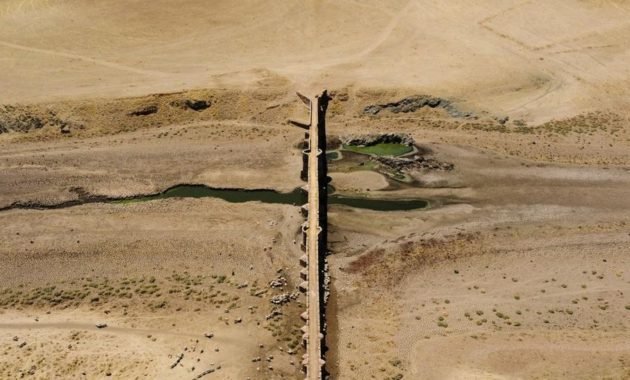
    The risk of tsunami in Mediterranean coastal communities is expected to increase along with rising sea levels. While people in the Pacific Ocean and Indian Ocean, are often aware of the dangers. In contrast, in other coastal areas, including the Mediterranean it is often underestimated.

    UNESCO said the five at-risk communities in the Mediterranean would join 40 other ‘tsunami ready’ cities and towns in 21 countries next year. In addition to Marseille, Alexandria, and Istanbul, they include Cannes and Chipiona, a city on Spain’s Atlantic coast near Cádiz.

    The ‘tsunami prepared’ program is part of a UNESCO effort launched ahead of the UN Oceans conference in Lisbon, Portugal next week, to ensure all communities at risk will know what to do in the event of a tsunami by 2030.

    “The 2004 and 2011 tsunamis are a warning. We have come a long way since 2004. We are safer today. But there are gaps in preparedness and we need to improve; we need to ensure that warnings are understood by visitors and the community,” said Bernardo Aliaga, lead tsunami expert at UNESCO as reported by Unilad.

    The 2004 Indian Ocean tsunami was the deadliest in history. The tsunami killed about 230,000 people in 14 countries. The 9.1-magnitude earthquake and tsunami in 2011, which reached a height of nearly 40 meters (130 feet), killed 18,000 people in Japan.

    Bernardo Aliaga said authorities in the cities were working on a tsunami ready for preparedness. This includes evacuation signs and procedures, as well as plans to warn tourists.

    The program will be launched at a UN maritime conference in Lisbon next week. Tsunami-ready is an effort to ensure that all communities at risk know what to do if a tsunami occurs in 2030.

  • The Earth is getting hotter, Humans are in danger of Mass Extinction?

    The Earth is getting hotter, Humans are in danger of Mass Extinction?

    The increasing temperature of the Earth due to global warming poses a threat to living things, including humans . But are humans threatened with mass extinction due to global warming?

    Quoted by Live Science , the current rate of extinction of life on Earth does not qualify as a mass extinction event. Although the current trend is towards this.

    So far there have been five mass extinctions that have occurred throughout Earth’s 4.5 billion year history. The five previous major mass extinction events were the Ordovician-Silurian extinction that occurred about 440 million years ago.

    The Late Devonian extinction occurred about 365 million years ago, followed by the Permian-Triassic extinction ( 253 million years ago). The Triassic-Jurassic extinction (201 million years ago), and the Cretaceous-Paleogene extinction occurred about 66 million years ago.

    To quote the National History Museum ‘s website , a mass extinction is when the number of species disappears much faster than they are replaced. Usually, an extinction falls into the category of mass extinction if 75 percent of the species on Earth are lost in a short period of time, about 2.8 million years according to geological time.

    Katie Collins, Curator of Benthic Molluscs at the Museum, said it was difficult to identify when the mass extinction may have started and ended. But the five previous extinction events can be a reference when the sixth mass extinction will occur.

    However, Katie admits the current rate of species extinction is alarming. “The current extinction rate is between 100 and 1000 times higher than it was during the pre-human background rate of extinction, which is very surprising. We are actually headed for a sixth mass extinction,” he said.

    When a species becomes extinct, its role in the ecosystem is usually replaced by a new species, or another species becomes extinct as well. The normal rate of species extinction on Earth is estimated to be between 0.1 and 1 species per 10,000 species per 100 years. That is called the background rate of extinction.

    On the other hand, Kunio Kaiho, professor emeritus from the Department of Earth Science, Tohoku University, Japan, stated that the background rate is useful for experts to understand normal extinction rates.

    According to him, “5-10 percent of species extinctions in 1 million years correspond to background rates. Higher rates “such as more than 10 percent of species extinctions in a short period (such as hundreds of years) are significant events,” he said.Kaiho added that the mass extinction caused more than 60 percent of species to be wiped out. But apart from that, there are minor mass extinctions that occur more frequently.According to Kaiho in the journal Biogeosciences, climate change is causing extinction rates to rise. However, the current rate is not yet classified as a mass extinction by a very strict definition.To meet the definition of a mass extinction, scientists must observe the extinction of 60 percent of species and 35 percent of genera (plural of genus). But again, that doesn’t mean Earth isn’t headed for a sixth mass extinction.Kaiho argues, the sixth mass extinction is different from the five previous mass extinctions because it is caused by climate change due to human actions. The climate change, said Kaiho, is gradual rather than drastic or sudden.For this reason, mass extinctions may not occur in the near future. However, there are minor extinctions that will occur.On the other hand, there is a different opinion from David Storch, professor of the Department of Ecology at Charles University, Prague. According to him, human behavior such as habitat changes due to deforestation and pollution, along with excessive hunting of animals, have a more significant role in the current rate of mass extinctions than global warming.”The current mass extinction rate is about two magnitudes higher than the normal extinction rate,” David said.(can/lth)

  • Definition & Examples of Inorganic Waste

    Definition & Examples of Inorganic Waste

    Understanding Inorganic Waste & Examples of Inorganic Waste – Sinaumedia readers, did you know that inorganic waste takes approximately 500 years to decompose? This of course will have a negative impact on living things on earth.
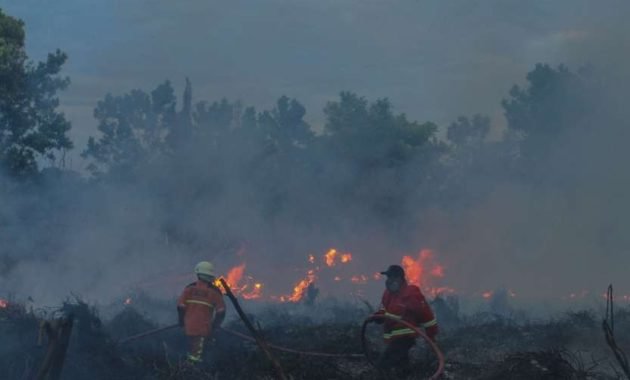
    n fact, many parties have tried and urged the people around them to be able to sort and choose which is inorganic waste and which is organic waste. 

    This problem is very crucial so that in-depth knowledge related to inorganic waste is needed. Therefore, this article will provide an explanation about inorganic waste. Listen to the end of the discussion.

    What is Inorganic Waste?

    Inorganic Waste

    Inorganic waste is a kind of garbage or the rest of the material that is not easily decomposed which usually does not originate from animals and plants. Inorganic waste can be in the form of plastic, glass or glass bottles, cans, paper, and other food wrappers.

    It should be noted that most inorganic wastes do not decompose naturally. Even if there is something that can be decomposed naturally, the waste will take a longer time when compared to organic waste.

    The danger is that if inorganic waste is allowed to accumulate, it will result in the emergence of various diseases, such as cholera and diarrhea. Not only that, various environmental pollution can also occur, such as soil and water pollution.

    Based on the type, inorganic waste is divided into three, namely solid inorganic waste, liquid inorganic waste, and gas inorganic waste. For a more complete explanation of the three types of inorganic waste, see the explanation below.

    Types of Inorganic Waste

    Inorganic waste is divided into several types. This division is useful for determining what processing is appropriate to do so that waste or garbage does not damage or pollute the surrounding environment.

    The following are the types of inorganic waste based on their form, including:

    1. Solid Inorganic Waste

    Solid inorganic waste is waste that is hard, solid, and can be touched or handled. There are also solid inorganic wastes that cannot be touched because they contain hazardous chemicals. As for examples of solid inorganic waste, namely aluminum, iron, base, belong bottles, plastic, and several similar items.

    2. Liquid Inorganic Waste

    This inorganic waste is in the form of a very dangerous liquid originating from a factory or production company. Generally, these factories or production companies channel this liquid inorganic waste into rivers so that the living things that live there and the local environment will be damaged and polluted.

    Not only from factories or production companies, this liquid inorganic waste can also come from household activities or activities, such as from washing soap and detergent. Actually, the most dangerous thing is the waste from oil spills in the sea.

    3. Inorganic Waste Gas

    Inorganic waste gas or wind is waste that cannot be touched by the senses. Generally, this inorganic waste gas comes from chimneys in production factories. The smoke or steam will be very dangerous because it can cause the earth to be hotter, prone to acid rain, and various pollutants will increase.

    Apart from factory chimney smoke, this inorganic waste gas can come from gas or motor vehicle fumes that contain carbon monoxide or CO gas which if inhaled will be dangerous, and can even cause death.

    Inorganic Waste

    Characteristics of Inorganic Waste

    To make it easier to know in detail what inorganic waste looks like, first identify the characteristics and characteristics of inorganic waste. The following will briefly describe the characteristics of inorganic waste, including:

    1. The main characteristic of this inorganic or non-natural waste is that it is not easily biodegradable . This means that this inorganic waste will require a fairly long period of time to decompose and decompose naturally. In fact, some of these types of waste take decades to decompose into smaller substances, elements, or particles, such as undersea plastic waste.
    2. Next, the characteristic of this inorganic waste is that it is obtained or made from manufactured or synthetic materials . For example, styrofoam , which is an inorganic type of waste made from a mixture of synthetic materials, such as polystyrene and CFC gas, both of which can damage and thin the ozone layer or O3.
    3. Another characteristic of inorganic waste is that it can be processed through a recycling process . Although this inorganic waste is not easily decomposed as described in the first feature, this waste can be processed through a recycling process, either processed for other needs or processed into new goods which are certainly more useful. For example, plastic bottles can be processed into handicrafts and used as plant pots or the like.

    Examples of Inorganic Waste

    Here are some examples of inorganic waste, among others.

    • Plastic
    • Low Density Polyethylene (LDPE) and Low Linear Density Polyethylene LLDPE, which are types of agricultural plastic used for straw, greenhouse covers, and the like.
    • High Density Polyethylene (HDPE), which is a type of agricultural plastic used for pesticide containers or nursery pots.
    • Polypropylene (PP), a type of thermoplastic polymer used for woven tarpaulins, and so on.
    • Polystyrene (PS), a type of synthetic aromatic hydrocarbon polymer agricultural plastic used for nursery containers or media.
    • Crackle Bag
    • Iron Metal
    • Steel Waste
    • Broken Glass and Ceramics
    • Detergent Water
    • Leftover Bath Soap
    • Aluminum Cans
    • Textile Waste
    • Waste Oil
    • Bottle cap
    • Styrofoam
    • Used tires
    • Various Electronics
    • Pesticide Disposal

    Recently, the world has been fussed over by the presence of plastic pollutants and petroleum contaminants in the sea. Also the presence of radioactive pollutants and air pollution.

    Knowledge about the threat of human negligence, needs to be transferred to students as the foundation of hope for the nation’s leaders in the future. This book is expected to be able to provide insight regarding problems that occur in the environment, especially the problem of marine pollution.

    Examples of Inorganic Waste
    Examples of Inorganic Waste

    What are the Negative Impacts of Inorganic Waste?

    As is known, inorganic waste will have a negative and bad impact or influence not only on the environment, but on living things that live and live in that environment.

    Many people have tried to destroy inorganic waste in various ways, such as throwing it into the sea, burning it, and even dumping it in the ground.

    1. Negative Impact of Burning Inorganic Waste 

    Burning inorganic waste is tantamount to provoking air pollution. Then, the smoke that will be produced from burning the waste can threaten health, such as health for the lungs and heart. This is because the various pollutants contained in the inorganic waste will be dangerous and threaten health because of the toxic content or elements.

    2. Negative Impacts of Disposing of Inorganic Waste into Rivers and Seas

    Then, throwing inorganic waste into rivers, even into the sea will increase water pollution. Water which has a function as a source of human life, especially for drinking, bathing, washing, and other needs becomes very dangerous when used. Not only that, the disposal of inorganic waste into the sea will threaten the safety of marine biota.

    The United Nations or the United Nations has stated that 2.2 billion people do not have access to adequate and proper drinking water services. The amount of clean water available is still very less compared to the amount they should need.

    Experts also say that about 4.8 to 12.7 tons of waste enters the seabed every year. Inorganic plastic waste that gradually breaks down will form microplastics which in turn will be consumed again by humans, thus threatening health.

    Not only humans, but also animals. Imagine how many animals have died due to their inadvertent eating of inorganic waste that has been produced by humans. It is this waste or garbage that brings disease to the animals.

    Negative Impacts of Disposing of Inorganic Waste into Rivers and Seas
    Negative Impacts of Disposing of Inorganic Waste into Rivers and Seas

    3. Negative Impacts if Inorganic Waste is Piled on the Ground

    Inorganic waste that is attempted to be stockpiled can also have a bad impact, namely soil pollution. Groundwater can contain toxins because the soil has been mixed with various types of inorganic waste that contain toxic or toxic substances.

    Until finally, the balance of the ecosystem is also disturbed and has an impact on plant growth. Hoarding inorganic waste in the soil will not make the waste disappear or disappear, but rather cause problems.

    In addition, the fertility of the soil is disrupted which in the end the bad or negative impact returns to humans. Therefore, it is very important to pay attention to these inorganic wastes and return to pay attention and think about this problem seriously and carefully.

    Used plastic bottles that are considered trash can turn out to be useful items, even worth selling, and indirectly we protect the environment because it helps reduce the amount of waste.

    Benefits of Inorganic Waste

    Inorganic waste is indeed a threat to the environment, but currently, inorganic waste management has been considered. This has resulted in the threat of inorganic waste being slightly reduced, although not completely.

    There are several inorganic wastes that can be processed and recycled and are environmentally friendly so that they can be reused. Then there are some important benefits of inorganic waste that you and all of us need to know. Here are some of the benefits of inorganic waste for human life, including:

    1. Inorganic Waste as a Basic Material for Making Handicrafts

    In this increasingly modern era, creative hands have emerged from the people of Indonesia and also the world so that they have started to see and consider the benefits or hidden uses of this inorganic waste.

    The first benefit of inorganic waste is that it can be used as material for making handicrafts or handicrafts. As for several types of handicrafts which are derived from inorganic waste, it turns out that they have high economic value or selling value. Moreover, handicrafts from the processed inorganic waste can develop into a business or business opportunity that is quite large.

    How come? Yes, that’s because, as explained earlier, creative hands have emerged so that even inorganic waste materials can be transformed and managed into various types of handicrafts that are useful and of sale value.

    Inorganic Waste as a Basic Material for Making Handicrafts

    2. Reusable _

    The term reusable means that an inorganic waste or similar material does not need to be disposed of. In other words, in the end, this type of waste will not be different, but can be useful and reused without having to be disposed of.

    For example, used cardboard. If used cardboard is disposed of, of course the cardboard will become one of the materials or inorganic waste that can pollute the environment. However, the cardboard can be used for other needs or purposes. Until finally, the cardboard is not a waste, but can be useful and used for other purposes.

    3. Inorganic Waste can be Melted to Make Other Goods

    There are some inorganic wastes, such as plastic and metal, which are inorganic wastes with high economic value. As we know that metal materials or waste can be smelted or re-melted together with other metals. Then, the metal that has been melted will return to a liquid metal that can be transformed into a new form.

    For example, scrap metal from collectors can be taken to a metal smelter. Then, after the irons are melted down and some other chemical elements are added, the melted iron becomes new iron that can be used and reused.

    4. Inorganic Waste for Recycled Materials

    Inorganic waste is often used as a material for recycling. Generally, the material used for recycling is plastic waste which is easy to collect and then recycle.

    This recycling of inorganic plastic waste can reduce the possibility of the accumulation of other inorganic wastes that exist. This is certainly a positive impact on the state of the environment around us.

    5. Inorganic Waste Can Make Money

    Next, inorganic waste can generate money. Because besides being made and processed into handicrafts which are then sold and make money, of course you can also sell bottles and used inorganic waste. You can sell inorganic waste, such as used batteries, used newspapers, and the like to used goods collectors.

    Of course, you can exchange this for something in the form of cash. Although the amount obtained is not much, but this will be very profitable if we do it regularly. Because, apart from being able to help clean up the surrounding environment from inorganic waste, you can also get money from sales to these used goods collectors.

    How to Treat Inorganic Waste

    In order to avoid the bad impact of inorganic wastes, it is necessary to carry out appropriate utilization methods, namely recycling inorganic waste into goods that can be reused.

    However, there is an important point that must be done, namely separating in advance which is organic waste and which is inorganic waste in your home. Thus, waste that is still fit for recycling will be easier to process.

    How to Treat Inorganic Waste
    How to Treat Inorganic Waste

    Below will be explained several types of waste that can be reused

    1. Inorganic Waste in the form of Cans

    Canned waste is a type of waste that cannot be decomposed even though it has been waste for hundreds, even thousands of years. Therefore, as much as possible we use inorganic waste cans as recycling material so that the quantity of waste does not continue to soar.

    The simple way is to use used drink, paint, or food cans as flower pots or media to store other items.

    2. Inorganic Waste in the form of Glass Bottles

    In waste treatment or recycling facilities, inorganic waste in the form of glass bottles or glass bottles will usually be reprocessed into new bottles.

    3. Inorganic Waste in the form of Paper

    Management of inorganic waste in the form of paper can be done at home. The trick is to collect some books or papers that are no longer used (used), then hand them over to a waste bank or to a waste paper collector in places that are specifically meant to recycle such inorganic waste.

    Instead of just piling them up or throwing them into the sea, it would be nice if the remaining papers were processed into useful recycled paper, such as bags, masks, and some other handicrafts.

    4. Inorganic Waste in the form of Fabric

    We often ignore the existence of inorganic fabric waste. Clothes, pants, and the like that are not used have piled up in the closet. To overcome this, there is a way to reuse it so that its use can also change. For example, clothes that are no longer used can be used as mops, rags, or donated to people who need it more if the clothes are still fit for use.

    As for inorganic waste craftsmen, usually inorganic waste in the form of cloth will be modified into a dispenser cover, table cloth, and even blankets.

    5. Inorganic Waste in the form of Plastic

    Currently, inorganic waste in the form of plastic such as used food packaging has been processed into various kinds of crafts, including handicrafts for wallets, tissue holders, small bags, and even clothes.

    That way, if we encounter plastic waste at home, it would be nice not to just throw it away. Try to separate and clean it from other waste, then you can give it to a waste bank or to an existing recycling place.

    Hopefully this article can add to your insight, yes!

  • From Spark to Blaze: The Causes and Impacts of Forest Fires

    From Spark to Blaze: The Causes and Impacts of Forest Fires

    Causes and impacts of forest fires – Before discussing fires, of course, we must first know what the definition of fire is. In this case, of course, fire has a role as a trigger for a fire that occurs somewhere. A small fire can become big and start a fire.
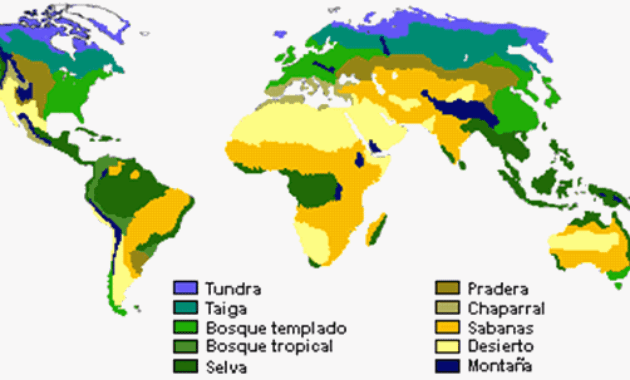
    Fire is a chemical reaction formed from three elements, namely heat, oxygen, and fuel that produce light and heat. The three elements are combined and become one element, namely fire. That’s why the fire we see today can produce light as well as a sense of heat around it.

    There is so much to know about water, fire, and air, such as their uses, properties, sources, and dangers. This book is perfect for those of you who want to know. Learning becomes fun and adds insight.

    Fire itself is an uncontrolled fire that can damage safety and property around us. The nature of the fire before the fire becomes very large, usually burning nearby objects within 3 to 10 minutes. That is why if a fire occurs in a residential area, it will spread to nearby houses. Especially if the fire occurred in the forest. All life in the forest such as flora, fauna, and even humans can also die because of fires that occur.

    Therefore, on this occasion, Sinaumedia will discuss the causes and impacts of forest fires. For those of you who are curious about the causes and effects, let’s look at the following review!

    Forest fires

    Forest and peat fires are surface fires where fire burns fuel such as, (debris, trees, shrubs, etc.) above the surface. Then, the fire spreads irregularly below the surface (earth fire), burning organic matter through peat holes and roots of bushes/trees, the tops are bound to catch fire.

    In its development, the fire spreads both vertically and horizontally in the form of smoke pockets, burning with only white smoke visible above the surface. The fire will be very difficult to extinguish, considering that the fire starts underground and only smoke rises to the surface.

    Previously, Indonesia had experienced forest fires with the largest volumes, these fires occurred in 1982, 1983, 1991, 1994, 1997, 1998, 2006 and 2015. Fires in 2015 covered 80% of Sumatra’s area with thick smoke from fires. The impact of forest fires is certainly detrimental to various parties, ranging from the economy, health, and also social society because the smoke also disturbs neighboring countries. Therefore, it is necessary to take serious handling of this disaster and analyze the causes of its occurrence.

    Forest fires in indonesia
    Forest fires map in indonesia

    Causes of Forest Fires

    The causes of forest fires certainly have various things, namely from nature and humans. Here are the causes that make forest fires.

    1. Prolonged Drought

    The dry season that is too long is the cause of forest fires because nature is difficult to control. These fires are often started by the friction of trees or dry leaves. Naturally occurring friction can cause fires and forest fires. Forest fires due to the long dry season often occur on mountain slopes.

    2. Lightning Strike

    Lightning is a natural cause of forest fires. In general, lightning strikes have a greater impact in the dry season. If the soil with vegetation is dry and flammable. Sometimes lightning causes fires in rough, hard-to-reach terrain.

    Just like what happened in California in August 2020. Lightning continued to strike for almost three days. This occurred as many as 12,000 strikes and sparked large-scale fires. This fire is recorded as the largest fire in California.

    3. Volcanic Eruption

    Volcanic eruptions are the cause of forest fires that occur naturally. These forest fires become more intense in the long dry season. The greatest risk is that the vegetation area will be burned by the volcanic material ejected during the eruption.

    Forest fires in mountainous areas are difficult to control and invisible. Usually, only clouds of white smoke can be seen from a distance. If you see smoke from the mountains, it indicates that the vegetation is burning.

    Volcanic Eruption

    4. Indiscriminate Deforestation

    Mass indiscriminate logging is one of the causes of forest fires that should not be underestimated. Especially if people do logging carelessly. Deforestation machines are a cause of fire hazard, especially in the dry season because these machines emit sparks.

    5. Throwing Cigarettes Carelessly

    Smoking in the forest can cause forest fires. This time, not natural, but man-made. The risk is even greater when the vegetation dries up due to the long dry season. Not to mention cigarette sticks and dry leaves can burn if rubbed against each other. So, be careful when in the forest. To protect the environment, do not throw cigarette butts carelessly.

    6. Wildlife Hunting

    Hunting for wildlife also indirectly causes forest fires. Especially if the hunters hunt with firearms that can cause sparks. This not only depletes the forest, but also threatens the flora and fauna that inhabit the forest.

    7. Land Clearing

    Forest fires can start naturally. However, this does not apply in the case of land clearing. Most human actions are the cause of forest fires. Just like what happened in Kalimantan and Sumatra. Forest fires flare when new land is cleared for oil palm trees. Even forest fires that occur affect habitats in rural and urban communities.

    If forest fires have occurred then it is not only plants and animals that are a problem. Various health problems related to breathing pose a threat to local residents. In this case, the government must intervene to overcome it.

    8. Wild Burn

    Illegal burning creates valuable land with a high level of vulnerability. Uncontrolled fires spread easily into this critical forest area. Illegal burning often leaves residues in the form of dry leaves, twigs, and branches that grow and accumulate in forest areas. During the dry season the residue from this illegal burning can dry up and cause new forest fires.

    9. Campfire

    The forest is truly the most comfortable place to pitch a tent and camp. Then make a fire to keep it warm. Unfortunately, many people are wrong. Campfire debris that is not extinguished properly can cause forest fires.

    10. Population Migration

    The next cause of forest fires is forest invasion or migration of people in the forest. Not many people know about this. In connection with the increasing needs of people’s lives and the increasing number of families. This requires the community to increase the area of ​​their land.

    11. Farm Animal Feed

    People who live around the forest, most of them raise livestock and graze making it a side job to meet the needs of their families. The needs of forage (Forage Forage) and grazing areas must be met.

    To achieve good quality and a high level of palatability, people usually burn grasslands that are no longer productive. After the prairie is burned, new vegetation will grow with better quality and higher nutrient content. But, of course, it could also burn the surrounding forest.

    Causes of Forest Fires

    Forest Fire Impact

    Fire certainly has a bad impact on living things on earth, especially humans. The following is the impact of forest fires.

    1. Loss of Habitat for Living Creatures in the Forest

    Forest fires in Riau that occur automatically can damage the habitat of local animals. Creatures that live in the forest are expelled and stop surviving, such as interacting, foraging, breathing, and so on. There were also rumors that a tiger had come out of the forest. He is looking for another place to live to replace what he has lost. Apart from being homeless, the creatures in the forest could die if they failed to escape.

    The creatures of the forest have been searching and finding new habitats will disturb the people. If this continues and there is no further treatment, losses will occur. Humans will also lose their habitat because they will be displaced by animals that have lost their homes.

    2. The fall of a big tree

    A tree that was supposed to live for many years accidentally fell. The existence of what is happening will also be disturbed. If this continues, forest fires continue to occur and are not accompanied by appropriate repairs, we will lose green open spaces that can produce oxygen and natural resources. Indeed this time the results are not small, but the losses will be much greater.

    The disadvantage is that the existing agricultural land is used for construction and settlement, while the forests inhabited by other organisms are instead used to expand arable land. In the future, our generation will only think that the forest is just a fairy tale because the past has come, they can’t find the forest. The absence of the forest would also cause a lot of damage. Such as floods, landslides, global warming, and rising temperatures.

    3. Disrupted Health

    Forest fire smoke can cause local irritation of the mucous membranes of the nose, mouth and throat in direct contact with the smoke and cause allergic reactions, inflammation, and possibly infection, from ARI and if severe can cause pneumonia.

    The ability of the lungs and respiratory tract to fight infection is also impaired, making infection more likely. Acute Respiratory Infections (ARI) are becoming more likely to occur, mainly due to an imbalance in the immune system (host), bacteria/viruses, and other pathogens (agents) as well as a bad environment.

    4. Hard to Find Clean Water

    Forests are containers for water which is necessary for survival. If the forest continues to be drained, automatically nothing can hold water, both rainwater and mountain water. The presence of water and forest is proportional. If the forest is depleted, there is nothing left to hold water, reducing the groundwater supply (artesian).

    If this continues, it will be difficult for living things to get clean water. Losses due to lack of clean water, including public health, will be disrupted, the water cycle will be disrupted so that it affects climate change such as long droughts, and irregular rainfall cycles.

    5. Disrupted Economy

    This can happen because the smoke from pollution due to forest burning is very thick as a result, it disturbs residents to carry out economic transactions. This loss has an impact on residents because it can reduce the income of residents who work in the private sector. In addition, regional agencies also interfere with activities based on regional governments in carrying out regional development.

    Forest Fire Impact
    Forest Fire Impact

    6. Global Warming

    Due to the inclusion of chemicals such as carbon monoxide (CO) and aldehydes, pollution from intentionally forest fires is much more dangerous than natural forest fires. The disadvantage of contaminated smoke is that it interferes with public health and prevents plants from photosynthesis.

    In addition, the harmful effects of ozone, nitrogen oxides, carbon dioxide, and hydrocarbons. Different types of substances can travel long distances and be converted into other gases such as ozone or particles such as nitrate species and organic oxygen during this transport. The ozone layer can also be destroyed by these chemicals. When the ozone layer is damaged, the Earth’s surface temperature rises, global warming occurs, and the polar ice caps melt.

    In addition, UV rays radiate directly to the earth (nothing is in the way). It can also affect public health, including UV-induced skin cancer. The next disadvantage is the greenhouse effect it causes. This is because the smoke produced blocks the heat bouncing off the biosphere.

    As a result, the heat bounces off the surface and reflects the smoke that is present and cannot escape. If this continues, the greenhouse effect that occurs can melt polar ice, and if this happens the country could sink.

    The dynamics of changes in pollutants that enter the environmental body are increasingly varied in quality and more in terms of quantity, this is influenced by the high variety of human activities on earth. The entry of pollutants into the environment will have a direct and indirect impact on the environment and public health in the area. To anticipate this, an analysis of the potential risks both to the ecology and the community is carried out early so that the pollutant rate can be controlled and a prevention scenario is also made.

    7. Limited Food Ingredients

    Limited community activities outside the home or area hamper community farming. Not only because the community cannot carry out agricultural activities as usual, but also because the plants that are growing are no longer able to return to their optimal level.

    If this happens, the community will be malnourished. Even the food provided by the government is limited and cannot reach remote areas. The disadvantage of this food shortage is that long-term starvation can lead to death.

    that’s the article on the causes and effects of forest fires. Of course, these forest fires have a very bad impact on life on earth. Especially if this forest fire occurs because of human activity. With this, we must be able to maintain the forest as the lungs of the world so that we can still live healthy on earth.

  • From Tundra to Desert: An Overview of Biomes and Their Definition

    From Tundra to Desert: An Overview of Biomes and Their Definition

    In an ecosystem, organisms interact with each other with their environment, in this case, the notion of a biome becomes a very wide geographical area and is larger than an ecosystem itself.
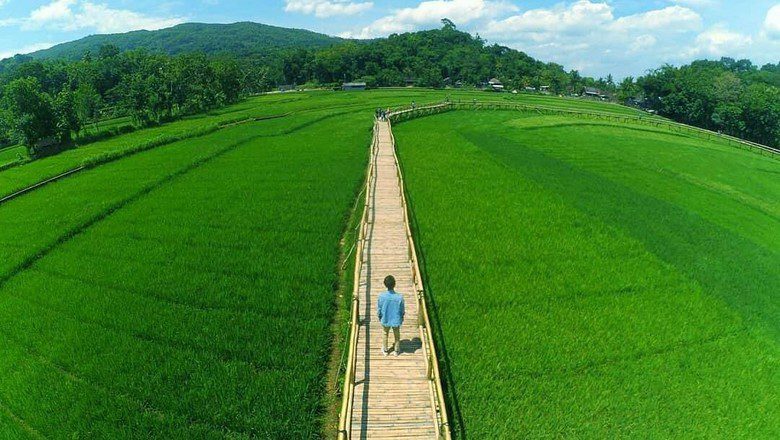
    Biomes themselves are named and grouped according to climate and the plants and animals that live in them.

    If you want to travel around the world, you can visit dry deserts that have lots of cacti, cold poles with minimal plants, to humid tropical rain forests. These different areas of the Earth are called biomes.

    Below is complete information about the definition of a biome along with other important information. Listen well yes.

    Definition of biome

    1. In General

    A biome is a large area of ​​land classified according to climate, and the plants and animals that make their homes there. A biome contains many ecosystems within the same area.

    Land-based biomes are called terrestrial biomes. Water-based biomes are called aquatic biomes. Temperature, amount of precipitation and common organisms characterize the world’s biomes.

    2. According to Experts

    The following is the definition of biome according to experts, namely:

    a. Charles Kendrich

    The definition of a biome is a part of a large variety of geographical units in the earth. In the biome, it is seen based on the number of differences that exist in the types of vegetation from the climate and the environment in which flora and fauna live, which has no boundaries.

    b. Wikipedia

    The definition of a biome is an area that has the same geographical / climatic characteristics and includes communities of animals, plants, bacteria, soil organisms, and viruses.

    The scope of the biome includes several ecosystems along with large and distinct regional elements of the biosphere.

    A biome is characterized by the presence of a distinctive plant and animal community.

    Within the Earth itself, biomes can be grouped into seven main types of biomes, namely tropical rain forests, grasslands, savannas, deciduous forests, deserts, tundra, and taiga.

    The vegetation that takes place in each environment has its own uniqueness.

    The uniqueness of plant vegetation is a form of plant adaptation to a unique growth environment.

    bioma

    Function of Biome

    the determination of biome in a particular area is done not without reason, specifically in the biological aspects related to the diverse classification of flora & fauna.

    Well, here are some functions of determining biomes that you need to know, namely:

    • Facilitate data collection activities for various types of flora and fauna species.
    • Facilitate the process of grouping various types of flora and fauna that have just been discovered / known.
    • As a method to find out the types of flora and fauna by observing the way of life of these living things in adapting to their environment.
    • Help so that the arrangement of certain populations can run easily and smoothly.

    Characteristic of Bioma

    As mentioned above, biomes are created due to differences in geographical location between regions, the intensity of sunlight, and also rainfall.

    From this review, it can be seen that the biome has the following characteristics:

    • Can be recognized by looking at the main vegetation.
    • Occupies a very wide area / area.
    • It is a collection of various types of population.
    • Created as a result of the interaction between the environment and organisms that live in the environment itself.
    • In a biome, there are producers, consumers, and decomposers (decomposers).
    • The community life is quite stable, unless something happens that can cause the community to become unstable/disturbed.
    • The name of the biome is generally given by looking at / adjusting to the dominating vegetation.

    Factors Affecting the Biome

    Referring to the understanding related to biomes, we can conclude that the existence of a biome with all its characteristics can be caused by several factors.

    Here are some factors that have a great influence on the state of the biome, among them are:

    • Geographical location.
    • Rainfall.
    • Climatic conditions / conditions.
    • The intensity of light from the sun.

    Kinds of Biomes

    After knowing the various reviews related to the definition of the biome above, then you need to know the types of the biome itself in the review below.

    1. Grassland Bioma

    mongolian-Manchurian-Plain-grassland

    Grasslands can be found in tropical / subtropical areas. The rainfall in this biome is 250-500 mm/year.

    Steppes or savannas are generally located in the border area between the tropics and subtropics. For example, in Southern Russia, Hungary, South America, Central Asia, and Australia.

    The following are the characteristics of the prairie or steppe biome, namely:

    • Has poor porosity and drainage due to irregular rain.
    • During the day, the air temperature is 45 degrees C. At night, the air temperature can reach 0 degrees C.
    • Evaporation (evaporation) is easier than precipitation.
    • The humidity is very low.

    The predominant plant on this type of biome is grass. No wonder when experts refer to it as grassland biome. Stepa itself is a term for grassland for Russian society.

    While the animals that can be found in this place are zebras (Africa), bison (America), lions, kangaroos (Australia), wild dogs, wolves, and cheetahs.

    2. Desert Biome

    Desert Biome

    The desert is known for its area of ​​minimal rainfall. The average rainfall in the desert can be said to be very low, which is below 20 cm/ year.

    Extreme temperatures that can occur in desert areas can reach 60 degrees C. It is not surprising that the soil structure is very fragile.

    Even so, there are still animals and plants that can survive in this desert biome.

    Examples of plants that can live in the desert biome are succulents, cacti, eucalypts, and plants with other stiff leaves.

    And for the animals themselves there are camels, scorpions, spiders, snakes, lizards, and several types of insects.

    3. Tropical Forest Biome

    Tropical Forest Biome

    The definition of a tropical forest biome is one type of forest that is very fertile and can only be found in the tropics. The diversity of plants that live in this biome is also very high.

    You can find this type of biome along the Amazon River – Orinoco, Central America, and most of Southeast Asia, Papua New Guinea, and the Congo Basin in Africa.

    The following are the characteristics of the tropical forest biome, namely:

    • Has a temperature range of 25 degrees C – 31 degrees C.
    • Has a high rainfall throughout the year, namely 200 – 225 cm/ year.
    • There is no significant change in temperature from one month to another.
    • Illuminated with sunlight all year round.
    • There are lots of big trees that make the area in the forest seem always dark.
    • Has very fertile soil.

    The plants that you can find in this biome include woody plants with a height of 20-40 m, epiphytes, rattan, bird’s nest nails, orchids, and others.

    And for the animals are squirrels, monkeys, various types of birds, lions, tigers, jaguars, and other animals.

    4. Savannah Biome

    Savannah Biome

    In general, this one savanna is almost the same as a prairie. But what distinguishes between the two is the presence of trees that grow in spreads, such as palms and acacias.

    Advertisement

    This type of biome is located in the tropics and subtropics.

    The following are the characteristics of the savanna forest biome, namely:

    • Has a rainfall of 250 – 700 mm/ year. There is a uniqueness associated with the rainfall, that is, when the rainfall in the savannah is low (250 – 500 mm/ year), then the savannah will become a bush. However, when the rainfall is high (500 – 700 mm/ year), the savannah will turn into a rainforest.
    • The dry months last from December to February. The wet month takes place in May.
    • The intensity of the rain is irregular.
    • Drainage / water flow takes place quickly.
    • High porosity / permeation.

    Animals that can live in this type of biome are zebras, lions, giraffes, elephants, and buffaloes.

    The most famous sabana is in East Africa, specifically Tanzania, which is in the Serengeti Plateau.

    5. Taiga Biome

    Taiga

    The taiga biome is a biome dominated by leafy, needle-like plants.

    You can find this type of biome between the subtropics and the poles, such as Russia, Scandinavia, Alaska, Siberia, and Canada.

    The following are the characteristics of the taiga forest biome, namely:

    • Has a fairly high temperature difference in summer and winter.
    • The growth of trees takes place in the summer, which is between 3-6 months.
    • Has a rainfall of 250 mm/ year.
    • Summer only lasts 3 months, the rest is winter.

    Plants that can live in the taiga area are dominated by coniferous plants such as albus, pine, juniper, spruce, elder, and spruce.

    As for the animals that live in this biome, such as wolves, black bears, squirrels, and several types of birds.

    6. Deciduous Forest Biome

    Deciduous Forest Biome

    Autumn is one of the seasonal characteristics that you can only find in some subtropical countries / four seasons.

    So it is not surprising that the deciduous forest biome can only be found in subtropical areas, such as Korea, China, Japan, Australia, the eastern part of the United States, and England.

    The number of trees that live in this biome is not much and not too close. The various plants will wither / drop their leaves when winter arrives.

    The following are the characteristics of the deciduous forest biome, namely:

    • Has a high rainfall throughout the year, namely 700 – 1,000 mm/ year.
    • It has four seasons, namely spring, winter, summer, and autumn.
    • Has a wide variety of low plant types.
    • The trees that live in this forest have leaves that are not too wide.

    The animals that can live in this forest are deer, wolves, bears, and woodpeckers.

    7. Mangrove Biome

    You can find mangrove biomes along the coast in tropical and subtropical regions.

    One of the functions of this mangrove forest is to minimize the effects caused by seawater abrasion.

    In Indonesia itself, mangrove forests are located along the east coast of Sumatra, the west and south coasts of Kalimantan, the Segara Anakan area, and Wonorejo Surabaya.

    The following are the characteristics of the mangrove forest biome, namely:

    • The water and soil have a high salt content.
    • The soil type is muddy soil.
    • The oxygen content in the water and the soil is low.

    Plants that can live in mangroves are mangroves, bogem trees, and firewood trees. As for the animals, there are crocodiles, fish, monitor lizards, and several types of birds.

    8. Tundra Biome

    Tundra is a term which means a plain without trees. It is clear that the tundra biome is a biome that is not inhabited by trees like other types of biomes. This is because the tundra biome is located in an area with extreme temperatures such as the polar regions.

    The vegetation in this tundra area is only in the form of moss and crust moss. The presence of tundra biome can be found in the Arctic and Antarctic regions.

    The following are the characteristics of the tundra biome, namely:

    • Has a very long winter duration, which is about 9 months.
    • It has very low rainfall, ie 100-250 mm/year.
    • The life span of the plants here is 3 months, exactly during the summer.
    • Most of the soil is source rock with little weathering.
    • The highest temperature there is only 10 degrees C and cold temperatures reach -35 degrees C.

    Plants that can live in the tundra biomass are mosses, crustaceans, and grasses.

    As for the animals that you can find in this area, namely penguins (south pole), polar bears (north pole), walruses, sea lions, polar dogs, wildebeest, thick hairy bison, and several types of birds.

    9. Sea Ice Bioma

    Sea ice biome is a biome that is located in sea ice / above frozen seawater that floats.

    The formation of the sea ice biome is the result of the interaction of all marine organisms from the polar oceans.

    10. Moss Forest Biome

    Moss Forest Biome

    You can find many moss forest biomes on the slopes of the mountains / mountains. A moss forest that is created in an area that is at the boundary of water vapor condensation.

    The most common plant found in moss forest biome types is moss. Moss growth that takes place on the surface of soil, rocks, and trunks of woody trees.

    This moss forest has various trees covered by moss. The moss forest biome has very high humidity as well as low temperatures.

    This condition causes dew to form and almost rains throughout the day.

    11. Seasonal Forest Biome

    Seasonal Forest Biome

    The seasonal forest biome consists of drought-resistant trees. These types of trees are included in trophophytic plants that can adapt to dry or wet conditions.

    During the dry season, the leaf form of plants in the forest biome this season is withered. On the other hand, during the rainy season, seasonal forest biome plants have dense leaves.

    The naming of the seasonal forest is adapted from the name of the tree type, such as teak forest and angsana forest.

    You can find many types of seasonal forest forests in Indonesia, especially in Central Java and East Java.

    Meanwhile, the types of fauna that are often found in the forest this season are deer, tigers, and wild boars.

    Also learn: Topographic Maps

    Examples of Aquatic Biomes

    Aquatic biomes are related to bodies of water.

    The following are some examples of aquatic biomes, namely:

    1. Marine Biome

    Marine biomes include the world’s oceans, the largest aquatic biomes, which are characterized by the presence of salt water. The oceans have various layers associated with the penetration of sunlight.

    2. Freshwater Biome

    The freshwater biome contains water where the salt concentration is very low and includes wetlands, ponds, lakes, and rivers.

    Lakes and ponds experience thermal mixing. This biome can accommodate waterfowl, fish, crustaceans, algae, and microorganisms.

    The river will continue to move towards the lake or ocean. Their current speed affects the types of species that live in them and also the clarity of the water.

    3. Coral Reef Biome

    Coral reefs are found in shallow parts of some tropical oceans. Made from the remains of various classifications of coral animals, this one reef accumulates over time and provides habitat for many underwater species.

    The Great Barrier Reef of Australia is a great example of a coral reef biome.

    4. Wetland Biome

    Wetlands are shallow bodies of water such as swamps and mud. They provide habitat for many plants as well as animals.

    On this type of biome has a stable water flow on freshwater wetlands.

    5. estuary Biome

    An estuary is where an ocean meets fresh water. Plants that can tolerate changes in salinity are referred to as holophytes. Estuaries offer important breeding sites for crustaceans as well as a variety of waterfowl.

    An example for a large estuarine biome is that of the Florida Everglades.

  • Types of Natural Resources: Examples and How to Conserve Them

    Types of Natural Resources: Examples and How to Conserve Them

    Understanding Natural Resources – Everyone knows, that everything that comes from the Earth, biosphere, and atmosphere is called natural resources. Natural resources have a very important role to meet the needs of all human life. In addition, natural resources are also important as human habitation.
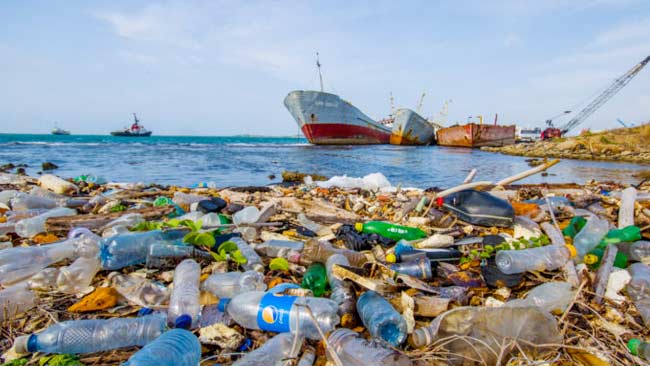
    There are many types of natural resources on earth. Natural resources can be classified based on their nature, potential, and types.

    Natural Resources Based on Their Nature

    First, the types of natural resources based on their nature, natural resources are divided into:

    1. Renewable Natural Resources (Renewable Resources).

    Renewable natural resources are types of resources that depend on their management, in the sense that they depend on human use. Inventories can increase or decrease.

    If it can be managed with good utilization, then this natural resource can increase and recover and then regenerate again. However, this type of natural resource can experience a decline if its use uses excessive exploitation methods.

    Examples of renewable natural resources are water, soil, air, plants and the sun.

    a. Water

    water natural resources

    Water is the most important compound for human life on Earth. As a natural resource stored in the earth, water can be found easily from wells, rivers, lakes, to the sea. Furthermore, water is used by humans to meet their daily needs, from drinking, bathing, washing, irrigating agricultural land and plantations, generating electricity, and providing transportation.

    b. Land

    Soil is part of the earth’s crust that contains minerals and natural organic matter. Soil is formed from weathering or erosion of parent rock (inorganic) mixed with organic matter. Soil has a very vital role for human life because it functions as a support for
    plants. The soil body consists of air (20-30%), water (20-30%), mineral matter (45%), and organic matter (5%).

    The benefits of land resources for human life are:

    • Provides nutrients for plants.
    • Provide food for plant biota.
    • Become a living habitat and carry out activities.
    • Become a source of raw materials for handicrafts and household products.

    c. Air

    In addition to water and soil, air is one of the most important compounds in the survival of human life. Air has an important role because it is a mixture of various gases which are colorless, odorless and tasteless. The presence of air is only visible from objects that are moved by air. Air has an infinite nature, where air always seeks and fills space.

    The benefits of air as a natural resource are:

    • Supports flower pollination.
    • Be a source for breathing.
    • Become an airplane flight path.
    • Communication channels through antennas to satellites.
    • Motivational energy channels.

    d. Plant

    Types of Natural Resources forest
    Forest

    Plants are multicellular eukaryotic organisms that live and belong to the plant kingdom (kingdom plantae). Plants as organisms that have chlorophyll or leaf green substances that function as a medium for creating food or commonly known as the process of photosynthesis. Please note that plant species can live and carry out photosynthesis need the help of sunlight.

    Well, the benefits of plants for human life are as food ingredients, medicines, food flavoring ingredients, natural dyes, and so on.

    e. Sun

    Quoted from the California Institute of Technology, the Sun or some people call it the sun is a star consisting of hot gas with a large mass, rotating, and shining. The sun is like the stars that are visible in the sky both day and night.

    The sun has a role in life as the source of life for all creatures. As the center of the solar system, life on planet earth is strongly influenced by the sun. The sun is not a solid mass and does not have an easily identifiable boundary. That’s because almost the entire layer of the sun consists of hydrogen and helium.

    The National Aeronautics and Space Administration (NASA) as the independent agency in charge of the space program argues that without heat and sunlight, planet Earth would be an ice-covered rock ball without life. The existence of the Sun is to warm the oceans, move the atmosphere, produce weather patterns, and provide energy to green plants as a provider of food and oxygen for life on Earth.

    2. Non-Renewable Natural Resources

    These natural resources are natural resources that will physically run out and cannot be reused. Examples of non-renewable natural resources are coal, oil and natural gas.

    Non-renewable natural resources are natural resources that are limited in number. This is because the use of these natural resources is faster than the process of their formation. If consumed continuously, it is certain that these resources will run out and become extinct.

    Examples of non-renewable natural resources are:

    a. Petroleum

    Types of Natural Resources Petroleum

    Petroleum is a concentrated liquid that comes from the top layer of the Earth’s crust. In the management process using the results of various geological studies. Where the study focuses on the location of petroleum sources or commonly called petroleum wells.

    Petroleum provides tremendous benefits to mankind around the world. Referring to the opinion of Puja Laksana, petroleum comes from living beings that die then are covered by layers of soil and rocks. The living creatures that died millions of years ago are commonly known by the term fossils, which are fossils that produce petroleum or fossil fuels.

    Petroleum itself consists of a mixture of hydrogen and carbon molecules formed from sediment or deposition of the remains of animals and plants trapped for millions of years. This process occurs due to pressure and temperature in the Earth’s crust, resulting in an oil reservoir located deep below the ground surface.

    The process of reservoir formation due to a layer of hard rock called the nest rock (cap rock). Petroleum is formed as a result of hydrocarbon processes in the soil that began about three million years ago. The formation process itself occurs at a temperature of 65-195 degrees Celsius at a depth of 5,000-12,000 feet.

    It is conceivable if the world’s oil supplies run out or run out. What will happen is that petroleum cannot be renewed because the formation process takes millions of years. Therefore, crude oil is classified as a non-renewable natural resource.

    Furthermore, to be used by humans, crude oil will go through a process of separation and cracking. This separation process has the principle that crude oil which is a mixture of all components will be separated. Each component of crude oil which is still a hydrocarbon is separated based on differences in boiling points.

    Here are the benefits of petroleum that have been felt by humans:

    • Be the fuel for cooking.
    • Become a source of fuel for transportation.
    • The basic ingredients for the manufacture or synthesis of compounds in paint, cosmetics, plastics, rubber, detergents, and so on.
    • Being a lubricant or oil in various vehicle engines.
    • Materials to make candles to produce batik, paper coatings for food, and so on.
    • Ignition fuel in large industries, such as Steam Power Plants.
    • The basic material for asphalt used in road construction, besides that it can also be used as an insulator.

    b. Coal

    coal

    Apart from oil, coal is also a fossil fuel. This makes coal a non-renewable natural resource. Coal is an organic sedimentary solid hydrocarbon fuel formed from the biochemical, chemical and physical decomposition of plants in oxygen-free conditions. The process of decaying plants takes place at certain pressures and temperatures for a very long time. This is what makes coal a complex mixture because it contains organic chemicals from carbon, oxygen, and hydrogen in one carbon chain.

    The definition of coal has actually been stated in Law no. 3 of 2020 concerning Amendments to Law Number 4 of 2009 concerning Mineral and Coal Mining. Coal is a naturally occurring deposit of carbonaceous organic compounds from plant residues. Quoted from the Indonesian Ministry of Energy and Mineral Resources in a press release number 246.Pers/04/SJI/2021, Indonesia’s coal reserves in 2021 will reach 38.84 billion tons.

    With an average coal production of 600 million tons per year. The supply of coal reserves in Indonesia is sufficient to last up to 65 years. In addition to coal reserves, Indonesia is noted to still have large coal resources of 143.7 billion tons.

    In the book “Coal and Its Utilization” published by Gadjah Mada University Press, the use of coal in Indonesia is prioritized as fuel for power plants and cement factories. Starting from 1993, Indonesia took steps to provide socialization related to the use of coal in the community as a household material and small industry.

    The benefits of coal include:

    • Become fuel for power generation.
    • The basic and main fuel for steel production, cement, alumina processing centers, paper mills, chemical and pharmaceutical industries.
    • Coal by-products include soap, aspirin, solvents, dyes, plastics, and fiber.

    c. Gold

    gold

    Gold has a very long history in the history of mankind. Gold is a valuable object because it can be used as a medium of exchange or as an investment asset. Gold itself is actually a chemical element in the periodic table that has the symbol Au (aurum) and atomic number 79. Chemically, gold is not only a good conductor of heat and electricity. Gold is also resistant to rust and corrosion because it is not oxidized with oxygen.

    This metal is soft and malleable so it is easy to shape. Its hardness, which only ranges from 2.5-3 on the Mohs scale, makes gold can be used as jewelry in various forms. According to a publication from the American Museum of Natural History, gold is formed as a result of deposits in fractured rock commonly called lodes, or veins.

    Just like oil and coal, gold also comes from within the Earth’s crust. Most seam deposits form when heated liquid circulates through gold-bearing rock, picking up the gold and concentrating it in new locations on the crust.

    Over millions of years, gold flakes are washed away with the water. Heavy gold settles on the bottom of rivers, lakes, and seas by forming placer deposits. In most of the Earth’s crust the concentration of gold is very low. On average, one tonne of rock from the crust contains 0.005 grams of gold, compared to 58,000 grams of iron.

    In everyday human life, gold provides benefits as a jewelry material and a commodity that has high economic value. The rare and limited nature of gold makes gold have an expensive price. In addition, the high price of gold is due to the high cost of producing it. As a result, until now the price of gold always rises because the demand also increases.

    Types of Natural Resources Based on Their Potential Use

    After understanding the meaning and types of natural resources by type. Next, we will discuss natural resources based on their potential use. There are three types of natural resources based on their potential use, namely:

    1. Material natural resources. This type of natural resource is only used in its physical form.
    Examples of material natural resources: iron, wood, cotton fiber, and gold.
    2. Natural resources of energy. This type of natural resource is used by utilizing its usefulness value as energy.
    Examples of natural energy resources: oil, natural gas, waterfalls, and sunlight.
    3. Natural resources of space. This type of natural resource is used for living or living space.

    Types of Natural Resources Based on Kinds

    Next are the types of natural resources based on the type, the types of natural resources are divided into two:

    1. Non-biological (abiotic) natural resources.

    These natural resources are inanimate resources. Examples can be found in our daily life, such as soil, rock, water, and wind.

    rock mines

    2. Biological natural resources (biotic).

    Natural resources are natural resources in the form of living things. Examples of biological natural resources are humans, animals and plants.

    How to Conserve Natural Resources

    Behind the enormous utilization and use, humans also have demands and obligations to participate in conserving the natural resources that exist on Earth. The real purpose of preserving natural resources is so that the next generation of humans can still experience the same benefits from natural resources as the Earth’s wealth in the future.

    Nature conservation is a principle in managing natural resources. Sustainable development (sustainable development) is one form of nature conservation is being echoed. Sustainable development is development that is carried out while meeting the needs of the present without compromising the ability of natural resources to meet the needs of future generations.

    The following are the principles of sustainable development:

    1. Equity

    Equitable distribution of natural resources is considered to be one of the ways that can prevent inequality in society and allow every human being to have equal access to the results of natural resources. This equity aims to ensure that each region can obtain a balanced development.

    2. Energy

    Energy as the key to the rapid development of human civilization needs attention. This is because the energy used on a large and massive scale can make energy from natural resources depleted and slowly depleted. Energy saving is one of the keys in conserving natural resources. Slowly, humans must immediately let go of dependence on non-renewable energy.

    power plant

    Humans must immediately switch to using renewable energy sources produced from renewable natural resources. Energy savings can be adapted for all types of natural resources by not using them in vain or looking for other alternatives to replace them. One of the definite steps to save energy that is currently being carried out is the use of sunlight as natural lighting and environmentally friendly electricity.

    3. Economy

    Economic principles that can support the preservation of natural resources are economic activities that are able to increase competitive capacity and development of basic infrastructure, such as housing, routes, to information infrastructure.

    4. Participation

    Without joint steps, the preservation of natural resources will not have a significant impact. Therefore, the principle of participation is the implementation of sustainable development that actively involves the community.

    5. Ecology

    Utilization of mixed land as much as possible is one strategy that can be done, in terms of ecology. As is now often done, namely the provision of Green Open Space (RTH), limiting excessive city expansion, and so on.

    Environmental problems can be caused by two factors, namely humans and nature. The human factor is the main cause of the many environmental problems that occur.

  • Contamination – Definition, Causes, Impact, Countermeasures and Examples

    Contamination – Definition, Causes, Impact, Countermeasures and Examples

    For this discussion we will provide a review of Contamination which in this case includes the Definition of Contamination, Examples of Contamination and Causes of Contamination.
    So in order to better understand and understand see the full review below.

    Definition of Contamination

    So what is meant by contamination? Definition of Contamination is a condition of mixing / contamination of something by other elements that give certain effects, usually a bad impact.

    The components that cause contamination are very diverse, both inanimate objects and living things. Contaminants that come from inanimate objects such as chemical compounds and dirt, while contaminants that come from living things such as microbes.

    And in general, the word contamination is always associated with something that means bad/negative. The use of the word “contamination” is often used for many things, including:

    • Food “food contamination”
    • Environment “environmental contamination”
    • “Cross-contaminating” foodstuffs
    • Language “contamination of words, sentences”

    Microbial Contamination in Foodstuffs

    • Microbial Contamination From Soil

    Soil contains various kinds of microorganisms that can be a source of contamination. If microbiologists want to look for a new type or strain of a microorganism for a particular purpose, they usually first look for it in the soil. Not only a few types, but in large numbers microorganisms are found in fertile soil, which can contaminate plants growing on the soil.

    • Microbial contamination from water

    Water in nature not only contains normal flora but also contains microorganisms originating from the soil and possibly also from animal waste. The water surface of rivers or ponds and the water at the bottom of large lakes and ponds may contain various kinds of microorganisms in units of millions per mm after a rainstorm, which is more numerous than the lake and pond at rest or there is no thunderstorm. Groundwater after spring will exit through layers of soil and rocks: because many bacteria live in the water, the number of bacteria in this water ranges from several hundred per millimeter.

    • Microbial Contamination From the Air

    Food contaminated from the air has an important role in sanitation for economic reasons. Organisms that contain disease, especially those that can cause infections of the respiratory system or in food that causes contamination. The number of microorganisms in food that can come from the air, especially when air is used as aeration in food products, although organisms enter by sedimentation from the air is always not a concern. Airborne mold spores cause problems with cheese, meat, condensed milk, sliced ​​bread and lard.

    Environmental Contamination

    Environmental contamination is contamination of food ingredients caused by environmental conditions that are less well maintained.

    Environment

    • Air: temporary medium for influenza viruses & bacteria
    • Soil : botulinum & C. Perfringens
    • Salmonella, Shigella, faecal Streptococci wastewater ,

    Other Sources:

    • Equipment: during use or storage
    • Equipment contamination from materials, workers and air
    • Overcome with: hygienic design and effective cleaning

    • Water
    1. Water as a cleaning medium Needs special safeguards. For example, ultra violet
    2. Garbage used for washing contains water that has a waste flora
    3. The good places for the bacterial micro-organisms are Clostridium batulinum and Clostridium perfingens. Can be found in the setup and save area in a variety of ways
    4. With food and wrap
    5. With the shoes of the workers
    6. With air (almost every dust belongs to the sewer class

    • Air
    1. Air pollutes processing, packaging, storage and preparation sites ditempat
    2. Polluted air is caused by several factors. Dew drops when talking, sneezing, coughing can be the center of micro-organisms

    • Waste
    1. Poor waste management: sources of contamination
    2. Can pollute water sources, rivers, lakes, seas so that food from these waters can be polluted

    Production place

    1. Judging from the cleanliness of the floor used, if there is standing water it can be a source of contamination in food.
    2. Door handles contaminated with workers’ hands, processing equipment surfaces contaminated with microbes, can contaminate the product being processed.
    3. On the walls that are dirty and not cleaned as a breeding ground for microbes
    4. On the tools used in the cooking process

    Product raw materials

    Contamination contained in the raw food product itself. Prior to the processing, the product has been contaminated with bacteria, this can be caused by unfavorable environmental conditions, bacteria present in the animal (eg cattle affected by anthrax), raw material handlers who are less hygienic (cross contamination)

    • Contaminants from raw materials:
    1. Microbes from soil, water, pesticide residue
    2. Animals: microbiology, antibiotics, hormones
    • Meat
    • salmonella
    1. Knives and tools when slaughtering
    2. Hair, skin, digestive tract, respiratory tract.
    3. Contamination during: slaughtering, cutting, processing, storage and distribution
    4. Carcass contact with dust or other debris
    • Milk
    1. Cow, milker
    2. Cross contamination: worker, container

    Examples of contamination due to human activities; Factory waste is dumped into rivers so that river water becomes toxic to living things. Examples of contamination due to natural activities; volcano erupts, natural gas is poisonous.

    Cross Contamination

    The definition of cross-contamination is the transfer of bacteria from raw food ingredients to finished food products, either directly or indirectly. Cross-contamination generally occurs due to the process of storing foodstuffs and the process of making food that is not clean.

    An example of cross-contamination occurs when a dirty knife contaminated with harmful substances is used to peel a mango that is about to be eaten. Another example, plastic storage contaminated with feces is used to store meat.


    Causes of Contamination

    In general, there are three causes of contamination, namely biological contamination, chemical contamination and physical contamination.

    • Biological contamination, some of the causes of biological or microbiological contamination are “protozoa and worms” parasites, viruses, pathogenic bacteria, which can cause poisoning and infection in humans.
    • Chemical Contamination, chemicals that can cause intoxication in humans. Some of the chemicals that cause poisoning include antibiotics, pesticide residues, industrial chemical contamination.
    • Physical Contamination, contamination of a physical nature, such as stones, dust, hair, metal, pieces of wood, nails or even cooking utensils used. Physical contamination does not always cause disease, but it is still dangerous and interferes with human health

    Impact of Physical Contamination

    In general, food contamination can cause many health problems for people who eat contaminated food. Among them can cause disturbances in the digestive tract, kidneys, liver, heart, and other organs. In addition, food contamination can also cause food poisoning.

    Physical contamination in the form of foreign objects if swallowed with the food or drink we consume will certainly be very dangerous for our bodies. For example, if there is broken glass that enters our body, it will certainly injure our organs and can even cause death.


    Physical Contamination Prevention Efforts

    Some actions that can be taken to prevent or avoid food contamination include the following:

    Personal Hygiene

    People who process, cook, or serve food need to understand and understand that cleanliness is the basis of health. Patients with scabies (scabs), inflammation of the respiratory tract, or digestive tract diseases are sources of transmitting germs to food, especially to cooked food. The ways of transmission are through touching with dirty hands, sneezing, and coughing. Washing hands with clean water is an absolute requirement for food handlers, especially after urinating or defecating.

    Environmental Hygiene

    In addition to personal hygiene, cleanliness of the workplace and the surrounding environment, workplace facilities are equally important. There must be enough clean water available, enough sunlight. Food processing and storage must receive special attention where the food processing area must be in a clean condition. In addition, cooking utensils and cutlery must also be kept clean so that they do not become a source of bacteria.

    Tools should be cleaned as well as possible so that no organic remains are visible to the eye. This action can be helped by using detergent and if this material is used it must be washed / rinsed well with clean water. wash foodstuffs, such as meat and vegetables under running water when they are freshly purchased, to remove chemicals, pesticides, and germs.

    At the Food Ingredients Selection Stage

    Materials that are eaten raw must be transported and stored separately from other raw materials and non-food ingredients. So as to minimize contamination by foreign objects.

    At the Food Storage Stage

    Storage must be done in a special place that is clean and meets the requirements. Items must be arranged properly so that they are easy to take, do not allow insects or rats to nest, avoid flies/rats and for perishable or damaged products to be stored at a cold temperature. . And each food ingredient is placed separately according to its type.

    At Food Processing Stage

    Food processing is the process of changing the shape of raw materials into ready-to-eat food. Good food processing is one that follows the rules and principles of good hygiene and sanitation in the washing process, food handling, cooking process, use of food additives and use of cooking utensils.

    In Food Storage Stage

    Food that has been cooked or is ready to be served, not all of it is directly consumed by us, especially food that comes from catering or catering services. Some things to consider when storing cooked food include:

    1. Food served hot should be kept at a temperature above 60 degrees Celsius.
    2. Food that will be served cold is stored at a temperature below 4 degrees Celsius
    3. Food served in hot conditions stored at a temperature below 4 degrees Celsius must be reheated to 60 degrees Celsius before serving.

    At Food Transport Stage

    Healthy food transportation will play a very important role in preventing food contamination. Contamination of cooked food is higher risk than food contamination. Therefore, the emphasis is on controlling food contamination in cooked food.

    At the Presentation Stage

    The presentation of food must be in accordance with the principles of food hygiene and sanitation, so that there is no contamination of the food to be served.

    Tackling Contamination

    How to deal with contamination of toxic and hazardous materials:

    • When exposed to corrosive liquid

    Immediately washed with water repeatedly on the affected, before being taken to the ER to be treated by a doctor.

    • When exposed to solid corrosive materials

    Immediately wash with water repeatedly on the affected area, if necessary with soapy water.

    • When burns due to chemicals

    Immediately avoid these chemicals and wash them with water repeatedly and immediately be treated by an emergency room doctor.

    • Burns due to heat

    First aid can be done by compressing ice water or pouring water until the pain goes away and does not come back. If necessary soak in water. Cooling relief measures can be taken to relieve pain and more importantly that cooling will be stopped or slow the reaction of the destruction of body tissues due to fire. This first aid must be followed immediately by a doctor’s treatment.

    Clothing that is attached to or adjacent to the burn needs to be removed, avoid contamination of the wound and do not clean the wound or apply topical agents, such as butter, oil, soy sauce and toothpaste. Cover the wound with a sterile, clean cloth or bandage that is treated by a doctor.


    Example of Contamination

    Examples of physical contamination include: dust, soil, stones, glass, hair, staples, klips, animal waste, safety pins, needles, leaves, parts of animals such as fur or animals such as lizards, insects and so on. Sources of physical pollutants can occur in conditions where food processing is not clean, storage of foodstuffs and ready-to-eat food is not good so that dust and soil are possible as well as contamination by rats and insects, the presence of pets such as cats, chickens and birds in food processing areas. can cause physical contamination of food.

    Likewise, humans who manage food that do not use work clothes, good hair cover and how to wash cooking utensils and storage can cause contamination by human hair and dust .

  • Energy Revolution, Transition to Renewable Energy

    Energy Revolution, Transition to Renewable Energy

    Renewable energy is not the only effective approach to reducing carbon emissions. Renewable Energy will continue to play a growing role in power generation capacity, he said, but it is projected that by 2050, 74% of global primary energy demand will still be supplied by coal, oil and gas.
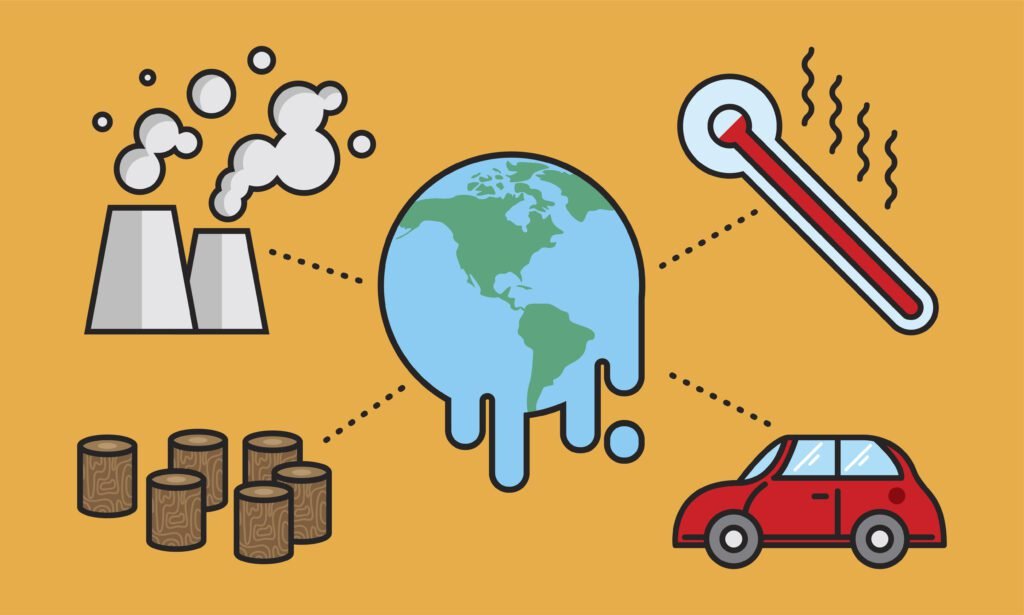
    Instead, industry leaders and energy experts recognize there are many different avenues to explore on the journey towards delivering cleaner energy. Now that the energy sector understands this premise, realistically, achieving a low-carbon future becomes a more complex challenge.

    Mitigating climate change while balancing the growing global demand for energy remains a key focus for the industry, but there are many other considerations. Key challenges for the years ahead include addressing supply intermittency, navigating economic realities and ensuring a safe and consistent energy supply.

    Natural gas remains the main focus of the transition to cleaner and more fuel-efficient fuels, supported by several factors: including falling renewable energy prices; the growing impact of innovations such as carbon capture and provision (CCS); alternative fuels for coal and oil; and expansion of wind and solar technology.

    Costly moving towards cleaner energy, solar power, along with offshore and onshore wind generation, holds the key to the renewable resources of the future. The success of this emission-free technology is driven by cost reductions, coupled with increased generating capacity. As future energy generation leans towards a decentralized power grid, matching supply with demand will prove a challenge. New innovations or alternative fuels will be needed to combat the intermittency of renewable energy supplies to generate power when there is no sunlight or wind.

    The large number of new energy solutions being brought to market creates a large trader risk for the energy industry. The danger of investing in the wrong technology, or in solutions that cannot be measured, acts as a barrier to new innovations being adopted.

    Future Energy Sector

    Natural gas remains the main focus of the transition to renewable energy, but also has an important role in the long-term energy mix, along with other alternative fuels such as hydrogen and biomass. These fuels support renewable energy in an effort to meet the growing demand in the energy sector of the future.

    Biomass is a cleaner source of fuel that does not require large investments in infrastructure, as the process of generating electricity is the same as using fossil fuels.

    Improve Energy Efficiency

    In addition to reducing emissions by using alternative fuels, the energy sector is also developing ways to increase energy efficiency and reduce the environmental impact of traditional fossil fuels.

    Another efficiency-enhancing technology, which can be applied to the manufacture of things like cement, steel, glass and metal, is waste heat recovery. That in heat recovery applications, organic rankine cycle (ORC) units increase the efficiency of the production process by converting low-level heat into useful power.

    model world

    In an increasingly digital world, the Fourth Industrial Revolution is poised to transform the energy sector, just like most other industries.

    Advances in Artificial intelligence (AI), The internet of things ( IoT) and machine learning will automate processes, optimize efficiency and lower costs. In a rapidly changing world, digital energy generation and distribution will enable the energy sector to model real-world behavior and simulate the resource and infrastructure challenges required to scale renewable energy in the future. Using technology to make decisions and create realistic models should make the simulations as realistic as possible.

    Framework for success

    To meet the uncertain challenges of the future energy sector, there is a growing industry confidence in market-based solutions involving government and private sector alliances. By working in unison, policymakers and industry representatives can create a flexible regulatory framework to facilitate the transition to renewable energy.

    Government support and encouragement gives the energy sector scope to absorb and scale up new technologies. The increasing global demand for energy will put pressure on the market in the future as renewable energy becomes fully utilized. In the future, long-term seasonal generation reserves will be very important, including from fossil fuels.

  • 7 These Are the Causes of Global Warming

    7 These Are the Causes of Global Warming

    Global warming is causing the earth to get worse.

    Global warming causes the earth to experience an increase in average temperature which has an extraordinary impact on life in it.
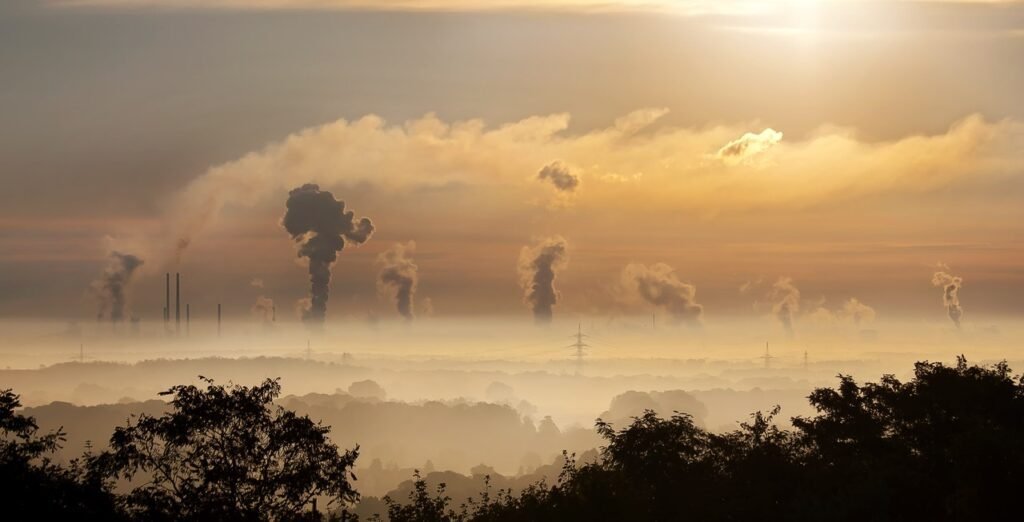
    Extinction of living things, extreme climate change are also the effects of global warming.

    Here are 7 things that cause global warming:

    Deforestation

    Deforestation

    Forests play an important role in the environment, the more forests the lower the pollution. Massive forest loss caused sudden climate change.

    Trees which are the key to climate regulation, play a role as controlling CO₂ and oxygen. Bush and forest areas act as carbon sinks and regulate the temperature to about 1.5 degrees.

    Currently, the industry uses wood as raw material which is obtained by cutting down forests. Deforestation is the main reason for global warming as the amount of oxygen decreases and CO₂ increases in the atmosphere.

    We know that vegetation is very important, but it is continuously being destroyed and eliminated, the concentration of CO2 is increasing and causing global warming, 1/5 of greenhouse gas pollution is generated from forest degradation and tree cutting.

    The causes of global warming can actually be prevented and checked if the right things are done such as planting more and reforestation

    Rapid Industrialization

    Industry uses chemicals in its manufacture and produces waste that pollutes the environment. These chemicals and industrial wastes enter the environment and mix with water and cause various diseases.

    Some industries use gas and fuel to run factories. During the process, one of the end products is harmful fumes and pollutes the air. The smoke contains large amounts of CO₂ which is the main cause of global warming

    Transportation

    Based on research, findings, and observations, it was gathered that transportation also has a hand to play in the causes of global warming. This can also be seen in the gas output of transportation equipment such as cars, airplanes, trains, and others.

    The World Resources Institute in 2012 proved that 15% of climate pollution comes from transportation.

    Fertilizers and Pesticides

    Fertilizers and pesticides are used to increase production from the agricultural sector. Initially it was clear that the use of fertilizers and pesticides increased production. But on the other hand this results in the release of nitrogen gas which mixes into the air and causes global warming.

    Agriculture also produces methane gas products, especially from livestock such as cattle and sheep. Fertilizers made from nitrogen release nitrogen oxides and have recently become a problem in many countries.

    Household Waste

    This Waste releases methane gas which immediately reacts with oxygen and changes its condition. Why did this happen?

    If not managed properly, waste which generally comes from organic waste which is “anthropogenic waste” will degrade and decompose into methane gas (CH 4 ). CH 4 gas is a greenhouse gas that can cause a greenhouse effect which has the potential to cause global warming.

    Refrigerator and air conditioner

    Refrigerators and air conditioners are used in almost every home and office. These tools use Freon gas or CFC (Cloro Fouro Carbon).

    Freon can deplete the ozone layer when it is put into the air and is one of the causes of global warming. This ozone layer is useful for protecting the earth and living things from exposure to Ultra Violet B (UV-B) radiation and also absorbs high ultraviolet radiation from the sun from reaching the earth.

    Fossil Burning

    Fossil fuels include gas, oil and coal. The main producer of CO₂ is Australia which has been widely recognized for many years compared to others. When fossil fuels are burning, carbon dioxide is released into the atmosphere.

    The cause of this pollution in Australia has been linked to electricity where around 73% of electricity comes from burning coal and about 14% from burning gas. The remaining 13% comes from sources such as wind, sun and water or water. In fact, less pollution is achieved when the amount of gas, coal, several sources of energy. The burning of fossil fuels has for years been recognized as the main cause of global warming.

  • What is a carbon footprint and what does it do?

    What is a carbon footprint and what does it do?

    Carbon footprint is a measure of the impact of human activities expressed in terms of the amount of greenhouse gas (carbon dioxide) emissions.
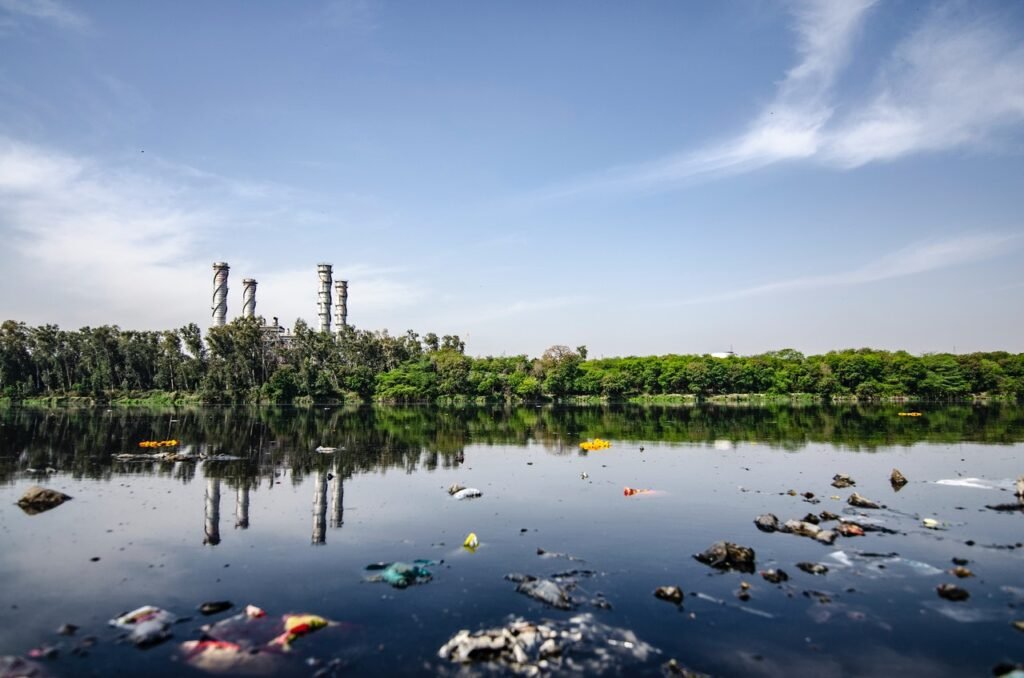
    Every human activity always has an impact on the environment . One of these impacts is the contribution of greenhouse gas (carbon dicoside) emissions.

    These impacts can occur directly (such as burning garbage) or indirectly (such as using electricity from the Steam Power Plant).

    This emitted greenhouse gas then causes the heat entering the earth to become trapped in the earth’s atmosphere, causing global warming.

    The amount of greenhouse gas emissions resulting from human activity is what is called  carbon footprint 

    Carbon Footprint Function

    This carbon footprint is important to know so that we can find out how much impact each of our activities will have.

    Thus, we can try to reduce the impact of the carbon footprint that we produce every day. And also trying to offset the impact on the carbon footprint that we have created.

    Types of carbon footprint (Carboon Footprint)

    This carbon footprint is divided into two types, namely

    1. primary carbon footprint ( primary carbon footprint )
    2. Secondary carbon footprint ( secondary carbon footprint ).

    The primary carbon footprint is the carbon footprint generated from the direct combustion process of fossil fuels, for example, the use of motorized vehicles.

    Meanwhile, the secondary carbon footprint is a carbon footprint resulting from the cycle process of the products used, from manufacture to decomposition.

    An example of this secondary carbon footprint is products that are consumed daily (usually in the form of food), so that the more products consumed, the greater the carbon footprint.

    How to calculate your carbon footprint

    How do we know how big the carbon footprint of our activities is? There are actually a lot of carbon footprint counters on the internet.

    In general, there are many things that can be included in calculating your carbon footprint . For example, for calculating the carbon footprint of individual or household activities, the activities calculated can include food consumption, travel activities, and household electricity consumption.

    Consumption of these foods includes whether the products consumed have high carbon footprint levels or not.

    Foods that contain a high carbon footprint are usually meat, while foods that contain a low carbon footprint are usually vegetables.

    The following is the carbon content of several types of food, as quoted from the Environmental Working Group (EWG).

    The carbon footprint of travel activities can include the type of vehicle used, whether private vehicles (cars or motorbikes) or public transportation (buses, trains, or planes).

    If using a private vehicle, the carbon footprint calculation will also include the type of fuel used.

    Quoted from the Energy Information Administration (EIA) in the United States, this is the large amount of greenhouse gas emissions from various fuels

    • avtur is 2.20 kg CO2 / liter
    • biodiesel is 2.50 kg CO2 / liter
    • diesel fuel is 2.68 kg CO2 / liter
    • gasoline is 2.35 kg CO2 / liter

    So to find out how big our carbon footprint is from travel activities, we can calculate it from how much fuel is used.

    Meanwhile, for household consumption, in general, the carbon footprint is calculated from the number of kWh of electricity used in one year.

    The carbon footprint for household electricity consumption then depends on the type of power plant used, whether using coal, diesel fuel , nuclear, or using renewable energy (for example solar, wind, geothermal, or hydropower).

  • Water Pollution: Types, Impacts on the Environment and Solutions

    Water Pollution: Types, Impacts on the Environment and Solutions

    Water pollution is a condition in which a decrease in water quality is caused by harmful substances such as chemicals or microorganisms.
    In some cases of severe water pollution, this condition can cause water to be toxic and dangerous to humans and the environment.

    This pollution can occur in water areas such as rivers, lakes, seas, aquifers, or other water areas.

    Buffer water is polluted due to the main characteristic of water which is easy to dissolve materials. It also makes harmful chemicals dissolve in the water and cause pollution.

    Water can be said to be polluted by looking at indicators such as:

    • Physical parameters,
      parameters related to the observed physical conditions of the waters, including color a, smell, temperature, taste, and turbidity
    • Chemical parameters,
      parameters relating to the chemical conditions contained in these waters. These parameters include the pH, organic substances, and the amount of heavy metals in water.
    • Bacteriological Parameters ,
      These parameters can include the number of coliform, puristic, and pathogenic bacteria in water.

    Types of Water Pollution

    Water pollution  can be classified into 4 types of pollution. Here are the types:

    1. Contamination of microorganisms

    Microorganism contamination is caused by microorganisms in water areas.

    Microorganisms such as phytoplankton or zooplankton can cause pollution if there are too many of them to reduce water quality.

    Pollution can be marked by the color of cloudy water, due to lack of oxygen content in it.

    2. Inorganic contamination of plant nutrients

    The cause of inorganic pollution of plant nutrients is closely related to the use of inorganic fertilizers and pesticides on plants.

    Chemicals such as phosphate, or nitrogen can contaminate and contaminate waters. This of course will endanger the survival of living things around these waters, including humans.

    3. Contamination by inorganic chemicals

    Similar to inorganic pollution of plant nutrients, this pollution is also caused by the use of inorganic chemicals used by humans.

    This pollution is usually caused by the use of high levels of salts, acids and toxic metals such as lead, cadmium, mercury.

    4. Contamination by organic chemicals

    This pollution is caused by organic chemicals that are often used by humans daily, such as plastics, oils, cleaning fluids, detergents and so on.

    In the use of a small scale, maybe the impact of using these materials will not be felt directly, but over time the effect can cause damage to the ecosystem around the stream.

    One of them is the death of animals or plants due to damage to water quality.

    Its Impact on Life

    Pollution in water areas can cause many problems in human life. This is due to water pollution.

    • Water pollution can trigger landslides, erosion and flooding.
    • Disruption of environmental balance
    • The occurrence of damage to aquatic ecosystems, which has an impact on the death of water biota
    • The emergence of disease in dirty water areas
    • Reduced supply of clean water sources

    How to prevent pollution

    We can prevent water pollution by doing the following things

    1. Do not throw household products such as cleaners, beauty products, medicines, car fluids, paints, and lawn care products in drains.
    2. Avoid and reduce the use of pesticides on plants
    3. Reduce consumption of plastics and single-use materials, use materials that are more environmentally friendly

    That is the discussion of the article on pollution in the waters, let’s continue to take care and love our environment. Hopefully useful.

  • The Promise of Nanotechnology for Advancing Solar Energy

    The Promise of Nanotechnology for Advancing Solar Energy

    I. Introduction

    A. Background information on solar energy and its potential benefits

    Solar energy is a clean and renewable source of energy that is becoming increasingly important in the fight against climate change. The sun provides an abundant and virtually unlimited supply of energy that can be harnessed to power homes, businesses, and even entire cities. Solar energy has the potential to reduce our dependence on fossil fuels, lower greenhouse gas emissions, and create a more sustainable future for generations to come.

    B. Brief overview of nanotechnology and its application in solar energy

    Nanotechnology is the science of manipulating matter at the nanoscale level (one billionth of a meter). It involves the design, production, and application of materials and devices with unique properties that arise from their small size. Nanotechnology has the potential to revolutionize many fields, including energy, electronics, medicine, and environmental science.

    In the context of solar energy, nanotechnology can be used to enhance the efficiency, durability, and cost-effectiveness of solar panels. Nanomaterials and nanoparticles can be engineered to improve the absorption and conversion of sunlight into electricity, while also reducing the amount of material needed to produce solar cells. Nanotechnology can also be used to develop more efficient solar concentrators and energy storage devices, making solar energy a more viable and competitive option for meeting our energy needs.

    In the following sections, we will explore the various ways that nanotechnology is being used to advance solar energy, as well as the challenges and considerations that come with adopting nanotechnology in this field.

    II. Nanotechnology for Solar Energy

    A. Overview of the current state of solar technology

    Solar panels are the most common technology used for harnessing solar energy. They work by converting sunlight into electricity through a process called the photovoltaic effect. However, the efficiency of solar panels is limited by several factors, including the material properties of the solar cells, the absorption and transmission of sunlight, and the thermal stability of the system. Current solar technology is only able to convert about 15-20% of the incoming solar energy into usable electricity.

    B. How nanotechnology can improve the efficiency of solar panels

    Nanotechnology has the potential to significantly improve the efficiency of solar panels by addressing some of the limitations of current technology. For example, the use of nanomaterials such as quantum dots and nanowires can increase the surface area of solar cells, allowing for more efficient absorption of sunlight. Nanotechnology can also improve the transmission of light by reducing reflection and scattering, and by enhancing the optical properties of the solar cell materials.

    C. Nanomaterials for solar cell fabrication

    Nanotechnology can also be used to develop new and improved materials for solar cell fabrication. For example, the use of perovskite materials in solar cells has shown promising results in improving efficiency and reducing costs. Perovskite solar cells are made up of a thin film of perovskite material that is sandwiched between two electrodes. By using nanoscale engineering techniques, researchers can improve the performance and stability of perovskite solar cells, making them a viable alternative to traditional silicon-based solar cells.

    D. Nanoparticle-based solar concentrators

    Another application of nanotechnology in solar energy is the development of nanoparticle-based solar concentrators. These devices use nanoparticles to focus and concentrate sunlight onto a small area, increasing the efficiency of solar cells. By using nanoscale materials that absorb light at different wavelengths, solar concentrators can capture a larger portion of the solar spectrum and convert it into electricity.

    E. Nanotechnology for improving solar energy storage

    Finally, nanotechnology can be used to improve the storage of solar energy. One approach is to use nanomaterials to enhance the performance of batteries and other energy storage devices. For example, the use of nanoscale electrodes and electrolytes can increase the surface area and conductivity of batteries, leading to faster charging and longer lifetimes. Nanotechnology can also be used to develop new types of energy storage devices, such as supercapacitors and nanogenerators, which can store and release energy more efficiently than traditional batteries.

    III. Recent Developments and Future Directions

    A. Recent research advancements in nanotechnology for solar energy

    Recent research in nanotechnology for solar energy has focused on improving the efficiency, durability, and cost-effectiveness of solar panels. Some of the most promising developments include the use of perovskite materials, the development of new nanomaterials for solar cell fabrication, and the use of nanotechnology for improving solar energy storage. For example, researchers have made significant progress in improving the stability and efficiency of perovskite solar cells, making them a more viable alternative to traditional silicon-based solar cells. In addition, the use of nanoscale engineering techniques has led to the development of new and improved materials for solar cell fabrication, such as nanowires and quantum dots.

    B. The potential of nanotechnology for making solar energy more affordable and accessible

    One of the main advantages of nanotechnology in solar energy is its potential to make solar energy more affordable and accessible. By improving the efficiency and durability of solar panels, and by reducing the cost of materials and manufacturing processes, nanotechnology can make solar energy a more cost-effective option for consumers and businesses. In addition, the use of nanotechnology can make it possible to develop solar panels that are more lightweight, flexible, and portable, making them easier to install and transport.

    C. Future directions in the development of nanotechnology for solar energy

    Looking to the future, the development of nanotechnology for solar energy is likely to focus on several key areas. These include the development of new and improved materials for solar cell fabrication, the use of nanotechnology for improving solar energy storage, and the development of new nanoscale devices and systems for capturing and converting solar energy. In addition, researchers are exploring the use of nanotechnology for improving the environmental sustainability and safety of solar energy systems, as well as for improving their integration with other renewable energy sources and the electrical grid.

    IV. Challenges and Considerations

    While nanotechnology has the potential to revolutionize solar energy, there are several challenges and considerations that must be addressed in order to realize its full potential. These include:

    A. Environmental and safety concerns related to nanomaterials in solar technology

    One of the main concerns related to the use of nanomaterials in solar technology is their potential impact on human health and the environment. While nanomaterials have unique properties that make them ideal for improving the efficiency and durability of solar panels, they can also pose health and environmental risks if not properly handled and disposed of. It is important to ensure that the production and use of nanomaterials in solar technology is done in a safe and responsible manner, and that appropriate regulations and guidelines are in place to mitigate potential risks.

    B. Economic and regulatory challenges in adopting nanotechnology in solar energy

    Another challenge related to the adoption of nanotechnology in solar energy is the economic and regulatory landscape. While nanotechnology has the potential to make solar energy more cost-effective and accessible, there are still economic and regulatory barriers that must be overcome. For example, the high cost of nanomaterials and manufacturing processes can make it difficult for smaller companies and individuals to afford solar panels. In addition, there may be regulatory barriers to the development and use of nanomaterials in solar technology, particularly in regards to safety and environmental concerns.

    C. Ethical considerations related to the use of nanotechnology in renewable energy

    Finally, there are ethical considerations related to the use of nanotechnology in renewable energy. As with any new technology, there is a risk of unintended consequences and unforeseen impacts on society and the environment. It is important to consider the potential ethical implications of using nanotechnology in renewable energy, and to ensure that the benefits of this technology are shared fairly and equitably across society.

    Overall, while the potential of nanotechnology for advancing solar energy is great, it is important to address these challenges and considerations in a responsible and thoughtful manner. By doing so, we can ensure that the benefits of this technology are realized in a safe, sustainable, and equitable way.

    V. Conclusion

    Nanotechnology has the potential to significantly improve the efficiency, durability, and cost-effectiveness of solar energy. By using nanomaterials and nanoscale engineering techniques, researchers can develop new and improved materials for solar cell fabrication, improve the absorption and conversion of sunlight into electricity, and enhance the performance of energy storage devices. However, there are also challenges and considerations related to the use of nanotechnology in solar energy, including environmental and safety concerns, economic and regulatory barriers, and ethical considerations.

    Looking to the future, the role of nanotechnology in advancing solar energy is likely to continue to grow. With continued research and development, nanotechnology has the potential to make solar energy more affordable, accessible, and sustainable. As the technology continues to evolve, researchers may also find new and innovative ways to integrate nanotechnology with other renewable energy sources, such as wind and hydroelectric power, to create a more efficient and integrated energy system.

    In order to fully realize the potential of nanotechnology for advancing solar energy, it is important to continue to invest in research and development in this field. This includes developing new and improved materials and devices for solar energy, addressing the environmental and safety concerns related to nanomaterials, and working to overcome economic and regulatory barriers to adoption. By doing so, we can help to create a more sustainable and equitable energy future for all.