
Author: Johannes Surya

  • difference between a barrister and a solicitor

    The Difference Between A Barrister And A Solicitor: A Comprehensive Guide

    Legal professionals are essential in every aspect of life. From representing individuals in court to advising businesses, legal experts play a vital role in the justice system. Two common types of legal professionals are barristers and solicitors. While these terms are often used interchangeably, they represent two distinct roles. So, what is the difference between a barrister and a solicitor?

    Who is a Barrister?

    A barrister is a legal professional who specializes in representing clients in court. Barristers are usually instructed by solicitors and work independently. They are often referred to as “advocates” as they argue cases in front of a judge and a jury. Barristers are usually seen wearing a gown and a wig while in court. They are also addressed as “Counsel”. Barristers have a high level of legal knowledge and expertise, which makes them capable of cross-examining witnesses to gather evidence to support their client’s case.

    Who is a Solicitor?

    A solicitor is a legal expert who provides legal assistance and advice to clients. They can represent clients in court, just like barristers, but their primary role is to liaise with clients, gather evidence, and prepare legal documents. Solicitors generally don’t appear in court and have no rights of audience in higher courts – this is where barristers come in. Solicitors can be found in a variety of settings, from multinational firms to private practices. They are often the first port of call for individuals seeking legal advice, and they offer legal support in various areas, including family law, employment law, and property law.

    Key Differences Between Barristers and Solicitors

    The primary difference between barristers and solicitors is the type of work they undertake. Barristers specialize in advocating clients in court, while solicitors specialize in advising clients and preparing legal documents. This means that barristers work on cases once they have reached court, while solicitors deal with cases before they reach court.

    Barristers are also typically independent contractors working from chambers, while solicitors work in law firms. Barristers are hired by solicitors or directly by clients, while solicitors usually have a direct client-facing role.

    Another difference between the two is their training. To become a barrister, individuals must complete a law degree followed by a one-year Bar Professional Training Course (BPTC) and a pupillage (an apprenticeship with a practicing barrister). On the other hand, solicitors must complete a law degree, a Legal Practice Course (LPC), and a two-year training contract within a law firm.

    Conclusion

    In summary, barristers and solicitors have different roles within the legal system. While barristers specialize in appearing in court, solicitors provide advice and prepare legal documents. In any legal matter, it is not uncommon to have both a solicitor and a barrister working together towards the same goal. They work together as a team to provide the best outcome for their clients.

    Table difference between a barrister and a solicitor

    Category Barrister Solicitor
    Definition Legal professional who specializes in advocacy and representing clients in court Legal professional who provides advice to clients, drafts legal documents and liaises with barristers to represent clients in court
    Education and Training Requires completing a law degree followed by a Bar Professional Training Course (BPTC) and pupillage Requires completing a law degree followed by a Legal Practice Course (LPC) and a two-year training contract with a law firm
    Role in Court Proceedings Represents clients in court, presents arguments, cross-examines witnesses and provides legal advice Prepares legal documents, instructs barristers, and advises clients on legal matters in and out of court
    Clients Typically instructed by solicitors or directly by clients for expert legal representation in court Work directly with clients to provide legal advice and assistance in a wide range of legal matters from drafting wills to buying property
    Appeals Can appear in higher courts including the Court of Appeals and the Supreme Court to argue appeals Typically works with barristers to represent clients in appeals
    Fee Structure Often charge higher fees for their specialized expertise and experience in court advocacy Charge hourly fees for legal advice and can offer more affordable rates for clients
  • The Difference Between Bacterial and Viral Infections

    The Difference Between Bacterial and Viral Infections

    Bacterial Infections

    Bacterial infections are caused by the presence of harmful bacteria in the body. Bacteria can invade the body through a variety of means, including through open wounds, contaminated food or water, and contaminated surfaces. Symptoms of bacterial infections can vary depending on the location and severity of the infection, but common symptoms include fever, cough, and difficulty breathing.

    Bacterial infections can be treated with antibiotics, which are medications that specifically target and kill bacteria. Doctors may also recommend supportive treatments, such as rest, fluids, and over-the-counter pain relievers, to help manage symptoms.

    Some common bacterial infections include strep throat, urinary tract infections, and bacterial pneumonia.

    Viral Infections

    Viral infections, on the other hand, are caused by the presence of harmful viruses in the body. Viruses are tiny, infectious agents that can invade cells and reproduce within them. Unlike bacteria, viruses cannot be treated with antibiotics.

    Symptoms of viral infections can also vary depending on the type of virus and the location and severity of the infection. Some common viral infections include the flu, the common cold, and viral gastroenteritis (also known as the stomach flu).

    Treatment for viral infections is typically focused on managing symptoms while the body fights off the infection. This may include rest, fluids, and over-the-counter pain or fever relievers. In some cases, antiviral medications may be prescribed to help speed up recovery.

    How to Tell the Difference

    It can sometimes be difficult to tell the difference between bacterial and viral infections because some of the symptoms are similar. However, there are a few key differences that can help.

    Bacterial infections tend to develop more slowly, usually over the course of several days. Symptoms may include a fever, cough, and swollen lymph nodes.

    Viral infections, on the other hand, tend to develop more quickly, often appearing within hours or days of exposure. Symptoms may include a fever, cough, sore throat, and runny nose.

    In some cases, a doctor may need to conduct tests, such as a blood test or culture, to determine the cause of an infection.

    Preventing Infections

    One of the best ways to prevent both bacterial and viral infections is to practice good hygiene. This includes washing your hands regularly, especially before eating or touching your face, and avoiding close contact with others who are sick.

    Getting vaccinated can also help prevent certain viral infections, such as the flu and HPV.

    Overall, understanding the difference between bacterial and viral infections can help you make informed decisions about your health and seek appropriate treatment if needed. By taking steps to prevent infections, you can help protect yourself and those around you from getting sick.

    Table Comparison difference between a bacterial and viral infection

    Bacterial Infection Viral Infection
    Caused by Bacteria Virus
    Symptoms Fever, body aches, chills, cough, sneezing, vomiting, diarrhea Fever, cough, sore throat, runny or stuffy nose, fatigue
    Treatment Antibiotics Antiviral medication, rest, fluids
    Duration of illness Several days to weeks Several days to weeks
    Prevention Good hygiene, vaccination, avoiding contact with infected individuals Good hygiene, vaccination, avoiding contact with infected individuals
  • The Unique 5 Traditions of Bali’s Nyepi Day That Can Attract Many Tourists

    The Unique 5 Traditions of Bali’s Nyepi Day That Can Attract Many Tourists

    In a few days, specifically for Hindus, the Nyepi Day celebration will take place on Wednesday, March 22, 2023. Prior to the celebration, Hindus will perform several activities and traditions.

    However, during Nyepi Day, Hindus will not engage in any activities. The atmosphere of the Hindu community will be much quieter than usual. This is especially true in Bali, where most of the population practices Hinduism. During Nyepi Day, they will even turn off their mobile data.

    Nevertheless, there are several rituals and traditions in Bali to welcome Nyepi Day, as follows:

    1. Melasti

    Melasti is one of the rituals usually performed by Hindus two to three days before Nyepi Day. The word Melasti comes from the combination of mala, which means dirty, and asti, which means clean. It means to cleanse all the bad things and create goodness, harmony, and peace in the universe.

    During Melasti, Hindus will lead the procession of Ida Bhatara or God. They will walk in a line towards the ocean, beach, or springs to clean all the dirt. This ritual usually takes place in the morning or evening.

    1. Tawur Kesanga

    Tawur Kesanga is a ritual that is usually carried out one day before Nyepi Day. This is also known as a sacrifice or pecaruan ceremony.

    Tourists visiting Bali can observe this tradition in several areas, starting from the provincial level at Pura Besakih, then moving to the district level in places like Catus Pata. It continues to the sub-district, village, hamlet, and even the Caru ritual in each private house.

    Various offerings, including animals like ducks, geese, chickens, dogs, cows, and more, are used in the Caru ritual. The purpose of Tawur Kesanga is to distance the universe from Bhuta Kala and disasters.

    1. Pengerupukan

    The next tradition is Pengerupukan. This tradition involves a parade of ogoh-ogoh, which are big demonic effigies, carried around the village or city with torches.

    Tourists can also witness this tradition during their visit to the Island of Gods. The ogoh-ogoh, which symbolize disasters and Bhuta Kala, must be destroyed or burned after the parade to avoid such disasters.

    1. Catur Brata Penyepian

    The pinnacle of Nyepi Day is the Catur Brata Penyepian tradition, which begins at 6 am and lasts for a full day, or 24 hours.

    This tradition has four main prohibitions for Hindus to clear their minds and meditate. The prohibitions include Amati Geni, which means no lighting of fires, lamps, or candles; Amati Karya, which means no work or activity; Amati Lelungan, which means no travelling outside of the home; and Amati Lelanguan, which means no entertainment, such as watching TV or playing games.

    1. Ngembak Geni and Omed-Omedan Traditions

    After completing the Catur Brata Penyepian tradition, Hindus will perform Ngembak Geni, which means freely lighting a fire or turning on the lights. During this ritual, Hindus will visit each other and ask for forgiveness if they have done wrong. This is after the period of meditation during Nyepi Day.

    Next, the Omed-Omedan tradition is usually held in the Sesetan area, Denpasar. After the prayer for young unmarried people, they will be divided into two groups and pull each other while embracing each other.

    Those are some of the unique traditions of Nyepi Day in Bali. For tourists or those who plan to visit Bali, it may be interesting to witness these traditions firsthand. The Nyepi Day celebration in Bali is not only a sacred ritual but also an opportunity to experience and learn about the culture of the Balinese people. It is a perfect time to relax, reflect, and reconnect with nature and the universe.

  • A Comprehensive Guide to Urologists Careers

    A Comprehensive Guide to Urologists Careers

    The Comprehensive Guide to Urologist Job

    Urologists are medical professionals who specialize in treating conditions related to the urinary tract, reproductive system, and male genitalia. They are responsible for the diagnosis, treatment, and management of various urological disorders. Urologists work in hospitals, urology clinics, and private practices. This guide provides insight into the urologist job, including education and training requirements, job responsibilities, job outlook, salary and benefits, challenges and rewards, personal qualities, and opportunities for advancement.

    Education and Training Requirements

    To become a urologist, one must complete extensive education and training. The following are the required steps:

    Bachelor’s Degree:

    The first step to becoming a urologist is the completion of a bachelor’s degree program with a pre-medical curriculum, which requires specific science courses such as biology, chemistry, physics, and math. A bachelor’s degree in any major is acceptable, but many students choose to major in biology, chemistry or any other science-related field.

    Medical School:

    After completing a bachelor’s degree, students must attend medical school to earn a Doctor of Medicine (MD) degree. This step usually takes four years of education and training. Medical school courses include anatomy, pharmacology, pathology, and many others. Most medical schools also require clinical rotations across various specializations, including urology.

    Residency:

    After completing medical school, aspiring urologists must enroll in a urology residency program. Residencies last five years, with the first year being a general surgical residency. During the remaining years, urology residents work under the supervision of experienced urologists and receive extensive practical experience in diagnosing and treating patients with urological disorders. Residents also gain exposure to pediatric urology, female urology, oncology and reproductively related urology among others.

    Fellowship:

    After residency, some urologists go for additional training by completing a fellowship program. Fellowship programs range from one to three years and cover various sub-specialities within urology including, oncology, pediatric, infertility, and transplant.

    Job Responsibilities

    Urologists are responsible for diagnosing, treating, and managing a wide range of conditions related to the urinary tract, male genitalia, and reproductive system. Their typical job responsibilities include:

    – Conducting physical examinations of patients.
    – Ordering and analyzing diagnostic tests.
    – Diagnosing urological disorders such as prostate cancer, kidney stones, urinary tract infections and bladder incontinence.
    – Developing and creating treatment plans for patients.
    – Performing surgical procedures on patients requiring surgical interventions.
    – Prescribing medications and administering therapies.
    – Monitoring the effectiveness of treatment plans.

    Job Outlook

    The job outlook for urologists is excellent, with employment of urologists expected to grow by 7 percent between 2019 and 2029. The growing aging population is the primary driver of job growth for urologists. As the population ages, the likelihood of developing urological disorders increases. Also, technological advancements in urological tools and techniques are making the field increasingly attractive and in demand.

    Salary and Benefits

    Urologists typically earn a high salary due to their extensive training and medical expertise. However, salaries can vary based on geographical location, work experience, and employer. According to the US Bureau of Labour Statistics, urologists’ median annual salary in 2020 was $407,000. Urologists also enjoy many benefits, such as healthcare coverage, retirement plans, and professional development opportunities.

    Challenges and Rewards

    Like any medical professionals, urologists face many challenges in their career. The field is fast-paced, and the work can be emotionally and physically draining. Urologists may encounter challenging or difficult patients, and emergencies requiring immediate surgical intervention may often arise. One of the most significant challenges that urologists face is work-life balance, as the job demands long hours and being on-call.

    Despite the challenges, urologists find their job rewarding. They make a significant impact on their patients’ lives with successful diagnosis, treatment, and management of urological disorders. Being part of a specialized team providing care to patients with complex urological disorders is a source of professional satisfaction. Urologists enable their patients to return to normal lives, treating cancer and dealing with those with fertility challenges. As a urologist, you may get the opportunity to research the latest trends and technologies in the field, participating in treatments to advance cure; this is another significant source of fulfillment.

    Personal Qualities

    Urology is one of the most intense medical fields. Urologists need to be resilient and possess specific qualities to excel in their job. Notable personal qualities include:

    – Compassion and empathy for patients.
    – Communication skills to relay sensitive information to patients and their families.
    – Attention to detail in terms of reviewing patient medical records, test results, and developing treatment plans.
    – Problem-solving skills to diagnose and treat a wide range of urological disorders.
    – Stress management skills to cope with the work’s high demands, including being on call during emergencies.

    Opportunities for Advancement

    Urologists have various opportunities for career advancement. One of the primary paths is pursuing fellowships as mentioned earlier. Fellowship programs can help urologists specialize in a specific sub-specialty, or significantly improve their medical knowledge, skillset and drive research. Additionally, urologists who wish to advance their career can pursue leadership roles such as a department or hospital administrator, clinical manager, or research scientist.

    Final Thoughts

    Urologists play a vital role in treating and managing urological disorders, and their expertise allows patients to live normal and healthy lives. The field is highly lucrative and can be extremely rewarding to individuals who are empathetic, detail-oriented, resilient and possess excellent communication and problem-solving skills. The profession requires a long, expensive, and arduous educational path, but individuals willing to put in the required time and effort may enjoy a successful and satisfying career.

    Frequently Asked Question About Urologists Career

    1. What does a urologist do?

    Urologists are specialized medical professionals who diagnose and treat conditions related to the urinary tract in both men and women, as well as conditions affecting the male reproductive system.

    2. When should I see a urologist?

    A urologist should be consulted if you are experiencing any symptoms or conditions related to the urinary system or male reproductive system. This may include bladder control issues, kidney stones, prostate problems, infertility, and urinary tract infections.

    3. How do I prepare for my first urology appointment?

    It is important to bring your medical history and a list of any medications you are presently taking to your first urology appointment. Depending on the reason for your visit, your urologist may also request a urine sample be collected before your appointment.

    4. What types of tests or procedures do urologists perform?

    Urologists may perform a variety of tests and procedures, including urinalysis, prostate exams, bladder scans, and cystoscopy. They may also perform surgeries, such as kidney stone removal or prostate surgery.

    5. Is seeing a urologist only necessary for men?

    No, urologists also treat conditions and perform procedures on the urinary tracts of women, as well as address issues in the male reproductive system.

  • A Comprehensive Guide to Rheumatologists Careers

    A Comprehensive Guide to Rheumatologists Careers

    An Overview of Rheumatologist Job

    Rheumatologists are physicians who specialize in diagnosing and treating conditions that affect the musculoskeletal system, particularly those that cause joint pain, stiffness, and swelling. This medical specialty is devoted to the study of diseases and disorders that affect the immune system, the connective tissues, the bones, and the muscles. These specialists work closely with patients to manage their symptoms, prevent complications, and improve their quality of life. This comprehensive guide provides an overview of the rheumatologist job, including education and training requirements, job responsibilities, job outlook, salary and benefits, challenges and rewards, personal qualities, and opportunities for advancement.

    Education and Training Requirements

    To become a rheumatologist, you need to complete a Bachelor’s Degree in a related field, such as biology, chemistry, or pre-medicine. Then, you must attend medical school for four years to earn a Doctor of Medicine (M.D.) or Doctor of Osteopathic Medicine (D.O.) degree. After completing medical school, you must complete a three-year residency in internal medicine or pediatrics, followed by a two or three-year fellowship in rheumatology. During this fellowship, you’ll receive extensive training in diagnosing and treating rheumatologic conditions, from inflammatory arthritis to systemic lupus erythematosus. Moreover, you’ll learn how to use advanced diagnostic tools, such as X-rays, MRIs, and blood tests, to evaluate patients’ symptoms, develop treatment plans, and monitor their progress. Finally, you’ll need to pass the United States Medical Licensing Examination (USMLE) or the Comprehensive Osteopathic Medical Licensing Examination (COMLEX-USA) to obtain a license to practice as a physician in your state.

    Job Responsibilities

    Rheumatologists are responsible for diagnosing and treating rheumatologic conditions, which can range from common disorders like osteoarthritis and gout to rare diseases like systemic sclerosis and dermatomyositis. The job duties of a rheumatologist may include:

    – Conducting physical examinations and reviewing medical history to assess patients’ symptoms and diagnose their conditions.
    – Ordering and interpreting diagnostic tests like imaging scans, blood tests, and joint fluid analysis to confirm the diagnosis and assess the severity of the condition.
    – Developing a treatment plan that may include medication, physical therapy, occupational therapy, or other interventions to relieve pain, inflammation, and joint stiffness.
    – Monitoring patients’ progress and adjusting treatment plans as needed to ensure optimal outcomes.
    – Providing patient education and counseling on how to manage their symptoms, cope with physical limitations, and prevent complications.
    – Collaborating with other healthcare professionals, such as primary care physicians, physical therapists, and orthopedic surgeons, to provide comprehensive care to patients.

    Job Outlook

    The demand for rheumatologists is expected to increase in the coming years, as the population ages and the prevalence of rheumatologic conditions continues to rise. According to the Bureau of Labor Statistics (BLS), the employment of physicians and surgeons, which includes rheumatologists, is projected to grow 4 percent from 2019 to 2029, about as fast as the average for all occupations. However, the demand for rheumatology specialists may vary depending on the region, the healthcare system, and the availability of other healthcare providers who can manage rheumatologic conditions.

    Salary and Benefits

    Rheumatologists are among the highest-paid medical specialists, earning a median annual salary of $259,462 in 2021, according to Salary.com. The salary range varies depending on factors such as geographic location, years of experience, and type of employer. For instance, rheumatologists working in metropolitan areas tend to earn more than those in rural areas, while those working in academic medical centers may receive higher salaries than those in private practices. In addition to competitive salaries, rheumatologists may receive a range of benefits, including health insurance, retirement plans, malpractice insurance, and paid time off.

    Challenges and Rewards

    Rheumatology is a challenging but rewarding medical specialty. Some of the challenges that rheumatologists may face include:

    – Diagnosing and treating complex conditions that may involve multiple systems and require a multidisciplinary approach.
    – Managing patients with chronic pain and mobility issues, which can be emotionally taxing for both patients and providers.
    – Keeping up with the latest research and treatment options in a rapidly evolving field.
    – Balancing the demands of a busy clinical practice with administrative responsibilities and continuing education requirements.

    However, as challenging as the job can be, rheumatology also offers many rewards, including:

    – The opportunity to make a significant impact on patients’ health and quality of life by relieving pain, improving mobility, and preventing complications.
    – The chance to collaborate with a diverse team of healthcare professionals and participate in ongoing research and education.
    – The ability to choose from a variety of practice settings, from academic medical centers to private practices.
    – High job satisfaction, as rheumatology is consistently ranked among the top medical specialties in physician surveys.

    Personal Qualities

    To succeed as a rheumatologist, you should possess a range of personal qualities, including:

    – Strong diagnostic and problem-solving skills
    – Excellent communication and interpersonal skills
    – A compassionate and empathetic bedside manner
    – Attention to detail and commitment to quality care
    – The ability to work well under pressure and manage competing demands
    – A commitment to lifelong learning and professional development

    Opportunities for Advancement

    Rheumatologists may have a range of opportunities for professional advancement throughout their careers. Some of the paths that rheumatology specialists may pursue include:

    – Leadership roles within their practice, such as chief of rheumatology or medical director
    – Academic positions in medical schools or research institutions, where they can teach, conduct research, and publish scholarly articles
    – Consulting work for pharmaceutical companies or other organizations that develop treatments for rheumatologic conditions
    – Advocacy work for patients with rheumatologic conditions, through professional organizations and patient advocacy groups
    – Board certification in sub-specialties like pediatric rheumatology or osteoporosis and metabolic bone disorders

    Conclusion

    In conclusion, rheumatologists play a crucial role in the diagnosis and treatment of rheumatologic conditions, from common disorders like osteoarthritis to rare diseases like lupus. These specialists receive extensive training in internal medicine, pediatrics, and rheumatology and must possess a range of personal qualities to succeed in their profession. The job outlook for rheumatologists is positive, with high salaries and many opportunities for career advancement. While the job can be challenging, rheumatology also offers many rewards, from helping patients live with less pain and inflammation to participating in ongoing research and education.

    Frequently Asked Question About Rheumatologists Career

    1. What is a rheumatologist?

    A rheumatologist is a medical specialist who concentrates in diagnosing and treating rheumatic diseases. These are conditions that involve the joints, muscles, bones, and connective tissues of the body.

    2. When should I see a rheumatologist?

    You should see a rheumatologist if you are experiencing joint pain, stiffness, or swelling that is not going away or significantly affecting your quality of life. Other indications include stiffness in the morning lasting longer than one hour, chronic fatigue, and unexplained fever.

    3. What conditions do rheumatologists treat?

    Rheumatologists treat a range of conditions, including rheumatoid arthritis, lupus, gout, osteoarthritis, back pain, fibromyalgia, and tendinitis. They specialize in diagnosing and treating these conditions as well as their associated conditions.

    4. How is a rheumatologist different than other medical doctors?

    A rheumatologist has specialized training and education in the diagnosing and treating of rheumatic diseases. They concentrate on autoimmune conditions that influence the bones, muscles, and connective tissue. This requires specific medical knowledge and expertise that is different than a primary care physician or other medical specialist.

    5. What can I expect during my first appointment with a rheumatologist?

    During your first appointment with a rheumatologist, you can expect to have a detailed medical history and physical examination done. This may include x-rays, blood tests, or other diagnostic tests to aid in your diagnosis. The doctor may also discuss treatment options with you to create a treatment plan that works for your specific diagnosis.

  • A Comprehensive Guide to Psychologists Careers

    A Comprehensive Guide to Psychologists Careers

    Introduction

    Psychologists are mental health professionals who work with clients to assess, diagnose, and treat mental and emotional disorders. They work in a variety of settings, including hospitals, private practices, schools, and businesses. In this comprehensive guide, we will provide an overview of the education and training requirements, job responsibilities, job outlook, salary and benefits, challenges and rewards, personal qualities, and opportunities for advancement in the field of psychology.

    Education and Training Requirements

    To become a psychologist, you will need to obtain a doctoral degree and a state license. The first step is to obtain a bachelor’s degree in psychology or a related field. This typically takes four years of study. After obtaining a bachelor’s degree, you will need to obtain a graduate degree in psychology. There are several different types of graduate degrees in psychology, including a master’s degree, a specialist degree, and a doctoral degree.

    Most psychologists obtain a doctoral degree, which can take between five and seven years of study. A doctoral degree program typically involves coursework in psychology, research methods, and statistics. In addition, students will be required to complete a dissertation, which involves conducting original research in a particular area of psychology.

    After obtaining a doctoral degree, prospective psychologists must complete a period of supervised experience, usually in the form of an internship or residency program. This experience typically lasts between one and two years and provides hands-on training in a clinical setting.

    Finally, psychologists must obtain a state license to practice. License requirements vary by state but typically involve passing an examination and completing continuing education requirements.

    Job Responsibilities

    Psychologists have a variety of job responsibilities, depending on their work setting and area of specialization. Some common job responsibilities include:

    • Evaluating patients to determine diagnoses, using methods such as interviews, observation, and testing
    • Developing and implementing treatment plans for patients, which may involve therapy, medication, or other interventions
    • Tracking patient progress over time and adjusting treatment plans as necessary
    • Conducting research on psychological topics and publishing findings in academic journals
    • Teaching psychology courses at the college or university level
    • Providing consultation services to businesses, schools, or government agencies on mental health and wellness issues

    Job Outlook

    The job outlook for psychologists is positive, with the Bureau of Labor Statistics projecting a 3% growth rate in employment from 2019 to 2029. The demand for psychologists is expected to be driven by a growing awareness of the importance of mental health, as well as an aging population in need of mental health services.

    Salary and Benefits

    The average salary for psychologists in the United States is $81,274 per year, according to Salary.com. However, salaries can vary widely depending on factors such as experience, area of specialization, and work setting.

    Benefits for psychologists may include health insurance, retirement plans, paid time off, and professional development opportunities. Some employers may also offer bonuses or performance-based incentives.

    Challenges and Rewards

    The field of psychology can be both challenging and rewarding. Psychologists often work with individuals who are dealing with mental health issues or difficult life circumstances, which can be emotionally demanding. In addition, psychologists must stay up-to-date with the latest research in their field and continually develop their clinical skills.

    On the other hand, psychologists have the opportunity to make a significant positive impact on their clients’ lives. They also have the opportunity to conduct groundbreaking research and contribute to the advancement of the field. Psychologists who work in academia may also enjoy the benefits of flexible schedules and the opportunity to work with students.

    Personal Qualities

    To be successful as a psychologist, there are several personal qualities that are important to possess. These include:

    • Compassion and empathy for others
    • Strong communication skills, both verbal and written
    • The ability to work well under pressure
    • Excellent problem-solving skills
    • The ability to maintain confidentiality
    • An open-minded and non-judgmental attitude
    • The ability to establish trust with clients

    Opportunities for Advancement

    Psychologists have several opportunities for advancement within the field. Some possible paths for advancement include:

    • Obtaining board certification in a particular area of specialization
    • Establishing a private practice
    • Becoming a professor at a college or university
    • Conducting research in a specialized area of psychology
    • Starting a nonprofit organization related to mental health
    • Becoming a consultant for businesses, schools, or government agencies

    Conclusion

    In conclusion, psychology is a fascinating and rewarding field for those who are interested in mental health and wellness. To become a psychologist, you will need to obtain a doctoral degree and a state license. Psychologists have a variety of job responsibilities, including evaluating patients, developing treatment plans, conducting research, and teaching. The job outlook for psychologists is positive, with a growing demand for mental health services. Psychologists can expect to earn a competitive salary and enjoy benefits such as health insurance and professional development opportunities. To be successful in the field of psychology, it is important to possess personal qualities such as compassion, strong communication skills, and problem-solving abilities. Finally, psychologists have several opportunities for advancement, including board certification, establishing a private practice, and conducting research.

    Frequently Asked Question About Psychologists Career

    1. What is a psychologist?

    A psychologist is a mental health professional who studies human behavior, emotion, and cognition. They diagnose and treat mental health issues, conduct research, and provide therapy and counseling to individuals, couples, and families.

    2. What education is required to become a psychologist?

    To become a psychologist, one must earn a doctoral degree in psychology, complete a supervised internship, and pass a state licensing exam. Some states may also require additional post-doctoral training.

    3. What types of issues do psychologists treat?

    Psychologists can treat a wide range of mental health issues, including anxiety, depression, addiction, eating disorders, relationship problems, and more. They may use various treatment methods, such as cognitive-behavioral therapy, psychoanalysis, and group therapy.

    4. How do I choose a psychologist?

    When choosing a psychologist, consider their qualifications, experience, and specialized training. You may also want to choose someone who has a therapy approach that resonates with you and who you feel comfortable talking to.

    5. Are psychologists covered by insurance?

    Many insurance plans cover mental health services provided by licensed psychologists. However, it’s important to check with your insurance provider to see what services are covered and to confirm the details of your coverage.

  • A Comprehensive Guide to Psychiatrists Careers

    A Comprehensive Guide to Psychiatrists Careers

    Comprehensive Guide to Psychiatrists Job

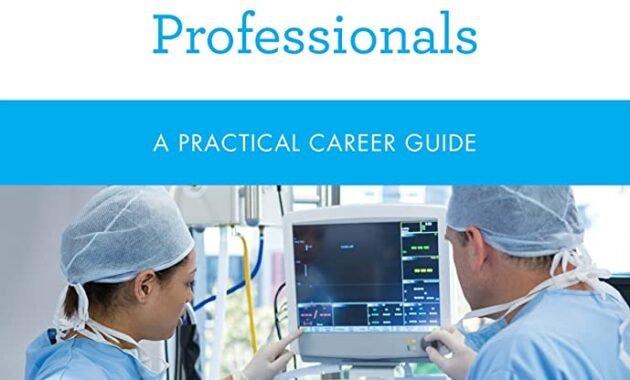
    A Psychiatrist is a medical doctor who specializes in treating mental health conditions of patients. Mental health conditions range from various disorders such as anxiety, depression, eating disorders, bipolar disorder, and schizophrenia. Psychiatrists enhance patients’ mental and emotional well-being through a thorough understanding and analysis of their mental health status, using therapeutic techniques, medication, and other therapies. This guide provides information on the requirements, responsibilities, job outlook, salary, benefits, challenges, rewards, personal qualities, and opportunities for advancement in the field of psychiatry.
    Education and Training Requirements

    A career as a psychiatrist generally requires a four-year undergraduate degree, followed by a four-year medical degree from an accredited medical school. The Medical College Admission Test (MCAT) is a prerequisite for admission to medical school. After completing medical school, a psychiatric residency must be completed, which typically takes four years. This residency training involves gaining knowledge and skills through clinical rotations, seminars, and patient care, preparing the resident for board certification. After completing psychiatric residency, a licensing exam needs to be passed to practice medicine independently. Psychiatrists should have extensive knowledge of the human brain, nervous system, and psychiatric disorders, and should stay informed of advancements in the field through continuing education courses.

    Job Responsibilities

    Psychiatrists’ job responsibilities are to diagnose and treat mental health disorders. They offer assessment, diagnosis, and intervention services to patients with various mental health conditions, providing an appropriate level of care. Psychiatrists conduct comprehensive assessments, take detailed patient histories, perform diagnostic tests, and consult with other medical professionals. They conduct patient visits, monitor and adjust treatment plans, and monitor patients for changes or developments in their mental health status. Psychiatrists maintain detailed patient records, collaborate with other healthcare professionals, and operate within ethical and professional standards.

    Job Outlook

    The job outlook for psychiatrists is very positive, with increasing demand for their services due to a growing awareness and reduction of mental health stigma. Mental health is becoming an essential aspect of primary medical care, which will increase the demand for mental health professionals, including psychiatrists. According to the Bureau of Labor Statistics (BLS), job demand for psychiatrists is projected to grow 14% between 2019 and 2029, which is much faster than the national average.

    Salary and Benefits

    According to the BLS, the median annual wage for psychiatrists was $220,380 in May 2020. The salary range varies based on several factors like job location, employer, education, and experience. Psychiatrists usually receive standard health and retirement benefits through their employer and may also receive additional benefits like paid time off, malpractice insurance, dental, vision, and life insurance, continuing education programs, and professional subscriptions.

    Challenges and Rewards

    Being a Psychiatrist can be challenging as the job involves dealing with various mental health patients, and each patient responds to treatment differently. Psychiatrists require great responsibility in the treatment of their mental health patients. They must be able to manage the complexity of mental health disorders that can be life-threatening, chronic, and disabling, while making independent decisions while incorporating patients’ feedback in their treatment. However, the job can be gratifying by helping patients regain control of their lives and improve their mental health outcomes. Some Psychiatrists may feel a sense of rewarding accomplishment when they see a patient’s progress and improvements in their mental health.

    Personal Qualities

    Psychiatrists require several personal qualities, including strong communication skills, empathy, patience, and emotional resilience. They must be great listeners, compassionate, and keenly observant in determining the root causes of their patients’ mental illnesses. Psychiatrists must be objective and non-judgmental in their interactions with patients and managing their treatment. They must also be adaptable, analytical, and critical thinkers, with high standards of collaboration and teamwork.

    Opportunities for Advancement

    Advancement opportunities for Psychiatrists require obtaining additional education and training, such as pursuing fellowships or obtaining additional board certifications in sub-specializations, such as geriatric psychiatry, forensic psychiatry and addiction psychiatry. Psychiatrists can also move into different roles such as administration, education, or research. Some Psychiatrists may choose to start their private practice or work as consultants within hospitals or other medical facilities.

    Conclusion

    In conclusion, a career as a Psychiatrist is an excellent choice for individuals who have a strong interest in improving patients’ lives who are suffering from mental illness. Education and training can be rigorous, and the job can be challenging but is equally rewarding. Opportunities for advancement are available, and the job outlook remains strong due to an increase in demand for mental health services.

    Frequently Asked Question About Psychiatrists Career

    1. What does a psychiatrist do?

    A psychiatrist is a medical doctor who specializes in mental health. They diagnose and treat mental health conditions such as depression, anxiety, bipolar disorder, schizophrenia, and substance abuse disorders. They also provide therapy and prescribe medication.

    2. How is a psychiatrist different from a psychologist?

    While both psychiatrists and psychologists work to help people with mental health conditions, psychiatrists are medical doctors and can prescribe medication. Psychologists typically provide therapy but cannot prescribe medication.

    3. How do I know if I need to see a psychiatrist?

    If you are experiencing symptoms of a mental health condition, such as persistent sadness, anxiety, or changes in behavior or mood, it may be helpful to see a psychiatrist. A primary care physician can also help refer you to a psychiatrist if necessary.

    4. What can I expect during my first visit to a psychiatrist?

    During your first visit, the psychiatrist will likely ask you questions about your current symptoms, medical history, and family history of mental health conditions. They may also conduct a physical exam or order lab tests. Based on this information, they will provide a diagnosis and treatment plan.

    5. Does seeing a psychiatrist mean I will be on medication for the rest of my life?

    Not necessarily. The treatment plan will depend on the individual’s specific needs and may include therapy, medication, or a combination of both. The duration of treatment also varies depending on the person’s condition and response to treatment. Some people may need medication long-term while others may only need it for a short period.

  • A Comprehensive Guide to Primary care physicians Careers

    A Comprehensive Guide to Primary care physicians Careers

    What is a Primary Care Physician?

    A primary care physician (PCP) is a medical doctor who specializes in providing comprehensive healthcare services to patients of all ages, backgrounds, and health conditions. As the first point of contact for patients seeking medical care, PCPs play a pivotal role in the identification, prevention, and management of various health issues.

    Education and Training Requirements

    Becoming a primary care physician requires extensive education and training. You will need to have a four-year bachelor’s degree in a science or health-related field, followed by four years of medical school to earn a Doctor of Medicine (MD) or a Doctor of Osteopathic Medicine (DO) degree.

    After completing medical school, aspiring physicians must then complete their residency program, which typically lasts three years. During this time, you will work under the supervision of experienced physicians to gain hands-on experience and acquire the skills and knowledge required to become a competent primary care physician.

    Job Responsibilities

    As a primary care physician, your job responsibilities include:

    • Conducting physical exams and evaluating patient symptoms and medical histories
    • Diagnosing and treating various acute and chronic health conditions such as infections, injuries, and chronic diseases
    • Counseling patients on lifestyle changes, injury prevention, disease prevention, and general wellness tips
    • Referring patients to specialists as needed and coordinating care with other health professionals, including pharmacists, physical therapists, and nurses
    • Prescribing medications, monitoring patient progress, and adjusting treatment plans as needed
    • Keeping accurate and complete medical records for each patient and ensuring that patient privacy and confidentiality are maintained

    Job Outlook

    According to the Bureau of Labor Statistics (BLS), the demand for primary care physicians is expected to grow by 4% between 2019 and 2029, which is faster than the average for all occupations. This is due to the continued expansion of the healthcare industry and the aging population, which is increasing the demand for healthcare services.

    Salary and Benefits

    The median annual salary for primary care physicians as of May 2020 was $207,380, according to the BLS. However, salaries can vary depending on factors such as location, experience, and practice setting. Many primary care physicians also receive benefits such as health insurance, retirement plans, and paid time off.

    Challenges and Rewards

    Working as a primary care physician can be both challenging and rewarding. Some of the challenges include long hours, high workloads, and the emotional toll of dealing with patients who are sick, injured, or in pain. However, the rewards of being a primary care physician, such as helping patients improve their health and quality of life, can be highly satisfying.

    Personal Qualities

    To be a successful primary care physician, you should possess certain personal qualities, including:

    • Strong communication and interpersonal skills to build trust and rapport with patients and colleagues
    • Excellent problem-solving and critical thinking skills to diagnose and treat complex medical conditions
    • The ability to work well under pressure and make sound decisions quickly
    • Attention to detail and the ability to maintain accurate and complete medical records
    • Empathy and compassion for patients and their families

    Opportunities for Advancement

    Many primary care physicians advance their careers by taking on leadership roles within healthcare organizations or by pursuing further education and training in specialized areas. For example, you may choose to specialize in fields such as cardiology, gastroenterology, or dermatology. Alternatively, you may choose to become a medical director, overseeing the operations of a healthcare facility or organization.

    Frequently Asked Question About Primary care physicians Career

    1. What is a primary care physician?

    A primary care physician is a medical doctor who provides general medical care to patients. They are usually the first point of contact for patients seeking medical attention and are trained to diagnose and treat various health conditions.

    2. What services do primary care physicians offer?

    Primary care physicians offer a wide range of services, including preventive care, diagnosis and treatment of acute and chronic illnesses, health screenings, vaccinations, and referrals to specialists when necessary.

    3. How do I choose a primary care physician?

    When choosing a primary care physician, consider factors such as their location, office hours, accepted insurance plans, and patient reviews. You may also want to schedule a consultation or visit to see if their approach to medical care aligns with your needs.

    4. Do I need a referral to see a specialist if I have a primary care physician?

    While some insurance plans require a referral from a primary care physician to see a specialist, others may allow patients to self-refer. It’s important to check with your insurance provider to understand their policies.

    5. How often should I visit my primary care physician?

    The frequency of visits to a primary care physician may vary depending on age, health status, and personal health goals. However, it’s generally recommended to visit at least once a year for a routine check-up and health screening.

  • A Comprehensive Guide to Podiatrists Careers

    A Comprehensive Guide to Podiatrists Careers

    Comprehensive Guide to Podiatrists Job

    Podiatrists are healthcare professionals specializing in the diagnosis, prevention, and treatment of conditions affecting the feet, ankles, and lower legs. They are trained to handle a wide range of conditions, including fractures, deformities, infections, and chronic ailments like diabetes.

    If you are interested in pursuing a career as a podiatrist, you need to understand the necessary education and training requirements, job responsibilities, job outlook, salary, benefits, challenges and rewards, personal qualities, and opportunities for advancement.

    Education and Training Requirements

    To become a podiatrist, you need to complete a Doctor of Podiatric Medicine (DPM) degree program. This program typically takes four years to complete and includes both classroom instruction and clinical training.

    Admission to a DPM program typically requires a bachelor’s degree, completion of prerequisite courses in biology, chemistry, physics, and English, and a good score on the Medical College Admission Test (MCAT).

    During your DPM program, you will study various topics related to foot and ankle health, including anatomy, physiology, pharmacology, pathology, and biomechanics. You will also receive hands-on clinical training, which often takes place through rotations in hospitals, clinics, and private practice settings.

    After completing your DPM program, you will need to obtain a license to practice as a podiatrist. You must pass the American Podiatric Medical Licensing Examination (APMLE) and fulfill any additional state-specific requirements to obtain your license.

    Job Responsibilities

    Podiatrists are responsible for diagnosing, preventing, and treating conditions affecting the feet, ankles, and lower legs. Some specific job responsibilities of podiatrists include:

    • Examining patients to assess foot and ankle health
    • Diagnosing conditions like fractures, sprains, infections, and deformities
    • Developing treatment plans that may include medication, therapy, or surgery
    • Monitoring patients’ progress and adjusting treatment plans as needed
    • Providing education and counseling to patients about foot care and injury prevention
    • Maintaining patient records and consulting with other healthcare professionals, such as surgeons and physical therapists

    Job Outlook

    The job outlook for podiatrists is generally positive, with demand for these professionals expected to grow in the coming years. The Bureau of Labor Statistics (BLS) projects that employment of podiatrists will increase by 10 percent between 2018 and 2028, which is faster than the average growth rate for all occupations.

    This demand is due, in part, to the aging population, as older adults are more likely to experience foot problems that require podiatric care. Additionally, advances in technology and medical techniques may create new opportunities for podiatrists to treat conditions more effectively.

    Salary and Benefits

    Podiatrists earn competitive salaries, with the median annual wage for these professionals coming in at $126,240 as of May 2019, according to the BLS. However, actual salaries may vary depending on factors like geographic location, experience level, and type of employer.

    In addition to their salaries, podiatrists may receive a range of benefits, such as medical, dental, and vision insurance, retirement plans, and paid time off. Some employers may also offer tuition reimbursement or loan forgiveness programs to help podiatrists repay their student loans.

    Challenges and Rewards

    As with any healthcare profession, podiatry has its share of challenges and rewards. Some potential challenges of working as a podiatrist include:

    • Working long hours, which may include evenings and weekends
    • Dealing with patients who are experiencing pain or discomfort
    • Managing a heavy workload and sometimes juggling multiple patients at once
    • Keeping up with constantly evolving medical knowledge and techniques

    However, there are also many rewards to working as a podiatrist, including:

    • Helping patients improve their quality of life by addressing foot and ankle problems
    • Developing relationships with patients over time and getting to know them on a personal level
    • Enjoying a high degree of independence and autonomy in your work
    • Being part of a well-respected healthcare profession that is essential to overall health and wellness

    Personal Qualities

    To be successful as a podiatrist, you should possess certain personal qualities and characteristics. Some of the key traits that may serve you well include:

    • Empathy and compassion for patients
    • Strong communication and interpersonal skills
    • An eye for detail and a commitment to accuracy
    • Physical stamina and dexterity to perform procedures and exams
    • A willingness to continually learn and grow in your profession

    Opportunities for Advancement

    As a podiatrist, there are various opportunities for advancement and professional growth. Some potential avenues for advancement include:

    • Starting your own private practice
    • Becoming a partner or owner in an existing practice
    • Teaching or mentoring other podiatrists or healthcare professionals
    • Engaging in research in the field of podiatry
    • Specializing in a particular area of podiatry, such as sports medicine, pediatrics, or surgery

    Conclusion

    Podiatrists play a crucial role in helping patients maintain their foot and ankle health. If you are interested in pursuing a career in this field, it’s essential to understand the education and training requirements, job responsibilities, job outlook, salary and benefits, challenges and rewards, personal qualities, and opportunities for advancement. With these insights in mind, you can make an informed decision about whether podiatry is the right career path for you.

    Frequently Asked Question About Podiatrists Career

    1. What is a podiatrist?

    A podiatrist is a medical professional who specializes in the diagnosis, treatment, and prevention of foot, ankle, and lower leg problems, including injuries, infections, and conditions such as diabetes and arthritis.

    2. What kind of training do podiatrists receive?

    To become a podiatrist, one must complete a four-year undergraduate degree, followed by a four-year Doctor of Podiatric Medicine (DPM) program. Podiatrists then complete a residency program, which typically lasts two to three years, to gain hands-on experience in clinics and hospitals.

    3. When should I see a podiatrist?

    You should see a podiatrist if you have foot or ankle pain, discomfort, or any other related problem that affects your mobility or quality of life. Podiatrists can provide a range of treatments, from basic foot care to specialized procedures.

    4. What are some common conditions that podiatrists treat?

    Some common conditions podiatrists treat include plantar fasciitis, bunions, hammertoes, ingrown toenails, corns, calluses, diabetic foot ulcers, heel spurs, and flat feet. They also treat injuries such as sprains, fractures, and ligament and tendon tears.

    5. What can I expect during a visit to a podiatrist?

    During your visit, your podiatrist will ask you questions about your medical history and current symptoms, examine your feet and ankles, and possibly order imaging tests such as X-rays or ultrasounds. Based on the results, they will develop a treatment plan that may include medication, physical therapy, or surgery.

  • A Comprehensive Guide to Plastic surgeon Careers

    A Comprehensive Guide to Plastic surgeon Careers

    The Comprehensive Guide to the Job of a Plastic Surgeon

    Plastic surgeons are medical professionals who specialize in restoring, reconstructing, and enhancing physical appearances. They are known for their exceptional skills in performing surgical procedures on various parts of the body. This comprehensive guide will provide you with information on education and training requirements, job responsibilities, job outlook, salary and benefits, challenges and rewards, personal qualities, and opportunities for advancement in the field of plastic surgery.

    Education and Training Requirements

    To become a plastic surgeon, you will need to complete extensive education and training. It typically involves the following steps:

    Undergraduate Degree

    The first step towards becoming a plastic surgeon is to complete an undergraduate degree. While there is no specific major required to enter medical school, most aspiring plastic surgeons tend to major in biology, chemistry, or a related field.

    Medical School

    After earning a bachelor’s degree, aspiring plastic surgeons must complete a four-year program at an accredited medical school. Students will learn about the human body, diseases, medical procedures, and treatments. They also complete clinical rotations, which provide hands-on experience in diagnosing and treating patients.

    Residency

    After graduating from medical school, aspiring plastic surgeons must complete a five-year residency program. During the residency, the trainees get extensive experience in performing surgical procedures. They also get to learn from experienced surgeons and gain more knowledge on specific areas of plastic surgery.

    Fellowship

    After completing their residency, some plastic surgeons may opt to pursue a fellowship program, where they will receive additional training in specialized areas of plastic surgery, such as reconstructive or cosmetic surgery. Fellowship programs typically last for one to two years.

    Job Responsibilities

    A plastic surgeon performs a variety of procedures, including corrective surgery for defects caused by birth, trauma, illness, or disease. They may also perform cosmetic procedures to enhance a patient’s appearance. Some of the common job responsibilities of a plastic surgeon include:

    – Conducting pre-operative consultations with patients to understand their goals and develop a treatment plan.
    – Performing surgical procedures such as face lifts, breast augmentation, rhinoplasty, liposuction, and tummy tucks.
    – Monitoring patients’ progress and providing post-operative care.
    – Collaborating with other healthcare professionals, such as dermatologists or oncologists, to provide comprehensive care to patients.

    Job Outlook

    According to the Bureau of Labor Statistics (BLS), the job outlook for plastic surgeons is excellent, with projected employment growth of 4 percent from 2019 to 2029, which is faster than the average for all occupations.

    The demand for plastic surgery procedures is driven by many factors, including:

    – Greater awareness about personal appearance
    – Advancements in medical technology
    – Aging population with increased demand for facial and body rejuvenation procedures
    – Healthcare facilities increasing access to cosmetic surgery
    – Acceptance of plastic surgery as a legitimate medical procedure

    Salary and Benefits

    The salary for plastic surgeons varies depending on many factors including location, experience, and type of employment. According to the BLS, the median annual wage for physicians and surgeons was $206,500 in May 2020.

    Besides the salary, plastic surgeons can also benefit from:

    – Job security due to increased demand for plastic surgery procedures
    – Health and retirement benefits
    – Malpractice insurance to protect them from legal claims
    – Opportunities to work in prestigious hospitals or private practices

    Challenges and Rewards

    Like any profession, being a plastic surgeon comes with its own set of challenges and rewards.

    Challenges

    – Work-life balance is a common challenge for many plastic surgeons due to the long hours and demanding nature of the job.
    – Some of the procedures performed by plastic surgeons can be time-consuming, complex, and require extreme precision. This can lead to fatigue and stress.
    – Malpractice lawsuits – Plastic surgeons are at risk of facing malpractice lawsuits if a patient is dissatisfied with the outcome of a procedure.

    Rewards

    – The ability to transform a patient’s life by restoring, reconstructing or enhancing their physical appearance.
    – The satisfaction of helping patients to overcome physical challenges or illnesses through surgery.
    – The intellectual challenges and satisfaction of performing highly complex surgical procedures.

    Personal Qualities

    To be a successful plastic surgeon, you need to have some key personal qualities, including:

    – Hand-eye coordination – Plastic surgeons must have excellent hand-eye coordination to perform precise, delicate surgical maneuvers.
    – Attention to detail – Attention to detail is critical in plastic surgery since every tiny detail may significantly impact the outcome of a procedure.
    – Empathy – A plastic surgeon must empathize with patients’ concerns, goals, and apprehensions, and provide counseling and reassurance as required.

    Opportunities for Advancement

    There are various opportunities for plastic surgeons to advance their careers beyond just performing surgeries. Here are some examples:

    – Investing in continuing education can help plastic surgeons specialize in specific areas of plastic surgery, such as facial reconstruction, hand surgery or pediatric surgery.
    – Plastic surgeons can also move into teaching positions in medical schools or research positions in academia, where they can share their knowledge and contribute to advancements in plastic surgery.
    – Some plastic surgeons also go into administration, practice management or healthcare consulting, where they can leverage their medical knowledge to provide strategic guidance and leadership.

    Conclusion

    Becoming a plastic surgeon requires committing to years of education and training. A career in plastic surgery can be both challenging and rewarding for the right person. With the field of plastic surgery growing in popularity, there is significant demand for skilled and qualified professionals who are passionate about helping people. If you have a personal disposition towards science, art, and the desire to help others, a career in plastic surgery may be a perfect fit for you.

    Frequently Asked Question About Plastic surgeon Career

    1. What is a plastic surgeon?

    Plastic surgeon is a medical specialist who specializes in the reconstruction, restoration or alteration of the human body through surgical procedures. The focus of plastic surgery is to improve the function and appearance of the body by repairing, reconstructing, or enhancing body parts.

    2. What types of plastic surgery procedures do plastic surgeons perform?

    Plastic surgeons perform a wide range of surgical procedures, including breast augmentation, liposuction, rhinoplasty (nose surgery), facelifts, and tummy tucks. They also perform reconstructive surgery, such as breast reconstruction after mastectomy, and skin grafting for burn patients.

    3. How do I choose the right plastic surgeon for me?

    It’s important to choose a plastic surgeon who is board-certified by the American Board of Plastic Surgery and has experience in the specific procedure you are considering. Look for a surgeon who has a good reputation, is transparent about the risks and benefits of the procedure, and is willing to answer all of your questions.

    4. What are the risks associated with plastic surgery?

    Like any surgical procedure, plastic surgery carries risks, such as bleeding, infection, and adverse reactions to anesthesia. Depending on the procedure, there may be additional risks, such as implant rupture or dissatisfaction with the results. However, these risks can be minimized by choosing a qualified plastic surgeon and following all pre- and post-operative instructions.

    5. What should I expect during a consultation with a plastic surgeon?

    During a consultation with a plastic surgeon, you can expect to discuss your goals, medical history, current health status, and any concerns you have about the procedure. The surgeon will also examine the area to be treated and discuss the options available to you, along with the risks and benefits of each. This is also an opportunity for you to ask questions and address any concerns you may have.

  • A Comprehensive Guide to Pain management doctors Careers

    A Comprehensive Guide to Pain management doctors Careers

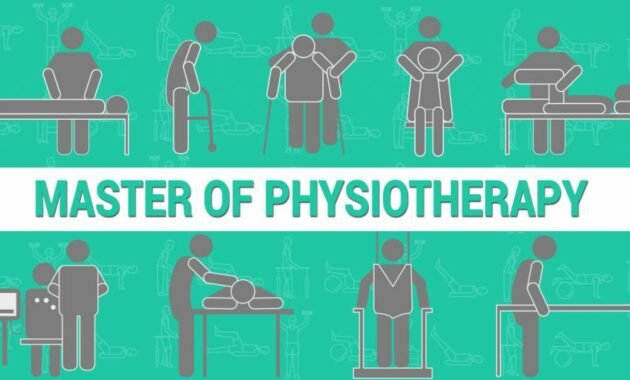
    A pain management doctor is a medical professional who specializes in treating patients with chronic pain. Pain doctors employ a variety of methods, including medication, physical therapy, and injections to manage and alleviate pain. In this guide, we will be covering everything you need to know about pain management doctors, including education and training requirements, job responsibilities, job outlook, salary and benefits, challenges and rewards, personal qualities, and opportunities for advancement.
    Education and Training Requirements

    Becoming a pain management doctor requires extensive educational and training requirements. To become a medical doctor, you must first attain a bachelor’s degree with a focus on pre-medical sciences, followed by four years of medical school. After graduation, aspiring pain management doctors must gain clinical experience by completing a residency program in anesthesiology, neurology, or physical medicine and rehabilitation.

    To complete pain management fellowships, aspiring doctors must complete additional training in pain management, which is typically a one- or two-year program. Pain management fellowship programs typically focus on interventional techniques, non-interventional techniques, and multidisciplinary approaches to pain management.

    Job Responsibilities

    Pain management doctors are responsible for managing chronic pain in patients who have not responded well to other treatments. Their job duties involve assessing patient medical histories, performing exams and tests, developing personalized treatment plans, and following up with patients to monitor progress.

    Pain management doctors use several strategies to manage pain, including medication, rehabilitation, and physical therapy. In some cases, they may use nerve blocks, radiofrequency ablation, or other interventions. The primary goal of pain management doctors is to help their patients reduce pain levels, improve quality of life and manage their conditions.

    Job Outlook

    There is an increasing demand for pain management doctors worldwide, owing to the steadily growing aging population and the prevalence of chronic pain conditions. The Bureau of Labor Statistics suggests that employment for physicians and surgeons may grow by 4% from 2029 to 2039, whereas employment opportunities for pain management doctors are expected to increase in the future.

    With the growing awareness of the benefits of non-pharmacological interventions for pain management, demand for less intrusive pain management approaches is on the rise. Pain management doctors who specialize in non-intrusive pain management techniques such as acupuncture, chiropractic care, or herbal medicine may see even more employment opportunities in the future.

    Salary and Benefits

    According to the American Academy of Pain Medicine, the median annual salary of a pain management doctor is around $300,000, which varies based on training, specialization, location, and experience. Certain pain clinics may offer benefits such as health insurance, paid time off, retirement plans, and professional development opportunities.

    Pain management doctors who work in hospitals or private practice may have more benefits and earn more than those in public hospitals, universities, or rehabilitation centers. They may also receive bonuses or profit-sharing opportunities based on patient outcomes and financial performance.

    Challenges and Rewards

    Pain management doctors face several challenges, including managing complex pain issues and balancing patients’ needs with medical guidelines and regulations. Because pain management is such a complex and challenging field, pain doctors must always stay up to date on the latest treatments, techniques, and legal requirements related to their profession.

    However, the rewards of being a pain management doctor are considerable. Pain doctors help people to overcome debilitating pain and experience a better quality of life. They often see patients with various conditions and treatments, which makes each day different from the next, and may involve a high level of satisfaction for pain management doctors.

    Personal Qualities

    To succeed as a pain management doctor, you must possess many personal qualities essential to the job. Pain management doctors must have excellent communication and interpersonal skills to be able to interact with patients and colleagues effectively. They should also be compassionate, empathetic, and patient with patients and have good stress management skills.

    Pain doctors should be detail-oriented, capable of interpreting complex medical data, and able to work well under pressure. In addition, pain doctors must have a broad range of technical skills and knowledge of multiple medications, therapy techniques, and procedures.

    Opportunities for Advancement

    Pain management doctors have vast opportunities for advancement in their field. Some pain management doctors can specialize in specific areas of pain management, such as cancer, spinal cord injuries, or arthritis. Others can pursue research, academic or administrative roles, such as clinical directors or departmental leaders.

    Some may even opt to open their practice or become a consultant, providing training in pain management techniques and developing better treatment methods. The opportunity for growth and advancement in pain management is limitless, and driven, ambitious pain doctors can make significant contributions to the field of pain management.

    Conclusion

    Pain management doctors are medical professionals who specialize in managing chronic pain, ensuring their patients live a better quality of life. The job requires a long educational journey and technical expertise, but the rewards are high, with excellent job outlook, salary, and benefits. With the growing demand for alternative pain management techniques, there are vast opportunities for growth and advancement in this field. Whether you’re a patient or an aspiring pain management doctor, understanding the complete landscape of the profession can help you make the best decisions about your career or seeking help for your pain.

    Frequently Asked Question About Pain management doctors Career

    1. What is a pain management doctor?

    A pain management doctor is a medical specialist who focuses on diagnosing and treating chronic pain. They use various techniques and treatments to help manage pain, such as medications, injections, physical therapy, and minimally invasive procedures.

    2. When should I see a pain management doctor?

    If you are experiencing chronic pain that has not been relieved by traditional treatments or if you have been on pain medications for an extended period of time, it may be time to see a pain management doctor. They can offer alternative solutions to help manage your pain and improve your overall quality of life.

    3. What should I expect during my first visit to a pain management doctor?

    During your first visit to a pain management doctor, they will review your medical history and perform a physical exam to determine the source of your pain. They may also order additional imaging or laboratory tests to reach an accurate diagnosis. Based on their findings, they will develop a personalized treatment plan for you.

    4. What types of treatments do pain management doctors offer?

    Pain management doctors offer various treatments to help manage chronic pain, including medications, physical therapy, nerve blocks, joint injections, minimally invasive procedures, and alternative therapies such as acupuncture and chiropractic care.

    5. Do I need a referral from my primary care physician to see a pain management doctor?

    It depends on your insurance company and their policies. Some insurance companies require a referral from your primary care physician before seeing a pain management doctor, while others do not. Check with your insurance provider to see what their requirements are.

  • A Comprehensive Guide to Orthopedics Careers

    A Comprehensive Guide to Orthopedics Careers

    Introduction

    Orthopedics is a medical specialty that deals with the diagnosis, treatment, and prevention of disorders related to the musculoskeletal system. An orthopedic specialist is trained to diagnose and treat conditions related to bones, joints, muscles, tendons, ligaments, and nerves. The field of orthopedics is vast, and there are various subspecialties within it, such as spine surgery, hand surgery, sports medicine, and joint replacement surgery. In this guide, we will discuss the education and training requirements, job responsibilities, job outlook, salary and benefits, challenges and rewards, personal qualities, and opportunities for advancement in the field of orthopedics.

    Education and Training Requirements

    To become an orthopedic specialist, one must first obtain a medical degree (MD or DO) from an accredited medical school. After completing medical school, one must complete a residency program in Orthopedics, which usually takes five years. During residency, the residents receive training in various aspects of orthopedics such as trauma, spine surgery, joint replacement, hand surgery, and sports medicine. After completion of residency, some orthopedic surgeons choose to specialize further by completing a fellowship in a specific area of orthopedics. Fellowships usually last for one to two years and provide specialized training in areas such as spine surgery, hand surgery, sports medicine, and joint replacement surgery.

    Job Responsibilities

    The job responsibilities of an orthopedic specialist vary depending on their subspecialty. However, some common job responsibilities of orthopedic surgeons include:

    • Diagnose and treat musculoskeletal injuries and diseases
    • Perform surgeries such as joint replacement, spine surgery, and hand surgery
    • Collaborate with physical therapists and other healthcare professionals to develop a comprehensive treatment plan for patients
    • Conduct routine checkups on patients to monitor their progress and make adjustments to their treatment plan as needed
    • Advise patients on how to prevent injuries and maintain a healthy musculoskeletal system

    Job Outlook

    The job outlook for orthopedic surgeons is excellent, with an estimated job growth rate of 7% from 2018 to 2028. This growth rate is faster than the average job growth rate for other occupations. The demand for orthopedic surgeons is expected to increase due to the aging population, who are more susceptible to musculoskeletal injuries and diseases.

    Salary and Benefits

    Orthopedic surgeons are among the highest-paid medical professionals, with a median annual salary of $409,665, according to a 2020 report by Medscape. However, the salary of an orthopedic surgeon varies depending on factors such as subspecialty, location, and years of experience.

    Orthopedic surgeons also enjoy numerous benefits such as:

    • Medical, dental, and vision insurance
    • Paid time off
    • Retirement plans
    • Disability insurance
    • Continuing education opportunities

    Challenges and Rewards

    Orthopedic surgery can be challenging and demanding, both physically and mentally. The job requires long hours and intense concentration during surgeries. Orthopedic surgeons must have excellent problem-solving skills, as every patient’s condition is unique and requires a customized treatment plan.

    However, the rewards of being an orthopedic surgeon are numerous. Orthopedic surgeons have the satisfaction of helping patients increase their mobility and reduce pain, ultimately improving their quality of life. Orthopedic surgeons also have the opportunity to develop new surgical techniques and treatments, contributing to the advancement of medical science.

    Personal Qualities

    To be successful in the field of orthopedics, one must possess certain personal qualities, such as:

    • Excellent communication skills to explain complex medical procedures and treatment plans to patients and their families
    • Strong attention to detail to ensure accurate diagnosis and treatment
    • Great physical stamina to endure long surgical procedures
    • Excellent problem-solving skills to devise customized treatment plans for patients

    Opportunities for Advancement

    Orthopedic surgeons can advance their career by specializing in a subspecialty such as spine surgery, joint replacement surgery, or hand surgery. They can also advance their career by taking on leadership roles such as serving as department head or medical director. Another way to advance in the field of orthopedics is to participate in research and develop new surgical techniques and treatment plans.

    Conclusion

    The field of orthopedics provides a rewarding and challenging career for medical professionals who are passionate about improving the musculoskeletal health of their patients. It requires extensive education and training, great attention to detail, and strong problem-solving skills. Orthopedic surgeons enjoy numerous benefits such as high salaries, excellent benefits package, and job security. With the aging population, the demand for orthopedic surgeons is expected to increase, making it a favorable field for medical professionals looking for a rewarding career.

    Frequently Asked Question About Orthopedics Career

    1. What is orthopedics?

    Orthopedics is a branch of medicine that focuses on the diagnosis, treatment, and prevention of conditions that affect the musculoskeletal system. This includes the bones, joints, muscles, ligaments, tendons, and nerves.

    2. What conditions do orthopedists treat?

    Orthopedists treat a wide range of conditions that affect the musculoskeletal system. This can include fractures, sprains, strains, arthritis, back pain, and sports injuries, among others.

    3. What treatments do orthopedists offer?

    Orthopedists offer a variety of treatments depending on the condition they are treating. This can include medication, physical therapy, braces, casts, surgery, and joint replacement.

    4. When should I see an orthopedist?

    You should see an orthopedist if you are experiencing pain, swelling, or limited movement in your bones or joints. You should also see an orthopedist if you have been injured, or if you have a family history of musculoskeletal conditions.

    5. What can I expect during a visit to an orthopedist?

    During your visit to an orthopedist, you can expect a thorough examination and evaluation of your condition. This may include X-rays or other imaging tests. Your orthopedist will then discuss treatment options with you and help you make an informed decision about your care.

  • A Comprehensive Guide to Neurosurgeons Careers

    A Comprehensive Guide to Neurosurgeons Careers

    Introduction

    Neurosurgeons are medical professionals who specialize in the surgical treatment of conditions affecting the brain, spinal cord, and nervous system. They work closely with other healthcare professionals, such as neurologists, radiologists, and anesthesiologists, to provide comprehensive care for patients with neurological disorders. In this comprehensive guide article, we will discuss the education and training requirements, job responsibilities, job outlook, salary and benefits, challenges and rewards, personal qualities, and opportunities for advancement for neurosurgeons.

    Education and Training Requirements

    To become a neurosurgeon, a candidate must complete a rigorous education and training program. The candidate must have a bachelor’s degree, with a strong background in biology, chemistry, physics, and math. After this, a candidate must complete four years of medical school to obtain a Doctor of Medicine (MD) degree.

    After completing medical school, the candidate must complete a six-year neurosurgical residency program, where they learn and specialize in the diagnosis and treatment of neurological disorders. During residency, neurosurgeons receive working experience in general surgery, neurology, critical care, and trauma care.

    After residency, some candidates may choose to complete an additional fellowship program, which provides specialized training in areas like pediatric neurosurgery, oncology, or spine surgery.

    Job Responsibilities

    The job responsibilities of neurosurgeons are extensive and cover a broad range of neurological conditions. They diagnose and treat conditions such as brain tumors, aneurysms, traumatic injuries, and congenital anomalies. Neurosurgeons also perform procedures such as craniotomy, spinal surgery, and deep brain stimulation (DBS).

    Neurosurgeons work with other healthcare professionals, including nurses, anesthesiologists, and radiologists, to provide comprehensive care to the patient. They also work closely with neurologists to ensure that the patient receives a correct diagnosis and appropriate treatment.

    Job Outlook

    According to the Bureau of Labor Statistics, the employment of physicians and surgeons, including neurosurgeons, is projected to increase by 4% between 2019 and 2029, which is a faster growth rate compared to other occupations. The growing awareness and recognition of neurological diseases will contribute to the job growth of neurosurgeons.

    Salary and Benefits

    Neurosurgeons are some of the highest-paid medical professionals, with an annual salary of $409,665 on average, according to Salary.com. The salary can vary depending on the experience, location, and specific employer.

    Neurosurgeons also receive a range of benefits, including paid time off, health insurance, retirement plans, and malpractice insurance.

    Challenges and Rewards

    The job of a neurosurgeon is challenging, and the surgeries can be complex and risky. Neurosurgeons must be able to handle the pressure of making life and death decisions and working long hours. However, the job can also be incredibly rewarding, as neurosurgeons have the opportunity to make a significant impact on the lives of their patients.

    Personal Qualities

    To be successful in a career as a neurosurgeon, an individual must possess several key qualities. They must have a strong interest in neurology and a compassionate nature to empathize with their patients. Attention to detail, patience, and the ability to handle pressure are also essential qualities to have as a neurosurgeon.

    Opportunities for Advancement

    Neurosurgeons have various opportunities for advancement within their field. They may choose to specialize in a particular area such as pediatric neurosurgery, skull-based surgery, or neuro-oncology. Other opportunities for advancement may include academic positions, research leadership, or hospital administration. They can also be involved in medical education and training future neurosurgeons.

    Conclusion

    In conclusion, neurosurgeons are essential medical professionals who diagnose and treat neurological disorders. They must undergo rigorous education and training programs to gain the necessary knowledge and expertise. The job requires a range of personal qualities, including compassion, patience, attention to detail, and the ability to handle pressure. A career as a neurosurgeon can be challenging yet incredibly rewarding, and neurosurgeons have various opportunities for advancement within the field.

    Frequently Asked Question About Neurosurgeons Career

    1. What is a neurosurgeon?

    Neurosurgeons are medical doctors who specialize in performing surgical procedures on the brain, spinal cord, and peripheral nerves.

    2. What kind of education and training do neurosurgeons have?

    Neurosurgeons typically complete a bachelor’s degree, followed by four years of medical school and a residency program lasting at least six years. Many also complete additional fellowship training in a specific area of neurosurgery.

    3. What conditions do neurosurgeons treat?

    Neurosurgeons can treat a wide range of conditions affecting the brain, spine, and nervous system, including brain tumors, aneurysms, spinal cord injuries, epilepsy, and Parkinson’s disease.

    4. What can I expect during a visit with a neurosurgeon?

    During your visit, the neurosurgeon will likely review your medical history and perform a physical examination. They may also order diagnostic tests, such as an MRI or CT scan, to help diagnose your condition.

    5. What are the risks associated with neurosurgery?

    As with any surgical procedure, there are risks associated with neurosurgery, including bleeding, infection, and nerve damage. Your neurosurgeon will discuss these risks with you and work to minimize them as much as possible.

  • A Comprehensive Guide to Neurologists Careers

    A Comprehensive Guide to Neurologists Careers

    The Comprehensive Guide to Becoming a Neurologist

    Neurologists are medical professionals who specialize in diagnosing and treating conditions related to the brain and nervous system. These professionals play a critical role in helping individuals who have suffered from chronic or acute neurological issues to regain their health and in improving their quality of life. Here is everything you should know about pursuing a career in neurology, including education and training requirements, job responsibilities, job outlook, salary and benefits, challenges and rewards, personal qualities, and opportunities for advancement.
    Education and Training Requirements

    The first step to becoming a neurologist is to earn a bachelor’s degree from an accredited college or university. Most institutions do not offer any particular undergraduate degree programs in neuroscience or pre-medical programs, but students must take classes in biology, chemistry, physics, mathematics, and psychology.

    After earning a bachelor’s degree in any related field, aspiring neurologists must attend a medical school accredited by the Liaison Committee on Medical Education (LCME) and earn an MD or a DO degree. The typical program runs for four years and includes two years of pre-clinical coursework and two years of clinical experiences.

    After earning an MD or a DO, the next step for a neurologist is to complete a residency program in neurology. Residency programs are usually three to four years in duration and provide experience in clinical, as well as some research duties. After completing a residency program, a neurologist can then choose to complete fellowship training to specialize in even more specific fields, including neuroimaging, neurophysiology, movement disorders, and epilepsy.

    Job Responsibilities

    The primary focus of a neurologist is to treat neurological disorders and diseases. They play a crucial role in the diagnosis and treatment of conditions that affect the nervous system, such as Alzheimer’s disease, Parkinson’s disease, Stroke, Multiple Sclerosis, Epilepsy, Headaches, Neuromuscular diseases, developmental disorders, and more.

    Their responsibilities include:

    – Performing neurological exams on patients to assess their cognitive and motor functions.
    – Obtaining and reviewing medical history and brain and imaging scans.
    – Developing a treatment plan based on the patient’s condition, medical history, and symptoms.
    – Prescribing medications, physical therapy, or other interventions.
    – Monitoring the patient’s response to treatment and modifying treatment accordingly.
    – Communicating with other healthcare providers about the patient’s care and progress.
    – Participating in research studies related to neurological disorders.
    – Educating patients and families about their condition.

    Job Outlook

    According to the U.S. Bureau of Labor Statistics (BLS), job prospects for physicians and surgeons, including neurologists, are projected to grow by 4% between 2019 and 2029, which is faster than the average for all other occupations. Factors that contribute to this positive job outlook include an aging population that requires more medical care and the advancements in healthcare technology that increase the demand for specialized medical professionals.

    Salary and Benefits

    As per the BLS, in May 2020, the median annual income of a neurologist was about $280,000. However, pay varies extensively, depending on geographical location, specialty, years of experience, and type of employment.

    Most neurologists work full-time, and many receive excellent benefits, including medical, dental, and vision insurance. They may also receive retirement plans, malpractice insurance, and paid vacation time.

    Challenges and Rewards

    Like most medical professions, the neurologist’s job can come with its fair share of challenges. These may include the emotional strain of handling patients with severe illnesses, the long working hours, and stressful work environments.

    However, there are also many rewards of working as a neurologist, including:

    – Making a positive difference in the lives of so many people, including patients, their families, and entire communities.
    – Contributing to the development of new treatments, therapies, and medications to help those in need.
    – The joy of seeing patients recover from life-threatening illnesses and regain their quality of life.
    – The strong sense of professional fulfillment that comes with being a medical professional.

    Personal Qualities

    To succeed as a neurologist, there are specific personal traits and characteristics that an individual should possess. These include:

    – Compassion: The ability to empathize with patients and understand their pain and suffering.
    – Good communication skills: The ability to explain complex medical procedures, diagnoses, and treatment plans to patients and their families.
    – Analytical and critical thinking: To diagnose complex neurological cases and create an effective treatment plan.
    – Attention to detail: To ensure a thorough examination of patients and accurate diagnosis.
    – Patience: To engage in long-term patient care and support medical research.
    – Adaptable and flexible: To work effectively in a continuously changing healthcare environment.

    Opportunities for Advancement

    After completing their residency, some neurologists may decide to pursue a fellowship to specialize further in a specific area or condition that interests them. They may also choose to move into clinical leadership roles as a department chief, medical director or take up research roles to contribute to the development of knowledge in the field.

    Another path for neurologists could be to move into academia, teaching and mentoring future generations about neurology. Alternatively, they may choose to take a leadership role in an administrative capacity, such as management or insurance companies.

    Conclusion

    Neurology is a rewarding career path for those who are passionate about helping others, particularly those who have suffered from neurological disorders. Becoming a neurologist requires a lengthy educational journey, including a bachelor’s degree in a related field, followed by a medical degree, a residency in neurology, and potentially a fellowship in a sub-specialty. Neurologists play a vital role in diagnosing and treating diseases of the brain and nervous system. With advances in technology and medicine, prospects for the field are optimistic, so if you’re someone who’s passionate about neuroscience and helping others, you may want to consider pursuing a career in neurology.

    Frequently Asked Question About Neurologists Career

    1. What do neurologists treat?

    Neurologists diagnose and treat conditions related to the central and peripheral nervous systems, including the brain, spine, nerves, and muscles. Common conditions include Alzheimer’s disease, Parkinson’s disease, multiple sclerosis, epilepsy, migraines, and stroke.

    2. What training do neurologists undergo?

    Neurologists undergo extensive training, which includes four years of undergraduate studies, four years of medical school, and three to four years of residency training in neurology. Some neurologists also complete fellowships to specialize in certain areas of neurology, such as epilepsy, sleep medicine, or neurocritical care.

    3. What should I expect during a visit to a neurologist?

    During a visit to a neurologist, you can expect to undergo a thorough physical and neurological examination. The neurologist may also order diagnostic tests, such as imaging studies or blood tests, to help diagnose your condition. After a diagnosis is made, the neurologist will work with you to develop a treatment plan.

    4. What are some common treatments that neurologists prescribe?

    Treatment depends on the condition being treated, but common treatments prescribed by neurologists include medication, lifestyle modifications, physical therapy, occupational therapy, and surgery.

    5. When should I see a neurologist?

    You should see a neurologist if you experience symptoms related to the nervous system, such as headaches, seizures, numbness or tingling, weakness, memory problems, or difficulty with movement. It is also recommended that people with a family history of neurological conditions or those who have experienced a traumatic brain injury see a neurologist for evaluation.

  • A Comprehensive Guide to Nephrologists Careers

    A Comprehensive Guide to Nephrologists Careers

    Nephrologists Job Overview

    Nephrologists are medical professionals who specialize in diagnosing and treating kidney-related diseases and disorders. They are experts in renal physiology and serve as critical members of a healthcare team when it comes to medical issues related to the kidneys.

    As one of the most vital organs in the body, the kidney plays an essential role in regulating blood pressure, electrolyte balance, and removing waste products from the body. Nephrologists are responsible for ensuring that a patient’s kidneys are functioning correctly and treating any issues that arise.

    This comprehensive guide will walk you through everything you need to know about becoming a nephrologist, including education and training requirements, job responsibilities, job outlook, salary and benefits, challenges and rewards, personal qualities, and opportunities for advancement.

    Education and Training Requirements

    To become a nephrologist, one must first complete a Bachelor’s degree program. While there is no specific undergraduate major required, it’s recommended for students to take courses in biology, chemistry, physics, and math.

    Following the completion of their undergraduate degree, students must attend medical school to become a doctor. Medical schools prepare students for a career in medicine, and students are exposed to a broad range of medical disciplines, including nephrology.

    After completing medical school, students will need to complete a residency program in internal medicine, which typically lasts three years. During this time, residents receive specialized training in diagnosing, treating, and managing patients with kidney problems.

    Finally, after completing their residency, aspiring nephrologists must complete a fellowship program in nephrology. Fellowship programs last an additional two to three years and provide advanced training in kidney disorders and dialysis.

    Job Responsibilities

    Nephrologists are medical professionals who treat patients with kidney-related conditions. Their job responsibilities include:

    • Diagnosing and treating kidney-related diseases, such as kidney stones, chronic kidney disease, and acute renal failure.
    • Managing dialysis treatment plans for patients with end-stage renal disease.
    • Prescribing medications to manage and control kidney-related diseases.
    • Performing kidney biopsies to diagnose and treat kidney disorders
    • Interpreting diagnostic tests and results such as biochemistry reports, CT scans, and MRIs to diagnose and evaluate the condition of the kidneys.
    • Educating patients on lifestyle changes and self-care recommendations to manage their kidney disease such as low salt diets.

    Job Outlook

    The job outlook for nephrologists is promising. According to the U.S. Bureau of Labor Statistics, employment of physicians and surgeons is projected to grow 4 percent from 2019 to 2029, which is about as fast as the average growth for all jobs.

    The aging population and the prevalence of chronic kidney disease are some of the primary factors driving the demand for nephrologists.

    Salary and Benefits

    The salary for nephrologists can vary depending on experience, location, and workplace. According to payscale, the average median salary for a nephrologist is around $205,000 per year.

    In addition to their salary, nephrologists also receive a variety of benefits, including health insurance, malpractice insurance, 401(k) contributions, paid time off, and continuing education opportunities.

    Challenges and Rewards

    Like any medical profession, being a nephrologist brings its unique set of challenges and rewards. Some of the challenges include the following:

    • Managing patient expectations and emotions when dealing with life-changing kidney diseases.
    • Dealing with urine and blood samples which may put you at risk of exposure to infectious diseases.
    • The need to keep current with rapidly evolving advancements in medical technology and treatments.
    • The high level of responsibility for patient care and their overall well-being.

    At the same time, there are many rewards associated with being a nephrologist. Some of the rewards include the following:

    • The opportunity to help patients manage and treat their kidney disease successfully.
    • Having a positive impact on a patient’s life by supporting them with the necessary medical care and education.
    • The intellectual challenges of diagnosing and treating complex renal problems.
    • The opportunity for significant career growth and advancement as a specialist in nephrology.

    Personal Qualities

    Success as a nephrologist requires a unique set of personal qualities. Below are a few personal qualities that are essential to this profession.

    • Compassionate nature: Nephrologists must have a genuine passion and care for their patient and their well-being as they help them navigate through kidney-related diseases.
    • Detail-oriented approach: Must be meticulous in their examination, record-keeping, and prescribing accurate medications to avoid any unnecessary health implications.
    • Excellent communication skills: Nephrologists are required to explain complex diagnoses, treatment options and follow up plans with the patient, their family and other medical professionals involved in the patient’s care.
    • Good physical stamina: There may be delivering care to emergency onset patients, long shifts and regular hours spent standing and walking.

    Opportunities for Advancement

    There are numerous opportunities for advancement within nephrology. One common route is to focus on sub-specialties such as nephrotoxic injury or nephrolithiasis. Nephrologists may also take on leadership roles, such as managing a dialysis center, managing a team, or leading a research project. Some individuals choose to branch from clinical practice and participate in research customized towards kidney injury or kidney regeneration.

    Another opportunity for advancement is to pursue a career in academics. Many nephrologists find teaching to be a rewarding aspect of the profession, and they may choose to become a professor or researcher, leading research developments in the field.

    Conclusion

    Nephrology is a medical profession that requires dedication, commitment, and a deep understanding of kidney anatomy, disease, and treatment. As a nephrologist, you are on the front lines of helping patients manage their kidney-related conditions successfully, and the sense of fulfillment that comes with helping people manage their health is both a career and personal gratification. By completing the rigorous education and training requirements, advanced career opportunities, and a promising job outlook are attainable in this specialty field.

    Frequently Asked Question About Nephrologists Career

    1. What is a Nephrologist?

    A Nephrologist is a medical doctor who specializes in the treatment of kidney-related diseases and disorders.

    2. When should I see a Nephrologist?

    You should see a Nephrologist if you are experiencing symptoms such as blood in urine, high blood pressure, swelling in your legs or feet, difficulty with urination or if you have a family history of kidney disease.

    3. What conditions do Nephrologists treat?

    Nephrologists treat a wide range of kidney-related conditions including chronic kidney disease, diabetic kidney disease, polycystic kidney disease, kidney stones, and glomerulonephritis.

    4. What tests will I need to undergo when seeing a Nephrologist?

    The tests you may need to undergo when seeing a Nephrologist may vary depending on your condition, but may include blood tests, urine tests, kidney function tests, imaging tests such as x-rays or ultrasound, and kidney biopsies.

    5. What treatments can Nephrologists offer?

    Nephrologists can offer a range of treatments depending on the condition being treated. These may include medication to manage blood pressure, medication to prevent the formation of kidney stones, dialysis, and kidney transplant.

  • A Comprehensive Guide to Allergist & Immunologists Careers

    A Comprehensive Guide to Allergist & Immunologists Careers

    Introduction

    Allergist & Immunologists are medical professionals who specialize in the diagnosis and treatment of allergies, immunodeficiencies, and other related conditions. They play a vital role in helping patients manage a range of allergic and immunologic disorders, such as asthma, hay fever, and eczema, among others.

    In this comprehensive guide article, we will explore the education and training requirements, job responsibilities, job outlook, salary and benefits, challenges and rewards, personal qualities, and opportunities for advancement in the field of Allergist & Immunologists.

    Education and Training Requirements

    To become an Allergist & Immunologist, individuals must fulfill a rigorous educational and training pathway, which involves several years of undergraduate studies, medical school, residency, and fellowship.

    Firstly, aspiring Allergist & Immunologists must earn an undergraduate degree in a relevant field, such as biology, chemistry, or pre-medical studies, from an accredited institution. They must maintain excellent grades and obtain hands-on experience in a healthcare setting, ideally in the form of internships or volunteer work.

    After completing their undergraduate studies, individuals must enroll in medical school, which usually takes four years to complete. During medical school, students undergo rigorous classroom and clinical training, studying subjects such as anatomy, physiology, pharmacology, and pathology, among others.

    Once medical school is completed, graduates must complete a residency in internal medicine or pediatrics, which usually takes three years to complete. During residency, they receive extensive training in managing various medical conditions and gain essential clinical experience.

    After completing their residency, individuals must then undertake a fellowship in allergy and immunology, which typically requires an additional two to three years of specialized training. During fellowship, they acquire in-depth knowledge and skills in diagnosing and treating allergies, immunodeficiencies, and related disorders.

    Job Responsibilities

    Allergist & Immunologists play a crucial role in diagnosing and treating a range of allergic and immunologic disorders. Some of their key job responsibilities include:

    • Conducting diagnostic tests to identify allergies and immunologic conditions, such as skin tests, blood tests, and pulmonary function tests.

    • Evaluating patients’ medical histories, symptoms, and environmental factors to determine the cause of their allergies or immune disorders.

    • Developing personalized treatment plans for patients, including prescribing medication, immunotherapy, and lifestyle modifications.

    • Monitoring patients’ progress and adjusting treatment plans as needed.

    • Educating patients and their families on how to manage their allergies or immune disorders, including avoiding triggers, taking medication, and emergency management.

    • Collaborating with other healthcare professionals, such as primary care physicians, pediatricians, and pulmonologists, to provide comprehensive care to patients.

    Job Outlook

    According to the Bureau of Labor Statistics (BLS), the employment of physicians and surgeons, including Allergist & Immunologists, is projected to grow by 4% from 2019 to 2029, which is about as fast as the average for all occupations. The demand for healthcare services is growing as the population ages, and as more individuals seek healthcare services related to allergies and immune disorders.

    Additionally, advances in medical technology and treatments are expected to increase the need for specialists in the field of allergy and immunology. As such, the job outlook for Allergist & Immunologists is generally positive.

    Salary and Benefits

    Allergist & Immunologists are highly trained medical professionals, who typically earn substantial salaries. According to Salary.com, the median annual salary for an Allergist & Immunologist in the United States is $229,590, as of May 2021.

    In addition to a competitive salary, many Allergist & Immunologists receive a range of benefits, including medical insurance, retirement plans, malpractice insurance, vacation time, and continuing education opportunities, among others.

    Challenges and Rewards

    Like any other medical profession, being an Allergist & Immunologist can be both challenging and rewarding. Some of the rewards of the profession include:

    • Helping patients manage and overcome allergic and immunologic disorders, improving their quality of life.

    • Being at the forefront of medical research and advancements in allergy and immunology treatments.

    • Having the opportunity to work with a diverse range of patients, each with unique medical histories, symptoms, and challenges.

    • Being an essential member of a healthcare team that helps prevent and treat allergic and immunologic conditions.

    However, the profession also comes with its own set of challenges, such as:

    • Managing a heavy workload, including patient appointments, diagnostic tests, and administrative tasks.

    • Staying up-to-date with the latest research and treatment options in the field.

    • Working in a fast-paced and often stressful work environment.

    • Staying attentive to patients’ needs and providing compassionate care, even in challenging situations.

    Personal Qualities

    The field of allergy and immunology requires individuals with exceptional medical training and a range of personal qualities, such as:

    • Strong communication skills, including the ability to listen and explain medical information clearly.

    • High attention to detail, essential for conducting diagnostic tests and interpreting medical records.

    • Analytical thinking and problem-solving skills, essential for diagnosing and treating complex medical conditions.

    • An empathetic and compassionate approach to patient care, essential for helping patients manage their health conditions.

    Opportunities for Advancement

    Allergist & Immunologists can advance in their careers by pursuing several pathways, such as:

    • Specializing in a specific field of allergy and immunology, such as pediatric allergy, and becoming an expert in that area.

    • Taking on leadership roles, such as managing a clinic or becoming a medical director.

    • Conducting research and publishing academic papers in the field of allergy and immunology.

    • Teaching and mentoring future generations of Allergist & Immunologists.

    Conclusion

    In conclusion, Allergist & Immunologists play an essential role in helping patients manage and control their allergies and immunologic disorders. To become an Allergist & Immunologist, individuals must undergo a rigorous educational and training pathway, which includes several years of undergraduate studies, medical school, residency, and fellowship.

    Allergist & Immunologists have a positive job outlook, competitive salaries, and a range of benefits. The profession also comes with its own set of challenges and rewards, requiring individuals with exceptional medical training and personal qualities.

    For those interested in pursuing a career in allergy and immunology, there are several pathways for advancement, such as specializing in a specific field, taking on leadership roles, conducting research, and teaching future generations of Allergist & Immunologists.

    Frequently Asked Question About Allergist & Immunologists Career

    1. What is an allergist and immunologist?

    An allergist and immunologist is a medical doctor who specializes in the diagnosis and treatment of allergy and immunology-related conditions such as hay fever, asthma, hives, and immune-deficiency disorders.

    2. When should I see an allergist and immunologist?

    You may consider seeing an allergist and immunologist if you exhibit symptoms such as persistent or recurrent coughing, asthma, skin rashes, or frequent sinus infections that are not responding to usual treatments. Additionally, you should visit an allergist if you experience a severe allergic reaction known as anaphylaxis.

    3. What happens during an appointment with an allergist and immunologist?

    During your appointment, your allergist will take your medical history, conduct a physical exam, and may order allergy testing. Based on the findings, your specialist will provide you with an accurate diagnosis and personalized treatment plan.

    4. What types of allergy testing are available?

    Common types of allergy testing include blood tests, skin prick tests, patch tests, and elimination diets. The different methods are designed to investigate the body’s response to suspected allergens such as food, pollen, dust, or pet dander.

    5. Are there any specific qualifications required to become an allergist and immunologist?

    Yes. Allergist and immunologists specialize in allergy and immunology after completing medical school, a residency in internal medicine or pediatrics, and an allergy/immunology fellowship program. Additionally, board certification is required by choosing to become a member of one of the allergy/immunology societies, such as the American Academy of Allergy, Asthma, and Immunology.

  • A Comprehensive Guide to Gynecologists Careers

    A Comprehensive Guide to Gynecologists Careers

    Gynecologists: A Comprehensive Guide to Their Job

    Gynecology is a branch of medicine that focuses on the female reproductive system’s health. Gynecologists are medical doctors that specialize in the diagnosis, treatment, and management of conditions related to women’s reproductive health. In this comprehensive guide, we will explore the qualifications, job responsibilities, salary, benefits, challenges, and rewards of being a gynecologist.

    Education and Training Requirements

    To become a gynecologist, you need to complete a four-year bachelor’s degree program followed by a four-year Doctor of Medicine (MD) or Doctor of Osteopathic Medicine (DO) program. After completing medical school, a residency program in obstetrics and gynecology is required for three to seven years, depending on the program. During the residency program, a gynecologist learns how to diagnose, treat, and manage various conditions related to women’s reproductive health. Upon completing the residency program, a gynecologist can pursue board certification from the American Board of Obstetrics and Gynecology (ABOG) or the American Osteopathic Board of Obstetrics and Gynecology.

    Job Responsibilities

    Gynecologists perform a wide range of duties, including:

    • Conducting annual check-ups, including pelvic exams and breast exams
    • Detecting and diagnosing sexually transmitted infections (STIs)
    • Managing premenstrual syndrome (PMS), menstrual irregularities, and menopause
    • Treating conditions such as endometriosis, polycystic ovary syndrome (PCOS), and fibroids
    • Assessing and managing fertility issues and providing prenatal care including monitoring the health of mother and fetus, providing counseling on pregnancy-related issues, and performing routine ultrasound examinations
    • Identifying and managing high-risk pregnancies, such as pregnancies in women over 35 and pregnancies with underlying medical conditions
    • Performing surgical procedures, such as hysterectomies, laparoscopies, and colposcopies
    • Providing counseling on contraception methods, including permanent sterilization and long-acting reversible contraceptives.

    Job Outlook

    The job outlook for gynecologists is promising. According to the Bureau of Labor Statistics (BLS), employment of physicians and surgeons, including gynecologists, is projected to grow by 4% from 2019 to 2029, which is about as fast as the average for all occupations. The demand for gynecologists will likely continue to rise as the aging population increases and women continue to seek essential care for their reproductive health.

    Salary and Benefits

    The average annual salary of a gynecologist in the United States is $238,320 according to the BLS, with a range of $121,750 to $441,041. The salary depends on factors such as years of experience, location, and type of healthcare facility where they work.

    Gynecologists can receive several benefits as part of their employment, such as health insurance, paid time off, retirement benefits, and continuing education courses to stay updated on the latest medical developments.

    Challenges and Rewards

    Like any medical profession, gynecology has its challenges and rewards. One of the significant challenges gynecologists face is the emotional strain of losing a patient or dealing with a difficult diagnosis. Additionally, gynecology can be physically demanding, as surgical procedures require both mental and physical stamina.

    However, the rewards of being a gynecologist far outweigh the challenges. Gynecologists have the opportunity to help women throughout all stages of life, from adolescence to menopause, and provide comfort during difficult times. Additionally, gynecologists have the satisfaction of contributing to medical advancements and making a positive impact in their patients’ lives.

    Personal Qualities

    Several personal qualities are advantageous for a gynecologist:

    Compassion: Gynecologists should be empathetic and compassionate towards their patients, especially during difficult times.

    Attention to detail: Gynecologists must be detail-oriented when reviewing medical records, making diagnoses, and recommending treatment plans.

    Organizational skills: With many responsibilities, gynecologists must be well-organized and efficient.

    Good communication skills: Gynecologists should have excellent communication skills to explain complex medical terminology to patients and work effectively in a team setting.

    Opportunities for Advancement

    Gynecologists have numerous opportunities for advancement within their medical profession. Gynecologists can choose to specialize in a specific area, such as maternal-fetal medicine or gynecologic oncology. They could also advance in management or leadership roles within the healthcare facility. Additionally, gynecologists can pursue teaching positions or research opportunities at universities or research institutions.

    In Conclusion

    Becoming a gynecologist requires dedication, hard work, and a passion for women’s reproductive health. A career as a gynecologist presents numerous opportunities and challenges. Gynecologists have the satisfaction of being a part of women’s healthcare throughout all stages of their lives, which in turn provides them with a fulfilling and rewarding career.

    Frequently Asked Question About Gynecologists Career

    1. At what age should I start seeing a gynecologist?

    It is recommended for girls to start seeing a gynecologist between the ages of 13 and 15. However, if you experience any menstrual problems or have concerns with sexual activity before that age, it’s important to see a gynecologist earlier.

    2. What happens during a gynecological exam?

    A gynecological exam usually involves a breast exam, a pelvic exam to check for any abnormalities or issues with the reproductive organs, and a Pap smear to test for cervical cancer.

    3. How often should I see my gynecologist?

    It is recommended to see a gynecologist once a year for a general checkup and Pap smear. However, if you have any concerns or issues, you should see a gynecologist as soon as possible.

    4. Can I see a gynecologist while on my period?

    Yes, you can see a gynecologist while on your period. However, it may be uncomfortable and some tests may need to be delayed until the bleeding stops.

    5. Do I need a referral to see a gynecologist?

    It depends on your insurance plan. Some plans require a referral from your primary care physician, while others allow you to make an appointment directly with a gynecologist. It’s best to check with your insurance provider to see what their policies are.

  • A Comprehensive Guide to Gastroenterologists Careers

    A Comprehensive Guide to Gastroenterologists Careers

    What is a Gastroenterologist?

    Gastroenterologists are medical doctors who specialize in diagnosing and treating diseases and disorders of the gastrointestinal (GI) tract. The GI tract includes the esophagus, stomach, small and large intestines, rectum, liver, gallbladder, and pancreas. Gastroenterology is a subspecialty of internal medicine, and gastroenterologists typically work in hospitals, clinics, and private practices.

    Education and Training Requirements

    To become a gastroenterologist, you will need to complete a rigorous education and training program. First, you will need to earn a bachelor’s degree in a related field such as biology, chemistry, or pre-med. Next, you will need to complete four years of medical school to earn a Doctor of Medicine (MD) or Doctor of Osteopathic Medicine (DO) degree.

    After completing medical school, you will need to complete a three-year residency in internal medicine. During your residency, you will work in hospitals and clinics under the supervision of experienced physicians, gaining practical experience in diagnosing and treating a wide range of medical conditions.

    Once you have completed your residency, you will need to complete a three-year fellowship in gastroenterology, during which you will receive specialized training in diagnosing and treating disorders of the GI tract. During this time, you will work with experienced gastroenterologists, learning advanced diagnostic and treatment techniques, such as endoscopy and colonoscopy.

    Job Responsibilities

    As a gastroenterologist, your primary responsibility will be to diagnose and treat diseases and disorders of the GI tract. This could include conditions such as acid reflux, Crohn’s disease, ulcerative colitis, irritable bowel syndrome (IBS), and liver disease. You will also be responsible for performing diagnostic tests, such as endoscopy and colonoscopy, to identify the cause of patients’ symptoms.

    Other job responsibilities may include:

    – Prescribing and managing medications to treat GI disorders
    – Providing nutritional counseling and recommending dietary changes
    – Performing surgical procedures to treat GI disorders
    – Collaborating with other healthcare providers, such as surgeons and oncologists, to provide comprehensive care to patients

    Job Outlook

    The job outlook for gastroenterologists is strong. According to the Bureau of Labor Statistics, the employment of physicians and surgeons, including gastroenterologists, is projected to grow 4% from 2019 to 2029, which is about as fast as the average for all occupations.

    The demand for gastroenterologists is expected to increase as the population ages and the prevalence of GI disorders increases. Gastroenterologists are also in high demand in rural and underserved areas, where access to healthcare may be limited.

    Salary and Benefits

    Gastroenterologists are among the highest-paid medical professionals. According to Medscape’s 2020 Gastroenterologist Compensation Report, the average salary for gastroenterologists in the United States is $417,000 per year.

    In addition to competitive salaries, gastroenterologists typically receive a comprehensive benefits package that includes health insurance, retirement plans, and malpractice insurance.

    Challenges and Rewards

    Like any medical profession, gastroenterology comes with its own set of challenges and rewards. Some of the challenges include:

    – Long hours: Gastroenterologists may work long hours, including evenings and weekends, to accommodate patient needs.
    – Emotional toll: Diagnosing and treating serious GI disorders can take an emotional toll on gastroenterologists, especially when patients do not respond to treatment.
    – Constant learning: Gastroenterologists must keep up with the latest advances in medical technology and treatment options, which requires ongoing education and training.

    However, there are also many rewards to a career in gastroenterology, including:

    – Making a difference: Gastroenterologists have the opportunity to make a significant impact on their patients’ lives by diagnosing and treating life-threatening diseases.
    – Collaboration: Gastroenterologists work closely with other healthcare providers, such as surgeons and oncologists, to provide comprehensive care to patients.
    – Opportunity to specialize: With further training, gastroenterologists can specialize in areas such as liver disease, inflammatory bowel disease (IBD), and pancreatic disease.

    Personal Qualities

    To excel as a gastroenterologist, you will need to possess certain personal qualities, including:

    – Strong interpersonal skills: Gastroenterologists must be able to communicate easily with patients, explaining complex medical information in a way that is easily understood.
    – Detail-oriented: Gastroenterologists must be able to pay close attention to detail and meticulously examine test results to identify underlying medical conditions.
    – Calm under pressure: Gastroenterologists must remain calm and composed under stressful situations, such as when diagnosing a life-threatening GI disorder.

    Opportunities for Advancement

    Gastroenterologists can advance their careers in a number of ways, including:

    – Academic positions: Gastroenterologists can pursue academic positions in research and teaching at medical schools and universities.
    – Administration: Gastroenterologists can advance their careers by taking on administrative roles within hospitals and healthcare organizations.
    – Specialization: With further training and experience, gastroenterologists can specialize in areas such as liver disease, IBD, and pancreatic disease, which can lead to higher salaries and more job opportunities.

    Conclusion

    Gastroenterology is an exciting and rewarding medical specialty that offers a wide range of opportunities for growth and advancement. While the education and training requirements are rigorous, the job outlook is strong, and the salary and benefits are highly competitive. If you are a detail-oriented, compassionate individual with a passion for medicine, gastroenterology may be the perfect career for you.

    Frequently Asked Question About Gastroenterologists Career

    1. What do gastroenterologists treat?
    Gastroenterologists treat disorders and diseases related to the digestive tract and associated organs such as the stomach, liver, pancreas, and intestines. Common conditions treated by gastroenterologists include acid reflux, Crohn’s disease, ulcerative colitis, irritable bowel syndrome, and liver diseases.

    2. When should I see a gastroenterologist?
    You should see a gastroenterologist if you are experiencing any digestive tract symptoms such as abdominal pain, bloating, diarrhea, constipation, or rectal bleeding. This is especially important if these symptoms persist for an extended period of time. Additionally, if you have a family history of digestive disorders, it may be beneficial to see a gastroenterologist for preventative care.

    3. How does a gastroenterologist diagnose digestive disorders?
    Gastroenterologists use a variety of diagnostic tools such as endoscopy, colonoscopy, imaging scans, and blood tests to diagnose digestive disorders. During an endoscopy or colonoscopy procedure, a gastroenterologist can inspect the inside of the digestive tract and take tissue samples if necessary.

    4. What should I expect during my first visit to a gastroenterologist?
    During your first visit to a gastroenterologist, you will discuss your medical history and any digestive tract symptoms you are currently experiencing. Your doctor may also perform a physical exam and recommend diagnostic tests. Prior to your visit, it is important to make note of any questions or concerns you may have in order to have a productive conversation with your doctor.

    5. What can I do to prevent digestive disorders?
    Maintaining a healthy lifestyle can help prevent many digestive disorders. This includes maintaining a healthy diet, exercising regularly, avoiding excessive alcohol consumption, quitting smoking, and managing stress. Additionally, getting regular check-ups with a gastroenterologist and following preventative screening guidelines for colorectal cancer can help detect potential problems early on.

  • A Comprehensive Guide to Eye doctors Careers

    A Comprehensive Guide to Eye doctors Careers

    When it comes to our sense of sight, it is critical for us to receive the best possible care to ensure optimal health. Ophthalmologists or optometrists are the licensed specialists who evaluate and treat various eye conditions. They help diagnose and manage disorders related to the visual system, including the eyes and the associated areas of the brain. Let’s dive deeper into the profession of eye doctors and see what it takes to become one.

    Education and Training Requirements

    To become an eye doctor, one should have a bachelor’s degree from an accredited college or university. Afterward, prospecting eye doctors must attend and graduate from an accredited optometry or medical school. Medical school usually takes four years, and the curriculum is designed to cover various health-related topics, including the eyes. In contrast, optometry school takes around three to four years, with a focus more specifically on the eyes and their function.

    Both medical and optometry schools require candidates to pass an entrance exam before admission. The admission process to medical schools is more stringent and competitive, with a lower acceptance rate than optometry schools. After graduation, eye doctors must undergo further training and residency in their field of expertise ranging from one to four years upon completion of the degree.

    Job Responsibilities

    Eye doctors are responsible for diagnosing and treating eye conditions, prescribing medications, providing vision and eye care, and performing eye surgery. They also remind their patients to visit regularly for eye exams, which can detect eye diseases that may have no symptoms in the early stages. Other duties of eye doctors include:

    • Performing comprehensive eye exams to assess vision, eye muscle function, and eye health
    • Prescribing glasses and contact lenses as necessary
    • Treating ocular diseases such as glaucoma and cataracts
    • Evaluating and treating common eye conditions such as dry eyes, allergies, and infections
    • Performing corrective surgery to correct vision
    • Collaborating with other healthcare providers to manage overall health
    • Managing medical records and communicating with patients and families about their eye health and treatment plans

    Job Outlook

    According to the U.S. Bureau of Labor Statistics (BLS), the employment of optometrists is anticipated to increase by eight percent from 2019 to 2029. The job growth is expected due to the aging population of baby boomers who will need increased optical care as they age. Ophthalmologists, however, while in demand, are harder to come by, as they have extended training requirements and need to be a licensed medical doctor to practice.

    Salary and Benefits

    The median yearly pay for optometrists is $122,980, according to the May 2020 report by the BLS. On the other hand, Ophthalmologists’ median salaries were around $360,000 as per the same BLS data. The benefits package for eye doctors usually includes healthcare, malpractice insurance, retirement savings, and paid time off. Additionally, many optometrists receive incentives based on their productivity, which can positively affect their compensation currently or in the future.

    Challenges and Rewards

    Like all medical professions, the challenges of being an eye doctor come with high responsibility, some physical demands, and long working hours. Often, Eye doctors work in hospitals or clinics associated with private offices, schools, or other facilities. They frequently stand and may have to test various patients with different visual conditions, which requires excellent motor skills and attention to detail. Besides, they may also have to work irregular and extended hours, especially when responding to emergencies.

    Still, the rewards that come with being an eye doctor can be highly fulfilling. There is satisfaction in improving a patient’s eyesight or preventing them from becoming visually impaired, which can significantly affect their overall quality of life. Additionally, there is a job security as a healthcare worker that provides financial stability.

    Personal Qualities

    Skills and qualities essential for eye doctors include:

    • Excellent verbal and written communication skills
    • Critical thinking and problem-solving skills
    • Attention to detail and accuracy
    • Patience and empathy
    • Compassion and desire to help others
    • Coordination and dexterity
    • Stress management and self-care

    Opportunities for Advancement

    Eye doctors have opportunities for career advancement that can increase their earning potential and job responsibilities. With additional training and licensing, optometrists and ophthalmologists can specialize and focus their practice on specific areas, such as glaucoma or pediatrics. Some eye doctors may also become professors or instructors in optometry or medical schools. Others may choose to start or join a practice, work in research labs, or partner with other healthcare providers to offer comprehensive patient care.

    Conclusion

    Becoming an eye doctor requires an extensive education, training and is a highly dynamic and rewarding field. Eye doctors must have a passion for helping others, excellent communication skills, and a commitment to lifelong learning. The demand for eye doctors continues to grow, offering great career prospects and a lucrative salary. If you’re considering this career path and possess the qualities and skills required, being an eye doctor can be a fulfilling and satisfying profession.

    Frequently Asked Question About Eye doctors Career

    5 Frequently Asked Question about Eye doctors and answer

  • A Comprehensive Guide to ENT doctors Careers

    A Comprehensive Guide to ENT doctors Careers

    Comprehensive Guide to the Job of an ENT Doctor

    The job of an ear, nose, and throat (ENT) doctor, also known as an otolaryngologist, involves the diagnosis and treatment of conditions that affect the ears, nose, throat, neck, and head. From allergies and sinus infections to hearing loss and sleep apnea, an ENT specialist offers a broad range of medical services to patients of all ages.

    If you’re considering a career as an ENT doctor, here’s a comprehensive guide to help you understand the job requirements, responsibilities, salary and benefits, challenges and rewards, personal qualities, education and training requirements, and opportunities for advancement.

    Education and Training Requirements

    To become an ENT doctor, you need to complete extensive education and training. Here are the required steps:

    Undergraduate degree: You must earn a bachelor’s degree, preferably in a science or health-related field, from an accredited college or university.
    Medical school: After completing your undergraduate degree, you must attend a four-year medical school program to earn an MD (Doctor of Medicine) or DO (Doctor of Osteopathic Medicine) degree.
    Residency program: Once you’ve obtained your medical degree, you’ll need to complete a five-year residency program that focuses on otolaryngology. During your residency, you’ll receive supervised training in various ENT-related medical services, such as diagnosing and treating patients, performing surgical procedures, and managing pre- and post-operative care.
    Board certification: After completing your residency, you must pass the American Board of Otolaryngology exam to earn board certification in otolaryngology. Board certification demonstrates your expertise and competence in the field and is required to practice as an ENT doctor.

    Job Responsibilities

    As an ENT doctor, your job responsibilities are diverse and multifaceted. Here are some of the things you can expect to do in your day-to-day work:

    – Diagnose and treat ear, nose, and throat conditions: ENT doctors evaluate patients’ symptoms, medical history, and test results to diagnose and treat various conditions, such as ear infections, sinusitis, tonsillitis, laryngitis, hearing loss, and sleep apnea.
    – Perform surgical procedures: ENT doctors perform a wide range of surgical procedures, from minor to complex, to treat different conditions. For example, they may perform tonsillectomies, adenoidectomies, septoplasties, rhinoplasties, and cochlear implants.
    – Provide pre- and post-operative care: ENT doctors provide patients with pre- and post-operative care instructions and monitor their recovery progress to ensure proper healing and minimize complications.
    – Collaborate with other healthcare professionals: ENT doctors may collaborate with other healthcare professionals, such as audiologists, speech therapists, and allergists, to provide comprehensive care to patients.
    – Educate patients: ENT doctors educate patients on their condition, treatment options, and lifestyle changes they can make to promote better health and well-being.

    Job Outlook

    According to the Bureau of Labor Statistics (BLS), employment of physicians and surgeons, including ENT doctors, is projected to grow 18 percent from 2020 to 2030, much faster than the average for all occupations. The increasing demand for healthcare services, coupled with an aging population, is driving the need for more healthcare professionals. Additionally, the rising prevalence of chronic diseases, such as allergies, hearing loss, and cancer, is increasing the demand for ENT specialists.

    Salary and Benefits

    ENT doctors earn a competitive salary that varies depending on their experience, location, and employer. According to the BLS, the median annual wage for physicians and surgeons was $208,000 in May 2020. However, ENT doctors may earn lower or higher salaries based on various factors.

    In addition to a competitive salary, ENT doctors may receive various benefits, such as health insurance, retirement plans, vacation and sick leave, malpractice insurance, and educational assistance.

    Challenges and Rewards

    Working as an ENT doctor can be challenging yet rewarding. Here are some of the challenges and rewards associated with the job:

    Challenges:
    – Long work hours: ENT doctors may work long hours, including nights, weekends, and holidays, depending on their patient load and practice setting.
    – High-stress environment: ENT doctors deal with patients who may be anxious, afraid, or in pain, which can create a highly stressful work environment.
    – Constant learning: As a healthcare field, otolaryngology is constantly evolving, requiring ENT doctors to stay updated on the latest technologies, treatments, and techniques.

    Rewards:
    – Making a difference in patients’ lives: ENT doctors have the opportunity to make a significant impact on patients’ health, helping them alleviate symptoms, improve quality of life, and achieve better outcomes.
    – Complex problem-solving: ENT doctors solve complex medical cases, applying their knowledge, skills, and experience to diagnose and treat conditions that may be difficult to identify or address.
    – Financial stability: As healthcare professionals, ENT doctors enjoy financial stability, job security, and professional respect.

    Personal Qualities

    To be a successful ENT doctor, you need to possess certain personal qualities that complement your education, training, and technical skills. Here are some of the personal qualities that can help you excel in this field:

    – Compassion: ENT doctors must have a compassionate and empathetic demeanor to connect with patients, listen to their concerns, and provide emotional support.
    – Communication: ENT doctors must have excellent communication skills to explain complex medical concepts in simple terms, educate patients about their condition, and collaborate effectively with other healthcare professionals.
    – Attention to detail: ENT doctors must be detail-oriented to conduct thorough evaluations, create accurate diagnoses, and perform precise surgical procedures.
    – Professionalism: ENT doctors must demonstrate a high level of professionalism, integrity, and ethical conduct to build trust with patients, comply with legal and regulatory requirements, and maintain their reputation in the industry.

    Opportunities for Advancement

    ENT doctors can advance their career and expand their expertise through various means. Some of the opportunities for advancement include:

    – Specialization: ENT doctors can specialize in a specific area of otolaryngology, such as pediatric otolaryngology, facial plastic and reconstructive surgery, or head and neck oncology, to provide more specialized care and increase their earning potential.
    – Research: ENT doctors can conduct research projects, contribute to medical journals, and present their findings at conferences to enhance their reputation and advance their knowledge.
    – Academic positions: ENT doctors can pursue academic positions, such as teaching or research roles, to educate the next generation of healthcare professionals and contribute to the advancement of the field.

    In conclusion, the job of an ENT doctor is a rewarding and challenging career path that requires extensive education and training, diverse job responsibilities, good personal qualities, and opportunities for advancement. If you have a passion for helping patients, enjoy solving complex medical cases, and are willing to invest in your education and skills, becoming an ENT doctor may be the right career path for you.

    Frequently Asked Question About ENT doctors Career

    1. What does an ENT doctor treat?
    An ENT (ear, nose, and throat) doctor, also called an otolaryngologist, treats a wide range of conditions related to the head and neck. Some common conditions treated by ENT doctors include ear infections, sinusitis, tonsillitis, hearing loss, nosebleeds, tumors or growths in the head and neck, and sleep apnea.

    2. What causes sinus problems?
    Sinus problems can be caused by a variety of factors, including allergies, infections, structural abnormalities in the sinuses, and immune system disorders. Common symptoms of sinus problems include nasal congestion, facial pain or pressure, headaches, and post-nasal drip.

    3. When should I see an ENT doctor for a sore throat?
    If you have a sore throat that lasts longer than a week, is accompanied by a fever, difficulty swallowing, or other symptoms such as hoarseness or a persistent cough, it is recommended that you see an ENT doctor. They can perform a thorough examination of your throat and determine the cause of the sore throat.

    4. What is a hearing test?
    A hearing test is a series of tests that evaluate your ability to hear sounds at different frequencies and volumes. The test is usually performed in a soundproof room and involves wearing headphones and responding to sounds played at different levels and pitches.

    5. What is a tonsillectomy?
    A tonsillectomy is a surgical procedure in which the tonsils are removed. This procedure is recommended for patients who have frequent or severe tonsillitis, sleep apnea, breathing difficulties, or other conditions that affect the tonsils. It is usually performed under general anesthesia and involves the removal of the tonsils through the mouth.

  • A Comprehensive Guide to Endocrinologists Careers

    A Comprehensive Guide to Endocrinologists Careers

    Endocrinologists: Comprehensive Guide

    Endocrinology is a branch of medicine that focuses on the study of the endocrine system, which is responsible for producing hormones that regulate various functions of the body such as growth, metabolism, and reproduction. Endocrinologists are the medical professionals who specialize in treating endocrine disorders and diseases. This comprehensive guide will provide detailed information on the role and responsibilities of endocrinologists, education and training requirements to become an endocrinologist, job outlook, salary and benefits as well as challenges and rewards associated with the job, personal qualities required, and opportunities of advancement in the field.
    Role and Responsibilities of an Endocrinologist

    Endocrinologists specialize in identifying and diagnosing hormonal imbalances in the endocrine glands, such as the thyroid, pancreas, pituitary, and adrenal glands. They treat patients with disorders caused by too much or too little hormone production, including diabetes, thyroid disease, obesity, osteoporosis, and infertility, among others. Some of the responsibilities of an endocrinologist include:

    1. Evaluating Patients: Endocrinologists meet with patients to evaluate their medical history, perform a physical examination, and diagnose endocrine disorders or hormonal imbalances through laboratory tests and imaging studies.

    2. Prescribing Treatments: After diagnosing a patient, endocrinologists develop treatment plans that may include medications, lifestyle changes, or surgery. They also monitor patients’ response to treatment over time to determine whether adjustments are necessary.

    3. Managing Chronic Health Conditions: Endocrinologists oversee the long-term management of chronic health conditions such as diabetes, obesity, and osteoporosis. They work with patients to modify lifestyle factors such as diet and exercise, and prescribe medications to help manage symptoms.

    4. Collaborating with Other Healthcare Providers: Endocrinologists often collaborate with other healthcare providers, such as primary care physicians, nurses, dietitians, and pharmacists, to provide comprehensive care to their patients.

    Education and Training Requirements to Become an Endocrinologist

    To become an endocrinologist, one must complete extensive education and training requirements. These include:

    1. Undergraduate Degree: The first step to becoming an endocrinologist is to earn a bachelor’s degree in a pre-medical field, typically biology or chemistry, although it can be any major or area of study.

    2. Medical Degree: After completing a bachelor’s degree, individuals must attend medical school and earn a Doctor of Medicine (MD) or Doctor of Osteopathic Medicine (DO) degree.

    3. Residency Training: After completing medical school, individuals must complete a residency program in internal medicine which lasts three years.

    4. Fellowship Training: Individuals must then complete a fellowship in endocrinology, diabetes, and metabolism that lasts two to three years. During this fellowship, endocrinologists receive extensive training in the diagnosis and treatment of endocrine disorders under the guidance of experienced endocrinologists.

    5. Board Certification: After completing residency and fellowship training, endocrinologists must pass a board certification examination to become certified by the American Board of Internal Medicine or American Osteopathic Board of Internal Medicine.

    Job Outlook

    According to the Bureau of Labor Statistics (BLS), employment for physicians and surgeons, including endocrinologists, is projected to grow by 4% from 2019 to 2029. This growth is due to an aging population that will require more medical care, including treatment and management of endocrine disorders such as diabetes and obesity. The BLS also reported that the median annual salary for physicians and surgeons was $206,500 in 2019.

    Salary and Benefits

    The salary and benefits of an endocrinologist vary based on factors such as geographic location, employer, years of experience, and specialty. According to a 2020 Medscape report, the average annual compensation for an endocrinologist was $236,000, which includes salary, bonus, and profit-sharing contributions. Endocrinologists may receive additional benefits such as health insurance, dental insurance, retirement plans, and paid time off.

    Challenges and Rewards

    Endocrinology, like all medical fields, presents various challenges and rewards. One of the primary challenges of being an endocrinologist is managing chronic health conditions such as diabetes, obesity, and osteoporosis, which can be complex and require lifelong medical management. Additionally, providing care to patients who are often dealing with chronic disease can be emotionally draining.

    However, being an endocrinologist also presents many rewards. Endocrinologists have the opportunity to improve the lives of their patients by helping them manage their conditions, prevent complications, and improve their overall quality of life. Additionally, endocrinologists experience the satisfaction of making a difference in their patients’ lives and contributing to research and advancements in the field of endocrinology.

    Personal Qualities Required

    Endocrinologists must possess various personal qualities to be effective in their work. These include:

    1. Attention to Detail: Endocrinologists must have excellent attention to detail to accurately diagnose and treat patients with endocrine disorders.

    2. Empathy: Endocrinologists must be empathetic to understand and respond to their patients’ needs, as managing chronic conditions requires a significant investment of the patient’s time and resources.

    3. Strong Communication Skills: Endocrinologists must have strong communication skills to effectively communicate treatment plans and information to patients, their families, and other healthcare providers.

    4. Critical Thinking Skills: Endocrinologists must have excellent critical thinking skills to accurately diagnose and treat complex endocrine disorders.

    Opportunities for Advancement

    Endocrinologists have various opportunities for advancement within their field. They may specialize in a particular area of endocrinology, such as reproductive endocrinology, pediatric endocrinology, or thyroid disease. Additionally, they may pursue academic or research positions and contribute to the advancement of medical knowledge in the field. Some endocrinologists may also transition into leadership positions within their healthcare organizations, such as serving as medical directors or department chairs.

    Conclusion

    Endocrinologists play an essential role in diagnosing and treating endocrine disorders and hormonal imbalances. Becoming an endocrinologist requires extensive education and training, including completion of an undergraduate degree, medical school, residency, and fellowship training. The job outlook for endocrinologists is positive due to an aging population that will require more medical care in the coming years. Endocrinologists earn a median salary of $206,500 per year, and their compensation packages often include benefits such as health insurance and retirement plans. Being an endocrinologist presents various challenges and rewards and requires personal qualities such as attention to detail, empathy, strong communication skills, and critical thinking skills. Finally, endocrinologists have various opportunities for advancement within their field, including pursuing research or academic positions and transitioning into leadership roles within their healthcare organizations.

    Frequently Asked Question About Endocrinologists Career

    1. What is an endocrinologist?
    An endocrinologist is a medical doctor who specializes in the treatment of hormonal imbalances, diabetes, and disorders of the endocrine system.

    2. When should I see an endocrinologist?
    If you are experiencing symptoms related to hormonal imbalances, such as fatigue, weight gain, irregular periods, or excessive thirst or urination, you should consider consulting with an endocrinologist. Additionally, if you have been diagnosed with a condition such as diabetes, thyroid disorders or osteoporosis, you may need ongoing care from an endocrinologist.

    3. What kind of tests or procedures do endocrinologists perform?
    Endocrinologists perform a range of diagnostic tests and treatments for hormonal imbalances, including blood tests, imaging studies, and biopsies. They may also prescribe medications, recommend dietary changes or provide hormone replacement therapy.

    4. Are there any risks associated with seeing an endocrinologist?
    While endocrinologists are trained professionals, there are some risks associated with any medical procedure or test. For example, there may be discomfort or complications associated with blood draws, biopsies or other diagnostic tests. Always discuss potential risks with your doctor before undergoing any medical procedures.

    5. How can I prepare for my first endocrinologist appointment?
    Before your first appointment, you should gather any relevant medical records, such as medical history and insurance documents. You should also write down any questions or concerns you wish to discuss with your endocrinologist. Additionally, if you are taking any medications or supplements, be sure to bring a list of those as well.

  • A Comprehensive Guide to Dermatologists Careers

    A Comprehensive Guide to Dermatologists Careers

    Dermatologists are medical professionals who specialize in treating conditions that affect the skin, hair, and nails. They are responsible for diagnosing and treating a range of issues, including acne, eczema, psoriasis, skin cancer, and more. These professionals often work in private practices, hospitals, and healthcare clinics.

    In this comprehensive guide, we will discuss various aspects of the dermatologist’s job, including education and training requirements, job responsibilities, job outlook, salary and benefits, challenges and rewards, personal qualities, and opportunities for advancement.

    Education and Training Requirements

    To become a dermatologist, candidates must complete extensive education and training. They must first earn a bachelor’s degree, typically in a science-related field, and then attend medical school. After receiving their medical degree, they must complete a residency in dermatology, which can take up to four years.

    During this residency, dermatologists learn about diagnosing and treating skin conditions through clinical experience, attending conferences, and conducting research. They may also specialize in a particular area of dermatology, such as pediatric dermatology, cosmetic dermatology, or dermatopathology.

    After completing their residency, aspiring dermatologists may choose to pursue further specialization through a fellowship program. These programs typically last one year and provide advanced training in a specific area of dermatology.

    Job Responsibilities

    Dermatologists are responsible for diagnosing and treating a wide range of skin conditions. They must examine patients to determine the cause of their symptoms, which may involve taking a detailed medical history, performing a physical exam, and ordering lab tests.

    Once dermatologists have identified the root of the problem, they can recommend treatment options. This may include prescribing medication, performing surgical procedures, or providing topical treatments. They may also advise patients on ways to manage their condition at home.

    In addition to diagnosing and treating skin disorders, dermatologists also play a key role in preventing skin cancer. They educate patients on the importance of sun protection and perform regular skin cancer screenings.

    Job Outlook

    The demand for dermatologists is expected to grow as the population ages and skin cancer rates continue to rise. According to the Bureau of Labor Statistics, employment for physicians and surgeons, including dermatologists, is projected to grow 4% from 2019 to 2029.

    Salary and Benefits

    Dermatologists are among the highest-paid medical professionals. According to the Medscape Dermatology Compensation Report 2020, the average annual salary for a dermatologist in the United States is $455,000. However, salaries can vary widely depending on the location, type of practice, and level of experience.

    In addition to a high salary, dermatologists typically receive a range of benefits, including health insurance, retirement plans, and malpractice insurance.

    Challenges and Rewards

    Like any medical profession, dermatology can be challenging, but also incredibly rewarding. Dermatologists must stay up-to-date with advances in technology and techniques, manage a high caseload, and work under time pressure. However, they also have the opportunity to improve their patients’ quality of life by treating their skin conditions and detecting skin cancer early.

    Personal Qualities

    To succeed as a dermatologist, candidates must have a strong desire to help patients and a passion for dermatology. They must also have excellent communication, problem-solving, and interpersonal skills, as they will work closely with patients, medical staff, and other professionals.

    Opportunities for Advancement

    Dermatologists have a variety of options for career advancement. Some may choose to specialize in a particular area, allowing them to become experts in the field. Others may pursue research opportunities or combine clinical work with teaching at a medical school.

    Conclusion

    Becoming a dermatologist takes years of education and training, but the rewards are significant. Dermatologists have the opportunity to work with patients to improve their skin health and prevent skin cancer. They also enjoy a high salary and a range of benefits. If you’re passionate about helping patients and have a desire to work in dermatology, a career as a dermatologist may be right for you.

    Frequently Asked Question About Dermatologists Career

    1. What types of skin conditions do dermatologists treat?

    Dermatologists specialize in diagnosing and treating a range of skin conditions, such as acne, psoriasis, eczema, rosacea, skin cancer, and other skin growths, rashes, and wounds. They also provide cosmetic services, including Botox, fillers, laser treatments, and chemical peels.

    2. When should I see a dermatologist?

    You should see a dermatologist if you have a persistent or severe skin problem that does not respond to over-the-counter or home remedies, such as rash, itchiness, redness, bleeding, blistering, or scaling. You should also schedule a regular skin exam if you have a family history of skin cancer, sun damage, or other risk factors.

    3. How do dermatologists diagnose skin conditions?

    Dermatologists use their clinical skills and tools, such as a dermatoscope, magnifying lens, or biopsy, to examine and analyze the skin lesion or spot in detail. They may also ask you questions about your symptoms, medical history, family history, or lifestyle habits to gather more information. Depending on the findings, they may recommend further tests, such as a blood test, culture, or imaging, to confirm the diagnosis.

    4. What treatments do dermatologists use for skin conditions?

    Dermatologists use a variety of treatments for skin conditions, depending on the type, severity, and location of the problem. They may prescribe topical or oral medications, such as steroids, antibiotics, retinoids, or immuno-suppressants. They may also perform procedures, such as excision, cryotherapy, laser surgery, or photodynamic therapy. The choice of treatment depends on the individual patient’s needs, preferences, and risks.

    5. How can I choose a good dermatologist?

    To choose a good dermatologist, you can ask for referrals from your primary care physician, friends, or family members who have had positive experiences with a dermatologist. You can also research online for dermatologists in your area who specialize in your specific skin condition or treatment. Look for board-certified dermatologists who have a good reputation, experience, and credentials. You can also read reviews or testimonials from previous patients to get an idea of their bedside manner, communication skills, and outcomes.

  • A Comprehensive Guide to Chiropractors Careers

    A Comprehensive Guide to Chiropractors Careers

    When it comes to healthcare professionals, chiropractors may not be the first to come to mind. However, these licensed practitioners provide an important service to individuals who are seeking relief from pain or discomfort in their musculoskeletal system. Their primary job is to diagnose and treat these conditions through a range of manual adjustment techniques. Let’s explore the ins and outs of being a chiropractor, including the education and training requirements, job responsibilities, job outlook, salary and benefits, challenges and rewards, personal qualities, and opportunities for advancement.

    Education and Training Requirements

    To become a chiropractor, you must first obtain a bachelor’s degree in a health-related field, such as biology or anatomy. Afterward, you will need to complete a Doctor of Chiropractic program, which typically takes four years to complete. These programs are offered at various colleges and universities and will include both classroom instruction and clinical experience.

    During your doctoral program, you will study topics such as anatomy, physiology, biochemistry, radiology, and chiropractic techniques. You will also complete a minimum of 4,200 hours of hands-on experience through clinical internships and externships.

    After completing your doctoral program, you will need to pass a national exam to obtain a chiropractic license. It’s worth noting that each state may have its own licensing requirements, so it’s important to research the guidelines for the specific state you plan on practicing in.

    Job Responsibilities

    The primary job responsibility of chiropractors is to diagnose and treat patients who are experiencing pain or discomfort in their musculoskeletal system. To do this, chiropractors will typically:

    – Conduct a thorough medical history and physical exam
    – Diagnose the patient’s condition based on their history and exam
    – Create an individualized treatment plan that may involve manual adjustments, massages, or other therapies
    – Provide patients with advice on nutrition, exercise, and lifestyle changes to promote optimal health
    – Maintain detailed records of patient treatment and progress
    – Consult with other healthcare professionals, such as medical doctors or physical therapists, as needed

    Job Outlook

    The job outlook for chiropractors is positive, with the field projected to grow by 7% from 2018 to 2028. This growth is largely attributed to an increase in demand for alternative healthcare options and an aging population that may experience more musculoskeletal conditions such as arthritis.

    Salary and Benefits

    According to the U.S. Bureau of Labor Statistics, chiropractors earned a median annual salary of $70,340 as of May 2019. This pay can vary based on factors such as experience, location, and type of practice. For instance, chiropractors who operate their own practice may have higher earning potential compared to those who are employed by a healthcare facility.

    In addition to a salary, chiropractors may receive a range of benefits such as health insurance, paid vacation and sick leave, retirement plans, and continuing education opportunities.

    Challenges and Rewards

    Like any job, there are both challenges and rewards that come with being a chiropractor. Some of the challenges may include:

    – Working with individuals who may have anxiety or fear related to chiropractic care
    – Continually learning and adapting to new techniques and technologies
    – Operating a small business if running your practice

    Despite these challenges, being a chiropractor can be a rewarding experience. Some of the benefits may include:

    – Helping patients improve their overall health and well-being
    – Building meaningful relationships with patients and their families
    – Finding fulfillment in a career that focuses on using hands-on techniques to promote healing

    Personal Qualities

    To be successful as a chiropractor, there are certain personal qualities that can be beneficial. These qualities may include:

    – Strong communication skills to effectively communicate with patients about their condition, treatment options, and progress
    – Attention to detail to accurately diagnose patients and track their progress
    – Good physical dexterity to perform manual adjustments and manipulate the musculoskeletal system
    – Compassion and empathy for patients who may be in pain or discomfort
    – Entrepreneurial mindset if running or maintaining a private practice

    Opportunities for Advancement

    There are a few opportunities for chiropractors to advance in their field. One option is to specialize in a certain area of chiropractic care, such as sports medicine or pediatrics. Another option is to become a faculty member at a chiropractic college or university, where you can share your knowledge and expertise with others.

    Alternatively, some chiropractors may choose to open and operate their own practice, which can offer a greater level of flexibility and autonomy.

    Conclusion

    Being a chiropractor requires extensive education and training, as well as a range of personal qualities such as communication skills, attention to detail, empathy, and physical dexterity. However, for those who are passionate about helping others improve their health and well-being, this career can be a rewarding and fulfilling experience. Whether working for a healthcare facility or running their own practice, chiropractors play an important role in helping patients find relief from pain and discomfort in their musculoskeletal system.

    Frequently Asked Question About Chiropractors Career

    1. What is chiropractic care?

    Chiropractic care is a type of healthcare that focuses on diagnosing, treating, and preventing nerve, muscle, and joint disorders. It is a non-invasive approach that involves manual manipulation of the spine and other body parts to alleviate pain and improve mobility.

    2. What conditions can a chiropractor treat?

    Chiropractors can treat a wide range of conditions, such as back and neck pain, headaches, migraines, sciatica, sports injuries, carpal tunnel syndrome, and arthritis. They may also work with patients who have chronic conditions or injuries that result from accidents or workplace strain.

    3. Is chiropractic treatment safe?

    Yes, chiropractic treatment is generally considered safe when performed by a licensed chiropractor. Serious complications are rare but may occur, especially if the patient has pre-existing health conditions. Chiropractors are trained to recognize the signs of complications and refer patients to other healthcare providers if necessary.

    4. What happens during a chiropractic visit?

    During a chiropractic visit, the chiropractor will take a thorough medical history and conduct a physical examination to identify any issues that need to be addressed. This may involve taking x-rays or other diagnostic tests. Depending on the patient’s condition, the chiropractor will perform manual adjustments or other therapies to alleviate pain and improve mobility.

    5. How long does it take to see results from chiropractic treatment?

    The length of time it takes to see results from chiropractic treatment varies based on the patient’s condition and the severity of their symptoms. Some patients experience immediate relief after their first visit, while others require several weeks of treatment before they notice a significant improvement. Your chiropractor can discuss your treatment plan and expected outcomes with you to help manage your expectations.

  • A Comprehensive Guide to Cardiologists Careers

    A Comprehensive Guide to Cardiologists Careers

    As one of the most prestigious medical professions, Cardiologists are tasked with some of the most difficult and life-altering decisions for patients. They are medical specialists in identifying, diagnosing, and treating diseases related to the heart, arteries, and veins, and ensuring cardiac patients receive high-quality care. Cardiologists work to increase patient outcomes, decrease heart diseases, and work with medical teams to provide information to help prevent cardiovascular issues for people all around the world. In this comprehensive guide article, we will explore the education and training requirements, job responsibilities, job outlook, salary and benefits, challenges and rewards, personal qualities, and opportunities for advancement in the field of cardiology.

    Education and Training Requirements

    Like all medical professionals, becoming a cardiologist requires extensive years of education and training. To become a Cardiologist, a student is required to complete a Bachelor of Science degree in the biological sciences, followed by four years of medical school, four years in a residency program, plus up to two years of a cardiology fellowship. The educational path for cardiology follows the same trajectory as a typical doctor of medicine. It includes general medical education, then proceeds to specialized study and training. Accelerated programs are also available for students pursuing a career in Cardiology. These programs usually take seven to eight years of training and education to complete, paving the way for a cardiology career.

    Job Responsibilities

    Cardiologists are responsible for identifying, diagnosing, and treating diseases related to the heart, arteries, and veins. They perform a wide range of tasks, like conducting physical examinations of the heart, administering tests and diagnostics, and recommending lifestyle changes and treatments based on their findings. They use imaging technologies like echocardiograms and stress tests to gather information to inform their treatment plans.

    Cardiologists also have a duty to inform and educate patients and their families about how to maintain heart health and prevent future problems. They give thorough instructions, conduct follow-up appointments, and offer guidance on nutrition, medication, and other factors that patients can follow to care for their cardiac health properly.

    Additionally, they work closely with other medical professionals, including nurses, technologists, imaging specialists, and prescribing doctors, to administer patient care comprehensively. Cardiologists typically have a lot of work weighing on their plates. They are commonly pulled in multiple directions, often juggling many cases simultaneously, so the ability to manage stress and prioritize tasks is crucial to remaining effective and efficient.

    Job Outlook

    Cardiologists are highly sought-after professionals with a positive job outlook. There are an estimated 21,000 cardiologists in the United States making a significant impact on the healthcare industry. According to the U.S. Bureau of Labor Statistics (BLS), employment for physicians across all specializations is projected to increase by about 4% through 2029. The high level of success and the fast pace of healthcare today ensures that job prospects are likely to remain steady for the foreseeable future.

    Salary and Benefits

    As highly trained specialists, Cardiologists can expect to receive a higher than average salary. According to Payscale.com, the average cardiologist makes $246,400 per year. The top 10% make above $400,000, and those just starting their careers earn around $96,000 annually.

    In the United States, cardiologists may work in many settings, including private practices, clinics, and hospitals, and are typically offered a range of benefits that includes medical insurance, paid time off, and retirement contributions. Depending on the company or organization that employs the Cardiologist, the total compensation package could vary widely.

    Challenges and Rewards

    The job of a cardiologist has many challenges but also carries many rewards. Cardiologists must work with patients who are often facing life-altering and sometimes life-ending diseases. Providing the most comprehensive care and supporting the patient and their family is never an easy task.

    Challenges are balanced by the knowledge that cardiologists make a significant positive impact on the lives of their patients. These professionals can diagnose and treat heart diseases, prevent future cardiac problems, and positively impact the patient’s quality of life.

    Cardiologists also carry a huge sense of accomplishment tied to their work. When they successfully diagnose and treat heart disease, they restore a patient’s health with positive outcomes. The satisfaction that comes with every saved life is immeasurable.

    Personal Qualities

    Cardiologists require a specific set of skills and personal traits to be successful in their roles. Compassion and excellent communication skills are essential because they work closely with patients and their families. The ability to use empathy helps the Cardiologist to form stronger connections with their patients and provide more effective emotional support.

    Successful Cardiologists should also have sound decision-making skills and be able to weigh compelling evidence, determining the best course of action that will benefit their patients’ health outcomes. The ability to multitask and work in a fast-paced and high-pressure environment helps cardiologists navigate their day-to-day duties.

    Finally, cardiology requires great attention to detail and the ability to analyze data accurately, so having an analytical and methodical approach to problem-solving is crucial.

    Opportunities for Advancement

    Cardiologists who wish to advance their careers may pursue various specialties. For instance, Interventional Cardiology provides a more focused specialty in treating heart conditions with minimally invasive procedures or catheters. Heart surgeons are also in high demand and are a natural career progression option for Cardiologists aiming to take on a more surgical role. Cardiologists may also choose to apply for academic or administrative roles, including research or leadership positions.

    Conclusion

    Cardiologists are vital to the healthcare industry, saving and improving countless lives with their work every day. They require extensive education, training, and years of hard work to gain the necessary skills and knowledgebase required to diagnose and treat heart diseases, and they do an excellent job.

    For those who have the passion, drive, and intellectual and emotional fortitude to become Cardiologists, the rewards are significant. The ability to help patients in dire need by providing high-quality care and emotional support, and the sense of purpose that comes with successful outcomes, make cardiology a satisfying and satisfying profession.

    1) What is a cardiologist?
    A cardiologist is a medical doctor specializing in the diagnosis and treatment of cardiovascular disease, including heart conditions and disorders.

    2) What does a cardiologist do?
    A cardiologist treats a wide range of heart-related conditions such as chest pain, heart failure, arrhythmias or heart rhythm problems, coronary artery disease, and heart valve disorders. They may conduct diagnostic tests, provide medical treatment, or perform procedures like angiograms or heart catheterizations.

    3) When should I see a cardiologist?
    You should see a cardiologist if you have symptoms such as chest pain, shortness of breath, or dizziness. If you have a family history of heart disease or other risk factors like high blood pressure, high cholesterol or diabetes, it’s also important to see a cardiologist regularly for preventative care.

    4) What are the qualifications of a cardiologist?
    Cardiologists are medical doctors who have completed medical school and subsequent training in internal medicine, followed by a fellowship in cardiology. After completion of their training, they may also become board-certified in cardiology and receive additional subspecialty certifications.

    5) Is heart disease preventable?
    While some risk factors for heart disease, such as age and genetics, are uncontrollable, many others, such as smoking, poor diet, and lack of exercise, can be controlled. By maintaining a healthy lifestyle and managing chronic conditions, such as high blood pressure and diabetes, you can significantly reduce your risk of developing heart disease.

  • Master the Art of Social Media and Digital Marketing with Udemy’s Top-Recommended Courses

    Master the Art of Social Media and Digital Marketing with Udemy’s Top-Recommended Courses

    In today’s fast-paced digital world, social media and digital marketing have become crucial aspects of businesses. Whether you’re an entrepreneur or a marketer, mastering these skills can help you stay ahead of the competition and reach a wider audience. Fortunately, Udemy offers a variety of courses to help you master the art of social media and digital marketing.

    Here are some of the top-recommended courses:

    1. The Complete Digital Marketing Course – 12 Courses in 1

    This comprehensive course covers all aspects of digital marketing, from SEO and SEM to social media, email marketing, and more. With over 23 hours of video content and various hands-on exercises, this course offers hands-on learning that can enhance your skill set.

    2. Social Media Marketing Mastery

    As social media platforms continue to dominate the online world, understanding how to create effective marketing strategies is crucial. This course covers topics such as Facebook, Instagram, and Twitter marketing, brand building, and content creation. With over 20 hours of video content, this course is perfect for individuals looking to improve their social media marketing skills.

    3. SEO Training Course by Moz

    This course is perfect for anyone who wants to learn the fundamentals of search engine optimization. With seven hours of premium video content, this course teaches SEO strategies to improve your website’s ranking on Google and other search engines. The course is led by Moz’s own Rand Fishkin, who is considered an authority in the world of SEO.

    4. Instagram Marketing 2021: Complete Guide To Instagram Growth

    With over 1 billion active users, Instagram has become a powerful platform for businesses to reach their target audience. In this course, you’ll learn how to create an Instagram account, build a strong following, and develop effective marketing strategies. The course offers over 10 hours of video content and hands-on exercises.

    5. Google Analytics Certification: Become Certified and Earn More

    Google Analytics is an essential tool that helps businesses track their website’s performance and improve their marketing strategies. This course covers everything from setting up Google Analytics to tracking and analyzing data, making it an ideal choice for marketers looking to enhance their analytical skills.

    In conclusion, the art of social media and digital marketing continues to evolve, and keeping up with the changes is essential for success. Udemy’s top-recommended courses can help you acquire the necessary skills to market your business effectively and reach a broader audience. With convenient access to a plethora of courses, you can learn at your own pace and control your learning journey.

  • Innovative Testing Methods Enhance Engine Performance and Reliability

    Innovative Testing Methods Enhance Engine Performance and Reliability

    In the world of engine design and production, achieving the highest level of performance and reliability is critical to stay competitive in the market. With advancements in materials science and manufacturing technology, manufacturers are constantly seeking more efficient ways to construct their engines, while also ensuring they meet stringent regulatory requirements.

    Innovative testing methods play a significant role in this process, facilitating developers and engineers to evaluate engine performance and reliability during and after development. In recent years, new and advanced testing techniques have emerged that offer valuable insights into the behavior of engines under various conditions, improving the engine’s performance and reliability.

    Here we will elaborate on the effect of advanced testing techniques and their role in enhancing engine performance and reliability.

    1. Virtual Testing

    The use of virtual testing methods enables researchers to evaluate and optimize components and systems of an engine without developing physical prototypes, thus saving time and costs. Computer-aided engineering simulations can analyze the complexities of numerous engine components, such as combustion chambers, intake and exhaust valves, ignitions systems, and turbochargers, to create accurate representations of engine performance.

    By simulating combustion processes, engineers can optimize the design of the cylinder head, pistons, and valves to achieve greater efficiency and power output. This approach not only reduces development costs but also accelerates time-to-market and enhances engine performance and reliability.

    2. Non-Destructive Testing Techniques

    Non-destructive testing techniques permit researchers to assess the properties of engine components without harming the parts. Using technologies such as magnetic particle imaging, ultrasonic testing, and X-ray imaging, engineers can detect tiny defects that can impact performance and reliability over time, assisting manufacturers in identifying potential issues in engine components before failure occurs.

    Non-destructive testing also allows manufacturers to inspect the quality of materials used in the engine, ensuring they meet the required material specifications for proper performance and reliability. Detecting defects before the engine is assembled enhances the quality of the final product, resulting in better fuel efficiency, longer lifespan, and lower maintenance costs.

    3. Durability Testing

    Durability testing simulates real-world usage conditions and climate variations, such as temperatures, humidity, and vibration, to evaluate engine performance and longevity over time. Durability testing aids in detecting individual components’ weaknesses, such as pistons, bearings, and cylinder liners, and in turn, improves the engine’s performance and reliability.

    Durability testing also enables designers to determine how various materials and designs impact engine life, identify high-stress areas, and optimize component performance. By identifying defects or design weaknesses early, manufacturers can improve engine durability, reduce repair costs, and enhance the engine’s overall performance and reliability.

    4. High-Speed Photography

    High-speed photography facilitates capturing images of internal engine components at high speeds, providing valuable data on component performance, vibration, and fluid movement within the engine. Using this technique, engineers can monitor the engine’s combustion process, fuel injection patterns, and valve behavior, enabling them to identify inefficiencies and optimize the engine’s design for better fuel efficiency and power output.

    High-speed photography also allows engineers to evaluate potential problems and changes in real-time, significantly decreasing the time and cost involved in the development process. The data obtained from high-speed photography helps engineers to hone their designs and produce engines that are more reliable and efficient in operation.

    Conclusion

    Innovation testing techniques are vital to achieving improved engine performance and reliability. With the advancements in technology, manufacturers can harness the power of non-destructive testing, virtual testing, durability testing, and high-speed photography to evaluate engine components and systems thoroughly.

    By utilizing these innovative testing methods in engine design and testing, manufacturers can ensure their products meet regulatory standards while also providing the highest possible efficiency and reliability. These testing methods enable manufacturers to save time and costs, accelerate the development process and optimize the engine’s design while significantly improving engine performance and reliability.

  • Udemy: Disrupting traditional education with online courses

    Udemy: Disrupting traditional education with online courses

    In recent times, there has been a significant shift in the way people learn and acquire knowledge. The emergence of online learning platforms such as Udemy has disrupted the traditional education system, making it possible for people from all over the world to access quality education at affordable rates.

    Udemy is an online learning platform where anyone can create or take courses in various fields of study. The platform currently has over 40 million students, who can access over 155,000 courses taught by over 70,000 instructors worldwide.

    One of the significant benefits of Udemy is that it offers flexible learning, which allows learners to fit their studies into their busy schedules. This has made it easier for working professionals to acquire new skills and advance their careers without having to take time off work. Moreover, learners can study at their own pace, meaning there is no pressure to keep up with the rest of the class, which is often seen as a challenge in traditional education settings.

    Udemy has also disrupted the cost structure of education. Traditionally, education is considered an expensive undertaking that can take years, if not decades, to pay off. Udemy has managed to turn this model on its head by offering courses at a fraction of the cost of traditional education. The platform also allows users to pay per course, which means they only pay for what they need to learn.

    Udemy’s course offerings are not limited to traditional subjects such as Math, English, and Science like conventional education systems. It has a vast range of courses that are designed to cater to various fields of study, including music, art, and gaming, among others. This means that anyone can find a course that suits their interests, making learning enjoyable.

    The platform has also created opportunities for people to become instructors in their areas of expertise. This has allowed professionals and experts in different fields to create courses and share their knowledge with a broad student base worldwide. Instructors can earn an income from their courses while helping learners acquire new skills.

    In conclusion, Udemy has disrupted traditional education by providing a platform that offers flexible learning, affordable fees, and a broad range of courses. With this, it has opened up doors to millions of people worldwide, giving them access to quality education that was previously beyond their reach. As technology continues to disrupt different industries, we can expect more platforms like Udemy to emerge, making education more accessible and inclusive for all.

  • The Evolution of Engine Ignition and Fuel Delivery Systems: From Carburetors to Direct Injection

    The Evolution of Engine Ignition and Fuel Delivery Systems: From Carburetors to Direct Injection

    In the early days of automobiles, engine ignition and fuel delivery systems were relatively simple by today’s standards. Most engines used a carburetor to mix fuel and air for combustion, and the ignition system relied on a distributor, spark plugs, and coil to provide a spark to ignite the fuel mixture. However, as time went on, new technologies were developed that allowed for more advanced ignition and fuel delivery systems. In this article, we will take a look at the evolution of engine ignition and fuel delivery systems, from carburetors to direct injection.

    Carburetors

    The carburetor was the primary fuel delivery system used in automobiles for many years. It was first patented in 1888 by German engineer Karl Benz, who also created the first gasoline-powered automobile. The carburetor is essentially a tube with a narrowing constriction in the middle called a venturi. As air flows through the venturi, it creates a low-pressure area that draws fuel from a reservoir and mixes it with the air. This fuel/air mixture is then sent to the engine’s cylinders for combustion.

    While carburetors were simple and effective, they had some significant drawbacks. One of the biggest issues was that they had difficulty maintaining the optimal air/fuel ratio across all operating conditions. This led to poor fuel economy and emissions, as well as reduced engine performance. To address these issues, new fuel delivery systems were developed.

    Fuel Injection

    Fuel injection was first introduced in the 1950s as a way to improve engine performance and fuel economy. Rather than relying on a carburetor to mix air and fuel, fuel injection systems use an injector to spray fuel directly into the engine’s cylinders. The amount of fuel injected is determined by a computer that monitors various engine parameters, such as air flow, engine speed, and throttle position.

    Early fuel injection systems were mechanical, meaning they used a series of gears and linkages to control the amount of fuel delivered. Later systems became electronic, using sensors and a computer to precisely control fuel delivery. Electronic fuel injection (EFI) systems offer several advantages over carburetors, including better fuel economy, reduced emissions, and improved engine performance.

    Electronic fuel injection systems have also evolved over time. Early EFI systems used a single injector to deliver fuel to all of the engine’s cylinders. This was improved upon later with multi-point fuel injection, which uses individual injectors for each cylinder. This allows for more precise fuel control and better engine performance.

    Direct Injection

    The latest evolution in fuel delivery systems is direct injection. Unlike traditional fuel injection, which sprays fuel into the engine’s intake manifold, direct injection injects fuel directly into the combustion chamber. This allows for even more precise fuel control, which results in improved engine performance, fuel economy, and emissions.

    Direct injection also allows for more efficient combustion, which is especially beneficial in turbocharged engines. Turbocharged engines produce more power by compressing air before it enters the engine’s cylinders. However, this also increases the temperature of the air, which can cause detonation (premature combustion) if the fuel mixture isn’t precisely controlled. Direct injection allows for better control of the fuel mixture, which reduces the risk of detonation and allows for more aggressive turbocharging.

    Another benefit of direct injection is that it allows for the use of alternative fuels, such as ethanol and compressed natural gas (CNG). These fuels have different combustion characteristics than gasoline, which can make them difficult to use with traditional fuel injection systems. Direct injection allows for more precise control of the fuel mixture, which makes it easier to use alternative fuels.

    Ignition Systems

    While fuel delivery systems have evolved significantly over the years, ignition systems have also undergone some changes. The old-fashioned distributor, spark plugs, and coil system has largely been replaced by electronic ignition systems.

    Electronic ignition systems use a computer to control the timing of the spark plug, which ignites the fuel mixture in the engine’s cylinders. This allows for more precise control of the ignition timing, which can improve engine performance and fuel economy.

    Another technological advance in ignition systems is the use of coil-on-plug (COP) systems. With a traditional ignition system, a single coil provides the spark for all of the engine’s spark plugs. However, with a COP ignition system, each spark plug has its own coil. This allows for more precise control of the spark timing, which can improve engine performance and fuel economy.

    Conclusion

    Engine ignition and fuel delivery systems have come a long way since the early days of the automobile. Carburetors gave way to electronic fuel injection, which has now been surpassed by direct injection. Meanwhile, electronic ignition systems have replaced the old-fashioned coil, distributor and spark plug system. These technological advances have resulted in improved fuel economy, reduced emissions, and better engine performance. As automotive technology continues to evolve, it will be interesting to see what the future holds for engine ignition and fuel delivery systems.

  • Udemy: Revolutionizing Education Through Online Learning

    Udemy: Revolutionizing Education Through Online Learning

    In the world of education, traditional classrooms and in-person teachings were once the only options. However, with the ever-evolving technology, online learning has taken over as a popular and effective way of education. One of the pioneers in this field is Udemy, which has revolutionized education through its online platform.

    Udemy is a massive open online course (MOOC) provider that offers thousands of courses on various subjects, from business and technology to personal development and lifestyle. It was founded in 2010 by Eren Bali, Oktay Caglar, and Gagan Biyani, with a mission to democratize education and make it accessible to anyone, anywhere in the world.

    What sets Udemy apart from other online learning platforms is its user-friendly interface and the flexibility to learn at your own pace. Students can browse through courses, choose from a range of instructors, and enroll in classes that suit their interests and learning goals. The courses are video-based and include lectures, assignments, and quizzes to help students stay engaged and motivated.

    The instructors on Udemy are experts in their respective fields, with years of experience and knowledge to share. They come from diverse backgrounds and offer a unique perspective on their subjects, making the learning experience rich and engaging. In addition, Udemy offers a dynamic course review system, which allows students to rate and provide feedback on courses they have taken, ensuring the highest quality of education.

    Udemy has impacted the lives of millions of students worldwide, with over 150,000 courses and 35 million students to date. Its reach extends beyond the traditional classroom model, allowing students to learn from anywhere in the world, at any time. It offers affordable courses, empowering individuals to pursue their passions and goals without the financial burden of traditional education.

    Udemy has also disrupted the traditional education model by bridging the gap between industry professionals and learners. It provides access to cutting-edge technology and up-to-date knowledge, equipping students with the tools to thrive in the real world.

    In conclusion, Udemy has transformed the education industry through its innovative online platform. It offers a personalized and affordable approach to learning, making education accessible to everyone. With its vast array of courses, expert instructors, and student-centered approach, Udemy is revolutionizing the way we learn and shaping the future of education.

  • Expert engine oil analysis services for peak performance and reliability.

    Expert engine oil analysis services for peak performance and reliability.

    Engine oil analysis is a critical tool that every engine owner requires to ensure peak performance and reliability of their engines. By scrutinizing the lubricant that lubricates the engine components, one can get a wealth of insights on its performance and maintenance needs.

    An expert engine oil analysis service can help you identify potential engine troubles before they cause a significant problem, thereby reducing maintenance costs, and maximizing uptime. In this article, we will take a closer look at engine oil analysis services and how they can help you optimize your engine’s health.

    What is Engine Oil Analysis?

    Engine oil analysis is a diagnostic tool that examines a lubricant that lubricates the engine parts for contaminants, wear debris, and other harmful elements that can affect engine performance and longevity. The process involves analyzing a small sample of the engine oil to provide a comprehensive report that analyzes the oil’s quality based on several parameters, ranging from metal wear to contaminants.

    The sample provided is collected from the engine and then compared to a benchmark sample to determine any changes that have occurred. The analysis provides a detailed report that identifies any wear patterns, indicates oil efficiency, and helps to identify potential maintenance/repair issues which could be necessary.

    The Benefits of Engine Oil Analysis

    As previously pointed out, engine oil analysis provides considerable benefits that extend far beyond the simple detection of contaminants.

    Preventative Maintenance

    By providing insight into potential issues before they become significant problems, oil analysis helps you save money and downtime by replacing parts before catastrophic failures occur. The analysis can also identify the root cause of failures, providing data to help prevent future occurrences.

    Reliability Improvements

    By ensuring that your engine’s lubrication system is working at optimal performance, the engine operates efficiently, minimizing the likelihood of mechanical failures that could result in downtime, costly repairs, or even total engine failure.

    Extending Engine Life

    Regular engine oil analysis and lubrication system maintenance are essential for keeping an engine running longer. By using the data provided by the analysis, you can detect and prevent issues that could impact an engine’s lifespan.

    Cost Savings

    By discovering issues early and taking action on those problems, you can save considerable money on maintenance and repair costs. Furthermore, preventative maintenance reduces downtime, allowing your business to operate more effectively.

    The Importance of Expert Analysis

    While there are many different ways to analyze engine oil, an expert engine oil analysis service is essential to fully realizing the benefits of oil analysis. Expert service providers can provide a more thorough analysis and offer more comprehensive insights into the engine oil’s condition.

    Notably, expert oil analysis services offer extended diagnostic parameters and expert interpretations, ensuring the best possible analysis results. In addition, expert providers offer reliable and consistent recommendations on the correct courses of action, and this allows one to make informed decisions that help improve the engine’s performance and longevity.

    Conclusion

    Engine oil analysis is a critical tool that should be employed to ensure peak performance and reliability of your engine. Expert engine oil analysis services offer in-depth insights into an engine’s lubrication system’s efficiency and help to identify potential maintenance needs. By engaging expert oil analysis services, you can be assured of a thorough analysis of your engine’s lubrication system, saving you time, money, and increasing efficiency. In the end, the expert oil analysis will help maximize the lifespan of your engine while ensuring its optimal performance.

  • Rev Up Your Engine Repair Game with These Advanced Diagnostic Tools

    Rev Up Your Engine Repair Game with These Advanced Diagnostic Tools

    When it comes to engine repair, traditional troubleshooting approaches can be a tedious and time-consuming process. Mechanics often resort to trial and error methods to pinpoint the root cause of engine problems. However, advanced diagnostic tools have emerged as a game-changer for engine repair professionals. These tools are designed to streamline the engine diagnosis process and help mechanics save time and money. This article explores some of the best advanced diagnostic tools that can help you rev up your engine repair game.

    1. OBD-II Scanners

    On-board diagnostic (OBD) scanners are arguably the most essential diagnostic tools for any mechanic. They are designed to diagnose issues in the engine control unit (ECU) and other onboard systems of a vehicle. OBD-II scanners are the latest iteration of this tool and provide advanced diagnostic features. They can read and clear codes, display live data, monitor sensors, and perform various other diagnostics tasks. Furthermore, OBD-II scanners are compatible with most vehicle models, making them an indispensable tool for any mechanic.

    2. Digital Oscilloscopes

    Digital oscilloscopes are advanced diagnostic tools that allow mechanics to analyze various electrical signals in an engine. They provide real-time feedback on voltage, current, and resistance levels, indicating potential issues with electronic components in the engine. Oscilloscopes can also be used to test sensors, fuel injectors, and ignition coils. Additionally, they can be used to detect intermittent problems that would otherwise go unnoticed.

    3. Smoke Machines

    Smoke machines are a relatively new addition to the engine diagnostic toolkit. They are designed to identify leaks in the engine and exhaust system. The machine produces a neutral-colored smoke that is then fed into the vehicle’s intake system. If there is a leak in the engine or exhaust system, the smoke will be visible, and the mechanic can easily locate the source of the leak. Smoke machines are particularly useful for diagnosing vacuum leaks, which can be difficult to detect using other diagnostic methods.

    4. Thermal Imaging Cameras

    Thermal imaging cameras are another advanced diagnostic tool that has gained popularity among engine repair professionals. They are used to identify issues related to the engine’s cooling system, such as overheating or loss of coolant. Thermal cameras detect temperature variations in the engine’s components, highlighting potential issues that would otherwise be difficult to spot. Mechanics can use these cameras to check for hotspots in the engine block, radiator, or other components that may indicate a problem with the cooling system.

    5. Fuel Pressure Testers

    Fuel pressure testers are essential diagnostic tools that help mechanics identify issues related to fuel delivery. They are used to measure the fuel pressure in the fuel lines and can be used to locate fuel-related issues such as clogged fuel filters, low fuel pressure, or faulty fuel pumps. Fuel pressure testers can also be used to test the fuel injectors to ensure that they are delivering fuel to the engine properly.

    6. Battery Testers

    A weak or dead battery can cause a variety of problems in the engine, including difficulties in starting the vehicle. Battery testers are designed to check the battery’s voltage, capacity, and other parameters. They are particularly useful for identifying weak batteries and can be used to determine if the battery needs to be replaced.

    7. Compression Testers

    Compression testers are used to measure the engine’s compression levels. They are designed to be attached to the engine’s cylinder to measure the pressure created when the engine turns over. Compression testers can be used to identify issues related to valve seals, piston rings, or other components that may affect the engine’s performance. Furthermore, compression testers can be used to determine the overall health of an engine and its potential lifespan.

    Conclusion

    Advanced diagnostic tools have revolutionized the engine repair profession. They have streamlined the diagnostic process, making it easier and faster to identify issues and fix them. These tools help mechanics save time and money by reducing the need for trial and error troubleshooting methods. By incorporating these advanced diagnostic tools into their repair toolkit, mechanics can improve the quality of their services and provide a better experience for their customers. Whether you are a seasoned professional or just starting in the field, investing in these advanced diagnostic tools can give you a competitive edge and help you rev up your engine repair game.

  • Reviving the Power: Engine Remanufacturing Services Explained

    Reviving the Power: Engine Remanufacturing Services Explained

    Engine remanufacturing is the process of rebuilding an engine to its original factory specifications by taking it apart, cleaning and inspecting each part, and replacing or repairing any parts that are damaged or worn out. This service is a cost-effective alternative to purchasing a new engine and can add years of life to a vehicle.

    The need for engine remanufacturing arises when an engine has worn out or has been damaged beyond repair. A worn-out engine exhibits symptoms such as low power, high fuel consumption, excessive smoking, and poor acceleration. In such cases, engine remanufacturing comes to the rescue.

    Engine remanufacturing services are available for a variety of engines, from small two-stroke motors to large diesel engines used in heavy machinery. These services are provided by experienced and skilled technicians who have a deep understanding of the mechanical workings of engines. With the use of specialized tools and equipment, these technicians can disassemble an engine, inspect each part, and rebuild it with precision and accuracy.

    The process of engine remanufacturing starts with the disassembly of the engine. The engine is stripped down to the bare block, and each component is inspected for damage or wear. The pistons, connecting rods, and crankshaft are inspected for wear and are either reconditioned or replaced as needed. The cylinder walls are bored and honed to the correct specifications, and the block is inspected for cracks and repaired if necessary.

    Once the major components have been addressed, the engine is reassembled with new gaskets, seals, and bearings. New camshafts, lifters, and timing chains are installed as needed, and the entire engine is thoroughly cleaned and lubricated. The rebuilt engine is then tested to ensure that it meets the original factory specifications and is ready for installation.

    The benefits of engine remanufacturing services include cost savings, improved performance, and reduced environmental impact. Remanufacturing an engine costs significantly less than purchasing a new one, and it is a more sustainable option as it reduces the amount of waste produced by the automotive industry. In addition, remanufactured engines perform as well as new engines and can add years of life to a vehicle that would otherwise have to be scrapped.

    The market for engine remanufacturing services has been steadily growing over the years, driven mainly by the increasing demand for sustainability and cost-effectiveness. According to a report by Grand View Research, the global engine remanufacturing market size was valued at $47.1 billion in 2019 and is expected to reach $68.9 billion by 2027, growing at a CAGR of 4.9% from 2020 to 2027.

    The United States is the largest market for engine remanufacturing services, with companies such as Jasper Engines, Caterpillar Inc., and Cummins Inc. leading the industry. These companies offer a wide range of remanufactured engines for various applications, from passenger cars to commercial trucks and heavy machinery.

    In addition to the United States, the engine remanufacturing market is also growing rapidly in Asia Pacific, particularly in China and India. The increasing industrialization and demand for transportation in these countries have led to a surge in demand for engine remanufacturing services.

    The growth of the engine remanufacturing market can be attributed to several factors, including the increasing cost of new engines, the aging vehicle fleet, and the growing awareness of the environmental impact of the automotive industry. As more consumers and companies seek cost-effective and sustainable solutions for their engine needs, the demand for engine remanufacturing services is expected to continue growing.

    In conclusion, engine remanufacturing services offer a cost-effective and sustainable alternative to purchasing a new engine. These services are provided by skilled and experienced technicians who use specialized tools and equipment to rebuild engines to their original factory specifications. The market for engine remanufacturing services is growing rapidly, driven by the increasing demand for sustainability and cost-effectiveness. As the automotive industry continues to evolve, engine remanufacturing services will play an important role in reviving the power of vehicles and reducing their environmental impact.

  • Master a New Skill with Udemy Online Courses

    Master a New Skill with Udemy Online Courses

    Learning a new skill and becoming proficient at it is crucial for our personal and professional growth. But with our fast-paced lives, it can be challenging to find the time and resources to attend traditional classes or workshops. Fortunately, Udemy, an online learning platform, offers thousands of online courses that allow you to master new skills at your own pace and at a reasonable cost.

    Udemy courses are designed by experts in various fields, and the platform offers a vast range of topics, including programming, graphic design, marketing, photography, cooking, personal development, and more. Whether you want to improve your skills to advance your career or learn something new, Udemy has something for everyone.

    One of the significant advantages of Udemy is its accessibility, and you can access its courses from anywhere worldwide. All you need is a device with an internet connection. Furthermore, Udemy offers lifetime access to the courses you enroll in, so you can revisit the content and lessons whenever you need to refresh your knowledge.

    Additionally, Udemy’s courses are self-paced, allowing you to learn at your own speed. This way, you can balance your work, personal life, and learning goals without compromising on any of them. You can pause or resume courses whenever you want, which is another feature that traditional classroom settings typically do not offer.

    Moreover, Udemy’s courses offer a diverse array of learning methods, including video lectures, articles, quizzes, and assignments, making learning a more interactive experience. Additionally, Udemy courses offer certificates upon the completion of the course, which can serve as a testament to your new knowledge and skills.

    In conclusion, Udemy is an excellent way to master new skills while accommodating your busy lifestyle, and it provides a more flexible, interactive, and cost-effective alternative to traditional classes. Whether you want to improve your professional career or learn something new, Udemy’s online courses are an excellent option to expand your skillset and knowledge.

  • Udemy Launches New Instructor Certification Program

    Udemy Launches New Instructor Certification Program

    Udemy, a leading online learning platform, has announced the launch of its new Instructor Certification Program. The initiative is developed to help Udemy instructors enhance their skills and provide a better learning experience to students worldwide. The new certification program is an excellent opportunity for instructors to learn new teaching strategies, improve their course design, and gain recognition for their expertise.

    Being a Udemy Instructor is an exciting job that requires a lot of dedication, creativity, and passion for teaching. With over 130,000+ courses and 40+ million students, Udemy has provided a learning platform to various individuals who want to learn and enhance their skills. However, to keep up with the evolving needs of students, instructors need to stay updated with the latest teaching trends and course design best practices. Udemy’s new Instructor Certification Program is aimed at addressing this challenge.

    The program consists of two levels: Udemy Approved and Udemy Premium. The Udemy Approved level is designed for instructors who are new to the platform or have not created courses in a while. The course focuses on teaching essential skills such as course creation, production quality, and student engagement. Once the instructor completes the Udemy Approved level, they earn an Udemy-Approved Badge, which signifies their skill level.

    The Udemy Premium level is targeted at experienced instructors who want to take their teaching skills to the next level. The course covers advanced topics such as course marketing, instructional design, and student retention. The program culminates in an assessment that evaluates an instructor’s teaching skills, student engagement, and course design. Instructors who complete the Udemy Premium level earn an Udemy Premium Badge, which showcases their exceptional teaching expertise on the platform.

    The Udemy Instructor Certification Program is designed to help instructors enhance their skills, improve their courses, and increase their student engagement. Instructors who earn Udemy-Approved and Udemy Premium badges provide students with confidence in the quality of their courses. The certification process also helps create a more robust and knowledgeable instructor community by providing feedback and best practices to enhance teaching skills.

    In conclusion, Udemy’s new Instructor Certification Program highlights the importance of continued development and teaching excellence on the learning platform. It provides instructors with a valuable opportunity to learn new skills and refresh their teaching methods to provide better learning experiences to their students. The program is a significant step towards creating a more robust and knowledgeable instructor community, which will help to provide students with high-quality courses worldwide.

  • The Top Automotive Engine Manufacturers in the World

    The Top Automotive Engine Manufacturers in the World

    In the automotive industry, the engine is one of the most important components of a vehicle. The engine is responsible for converting fuel into mechanical energy, powering the wheels of a car, truck or any other vehicle. The design and performance of an engine play a crucial role in the overall performance and reliability of a vehicle. It’s no wonder that automotive engine manufacturers are always striving to produce ever-more efficient, powerful and reliable engines. Here are the top automotive engine manufacturers in the world.

    1. Toyota

    Founded in 1937, Toyota is one of the largest automotive manufacturers in the world. The company’s engines are known for their efficiency, reliability, and quality. Toyota produces a wide range of engines, from small four-cylinder engines to powerful V8s. Among its most notable engines is the 2JZ-GTE, which powered the legendary Toyota Supra. Toyota’s hybrid engines are among the best in the industry, powering the company’s popular Prius models.

    2. BMW

    As one of the world’s premier luxury car manufacturers, BMW has an excellent reputation for building high-performance engines. BMW’s engines are known for their smooth power delivery and punchy acceleration. The company’s inline six-cylinder engines are among the best in the world, delivering balanced and refined performance. BMW’s M division produces some of the most powerful engines on the market. The BMW S65 V8 that powers the M3 and M4 is a prime example of BMW’s engineering expertise.

    3. Mercedes-Benz

    Mercedes-Benz has a long history of producing some of the most advanced engines in the automotive industry. The company’s engines are renowned for their smoothness, refinement, and longevity. Mercedes-Benz produces a range of engines, from small four-cylinder diesels to powerful V8s. The company’s hybrid engines are among the best on the market, delivering excellent fuel economy and performance.

    4. General Motors

    General Motors is one of the largest automotive manufacturers in the world, and the company has a long history of producing innovative and advanced engines. General Motors’ engines are known for their power and performance, and the company has produced some of the most iconic engines in the world. The Chevrolet Small-Block V8, first introduced in 1955, is a legendary engine that has been used in millions of cars and trucks.

    5. Ford

    Ford is one of the most iconic American automotive manufacturers, and the company’s engines are known for their reliability and longevity. The company produces a wide range of engines, from small four-cylinder engines to powerful V8s. Ford’s EcoBoost engines are among the most advanced on the market, delivering excellent performance and fuel economy.

    6. Honda

    Honda is one of the most respected automotive manufacturers in the world, and the company’s engines are known for their efficiency, reliability and performance. Honda produces a range of engines, from small four-cylinder engines to powerful V6s. Honda’s VTEC engines are some of the most advanced on the market, delivering high-revving performance and excellent fuel economy.

    7. Volkswagen Group

    Volkswagen Group is one of the largest automotive manufacturers in the world, and the company produces a wide range of engines for its various brands, including Volkswagen, Audi, Porsche, and Bentley. Volkswagen Group’s engines are known for their efficiency, reliability and high-performance. The company’s TDI diesel engines are among the best on the market, delivering excellent fuel economy and performance.

    8. Fiat Chrysler Automobiles

    Fiat Chrysler Automobiles is one of the largest automotive manufacturers in the world, and the company produces a wide range of engines for its various brands, including Fiat, Chrysler, and Jeep. Fiat Chrysler Automobiles’ engines are known for their power and performance, and the company has produced some of the most powerful engines on the market. The company’s Hemi V8 engine is an iconic engine that delivers excellent performance and power.

    9. Renault-Nissan

    Renault-Nissan is one of the largest automotive manufacturers in the world, and the company produces a wide range of engines for its various brands, including Renault, Nissan, and Infiniti. Renault-Nissan’s engines are known for their efficiency and reliability, and the company has produced some of the most advanced engines on the market. The company’s hybrid engines and electric motors are some of the best in the industry, delivering excellent performance and fuel economy.

    10. Hyundai-Kia

    Hyundai-Kia is one of the fastest-growing automotive manufacturers in the world, and the company produces a range of engines for its various brands. Hyundai-Kia’s engines are known for their efficiency and reliability, and the company has made significant investments in electric and hybrid technology. The company’s Theta and Gamma engines are among the most advanced on the market, delivering high-performance and excellent fuel economy.

    In conclusion, the automotive engine manufacturers on this list are known for producing some of the most advanced, efficient and reliable engines on the market. These engines power some of the world’s most iconic and popular vehicles. As the automotive industry continues to evolve, these manufacturers will continue to play a vital role in shaping the future of automotive technology.

  • The Top Automotive Engine Manufacturers in the World

    The Top Automotive Engine Manufacturers in the World

    The world of automobiles is filled with countless different engines, and the decisions regarding which engine to use in a vehicle can make or break the success of a car manufacturer. From the hybrids and electrics to the engines that rely on internal combustion, there are plenty of options for a car manufacturer to choose from. However, despite the wide array of possibilities, there are several top automotive engine manufacturers worldwide that tend to dominate the industry through their innovation, quality, and reliability. In this article, we’ll take a look at some of the top automotive engine manufacturers in the world.

    Toyota

    As one of the biggest automobile manufacturers, it comes as no surprise that Japan’s Toyota holds a significant share of the global engine production market. Toyota has positioned itself as an innovative player that is always looking to challenge the status quo, and this is reflected in its engine designs. Many of Toyota’s engines are known for their high fuel efficiency and low emissions, which makes them an attractive choice for consumers who are on the lookout for environmentally friendly vehicles.

    In addition, Toyota has built a reputation for quality and reliability. Their engines are known for their ability to last for a long time, making them a solid investment for car owners. Thanks to their innovative designs and commitment to quality, it is no surprise that Toyota remains one of the top automotive engine manufacturers globally.

    General Motors

    General Motors is an American car manufacturing giant that has a long history of producing high-quality engines. The company’s engines are used in a wide range of vehicles, from small SUVs to large pickup trucks. General Motors is known for designing engines that are powerful and reliable, which has made them the go-to choice for many car manufacturers worldwide.

    One of the things that sets General Motors apart from other engine manufacturers is their investment in hybrid and electric car engine technology. The company has been at the forefront of developing engines that run on alternative fuels, and their engines are some of the most efficient and environmentally friendly in the industry. As we continue to shift towards more sustainable modes of transportation, General Motors’ dedication to developing cutting-edge hybrid and electric engines is an excellent signal for the future.

    Honda

    Honda is a Japanese company that has built a reputation for designing efficient and reliable engines. The company is known for its innovative engines that incorporate advanced technologies, which helps reduce emissions and improve fuel efficiency. As one of the pioneers of hybrid cars, Honda’s engines have always been associated with sustainability and innovation.

    Honda’s engines are used in a wide range of vehicles, from small hatchbacks to powerful sports cars. The company’s VTEC engine has become a hallmark of Honda’s brand, thanks to its ability to deliver exceptional performance while remaining fuel-efficient. Overall, Honda’s commitment to innovation and sustainability has made it one of the top automotive engine manufacturers in the world.

    Ford

    Ford is an American car manufacturer that has held a significant share of the global engine production market for several decades. The company’s engines are used in a wide range of vehicles, from compact cars to large SUVs. Ford is known for designing engines that are powerful and reliable, which is reflected in the durability and performance of their engines.

    One of the things that sets Ford apart from other engine manufacturers is its emphasis on fuel efficiency. The company has been investing in new engine technologies that can help reduce emissions and improve fuel economy, which makes their engines an excellent choice for consumers who are looking to reduce their carbon footprint. Overall, Ford’s long history of producing high-quality engines has made them one of the top automotive engine manufacturers in the world.

    BMW

    Founded in 1916, BMW is a German automobile manufacturer that has built a reputation for designing some of the best-performing engines in the industry. The company’s engines are known for their high horsepower and torque, making them an excellent choice for sports cars and high-performance vehicles. However, despite their power, BMW’s engines are also fuel-efficient and are designed to reduce emissions, making them an excellent choice for eco-conscious consumers.

    In addition, BMW has continued to invest in hybrid and electric engine technology, which is reflected in their BMW i lineup of electric vehicles. As we continue to shift towards more sustainable modes of transportation, BMW’s commitment to developing cutting-edge hybrid and electric engines is an excellent signal for the future. Overall, BMW’s reputation for designing high-quality, high-performance engines has made them one of the top automotive engine manufacturers in the world.

    Conclusion

    With so many different engine manufacturers competing for a share of the market, it can be challenging to determine which ones are the best. However, by considering factors such as innovation, quality, and reliability, it is possible to identify several top automotive engine manufacturers. From Toyota’s commitment to fuel efficiency and low emissions to General Motors’ investment in alternative fuel technology, these companies are at the forefront of designing some of the best engines in the industry. Whether you are in the market for a fuel-efficient hybrid or a high-performance sports car, these engine manufacturers are sure to have an option that suits your needs.

  • Unleash Your Online Teaching Potential with Udemy Course Creation Tools

    Unleash Your Online Teaching Potential with Udemy Course Creation Tools

    The age of online learning is here. With the constant advancements of technology, teaching and learning have evolved too. Online teaching has become more popular, efficient, and accessible than ever before. And with the help of Udemy Course Creation Tools, there’s never been a better time to unleash your online teaching potential.

    Udemy is a well-known online learning platform with numerous courses available to anyone who wants to learn. However, did you know that you can also create and sell your own courses on Udemy? It’s a great opportunity to share your skills and knowledge with others by creating courses on any topic you’re good at.

    The Udemy Course Creation Tools provide everything you need to create and publish your course in a simple and user-friendly way. Let’s take a look at some fantastic tools that will help you take your online teaching game to the next level.

    1. Udemy Studio

    Udemy Studio is a user-friendly platform that helps course creators to organize, create, and manage their courses. It has numerous features such as a course builder, video editing, and a quiz builder that lets you create engaging quizzes for your students. Its goal is to make the course creation process simple and quick.

    Udemy Studio is also equipped with a mobile app, which enables you to make changes to your courses on-the-go. This feature is useful if you’re constantly on the move or always on your phone.

    2. Udemy Course Quality Checklist

    The Udemy Course Quality Checklist is a valuable tool that helps you create high-quality courses. Before your course is published, it’s reviewed by Udemy’s team to ensure that it meets their quality standards. This tool will help you prepare your course to meet their criteria, so your course won’t be rejected once you submit it.

    The checklist gives you guidance on five aspects of course creation: content quality, audio quality, video quality, instructions to the student, and engagement. It’s a great tool to help you ensure that your course performs well and students find it engaging.

    3. Udemy Pricing Tool

    One of the most important things to consider when creating your course is how to price it. The Udemy Pricing Tool gives you an estimate of what price you should set for your course. It takes into account factors such as the course content, the number of hours, and the competition in the market.

    You can also see how much revenue you could earn at different prices. This information will help you decide whether or not creating a course is worth your time and effort.

    4. Udemy Marketing Support

    Creating the course is just the beginning. After publishing your course on Udemy, you’ll need help marketing your course to attract students. Udemy offers marketing support by providing advanced marketing tools such as advertising, email marketing, and social media marketing.

    With these tools, you can reach a larger audience and attract more students to your course. This support is a great opportunity if you’re not the most marketing-savvy person, or if you just want to take some of the workload off your hands.

    Conclusion

    Udemy Course Creation Tools offers everything you need to create and publish your course successfully. With these tools, you can take your online teaching skills to the next level and share your knowledge with a wider audience. The platform makes the process of creating a course more manageable and straightforward for anyone to use.

    Whether you’re an expert in cooking, art, technology or public speaking, Udemy Course Creation Tools allows you to create a course on any topic you’re passionate about. With a little bit of time, effort, and Udemy Course Creation Tools, you can follow your passion whilst earning a living at the same time.

  • Discovering Local Small Engine Repair Services Near You

    Discovering Local Small Engine Repair Services Near You

    Small engine repair services are essential in maintaining and repairing the machines that make our lives easier each day. From lawn mowers to snow blowers, small engines require consistent maintenance and repair work to stay in working order. But, finding a reliable and competent small engine repair service provider can be a daunting task.

    A quick search online can reveal many options, but how do you choose the best service provider for your needs? Here are some tips to help you discover local small engine repair services near you:

    1. Ask family and friends for referrals

    The best place to start your search for small engine repair services is by asking family and friends who have used these services before. Referrals from people you trust are often the best starting point when it comes to finding professional services. Ask these individuals about the quality of work done, the timeliness of service, and the overall experience they had with the provider. This information can help you determine whether it’s worth reaching out to the provider.

    2. Check online reviews

    Online reviews can provide useful insight into the experiences of past customers with small engine repair services near you. Websites such as Google, Yelp, and Angie’s List can provide ratings and reviews from multiple customers. Look for service providers with high ratings and a lot of positive reviews. However, don’t just rely on high ratings alone. Take the time to read through individual reviews to gain a full understanding of what to expect when working with a particular service provider.

    3. Local directories

    Local directories such as the Yellow Pages can also provide a list of small engine repair services in your area. These directories list service providers based on their location in different areas so that you can easily find options that are close to you. You can also look for online directories that list service providers based on location and service type, and these directories will provide more detailed information like phone numbers, email addresses, and even the price range of different providers.

    4. Check for certifications and licensing

    When looking for small engine repair services, check for certifications and licensing. Certifications mean that the repair shop is trained and qualified to work on small engines. Licensing ensures that the provider is registered with the relevant local government authority and has met the necessary requirements to legally offer their services. Make sure to confirm that the provider is licensed and certified before any work is done.

    5. Visit the shop

    Before having any repair work done, take a visit to the shop to evaluate the facility, equipment, and customer service. Take note of how organized the shop is and how clean the work area is. You want to work with a provider that values cleanliness and orderliness, as it shows they take pride in their work. Meet with the repair technicians and ask questions about the type of repairs they specialize in, how long they’ve been in business, and what their experience level is. This information can help you determine whether their services are a good match for your needs.

    6. Consider the price

    Price is also a crucial factor when choosing a small engine repair service provider. While many providers offer competitive pricing, consider other factors like service quality, experience, and customer feedback before making a final decision. Be wary of low pricing, as this may indicate lower-quality service or inexperienced technicians. On the other hand, high prices don’t necessarily guarantee excellent service. The key is striking a balance between affordability and the quality of the service.

    7. Consider overall convenience

    When choosing a small engine repair service provider, it’s also important to consider convenience. Look for a provider that is nearby your location (or one that will come to you for a fee) and offers flexible service hours. You don’t want to waste valuable time and energy driving across town to get maintenance or repair work done. Also, ensure that the repair shop offers a variety of services, as you may need other services in the future, such as engine replacement or tune-ups.

    In conclusion, finding a reliable and trustworthy small engine repair service provider near you can be challenging, but not impossible. With a little research and careful consideration, you can find the best provider for your needs. Consider reaching out to friends and family for referrals, checking online reviews and local directories, confirming certifications and licensing of providers, visiting the shop, and considering overall convenience and pricing. By using these tips, you can find a small engine repair service provider that meets your expectations and helps keep your small engines running smoothly.

  • Real Udemy Students Share Their Honest Feedback and Reviews

    Real Udemy Students Share Their Honest Feedback and Reviews

    Udemy is an online learning platform that provides courses on various topics, ranging from IT and programming to personal development and marketing. With thousands of courses available, it can be tough to decide which ones to take. That’s why it’s helpful to hear from real Udemy students who have taken the courses and can share their honest feedback and reviews.

    After doing some research, I came across some students who took courses on Udemy and were kind enough to share their experiences.

    One student took a course on web development and said, “I loved this course! The way the instructor explained the concepts was very clear, and the exercises were challenging but doable. I learned a lot, and now I feel confident enough to build my website from scratch.”

    Another student shared their thoughts on a public speaking course, saying, “I was skeptical at first, but this course exceeded my expectations. The instructor had a lot of practical tips and tricks that I never heard before, and I feel much more comfortable speaking in front of an audience now.”

    A student who took a course on social media marketing said, “I highly recommend this course to anyone who wants to improve their social media game. The course was well-structured, and the instructor provided a lot of useful tools and techniques that I could implement right away. I saw some positive results in my social media presence after taking this course.”

    One student had a more critical review of a course on video editing, saying, “The content was good, but the course lacked structure. It felt like the instructor was jumping from one topic to another, and it was hard to keep up. Also, some of the exercises felt outdated, and I wished the course covered more advanced video editing techniques.”

    Overall, these real Udemy students offered valuable insights into their course experiences. While a course may seem perfect on paper, hearing from other students who took it gives a more realistic perspective. Feedback and reviews like these help future students decide which courses are worth investing their time and money.

    In conclusion, if you’re thinking about taking a course on Udemy, make sure to read feedback and reviews from real students who have taken the course. This way, you can avoid wasting your time and money on a course that may not meet your expectations.

  • Taking Flight: The Role of Engine Parts in Aircraft Safety and Reliability

    Taking Flight: The Role of Engine Parts in Aircraft Safety and Reliability

    Taking Flight: The Role of Engine Parts in Aircraft Safety and Reliability

    Flying on an aircraft is one of the safest modes of transportation in the world. However, like any form of transport, there are inherent risks involved. These risks can be minimized through the use of proper maintenance and care of the aircraft and its components. Engine parts, in particular, play a crucial role in the safety and reliability of an aircraft.

    The engine is the heart of an aircraft, and it is responsible for generating the thrust needed to propel the aircraft forward. It is made up of several critical components, each of which plays a vital role in the performance and safety of the engine. Let’s take a closer look at some of these key engine parts.

    Compressor Blades

    The compressor is the first stage in the turbine engine, and its job is to compress the incoming air before it enters the combustion chamber. Compressor blades are the parts responsible for compressing the air, and they are subject to high stresses and temperatures. These blades are typically made of titanium or nickel-based alloys to withstand the extreme conditions they are exposed to.

    Over time, compressor blades can become damaged or worn, compromising the performance and safety of the engine. Regular inspections and maintenance are essential to catch any problems early and prevent catastrophic failures.

    Turbine Blades

    Turbine blades are the next critical component in the engine, responsible for converting the energy generated by the combustion process into rotational energy that drives the compressor and ultimately the aircraft. These blades are also subjected to high temperatures and stresses, and they are typically made of similar materials as compressor blades.

    Like compressor blades, regular inspections and maintenance are crucial to ensure the safe operation of turbine blades. Failure of a turbine blade can result in catastrophic engine failure and loss of the aircraft.

    Fuel System Components

    The fuel system is responsible for delivering fuel to the engine’s combustion chamber, where it is burned to generate the energy needed to drive the aircraft. Fuel system components include fuel pumps, fuel nozzles, and fuel filters. These components can become clogged or damaged over time, leading to a loss of power or even engine failure.

    Regular maintenance and testing of fuel system components are essential to ensure the fuel system is operating correctly. Any anomalies or issues with the fuel system should be immediately addressed to prevent potential failure.

    Exhaust System Components

    The exhaust system is responsible for removing the hot gases generated by the combustion process from the engine and directing them away from the aircraft. The exhaust system consists of exhaust pipes, exhaust nozzles, and exhaust shields. These components are exposed to high temperatures and vibrations, leading to potential cracking, corrosion, or other damage.

    Regular inspections of exhaust system components are crucial to ensure their integrity and prevent the potential for failure. Any signs of damage should be addressed immediately to ensure the safe operation of the engine.

    Bearings

    Bearings are critical components in the engine, responsible for supporting shafts and other rotating components. These parts are typically made of high-strength steel alloys and can be subjected to high stresses and temperatures.

    Like all engine components, bearings require regular inspections and maintenance to ensure their safe operation. Bearings should be replaced if they are found to be worn, damaged, or otherwise compromised.

    Conclusion

    In conclusion, engine parts play a vital role in the safety and reliability of an aircraft. Proper maintenance and care of these components are essential to minimize the risks associated with flying. Regular inspections, testing, and maintenance can catch any issues early and prevent catastrophic failure, ultimately keeping the aircraft and its passengers safe. As such, it is of utmost importance that airlines and maintenance crews diligently attend to these critical parts to ensure the safe operation of aircraft.

  • Top Strategies to Promote Your Udemy Course and Boost Sales

    Top Strategies to Promote Your Udemy Course and Boost Sales

    Udemy is a popular online platform that offers a wide range of courses to help people learn new skills, improve their knowledge, and advance their careers. With over 100,000 courses and 30 million students globally, Udemy has become a go-to platform for learners and instructors alike.

    If you’re an instructor on Udemy, it’s crucial to have a strong promotional strategy for your course to boost sales and increase your earnings. Here are the top strategies to promote your Udemy course:

    1. Optimize your course title, description, and keywords

    Your course title, description, and keywords play a critical role in attracting potential students to your course. Make sure your title is catchy, concise, and accurately reflects what your course offers. Your description should also be detailed, informative and highlight the benefits of taking your course. Additionally, using relevant keywords in your titles and descriptions can help your course show up in Udemy’s search results.

    2. Use Social Media

    Social media platforms are great channels to promote your course, reach a larger audience and drive traffic to your Udemy course page. Share promotional posts on your social media profiles, and encourage your followers and friends to share and spread the word.

    3. Reach out to your network

    Leverage your personal and professional networks to promote your Udemy course. Reach out to your friends, family, colleagues, and acquaintances and ask them to check out your course. Provide them with the course link so that they can share it with their networks as well.

    4. Run paid ads

    Running paid ads on social media platforms like Facebook, Twitter, and Instagram, can help you target a specific audience that may be interested in your course. You can set up ads to direct potential students to your course page, increasing the chances that they will enroll in your course.

    5. Offer discounts and promotions

    Offering discounts and promotions for your course can help attract more students and encourage them to take your course. You can run promotions, such as black Friday deals, new year offers, or seasonal discounts.

    6. Collaborate with other instructors

    Collaborating with other instructors who teach similar courses can help you promote your course to their students and vice versa. Participate in group promotions, joint webinars, and collaborative courses to increase visibility.

    7. Use email marketing

    Email marketing is one of the most effective ways to promote your Udemy course. Send promotional emails, newsletters and reminders to subscribers about your course. You can also incentivize people to subscribe to your mailing list by offering a free starter kit or mini-course related to your course.

    Conclusion

    Promoting your Udemy course requires a lot of effort and creativity. But by using the above strategies, you can attract more students, increase your course visibility, and achieve your income goals on Udemy.

  • Mastering the Art of Marine Engine Repair: Tips and Tricks for a Smooth Sailing Experience

    Mastering the Art of Marine Engine Repair: Tips and Tricks for a Smooth Sailing Experience

    Whether you’re a seasoned sailor or a beginner, understanding the basics of marine engine repair is essential for a safe and comfortable sailing experience. All boats depend on their engines to power them through the water, so keeping them in good working order is crucial. This article will provide you with some tips and tricks on how to master the art of marine engine repair.

    1. Regular Maintenance Checks

    The first step in mastering marine engine repair is to carry out regular maintenance checks on your engine. This means inspecting the various components for wear and tear, checking fluid levels and filters, and ensuring that all moving parts are well lubricated. You should also keep the engine clean and free from debris, as this can cause overheating and other problems. By taking care of your engine and addressing small issues before they become big problems, you will ensure that your boat is always running smoothly.

    2. Understanding the Parts of a Marine Engine

    Before you can start repairing your engine, it’s essential to understand the different parts that make up a marine engine. These include the crankshaft, camshaft, pistons, connecting rods, valves, and fuel injectors. By understanding how each component works together to power your boat, you’ll be able to diagnose problems more effectively and make the necessary repairs.

    3. Proper Storage

    Proper storage is also crucial for maintaining your engine. If you’re leaving your boat for an extended period, it’s essential to prepare your engine by draining fuel, changing the oil, and lubricating any moving parts. This will prevent corrosion and ensure that your engine is ready to go when you return. It’s also a good idea to protect your engine from the elements by covering it with a tarp or storing it in a protected area.

    4. Identifying Common Problems

    Some common problems that can occur with marine engines include overheating, poor performance, rough idling, and difficulty starting. Understanding the most common issues that can arise will help you to diagnose and fix problems quickly. For example, a clogged fuel filter can cause poor performance, while a faulty alternator can result in difficulty starting.

    5. Using the Right Tools

    One of the most important elements of mastering marine engine repair is having the right tools. You’ll need a set of basic wrenches, screwdrivers, pliers, and wire cutters, as well as more specialized tools like a compression tester, multimeter, and spark plug socket. It’s also a good idea to invest in a shop manual for your engine, which will provide detailed instructions on how to repair and maintain your engine.

    6. Seeking Professional Help

    While it’s essential to develop your skills in marine engine repair, there will be times when you need to seek professional help. Some repairs are just too complicated or dangerous to attempt yourself, and a trained mechanic will have the knowledge and experience to fix the problem quickly and safely. If you’re unsure about how to proceed with a repair, it’s best to err on the side of caution and seek professional help.

    7. Safety Precautions

    Finally, it’s important to remember that working on a marine engine can be dangerous, and safety precautions should always be taken. This includes wearing protective clothing and safety glasses, using caution when working around moving parts, and ensuring that the engine is cool before starting work. It’s also a good idea to turn off all electrical systems before starting work on the engine, as this will prevent accidental shocks.

    In conclusion, mastering the art of marine engine repair takes time, patience, and practice. By carrying out regular maintenance checks, understanding the parts of your engine, and identifying common problems, you’ll be able to diagnose and fix issues more effectively. Investing in the right tools and seeking professional help when necessary will also help you to keep your engine in good working order. And always remember to take safety precautions when working on your engine. By following these tips and tricks, you’ll be well on your way to a smooth sailing experience.

  • Maximizing Your Earnings with Udemy’s Affiliate Marketing Program

    Maximizing Your Earnings with Udemy’s Affiliate Marketing Program

    Udemy offers one of the most lucrative affiliate marketing programs in the e-learning industry. With over 100,000 courses and millions of students worldwide, Udemy is a great platform for affiliate marketers who want to promote online courses and earn commissions for every sale.

    In this article, we’ll explore how you can maximize your earnings with Udemy’s affiliate marketing program.

    1. Choose the Right Courses

    One of the most important factors in maximizing your earnings with Udemy’s affiliate marketing program is your selection of courses to promote. Choosing the right course will ensure that you’re promoting a product that students are interested in and that will convert well.

    To find the best courses to promote, sort the courses by:

    – Bestselling – courses with high conversion rates and many student enrollments.
    – Highly Rated – courses with high student ratings and positive reviews.
    – Trending – courses that are currently gaining popularity or attention in specific fields.
    – Newly Added – courses that have recently been added to Udemy’s catalog.

    2. Create Valuable Content

    Promoting a course link on its own won’t be enough to drive conversions. You’ll need to create valuable content that aligns with the course you’re promoting and the students who are interested in it.

    Creating valuable content can include:

    – Writing blog posts or articles that provide informative and actionable insights.
    – Recording a review or overview of the course on your YouTube channel.
    – Sharing tips or insights related to the course in your social media.
    – Hosting a webinar or other interactive content about the course.

    3. Build Your Audience

    You won’t be able to maximize your earnings without an audience. Building an audience requires that you create content that’s valuable, informative, and engaging, and promote it across various channels.

    To build your audience, follow these tips:

    – Identify your target audience and create content that will resonate with them.
    – Promote your content on social media, your blog or website, and other online platforms.
    – Use email marketing to reach out to your audience and promote your content.
    – Leverage influencer marketing, such as partnering with micro-influencers or popular bloggers in your niche.

    4. Test, Monitor, and Optimize

    Once your promotion efforts are up and running, you’ll need to test, monitor, and optimize your campaigns to ensure they perform at their best.

    To test, monitor, and optimize your campaigns, follow these steps:

    – Use tracking links and affiliate marketing software to monitor the performance of your campaigns.
    – Analyze data to identify trends, insights, or areas that need improvement.
    – Optimize your campaigns based on the data analysis, such as adjusting content or targeting.
    – Continuously test new campaigns, such as testing different types of content or promotional methods.

    Conclusion

    Udemy’s affiliate marketing program is a great way to earn commissions by promoting valuable courses to students worldwide. To maximize your earnings, choose the right courses to promote, create valuable content, build your audience, and test, monitor, and optimize your campaigns. With these strategies, you’ll be on your way to achieving success in Udemy’s affiliate marketing program.

  • Exploring the Top Engine Oil and Lubricant Suppliers of the Year

    Exploring the Top Engine Oil and Lubricant Suppliers of the Year

    The world of engine oil and lubricants is constantly evolving, as new innovations are made in the field of lubricants and the needs of customers change. For vehicle owners and industrial operations, the quality of engine oil and lubricants is critical not only to maintain the optimal performance of their engines but also to keep them running smoothly for as long as possible. With so many engine oil and lubricant suppliers on the market, it can be difficult to know which suppliers are the best choice. In this article, we’ll be exploring the top engine oil and lubricant suppliers of the year.

    1. Castrol

    Castrol is one of the world’s leading engine oil and lubricant suppliers, known for its high-quality products and innovative solutions. Castrol’s range of engine oils and lubricants covers a wide range of applications, including passenger cars, heavy-duty trucks, motorcycles, and industrial machinery. Castrol is also known for its collaboration with leading car manufacturers around the world, making it a popular choice for vehicle owners looking for the best possible performance and protection for their engines. With a history stretching back over 100 years, Castrol is a reliable and trusted brand that has consistently delivered high-quality products to customers around the world.

    2. Mobil 1

    Mobil 1 is another popular engine oil and lubricant supplier that has built a reputation for quality and innovation. Mobil 1’s range of engine oils and lubricants includes a wide range of products that are designed to provide optimal performance and protection for engines of all types. Whether it’s a passenger car, a heavy-duty truck, or an industrial machine, Mobil 1’s products are designed to meet the needs of a variety of applications. Mobil 1 is also known for its technology leadership, with constant innovations in the field of lubrication that help to improve engine performance and efficiency.

    3. Valvoline

    Valvoline is a well-known name in the world of engine oils and lubricants, with a history that dates back to 1866. Valvoline’s range of engine oils and lubricants covers a wide range of applications, including passenger cars, heavy-duty trucks, and industrial machinery. Valvoline is also known for its commitment to sustainability, with a range of products that are designed to reduce environmental impact while maintaining the highest level of performance and protection for engines.

    4. Pennzoil

    Pennzoil is a popular engine oil and lubricant supplier that has built a reputation for quality and performance. Pennzoil’s range of engine oils and lubricants includes products for passenger cars, heavy-duty trucks, and industrial machinery. Pennzoil is also known for its commitment to innovation, with a range of products that are designed to provide the best possible performance and protection for engines of all types. Whether it’s fuel efficiency, durability, or environmental impact, Pennzoil’s products are designed to meet the needs of customers around the world.

    5. Royal Purple

    Royal Purple is a unique engine oil and lubricant supplier that has built a reputation for its high-quality, synthetic products. Royal Purple’s range of engine oils and lubricants includes products for a wide range of applications, including passenger cars, heavy-duty trucks, and industrial machinery. Royal Purple is also known for its focus on performance and protection, with a range of products that are designed to provide the best possible performance in even the toughest conditions. With a commitment to innovation and quality, Royal Purple is a supplier that customers can trust.

    Conclusion

    For vehicle owners and industrial operations alike, the quality of engine oil and lubricants is critical to ensuring reliable performance and longevity of engines. With so many engine oil and lubricant suppliers on the market, it can be difficult to know which suppliers are the best choice. By exploring the top engine oil and lubricant suppliers of the year, customers can make informed decisions and choose a supplier that meets their specific needs and requirements. Whether it’s performance, protection, sustainability or innovation, the engine oil and lubricant suppliers on this list are some of the best in the business, providing customers with the high-quality solutions they need to keep their engines running smoothly.

  • Mastering the Art of Udemy Course Development: Tips and Tricks

    Mastering the Art of Udemy Course Development: Tips and Tricks

    Udemy has revolutionized online learning for people seeking new skills or enhancing their existing ones. With over 130,000 courses and more than 50 million students worldwide, Udemy has become one of the most popular online learning platforms for instructors and learners alike. If you’re an expert in your field and want to share your knowledge with others, creating a Udemy course can help you reach a global audience and make a lasting impact. Here are some tips and tricks to help you master the art of Udemy course development.

    Understand Your Target Audience

    The first step to creating any effective course is to understand your target audience. Who are they, and why are they interested in your course? What do they hope to learn, and what are their current skill levels? Ask yourself these questions, and take some time to research your audience online. Look for common pain points, frequently asked questions, and keywords that can help you tailor your course content.

    Choose the Right Topic

    Once you understand your target audience, it’s time to choose your course topic. Select a topic that you have a deep understanding of, and one that you’re passionate about. Some popular topics on Udemy include programming languages, digital marketing, personal development, and photography. You can also use Udemy’s Course Creation Guide to find inspiration for your topic and to make sure your course idea is original and viable.

    Plan Your Course

    Before you start creating your course, it’s important to plan your course structure and content. Outline your course objectives and the main topics you’ll cover. Think about how you’ll teach each topic, and what types of course materials you’ll need, such as video lectures, slideshows, quizzes, or assignments. You should also consider the level of difficulty, the pacing of your course, and how you’ll keep students engaged throughout the course.

    Create Engaging Content

    The most successful Udemy courses are interactive and engaging. You’ll need to create compelling and informative content that’s easy to follow and understand. Use a variety of teaching methods, such as videos, slideshows, infographics, and interactive activities, to provide a well-rounded learning experience. Also, make sure your content is visually appealing and easy to read, with a clear and concise writing style that avoids jargon and technical terms.

    Record High-Quality Videos

    Since Udemy courses are primarily video-based, you’ll need to create high-quality videos that showcase your teaching skills and engage your audience. Invest in a good camera and audio equipment, and make sure your recording space is quiet and well-lit. Record your videos in short, digestible chunks of 2-8 minutes and edit them afterward to improve the pacing and flow.

    Engage with Your Students

    One of the benefits of Udemy is the opportunity to interact with your students through the course platform. Engage with your students by responding to questions promptly, providing feedback on assignments, and creating course discussion forums for sharing ideas and best practices. Encourage your students to ask questions and participate in the course activities to create a dynamic and informative learning environment.

    Market Your Course

    Once you’ve created your course, it’s time to promote it to a wider audience. Use social media, email marketing, and other online channels to promote your course and reach potential students. Also, ask your existing students to leave positive reviews and ratings, which can help boost your course visibility on the Udemy platform.

    Final Thoughts

    Creating a successful Udemy course takes time, effort, and dedication. By following these tips and tricks, you can create a course that showcases your expertise, engages your audience, and helps you build your online teaching career. Remember, keep learning, keep experimenting, and keep improving your course as you go. Good luck!

  • Reviving the Past: The Art of Engine Rebuilding and Restoration

    Reviving the Past: The Art of Engine Rebuilding and Restoration

    Introduction
    The art of engine rebuilding and restoration has been around for decades. It is a way of reviving vintage and classic engines, making them functional and performing like brand new. It is a combination of science, art and passion, as it requires a skillful and creative approach to bring old engines back to life. In this article, we will explore this fascinating world of engine rebuilding and restoration, discussing its history, the process, and the benefits of reviving the past.

    The history of engine rebuilding and restoration
    The history of engine rebuilding and restoration dates back to the early 20th century. During that time, automobiles were still in their infancy, and engines were far from perfect. Engine failures were common, and it was not uncommon to replace an engine every few years. However, in 1915, a company called “Dixie Flyer Garage” was established in Atlanta, Georgia, offering engine rebuilding services. This was the first engine rebuilding shop in the United States, and it quickly became popular among car owners. The company was so successful that it expanded and opened branches all over the country.

    The process of engine rebuilding and restoration
    Engine rebuilding and restoration can be a complex process, requiring a combination of technical expertise and creative problem-solving. Here is a step-by-step breakdown of how the process typically works:

    1. Disassembly: The first step is disassembling the engine, removing all the components, and inspecting them for damage or wear. This includes the block, crankshaft, pistons, and bearings.

    2. Cleaning: Once the engine is disassembled, the next step is cleaning. This involves removing any dirt, grime, or rust from the components to prepare them for machining and rebuilding.

    3. Machining: This step involves machining the components to the correct specifications. This includes reboring the cylinders, grinding the crankshaft, and replacing damaged bearings.

    4. Assembly: Once the components are machined, the next step is assembly. This involves putting the engine back together, making sure all the components fit together perfectly. This is where the true artistry of engine rebuilding comes in, as a skilled mechanic must balance precision with creativity to ensure the engine runs smoothly and efficiently.

    5. Finishing touches: The final step is adding the finishing touches. This may include painting the engine or adding new parts, such as a new carburetor or exhaust manifold.

    The benefits of reviving the past
    There are several benefits to reviving vintage and classic engines through engine rebuilding and restoration. Here are a few:

    1. Cost-effective: Engine rebuilding and restoration can be a cost-effective way of keeping an old car on the road. Instead of buying a new engine, a rebuilt engine can be an affordable option.

    2. Eco-friendly: Rebuilding an old engine is also eco-friendly as it saves the energy and resources that would be required to manufacture a new engine.

    3. Historical value: Reviving a vintage or classic engine can add significant historical value to a car. It allows the owner to preserve a piece of automotive history and re-create the experience of driving a classic car.

    4. Performance: Rebuilt engines often perform better than the original engine due to advancements in machining technology and materials. This can result in a smoother, more efficient ride.

    Conclusion
    The art of engine rebuilding and restoration is a fascinating world that combines science, art, and passion. It has a rich history, with early pioneers paving the way for modern-day mechanics to continue the tradition. The process of engine rebuilding and restoration can be complex and challenging, but the benefits of reviving the past are vast. It is a cost-effective, eco-friendly way of keeping classic cars on the road, adding historical value and improving performance. In essence, engine rebuilding and restoration embody the spirit of innovation, creativity and a commitment to preserving history for future generations to enjoy.

  • Master the Art of Entrepreneurship with Udemy’s Business Courses

    Master the Art of Entrepreneurship with Udemy’s Business Courses

    In today’s fast-paced business world, it’s essential to have the skills and knowledge to succeed as an entrepreneur. Whether you’re just starting out, or you’re a seasoned business owner, Udemy’s business courses can help you master the art of entrepreneurship.

    Udemy is an online learning platform that offers a wide range of courses in various topics, including business and entrepreneurship. These courses are taught by industry experts and entrepreneurs who have real-world experience and can provide valuable insights and strategies for success.

    One of the key benefits of Udemy’s business courses is the flexibility they offer. You can take them from anywhere at any time, making it easy to fit learning into your busy schedule. Additionally, Udemy’s courses are affordable, and many of them offer lifetime access, which means you can continue to learn and improve your skills over time.

    There are several different business courses available on Udemy, each with its own focus and objectives. Some of the most popular courses include:

    1. Entrepreneurship: How to start a business from scratch – This course is designed to teach you the fundamentals of starting a successful business, including market research, funding, and business planning.

    2. The Art of Selling – This course teaches you how to sell your products or services effectively, focusing on building relationships with your customers and understanding their needs.

    3. Marketing Psychology: How to influence customers to buy – This course delves into the psychology of consumer behavior and teaches you how to use marketing strategies to influence their buying decisions.

    4. Productivity Machine: Time Management & Motivation – This course helps you to manage your time effectively, prioritize tasks, and stay motivated to achieve your business goals.

    Whatever your business needs may be, Udemy’s courses can help you master the art of entrepreneurship. With expert instructors, flexible learning options, and affordable prices, there’s no reason not to take advantage of this valuable resource.

    In conclusion, entrepreneurship is a journey full of opportunities and challenges, and mastering the art of entrepreneurship requires a combination of skills, experience, and knowledge. By taking Udemy’s business courses, you can gain the skills and knowledge you need to achieve your goals and succeed in the business world. So go ahead and explore the world of Udemy’s business courses today!

  • Rev Up Your Business: The Benefits of High-Quality Heavy Equipment Engine Parts

    Rev Up Your Business: The Benefits of High-Quality Heavy Equipment Engine Parts

    Heavy equipment is a crucial element in various industries that require the handling of heavy loads and equipment, including construction, mining, transportation, and agriculture. To keep heavy equipment engines running optimally, high-quality engine parts are crucial. Heavy equipment engines need to withstand long hours of use under heavy load, high temperatures, and rough terrain, which can result in wear and tear over time. Failing to maintain or replace worn engine parts can lead to reduced performance, costly repairs, and even equipment failure, which can result in downtime that impacts profit margins. Here are some of the benefits of using high-quality heavy equipment engine parts.

    Improved Performance

    Heavy equipment engines are highly complex and require intricate machinery to function smoothly. When using high-quality engine parts, even the smallest components are highly engineered to meet rigorous standards, ensuring optimal performance. Heavy equipment that runs efficiently saves fuel, reduces wear and tear, and maximizes uptime. The use of high-quality heavy equipment engine parts significantly reduces the likelihood of equipment breakdowns due to faulty components, which can result in lost productivity and increased repair costs.

    Extended Equipment Life

    The durability and longevity of high-quality heavy equipment engine parts ensure that equipment remains functional for more extended periods, effectively extending the equipment’s life. Heavy equipment can be incredibly expensive and making each piece last as long as possible is both financially responsible and environmentally conscious. Using low-quality or substandard engine parts can lead to frequent breakdowns and repairs, leading to more downtime and ultimately shortening the equipment’s service life.

    Improved Safety

    Safety is a top priority in any business. Using high-quality engine parts reduces the likelihood of equipment failure, significantly improving safety on the jobsite. When equipment is maintained appropriately, it is less likely to experience unexpected breakdowns, which can result in accidents or injuries. Furthermore, when heavy equipment is in peak condition, it can perform critical safety functions, such as braking and steering, effectively.

    Cost Savings

    Investing in high-quality engine parts may seem like a more significant expense upfront, but the cost savings and benefits in the long run far outweigh the initial costs. Using high-quality parts means that equipment runs more efficiently, reducing fuel consumption and maintenance costs. By extending the equipment’s lifespan, there is no need to purchase expensive replacement equipment, thereby reducing overhead costs. Additionally, high-quality engine parts are less likely to fail, reducing repair costs, downtime, and lost productivity.

    Reduced Environmental Impact

    Heavy equipment is known for producing harmful emissions that impact the environment. One of the primary contributors to these emissions is inefficient engines that consume excessive fuel. By using high-quality engine parts, heavy equipment engines operate more efficiently, consuming less fuel and producing fewer emissions. The use of high-quality parts also extends the equipment’s lifespan, reducing the amount of waste generated from replacing faulty or worn-out parts.

    Conclusion

    In conclusion, investing in high-quality heavy equipment engine parts provides numerous benefits for businesses in various industries that require the use of heavy equipment. The improved performance, extended equipment life, improved safety, cost savings, and reduced environmental impact all contribute to boosting profitability while reducing negative environmental consequences. It is crucial to note that using substandard engine parts can lead to expensive repairs, downtime, and lost productivity, highlighting the importance of investing in high-quality parts. By prioritizing the use of high-quality heavy equipment engine parts, businesses can improve their long-term outcomes and ensure that their heavy equipment runs optimally.