

Water Bath is one of the laboratory equipment that is included in the classification of laboratory instrumentation. The use of water baths in laboratories is quite massive, especially in pharmaceutical and microbiology laboratories.
In this article, we will get to know the water bath in full, starting from its understanding, how it works and how to use it. Let’s see the following review!
What is a Laboratory Water Bath?
A water bath is a laboratory equipment that resembles a container and is used in the process of heating a sample solution by immersing it in this tool. By using this tool, the solution temperature can be maintained constant at certain intervals.
Usually water baths are equipped with digital and analog interfaces that make it easy for users to operate them. The water bath is also equipped with a shaker which is useful for homogenizing the test solution.
Water Bath Function
After reading the definition of a water bath above, we can draw conclusions that describe the function of this tool. The function of the water bath is to keep the test sample in a constant temperature state, between 30-100º celsius.
We often find the use of water baths in chemistry, microbiology and pharmacy laboratories. The function of the water bath in analytical chemistry is usually found in the synthesis of compounds, isolation and purification of organic compounds. Meanwhile, the function of the water bath in microbiology is usually found in the incubation of culture cells and the melting of the substrate.
The function of the water bath is to warm objects with the help of hot water or steam.
This water bath is generally used to warm or heat some laboratory objects such as:
Reagents
Laboratory chemical reactions
Evaporating the solvent
Water bath is a tool that cannot work alone, but requires other supporting tools. Usually tests using a water bath will involve a centrifuge , an incubator , a micropipette and a laboratory oven .
How Water Baths Work
Water bath is a device used to heat certain objects by using water medium.
So that indirect heating using fire which may under certain conditions can be dangerous for the sample being tested.
The working principle of a water bath is actually quite simple, namely by increasing the temperature of the water through a heating plate around the water reservoir.
By using water, as a result, heating can be more stable, and evenly distributed over the entire surface of the object being heated.
The way it works is also not too difficult, you just need to set the desired temperature, then the alarm will sound after the temperature is reached, and you can directly insert the object to be heated.
The object to be heated or warmed must of course be in a container that can withstand hot water or hot steam such as:
Laboratory glass
ceramic
Porcelain
etc
The working temperature that is generally used is 0-99°C or some reach the boiling point of water, which is 100°C.
In certain types, some can even exceed the boiling point of water, reaching temperatures of 150°C to 200°C
Type of Water baths
Water baths have several types or variants that are used for more than just warming the sample.
Some of the commonly known types are:
Shaking water bath
Circulating water bath
Non-circulating water bath
Everything is different, depending on the intended use.
1. Shaking water bath
In certain reactions, in addition to requiring stable heating using water, the sample requires kinetic actions such as shaking or stirring.
More than just warming, the presence of a shaker installed in the water container can help shake or homogenize the sample while it is heated.
2. Circulating water bath
This model is different from the shaker, if the shaker that moves is the sample, while the circulating that moves is the water.
The water in the water bath is driven by a pump which eventually makes the water in it move or circulate.
The advantages of this model compared to conventional ones are:
More even heating
The temperature in the water is more stable
Wider temperature range
This type of water bath tends to be widely used in microbiology laboratories and clinics.
3. Unstirred Water Bath
This model is a fairly old one, namely by conventional heating standards.
The weakness of this type of water bath is the uneven temperature distribution, which is different from the circulating type.
However, for general use this model is sufficient for everyday use in the laboratory.
Conclusion
Water bath is a tool used to warm or heat samples through water media at a temperature of 0-99°C.
Its function is to warm some objects such as:
Reagents
Chemical reaction
Evaporating the solvent
dsb
Several types of water baths are available in the market, namely; shaking, circulating, and un-stirred water bath.
When you are in the laboratory, you must have tried the activity of separating a solution into its constituent substances. Separation of the solution of these substances can be done using a tool called a centrifuge. Many still need to understand the meaning and function of a centrifuge and how it works.
The centrifuge works as a means of separating several substances in one solution. The separation process is by the deposition method. This tool is designed to facilitate the deposition process in the separation of substances with a rotating machine mechanism. The rotation is based on the centrifugal force that affects the gravitational force.
Definition and Function of Centrifuge
The centrifuge can be used for biochemical research in the laboratory. For example, to separate human blood cells, both white and red blood cells. Or also beneficial for the separation of solutions of other substances. Please feel free to listen to the discussion below to learn about the meaning and function of the centrifuge.
A. What is a Centrifuge?
The meaning and function of a centrifuge which has the understanding that a centrifuge is a tool or machine made to separate a particular substance that is in solution. This tool is often found in research and health laboratories. The centrifuge was first discovered by a foreign scientist named Benjamin Robins around the 1700s.
The centrifuge works by using electric power, which can move the components inside. The rotor is the main component that can be used to separate a solution. The rotor will produce mechanical motion by rotating movement with a certain speed according to the user’s needs.
B. Centrifuge Function
The centrifuge was made with the primary purpose of helping humans work in separating various types of substance solutions in the field of laboratory research. In addition, the centrifuge also has several derivative functions that you can see as follows:
As a separator of the content of substances in a particular solution. Both chemical and biological substances.
To separate red blood cells from white blood cells to be taken plasma cells.
Separating urine and blood to analyze or diagnose a person’s illness.
Can be used to separate a food content.
5. Can be used to purify a cell.
6. Can be used for the separation process in animal milk, which separates the fat and milk content.
C. Types of Centrifuge
After knowing the function of the centrifuge, let’s also know the types. In its development, the centrifuge is made into several substance separators. These types differ in their respective forms and uses. The following are the types of centrifuges that you need to know:
1. General Purpose Centrifuge
This type of centrifuge is a centrifuge that is often used for various needs in the laboratory, which has the usual shape and can be put on the table. This type of centrifuge has a speed range of 0 to 3000 rpm. Can accommodate 5 to 100 ml solution samples per rotation.
2. Microcentrifuge
A microcentrifuge is a helpful machine for separating specific solutions or special microtubes. This machine has a higher speed than the general-purpose centrifuge. Because of its smaller size, it can only accommodate a microtube of about 0.5 to 2.0 ml.
3. Specialty Centrifuge
This specialty centrifuge is a machine only used for more special substance separation needs. For example, it is used for microhematocrit to measure pack cell hematocrit. And it can also be used for blood bank, which is serologic separation in tubes.
4. Ultra-refrigerated centrifuge
Ultra and refrigerated centrifuge is one machine often used for research in biochemistry laboratories. This type of tool differs from some previous classes, where the speed is higher, around 50 thousand to 20 thousand rotations per minute. The advantage of this tool is that it is equipped with a sample cooler so that the temperature conditions are appropriately maintained.
D. Centrifuge Component
The centrifuge has several components that are designed into a single unit. There are main components and complementary components in it. To find out, let’s look at the components of the centrifuge as follows:
1. Rotor
The rotor is the main component of driving the centrifuge, which has a way of working that can rotate at a certain speed. The speed depends on the type of centrifuge used. The rotor itself has two types, namely the fixed rotor and the swing-out rotor, which have different types of rotation.
2. Drive Shaft
The drive shaft is another component found in the centrifuge. You can use it as a support for the rotor components. The drive shaft is connected to other parts, namely the motor.
3. Motor
The motor is a supporting component in the centrifuge. The motor is useful for driving the function of the rotor connected to the drive shaft. So that this motor can move the parts in the centrifuge, it flows to the power button connected to electricity.
4. Centrifuge Tube
The centrifuge tube is one of the components useful for placing samples of certain substances for particle separation. This tube is made slightly concave and pointed at the bottom so that the sample particles can settle to the bottom.
E. How to Use Centrifuge
As with laboratory equipment, there must be a good and correct way of using it. Likewise, centrifuges have procedures for use, so they are not mistaken. So that the samples that are successfully processed can be analyzed further. Here’s how to use a centrifuge:
First, prepare all the tools and sample materials.
Be sure to plug in the mains so the centrifuge can run.
The sample to be processed must be put in a glass tube and can be put into a centrifuge machine
Before starting, ensure the cover on the centrifuge can be tightly closed and locked.
Set the speed by setting it on the rpm button, and set the required time by setting it on the timer button.
Press the central button to run the centrifuge.
When finished, you can press the button to stop or open the centrifuge cover.
Then, you can remove all the sample tubes that have been successfully processed.
Conclusion
That’s a discussion about the meaning and function of the centrifuge that you can know. The centrifuge is very helpful in various laboratory studies to separate the content of certain substances.
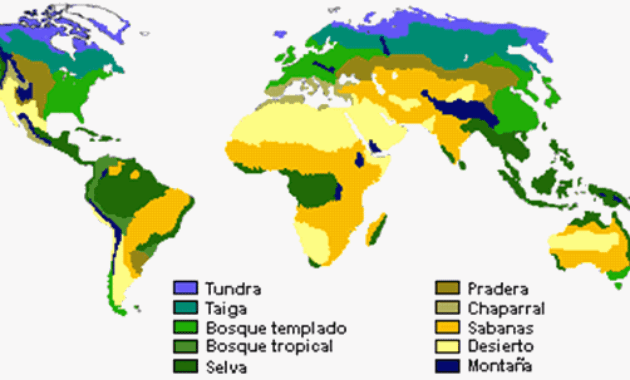
In an ecosystem, organisms interact with each other with their environment, in this case, the notion of a biome becomes a very wide geographical area and is larger than an ecosystem itself.

Biomes themselves are named and grouped according to climate and the plants and animals that live in them.
If you want to travel around the world, you can visit dry deserts that have lots of cacti, cold poles with minimal plants, to humid tropical rain forests. These different areas of the Earth are called biomes.
Below is complete information about the definition of a biome along with other important information. Listen well yes.
Definition of biome
1. In General
A biome is a large area of land classified according to climate, and the plants and animals that make their homes there. A biome contains many ecosystems within the same area.
Land-based biomes are called terrestrial biomes. Water-based biomes are called aquatic biomes. Temperature, amount of precipitation and common organisms characterize the world’s biomes.
The definition of a biome is a part of a large variety of geographical units in the earth. In the biome, it is seen based on the number of differences that exist in the types of vegetation from the climate and the environment in which flora and fauna live, which has no boundaries.
b. Wikipedia
The definition of a biome is an area that has the same geographical / climatic characteristics and includes communities of animals, plants, bacteria, soil organisms, and viruses.
The scope of the biome includes several ecosystems along with large and distinct regional elements of the biosphere.
A biome is characterized by the presence of a distinctive plant and animal community.
Within the Earth itself, biomes can be grouped into seven main types of biomes, namely tropical rain forests, grasslands, savannas, deciduous forests, deserts, tundra, and taiga.
The vegetation that takes place in each environment has its own uniqueness.
The uniqueness of plant vegetation is a form of plant adaptation to a unique growth environment.
Function of Biome
the determination of biome in a particular area is done not without reason, specifically in the biological aspects related to the diverse classification of flora & fauna.
Well, here are some functions of determining biomes that you need to know, namely:
Facilitate data collection activities for various types of flora and fauna species.
Facilitate the process of grouping various types of flora and fauna that have just been discovered / known.
As a method to find out the types of flora and fauna by observing the way of life of these living things in adapting to their environment.
Help so that the arrangement of certain populations can run easily and smoothly.
Characteristic of Bioma
As mentioned above, biomes are created due to differences in geographical location between regions, the intensity of sunlight, and also rainfall.
From this review, it can be seen that the biome has the following characteristics:
Can be recognized by looking at the main vegetation.
Occupies a very wide area / area.
It is a collection of various types of population.
Created as a result of the interaction between the environment and organisms that live in the environment itself.
In a biome, there are producers, consumers, and decomposers (decomposers).
The community life is quite stable, unless something happens that can cause the community to become unstable/disturbed.
The name of the biome is generally given by looking at / adjusting to the dominating vegetation.
Factors Affecting the Biome
Referring to the understanding related to biomes, we can conclude that the existence of a biome with all its characteristics can be caused by several factors.
Here are some factors that have a great influence on the state of the biome, among them are:
Geographical location.
Rainfall.
Climatic conditions / conditions.
The intensity of light from the sun.
Kinds of Biomes
After knowing the various reviews related to the definition of the biome above, then you need to know the types of the biome itself in the review below.
1. Grassland Bioma
Grasslands can be found in tropical / subtropical areas. The rainfall in this biome is 250-500 mm/year.
Steppes or savannas are generally located in the border area between the tropics and subtropics. For example, in Southern Russia, Hungary, South America, Central Asia, and Australia.
The following are the characteristics of the prairie or steppe biome, namely:
Has poor porosity and drainage due to irregular rain.
During the day, the air temperature is 45 degrees C. At night, the air temperature can reach 0 degrees C.
Evaporation (evaporation) is easier than precipitation.
The humidity is very low.
The predominant plant on this type of biome is grass. No wonder when experts refer to it as grassland biome. Stepa itself is a term for grassland for Russian society.
While the animals that can be found in this place are zebras (Africa), bison (America), lions, kangaroos (Australia), wild dogs, wolves, and cheetahs.
2. Desert Biome
The desert is known for its area of minimal rainfall. The average rainfall in the desert can be said to be very low, which is below 20 cm/ year.
Extreme temperatures that can occur in desert areas can reach 60 degrees C. It is not surprising that the soil structure is very fragile.
Even so, there are still animals and plants that can survive in this desert biome.
Examples of plants that can live in the desert biome are succulents, cacti, eucalypts, and plants with other stiff leaves.
And for the animals themselves there are camels, scorpions, spiders, snakes, lizards, and several types of insects.
3. Tropical Forest Biome
The definition of a tropical forest biome is one type of forest that is very fertile and can only be found in the tropics. The diversity of plants that live in this biome is also very high.
You can find this type of biome along the Amazon River – Orinoco, Central America, and most of Southeast Asia, Papua New Guinea, and the Congo Basin in Africa.
The following are the characteristics of the tropical forest biome, namely:
Has a temperature range of 25 degrees C – 31 degrees C.
Has a high rainfall throughout the year, namely 200 – 225 cm/ year.
There is no significant change in temperature from one month to another.
Illuminated with sunlight all year round.
There are lots of big trees that make the area in the forest seem always dark.
Has very fertile soil.
The plants that you can find in this biome include woody plants with a height of 20-40 m, epiphytes, rattan, bird’s nest nails, orchids, and others.
And for the animals are squirrels, monkeys, various types of birds, lions, tigers, jaguars, and other animals.
4. Savannah Biome
In general, this one savanna is almost the same as a prairie. But what distinguishes between the two is the presence of trees that grow in spreads, such as palms and acacias.
Advertisement
This type of biome is located in the tropics and subtropics.
The following are the characteristics of the savanna forest biome, namely:
Has a rainfall of 250 – 700 mm/ year. There is a uniqueness associated with the rainfall, that is, when the rainfall in the savannah is low (250 – 500 mm/ year), then the savannah will become a bush. However, when the rainfall is high (500 – 700 mm/ year), the savannah will turn into a rainforest.
The dry months last from December to February. The wet month takes place in May.
The intensity of the rain is irregular.
Drainage / water flow takes place quickly.
High porosity / permeation.
Animals that can live in this type of biome are zebras, lions, giraffes, elephants, and buffaloes.
The most famous sabana is in East Africa, specifically Tanzania, which is in the Serengeti Plateau.
5. Taiga Biome
The taiga biome is a biome dominated by leafy, needle-like plants.
You can find this type of biome between the subtropics and the poles, such as Russia, Scandinavia, Alaska, Siberia, and Canada.
The following are the characteristics of the taiga forest biome, namely:
Has a fairly high temperature difference in summer and winter.
The growth of trees takes place in the summer, which is between 3-6 months.
Has a rainfall of 250 mm/ year.
Summer only lasts 3 months, the rest is winter.
Plants that can live in the taiga area are dominated by coniferous plants such as albus, pine, juniper, spruce, elder, and spruce.
As for the animals that live in this biome, such as wolves, black bears, squirrels, and several types of birds.
6. Deciduous Forest Biome
Autumn is one of the seasonal characteristics that you can only find in some subtropical countries / four seasons.
So it is not surprising that the deciduous forest biome can only be found in subtropical areas, such as Korea, China, Japan, Australia, the eastern part of the United States, and England.
The number of trees that live in this biome is not much and not too close. The various plants will wither / drop their leaves when winter arrives.
The following are the characteristics of the deciduous forest biome, namely:
Has a high rainfall throughout the year, namely 700 – 1,000 mm/ year.
It has four seasons, namely spring, winter, summer, and autumn.
Has a wide variety of low plant types.
The trees that live in this forest have leaves that are not too wide.
The animals that can live in this forest are deer, wolves, bears, and woodpeckers.
7. Mangrove Biome
You can find mangrove biomes along the coast in tropical and subtropical regions.
One of the functions of this mangrove forest is to minimize the effects caused by seawater abrasion.
In Indonesia itself, mangrove forests are located along the east coast of Sumatra, the west and south coasts of Kalimantan, the Segara Anakan area, and Wonorejo Surabaya.
The following are the characteristics of the mangrove forest biome, namely:
The water and soil have a high salt content.
The soil type is muddy soil.
The oxygen content in the water and the soil is low.
Plants that can live in mangroves are mangroves, bogem trees, and firewood trees. As for the animals, there are crocodiles, fish, monitor lizards, and several types of birds.
8. Tundra Biome
Tundra is a term which means a plain without trees. It is clear that the tundra biome is a biome that is not inhabited by trees like other types of biomes. This is because the tundra biome is located in an area with extreme temperatures such as the polar regions.
The vegetation in this tundra area is only in the form of moss and crust moss. The presence of tundra biome can be found in the Arctic and Antarctic regions.
The following are the characteristics of the tundra biome, namely:
Has a very long winter duration, which is about 9 months.
It has very low rainfall, ie 100-250 mm/year.
The life span of the plants here is 3 months, exactly during the summer.
Most of the soil is source rock with little weathering.
The highest temperature there is only 10 degrees C and cold temperatures reach -35 degrees C.
Plants that can live in the tundra biomass are mosses, crustaceans, and grasses.
As for the animals that you can find in this area, namely penguins (south pole), polar bears (north pole), walruses, sea lions, polar dogs, wildebeest, thick hairy bison, and several types of birds.
9. Sea Ice Bioma
Sea ice biome is a biome that is located in sea ice / above frozen seawater that floats.
The formation of the sea ice biome is the result of the interaction of all marine organisms from the polar oceans.
10. Moss Forest Biome
You can find many moss forest biomes on the slopes of the mountains / mountains. A moss forest that is created in an area that is at the boundary of water vapor condensation.
The most common plant found in moss forest biome types is moss. Moss growth that takes place on the surface of soil, rocks, and trunks of woody trees.
This moss forest has various trees covered by moss. The moss forest biome has very high humidity as well as low temperatures.
This condition causes dew to form and almost rains throughout the day.
11. Seasonal Forest Biome
The seasonal forest biome consists of drought-resistant trees. These types of trees are included in trophophytic plants that can adapt to dry or wet conditions.
During the dry season, the leaf form of plants in the forest biome this season is withered. On the other hand, during the rainy season, seasonal forest biome plants have dense leaves.
The naming of the seasonal forest is adapted from the name of the tree type, such as teak forest and angsana forest.
You can find many types of seasonal forest forests in Indonesia, especially in Central Java and East Java.
Meanwhile, the types of fauna that are often found in the forest this season are deer, tigers, and wild boars.
Also learn: Topographic Maps
Examples of Aquatic Biomes
Aquatic biomes are related to bodies of water.
The following are some examples of aquatic biomes, namely:
1. Marine Biome
Marine biomes include the world’s oceans, the largest aquatic biomes, which are characterized by the presence of salt water. The oceans have various layers associated with the penetration of sunlight.
2. Freshwater Biome
The freshwater biome contains water where the salt concentration is very low and includes wetlands, ponds, lakes, and rivers.
Lakes and ponds experience thermal mixing. This biome can accommodate waterfowl, fish, crustaceans, algae, and microorganisms.
The river will continue to move towards the lake or ocean. Their current speed affects the types of species that live in them and also the clarity of the water.
3. Coral Reef Biome
Coral reefs are found in shallow parts of some tropical oceans. Made from the remains of various classifications of coral animals, this one reef accumulates over time and provides habitat for many underwater species.
The Great Barrier Reef of Australia is a great example of a coral reef biome.
4. Wetland Biome
Wetlands are shallow bodies of water such as swamps and mud. They provide habitat for many plants as well as animals.
On this type of biome has a stable water flow on freshwater wetlands.
5. estuary Biome
An estuary is where an ocean meets fresh water. Plants that can tolerate changes in salinity are referred to as holophytes. Estuaries offer important breeding sites for crustaceans as well as a variety of waterfowl.
An example for a large estuarine biome is that of the Florida Everglades.
Echinodermscome from the words echinos and derma. Echinos means thorn, derma means skin. Thus, echinoderms are animals that have spines on their skin. Live in marine habitats. The outside of the body is very hard, composed of lime / chitin. It has five arms radially and symmetrically.

Has the ability autotomy, namely the ability to cut off a body part (usually the arm) if it feels threatened and can grow it back into its original shape. Including triploblastic coelomate animals, which have a true body cavity composed of 3 layers of tissue, namely ectoderm, mesoderm, and endoderm.
The movement of Echinoderms uses an amburacral system, namely arm movements occur due to changes in water pressure in the water vessel system. In addition to moving, the amburacral system in echinoderms is also used to catch prey and breathe. The following is the mechanism of movement of the amburacral system carried out by Echinoderms:
At the top of the body of Echinoderms there is a hole called the madreporite which is equipped with a filter (pore).
The water enters the madreporite hole into the ring channel and will be dispersed into the tube foot radial channel
Water is sprayed on the tube feet to create hydraulic pressure so the tube feet can stick out.
This causes the ampulla to attach to other substrates and allows Echinoderms to move and move.
The digestive system consists of the mouth (below the body), esophagus, stomach, intestines, and anus (located above the body). The nervous system consists of a ring of nerves that surrounds the mouth and has 5 branches on each arm. The sexes are separated and reproduction is done by external fertilization (fertilization occurs outside the body).
After fertilization occurs, a zygote will form and develop into ciliated larvae (bipinnaria) that can swim and become adults if they are in a suitable habitat.
Classification, Body Structure, and Examples of Echinoderms
Based on their characteristics, Phylum Echinoderms are divided into 5 classes, namely:
1. Asteroidea (starfish)
Body shape like a star. Lives in coastal habitats. It has five short, blunt spiked arms on the surface of its body. The locomotion is an ambulacral leg. The body is divided into the oral side or the lower side (where the mouth) and the aboral side or the upper side (where the anus).
The outermost surface layer is composed of a layer of ciliated epidermal cells and has an endoskeleton underneath. Examples of Asteroidea are Culcita (skinned starfish), Linkia laevigata (blue starfish), Pentaceros (horned starfish), Astrias vulgaris (large starfish), and Ctenodiscus (mud starfish).
Astrias vulgaris Image source: gulfofme.com
2. Ophiuroidea
Often referred to as the snake star because it has long arms and moves like a snake. Its habitat is in deep and shallow sea waters, especially behind rocks or buried in sand. Has a madreporite which is located on the bottom (mouth) and does not have an anus, so that the rest of the food is expelled through the mouth. Examples of Ophiuroidea are Ophiothrix fragillis and Ophiopholis aculeata.
Micro brittle starfish and Caulerpa racemosa
3. Crinoid
Shaped like a lily (sea lilies) and has five forked arms. Its life attaches to the substrate and forms colonies so that it looks like a marine garden. Under unfavorable conditions, Crinoidea will escape from the substrate and move to another place. Lacking madreporite, mouth and anus are located in the oral cavity. In the aboral there is a calyx, which is a chalk slab shaped like a cup. An example of Crinoidea is Antedon sp. and Holopus sp.
Crinoid on the reef of Batu Moncho Island, Indonesia
4. Echinoidea
Often referred to as sea urchins. Lives in sand and rocks. It has no arms, is circular in shape, slightly flattened, and the body surface is surrounded by many spines. The mouth and 5 teeth are in the oral part, while the anus, genital opening, and are in the aboral part. Examples of Echinoidea are Diadema saxsatile (sea urchins) and Echinothrix sp. (sea urchin).
Echinometra viridis
5. Holothuroidea
Often referred to as sea cucumber. Lives in sand or lime. It has a soft body, smooth spines, and is shaped like an elongated sac. The mouth is anterior, while the anus is posterior. Examples of Holothuroidea are Holothuria scabra, and Thyone byereus (sea cucumber).
A sea cucumber (Actinopyga echinites), displaying its feeding tentacles and tube feet
Echinoderms Reproduction
Echinoderms reproduce both sexually and asexually. Sexually, by external fertilization (fertilization is outside the body of the parent) and produces bilaterally symmetrical larvae that attach to the substrate to grow into new echinoderms. Asexually, namely by dividing body parts or fragmentation and regeneration of lost body parts.
Autoclave is a laboratory tool used to sterilize laboratory equipment after use. Do any of you often use an autoclave? In this article, we will discuss a laboratory tool called an autoclave.

The discussion about this tool will be pretty long and complete. You are starting from the notion of the autoclave, the history autoclave, the recommendation for the autoclave for your laboratory, the function of the autoclave, the working principle of the autoclave, and using the autoclave.
It will help you understand the autoclave tool. Please comment below for those who are more experts and know more about this tool. Let’s continue reading!
As initial information for you, this article will contain many things related to autoclaves. Some of you may have many questions related to this tool, such as:
What is an autoclave?
What is the function of an autoclave?
How to use the autoclave?
What are autoclaves made of?
Can the sterilization temperature be lowered?
This article can help you understand the tool. Let’s continue to discuss them one by one.
What is Autoclave?
Autoclave is a laboratory tool used to sterilize laboratory equipment after use.
Autoclaves, known as steam sterilizers, are typically used for healthcare or industrial applications. An autoclave is a machine that uses steam under pressure to kill harmful bacteria, viruses, fungi, and spores on items placed inside a pressure vessel.
What is the autoclave function and its uses in the laboratory?
Why does laboratory equipment need to be sterilized? T
Laboratories use autoclaves to fix equipment, instruments, and infectious waste. All operators must receive training on the safe operation of the autoclave before using the equipment. Users should read and understand the owner’s manual from their particular autoclave model.
The sterilization process has many types, such as filtration, heating, sound energy, and irradiation.
The sterilization process using an autoclaveis one of the best because it uses a heating process with a temperature made periodically in a particular time unit.
In an easy-to-understand case like this, suppose a hospital will perform appendicitis surgery on five patients simultaneously. Every tool used to dissect the patient, scissors, knife, or tweezers (etc.) must be sterile.
If the hospital only has two sets of surgical equipment, the equipment must be washed and sterilized before being used for the next patient. Now this sterilization process needs to be done using an autoclave. How long does this sterilization process take? Of course, each autoclave has a different period. If the sterilization process using an autoclave takes 60 minutes, then at least the period between one patient and another is 1 hour.
different types of autoclave
You may also have read some understanding of autoclaves using the Google search engine.
Wikipedia Quotes About the Definition of an Autoclave
An autoclave is a pressure chamber used to carry out industrial and scientific processes requiring elevated temperature and pressure about ambient. Autoclaves are used in medical applications to perform sterilization, in the chemical industry to cure coatings and vulcanize rubber, and for hydrothermal synthesis. Industrial autoclaves are used in industrial applications, especially in composites manufacturing.
From the definition of autoclaves above, we can conclude that autoclaveshave different types and categories. In their current development, autoclaves are used in industry, medicine, and research.
History of the Autoclave in the Laboratory
In the historical process of autoclave discovery, the author did not find a source that did explain it in detail. Still, there are two names associated with the formation of the autoclave, namely:
Denis Papin
Charles Chamberland
Denis Papin
A man of French nationality, he was born around August 1647 and died in August 1713. Denis Papin is a physicist and mathematician; he has connections with several inventions, such as the steam digester, pressure cooker, and steam engine. And of course, we need to know autoclave has another name, steam sterilizer.
Charles Chamberland
He is a man of French nationality, born around March 1851 and died around May 1908. He was a microbiologist at the Jura Department. Charles did the development of a filter which is often known as the Chamberland filter. Charles made use of porcelain rods which had smaller pores than bacteria. So that when the liquid is passed through the filter, all bacteria are captured, and the drink is free from bacteria. Charles Chamberland rose to fame when he started the research project that led to the invention of the autoclave in 1879.
From some of this information, you will understand how the relationship between the two people above relates to forming the method in the autoclave. Denis Papin will deal with pressure on the autoclave, and Charles Chamberland will deal with bacterial sterilization.
I’d appreciate it if you could understand the working principle of the autoclave and find a common thread in its relationship with the tools invented by the two people above.
Autoclave Function
What is the function of the autoclave? Maybe that’s the question on the reader’s mind right now. Autoclave function, in general, is for sterilization of any object being sterilized. There are several types, such as:
Medical equipment (medicine)
Laboratory equipment (research)
Liquid and solid media
Sterilization using an autoclave takes advantage of the heat in the water, which is converted into water vapor. Some laboratory equipment allows the sterilization process using an autoclave, but others require a sterilization process using a different method, such as an ultrasonic cleaner.
The function of the autoclavein the medical or medical field is still within the scope of sterilization. Some surgical tools or medical procedures commonly used include surgical scissors, tweezers, or a scalpel. Some of these tools are included in the devices that need to be sterilized using an autoclave.
In the process of handling medical waste, the function of the autoclave also has an important role. For example: before medical waste is disposed of, there will be a sterilization process using an autoclave. This sterilization process is categorized as quite effective or alternative when compared to burning waste and impacts the environment.
In the field of microbiology, the function of the autoclave also plays an important role. For example, in the microbial culture process, media is needed, both liquid media, semi-solid media, and solid media. Well, it’s not only first sterilization before use; after microbial observation, it is better to sterilize it before the media is disposed of as waste.
What is the working principle of an autoclave?
Autoclave Working Principle
After knowing the function of the autoclave in the previous point, we now discuss the working principle of the autoclave.
The working principle of the autoclave is straightforward: converting electrical energy into heat energy. Thermal energy is channeled into the water, the water boils and produces water vapor, and the water vapor collects and increases the pressure. Air is pushed out, and the temperature is continuously improved and controlled as needed. The heat from boiling water vapor and high pressure will be held at a particular time to kill microbes at 100 to 134°C.
The autoclave works on the principle of moist heat sterilization. The high pressure inside the chamber increases sterilizing equipment’s boiling point. The higher pressure also ensures the rapid penetration of heat into the deeper parts of the equipment.
What is the function of an autoclave and its operating temperature?
Many autoclaves are used to sterilize equipment and supplies by subjecting them to pressurized saturated steam at 121 °C (250 °F) for around 30-60 minutes at a pressure of 15 psi (103 kPa or 1.02 atm), depending on the size of the load and the contents.
In a straightforward case, the autoclave is like a rice steamer in the kitchen. I am used to steaming or heating rice. The difference is that the rice steamer uses fire as heat energy, while the laboratory autoclaveuses electrical power. Some types of autoclaves that are pretty outdated may still use the stove as heating media.
Back to the electric type autoclave with automatic mode. Oh, yes… previously, there were many types of autoclaves. Such as manual, automatic, benchtop, or even large-capacity autoclaves.
In the relationship between autoclave and sterilization, several things need to be considered, such as:
Temperature or temperature has units of degrees Celsius or Fahrenheit
Pressure or pressure has units of bar
The length of time for sterilization is in minutes
The drying time has units of minutes
Several types of laboratory autoclaves are no longer manual but automatic. Automatic here refers to the cycle process according to user needs. You need to know that if the autoclave has various features, one of the features you need to know is the different treatments for sterilizing each object.
Why is an autoclave used for sterilization?
Autoclave sterilization uses heat to kill microorganisms such as bacteria and spores. The heat is delivered by pressurized steam. Pressurization allows the moisture to reach the high temperatures required for sterilization.
How to Use a Laboratory Autoclave
How to use the correct autoclave? Maybe that is the question that is on your mind. In the following, the author provides a brief overview of how to use a laboratory autoclave correctly.
If you have never used an autoclave in the laboratory before and this is your first time using an autoclave, try looking for work instructions or manuals for using an autoclave in the laboratory or a user manual that is always available when buying an autoclave. Because each autoclave usually has a different use procedure—for example, manual type autoclave and automatic type autoclave. Be sure to ask senior users if necessary.
The following are step-by-step tips on how to use a standard autoclave.
Enter the amount of water according to the volume needed; an indicator on the reservoir can be used as an ideal benchmark because each autoclave requires a different water supply.
Suppose your autoclave includes a sophisticated kind of autoclave so that the indicator will only be visible when there is an electricity supply (already connected). In that case, you must first click the electricity and turn on the power button.
Place the liquid media, solid media, or laboratory equipment to be sterilized in the autoclave. Make sure you arrange them neatly; if there are shelves, agree them as neatly as possible, use them.
Close the autoclave properly and tightly, then recheck the safety clamp before sterilizing. If the safety clamp on your autoclave is a swivel nut, ensure it is tightly closed. If your safety clamp is a swivel or sliding lever, ensure it’s tightly sealed.
Set the time and temperature on the autoclave as needed, then press the start button. In the automatic autoclave type, you will need a cycle selection process to determine which cycle is the most appropriate for the product you will sterilize.
After the sterilization process ends and the temperature cools down, you can only move the product out of the autoclave.
Empty the autoclave of the sterilized product after each use. If it is not used for a long time, it is recommended to empty the water in the reservoir, disconnecting the autoclave from the power source.
Here are tips on how to use an autoclave in general. Those of you who buy a new autoclave are expected to read the manual for using the autoclave, which is available on the completeness of the purchase document.
The proper scientific name for blood pressure monitoring devices is sphygmomanometer, which is generally difficult to pronounce, another name for blood pressure monitors is Blood Pressure Monitor

For decades, doctors used a manually inflated air sac cuff and a listening device called a stethoscope to listen for the sound of the artery walls. This is known as the auscultatory method of measuring blood pressure. Using this method requires some practice and is usually done by a trained medical practitioner. This monitor is often called an aneroid sphygmomanometer.
Blood pressure is a vital sign component. The results of blood pressure measurements affect decisions related to medical management and action. Tools that can be used to measure blood pressure include a mercury manometer , aneroid sphygmomanometer , and digital sphygmomanometer .
aneroid sphygmomanometer
Recent advances in medical technology have paved the way for inexpensive and easy-to-use digital sphygmomanometers that anyone can use in the comfort of their home without any special knowledge or training.
The Digital Blood Pressure Monitor uses an inflatable air bag cuff, a battery powered air pump, and a pressure sensor to sense the vibrations of the artery walls to measure the blood pressure in the arteries. This is known as the oscillometric method.
There are two types of Digital Blood Pressure Monitor namely the upper arm model (shown above) and the wrist model(shown below). Upper arm models have a cuff that sits on the upper arm and is connected by a tube to a monitor that rests on the surface near the arm. Wrist models are smaller and the entire unit wraps around the wrist. Regardless of the type of the two types of digital sphygmomanometer, the function and measurement method remains the same.
How Do Digital Blood Pressure Monitor Work?
The digital sphygmomanometer has an air pump driven by a microprocessor . The microprocessor will automatically pump air into the cuff about 20 mmHg above the average systolic pressure (about 120 mmHg). After the microprocessor captures sufficient pressure, the knob on the sphygmomanometer will automatically loosen and the air pressure in the cuff will decrease slowly.
When the ordering process takes place, an oscilometric wave will appear which will be recorded by the instrument. This oscillometric wave is converted automatically by the device as systolic blood pressure, diastolic blood pressure, pulse pressure, and mean arterial pressure (MAP). The point where the oscillometric wave appears first will be read as systolic blood pressure, while the point where the oscilometric wave begins to disappear will be read as diastolic blood pressure.
The signal from the pressure sensor is conditioned by the instrumentation amplifier prior to data conversion by the analog-to-digital converter (ADC). The systolic pressure, diastolic pressure, and pulse rate are then calculated in the digital domain using the appropriate algorithm for the type of monitor and sensor being used. The resulting systolic, diastolic and pulse rate measurements are displayed on a liquid crystal display (LCD), added with time and stored in a non-volatile memory.
User Interface
Most Digital Blood Pressure Monitor use a simple monochrome LCD with 100 segments or less that can be driven by a driver integrated in the microcontroller. Backlight can be added using one or more white light emitting diodes (LEDs).
One or more pushbuttons and/or physical switches are typically used to turn the power on and off and to initiate blood pressure measurements.
High-end Digital Blood Pressure Monitor can use a color LCD with a touch screen to implement advanced user interfaces such as on-screen virtual buttons, touch menus, graphics, animations, etc.
Digital Blood Pressure Monitor
Audible notifications in the Digital Blood Pressure Monitorcan be provided with a simple beep driven by one or two pins of the micro controller port which has pulse width modulation (PWM) capability. More advanced sound announcements can be achieved by adding an audio digital-to-analog converter (DAC) and amplified speakers.
Connectivity
In recent years, connectivity, aggregation and sharing of health data have become a trend in the consumer digital health space, especially among younger users.
The connected Digital Blood Pressure Monitor has the ability to upload data to a computer or smartphone for further analysis and tracking of measurements over time. This data transfer is usually done via a USB interface or wirelessly using a Bluetooth Low-Energy radio link.
Advanced Digital Blood Pressure Monitor can also use Wi-Fi and/or cellular wireless networks to upload data to a remote digital health information management system without relying on a computer or smartphone.
Power Management
Upper arm digital sphygmomanometers typically use four AA or AAA alkaline batteries (1.5V) and wrist monitors typically use two AAA alkaline batteries. Alternatively, high-end Digital Blood Pressure Monitor can use rechargeable Li-Ion batteries and plug-in wall chargers similar to those used for smartphones.
To extend battery life, automatic power off after a period of inactivity can be applied. However, the real time clock (RTC) must always be turned on to maintain the current time when the monitor is turned off.
Understanding Natural Resources – Everyone knows, that everything that comes from the Earth, biosphere, and atmosphere is called natural resources. Natural resources have a very important role to meet the needs of all human life. In addition, natural resources are also important as human habitation.

There are many types of natural resources on earth. Natural resources can be classified based on their nature, potential, and types.
Natural Resources Based on Their Nature
First, the types of natural resources based on their nature, natural resources are divided into:
Renewable natural resources are types of resources that depend on their management, in the sense that they depend on human use. Inventories can increase or decrease.
If it can be managed with good utilization, then this natural resource can increase and recover and then regenerate again. However, this type of natural resource can experience a decline if its use uses excessive exploitation methods.
Examples of renewable natural resources are water, soil, air, plants and the sun.
a. Water
Water is the most important compound for human life on Earth. As a natural resource stored in the earth, water can be found easily from wells, rivers, lakes, to the sea. Furthermore, water is used by humans to meet their daily needs, from drinking, bathing, washing, irrigating agricultural land and plantations, generating electricity, and providing transportation.
b. Land
Soil is part of the earth’s crust that contains minerals and natural organic matter. Soil is formed from weathering or erosion of parent rock (inorganic) mixed with organic matter. Soil has a very vital role for human life because it functions as a support for
plants. The soil body consists of air (20-30%), water (20-30%), mineral matter (45%), and organic matter (5%).
The benefits of land resources for human life are:
Provides nutrients for plants.
Provide food for plant biota.
Become a living habitat and carry out activities.
Become a source of raw materials for handicrafts and household products.
c. Air
In addition to water and soil, air is one of the most important compounds in the survival of human life. Air has an important role because it is a mixture of various gases which are colorless, odorless and tasteless. The presence of air is only visible from objects that are moved by air. Air has an infinite nature, where air always seeks and fills space.
The benefits of air as a natural resource are:
Supports flower pollination.
Be a source for breathing.
Become an airplane flight path.
Communication channels through antennas to satellites.
Motivational energy channels.
d. Plant
Forest
Plants are multicellular eukaryotic organisms that live and belong to the plant kingdom (kingdom plantae). Plants as organisms that have chlorophyll or leaf green substances that function as a medium for creating food or commonly known as the process of photosynthesis. Please note that plant species can live and carry out photosynthesis need the help of sunlight.
Well, the benefits of plants for human life are as food ingredients, medicines, food flavoring ingredients, natural dyes, and so on.
e. Sun
Quoted from the California Institute of Technology, the Sun or some people call it the sun is a star consisting of hot gas with a large mass, rotating, and shining. The sun is like the stars that are visible in the sky both day and night.
The sun has a role in life as the source of life for all creatures. As the center of the solar system, life on planet earth is strongly influenced by the sun. The sun is not a solid mass and does not have an easily identifiable boundary. That’s because almost the entire layer of the sun consists of hydrogen and helium.
The National Aeronautics and Space Administration (NASA) as the independent agency in charge of the space program argues that without heat and sunlight, planet Earth would be an ice-covered rock ball without life. The existence of the Sun is to warm the oceans, move the atmosphere, produce weather patterns, and provide energy to green plants as a provider of food and oxygen for life on Earth.
2. Non-Renewable Natural Resources
These natural resources are natural resources that will physically run out and cannot be reused. Examples of non-renewable natural resources are coal, oil and natural gas.
Non-renewable natural resources are natural resources that are limited in number. This is because the use of these natural resources is faster than the process of their formation. If consumed continuously, it is certain that these resources will run out and become extinct.
Examples of non-renewable natural resources are:
a. Petroleum
Petroleum is a concentrated liquid that comes from the top layer of the Earth’s crust. In the management process using the results of various geological studies. Where the study focuses on the location of petroleum sources or commonly called petroleum wells.
Petroleum provides tremendous benefits to mankind around the world. Referring to the opinion of Puja Laksana, petroleum comes from living beings that die then are covered by layers of soil and rocks. The living creatures that died millions of years ago are commonly known by the term fossils, which are fossils that produce petroleum or fossil fuels.
Petroleum itself consists of a mixture of hydrogen and carbon molecules formed from sediment or deposition of the remains of animals and plants trapped for millions of years. This process occurs due to pressure and temperature in the Earth’s crust, resulting in an oil reservoir located deep below the ground surface.
The process of reservoir formation due to a layer of hard rock called the nest rock (cap rock). Petroleum is formed as a result of hydrocarbon processes in the soil that began about three million years ago. The formation process itself occurs at a temperature of 65-195 degrees Celsius at a depth of 5,000-12,000 feet.
It is conceivable if the world’s oil supplies run out or run out. What will happen is that petroleum cannot be renewed because the formation process takes millions of years. Therefore, crude oil is classified as a non-renewable natural resource.
Furthermore, to be used by humans, crude oil will go through a process of separation and cracking. This separation process has the principle that crude oil which is a mixture of all components will be separated. Each component of crude oil which is still a hydrocarbon is separated based on differences in boiling points.
Here are the benefits of petroleum that have been felt by humans:
Be the fuel for cooking.
Become a source of fuel for transportation.
The basic ingredients for the manufacture or synthesis of compounds in paint, cosmetics, plastics, rubber, detergents, and so on.
Being a lubricant or oil in various vehicle engines.
Materials to make candles to produce batik, paper coatings for food, and so on.
Ignition fuel in large industries, such as Steam Power Plants.
The basic material for asphalt used in road construction, besides that it can also be used as an insulator.
b. Coal
Apart from oil, coal is also a fossil fuel. This makes coal a non-renewable natural resource. Coal is an organic sedimentary solid hydrocarbon fuel formed from the biochemical, chemical and physical decomposition of plants in oxygen-free conditions. The process of decaying plants takes place at certain pressures and temperatures for a very long time. This is what makes coal a complex mixture because it contains organic chemicals from carbon, oxygen, and hydrogen in one carbon chain.
The definition of coal has actually been stated in Law no. 3 of 2020 concerning Amendments to Law Number 4 of 2009 concerning Mineral and Coal Mining. Coal is a naturally occurring deposit of carbonaceous organic compounds from plant residues. Quoted from the Indonesian Ministry of Energy and Mineral Resources in a press release number 246.Pers/04/SJI/2021, Indonesia’s coal reserves in 2021 will reach 38.84 billion tons.
With an average coal production of 600 million tons per year. The supply of coal reserves in Indonesia is sufficient to last up to 65 years. In addition to coal reserves, Indonesia is noted to still have large coal resources of 143.7 billion tons.
In the book “Coal and Its Utilization” published by Gadjah Mada University Press, the use of coal in Indonesia is prioritized as fuel for power plants and cement factories. Starting from 1993, Indonesia took steps to provide socialization related to the use of coal in the community as a household material and small industry.
The benefits of coal include:
Become fuel for power generation.
The basic and main fuel for steel production, cement, alumina processing centers, paper mills, chemical and pharmaceutical industries.
Coal by-products include soap, aspirin, solvents, dyes, plastics, and fiber.
c. Gold
Gold has a very long history in the history of mankind. Gold is a valuable object because it can be used as a medium of exchange or as an investment asset. Gold itself is actually a chemical element in the periodic table that has the symbol Au (aurum) and atomic number 79. Chemically, gold is not only a good conductor of heat and electricity. Gold is also resistant to rust and corrosion because it is not oxidized with oxygen.
This metal is soft and malleable so it is easy to shape. Its hardness, which only ranges from 2.5-3 on the Mohs scale, makes gold can be used as jewelry in various forms. According to a publication from the American Museum of Natural History, gold is formed as a result of deposits in fractured rock commonly called lodes, or veins.
Just like oil and coal, gold also comes from within the Earth’s crust. Most seam deposits form when heated liquid circulates through gold-bearing rock, picking up the gold and concentrating it in new locations on the crust.
Over millions of years, gold flakes are washed away with the water. Heavy gold settles on the bottom of rivers, lakes, and seas by forming placer deposits. In most of the Earth’s crust the concentration of gold is very low. On average, one tonne of rock from the crust contains 0.005 grams of gold, compared to 58,000 grams of iron.
In everyday human life, gold provides benefits as a jewelry material and a commodity that has high economic value. The rare and limited nature of gold makes gold have an expensive price. In addition, the high price of gold is due to the high cost of producing it. As a result, until now the price of gold always rises because the demand also increases.
Types of Natural Resources Based on Their Potential Use
After understanding the meaning and types of natural resources by type. Next, we will discuss natural resources based on their potential use. There are three types of natural resources based on their potential use, namely:
1. Material natural resources. This type of natural resource is only used in its physical form.
Examples of material natural resources: iron, wood, cotton fiber, and gold. 2. Natural resources of energy. This type of natural resource is used by utilizing its usefulness value as energy.
Examples of natural energy resources: oil, natural gas, waterfalls, and sunlight. 3. Natural resources of space. This type of natural resource is used for living or living space.
Types of Natural Resources Based on Kinds
Next are the types of natural resources based on the type, the types of natural resources are divided into two:
1. Non-biological (abiotic) natural resources.
These natural resources are inanimate resources. Examples can be found in our daily life, such as soil, rock, water, and wind.
2. Biological natural resources (biotic).
Natural resources are natural resources in the form of living things. Examples of biological natural resources are humans, animals and plants.
How to Conserve Natural Resources
Behind the enormous utilization and use, humans also have demands and obligations to participate in conserving the natural resources that exist on Earth. The real purpose of preserving natural resources is so that the next generation of humans can still experience the same benefits from natural resources as the Earth’s wealth in the future.
Nature conservation is a principle in managing natural resources. Sustainable development (sustainable development) is one form of nature conservation is being echoed. Sustainable development is development that is carried out while meeting the needs of the present without compromising the ability of natural resources to meet the needs of future generations.
The following are the principles of sustainable development:
1. Equity
Equitable distribution of natural resources is considered to be one of the ways that can prevent inequality in society and allow every human being to have equal access to the results of natural resources. This equity aims to ensure that each region can obtain a balanced development.
2. Energy
Energy as the key to the rapid development of human civilization needs attention. This is because the energy used on a large and massive scale can make energy from natural resources depleted and slowly depleted. Energy saving is one of the keys in conserving natural resources. Slowly, humans must immediately let go of dependence on non-renewable energy.
Humans must immediately switch to using renewable energy sources produced from renewable natural resources. Energy savings can be adapted for all types of natural resources by not using them in vain or looking for other alternatives to replace them. One of the definite steps to save energy that is currently being carried out is the use of sunlight as natural lighting and environmentally friendly electricity.
3. Economy
Economic principles that can support the preservation of natural resources are economic activities that are able to increase competitive capacity and development of basic infrastructure, such as housing, routes, to information infrastructure.
4. Participation
Without joint steps, the preservation of natural resources will not have a significant impact. Therefore, the principle of participation is the implementation of sustainable development that actively involves the community.
5. Ecology
Utilization of mixed land as much as possible is one strategy that can be done, in terms of ecology. As is now often done, namely the provision of Green Open Space (RTH), limiting excessive city expansion, and so on.
Environmental problems can be caused by two factors, namely humans and nature. The human factor is the main cause of the many environmental problems that occur.
Hello Livestock Friends, This time Sinaumedia will share an article entitled 4 benefits of Biology in the Livestock Sector. Let’s see the following article.

What are the benefits of biology in the livestock sector ? Oh, before we discuss that, let’s define what is a Animal husbandry.
Definition of Animal husbandry
Animal husbandry is the activity of breeding and raising livestock to obtain the benefits and results of these activities. Animals that are widely bred include cows, chickens. goats, sheep and pigs. Livestock products include meat, milk, eggs, and clothing (such as wool). In addition, livestock manure when processed into manure can fertilize the soil and animal labor can be used as a means of transportation and to plow the land.
The definition of animal husbandry is not limited to maintenance alone, the difference between maintaining and animal husbandry lies in the goals set. The purpose of animal husbandry is to seek profit by applying management principles to the factors of production that have been optimally combined.
From the brief explanation above we can find out what livestock is. Then what are the activities or activities carried out by farmers on a farm?
Manufacturing and Feeding
Environmental condition control
Cattle breeding or mating
Livestock Manure Waste Management
Disease Prevention
etc
Why do we need to know about livestock activities? so that we can understand at what point biological science can be applied in the livestock sector .
Benefits of Biology in General
Biology is the science that studies all aspects of living things. Starting from the chemical substances that make up life forms to where and how these life forms live. Biology is closely related to other sciences such as chemistry, physics, and even the social sciences.
Biology in the field of science is a basic science so that it can provide understanding and benefits for those who study it. Then, what are the benefits of biology in general for our lives?
Can understand the characteristics of an organism.
Can create superior seeds so that food availability can be overcome.
Can prevent the occurrence of disease or abnormalities in a particular organism.
Take an active role in solving problems that can interfere with health.
4 Examples of the Benefits of Applying Biology in Animal Husbandry
In the world of animal husbandry, branches of biological sciences such as animal physiology, genetics, reproductive biology, biochemistry are very often used.
1. Genetic Science for Animal Breeding
In the field of animal husbandry, genetics is applied to produce superior livestock breeds. Animal husbandry scientists select superior traits possessed by livestock through a controlled and programmed mating process. The real result that we can enjoy today is the existence of broiler chickens that can be harvested within 35 days.
development of broiler chickens from year to year
In ancient times, to get the body weight of harvested chicken weighing 1.5 kg, it took 6 months of maintenance. But now, in just 35 days, the farmers can get the harvest weight of 1.5 kg. It could even be more.
Today we can say thank you to the science of genetics which has succeeded in realizing these superior quality broiler chicks.
2. Embryology and Reproductive Biology for Reproduction
Ever heard of the term injecting marriage? or embryo transfer? nowadays both of these are commonplace on farms. Injecting mating and embryo transfer are examples of the application of embryology and reproductive biology in animal husbandry. By injecting breeding, farmers can save on production costs because the number of males kept is less.
injection mating on cows
The injection mating technique is a process by inserting the sperm of male farm animals into the womb of female animals. The chance of getting a pregnancy is about 5-25%. This breakthrough was carried out in the field of animal husbandry to be able to improve superior offspring, as well as change the genetics and phenotype of cells in livestock. To get prospective offspring with superior quality, it is necessary to pay attention to such as nutritional feed before and after insemination, the age of the prospective parent, the time of insemination, the reproductive organs of the prospective parent and also a good and correct insemination process.
Both of these techniques are often used for livestock breeding. Semen or semen of superior quality males from a livestock research center can be used to mate with females throughout Indonesia without having to carry the males on trucks to go anywhere.
Once again, let’s say thank you to biology.
3. Physiology
Physiology or physiology (pronounced fa-al) is one of the branches of biology that studies the functioning of living systems. The term “physiology” is borrowed from the Dutch, physiologie, which is formed from two Ancient Greek words: , physis, meaning “origin” or “nature” and , logia, meaning “study”. The term “faal” is taken from Arabic, meaning “sign”, “function”, “work”. Physiology uses a variety of methods to study biomolecules, cells, tissues, organs, organ systems, and organisms as a whole carry out their physical and chemical functions to support life.
closed environment fro raising broiler
By knowing how the living system processes of livestock organisms work, farmers can meet the important needs for optimal livestock growth and development. Farmers can also make decisions to engineer certain environmental conditions to stimulate the desired biological processes to occur in the livestock’s body. for example modifying the temperature or lighting of the cage to increase the productivity and comfort of livestock ( animal welfare ).
4. Biochemistry
Biochemistry is the study of chemical reactions or molecular interactions in living cells. If it is associated with agriculture, especially regarding plants, it means the study of chemical reactions or molecular interactions that occur in plants.
Biochemistry is the science that deals with the various molecules in cells or living organisms as well as their chemical reactions. Biochemists study the molecules and chemical reactions catalyzed by enzymes that take place in all organisms. See the article on molecular biology for diagrams and descriptions of the relationships between biochemistry, molecular biology, and genetics. Biochemistry is the study of the structure and function of cellular components, such as proteins, carbohydrates, lipids, nucleic acids, and other biomolecules.
Biochemistry is the basis of animal nutrition science.
Biochemistry plays an important role in animal husbandry, because the processes that take place in the maintenance of body functions and livestock productivity are dominated by biochemistry. Animal productivity will be maximum if the digestive process takes place optimally. The new digestive process takes place optimally if the enzymes needed are available in the right types and amounts.
Biochemistry is also the basis of the science of preparing animal feed rations. By understanding the enzymatic reactions that occur in the digestive tract of livestock, it can increase the efficiency of the reaction, for example by giving feed additives in the form of cellulose breaking enzymes to broiler feed that contains relatively high fiber.
The final word…
Those are examples of 4 benefits of Biology in the Livestock Sector. Actually there are many other biological benefits that can be discussed. In the future, this article will continue to be improved by adding more new examples, but for now, only 4 are enough. See you again in the next article and greetings farms !!!
Branches of biology, including ecology, genetics, taxonomy, zoology, mammology, herpetology, ichitology, carcinogenesis, and others will be discussed in this article.
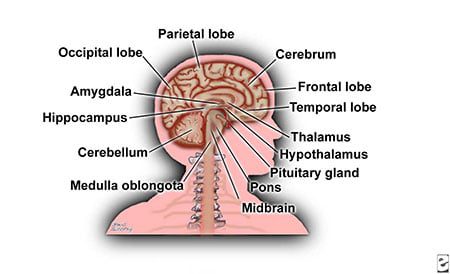
Biology is the study of living things. As we know, the study of living things is very broad because living things consist of various types and different characteristics. Of course, this makes the study of biological sciences have a very broad scope.
Therefore, biology is divided into several branches to be more specific and detailed when studying a type of living thing. Well, this time we will discuss about several branches of biology to add to your insight.
Biology Science Branches
Biology is a branch of science that studies living organisms and their lives, which includes the sciences of evolution, genetics, plants, animals, identification, to taxonomy.
There are many branches of science studied in the field of biology. These biology branches are divided based on the object of study. The following is a list of scientific branches studied in the scope of biology.
1. Agronomy
Agronomy is the science and technology of producing and utilizing plants for food, fuel, fiber, and environmental applications such as reclamation.
Agronomy is the study of plant cultivation with optimum production and sustainable sustainability.
2. Anatomy
Anatomy is a branch of biology that studies the body structure of living things. The term anatomy is used for the study of the structure of the human and animal bodies, while plant structure is studied in plant anatomy..
The study of the structure in the body of living things (organ and organ system level)
3. Andrology
Andrology is a medical specialty that deals with men’s health, specifically to problems related to the male reproductive system and urinary system.
Andrology is the opposite of gynecology which deals with women’s health issues. Andrology has been studied since the late 1960s. The study of male reproduction (processes, hormones, abnormalities, etc.)
4. Astrobiology
Astrobiology is a branch of Biology that examines the possibility of life on other planets and other celestial bodies.
This science has developed since the discovery of other planets whose conditions are similar to Earth. Predictions about the existence of life on Mars, Earth’s neighbour, have been a matter of concern for years.
This thought became the idea of a variety of science fiction works. The films ET and Star Wars are some of the works of science fiction that feature extraterrestrial beings known as aliens.
The study of the origin, evolution, distribution, and future of life in the universe
5. Bacteriology
Bacteriology is a branch of microbiology that studies bacteria, including studying the morphology, ecology, genetics and biochemistry of bacteria and various other aspects related to bacteria.
The study of the life of bacteria and their role in life.
6. Bioinformatics
Bioinformatics is defined as the application of computer science and informatics engineering in the field of biology. Bioinformatics is generally known as an application or algorithm used to interpret complex biological data into easy-to-understand biological information.
The science that studies the use of information technology to study and store biological data, such as the genome
7. Evolutionary biology
Evolutionary biology is a branch of biology that studies the evolution, or rather the origin of species that share a common ancestor, and the decline of species, as well as their changes, additions, and diversifications over time.
The science that studies the evolution, origin, and descent of living organisms over time
human evolution – source : britannica.com
8. Marine biology
Marine biology or biological oceanography is a branch of biology that studies the ecosystem of living things in the oceans. There are many reasons to study marine biology. The sea provides a source of food, medicine, basic materials, recreation and tourism.
The science that study of ecosystems, plants, and marine animals
9. Molecular biology
Molecular biology is a branch of biology that refers to the study of life at the molecular scale.
The study of the structure of living organisms at the molecular level.
10. Synthetic biology
Synthetic biology is a branch between biology and engineering. This field combines disciplines from within this domain, such as biotechnology, genetic engineering, molecular biology, molecular engineering, systems biology, membrane science, biophysics, chemical and biological engineering, electronics engineering, computer engineering, control engineering and evolutionary biology.
Synthetic biology applies these disciplines to build artificial biological systems for research, engineering, and medical applications.
The study of biological constructions not found in nature
11. Theoretical biology
Theoretical biology is an interdisciplinary field that uses mathematical techniques and tools to model natural and biological processes.
This field is sometimes referred to as mathematical biology or biomathematics to emphasize the mathematical side, or theoretical biology to emphasize the biological side.
Theoretical biology focuses more on developing theoretical principles for biology whereas mathematical biology focuses on using mathematical tools to study biological systems, although the two terms are sometimes interchanged.
The study of modeling mathematics for biological phenomena.
12. Biotechnology
Biotechnology is a branch of biology that studies the use of living things (bacteria, fungi, viruses, etc.) and products from living things (enzymes, alcohol, antibiotics, organic acids) in the production process to produce goods and services that can be used by humans. .
product Biotechnology
Today, the development of biotechnology is not only based on biology alone, but also on other applied and pure sciences, such as biochemistry, computers, molecular biology, microbiology, genetics, chemistry, mathematics, and so on. In other words, biotechnology is an applied science that combines various branches of science in the process of producing goods and services.
The study of the application of biology to produce products to improve human well-being.
13. Biogeography
Biogeography is a branch of geography that studies biodiversity based on space and time. Biogeography studies and seeks to explain the distribution of organisms on the earth’s surface.
This branch of Biology aims to reveal about the life of an organism and what influences it. One of the basics of studying biogeography is that every animal and plant appeared or evolved only once in the past. A certain place of origin of a species is called the center of origin.
The study of the distribution (collection, distribution) of species on earth, including their history
14. Biophysics
Biophysics is a branch of physics that examines the application of various devices and physical laws to explain various biological or biological phenomena. Biophysics has developed very rapidly since the early 1980s with the establishment of various existing physical theories.
The study of biological processes through the methods used in physical sciences
15. Biochemistry
Biochemistry is a field of science that studies knowledge about the structure, function and interactions of biomolecules that make up cells, mechanisms of enzyme catalysis reactions, energetics and reactions of cell metabolism, signal transduction processes related to biological and physiological functions of cells at the molecular level and genetic information.
This field of science is also supported by strengthening the understanding of biomolecular isolation techniques from various biological natural resources, purification, and characterization of biomolecules that support the utilization and development of biological natural resources into biotechnology products.
The study of chemical reactions in living things, especially at the cellular level.
16. Quantum biology
Quantum biology is the study of the science of the application of quantum mechanics and theoretical chemistry to biological objects and their problems. Many biological processes involve the conversion of energy into forms that can be used for chemical transformations and are quantum mechanical
The study of the application of quantum mechanics and theoretical chemistry to biological objects and problems
17. Botany
Botany is the study of organisms in the kingdom Plantae, otherwise known as plants. The word botany comes from the adjective botanic, which in turn comes from the ancient Greek word botane, referring to plants, grasses, and meadows. Botany also has another, more specific meaning; it can refer to the biology of a particular plant species (e.g. botany of flowering plants) or to plant life in a specific area (e.g. rainforest botany).
red colored plant
People who study botany are also known as botanists. Botany along with plant studies also includes the study of fungi and algae; hence these three major groups of organisms are included under the International Botanical Congress.
Branch of botany: Botany is the scientific study of plants, or multicellular organisms, that carry out photosynthesis. As a branch of biology, botany is sometimes referred to as plant science or plant biology.
18. Briology
Briology (from the Greek bryon) is a branch of botany concerned with the scientific study of mosses, liverworts, and hornworts. Briologists are people who have an interest in observing, recording, classifying or researching bryophytes.
This field is often studied together with lichenology because of its similar morphology and ecology, although in fact bryophytes and lichens are not classified in the same kingdom.
19. Dendrology
Dendrology is a branch of biology that studies trees and other woody plants, such as lianas and shrubs. This branch of science is mainly studied in the field of botany and its application, forestry. In this science, morphology and anatomy are mainly studied to obtain the basics of tree recognition.
The study of trees and plants other woody plants, such as lianas.
20. Ecology
Ecology can also be interpreted as a branch of science that studies the interaction of living things or groups of living things with their environment.
The term ecology is often considered a foreign term that is rarely heard by the public. In fact, most people think of ecology as the same as ecosystems, when in fact they are different.
Ecology was introduced by a biologist from Germany named Ernst Heinrich Philipp August Haeckel or commonly known as Ernst Haeckel.
Ecology comes from the Greek words oikos and logos. Oikos means habitat, while logos means knowledge.
So if explored further, ecology has a meaning as a science that studies the relationship between fellow organisms and the relationship between organisms and their environment. The meaning also varies, because some experts have different meanings.
21. Embryology
Embryology or embryo science is the field of science that studies how single cells divide and change during development to form multicellular organisms. This process is called embryogenesis. Embryology can be divided into several types:
Descriptive embryology describes what happens during embryogenesis.
Comparative embryology in organisms differs regarding the occurrence of changes that occur during the evolutionary process.
Experimental embryology manipulates embryos in the laboratory to observe cellular and biochemical processes.
22. Entomology
Entomology is a branch of biology that studies insects. This term comes from two Latin words. Entomon means insect and logos means science. As part of the earth’s ecosystem community, insects have become a determinant of the existence and development of ecosystems on earth.
23. Enzymology
Enzymology is a field of study that deals with a specific group of proteins called enzymes.
These proteins accelerate specific chemical reactions in a biological system, and these reactions are essential to the growth, development, adaptation, and survival of the organism.
The absence, accumulation, or dysfunctionality of an enzyme has drastic effects on the living organism, some of which are reflected as metabolic disorders.
24. Epidemiology
Epidemiology is the study and analysis of the distribution, patterns and determinants of health and disease conditions in defined populations. It is a cornerstone of public health, and shapes policy decisions and evidence-based practice by identifying risk factors for disease and targets for preventive healthcare
The study of the distribution pattern of disease.
25. Eugenetics
Eugenetics can be defined as the improvement of the human race by multiplying healthy individuals and removing those who are disabled or sick. Healthy individuals can be produced from the marriage of healthy individuals as well.
26. Zoology
Zoology or animal science is a branch of biology that studies animals. Scientific zoological studies have been started since the 16th century AD. The object of study includes the structure, function, behavior, and evolutionary processes of animals.
27. Endocrinology
Endocrinology is a branch of biology that studies the endocrine system/hormon. The endocrine system is a system in which hormones are produced and regulated by organs and glands.
Organs that are included in the endocrine system, diseases and health disorders that can occur in endocrine glands and organs can affect the overall metabolic function of the body.
Endocrinology is the study of behavior or psychic activity that is related to or occurs due to changes in the endocrine system.
28. Ethnobiology
Ethnobiology is a a branch of biology that is considered capable of explaining local knowledge and traditional conservation practices and their dynamics.
The dynamic nature of local knowledge that is able to adapt to environmental conditions makes local knowledge develop and have a place in the social life of the community.
The depth of appreciation of traditional communities towards conservation principles is reflected in their cultural and social systems that have respect for nature.
This principle is also reflected in the knowledge system and the adaptability of the community in the use of technology that is in accordance with the conditions of the natural resources and ecosystems in which the community lives.
Ethnobiology is The study of how living things are treated or used by human culture
29. Phycology
Phycology or algology, is a subdiscipline of botany that studies algae or algae. Phycology also studies some prokaryotic organisms known as Cyanobacteria.
Phycology is The study of algae/algae
30. Physiology
Physiology is one of the branches of biology that studies living systems. The term physiological comes from the Greek words physis and logos which means nature and story.
The scientific method used in physiology aims to study the physical and chemical functions of biomolecules, cells, tissues, organs, organ systems, and the organism as a whole.
The study of physiology began when the anatomist William Harvey described the existence of blood circulation in the 17th century AD. Physiology later became a scientific discipline through a textbook entitled Institutiones Medicae (1708) written and taught by Herman Boerhaave in Leiden. Physiology does not care about the types of living things being studied.
31. Physiotherapy
Physiotherapy is based on science that focuses on stabilizing or correcting impaired function of the movement organs/body functions that are disturbed, which is then followed by the process/method of motion therapy and/or with equipment.
Physiotherapy is The study of the treatment of patients with paralysis or muscle disorders
32. Pharmacology
Pharmacology
Pharmacology is a term derived from the Greek words pharmacos which means medicine and logos which means knowledge. So literally, pharmacology can be interpreted as a science that studies drugs and how they work on biological systems.
33. Pharmacognosy
Pharmacognosy is a science that studies plant or animal parts that can be used as natural medicines through various kinds of tests such as pharmacodynamic tests, toxicological tests and biopharmaceuticals.
Pharmacognosy is the study of medication or medicines from natural sources such as plants, animals, or microbes
34. Phylogeny
phylogeny is the study of the relationships among groups of organisms associated with the evolutionary processes that are thought to underlie them. The term “phylogeny” is borrowed from the Dutch, phylogenie, which comes from a combination of Ancient Greek words meaning “tribal origin, race”.
Phylogeny is not entirely the same as cladistics (phylogenetic systematics), but uses a lot of methods and concepts used in it. Cladistics is widely used to formulate phylogenetic relationships in the form of tree diagrams, but in phylogeny it is also studied the comparative anatomy of various organisms.
Today’s phylogeny uses the support of genetics and molecular biology. Systematics (classification) biology also uses input from this branch of science.
The study of the relationships among organisms associated with evolution
35. Photobiology
Photobiology is the scientific study of the effects of radiation, visible light and infrared on living organisms. This covers topics such as photography, vision, bioluminescence, circadian rhythms, and photodynamic therapy.
The study of the interactions of light and living organisms
36. Genetics
Genetics (adoption from Latin and Dutch: genetica; from Greek: , genno, meaning “to give birth”) is a branch of biology that studies the inheritance of genes in organisms and sub-organisms.
In short it can also be said that genetics is the science of genes and all its aspects. The term “genetics” was introduced by William Bateson in a personal letter to Adam Chadwick and he used it at the 3rd International Conference on Genetics in 1906.
The field of genetic studies starts from the subcellular (molecular) area to the population. In more detail, genetics seeks to explain:
information-carrying material to be inherited (genetic material),
how the information is expressed (genetic expression), and
how the information is transferred from one individual to another (genetic inheritance).
Genetics is branch of biology that The study of about heredity
37. Histology
Histology is The study of plant and animal tissues.
Xylem – plant tissue
Histology or microscopic anatomy is a branch of biology that studies the structure of cells and tissues in detail using a microscope. Histological activities were carried out on thinly cut tissue preparations
Histology is very useful in studying the physiological functions of cells in the body, both humans, animals, and plants, and in the form of histopathology is useful in establishing the diagnosis of diseases involving changes in physiological functions and deformation of organs.
For example, in the field of medicine, the presence of a tumor requires the results of a tissue sample (sample). In agriculture, inspection of the condition of the transport network can support the diagnosis of tobacco leaf blight.
38. Hematology
The study of blood. Hematology is one of the biological studies that specializes in studying blood and its disorders. Some of the diseases treated by the field of hematology medicine include anemia, blood clotting disorders, infectious diseases, hemophilia, and leukemia.
Hematology is a branch of medical biology that studies the blood and blood-forming organs. The origin of the word comes from the Greek word haima which means blood.
39. Herpetology
Herpetology is a branch of zoology that studies the life of amphibians and reptiles.
In fact, the object of this scientific study is “cold-blooded” (poikilothermic) vertebrates with four legs (tetrapods). Thus the term “herpetofauna” (often abbreviated as “herpet” or “herps”) does not include fish; although herpetologists and ichthyologists often cooperate, both in the field and in the exchange and dissemination of ideas.
40. Immunology
Immunology is the biological branch of biomedical science that includes the study of the immune system in all organisms.
Immunology charts, measures, and contextualizes the physiological function of the immune system in states of health and disease; immune system damage in immunological disorders (such as autoimmune diseases, hypersensitivity, immune deficiency, and transplant rejection); and the physical, chemical, and physiological characteristics of immune system components in vitro, in situ, and in vivo.
Immunology has applications in various medical disciplines, particularly in the fields of organ transplantation, oncology, rheumatology, virology, bacteriology, parasitology, psychiatry, and dermatology.
41. Ichthyology
Ichthyology is a branch of zoology that studies fish life. Ichtiology in the field of biology for aspects of knowledge and fisheries for its applied aspects, especially in the fields of cultivation and pathology. There are approximately 25,000 species of fish which constitute the largest part of vertebrates.
42. Cardiology
Cardiology is a branch of medical science that specifically studies disorders of the heart and blood vessels.
Cardiology is often seen as a sub-specialty in the field of internal organs health. This branch focuses on the diagnosis and treatment of cardiovascular conditions ranging from congenital disorders to heart diseases including heart failure and coronary heart disease.
43. Carcinology
Carcinology is the branch of zoology that studies crustaceans, a group of arthropods that includes lobsters, crayfish, prawns, krill, copepods, barnacles, and crabs.
44. Limnology
Limnology is a branch of biology that studies inland aquatic ecosystems. The study is mainly freshwater. The scope of the study sometimes includes brackish waters. Limnology is a comprehensive study of life in inland waters, so it is classified as part of ecology.
45. Mamalogy
Mamalogy is the science of zoology that studies mammals. a class of vertebrate animals characterized by a four-chambered heart, warm blooded, blond hair, and a complex nervous system. Mamalogy is also known as “mastology”, “theriology”, and “therology”.
46. Mycology
Mycology is the branch of biology concerned with the study of fungi, including their genetic and biochemical properties, their taxonomy and their use to humans as a source for tinder, traditional medicine, food, and entheogens, as well as their dangers, such as toxicity or infection.
47. Microbiology
Microbiology is a branch of biology that studies microorganisms. The object of study is usually all creatures that need to be seen with a microscope, especially bacteria, fungi, microscopic algae, protozoa, and Archaea.
48. Malacology
Malacology is the branch of invertebrate zoology that deals with the study of the Mollusca, the second-largest phylum of animals in terms of described species after the arthropods. Mollusks include snails and slugs, clams, octopuses and squid, and numerous other kinds, many of which have shells.
49. Morphology
morphology, in biology, the study of the size, shape, and structure of animals, plants, and microorganisms and of the relationships of their constituent parts. The term refers to the general aspects of biological form and arrangement of the parts of a plant or an animal.
50. Neurology
Neurology is a branch of biology dealing with disorders of the nervous system. Neurology deals with the diagnosis and treatment of all categories of conditions and disease involving the central and peripheral nervous systems, including their coverings, blood vessels, and all effector tissue, such as muscle.
51. Nematology
Nematology is the branch of biology that concerned with the study of nematodes, or roundworms. Although nematological investigation dates back to the days of Aristotle or even earlier, nematology as an independent discipline has its recognizable beginnings in the mid to late 19th century.
52. Neurophysics
Neurophysics (or neurobiophysics) is the branch of biophysics dealing with the development and use of physical methods to gain information about the nervous system. Neurophysics is an interdisciplinary science using physics and combining it with other neurosciences to better understand neural processes.
The methods used include the techniques of experimental biophysics and other physical measurements such as EEG mostly to study electrical, mechanical or fluidic properties, as well as theoretical and computational approaches. The term “neurophysics” is a portmanteau of “neuron” and “physics”.
53. Organology
Organology is the science of musical instruments and their classifications. It embraces study of instruments’ history, instruments used in different cultures, technical aspects of how instruments produce sound, and musical instrument classification.
54. Oncology
Oncology is a branch of medicine that deals with the prevention, diagnosis, and treatment of cancer. A medical professional who practices oncology is an oncologist.
55. Ontogeny
Ontogeny describes the origin and development of organisms from the fertilized egg to its adult form. Ontogeny is studied in developmental biology and attributed by Ernst Haeckel to phylogeny.
56. Ornithology
Ornithology is the branch of zoology that studies birds. Several aspects of ornithology differ from those closely related to discipline, which relates to high vision and an aesthetic approach to birds.
57. Osteology
Osteology is a branch of anatomy that deals with human and animal bones, including bone disorders and diseases. Bone consists of hard bone and cartilage. All bones are covered by a connective tissue membrane called the periosteum.
58. Pathology
Pathology is a branch of medical science that involves the study and diagnosis of disease through the examination of surgically removed organs, tissues (biopsy samples), bodily fluids, and in some cases the whole body (autopsy).
59. Palaentology
Palaentology
Paleontology, also spelled palaeontology or palæontology, is the scientific study of life that existed prior to, and sometimes including, the start of the Holocene epoch. It includes the study of fossils to classify organisms and study their interactions with each other and their environments.
60. Paleobotany
Paleobotany is the scientific study of ancient plants, using plant fossils found in sedimentary rocks. These fossils can be impressions or compressions of the plants left on the rock’s surface, or “petrified” objects, such as wood, which preserve the original plant material in rocklike form.
61. Paleozoology
Palaeozoology, also spelled as Paleozoology, is the branch of paleontology, paleobiology, or zoology dealing with the recovery and identification of multicellular animal remains from geological contexts, and the use of these fossils in the reconstruction of prehistoric environments and ancient ecosystems.
62. Parasitology
Parasitology is the study of parasites, their hosts, and the relationship between them. As a biological discipline, the scope of parasitology is not determined by the organism or environment in question but by their way of life.
63. Protozoology
Protozoology is the study of protozoa, the “animal-like” protists. The Protozoa are considered to be a subkingdom of Protista. They are free-living organisms that are found in almost every habitat.
64. Primatology
Primatology is a branch of zoology that studies the life (biology) of primates other than humans (apes, monkeys, and their relatives).
This science is considered important today because of the increasing attention to the preservation of animals that are classified as primates.
In addition, based on DNA sequencing it is known that the genetic composition of humans and some primates is not much different (even up to more than 99% in bonobos).
Thus, theoretically the study of primates can be easily analogous to humans. An example is the case of the HIV or Ebola virus which is strongly suspected to be transmitted from primates to humans. Research in the field of animal behavior also takes a lot of primate objects in relation to understanding the learning process.
Primatology is studied as a special science in the field of biology or forestry (especially its conservation aspects). Veterinary medicine also studies this science at an advanced level.
65. Pulmonology
Pulmonology is a medical science that focuses on treating health problems in the respiratory system, such as the lungs, bronchi, bronchioles, and alveoli. Doctors who specialize in pulmonology are known as pulmonologists (pulmonologists).
66. Radiology
The study of medical imaging to diagnose and cure disease. Radiology is a medical science that uses radiation to scan the inside of the body, to detect and treat disease.
67. Genetic engineering
The study of manipulation genetic traits. Genetic engineering is described as the science in which the characteristics of an organism are intentionally modified by genetic manipulation. It usually uses DNA and certain gene transformations to create new variations.
68. Sanitation
The study of environmental health
69. Cytology
Cell biology or cytology is a branch of biology that specifically studies cells by using optical lenses and microscopes.
70. Taxonomy
Taxonomy is the science of grouping organism based on certain things. Initially, taxonomy only referred to the categorization of living organism. However, in a broader and more general sense, taxonomy can also refer to the categorization of things or concepts, as well as the principles underlying that categorization.
71. Teratology
Teratology is the study of abnormalities in physiological development, which is often also referred to as the study of congenital abnormalities in humans.
72. Virology
Virology is a branch of biology that studies sub-organisms, especially viruses. In its development, in addition to viruses, viroids and prions were also found. These two groups are currently still in the field of virology studies.
73. Virophysics
The study of mechanics and dynamics of interactions between viruses and cells
The central nervous system is one part of the nervous system in humans that holds all control and regulation of the work of the nervous network to the nerve cells.

The parts of this nervous system are the cerebrum, cerebellum, spinal cord and spinal cord.
Understanding the Central Nervous System
The central nervous system (CNS) is the part of the nervous system that coordinates the activities of all body parts of bilaterian animals—that is, all multicellular animals except radially symmetrical sponges and animals such as jellyfish.
Together with the peripheral nervous system it has a fundamental role in behavioral control. The CNS is contained within the dorsal cavity, with the brain in the cranial cavity and the spine in the spinal cavity.
The brain is protected by the skull, while the spinal cord is protected by the spine.
Central Nervous System Structure
1. Brain
The brain is the most important organ of the human body which is composed of millions of nerve cells. The surface of the human brain is folded, making the human brain capable of storing more neurons than the smooth surface of the brain as in most animals.
The human brain consists of 3 parts, namely the forebrain, midbrain, and hindbrain. Here’s the explanation:
a. Cerebrum
Cerebrum
Cerebrum is part of the nervous system that contains cerebrospinal fluid around it which is useful for feeding the brain and can protect it from shock. In the cerebrum there are also many blood vessels that can be useful for supplying oxygen.
Serebum is able to formulate all complex activities, such as when you are studying, playing or thinking. When reading a topic or study material, for example, the cerebrum determines what information is important and must be remembered.
In addition, the cerebrum also regulates human emotions. The cerebrum consists of two hemispheres, namely the right hemisphere and the left hemisphere. These two hemispheres have an important role in our learning process.
The right hemisphere has the ability to solve visual problems, while the left hemisphere works more rationally and analytically.
b. Cerebellum
This section functions as a center for coordinating movements between muscles that occur consciously, balanced and in body position. In other words, the cerebellum is the balance center of the body.
In this part of the hindbrain there is also a pons varoli or varol bridge. Pons varoli is responsible for connecting or delivering impulses back and forth from the right and left hemispheres of the brain.
c. Thalamus and Hypothalamus
The thalamus is the part of the brain that receives sensory information from the sense organs which is transmitted to the cerebrum. From the cerebrum, the translated information will enter the thalamus first before leaving the brain to be conveyed to the targeted organ.
While the hypothalamus is the part of the brain that is the center of homeostasis regulation or environmental regulation in our body. The hypothalamus is what regulates your body temperature to keep it stable.
d. Mesencephalon (Middle Brain)
The midbrain, commonly called the mesencephalon, is positioned parallel to and closer to the eyes and ears. Because the two sense organs are closer, the task of the mesencephalon is related to our hearing and vision.
The mesencephalon is able to translate sound information from both ears, even though the center of vision in the brain is the cerebrum, but this mesencephalon also has a role in eye reflexes.
For example, when there is disturbing dust or there is a blinding light, it is this mesencephalon that you unconsciously work to close your eyes.
2. The spinal cord
The spinal cord is connected to the brain. The base is called the spinal cord or medulla oblongata, and the part that extends into the spinal cavity is called the spinal cord, which serves to connect stimuli to and from the brain.
This section functions as a reflex center, because in the spinal cord there are sensory, motor and connecting nerves. The function of these nerves is to conduct impulses from the brain.
3. Medula Oblongata
medula oblongata
This section functions to regulate body temperature, control vomiting and regulate several reflex movements such as coughing, sneezing and blinking and besides that this brain part also functions as the respiratory center.
Well, that’s a discussion of the Central Nervous System along with its structure, function and description. Hope it is useful!
A complete explanation of what xylem is, starting from its definition, function, characteristics, tissue structure, and its constituent components in detail.
What is Xylem
What is xylem? Xylem is a transport tissue found in plants. The function of xylem is to transport water and minerals from the roots to the leaves. Xylem vessels are referred to as wood vessels. Xylem tissue is a complex network which consists of various kinds of cells.
In general, woody vascular tissue consists of two dead cells that have thick walls and contain lignin. In addition to functioning as a transport network, it turns out that the wooden vessels also function as a reinforcing network.
Xylem Function
The function of the Xylem / wooden vascular network is as a means of transportation or means of transport. This tissue functions to transport water, minerals, and nutrients from the roots to the leaves. Furthermore, all the content will be distributed to all parts of the plant. These substances will be absorbed in the soil by the roots and will then be transported throughout the plant body.
Characteristics of Xylem
The vascular tissue of wood has its own characteristics that distinguish it from phloem tissue . The characteristics of xylem are as follows:
Have thick cell cold
The cells are tracheid type
Wood vessels are composed of various types of cells
The xylem contains lignin
Wood vessels are composed of dead cells
Wood vessels are composed of trachea, wood vessel fibers, tracheids, and also wood parenchyma
Xylem Structure
What is the structure of the xylem? You need to know that the components of the wooden vessels consist of the trachea, tracheids, and the wood vessel parenchyma . We will provide a full explanation below.
1. Trachea
The trachea is a component of the xylem tissue which has thick walls consisting of tubes . The tubes are coated by lignin and secondary cellulose so that they have a tough and hard texture.
In general, the trachea can only be found in closed seed plants or what we also know as angiosperms. Meanwhile, for plants with open seeds, you can only find them in melinjo.
2. Tracheids
What are tracheids? Tracheids are components that make up wooden vessels that have a small diameter when compared to the diameter found in the trachea. For the size of the diameter is approximately 30 mm. Tracheids can be found in all types of seed plants (spermatophyta)
3. Xylem parenchyma
The third structure of the xylem is the vascular parenchyma. The vascular parenchyma is part of the living cells. Wood vessel parenchyma can be found in both primary and secondary. For secondary xylem, there are two types of parenchyma, namely wood vessels and pith radius.
Parenchyma cells are the part that serves as a food reserve in the form of starch. This substance will usually be buried until later times of growth and will then begin to decrease along with the activities of the cambium.
A complete explanation of what sensory and motor neuron cells are, starting from their understanding, function, structure, types, parts, pictures, and anatomy.
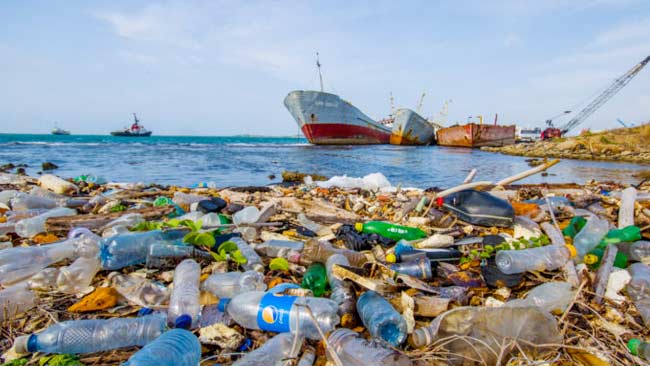
Definition of Neuron Cells
What are neurons? Neurons are cells that include the main working unit in the human nervous system. Neuron cells are also called as nerve cells. The function of neurons is to deliver “stimulating” impulses originating from the ‘sensory’ receptors to the brain and vice versa. In addition, these cells are also responsible for reflex movements.
These cells will form a nervous system in humans. You need to know that nerve cells are not the same as cells in general. This is because there are neurites that make the nerves look like they have a tail. These cells also have parts that you can generally find in animal cells and other parts.
Types of Neurons
The next information you should also know is about the types of neurons. Based on their function, neurons are divided into three types, namely sensory neurons, motor neurons, and also intermediate neurons or connector cells.
1. Sensory Neurons
Sensory neurons are a type of nerve cell that plays a role in delivering impulses from receptors in the body to the central nervous system (brain and spinal cord). Sensory nerve cells are also referred to as sensory nerve cells.
2. Motor Neurons
Motor neurons are a type of cell that plays a role in transmitting impulses originating from central nervous cells to muscle or glandular cells. Then the body will respond to these stimuli by moving or can produce a secretory product. Normally, motor neuron cells have short dendrites and long axons.
3. Connector Neuron
The third type of nerve cell is called a connector or intermediate nerve cell. These nerve cells are useful for connecting sensory nerve cells with motor nerve cells or relating to other nerve cells in the central nervous system. The axos, nerve fibers, and dendrites in these cells combine in a single sheath to form nerves. Meanwhile, the cell bodies will gather in a place which then forms a nerve ganglion.
Neuron Cells Structure
Neuron cells have several parts. There are at least 9 neuron cell part that you should know. We will explain the parts of neurons below:
1. Dendrit
Dendrites are branches originating from the cell body that look like branching protrusions. Dendrites function to receive and deliver stimuli originating from the cell body.
2. Cell Body
The largest neuron cell structure is the cell body in which there are many important components. Inside the cell body, you will find the cytoplasm, the cell nucleus or nucleus, and the daughter nucleus or nucleolus. The function of the cell body is to receive stimuli originating from the dendrites and then forward them to the neurite or axon.
In the cytoplasm there are Nissi grains which play an important role in protein synthesis. These Nissi grains contain RNA so that they are able to carry out their duties. But keep in mind that the cell body is only found in central nervous cells, namely the brain and spinal cord as well as the ganglion (a collection of nerves outside the central nervous system).
3. Nucleus
The nucleus of the cell is the nerve that plays a role in regulating the activities in the nerve cell (neuron). Inside the nucleus of the cell are DNA and chromosomes . The function of both is to regulate the nature of the offspring derived from these cells.
4. Neurite (Axon)
The axon is a long-shaped nerve cell fiber which is actually an extension of the cytoplasm of the cell body. If you pay attention, neurites are almost the same as dendrites, but there is only one neurite and they are longer in size. In addition, neurites also have a larger shape compared to dendrites.
Inside the axon, you will find fine threads. These fine threads are known as neurofibrils. What is the role of the axon? Axons are responsible for transmitting impulses from the cell body to effectors such as muscles and glands.
Although axons are only a few micrometers in diameter, they can be 1 to 2 meters long. The axon functions to transmit impulses from the nerve cell body to other nerve cells.
5. myelin sheath
Then what about the myelin sheath? This section is the membrane that covers the axon. The myelin sheath has a lot of fat and is segmented. The indentations in the two segments are called nodes of Ranvier . The myelin sheath is surrounded by cells called Schwann cells.
6. Schwann cells
As we have already explained that Schwann cells are cells that surround the myelin sheath. This cell was discovered by a scientist from Germany named Theodore Schwann. Schwann cells play an important role in producing fat and wrapping neurites many times to form the myelin sheath.
The function of the Schwann cell is to speed up the passage of impulses. In addition, these cells also help in providing food that is beneficial to neurites and helps in neurite regeneration.
7. Nodus Ranvier
The nodes of Ranvier are anatomical neurites that are not covered by a myelin sheath. Indeed, the myelin sheath is useful for protecting the axon and wrapping it up. However, this sheath does not cover all parts of the neurite and the part that is not called nodes of Ranvier. The function of the nodes of Ranvier is as a jump so that it can accelerate the nerves to the brain and vice versa.
The nodes of Ranvier are about 1 micrometer in diameter. Someone who was instrumental in finding the nodes of Ranvier is Antoine Ranvier. With the nodes of Ranvier, nerves can jump from one node to another. The benefit is to make impulses reach their destination faster. Then why are the nodes of Ranvier not covered by myelin sheath? If the myelin sheath wraps around the nodes of Ranvier, then the nerve impulses cannot jump to the nodes of Ranvier so that no response occurs.
8. Oligodendrosit
Oligodendrocytes are supporting cells that play a role in providing insulation for nerve cells that form the myelin sheath around the axon. The function of oligodendrocytes is to form the same myelin sheath in the central nervous system and act as a supporter. This supporting cell has several longitudinal projections in it and each of these extensions wraps around a piece of the axon between neurons to form a myelinated segment.
9. Synapse
The structure of the next neuron is called a synapse. Synapses are gaps that are the meeting point between one neuron and another. Each synapse will provide a connection between neurons so that there will be an exchange of information between the neurons. The information will be exchanged in the form of chemicals called neurotransmitters.
At the end of the neutite in each cell there is a pocket. This sac is known as the axon bulb. This pocket will later produce the neurotransmitters we mentioned earlier.
Thus the information we can provide about nerve cells which includes the meaning, function, structure, and types. Hope it is useful.
For this discussion we will provide a review of Contamination which in this case includes the Definition of Contamination, Examples of Contamination and Causes of Contamination.
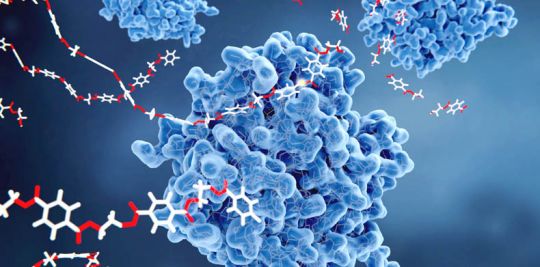
So in order to better understand and understand see the full review below.
Definition of Contamination
So what is meant by contamination? Definition of Contamination is a condition of mixing / contamination of something by other elements that give certain effects, usually a bad impact.
The components that cause contamination are very diverse, both inanimate objects and living things. Contaminants that come from inanimate objects such as chemical compounds and dirt, while contaminants that come from living things such as microbes.
And in general, the word contamination is always associated with something that means bad/negative. The use of the word “contamination” is often used for many things, including:
Food “food contamination”
Environment “environmental contamination”
“Cross-contaminating” foodstuffs
Language “contamination of words, sentences”
Microbial Contamination in Foodstuffs
Microbial Contamination From Soil
Soil contains various kinds of microorganisms that can be a source of contamination. If microbiologists want to look for a new type or strain of a microorganism for a particular purpose, they usually first look for it in the soil. Not only a few types, but in large numbers microorganisms are found in fertile soil, which can contaminate plants growing on the soil.
Microbial contamination from water
Water in nature not only contains normal flora but also contains microorganisms originating from the soil and possibly also from animal waste. The water surface of rivers or ponds and the water at the bottom of large lakes and ponds may contain various kinds of microorganisms in units of millions per mm after a rainstorm, which is more numerous than the lake and pond at rest or there is no thunderstorm. Groundwater after spring will exit through layers of soil and rocks: because many bacteria live in the water, the number of bacteria in this water ranges from several hundred per millimeter.
Microbial Contamination From the Air
Food contaminated from the air has an important role in sanitation for economic reasons. Organisms that contain disease, especially those that can cause infections of the respiratory system or in food that causes contamination. The number of microorganisms in food that can come from the air, especially when air is used as aeration in food products, although organisms enter by sedimentation from the air is always not a concern. Airborne mold spores cause problems with cheese, meat, condensed milk, sliced bread and lard.
Environmental Contamination
Environmental contamination is contamination of food ingredients caused by environmental conditions that are less well maintained.
Environment
Air: temporary medium for influenza viruses & bacteria
Equipment contamination from materials, workers and air
Overcome with: hygienic design and effective cleaning
Water
Water as a cleaning medium Needs special safeguards. For example, ultra violet
Garbage used for washing contains water that has a waste flora
The good places for the bacterial micro-organisms are Clostridium batulinum and Clostridium perfingens. Can be found in the setup and save area in a variety of ways
With food and wrap
With the shoes of the workers
With air (almost every dust belongs to the sewer class
Air
Air pollutes processing, packaging, storage and preparation sites ditempat
Polluted air is caused by several factors. Dew drops when talking, sneezing, coughing can be the center of micro-organisms
Waste
Poor waste management: sources of contamination
Can pollute water sources, rivers, lakes, seas so that food from these waters can be polluted
Production place
Judging from the cleanliness of the floor used, if there is standing water it can be a source of contamination in food.
Door handles contaminated with workers’ hands, processing equipment surfaces contaminated with microbes, can contaminate the product being processed.
On the walls that are dirty and not cleaned as a breeding ground for microbes
On the tools used in the cooking process
Product raw materials
Contamination contained in the raw food product itself. Prior to the processing, the product has been contaminated with bacteria, this can be caused by unfavorable environmental conditions, bacteria present in the animal (eg cattle affected by anthrax), raw material handlers who are less hygienic (cross contamination)
Contaminants from raw materials:
Microbes from soil, water, pesticide residue
Animals: microbiology, antibiotics, hormones
Meat
salmonella
Knives and tools when slaughtering
Hair, skin, digestive tract, respiratory tract.
Contamination during: slaughtering, cutting, processing, storage and distribution
Carcass contact with dust or other debris
Milk
Cow, milker
Cross contamination: worker, container
Examples of contamination due to human activities; Factory waste is dumped into rivers so that river water becomes toxic to living things. Examples of contamination due to natural activities; volcano erupts, natural gas is poisonous.
Cross Contamination
The definition of cross-contamination is the transfer of bacteria from raw food ingredients to finished food products, either directly or indirectly. Cross-contamination generally occurs due to the process of storing foodstuffs and the process of making food that is not clean.
An example of cross-contamination occurs when a dirty knife contaminated with harmful substances is used to peel a mango that is about to be eaten. Another example, plastic storage contaminated with feces is used to store meat.
Causes of Contamination
In general, there are three causes of contamination, namely biological contamination, chemical contamination and physical contamination.
Biological contamination, some of the causes of biological or microbiological contamination are “protozoa and worms” parasites, viruses, pathogenic bacteria, which can cause poisoning and infection in humans.
Chemical Contamination, chemicals that can cause intoxication in humans. Some of the chemicals that cause poisoning include antibiotics, pesticide residues, industrial chemical contamination.
Physical Contamination, contamination of a physical nature, such as stones, dust, hair, metal, pieces of wood, nails or even cooking utensils used. Physical contamination does not always cause disease, but it is still dangerous and interferes with human health
Impact of Physical Contamination
In general, food contamination can cause many health problems for people who eat contaminated food. Among them can cause disturbances in the digestive tract, kidneys, liver, heart, and other organs. In addition, food contamination can also cause food poisoning.
Physical contamination in the form of foreign objects if swallowed with the food or drink we consume will certainly be very dangerous for our bodies. For example, if there is broken glass that enters our body, it will certainly injure our organs and can even cause death.
Physical Contamination Prevention Efforts
Some actions that can be taken to prevent or avoid food contamination include the following:
Personal Hygiene
People who process, cook, or serve food need to understand and understand that cleanliness is the basis of health. Patients with scabies (scabs), inflammation of the respiratory tract, or digestive tract diseases are sources of transmitting germs to food, especially to cooked food. The ways of transmission are through touching with dirty hands, sneezing, and coughing. Washing hands with clean water is an absolute requirement for food handlers, especially after urinating or defecating.
Environmental Hygiene
In addition to personal hygiene, cleanliness of the workplace and the surrounding environment, workplace facilities are equally important. There must be enough clean water available, enough sunlight. Food processing and storage must receive special attention where the food processing area must be in a clean condition. In addition, cooking utensils and cutlery must also be kept clean so that they do not become a source of bacteria.
Tools should be cleaned as well as possible so that no organic remains are visible to the eye. This action can be helped by using detergent and if this material is used it must be washed / rinsed well with clean water. wash foodstuffs, such as meat and vegetables under running water when they are freshly purchased, to remove chemicals, pesticides, and germs.
At the Food Ingredients Selection Stage
Materials that are eaten raw must be transported and stored separately from other raw materials and non-food ingredients. So as to minimize contamination by foreign objects.
At the Food Storage Stage
Storage must be done in a special place that is clean and meets the requirements. Items must be arranged properly so that they are easy to take, do not allow insects or rats to nest, avoid flies/rats and for perishable or damaged products to be stored at a cold temperature. . And each food ingredient is placed separately according to its type.
At Food Processing Stage
Food processing is the process of changing the shape of raw materials into ready-to-eat food. Good food processing is one that follows the rules and principles of good hygiene and sanitation in the washing process, food handling, cooking process, use of food additives and use of cooking utensils.
In Food Storage Stage
Food that has been cooked or is ready to be served, not all of it is directly consumed by us, especially food that comes from catering or catering services. Some things to consider when storing cooked food include:
Food served hot should be kept at a temperature above 60 degrees Celsius.
Food that will be served cold is stored at a temperature below 4 degrees Celsius
Food served in hot conditions stored at a temperature below 4 degrees Celsius must be reheated to 60 degrees Celsius before serving.
At Food Transport Stage
Healthy food transportation will play a very important role in preventing food contamination. Contamination of cooked food is higher risk than food contamination. Therefore, the emphasis is on controlling food contamination in cooked food.
At the Presentation Stage
The presentation of food must be in accordance with the principles of food hygiene and sanitation, so that there is no contamination of the food to be served.
Tackling Contamination
How to deal with contamination of toxic and hazardous materials:
When exposed to corrosive liquid
Immediately washed with water repeatedly on the affected, before being taken to the ER to be treated by a doctor.
When exposed to solid corrosive materials
Immediately wash with water repeatedly on the affected area, if necessary with soapy water.
When burns due to chemicals
Immediately avoid these chemicals and wash them with water repeatedly and immediately be treated by an emergency room doctor.
Burns due to heat
First aid can be done by compressing ice water or pouring water until the pain goes away and does not come back. If necessary soak in water. Cooling relief measures can be taken to relieve pain and more importantly that cooling will be stopped or slow the reaction of the destruction of body tissues due to fire. This first aid must be followed immediately by a doctor’s treatment.
Clothing that is attached to or adjacent to the burn needs to be removed, avoid contamination of the wound and do not clean the wound or apply topical agents, such as butter, oil, soy sauce and toothpaste. Cover the wound with a sterile, clean cloth or bandage that is treated by a doctor.
Example of Contamination
Examples of physical contamination include: dust, soil, stones, glass, hair, staples, klips, animal waste, safety pins, needles, leaves, parts of animals such as fur or animals such as lizards, insects and so on. Sources of physical pollutants can occur in conditions where food processing is not clean, storage of foodstuffs and ready-to-eat food is not good so that dust and soil are possible as well as contamination by rats and insects, the presence of pets such as cats, chickens and birds in food processing areas. can cause physical contamination of food.
Likewise, humans who manage food that do not use work clothes, good hair cover and how to wash cooking utensils and storage can cause contamination by human hair and dust .
You has been chewing rice for a long time, If you’ve ever done it, surely over time the rice you chew tastes sweet, right? Do you know the reason why the rice can taste sweet? This happens because rice is starch, aka complex carbohydrates, which are the products of plant photosynthesis to store excess glucose.
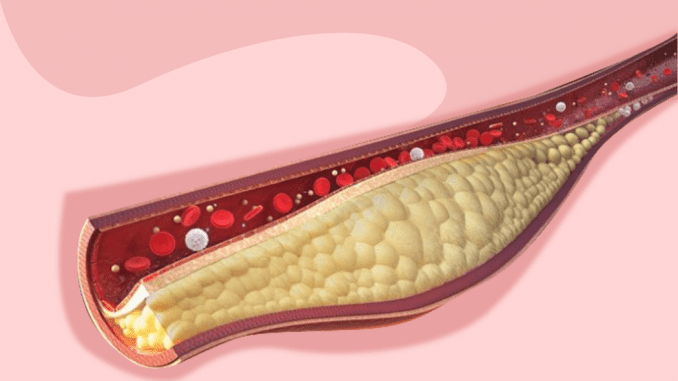
Well, when we start chewing rice in our mouths, there is a function of the amylase enzyme from our saliva which breaks down starch in rice into maltose, a simpler carbohydrate group. The way the maltose enzyme works is what has a sweet taste when we chew starch like rice.
This is what distinguishes rice from sugar. When we eat sugar, the sweet taste of sugar is immediately felt when the sugar enters our mouth. The sweet taste can be felt immediately because sugar is composed of simple carbohydrate compounds.
While rice, which is a complex carbohydrate, requires the help of the enzyme amylase to create a sweet taste. Eh, but what is an enzyme? What are the functions of enzymes that you know? So that you understand what enzymes are and how they work, let’s just talk about it, let’s go!
Get to know the function of enzymes and the factors that influence how enzymes work
Some of you may have been asked to explain how enzymes work, the structure of enzymes and the factors that affect the work of enzymes, right? So, so you don’t get confused, you should pay attention to the following discussion about enzymes:
enzyme. source: genome.gov
Relationship of Enzymes, Substrates, and Products
Enzymes are protein compounds produced by the cells of living things. That’s why humans, animals, and plants have a protein called this enzyme in their bodies. In general, the function of this enzyme is to assist and speed up metabolic processes in the body, which in biology is referred to as a biocatalyst. There are two types of metabolic processes in our body, namely catabolism and anabolism. Catabolism is a metabolic process that breaks down complex substances into simpler ones, while anabolism is a metabolic process that forms complex substances from simple ones.
Well, the way enzymes work in our bodies has a role in both these metabolic processes. When an enzyme acts, the initial substance before the reaction occurs is called the substrate and the resulting substance is called the product. For example, in the process we eat rice earlier. The starch in rice is the substrate, while maltose is the product.
Enzyme Nomenclature
There are many properties of the enzyme, not only amylase that breaks down starch. There are so many enzymes in our body. The function of each enzyme is also different. For example, in addition to the amylase enzyme mentioned earlier, there is also a lipase enzyme whose function is to break down fats and proteases that break down proteins.
To make it easy to remember, each enzyme name is adjusted to its substrate and is given the -ase suffix. So, if the substrate is starch, the enzyme is called amylase. If the substrate is fat or lipid, the enzyme is called lipase. If it’s protein, it’s a protease, while if it’s fructose, it’s fructose. Now, if the substrate is cellulose, you can guess what the name of the enzyme is, right? Yup! Cellulase. Easy, right, memorizing it?
Just as we have a place to live, the enzymes in our body also have a place to live in our body. The residence of these enzymes is adjusted to the function of their respective enzymes. There are intracellular enzymes and there are extracellular enzymes.
Intracellular enzymes are enzymes that reside in living cells. An example is catalase. This catalase enzyme can break down toxins such as hydrogen peroxide (H2O2) into water molecules (H2O) and oxygen (O2) which are harmless to our bodies. Because of this function, the enzyme catalase can mostly be found in liver, heart, kidney, bone marrow, and blood cells.
Well, if extracellular enzymes are enzymes that live outside the cell. These extracellular enzymes are usually produced by the glands of our body. For example, the amylase enzyme is produced by the salivary glands in our oral cavity. So, this amylase enzyme works outside the body’s cells or extracellularly.
Enzyme Components and Structure
Do you know how enzymes can speed up metabolic reactions in living things? To be able to carry out metabolic processes, the body requires a lot of energy. With the presence of enzymes, energy requirements can be reduced because enzymes can accelerate the occurrence of metabolic reactions.
Before we know how enzymes work, we must first know the parts of enzymes. In terms of shape, enzymes have two sides. There is an active site, where the substrate is bound, and there is an inactive or allosteric site. Then the enzyme is composed of two different components. There are apoenzymes made of protein and there are prosthetic groups made of non-protein material.
Apoenzyme is the main component of the enzyme that will react with the substrate. Actually, with only apoenzyme enzymes can work, but the reaction will be very slow, aka long. So the enzyme must be equipped with a second component, aka a prosthetic group. This prosthetic group can be made of two types of ions, namely organic ions and inorganic ions.
If the prosthetic group is an organic ion, the prosthetic group is called a coenzyme. For example, there are vitamin B1, vitamin B2, vitamin H, NAD, and FAD. That’s why vitamins are important for our bodies. Because some of the vitamins we consume help enzymes to work. Well, this coenzyme functions to move chemical groups, atoms, and electrons from one molecule to another, so that the metabolic process becomes smoother.
But if the prosthetic group is an inorganic ion, then the prosthetic group is called a cofactor. Some of the cofactors present in enzymes are calcium (Ca), chlorine (Cl), sodium (Na), and potassium (K). Well, the cofactor usually pairs with the apoenzyme to form a new structure called the holoenzyme. When this holoenzyme is formed, it goes up one level, so the enzyme can work optimally.
How Enzymes Work
When there is a substrate to be broken down, such as starch, for a reaction to occur, the enzyme and the substrate must complement each other, such as a lock and key. We think of this lock as an enzyme and this key as a substrate. So, if you want both to work, the lock and key must be paired. Meanwhile, if the key is wrong, yes, the lock won’t open, right?
how enzyme work source : khan academy
Likewise with enzymes and substrates. The shape of the substrate must match the active site of the enzyme. If the enzyme does not match the substrate, for example, if we use the amylase enzyme as a protein substrate, the two will not match. If the substrates don’t match, they can’t complement each other because there won’t be a reaction between them. But if the substrate is right, for example starch meets amylase, the enzyme will work.
In order for the amylase enzyme to break down starch into maltose, the enzyme requires a chloride ion (Cl) cofactor. This ion is like the power button in the enzyme. If the ions are attached, then the amylase enzyme will immediately turn on, work immediately, or the cool language is activated. If it is activated, the amylase enzyme can help break down starch into maltose.
Well, an enzyme must have a substrate pair. But the substrate can come in various forms. One starch is different from the other, in the form of amylopectin and in the form of amylose. If the shape of the incoming substrate does not match the enzyme, the active site of the enzyme can change to match the substrate, aka flexible.
But still, yes, even if the active site of an enzyme can change, the enzyme and its substrate must match, in order for it to work. Like amylase and starch earlier. Whatever the form of starch, if you meet the amylase enzyme, yes, they will match each other.
Enzyme Properties
Enzymes must have pairs with suitable substrates because enzymes have specific properties. This means that even though there are many substrates, the enzyme will choose a suitable substrate for it, aka already paired. In addition to specific properties, enzymes also have several other properties. The second property is that enzymes can work back and forth. In addition to turning the substrate into a product, enzymes can also turn the product into a substrate again, according to the body’s needs. Then as long as the enzyme is not damaged, the enzyme can be used over and over again. So actually the body only needs enzymes in small amounts. Well, whether or not enzymes work smoothly depends on several factors, such as temperature, pH, inhibitors, and activators.
you can also see how enzyme work on this video :
Well, now you understand what enzymes are and how enzymes work, right,
Normal adult human blood pressure is 120/80 mmHg. Blood pressure expresses the pressure that the blood experiences when blood is pumped by the heart around the body.
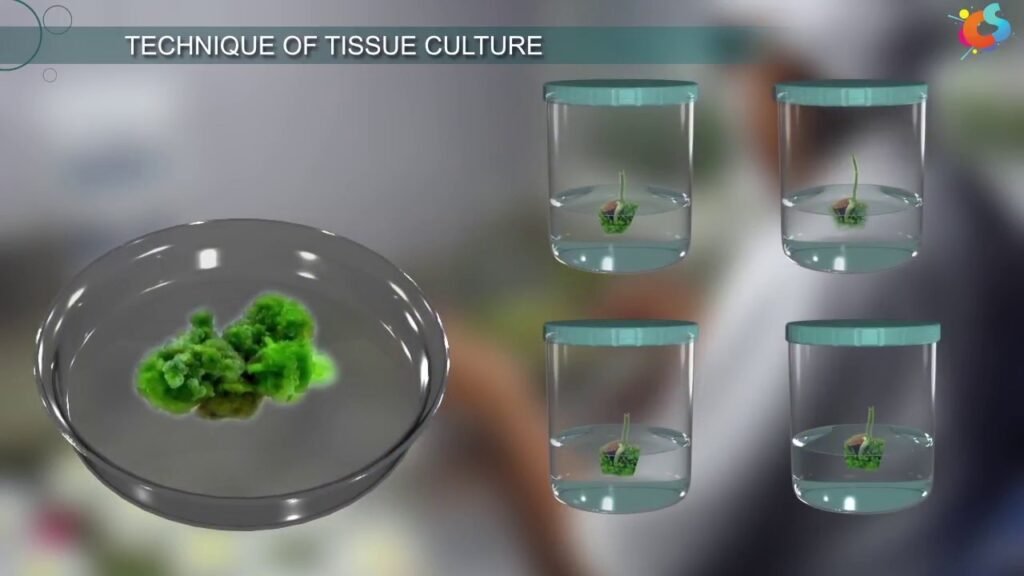
Blood pressure can change with age, body condition, and activity.
In general, human blood pressure is classified into three groups.
Normal blood pressure
High blood pressure
Low blood pressure
Normal human blood pressure
Normal blood pressure for children and adults has different values.
The way to read blood pressure values is to look at the first and second numbers. 120 (the first number) indicates systolic blood pressure. Systolic pressure expresses the pressure when the heart pumps blood around the body.
80 mmHg (second number) indicates diastolic blood pressure. Diastolic pressure expresses the pressure when the heart muscle relaxes, before pumping blood.
A person who has a blood pressure value above normal blood pressure is diagnosed with hypertension and if the blood pressure is below normal blood pressure is said to have hypotension.
Blood pressure table
High blood pressure (hypertension)
Hypertension occurs when blood pressure is above normal blood pressure. Blood pressure is above 130/80 mmg.
Hypertension can lead to diseases such as stroke and heart disease, and fatal diseases of other organs such as kidneys. Besides being able to trigger deadly diseases, hypertension is also difficult to identify.
Things that can trigger hypertension include: Obesity, likes to consume salty foods, age, rarely exercise, smokers, and heredity.
Low blood pressure (hypotension)
Hypotension occurs when blood pressure is below normal blood pressure. Occurs when blood pressure is below 90/60 mmHg.
Symptoms usually experienced by people with low blood pressure, such as nausea, dizziness, fatigue, thirst, unclear vision, rapid and shallow breathing, lack of concentration, and fainting.
Blood pressure that is too low can lead to heart and brain damage.
Things that can cause hypotension include: dehydration, anemia, hormonal imbalances, heart problems, hormonal imbalances, and so on.
Maintain normal blood pressure
In order for blood pressure to remain normal, we can do the following things.
In their efforts to acquire new individuals or reproduce, plants, like other living things, also carry out the process of reproduction. There are several reproductive technologies that can be applied to plants, including plant tissue culture techniques. What is this?

Plant tissue culture is a method that aims to multiply plants by taking a part of the plant, such as a cell or a group of cells, tissues, or organs. This tissue culture technique utilizes the principle of vegetative propagation of plants.
In practice, the previously extracted plant parts are grown in sterile conditions on a medium containing nutrients and growth regulators or hormones. Parts of the plant will be able to multiply and develop into plants that have complete organs, namely roots, stems, and leaves.
In tissue culture techniques, several components are needed such as explants and culture media that contain the nutrients that plants need for their growth. Eksplan is a plant tissue that contains young tissue or tissue that is meristematic only a few millimeters in size which will later be cultured on culture media.
Examples of tissue commonly used as explants are stem tips, leaf tips, and root tips. Culture media is a place where plant cells grow in the form of agar in a sterile tube and contain the nutrients that plants need. Some examples of plants that have been used as objects for culture are mango, sugar cane, banana and orchid.
There are several advantages of developing plant tissue cultures, including:
In a short time you can produce the required plant seeds in large quantities.
The nature of the plants produced is in accordance with the characteristics of the parent plant being cultured.
Can be bred without waiting for the plant to mature.
The pharmaceutical industry has been experiencing tremendous growth worldwide. The industry has been introducing a diverse range of innovative drugs and therapies that have revolutionized the healthcare sector. However, one area where the industry has been lacking is the development and production of halal pharmaceuticals.

Halal Pharmaceuticals refers to medicines or drugs that are manufactured in compliance with the Islamic laws of food and medicine. The development of halal pharmaceuticals has been gaining attention in recent years. The demand for halal drugs is growing exceptionally fast, particularly in the Muslim world, where religious practices forbid the consumption of any drug that contains alcohol, animal products or material derived from prohibited sources.
This article looks at the emerging halal pharmaceutical industry and whether it is the need of the hour.
Emerging Halal Pharmaceuticals Industry
The global market for halal pharmaceuticals has been growing rapidly, and this trend is expected to continue. According to a research report by Credence Research, the global halal pharmaceuticals market is projected to grow at a CAGR of 9.4% from 2021 to 2027.
The growth of the halal pharmaceuticals market is driven by several factors. The increasing demand for halal products, particularly in the Muslim world, is one of them. As Muslims worldwide seek to adhere to a halal lifestyle, the demand for halal medicines has spiked. The rise of the Muslim population and increasing awareness of halal products have also contributed to the growth of the halal pharmaceuticals market.
Another contributing factor is the growing demand for ethical and transparent practices in the healthcare industry. For many Muslim consumers, halal pharmaceuticals represent a more ethical and transparent alternative, as they are manufactured in compliance with Islamic law and free from any haram (prohibited) substances.
Furthermore, governments and regulatory bodies in Muslim-majority countries are beginning to recognize the importance of halal pharmaceuticals. For instance, Malaysia has become a leading halal pharmaceutical hub, with the country’s government introducing a Halal Healthcare Master Plan to support the industry’s growth.
The Need for Halal Pharmaceuticals
Halal pharmaceuticals offer several advantages over conventional drugs. For one, halal drugs are believed to be safer for consumption. They are manufactured using ingredients that have been ethically and sustainably sourced, which means they are free from harmful or toxic chemicals.
Secondly, halal pharmaceuticals offer peace of mind to Muslim patients. Muslims who adhere to a halal lifestyle take their religious practices seriously and would want to ensure that the medicines and drugs they consume are halal compliant.
Halal pharmaceuticals also offer financial benefits. The halal pharmaceutical market is large and growing, and investing in the industry can be a profitable venture for companies. Additionally, countries that cater to the halal pharmaceutical industry can position themselves as global leaders and generate revenue from halal tourism.
Conclusion
The growing demand for halal pharmaceuticals has created significant opportunities for companies in the pharmaceutical industry. Developing halal drugs can help companies enter new markets, reach new customers, and increase profits.
However, the development of halal pharmaceuticals requires investment in research and development, strict adherence to Islamic law’s guidelines, and the implementation of ethical manufacturing practices. These requirements can be expensive, but the potential financial and social benefits of investing in halal pharmaceuticals outweigh the costs.
In conclusion, the emerging halal pharmaceutical industry is the need of the hour. Halal drugs are not just a requirement for Muslims; they offer several advantages over conventional drugs and have the potential to drive revenue and economic growth. As the demand for halal pharmaceuticals continues to grow, companies will need to invest in this industry to remain relevant and competitive.
In the past decade, there has been a significant change in the beauty industry as the concept of halal cosmetics emerged. The rise of halal cosmetics reflects the changing demographics of consumers, particularly Muslim women, who are looking for cosmetic products that align with their religious and moral principles.

Halal cosmetics are products that are free from ingredients prohibited in Islam, such as alcohol, harsh chemicals, and animal-derived ingredients. These products are also manufactured in accordance with Islamic guidelines, which requires that the ingredients be pure, safe, and not mixed with anything impure or harmful.
The halal cosmetics market has seen significant growth in recent years. According to a report by Grand View Research, the global halal cosmetics market was valued at $16.3 billion in 2020 and is expected to grow at a compound annual growth rate of 12.4% from 2021 to 2028.
The driving force behind the rise of halal cosmetics is Muslim women, who make up a significant portion of the global population. In 2019, there were an estimated 1.8 billion Muslims worldwide, with approximately 48% of them being women. These women are becoming increasingly conscious of the ingredients in the products they use, and are looking for products that are both halal and ethical.
In addition to the religious and ethical factors, the rise of halal cosmetics also reflects a shift in the beauty industry as consumers demand more transparency and sustainability. Halal cosmetics are often made with natural and organic ingredients, which are better for the skin and the environment.
The halal cosmetics market is not limited to Muslim-majority countries; it has also gained popularity in non-Muslim countries, particularly in Europe and North America, where there is a growing population of Muslim consumers. In the United States, the Muslim population is expected to double by 2050, and the demand for halal products, including cosmetics, is expected to increase accordingly.
In response to the growing demand for halal cosmetics, many mainstream beauty brands have launched halal-certified lines or have reformulated their existing products to make them halal compliant. For example, L’Oreal launched a halal-certified line in Indonesia in 2016, while Estée Lauder launched a halal-certified brand, “Milk” in the United Arab Emirates in 2018.
Many Muslim women are also launching their own halal cosmetics brands, often inspired by their personal experiences and beliefs. These brands are not only catering to a niche market but also challenging the traditional beauty industry’s standards of beauty and inclusivity.
One such brand is Shade M, a makeup brand launched by Muslim fashion blogger and influencer, Shafaa Hamadi. Shade M is an inclusive brand that welcomes women of all skin tones and types, and was created to provide Muslim women with halal-certified cosmetics that are both trendy and affordable.
Another halal cosmetics brand that has gained popularity is Amara Halal Cosmetics, founded by a Muslim pharmacist, Hani Annabi. The brand offers a range of cosmetics, including lipsticks, eyeliners, and foundations, all of which are halal-certified and made with natural and organic ingredients.
In addition to launching halal cosmetics brands, Muslim women are also using social media to promote and support halal cosmetics. Many Muslim influencers and bloggers have become vocal advocates of halal cosmetics, using their platforms to raise awareness about the importance of halal beauty and encouraging their followers to make more conscious choices when it comes to the products they use.
The rise of halal cosmetics is not just a trend; it is a reflection of a larger societal shift towards conscientious and inclusive consumerism. The beauty industry is no longer solely focused on offering products that cater to the preferences of the majority, but is also recognizing the diverse needs and desires of minority consumers.
For Muslim women, the availability of halal cosmetics means that they can participate fully in the beauty industry without compromising their religious and ethical beliefs. It also means that they are no longer forced to choose between their faith and their appearance.
In conclusion, the rise of halal cosmetics is a significant development in the beauty industry, driven by Muslim women’s growing demand for cosmetics that align with their religious and ethical principles. This development represents an opportunity for the industry to become more inclusive and transparent, and for consumers to make more conscientious choices when it comes to the cosmetics they use. With the growing popularity of halal cosmetics, it is clear that Muslim women, and the values they represent, are changing the beauty industry.
In recent years, there has been a growing demand for halal animal feed and nutrition products in the global market. Halal refers to products that are made according to Islamic dietary laws, and it also encompasses a way of life that encourages the ethical treatment of animals.

Halal animal feed and nutrition products are essential for the well-being and optimal growth of livestock animals. They are designed to meet the nutritional requirements of different animal species, such as poultry, cattle, and sheep, and are produced using high-quality ingredients that are free from contaminants and harmful substances.
Here are some benefits of using halal animal feed and nutrition products:
1. Halal animal feed is safe and healthy
Halal animal feed and nutrition products are made using high-quality ingredients that are free from harmful substances such as genetically modified ingredients, pesticides, and hormones. These ingredients are carefully selected and tested to ensure that they are safe for the animals and do not pose a risk to human health.
2. Halal animal feed promotes animal welfare
In Islam, animals are considered as a trust from God, and it is our responsibility to treat them with kindness and respect. Halal animal feed and nutrition products are designed to promote animal welfare by ensuring that the animals receive the right nutrients to keep them healthy and strong.
3. Halal animal feed is environmentally friendly
Halal animal feed and nutrition products are produced using sustainable and environmentally friendly practices. The use of natural ingredients and the reduction of waste and pollution can help to reduce the carbon footprint and promote a cleaner and healthier environment.
4. Halal animal feed is economically sustainable
The use of halal animal feed and nutrition products can help to improve the economic sustainability of the livestock industry. By providing the right nutrients to the animals, farmers can ensure that they grow faster and produce better quality products, which can lead to increased profits and a more sustainable business.
5. Halal animal feed is a marker of quality
Halal certification is a marker of quality assurance that ensures that the products are produced according to strict Islamic dietary laws. Halal certified products are free from contaminants and have undergone rigorous testing to ensure that they are safe and healthy for animals and humans.
6. Halal animal feed is in demand in the global market
The global halal market is growing at a rapid pace, creating new opportunities for businesses that produce halal animal feed and nutrition products. The growing demand for halal products, particularly in Muslim countries, can help to boost the economy and create new jobs in the livestock industry.
In conclusion, halal animal feed and nutrition products offer a range of benefits that can improve animal welfare, promote sustainable practices, and support the economic sustainability of the livestock industry. They are an important part of a holistic approach to animal husbandry that considers both the nutritional requirements of animals and the ethical responsibilities of humans towards them. By choosing halal animal feed and nutrition products, we can promote a healthier and more sustainable future for both animals and humans.
The global halal market has been expanding rapidly in recent years, with halal food and cosmetic products leading the way. The Muslim population is projected to grow to 2.2 billion by 2030, making it an important market for businesses. With the increasing awareness of healthier lifestyles, halal vitamins and supplements have witnessed tremendous growth in popularity in recent years, providing a new avenue in the halal industry.

In the past, Muslims who were conscious of maintaining a halal lifestyle, which requires avoiding food and drinks that are considered haram or forbidden, faced challenges in finding suitable vitamin and supplement products. At the same time, the health and wellness trend has grown to be one of the biggest worldwide, from diet trends to workout routines.
However, today, the halal product industry has grown more dynamic with the inclusion of halal vitamins and supplements. The sales of halal vitamins and supplements are growing faster than conventional ones, with the market registering sustained growth in Europe and Asia, among other regions. The convenience of halal supplements and the endorsement of halal by authoritative halal certification bodies have boosted consumer confidence in halal vitamin products.
Halal certification for vitamin and supplement products ensures that they meet specific requirements for bacteria and microbial contamination, animal-source ingredients, and the production and packaging process. The manufacturing process and all ingredients used must adhere to halal guidelines. Certification also entails that the halal vitamins and supplements are free from ingredients that are prohibited in Islam or the ingredients are obtained from halal sources.
The rise of halal vitamins and supplements is a great innovation as it meets the needs of Muslim consumers. Vitamin and supplement companies are focusing on producing halal products, recognizing that the Muslim consumer market is expanding, and they view the halal industry as a potential profitable market segment.
One reason that has led to the rise of halal products is due to consumers’ preference to buy ethical products, and the halal market offers a comprehensive range of ethical products to cater to these preferences. Halal vitamins and supplements provide Muslims with viable options for balancing their nutritional requirements with their religious principles of avoiding haram.
Islamic dietary laws prohibit the consumption of several animal-based ingredients, such as pork and its by-products, and alcohol. Since vitamins and supplements usually contain such ingredients, Muslim consumers are required to meticulously examine their labels and ingredients to identify which ones to consume or avoid.
Therefore, the manufacture of halal vitamins and supplements ensures that the products don’t contain any haram or questionable ingredients as identified by competent halal certification boards. This aspect gives the Muslim consumer confidence when purchasing halal vitamins and supplements, knowing that these products have undergone rigorous testing and assessment and are compliant with halal dietary requirements.
Halal-certified vitamins and supplements usually meet the highest of international standards, ensuring the products are free from any impurities or contaminants. Halal certification authorities review a range of factors during the certification process, such as scrutinizing the origin of raw ingredients, hygiene practices, worker welfare, and safety processes.
In summary, the rise of halal vitamins and supplements provides an innovative solution and meets a need that caters to the halal dietary guidelines of Muslim consumers who enjoy the benefits of healthy living. Halal vitamin certification ensures that the products meet the highest safety, health and quality standards that benefit all consumers regardless of their religious beliefs.
The trend towards halal products and services is projected to continue, with more manufacturing and distribution companies seeking halal certifications. Future projections indicate that halal vitamins and supplements will continue to dominate the market based on the current trend of wellness and health consciousness.
In conclusion, the halal product industry is continuously expanding, which provides an excellent opportunity for the halal market to grow more dynamic, offering more halal options for the Muslim consumer. Halal vitamins and supplements offer a significant market potential in the halal industry, enhancing the ability of Muslim consumers to maintain their religious principles while still enjoying a healthy and balanced lifestyle. Halal certification offers reassurance to consumers that products meet the highest safety, health and quality standards, benefitting all consumers.
In the past, halal catering services for events have been associated with bland and unappetizing food. This perception has been shattered by the latest trend in halal catering services- Feast in Style. This trend has become increasingly popular due to its ability to provide gourmet halal cuisine for events that complement the style and theme of the event while adhering to Islamic dietary laws.

Halal food is food that is permissible according to Islamic law. The dietary restrictions for Muslims include meat that is slaughtered in a specific way and the prohibition of consuming pork and alcohol. Historically, halal catering has been a niche market, primarily serving Muslim communities. However, in recent years, there has been an increased demand for halal catering services from both Muslim and non-Muslim communities.
Feast in Style is the latest trend in halal catering services that seeks to cater to this growing demand. It is a high-end catering service that offers gourmet halal cuisine for events that are designed to impress. The menu offerings are diverse and extensive, inspiring creativity and elegance.
One of the advantages of Feast in Style is that it provides flexibility and diversity in the menu offerings. Clients can choose from a wide range of dishes created by expert chefs, ranging from traditional dishes to fusion cuisine. The diversity of the menu ensures that there is something for everyone, and the food options can be customized according to the clients’ preferences and dietary requirements.
Halal catering services also provide a significant advantage for event planners or organizers in the planning process. With Feast in Style, clients are given the option of choosing a personalized menu with a range of dishes, ensuring that their guests will be satisfied with what they eat. The catering service provides quality food and services, taking away the worries of event organizers.
One of the essential elements in the Feast in Style trend is the emphasis on presentation. The food is not only prepared with quality ingredients but is presented beautifully in creative and elegant styles designed to complement the theme of the event. This element adds a luxurious touch to the presentation of the food, elevating the dining experience of guests.
Some of the options provided by the latest trend in halal catering include interactive food stations, which allow guests to interact with the chefs, build their meals, and add a personalized touch to their dining experience. Interactive food stations have become popular because they provide guests with a unique dining experience. They also add an entertainment aspect, making the dining experience an unforgettable memory.
Halal catering services have become popular across various events, including weddings, corporate events, birthdays, and other special occasions. The latest trend in halal catering services is not only viewed as a culinary experience but as a cultural statement that promotes inclusivity and diversity.
Feast in Style is not only transforming the catering industry but also the perception of halal cuisine. It challenges the notion that halal food is limited in its culinary options and provides a platform for halal cuisine to compete on an equal footing with non-halal caterers.
Another advantage of the Feast in Style trend is its cost-effectiveness. Halal catering services are known to be less expensive than traditional catering services due to the reduced cost of procuring ingredients. This means that clients can enjoy gourmet cuisine at a considerably lower cost, making halal catering services an attractive option for events with a limited budget.
Feast in Style is the latest trend in halal catering services that perfectly combines culture and international gastronomy trends. It unapologetically showcases the halal industry’s potential, proving that halal cuisine is not limited to certain dietary restrictions but includes a range of diverse, flavorful, and creative cuisines.
In conclusion, the Feast in Style trend in halal catering services is an exciting and transformative movement that demolishes the stereotypical notions of halal cuisine. It provides a platform for event planners to offer gourmet halal cuisine to guests, catering to the increasing demand for halal food across various communities. The trend celebrates diversity, inclusivity, and creativity in the catering industry, creating an unforgettable culinary experience for guests.
Over the past few years, there has been a growing trend in the global financial market towards Halal finance, which is defined as investing in ethical and Sharia-compliant funds. As Islamic finance continues to grow, businesses and individuals are seeking financial products that align with their values, which has driven the rise of Halal finance as a way to invest in a manner that is both financially sound and ethically responsible.

Islamic finance has long been seen as a niche market, but recent growth has turned it into a major player in the global economy. Today, there are an estimated 1.5 billion Muslims around the world, and the global Halal market is valued at over $2 trillion. This demographic represents a large and diverse group of people with a variety of financial goals and concerns, which has resulted in more diverse investment options and products that cater to the specific needs of the Muslim population.
One of the key features of Halal finance is the focus on ethical investing. Sharia law forbids the use of interest-based products, which means that Halal funds must be invested in a manner that is socially responsible and compliant with Islamic principles. This can include investment in companies that are involved in socially responsible practices such as renewable energy, healthcare, education, and humanitarian initiatives.
Another key feature of Halal finance is the requirement for transparency and accountability. In Islamic finance, it is important that investors and fund managers are transparent about where funds are being invested and how returns are being generated. This is to ensure that investments are ethically sound and in line with Islamic principles.
Halal finance also tends to be more risk-averse than conventional finance, with a focus on long-term investment and avoiding excessive speculation. This is because Sharia law prohibits investing in speculative products and requires investment in tangible assets that provide real economic value.
One of the most significant advantages of Halal finance for investors is the potential for diversification. In the current economic climate, many individuals and businesses are looking for ways to protect their assets and diversify their investments. Halal finance provides a way to invest in a range of different asset classes, including equities, sukuk (Islamic bonds), real estate, and commodities. This can help to spread risk and ensure that investments remain robust and stable over the long term.
Another advantage of Halal finance is its potential to deliver high returns. According to a report by the Islamic Financial Services Board, Islamic finance consistently outperformed conventional finance in terms of profitability in the years following the 2008 financial crisis. This has been attributed to the focus on ethical investing, transparency, and risk-averse investment strategies that are integral to Islamic finance.
In addition to individual investors, businesses and organizations are also increasingly turning to Halal finance as a means of achieving their financial goals. Muslim-owned businesses, in particular, are turning to Halal finance to tap into the huge potential of the global Halal market. This can include investment in Halal food, cosmetics, pharmaceuticals, and other products and services that are in demand among Muslim consumers.
Overall, the growing trend of Halal finance represents an exciting opportunity for individuals, businesses, and the global economy as a whole. As more investors choose to invest ethically and in compliance with Sharia law, there will be greater demand for Halal finance products and services. This, in turn, will drive growth and innovation in a variety of sectors, fueling economic development and helping to create a more sustainable and prosperous future for all.
As the world becomes more aware of ethical issues surrounding the production and consumption of goods, the Halal lifestyle and fashion industry have started to gain popularity through promoting ethical consciousness. This trend has caught the attention of Muslim consumers, as well as non-Muslims who are seeking shared values.

Halal lifestyle and fashion refer to the development and production of products that are compliant with Islamic dietary laws and principles. This extends beyond food to encompass clothing, cosmetics, and other consumer goods. Halal certification signifies that a product has undergone a rigorous process to ensure its compliance with Islamic principles.
The market for Halal products has been growing significantly in recent years, fueled by an increasing Muslim population and a growing desire for ethical lifestyle choices. According to the State of the Global Islamic Economy Report 2020, the global Halal economy is set to reach a value of $3.2 trillion by 2024, representing a significant share of the global consumer market.
Halal fashion has become a significant part of this industry, with Muslim and non-Muslim consumers alike seeking fashionable clothing that meets ethical standards. Many major fashion houses have launched Halal collections, and smaller independent designers have also entered the market, creating unique and stylish pieces that cater to this growing demand.
Halal fashion is not just about creating clothes that are modest or loose-fitting, but also about ensuring that every aspect of the production process is compliant with Islamic principles. This includes the sourcing of materials, the manufacturing process, and the labor conditions of workers involved in the production. The use of eco-friendly and sustainable materials, as well as the avoidance of animal-derived fabrics, aligns with Islamic values of environmental stewardship and kindness to animals.
The trend towards Halal fashion reflects a wider movement towards conscious consumption and ethical lifestyle choices. With issues such as climate change and labor exploitation becoming increasingly prevalent, consumers are demanding greater transparency and accountability from the brands they choose to support. Halal fashion seeks to satisfy this demand by promoting ethical practices and providing a genuine alternative to fast fashion.
In addition to the ethical awareness, Halal fashion has also gained popularity due to its modest designs. Modesty is a significant aspect of Islamic faith and one that is closely tied to dress. Halal fashion is designed to be both stylish and modest, catering to the needs of Muslim women who want to express their personal style while remaining within the boundaries of Islamic dress.
Halal fashion has also played a significant role in the empowerment of Muslim women. The industry has provided opportunities for Muslim women to build their own businesses and to pursue careers in a field that aligns with their values. This has challenged traditional notions of what it means to be a Muslim woman and has given them a platform to showcase their creativity and talent.
As Halal fashion continues to grow, it is essential to maintain the authenticity and ethics that underpin the industry. The lack of standardization and governance in the Halal certification process has led to some ambiguity, with the potential for exploitation by unscrupulous businesses. Therefore, it is important for consumers to be informed about the certification process and to be vigilant about the brands they choose to support.
In conclusion, the trend towards Halal lifestyle and fashion reflects a growing awareness of ethical consumption and the desire for shared values. Halal fashion provides a genuine alternative to fast fashion, promoting conscious consumption and ethical practices. It has become an empowering force for Muslim women, providing opportunities for them to express their creativity and talent while adhering to the principles of Islamic dress. With the global Halal economy set to grow significantly in the coming years, Halal lifestyle and fashion are poised to become major players in the global consumer market.
Halal logistics refers to the process of managing the distribution, storage, and transportation of halal products that comply with Islamic law. Halal logistics is a rapidly growing industry, and its potential has not been fully realized. The global halal market is estimated to be worth $2.2 trillion, with the demand for halal products expected to continue growing.

Halal logistics is an important part of the overall halal supply chain. It involves the transportation and handling of halal products in a way that ensures their purity and quality. Halal logistics also involves complying with halal certification requirements, such as ensuring that the products are free from haram (forbidden) ingredients and that the transport and storage facilities are clean and free from contamination.
Unlocking the potential of halal logistics is crucial for the growth and development of the halal industry. Here are some ways in which halal logistics can be optimized:
1. Halal compliance
Halal compliance is at the heart of halal logistics. It is important to ensure that the halal products are handled, stored and transported in a way that meets Islamic law requirements. Halal certification is mandatory for the products to be accepted by Muslim consumers. Halal compliance not only ensures that the products are pure and halal, but it also fosters confidence and trust between the supplier and the customer.
Halal certification is the process of verifying that the products comply with Islamic law. Halal certification bodies are responsible for monitoring and inspecting the supply chain, including the transport and storage of the products. Halal logistics providers need to adhere to the certification requirements, ensure that the products are correctly labeled and provide detailed documentation that shows the products have been handled in compliance with halal standards.
2. Traceability
Traceability is a critical aspect of the halal supply chain, and it is particularly important in the logistics sector. Halal logistics providers need to ensure that the products are traceable from the point of origin to the point of consumption. This includes the tracking of the products during the transportation and storage phases.
Traceability not only ensures that the products are halal, but it also helps to identify issues and resolve them quickly. In the event of a product recall or contamination, traceability allows for speedy identification of affected products and minimizes the impact on consumers. This is especially important in the halal industry, where consumers place a high value on the purity and safety of the products they consume.
3. Efficient transport and storage
Efficient transport and storage are key to unlocking the potential of halal logistics. Halal logistics providers need to ensure that the products are transported and stored in a way that maintains their quality and purity. This includes ensuring that the products are transported at the correct temperature, are not damaged during transit, and are stored in suitable conditions.
Efficient transport and storage also help to reduce costs and improve delivery times. Halal logistics providers need to streamline their operations and adopt technology that improves efficiency, such as RFID (radio-frequency identification) tracking systems, to ensure that the products are delivered to their destination on time and in good condition.
4. Innovation and technology
Innovation and technology have the potential to revolutionize the halal logistics industry. Halal logistics providers need to adopt technology that improves efficiency, enhances traceability, and reduces costs. This includes using IoT (Internet of Things) devices to monitor the transport and storage of the products, and blockchain technology to improve traceability.
The use of drones for the delivery of halal products is also a possibility, particularly in remote areas where traditional transport methods are not feasible. The adoption of automation and robotics can also help to improve efficiency and reduce labor costs.
5. Developing the workforce
The development of the workforce is a crucial element in unlocking the potential of halal logistics. Halal logistics providers need to invest in the training and development of their workforce to ensure that they have the skills and knowledge needed to handle and transport halal products correctly.
This includes providing training on halal certification requirements, food safety, and hygiene, as well as other skills such as transport management and logistics. Investing in the workforce not only ensures that the products are handled correctly, but it also fosters a culture of continuous improvement and innovation within the organization.
Conclusion
Halal logistics has the potential to play a significant role in the growth and development of the halal industry. Unlocking the potential of halal logistics requires halal compliance, traceability, efficient transport and storage, innovation and technology, and workforce development.
The development of the halal logistics industry requires collaboration between all stakeholders in the halal supply chain, including suppliers, logistics providers, certification bodies, and consumers. Working together, the halal industry can unlock the potential of halal logistics and ensure that halal products are delivered to consumers in a way that meets their halal requirements and expectations.
In recent years, the halal market has become increasingly important for businesses, with Muslims representing a significant and rapidly growing consumer group. In order to tap into this market, many businesses seek halal certification, which is a stamp of approval that a product or service meets the Islamic dietary requirements. This article will explore the benefits of halal certification for businesses, both in Muslim-majority countries and globally.

1. Access to a Billion-Dollar Market
The halal market is worth an estimated $2.3 trillion a year and is expected to grow to $3.2 trillion by 2024. This market includes not only food, but also cosmetics, fashion, healthcare products, and more. By obtaining halal certification, businesses can tap into this huge and rapidly growing market.
In Muslim-majority countries, halal certification is often a requirement for businesses to succeed. In Indonesia, for example, the government mandates that all food, beverage, and medicine products must be certified halal to be sold in the country. In Malaysia, a halal certification logo is seen as a necessary trust signal for Muslim consumers.
2. Increased Consumer Trust
Halal certification is more than just a religious obligation; it is also a way to ensure quality and safety. To obtain certification, businesses must adhere to strict guidelines that require the use of pure and healthy ingredients, hygienic production processes, and ethical business practices. This means that consumers can trust that products or services that are halal certified are of high quality.
By obtaining halal certification, businesses can build trust and loyalty with Muslim consumers. Trust is crucial when it comes to consumer purchasing decisions, and halal certification is seen as an important trust signal. Halal certification can also help businesses to differentiate themselves from competitors, especially in Muslim-majority countries where the market is becoming increasingly competitive.
3. Expanded Distribution Channels
Halal certification can also help businesses to expand their distribution channels. Many halal certification bodies have partnerships with distributors and retailers in Muslim-majority countries, making it easier for businesses to enter these markets. This can be especially beneficial for small and medium-sized enterprises (SMEs) that may not have the resources to build their own distribution networks.
4. Compliance with Religious Requirements
For businesses that operate in Muslim-majority countries, halal certification is often a legal requirement. This is because Islamic dietary requirements are enshrined in Islamic law and must be adhered to by all Muslims. For businesses that want to cater to Muslim consumers worldwide, halal certification is also important as it ensures that products or services are compliant with religious requirements.
5. Increased Marketability
Halal certification can make it easier for businesses to market their products or services to Muslim consumers. By having the halal certification logo on their packaging or marketing materials, businesses can capture the attention of Muslim consumers who may otherwise overlook their products or services. This can be especially beneficial for businesses that are new to the halal market or that are looking to expand their reach.
6. Growth Opportunities
The halal market is not just limited to Muslim-majority countries. Muslim consumers represent a significant and growing demographic in many non-Muslim majority countries, such as the United States, Europe, and Australia. With the global Muslim population projected to grow by 70% by 2050, halal certification presents a significant growth opportunity for businesses that want to tap into this market.
Conclusion:
Halal certification is a big business in the Muslim world and there are numerous benefits to businesses. By obtaining halal certification, businesses can access a billion-dollar market, build consumer trust, expand distribution channels, comply with religious requirements, increase marketability, and tap into growth opportunities. For businesses operating in Muslim-majority countries, halal certification is often a requirement for success. However, even businesses that don’t operate in these markets can benefit from halal certification by tapping into the growing Muslim consumer demographic worldwide.
Halal certification is a process that ensures products meet the dietary requirements of Muslims. These requirements are based on the Islamic law, which defines what can and cannot be consumed. This certification process applies not only to food products but also extends to non-food items. In this article, we will break down the basics of halal certification for non-food products, including what is halal, why halal certification matters, and what products can be certified.

What is Halal?
Halal is an Arabic word that means permissible. In the context of Islamic law, the term is used to describe food and other products that are permitted under Sharia law. For a product to be considered halal, it must adhere to specific guidelines.
Halal certification is the process of verifying that a product meets these guidelines. The certification process is carried out by a halal certifying body, which is typically a third-party organization that specializes in halal certification.
Why Halal Certification Matters?
Halal certification is essential for companies looking to market their products to Muslim consumers. Muslims make up about one-fifth of the world’s population and represent a significant consumer group. Halal-certified products are becoming increasingly popular, and companies that do not have halal certification may be missing out on a considerable market.
Additionally, halal certification can help build trust and credibility with consumers. Muslim consumers who see halal certification on a product are more likely to trust the brand and believe that the product meets their dietary requirements.
What Products can be Certified?
Halal certification can apply to a wide range of non-food products. Some common examples include:
1. Cosmetics and Personal Care Products
Cosmetics and personal care products, such as soap and shampoo, can be certified halal. These products must not contain any animal-derived ingredients, such as lard or gelatin, and should be free from any alcohol or animal testing.
2. Pharmaceuticals and Supplements
Pharmaceuticals and supplements can also be halal-certified. These products must not contain any pork-derived ingredients, such as gelatin capsules or alcohol, and must be free from any ingredients that are considered haram (forbidden).
3. Clothing and Fashion Accessories
Clothing and fashion accessories, such as scarves and hijabs, can also be halal-certified. These products must not contain any animal-derived materials, such as leather or silk, and must be manufactured according to ethical standards.
4. Household Products
Household products, such as cleaning agents and air fresheners, can also be halal-certified. These products must not contain any ingredients that are considered haram and must be produced according to ethical standards.
Conclusion
In conclusion, halal certification is a process that ensures products meet the dietary requirements of Muslims. The certification process applies not only to food products but also to non-food items. Halal-certified products are becoming increasingly popular, and companies that do not have halal certification may be missing out on a considerable market. Halal certification can help build trust and credibility with consumers and is essential for companies looking to market their products to Muslim consumers.
Halal manufacturing solutions are revolutionizing the industry and the way we look at manufacturing. With the increasing demand for halal products, manufacturers are looking for ways to produce halal products without the need for costly certification processes. Halal manufacturing solutions provide the perfect solution to this problem. They help manufacturers to produce halal products in a more cost-effective and efficient manner by incorporating halal standards into the manufacturing process.
Halal manufacturing is not just limited to food products; it also covers a wide range of products including pharmaceuticals, cosmetics, and personal care items. The halal industry has been growing rapidly in recent years, and it is expected to continue growing at a steady pace. The demand for halal products is not just limited to Muslim consumers, but also non-Muslim consumers who are looking for ethical and sustainable products.
Halal manufacturing solutions provide a comprehensive framework to manufacturers to ensure their products comply with halal standards. The halal certification process can be complicated and costly, and there is always a risk of non-compliance. With halal manufacturing solutions, manufacturers can incorporate halal standards into their production process, reducing the need for certification and ensuring compliance at every step of the way.
Halal manufacturing solutions incorporate a number of features that make halal production easier and more efficient. These include:
1. Halal Ingredient Sourcing – Halal manufacturing solutions help manufacturers to source halal ingredients from certified halal suppliers. This ensures that the entire supply chain is halal compliant, and there is no risk of contamination from non-halal products.
2. Halal Production Processes – Halal manufacturing solutions provide a framework for halal production, including guidelines for processing, handling, and packaging. This ensures that the entire production process is halal compliant, from start to finish.
3. Halal Certification – Halal manufacturing solutions provide certification for halal products, with standards that are recognized internationally. This ensures that manufacturers can access global markets and meet the demands of their customers.
4. Quality Management System – A quality management system (QMS) is an essential element of halal manufacturing solutions. It ensures that the manufacturing process is monitored and all the required controls in place to produce the product of consistent quality.
By incorporating halal manufacturing solutions into their operations, manufacturers can improve their productivity, reduce their costs, and increase their profitability. These benefits are not just limited to halal products but extend to all aspects of manufacturing operations.
1. Productivity – By incorporating halal standards into the production process, manufacturers can improve their productivity as there are fewer disruptions and mistakes to address. This results in a faster and more efficient production process.
2. Cost-effectiveness – Halal manufacturing solutions provide a cost-effective way to produce halal products, reducing the need for costly certification processes. This helps to reduce the cost of production while ensuring compliance with halal standards.
3. Brand image – By adopting halal manufacturing solutions, manufacturers can improve their brand image and reputation. They can demonstrate to customers that they are committed to ethical and sustainable practices, which can lead to increased customer loyalty.
4. Access to global markets – Halal certification is recognized internationally, providing manufacturers with access to global markets. This enables manufacturers to expand their customer base and increase their revenue.
Halal manufacturing solutions are not just limited to halal compliance; they also provide a framework for ethical manufacturing practices. By incorporating sustainability and ethical practices into their operations, manufacturers can demonstrate their commitment to sustainable practices, reduce their environmental impact, and improve their social responsibility.
Halal manufacturing solutions also play an important role in addressing food safety concerns. Halal certification requires manufacturers to follow strict guidelines for hygiene and food safety, ensuring that products are free from contamination. This is particularly important for consumers who have food allergies or intolerances.
In conclusion, halal manufacturing solutions are revolutionizing the industry by providing a comprehensive framework for halal compliance, ethical manufacturing practices, and sustainability. These solutions help manufacturers to produce halal products more efficiently and cost-effectively, while also improving their brand image, increasing their access to global markets, and reducing their environmental impact. With the demand for halal products on the rise, manufacturers can benefit from incorporating halal manufacturing solutions into their operations.
Halal farming takes root as a new player in the agricultural industry, particularly in Islamic countries. This is because of the increasing demand for Halal foods and products all over the world. The word Halal means “lawful” in Arabic, and it applies to all aspects of life, including food and agriculture. Halal farming is not just about producing food, but it also involves ethical and sustainable practices that are in line with Islamic principles.

Halal farming starts with the understanding and application of Islamic teachings on animal welfare, water management, and soil conservation. These principles govern how farmers produce crops and rear livestock. Halal farming is also concerned with the environmental impact of agriculture and aims to maintain biodiversity and natural resources.
Islamic principles require that animals be reared in a humane manner, and this includes providing them with sufficient food, water, and space to roam freely. The animals must be treated with respect and dignity, and their slaughter must be done in the most painless way possible. The halal method of slaughter involves cutting the animal’s throat with a sharp knife, and it must be performed by a Muslim who recites the name of Allah during the process.
Water management is another important aspect of Halal farming. Islam considers water a precious resource, and farmers must use water resources responsibly. This means that farmers must use water-efficient irrigation systems and avoid unnecessary water wastage. In addition, farmers must protect water sources that provide drinking water for humans and animals.
Soil conservation is also an integral part of Halal farming. Islamic principles require that farmers take care of the soil by avoiding harmful practices such as overgrazing, monoculture, and excessive use of agrochemicals. Instead, farmers should practice crop rotation, use organic fertilizers, and employ other natural practices to maintain soil fertility.
Halal farming also promotes the use of non-toxic and biodegradable materials in agriculture. This includes avoiding the use of synthetic pesticides and herbicides and instead using natural substances such as neem oil and garlic spray to control pests and diseases. These natural substances are not harmful to humans, animals, or the environment.
Another important aspect of Halal farming is social and economic responsibility. Islamic teachings require that farmers treat their workers fairly and provide them with a safe working environment. Farmers must also work to improve the economic welfare of their communities by investing in local businesses and providing job opportunities.
Halal farming is not limited to Islamic countries, as it is now gaining popularity in other parts of the world. This is because more people are becoming aware of the ethical and environmental concerns of agriculture. Halal farming offers consumers an alternative to conventional farming methods that are not always sustainable and ethical.
Halal farming is also beneficial for farmers because it promotes sustainable practices that are more cost-effective in the long run. Halal farming reduces the use of expensive agrochemicals and promotes the use of natural fertilizers, which are cheaper and more environmentally friendly.
In addition, Halal farming offers farmers a new market for their products. The demand for Halal food and products is growing around the world, and Halal farmers can tap into this market and benefit from higher prices for their products.
Halal farming is not without its challenges. The main challenge is the lack of understanding and awareness of Halal farming practices. Many farmers and consumers are not familiar with the principles and practices of Halal farming, and this can lead to misconceptions and misunderstandings.
Another challenge is the lack of certification and accreditation for Halal farming products. Consumers need assurance that the products they are buying are indeed Halal, and this can only be done through proper certification and accreditation.
Despite these challenges, Halal farming is here to stay as more people become aware of its benefits. Halal farming offers consumers an alternative to conventional farming methods that are not always sustainable and ethical.
In conclusion, Halal farming is an emerging player in the agricultural industry that promotes ethical, sustainable, and environmentally friendly practices. It is not just about producing food but about doing it in a way that is in line with Islamic principles. Halal farming offers consumers an alternative to conventional farming methods that are not always sustainable and ethical. It is also beneficial for farmers because it promotes sustainable practices that are more cost-effective in the long run. As more people become aware of Halal farming practices, it is expected to grow in popularity and significance.
Halal food has become increasingly popular in recent times, and for good reason. Muslims all over the world are searching for food that is lawful and prepared in accordance with Islamic laws. Halal food means “permissible” in Arabic, and it refers to food and drinks that are considered lawful according to Islamic dietary guidelines. For Muslims, consuming halal food is important, because it is believed that what they consume has a significant impact on their spiritual and moral well-being.

The process of halal food certification is an intricate one, but it is essential to ensure that the food meets the Islamic dietary laws. Exploring the halal food certification process will provide an understanding of what halal certification entails and how it is received.
Halal Certification Agencies
Halal certification agencies are responsible for evaluating, inspecting, and certifying food products as halal. There are numerous halal certification agencies worldwide, and they all have different criteria for halal certification. However, all halal certification agencies follow the same Islamic dietary laws, and products must meet the requirements to be certified as halal.
Accredited Halal Certification Agencies
Accredited halal certification agencies are those that have been recognized by regulatory bodies like the World Halal Food Council (WHFC) and the Islamic Food and Nutrition Council of America (IFANCA). These regulatory bodies oversee halal certification agencies worldwide and ensure that the agencies are in compliance with the established Islamic dietary laws.
The following are examples of accredited halal certification agencies:
1. IFANCA
IFANCA is the Islamic Food and Nutrition Council of America, and it has been recognized as an accredited halal certification agency by the WHFC. The organization is based in the United States and is responsible for certifying over 30,000 food products worldwide. The IFANCA certification process involves inspecting the production facility, assessing the ingredients used in the production of the food product, and ensuring that the food product meets the necessary dietary requirements.
2. MUIS
The Majlis Ugama Islam Singapura (MUIS) is the Islamic Religious Council of Singapore and is the official halal certifying body in Singapore. MUIS has been accredited by the WHFC and is responsible for certifying all food products in Singapore. The MUIS certification process involves a thorough inspection of the production facility and the raw materials used in the production of the food product.
3. JAKIM
The Halal Certification Body of the Department of Islamic Development Malaysia (JAKIM) is the halal-certifying body in Malaysia. JAKIM is responsible for certifying all food products that are sold in Malaysia. The agency has been accredited by the WHFC and has established an extensive certification process that requires regular inspection of the production facility, raw materials, and final product.
4. HCA
The Halal Certification Authority (HCA) is an Australian-based halal certification agency that has been accredited by the WHFC. The HCA is responsible for certifying halal food products in Australia, New Zealand, and South Asia. The certification process involves a thorough inspection of the production facility, raw materials used, and the final product.
Halal Certification Process
The halal certification process includes a thorough inspection of the production facility, raw materials, and final product. The certification process is carried out by a halal certification agency, and it involves the following steps:
1. Pre-audit Consultation
Before a company applies for halal certification, a pre-audit consultation is conducted with the halal certification agency. During the consultation, the company is evaluated and instructions are provided to assist the company in becoming fully compliant with the established Islamic dietary laws.
2. Inspection and Evaluation
The production facility is inspected to assess its compliance with Islamic dietary laws, including the cleanliness of the facility, the materials used in the production process, and the handling of the materials. The evaluation process includes checking the ingredients used in the production of the food product to ensure that they are halal compliant.
3. Audit and Certification
If the production facility and the raw materials meet the necessary Islamic dietary laws, the food product is certified as halal, and the halal certification can be granted. The certification process involves regular inspections of the production facility and raw materials to ensure that the food products remain compliant with the Islamic dietary laws.
Conclusion
Halal food certification ensures that products meet the established Islamic dietary laws and provides assurance to Muslims that the food they consume is lawful. Accredited halal certification agencies are responsible for evaluating, inspecting, and certifying food products as halal. These regulatory bodies ensure that the halal certification agencies are in compliance with the established Islamic dietary laws.
The halal certification process requires a thorough inspection of the production facility, raw materials, and final product. Halal certification agencies provide guidance and assistance to companies that want to become halal certified. The certification process involves regular inspection of the production facility and raw materials to ensure that the food products remain compliant with the Islamic dietary laws.
Halal food is food that is permissible according to Islamic law. The term ‘halal’ means ‘permissible’ in Arabic, and it is an essential part of the Muslim faith. Halal food and ingredients must be handled, prepared and slaughtered according to precise Islamic guidelines, making it suitable for consumption by Muslims.

Halal food certification is a crucial process that enables Muslim consumers to trust that what they are consuming is halal. While the certification process may seem straightforward, it is a nuanced process that requires reliable Islamic authorities to carry out inspections and audits.
In this article, we explore the halal food certification process and highlight the essential role of accredited agencies in ensuring food is halal.
What is Halal Food?
Halal food refers to food that is permissible according to Islamic law. The basic principle of halal food is that it should not contain any elements that would be considered impure under Islam. For instance, pork and its byproducts are not halal, and neither are alcohol and some other types of food.
According to Islamic law, halal food should contain only plant or animal products that are permitted for consumption. Meat, for example, must come from animals slaughtered according to Islamic guidelines, and it should not be mixed with any non-halal additives.
Halal food is widely consumed worldwide, and interest in halal food is increasing. The market for halal food is growing, and it is now estimated to be worth over $2 trillion globally.
What is Halal Food Certification?
Halal food certification is the process whereby food manufacturers, distributors, and retailers are audited to ensure that food is halal. The certification process involves a range of audits and inspections, including visits to production facilities, testing of ingredients, and evaluation of manufacturing processes.
Halal food certification provides Muslim consumers with trust and transparency that the food they are consuming complies with Islamic law. The certification of halal food ensures that consumers can have confidence in the authenticity of the food they purchase.
The Halal Food Certification Process
The halal food certification process is a complex and critical process that involves multiple stages. These include:
1. Application: The certification process for halal food certification starts with the submission of an application by the food producer or distributor.
2. Audit: An auditor or inspection body will visit the manufacturing site, processing plant or distributor to review their processes, procedures and ingredients used. Auditors will check that food is sourced from halal certified suppliers and approved by Islamic scholars.
3. Review: Following an audit, the certification body will review the findings and determine eligibility for certification either halal or not halal.
4. Certification: If the review process determines the food to be halal, the certification body will provide a halal certificate which will display the name of the authorized establishment, product, and validity date.
5. Monitoring: Halal certification is not a one-time process; it must be reviewed and renewed regularly. The certification body will monitor continued compliance with halal requirements throughout the certification period.
Role of Accredited Agencies in Halal Food Certification
The accreditation of agencies that certify halal food is critical in the halal certification process. Accredited agencies conduct rigorous assessments of organizations to ensure they meet specific standards in the certification process.
Accreditation is a process whereby a third-party agency assesses the competence and impartiality of the certification body. This process ensures the halal certification body is operating at a high standard and is providing independent certificate.
Accreditation provides assurance to the end consumer that their halal certification is reliable and credible. Without accreditation, multiple certification bodies could exist, and halal certificates may not be consistent in their standards and requirements.
The role of an accredited agency is critical in ensuring that the certification of halal food is trustworthy, reliable and credible. Accreditation provides assurance to Muslim consumers that the products they are consuming meet halal requirements.
Halal Accreditation Bodies
In recent years the number of halal accreditation bodies throughout the world has grown. Some of the most prominent halal accreditation bodies include the following:
1. GCC Accreditation Center (GAC)
The Gulf Cooperation Council Accreditation Center is the Gulf’s leading accreditation body that ensures conformity to International Standards. The agency accredits organizations providing halal certificated products and services to Islamic countries in the Gulf.
2. Emirates International Accreditation Center (EIAC)
EIAC is a Dubai-based organization that specializes in accrediting certification bodies that provide halal certifications. The accreditation body has been recognized by the International Halal Accreditation Forum (IHAF) and the GCC Accreditation Center (GAC).
3. The Halal Food Authority (HFA)
HFA is a UK based charity that offers halal food certification to food businesses in the UK and worldwide. It offers certification for a wide range of products, including meat products, dairy products, and processed foods.
4. Islamic Food and Nutrition Council of America (IFANCA)
IFANCA is one of the largest halal certification agencies in North America, and it offers halal certification for a wide range of food and beverage products.
5. Majelis Ulama Indonesia (MUI)
MUI is the government-appointed body that issues halal certifications in Indonesia. The agency monitors the slaughtering of animals, the processing of halal products and ensures Islamic teachings are incorporated into food production.
Conclusion
In conclusion, halal food certification is a crucial process that provides trust and transparency for Muslim consumers. The certification process is complex and involves a range of audits and inspections to ensure that food meets strict Islamic guidelines.
Accredited organizations play a critical role in ensuring the integrity of the halal food certification process. They provide reassurance to the end consumer that their halal certification is reliable and credible. With the rise in demand for halal food globally, the role of accredited organizations will become ever more important.
In recent years, there has been a growing demand for halal-certified food products across the globe. Halal food is food that adheres to the dietary laws of Islam, which includes the type of animals, the method of slaughter, and the ingredients used in the preparation. With the increasing demand for halal food products, there is a need for halal certifications agencies to ensure that the food is prepared and processed according to Islamic dietary laws. In this article, we will explore the world of halal food certification agencies, their mission, and importance.

Halal Certification Agencies
Halal certification agencies are organizations that are responsible for certifying halal food products. These agencies ensure that the food products meet the Islamic dietary laws and are permitted for consumption by Muslims. There are several halal certification agencies operating globally, with some of the most prominent ones being the Islamic Food and Nutrition Council of America (IFANCA), Halal Certification Services (HCS), and Halal Certification Europe (HCE).
Most halal certification agencies operate on a fee-for-service basis, meaning that food manufacturers must pay a fee to have their products certified by these agencies. The fee varies depending on the certification agency and the type of certification required.
The Mission of Halal Certification Agencies
The main mission of halal certification agencies is to ensure that halal food products meet the requirements of Islamic dietary laws. These requirements include the type of animals that can be consumed, the way they are slaughtered, and the ingredients used in the preparation.
Halal certification agencies also play a crucial role in promoting the halal food industry. By certifying food products as halal, these agencies assure Muslim consumers that the products are safe and permissible for consumption. This, in turn, helps to build trust between food manufacturers and Muslim consumers, which is essential for the growth of the halal food industry.
Moreover, halal certification agencies aim to promote uniform halal standards globally. There are some differences in halal standards between Muslim countries and regions, which can make it challenging for food manufacturers to produce halal products that meet the requirements of various markets. Halal certification agencies work towards promoting a universal halal standard to make it easier for food manufacturers to produce halal products that are accepted globally.
The Importance of Halal Certification
The halal certification of food products benefits both food manufacturers and consumers. Here are some reasons why halal certification is essential:
1. Assurance of Halal Compliance
Halal certification provides assurance that the food product has been produced and processed according to Islamic dietary laws. This assurance is critical for Muslim consumers who are required to consume halal food.
2. Increased Marketability
Halal certification can increase a food manufacturer’s marketability, especially in markets with a significant Muslim population. Muslim consumers tend to prefer halal-certified products, and this certification can help food manufacturers tap into this market.
3. Building Trust
Halal certification can help to build trust between food manufacturers and Muslim consumers. By obtaining halal certification, food manufacturers demonstrate their commitment to providing safe and permissible food products to Muslim consumers.
4. Meeting Regulatory Requirements
In some countries, halal certification is mandatory for food products to be sold as halal. This requirement is particularly prevalent in Muslim countries where Islamic dietary laws are enforced by the government.
5. Standardization
Halal certification promotes standardization in the halal food industry. With a universal halal certification standard, food manufacturers can produce halal-certified products that are accepted globally, making it easier for them to enter new markets.
Conclusion
Halal certification agencies play a critical role in the halal food industry. Their mission is to ensure that food products meet the Islamic dietary laws, promote the halal food industry, and promote uniform halal standards globally. Halal certification is essential for food manufacturers to increase their marketability, build trust with Muslim consumers, meet regulatory requirements, and promote standardization in the industry. With the growing demand for halal-certified products globally, halal certification agencies’ importance cannot be overstated.
If you’re on the hunt for the best halal restaurants, you’re about to have your taste buds transported to new heights! For those who are unfamiliar, halal refers to food that is permissible under Islamic law. This means it excludes pork and alcohol, and animals must be slaughtered in a specific way. However, that doesn’t mean halal food is lacking in flavor, variety, or authenticity.
Whether you’re looking for traditional Middle Eastern cuisine or a fusion of Asian and African flavors, there is a halal restaurant near you that’s sure to tantalize your taste buds. From the bustling streets of New York City to the sunny coast of California, let’s take a journey across America and discover the best halal restaurants that will leave you feeling satisfied and coming back for more.
New York City:
If you’re a fan of Middle Eastern cuisine, you’re in luck! New York City is home to some of the best halal restaurants in the country. Let’s start with Mamouns Falafel, located in the heart of Greenwich Village. This family-owned restaurant has been serving up crispy falafel, hummus, and shawarma sandwiches for over 40 years. Don’t leave without trying their signature hot sauce – it’s spicy but flavorful!
If you’re in the mood for some hearty meat dishes, head over to Fattal’s Syrian Cuisine. Their chicken shawarma is marinated in aromatic spices and served with fluffy rice and tangy pickled vegetables. For dessert, indulge in their freshly made baklava – it’s the perfect mix of crispy phyllo dough, honey syrup, and chopped pistachios.
California:
The West Coast is famous for its laid-back vibe and diverse food scene. You won’t be disappointed when it comes to halal cuisine either. Los Angeles is home to The Halal Guys, a food cart turned franchise that has gained a cult following. Their chicken and beef gyro platters are legendary and come with a side of addictive white sauce and fiery hot sauce. Be prepared to wait in line, but trust us, it’s worth it.
For a taste of North African cuisine, head over to Tagine Beverly Hills. The owner/chef, Ben Benameur, merges the flavors of his native Morocco with California freshness. Their lamb tagine is slow-cooked with apricots, almonds, and spices, resulting in fall-off-the-bone meat that’s bursting with flavor. End your meal with a cup of sweet mint tea, served in traditional Moroccan tea glasses.
Texas:
Everything is bigger in Texas, including the halal restaurant scene. Houston, in particular, boasts a wide variety of options, from Indian to Turkish to American-style burgers. Start your day off right with a breakfast burrito from the Halal Guys Food Truck. Their fluffy scrambled eggs, spicy salsa, and crispy bacon or sausage are rolled up in a warm tortilla for a breakfast that will keep you energized all day.
If you’re looking for some fiery Indian cuisine, visit Himalaya Restaurant. The owner, Kaiser Lashkari, grinds his own spices and handmakes the naan bread for a truly authentic taste. Try their chicken tikka masala for a dish that’s creamy, tangy, and packed with spices. Don’t forget to order a side of haleem, a savory stew made with lentils, meat, and spices.
Florida:
The Sunshine State isn’t just known for its beaches, it’s also home to some delicious halal restaurants. Miami, in particular, has an exciting food scene that’s a mix of Latin American and Middle Eastern flavors. For a taste of classic Mediterranean dishes, head over to Pita Plus. They’re known for their generous portions of chicken shawarma, beef kabobs, and crispy fries. The falafel is also top-notch – crispy on the outside and fluffy on the inside.
If you’re in the mood for something unique, visit Shirin’s NY Grill. They serve up halal-style burgers, hotdogs, and shakes with a kosher twist. Their bacon cheeseburger is made with halal beef and turkey bacon, resulting in a juicy and savory burger that’s perfect for satisfying your cravings.
In conclusion, whether you’re a halal foodie or just curious about trying something new, there’s a halal restaurant near you that’s sure to satisfy your appetite. From savory meat dishes to crispy falafel to spicy curries, these restaurants offer a delicious experience that’s both authentic and culturally rich. So go ahead and explore the halal food scene – your taste buds will thank you!
In recent years, the demand for halal meat has experienced an unprecedented surge across the globe. This has given rise to a thriving industry that is integrating different cultures, forging new relationships and discovering new business opportunities to meet the needs of consumers. The halal meat industry has become a key driver of economic growth for various countries, providing jobs for people and contributing to the GDP. With an estimated global Muslim population of over 1.8 billion and increasing, the halal food industry is projected to reach a market value of $2.6 trillion by 2023.

Halal meat is derived from animals that are raised, slaughtered, and processed according to Islamic requirements. The process of halal slaughter involves cut to the jugular vein, carotid artery, and windpipe, while invoking the name of Allah (God), which makes the meat permissible for consumption for Muslims. The halal meat industry caters not only to Muslim consumers but also to non-Muslims who prefer meat slaughtered according to halal standards because of the humane nature of the slaughtering process.
The demand for halal meat can be attributed to various factors, such as the shift towards healthy eating habits, the growing Muslim population, globalisation and increased affordability. People are becoming more conscious about what they consume, and halal meat fits into that category because of the specific religious requirements that it meets. Moreover, as the Muslim population continues to grow, so does the demand for halal meat. Halal meat also appeals to non-Muslims who want to ensure that the animals they consume are treated humanely, and that the meat is sourced from verified ethical suppliers.
To meet the growing demand for halal meat, there is a need for suppliers who are willing to invest in the industry. There are different avenues for investing in the halal meat industry, including farming, slaughtering, processing, packaging, marketing, and distribution. The investments required can range from small to large scale, depending on the nature of the business. Small-scale suppliers could focus on farming livestock, while large-scale suppliers can take a holistic approach that covers the entire value chain of halal meat production.
One of the most significant players in the halal meat industry is Brazil. Brazil is the world’s largest exporter of halal meat, accounting for over 45% of the total global halal meat trade. Brazilian suppliers have been able to achieve this feat by leveraging their reputation for producing quality meat and leveraging the state-of-the-art equipment they use in their slaughtering and processing facilities. The Brazilian government also plays a significant role in promoting halal certification by creating a conducive investment climate, providing support to Brazilian companies seeking to obtain halal certification, and participating in various halal trade fairs worldwide.
Another supplier that has seen success in the halal meat industry is Australia. The Australian halal meat industry ranks second behind Brazil in total halal meat exports. Like Brazil, Australia has a reputation for producing quality meat, and it has invested heavily in producing premium-grade halal meat that appeals to Muslim consumers globally. Australian suppliers have also invested in traceability and farm-to-plate technologies, such as blockchain technology, to enhance the transparency of their supply chain.
The United States of America has emerged as another major player in the halal meat industry, thanks to the growing Muslim population in the country. American suppliers have tapped into the halal markets by investing in processing and packaging facilities that comply with halal certification. American suppliers also focus on ensuring that the halal meat is traceable to its source, which is an increasing demand from consumers worldwide. They are also collaborating with halal certifying authorities that are recognised globally, thereby enhancing the credibility of their halal certification.
Malaysia is another country that has emerged as a significant player in the halal meat industry, thanks to its robust halal certification framework. The Malaysian government has made significant investments in the halal industry, establishing Halal Industry Development Corporation (HDC), which acts as a central agency to develop the halal industry in Malaysia. The HDC has a comprehensive framework for halal certification, from farming, slaughtering, and processing to packaging and exporting.
In conclusion, the demand for halal meat has been growing exponentially in recent times, thanks to various factors such as the shift towards healthy eating, the growing Muslim population, and globalisation. The halal meat industry has become a vital driver of economic growth that offers business opportunities and jobs for different players along the value chain. Different suppliers worldwide have been able to capitalise on this demand by investing in different segments of the halal meat value chain, ranging from farming to exportation. As the demand for halal meat continues to grow, there will be a need for suppliers to leverage technology, ethics, and credibility to remain relevant and meet consumer needs.
In the world of beauty, there is a growing demand for ethical and safe products. Consumers are increasingly concerned about the impact of beauty products on their health, as well as the environment and animal welfare. The rise of halal beauty is a reflection of this trend.

Halal beauty refers to products that are compliant with Islamic law. This means that they are free from ingredients that are haram or forbidden, such as alcohol and animal-derived ingredients. Halal products are also produced using ethical and sustainable methods, which are in line with Islamic values.
The global halal market is expected to reach $2.6 trillion by 2023, with the beauty and personal care sector accounting for a significant share. This growth is driven by the rising demand for halal products among Muslim consumers, as well as non-Muslim consumers who are looking for ethical and safe products.
One of the key factors driving the rise of halal beauty is the increasing awareness among consumers about the harmful effects of certain chemicals and ingredients commonly found in beauty products. Many consumers are now looking for natural and organic products that are free from harsh chemicals and toxins.
Halal beauty products are typically free from sulfates, parabens, phthalates, and other harmful ingredients that can cause skin irritation, allergies, and other health problems. This makes them a popular choice among consumers who are looking for safe and gentle products that are suitable for all skin types.
Another factor contributing to the rise of halal beauty is the growing concern among consumers about animal welfare. Many beauty products are tested on animals, which can cause pain and suffering to these animals. Halal beauty products are produced using ethical and sustainable methods that do not harm animals, which makes them a popular choice for consumers who are looking for cruelty-free products.
In addition to being safe and ethical, halal beauty products are also known for their high quality and effectiveness. Many halal brands use natural ingredients that are rich in vitamins, minerals, and antioxidants, which help to nourish and protect the skin.
Halal beauty products also tend to be more affordable than their mainstream counterparts. Since halal manufacturers do not spend money on expensive marketing campaigns, they are able to offer their products at lower prices. This makes them a popular choice for consumers who are looking for quality products at a reasonable price.
Halal beauty is not just a trend among Muslim consumers; it is also appealing to non-Muslim consumers who are looking for ethical and safe products. The halal market is becoming increasingly mainstream, with major retailers and beauty brands launching their own halal lines to cater to this growing demand.
However, the rise of halal beauty has also raised questions about its authenticity and certification. With so many brands claiming to be halal, it can be difficult for consumers to distinguish between genuine halal products and those that are simply marketed as halal for commercial purposes.
To address this issue, several organizations have been established to certify halal products, such as the Halal Certification Services and the Islamic Society of North America. These organizations provide consumers with assurance that the products they are using are genuine halal products that are compliant with Islamic law.
In conclusion, the rise of halal beauty is a reflection of the growing demand for ethical and safe beauty products. Halal products are free from harmful chemicals and toxins, and are produced using ethical and sustainable methods that are in line with Islamic values. They are also known for their high quality and affordability, making them a popular choice among consumers who are looking for quality products at a reasonable price. As the halal market becomes increasingly mainstream, it is important for consumers to ensure that the products they are using are certified halal products that are compliant with Islamic law.
Halaal tourism has been increasing rapidly over the years, and it comes as no surprise that travel destinations are becoming more and more halal friendly. Halal tourism means having activities, accommodations and food options that caters to the Muslim community. More and more people want to experience other cultures without having to compromise their own religion or beliefs. Here are 10 halal friendly travel destinations for an authentic cultural experience:

1. Istanbul, Turkey
If you’re looking for an authentic cultural experience with a variety of halal options and attractions, Istanbul, Turkey should be your number one destination! Istanbul is filled with beautiful mosques, museums, and bazaars that highlight its rich history and culture. The Blue Mosque, Topkapi Palace, and the Grand Bazaar are some of the top destinations that are worth visiting. You can also savor some of the best Turkish cuisine in local halal restaurants and shops which offer a unique taste of traditional meats such as shawarma and kebab.
2. Marrakech, Morocco
Marrakech is known for its vibrant colors, historical monuments, and spices. It’s an ideal destination for Muslims seeking a unique cultural experience as well as halal accommodations and food options. Enjoy exploring the Grand Souk and the Bahia Palace and indulge in some delicious Moroccan cuisine like tajine, couscous, and pastries in many halal-friendly restaurants.
3. Kuala Lumpur, Malaysia
Kuala Lumpur has been rated one of the top halal travel destinations around the world. The city is full of vibrant street markets, iconic landmarks such as the towering Petronas Twin Towers, and wonderful halal-friendly dining options. Located in the heart of Kuala Lumpur, Jalan Masjid India, is known for its variety of local halal food and affordable range of shops selling traditional wear like baju kurung and hijab.
4. Dubai, UAE
Dubai is a popular destination for halal travel because of its growing number of halal-friendly accommodations, malls, and restaurants. The city’s magnificent architecture and remarkable hospitality make it a must-visit destination for Muslim travelers. Visitors can experience unique culture by visiting the Burj Khalifa, Dubai Mall, and the Miracle Garden.
5. Konya, Turkey
Konya is a city in Turkey that holds great significance in the Islamic world due to it being the spiritual center of Mevlana’s Sufi order. Experience traditional Mevlevi culture through whirling dervish performance or explore the green mosque, the Meram Gardens, and the Alaaddin Mosque. Moreover, Konya offers a number of halal restaurants and food options for visitors to choose from.
6. Amman, Jordan
Amman, the capital of Jordan, is known for its ancient ruins, traditional cuisine, and warm hospitality, ranking it upward in halal-friendly travel. The city is home to several historical sites, including the Roman Amphitheater, Jerash, or the Citadel. Additionally, visitors can taste the best of Jordanian cuisine while exploring the local halal restaurants.
7. Doha, Qatar
Doha, the capital of Qatar, is a city of contrasts, blending old and new traditions, with its unique architecture and ultramodern museums. The Katara Cultural Village is a great place to indulge in authentic art, music, opera, and theater performances. Its range of world-class halal dining options makes Doha a top halal-friendly travel destination in the Middle East.
8. Tunis, Tunisia
Tunis is a city of architecture, history, and tradition. The old Carthage ruins, the Medina and the Bardo Museum are some of the top attractions you should visit, and for a unique experience, the Dougga and Sidi Bou Said are some beautiful destinations to visit. Tunis has a variety of halal-friendly restaurants where visitors can enjoy Tunisian spices and traditional meat and vegetable dishes.
9. Jakarta, Indonesia
Jakarta, the capital city of Indonesia, has a lot to offer to Muslim travelers seeking a unique cultural experience. It’s known for its traditional and historical landmarks, including the Monas Tower, Istiqlal Mosque, or the Ragunan Zoo. Visitors can discover the city’s authentic Indonesian cuisine in many halal food stalls or restaurants.
10. Zanzibar, Tanzania
Zanzibar is an exotic island destination in East Africa. The island is dotted with sandy beaches, coral reefs, and amazing wildlife. You can visit Stone Town, the Island’s historic capital and stroll through the famous Open-Air Night Markets selling a variety of seafood and Halal street food. Other must-visit destinations include Jozani Chwaka National Park, and the Mnemba Atoll Marine Reserve which is known for its turtles and dolphins.
In conclusion, Halal-friendly tourism is profiting rapidly in the travel industry with more destinations accommodating their Muslim visitors. Halal-friendly travel destinations cater to the Muslim community while offering a unique and authentic cultural experience. From Istanbul’s historical mosques and bazaars to Bali’s tropical paradise, Muslim travelers do not have to sacrifice their beliefs or values when traveling. These 10 destinations should be on your travel list for 2021!
Halal certification is becoming an increasingly important factor for Muslim families when choosing food for their children. With the global Halal market predicted to reach $2.55 trillion by 2024, more and more companies are recognizing the need to obtain Halal certification for their products. This is especially crucial when it comes to baby food and formula, where parents need to have absolute trust in the safety and quality of the products they are giving to their little ones.
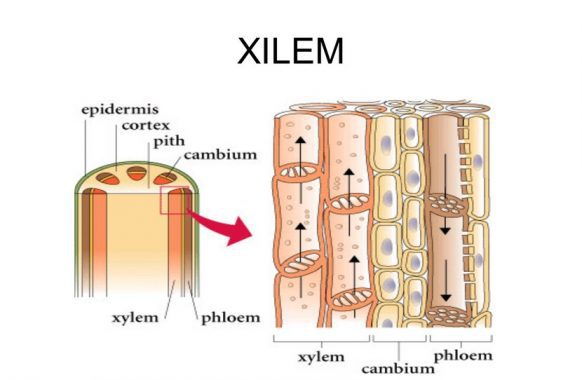
Fortunately, there are now a range of Halal-certified baby food and formula options available in the market. These products are designed to meet the rigourous standards set by certification bodies such as the Halal Food Authority and the Islamic Food and Nutrition Council of America (IFANCA), ensuring that they are free from any ingredients or processes that are considered Haram (forbidden) under Islamic dietary laws.
One of the key benefits of Halal-certified baby food is that it provides peace of mind to Muslim parents who want to ensure that their children are consuming food that aligns with their religious beliefs. Halal certification covers everything from the ingredients used to the production process, storage, and transportation of the product, ensuring that each step upholds the highest standards of Islamic dietary law. In addition, Halal-certified baby food and formula are also free from artificial preservatives, colors, and flavors, making them a healthier and safer option for little ones.
When it comes to choosing Halal-certified baby food and formula, parents have a wide range of options to choose from. Some of the most popular brands in the market include Earth’s Best, Gerber, Enfamil, Similac, and Nestle, all of which offer certified Halal products. These companies have gone through a rigorous auditing process to ensure that their products meet the Halal certification requirements, which includes obtaining certification for each individual ingredient used in the product.
One important thing to note is that Halal certification requires a product to be fully traceable, meaning that the source and production of each ingredient must be known and documented. This not only gives parents peace of mind, but it also ensures a more transparent supply chain, which can help prevent issues such as mislabeling or contamination.
In terms of specific products, there are many Halal-certified baby food and formula options available. For instance, Earth’s Best offers a range of organic baby formulas, cereals, and purees that are certified Halal. Similarly, Gerber has a line of organic purees that are Halal-certified, while Enfamil and Similac both offer Halal-certified infant formula options.
Aside from these major brands, there are also many smaller, niche companies that offer Halal-certified baby food and formula. These companies may specialize in specific types of food, such as halal-certified peanut butter or Halal-certified organic baby food. While some of these products may be more difficult to find in local stores or markets, they can often be purchased online, making it easier for parents to access a wider range of options.
One thing to keep in mind when purchasing Halal-certified baby food and formula is to ensure that the product is not only Halal-certified, but also meets any additional dietary or nutritional needs that your child may have. Parents may want to consult with their pediatrician or a nutritionist to ensure that the product they are choosing is appropriate for their child’s age, weight, and overall health.
In conclusion, Halal-certified baby food and formula provides an easy and convenient option for Muslim parents who want to ensure that their children are consuming food that aligns with their religious beliefs. With a range of certified options available in the market, parents can choose products that are not only Halal-certified, but also meet their child’s dietary and nutritional needs. The increased awareness and availability of Halal-certified baby food is an important step towards providing greater choice and accessibility for Muslim families around the world.