Tag: medical

  • Autoclave: Functions and How to Use It

    Autoclave: Functions and How to Use It

    Autoclave is a laboratory tool used to sterilize laboratory equipment after use. Do any of you often use an autoclave? In this article, we will discuss a laboratory tool called an autoclave.

    The discussion about this tool will be pretty long and complete. You are starting from the notion of the autoclave, the history autoclave, the recommendation for the autoclave for your laboratory, the function of the autoclave, the working principle of the autoclave, and using the autoclave.

    It will help you understand the autoclave tool. Please comment below for those who are more experts and know more about this tool. Let’s continue reading!

    As initial information for you, this article will contain many things related to autoclaves. Some of you may have many questions related to this tool, such as:
    1. What is an autoclave?
    2. What is the function of an autoclave?
    3. How to use the autoclave?
    4. What are autoclaves made of?
    5. Can the sterilization temperature be lowered?

    This article can help you understand the tool. Let’s continue to discuss them one by one.

    What is Autoclave?

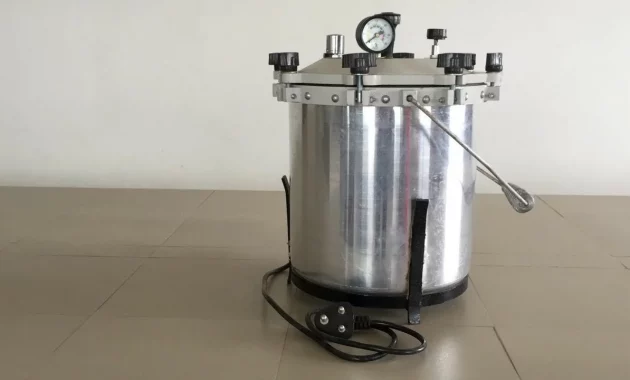
    Autoclave is a laboratory tool used to sterilize laboratory equipment after use.

    Autoclaves, known as steam sterilizers, are typically used for healthcare or industrial applications. An autoclave is a machine that uses steam under pressure to kill harmful bacteria, viruses, fungi, and spores on items placed inside a pressure vessel.

    What is the autoclave function and its uses in the laboratory?

    Why does laboratory equipment need to be sterilized? T

    Laboratories use autoclaves to fix equipment, instruments, and infectious waste. All operators must receive training on the safe operation of the autoclave before using the equipment. Users should read and understand the owner’s manual from their particular autoclave model.

    The sterilization process has many types, such as filtration, heating, sound energy, and irradiation.

    The sterilization process using an autoclave is one of the best because it uses a heating process with a temperature made periodically in a particular time unit.

    In an easy-to-understand case like this, suppose a hospital will perform appendicitis surgery on five patients simultaneously. Every tool used to dissect the patient, scissors, knife, or tweezers (etc.) must be sterile.

    If the hospital only has two sets of surgical equipment, the equipment must be washed and sterilized before being used for the next patient. Now this sterilization process needs to be done using an autoclave. How long does this sterilization process take? Of course, each autoclave has a different period. If the sterilization process using an autoclave takes 60 minutes, then at least the period between one patient and another is 1 hour.

    different type of autoclave
    different types of autoclave

    You may also have read some understanding of autoclaves using the Google search engine.

    Wikipedia Quotes About the Definition of an Autoclave

    An autoclave is a pressure chamber used to carry out industrial and scientific processes requiring elevated temperature and pressure about ambient. Autoclaves are used in medical applications to perform sterilization, in the chemical industry to cure coatings and vulcanize rubber, and for hydrothermal synthesis. Industrial autoclaves are used in industrial applications, especially in composites manufacturing.

    From the definition of autoclaves above, we can conclude that autoclaves have different types and categories. In their current development, autoclaves are used in industry, medicine, and research.

    History of the Autoclave in the Laboratory

    In the historical process of autoclave discovery, the author did not find a source that did explain it in detail. Still, there are two names associated with the formation of the autoclave, namely:

    • Denis Papin
    • Charles Chamberland

    Denis Papin

    A man of French nationality, he was born around August 1647 and died in August 1713. Denis Papin is a physicist and mathematician; he has connections with several inventions, such as the steam digester, pressure cooker, and steam engine. And of course, we need to know autoclave has another name, steam sterilizer.

    Charles Chamberland

    He is a man of French nationality, born around March 1851 and died around May 1908. He was a microbiologist at the Jura Department. Charles did the development of a filter which is often known as the Chamberland filter. Charles made use of porcelain rods which had smaller pores than bacteria. So that when the liquid is passed through the filter, all bacteria are captured, and the drink is free from bacteria. Charles Chamberland rose to fame when he started the research project that led to the invention of the autoclave in 1879.

    From some of this information, you will understand how the relationship between the two people above relates to forming the method in the autoclave. Denis Papin will deal with pressure on the autoclave, and Charles Chamberland will deal with bacterial sterilization.

    I’d appreciate it if you could understand the working principle of the autoclave and find a common thread in its relationship with the tools invented by the two people above.

    Autoclave Function

    sterilization using autoclave

    What is the function of the autoclave? Maybe that’s the question on the reader’s mind right now. Autoclave function, in general, is for sterilization of any object being sterilized. There are several types, such as:

    • Medical equipment (medicine)
    • Laboratory equipment (research)
    • Liquid and solid media

    Sterilization using an autoclave takes advantage of the heat in the water, which is converted into water vapor. Some laboratory equipment allows the sterilization process using an autoclave, but others require a sterilization process using a different method, such as an ultrasonic cleaner.

    The function of the autoclave in the medical or medical field is still within the scope of sterilization. Some surgical tools or medical procedures commonly used include surgical scissors, tweezers, or a scalpel. Some of these tools are included in the devices that need to be sterilized using an autoclave.

    In the process of handling medical waste, the function of the autoclave also has an important role. For example: before medical waste is disposed of, there will be a sterilization process using an autoclave. This sterilization process is categorized as quite effective or alternative when compared to burning waste and impacts the environment.

    In the field of microbiology, the function of the autoclave also plays an important role. For example, in the microbial culture process, media is needed, both liquid media, semi-solid media, and solid media. Well, it’s not only first sterilization before use; after microbial observation, it is better to sterilize it before the media is disposed of as waste.

    What is the working principle of an autoclave?

    Autoclave Working Principle
    Autoclave Working Principle

    After knowing the function of the autoclave in the previous point, we now discuss the working principle of the autoclave.

    The working principle of the autoclave is straightforward: converting electrical energy into heat energy. Thermal energy is channeled into the water, the water boils and produces water vapor, and the water vapor collects and increases the pressure. Air is pushed out, and the temperature is continuously improved and controlled as needed. The heat from boiling water vapor and high pressure will be held at a particular time to kill microbes at 100 to 134°C.

    The autoclave works on the principle of moist heat sterilization. The high pressure inside the chamber increases sterilizing equipment’s boiling point. The higher pressure also ensures the rapid penetration of heat into the deeper parts of the equipment.

    What is the function of an autoclave and its operating temperature?

    Many autoclaves are used to sterilize equipment and supplies by subjecting them to pressurized saturated steam at 121 °C (250 °F) for around 30-60 minutes at a pressure of 15 psi (103 kPa or 1.02 atm), depending on the size of the load and the contents.

    In a straightforward case, the autoclave is like a rice steamer in the kitchen. I am used to steaming or heating rice. The difference is that the rice steamer uses fire as heat energy, while the laboratory autoclave uses electrical power. Some types of autoclaves that are pretty outdated may still use the stove as heating media.

    Back to the electric type autoclave with automatic mode. Oh, yes… previously, there were many types of autoclaves. Such as manual, automatic, benchtop, or even large-capacity autoclaves.

    In the relationship between autoclave  and sterilization, several things need to be considered, such as:

    • Temperature or temperature has units of degrees Celsius or Fahrenheit
    • Pressure or pressure has units of bar
    • The length of time for sterilization is in minutes
    • The drying time has units of minutes

    Several types of laboratory autoclaves are no longer manual but automatic. Automatic here refers to the cycle process according to user needs. You need to know that if the autoclave has various features, one of the features you need to know is the different treatments for sterilizing each object.

    Why is an autoclave used for sterilization?

    Autoclave sterilization uses heat to kill microorganisms such as bacteria and spores. The heat is delivered by pressurized steam. Pressurization allows the moisture to reach the high temperatures required for sterilization.

    How to Use a Laboratory Autoclave

    How to use the correct autoclave?  Maybe that is the question that is on your mind. In the following, the author provides a brief overview of how to use a laboratory autoclave correctly.

    If you have never used an autoclave in the laboratory before and this is your first time using an autoclave, try looking for work instructions or manuals for using an autoclave in the laboratory or a user manual that is always available when buying an autoclave. Because each autoclave usually has a different use procedure—for example, manual type autoclave and automatic type autoclave. Be sure to ask senior users if necessary.

    The following are step-by-step tips on how to use a standard autoclave.

    • Enter the amount of water according to the volume needed; an indicator on the reservoir can be used as an ideal benchmark because each autoclave requires a different water supply.
    • Suppose your autoclave includes a sophisticated kind of autoclave so that the indicator will only be visible when there is an electricity supply (already connected). In that case, you must first click the electricity and turn on the power button.
    • Place the liquid media, solid media, or laboratory equipment to be sterilized in the autoclave. Make sure you arrange them neatly; if there are shelves, agree them as neatly as possible, use them.
    • Close the autoclave properly and tightly, then recheck the safety clamp before sterilizing. If the safety clamp on your autoclave is a swivel nut, ensure it is tightly closed. If your safety clamp is a swivel or sliding lever, ensure it’s tightly sealed.
    • Set the time and temperature on the autoclave as needed, then press the start button. In the automatic autoclave type, you will need a cycle selection process to determine which cycle is the most appropriate for the product you will sterilize.
    • After the sterilization process ends and the temperature cools down, you can only move the product out of the autoclave.
    • Empty the autoclave of the sterilized product after each use. If it is not used for a long time, it is recommended to empty the water in the reservoir, disconnecting the autoclave from the power source.

    Here are tips on how to use an autoclave in general. Those of you who buy a new autoclave are expected to read the manual for using the autoclave, which is available on the completeness of the purchase document.

  • How Does a Blood Pressure Monitor Work? Here’s the Explanation

    How Does a Blood Pressure Monitor Work? Here’s the Explanation

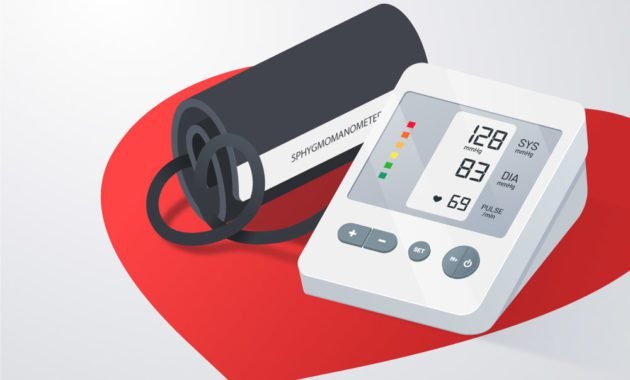
    The proper scientific name for blood pressure monitoring devices is sphygmomanometer, which is generally difficult to pronounce, another name for blood pressure monitors is Blood Pressure Monitor
    For decades, doctors used a manually inflated air sac cuff and a listening device called a stethoscope to listen for the sound of the artery walls. This is known as the auscultatory method of measuring blood pressure. Using this method requires some practice and is usually done by a trained medical practitioner. This monitor is often called an aneroid sphygmomanometer.

    Blood pressure is a vital sign component. The results of blood pressure measurements affect decisions related to medical management and action.  Tools that can be used to measure blood pressure include a mercury manometer , aneroid sphygmomanometer , and digital sphygmomanometer

    aneroid sphygmomanometer
    aneroid sphygmomanometer

    Recent advances in medical technology have paved the way for inexpensive and easy-to-use digital sphygmomanometers that anyone can use in the comfort of their home without any special knowledge or training.

    The Digital Blood Pressure Monitor uses an inflatable air bag cuff, a battery powered air pump, and a pressure sensor to sense the vibrations of the artery walls to measure the blood pressure in the arteries. This is known as the oscillometric method.

    There are two types of Digital Blood Pressure Monitor namely the upper arm model (shown above) and the wrist model(shown below). Upper arm models have a cuff that sits on the upper arm and is connected by a tube to a monitor that rests on the surface near the arm. Wrist models are smaller and the entire unit wraps around the wrist. Regardless of the type of the two types of digital sphygmomanometer, the function and measurement method remains the same.

    How Do Digital Blood Pressure Monitor Work?

    The digital sphygmomanometer has an air pump driven by a microprocessor . The microprocessor will automatically pump air into the cuff about 20 mmHg above the average systolic pressure (about 120 mmHg). After the microprocessor captures sufficient pressure, the knob on the sphygmomanometer will automatically loosen and the air pressure in the cuff will decrease slowly.

    When the ordering process takes place, an oscilometric wave will appear which will be recorded by the instrument. This oscillometric wave is converted automatically by the device as systolic blood pressure, diastolic blood pressure, pulse pressure, and mean arterial pressure (MAP). The point where the oscillometric wave appears first will be read as systolic blood pressure, while the point where the oscilometric wave begins to disappear will be read as diastolic blood pressure. 

    The signal from the pressure sensor is conditioned by the instrumentation amplifier prior to data conversion by the analog-to-digital converter (ADC). The systolic pressure, diastolic pressure, and pulse rate are then calculated in the digital domain using the appropriate algorithm for the type of monitor and sensor being used. The resulting systolic, diastolic and pulse rate measurements are displayed on a liquid crystal display (LCD), added with time and stored in a non-volatile memory.

    User Interface

    Most Digital Blood Pressure Monitor use a simple monochrome LCD with 100 segments or less that can be driven by a driver integrated in the microcontroller. Backlight can be added using one or more white light emitting diodes (LEDs).

    One or more pushbuttons and/or physical switches are typically used to turn the power on and off and to initiate blood pressure measurements.

    High-end Digital Blood Pressure Monitor can use a color LCD with a touch screen to implement advanced user interfaces such as on-screen virtual buttons, touch menus, graphics, animations, etc.

    Digital Tensimeters
    Digital Blood Pressure Monitor

    Audible notifications in the Digital Blood Pressure Monitorcan be provided with a simple beep driven by one or two pins of the micro controller port which has pulse width modulation (PWM) capability. More advanced sound announcements can be achieved by adding an audio digital-to-analog converter (DAC) and amplified speakers.

    Connectivity

    In recent years, connectivity, aggregation and sharing of health data have become a trend in the consumer digital health space, especially among younger users.

    The connected Digital Blood Pressure Monitor has the ability to upload data to a computer or smartphone for further analysis and tracking of measurements over time. This data transfer is usually done via a USB interface or wirelessly using a Bluetooth Low-Energy radio link.

    Advanced Digital Blood Pressure Monitor can also use Wi-Fi and/or cellular wireless networks to upload data to a remote digital health information management system without relying on a computer or smartphone.

    Power Management

    Upper arm digital sphygmomanometers typically use four AA or AAA alkaline batteries (1.5V) and wrist monitors typically use two AAA alkaline batteries. Alternatively, high-end Digital Blood Pressure Monitor can use rechargeable Li-Ion batteries and plug-in wall chargers similar to those used for smartphones.

    To extend battery life, automatic power off after a period of inactivity can be applied. However, the real time clock (RTC) must always be turned on to maintain the current time when the monitor is turned off.

  • What is an oxygen concentrator and how does it work?

    What is an oxygen concentrator and how does it work?

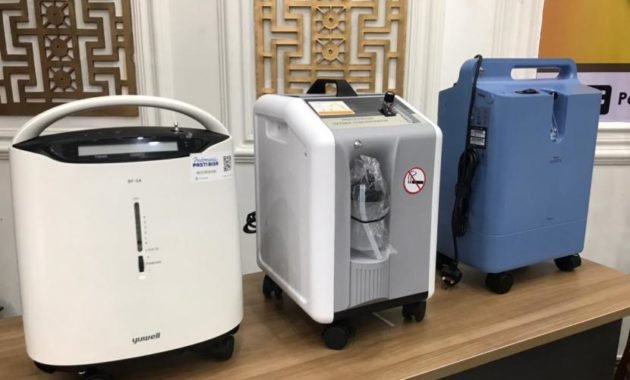
    An oxygen concentrator is a type of medical device used to deliver oxygen to a person with respiratory problems. A person whose blood level is lower than normal will often need this machine to replace that oxygen. In general, it is not recommended that you use an oxygen concentrator without a doctor’s prescription. A doctor should prescribe it after the patient has completed a thorough medical evaluation. Doctors will also usually show patients how to use these concentrators effectively while traveling and at home.

    The Oxygen Concentrator filters the surrounding air, compresses it to the required density and then delivers purified medical grade oxygen into a pulse-dose delivery system or continuous-flow system to the patient. Equipped with special filters and filters that help remove Nitrogen from the air to ensure delivery of fully purified oxygen to the patient. The device is also equipped with an electronic user interface so that you can adjust the oxygen concentration level and oxygen rate setting and then the patient inhales oxygen through a nasal cannula or a special mask.

    You normally measure the Oxygen Concentrator output in LPM (liters per minute). Your doctor will determine the level of oxygen you need, which can vary at rest, during sleep, and when you exercise.

    What are the Uses and Reasons for Choosing an Oxygen Concentrator?

    What are the Uses and Reasons for Choosing an Oxygen Concentrator

    There are many reasons to choose an Oxygen Concentrator and doctors can recommend oxygen therapy to their patients for a variety of medical conditions. Normally, your lungs absorb air oxygen, transferring it to your bloodstream. If you recently had blood tests or pulse oximetry to assess your oxygen saturation level, and you find you have low blood oxygen levels, your doctor may recommend short- or long-term oxygen therapy.

    You may be wondering what oxygen concentrators are used for? Acute conditions usually require short-term oxygen therapy. This condition usually lasts a short time. They may have sudden symptoms versus a chronic condition where things happen gradually. However, some respiratory or chronic conditions require long-term oxygen supplementation.


    Acute Conditions Requiring Oxygen Concentrator

    Some examples of acute conditions where you may need an Oxygen Concentrator for short-term oxygen therapy are:

    1. Asthma / Shortness of Breath

    This condition is where your airways become inflamed and start producing a lot of mucus, which makes it harder to breathe. While there are a number of medications that can treat and control asthma, oxygen concentrators can pump high levels of oxygen into a patient’s bloodstream while they are having or have had an asthma attack.

    2. Pneumonia / Inflammation of the Lungs

    Pneumonia is an infection in which you develop inflammation of one or both of the air sacs of your lungs and in most cases, fill them with fluid. Many pneumonia patients have been prescribed oxygen therapy and have seen good clinical outcomes.

    3. Bronchopulmonary dysplasia (BPD)

    Newborns with RDS also have a higher risk of developing BPD. This is a severe lung condition that requires long-term breathing assistance.


    Chronic Diseases Requiring Oxygen Therapy

    Some chronic conditions that require long-term use of Oxygen Concentrators are:

    1. Chronic Obstructive Pulmonary Disease (COPD)

    Chronic Obstructive Pulmonary Disease COPD affects about 16 million people, but oxygen concentrators can be an effective treatment. When you have COPD, you have chronic lung damage that makes it difficult for your lungs to absorb enough oxygen. As a result, you may have difficulty breathing, and oxygen therapy via a concentrator can help.

    2. Cystic fibrosis

    You inherit this life-threatening condition. It causes damage to the digestive system and lungs. This is a rare condition that affects the body’s cells that are responsible for producing mucus, sweat, and digestive juices. The fluid is altered which produces a sticky, thicker solution that clogs the ducts, tubes, and passages of the infected person.

    3. Sleep Apnea

    Sleep apnea is a sleep disorder that can be serious and cause an individual’s breathing to stop sporadically and start during their sleep. Usually, treatment for this condition is continuous positive airway pressure (CPAP), weight loss and physical exercise, although some people with sleep apnea may need oxygen therapy.

    How Does an Oxygen Concentrator Work?

    The oxygen concentrator uses an intelligent method to remove nitrogen from the air and produces up to 96 percent pure oxygen. For reference, room air contains 80 percent nitrogen and 20 percent oxygen. The oxygen concentrator will change the surrounding air using one or two filters to take air from outside and then process it from the machine which will make pure oxygen ready to be inhaled by the patient.

    Think of an oxygen concentrator as a window air conditioner, so it needs air to enter, change it and give it a different form. Oxygen Concentrators take air and purify it for use by individuals who need medical oxygen due to low levels of oxygen in their blood.

    1. Compressing air while the cooling mechanism prevents the concentrator from getting hot
    2. Inhaling air from the surroundings
    3. Using electronic interfaces to adjust delivery settings
    4. Removing nitrogen from the air through filters and filters
    5. Delivering pure oxygen through a mask or nasal cannula tube

    Advantages of Oxygen Concentrator

    1. No need to refill oxygen
    2. Small size (portable) and easy to carry
    3. Safe because it doesn’t have a tank and doesn’t leak
    4. Easy to operate
    5. Lighter weight than oxygen cylinders

    Disadvantage of Oxygen Concentrator

    1. Relatively more expensive
    2. The engine may be a little louder
    3. Cannot be used if the power goes out or the battery runs out

    The oxygen concentrator machine is very suitable for home use, patients who need a continuous oxygen supply while sleeping or resting will need an oxygen concentrator according to the supplemental oxygen prescribed by the doctor. The oxygen concentrator can also be turned on for 24 hours, but you can rest the machine for about an hour. It is always recommended to have an oxygen cylinder ready as a daily backup in case the power goes out at any time. If the mains voltage is less stable, use an electric stabilizer. Keep the appliance away from cigarettes or flammable objects.

  • Tourniquet – Blood Flow Blocking Device

    Tourniquet – Blood Flow Blocking Device

    Tourniquet is a tool that functions in suppression and is used to control venous and arterial circulation in the surgical area for a certain period of time. Tourniquet serves to stop bleeding in open wounds, with the aim that the patient does not bleed out.
    A tourniquet is a first aid tool whose role is very important. The tourniquet function helps stop blood flow in open wounds. This tool that is often encountered when measuring blood pressure should only be used in emergency conditions.

    How to install and use Tourniquet

    – Cover the place where the
    tourniquet will be placed with gauze so that the skin doesn’t blister – Place the tourniquet between the wound and the heart, by tying the knot over the wound
    – tighten the bandage with a rotating stick until the bleeding stops
    – Every 10-15 minutes the tourniquet must be loosened by rotating stick in opposite direction
    – Wait – 1 minute. If within one minute the blood is no longer flowing, leave the tourniquet in a loose state.
    – If bleeding occurs again, immediately tighten the tourniquet again.

    When is the right time to use it?

    There are at least two conditions that allow the use of a tourniquet:

    • If the bleeding does not stop after pressing and lifting simultaneously
    • If it is impossible to keep the wound area under pressure

    The method of pressing and lifting the injured area should be done simultaneously whenever possible. For example, raising the hand so that it is higher than the heart while pressing with a finger or cloth.

    If the blood continues to come out after doing this, then you might consider using a tourniquet.

    In addition, if a patient has more than one open wound, a tourniquet can also be a lifesaver. Mainly, in the time span while waiting for the ambulance to arrive. Of course it will be tiring if the rescuer has to press several injured areas at once for quite a long time.

    Controversy over the use of a tourniquet

    Historically, the use of a tourniquet was first documented on the battlefield in 1674. However, there is controversy that accompanies the use of this tool.

    Complications due to the use of tourniquets are closely related to severe tissue damage. An example is the experience of war soldiers whose limbs had to be amputated. There is an assumption that this occurs because of the use of a tourniquet, but it could be due to infection.

    This tool was popularly used on the battlefield because the risk of severe bleeding from open wounds was quite high. The soldiers needed a solution to stop the bleeding as soon as possible and stay awake, even continue the war.

    Despite its popularity, the use of this tourniquet has earned a negative reputation in the emergency relief field.Meanwhile, in the context of everyday life, the use of a tourniquet is considered the last resort.

     Logically, people who are not soldiers of war are still more free to apply other measures such as pressing or raising the injured area.However, the views surrounding the tourniquet controversy have changed. Now, heavy bleeding or hemorrhage is a very serious issue. When this happens, it must be stopped immediately.

    Every second is at stake. Otherwise, the patient may die.

  • Get to know the types of surgery that exist in the medical field

    Get to know the types of surgery that exist in the medical field

    For some people, they may have had surgery, both for themselves and those closest to them. Hearing the word type of surgical operation, many of us think that the person who undergoes it must be exposed to a dangerous disease, even though it is not necessarily a very serious disease. There are people who undergo minor surgery so that there is no risk to him. This time sinaumedia will review further types of surgery.
    Definition of surgical operation and its types 

    While surgery itself is a method of treatment carried out by medical personnel / doctors to treat a disease by opening / closing certain body parts according to applicable procedures. Not all diseases can be cured by surgery, so doctors must know very well the symptoms, treatment and appropriate treatment for patients.

    Medical personnel or doctors who perform surgery should also not be careless because it can be bad if something fatal happens. Must have had good experience. There are many kinds / types of this surgical operation, judging from its purpose, level of risk, and technique.

    Types of operations based on their objectives are divided into:

    • Diagnose

    Diagnosing disease is an obligation for a doctor in his work. The operation that is commonly performed for this is a biopsy operation which aims to determine the presence of cancer or tumors in the patient’s body.

    • Prevent

    This action aims to prevent the spread of the disease in the patient’s body. For example, surgery to remove intestinal polyps is done to prevent cancer.

    • Remove

    Surgery that aims to remove a number of tissues in the body because it has spread in several body tissues. For example, surgical removal of the uterus, and breast removal.

    • Restore

    The purpose of this operation is to restore the function of certain body organs to normal again. Like breast reconstruction surgery.

    • palliative

    This type of surgery is only to reduce the pain felt by the patient, usually this action is done in patients with end-stage chronic disease.


    Surgical operations based on the level of risk are divided into 2, namely:

    • Minor surgery (minor)

    This type of surgery is a surgical procedure that does not require a long time in the recovery process because there is no need to perform surgery in a dangerous area and usually this type of anesthesia uses local anesthesia. For example, surgery on external tissues when an accident occurs in the hands/feet, extraction of nails, ganglion surgery on the hands.

    • Major surgery (severe)

    Major surgery is an operation that is carried out with greater risk because it has to open wider body tissues so that the recovery time for the patient is usually relatively longer. Examples of major operations such as organ transplant surgery, brain tumor surgery, heart surgery and so on.

    Based on the technique of surgery is divided into:

    • Open surgery

    This surgical operation is better known as conventional surgery, where medical procedures are performed by making incisions in the body using a special knife. For example, heart surgery, where the doctor must cut the patient’s chest and open it so that the heart organs are clearly visible.

    • Laparoscopy

    A type of laparoscopic surgery where the doctor only makes a small incision on the body and then inserts a tool such as a tube into the incision hole to find out the problems that occur in the patient’s body

    Based on the timing of the surgery, surgery is divided into 3, namely:

    • Elective

    Surgical procedures are performed to treat diseases that do not endanger the patient’s life and are only performed at the request of the patient.

    • Emergency

    Surgery performed to save a patient’s life or a patient’s body part due to an accident or injury which caused trauma.

    • Semi elective

    Surgery is performed to prevent the effects of an illness or injury, but does not have to be done immediately, this surgery can be postponed for a while.


    Thus the explanation for the types and definitions of surgical operations, this knowledge is to make the general public understand the importance of surgery on body parts to be carried out for some patients. So, we should not equate that all operations are dangerous.

  • Human Blood Pressure (Normal, High, and Low)

    Human Blood Pressure (Normal, High, and Low)

    Normal adult human blood pressure is 120/80 mmHg. Blood pressure expresses the pressure that the blood experiences when blood is pumped by the heart around the body.

    Blood pressure can change with age, body condition, and activity.

    In general, human blood pressure is classified into three groups.

    1. Normal blood pressure
    2. High blood pressure
    3. Low blood pressure

    Normal human blood pressure

    Normal blood pressure for children and adults has different values.

    Normal blood pressure for adults is around 120/80 mmHg.

    The way to read blood pressure values ​​is to look at the first and second numbers. 120 (the first number) indicates systolic blood pressure. Systolic pressure expresses the pressure when the heart pumps blood around the body.

    80 mmHg (second number) indicates diastolic blood pressure. Diastolic pressure expresses the pressure when the heart muscle relaxes, before pumping blood.

    A person who has a blood pressure value above normal blood pressure is diagnosed with hypertension and if the blood pressure is below normal blood pressure is said to have hypotension.

    Blood pressure table
    Blood pressure table

    High blood pressure (hypertension)

    Hypertension occurs when blood pressure is above normal blood pressure. Blood pressure is above 130/80 mmg.

    Hypertension can lead to diseases such as stroke and heart disease, and fatal diseases of other organs such as kidneys. Besides being able to trigger deadly diseases, hypertension is also difficult to identify.

    Things that can trigger hypertension include: Obesity, likes to consume salty foods, age, rarely exercise, smokers, and heredity.

    Low blood pressure (hypotension)

    Hypotension occurs when blood pressure is below normal blood pressure. Occurs when blood pressure is below 90/60 mmHg.

    Symptoms usually experienced by people with low blood pressure, such as nausea, dizziness, fatigue, thirst, unclear vision, rapid and shallow breathing, lack of concentration, and fainting.

    Blood pressure that is too low can lead to heart and brain damage.

    Things that can cause hypotension include: dehydration, anemia, hormonal imbalances, heart problems, hormonal imbalances, and so on.

    Maintain normal blood pressure

    In order for blood pressure to remain normal, we can do the following things.

    • Get regular exercise
    • Maintain ideal body weight
    • Eat healthy foods
    • Avoid smoking, alcohol, and dangerous drugs.