
Author: Tony Prasetiantono

  • Captivating Borobudur: Expert Photography Tips to Capture the Temple’s Beauty!

    Captivating Borobudur: Expert Photography Tips to Capture the Temple’s Beauty!

    Borobudur Temple, a UNESCO heritage site located in Java, Indonesia, is a magnificent example of Buddhist architecture and art. Built in the 9th century, it consists of nine stacked platforms, six square and three circular, adorned with over 2,600 relief panels and 504 Buddha statues. Captivating Borobudur with its sheer scale and intricate carvings can be a photographer’s delight. Here are some expert photography tips to capture the temple’s beauty.

    1. Visit Early Morning or Late Afternoon

    The best time to photograph Borobudur is during early morning or late afternoon light. The softer and angled light at these times will enhance the relief and Buddha statues’ details, creating textured shadows and highlights. Avoid visiting the temple during midday when the light is too harsh and flat.

    2. Use a Tripod

    Using a tripod will help you capture sharp images, especially if you want to shoot at lower shutter speeds to capture the temple’s intricate details. It will also keep your image steady if you want to shoot during dawn or dusk when light is low. Consider investing in a sturdy carbon fiber tripod that is lightweight and can withstand the outdoor elements.

    3. Experiment with Different Lenses

    Borobudur Temple’s grandeur and scale can be best captured with wide-angle lenses. A 16-35mm lens or a 12mm fisheye lens can give you an excellent perspective by capturing the temple’s vastness in a single frame. A zoom lens can also be useful for capturing intricate details or isolating sections of the temple in portrait shots.

    4. Try Different Angles and Compositions

    Borobudur Temple is vast, so it can be challenging to capture a unique perspective. Try exploring different angles and compositions to create interest in your images. Get low and capture the temple’s reflection in the nearby pond or find a vantage point to shoot from a distance with the landscape as your background. Experimenting with different angles and compositional elements can give your photo a unique touch.

    5. Pay Attention to Details and Lighting

    The relief panels and Buddha statues in Borobudur Temple tell a story of Buddhist teachings and depict various themes, from the wheel of life to the heavenly realms. Take time to examine the intricate details and the play of light and shadows on the temple’s elaborately carved surfaces. Use the temple’s lighting as an essential factor and look for creative ways to highlight the details and textures of the temple.

    Conclusion

    Borobudur is undoubtedly an architectural masterpiece and a fascinating site for photography enthusiasts. As a photographer, you should pay attention to details, experiment with angles, and use the right lens and lighting. You can capture the temple’s beauty in ways that distinctly highlight its intricate carvings, grandeur, and serene ambience. With these expert photography tips, you can create memorable and captivating images of Borobudur to cherish for years to come.

  • Beyond Borobudur: Exploring the Hidden Gems of Central Java

    Beyond Borobudur: Exploring the Hidden Gems of Central Java

    Central Java is a province in Indonesia that is steeped in history and culture. It is home to the world-famous Borobudur Temple, which attracts millions of visitors each year. However, the province has much more to offer, beyond the well-trodden tourist path. Hidden gems abound, and those who venture further afield are rewarded with stunning landscapes, ancient temples, and unique experiences that are off the beaten track.

    One of the lesser-known temples in Central Java is the Pawon Temple, located just a few kilometers from Borobudur. Smaller in scale than its famous neighbor, Pawon Temple is still an impressive structure. Built in the same era as Borobudur, it features intricate carvings that are perfectly preserved to this day. Visitors who climb to the top of the temple can enjoy panoramic views of the surrounding countryside.

    Another hidden gem in Central Java is the Dieng Plateau, a vast highland area that is home to numerous volcanic craters and lakes. The scenery here is breathtaking, and visitors can hike through verdant forests, alongside bubbling sulphur springs, and across scenic meadows. The plateau is also steeped in history, with ancient Hindu temples dotted throughout the area. The most famous of these is the Arjuna Temple, which dates back to the eighth century.

    Central Java is also known for its thriving craft scene. The town of Laweyan in Solo, for example, is renowned for its batik production. Here, visitors can witness the intricate process of making batik fabric, from boiling wax in huge vats to painting delicate patterns onto fabric using traditional tools. The finished products make excellent souvenirs or gifts.

    For those seeking a more adventurous experience, Central Java has plenty to offer. At the Sembung River, visitors can enjoy white-water rafting on rapids that are suitable for both beginners and experienced rafters. Alternatively, for a more leisurely experience, there are kayaking tours available that take visitors through tranquil mangrove forests to a hidden beach.

    Finally, foodies will find plenty to delight in Central Java. The province is known for its delicious traditional cuisine, such as nasi liwet, a savory dish made with rice, coconut milk, and various spices. Other notable dishes include soto, a soup made with meat and vegetables, and gudeg, a jackfruit curry that is slow-cooked for hours until it becomes tender and flavorful.

    In conclusion, Beyond Borobodur, Central Java has so much to offer to visitors who are willing to venture off the beaten path. From ancient temples and stunning landscapes to unique cultural experiences and thrilling activities, this province truly has something for everyone.

  • Respectful Attire Required at Borobudur Temple: A Guide to Dressing Appropriately for Your Visit

    Respectful Attire Required at Borobudur Temple: A Guide to Dressing Appropriately for Your Visit

    The Borobudur Temple in Indonesia is one of the most popular tourist sites in the world, attracting thousands of visitors every day. This 9th-century Buddhist temple is not only a sacred site but also a UNESCO World Heritage Site, making it an important historical and cultural landmark. As such, visitors are expected to dress respectfully and appropriately when visiting the temple.
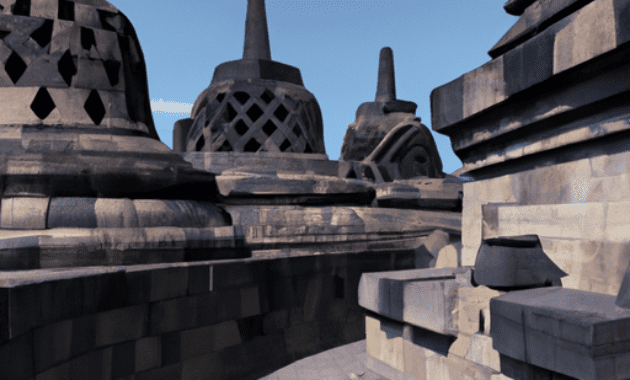
    When visiting Borobudur Temple, it is essential to remember that this is a place of worship, and visitors should dress accordingly. Your attire should be conservative, modest, and respectful of the local culture and tradition.

    Here are some tips on what to wear when visiting Borobudur Temple:

    1. Cover your legs and shoulders

    The most important rule when visiting Borobudur Temple is to cover your legs and shoulders. Wear long pants or skirts that cover your knees and shoulders should be covered with a shirt or a scarf. You can also wear a long-sleeved shirt to ensure that your arms are covered.

    2. Avoid tight and revealing clothing

    Avoid wearing tight or revealing clothing, such as shorts, tank tops or low-cut tops. This type of clothing is not only disrespectful but also inappropriate for a religious site.

    3. Wear comfortable footwear

    The Borobudur Temple complex is vast, and there is a lot of walking involved, so wear comfortable and sturdy shoes. Avoid wearing high heels or flip flops, as the temple’s surfaces can be slippery and uneven.

    4. Dress according to the weather

    Indonesia is a tropical country, and the weather can be hot and humid throughout the year. Dress accordingly for the weather, but still ensure that your clothing is modest and respectful.

    5. Respect the local culture

    Remember that you are a guest in a foreign country and should, therefore, respect the local culture, tradition, and customs. Dressing appropriately is one way of showing respect to the people of Indonesia and their culture.

    In conclusion, when visiting Borobudur Temple, dressing appropriately and respectfully is crucial. It is essential to dress modestly yet comfortably and to respect the local culture. By following these tips, you can enjoy your visit to Borobudur Temple while showing respect to the local people and their customs.

  • Exploring Indonesia’s Borobudur Temple – The New Entrance Fee Policy

    Exploring Indonesia’s Borobudur Temple – The New Entrance Fee Policy

    Borobudur Temple is a UNESCO World Heritage Site located in Central Java, Indonesia. It is the world’s largest Buddhist temple, consisting of nine stacked platforms, six square and three circular, topped by a central dome. Borobudur Temple is considered one of the greatest Buddhist monuments in the world and attracts millions of visitors every year.
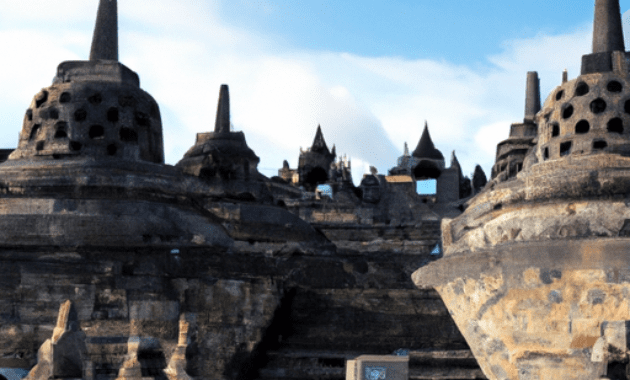
    Recently, the government of Indonesia made changes to the entrance fee policy of Borobudur Temple. The new policy aims to encourage tourists to visit the temple during weekdays and to preserve the heritage site’s cultural and historical significance.

    Under the new policy, visitors will have to pay different entrance fees depending on when they visit. The highest fee will be charged on weekends and public holidays, while a lower fee will be charged on weekdays. The new policy will also introduce a different fee for foreign tourists.

    This move by the Indonesian government is a step towards promoting sustainable tourism and balancing the number of tourists that visit the temple. It is hoped that by charging different fees for different days, the demand for Borobudur Temple will be spread out more evenly, reducing overcrowding and congestion, thereby preserving the site’s heritage.

    Furthermore, the revenue generated from the entrance fee will also be used for the maintenance of the site. The funds will be allocated towards ensuring the temple remains in good condition, providing essential services to visitors, and improving security measures.

    Visitors have mixed feelings about the new policy, with some agreeing that it is a sensible approach to preserving the temple’s heritage and others expressing concerns about the increased cost of visiting on weekends and public holidays. However, the new policy is set to be implemented, and visitors are encouraged to plan their visit accordingly.

    In conclusion, Borobudur Temple is an incredible temple and a must-visit destination for those traveling to Indonesia. While the new entrance fee policy may come as a surprise, it is essential to preserve the site’s cultural and historical significance for generations to come. The Indonesian government’s move is a step towards promoting sustainable tourism, and visitors should respect this change.

  • Borobudur Temple Entrance Fee Increased: Here’s What You Need to Know

    Borobudur Temple Entrance Fee Increased: Here’s What You Need to Know

    Borobudur Temple, a UNESCO World Heritage Site located in Central Java, Indonesia, has recently raised its entrance fee. Visitors to the temple are now required to pay Rp 5000 more than the previous ticket price, bringing the new entry fee to Rp 40,000 (approximately US $2.70 or EU €2.30).
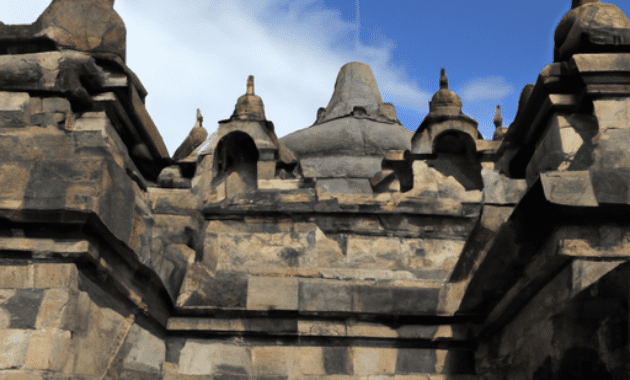
    The decision to increase the entrance fee has been met with mixed reactions from tourists and locals alike. Some feel that the new fee is still affordable, while others worry that it may deter lower-income individuals from visiting this significant religious and cultural landmark.

    Borobudur Temple is a Buddhist temple built during the 8th and 9th centuries. It is the world’s largest Buddhist temple, and it attracts millions of visitors each year. Visitors to the temple climb the temple’s nine levels, with each level representing a different stage of enlightenment. The temple’s intricate carvings and reliefs, the largest being over 2 meters high, are a testament to the skill of the ancient Javanese people who built it.

    The decision to increase the entrance fee was made by the Indonesian government, citing the need for additional revenue to maintain the temple and its surroundings. The increased rate is still lower than other popular cultural and historical attractions in the region. For example, the Angkor Wat Temple in Cambodia charges $37 for a one-day pass.

    While the entrance fee increase may be a slight inconvenience for budget-conscious visitors, the added revenue will help fund vital maintenance and preservation efforts. Borobudur Temple is not only a representation of Indonesia’s rich cultural heritage but is also an important religious site for Buddhists around the world. The increased entrance fee will help ensure that the temple remains accessible for future generations to experience and appreciate.

    Visitors to Borobudur Temple can take advantage of guided tours that provide a deeper understanding of the temple’s history and significance. The temple is open daily from 6 am to 5 pm, and the entrance fee goes towards the maintenance of the temple and its surroundings. Visitors are reminded to dress modestly and remove shoes before entering the temple.

    In conclusion, while the increase in the entrance fee of the Borobudur Temple may be a setback for some visitors, it is a necessary measure to ensure the temple’s continued preservation and to maintain its cultural and historical significance. With the added revenue, the Indonesian government can continue to protect and showcase this valuable piece of the country’s heritage for generations to come.

  • Borobudur Temple Enforces New Entrance Fees for Foreign Visitors

    Borobudur Temple Enforces New Entrance Fees for Foreign Visitors

    Indonesia’s Borobudur Temple, a UNESCO World Heritage site, is imposing new entrance fees on foreign visitors. The new charges, which took effect on January 1, 2020, have sparked controversy among tourists and locals alike.

    Borobudur Temple is one of the most popular tourist destinations in Indonesia, attracting a large number of visitors every year. It is a massive Buddhist temple complex that was built in the 8th century, and it is considered to be one of the greatest architectural masterpieces of the Buddhist world.

    In the past, foreign visitors were charged an entrance fee of IDR325,000 (about $22) per person, which was already considered to be quite high by many visitors. But in 2020, the new rates for adult foreign visitors have been set at IDR500,000 (about $35).

    The new fees have been met with mixed reactions. While some tourists argue that the price is too high and might discourage them from visiting the site, others believe that the charges are justified given the upkeep costs of the temple.

    The Indonesian government has defended the move, saying that the new rates are necessary to help preserve the temple and secure an additional source of revenue for the local community.

    The temple complex underwent a major renovation in 2017, during which several improvements were made to its infrastructure, accessibility, and visitor experience. Specific costs for the renovation, however, were not disclosed to the public.

    While the new fees might seem steep to foreigners, it is important to remember that most Indonesian locals only pay IDR30,000 (about $2) to enter the temple. The government claims that the new fees are part of a larger initiative to promote local tourism and provide jobs and income for local communities.

    Overall, the Borobudur Temple’s new entrance fees for foreigners have sparked heated debate regarding conservation and tourism. It remains to be seen how effective the new charges will be in maintaining the temple and promoting development in the local community.

  • Borobudur Temple Ticket Prices – Is It Worth the Cost?

    Borobudur Temple Ticket Prices – Is It Worth the Cost?

    Borobudur Temple is a significant heritage place, located in Magelang, Central Java, Indonesia. This temple is one of the most visited tourist destinations in Indonesia. Tourists come from various countries to witness the beauty of this UNESCO World Heritage Site. However, before visiting this amazing temple, it is essential to know about the Borobudur Temple ticket prices.
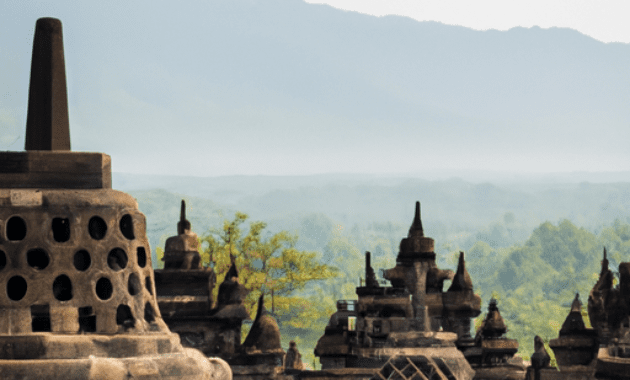
    The ticket prices for Borobudur Temple vary depending on various factors. For local Indonesian visitors, the ticket prices are relatively lower than international visitors. The cost of a ticket for local visitors is IDR 25,000 while international visitors have to pay IDR 535,000 per person. However, the ticket cost for Indonesian students is IDR 15,000, while for international students, the ticket price is IDR 370,000.

    The price might seem reasonably high, but you get to experience the following benefits:

    1. Amazing View

    The Borobudur Temple displays beautiful and intricate Buddhist art, including sculptures and carvings that will capture your attention. You will enjoy the beautiful beauty of Borobudur temple and its surrounding areas, such as beautiful nature and paddy fields.

    2. Experience the Buddhist Culture

    The temple is a significant cultural center for Buddhists in Indonesia. Learning about the history of this Temple will allow you to understand the Buddha’s teachings and principles. You can experience a peaceful, meditative atmosphere near the temple, providing the perfect environment for relaxation.

    3. Enjoy interactive activities

    The ticket price includes various interactive activities for visitors. As part of the ticket price, visitors can access the museum and watch the film screened in a high-definition theater. These activities give visitors an insight into the temple’s history and culture, providing a deeper understanding of Indonesia’s heritage.

    In conclusion, the Borobudur Temple is one of Indonesia’s most significant heritage sites. The price of the ticket may seem high, but the benefits far outweigh the cost. Visitors get to experience the magnificent architecture and intricate artwork, learn about the Buddhist culture, and enjoy engaging activities. Indeed, the Borobudur Temple ticket prices are worth it, and visitors will have an unforgettable experience.

  • Discovering Borobudur Temple – The Impacts of the New Entrance Fee Structure

    Discovering Borobudur Temple – The Impacts of the New Entrance Fee Structure

    Borobudur temple, located in central Java, Indonesia, is one of the most magnificent ancient temples in the world. It is a UNESCO world heritage site and a popular tourist attraction. The temple has seen a significant increase in visitors in recent years, and the government has now implemented a new entrance fee structure. This new pricing structure has both positive and negative impacts on the tourism industry and local community.

    The temple’s new entrance fee structure has come into effect from 1st January 2020. Previously, there was a fixed entrance fee for both local and foreign visitors. The new pricing structure differentiates between local and foreign visitors, and the price for foreigners has significantly increased compared to locals. This change in price aims to increase revenue and balance the number of local and foreign visitors.

    One of the positive impacts of this new entrance fee structure is it will help to support the maintenance of the temple. The temple, which is more than 1200 years old, requires significant maintenance and restoration work. The funds collected from the entrance fees will be used for these essential works. This will help to preserve the cultural heritage site for future generations and ensure visitors can appreciate the site’s beauty and history.

    However, a significant negative impact of this pricing structure is that it may discourage some foreign visitors from visiting the monument. The increase in price could make it less affordable for some tourists, causing a decrease in the number of foreign visitors. Moreover, it may reduce the tourism industry’s contribution to the local economy, which heavily depends on tourism. This decrease in foreign visitors could lead to a reduction in employment opportunities and income for the local community.

    It should be noted that this new pricing structure will not affect the visiting locals, as the cost of entry has not increased for them. The new pricing structure aims to encourage local visitors to appreciate their cultural heritage, which is very important, as the temple is a crucial symbol of Indonesia’s rich cultural history.

    In conclusion, the new entrance fee structure in Borobudur Temple has both positive and negative impacts on the tourism industry and local community. It provides much-needed funding for the maintenance and restoration of the temple while potentially discouraging some foreign visitors from visiting. Nonetheless, it is essential to preserve this cultural heritage site for the future, and we must acknowledge and support the government’s effort in maintaining our world’s cultural wonders.

  • Why Borobudur Temple’s Entrance Fee Increase is a Good Thing

    Why Borobudur Temple’s Entrance Fee Increase is a Good Thing

    Borobudur Temple, a UNESCO World Heritage site located in Indonesia, attracts millions of tourists every year. It is a magnificent structure that symbolizes the Buddhist religion and culture. Recently, there has been an increase in the entrance fee to the temple. While some tourists have criticized this, there are several reasons why the increase in entrance fees is a good thing.
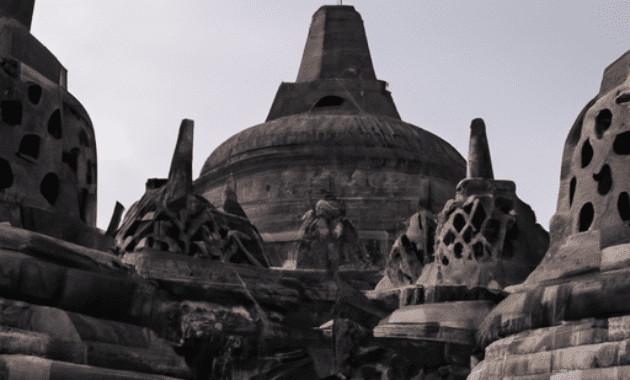
    Firstly, the revenue generated from the entrance fee goes towards maintenance of the temple. The Borobudur Temple is centuries old and requires constant attention to maintain its structural integrity. The increase in revenue has enabled the temple authorities to undertake regular maintenance work, thus ensuring the temple’s preservation for future generations.

    Secondly, the increase in entrance fee helps in managing the crowds that visit the temple. Borobudur Temple is a popular tourist destination, and sometimes the influx of tourists can be overwhelming. The increase in entrance fee has deterred some travelers who may not be genuinely interested in the temple or may not be able to afford the new price. This, in turn, has resulted in a better visiting experience for those who do visit.

    Thirdly, the funds generated by the increase in entrance fee can help in the development of the local community. The temple is located in a rural area, and the revenue generated from the fees can be used for the upliftment of the local community in terms of education, healthcare, and infrastructure. This ensures that the temple’s presence has a positive impact on the region.

    Lastly, the increase in entrance fee could be seen as a way of promoting responsible tourism. Responsible tourism aims to minimize the negative impact of tourism on the environment and local people. By increasing the entrance fee, only serious and committed tourists who value the temple’s significance will visit the site.

    In conclusion, the increase in the entrance fee to the Borobudur Temple may have caused discomfort to some tourists, but it is essential to understand the benefits it brings. The revenue generated helps in maintaining the temple, managing the crowds, developing the local community and promotes responsible tourism. Ultimately this ensures that the Borobudur Temple continues to be a landmark not only in Indonesia but in the world.

  • Experience the Grandeur of Borobudur Temple – Updated Entrance Fee and Guidelines

    Experience the Grandeur of Borobudur Temple – Updated Entrance Fee and Guidelines

    Borobudur Temple is one of the most significant and majestic Buddhist temples in the world, located in the Central Java province of Indonesia. This iconic temple, built in the 8th and 9th centuries, was abandoned for centuries before being rediscovered in the early 19th century. It stands as a testament to the skill and creativity of the ancient Javanese civilization.
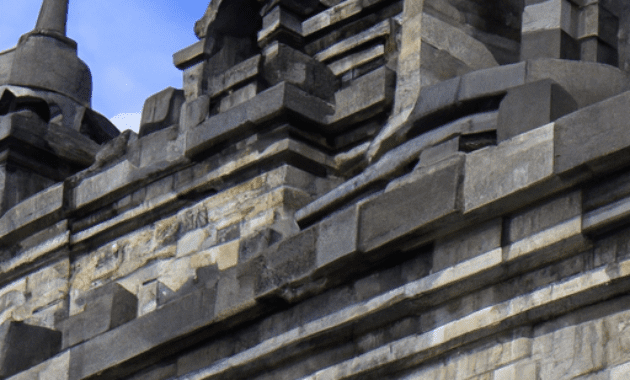
    Built in the shape of a mandala, Borobudur Temple is an incredible piece of architecture that boasts nine stacked platforms, adorned with over 2,500 relief panels and 500 Buddha statues, all carved from volcanic stone. Visitors can witness the intricate details of the carvings that depict scenes from daily life, the Buddha’s teachings, and the path to enlightenment.

    To enjoy the grandeur of Borobudur Temple, visitors must follow the updated entrance fee and guidelines. The entrance fee for foreign visitors is IDR 530,000 (around USD 38) per person and IDR 30,000 (around USD 2) for domestic visitors. The entrance fee includes access to the temple grounds, the museum, and the Manohara Sunrise Tour package.

    Visitors must also follow a dress code, as Borobudur Temple is a sacred site. Visitors are required to wear decent clothes that cover their shoulders and knees. Wearing hats or sunglasses is discouraged, as it is a sign of disrespect in the Javanese tradition.

    To maintain the sanctity of Borobudur Temple, visitors are also prohibited from bringing food, beverages, or any kind of trash inside the temple. Smoking, drinking, and loud talking are also not allowed.

    Visitors are encouraged to join the Manohara Sunrise Tour, which starts at 4:30 AM, to witness the sunrise from the top of Borobudur Temple. The tour includes a guided walk through the temple, a light breakfast, and a bottle of mineral water. The tour provides a serene and peaceful experience as visitors can see the sun rising over the temple and the surrounding hills, an unforgettable sight.

    In conclusion, a visit to the Borobudur Temple is an absolute must for anyone visiting Indonesia. To enjoy the full grandeur of this magnificent temple, visitors must follow the updated entrance fee and guidelines, including the dress code and prohibited items. The Manohara Sunrise Tour offers a unique and breathtaking experience at Borobudur Temple, making it a must-visit attraction.

  • Borobudur Temple Entrance Fees – How it Benefits the Preservation of the Monument

    Borobudur Temple Entrance Fees – How it Benefits the Preservation of the Monument

    Borobudur Temple is an iconic monument located in central Java, Indonesia, and is regarded as one of the world’s largest Buddhist temples. It is an impressive venue for visitors who are interested in ancient Indonesian art, culture, and religion.
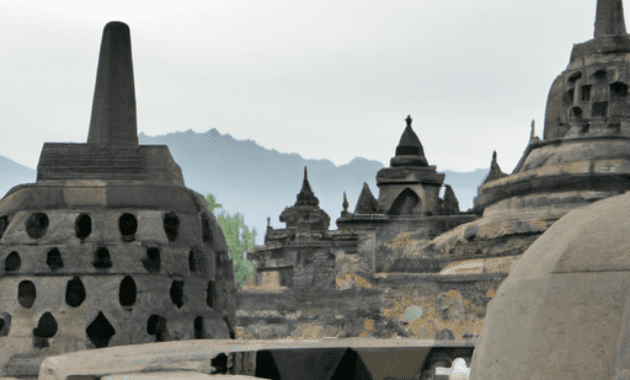
    To access the temple, visitors must pay a fee, which helps to preserve the monument. The Borobudur temple entrance fee has become vital in ensuring that the site is well-conserved and protected from degradation.

    Preservation of the Monument

    The significance of the temple as a world heritage site has prompted UNESCO to support its conservation by initiating various programs. Through the Borobudur temple entrance fee, a significant portion goes into maintaining and improving the site. The funds collected are used for various maintenance activities such as cleaning, repair, and restoration of the temple’s structures.

    Upgrading the Facilities

    The temple has continued to attract visitors from all over the world, and the entrance fees have become instrumental in improving the temple’s facilities. A portion of the entrance fees are used to maintain and upgrade the visitor center, including restrooms, pathways, and other amenities. This way, visitors can enjoy the experience of exploring the temple, making it a worthwhile investment for tourists and locals.

    Conservation of the Environment

    The Borobudur temple is situated in a natural environment that is home to various flora and fauna. The temple entrance fee is utilized to support the conservation of the environment, including the management of waste, preventing soil erosion, and controlling the negative impact of tourism activities. This supports the temple’s sustainability and future cultural heritage.

    Supporting the Local Community

    The preservation of the Borobudur temple results in increased tourism activity, which positively impacts the local community. The temple provides employment opportunities that enhance the local economy. It has also opened up opportunities for small businesses through the sale of locally-made souvenirs.

    Conclusion

    In conclusion, the Borobudur temple entrance fee has become instrumental in preserving the site and supporting the local community. The funds collected are utilized in maintenance activities, upgrading facilities, conserving the environment, and supporting local businesses. Despite the fee being a small price to pay, it goes a long way in enriching visitors’ experience while ensuring the temple’s sustainable cultural heritage.

  • Borobudur Temple: Understanding the Entrance Fee Debate

    Borobudur Temple: Understanding the Entrance Fee Debate

    Borobudur Temple, located in Central Java, Indonesia, is one of the world’s largest Buddhist temples and a UNESCO World Heritage site. For decades, visitors have been flocking to this magnificent temple, marveling at its intricate carvings and grand architecture. However, in recent years, the temple’s entrance fee has become the subject of controversy and confusion. Here’s everything you need to know about the entrance fee debate.

    Borobudur Temple Entrance Fee

    First off, it’s important to understand that there are different entrance fees for Indonesian citizens and foreigners. In 2021, the entrance fee for Indonesian citizens is IDR 40,000 (approximately $2.75 USD) and for foreigners, it’s IDR 500,000 (approximately $34 USD).

    A Higher Price for Foreigners

    The high entrance fee for foreigners has stirred up a fair bit of controversy. Some visitors have argued that the fee is too high, and it’s an unfair discrimination against foreigners.

    However, it’s important to note that the higher price for foreigners is not unique to Borobudur. It’s a standard practice in many countries and tourist attractions worldwide. For instance, foreigners pay more to see the Great Wall of China, the Taj Mahal in India, and the Colosseum in Rome.

    Why the Price Difference?

    The reasoning behind the price difference is that foreign tourists can afford to pay more, and the higher fees can help support and improve the maintenance and preservation of the cultural heritage sites. Additionally, many of these sites receive significant government or charity funding that might not be available in other parts of the world.

    Furthermore, higher entrance fees can help to limit overcrowding, allowing for a more peaceful and serene experience for those who do pay to visit the temple.

    What About Indonesian Citizens?

    While the price difference has been criticized, it’s essential to note the affordability of the entrance fee for Indonesian citizens. In comparison to other tourist attractions worldwide, the entrance fee is nominal and incredibly affordable for the average citizen. It’s essential to ensure that Indonesians are not priced out of visiting their own cultural heritage sites.

    It’s also worth mentioning that Indonesian citizens receive a substantially lower fee for other cultural heritage sites in the country, such as Prambanan Temple and dozens of other temples scattered around the island of Java.

    Wrapping Up

    In summary, the high entrance fee for foreigners visiting Borobudur Temple may appear unjust at first glance, but it’s a standard practice around the world. The higher price helps to support the maintenance and preservation of the cultural heritage sites while also limiting overcrowding.

    At the same time, it’s essential to keep the entrance fee affordable for Indonesian citizens, ensuring that they retain access to their own cultural heritage sites. By striking a delicate balance between affordability and long-term conservation, Borobudur Temple will continue to provide an unforgettable experience for visitors for years to come.