Tag: water

  • Drinking Rainwater Is More Risky Than Previously Thought.

    Drinking Rainwater Is More Risky Than Previously Thought.

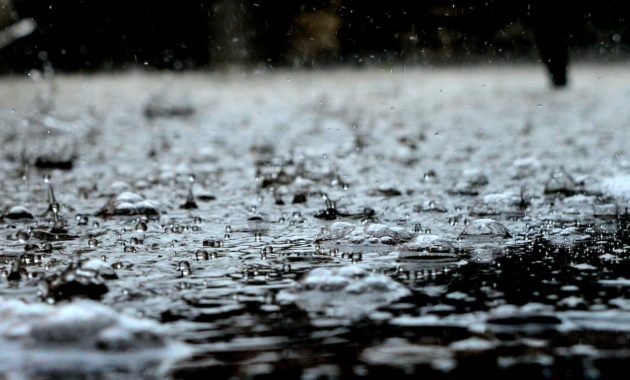
    Sticking out one’s tongue on a rainy day, may be thought of as a droplet of water just like water coming out of a faucet. But in factrainwatercontains a lot of microscopic material that needs to be filtered before being pumped into your home.

    The question now is, is it safe to collect dams? drink rain water?

    According to the Centers for Disease Control and Prevention (CDC), there are many contaminants found in rainwater. These include bacteria, viruses, parasites, dust, smoke particles and chemical materialother.

    If you collect rainwater from the roof, it can also contain traces left by animals, such as bird droppings. And if the roof or drain pipes are old, materials like asbestos, lead, and copper can also end up in your tank.

    If rainwater is stored in an open container, it may also be full of insects and rotting organic matter, such as dead leaves.

    For this reason, the CDC advises against collecting and drinking rainwater. The CDC recommends using it for other purposes, such as watering plants.

    However, levels of contaminants vary widely depending on where you live, and your risk of disease depends on how much rainwater you drink.

    If you have a clean collection system and properly sterilize rainwater, either with chemicals or by boiling and distilling, most of the dirt can be removed. This causes a lot of confusion about whether rainwater is unsafe to drink.

    Drinking Rainwater Is More Risky Than Previously Thought.
    There are many contaminants found in rainwater. steemit

    But now, in the modern era of man-made chemicals, there are new risks associated with drinking rainwater.

    In a study published in August 2022 in the journal Environmental Science & Technology, the researchers found that rainwater around the world has a concentration PFAS toxic substances (alkyl per and polyfluorinated substances) that exceed health guidelines.

    These findings indicate that rainwater is clearly unsafe to drink, especially if untreated.
    “To be known, PFAS is a collective term for more than 1,400 chemical material and man-made substances that have historically been used for various products,” study lead author Ian Cousins, an environmental chemist at Stockholm University in Sweden, told Live Science.

    “Includes textiles, fire extinguishing foam, non-stick cookware, food packaging, artificial turf and guitar strings.”

    However, “the current understanding of the biological impact is based primarily on studies of the four perfluoroalkyl acids (PFAAs) that are a subgroup of PFAS, Cousins ​​said.

    These PFAAs include perfluorooctanesulfonic acid (PFOS), perfluorooctanoic acid (PFOA), perfluorohexanesulfonic acid (PFHxS) and perfluorononanoic acid (PFNA), which are the main focus of the research, he added.

    Previous research has shown that this chemical is highly toxic and can cause a variety of problems. These include various types of cancer, infertility, pregnancy complications, developmental problems, immune system conditions, and various intestinal, liver and thyroid diseases.

    “Also because of the potential to decrease the effectiveness of vaccines in children, Cousins ​​said. “PFAS are also likely to cause additional harm to the environment, but this idea has not been studied in detail.”

    PFAS are non-perishable, meaning they remain in the environment long after they are produced and are equally toxic. “This has led scientists to dub PFAS the “forever chemical,” he added.

    Previous research has shown that this chemical is highly toxic and can cause a variety of problems. These include various types of cancer, infertility, pregnancy complications, developmental problems, immune system conditions, and various intestinal, liver and thyroid diseases.

    “Also because of the potential to decrease the effectiveness of vaccines in children, Cousins ​​said. “PFAS are also likely to cause additional harm to the environment, but this idea has not been studied in detail.”

    PFAS are non-perishable, meaning they remain in the environment long after they are produced and are equally toxic. “This has led scientists to dub PFAS the “forever chemical,” he added.

    In the study, the researchers collected data from a sample rainwater collected around the world. They revealed that PFAS still abundant in rainwater everywhere on Earth.

    The concentration is above the safety guidelines set by the EPA and other similar regulatory agencies in other countries.

    “Experts had hoped that PFAS concentrations might have started to decline by now, but this is clearly not the case,” Cousins ​​said.

    Researchers are still unsure exactly how PFAS moved to the most remote parts of the world. They hypothesized that PFAS at sea level is carried back into the atmosphere and then transferred to other areas as rainwater.

    They plan to test this hypothesis in future research. “It’s also possible that PFAS is still leaking into the environment from landfills,” Cousins ​​said.

    Pool maintenance and cleaning in Washington, D.C.

    Window Cleaning Services in Washington DC


  • Water Pollution: Types, Impacts on the Environment and Solutions

    Water Pollution: Types, Impacts on the Environment and Solutions

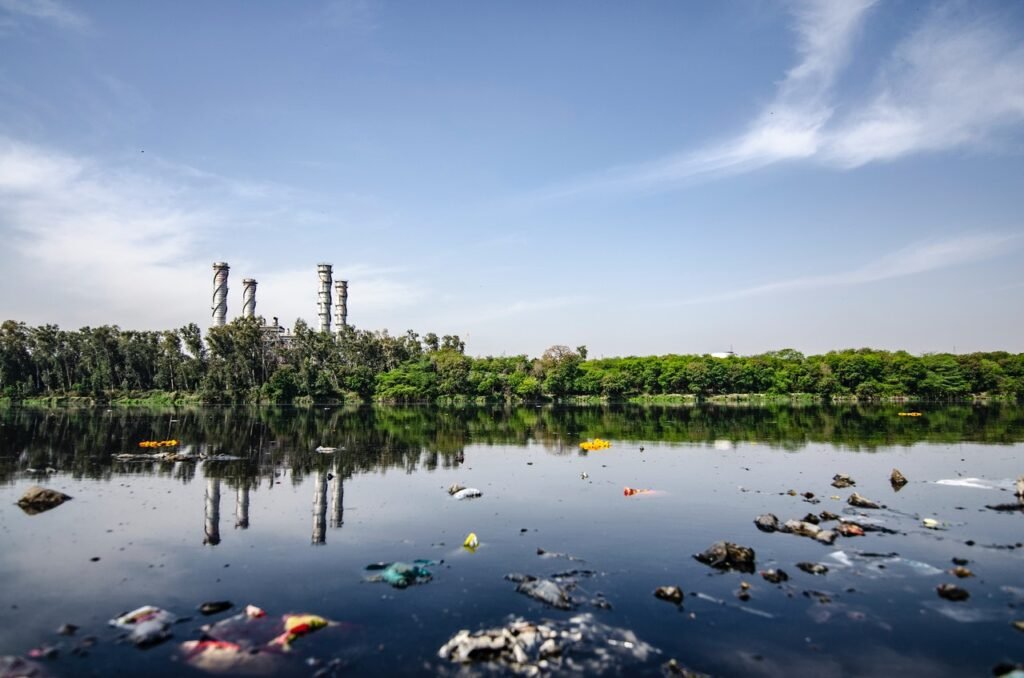
    Water pollution is a condition in which a decrease in water quality is caused by harmful substances such as chemicals or microorganisms.

    In some cases of severe water pollution, this condition can cause water to be toxic and dangerous to humans and the environment.

    This pollution can occur in water areas such as rivers, lakes, seas, aquifers, or other water areas.

    Buffer water is polluted due to the main characteristic of water which is easy to dissolve materials. It also makes harmful chemicals dissolve in the water and cause pollution.

    Water can be said to be polluted by looking at indicators such as:

    • Physical parameters,
      parameters related to the observed physical conditions of the waters, including color a, smell, temperature, taste, and turbidity
    • Chemical parameters,
      parameters relating to the chemical conditions contained in these waters. These parameters include the pH, organic substances, and the amount of heavy metals in water.
    • Bacteriological Parameters ,
      These parameters can include the number of coliform, puristic, and pathogenic bacteria in water.

    Types of Water Pollution

    Water pollution  can be classified into 4 types of pollution. Here are the types:

    1. Contamination of microorganisms

    Microorganism contamination is caused by microorganisms in water areas.

    Microorganisms such as phytoplankton or zooplankton can cause pollution if there are too many of them to reduce water quality.

    Pollution can be marked by the color of cloudy water, due to lack of oxygen content in it.

    2. Inorganic contamination of plant nutrients

    The cause of inorganic pollution of plant nutrients is closely related to the use of inorganic fertilizers and pesticides on plants.

    Chemicals such as phosphate, or nitrogen can contaminate and contaminate waters. This of course will endanger the survival of living things around these waters, including humans.

    3. Contamination by inorganic chemicals

    Similar to inorganic pollution of plant nutrients, this pollution is also caused by the use of inorganic chemicals used by humans.

    This pollution is usually caused by the use of high levels of salts, acids and toxic metals such as lead, cadmium, mercury.

    4. Contamination by organic chemicals

    This pollution is caused by organic chemicals that are often used by humans daily, such as plastics, oils, cleaning fluids, detergents and so on.

    In the use of a small scale, maybe the impact of using these materials will not be felt directly, but over time the effect can cause damage to the ecosystem around the stream.

    One of them is the death of animals or plants due to damage to water quality.

    Its Impact on Life

    Pollution in water areas can cause many problems in human life. This is due to water pollution.

    • Water pollution can trigger landslides, erosion and flooding.
    • Disruption of environmental balance
    • The occurrence of damage to aquatic ecosystems, which has an impact on the death of water biota
    • The emergence of disease in dirty water areas
    • Reduced supply of clean water sources

    How to prevent pollution

    We can prevent water pollution by doing the following things

    1. Do not throw household products such as cleaners, beauty products, medicines, car fluids, paints, and lawn care products in drains.
    2. Avoid and reduce the use of pesticides on plants
    3. Reduce consumption of plastics and single-use materials, use materials that are more environmentally friendly

    That is the discussion of the article on pollution in the waters, let’s continue to take care and love our environment. Hopefully useful.