

Blog

  • A Comprehensive Guide to Neurosurgeons Careers

    A Comprehensive Guide to Neurosurgeons Careers

    Introduction

    Neurosurgeons are medical professionals who specialize in the surgical treatment of conditions affecting the brain, spinal cord, and nervous system. They work closely with other healthcare professionals, such as neurologists, radiologists, and anesthesiologists, to provide comprehensive care for patients with neurological disorders. In this comprehensive guide article, we will discuss the education and training requirements, job responsibilities, job outlook, salary and benefits, challenges and rewards, personal qualities, and opportunities for advancement for neurosurgeons.

    Education and Training Requirements

    To become a neurosurgeon, a candidate must complete a rigorous education and training program. The candidate must have a bachelor’s degree, with a strong background in biology, chemistry, physics, and math. After this, a candidate must complete four years of medical school to obtain a Doctor of Medicine (MD) degree.

    After completing medical school, the candidate must complete a six-year neurosurgical residency program, where they learn and specialize in the diagnosis and treatment of neurological disorders. During residency, neurosurgeons receive working experience in general surgery, neurology, critical care, and trauma care.

    After residency, some candidates may choose to complete an additional fellowship program, which provides specialized training in areas like pediatric neurosurgery, oncology, or spine surgery.

    Job Responsibilities

    The job responsibilities of neurosurgeons are extensive and cover a broad range of neurological conditions. They diagnose and treat conditions such as brain tumors, aneurysms, traumatic injuries, and congenital anomalies. Neurosurgeons also perform procedures such as craniotomy, spinal surgery, and deep brain stimulation (DBS).

    Neurosurgeons work with other healthcare professionals, including nurses, anesthesiologists, and radiologists, to provide comprehensive care to the patient. They also work closely with neurologists to ensure that the patient receives a correct diagnosis and appropriate treatment.

    Job Outlook

    According to the Bureau of Labor Statistics, the employment of physicians and surgeons, including neurosurgeons, is projected to increase by 4% between 2019 and 2029, which is a faster growth rate compared to other occupations. The growing awareness and recognition of neurological diseases will contribute to the job growth of neurosurgeons.

    Salary and Benefits

    Neurosurgeons are some of the highest-paid medical professionals, with an annual salary of $409,665 on average, according to Salary.com. The salary can vary depending on the experience, location, and specific employer.

    Neurosurgeons also receive a range of benefits, including paid time off, health insurance, retirement plans, and malpractice insurance.

    Challenges and Rewards

    The job of a neurosurgeon is challenging, and the surgeries can be complex and risky. Neurosurgeons must be able to handle the pressure of making life and death decisions and working long hours. However, the job can also be incredibly rewarding, as neurosurgeons have the opportunity to make a significant impact on the lives of their patients.

    Personal Qualities

    To be successful in a career as a neurosurgeon, an individual must possess several key qualities. They must have a strong interest in neurology and a compassionate nature to empathize with their patients. Attention to detail, patience, and the ability to handle pressure are also essential qualities to have as a neurosurgeon.

    Opportunities for Advancement

    Neurosurgeons have various opportunities for advancement within their field. They may choose to specialize in a particular area such as pediatric neurosurgery, skull-based surgery, or neuro-oncology. Other opportunities for advancement may include academic positions, research leadership, or hospital administration. They can also be involved in medical education and training future neurosurgeons.

    Conclusion

    In conclusion, neurosurgeons are essential medical professionals who diagnose and treat neurological disorders. They must undergo rigorous education and training programs to gain the necessary knowledge and expertise. The job requires a range of personal qualities, including compassion, patience, attention to detail, and the ability to handle pressure. A career as a neurosurgeon can be challenging yet incredibly rewarding, and neurosurgeons have various opportunities for advancement within the field.

    Frequently Asked Question About Neurosurgeons Career

    1. What is a neurosurgeon?

    Neurosurgeons are medical doctors who specialize in performing surgical procedures on the brain, spinal cord, and peripheral nerves.

    2. What kind of education and training do neurosurgeons have?

    Neurosurgeons typically complete a bachelor’s degree, followed by four years of medical school and a residency program lasting at least six years. Many also complete additional fellowship training in a specific area of neurosurgery.

    3. What conditions do neurosurgeons treat?

    Neurosurgeons can treat a wide range of conditions affecting the brain, spine, and nervous system, including brain tumors, aneurysms, spinal cord injuries, epilepsy, and Parkinson’s disease.

    4. What can I expect during a visit with a neurosurgeon?

    During your visit, the neurosurgeon will likely review your medical history and perform a physical examination. They may also order diagnostic tests, such as an MRI or CT scan, to help diagnose your condition.

    5. What are the risks associated with neurosurgery?

    As with any surgical procedure, there are risks associated with neurosurgery, including bleeding, infection, and nerve damage. Your neurosurgeon will discuss these risks with you and work to minimize them as much as possible.

  • A Comprehensive Guide to Neurologists Careers

    A Comprehensive Guide to Neurologists Careers

    The Comprehensive Guide to Becoming a Neurologist

    Neurologists are medical professionals who specialize in diagnosing and treating conditions related to the brain and nervous system. These professionals play a critical role in helping individuals who have suffered from chronic or acute neurological issues to regain their health and in improving their quality of life. Here is everything you should know about pursuing a career in neurology, including education and training requirements, job responsibilities, job outlook, salary and benefits, challenges and rewards, personal qualities, and opportunities for advancement.
    Education and Training Requirements

    The first step to becoming a neurologist is to earn a bachelor’s degree from an accredited college or university. Most institutions do not offer any particular undergraduate degree programs in neuroscience or pre-medical programs, but students must take classes in biology, chemistry, physics, mathematics, and psychology.

    After earning a bachelor’s degree in any related field, aspiring neurologists must attend a medical school accredited by the Liaison Committee on Medical Education (LCME) and earn an MD or a DO degree. The typical program runs for four years and includes two years of pre-clinical coursework and two years of clinical experiences.

    After earning an MD or a DO, the next step for a neurologist is to complete a residency program in neurology. Residency programs are usually three to four years in duration and provide experience in clinical, as well as some research duties. After completing a residency program, a neurologist can then choose to complete fellowship training to specialize in even more specific fields, including neuroimaging, neurophysiology, movement disorders, and epilepsy.

    Job Responsibilities

    The primary focus of a neurologist is to treat neurological disorders and diseases. They play a crucial role in the diagnosis and treatment of conditions that affect the nervous system, such as Alzheimer’s disease, Parkinson’s disease, Stroke, Multiple Sclerosis, Epilepsy, Headaches, Neuromuscular diseases, developmental disorders, and more.

    Their responsibilities include:

    – Performing neurological exams on patients to assess their cognitive and motor functions.
    – Obtaining and reviewing medical history and brain and imaging scans.
    – Developing a treatment plan based on the patient’s condition, medical history, and symptoms.
    – Prescribing medications, physical therapy, or other interventions.
    – Monitoring the patient’s response to treatment and modifying treatment accordingly.
    – Communicating with other healthcare providers about the patient’s care and progress.
    – Participating in research studies related to neurological disorders.
    – Educating patients and families about their condition.

    Job Outlook

    According to the U.S. Bureau of Labor Statistics (BLS), job prospects for physicians and surgeons, including neurologists, are projected to grow by 4% between 2019 and 2029, which is faster than the average for all other occupations. Factors that contribute to this positive job outlook include an aging population that requires more medical care and the advancements in healthcare technology that increase the demand for specialized medical professionals.

    Salary and Benefits

    As per the BLS, in May 2020, the median annual income of a neurologist was about $280,000. However, pay varies extensively, depending on geographical location, specialty, years of experience, and type of employment.

    Most neurologists work full-time, and many receive excellent benefits, including medical, dental, and vision insurance. They may also receive retirement plans, malpractice insurance, and paid vacation time.

    Challenges and Rewards

    Like most medical professions, the neurologist’s job can come with its fair share of challenges. These may include the emotional strain of handling patients with severe illnesses, the long working hours, and stressful work environments.

    However, there are also many rewards of working as a neurologist, including:

    – Making a positive difference in the lives of so many people, including patients, their families, and entire communities.
    – Contributing to the development of new treatments, therapies, and medications to help those in need.
    – The joy of seeing patients recover from life-threatening illnesses and regain their quality of life.
    – The strong sense of professional fulfillment that comes with being a medical professional.

    Personal Qualities

    To succeed as a neurologist, there are specific personal traits and characteristics that an individual should possess. These include:

    – Compassion: The ability to empathize with patients and understand their pain and suffering.
    – Good communication skills: The ability to explain complex medical procedures, diagnoses, and treatment plans to patients and their families.
    – Analytical and critical thinking: To diagnose complex neurological cases and create an effective treatment plan.
    – Attention to detail: To ensure a thorough examination of patients and accurate diagnosis.
    – Patience: To engage in long-term patient care and support medical research.
    – Adaptable and flexible: To work effectively in a continuously changing healthcare environment.

    Opportunities for Advancement

    After completing their residency, some neurologists may decide to pursue a fellowship to specialize further in a specific area or condition that interests them. They may also choose to move into clinical leadership roles as a department chief, medical director or take up research roles to contribute to the development of knowledge in the field.

    Another path for neurologists could be to move into academia, teaching and mentoring future generations about neurology. Alternatively, they may choose to take a leadership role in an administrative capacity, such as management or insurance companies.

    Conclusion

    Neurology is a rewarding career path for those who are passionate about helping others, particularly those who have suffered from neurological disorders. Becoming a neurologist requires a lengthy educational journey, including a bachelor’s degree in a related field, followed by a medical degree, a residency in neurology, and potentially a fellowship in a sub-specialty. Neurologists play a vital role in diagnosing and treating diseases of the brain and nervous system. With advances in technology and medicine, prospects for the field are optimistic, so if you’re someone who’s passionate about neuroscience and helping others, you may want to consider pursuing a career in neurology.

    Frequently Asked Question About Neurologists Career

    1. What do neurologists treat?

    Neurologists diagnose and treat conditions related to the central and peripheral nervous systems, including the brain, spine, nerves, and muscles. Common conditions include Alzheimer’s disease, Parkinson’s disease, multiple sclerosis, epilepsy, migraines, and stroke.

    2. What training do neurologists undergo?

    Neurologists undergo extensive training, which includes four years of undergraduate studies, four years of medical school, and three to four years of residency training in neurology. Some neurologists also complete fellowships to specialize in certain areas of neurology, such as epilepsy, sleep medicine, or neurocritical care.

    3. What should I expect during a visit to a neurologist?

    During a visit to a neurologist, you can expect to undergo a thorough physical and neurological examination. The neurologist may also order diagnostic tests, such as imaging studies or blood tests, to help diagnose your condition. After a diagnosis is made, the neurologist will work with you to develop a treatment plan.

    4. What are some common treatments that neurologists prescribe?

    Treatment depends on the condition being treated, but common treatments prescribed by neurologists include medication, lifestyle modifications, physical therapy, occupational therapy, and surgery.

    5. When should I see a neurologist?

    You should see a neurologist if you experience symptoms related to the nervous system, such as headaches, seizures, numbness or tingling, weakness, memory problems, or difficulty with movement. It is also recommended that people with a family history of neurological conditions or those who have experienced a traumatic brain injury see a neurologist for evaluation.

  • A Comprehensive Guide to Nephrologists Careers

    A Comprehensive Guide to Nephrologists Careers

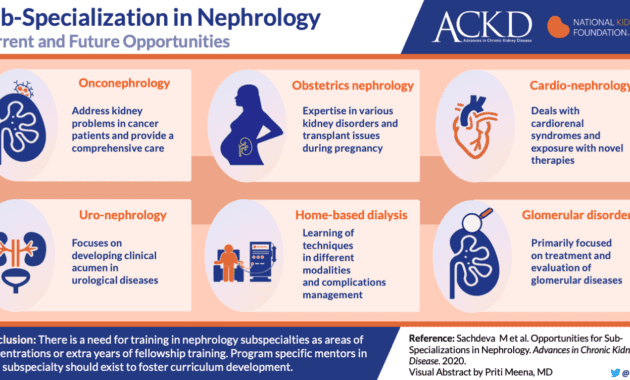
    Nephrologists Job Overview

    Nephrologists are medical professionals who specialize in diagnosing and treating kidney-related diseases and disorders. They are experts in renal physiology and serve as critical members of a healthcare team when it comes to medical issues related to the kidneys.

    As one of the most vital organs in the body, the kidney plays an essential role in regulating blood pressure, electrolyte balance, and removing waste products from the body. Nephrologists are responsible for ensuring that a patient’s kidneys are functioning correctly and treating any issues that arise.

    This comprehensive guide will walk you through everything you need to know about becoming a nephrologist, including education and training requirements, job responsibilities, job outlook, salary and benefits, challenges and rewards, personal qualities, and opportunities for advancement.

    Education and Training Requirements

    To become a nephrologist, one must first complete a Bachelor’s degree program. While there is no specific undergraduate major required, it’s recommended for students to take courses in biology, chemistry, physics, and math.

    Following the completion of their undergraduate degree, students must attend medical school to become a doctor. Medical schools prepare students for a career in medicine, and students are exposed to a broad range of medical disciplines, including nephrology.

    After completing medical school, students will need to complete a residency program in internal medicine, which typically lasts three years. During this time, residents receive specialized training in diagnosing, treating, and managing patients with kidney problems.

    Finally, after completing their residency, aspiring nephrologists must complete a fellowship program in nephrology. Fellowship programs last an additional two to three years and provide advanced training in kidney disorders and dialysis.

    Job Responsibilities

    Nephrologists are medical professionals who treat patients with kidney-related conditions. Their job responsibilities include:

    • Diagnosing and treating kidney-related diseases, such as kidney stones, chronic kidney disease, and acute renal failure.
    • Managing dialysis treatment plans for patients with end-stage renal disease.
    • Prescribing medications to manage and control kidney-related diseases.
    • Performing kidney biopsies to diagnose and treat kidney disorders
    • Interpreting diagnostic tests and results such as biochemistry reports, CT scans, and MRIs to diagnose and evaluate the condition of the kidneys.
    • Educating patients on lifestyle changes and self-care recommendations to manage their kidney disease such as low salt diets.

    Job Outlook

    The job outlook for nephrologists is promising. According to the U.S. Bureau of Labor Statistics, employment of physicians and surgeons is projected to grow 4 percent from 2019 to 2029, which is about as fast as the average growth for all jobs.

    The aging population and the prevalence of chronic kidney disease are some of the primary factors driving the demand for nephrologists.

    Salary and Benefits

    The salary for nephrologists can vary depending on experience, location, and workplace. According to payscale, the average median salary for a nephrologist is around $205,000 per year.

    In addition to their salary, nephrologists also receive a variety of benefits, including health insurance, malpractice insurance, 401(k) contributions, paid time off, and continuing education opportunities.

    Challenges and Rewards

    Like any medical profession, being a nephrologist brings its unique set of challenges and rewards. Some of the challenges include the following:

    • Managing patient expectations and emotions when dealing with life-changing kidney diseases.
    • Dealing with urine and blood samples which may put you at risk of exposure to infectious diseases.
    • The need to keep current with rapidly evolving advancements in medical technology and treatments.
    • The high level of responsibility for patient care and their overall well-being.

    At the same time, there are many rewards associated with being a nephrologist. Some of the rewards include the following:

    • The opportunity to help patients manage and treat their kidney disease successfully.
    • Having a positive impact on a patient’s life by supporting them with the necessary medical care and education.
    • The intellectual challenges of diagnosing and treating complex renal problems.
    • The opportunity for significant career growth and advancement as a specialist in nephrology.

    Personal Qualities

    Success as a nephrologist requires a unique set of personal qualities. Below are a few personal qualities that are essential to this profession.

    • Compassionate nature: Nephrologists must have a genuine passion and care for their patient and their well-being as they help them navigate through kidney-related diseases.
    • Detail-oriented approach: Must be meticulous in their examination, record-keeping, and prescribing accurate medications to avoid any unnecessary health implications.
    • Excellent communication skills: Nephrologists are required to explain complex diagnoses, treatment options and follow up plans with the patient, their family and other medical professionals involved in the patient’s care.
    • Good physical stamina: There may be delivering care to emergency onset patients, long shifts and regular hours spent standing and walking.

    Opportunities for Advancement

    There are numerous opportunities for advancement within nephrology. One common route is to focus on sub-specialties such as nephrotoxic injury or nephrolithiasis. Nephrologists may also take on leadership roles, such as managing a dialysis center, managing a team, or leading a research project. Some individuals choose to branch from clinical practice and participate in research customized towards kidney injury or kidney regeneration.

    Another opportunity for advancement is to pursue a career in academics. Many nephrologists find teaching to be a rewarding aspect of the profession, and they may choose to become a professor or researcher, leading research developments in the field.

    Conclusion

    Nephrology is a medical profession that requires dedication, commitment, and a deep understanding of kidney anatomy, disease, and treatment. As a nephrologist, you are on the front lines of helping patients manage their kidney-related conditions successfully, and the sense of fulfillment that comes with helping people manage their health is both a career and personal gratification. By completing the rigorous education and training requirements, advanced career opportunities, and a promising job outlook are attainable in this specialty field.

    Frequently Asked Question About Nephrologists Career

    1. What is a Nephrologist?

    A Nephrologist is a medical doctor who specializes in the treatment of kidney-related diseases and disorders.

    2. When should I see a Nephrologist?

    You should see a Nephrologist if you are experiencing symptoms such as blood in urine, high blood pressure, swelling in your legs or feet, difficulty with urination or if you have a family history of kidney disease.

    3. What conditions do Nephrologists treat?

    Nephrologists treat a wide range of kidney-related conditions including chronic kidney disease, diabetic kidney disease, polycystic kidney disease, kidney stones, and glomerulonephritis.

    4. What tests will I need to undergo when seeing a Nephrologist?

    The tests you may need to undergo when seeing a Nephrologist may vary depending on your condition, but may include blood tests, urine tests, kidney function tests, imaging tests such as x-rays or ultrasound, and kidney biopsies.

    5. What treatments can Nephrologists offer?

    Nephrologists can offer a range of treatments depending on the condition being treated. These may include medication to manage blood pressure, medication to prevent the formation of kidney stones, dialysis, and kidney transplant.

  • A Comprehensive Guide to Allergist & Immunologists Careers

    A Comprehensive Guide to Allergist & Immunologists Careers

    Introduction

    Allergist & Immunologists are medical professionals who specialize in the diagnosis and treatment of allergies, immunodeficiencies, and other related conditions. They play a vital role in helping patients manage a range of allergic and immunologic disorders, such as asthma, hay fever, and eczema, among others.

    In this comprehensive guide article, we will explore the education and training requirements, job responsibilities, job outlook, salary and benefits, challenges and rewards, personal qualities, and opportunities for advancement in the field of Allergist & Immunologists.

    Education and Training Requirements

    To become an Allergist & Immunologist, individuals must fulfill a rigorous educational and training pathway, which involves several years of undergraduate studies, medical school, residency, and fellowship.

    Firstly, aspiring Allergist & Immunologists must earn an undergraduate degree in a relevant field, such as biology, chemistry, or pre-medical studies, from an accredited institution. They must maintain excellent grades and obtain hands-on experience in a healthcare setting, ideally in the form of internships or volunteer work.

    After completing their undergraduate studies, individuals must enroll in medical school, which usually takes four years to complete. During medical school, students undergo rigorous classroom and clinical training, studying subjects such as anatomy, physiology, pharmacology, and pathology, among others.

    Once medical school is completed, graduates must complete a residency in internal medicine or pediatrics, which usually takes three years to complete. During residency, they receive extensive training in managing various medical conditions and gain essential clinical experience.

    After completing their residency, individuals must then undertake a fellowship in allergy and immunology, which typically requires an additional two to three years of specialized training. During fellowship, they acquire in-depth knowledge and skills in diagnosing and treating allergies, immunodeficiencies, and related disorders.

    Job Responsibilities

    Allergist & Immunologists play a crucial role in diagnosing and treating a range of allergic and immunologic disorders. Some of their key job responsibilities include:

    • Conducting diagnostic tests to identify allergies and immunologic conditions, such as skin tests, blood tests, and pulmonary function tests.

    • Evaluating patients’ medical histories, symptoms, and environmental factors to determine the cause of their allergies or immune disorders.

    • Developing personalized treatment plans for patients, including prescribing medication, immunotherapy, and lifestyle modifications.

    • Monitoring patients’ progress and adjusting treatment plans as needed.

    • Educating patients and their families on how to manage their allergies or immune disorders, including avoiding triggers, taking medication, and emergency management.

    • Collaborating with other healthcare professionals, such as primary care physicians, pediatricians, and pulmonologists, to provide comprehensive care to patients.

    Job Outlook

    According to the Bureau of Labor Statistics (BLS), the employment of physicians and surgeons, including Allergist & Immunologists, is projected to grow by 4% from 2019 to 2029, which is about as fast as the average for all occupations. The demand for healthcare services is growing as the population ages, and as more individuals seek healthcare services related to allergies and immune disorders.

    Additionally, advances in medical technology and treatments are expected to increase the need for specialists in the field of allergy and immunology. As such, the job outlook for Allergist & Immunologists is generally positive.

    Salary and Benefits

    Allergist & Immunologists are highly trained medical professionals, who typically earn substantial salaries. According to Salary.com, the median annual salary for an Allergist & Immunologist in the United States is $229,590, as of May 2021.

    In addition to a competitive salary, many Allergist & Immunologists receive a range of benefits, including medical insurance, retirement plans, malpractice insurance, vacation time, and continuing education opportunities, among others.

    Challenges and Rewards

    Like any other medical profession, being an Allergist & Immunologist can be both challenging and rewarding. Some of the rewards of the profession include:

    • Helping patients manage and overcome allergic and immunologic disorders, improving their quality of life.

    • Being at the forefront of medical research and advancements in allergy and immunology treatments.

    • Having the opportunity to work with a diverse range of patients, each with unique medical histories, symptoms, and challenges.

    • Being an essential member of a healthcare team that helps prevent and treat allergic and immunologic conditions.

    However, the profession also comes with its own set of challenges, such as:

    • Managing a heavy workload, including patient appointments, diagnostic tests, and administrative tasks.

    • Staying up-to-date with the latest research and treatment options in the field.

    • Working in a fast-paced and often stressful work environment.

    • Staying attentive to patients’ needs and providing compassionate care, even in challenging situations.

    Personal Qualities

    The field of allergy and immunology requires individuals with exceptional medical training and a range of personal qualities, such as:

    • Strong communication skills, including the ability to listen and explain medical information clearly.

    • High attention to detail, essential for conducting diagnostic tests and interpreting medical records.

    • Analytical thinking and problem-solving skills, essential for diagnosing and treating complex medical conditions.

    • An empathetic and compassionate approach to patient care, essential for helping patients manage their health conditions.

    Opportunities for Advancement

    Allergist & Immunologists can advance in their careers by pursuing several pathways, such as:

    • Specializing in a specific field of allergy and immunology, such as pediatric allergy, and becoming an expert in that area.

    • Taking on leadership roles, such as managing a clinic or becoming a medical director.

    • Conducting research and publishing academic papers in the field of allergy and immunology.

    • Teaching and mentoring future generations of Allergist & Immunologists.

    Conclusion

    In conclusion, Allergist & Immunologists play an essential role in helping patients manage and control their allergies and immunologic disorders. To become an Allergist & Immunologist, individuals must undergo a rigorous educational and training pathway, which includes several years of undergraduate studies, medical school, residency, and fellowship.

    Allergist & Immunologists have a positive job outlook, competitive salaries, and a range of benefits. The profession also comes with its own set of challenges and rewards, requiring individuals with exceptional medical training and personal qualities.

    For those interested in pursuing a career in allergy and immunology, there are several pathways for advancement, such as specializing in a specific field, taking on leadership roles, conducting research, and teaching future generations of Allergist & Immunologists.

    Frequently Asked Question About Allergist & Immunologists Career

    1. What is an allergist and immunologist?

    An allergist and immunologist is a medical doctor who specializes in the diagnosis and treatment of allergy and immunology-related conditions such as hay fever, asthma, hives, and immune-deficiency disorders.

    2. When should I see an allergist and immunologist?

    You may consider seeing an allergist and immunologist if you exhibit symptoms such as persistent or recurrent coughing, asthma, skin rashes, or frequent sinus infections that are not responding to usual treatments. Additionally, you should visit an allergist if you experience a severe allergic reaction known as anaphylaxis.

    3. What happens during an appointment with an allergist and immunologist?

    During your appointment, your allergist will take your medical history, conduct a physical exam, and may order allergy testing. Based on the findings, your specialist will provide you with an accurate diagnosis and personalized treatment plan.

    4. What types of allergy testing are available?

    Common types of allergy testing include blood tests, skin prick tests, patch tests, and elimination diets. The different methods are designed to investigate the body’s response to suspected allergens such as food, pollen, dust, or pet dander.

    5. Are there any specific qualifications required to become an allergist and immunologist?

    Yes. Allergist and immunologists specialize in allergy and immunology after completing medical school, a residency in internal medicine or pediatrics, and an allergy/immunology fellowship program. Additionally, board certification is required by choosing to become a member of one of the allergy/immunology societies, such as the American Academy of Allergy, Asthma, and Immunology.

  • A Comprehensive Guide to Gynecologists Careers

    A Comprehensive Guide to Gynecologists Careers

    Gynecologists: A Comprehensive Guide to Their Job

    Gynecology is a branch of medicine that focuses on the female reproductive system’s health. Gynecologists are medical doctors that specialize in the diagnosis, treatment, and management of conditions related to women’s reproductive health. In this comprehensive guide, we will explore the qualifications, job responsibilities, salary, benefits, challenges, and rewards of being a gynecologist.

    Education and Training Requirements

    To become a gynecologist, you need to complete a four-year bachelor’s degree program followed by a four-year Doctor of Medicine (MD) or Doctor of Osteopathic Medicine (DO) program. After completing medical school, a residency program in obstetrics and gynecology is required for three to seven years, depending on the program. During the residency program, a gynecologist learns how to diagnose, treat, and manage various conditions related to women’s reproductive health. Upon completing the residency program, a gynecologist can pursue board certification from the American Board of Obstetrics and Gynecology (ABOG) or the American Osteopathic Board of Obstetrics and Gynecology.

    Job Responsibilities

    Gynecologists perform a wide range of duties, including:

    • Conducting annual check-ups, including pelvic exams and breast exams
    • Detecting and diagnosing sexually transmitted infections (STIs)
    • Managing premenstrual syndrome (PMS), menstrual irregularities, and menopause
    • Treating conditions such as endometriosis, polycystic ovary syndrome (PCOS), and fibroids
    • Assessing and managing fertility issues and providing prenatal care including monitoring the health of mother and fetus, providing counseling on pregnancy-related issues, and performing routine ultrasound examinations
    • Identifying and managing high-risk pregnancies, such as pregnancies in women over 35 and pregnancies with underlying medical conditions
    • Performing surgical procedures, such as hysterectomies, laparoscopies, and colposcopies
    • Providing counseling on contraception methods, including permanent sterilization and long-acting reversible contraceptives.

    Job Outlook

    The job outlook for gynecologists is promising. According to the Bureau of Labor Statistics (BLS), employment of physicians and surgeons, including gynecologists, is projected to grow by 4% from 2019 to 2029, which is about as fast as the average for all occupations. The demand for gynecologists will likely continue to rise as the aging population increases and women continue to seek essential care for their reproductive health.

    Salary and Benefits

    The average annual salary of a gynecologist in the United States is $238,320 according to the BLS, with a range of $121,750 to $441,041. The salary depends on factors such as years of experience, location, and type of healthcare facility where they work.

    Gynecologists can receive several benefits as part of their employment, such as health insurance, paid time off, retirement benefits, and continuing education courses to stay updated on the latest medical developments.

    Challenges and Rewards

    Like any medical profession, gynecology has its challenges and rewards. One of the significant challenges gynecologists face is the emotional strain of losing a patient or dealing with a difficult diagnosis. Additionally, gynecology can be physically demanding, as surgical procedures require both mental and physical stamina.

    However, the rewards of being a gynecologist far outweigh the challenges. Gynecologists have the opportunity to help women throughout all stages of life, from adolescence to menopause, and provide comfort during difficult times. Additionally, gynecologists have the satisfaction of contributing to medical advancements and making a positive impact in their patients’ lives.

    Personal Qualities

    Several personal qualities are advantageous for a gynecologist:

    Compassion: Gynecologists should be empathetic and compassionate towards their patients, especially during difficult times.

    Attention to detail: Gynecologists must be detail-oriented when reviewing medical records, making diagnoses, and recommending treatment plans.

    Organizational skills: With many responsibilities, gynecologists must be well-organized and efficient.

    Good communication skills: Gynecologists should have excellent communication skills to explain complex medical terminology to patients and work effectively in a team setting.

    Opportunities for Advancement

    Gynecologists have numerous opportunities for advancement within their medical profession. Gynecologists can choose to specialize in a specific area, such as maternal-fetal medicine or gynecologic oncology. They could also advance in management or leadership roles within the healthcare facility. Additionally, gynecologists can pursue teaching positions or research opportunities at universities or research institutions.

    In Conclusion

    Becoming a gynecologist requires dedication, hard work, and a passion for women’s reproductive health. A career as a gynecologist presents numerous opportunities and challenges. Gynecologists have the satisfaction of being a part of women’s healthcare throughout all stages of their lives, which in turn provides them with a fulfilling and rewarding career.

    Frequently Asked Question About Gynecologists Career

    1. At what age should I start seeing a gynecologist?

    It is recommended for girls to start seeing a gynecologist between the ages of 13 and 15. However, if you experience any menstrual problems or have concerns with sexual activity before that age, it’s important to see a gynecologist earlier.

    2. What happens during a gynecological exam?

    A gynecological exam usually involves a breast exam, a pelvic exam to check for any abnormalities or issues with the reproductive organs, and a Pap smear to test for cervical cancer.

    3. How often should I see my gynecologist?

    It is recommended to see a gynecologist once a year for a general checkup and Pap smear. However, if you have any concerns or issues, you should see a gynecologist as soon as possible.

    4. Can I see a gynecologist while on my period?

    Yes, you can see a gynecologist while on your period. However, it may be uncomfortable and some tests may need to be delayed until the bleeding stops.

    5. Do I need a referral to see a gynecologist?

    It depends on your insurance plan. Some plans require a referral from your primary care physician, while others allow you to make an appointment directly with a gynecologist. It’s best to check with your insurance provider to see what their policies are.

  • A Comprehensive Guide to Gastroenterologists Careers

    A Comprehensive Guide to Gastroenterologists Careers

    What is a Gastroenterologist?

    Gastroenterologists are medical doctors who specialize in diagnosing and treating diseases and disorders of the gastrointestinal (GI) tract. The GI tract includes the esophagus, stomach, small and large intestines, rectum, liver, gallbladder, and pancreas. Gastroenterology is a subspecialty of internal medicine, and gastroenterologists typically work in hospitals, clinics, and private practices.

    Education and Training Requirements

    To become a gastroenterologist, you will need to complete a rigorous education and training program. First, you will need to earn a bachelor’s degree in a related field such as biology, chemistry, or pre-med. Next, you will need to complete four years of medical school to earn a Doctor of Medicine (MD) or Doctor of Osteopathic Medicine (DO) degree.

    After completing medical school, you will need to complete a three-year residency in internal medicine. During your residency, you will work in hospitals and clinics under the supervision of experienced physicians, gaining practical experience in diagnosing and treating a wide range of medical conditions.

    Once you have completed your residency, you will need to complete a three-year fellowship in gastroenterology, during which you will receive specialized training in diagnosing and treating disorders of the GI tract. During this time, you will work with experienced gastroenterologists, learning advanced diagnostic and treatment techniques, such as endoscopy and colonoscopy.

    Job Responsibilities

    As a gastroenterologist, your primary responsibility will be to diagnose and treat diseases and disorders of the GI tract. This could include conditions such as acid reflux, Crohn’s disease, ulcerative colitis, irritable bowel syndrome (IBS), and liver disease. You will also be responsible for performing diagnostic tests, such as endoscopy and colonoscopy, to identify the cause of patients’ symptoms.

    Other job responsibilities may include:

    – Prescribing and managing medications to treat GI disorders
    – Providing nutritional counseling and recommending dietary changes
    – Performing surgical procedures to treat GI disorders
    – Collaborating with other healthcare providers, such as surgeons and oncologists, to provide comprehensive care to patients

    Job Outlook

    The job outlook for gastroenterologists is strong. According to the Bureau of Labor Statistics, the employment of physicians and surgeons, including gastroenterologists, is projected to grow 4% from 2019 to 2029, which is about as fast as the average for all occupations.

    The demand for gastroenterologists is expected to increase as the population ages and the prevalence of GI disorders increases. Gastroenterologists are also in high demand in rural and underserved areas, where access to healthcare may be limited.

    Salary and Benefits

    Gastroenterologists are among the highest-paid medical professionals. According to Medscape’s 2020 Gastroenterologist Compensation Report, the average salary for gastroenterologists in the United States is $417,000 per year.

    In addition to competitive salaries, gastroenterologists typically receive a comprehensive benefits package that includes health insurance, retirement plans, and malpractice insurance.

    Challenges and Rewards

    Like any medical profession, gastroenterology comes with its own set of challenges and rewards. Some of the challenges include:

    – Long hours: Gastroenterologists may work long hours, including evenings and weekends, to accommodate patient needs.
    – Emotional toll: Diagnosing and treating serious GI disorders can take an emotional toll on gastroenterologists, especially when patients do not respond to treatment.
    – Constant learning: Gastroenterologists must keep up with the latest advances in medical technology and treatment options, which requires ongoing education and training.

    However, there are also many rewards to a career in gastroenterology, including:

    – Making a difference: Gastroenterologists have the opportunity to make a significant impact on their patients’ lives by diagnosing and treating life-threatening diseases.
    – Collaboration: Gastroenterologists work closely with other healthcare providers, such as surgeons and oncologists, to provide comprehensive care to patients.
    – Opportunity to specialize: With further training, gastroenterologists can specialize in areas such as liver disease, inflammatory bowel disease (IBD), and pancreatic disease.

    Personal Qualities

    To excel as a gastroenterologist, you will need to possess certain personal qualities, including:

    – Strong interpersonal skills: Gastroenterologists must be able to communicate easily with patients, explaining complex medical information in a way that is easily understood.
    – Detail-oriented: Gastroenterologists must be able to pay close attention to detail and meticulously examine test results to identify underlying medical conditions.
    – Calm under pressure: Gastroenterologists must remain calm and composed under stressful situations, such as when diagnosing a life-threatening GI disorder.

    Opportunities for Advancement

    Gastroenterologists can advance their careers in a number of ways, including:

    – Academic positions: Gastroenterologists can pursue academic positions in research and teaching at medical schools and universities.
    – Administration: Gastroenterologists can advance their careers by taking on administrative roles within hospitals and healthcare organizations.
    – Specialization: With further training and experience, gastroenterologists can specialize in areas such as liver disease, IBD, and pancreatic disease, which can lead to higher salaries and more job opportunities.

    Conclusion

    Gastroenterology is an exciting and rewarding medical specialty that offers a wide range of opportunities for growth and advancement. While the education and training requirements are rigorous, the job outlook is strong, and the salary and benefits are highly competitive. If you are a detail-oriented, compassionate individual with a passion for medicine, gastroenterology may be the perfect career for you.

    Frequently Asked Question About Gastroenterologists Career

    1. What do gastroenterologists treat?
    Gastroenterologists treat disorders and diseases related to the digestive tract and associated organs such as the stomach, liver, pancreas, and intestines. Common conditions treated by gastroenterologists include acid reflux, Crohn’s disease, ulcerative colitis, irritable bowel syndrome, and liver diseases.

    2. When should I see a gastroenterologist?
    You should see a gastroenterologist if you are experiencing any digestive tract symptoms such as abdominal pain, bloating, diarrhea, constipation, or rectal bleeding. This is especially important if these symptoms persist for an extended period of time. Additionally, if you have a family history of digestive disorders, it may be beneficial to see a gastroenterologist for preventative care.

    3. How does a gastroenterologist diagnose digestive disorders?
    Gastroenterologists use a variety of diagnostic tools such as endoscopy, colonoscopy, imaging scans, and blood tests to diagnose digestive disorders. During an endoscopy or colonoscopy procedure, a gastroenterologist can inspect the inside of the digestive tract and take tissue samples if necessary.

    4. What should I expect during my first visit to a gastroenterologist?
    During your first visit to a gastroenterologist, you will discuss your medical history and any digestive tract symptoms you are currently experiencing. Your doctor may also perform a physical exam and recommend diagnostic tests. Prior to your visit, it is important to make note of any questions or concerns you may have in order to have a productive conversation with your doctor.

    5. What can I do to prevent digestive disorders?
    Maintaining a healthy lifestyle can help prevent many digestive disorders. This includes maintaining a healthy diet, exercising regularly, avoiding excessive alcohol consumption, quitting smoking, and managing stress. Additionally, getting regular check-ups with a gastroenterologist and following preventative screening guidelines for colorectal cancer can help detect potential problems early on.

  • A Comprehensive Guide to Eye doctors Careers

    A Comprehensive Guide to Eye doctors Careers

    When it comes to our sense of sight, it is critical for us to receive the best possible care to ensure optimal health. Ophthalmologists or optometrists are the licensed specialists who evaluate and treat various eye conditions. They help diagnose and manage disorders related to the visual system, including the eyes and the associated areas of the brain. Let’s dive deeper into the profession of eye doctors and see what it takes to become one.

    Education and Training Requirements

    To become an eye doctor, one should have a bachelor’s degree from an accredited college or university. Afterward, prospecting eye doctors must attend and graduate from an accredited optometry or medical school. Medical school usually takes four years, and the curriculum is designed to cover various health-related topics, including the eyes. In contrast, optometry school takes around three to four years, with a focus more specifically on the eyes and their function.

    Both medical and optometry schools require candidates to pass an entrance exam before admission. The admission process to medical schools is more stringent and competitive, with a lower acceptance rate than optometry schools. After graduation, eye doctors must undergo further training and residency in their field of expertise ranging from one to four years upon completion of the degree.

    Job Responsibilities

    Eye doctors are responsible for diagnosing and treating eye conditions, prescribing medications, providing vision and eye care, and performing eye surgery. They also remind their patients to visit regularly for eye exams, which can detect eye diseases that may have no symptoms in the early stages. Other duties of eye doctors include:

    • Performing comprehensive eye exams to assess vision, eye muscle function, and eye health
    • Prescribing glasses and contact lenses as necessary
    • Treating ocular diseases such as glaucoma and cataracts
    • Evaluating and treating common eye conditions such as dry eyes, allergies, and infections
    • Performing corrective surgery to correct vision
    • Collaborating with other healthcare providers to manage overall health
    • Managing medical records and communicating with patients and families about their eye health and treatment plans

    Job Outlook

    According to the U.S. Bureau of Labor Statistics (BLS), the employment of optometrists is anticipated to increase by eight percent from 2019 to 2029. The job growth is expected due to the aging population of baby boomers who will need increased optical care as they age. Ophthalmologists, however, while in demand, are harder to come by, as they have extended training requirements and need to be a licensed medical doctor to practice.

    Salary and Benefits

    The median yearly pay for optometrists is $122,980, according to the May 2020 report by the BLS. On the other hand, Ophthalmologists’ median salaries were around $360,000 as per the same BLS data. The benefits package for eye doctors usually includes healthcare, malpractice insurance, retirement savings, and paid time off. Additionally, many optometrists receive incentives based on their productivity, which can positively affect their compensation currently or in the future.

    Challenges and Rewards

    Like all medical professions, the challenges of being an eye doctor come with high responsibility, some physical demands, and long working hours. Often, Eye doctors work in hospitals or clinics associated with private offices, schools, or other facilities. They frequently stand and may have to test various patients with different visual conditions, which requires excellent motor skills and attention to detail. Besides, they may also have to work irregular and extended hours, especially when responding to emergencies.

    Still, the rewards that come with being an eye doctor can be highly fulfilling. There is satisfaction in improving a patient’s eyesight or preventing them from becoming visually impaired, which can significantly affect their overall quality of life. Additionally, there is a job security as a healthcare worker that provides financial stability.

    Personal Qualities

    Skills and qualities essential for eye doctors include:

    • Excellent verbal and written communication skills
    • Critical thinking and problem-solving skills
    • Attention to detail and accuracy
    • Patience and empathy
    • Compassion and desire to help others
    • Coordination and dexterity
    • Stress management and self-care

    Opportunities for Advancement

    Eye doctors have opportunities for career advancement that can increase their earning potential and job responsibilities. With additional training and licensing, optometrists and ophthalmologists can specialize and focus their practice on specific areas, such as glaucoma or pediatrics. Some eye doctors may also become professors or instructors in optometry or medical schools. Others may choose to start or join a practice, work in research labs, or partner with other healthcare providers to offer comprehensive patient care.

    Conclusion

    Becoming an eye doctor requires an extensive education, training and is a highly dynamic and rewarding field. Eye doctors must have a passion for helping others, excellent communication skills, and a commitment to lifelong learning. The demand for eye doctors continues to grow, offering great career prospects and a lucrative salary. If you’re considering this career path and possess the qualities and skills required, being an eye doctor can be a fulfilling and satisfying profession.

    Frequently Asked Question About Eye doctors Career

    5 Frequently Asked Question about Eye doctors and answer

  • A Comprehensive Guide to ENT doctors Careers

    A Comprehensive Guide to ENT doctors Careers

    Comprehensive Guide to the Job of an ENT Doctor

    The job of an ear, nose, and throat (ENT) doctor, also known as an otolaryngologist, involves the diagnosis and treatment of conditions that affect the ears, nose, throat, neck, and head. From allergies and sinus infections to hearing loss and sleep apnea, an ENT specialist offers a broad range of medical services to patients of all ages.

    If you’re considering a career as an ENT doctor, here’s a comprehensive guide to help you understand the job requirements, responsibilities, salary and benefits, challenges and rewards, personal qualities, education and training requirements, and opportunities for advancement.

    Education and Training Requirements

    To become an ENT doctor, you need to complete extensive education and training. Here are the required steps:

    Undergraduate degree: You must earn a bachelor’s degree, preferably in a science or health-related field, from an accredited college or university.
    Medical school: After completing your undergraduate degree, you must attend a four-year medical school program to earn an MD (Doctor of Medicine) or DO (Doctor of Osteopathic Medicine) degree.
    Residency program: Once you’ve obtained your medical degree, you’ll need to complete a five-year residency program that focuses on otolaryngology. During your residency, you’ll receive supervised training in various ENT-related medical services, such as diagnosing and treating patients, performing surgical procedures, and managing pre- and post-operative care.
    Board certification: After completing your residency, you must pass the American Board of Otolaryngology exam to earn board certification in otolaryngology. Board certification demonstrates your expertise and competence in the field and is required to practice as an ENT doctor.

    Job Responsibilities

    As an ENT doctor, your job responsibilities are diverse and multifaceted. Here are some of the things you can expect to do in your day-to-day work:

    – Diagnose and treat ear, nose, and throat conditions: ENT doctors evaluate patients’ symptoms, medical history, and test results to diagnose and treat various conditions, such as ear infections, sinusitis, tonsillitis, laryngitis, hearing loss, and sleep apnea.
    – Perform surgical procedures: ENT doctors perform a wide range of surgical procedures, from minor to complex, to treat different conditions. For example, they may perform tonsillectomies, adenoidectomies, septoplasties, rhinoplasties, and cochlear implants.
    – Provide pre- and post-operative care: ENT doctors provide patients with pre- and post-operative care instructions and monitor their recovery progress to ensure proper healing and minimize complications.
    – Collaborate with other healthcare professionals: ENT doctors may collaborate with other healthcare professionals, such as audiologists, speech therapists, and allergists, to provide comprehensive care to patients.
    – Educate patients: ENT doctors educate patients on their condition, treatment options, and lifestyle changes they can make to promote better health and well-being.

    Job Outlook

    According to the Bureau of Labor Statistics (BLS), employment of physicians and surgeons, including ENT doctors, is projected to grow 18 percent from 2020 to 2030, much faster than the average for all occupations. The increasing demand for healthcare services, coupled with an aging population, is driving the need for more healthcare professionals. Additionally, the rising prevalence of chronic diseases, such as allergies, hearing loss, and cancer, is increasing the demand for ENT specialists.

    Salary and Benefits

    ENT doctors earn a competitive salary that varies depending on their experience, location, and employer. According to the BLS, the median annual wage for physicians and surgeons was $208,000 in May 2020. However, ENT doctors may earn lower or higher salaries based on various factors.

    In addition to a competitive salary, ENT doctors may receive various benefits, such as health insurance, retirement plans, vacation and sick leave, malpractice insurance, and educational assistance.

    Challenges and Rewards

    Working as an ENT doctor can be challenging yet rewarding. Here are some of the challenges and rewards associated with the job:

    Challenges:
    – Long work hours: ENT doctors may work long hours, including nights, weekends, and holidays, depending on their patient load and practice setting.
    – High-stress environment: ENT doctors deal with patients who may be anxious, afraid, or in pain, which can create a highly stressful work environment.
    – Constant learning: As a healthcare field, otolaryngology is constantly evolving, requiring ENT doctors to stay updated on the latest technologies, treatments, and techniques.

    Rewards:
    – Making a difference in patients’ lives: ENT doctors have the opportunity to make a significant impact on patients’ health, helping them alleviate symptoms, improve quality of life, and achieve better outcomes.
    – Complex problem-solving: ENT doctors solve complex medical cases, applying their knowledge, skills, and experience to diagnose and treat conditions that may be difficult to identify or address.
    – Financial stability: As healthcare professionals, ENT doctors enjoy financial stability, job security, and professional respect.

    Personal Qualities

    To be a successful ENT doctor, you need to possess certain personal qualities that complement your education, training, and technical skills. Here are some of the personal qualities that can help you excel in this field:

    – Compassion: ENT doctors must have a compassionate and empathetic demeanor to connect with patients, listen to their concerns, and provide emotional support.
    – Communication: ENT doctors must have excellent communication skills to explain complex medical concepts in simple terms, educate patients about their condition, and collaborate effectively with other healthcare professionals.
    – Attention to detail: ENT doctors must be detail-oriented to conduct thorough evaluations, create accurate diagnoses, and perform precise surgical procedures.
    – Professionalism: ENT doctors must demonstrate a high level of professionalism, integrity, and ethical conduct to build trust with patients, comply with legal and regulatory requirements, and maintain their reputation in the industry.

    Opportunities for Advancement

    ENT doctors can advance their career and expand their expertise through various means. Some of the opportunities for advancement include:

    – Specialization: ENT doctors can specialize in a specific area of otolaryngology, such as pediatric otolaryngology, facial plastic and reconstructive surgery, or head and neck oncology, to provide more specialized care and increase their earning potential.
    – Research: ENT doctors can conduct research projects, contribute to medical journals, and present their findings at conferences to enhance their reputation and advance their knowledge.
    – Academic positions: ENT doctors can pursue academic positions, such as teaching or research roles, to educate the next generation of healthcare professionals and contribute to the advancement of the field.

    In conclusion, the job of an ENT doctor is a rewarding and challenging career path that requires extensive education and training, diverse job responsibilities, good personal qualities, and opportunities for advancement. If you have a passion for helping patients, enjoy solving complex medical cases, and are willing to invest in your education and skills, becoming an ENT doctor may be the right career path for you.

    Frequently Asked Question About ENT doctors Career

    1. What does an ENT doctor treat?
    An ENT (ear, nose, and throat) doctor, also called an otolaryngologist, treats a wide range of conditions related to the head and neck. Some common conditions treated by ENT doctors include ear infections, sinusitis, tonsillitis, hearing loss, nosebleeds, tumors or growths in the head and neck, and sleep apnea.

    2. What causes sinus problems?
    Sinus problems can be caused by a variety of factors, including allergies, infections, structural abnormalities in the sinuses, and immune system disorders. Common symptoms of sinus problems include nasal congestion, facial pain or pressure, headaches, and post-nasal drip.

    3. When should I see an ENT doctor for a sore throat?
    If you have a sore throat that lasts longer than a week, is accompanied by a fever, difficulty swallowing, or other symptoms such as hoarseness or a persistent cough, it is recommended that you see an ENT doctor. They can perform a thorough examination of your throat and determine the cause of the sore throat.

    4. What is a hearing test?
    A hearing test is a series of tests that evaluate your ability to hear sounds at different frequencies and volumes. The test is usually performed in a soundproof room and involves wearing headphones and responding to sounds played at different levels and pitches.

    5. What is a tonsillectomy?
    A tonsillectomy is a surgical procedure in which the tonsils are removed. This procedure is recommended for patients who have frequent or severe tonsillitis, sleep apnea, breathing difficulties, or other conditions that affect the tonsils. It is usually performed under general anesthesia and involves the removal of the tonsils through the mouth.

  • A Comprehensive Guide to Endocrinologists Careers

    A Comprehensive Guide to Endocrinologists Careers

    Endocrinologists: Comprehensive Guide

    Endocrinology is a branch of medicine that focuses on the study of the endocrine system, which is responsible for producing hormones that regulate various functions of the body such as growth, metabolism, and reproduction. Endocrinologists are the medical professionals who specialize in treating endocrine disorders and diseases. This comprehensive guide will provide detailed information on the role and responsibilities of endocrinologists, education and training requirements to become an endocrinologist, job outlook, salary and benefits as well as challenges and rewards associated with the job, personal qualities required, and opportunities of advancement in the field.

    Role and Responsibilities of an Endocrinologist

    Endocrinologists specialize in identifying and diagnosing hormonal imbalances in the endocrine glands, such as the thyroid, pancreas, pituitary, and adrenal glands. They treat patients with disorders caused by too much or too little hormone production, including diabetes, thyroid disease, obesity, osteoporosis, and infertility, among others. Some of the responsibilities of an endocrinologist include:

    1. Evaluating Patients: Endocrinologists meet with patients to evaluate their medical history, perform a physical examination, and diagnose endocrine disorders or hormonal imbalances through laboratory tests and imaging studies.

    2. Prescribing Treatments: After diagnosing a patient, endocrinologists develop treatment plans that may include medications, lifestyle changes, or surgery. They also monitor patients’ response to treatment over time to determine whether adjustments are necessary.

    3. Managing Chronic Health Conditions: Endocrinologists oversee the long-term management of chronic health conditions such as diabetes, obesity, and osteoporosis. They work with patients to modify lifestyle factors such as diet and exercise, and prescribe medications to help manage symptoms.

    4. Collaborating with Other Healthcare Providers: Endocrinologists often collaborate with other healthcare providers, such as primary care physicians, nurses, dietitians, and pharmacists, to provide comprehensive care to their patients.

    Education and Training Requirements to Become an Endocrinologist

    To become an endocrinologist, one must complete extensive education and training requirements. These include:

    1. Undergraduate Degree: The first step to becoming an endocrinologist is to earn a bachelor’s degree in a pre-medical field, typically biology or chemistry, although it can be any major or area of study.

    2. Medical Degree: After completing a bachelor’s degree, individuals must attend medical school and earn a Doctor of Medicine (MD) or Doctor of Osteopathic Medicine (DO) degree.

    3. Residency Training: After completing medical school, individuals must complete a residency program in internal medicine which lasts three years.

    4. Fellowship Training: Individuals must then complete a fellowship in endocrinology, diabetes, and metabolism that lasts two to three years. During this fellowship, endocrinologists receive extensive training in the diagnosis and treatment of endocrine disorders under the guidance of experienced endocrinologists.

    5. Board Certification: After completing residency and fellowship training, endocrinologists must pass a board certification examination to become certified by the American Board of Internal Medicine or American Osteopathic Board of Internal Medicine.

    Job Outlook

    According to the Bureau of Labor Statistics (BLS), employment for physicians and surgeons, including endocrinologists, is projected to grow by 4% from 2019 to 2029. This growth is due to an aging population that will require more medical care, including treatment and management of endocrine disorders such as diabetes and obesity. The BLS also reported that the median annual salary for physicians and surgeons was $206,500 in 2019.

    Salary and Benefits

    The salary and benefits of an endocrinologist vary based on factors such as geographic location, employer, years of experience, and specialty. According to a 2020 Medscape report, the average annual compensation for an endocrinologist was $236,000, which includes salary, bonus, and profit-sharing contributions. Endocrinologists may receive additional benefits such as health insurance, dental insurance, retirement plans, and paid time off.

    Challenges and Rewards

    Endocrinology, like all medical fields, presents various challenges and rewards. One of the primary challenges of being an endocrinologist is managing chronic health conditions such as diabetes, obesity, and osteoporosis, which can be complex and require lifelong medical management. Additionally, providing care to patients who are often dealing with chronic disease can be emotionally draining.

    However, being an endocrinologist also presents many rewards. Endocrinologists have the opportunity to improve the lives of their patients by helping them manage their conditions, prevent complications, and improve their overall quality of life. Additionally, endocrinologists experience the satisfaction of making a difference in their patients’ lives and contributing to research and advancements in the field of endocrinology.

    Personal Qualities Required

    Endocrinologists must possess various personal qualities to be effective in their work. These include:

    1. Attention to Detail: Endocrinologists must have excellent attention to detail to accurately diagnose and treat patients with endocrine disorders.

    2. Empathy: Endocrinologists must be empathetic to understand and respond to their patients’ needs, as managing chronic conditions requires a significant investment of the patient’s time and resources.

    3. Strong Communication Skills: Endocrinologists must have strong communication skills to effectively communicate treatment plans and information to patients, their families, and other healthcare providers.

    4. Critical Thinking Skills: Endocrinologists must have excellent critical thinking skills to accurately diagnose and treat complex endocrine disorders.

    Opportunities for Advancement

    Endocrinologists have various opportunities for advancement within their field. They may specialize in a particular area of endocrinology, such as reproductive endocrinology, pediatric endocrinology, or thyroid disease. Additionally, they may pursue academic or research positions and contribute to the advancement of medical knowledge in the field. Some endocrinologists may also transition into leadership positions within their healthcare organizations, such as serving as medical directors or department chairs.

    Conclusion

    Endocrinologists play an essential role in diagnosing and treating endocrine disorders and hormonal imbalances. Becoming an endocrinologist requires extensive education and training, including completion of an undergraduate degree, medical school, residency, and fellowship training. The job outlook for endocrinologists is positive due to an aging population that will require more medical care in the coming years. Endocrinologists earn a median salary of $206,500 per year, and their compensation packages often include benefits such as health insurance and retirement plans. Being an endocrinologist presents various challenges and rewards and requires personal qualities such as attention to detail, empathy, strong communication skills, and critical thinking skills. Finally, endocrinologists have various opportunities for advancement within their field, including pursuing research or academic positions and transitioning into leadership roles within their healthcare organizations.

    Frequently Asked Question About Endocrinologists Career

    1. What is an endocrinologist?
    An endocrinologist is a medical doctor who specializes in the treatment of hormonal imbalances, diabetes, and disorders of the endocrine system.

    2. When should I see an endocrinologist?
    If you are experiencing symptoms related to hormonal imbalances, such as fatigue, weight gain, irregular periods, or excessive thirst or urination, you should consider consulting with an endocrinologist. Additionally, if you have been diagnosed with a condition such as diabetes, thyroid disorders or osteoporosis, you may need ongoing care from an endocrinologist.

    3. What kind of tests or procedures do endocrinologists perform?
    Endocrinologists perform a range of diagnostic tests and treatments for hormonal imbalances, including blood tests, imaging studies, and biopsies. They may also prescribe medications, recommend dietary changes or provide hormone replacement therapy.

    4. Are there any risks associated with seeing an endocrinologist?
    While endocrinologists are trained professionals, there are some risks associated with any medical procedure or test. For example, there may be discomfort or complications associated with blood draws, biopsies or other diagnostic tests. Always discuss potential risks with your doctor before undergoing any medical procedures.

    5. How can I prepare for my first endocrinologist appointment?
    Before your first appointment, you should gather any relevant medical records, such as medical history and insurance documents. You should also write down any questions or concerns you wish to discuss with your endocrinologist. Additionally, if you are taking any medications or supplements, be sure to bring a list of those as well.

  • A Comprehensive Guide to Dermatologists Careers

    A Comprehensive Guide to Dermatologists Careers

    Dermatologists are medical professionals who specialize in treating conditions that affect the skin, hair, and nails. They are responsible for diagnosing and treating a range of issues, including acne, eczema, psoriasis, skin cancer, and more. These professionals often work in private practices, hospitals, and healthcare clinics.

    In this comprehensive guide, we will discuss various aspects of the dermatologist’s job, including education and training requirements, job responsibilities, job outlook, salary and benefits, challenges and rewards, personal qualities, and opportunities for advancement.

    Education and Training Requirements

    To become a dermatologist, candidates must complete extensive education and training. They must first earn a bachelor’s degree, typically in a science-related field, and then attend medical school. After receiving their medical degree, they must complete a residency in dermatology, which can take up to four years.

    During this residency, dermatologists learn about diagnosing and treating skin conditions through clinical experience, attending conferences, and conducting research. They may also specialize in a particular area of dermatology, such as pediatric dermatology, cosmetic dermatology, or dermatopathology.

    After completing their residency, aspiring dermatologists may choose to pursue further specialization through a fellowship program. These programs typically last one year and provide advanced training in a specific area of dermatology.

    Job Responsibilities

    Dermatologists are responsible for diagnosing and treating a wide range of skin conditions. They must examine patients to determine the cause of their symptoms, which may involve taking a detailed medical history, performing a physical exam, and ordering lab tests.

    Once dermatologists have identified the root of the problem, they can recommend treatment options. This may include prescribing medication, performing surgical procedures, or providing topical treatments. They may also advise patients on ways to manage their condition at home.

    In addition to diagnosing and treating skin disorders, dermatologists also play a key role in preventing skin cancer. They educate patients on the importance of sun protection and perform regular skin cancer screenings.

    Job Outlook

    The demand for dermatologists is expected to grow as the population ages and skin cancer rates continue to rise. According to the Bureau of Labor Statistics, employment for physicians and surgeons, including dermatologists, is projected to grow 4% from 2019 to 2029.

    Salary and Benefits

    Dermatologists are among the highest-paid medical professionals. According to the Medscape Dermatology Compensation Report 2020, the average annual salary for a dermatologist in the United States is $455,000. However, salaries can vary widely depending on the location, type of practice, and level of experience.

    In addition to a high salary, dermatologists typically receive a range of benefits, including health insurance, retirement plans, and malpractice insurance.

    Challenges and Rewards

    Like any medical profession, dermatology can be challenging, but also incredibly rewarding. Dermatologists must stay up-to-date with advances in technology and techniques, manage a high caseload, and work under time pressure. However, they also have the opportunity to improve their patients’ quality of life by treating their skin conditions and detecting skin cancer early.

    Personal Qualities

    To succeed as a dermatologist, candidates must have a strong desire to help patients and a passion for dermatology. They must also have excellent communication, problem-solving, and interpersonal skills, as they will work closely with patients, medical staff, and other professionals.

    Opportunities for Advancement

    Dermatologists have a variety of options for career advancement. Some may choose to specialize in a particular area, allowing them to become experts in the field. Others may pursue research opportunities or combine clinical work with teaching at a medical school.

    Conclusion

    Becoming a dermatologist takes years of education and training, but the rewards are significant. Dermatologists have the opportunity to work with patients to improve their skin health and prevent skin cancer. They also enjoy a high salary and a range of benefits. If you’re passionate about helping patients and have a desire to work in dermatology, a career as a dermatologist may be right for you.

    Frequently Asked Question About Dermatologists Career

    1. What types of skin conditions do dermatologists treat?

    Dermatologists specialize in diagnosing and treating a range of skin conditions, such as acne, psoriasis, eczema, rosacea, skin cancer, and other skin growths, rashes, and wounds. They also provide cosmetic services, including Botox, fillers, laser treatments, and chemical peels.

    2. When should I see a dermatologist?

    You should see a dermatologist if you have a persistent or severe skin problem that does not respond to over-the-counter or home remedies, such as rash, itchiness, redness, bleeding, blistering, or scaling. You should also schedule a regular skin exam if you have a family history of skin cancer, sun damage, or other risk factors.

    3. How do dermatologists diagnose skin conditions?

    Dermatologists use their clinical skills and tools, such as a dermatoscope, magnifying lens, or biopsy, to examine and analyze the skin lesion or spot in detail. They may also ask you questions about your symptoms, medical history, family history, or lifestyle habits to gather more information. Depending on the findings, they may recommend further tests, such as a blood test, culture, or imaging, to confirm the diagnosis.

    4. What treatments do dermatologists use for skin conditions?

    Dermatologists use a variety of treatments for skin conditions, depending on the type, severity, and location of the problem. They may prescribe topical or oral medications, such as steroids, antibiotics, retinoids, or immuno-suppressants. They may also perform procedures, such as excision, cryotherapy, laser surgery, or photodynamic therapy. The choice of treatment depends on the individual patient’s needs, preferences, and risks.

    5. How can I choose a good dermatologist?

    To choose a good dermatologist, you can ask for referrals from your primary care physician, friends, or family members who have had positive experiences with a dermatologist. You can also research online for dermatologists in your area who specialize in your specific skin condition or treatment. Look for board-certified dermatologists who have a good reputation, experience, and credentials. You can also read reviews or testimonials from previous patients to get an idea of their bedside manner, communication skills, and outcomes.

  • A Comprehensive Guide to Chiropractors Careers

    A Comprehensive Guide to Chiropractors Careers

    When it comes to healthcare professionals, chiropractors may not be the first to come to mind. However, these licensed practitioners provide an important service to individuals who are seeking relief from pain or discomfort in their musculoskeletal system. Their primary job is to diagnose and treat these conditions through a range of manual adjustment techniques. Let’s explore the ins and outs of being a chiropractor, including the education and training requirements, job responsibilities, job outlook, salary and benefits, challenges and rewards, personal qualities, and opportunities for advancement.

    Education and Training Requirements

    To become a chiropractor, you must first obtain a bachelor’s degree in a health-related field, such as biology or anatomy. Afterward, you will need to complete a Doctor of Chiropractic program, which typically takes four years to complete. These programs are offered at various colleges and universities and will include both classroom instruction and clinical experience.

    During your doctoral program, you will study topics such as anatomy, physiology, biochemistry, radiology, and chiropractic techniques. You will also complete a minimum of 4,200 hours of hands-on experience through clinical internships and externships.

    After completing your doctoral program, you will need to pass a national exam to obtain a chiropractic license. It’s worth noting that each state may have its own licensing requirements, so it’s important to research the guidelines for the specific state you plan on practicing in.

    Job Responsibilities

    The primary job responsibility of chiropractors is to diagnose and treat patients who are experiencing pain or discomfort in their musculoskeletal system. To do this, chiropractors will typically:

    – Conduct a thorough medical history and physical exam
    – Diagnose the patient’s condition based on their history and exam
    – Create an individualized treatment plan that may involve manual adjustments, massages, or other therapies
    – Provide patients with advice on nutrition, exercise, and lifestyle changes to promote optimal health
    – Maintain detailed records of patient treatment and progress
    – Consult with other healthcare professionals, such as medical doctors or physical therapists, as needed

    Job Outlook

    The job outlook for chiropractors is positive, with the field projected to grow by 7% from 2018 to 2028. This growth is largely attributed to an increase in demand for alternative healthcare options and an aging population that may experience more musculoskeletal conditions such as arthritis.

    Salary and Benefits

    According to the U.S. Bureau of Labor Statistics, chiropractors earned a median annual salary of $70,340 as of May 2019. This pay can vary based on factors such as experience, location, and type of practice. For instance, chiropractors who operate their own practice may have higher earning potential compared to those who are employed by a healthcare facility.

    In addition to a salary, chiropractors may receive a range of benefits such as health insurance, paid vacation and sick leave, retirement plans, and continuing education opportunities.

    Challenges and Rewards

    Like any job, there are both challenges and rewards that come with being a chiropractor. Some of the challenges may include:

    – Working with individuals who may have anxiety or fear related to chiropractic care
    – Continually learning and adapting to new techniques and technologies
    – Operating a small business if running your practice

    Despite these challenges, being a chiropractor can be a rewarding experience. Some of the benefits may include:

    – Helping patients improve their overall health and well-being
    – Building meaningful relationships with patients and their families
    – Finding fulfillment in a career that focuses on using hands-on techniques to promote healing

    Personal Qualities

    To be successful as a chiropractor, there are certain personal qualities that can be beneficial. These qualities may include:

    – Strong communication skills to effectively communicate with patients about their condition, treatment options, and progress
    – Attention to detail to accurately diagnose patients and track their progress
    – Good physical dexterity to perform manual adjustments and manipulate the musculoskeletal system
    – Compassion and empathy for patients who may be in pain or discomfort
    – Entrepreneurial mindset if running or maintaining a private practice

    Opportunities for Advancement

    There are a few opportunities for chiropractors to advance in their field. One option is to specialize in a certain area of chiropractic care, such as sports medicine or pediatrics. Another option is to become a faculty member at a chiropractic college or university, where you can share your knowledge and expertise with others.

    Alternatively, some chiropractors may choose to open and operate their own practice, which can offer a greater level of flexibility and autonomy.

    Conclusion

    Being a chiropractor requires extensive education and training, as well as a range of personal qualities such as communication skills, attention to detail, empathy, and physical dexterity. However, for those who are passionate about helping others improve their health and well-being, this career can be a rewarding and fulfilling experience. Whether working for a healthcare facility or running their own practice, chiropractors play an important role in helping patients find relief from pain and discomfort in their musculoskeletal system.

    Frequently Asked Question About Chiropractors Career

    1. What is chiropractic care?

    Chiropractic care is a type of healthcare that focuses on diagnosing, treating, and preventing nerve, muscle, and joint disorders. It is a non-invasive approach that involves manual manipulation of the spine and other body parts to alleviate pain and improve mobility.

    2. What conditions can a chiropractor treat?

    Chiropractors can treat a wide range of conditions, such as back and neck pain, headaches, migraines, sciatica, sports injuries, carpal tunnel syndrome, and arthritis. They may also work with patients who have chronic conditions or injuries that result from accidents or workplace strain.

    3. Is chiropractic treatment safe?

    Yes, chiropractic treatment is generally considered safe when performed by a licensed chiropractor. Serious complications are rare but may occur, especially if the patient has pre-existing health conditions. Chiropractors are trained to recognize the signs of complications and refer patients to other healthcare providers if necessary.

    4. What happens during a chiropractic visit?

    During a chiropractic visit, the chiropractor will take a thorough medical history and conduct a physical examination to identify any issues that need to be addressed. This may involve taking x-rays or other diagnostic tests. Depending on the patient’s condition, the chiropractor will perform manual adjustments or other therapies to alleviate pain and improve mobility.

    5. How long does it take to see results from chiropractic treatment?

    The length of time it takes to see results from chiropractic treatment varies based on the patient’s condition and the severity of their symptoms. Some patients experience immediate relief after their first visit, while others require several weeks of treatment before they notice a significant improvement. Your chiropractor can discuss your treatment plan and expected outcomes with you to help manage your expectations.

  • A Comprehensive Guide to Cardiologists Careers

    A Comprehensive Guide to Cardiologists Careers

    As one of the most prestigious medical professions, Cardiologists are tasked with some of the most difficult and life-altering decisions for patients. They are medical specialists in identifying, diagnosing, and treating diseases related to the heart, arteries, and veins, and ensuring cardiac patients receive high-quality care. Cardiologists work to increase patient outcomes, decrease heart diseases, and work with medical teams to provide information to help prevent cardiovascular issues for people all around the world. In this comprehensive guide article, we will explore the education and training requirements, job responsibilities, job outlook, salary and benefits, challenges and rewards, personal qualities, and opportunities for advancement in the field of cardiology.

    Education and Training Requirements

    Like all medical professionals, becoming a cardiologist requires extensive years of education and training. To become a Cardiologist, a student is required to complete a Bachelor of Science degree in the biological sciences, followed by four years of medical school, four years in a residency program, plus up to two years of a cardiology fellowship. The educational path for cardiology follows the same trajectory as a typical doctor of medicine. It includes general medical education, then proceeds to specialized study and training. Accelerated programs are also available for students pursuing a career in Cardiology. These programs usually take seven to eight years of training and education to complete, paving the way for a cardiology career.

    Job Responsibilities

    Cardiologists are responsible for identifying, diagnosing, and treating diseases related to the heart, arteries, and veins. They perform a wide range of tasks, like conducting physical examinations of the heart, administering tests and diagnostics, and recommending lifestyle changes and treatments based on their findings. They use imaging technologies like echocardiograms and stress tests to gather information to inform their treatment plans.

    Cardiologists also have a duty to inform and educate patients and their families about how to maintain heart health and prevent future problems. They give thorough instructions, conduct follow-up appointments, and offer guidance on nutrition, medication, and other factors that patients can follow to care for their cardiac health properly.

    Additionally, they work closely with other medical professionals, including nurses, technologists, imaging specialists, and prescribing doctors, to administer patient care comprehensively. Cardiologists typically have a lot of work weighing on their plates. They are commonly pulled in multiple directions, often juggling many cases simultaneously, so the ability to manage stress and prioritize tasks is crucial to remaining effective and efficient.

    Job Outlook

    Cardiologists are highly sought-after professionals with a positive job outlook. There are an estimated 21,000 cardiologists in the United States making a significant impact on the healthcare industry. According to the U.S. Bureau of Labor Statistics (BLS), employment for physicians across all specializations is projected to increase by about 4% through 2029. The high level of success and the fast pace of healthcare today ensures that job prospects are likely to remain steady for the foreseeable future.

    Salary and Benefits

    As highly trained specialists, Cardiologists can expect to receive a higher than average salary. According to Payscale.com, the average cardiologist makes $246,400 per year. The top 10% make above $400,000, and those just starting their careers earn around $96,000 annually.

    In the United States, cardiologists may work in many settings, including private practices, clinics, and hospitals, and are typically offered a range of benefits that includes medical insurance, paid time off, and retirement contributions. Depending on the company or organization that employs the Cardiologist, the total compensation package could vary widely.

    Challenges and Rewards

    The job of a cardiologist has many challenges but also carries many rewards. Cardiologists must work with patients who are often facing life-altering and sometimes life-ending diseases. Providing the most comprehensive care and supporting the patient and their family is never an easy task.

    Challenges are balanced by the knowledge that cardiologists make a significant positive impact on the lives of their patients. These professionals can diagnose and treat heart diseases, prevent future cardiac problems, and positively impact the patient’s quality of life.

    Cardiologists also carry a huge sense of accomplishment tied to their work. When they successfully diagnose and treat heart disease, they restore a patient’s health with positive outcomes. The satisfaction that comes with every saved life is immeasurable.

    Personal Qualities

    Cardiologists require a specific set of skills and personal traits to be successful in their roles. Compassion and excellent communication skills are essential because they work closely with patients and their families. The ability to use empathy helps the Cardiologist to form stronger connections with their patients and provide more effective emotional support.

    Successful Cardiologists should also have sound decision-making skills and be able to weigh compelling evidence, determining the best course of action that will benefit their patients’ health outcomes. The ability to multitask and work in a fast-paced and high-pressure environment helps cardiologists navigate their day-to-day duties.

    Finally, cardiology requires great attention to detail and the ability to analyze data accurately, so having an analytical and methodical approach to problem-solving is crucial.

    Opportunities for Advancement

    Cardiologists who wish to advance their careers may pursue various specialties. For instance, Interventional Cardiology provides a more focused specialty in treating heart conditions with minimally invasive procedures or catheters. Heart surgeons are also in high demand and are a natural career progression option for Cardiologists aiming to take on a more surgical role. Cardiologists may also choose to apply for academic or administrative roles, including research or leadership positions.

    Conclusion

    Cardiologists are vital to the healthcare industry, saving and improving countless lives with their work every day. They require extensive education, training, and years of hard work to gain the necessary skills and knowledgebase required to diagnose and treat heart diseases, and they do an excellent job.

    For those who have the passion, drive, and intellectual and emotional fortitude to become Cardiologists, the rewards are significant. The ability to help patients in dire need by providing high-quality care and emotional support, and the sense of purpose that comes with successful outcomes, make cardiology a satisfying and satisfying profession.

    1) What is a cardiologist?
    A cardiologist is a medical doctor specializing in the diagnosis and treatment of cardiovascular disease, including heart conditions and disorders.

    2) What does a cardiologist do?
    A cardiologist treats a wide range of heart-related conditions such as chest pain, heart failure, arrhythmias or heart rhythm problems, coronary artery disease, and heart valve disorders. They may conduct diagnostic tests, provide medical treatment, or perform procedures like angiograms or heart catheterizations.

    3) When should I see a cardiologist?
    You should see a cardiologist if you have symptoms such as chest pain, shortness of breath, or dizziness. If you have a family history of heart disease or other risk factors like high blood pressure, high cholesterol or diabetes, it’s also important to see a cardiologist regularly for preventative care.

    4) What are the qualifications of a cardiologist?
    Cardiologists are medical doctors who have completed medical school and subsequent training in internal medicine, followed by a fellowship in cardiology. After completion of their training, they may also become board-certified in cardiology and receive additional subspecialty certifications.

    5) Is heart disease preventable?
    While some risk factors for heart disease, such as age and genetics, are uncontrollable, many others, such as smoking, poor diet, and lack of exercise, can be controlled. By maintaining a healthy lifestyle and managing chronic conditions, such as high blood pressure and diabetes, you can significantly reduce your risk of developing heart disease.

  • The Philosophy of Trust: Analyzing the Ethics and Significance of Trust in Contemporary Society

    The Philosophy of Trust: Analyzing the Ethics and Significance of Trust in Contemporary Society

    Trust is one of the most crucial elements in the development of human relationships. It allows people to have faith in one another and form alliances that ultimately lead to the building of communities, society, and civilization. Defined as the belief in the integrity, reliability, and ability of another person, trust is not only a social glue but also a philosophical concept that has endured for centuries.

    In contemporary society, trust has become increasingly relevant as technology and globalization have brought people together in ways that were once unimaginable. The need for trust is evident not only in personal relationships but also in matters of business, politics, and even cybersecurity. Trust is the cornerstone of civil society, its fabric, and its moral compass. This article explores the philosophy of trust, its ethical implications, and its significance in contemporary society.

    What is the Philosophy of Trust?

    The philosophy of trust is the branch of philosophy that deals with the concept of trust, including its definition, forms, and ethical implications. It is concerned with questions such as: What does it mean to trust someone? How is trust developed and sustained? What role does trust play in human relationships, organizations, and institutions? What are the ethical dimensions of trust? What happens when trust is betrayed?

    According to philosopher Annette Baier, trust is not just a cognitive state, but also a disposition to act, an emotional bond, and a social habit. In other words, trust is not simply a matter of rational calculation or risk assessment, but also a matter of emotional investment and social practice. Trust involves a mutual vulnerability between the truster and the trustee, in which both parties place their well-being in the hands of the other.

    Trust has different forms and degrees, ranging from casual familiarity to deep intimacy, from simple reliance on competence to profound faith in character, from conditional expectations to unconditional loyalty. Trust also has different scopes and objects, such as interpersonal trust, institutional trust, and moral trust. Interpersonal trust is the trust between individuals, such as friends, family members, romantic partners, and colleagues. Institutional trust is the trust in organizations, such as governments, companies, non-profit groups, and schools. Moral trust is the trust in norms, values, and principles, such as justice, honesty, and fairness.

    The Philosophy of Ethics and Trust

    The philosophy of trust has significant ethical implications. Trust is not only a means of social coordination but also a source of moral responsibility. When we trust someone, we entrust them with our interests, our values, and our dignity. We hold them accountable for their actions, their words, and their attitudes. We expect them to be faithful, honest, respectful, and benevolent. We grant them the benefit of the doubt, the presumption of innocence, and the forgiveness of mistakes. We rely on them to do the right thing, even when it is difficult or costly.

    Therefore, trust requires a moral framework that guides and justifies its practices. This framework can be based on various ethical theories, such as consequentialism, deontology, virtue ethics, or care ethics. Each theory provides a different account of the nature and sources of moral value and obligation. For example, consequentialism evaluates the moral worth of actions based on their outcomes, deontology evaluates them based on their adherence to duties, virtues, such as honesty, respect, and benevolence, and care ethics evaluate them based on their relational implications.

    According to consequentialism, trust is morally valuable to the extent that it promotes the well-being of the parties involved. For example, if trusting someone leads to beneficial outcomes, such as increased cooperation, mutual support, and personal growth, then trust is justified. However, if trusting someone leads to harmful outcomes, such as deception, exploitation, or betrayal, then trust is not justified.

    According to deontology, trust is morally valuable to the extent that it reflects the respect for moral duties, such as honesty, respect, fairness, and benevolence. For example, if trusting someone is based on their demonstration of moral virtues, such as their honesty, reliability, or compassion, then trust is justified. However, if trusting someone is based on their violation of moral duties or principles, such as lying, cheating, or manipulating, then trust is not justified.

    According to virtue ethics, trust is morally valuable to the extent that it expresses the virtues of the truster and the trustee, such as trustworthiness, honesty, fairness, loyalty, and benevolence. For example, if trusting someone is based on their embodiment of these virtues, then trust is justified. However, if trusting someone is based on their lack of these virtues or their demonstration of opposite vices, such as betrayal, dishonesty, or disloyalty, then trust is not justified.

    According to care ethics, trust is morally valuable to the extent that it respects the interdependent and vulnerable nature of human relationships. For example, if trusting someone reflects the caring attitude of the truster toward the trustee, and vice versa, then trust is justified. However, if trusting someone is based on the disregard of the caring attitude or the imposition of injustices or harms, then trust is not justified.

    The Philosophy of Significance and Trust

    The philosophy of trust is also significant in contemporary society because of its relevance to various domains of human activity. Trust is not only a personal issue but also a social issue that affects political, economic, legal, and technological spheres. The implications of trust are wide-reaching and profound, and they raise ethical, practical, and theoretical questions.

    Political Trust

    In politics, trust is essential for the legitimacy of governments and the stability of societies. Citizens trust their elected officials to represent their interests, to fulfill their promises, and to protect their rights. Governments trust their citizens to obey the law, to pay their taxes, and to support their policies. However, when trust is broken, as in cases of corruption, fraud, or abuse of power, the consequences can be disastrous. The erosion of trust leads to cynicism, apathy, resentment, and social conflict. The restoration of trust requires transparency, accountability, and integrity.

    Economic Trust

    In economics, trust is essential for the efficiency of markets and the prosperity of nations. Consumers trust producers to provide them with safe, reliable, and affordable goods and services. Producers trust consumers to pay them for their products and to respect their intellectual property rights. Investors trust companies to deliver them with profitable returns, to manage their risks, and to disclose their information. Companies trust investors to supply them with capital, to reward their performance, and to respect their social responsibility. However, when trust is broken, as in cases of fraud, mismanagement, or corrupt practices, the consequences can be devastating. The erosion of trust leads to market failure, recession, unrest, and inequality. The restoration of trust requires regulation, competition, and innovation.

    Legal Trust

    In law, trust is essential for the administration of justice and the protection of rights. Citizens trust the legal system to provide them with fair and impartial hearings, to apply the law consistently and predictably, and to respect their due process rights. The legal system trusts citizens to obey the law, to respect their obligations, and to cooperate with their procedures. However, when trust is broken, as in cases of perjury, obstruction of justice, or bias, the consequences can be severe. The erosion of trust leads to miscarriage of justice, the rule of the strong, and the collapse of social order. The restoration of trust requires reform, education, and accountability.

    Cybersecurity Trust

    In technology, trust is essential for the reliability and security of digital networks and systems. Users trust providers to protect their privacy, to prevent unauthorized access or manipulation of their data, and to ensure the availability and integrity of their functions. Providers trust users to be responsible, to follow the rules, and to report any suspicious or malicious activities. However, when trust is broken, as in cases of hacking, phishing, or cyberbullying, the consequences can be catastrophic. The erosion of trust leads to loss of data, identity theft, financial fraud, and social disorder. The restoration of trust requires innovation, regulation, and education.

    Frequently Asked Questions

    Q: What is the difference between trust and faith?

    A: Trust is based on evidence, while faith is based on belief. Trust involves the assessment of knowledge, experience, and observation, while faith involves the acceptance of authority, revelation, or intuition. For example, we trust a doctor to treat our illness based on their qualifications, experience, and medical standards, while we have faith in a religious leader based on our belief in their divine inspiration or guidance.

    Q: Can trust be justified without evidence?

    A: It depends on the context and the degree of trust. In some cases, trust can be justified without evidence, based on moral principles, rational expectations, or norms of reciprocity. For example, we may trust a stranger in a crisis situation based on the assumption that they share our basic values, such as compassion or altruism. However, in most cases, trust requires some evidence or justification, such as reputation, references, or track record.

    Q: What is the difference between trust and hope?

    A: Trust is based on confidence in the competence and integrity of another person, while hope is based on the expectation of a desirable outcome. Trust is more specific and grounded than hope, which is more general and speculative. For example, we trust a pilot to fly a plane safely, based on their training, experience, and compliance with aviation regulations, while we hope that the flight will be smooth, based on our desire for comfort, convenience, and timeliness.

    Q: Can trust be restored after it is broken?

    A: It depends on the severity and the frequency of the betrayal, as well as the willingness of the parties to forgive, apologize, and make amends. Trust can be restored through various means, such as transparency, accountability, communication, and counseling. However, it may take time, effort, and resources to rebuild trust, and it may not be possible in all cases.

    Conclusion

    In conclusion, the philosophy of trust is a fundamental and multifaceted concept that has significant ethical implications and practical significance in contemporary society. Trust is not only a matter of cognitive calculation or emotional attachment, but also a matter of moral responsibility and social practice. Trust requires a moral framework that guides and justifies its values and practices. Trust is essential in the domains of politics, economics, law, and technology, and its erosion can lead to social conflict, economic failure, legal injustice, and cyber insecurity. The restoration of trust requires innovation, education, regulation, and accountability. Trust is an art and a science, a skill and a virtue, and it is a cornerstone of human relationships, society, and civilization.

  • The Philosophy of Trauma: Examining the Ethics and Significance of Trauma in Contemporary Society

    The Philosophy of Trauma: Examining the Ethics and Significance of Trauma in Contemporary Society

    The Philosophy of Trauma: Examining the Ethics and Significance of Trauma in Contemporary Society

    Trauma is a term used to describe an experience that has the potential to cause significant psychological and emotional distress. Trauma is often associated with events such as natural disasters, violent crime, and war, but it can also occur in response to more ordinary experiences, such as the loss of a loved one, divorce, or unemployment. In recent years, there has been a growing interest in the philosophy of trauma, as scholars and practitioners seek to understand the ethical and philosophical implications of trauma in contemporary society.

    The Ethics of Trauma

    One of the key ethical issues related to trauma is the responsibility of individuals and institutions for the prevention and treatment of traumatic events. In many cases, traumatic events are preventable, but individuals and institutions may fail to take adequate steps to prevent them. For example, governments may fail to address poverty, which can lead to increased rates of violence and trauma in areas with higher rates of poverty. Similarly, employers may fail to provide adequate mental health resources to their employees, leaving them vulnerable to traumatic experiences in the workplace.

    Another ethical issue related to trauma is the obligation of individuals and institutions to respond to traumatic events when they occur. In some cases, individuals may be hesitant to seek help after experiencing trauma, due to stigma or lack of resources. Institutions may also be slow to respond to traumatic events, leaving individuals and communities without the support they need to heal and recover. It is important for institutions to have protocols in place for responding to traumatic events, including providing resources for mental health support and ensuring that individuals have access to necessary medical care.

    The Significance of Trauma

    Despite the often-devastating effects of trauma, it is important to recognize that trauma can also be a transformative experience. For some individuals, trauma can lead to increased empathy and compassion for others who have experienced similar experiences. It can also serve as a catalyst for personal growth and development, as individuals who have experienced trauma may be forced to confront their own fears and vulnerabilities.

    Trauma can also have a significant impact on the way that individuals and societies understand and respond to issues related to justice, equality, and social change. There is a growing recognition that trauma can play a role in perpetuating social inequalities, with marginalized communities often experiencing higher rates of traumatic events. In order to create a more just and equitable society, it is important to recognize the impact of trauma and work to prevent and address it.

    FAQs

    Q: Can trauma be prevented?

    A: In many cases, trauma can be prevented by addressing underlying social, economic, and environmental factors that contribute to traumatic events. This may include addressing poverty, reducing rates of violence and crime, and providing adequate resources for mental health support.

    Q: How can individuals and institutions respond to traumatic events?

    A: Individuals and institutions can respond to traumatic events by providing resources for mental health support, ensuring that individuals have access to necessary medical care, and working to create a supportive community environment. This may involve developing protocols for responding to traumatic events, providing training for staff and volunteers, and partnering with community organizations to provide additional support.

    Q: Can trauma be transformative?

    A: Yes, trauma can be a transformative experience for some individuals, leading to increased empathy and compassion for others who have experienced similar experiences, as well as personal growth and development.

    Q: How can trauma impact social change?

    A: Trauma can play a significant role in perpetuating social inequalities, particularly for marginalized communities that experience higher rates of traumatic events. In order to create a more just and equitable society, it is important to recognize the impact of trauma and work to prevent and address it. This may involve advocating for policy changes, supporting community outreach programs, and increasing awareness about trauma and its effects.

  • The Philosophy of Transhumanism: Analyzing the Ethics and Implications of Human Enhancement Technologies

    The Philosophy of Transhumanism: Analyzing the Ethics and Implications of Human Enhancement Technologies

    Transhumanism is a philosophical and cultural movement that advocates for the use of technology to enhance human abilities and overcome the limitations of the human body and mind. This movement is driven by the belief that humans can and should use science and technology to improve our physical and mental capabilities, and ultimately transcend our biological limitations. The philosophy of transhumanism is both fascinating and controversial, as it raises important ethical and societal questions about the implications of human enhancement technologies.

    In this article, we will explore the philosophy of transhumanism, analyze the ethical and societal implications of human enhancement technologies, and address some common questions and concerns about this movement.

    What is Transhumanism?

    Transhumanism is a philosophical and cultural movement that seeks to use technology to overcome the limitations of the human body and enhance our physical and mental abilities. It is a relatively new movement that emerged in the late 20th century, and it is heavily influenced by futurism, science fiction, and the rapid progress of science and technology.

    The central aim of transhumanism is to improve the human condition by using technology to enhance our physical and mental abilities, such as cognitive function, memory, strength, endurance, and longevity. For example, some transhumanists argue that we should use genetic engineering to eliminate genetic diseases and enhance our physical attributes, such as strength, endurance, and agility. Others suggest that we should use brain-computer interfaces to enhance our cognitive abilities, such as memory, creativity, and problem-solving skills.

    Transhumanists argue that human enhancement technologies have the potential to improve our quality of life and overcome many of the limitations that currently constrain us. They argue that our biological bodies are imperfect and subject to disease, aging, and death, and that technology can help us overcome these limitations and improve our physical and mental abilities.

    However, the philosophy of transhumanism is not without controversy, and there are many ethical and societal implications of human enhancement technologies that must be carefully considered.

    The Ethics of Human Enhancement Technologies

    The use of human enhancement technologies raises many ethical questions and concerns, particularly around the issue of consent and the potential for exacerbating social inequalities.

    First, there is the question of whether individuals should have the right to use human enhancement technologies without restriction. Some argue that individuals have the right to use these technologies to enhance their physical and mental abilities if they so choose, while others argue that human enhancement technologies should be regulated to prevent abuse and to ensure equitable access.

    Second, there is the concern that human enhancement technologies could exacerbate social inequalities by creating a new class of genetically and technologically enhanced individuals who have an unfair advantage over others. This is particularly true if these technologies are only available to the wealthy and privileged, further widening the gap between the haves and have-nots.

    Third, there is the issue of safety and long-term impacts on human health. Some human enhancement technologies, such as gene editing, have potential side effects and could create unintended consequences that may not be fully understood until much later. There is also the question of whether these technologies should be tested and regulated before being made available to the public, similar to pharmaceuticals and medical devices.

    Finally, there is the question of whether the use of human enhancement technologies is morally justifiable. Some argue that the use of these technologies is a natural extension of human evolution and that they are necessary to ensure our survival and prosperity. Others argue that they are a form of hubris that undermines our humanity and ignores the value of natural diversity.

    Implications of Human Enhancement Technologies

    The potential implications of human enhancement technologies are vast and far-reaching, particularly in the areas of health, education, productivity, and longevity.

    First, there is the potential for human enhancement technologies to radically transform our approach to health and wellness. Genetic engineering and other biotechnologies could be used to eliminate genetic diseases, improve organ transplantation, and even increase the lifespan of individuals.

    Second, there is the potential for human enhancement technologies to revolutionize education and learning. Brain-computer interfaces could be used to enhance memory and cognitive function, making it easier for individuals to learn new skills and knowledge.

    Third, there is the potential for human enhancement technologies to increase productivity and efficiency in the workplace. Wearable technology and other devices could be used to monitor and enhance worker performance, leading to increased productivity and profitability.

    Finally, there is the potential for human enhancement technologies to increase the lifespan of individuals, potentially leading to a new era of longevity and immortality. This could have profound societal implications, such as the need to rethink retirement and the workforce, as well as potential ethical questions around resource allocation and population control.

    FAQs

    Q: Is transhumanism the same as cyborgs?

    A: While transhumanism and cyborgs share some similarities, they are not the same thing. Cyborgs, or cybernetic organisms, are individuals who have combined biological and artificial components, such as a pacemaker or cochlear implants. Transhumanism, on the other hand, is a philosophical and cultural movement that seeks to use technology to enhance human abilities and overcome the limitations of the human body and mind.

    Q: Is transhumanism only for the wealthy?

    A: There is a concern that transhumanism could exacerbate social inequalities by creating a new class of genetically and technologically enhanced individuals who have an unfair advantage over others. However, this does not necessarily mean that transhumanism is only for the wealthy. There are a growing number of proponents of transhumanism who are working to ensure equitable access to human enhancement technologies.

    Q: What are some of the most promising human enhancement technologies?

    A: There are many human enhancement technologies that show promise, including genetic engineering, brain-computer interfaces, wearable technology, and exoskeletons. These technologies have the potential to enhance our physical and mental abilities, improve our health and well-being, and revolutionize the way we live and work.

    Q: What are some of the concerns about the use of human enhancement technologies?

    A: Some of the concerns about the use of human enhancement technologies include the potential for exacerbating social inequalities, the question of whether the use of these technologies is morally justifiable, concerns about safety and side effects, and the potential long-term societal implications of these technologies.

    Q: How can we ensure ethical and equitable use of human enhancement technologies?

    A: There are many ways to ensure ethical and equitable use of human enhancement technologies, such as regulating these technologies to prevent abuse and ensure equitable access, investing in research to ensure the safety and effectiveness of these technologies, and promoting a public discourse around the ethical and societal implications of human enhancement technologies.

    In conclusion, the philosophy of transhumanism raises important questions and concerns about the implications of human enhancement technologies. While there are many potential benefits to using these technologies to enhance our physical and mental abilities, we must carefully consider the ethical and societal implications of these technologies to ensure they are used for the greater good. It is up to us to shape the future of transhumanism in a way that is equitable, ethical, and in line with our values as a society.

  • and Future

    and Future

    The future is a mystery that has fascinated humans for centuries. What will the world look like in 10, 20, or even 50 years from now? As technology rapidly advances and society rapidly evolves, it’s difficult to predict what the future will hold. However, there are some trends and developments that are pointing us in a certain direction. In this article, we’ll discuss some of the possibilities for the future and some of the questions that people may have about what’s to come.

    One major trend that is shaping the future is the ongoing revolution in technology. From smartphones to artificial intelligence, technology is becoming more powerful and more ubiquitous. It’s changing the way we work, communicate, and live our lives. In the future, we can expect technology to continue to shape the world in new and surprising ways.

    One area where technology is likely to have a significant impact is the job market. With automation and AI becoming more advanced, some experts predict that it could lead to significant job loss. However, others argue that it could also create new jobs and opportunities, such as in fields like robotics or virtual reality. We can expect that the job market and the way we work will continue to evolve as technology advances.

    Another area where technology is already making an impact is healthcare. Medical technology is advancing rapidly, with new treatments and therapies being developed all the time. In the future, we can expect that medical technology will continue to improve, leading to longer lifespans and better overall health. However, this will likely come with its own set of challenges, such as how to integrate these new treatments into existing healthcare systems or how to pay for them.

    The environment is another area where the future is uncertain. Climate change is already having a significant impact on the planet, and if it continues unchecked, it could have devastating consequences. However, there are also many efforts underway to combat climate change, from developing renewable energy sources to reducing carbon emissions. The future of the environment will depend on how successful these efforts are and how well people are able to adapt to changing conditions.

    Overall, the future is full of possibilities and unknowns. While we can make educated guesses about what might happen, there’s no way to know for sure. However, we can prepare for the future by staying informed, being adaptable, and working to create a world that is more sustainable, equitable, and just.

    FAQs

    Q: Will robots take over all jobs in the future?

    A: It’s unlikely that robots will completely replace human workers, but it’s possible that they could lead to some job loss. However, it’s also possible that new jobs and opportunities will be created as a result of automation and AI.

    Q: Will we ever achieve world peace?

    A: While world peace may seem like an idealistic goal, it’s unlikely that it will ever be fully achieved. However, we can work towards reducing conflict, promoting diplomacy, and creating a more peaceful world.

    Q: Can we reverse the effects of climate change?

    A: While we can’t completely reverse the effects of climate change, we can work to mitigate its impact by reducing emissions, developing renewable energy sources, and adapting to changing conditions.

    Q: Will we still have privacy in the future?

    A: The future of privacy is uncertain, as technology continues to advance and surveillance becomes more widespread. However, individuals and governments can work to protect privacy rights and ensure that our personal information is not misused.

    Q: Will we ever travel to other planets?

    A: It’s possible that humans will eventually be able to travel to other planets, but it will likely be a difficult and expensive endeavor. However, space exploration and research will continue to be a priority for many countries and organizations.

  • Present

    Present

    The Present: Our Guide to Living in the Moment

    It’s easy to get caught up in past regrets or future worries, but the power of the present cannot be underestimated. The present moment is all we really have, and it’s our ticket to living a more fulfilling life. In this article, we’ll explore the concept of the present, its importance, and how to make the most of it.

    What is the Present?

    The present is the current moment, the now. It’s the moment you need to focus on when you want to be your best self. The present is where your actions take place and where the future is created. It’s the place where you can experience the joys of life and the beauty of nature. Most importantly, it’s where you can achieve true happiness and inner peace.

    Why is the Present so Important?

    Living in the present has numerous benefits, both physical and mental. Here are just a few:

    Reduces stress – worrying about the future or dwelling on the past can increase stress levels. By focusing on the present moment, we can reduce stress and anxiety.

    Increases happiness – when we focus on what’s happening around us now, we can appreciate the small things in life, leading to increased happiness.

    Improves relationships – when we live in the present, we can be fully engaged in our relationships, which can lead to stronger bonds with loved ones.

    Increases productivity – if we are fully present, we can get more done in a shorter amount of time, leading to increased productivity.

    How Can We Live in the Present?

    Living in the present is easier said than done. Here are a few tips on how to stay focused on the present moment:

    Mindfulness Meditation – practicing mindfulness meditation helps us stay focused on the present moment. This type of meditation involves being aware of our thoughts and emotions, observing them without judgment.

    Gratitude Journaling – taking a few minutes every day to write down what we’re grateful for can help us appreciate the present moment more and stay focused on the positive.

    Deep Breathing – taking a few deep breaths can help us pause and focus on what’s happening right now.

    Engage with your senses – focusing on our senses, what we see, hear, feel or smell can help us stay grounded in the present moment.

    FAQs

    Q. What should I do if my mind keeps wandering when I try to focus on the present moment?

    A. It’s natural for the mind to wander, especially if it’s used to being busy all the time. Whenever you notice that you’re mind is wandering, acknowledge it, and bring your attention back to the present moment. Over time, it will become easier to stay focused on the present.

    Q. Is it okay to think about the future or past sometimes?

    A. Yes, it’s okay to think about the future or the past, but don’t let it consume your thoughts. It’s important to appreciate the present moment because that’s where all the action is.

    Q. How can I teach my children to live in the present?

    A. Children are naturally present-minded, but as they grow older, they may start to worry about the future or dwell on the past. Encourage your child to engage with their senses, keep a gratitude journal, and practice deep breathing. Celebrate and stay engaged in their small successes or activities to encourage them to focus on the present moment.

    Q. Can living in the present help me achieve my goals?

    A. Yes! When we focus on the present moment, we can achieve more in a shorter amount of time, leading to increased productivity and ultimately, success.

    Conclusion

    Living in the present is an essential part of leading a fulfilling life. By embracing the current moment and staying present-minded, we can reduce stress, increase happiness, improve relationships, and achieve more in our lives. Use the tips outlined in this article to stay focused on the present moment, and remember to appreciate the little things in life!

  • The Philosophy of Time: Examining the Concept of Past

    The Philosophy of Time: Examining the Concept of Past

    Time is one of the most intriguing and mysterious concepts that humanity grapples with. People experience it every day and are subject to its constraints, yet its fundamental nature is still shrouded in mystery. Philosophers have long contemplated the enigma of time, trying to make sense of its inherent contradictions and paradoxes.

    The notion of past is an essential aspect of time, being the history of everything that has come before. Past events have already occurred and cannot be changed or undone, although they continue to influence and shape the present and future. It is through our perceptions and memories that we become intimately familiar with past events, and it is only through these modes of consciousness that we are able to distinguish between past, present, and future.

    The philosophical concept of time

    Philosophy offers a variety of perspectives on the concept of past and time more generally. There are several theories about what time actually is, which range from it being an absolute thing that exists objectively in the universe to it being a subjective concept that exists only in our minds. Additionally, the philosophical debates regarding time often center on the question of whether or not it is real – does it actually exist, or is it a mere human invention?

    The study of the philosophy of time is typically broken down into two primary research areas: the nature of time itself and the way in which time relates to our own experiences. Some of the key philosophical questions that emerge from considering the nature of time itself include:

    – Is time an objective or subjective phenomenon?
    – Does time exist independently of our experience of it, or is it a product of human consciousness?
    – Is the flow of time continuous, or is it composed of discrete moments?
    – Is time travel possible, and if so, what implications does this have for our understanding of the nature of time?
    – Does time have an underlying cause or purpose?

    Exploring the nature of time

    Philosophers and scientists have long grappled with the true nature of time, and this remains a complex and multi-layered issue that defies easy answers. One of the most fundamental questions in this regard is whether time exists independent of human experience or whether it is a human invention.

    The philosopher Immanuel Kant, for example, argued that time is a necessary characteristic of human perception, but that it does not necessarily exist independently of conscious beings. For him, time is a construct that our minds use to interpret the world around us, but it is not actually “real” in any objective sense.

    Other thinkers, however, take a more objective view of time, arguing that it exists independently of human experience. The physicist Albert Einstein, for example, famously argued that time is a physical substance that is influenced by gravity and the curvature of space-time. Some contemporary theories of quantum mechanics also suggest that time is an objective phenomenon that moves forward in a linear fashion, rather than being an external construct.

    Another key question in the philosophy of time is whether time is a continuous or discontinuous phenomenon. Some philosophers argue that time flows in a smooth, uninterrupted manner, while others suggest that it is composed of discrete “moments” that are separated by gaps, like frames on a movie reel.

    Questions about the nature of time may seem abstract and esoteric, but they have profound implications for our understanding of the world around us. By examining the fundamental nature of time, we may be able to better understand how we perceive the world, how time influences our experiences, and whether or not time travel is possible.

    The concept of past and memory

    When we consider the concept of the past, we are essentially dealing with history – the events, ideas, and experiences that have come before us. Although we cannot change the past, it remains an important aspect of our lives, shaping our present and influencing the direction of our future.

    One of the most intriguing aspects of the past is that our ability to know and interpret it is limited by our own perceptions and memories. Human memory is far from a perfect mechanism, and the way in which we remember past events can be influenced by a variety of factors, including our mood, our biases, and even the passage of time.

    Despite these limitations, memory remains an essential component of our understanding of the past. Memories allow us to connect with past experiences and learn from the events that have come before us. As such, the way in which we remember the past (both collectively and individually) has a significant impact on the way we behave and make decisions in the present.

    FAQs
    Q: What is the philosophy of time?
    A: The philosophy of time is a branch of philosophy that examines the nature of time and the way it relates to our experiences.

    Q: Does time exist independently of human experience?
    A: Some philosophers argue that time exists independently of human experience, while others suggest that it is a product of human consciousness.

    Q: What is the past?
    A: The past refers to events, ideas, and experiences that have occurred before the present moment.

    Q: Can we change the past?
    A: No, the past cannot be changed. However, past events continue to influence and shape the present and future.

    Q: What is memory’s role in our understanding of the past?
    A: Memory allows us to connect with past experiences and learn from the events that have come before us. The way in which we remember the past (both collectively and individually) has a significant impact on the way we behave and make decisions in the present.

  • The Philosophy of Technology: Examining the Impact and Ethics of Technological Advancements

    The Philosophy of Technology: Examining the Impact and Ethics of Technological Advancements

    Introduction

    The evolution of technology has brought many benefits to society, including improved communication, transportation, medicine, and education. However, it has also raised ethical concerns and challenged many of our values and beliefs. The philosophy of technology explores these issues by examining the impact and ethics of technological advancements.

    The Impact of Technology

    Technology has had a profound impact on society, changing the way we live and work. It has improved many aspects of our lives, such as communication, transportation, and medicine. However, it has also brought challenges and ethical concerns, such as privacy, employment, and environmental issues.

    One of the most significant impacts of technology is the way it has transformed communication. Advances in communication technology have allowed people to communicate more easily and efficiently, breaking down barriers of distance and culture. Social media platforms, like Facebook and Twitter, enable people to connect with others and share information in real-time. However, these platforms have also raised issues of privacy and the spread of misinformation.

    Technology has also transformed transportation. The invention of the automobile revolutionized travel, making it easier and faster to get around. The development of planes made it possible to travel across the world in hours rather than weeks or months. However, these advancements have also contributed to environmental issues, such as air and noise pollution and the depletion of natural resources.

    The advancements in medicine have led to longer lifespans and better health outcomes. Medical technology has made it possible to diagnose and treat diseases more effectively, reducing suffering and saving lives. However, the increasing use of technology in medicine has also raised concerns about the dehumanization of patient care and ethics around genetic engineering and other technologies.

    The Ethics of Technology

    The transformational impact of technology has not come without ethical challenges. As technology continues to evolve, it challenges our values and beliefs, and tests our ability to balance the benefits and risks.

    One of the most significant ethical concerns around technology is privacy. With the increasing amount of personal data being collected by companies and governments, there is a risk of this information being misused or exposed. The development of artificial intelligence technology raises concerns about the use of data to make decisions with potentially discriminatory or biased outcomes.

    Another ethical concern is around the impact of technology on employment. Many jobs that were once performed by people are now being automated, and new job creation is not keeping pace with this transformation. The rise of the so-called gig economy, where people engage in short-term, freelance work, has also raised concerns about job security and fair pay.

    Finally, environmental concerns have become more pressing than ever. Technology, while capable of providing solutions to environmental problems, has also contributed to environmental degradation. With the world facing the effects of climate change, it is more important than ever to ensure that technological advancements play a role in mitigating, rather than exacerbating, these issues.

    FAQs

    1. Is technology always good?

    Technology can have a positive or negative impact, depending on how it is used. It is important to consider the potential benefits and risks of technology when making decisions about its development and use.

    2. What are the ethical concerns around technology?

    Some ethical concerns around technology include privacy, employment, and environmental issues. For example, the collection and use of personal data by companies and governments raises concerns about privacy.

    3. How can we ensure that technology is used ethically?

    It is important to develop ethical frameworks, regulations, and policies that guide the development and use of technology. Education and awareness-raising about ethical concerns is also crucial.

    4. Can technology solve environmental problems?

    While technology can provide solutions to environmental problems, it is not a silver bullet. It is essential that technological solutions are part of a broader strategy that includes policy, behavioral changes, and other approaches.

    5. Will technology replace human jobs?

    Technology can automate some jobs, but it can also create new ones. It is important to ensure that people have access to the skills and education they need to adapt and thrive in a changing job market.

    Conclusion

    The philosophy of technology helps us to critically examine the impact and ethics of technological advancements, as well as their potential benefits and risks. While technology has brought many benefits to society, it has also raised ethical concerns that need to be addressed. As technology continues to evolve, it is important to consider its impact on society and the environment and to ensure that it is used ethically and responsibly.

  • The Philosophy of Technology: Examining the Ethics and Impact of Emerging Technologies on Society

    The Philosophy of Technology: Examining the Ethics and Impact of Emerging Technologies on Society

    The Philosophy of Technology: Examining the Ethics and Impact of Emerging Technologies on Society

    In recent years, the development and emergence of new technologies have had a profound impact on society. From communication and entertainment to healthcare and transportation, technology has transformed the way we live, work, and interact with one another. While these technological advancements have brought new possibilities and opportunities, they have also raised ethical and social concerns about their use and impact.

    The philosophy of technology is a branch of philosophy that explores the ethical and social implications of technology. It examines the values, assumptions, and principles that guide our development and use of technology, and seeks to understand the impact of emerging technologies on society.

    Ethics of Emerging Technologies

    Technological advancements have raised ethical concerns about the development and use of emerging technologies. Some technologies have the potential to create significant social and moral issues. For example, the use of artificial intelligence (AI) raises questions about the ethics of machines making decisions, and the potential consequences of machines acting independently of human control.

    Similarly, the development of genetic engineering raises ethical concerns about the alteration of DNA, and the possibility of creating designer babies or promoting eugenics. The potential consequences of these advancements have important implications for individuals, society, and the environment.

    Emerging technologies also raise questions about privacy and data protection. The rise of the internet and social media has enabled the collection and analysis of vast amounts of personal data. However, concerns have been raised about who has access to this data, and how it is used. Issues of surveillance, data breaches, and privacy violations have become prominent ethical concerns in the age of big data.

    Impact of Emerging Technologies

    The impact of emerging technologies on society can be far-reaching and difficult to predict. While some technologies have brought significant benefits, others have had unintended consequences or negative effects.

    For example, advances in transportation technology have enabled cheaper and easier travel, but have also contributed to environmental degradation and climate change. Similarly, while the internet has opened up new opportunities for communication and information sharing, it has also facilitated the spread of misinformation and fake news.

    The impact of emerging technologies also extends to social structures and relationships. Social media has transformed the way we interact with one another, and has given rise to new forms of communication and social networks. However, it has also contributed to the spread of cyberbullying, online harassment, and trolling, and has raised concerns about the impact of social media on mental health and well-being.

    Philosophical Approaches to Technology

    Philosophers have taken different approaches to studying the impact of technology on society. Some have focused on the ethical issues raised by specific technologies, while others have taken a broader approach, examining the broader social and cultural impact of technology.

    One approach is to explore the anthropological and cultural impact of technology on society. This involves examining the values, assumptions, and meanings that are embedded in technology, and how these shape human behavior and social structures. This approach seeks to understand how technology shapes and reflects cultural values, and how cultural change can be facilitated or hindered by technology.

    Another approach focuses on the role of ethics in the development and use of technology. This involves examining the ethical implications of different technological advancements, and developing ethical frameworks and principles to guide their development and use. This approach seeks to promote responsible and ethical use of technology, and to ensure that technological advancements are aligned with human values and goals.

    Frequently Asked Questions (FAQs)

    Q: What is the philosophy of technology?

    A: The philosophy of technology is a branch of philosophy that explores ethical and social implications of technology. It examines the values, assumptions, and principles that guide our development and use of technology, and seeks to understand the impact of emerging technologies on society.

    Q: What are the ethical concerns raised by emerging technologies?

    A: Emerging technologies raise ethical concerns about decision-making by machines, genetic engineering, data privacy and protection, and unintended consequences or negative effects on the environment, social structures, and relationships.

    Q: What is the impact of emerging technologies on society?

    A: The impact of emerging technologies on society can be far-reaching and difficult to predict. While some technologies have brought significant benefits, such as cheaper and easier travel, others have had unintended consequences or negative effects, such as environmental degradation and climate change.

    Q: What is the anthropological and cultural approach to the study of technology?

    A: The anthropological and cultural approach involves examining the values, assumptions, and meanings that are embedded in technology, and how these shape human behavior and social structures. It seeks to understand how technology reflects cultural values and how cultural change can be facilitated or hindered by technology.

    Q: What is the role of ethics in the development and use of technology?

    A: The role of ethics is to guide the development and use of technology by examining the ethical implications of different technological advancements and by developing ethical frameworks and principles to ensure that technological advancements are aligned with human values and goals.

  • The Philosophy of Spirituality: Analyzing the Ethics and Significance of Spirituality in Contemporary Society

    The Philosophy of Spirituality: Analyzing the Ethics and Significance of Spirituality in Contemporary Society

    Spirituality is a concept that has been around for centuries, and its meaning has evolved over time. It is a term that is difficult to define, but it can be said to encompass a wide range of beliefs and practices that are focused on an individual’s inner self, their connection to a higher power, and their place in the world.

    In contemporary society, there has been an increasing focus on spirituality and its role in people’s lives. Many individuals have turned to spirituality to find meaning, purpose, and understanding in their lives, especially in the face of the challenges that we face in our modern world, such as the pandemic, social injustice, and political turmoil.

    In this article, we will analyze the ethics and significance of spirituality in contemporary society, and explore the philosophy behind it.

    Defining Spirituality

    Spirituality is a concept that is difficult to define, as it has different meanings for different people. At its core, however, spirituality is about connecting with something greater than ourselves, and finding meaning, purpose, and fulfillment in our lives.

    Spirituality can take many forms, such as religion, meditation, yoga, or even personal beliefs and practices. It can involve a connection to a divine being or power, or a deeper connection to the natural world and the universe around us.

    The Ethics of Spirituality

    The philosophy of spirituality is based on a set of ethics that guide individuals in their quest for meaning and fulfillment. These ethics are grounded in the belief that we are all connected, and that everything in the universe is interconnected.

    One of the key ethics of spirituality is compassion. This involves showing kindness, empathy, and understanding towards others, and recognizing that we are all part of the same human family.

    Another important ethical principle of spirituality is mindfulness. This involves being present in the moment, and paying attention to our thoughts, feelings, and experiences. By being mindful, we can become more self-aware, understanding, and empathetic towards others.

    Spirituality also values wisdom and contemplation. This entails exploring the mysteries of the universe, seeking understanding and insight, and nurturing our intellectual and spiritual growth.

    The Significance of Spirituality in Contemporary Society

    Spirituality has become an important part of contemporary society, as people search for meaning, purpose, and fulfillment in their lives. Spirituality offers a way for individuals to connect with something greater than themselves, and to find a sense of inner peace and wellbeing.

    One of the key benefits of spirituality is its ability to provide comfort and solace during challenging times. The pandemic, for example, has brought a great deal of uncertainty and fear into people’s lives. Spirituality offers a way for individuals to cope with these stresses, by providing a sense of support, meaning, and hope.

    Spirituality also offers a way for individuals to connect with others in a meaningful and authentic way. Many spiritual beliefs and practices involve community and shared experiences, which can foster a sense of belonging and social connectedness.

    Moreover, spirituality can help individuals develop a greater sense of self-awareness and personal growth. By exploring their beliefs and practices, individuals can gain insights into their own values, strengths, and areas for personal development.

    Furthermore, spirituality can provide a sense of purpose and direction in life. Many people report that spirituality helps them to align their goals and priorities with their personal values, and to live their lives in a more meaningful and intentional way.

    The FAQs of Spirituality

    Q: Is spirituality the same as religion?

    A: While spirituality and religion are related, they are not the same thing. Spirituality is a broader concept that encompasses a wide range of beliefs and practices, while religion is a specific set of beliefs and practices that are organized around a particular faith or doctrine.

    Q: Can spirituality be practiced without belief in a higher power?

    A: Yes, spirituality can be practiced without belief in a higher power. While many spiritual traditions involve a connection to a divine being or power, spirituality can also involve personal beliefs, practices, and values that do not depend on a religious or supernatural framework.

    Q: How can spirituality be incorporated into daily life?

    A: Spirituality can be incorporated into daily life in many ways. This can include practicing mindfulness, meditation, yoga, or other contemplative practices, engaging in acts of compassion and kindness towards others, seeking out opportunities for personal and spiritual growth, and exploring personal beliefs and values.

    Q: Does spirituality have any scientific basis?

    A: While spirituality is difficult to measure and quantify from a scientific perspective, there is evidence to suggest that spiritual practices, such as meditation and prayer, can have a positive impact on mental and physical health. Spirituality has also been linked to higher levels of happiness, wellbeing, and life satisfaction.

    In conclusion, spirituality is a fundamental aspect of human experience that offers a way for individuals to connect with something greater than themselves, and to find meaning, purpose, and fulfillment in their lives. Its ethics, grounded in compassion, mindfulness, and contemplation, offer a way for individuals to live their lives in a more intentional, authentic, and ethical way, while its significance lies in its ability to provide comfort, solace, social connectedness, personal growth, and a sense of direction and purpose in life.

  • The Philosophy of Solidarity: Analyzing the Ethics and Significance of Solidarity in Contemporary Society

    The Philosophy of Solidarity: Analyzing the Ethics and Significance of Solidarity in Contemporary Society

    The Philosophy of Solidarity: Analyzing the Ethics and Significance of Solidarity in Contemporary Society

    In today’s world where materialism is rampant, solidarity has become a scarce commodity. The philosophy of solidarity, however, teaches us the importance of being there for others, and that our empathy and understanding of them should not be limited to just those who are similar to us. The concept of solidarity highlights the interconnectedness of human experience and the need for us to work together as a community in order to achieve common goals.

    The ethics of solidarity lie in its focus on collective responsibility: the idea that we all bear a responsibility for each other’s welfare, and vice versa. It calls for people to act in the best interests of the community as a whole, making decisions that benefit the greater good, rather than just the individual. This can be seen in instances such as charity, where individuals have a moral obligation to help those who are less fortunate than themselves.

    Furthermore, solidarity helps us to break down barriers that can lead to social division. By recognizing our shared experiences and values, we can build bridges between different groups in society, thereby promoting greater harmony and understanding. Solidarity allows us to see beyond the superficial differences that can often create conflict and instead focus on the commonalities that connect us.

    The significance of solidarity in contemporary society cannot be overstated. With increasing polarization and divisions between groups, solidarity can act as a unifying force that brings people together. It can help to create a sense of belonging and community that can provide people with a source of support and strength during difficult times. Moreover, through solidarity, individuals can come together to challenge societal injustices and inequalities.

    Solidarity can be seen in various forms, such as political solidarity, union solidarity, and humanitarian solidarity. Political solidarity refers to people coming together to demand political change, while union solidarity pertains to workers banding together to advocate for their own rights in the workplace. Humanitarian solidarity involves people coming together to help those in need, whether they are part of the same community or not.

    FAQs

    What is solidarity?

    Solidarity is a philosophy that calls for community members to work together for the common good, rather than just focusing on their own interests. It recognizes a shared responsibility for the welfare of others and promotes empathy and understanding across different groups in society.

    Why is solidarity important?

    Solidarity promotes a sense of community and belonging, which can be important during difficult times. It also helps to break down social divisions and can help to challenge societal injustices and inequalities.

    What are some examples of solidarity?

    Solidarity can be seen in various forms, such as political solidarity, union solidarity, and humanitarian solidarity. Political solidarity refers to people coming together to demand political change, while union solidarity pertains to workers banding together to advocate for their own rights in the workplace. Humanitarian solidarity involves people coming together to help those in need, whether they are part of the same community or not.

    How can individuals practice solidarity in their daily lives?

    Individuals can practice solidarity by being empathetic and understanding towards others, volunteering or donating to charitable organizations, and actively advocating for political or social change. It’s important to recognize the interconnectedness of human experiences and remember that small acts of kindness and empathy can have a significant impact.

  • The Philosophy of Social Media: Examining the Ethics and Significance of Social Media in Contemporary Society

    The Philosophy of Social Media: Examining the Ethics and Significance of Social Media in Contemporary Society

    Social media platforms have become integral to contemporary society, revolutionizing the way we communicate, consume information, and present ourselves to the world. Facebook, Twitter, Instagram, and TikTok have become indispensable tools for social interaction, political activism, and media consumption. However, as social media has become increasingly influential, the philosophical questions about its ethics and significance have come to the forefront. In this article, we will examine the philosophy of social media, exploring the complexities of its ethics, and the significance of its impact in our lives.

    The Ethics of Social Media

    Social media platforms such as Facebook, Twitter, and Instagram have raised many ethical concerns, including the misuse of data, incitement of hate-speech, and the spread of fake news. The Cambridge Analytica Scandal of 2018, in which millions of Facebook users’ data was harvested without their consent, serves as a stark reminder of social media’s potential for abuse.

    The ethics of social media extend to the way in which these platforms are used to spread misinformation and disinformation. False information often spreads rapidly on social media platforms as users are more likely to share content that confirms their pre-existing beliefs, regardless of its accuracy. It is increasingly essential to understand how different information on social media is spread and to be critical of the content we consume.

    Social media platforms also raise concerns about privacy and surveillance. Government surveillance, surveillance capitalism, and pervasive corporate surveillance have all been amplified by social media platforms. Companies such as Google and Facebook track user data for advertising and algorithmic purposes, and governments and law enforcement agencies data-mine social media platforms for intelligence and law enforcement purposes.

    The Significance of Social Media

    Despite the ethical concerns of social media, it remains a hugely significant tool for social interaction, political activism, and media consumption. Social media has enabled the rapid dissemination of information, enabling more people to participate in public discourse and providing a platform for marginalized voices. We have seen the power of social media in global movements like #MeToo, Black Lives Matter, and the Arab Spring.

    Social media platforms have also become essential tools for businesses and organizations to reach their audience. Social media has boosted customer engagement, enabling businesses to gain valuable insights into their target demographics and refine their marketing strategies. Digital marketers recognize the importance of social media in today’s digital landscape and work to build comprehensive brand strategies on various platforms.

    Another noteworthy aspect of social media is that it has created new forms of identity formation, communication, and interaction. Social media platforms have enabled users to connect with people from all over the world and form new relationships with people they may never have met otherwise. The virtual worlds created on social media platforms can provide the opportunity for individuals to express themselves freely, without judgment from their peers.

    FAQs

    Q: What are some ethical concerns with social media?

    A: Social media platforms present several ethical concerns, including privacy and surveillance, the misuse of data, and the spread of fake news.

    Q: How significant is social media in contemporary society?

    A: Social media platforms are highly significant in contemporary society, with over 3.6 billion people using social media daily.

    Q: What role does social media play in activism and public discourse?

    A: Social media has played an essential role in the proliferation of political activism, providing a platform for marginalized voices, and expanding the number of people participating in public discourse.

    Q: How has social media impacted businesses and organizations?

    A: Social media has become an essential tool for businesses and organizations, allowing for better customer engagement, marketing insights, and opportunities for growth.

    Q: How has social media impacted identity formation and communication?

    A: Social media platforms have enabled new forms of identity formation and communication, creating virtual worlds for users to express themselves freely and connect with people from around the world.

    Conclusion

    Social media is a complex and multifaceted phenomenon, deserving of philosophical evaluation. Through examining the ethical concerns of social media and its significance in contemporary society, we gain deeper insights into the complexities of this digital landscape. The future of social media is one of constant evolution, and as we continue to engage with these platforms, it is vital that we remain vigilant, critical, and reflective of the ways in which they shape our lives.

  • The Philosophy of Social Justice: Examining the Ethics and Significance of Social Justice in Contemporary Society

    The Philosophy of Social Justice: Examining the Ethics and Significance of Social Justice in Contemporary Society

    The concept of social justice has been a subject of discussion for many years. However, it has found significant relevance in contemporary society, particularly in light of political developments, global inequality, and social unrest. The philosophy of social justice is premised on the belief that all individuals should have equal access to fundamental social goods and opportunities, including education, housing, healthcare, and employment. This article will examine the ethics and significance of social justice in contemporary society and provide answers to frequently asked questions about the concept.

    Defining Social Justice

    Social justice is a philosophy that aims to promote equality, fairness, and dignity in social, economic, and political environments. It is based on the principle that everyone is entitled to basic human rights and should have the same opportunities to realize his/her potential. Social justice is not about enforcing uniformity or absolute egalitarianism but rather creating environments that enable individuals to thrive to the best of their abilities.

    The concept of social justice presupposes that individuals and groups should not be discriminated against based on their race, gender, sexual orientation, social status, religion, or any other identity categories. It encompasses a wide range of issues, including economic inequality, criminal justice reform, access to healthcare, environmental justice, and democratic participation.

    The Ethics of Social Justice

    The ethics of social justice are guided by the following principles:

    1. Respect for Human Dignity and Diversity

    Every individual is entitled to respect and dignity, regardless of their social, economic or political status. Social justice requires that we recognize and acknowledge the uniqueness and value of every human being.

    2. Basic Human Rights

    Social justice is based on the principle of basic human rights- the idea that all individuals are entitled to fundamental rights and freedoms such as the right to life, liberty, and security. These rights are inalienable and should be respected by every individual and institution.

    3. Fairness and Equity

    Social justice is about ensuring that everyone has access to the same opportunities and resources. This requires that we eliminate systemic barriers that prevent certain groups from accessing basic social goods and opportunities.

    4. Responsibility and Accountability

    Social justice requires that individuals and institutions take responsibility for their actions and are held accountable when their actions undermine social justice principles. This highlights the need for transparency, fairness, and the rule of law in social justice systems.

    The Significance of Social Justice in Contemporary Society

    Social justice has become increasingly significant in contemporary society for several reasons:

    1. Global Inequality

    Global inequality is one of the most significant challenges facing contemporary society. Approximately 26 people hold more wealth than 3.8 billion people, half of the world’s population, who are living in poverty. Social justice is essential in addressing this issue by promoting policies that ensure fair distribution of resources, opportunities and empowering marginalized groups.

    2. Discrimination and Inequality

    Contemporary society is still plagued by discrimination and inequality based on factors such as race, gender, and social status. Social justice is critical in addressing these issues, creating a more inclusive and equitable society.

    3. Environmental Degradation

    Environmental degradation is a significant threat to the health and wellbeing of humans, animals and the planet as a whole. Social justice stresses the need for policies and practices that promote environmental sustainability.

    4. Democratic Participation

    Social justice is central to promoting democratic participation and improving governance. It involves the creation of a more just and fair society where everyone has a voice in decision-making processes.

    FAQs

    1. Why is social justice important?

    Social justice is important because it aims to create a more just and equitable society, where everyone has access to fundamental social goods and opportunities, regardless of their social, economic, or political status. It is essential in addressing issues such as global inequality, discrimination and inequality, environmental degradation and democratic participation.

    2. How can social justice be achieved?

    Social justice can be achieved through policies and practices that promote fairness and equity. These include eliminating systemic barriers that prevent certain groups from accessing basic social goods and opportunities, promoting transparency and accountability, and creating a more inclusive and equitable society.

    3. What are the benefits of social justice?

    Social justice promotes a more just and equitable society, improving the wellbeing of individuals and communities. It promotes democratic participation, social cohesion, and stability. By addressing issues such as global inequality, environmental degradation, and discrimination, social justice contributes to a more sustainable future for all.

    Conclusion

    The philosophy of social justice is essential in creating a more just and equitable society, where everyone has access to fundamental social goods and opportunities. Social justice is guided by ethical principles such as respect for human dignity and diversity, basic human rights, fairness and equity, and responsibility and accountability. It is critical in addressing issues such as global inequality, environmental degradation, and discrimination. Achieving social justice requires policies and practices that promote fairness and equity, eliminating systemic barriers, and creating an inclusive and equitable society.

  • The Philosophy of Social Change: Analyzing the Ethics and Significance of Social Change in Contemporary Society

    The Philosophy of Social Change: Analyzing the Ethics and Significance of Social Change in Contemporary Society

    Social change refers to the transformation of social institutions, policies, attitudes, and behaviors over time. The philosophy of social change entails the study of the ethics and significance of social change in contemporary society. Social change is crucial for addressing social problems such as poverty, inequality, injustice, and discrimination, and for promoting social and economic development. However, social change is a complex and controversial process that raises numerous ethical and practical questions, such as what kind of social change is desirable, who should lead social change, and how social change should be achieved.

    This article aims to provide a comprehensive analysis of the philosophy of social change by examining its ethical and practical implications for contemporary society. We will discuss various theories of social change, including Marxism, liberalism, feminism, and environmentalism, and their impact on social movements and social policies. We will also explore the significance of social change for different groups and communities, such as marginalized populations, women, people of color, LGBTQ communities, and the environment. Finally, we will address some frequently asked questions about the philosophy of social change.

    Theories of Social Change

    The philosophy of social change reflects a broad range of theoretical perspectives and intellectual traditions that attempt to explain and guide social movements and policies. The following are some of the most influential theories of social change in contemporary society:

    Marxism: Marxism is a radical political and economic theory that advocates for the overthrow of capitalism and the establishment of a socialist society. Marxists argue that social change is driven by the contradictions and conflicts of the capitalist system, which generates inequalities and exploitation. According to Marx, the ruling class (capitalists) exploits the working class (proletariat) by withholding the value of their labor and accumulating surplus value as profit. Marxists see social change as a revolutionary process that requires the organization and mobilization of the working class to seize the means of production and establish a socialist system based on social and economic equality.

    Liberalism: Liberalism is a political and moral theory that emphasizes individual freedom, rights, and democracy. Liberals argue that social change should aim to promote the autonomy, dignity, and welfare of each person, rather than imposing a particular ideology or system. Liberals support social change through legal and political reforms that protect and enhance individual rights, such as freedom of speech, equality before the law, and the right to vote. Liberals also advocate for a market economy that generates economic growth and prosperity, although they often support government intervention to mitigate the negative effects of capitalism, such as poverty and inequality.

    Feminism: Feminism is a social and political movement that seeks to eliminate gender-based oppression and discrimination. Feminists argue that social change should aim to achieve gender equality and justice by challenging the patriarchal norms and structures that reinforce sexism and gender roles. Feminist social change can take different forms, including legal reforms that protect women’s rights, grassroots activism that challenges sexist behaviors and attitudes, and cultural innovation that promotes images and narratives of women’s agency and empowerment.

    Environmentalism: Environmentalism is a social and political movement that seeks to protect and preserve the natural environment and promote sustainable development. Environmentalists argue that social change should aim to reduce human impact on the environment and address global challenges such as climate change, biodiversity loss, and pollution. Environmentalist social change can take different forms, including advocacy for green policies and laws, technological innovation that reduces ecological footprint, and lifestyle changes that promote sustainable living.

    The Significance of Social Change

    Social change has many significance and impact for various groups and communities in society. The following are some examples of the significance of social change for different populations and issues:

    Marginalized Communities: Social change can empower marginalized communities that face discrimination, oppression, and exclusion based on their race, ethnicity, religion, gender, sexuality, disability, or socioeconomic status. Social change can involve dismantling systemic barriers that limit opportunities and resources for marginalized communities, promoting cultural diversity and inclusion, and challenging stereotypes and stigmatization.

    Women: Social change has been critical for advancing women’s rights and opportunities and challenging gender-based discrimination and violence. Social change can involve legal and policy reforms that protect women’s rights, grassroots activism that raises awareness of gender issues, and cultural innovation that promotes positive images of women’s roles and achievements.

    People of Color: Social change has been essential for challenging racial discrimination and promoting racial justice and equity. Social change can involve legal and policy reforms that address structural racism, grassroots activism that challenges racial bias and bigotry, and cultural innovation that highlights the diversity and complexity of racial identities and experiences.

    LGBTQ Communities: Social change has been significant in challenging homophobia, transphobia, and other forms of discrimination and violence against LGBTQ communities. Social change can involve legal and policy reforms that protect LGBTQ rights, grassroots activism that challenges insensitive and harmful stereotypes and practices, and cultural innovation that promotes positive images and narratives of LGBTQ identities and experiences.

    The Environment: Social change has been crucial for addressing global environmental challenges and promoting sustainable development. Social change can involve policy and regulatory reforms that promote renewable energy, efficient resource use, and conservation, technological innovation that reduces ecological footprint, and grassroots activism that raises awareness and mobilizes action for environmental issues.

    FAQs

    Q: What is the purpose of social change?

    A: The purpose of social change is to transform social institutions, policies, attitudes, and behaviors to address social problems and promote social and economic development. Social change can empower marginalized communities, challenge discrimination and inequality, and promote justice, human rights, and sustainability.

    Q: Who leads social change?

    A: Social change can be led by different actors, including social movements, civil society organizations, governments, businesses, and individuals. Social change requires collective action and mobilization of diverse stakeholders and perspectives.

    Q: How can social change be achieved?

    A: Social change can be achieved through various strategies, including legal and policy reforms, grassroots activism, cultural innovation, technological innovation, and education and awareness-raising. The most effective strategies often involve a combination of different approaches and collaboration between different actors.

    Q: What are the ethical implications of social change?

    A: Social change raises many ethical questions and dilemmas, such as who should benefit from social change, who should bear the costs and risks, and how to balance different values, priorities, and interests. Ethical considerations are an essential part of social change theory and practice, and require reflecting on the principles of justice, human rights, democracy, and sustainability.

    In conclusion, the philosophy of social change is a rich and complex field that reflects diverse theories, practices, and perspectives on how to address social problems and promote social and economic development. Social change has many ethical and practical implications for contemporary society, and requires a critical examination of its goals, processes, and impacts. By understanding the philosophy of social change, we can better appreciate the challenges and opportunities of social transformation and contribute to creating a more just, inclusive, and sustainable world.

  • The Philosophy of Self-Identity: Analyzing the Ethics and Significance of Self-Identity in Contemporary Society

    The Philosophy of Self-Identity: Analyzing the Ethics and Significance of Self-Identity in Contemporary Society

    The Philosophy of Self-Identity: Analyzing the Ethics and Significance of Self-Identity in Contemporary Society

    Introduction

    In contemporary society, the concept of self-identity is an essential part of people’s lives. Self-identity is the understanding of who one is, their beliefs, values and personality traits. Self-identity is an aspect that evolves throughout the course of one’s life, shaped by various personal experiences, cultural backgrounds, and societal expectations. Therefore, it is not just a mere description of an individual’s attributes but a complex philosophy that suffuses the entire being of a person. The philosophy of self-identity is not only significant in shaping people’s perspectives on themselves but also in how they relate to others in society. This paper is aimed at analyzing the ethics and importance of the philosophy of self-identity in contemporary society.

    Ethics of Self-Identity

    Self-identity is an ethical philosophy that provides moral guidance for individuals’ behavior and interactions with others in society. It offers a framework for ethical behavior through understanding oneself and recognizing the value of others. Ethics are not only important to individuals but to society as a whole since they guide people’s conduct in public and private spaces. Self-identity ethics are based on the belief that everyone deserves respect, and their values, beliefs, and identities should be respected. Self-identity ethics, therefore, calls on people to embrace diversity and refrain from discrimination, prejudice, and stereotyping of others’ identities. Embracing self-identity ethics means acknowledging and respecting diverse cultural and moral values, which exist among different people. Self-identity ethics promotes social cohesion and fosters an inclusive and harmonious society.

    Significance of Self-Identity

    Self-identity plays a critical role in shaping people’s values, beliefs, and personality traits. In contemporary society, self-identity has become increasingly complex due to the interaction among people from diverse cultural backgrounds. Self-identity is significant in shaping people’s perspectives of their place in society and their relationships with others. Self-identity, therefore, serves as a tool for social integration; it unites people who share a common identity regardless of their geographical location. Self-identity is also significant in the development of personal autonomy, which is the ability to make independent decisions about their lives. People with a strong sense of self-identity are better able to make choices based on their values and beliefs, which leads to a more purposeful and fulfilling life.

    In contemporary society, self-identity is also significant in promoting an inclusive and diverse society. A strong sense of self-identity enables individuals to embrace their unique differences and appreciate the differences of others. Inclusivity and diversity are essential virtues in contemporary society as it enhances social unity and cohesion. Self-identity, therefore, is a critical aspect of cultural exchange; it enables people to understand and appreciate the differences between cultures. In contemporary society, the diversity of cultures is an asset that can lead to economic and intellectual growth.

    FAQs

    Q. What is the significance of self-identity in career development?
    A. Self-identity is significant in career development since it enables individuals to make informed choices about their career. A strong sense of self-identity enables individuals to identify their strengths and weaknesses, which is vital in choosing a career that aligns with their skills and interests.

    Q. What is the role of self-identity in promoting mental health?
    A. Self-identity is essential to promoting mental health since it enhances self-esteem and self-worth. People with a strong sense of self-identity are less likely to suffer from mental health problems such as depression and anxiety.

    Q. Are there any negative aspects of self-identity?
    A. Yes, there are negative aspects of self-identity, such as ethnocentrism, which is the belief that one’s culture or ethnic group is superior to others. Ethnocentrism can lead to prejudice, discrimination, and conflicts among different ethnic groups.

    Conclusion

    Self-identity is a vital aspect of individuals’ lives in contemporary society. The philosophy of self-identity helps individuals to understand themselves better and relate to others in society. Self-identity ethics calls on individuals to embrace diversity and respect the values, beliefs, and identities of others. Self-identity is significant in promoting social cohesion, inclusivity, and diversity in contemporary society. Therefore, it is imperative to recognize and appreciate the importance of self-identity in contemporary society.

  • The Philosophy of Self-Care: Analyzing the Ethics and Significance of Self-Care in Contemporary Society

    The Philosophy of Self-Care: Analyzing the Ethics and Significance of Self-Care in Contemporary Society

    Introduction

    In contemporary society, the term self-care has become a popular buzzword, synonymous with activities that promote wellness, health, and mental hygiene. It is often used in discussions around lifestyle choices, health practices, and personal development programs. However, beyond its trendy usage, self-care is a philosophy that offers insights into the ethics and significance of living a fulfilled life. This article analyzes the philosophy of self-care, its ethics, and significance in contemporary society.

    What is Self-Care?

    Self-care is a philosophy that emphasizes the importance of taking care of oneself, physically, emotionally, and mentally. It involves practices and activities that promote wellbeing, reduce stress, and enhance one’s quality of life. Self-care encompasses several areas, including maintaining a healthy diet, getting adequate sleep, regular exercise, stress management activities, personal grooming, and socialization. It is a holistic approach that focuses on self-discovery, self-awareness, and self-preservation.

    The Ethics of Self-Care

    Self-care is grounded in several ethical principles that promote personal responsibility, self-determination, and autonomy. It is based on the belief that each person has a duty to take care of themselves and that their wellbeing is their responsibility. It encourages individuals to take control of their lives, prioritize their needs, and set boundaries that protect their mental, emotional and physical health. Self-care is grounded in the following ethics principles:

    1. Autonomy: Self-care is a personal choice, and individuals have the right to make decisions that promote their wellbeing.

    2. Responsibility: Individuals have a duty to take care of themselves by practicing healthy lifestyle choices, seeking medical help when needed, and managing stress.

    3. Non-maleficence: Self-care does not harm oneself or others.

    4. Beneficence: Self-care activities promote personal wellbeing and enhance one’s quality of life.

    The Significance of Self-Care in Contemporary Society

    In contemporary society, self-care is significant for the following reasons:

    1. Promoting health and wellness: Self-care activities such as exercise, healthy eating habits, and stress management practices promote physical and emotional health.

    2. Managing stress and anxiety: Contemporary society is fast-paced, and individuals may experience stress and anxiety due to work pressures, financial constraints, and other life challenges. Self-care activities such as meditation, yoga, and mindfulness help manage and reduce stress levels.

    3. Improving mental health: Self-care practices such as therapy, counseling, or self-reflection can help individuals address underlying emotional and psychological issues.

    4. Increasing productivity: Taking care of oneself improves focus, cognitive skills, and productivity levels.

    5. Enhancing relationships: Self-care practices such as socialization, personal grooming, and self-reflection promote positive relationships and interpersonal skills.

    FAQs

    Q: Is self-care selfish?

    A: No. Self-care is not selfish but rather a personal responsibility. Individuals have a duty to take care of themselves and prioritize their needs, which enhances their ability to take care of others.

    Q: Does self-care mean doing everything by oneself?

    A: No. Self-care means taking responsibility for one’s wellbeing, which may involve seeking help, support, and advice from others.

    Q: Is self-care only relevant for those with mental health issues?

    A: No. Self-care is relevant for everyone. It promotes health and wellness, enhances productivity and interpersonal relationships, and improves self-awareness and personal growth.

    Conclusion

    The philosophy of self-care emphasizes the significance of taking responsibility for one’s wellbeing, promoting personal growth, and enhancing the quality of one’s life. It is grounded in ethical principles that prioritize autonomy, responsibility, and personal growth. In contemporary society, self-care is essential in promoting good health, managing stress and anxiety, improving mental health, enhancing productivity, and improving interpersonal relationships. It is not only relevant for those with mental health issues, but everyone seeking to live a fulfilled life.

  • The Philosophy of Secularism: Analyzing the Ethics and Significance of Secularism in Contemporary Society

    The Philosophy of Secularism: Analyzing the Ethics and Significance of Secularism in Contemporary Society

    Introduction

    Secularism is a concept that has been heavily debated and discussed over the past few decades. It is defined as the separation of religion and state, with a focus on prioritizing reason, logic, and scientific knowledge above religious beliefs or dogma. The roots of secularism can be traced back to ancient Greece, where philosophers such as Epicurus and Democritus emphasized the power of reason and rationality to understand the world around us.

    In this article, we will analyze the ethics and significance of secularism in contemporary society. Additionally, we will address some frequently asked questions (FAQs) related to the philosophy of secularism and its practical implications.

    The Ethics of Secularism

    The primary ethical principle that underpins secularism is the rejection of dogmatic beliefs and the promotion of rational inquiry. This means that secularists believe that scientific knowledge and reason should guide our understanding of the world, rather than religious dogma or superstition.

    There are several reasons why secularism is considered to be an ethical philosophy. Firstly, secularism promotes freedom of thought and expression, as individuals are free to explore different ideas and perspectives without fear of religious persecution or censorship. This allows for a more diverse and vibrant society, as people are exposed to a wider range of ideas and worldviews.

    Secondly, secularism promotes equal treatment under the law, as all individuals are held to the same legal standards regardless of their religious beliefs (or lack thereof). This ensures that everyone is treated fairly and has equal access to justice, without discrimination based on religious affiliation.

    Thirdly, secularism promotes tolerance and respect for diversity, as individuals are encouraged to seek common ground and understanding with those who hold different beliefs or values. This can lead to more harmonious and peaceful societies, as people are less likely to engage in conflict or discrimination based on religious differences.

    Overall, the ethics of secularism are centered on promoting rational inquiry, freedom of thought and expression, equal treatment under the law, and respect for diversity and tolerance.

    The Significance of Secularism in Contemporary Society

    Secularism has become increasingly significant in contemporary society for several reasons. Firstly, it has become increasingly clear that relying on religious dogma and superstition to guide our understanding of the world is no longer sufficient. Scientific knowledge and reason have allowed us to develop a much deeper and more nuanced understanding of the universe and our place within it, and secularism promotes the use of these tools to continue to expand our knowledge and understanding.

    Secondly, secularism is important in a world that is becoming increasingly diverse and interconnected. As people from different cultures and backgrounds come into contact with one another, it is important to have a philosophy that promotes tolerance, understanding, and respect for diversity. Secularism provides such a philosophy, as it prioritizes rational inquiry and encourages individuals to seek common ground and understanding with those who hold different beliefs or values.

    Thirdly, secularism is significant in a world that is increasingly characterized by political and social polarization. Secularism promotes the use of reason and evidence-based argumentation, and encourages individuals to engage in civil discourse rather than demonizing those who hold different beliefs or values. By promoting rational inquiry and respect for diverse opinions, secularism can play an important role in reducing social and political tension and bringing people together.

    FAQs About Secularism

    1. Does secularism mean that individuals cannot practice religion?

    No, secularism does not mean that individuals cannot practice religion. Rather, it means that religion should not be the basis for political decision-making or legal judgments. Individuals are free to practice their religion, as long as it does not infringe on the rights of others or violate the law.

    2. Is secularism the same as atheism?

    No, secularism is not the same as atheism. Atheism is a belief that there is no God or divine being, while secularism is a philosophy that prioritizes reason, logic, and scientific knowledge over religious dogma or superstition. Secularism can be practiced by individuals who believe in God or hold religious beliefs, as long as they recognize the importance of rational inquiry and evidence-based argumentation.

    3. Does secularism promote moral relativism?

    No, secularism does not promote moral relativism. Rather, it promotes the use of reason and evidence-based argumentation to develop a more nuanced and sophisticated understanding of morality. While secularists recognize that there may be multiple perspectives on moral issues, they believe that these issues can be resolved through reasoned debate and discussion.

    4. Does secularism promote immorality or nihilism?

    No, secularism does not promote immorality or nihilism. Rather, it encourages individuals to develop a moral code based on reason, compassion, and respect for others. While secularists do not rely on religious dogma or divine authority to determine moral codes, they still believe in the importance of moral values and ethical principles.

    Conclusion

    Secularism is a philosophy that prioritizes reason, logic, and scientific knowledge over religious dogma or superstition. Its ethics are centered on promoting rational inquiry, freedom of thought and expression, equal treatment under the law, and respect for diversity and tolerance. In contemporary society, secularism is significant as it provides a guiding philosophy for a world that is becoming increasingly diverse, interconnected, and polarized. By prioritizing reason and evidence-based argumentation, secularism can play an important role in reducing social and political tension and bringing people together.

  • The Philosophy of Science: Examining the Methods and Limits of Scientific Inquiry

    The Philosophy of Science: Examining the Methods and Limits of Scientific Inquiry

    The philosophy of science is the study of the methods, foundations, and implications of science. It examines how scientific inquiry is done and how valid scientific knowledge is obtained. At its core, the philosophy of science examines the assumptions, premises, and limitations of scientific inquiry.

    Scientific inquiry is based on empirical evidence. Empirical evidence refers to data or information gathered from observations or experiments. The scientific method is the process scientists use to gather this evidence. The scientific method consists of several steps that include observation, hypothesis formation, experimentation, and analysis.

    Observation is the first step in the scientific method. Scientists observe phenomena or events in the natural world. From these observations, they create questions or problems to investigate. These questions or problems are called hypotheses.

    Hypotheses are tentative explanations for the observed phenomena or events. They are formulated based on existing knowledge, intuition, or experience. Hypotheses are tested through experiments.

    Experiments are conducted to test the validity of the hypotheses. Experiments are designed to test the hypothesis through a controlled and repeatable process. The experimental process aims to eliminate or control any factors that may interfere with the hypothesis.

    Analysis involves examining the data collected from the experiments. The data is analyzed to determine if the hypothesis is supported or refuted. If the data supports the hypothesis, it is accepted as valid. If the data refutes the hypothesis, the scientist must modify or reject the hypothesis and create a new one.

    The scientific method relies on empirical evidence and the ability to replicate experiments. Replication ensures that the experiment’s results are not biased or influenced by external factors. The replicability of experiments allows scientists to verify the validity of the results.

    The Philosophy of Science and Scientific Inquiry

    The philosophy of science examines the methods of scientific inquiry and the limitations of scientific knowledge. The philosophy of science attempts to answer questions such as “What is science?” and “What is the nature of scientific inquiry?”

    The philosophy of science is concerned with the validity and reliability of scientific knowledge. Validity refers to the accuracy of the scientific knowledge. Reliability refers to the consistency of the scientific knowledge.

    The Philosophy of Science and Scientific Methodology

    Scientific methodology is the systematic approach scientists use to gather empirical evidence. The scientific method is a widely accepted scientific methodology. The philosophy of science examines the assumptions, premises, and limitations of the scientific method.

    The scientific method assumes that the laws of nature are universal and unchanging. The scientific method assumes that observations and experiments can be objectively observed and measured. The limitations of the scientific method are that it cannot prove or disprove anything beyond the physical world. It also assumes that all phenomena can be explained in terms of cause and effect relationships.

    The philosophy of science examines the limitations of the scientific method. The limitations of the scientific method are that it is unable to prove cause and effect relationships. The scientific method assumes cause and effect relationships but does not prove them. The philosophy of science is concerned with the ability of the scientific method to make valid and reliable predictions.

    The philosophy of science also examines the assumptions of the scientific method. The scientific method relies on the premise that all phenomena can be explained in terms of cause and effect relationships. The philosophy of science is concerned with the validity of this premise.

    The philosophy of science also examines the relationship between theory and evidence. Theories are explanations for phenomena or events. Theories are formulated based on empirical evidence. The philosophy of science is concerned with the relationship between theory and evidence. The philosophy of science examines the validity of theories and their ability to predict empirical evidence.

    The Philosophy of Science and Science Education

    The philosophy of science is also concerned with science education. Science education aims to teach students about the scientific method and scientific inquiry. The philosophy of science is concerned with the effectiveness of science education.

    The philosophy of science examines the curriculum and teaching methods used in science education. The philosophy of science is concerned with ensuring that science education is based on valid scientific inquiry. The philosophy of science is also concerned with ensuring that students are taught critical thinking skills.

    The Philosophy of Science and Ethics

    The philosophy of science is also concerned with ethics in scientific inquiry. Ethics in scientific inquiry refers to the moral and ethical considerations involved in conducting scientific research. The philosophy of science is concerned with ensuring that scientific inquiry is conducted ethically.

    The philosophy of science examines the ethical considerations involved in scientific inquiry. The philosophy of science is concerned with ensuring that scientific research is conducted with integrity and in compliance with ethical standards.

    FAQs

    Q: What is the philosophy of science?

    A: The philosophy of science is the study of the methods, foundations, and implications of science. It examines how scientific inquiry is done and how valid scientific knowledge is obtained.

    Q: What is the scientific method?

    A: The scientific method is the process scientists use to gather empirical evidence. The scientific method consists of several steps that include observation, hypothesis formation, experimentation, and analysis.

    Q: What is empirical evidence?

    A: Empirical evidence refers to data or information gathered from observations or experiments.

    Q: What is the relationship between theory and evidence in scientific inquiry?

    A: Theories are explanations for phenomena or events. Theories are formulated based on empirical evidence. The philosophy of science is concerned with the relationship between theory and evidence. The philosophy of science examines the validity of theories and their ability to predict empirical evidence.

    Q: What is the relationship between the scientific method and scientific inquiry?

    A: The scientific method is a widely accepted scientific methodology. Scientific inquiry is the process of using the scientific method to gather empirical evidence. The philosophy of science examines the methods of scientific inquiry and the limitations of scientific knowledge.

  • The Philosophy of Risk: Examining the Ethics and Significance of Risk in Contemporary Society

    The Philosophy of Risk: Examining the Ethics and Significance of Risk in Contemporary Society

    The Philosophy of Risk: Examining the Ethics and Significance of Risk in Contemporary Society

    Risk is an integral part of our lives, and the way we approach it can have significant ethical implications. From the risks we take in our personal lives to the risks we face as a society, understanding the philosophy of risk is essential in making informed decisions.

    The purpose of this article is to examine the philosophy of risk and its significance in contemporary society. We will explore the ethical implications of risk-taking and its impact on personal and societal well-being. Through examining the philosophy of risk, we can begin to understand how to approach risk in a responsible and ethical manner.

    What is the philosophy of risk?

    The philosophy of risk is a philosophical framework that seeks to understand how individuals and societies make decisions in the face of uncertainty. The philosophy of risk is concerned with understanding how decisions about risk-taking are made and what implications those decisions have for individuals and society as a whole.

    The philosophy of risk is not concerned with eliminating risk. Risk is a necessary aspect of life, and attempting to eliminate it entirely is impossible. Instead, the philosophy of risk seeks to understand how risks are perceived and approached and how decisions about risk-taking are made.

    Why is risk significant in contemporary society?

    Risk is significant in contemporary society because it is a necessary aspect of progress. Without taking risks, individuals and society cannot grow or develop. Taking risks in our personal lives can lead to personal growth and development, while taking risks as a society can lead to progress and innovation.

    However, taking risks can also have negative consequences. Risk-taking can lead to harm and loss, both for individuals and society as a whole. Understanding the philosophy of risk is essential in making informed decisions about when and how to take risks to avoid or minimize those negative consequences.

    What are the ethical implications of risk-taking?

    Risk-taking has significant ethical implications. The ethical implications of risk-taking are concerned with the potential harm and loss that can result from taking risks. When individuals or societies take risks, they must consider not only the potential benefits but also the potential harms.

    One of the ethical implications of risk-taking is the concept of informed consent. Informed consent is the idea that individuals have the right to make informed decisions about their own lives, including decisions about risk-taking. When individuals take risks, they should be informed of the potential benefits and harms so that they can make an informed decision about whether to take that risk.

    Another ethical implication of risk-taking is the concept of social responsibility. Society has a responsibility to ensure that the risks that individuals take do not lead to harm or loss. This responsibility extends to individuals and organizations that create and promote products or services that entail risks.

    Additionally, the concept of distributive justice is relevant to the ethics of risk-taking. Distributive justice is the idea that society has a responsibility to ensure that benefits and risks are distributed fairly among all individuals. This means that risks should not be borne disproportionately by certain groups.

    How can we approach risk in a responsible and ethical manner?

    To approach risk in a responsible and ethical manner, we must begin by understanding the nature of risk and the potential benefits and harms of risk-taking. It is essential to approach risk with a balanced perspective that considers both the potential benefits and harms.

    Individuals and organizations should be transparent about the risks associated with products and services they offer. They should take steps to minimize risks wherever possible and inform customers and clients of the potential risks associated with their offerings.

    Additionally, society has a responsibility to regulate risks and ensure that individuals and organizations are held accountable for the potential harms that result from risk-taking. Regulations should be designed to minimize risks while also allowing for progress and innovation.

    FAQs of Philosophy of Risk

    1. What is risk?

    Risk is the potential for harm or loss that results from a decision or action.

    2. Why is it important to understand the philosophy of risk?

    Understanding the philosophy of risk is important because it can help individuals and society make informed decisions about risk-taking. It can also help individuals and organizations take steps to minimize risks and inform customers and clients of potential risks.

    3. What are the ethical implications of risk-taking?

    The ethical implications of risk-taking are concerned with the potential harm and loss that can result from taking risks. Individuals and society have a responsibility to ensure that risks are approached in a responsible and ethical manner.

    4. How can we approach risk in a responsible and ethical manner?

    To approach risk in a responsible and ethical manner, individuals and organizations should be transparent about the risks associated with products and services they offer. Society has a responsibility to regulate risks and ensure that individuals and organizations are held accountable for potential harms that result from risk-taking. Regulations should be designed to minimize risks while also allowing for progress and innovation.

    5. Is it possible to eliminate all risk in life?

    No, it is impossible to eliminate all risk in life. Risk is a necessary aspect of progress and development, both personally and for society as a whole. Understanding how to approach risk in a responsible and ethical manner is essential in making informed decisions about risk-taking.

  • The Philosophy of Resilience: Examining the Ethics and Significance of Resilience in Contemporary Society

    The Philosophy of Resilience: Examining the Ethics and Significance of Resilience in Contemporary Society

    Resilience is a concept that has gained significant popularity in recent years. Originally used to describe the ability of materials to recover after being stretched or compressed, it has since been adopted in different fields and contexts to refer to the ability of individuals, organizations, and societies to cope with adversity and bounce back from challenging situations. The philosophy of resilience, then, pertains to the ethical and conceptual underpinnings of this concept, as well as its implications for contemporary society. In this article, we will examine the philosophy of resilience, exploring its main features, its significance, and its potential limitations. We will also provide a frequently asked questions (FAQs) section to address common concerns and queries about this topic.

    What is Resilience?

    Resilience is a complex concept that has been defined and used in various ways. At its core, resilience refers to the ability of individuals, organizations, and communities to adapt, learn, and recover from adversity. This adversity can take various forms, including physical, emotional, social, and economic challenges, such as trauma, illness, poverty, discrimination, and natural disasters. Resilience is not about avoiding or denying such challenges, but rather about facing them and finding ways to overcome them.

    One common way to define resilience is as the ability to “bounce back” or “rebound” from adversity. This implies that resilience involves a process of recovery or restoration, in which individuals or communities regain their balance and functionality after a setback. However, resilience can also be seen as a proactive and adaptive process, in which individuals or communities anticipate and prepare for future adversity, rather than merely reacting to it. In this sense, resilience involves resilience planning, risk management, and asset mapping, which aim to identify and mobilize resources and strengths that can help individuals or communities deal with adversity more effectively.

    Why is Resilience Important?

    The philosophy of resilience suggests that resilience is not only a desirable trait but also a crucial one for living well and thriving in contemporary society. The following are some reasons why resilience is important:

    – Resilience promotes well-being: Resilience can help individuals cope with stress, anxiety, and trauma, improving their mental health and overall well-being. Resilient individuals are more likely to maintain positive relationships, engage in productive activities, and pursue meaningful goals, even in the face of adversity.

    – Resilience fosters growth and learning: Resilience can help individuals learn from their setbacks and mistakes, developing skills and insights that can benefit them in the future. Resilient individuals are more likely to take risks, explore new opportunities, and challenge themselves, knowing that they have the resources and capacity to recover from setbacks and learn from their experiences.

    – Resilience enhances productivity and innovation: Resilience can help organizations and communities adapt to changing conditions, such as market trends, technological advancements, or environmental challenges. Resilient organizations and communities are more likely to innovate, collaborate, and create value, even in uncertain or volatile environments.

    – Resilience promotes social justice and equity: Resilience can help vulnerable and marginalized groups cope with systemic oppressions, such as poverty, racism, or sexism. Resilient groups are more likely to resist and challenge these oppressions, advocating for their rights and needs and seeking justice and equality.

    What are the Ethics of Resilience?

    While resilience is generally considered a positive and desirable trait, some ethical concerns and debates surround its conceptualization and implementation. The following are some of the main ethics of resilience:

    – Resilience and individualism: Some critics argue that the emphasis on resilience can reinforce individualistic and neoliberal values, focusing on individual effort and responsibility rather than addressing structural factors that contribute to adversity. Resilience can also lead to the stigmatization of those who are not resilient, such as people with mental or physical disabilities, who may be seen as lacking resilience rather than facing societal barriers.

    – Resilience and justice: Some advocates of resilience argue that it can lead to a victim-blaming mentality, assuming that those who face adversity are somehow deficient or responsible for their situation. On the other hand, resilience can also empower individuals and communities to resist injustice and oppression, as well as to take action to prevent future adversity.

    – Resilience and privilege: Some critics argue that resilience can be privileged, meaning that it may be easier for those who have resources and privileges, such as wealth, education, or social networks, to be resilient than for those who lack such resources. Resilience may also overlook the systemic factors that contribute to adversity, such as institutional discrimination, climate change, or economic inequality.

    – Resilience and sustainability: Some critics argue that resilience can be short-sighted, focusing on short-term survival rather than long-term sustainability. Resilient individuals and communities may prioritize immediate needs and interests, such as economic growth or market competitiveness, over long-term goals, such as environmental protection or social justice.

    What are the Limitations of Resilience?

    While resilience can be a powerful and transformative concept, it also has some limitations and challenges. The following are some of the main limitations of resilience:

    – Resilience is not a panacea: Resilience is not a magical cure for all kinds of adversity, nor is it a one-size-fits-all solution for everyone. Different people and communities may face different challenges and require different kinds of support and resources to be resilient.

    – Resilience can be taxing: Resilience can require a lot of energy, time, and effort, which can be exhausting and overwhelming for some individuals or communities. Resilience can also lead to the normalization of adversity, where individuals or communities adapt to toxic or harmful environments, rather than addressing their root causes.

    – Resilience can be co-opted: Resilience can be used as a tool or justification for maintaining oppressive or exploitative structures, under the guise of “surviving” or “adapting” to them. Resilience can also be used to justify austerity measures or cuts in social services, as a way to “toughen up” individuals and communities.

    – Resilience can be individualistic: Resilience can focus on individual traits and behaviors, rather than systemic factors that contribute to adversity. Resilience can also overlook the role of collective action and community-building in fostering resilience, as well as the importance of addressing structural inequalities and injustices.

    FAQs:

    Q1: Can resilience be learned or taught?

    A1: Yes, resilience can be learned and taught through various means, such as mindfulness practices, cognitive-behavioral therapy, social support, or skills-building. Resilience can also be fostered through experiences of challenge, such as overcoming obstacles or facing adversity.

    Q2: Is resilience innate or situational?

    A2: Resilience can be both innate and situational, meaning that some individuals or communities may have natural resilience or predispositions to resilience, while others may develop resilience in response to specific challenges or circumstances.

    Q3: Can resilience be measured?

    A3: Yes, resilience can be measured through various measures, such as the Resilience Scale, the Connor-Davidson Resilience Scale, or the Post-traumatic Growth Inventory. However, the validity and reliability of such measures are subject to debate.

    Q4: How can resilience be applied to organizations or communities?

    A4: Resilience can be applied to organizations or communities by developing resilience plans, conducting risk assessments, mobilizing resources and assets, building social capital, and promoting collaboration and innovation. Resilience can also involve creating supportive and inclusive environments, fostering diversity and equity, and addressing systemic factors that contribute to adversity.

  • The Philosophy of Reproductive Rights: Analyzing the Ethics and Significance of Reproductive Rights in Contemporary Society

    The Philosophy of Reproductive Rights: Analyzing the Ethics and Significance of Reproductive Rights in Contemporary Society

    The Philosophy of Reproductive Rights: Analyzing the Ethics and Significance of Reproductive Rights in Contemporary Society

    Reproductive rights are a complex and often controversial topic in contemporary society. At their core, reproductive rights refer to the ability of individuals and couples to make decisions regarding their reproductive lives. These decisions may include choosing whether or not to have children, when to have children, how many children to have, and what methods of contraception to use. In this article, we will explore the ethics and significance of reproductive rights from a philosophical perspective.

    The Ethics of Reproductive Rights

    Philosophical discussions surrounding reproductive rights often center on issues of autonomy, privacy, and equality. At the heart of these issues is the question of who should have the power to make decisions about when and how to reproduce. Proponents of reproductive rights argue that individuals and couples should have the right to make these decisions for themselves, without interference from the state or other external entities.

    The concept of autonomy is central to the argument for reproductive rights. Autonomy refers to the ability of individuals to make decisions about their own lives, without external coercion or influence. The right to reproductive autonomy is based on the idea that individuals should have the freedom to make decisions about their own bodies, including decisions about pregnancy and childbirth.

    Privacy is another important ethical consideration in the discussion of reproductive rights. The right to privacy is enshrined in the US Constitution, and many argue that it includes the right to make decisions about one’s own reproductive life without interference. This includes the right to access contraception, to obtain abortions, and to make decisions about fertility treatments.

    Finally, the issue of equality is also central to the discussion of reproductive rights. Historically, women have been the primary targets of reproductive oppression, and many argue that access to reproductive healthcare, including contraception and abortion, is a fundamental aspect of gender equality. Additionally, issues of race, class, and socioeconomic status also intersect with discussions of reproductive rights, as marginalized groups may face barriers to accessing reproductive healthcare.

    The Significance of Reproductive Rights

    In addition to the ethical considerations surrounding reproductive rights, there are also significant practical, social, and economic implications associated with these issues. Access to reproductive healthcare, including contraception and abortion, can have a significant impact on individuals’ ability to plan their families, achieve their goals, and participate fully in society.

    For women in particular, access to reproductive healthcare is crucial for full participation in the workforce and in society more broadly. Without access to contraception and abortion, women may be unable to control their fertility, limiting their ability to pursue education or careers. Additionally, unintended pregnancies can have significant economic consequences, as individuals may need to take time off work or may be unable to support their families.

    Access to reproductive healthcare can also have a profound impact on the health and wellbeing of individuals and communities more broadly. Ensuring access to safe and affordable contraception and abortion can help to prevent unintended pregnancies, reduce maternal mortality rates, and improve the overall health of women and children.

    Finally, the issue of reproductive rights is also closely tied to broader discussions of human rights and social justice. Ensuring that individuals have the ability to make decisions about their reproductive lives is fundamentally connected to broader efforts to promote equality, justice, and human dignity.

    FAQs

    Q: What are reproductive rights?
    A: Reproductive rights refer to the ability of individuals and couples to make decisions regarding their reproductive lives. These decisions may include choosing whether or not to have children, when to have children, how many children to have, and what methods of contraception to use.

    Q: Why are reproductive rights important?
    A: Access to reproductive healthcare, including contraception and abortion, can have a significant impact on individuals’ ability to plan their families, achieve their goals, and participate fully in society. Reproductive rights are also closely tied to broader discussions of human rights and social justice, as ensuring that individuals have the ability to make decisions about their reproductive lives is fundamentally connected to efforts to promote equality, justice, and human dignity.

    Q: Who advocates for reproductive rights?
    A: A wide range of organizations and individuals advocate for reproductive rights, including healthcare providers, social justice organizations, and feminist organizations.

    Q: What barriers to reproductive healthcare exist?
    A: Barriers to reproductive healthcare can include a lack of access to affordable, quality healthcare, restrictions on certain types of contraception or abortion services, and social stigma or misinformation about reproductive healthcare.

    Q: What is reproductive justice?
    A: Reproductive justice is a framework that seeks to ensure that individuals have full control over their reproductive lives, including the ability to make decisions about whether and when to have children. It also emphasizes the importance of a broader social and political context that supports reproductive healthcare access and reproductive rights.

  • The Philosophy of Religion: Examining the Beliefs and Practices of Different Faiths

    The Philosophy of Religion: Examining the Beliefs and Practices of Different Faiths

    The Philosophy of Religion: Examining the Beliefs and Practices of Different Faiths

    Religion has been an integral part of human life since the dawn of civilization. It is a system of beliefs, values, and practices that seek to understand the human relationship with the spiritual and supernatural world. Religion has evolved over time, giving rise to different faiths practiced by people all over the world. The philosophy of religion is an area of study that seeks to examine the beliefs and practices of different faiths, and to explore their underlying principles and ideas. In this article, we will look at the philosophy of religion, examining the beliefs and practices of different faiths.

    What is the philosophy of religion?

    The philosophy of religion is an academic discipline that seeks to explore and understand the nature and characteristics of religion. It is concerned with examining the beliefs, practices, and traditions of different faiths, and seeks to explore the philosophical and metaphysical underpinnings of these practices. The philosophy of religion is a broad field, encompassing various sub-disciplines, including theology, ethics, epistemology, and metaphysics.

    The philosophy of religion seeks to explore the following questions:

    – What is the nature of God or the divine?
    – What is the relationship between God and the world?
    – What is the meaning and purpose of life?
    – How can humans attain wisdom and enlightenment?
    – What is the basis of moral and ethical conduct?

    Different faiths have different answers to these questions, and the philosophy of religion seeks to understand these answers and explore their underlying principles.

    Beliefs and practices of different faiths

    Different faiths have different beliefs and practices, and the philosophy of religion seeks to examine these beliefs and practices in detail. Here are some examples of different faiths and their beliefs and practices:

    Christianity

    Christianity is one of the largest religions in the world, with over two billion followers. It is based on the life and teachings of Jesus Christ, who is seen as the son of God. Christianity believes in the existence of one God, who is omniscient and omnipotent. Christianity also believes in the concept of the Holy Trinity, which is the idea that God exists in three forms – the Father, the Son, and the Holy Spirit. Christians believe that Jesus Christ died on the cross to save humanity from sin.

    Islam

    Islam is the second-largest religion in the world, with over 1.8 billion followers. It is based on the teachings of the Prophet Muhammad, who Muslims believe was a messenger of God. Islam believes in the existence of one God, who is merciful and compassionate. Muslims also believe in the concept of the afterlife, and the concept of jihad – a spiritual struggle against evil.

    Hinduism

    Hinduism is the third-largest religion in the world, with over one billion followers. It is a complex and diverse religion, with a deep history and rich cultural heritage. Hinduism believes in the existence of one ultimate reality, known as Brahman. Hinduism also believes in the concept of reincarnation, which is the idea that the soul undergoes a cycle of birth, death, and rebirth.

    Buddhism

    Buddhism is a religion and philosophy that originated in ancient India. It is based on the teachings of the Buddha, who is considered to be an enlightened teacher. Buddhism believes in the concept of the Four Noble Truths, which are the idea that suffering exists, suffering is caused by desire and attachment, it is possible to overcome suffering, and the Eightfold Path is the way to overcome suffering.

    FAQs

    Here are some frequently asked questions about the philosophy of religion:

    Q. What is the relationship between philosophy and religion?

    A. Philosophy and religion are related, but they are not the same. Philosophy seeks to explore and understand the world and humanity through rational inquiry and critical thinking. Religion, on the other hand, is a system of beliefs, values, and practices that seek to understand the human relationship with the spiritual and supernatural world. Philosophy and religion often overlap, and the philosophy of religion seeks to explore this overlap.

    Q. What is the difference between ontology and epistemology in the philosophy of religion?

    A. Ontology is the philosophical study of the nature of being or existence. Epistemology is the philosophical study of knowledge and belief. In the philosophy of religion, ontology explores the nature of God or the divine, while epistemology explores how we can know or believe in God or the divine.

    Q. How do different faiths approach the problem of evil?

    A. The problem of evil is one of the most challenging issues in the philosophy of religion. Different faiths have different approaches to the problem of evil. Some faiths, such as Christianity and Islam, see evil as the result of human sinfulness or disobedience to God. Other faiths, such as Buddhism, see suffering and evil as the result of ignorance and attachment to the physical world.

    Conclusion

    The philosophy of religion is a fascinating field of study that seeks to explore and understand the beliefs and practices of different faiths. It is a discipline that seeks to explore the nature and characteristics of religion, and to explore the philosophical and metaphysical underpinnings of these practices. By examining the beliefs and practices of different faiths, we can gain a deeper understanding of the human relationship with the spiritual and supernatural world.

  • The Philosophy of Power: Analyzing the Ethics and Significance of Power in Contemporary Society

    The Philosophy of Power: Analyzing the Ethics and Significance of Power in Contemporary Society

    Power is an elusive concept that has continued to fascinate people throughout history. Whether in politics, business, or interpersonal relationships, power plays a significant role in shaping our lives. In contemporary society, the philosophy of power has become an essential field of study that seeks to understand the ethics and significance of power.

    In this article, we will explore the philosophy of power and examine the different theories that attempt to explain its complex nature. We will also examine the ethical implications of power and its role in contemporary society.

    Defining Power

    Power is a broad concept that has been used to describe a diverse range of phenomena, including physical strength, wealth, social status, and political influence. In sociology, power is generally defined as the ability to influence or control the behavior of others. This definition acknowledges the relational nature of power and suggests that power is not a fixed attribute, but rather a dynamic and constantly changing social phenomenon.

    Theories of Power

    Over the years, social scientists have developed a range of theories that attempt to explain the nature of power. Here, we will examine some of the most influential theories of power.

    1. The power elite theory

    The power elite theory posits that power in contemporary society is concentrated in the hands of a small group of individuals who control the major institutions of society, including government, corporations, and the media. Proponents of this theory argue that the power elite operate in a self-interested manner, perpetuating their own power and wealth at the expense of the rest of society.

    2. The pluralist theory

    The pluralist theory, in contrast, suggests that power in contemporary society is distributed among a diverse array of interest groups. According to this theory, power is not concentrated in the hands of a small elite, but rather is dispersed among the various groups that exert pressure on government and other institutions.

    3. The structural-functional theory

    The structural-functional theory of power posits that power is necessary for the smooth functioning of social systems. According to this theory, power is distributed in a hierarchy according to merit and skill. Individuals who possess the necessary skills and abilities to carry out important social functions are granted power and authority.

    4. The conflict theory

    The conflict theory of power posits that society is inherently divided into competing groups that struggle over power and resources. According to this theory, the distribution of power is not based on merit, but rather on the ability of groups to assert themselves against other groups. Conflict theorists view power as a tool for maintaining social hierarchies and reinforcing the dominance of the ruling class.

    The Ethics of Power

    The ethical implications of power have been a topic of debate for centuries. Many philosophers have argued that power should be used responsibly and for the benefit of society as a whole. Others have argued that power is inherently corrupting and that individuals who hold power are prone to unethical behavior.

    In contemporary society, the ethical dimension of power is particularly important in the context of politics and business. Political leaders are expected to use their power for the benefit of their constituents, while business leaders are expected to act in the best interests of their shareholders.

    However, recent events have highlighted the potential for abuse of power in these domains. Political leaders have been accused of corruption and authoritarianism, while business leaders have been accused of exploiting workers and damaging the environment.

    The Significance of Power in Contemporary Society

    Power plays a significant role in shaping contemporary society. From politics to business to interpersonal relationships, power dynamics are present in every aspect of our lives. Understanding the nature of power and its ethical implications is essential in order to promote a more just and equitable society.

    Frequently Asked Questions

    Q: Is power inherently corrupting?

    A: Many philosophers and social scientists have argued that power is inherently corrupting. They argue that individuals who hold power are prone to unethical behavior, as they are not held accountable for their actions in the same way as less powerful individuals. However, others argue that power can be used for good, and that ethical decision-making is a matter of individual choice rather than a result of one’s position of power.

    Q: How can we ensure that individuals in positions of power act ethically?

    A: There is no easy answer to this question, as the nature of power and the ethical obligations of those who hold it are complex and multifaceted. However, some suggestions include greater transparency and accountability for those in positions of power, the development of ethical codes of conduct, and empowering individuals and communities to hold those in power accountable for their actions.

    Q: What is the role of power in politics?

    A: Power plays a significant role in politics, as political leaders are expected to use their power for the benefit of their constituents. However, many political leaders have been accused of abusing their power, either by engaging in corrupt practices or by acting in an authoritarian manner.

    Q: How does the acquisition and exercise of power impact human relationships?

    A: The acquisition and exercise of power can have significant impacts on human relationships, both in personal and professional contexts. Power dynamics can create unequal relationships, where one individual holds a disproportionate amount of influence over the other. This can lead to feelings of resentment, distrust, and exploitation. However, individuals can also use their power to create positive relationships based on mutual respect and cooperation.

  • The Philosophy of Power Structures: Analyzing the Ethics and Significance of Power Structures in Contemporary Society

    The Philosophy of Power Structures: Analyzing the Ethics and Significance of Power Structures in Contemporary Society

    Introduction

    Since the beginning of human society, power has been an essential aspect in people’s lives. As society evolved, power took new forms, and it manifested itself in different ways. From monarchies to democracies, power structures have always been at the center of our socio-political landscape. As such, it’s important to analyze the ethics and significance of power structures in contemporary society. In this article, we will explore the philosophy of power structures and how it affects our modern world.

    The Basics of Power Structures

    Power structures refer to the organizations or associations in society that hold power and influence. These structures dictate how power is distributed among the members of the society, and they can take many forms, including the government, religious institutions, corporations, labor unions, and social groups. The power structures that are most commonly used today are government structures.

    The government has the power to make laws and regulations that affect the lives of citizens. Governments typically make decisions based on the interest of the majority of its citizens. Other power structures, such as multinational corporations, labor unions, or social movements, can also influence policymaking by utilizing their collective power to gain influence over the government.

    Power structures can also affect how resources are distributed in society. Privilege and access to resources depend largely on our position within power structures. Access to education, healthcare, and economic opportunities depend on one’s class, race, and socioeconomic status. Individuals with more privilege and access to resources tend to accumulate greater power and influence, leading to a more unidirectional power structure.

    Power structures can also determine how people interact with each other. Those in power can determine which cultural, social, or political values are acceptable or unacceptable. This creates an impact on people’s attitudes, beliefs, and behaviors, ultimately determining their place in society.

    The Ethics of Power Structures

    Power structures can be problematic when they ignore or actively work against the interests of marginalized and minority communities. Power abuse is rife within some power structures, and people within these systems lose their right to self-determination, freedom, and liberty. For example, social norms, such as the traditional gender binary or heteronormative values, are enforced through power structures in a way that excludes people who do not conform to these norms. This results in discrimination, prejudice, and marginalization.

    The ethics of power structures lie in their ability to balance the interests of the majority and the marginalized. The most ethical power structure would be one that focuses primarily on the needs of those who are the most affected by power dynamics. This structure would prioritize the needs of minorities and marginalized groups by acknowledging their rights, respect, and dignity.

    The Significance of Power Structures in Contemporary Society

    Today, power structures are more diverse than ever. Over the past few decades, we have seen a rise in multinational corporations, media conglomerates, and social movements. These new power structures have the power to influence global politics, policies, and societal norms. As a result, the philosophy of power structures is more essential to consider than ever. By analyzing the ethics and significance of power structures, we can determine who holds the power in society and how it can be used.

    The significance of power structures can be seen in the ongoing debates surrounding police power, environmental regulations or the growing wealth gap. These debates are about how power structures can either address or exacerbate issues of inequality and injustice. The discourse on power structures can help us develop a more equitable and just society by elevating the needs of the marginalized and empowering them.

    FAQs

    Q1: Why is it important to analyze the philosophy of power structures?
    A1: Analyzing the philosophy of power structures is essential because it helps us understand who holds the power in society and how that power is used. By looking at power structures through a philosophical lens, we can identify how power is being abused and how we can create fairer power dynamics.

    Q2: How do power structures affect marginalized communities?
    A2: Power structures often serve the interests of the majority, leading to marginalization and oppression for minority communities. These communities lack access to resources, rights, and privileges, leading to a more unidirectional power dynamic. Power structures need to prioritize the needs of the marginalized communities to create more equitable power relations.

    Q3: How can we use the philosophy of power structures to create a better society?
    A3: By examining power structures, we can determine how they can be used to promote justice, empower marginalized communities, and mitigate inequality. A better society can be created by prioritizing the needs of marginalized communities and creating more equitable and just power structures.

    Conclusion

    In conclusion, power structures are essential aspects of our society. They determine who holds the power and how resources are allocated. Understanding the philosophy of power structures is critical in promoting justice, equity, and freedom. We need to prioritize marginalized communities and develop more equitable and just power structures.

  • and Governance

    and Governance

    Introduction

    Governance is a broad term that refers to the process through which a group, community, organization or nation makes decisions, enforces laws, and manages their affairs. In essence, governance is the way in which power is exercised and shared in a society. Good governance requires that the decision-making process is participatory, accountable, and transparent. It also requires that the rule of law is upheld and that there is effective regulation of institutions and actors in society. In this article, we examine the concept of governance and the factors that affect it.

    Factors that affect governance

    There are a number of factors that affect governance, including:

    1. Political stability and the rule of law. Political instability and the absence of the rule of law can negatively affect governance. For example, in countries where there is little respect for the rule of law, there may be rampant corruption, poor accountability, and a lack of transparency.

    2. Economic development. Economic development can play a role in improving governance. For example, a strong economy can lead to better institutions and infrastructure, which can lead to improved governance.

    3. Social dynamics. Social dynamics, including cultural norms and tradition, can have an impact on governance. For example, certain cultures may value individualism over collectivism or vice versa, which can impact the decision-making processes in a society.

    4. Public participation. Citizens’ participation in decision-making processes can contribute to good governance. For example, in countries where there is a strong tradition of civil society, citizens can play an important role in holding institutions accountable.

    5. Access to information. Access to information is essential for good governance. Without access to information, citizens cannot make informed decisions, and transparency and accountability suffer.

    Governance models

    Governance models can be broadly categorized into two types: democratic and autocratic.

    Democratic governance models promote public participation, accountability, and transparency. They involve the election of representatives who serve the interests of their constituents, as well as checks and balances to limit the power of any one individual or group. Democratic governance models are characterized by freedom of speech, assembly, and the press, as well as respect for human rights.

    In contrast, autocratic governance models are characterized by a concentration of power in the hands of a single individual or group. Autocratic models are typically characterized by a lack of freedom of speech, press, and assembly, as well as a lack of transparency and accountability. In some cases, autocratic models may limit citizens’ access to information or their ability to participate in the decision-making processes of their societies.

    FAQs

    1. What is the relationship between governance and development?

    Governance and development are closely linked. Good governance is a prerequisite for sustainable economic and social development. Without effective governance, development is likely to be slow or non-existent.

    2. What is the role of accountability in good governance?

    Accountability is an important aspect of good governance. It ensures that those in positions of power are responsible for their actions and decisions. Accountability also helps to prevent corruption and promote transparency.

    3. What is the difference between democratic and autocratic governance models?

    Democratic governance models promote public participation, accountability, and transparency. Autocratic governance models are characterized by a concentration of power in the hands of a single individual or group, and a lack of freedom of speech, press, and assembly, and transparency

    4. How can citizens participate in the decision-making processes of their societies?

    Citizens can participate in the decision-making processes of their societies through a variety of means, including voting, attending public meetings, participating in protests, and joining civil society organizations.

    5. How can access to information contribute to good governance?

    Access to information is essential for good governance. Citizens must have access to information to make informed decisions, and transparency and accountability require that information is freely available. Without access to information, corruption and bad governance can thrive.

    Conclusion

    Good governance is essential for sustainable development and the well-being of societies. It requires active participation, transparency, and accountability. While there are different governance models, democratic models generally promote public participation, accountability, and transparency, while autocratic models concentrate power in the hands of a single individual or group. By understanding the factors that affect governance and actively working to promote good governance, citizens and leaders can help to ensure the long-term success of their societies.

  • Society

    Society

    Society – An Introduction

    Society is a term that is used to refer to a group of individuals who share a common culture, geographic location, and social structure. The term society includes various aspects of human life, such as the economy, family structure, education, religion, and politics. A society is considered to be a human-made entity that is designed to bring people together and allow them to interact with each other.

    It goes without saying that society plays an important role in shaping our lives. The way we think, behave, and interact with others is largely influenced by the society we live in. Society provides us with a framework that governs our behavior, attitudes, values, and beliefs. It helps us to understand our roles and responsibilities as individuals, and provides us with a sense of identity and belonging.

    At the same time, society is also shaped by its members. People’s actions, attitudes, and values contribute to the overall culture and social structure of a society. As such, society is a dynamic entity that is constantly evolving and changing.

    The Role of Society

    Society plays a crucial role in our lives. It provides us with a sense of identity, belonging, and purpose. It shapes our behaviors, attitudes, and values, and helps us to navigate through the complexities of life. Society also provides us with a platform to express ourselves, articulate our opinions, and form relationships with others.

    Some of the key roles of society include:

    – Providing us with a sense of identity and belonging
    – Establishing norms, values, and beliefs
    – Promoting social cohesion and stability
    – Facilitating communication and interaction among individuals
    – Providing education, healthcare, and other essential services
    – Regulating behavior through laws and regulations
    – Promoting economic growth and development

    Society and Culture

    Culture is an integral part of society. It refers to the shared beliefs, customs, practices, and behaviors that characterize a group of people. Culture provides a framework for understanding the world and our place in it. It shapes our attitudes, values, and behaviors, and influences the way we interact with others.

    Culture is a dynamic entity that is shaped by a variety of factors, including history, geography, religion, language, and social norms. It evolves over time, and new practices, beliefs, and customs are constantly emerging.

    Society and Politics

    Politics is an important aspect of society. It refers to the process of decision-making and governance within a society. Politics plays a crucial role in shaping the way society is organized, and governs how resources are allocated, laws are enforced, and public goods and services are provided.

    Politics is often influenced by various factors, including economic interests, social norms, culture, and individual values. The political system in a society can be democratic, authoritarian, or a combination of both.

    Society and the Environment

    Human society is intricately linked with the environment. Our actions and behaviors have a significant impact on the natural world, and can lead to environmental degradation and climate change. As such, it is important for society to be aware of its impact on the environment and take steps to protect it.

    Society can adopt various measures to promote environmental sustainability, such as reducing greenhouse gas emissions, conserving natural resources, and promoting sustainable development. These efforts are crucial for preserving the natural world for future generations.

    FAQs

    Q. What is the importance of society in human life?

    A. Society plays an important role in shaping human lives. It provides us with a sense of identity, belonging, and purpose. It helps us to navigate through the complexities of life and provides us with a framework for understanding the world around us. Additionally, society provides education, healthcare, and other essential services, regulates behavior through laws and regulations, and promotes economic growth and development.

    Q. How is society related to culture?

    A. Culture is an integral part of society. It refers to the shared beliefs, customs, practices, and behaviors that characterize a group of people. Culture provides a framework for understanding the world and our place in it. It shapes our attitudes, values, and behaviors, and influences the way we interact with others.

    Q. What is the role of politics in society?

    A. Politics is an important aspect of society. It refers to the process of decision-making and governance within a society. Politics plays a crucial role in shaping the way society is organized, and governs how resources are allocated, laws are enforced, and public goods and services are provided.

    Q. How is society related to the environment?

    A. Human society is intricately linked with the environment. Our actions and behaviors have a significant impact on the natural world, and can lead to environmental degradation and climate change. As such, it is important for society to be aware of its impact on the environment and take steps to protect it.

    Conclusion

    Society plays a crucial role in shaping human lives. It provides us with a framework for understanding the world, and helps us to navigate through the complexities of life. A society is a dynamic entity that is constantly evolving and changing. It is shaped by various factors, including culture, politics, and the environment. Understanding the roles and dynamics of society is crucial for promoting social cohesion, stability, and sustainable development.

  • and Justice

    and Justice

    Introduction

    Justice is a concept that is very dear to the heart of societies around the world. Justice, simply put, is the idea that every individual should receive fair and equal treatment under the law. It is a critical component of a harmonious and prosperous society because it promotes trust, peace, and stability. This article will explore the meaning and significance of justice in society, its various forms, why it is essential, and possible ways to achieve it.

    What is Justice?

    Justice, in its most fundamental sense, is a concept that aims to provide fair and impartial treatment to each individual. It involves establishing a society where all people are equal before the law and treated with the same degree of respect, dignity, and fairness. Justice is not only about punishing offenders and protecting the innocent or disadvantaged members of society, but it also includes ensuring that all individuals, regardless of their background, have access to basic needs such as education, healthcare, and housing.

    Forms of Justice

    Justice comes in several forms, and each of these forms is essential for a fair and equitable society.

    Criminal Justice – This form of justice deals with criminal offenses and aims to ensure that individuals who have committed crimes are punished for their actions. Criminal justice includes the police, the courts, and the correctional system.

    Social Justice – This form focuses on promoting equality in society and aims to eliminate discrimination against particular groups of individuals such as women, minorities, and those with disabilities. Social justice involves addressing issues such as poverty, unemployment, and environmental injustice.

    Distributive Justice – This form is concerned with the fair distribution of resources and opportunities in society. Distributive justice aims to ensure that every individual has access to basic necessities such as food, housing, and healthcare, regardless of their socio-economic status.

    Restorative Justice – This form of justice focuses on repairing the harm caused by criminal offenses. This approach brings together the offender, victim, and community to work towards healing and reconciliation.

    Why is Justice So Important?

    Justice is critical for individuals as well as societies because it promotes fairness, equality, and social harmony. It ensures that all individuals have access to the same opportunities and that people are not discriminated against by their gender, race, religion, or social status. Justice is essential for maintaining social order and promoting civic responsibility.

    In a society where justice is upheld, individuals have a sense of security knowing that they will be protected and treated fairly by the law. This sense of safety and protection, in turn, fosters a sense of trust and cohesion among citizens, which is critical for the good of society.

    Possible Ways to Achieve Justice

    Achieving justice is not an easy task. It is a complex process that requires the involvement of various stakeholders such as the government, the legal system, and civil society organizations. Some possible ways to achieve justice include:

    Reforms in Law and Judiciary – The legal system must be reformed to ensure that it is impartial, transparent, and accessible to all. Laws that are outdated, discriminatory or unfair must be repealed, and new laws that promote equality and justice should be enacted.

    Promoting Equal Distribution of Resources – Ensuring that all people have access to basic needs such as healthcare, education, and housing is critical for promoting justice. Governments must take active steps to reduce inequality by implementing policies that promote equal distribution of resources.

    Empowering Women and Marginalized Communities – Women and marginalized communities face discrimination in various aspects of life, and their empowerment is crucial for promoting justice. Policies that aim to provide equal opportunities and access to education, healthcare, and other resources must be put in place to address this issue.

    Creating Awareness – Raising awareness about issues of justice and promoting a culture of justice through education, public awareness campaigns, and community outreach programs is an essential aspect of promoting equality and fairness.

    FAQ

    1. What is the difference between justice and fairness?

    Justice refers to the concept of providing fair and equal treatment to everyone irrespective of their background, while fairness refers to treating others as one would like to treat oneself.

    2. What is social justice?

    Social justice is the concept of addressing inequality and promoting fairness and equality in society. It involves eliminating discrimination against disadvantaged groups such as women, minorities, and those with disabilities.

    3. What is criminal justice?

    Criminal justice is the system that deals with the punishment of criminal offenses, from the investigation and arrest of suspects to their prosecution and incarceration.

    4. What is restorative justice?

    Restorative justice is an approach to justice that focuses on the recovery and healing of individuals and communities affected by criminal offenses. It involves bringing together the offender, victim, and community to work towards healing and reconciliation.

    Conclusion

    Justice is a critical component of a harmonious and prosperous society. It ensures that everyone is treated fairly and equally, and it promotes social harmony, trust, and civic responsibility. Achieving justice is not an easy task, but by promoting awareness, empowering communities and implementing policies that promote equality and fairness, we can build a society where justice is upheld.

  • Ethics

    Ethics

    Ethics is the branch of philosophy concerned with the study of morality and human behavior. It seeks to understand the nature of right and wrong, good and evil, and the ethical principles that guide human conduct. Ethics plays a vital role in our daily lives and is critical to our personal and professional development. Businesses, organizations, and individuals need to understand the importance of ethics in order to make informed decisions and maintain integrity.

    The importance of ethics

    Ethics plays a vital role in society, shaping our moral compass and ensuring that we remain accountable for our actions. It provides moral guidance to individuals, businesses, organizations, and governments, helping them to make informed decisions and maintain integrity. In essence, ethics seeks to ensure that we act in the best interests of society and do not cause harm to others.

    Ethics is also important in the workplace. It ensures that businesses and organizations act in a socially responsible manner, fostering trust and respect among employees, customers, and stakeholders. Ethical business practices help to protect the environment, promote fair treatment of customers, and prevent employees from being subjected to discrimination and harassment.

    Moreover, ethical behavior is also essential for personal growth and development. It helps individuals to build integrity, foster positive relationships, and make sound decisions. Ethics is a cornerstone of good citizenship, promoting a sense of duty and responsibility towards society.

    Types of ethics

    There are several different types of ethics that people use to guide their behavior. These include:

    1. Metaethics

    Metaethics is the branch of philosophy concerned with the study of the nature of ethical concepts and principles. It explores questions such as what is good and bad, right and wrong, and how we can know what is morally right.

    2. Normative ethics

    Normative ethics is concerned with the study of what actions are morally right and wrong. It seeks to identify and establish ethical principles that guide human conduct.

    3. Applied ethics

    Applied ethics is concerned with the application of ethical principles to real-world situations. It involves evaluating ethical issues that arise in various fields such as medicine, business, and law.

    4. Descriptive ethics

    Descriptive ethics is the branch of philosophy concerned with the study of moral attitudes and behavior. It seeks to describe how people think and act in moral situations.

    Examples of ethical principles

    There are various ethical principles that guide human behavior. These include:

    1. Respect for autonomy

    Respect for autonomy involves acknowledging individuals’ right to make their own decisions and choices regarding their own lives. It is the foundation of informed consent in medical treatment and research.

    2. Non-maleficence

    Non-maleficence is the ethical principle that requires us to avoid causing harm to others. It is a fundamental principle of medical ethics and applies to all aspects of human behavior.

    3. Beneficence

    Beneficence is the ethical principle that requires us to act in the best interests of others. It involves doing good and helping others.

    4. Justice

    Justice is the ethical principle that emphasizes the importance of fairness and equality. It requires us to treat others with respect and fairness, ensuring that they receive what they are entitled to.

    FAQs

    Q: Can ethics vary across cultures?
    A: Yes, ethical principles can vary across cultures as cultural differences can impact ethical beliefs and values.

    Q: Are ethical principles static?
    A: No, ethical principles may evolve over time as societies and cultures change.

    Q: What role does ethics play in business?
    A: Ethics plays a crucial role in business, ensuring that businesses act in a socially responsible manner, fostering trust and respect among employees, customers, and stakeholders.

    Q: What is the difference between ethics and morality?
    A: Ethics is the branch of philosophy concerned with the study of morality and human behavior, while morality refers to the set of personal or social standards for right or wrong conduct.

    Q: Can ethics be taught?
    A: Yes, ethics can be taught through education, training, and professional development.

    Q: What is the importance of ethics in healthcare?
    A: Ethics is crucial in healthcare, ensuring that healthcare professionals act in the best interests of their patients, respect their privacy and autonomy, and do not cause harm.

    In conclusion, ethics defines the moral principles that guide human behavior, shaping our interactions with others, and our approach to decision-making. It is a cornerstone of individual and societal development, fostering trust, respect, and responsibility. Understanding ethical principles is essential to personal growth, professional development, and success in all facets of life.

  • The Philosophy of Politics: Analyzing the Relationship between Power

    The Philosophy of Politics: Analyzing the Relationship between Power

    The Philosophy of Politics: Analyzing the Relationship between Power

    Politics is the realm of power. It is about making decisions that affect the lives of millions of people. It is about who holds the reins of power and how they wield it. Political philosophy, on the other hand, is about analyzing the relationships between power and people. It asks fundamental questions about the nature of power, the role of the state, and the relationship between the individual and society.

    In this article, we will explore the philosophy of politics and its relationship to power. We will examine different philosophical perspectives and ideologies, and how they shape our understanding of the link between politics and power. We will also discuss key concepts such as sovereignty, democracy, and justice.

    Philosophical Perspectives on Power

    Power is a fundamental concept in political philosophy. It is the ability to get what you want, whether through coercion, persuasion, or influence. Different philosophical perspectives offer different ways of understanding power and its relationship to politics.

    Realism: Realists view power as the defining feature of international relations. Power is what drives states to act in their self-interest, to defend themselves, and to pursue their national objectives. Realists argue that states need to be strong and powerful to protect their interests, and they therefore emphasize the importance of military power, alliances, and deterrence.

    Liberalism: Liberalism emphasizes individual freedoms and human rights. Liberals believe that power should be distributed evenly, that everyone should have a voice, and that no one should be able to dominate others. They argue that democratic governments, which are accountable to the people, are the best way to ensure that power is not abused.

    Marxism: Marxism argues that power is inherently linked to class relations. They argue that capitalism creates unjust power relations that result in the domination of the working class by the ruling class. Marxists believe that the only way to achieve a truly equal society is through a socialist revolution.

    Feminism: Feminist political philosophy focuses on how power relations are shaped by gender. Feminists argue that power is often used to uphold male dominance and patriarchal social structures. They call for a more equitable distribution of power between the sexes, and for social structures that do not favor one gender over the other.

    The Role of the State

    The role of the state in society is another key concept in political philosophy. Different ideologies have different views on what the state should do, and how much power it should have.

    Libertarianism: Libertarians argue that the state should have minimal involvement in the lives of individuals. They emphasize individual freedom and limited government. They believe that people should be free to do what they want, as long as they do not harm others.

    Conservatism: Conservatives believe that the state plays an important role in preserving traditional values and institutions. They believe in a strong national defense, a free-market economy, and limited government intervention in people’s lives.

    Socialism: Socialists argue that the state should play a central role in regulating economic activity and ensuring social justice. They believe in government ownership of key industries, and in using tax revenue to fund public goods and services.

    Key Concepts in Political Philosophy

    Sovereignty: Sovereignty refers to the idea that the state has ultimate authority over its territory and people. It is the power to govern without outside interference. Sovereignty is a key concept in international relations, and is often used to justify state actions in the global arena.

    Democracy: Democracy is a system of government in which power is held by the people, either directly or through elected representatives. Democracy is based on the principle of popular sovereignty, and emphasizes the importance of individual freedom and respect for human rights.

    Justice: Justice refers to the idea that individuals should be treated fairly and equitably. It is a key concept in political philosophy, and is often used to justify social policies and interventions aimed at reducing inequality and promoting social welfare.

    FAQs

    Q: What does the philosophy of politics aim to achieve?

    A: The philosophy of politics aims to understand the nature of power, the role of the state, and the relationship between individuals and society. It seeks to provide a theoretical framework for understanding political behavior and for evaluating different political systems and ideologies.

    Q: What are the main philosophical perspectives on power?

    A: Realism, liberalism, Marxism, and feminism are some of the main philosophical perspectives on power. Each of these perspectives offers a different way of understanding power and its relation to politics.

    Q: What is the role of the state in political philosophy?

    A: The role of the state in political philosophy varies depending on the ideology. Libertarians believe that the state should have minimal involvement in people’s lives, while socialists believe that the state should play a central role in regulating economic activity and promoting social justice.

    Q: What are some key concepts in political philosophy?

    A: Some key concepts in political philosophy include sovereignty, democracy, and justice. These concepts are used to understand the nature of power, the role of the state, and the relationship between individuals and society.

    Conclusion

    The philosophy of politics is a deep and complex field, with many different perspectives and ideologies. It is an important area of study because it helps us to understand the foundations of political behavior, and to evaluate different political systems and policies. By analyzing the relationship between power and politics, we can gain a better understanding of how individuals and groups exert influence over each other, and how societies are shaped by competing interests and ideologies.

  • The Philosophy of Personal Responsibility: Examining the Ethics and Significance of Personal Responsibility in Contemporary Society

    The Philosophy of Personal Responsibility: Examining the Ethics and Significance of Personal Responsibility in Contemporary Society

    The Philosophy of Personal Responsibility: Examining the Ethics and Significance of Personal Responsibility in Contemporary Society

    Introduction

    Personal responsibility is a critical life skill that enables individuals to take charge of their lives and make decisions that influence their present and future. It is a fundamental concept that affects both personal and societal relations. Personal responsibility is the ethical obligation to take responsibility for one’s actions, decisions, and consequences that result from such actions. It involves acknowledging one’s actions and being accountable for the outcomes. In contemporary society, personal responsibility has become increasingly important, especially in the wake of complex societal issues such as political instability, global warming, and social injustice. This article examines the philosophy of personal responsibility, its ethics, and significance in modern society.

    What is Personal Responsibility?

    Personal responsibility is the idea that individuals have an ethical obligation to be accountable for their actions, whether they are positive or negative. It means taking care of oneself, being accountable for one’s choices, and accepting the consequences of one’s actions. Personal responsibility encompasses various dimensions, including moral, legal, psychological, and social aspects. Individuals with personal responsibility take control of their present and future by making informed decisions that reflect their values, goals, and aspirations. Personal responsibility is a learned behavior that requires life-long practice and development.

    Ethical Implications of Personal Responsibility

    Personal responsibility implies moral and ethical obligations that individuals have towards themselves, others, and society. According to Aristotle’s virtue theory, moral virtues guide individuals on how to behave and act towards others. Virtues such as honesty, kindness, compassion, and empathy promote personal responsibility by encouraging individuals to uphold their moral obligations towards others. The deontological ethics of Immanuel Kant’s theory also emphasize the importance of duty and obligation to uphold moral principles such as honesty and integrity. According to Kant, morality is grounded in reason and the universal principle of the categorical imperative, which states that one should act in a way that respects the dignity and autonomy of others.

    Personal responsibility also holds individuals responsible for the consequences of their actions. The consequentialist ethical theory states that individuals should act in ways that promote the greatest good for the greatest number of people. By being personally responsible, individuals can promote positive outcomes for themselves, others, and society in general. The utilitarian ethical theory also emphasizes the importance of personal responsibility by promoting happiness and well-being for all individuals affected by one’s actions. Therefore, personal responsibility has significant ethical implications for individuals, society, and the environment.

    The Significance of Personal Responsibility in Contemporary Society

    Personal responsibility has become increasingly significant in contemporary society due to several factors. Firstly, the rise of individualism and consumerism has led to a decline in collective responsibility for societal issues. Individuals are more focused on self-interest rather than the common good, which has contributed to rising social problems such as inequality, poverty, and environmental degradation. Personal responsibility promotes a sense of collective responsibility by encouraging individuals to be accountable for their actions and contribute positively to society.

    Secondly, the rise of social media and digital technology has created an environment in which individuals can easily blame others for their mistakes and avoid responsibility. Personal responsibility promotes accountability, honesty, and integrity, which are essential values for personal and professional success in the digital age. Additionally, personal responsibility helps individuals to develop valuable problem-solving skills, critical thinking, and innovative thinking, which are necessary for success in an increasingly competitive global economy.

    Thirdly, personal responsibility promotes mental and emotional wellness by enabling individuals to take control of their lives and reduce stress and anxiety. Individuals with personal responsibility are more likely to have higher self-esteem, self-confidence, and a positive outlook on life. Personal responsibility promotes a sense of self-worth and provides a sense of purpose and direction in life, leading to a more fulfilling and satisfying life.

    FAQs:

    1. What is the relationship between personal responsibility and freedom?

    Personal responsibility and freedom are closely related concepts. Personal responsibility enables individuals to exercise their freedom of choice and expression by taking ownership of their decisions and actions. It provides individuals with the autonomy and agency to shape their lives and make informed decisions based on their values and goals. Freedom, on the other hand, is a fundamental right that allows individuals to act, speak and think without coercion or restriction from external forces. However, freedom comes with responsibility, and individuals must understand the consequences of their actions and make choices that benefit themselves and society.

    2. How can society promote personal responsibility?

    Society can promote personal responsibility by promoting civic education and engagement. Individuals must understand their rights and obligations, participate in the democratic process, and contribute positively to society. Additionally, society can promote personal responsibility by encouraging ethical behavior, creating opportunities for personal growth and development, and supporting mental and emotional wellness. Empowering individuals to take responsibility for their lives and become agents of positive change creates a sense of community and contributes to the common good.

    3. What are the benefits of personal responsibility?

    Personal responsibility provides several benefits, including increased self-esteem, self-confidence, and self-worth. It enables individuals to take control of their lives and make informed decisions that promote their well-being and that of others. Additionally, personal responsibility promotes critical thinking, problem-solving, and innovation, which are essential skills for personal and professional success. Personal responsibility also promotes civic engagement and creates a sense of community and social responsibility, leading to a more fulfilling and satisfying life.

    Conclusion

    Personal responsibility is a critical life skill that enables individuals to take ownership of their lives and make informed decisions that promote their well-being and that of others. It involves acknowledging one’s actions and being accountable for the outcomes. Personal responsibility has significant ethical and societal implications and has become increasingly important in contemporary society. By promoting personal responsibility, individuals can contribute positively to society, develop valuable life skills, and lead a more fulfilling life.

  • The Philosophy of Perception: Examining the Role of Perception in Knowledge Acquisition

    The Philosophy of Perception: Examining the Role of Perception in Knowledge Acquisition

    The Philosophy of Perception: Examining the Role of Perception in Knowledge Acquisition

    Perception is the process by which we acquire knowledge of the world around us through our senses. It is the foundation of all human knowledge, as it provides the basic input for human reasoning, language, and thought. However, the role of perception in knowledge acquisition has been the subject of debate in philosophy for centuries. In this article, we will explore the philosophy of perception and the different ways in which it has been studied and understood.

    Sensory Perception

    Sensory perception is the most common form of perception, whereby we acquire knowledge of the world through our five senses – sight, hearing, touch, taste, and smell. The interpretation of sensory perceptions is subjective, as individuals can interpret the same stimulus differently. For example, the sound of a car engine revving may be interpreted as the sound of a sports car by one person, while another person may interpret it as the sound of a motorbike.

    The subjective nature of sensory perceptions has led some philosophers to argue that knowledge obtained through sensory perception is unreliable. This argument is often referred to as the argument from illusion. The argument suggests that our sensory perceptions can be misleading and can lead to false beliefs. For example, a mirage can give the impression of a pool of water where there is none, and a stick in a swimming pool appears bent because of the distortion caused by the water. In such cases, our sensory perceptions are not reliable, and therefore we cannot use them as a basis for knowledge acquisition.

    Empiricism

    Empiricism is a philosophical theory that emphasizes the role of experience in knowledge acquisition. According to empiricists, all human knowledge is acquired through sensory experience. This view suggests that perception is the only source of knowledge, and that all human knowledge is derived from sensory experience.

    Empiricists regard a person as a “blank slate” (tabula rasa) at birth, and argue that all knowledge is acquired through sensory experience. The empiricist view is often referred to as the “bottom-up” approach to knowledge acquisition, as it starts with sensory perception and works upwards to higher levels of reasoning.

    Rationalism

    Rationalism is a philosophical theory that emphasizes the role of reason in knowledge acquisition. According to rationalists, knowledge is not solely acquired through sensory experience, but also through innate ideas and reasoning. Rationalists argue that there are some innate ideas that are present in the mind from birth, which are related to the basic structure of the mind and to language.

    Rationalists regard a person as a “pre-programmed” individual, with innate knowledge and ideas already present in the mind. According to this view, the mind has the ability to reason, and can deduce knowledge from innate ideas, regardless of sensory experience. The rationalist view is often referred to as the “top-down” approach to knowledge acquisition, as it starts with innate ideas and works downwards to sensory perception.

    Perception and Reality

    One of the key issues in the philosophy of perception is the question of the relationship between perception and reality. This issue is central to debates about the nature of knowledge, and whether our sensory perceptions are reliable sources of knowledge.

    The correspondence theory of truth suggests that a statement is true if it corresponds to reality. This view suggests that the relationship between perception and reality is direct, and that our sensory perceptions accurately reflect the world around us. This view is supported by various scientific methods used to validate perceived observations, such as the use of instruments to measure different aspects of reality.

    In contrast, the coherence theory of truth suggests that a statement is true if it fits in with a larger framework of knowledge. This view suggests that the relationship between perception and reality is indirect, and that our sensory perceptions do not necessarily accurately reflect the world around us. This view is supported by various philosophical arguments that highlight the fallibility of sensory perceptions.

    Perception and Language

    Another key issue in the philosophy of perception is the relationship between perception and language. This issue is central to debates about the nature of knowledge, and whether language plays a role in the acquisition of knowledge.

    The linguistic relativity hypothesis suggests that the structure of a language influences the way in which its speakers perceive and interpret the world. This view suggests that perception and language are closely linked, and that language plays a role in shaping our perceptions.

    In contrast, the natural realism hypothesis suggests that language does not play a role in shaping our perceptions, and that our perceptions are determined by the physical world around us. This view suggests that perception and language are independent of each other, and that language is not necessary for the acquisition of knowledge.

    FAQs

    Q: Is perception the only source of knowledge?

    A: Empiricists would argue that perception is the only source of knowledge, whereas rationalists suggest that innate ideas and reasoning are also sources of knowledge.

    Q: Are our sensory perceptions reliable sources of knowledge?

    A: The reliability of sensory perceptions is a matter of debate. Some argue that our sensory perceptions can be misleading and can lead to false beliefs, whereas others suggest that our sensory perceptions accurately reflect the world around us.

    Q: Does language play a role in the acquisition of knowledge?

    A: The linguistic relativity hypothesis suggests that language plays a role in shaping our perceptions and interpretations of the world, whereas the natural realism hypothesis suggests that language does not play a role in shaping our perceptions.

    Q: How can we determine whether our perceptions are accurate or not?

    A: Scientific methods can be used to validate perceived observations, such as the use of instruments to measure different aspects of reality. Philosophical arguments can also be used to highlight the fallibility of sensory perceptions.

  • The Philosophy of Perception: Analyzing the Role of Perception in Understanding Reality

    The Philosophy of Perception: Analyzing the Role of Perception in Understanding Reality

    Introduction

    Perception is the process by which we interpret and make sense of the information we receive through our senses. It is a fundamental aspect of human experience, shaping our understanding of the world around us. The philosophy of perception is concerned with understanding the nature of perception and its role in shaping our understanding of reality.

    This article will provide an overview of the philosophy of perception, examining the different approaches to understanding perception and its relationship to reality. We will explore the different theories of perception, including the direct and indirect theories of perception, and discuss how these theories shape our understanding of reality. We will also examine recent developments in the philosophy of perception, such as the enactive approach, which sees perception as a process of action and interaction with our environment.

    What is Perception?

    Perception is the process by which we interpret and make sense of the information we receive through our senses. It plays a crucial role in our understanding of the world around us, as it is the primary way in which we interact with our environment. Through perception, we are able to identify objects, recognize faces, and navigate our surroundings.

    Perception involves a complex interplay between sensory input, cognitive processes, and prior knowledge. Our senses provide us with raw sensory input, which is then processed by the brain to create a coherent perception of the world around us. This processing involves a range of cognitive processes such as attention, memory, and expectation. Our prior knowledge and experience can also influence our perception of the world, shaping how we interpret and make sense of the sensory input we receive.

    Theories of Perception

    There are two main theories of perception: direct and indirect theories. Direct theories of perception propose that our perception of the world is immediate and unmediated, while indirect theories propose that our perception is mediated by cognitive processes and prior knowledge.

    Direct Theories of Perception

    Direct theories of perception propose that our perception of the world is immediate and unmediated. These theories suggest that we have direct access to the world around us through our senses, and that our perception is shaped solely by the sensory input we receive.

    One of the main proponents of direct theories of perception was J.J. Gibson, who argued that our perception of the world is based on information that is present in the environment rather than information that is processed by the brain. Gibson proposed that our perception of the world is shaped by the affordances present in the environment, which are the opportunities for action that the environment provides. For example, a chair affords sitting, while a door affords opening.

    Indirect Theories of Perception

    Indirect theories of perception propose that our perception is mediated by cognitive processes and prior knowledge. These theories suggest that our perception of the world is not solely based on the sensory input we receive, but also on the cognitive processes that interpret and make sense of that input.

    One of the most influential indirect theories of perception is the constructivist approach. This approach suggests that our perception of the world is constructed by the brain based on the sensory input we receive, as well as our cognitive processes and prior knowledge. The constructivist approach proposes that our perception is not a direct representation of the external world, but rather a mental representation created by the brain.

    Enactive Approach

    Recent developments in the philosophy of perception have led to the enactive approach, which sees perception as a process of action and interaction with our environment. The enactive approach proposes that our perception of the world is shaped by our bodily interactions with the environment, rather than solely by sensory input and cognitive processes.

    The enactive approach emphasizes the importance of bodily movement and action in shaping our perception of the world. It suggests that our bodily interactions with the environment create a feedback loop, in which our actions shape our perception, and our perception shapes our actions. This approach proposes that our perception of the world is not only influenced by our sensory input and cognitive processes but also by our embodiment and our interactions with the world around us.

    FAQs

    1. What is the role of perception in understanding reality?

    Perception plays a crucial role in shaping our understanding of reality. It is the primary way in which we interact with our environment and make sense of the information we receive through our senses. Our perception of the world is shaped by sensory input, cognitive processes, and prior knowledge, which all work together to create a coherent understanding of the world around us.

    2. What are the different theories of perception?

    There are two main theories of perception: direct and indirect. Direct theories propose that our perception of the world is immediate and unmediated, while indirect theories propose that our perception is mediated by cognitive processes and prior knowledge. The enactive approach proposes that perception is a process of action and interaction with our environment.

    3. How does the enactive approach differ from other theories of perception?

    The enactive approach sees perception as a process of action and interaction with our environment, whereas other theories focus primarily on sensory input and cognitive processes. The enactive approach emphasizes the importance of bodily movement and action in shaping our perception of the world.

    Conclusion

    The philosophy of perception is concerned with understanding the nature of perception and its role in shaping our understanding of reality. There are two main theories of perception, direct and indirect, which propose different ways of understanding the relationship between our perception and reality. The enactive approach, which sees perception as a process of action and interaction with our environment, is a recent development in the field that emphasizes the importance of bodily movement and action in shaping our perception of the world. Understanding perception is crucial to understanding how we interact with the world around us and how we make sense of the information we receive through our senses.

  • The Philosophy of Perception: Analyzing the Role of Perception in Ethics

    The Philosophy of Perception: Analyzing the Role of Perception in Ethics

    Introduction

    Perception is a fundamental aspect of human experience, influencing our everyday life and our understanding of the world around us. It is through our perceptions that we can come to understand what is beautiful, just or good. In philosophy, perception, particularly in the context of the philosophy of ethics, has received much attention. Although philosophers from different schools of thought have different views on the subject, there is a general agreement that perception plays a significant role in ethical reasoning. In this article, we will explore the philosophy of perception, its relevance to ethics, and the significance of perception in moral decision making.

    What is Perception?

    Perception is the process of acquiring and interpreting sensory information about the objects or events in our environment. The five senses – sight, sound, touch, taste, and smell – enable us to perceive the world around us. Perception, therefore, refers to the way in which we interpret sensory information and make meaning out of it.

    According to the Gestalt psychologists, perception is not simply a sum of sensations. Rather it is an organized and meaningful cognitive process, where the whole is greater than the sum of its parts. Perception, therefore, is not merely a passive response to sensory stimuli but an active process of interpretation and integration of sensory information with prior knowledge and experience.

    The Role of Perception in Ethics

    In ethics, perception refers to the way in which we perceive moral situations and make moral judgments. Perception plays a crucial role in determining how individuals perceive ethical and moral situations, and how they respond to such situations.

    The perceptual interpretive process involves the relationship between the senses, memories, and prior knowledge, and values, beliefs, and attitudes. For example, our perception of animal rights may be influenced by our cultural background, experiences with animals, and personal beliefs.

    Our perceptions are often shaped by social and cultural forces, such as conventions and values, ideological and religious beliefs, and institutional structures. Therefore, different people may perceive the same situation differently, leading to divergent moral beliefs and judgments.

    The significance of Perception in Moral Decision Making

    Perception is a vital component of moral decision making. How we perceive a moral situation influences our decision-making process, ethical practices, and moral behavior. Our perceptions of moral situations are shaped by our values, beliefs, and experiences, which in turn determine our moral judgments.

    Perception allows us to identify and respond to moral problems, and determine the most ethical course of action. A good example of how perception influences moral decision making is the issue of euthanasia. Some people perceive euthanasia as a compassionate act, while others view it as a violation of the sanctity of life. These diverse perceptions result in different moral judgments and ethical behaviors.

    Another example is the issue of abortion. People who perceive fetuses as human beings with a right to life may view abortion as murder. In contrast, those who perceive fetuses as non-human beings may view abortion as a right to reproductive choice. These divergent perceptions lead to different moral judgments and ethical behaviors regarding the issue of abortion.

    FAQs

    1. Why is perception important in ethics?

    Perception plays a crucial role in ethical reasoning and moral decision making. Our perceptions of moral situations influence our moral beliefs and judgments, and the ethical behavior we act upon. Perception is also an active process of interpretation and integration of sensory information with prior knowledge and experience.

    2. How does perception affect moral decision making?

    Perception affects moral decision making by influencing our ethical practices and moral behavior. How we perceive moral situations influences our moral judgments, which in turn shapes our ethical behavior. Different perceptions lead to divergent moral beliefs and judgments resulting in different ethical behaviors.

    3. Can perception be influenced by cultural factors?

    Yes, social and cultural factors play a significant role in shaping our perceptions. Cultural beliefs, values, and attitudes influence the way we perceive moral situations, leading to culturally specific moral beliefs and judgments.

    Conclusion

    In sum, perception is a crucial aspect of ethical reasoning and moral decision making. Our perceptions of moral situations are shaped by our values, experiences, and cultural factors, which in turn determine our moral beliefs and judgments. Perception is, therefore, an essential factor in determining ethical behavior and practices. It is important to be aware of our perceptions and acknowledge the influence of cultural factors on our moral beliefs and judgments.

  • The Philosophy of Perception: Analyzing the Relationship between Sensory Experience and Reality

    The Philosophy of Perception: Analyzing the Relationship between Sensory Experience and Reality

    Introduction

    Perception is the process of acquiring information about the world around us through sensory experience. Philosophers have long been interested in understanding how perception works and how it relates to reality. This article will explore some of the major theories of perception and the philosophical implications of perception.

    Theories of Perception

    Empiricism

    Empiricism is an epistemological theory that suggests that all knowledge comes from sensory experience. According to this theory, we gain knowledge about the world by observing it through our senses. John Locke, one of the most influential empiricists, argued that the mind is a blank slate at birth, and that all knowledge is derived from experience.

    Empiricists believe that we can only know what we can observe through our senses. They argue that concepts like “cause” and “substance” are not directly observable and are therefore not real. Empiricists also believe that perception is passive, meaning that our senses simply receive information from the environment, and the mind does the rest of the work.

    Representationalism

    Representationalism is the idea that perception involves mental representations of the external world. According to this theory, our senses do not present us with direct information about reality, but rather they provide us with representations or “images” of the world.

    Representationalists believe that we construct mental representations of the world based on the sensory input we receive. These representations may be incomplete or distorted, but they still provide us with some knowledge of the world. This theory allows for the possibility of error in our perceptions, as representations can be inaccurate or incomplete.

    Direct Realism

    Direct realism is the idea that perception provides us with direct access to reality. According to this theory, our senses present us with an objective view of the world, and our perceptions are reliable sources of knowledge.

    Direct realists argue that we do not need mental representations or “images” to understand the world. Instead, our senses provide us with direct access to the external world, and our perceptions accurately reflect that world. Direct realists believe that perception is an active process in which we engage with the world around us and make cognitive judgments based on our sensory input.

    Phenomenalism

    Phenomenalism is the idea that what we experience as the world is really just our own subjective mental states. According to this theory, there is no objective reality outside of our perceptions. Instead, our experiences are all that we can truly know.

    Phenomenalists believe that all we have access to is our own experiences, and that our experiences are the only things that are real. This theory allows for the possibility that our experiences may be illusory or deceptive, as there may be no external reality to compare them to.

    The Philosophical Implications of Perception

    The philosophical implications of perception are vast, as perception is intimately connected with many areas of philosophy, including ontology, epistemology, and ethics.

    Ontology

    Ontology is the study of what exists in the world. Perception is important to ontology because it raises questions about the nature of reality. Empiricists and representationalists believe that our perceptions are only representations of the world, and that there may be no way to access reality directly. Direct realists, on the other hand, believe that our perceptions provide us with direct access to reality.

    Epistemology

    Epistemology is the study of knowledge. Perception is important to epistemology because it raises questions about the relationship between sensory experience and knowledge. Empiricists believe that all knowledge comes from sensory experience, while direct realists believe that our perceptions provide us with reliable sources of knowledge. Representationalists and phenomenalists, on the other hand, believe that our perceptions may be incomplete or illusory, and that our knowledge may be limited by our sensory experiences.

    Ethics

    Ethics is the study of morality. Perception is important to ethics because it raises questions about the relationship between our perceptions and our moral judgments. For example, if our perceptions are inaccurate or deceptive, this may lead us to make immoral decisions. Additionally, our perceptions may be influenced by our values and biases, which could impact our moral judgments.

    FAQs

    Q: Can we ever access reality directly, or is everything we know about the world just a representation?

    A: This is a deeply philosophical question that has been debated for centuries. Empiricists and representationalists would argue that we can only know what we can observe through our senses, and that everything else is just a mental representation. Direct realists believe that our perceptions provide us with direct access to reality. Phenomenalists argue that there may be no external reality to access, and that everything we know is really just our own subjective mental states.

    Q: Are our perceptions always accurate?

    A: No, our perceptions are not always accurate. Representationalists and phenomenalists would argue that our perceptions are always incomplete or distorted in some way. Direct realists believe that our perceptions provide us with reliable sources of knowledge, but even they would acknowledge that our senses can be deceived in certain circumstances (e.g., optical illusions).

    Q: Can we trust our perceptions to make moral judgments?

    A: This is a complex question that depends on many factors, such as the accuracy of our perceptions, the influence of our values and biases, and the complexity of the moral situation at hand. However, it is generally agreed upon that if our perceptions are inaccurate or deceptive, this may lead us to make immoral decisions. It is also important to acknowledge that our moral judgments are not solely based on our perceptions, but are also informed by reason, intuition, and other factors.

  • The Philosophy of Peacebuilding: Examining the Ethics and Significance of Peacebuilding in Contemporary Society

    The Philosophy of Peacebuilding: Examining the Ethics and Significance of Peacebuilding in Contemporary Society

    The world is currently undergoing rapid change, marked by numerous conflicts, wars, and socio-political-economic challenges that threaten global peace and prosperity. As such, peacebuilding, the process of constructing and maintaining a peaceful and just society, has never been more critical. To understand the philosophy of peacebuilding, we first need to examine the ethics and significance of this practice in contemporary society.

    Ethics of Peacebuilding

    Peacebuilding is more than just the absence of war. It is a complex process that requires a set of ethical principles to guide it. These principles are grounded in the fundamental human rights of all individuals, including their right to life, freedom, and security. Peacebuilding is rooted in the belief that all human beings are equal and have the right to live in peace and dignity.

    Some of the ethical principles of peacebuilding include:

    1. Non-Violence: The use of force as a means of resolving conflict is not a sustainable solution. The use of peaceful methods of negotiation, dialogue, and mediation is the best way to address conflicts and build lasting peace.

    2. Respect for Human Rights: The respect for human rights is essential in ensuring that any peacebuilding effort is sustainable. This means that all individuals must have equal access to justice, protection, and freedom from harm.

    3. Tolerance and Diversity: Diversity is a fact of life, and respecting differences is essential in building sustainable peace. A peaceful society values diversity and promotes tolerance and understanding.

    Importance of Peacebuilding

    Peacebuilding plays a critical role in ensuring global stability, and the creation of a just and equitable society. Some key reasons why peacebuilding is essential in contemporary society include:

    1. Addressing Root Causes of Conflict: Peacebuilding aims to address the root causes of conflict, such as poverty, inequality, and social exclusion, by promoting social justice, human rights, and sustainable development.

    2. Promoting Humanitarian Concerns: In many conflict situations, civilians often suffer the most. Peacebuilding helps to ensure that the needs of those who have been displaced, injured, or otherwise affected by violence are met in the aftermath of conflict.

    3. Fostering Economic Development: Peacebuilding offers a platform for sustainable economic growth, which can benefit all members of society.

    4. Protecting
    The Environment: Conflict and war can cause significant environmental damage. Peacebuilding not only safeguards natural resources but also promotes sustainable development practices that can help to protect the environment and conserve resources for future generations.

    FAQs

    1. What is the difference between peacebuilding and peacekeeping?

    Peacekeeping is the process of maintaining an existing peaceful environment, while peacebuilding works to create a sustainable environment for peace to thrive. Peacekeeping is usually used to protect civilians and maintain an already-existing peace agreement.

    2. What are the key elements of a successful peacebuilding strategy?

    A successful peacebuilding strategy should have the following key elements:

    • An understanding of the root causes of the conflict
    • A focus on building sustainable institutions and systems
    • Involvement of all sectors of society in the peacebuilding process
    • A long-term commitment to the process of building peace.

    3. Why is it challenging to achieve lasting peace?

    The achievement of lasting peace is often challenging due to various factors such as political, social, and economic factors. It requires a long-term commitment and the involvement of all sectors of society. Additionally, the lack of trust, the presence of spoilers, and ongoing underlying causes of conflict pose significant challenges to the achievement of lasting peace.

    Conclusion

    In conclusion, the philosophy of peacebuilding is an essential aspect of contemporary society, promoting social justice, human rights, and sustainable development. It is a complex and challenging process that requires an understanding of the root causes of conflict, the involvement of all sectors of society, and a long-term commitment to the process of building peace. Peacebuilding is vital in ensuring global stability and creating a just and equitable society where all individuals can live in peace and dignity.

  • The Philosophy of Peace: Analyzing the Ethics and Significance of Peace in Contemporary Society

    The Philosophy of Peace: Analyzing the Ethics and Significance of Peace in Contemporary Society

    Peace, a state of harmony and tranquility, is one of the most important aspects of human existence. It is a fundamental need of every individual and society, and is crucial for the development and progress of human civilization. The philosophy of peace has been debated, discussed, and analyzed by philosophers, scholars, and thinkers over the centuries, and its importance in contemporary society cannot be overstated.

    The Ethics of Peace

    The ethics of peace are based on the principles of compassion, empathy, and tolerance. It is rooted in the belief that violence or aggression is not the solution to conflict, and that peaceful resolution of disputes is possible through dialogue, negotiation, and compromise. The philosophy of peace emphasizes the importance of respecting human dignity, human rights, and human life, and recognizes the interconnectedness of all living beings.

    In contemporary society, the ethics of peace are crucial as the world is increasingly becoming more complex and interconnected. With globalization, technological advancements, and increasing social and economic inequalities, conflicts are widespread and far-reaching. The philosophy of peace provides a framework for understanding the root causes of conflicts and promotes sustainable and peaceful solutions.

    The Significance of Peace

    Peace is significant in contemporary society as it is essential for the preservation of human life, the protection of human rights, and the promotion of social and economic development. Without peace, individuals and societies are vulnerable to conflict, violence, and chaos, which can have devastating consequences. Peace ensures stability, security, and prosperity, and creates an environment in which individuals and societies can thrive and achieve their full potential.

    Furthermore, peace is significant in contemporary society as it allows for the cultivation of positive relationships between individuals and communities. It promotes the values of cooperation, empathy, and respect, which can build bridges between different people and cultures. It is only through peace that we can create a society that is based on equality, justice, and opportunity for all.

    The FAQs section

    Q: Does the philosophy of peace propose pacifism as the only solution to conflicts?

    A: No, the philosophy of peace recognizes that conflicts are inevitable in human society. It does not propose pacifism as the only solution to conflicts, but rather encourages peaceful and nonviolent means of resolving conflicts. This can include diplomacy, negotiation, and mediation.

    Q: How can the principles of the philosophy of peace be applied in international relations?

    A: The principles of the philosophy of peace can be applied in international relations by promoting dialogue and cooperation between nations. This can be done through diplomatic channels, negotiation, and mediation. It is also important to promote human rights and equality in international relations.

    Q: How can individuals promote peace in their own lives and communities?

    A: Individuals can promote peace in their own lives and communities by practicing empathy, compassion, and tolerance. This can involve actively seeking to understand and appreciate different cultures and points of view, seeking peaceful solutions to conflicts, and promoting positive relationships between individuals and communities.

    Q: Can peace be achieved in a world where inequality and injustice exist?

    A: Peace cannot be achieved in a world where inequality and injustice exist. The philosophy of peace recognizes that social and economic inequalities are often the root causes of conflict, and advocates for addressing these issues in order to promote sustainable peace. It is only through the promotion of equality and justice that sustainable peace can be achieved.

    Q: How can education promote the philosophy of peace?

    A: Education can promote the philosophy of peace by fostering understanding and appreciation of different cultures and perspectives, promoting critical thinking and problem-solving skills, and inculcating values such as empathy, compassion, and tolerance. Education can also promote the values of equality, justice, and human rights, which are crucial for sustainable peace.

  • The Philosophy of Parenting: Examining the Ethics and Challenges of Parenting in Contemporary Society

    The Philosophy of Parenting: Examining the Ethics and Challenges of Parenting in Contemporary Society

    The Philosophy of Parenting: Examining the Ethics and Challenges of Parenting in Contemporary Society

    Parenting is a fundamental aspect of human existence. The act of raising a child and nurturing them into adulthood can be one of the most joyous and fulfilling experiences of a person’s life. However, parenting can also be incredibly challenging and complex – particularly in today’s society, where families face an array of new ethical dilemmas and social pressures.

    In this article, we will explore the philosophy of parenting – examining the ethics and challenges of parenting in contemporary society. We will explore key concepts such as morality, responsibility, and social norms, and consider how these issues impact modern parents. We will also discuss common challenges faced by parents, such as balancing work and family life, dealing with difficult children, and navigating new technologies. Finally, we will provide a FAQ section, addressing common questions about parenting philosophy.

    Morality and Responsibility in Parenting

    At the heart of parenting philosophy is the concept of morality and responsibility. As parents, we are tasked with guiding and nurturing our children’s moral development, instilling key values such as honesty, kindness, and respect. Moreover, we must take responsibility for our children’s physical and emotional well-being, providing them with a safe and supportive environment in which to grow and thrive.

    However, the ethical dimensions of parenting are complex and multifaceted, and different parents may have varying interpretations of what it means to be a responsible parent. For example, some parents may prioritize strict discipline and obedience training, while others may emphasize free expression and individual autonomy. Similarly, some parents may view spanking or other forms of punishment as acceptable, while others may view such practices as unethical or harmful to children’s well-being.

    Social Norms and Parenting

    In addition to personal values and beliefs, social norms and expectations can play a significant role in shaping parenting practices. Society often imposes certain gender roles and expectations on parents, for instance, with mothers being expected to be nurturing and homemakers while fathers are seen as the primary breadwinners. Such norms can have significant implications for parents – particularly those who do not conform to traditional gender expectations.

    Furthermore, cultural and ethnic differences can also influence parenting practices. For instance, many cultures value strict authoritarian parenting, while others believe in a more democratic approach that allows children to express their opinions and make decisions from an early age. It is important for parents to be aware of how their cultural background may impact their parenting practices and to be open to new ideas and perspectives.

    Challenges of Parenting in Contemporary Society

    Parenting in today’s society brings with it a unique set of challenges, including those related to technology, work-life balance, and mental health. The following are some of the most common issues parents face in modern society:

    1. Balancing Work and Family Life: With the rapid onset of technological advancements, more parents are working outside of the home, which can make it challenging to balance career and family responsibilities. Parents who feel pressured to devote too much time to work may struggle with guilt or resentment. It is important for parents to find a balance between work and family life, taking time to engage in meaningful activities with their children.

    2. Coping with Difficult Children: Some children can present exceptional behavioral and emotional difficulties, which can make parenting particularly challenging. Parents may struggle to manage aggressive or defiant behavior, or find that their child’s negative emotions are impacting their own mental health. In such situations, it is often helpful to seek professional counseling or support.

    3. Managing Screen Time: In the digital age, many children spend a significant amount of time in front of screens, which can impact their development and mental health. Parents must be aware of the potential negative effects of excessive screen time and work to establish healthy media habits for their children.

    FAQs About Parenting Philosophy

    Q: What are some of the key moral principles involved in parenting?

    A: Common moral principles in parenting include honesty, kindness, respect, and responsibility.

    Q: Is spanking or other forms of physical punishment acceptable in parenting?

    A: This is a controversial area of parenting philosophy. Many experts believe that spanking can be harmful to children, while others see it as a necessary form of discipline.

    Q: How important is work-life balance in parenting?

    A: Work-life balance is critical for parents, as it enables them to spend quality time with their children and build strong relationships.

    Q: How can parents manage their child’s screen time effectively?

    A: Parents can establish healthy habits by setting clear limits on screen time, engaging in activities that promote physical activity, and promoting meaningful social interaction with their peers.

    Conclusion

    Parenting is a deeply personal and complex experience, shaped by personal values, cultural norms, and evolving societal pressures. Ethics and responsibility are at the core of parenting philosophy, guiding parents as they seek to raise confident, compassionate, and responsible children. While parenting in contemporary society presents unique challenges, such as managing technology and work-life balance, it remains a critical aspect of human existence, shaping the future of our society and the world.