
Tag: Social identity

  • Why Social Identity Matters More Now Than Ever Before

    Why Social Identity Matters More Now Than Ever Before

    In today’s fast-paced digital age, social identity has become more important than ever before. Social identity is the way people define themselves in terms of their social connections and the roles they play in different groups. It is the collective awareness of who we are, who we associate with, and how we present ourselves online and offline.

    With the rise of social media usage worldwide, we are now living in a world where social identity matters more than ever before. Social media platforms offer a platform for users to create, maintain, and refine their social identities. This has led to an immensely diverse and complex landscape of social identities that are dynamically evolving.

    In this article, we explore why social identity is essential and why it matters now more than ever in our digital age.

    1. The rise of social media usage.

    The rise of social media usage is one of the primary reasons why social identity matters more than ever before. Social media platforms such as Facebook, Twitter, Instagram, and Tiktok provide a platform for us to create, maintain and nurture our social identities. Through social media, we can project the image of the person we want to be, and we may selectively showcase different aspects of our identity to different audiences.

    Today, social media has evolved to become a primary means for people to interact and connect with each other, and at the same time, a virtual stage for users to act out their social identity.

    2. Social identities as a source of social capital.

    Social identities are a critical source of social capital, which has become an essential currency in today’s world. Social capital refers to the social resources that an individual can access through their social networks. Social capital can range from information, advice, emotional support, job opportunities, and financial resources.

    By having a robust social network, individuals can benefit from the social capital generated by their relationships. A well-curated social identity can project an image that attracts like-minded individuals, which can lead to opportunities that may not be available otherwise.

    3. The proliferation of remote work.

    The COVID-19 pandemic has accelerated the proliferation of remote work, leading to a shift in the way we interact with each other. With remote work becoming ubiquitous and more companies adopting virtual environments, social identities have become a critical aspect of workplace collaboration and success.

    In the virtual environment, social identity can mitigate the challenges of remote work. A clearly defined social identity can help individuals communicate their work style, skills, and personality to colleagues and supervisors effectively.

    4. Social identity and political polarization.

    In today’s political landscape, social identity has become a critical factor in political polarization. Social identity can divide people along cultural, ethnic, or religious lines, leading to the formation of social bubbles and echo chambers where people only engage with like-minded individuals.

    This kind of polarization can have a profound impact on society and politics, leading to information bubbles and undermining democratic norms. Social identity can be leveraged by political and social movements to rally support and sow division.

    5. Social identity and personal branding.

    Our social identity is, in many ways, a personal brand that we project through our social media profiles, professional portfolios, and the way we present ourselves online and offline. A well-curated social identity can lead to personal branding that enhances our reputation and opens up opportunities in life.

    Personal branding involves creating a unique narrative around oneself, which can increase visibility and help individuals stand out in a crowded digital world. A strong personal brand can make it easier to network and connect with others, leading to opportunities that might not be available otherwise.

    In conclusion, social identity matters more now than ever before in our digital age. With the rise of social media, the proliferation of remote work, and political polarization, social identity influences many aspects of our lives. Social identity helps us create and maintain social networks, project a personal brand, and navigate a rapidly changing world. With these trends on the rise, there is no doubt that social identity will continue to shape our lives and society significantly.

  • The Pros and Cons of Embracing Social Identity

    The Pros and Cons of Embracing Social Identity

    In the internet age, social identity is a significant aspect of our lives. Social identity is the self-awareness of belonging to a group with shared values, beliefs, and practices. It is the way individuals view themselves within society and the way society perceives them. The use of social media has made it much easier for people to express their social identities, and it has become a crucial consideration for individuals and brands alike. Despite the advantages, embracing social identity has both pros and cons that people should consider.

    Pros of Embracing Social Identity

    1. Sense of Belonging

    Embracing social identity gives people a sense of belonging. Humans are wired to seek out social connections and form communities. By connecting with others who share similar values and beliefs, individuals can foster a sense of belonging and social responsibility that makes them feel connected to something bigger than themselves.

    2. Encourages Networking

    One of the most significant benefits of embracing social identity is that it encourages networking. Social identity brings people who share common beliefs and values together, and this creates opportunities for social networking. People can interact, learn from one another, and work together to achieve common goals.

    3. Promotes Social Change

    Social identity can be a powerful force for social change. It can mobilize groups of people to work towards achieving social justice and equality. By embracing their social identity, individuals can work to create a better society for everyone.

    4. Builds Trust

    Social identity helps build trust among community members. When individuals share common beliefs and values, they are more likely to trust each other. This trust can lead to more significant collaboration and cooperation, and it can help create stronger and more cohesive communities.

    5. Fosters Personal Growth

    Embracing social identity can also foster personal growth. Being part of a community that shares similar beliefs and values can push individuals to explore their own values and beliefs in more depth, which can lead to personal growth and self-discovery.

    Cons of Embracing Social Identity

    1. Can Foster Groupthink

    One of the most significant downsides of embracing social identity is that it can lead to groupthink. Groupthink occurs when people within a group are reluctant to express their individual viewpoints, leading to decisions being made without considering all the available information. This can lead to poor decision-making and negative outcomes.

    2. Can Create Polarization

    Embracing social identity can also create polarization within society. When people identify strongly with a particular group, they may become less tolerant of those who do not share the same beliefs or values. This can lead to increased social tension and conflict.

    3. Can Lead to Stereotyping

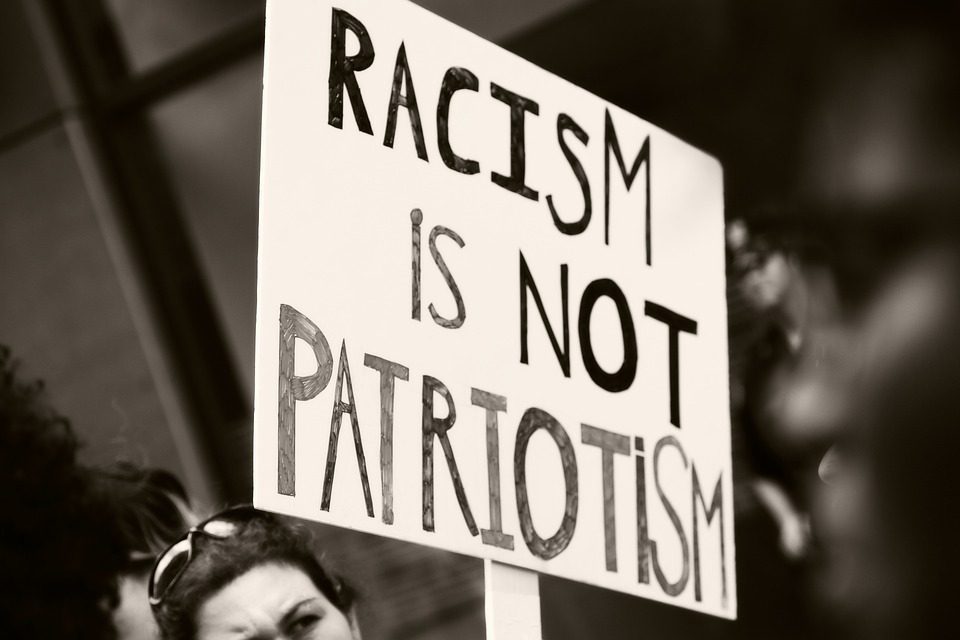
    Social identity can also lead to stereotyping. When people identify strongly with a particular group, they may start to view others who do not share the same social identity as being different or inferior. This can lead to negative stereotyping and discrimination.

    4. Can Limit Personal Choice

    Embracing social identity can also limit personal choice. Individuals may feel pressure to conform to the beliefs and values of their group, which can limit their ability to make independent choices. This can be particularly problematic if the group’s beliefs or values conflict with an individual’s personal beliefs or values.

    5. Can Create Echo Chambers

    Social identity can also create echo chambers. When people identify with a particular group, they may only seek out information that confirms their existing beliefs and biases. This can lead to a narrow worldview and a lack of exposure to diverse viewpoints.

    Conclusion

    Embracing social identity has both pros and cons. On the one hand, it can provide individuals with a sense of belonging, encourage networking, and promote social change. On the other hand, it can foster groupthink, create polarization, and limit personal choice. As with most things in life, it is essential to strike a balance between the positives and negatives of social identity. Individuals should strive to maintain an open mind, be tolerant of others’ beliefs and values, and be willing to challenge their own assumptions and biases. This can help foster a more diverse and inclusive society.

  • The Role of Social Identity in Shaping Our Beliefs, Values and Behaviors

    The Role of Social Identity in Shaping Our Beliefs, Values and Behaviors

    Introduction

    The concept of social identity has been widely researched and discussed by scholars, social activists, and theorists. It refers to an individual’s sense of self in relation to their social context or group memberships. People derive a sense of belonging, worth, and purpose from being part of social groups, such as communities, cultures, and nationalities. Social identity plays a crucial role in shaping our beliefs, values, and behaviors. It influences the way we think, feel, and act towards ourselves and others. In this article, we will explore the role of social identity in shaping our beliefs, values, and behaviors.

    Social Identity Theory and Belief Systems

    Social identity theory, posits that people derive their self-concept and self-esteem from their association with social groups. People tend to conform to the norms and values of their group and perceive their group as superior to other groups. This tendency towards group affiliation contributes to the formation and maintenance of in-group beliefs and attitudes. Belief systems that are created within a group tend to be more rigid than those that are held individually. The values and beliefs held by members of these groups are often seen as sacred and are rarely questioned. An example of this is religious groups, where members’ beliefs are influenced by their social identity and the teachings of the religious institution.

    Social Identity and Values

    Values are beliefs that are held as important and guide how we behave in the world. Social identity shapes our values by providing us with a framework to understand ourselves and the world around us. Group membership can influence our values, including our social, cultural, and political values. For example, belonging to a conservative political party is likely to influence one’s values and opinions on issues such as the economy and social policy. Similarly, cultural and religious groups can have a significant impact on values, such as the importance of family, community, and tradition.

    Social Identity and Behaviors

    Social identity can influence our behavior in many ways. An individual’s behavior can be shaped by their identity within a group, such as behaviors that conform to group norms, identity-based discrimination, and altruistic behavior. For example, members of a football team are likely to conform to the team’s expectations of behavior, such as effort, sportsmanship, and teamwork. Similarly, identity-based discrimination refers to behavior that is motivated by a person’s social identity. Discrimination occurs in various forms, including discrimination based on race, age, gender, and sexuality. Altruistic behavior, such as volunteering in the community, can be influenced by an individual’s social identity, such as their religious identity.

    Social Identity and Social Change

    Social identity plays a crucial role in social change. By creating a sense of belonging to a social group, individuals are more likely to engage in activism and social movements. Social movements are often organized around group identities, such as civil rights or environmentalism. Belonging to a social movement allows individuals to engage in collective action towards a common goal, such as advocating for change in social policies or protesting against injustice. Social identity can also provide a platform for marginalized groups to assert their rights and demand equality.

    Social Identity and Intergroup Relations

    Social identity can also influence how we perceive and act towards members of other groups. Intergroup relations refer to the interactions and relationships between groups, including attitudes, stereotypes, and discrimination. Social identity theory posits that intergroup relations are strongly influenced by the degree of identification with one’s own group. The more an individual identifies with their group, the more likely they are to view other groups negatively. In contrast, individuals who are less identified with their group are more likely to have positive intergroup attitudes and behaviors.

    Conclusion

    Social identity is a complex and multifaceted construct that plays a crucial role in shaping our beliefs, values, and behaviors. It provides a lens through which individuals can understand themselves and their place in society, by creating a sense of belonging, worth, and purpose. Social identity can shape how we think, feel, and act towards ourselves and others. It can influence our beliefs about important issues, our values, our behaviors, our engagement in social change, and our perceptions of other groups. Understanding the role of social identity is essential for promoting positive intergroup relations and creating a more equitable and just society.

  • Uncovering the Power of Social Identity in our Lives

    Uncovering the Power of Social Identity in our Lives

    Uncovering the Power of Social Identity in our Lives

    Our social identity refers to how we perceive ourselves in relation to the groups we belong to. It encompasses our race, ethnicity, gender, religion, nationality, and other forms of identity that define who we are. Social identity influences our behaviors, attitudes, beliefs, and interactions with others. It shapes our worldview and our sense of belonging to a larger community.

    In recent years, there has been a growing interest in social identity among researchers, psychologists, and sociologists. They have discovered that our social identity has a powerful impact on our lives. It influences how we perceive ourselves and others, how we form relationships, and how we function in society. Understanding the power of social identity can help us become more mindful of our behaviors and help us build stronger connections with others.

    One of the most significant aspects of social identity is that it shapes our perception of ourselves. We see ourselves not only as individuals but as members of a group with shared characteristics and values. Our social identity helps us understand who we are and what we stand for, providing a sense of purpose and belonging.

    For example, if you identify as a feminist, it may shape your views on gender equality, social justice, and women’s rights. You may look for ways to advance these causes and surround yourself with others who share your values. Your social identity can be a source of pride and empowerment, giving you a sense of belonging to a community of like-minded individuals.

    Similarly, if you identify as a member of a particular ethnic or racial group, it can impact how you view yourself and others. You may feel a strong sense of connection to your culture and seek out others who share your background. Your social identity can also make you more aware of issues of social inequality and discrimination based on race and ethnicity, allowing you to advocate for change and raise awareness in your community.

    Our social identity also affects how we interact with others. It can influence our interpersonal relationships, as well as our attitudes and behaviors towards people in other groups. When we identify with a particular group, we tend to feel more comfortable and connected with people who share our identity.

    In contrast, people from other groups may feel unfamiliar or even hostile to us, leading to negative attitudes and behaviors. This phenomenon is known as social categorization, where we unconsciously categorize people into different groups based on their characteristics such as race, gender, and age. This categorization can lead to stereotypes and prejudice against individuals from other groups, creating division and conflict in society.

    However, it is important to note that our social identity is not fixed, and we can choose to expand our sense of identity to include more groups. This is known as intersectionality, which recognizes that we have multiple identities that interconnect and impact each other.

    For instance, a person may be both a member of an ethnic group and a member of the LGBTQ+ community. This intersectionality can affect how they see themselves and others, as well as their experiences of discrimination and privilege. By acknowledging these intersections, we can build more inclusive and diverse communities that celebrate our differences and foster empathy and understanding.

    In conclusion, social identity is a powerful force that shapes who we are and how we interact with others. Our social identity can provide a sense of belonging, purpose, and pride, but it can also create division and discrimination. By understanding the power of social identity, we can become more mindful of our attitudes and behaviors towards others, and build more inclusive, empathetic communities. The key is to recognize that our social identities are not fixed, and we have the power to expand and diversify them to embrace our multiple identities fully.